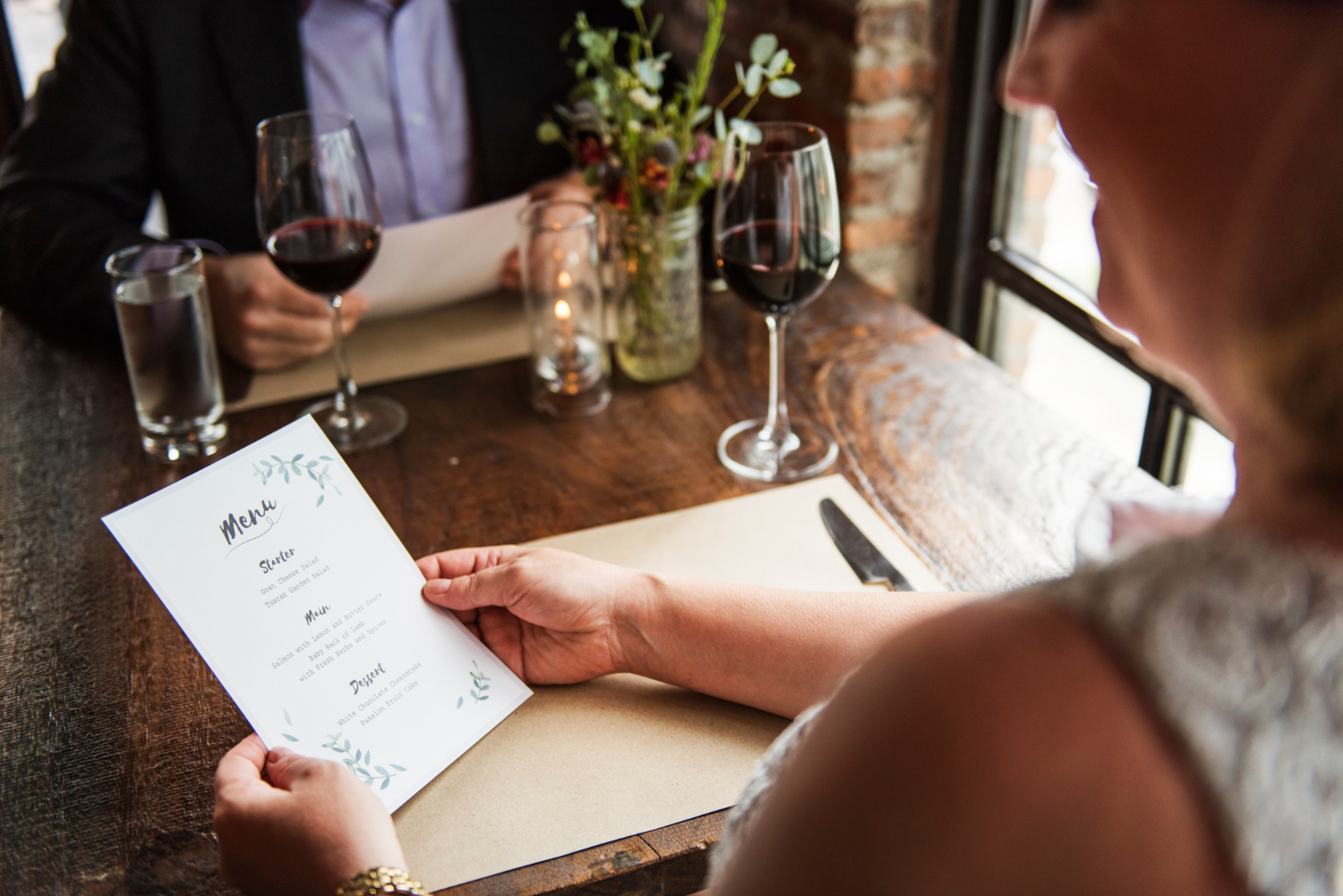
The aim is not to be adventurous for its own sake. It is to end up with the thing the place is good at, which is usually not the thing printed in English at the top. Here are ten.
1. Look at What Other Tables Have
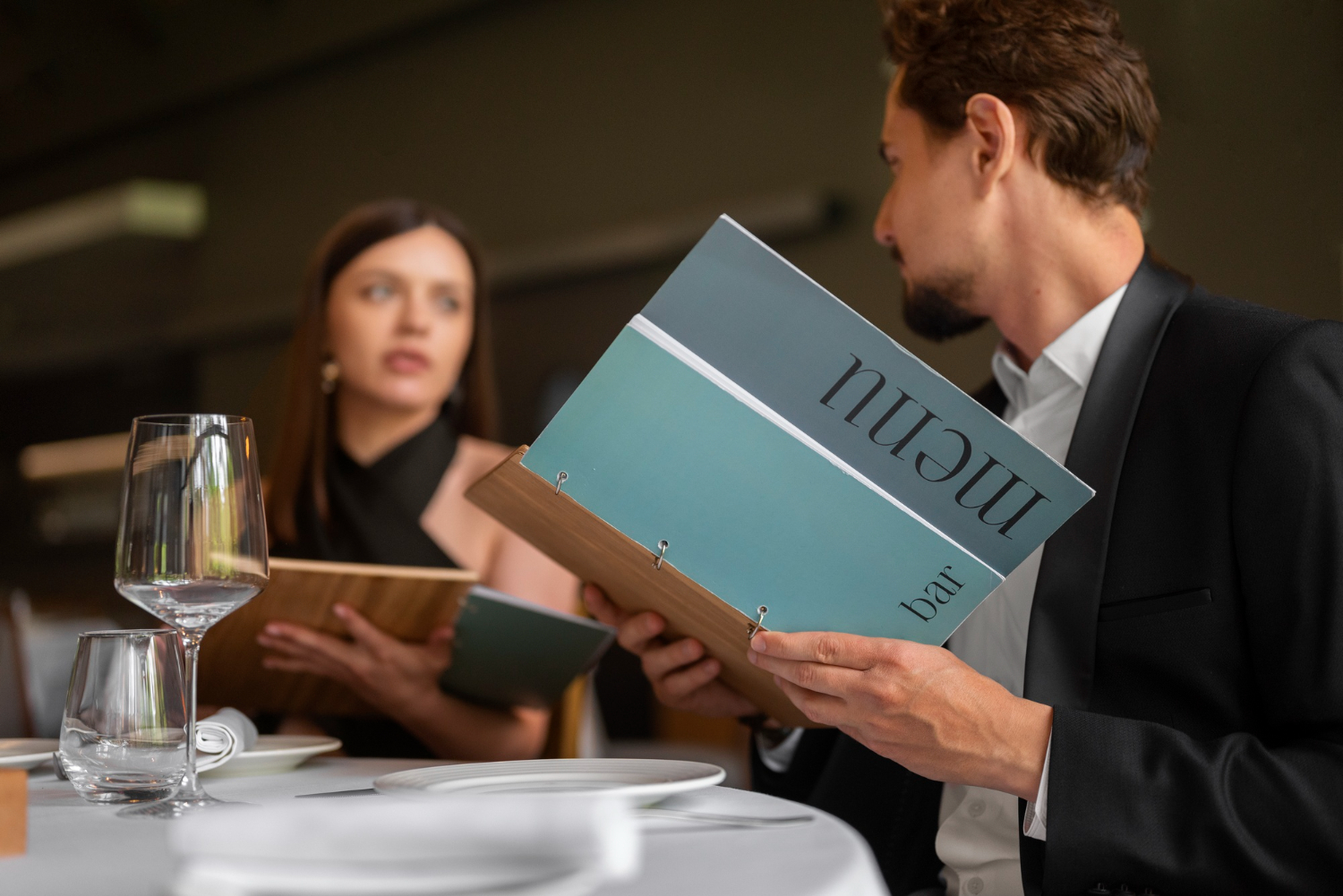
The most reliable menu in any restaurant is the food already in the room, and pointing politely at something somebody else is eating is understood everywhere.
It bypasses the language question entirely. Looking at other tables is the ordering method that works with no vocabulary at all.
Like our content? Follow us for more.
2. Learn the Structure Rather Than the Words
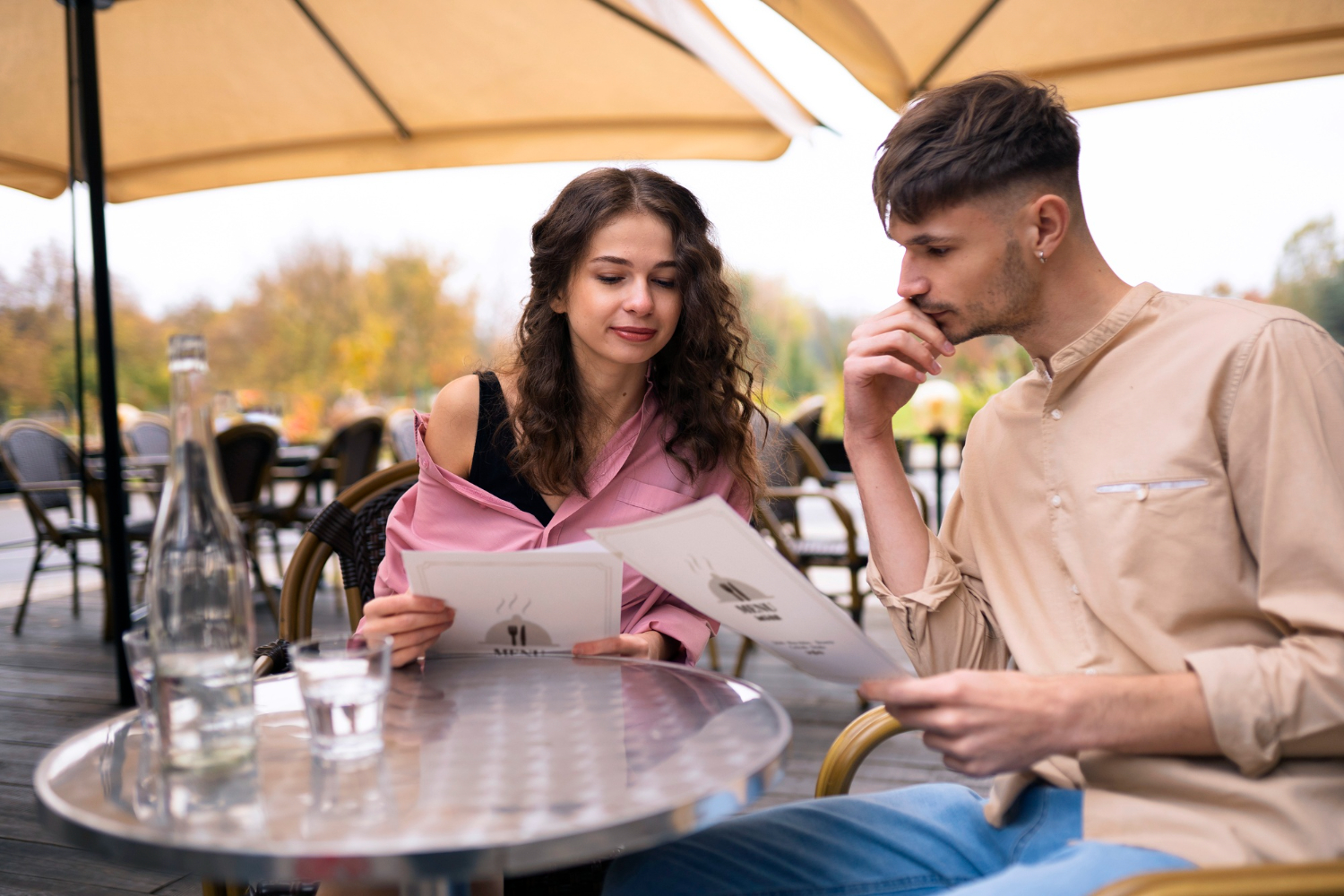
Menus are organised the same way almost everywhere – sections for small dishes, main dishes, sides and sweet things – so identifying the structure tells you what kind of thing each section contains.
You can order well without knowing a single dish name. Learning the structure is the ordering skill that transfers between countries.
3. Ask What the Place Is Known For
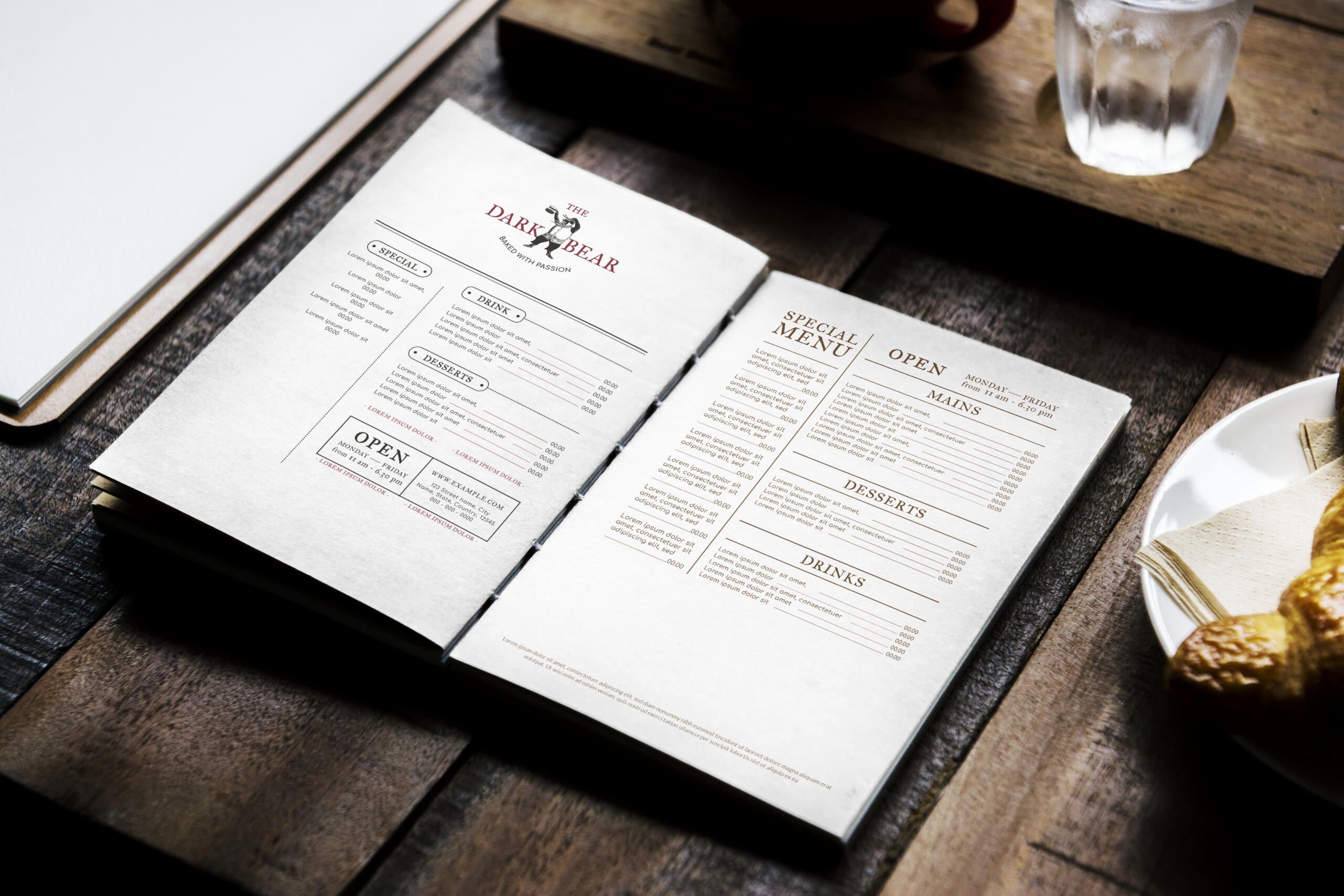
Restaurants generally do one or two things better than everything else, and staff will say so if asked in any form.
The answer is frequently not on the tourist-facing part of the menu. Asking what the place is known for is the question with the highest return of any on this list.
4. Be Clear and Simple About What You Cannot Eat
If you avoid something by choice, communicate it plainly and simply and accept that the answer may be approximate.
If you have a serious allergy, this is not a matter for improvisation in a second language – it requires proper preparation before you travel, in consultation with someone qualified, and nothing in a travel article substitutes for that. Communicating a restriction is the ordering task that varies most in how seriously it must be handled.
5. Order the Thing With the Shortest Description
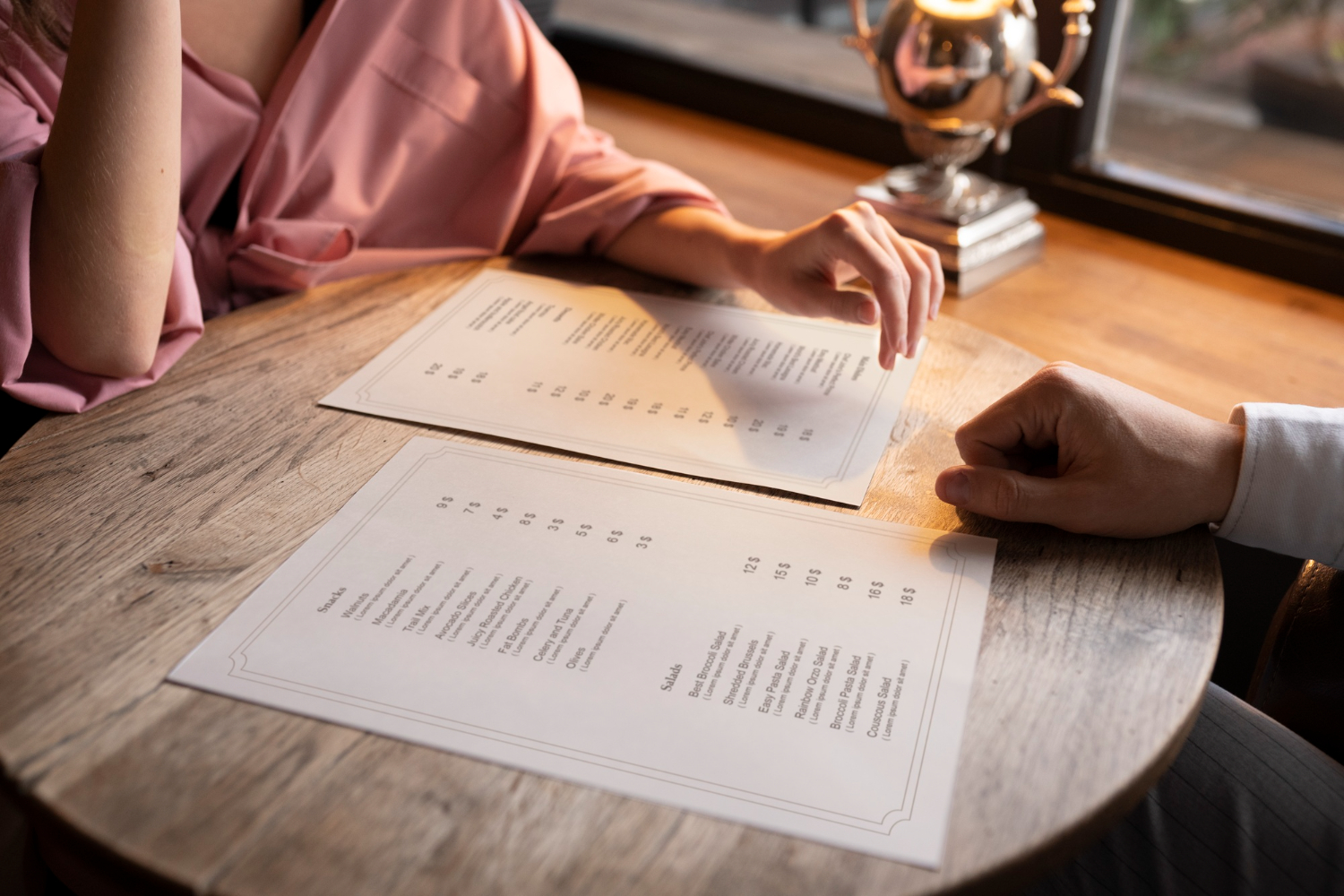
Long descriptions are frequently written to sell something to visitors. The dish with three words after it is usually the one the kitchen makes constantly and does not need to explain.
Locals already know what it is. The short description is the ordering signal that points at the everyday dish.
6. Turn Up When Everyone Else Does
Eating hours differ substantially between countries, and arriving at the local time means a full kitchen, a full room and the day cooking rather than the reheating.
An empty restaurant at your usual hour is not a bad restaurant. Turning up at the local hour is the ordering decision made before you sit down.
7. Order One Thing First
Committing to an entire meal from an unreadable menu is a large bet. Ordering one dish, seeing what arrives, and then ordering again is normal in a great many places.
It also paces the meal better. Ordering one thing first is the tactic that limits the cost of guessing wrong.
8. Watch Before You Photograph
Photographing food is unremarkable in most places and intrusive in some, particularly in small rooms, working kitchens and where other diners are close.
A quick look at whether anyone else is doing it settles the question. Watching before photographing is the courtesy that costs nothing.
9. Say Yes to the Thing You Did Not Order
Kitchens sometimes send something you did not ask for – a small dish, a taste, something the cook wanted you to try – and it is almost always worth accepting.
It is frequently the best thing you will eat. Accepting the unexpected dish is the ordering response that rewards trust.
10. Write Down What You Liked
By the third day the dish names blur, and the thing you loved on the first night becomes unfindable and unrepeatable.
A photograph of the menu line takes two seconds. Writing down what you liked is the step that lets you order it again.
The Good Dish Is Rarely the Obvious One
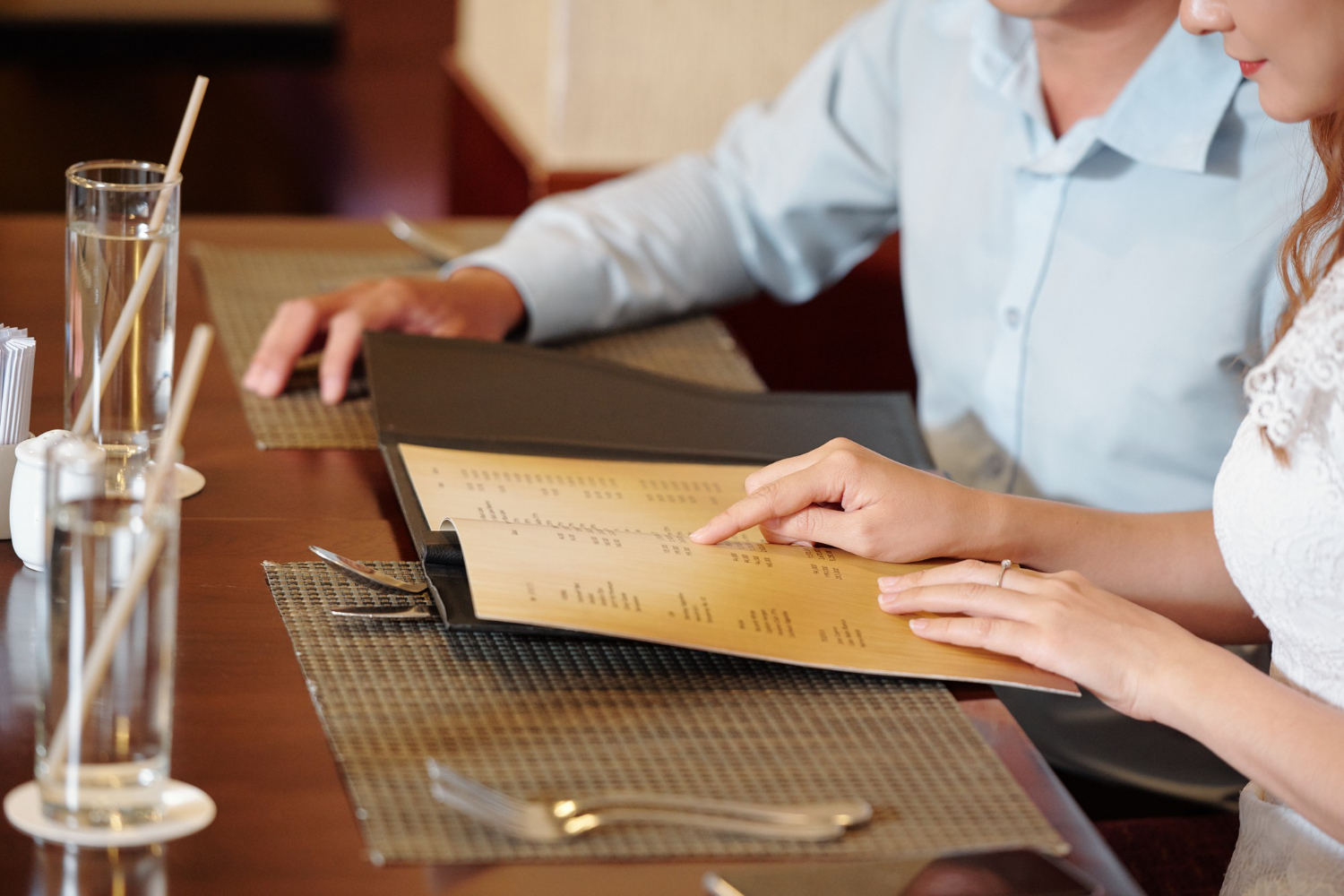
Almost everything here is a way of getting information from the room rather than from the menu – what other people are eating, what the kitchen is proud of, when the locals arrive, and how a dish is described.
One thing worth stating plainly: none of this is about being adventurous, and there is nothing wrong with ordering something familiar when you are tired. It is about not defaulting to the familiar thing by accident, on every night, because reading the menu felt like too much work – which is how a great many people travel a long way and eat exactly what they eat at home.
Like our content? Follow us for more.