
Pitch depends on how fast something vibrates, and everything below is a different method of controlling that rate and then getting the vibration into the air loudly enough to hear. Here are seventeen.
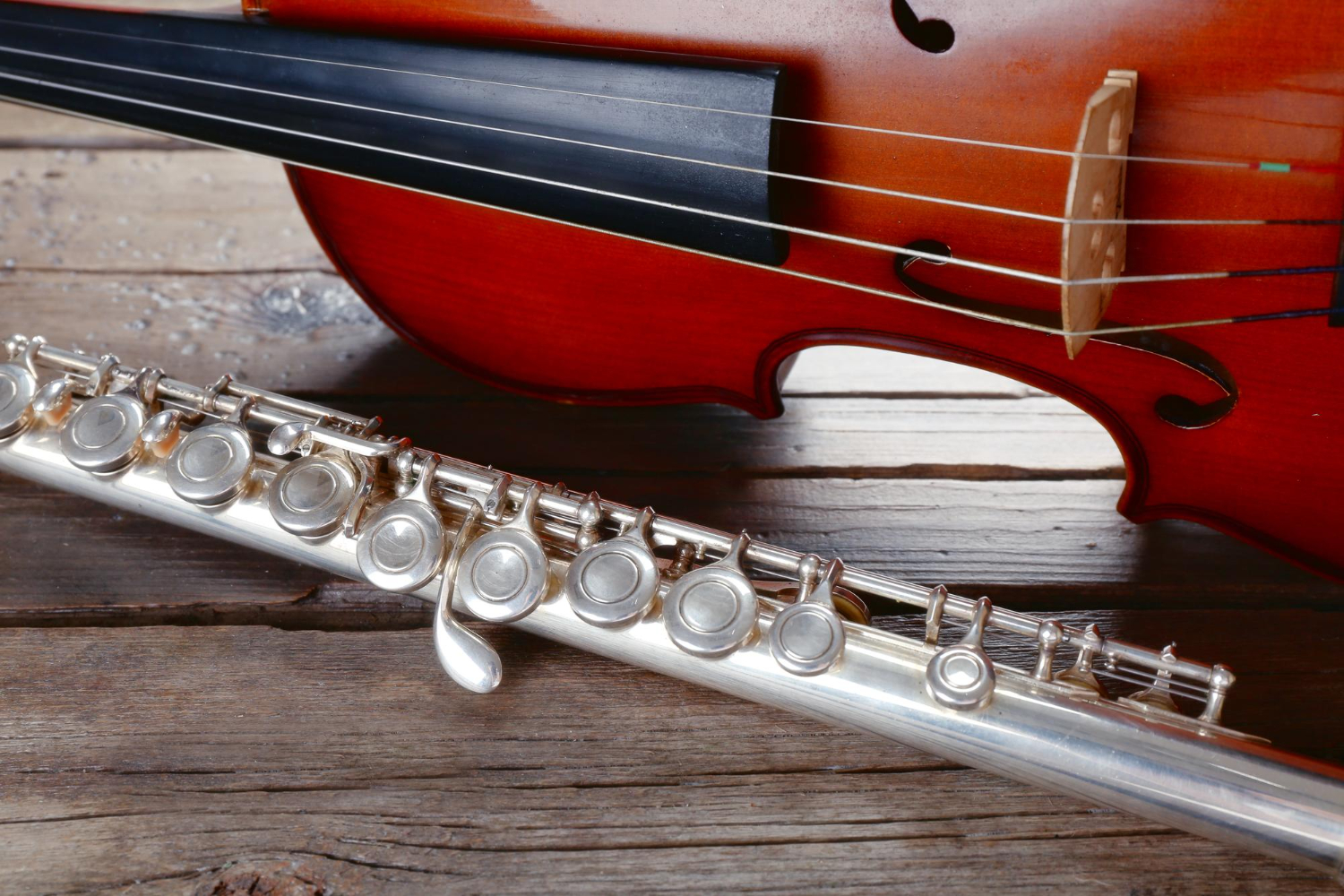
1. The Stopped Air Column

A tube of air vibrates at a rate set by its length, so covering holes along it shortens the effective column and raises the pitch.
That single principle covers flutes, whistles and recorders across every continent independently. The stopped air column is the solution that requires only a tube and some holes.
Like our content? Follow us for more.
2. The Reed
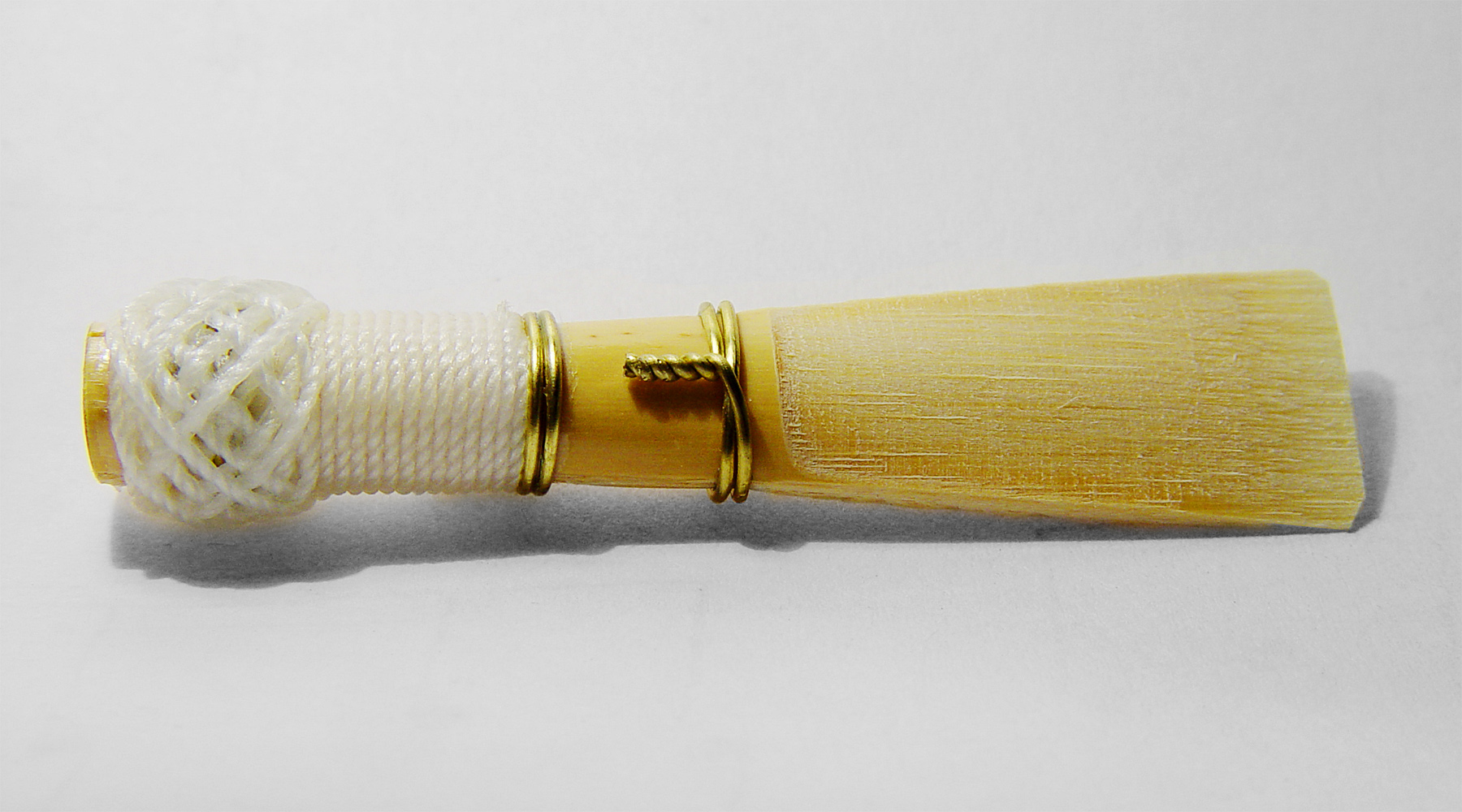
A thin flexible tongue interrupts an airstream hundreds of times a second, converting steady breath into pulses that the instrument then shapes.
The reed generates the vibration and the body of the instrument only filters it. The reed is the solution where the sound is made before it reaches the tube.
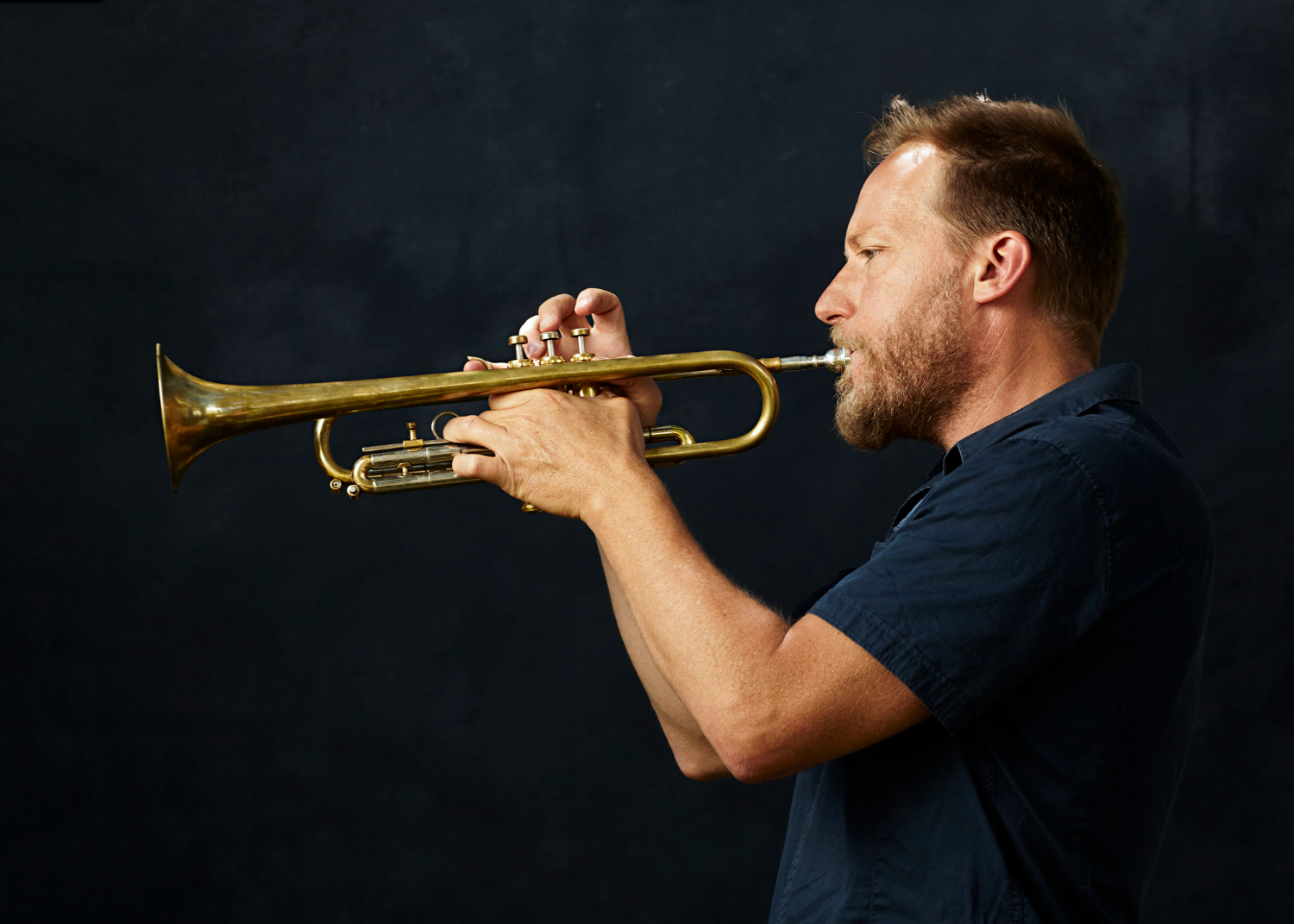
3. The Buzzing Lip

Brass instruments have no reed. The player lips vibrate against a mouthpiece, and the tube amplifies and shapes whatever frequency they produce.
The instrument is a resonator rather than a sound source. The buzzing lip is the solution where the player is the vibrating part.
4. Changing the Tube Length Mid-Note

Once you use a fixed tube, you can only sound the notes it naturally produces, so valves and slides were developed to change the length instantly.
A slide does it continuously and valves do it in steps. Variable tube length is the solution to an instrument that could otherwise play only one series of notes.
5. The Overtone Instrument

Some instruments deliberately have no holes or valves and produce a scale entirely from the harmonic series of a single tube, controlled by the player embouchure.
The available notes are unevenly spaced, which shapes the music written for them. Overtone instruments are the ones where the physics dictates the melody.
6. The Tuned Bar
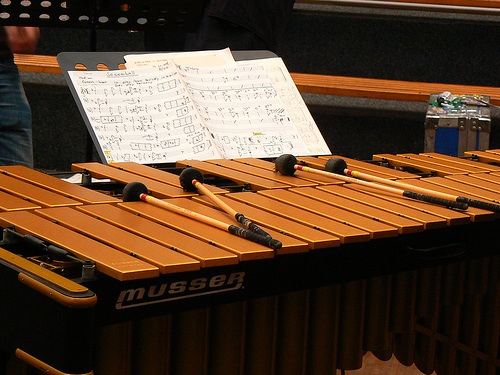
A bar of wood or metal vibrates at a rate determined by its length and thickness, so a row of graded bars produces a scale with no adjustment required.
Cutting away the underside lowers the pitch, which is how tuning is done. Tuned bars are the solution where the pitch is set by the shape and never changes.
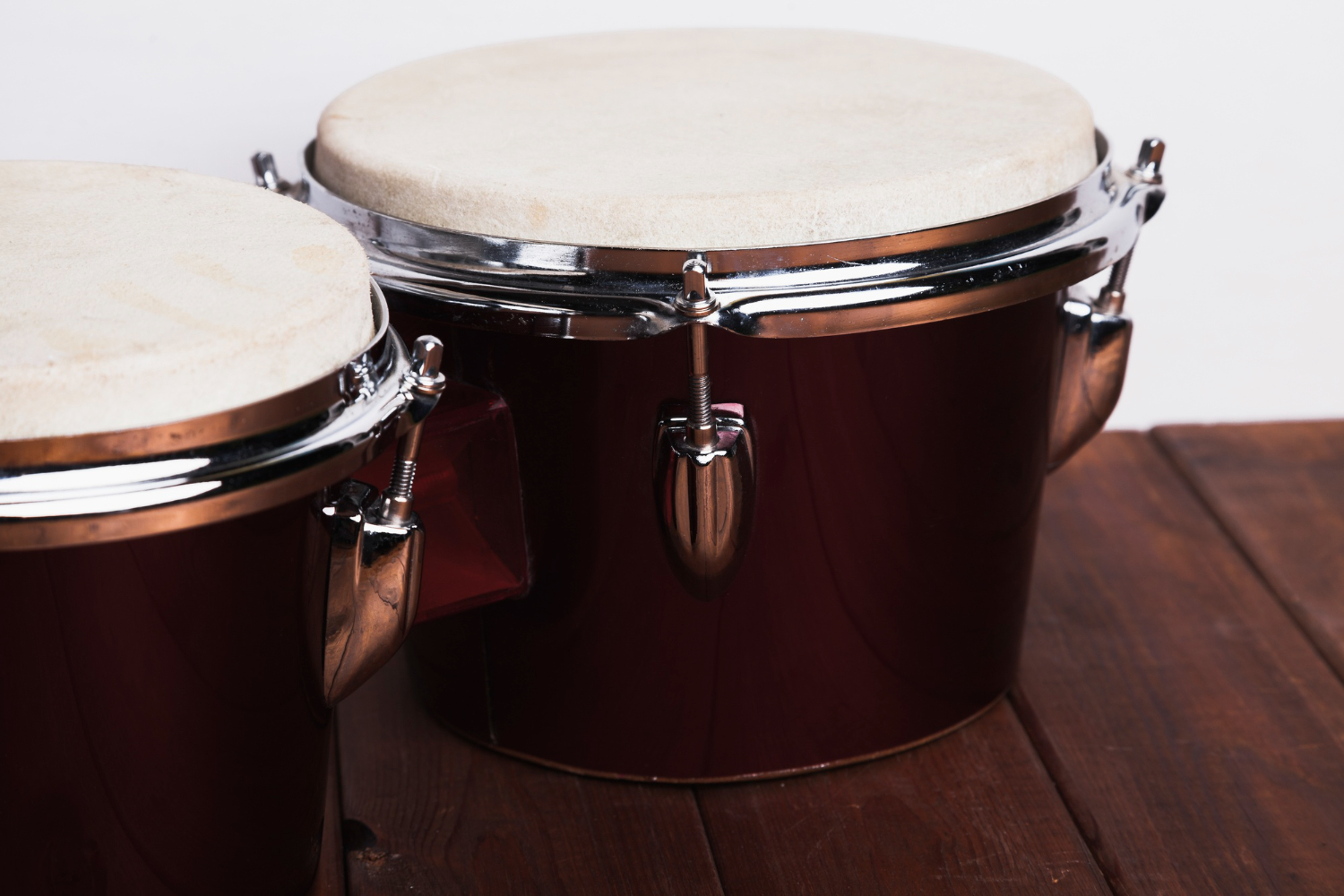
7. The Stretched Membrane
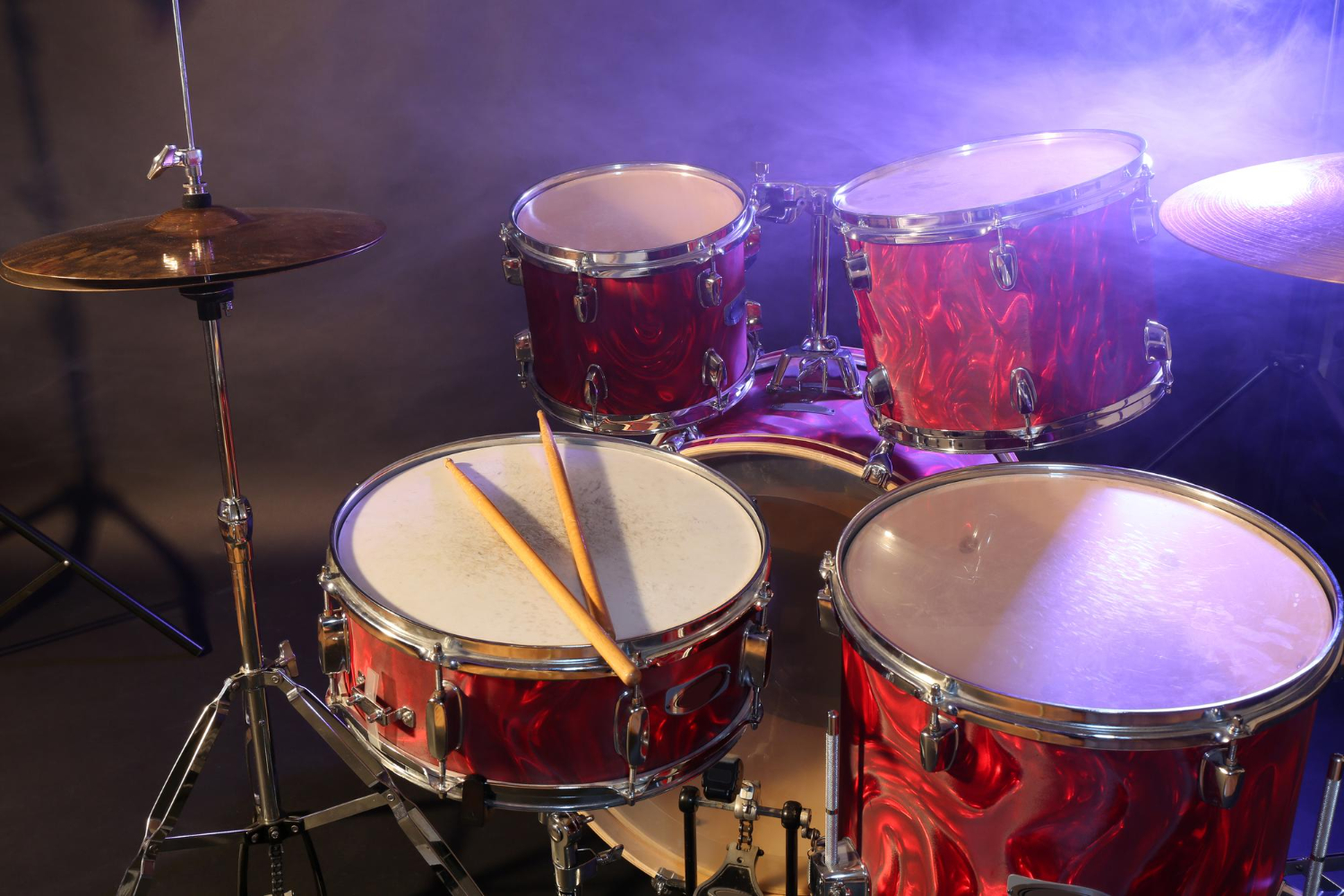
A skin under tension vibrates when struck, at a rate set by how tight it is, which is why drums are tuned by adjusting tension rather than by changing size.
Temperature and humidity therefore affect them constantly. The stretched membrane is the solution that has to be retuned by the weather.
8. The String Under Tension

Pitch depends on length, tension and mass, which gives three independent variables and is why string instruments can cover such enormous ranges.
Thicker strings sound lower without needing to be longer. The string is the solution with the most variables to work with.
9. The Resonating Body
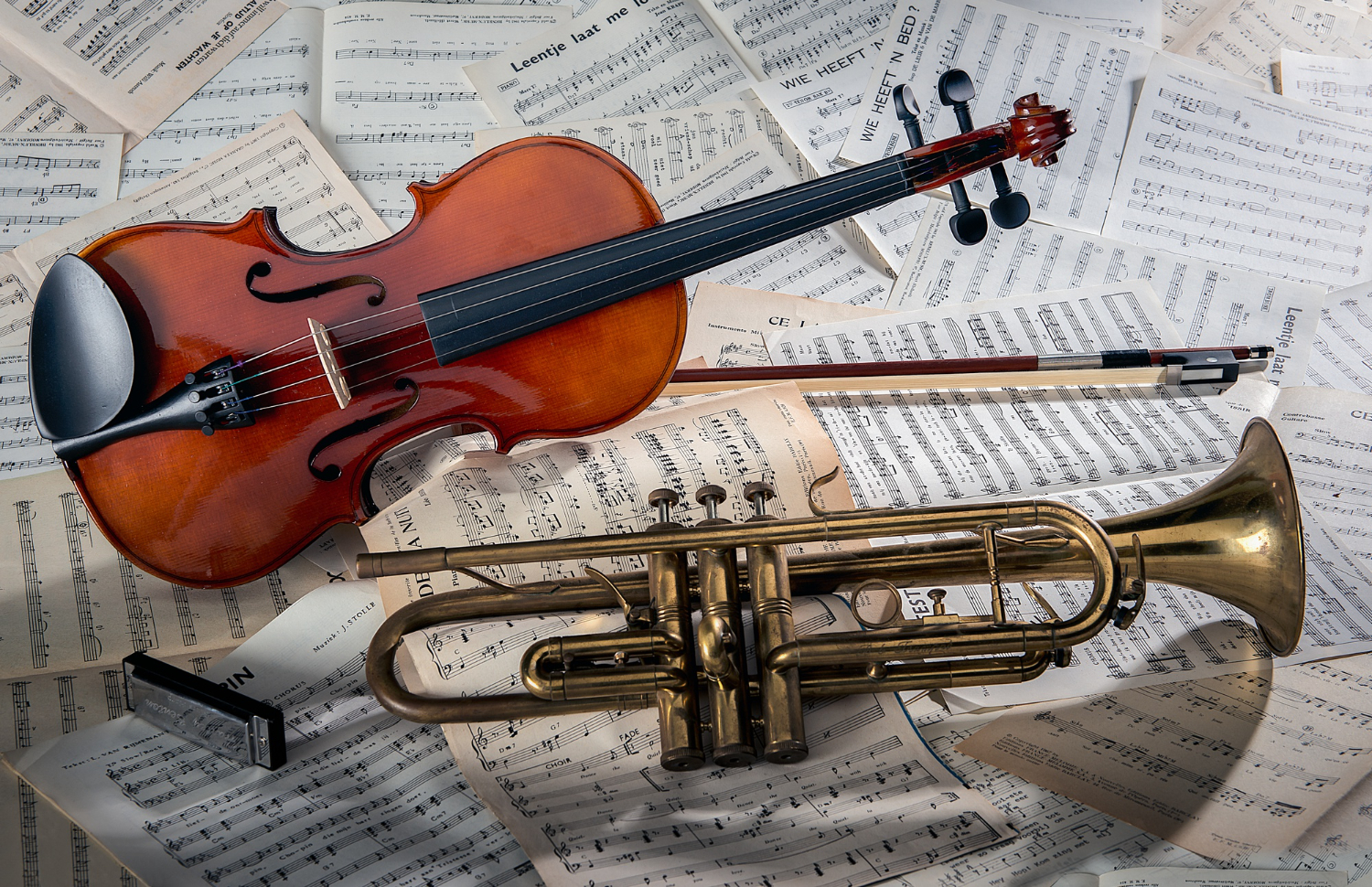
A vibrating string moves very little air and is nearly inaudible alone, so it is coupled to a hollow body that transfers the vibration to a much larger surface.
The body makes the sound loud; the string only decides the pitch. The resonating body is the solution to a vibration nobody could otherwise hear.
10. The Sympathetic String
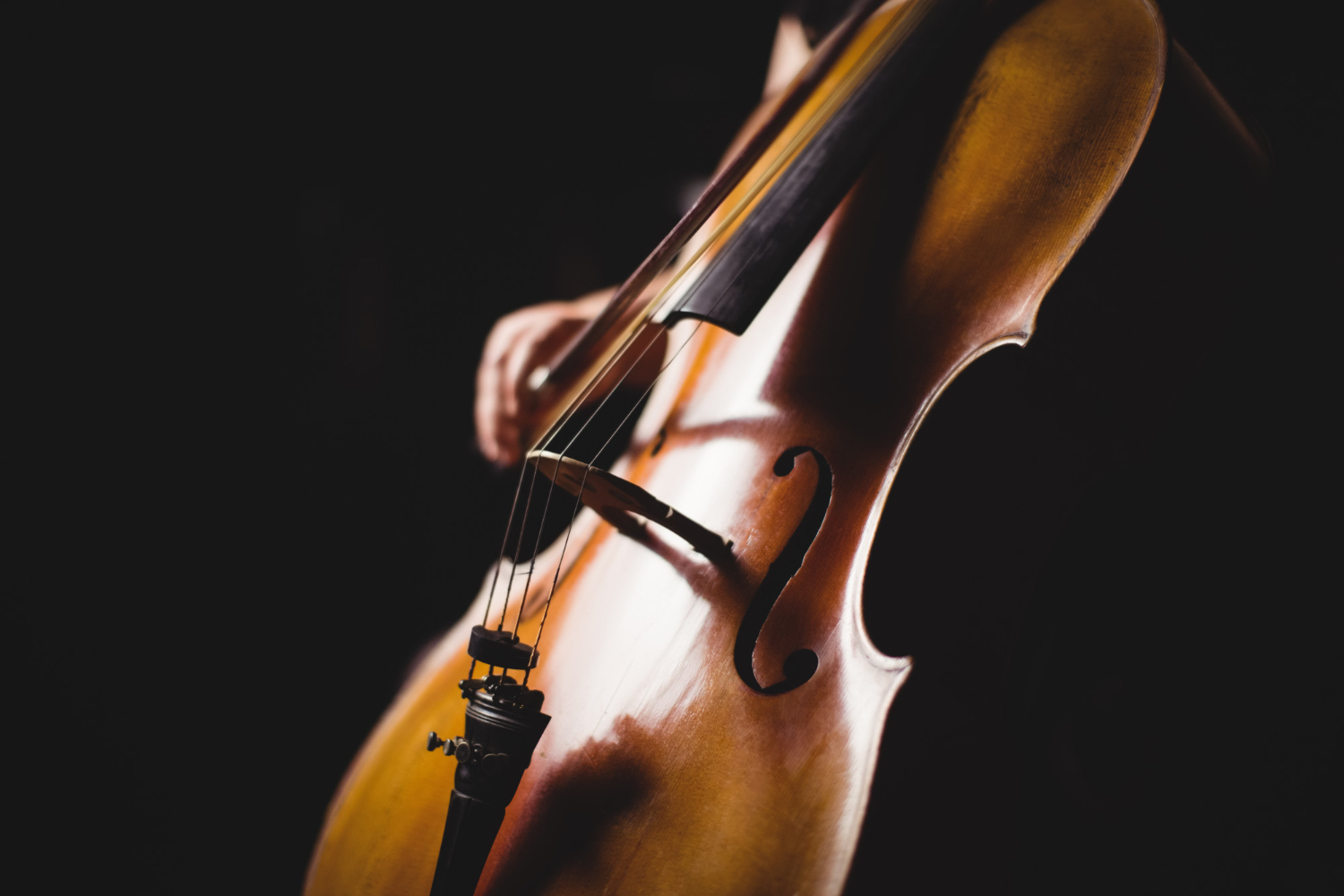
Some instruments carry additional strings that are never played but vibrate in response to the ones that are, adding a continuous halo of sound.
They are tuned to the scale being used and respond selectively. Sympathetic strings are the solution that makes an instrument accompany itself.
11. The Drone

A continuous unchanging pitch underneath the melody gives the ear a fixed reference against which every other note is heard.
Instruments across many traditions build a drone into their design rather than requiring a second player. The drone is the solution to needing a reference pitch with one musician.
12. The Mouth as Resonator
A few instruments produce a fixed vibration and rely entirely on the shape of the player mouth cavity to select which overtones are amplified.
The instrument itself does not change pitch at all. Mouth resonance is the solution where the tuning happens inside the performer.
14. Friction Rather Than Striking
Drawing something across a surface produces a sustained tone rather than a decaying one, which is the only way to hold a note indefinitely without breath.
Bows, rubbed rims and rotating wheels all use it. Friction is the solution to a note that has to last.
15. Tunings That Are Not Twelve Equal Steps

A great many traditions use scales with different intervals, more notes to the octave, or intervals that no keyboard can produce.
These are complete systems rather than approximations of anything, and instruments are built specifically for them. Alternative tunings are the solution to a musical question asked differently.
16. Instruments Built From What Was There
Gourds, shells, bones, horns, hides, bamboo and hollowed logs appear as instruments wherever they occur, because the acoustics were worked out from available material.
The physics is universal and the materials are entirely local. Local-material instruments are the solution reached independently everywhere.
17. Generating the Vibration Electrically

Electronic instruments produce the vibration as a signal rather than mechanically, which removes every physical constraint on pitch, volume and timbre at once.
That freedom turned out to be a design problem in itself. Electronic generation is the solution that removed the limitations everything else was built around.
A Few Problems, Solved Everywhere

Vibrate something at a controllable rate, then couple it to enough air to be heard. Every instrument on this list is one answer to that, and the traditions that produced them mostly never met.
The convergence is the striking part. Air columns with holes, stretched skins, tensioned strings and resonating bodies were arrived at independently on every inhabited continent, because the physics is the same everywhere and there are only so many ways to make air move. What differs is the material, the tuning and what anyone decided to play.
Like our content? Follow us for more.