Flames are the least useful part of a fire for cooking. Almost everything below is a technique for using something other than the flame itself – embers, stones, hot walls, retained heat or distance. Here are twelve.
1. Cooking Over Embers Rather Than Flames
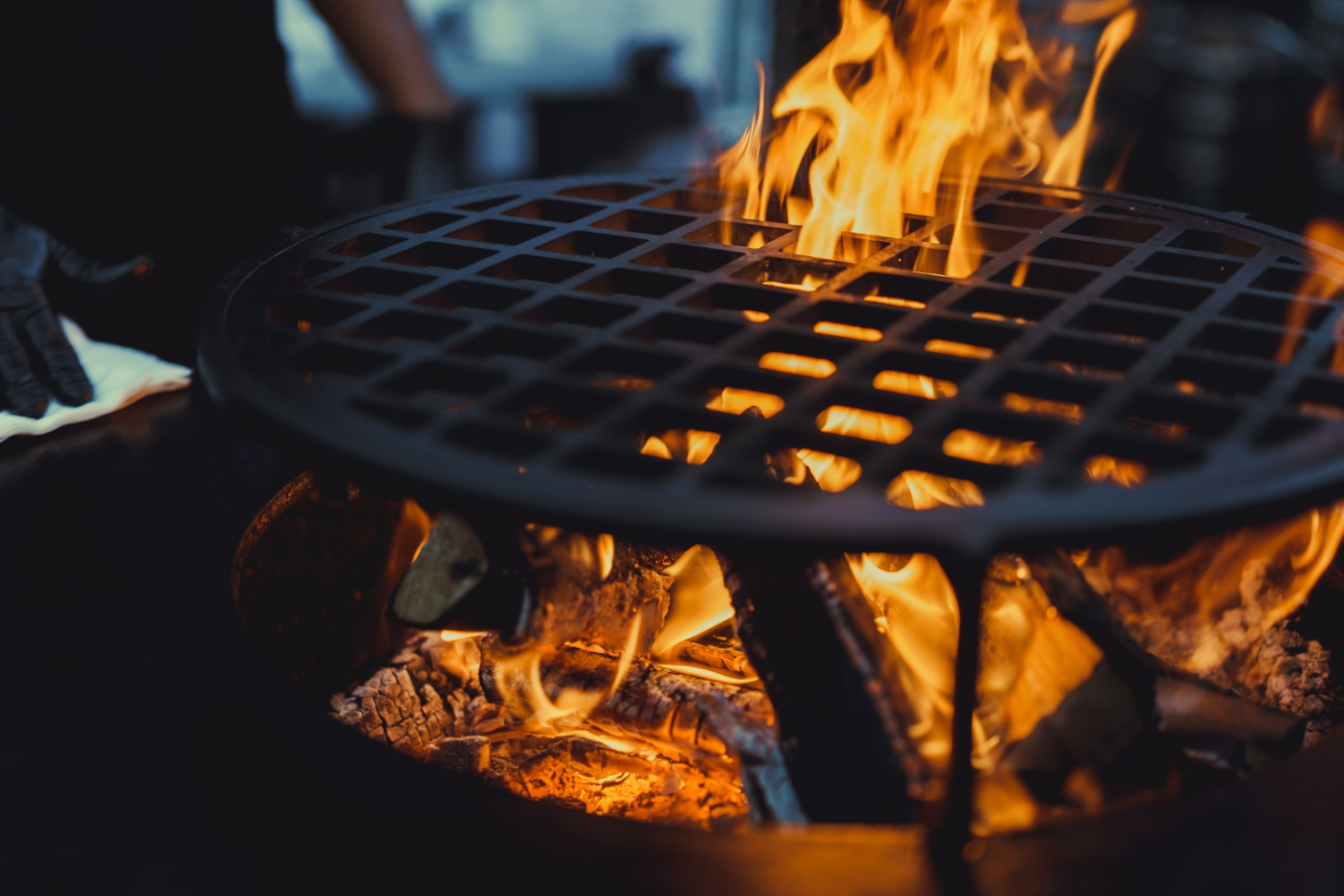
Flames deposit soot and burn the surface before anything inside cooks, while embers produce steady radiant heat with no visible fire at all.
Waiting for the flames to die is the first thing anyone learns. Ember cooking is the method that begins by letting the fire go out.
Like our content? Follow us for more.
2. Putting the Fire Beside the Food
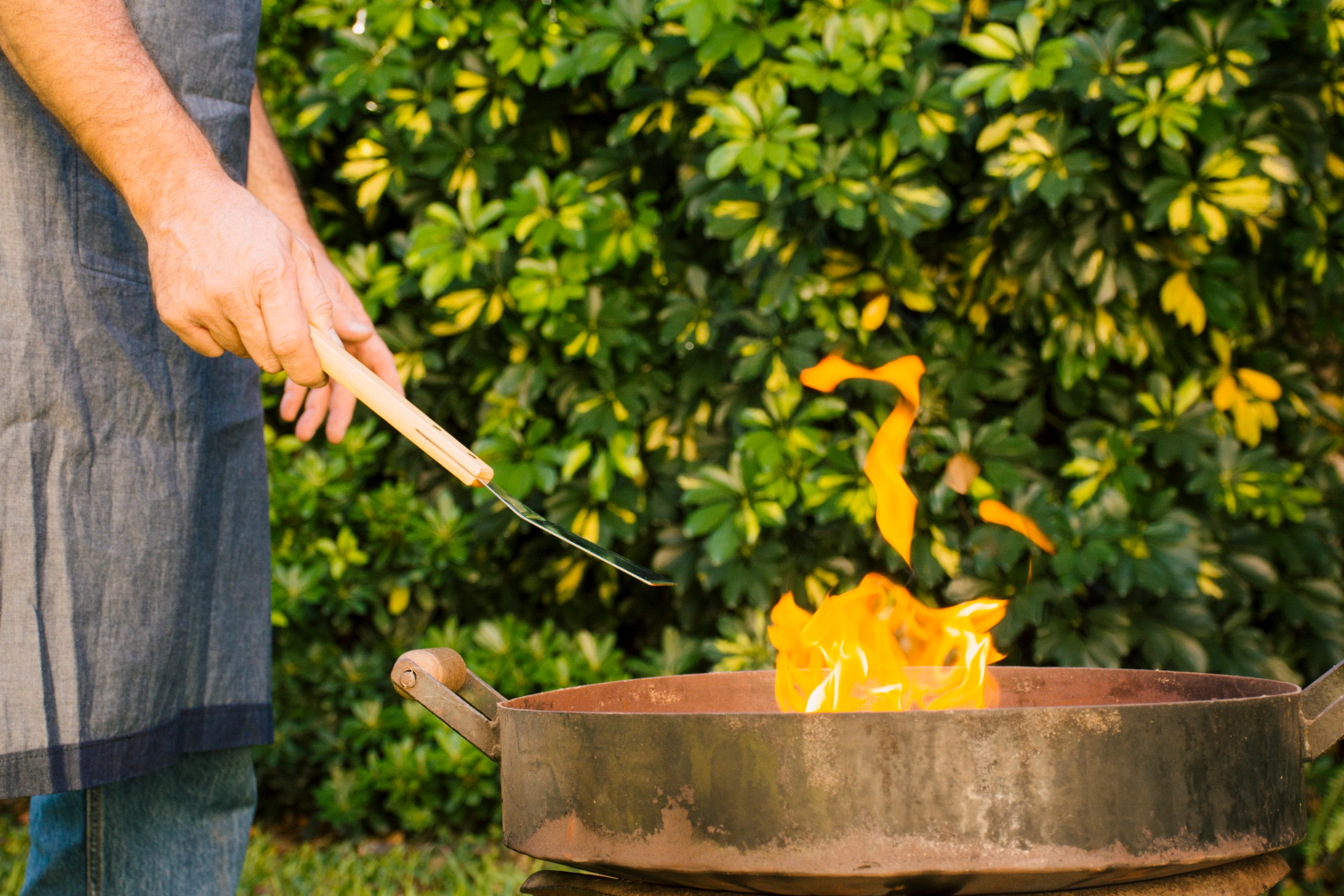
Moving the heat source alongside rather than underneath means fat drips away from the coals rather than into them, so nothing flares and the food cooks by radiation from the side.
It is slower and substantially more controllable. Indirect fire is the method that separates the heat from the drips.
3. The Earth Oven
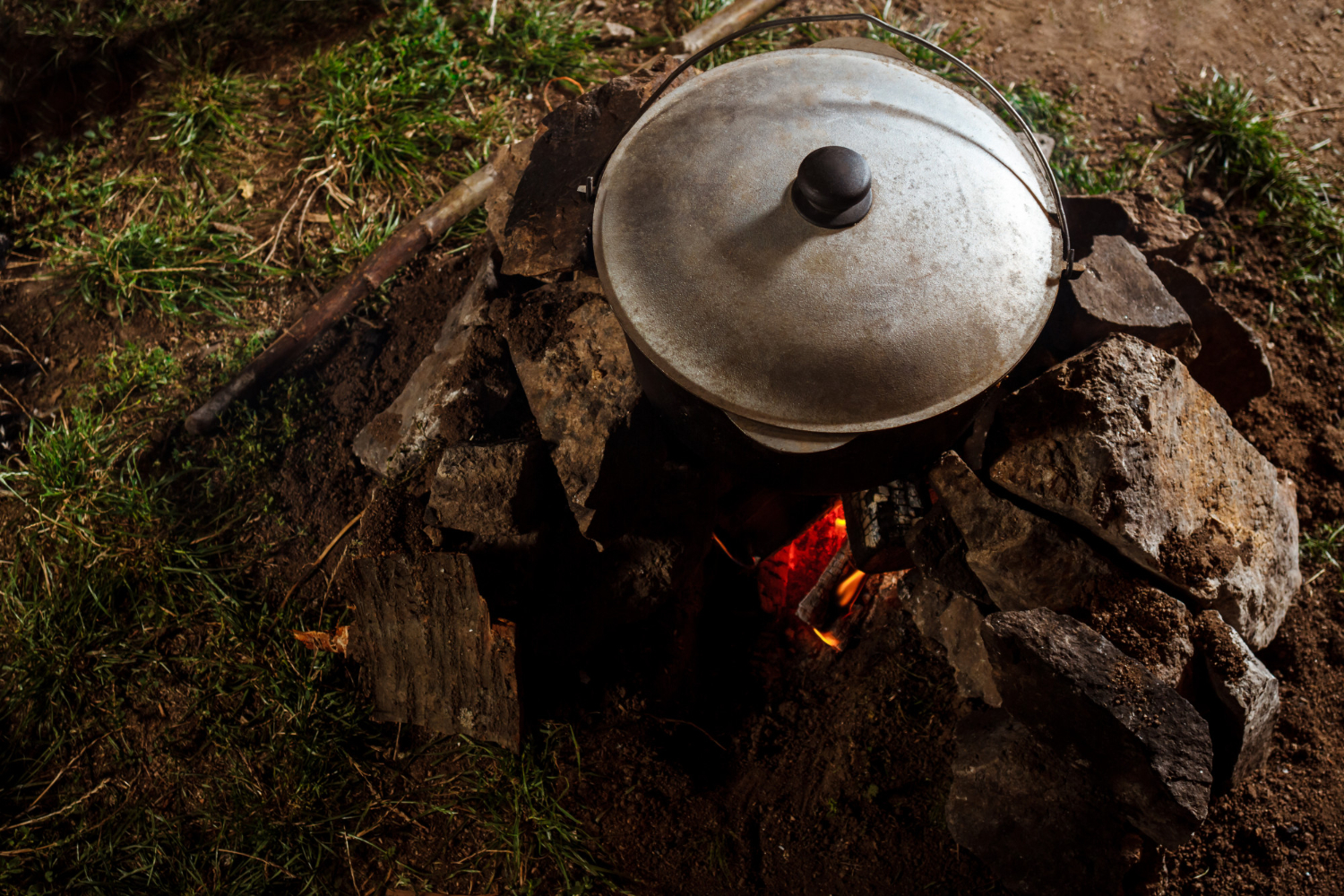
A pit is filled with stones heated in a fire, food is placed on them with something to hold moisture, and the whole arrangement is buried so no heat escapes.
It is a slow, humid, entirely enclosed cooking environment built in a hole. The earth oven is the method that stores heat in rock and then seals it in.
4. The Clay or Masonry Oven
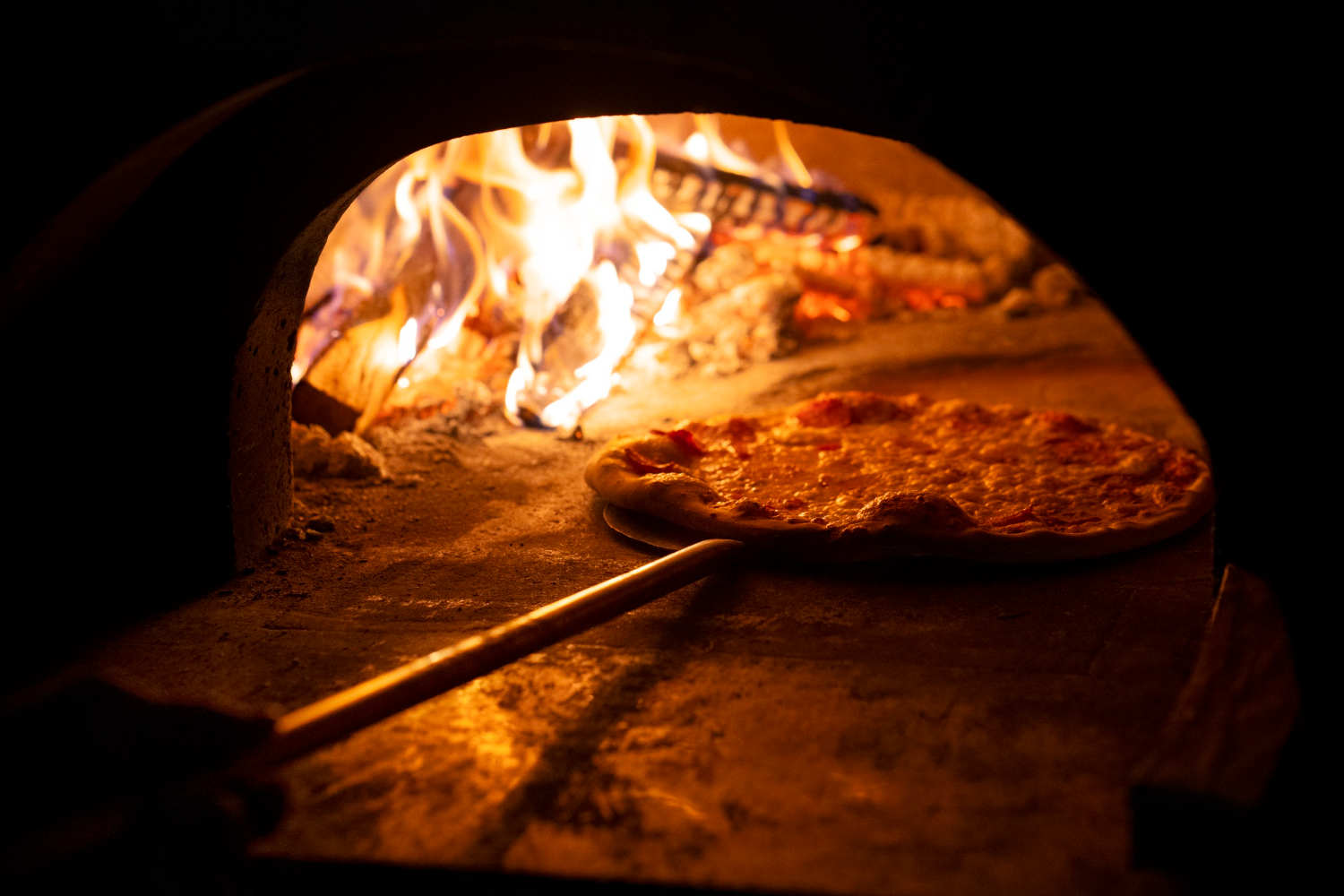
A thick-walled chamber is heated by a fire inside it, the fire is raked out, and the walls then radiate stored heat evenly from every direction for hours.
The thermal mass is doing all the work after the fire has gone. The clay oven is the method where the building is the cooking device.
5. Burying Food Directly in Ashes
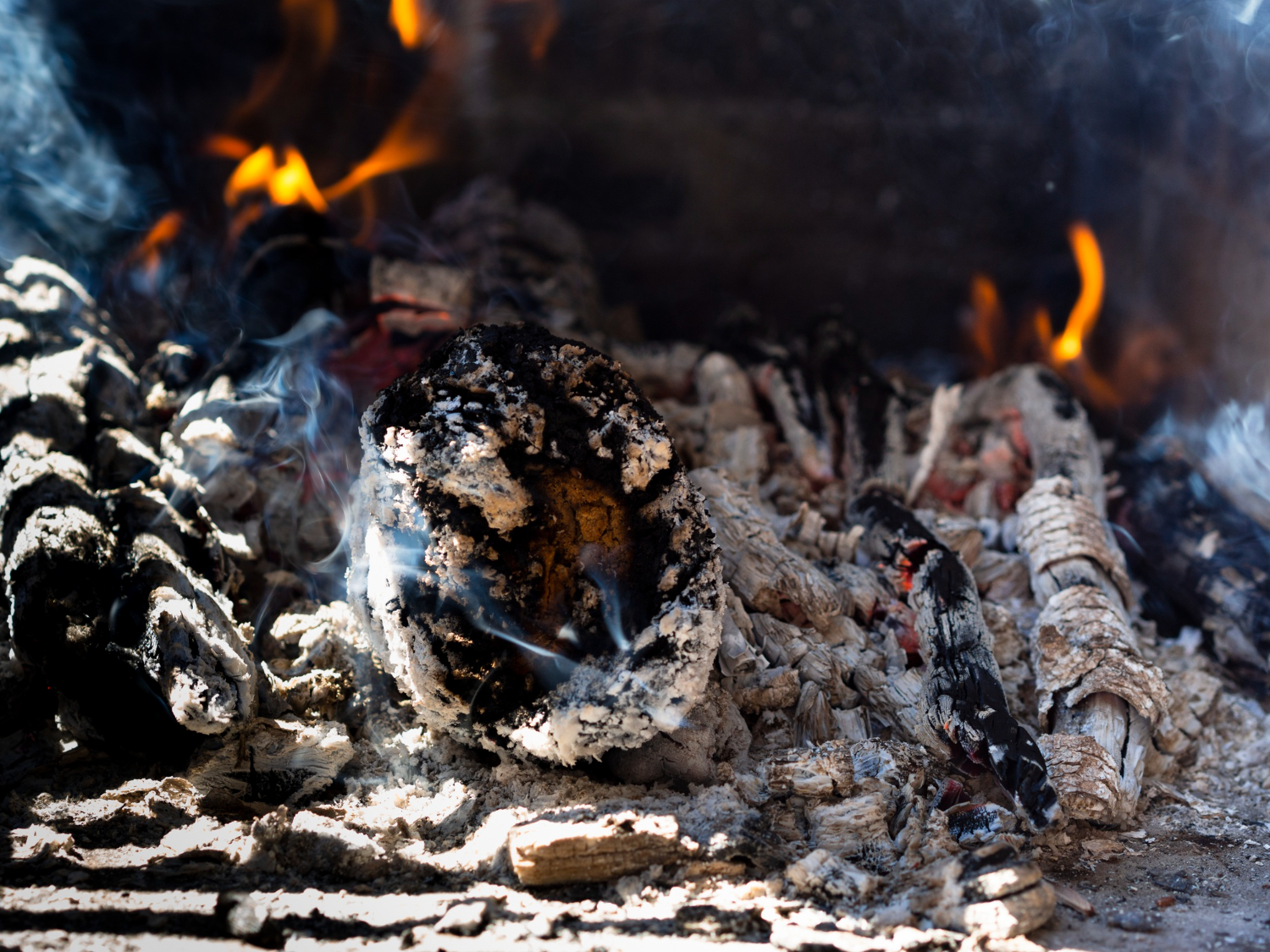
Ash and embers surround the food completely, providing even heat with no hot spots and a protective insulating layer.
Anything with a skin or a shell suits this particularly well. Ash cooking is the method that uses the fire remains rather than the fire.
6. Cooking on Wood
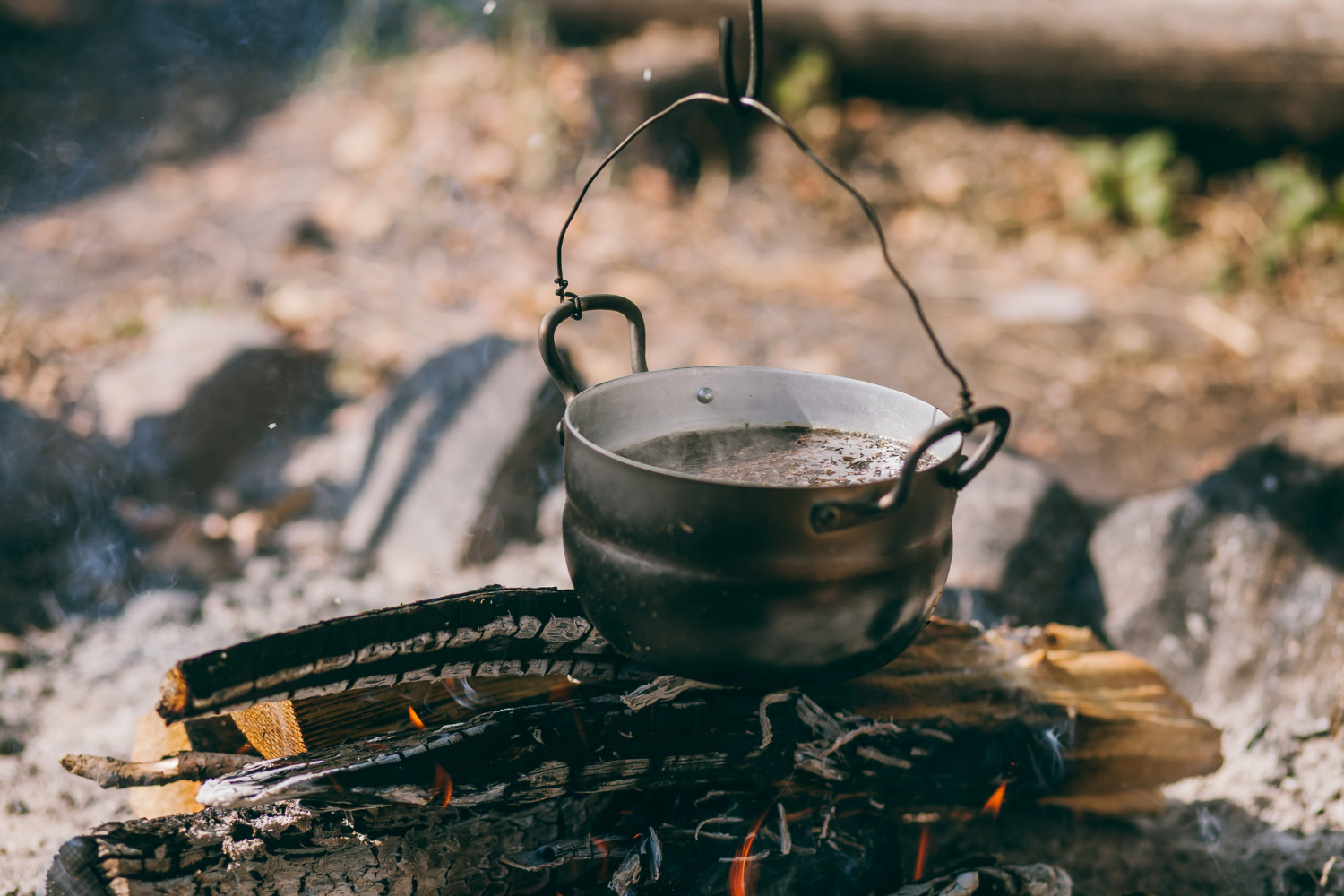
Food placed on a plank or board beside or above the fire cooks slowly while the wood releases moisture and aroma into it.
The board is an ingredient as well as a support. Plank cooking is the method where the equipment flavours the food.
7. Hanging It Above
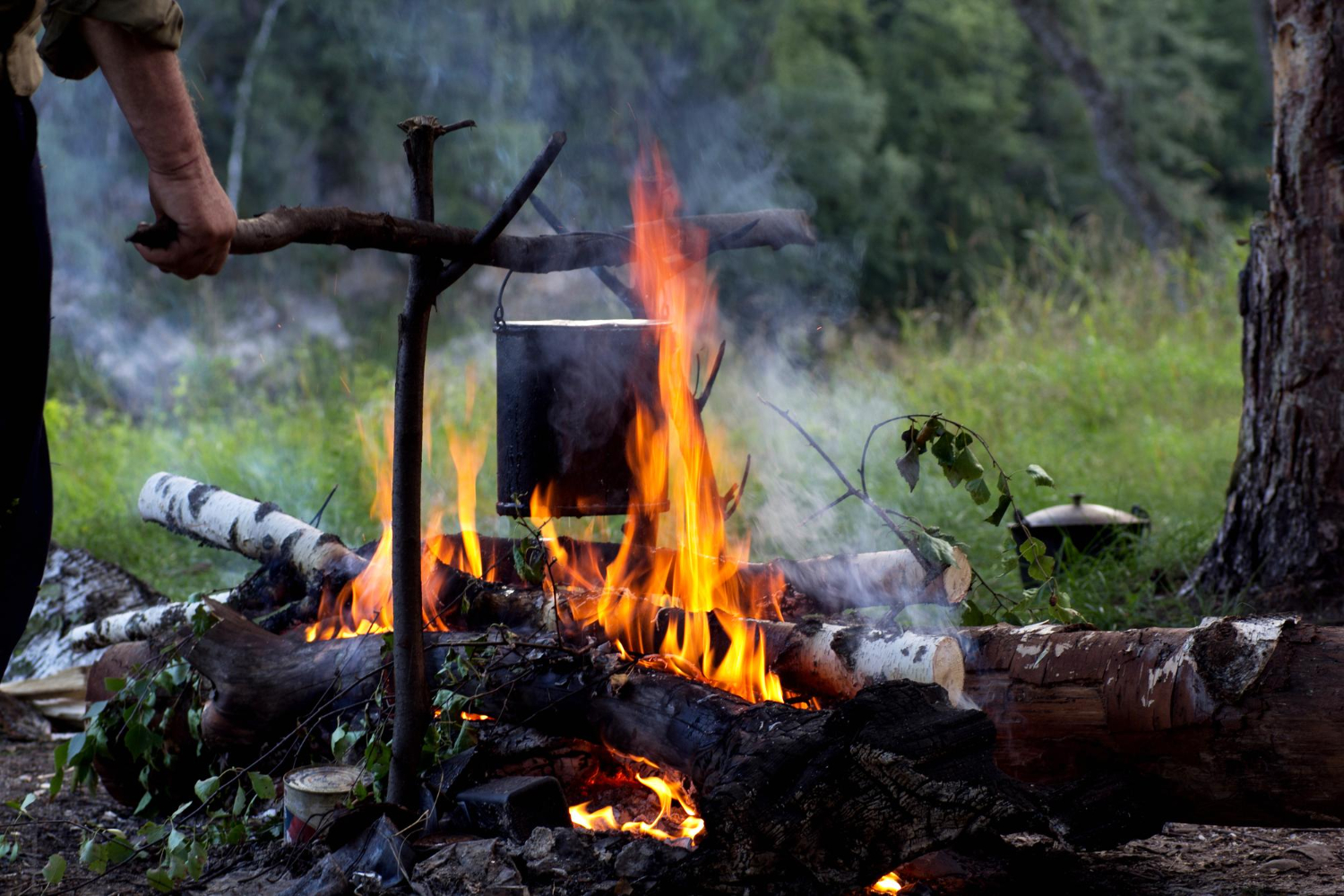
Suspending food over a fire allows the cook to raise or lower it, which is the only real temperature control available with an open flame.
Chains, hooks and adjustable arms exist purely for this. Hanging is the method that turns distance into a dial.
8. Turning It Constantly
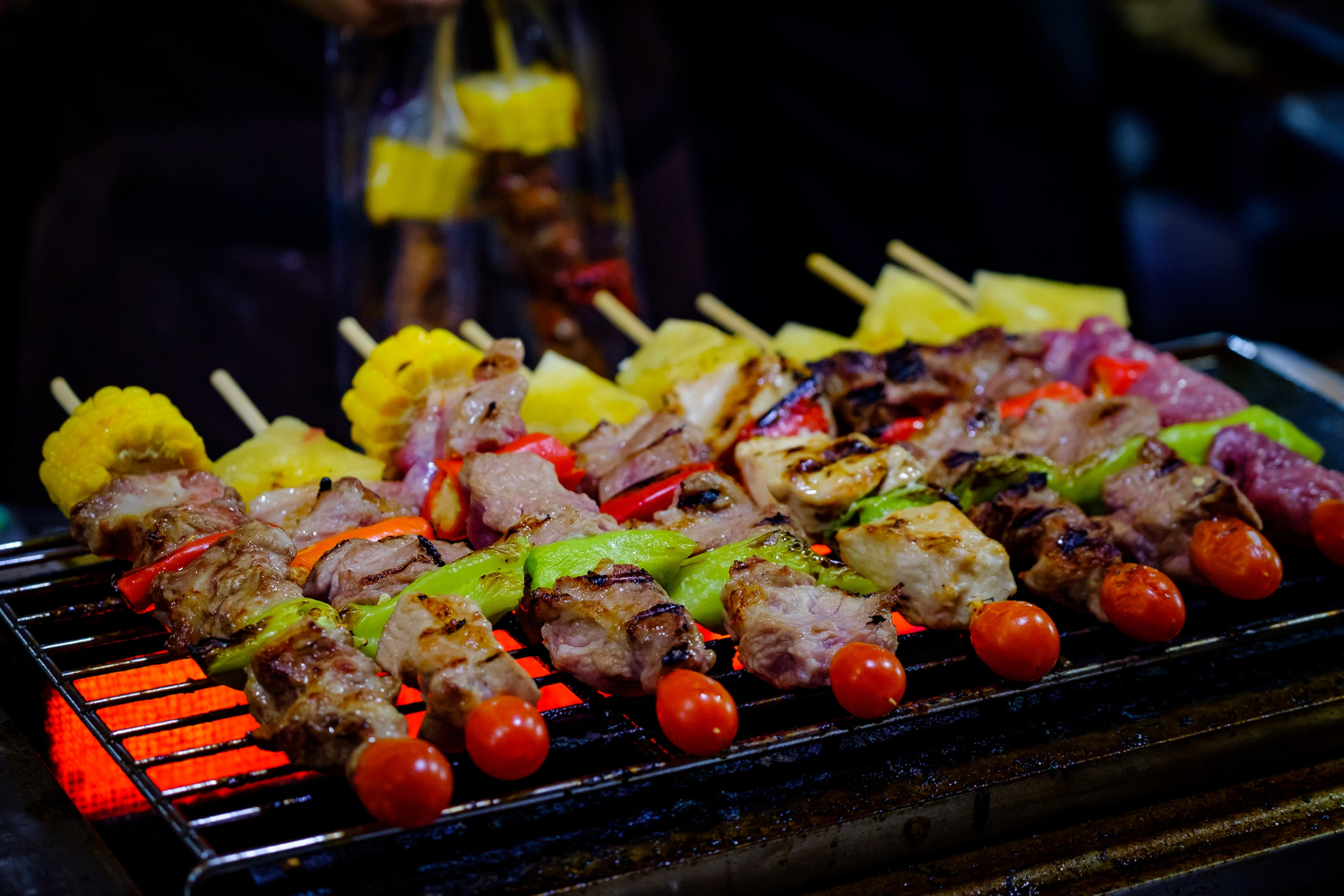
A spit rotates food so that no surface is exposed to the heat long enough to burn while the interior slowly comes up to temperature.
Rotation converts an intense one-sided heat into an even all-round one. The spit is the method that solves uneven heat with movement.
9. Keeping It Far Away and Cool
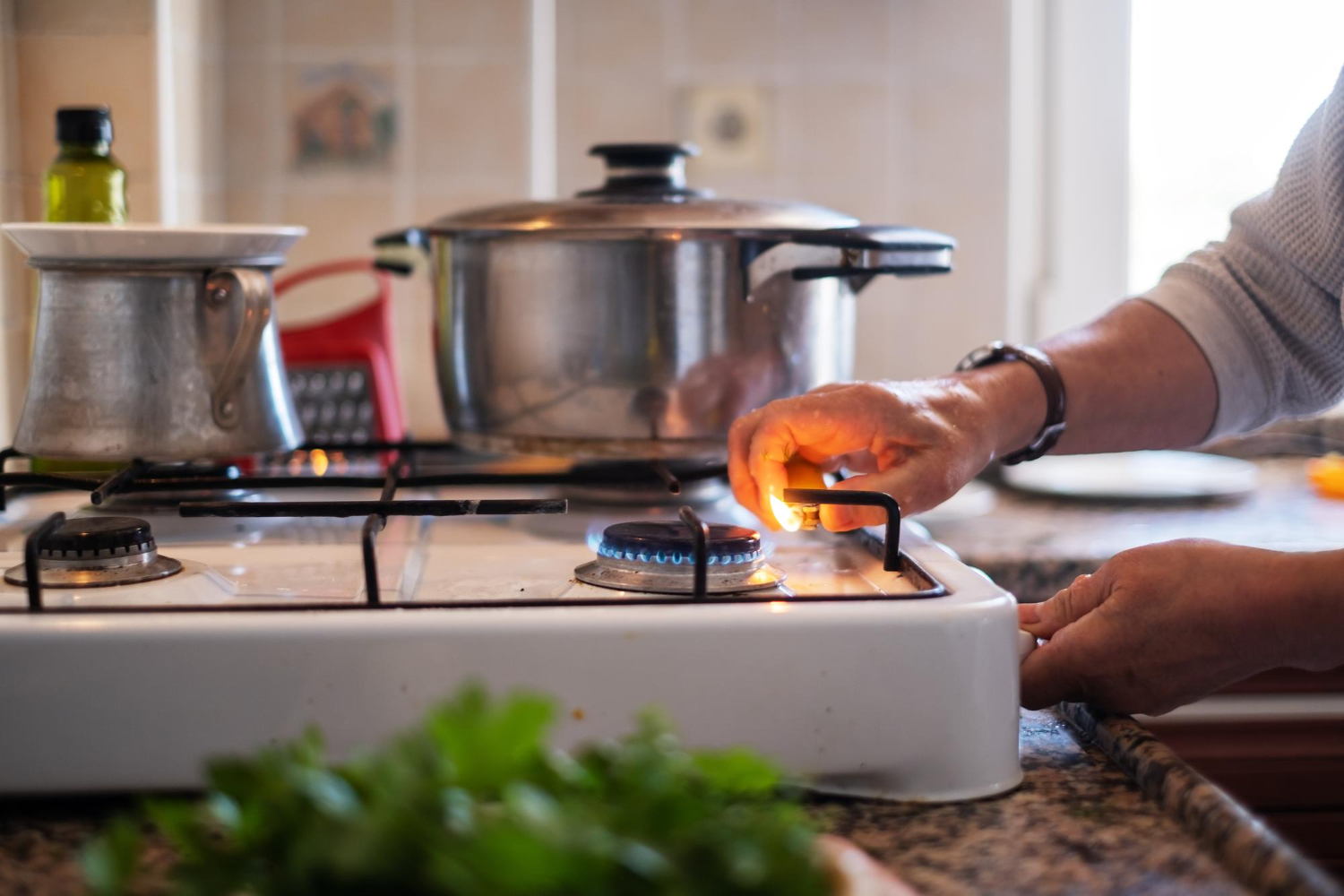
Placing food at a distance where the heat is gentle rather than fierce, in a stream of smoke, cooks and flavours it over a very long period.
It is barely cooking in the usual sense and closer to a slow chemical process. Distant low heat is the method where the fire is nearly irrelevant.
10. Putting a Metal Surface Between
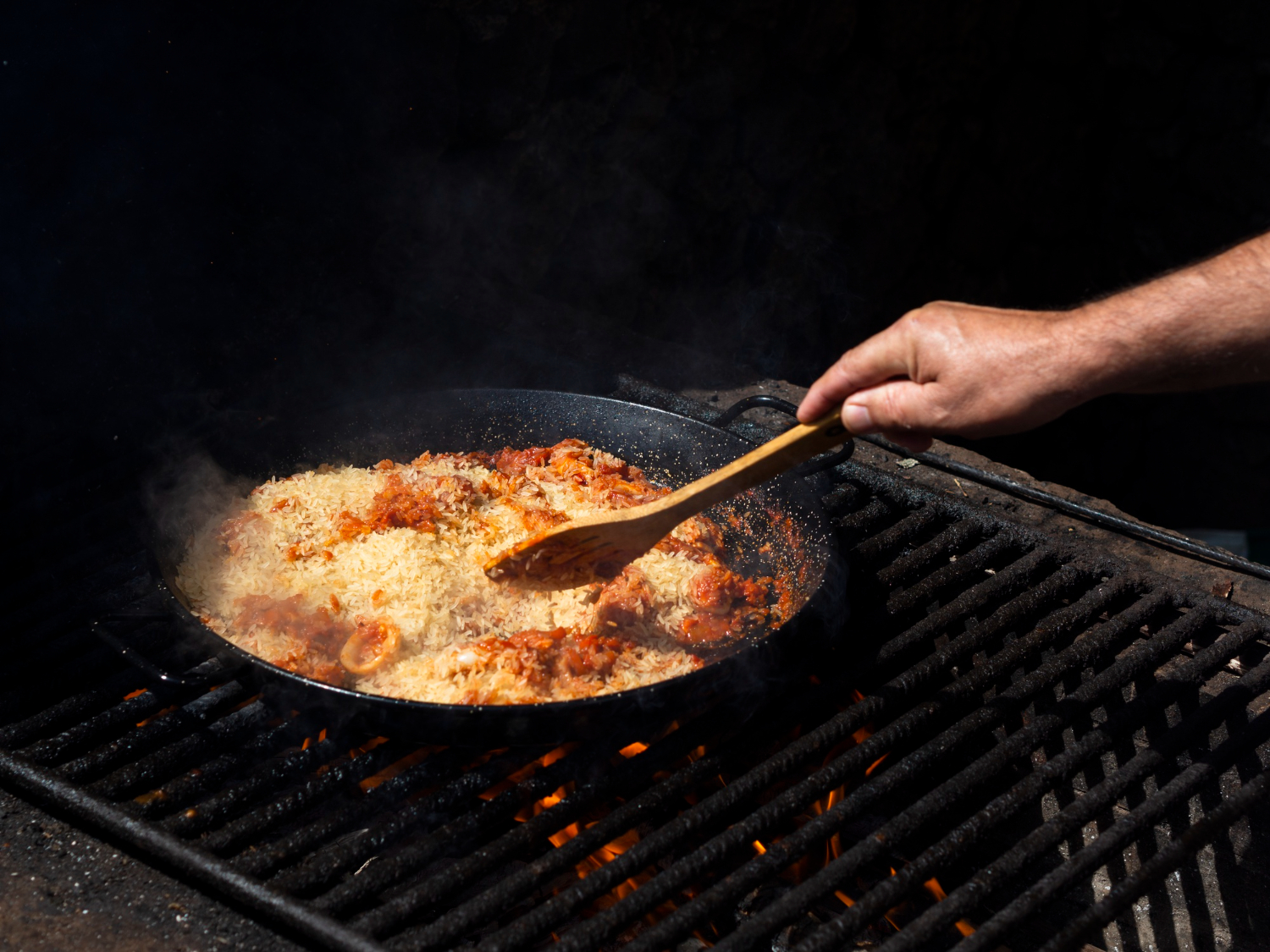
A griddle, plate or stone slab over the fire transfers conducted heat rather than radiant heat, which behaves entirely differently and suits flat and delicate foods.
It also stops small things falling into the embers. The heated surface is the method that changes how the heat arrives.
11. Concentrating a Fierce Flame
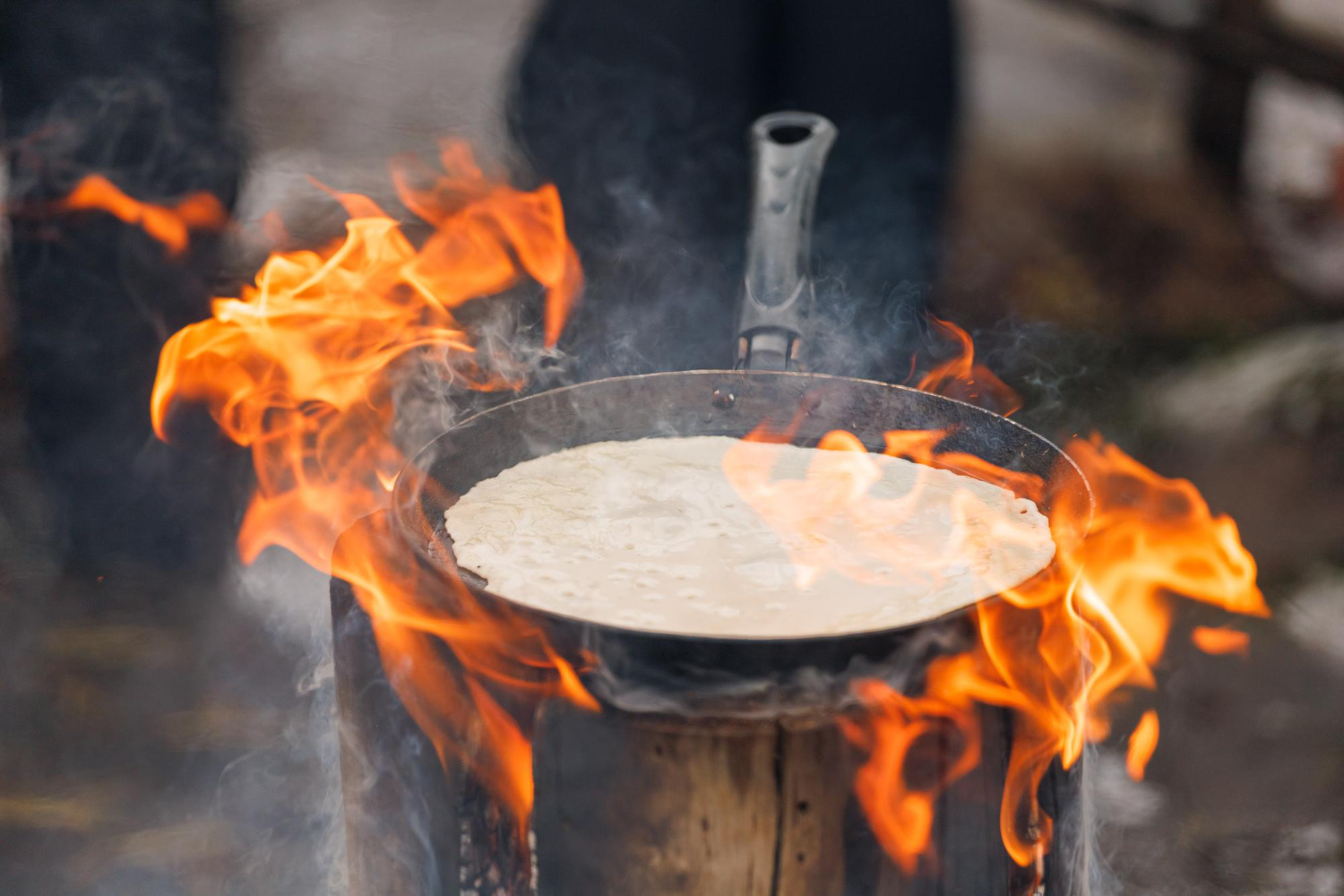
Some vessels are shaped to sit down into a fire so that flames wrap around a thin metal surface, producing heat far more intense than a flat pan can achieve.
That intensity is the entire point and cannot be reproduced on a domestic hob. The concentrated flame is the method built for maximum heat rather than control.
12. Using the Fire After It Has Finished
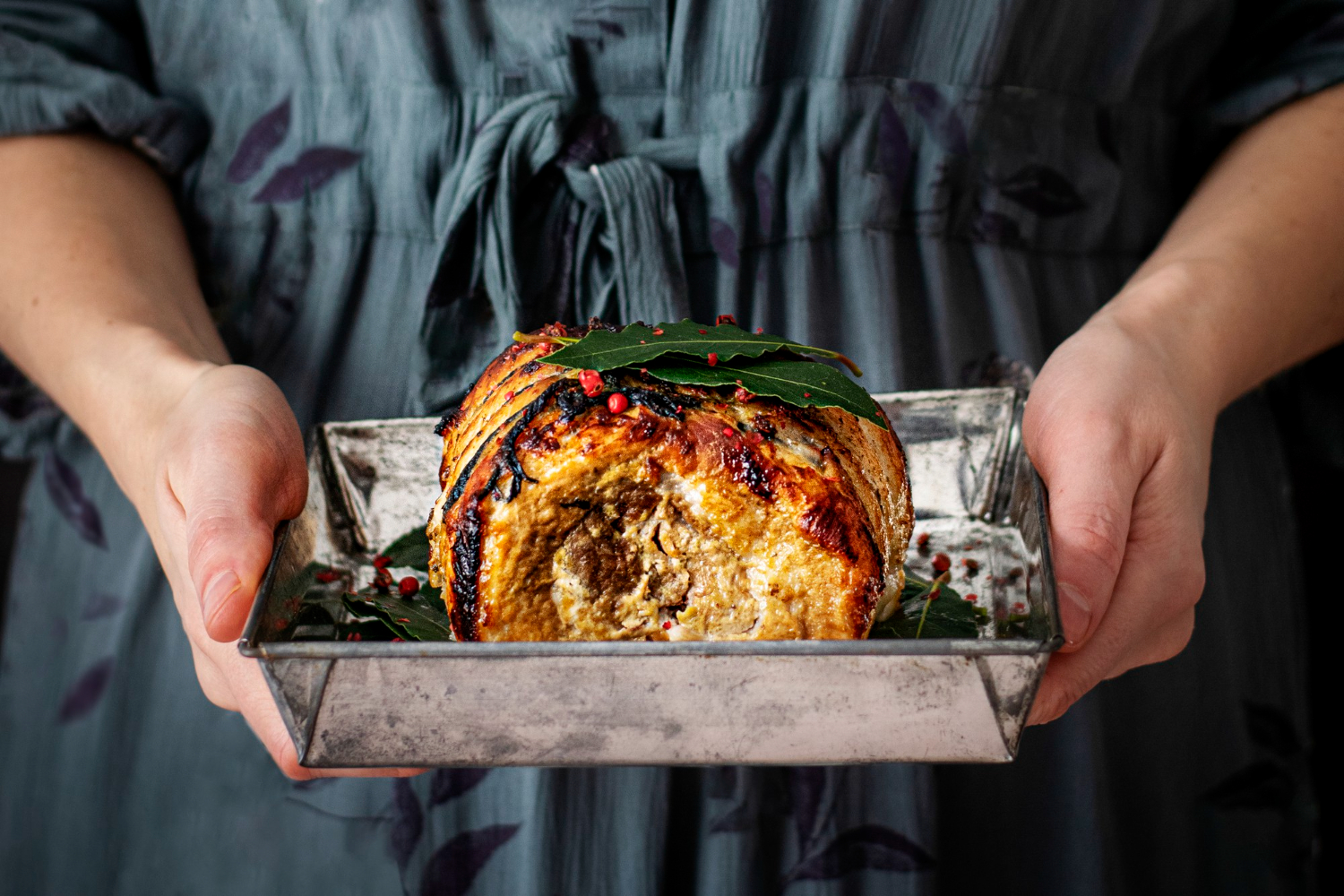
Food placed in a dying fire or a cooling oven overnight cooks in residual heat that would otherwise be wasted, which is why so many traditional dishes are cooked for many hours.
The method exists because heat was expensive and letting it go unused was wasteful. Residual heat is the method invented by not wanting to waste anything.
Fire Cannot Be Turned Down
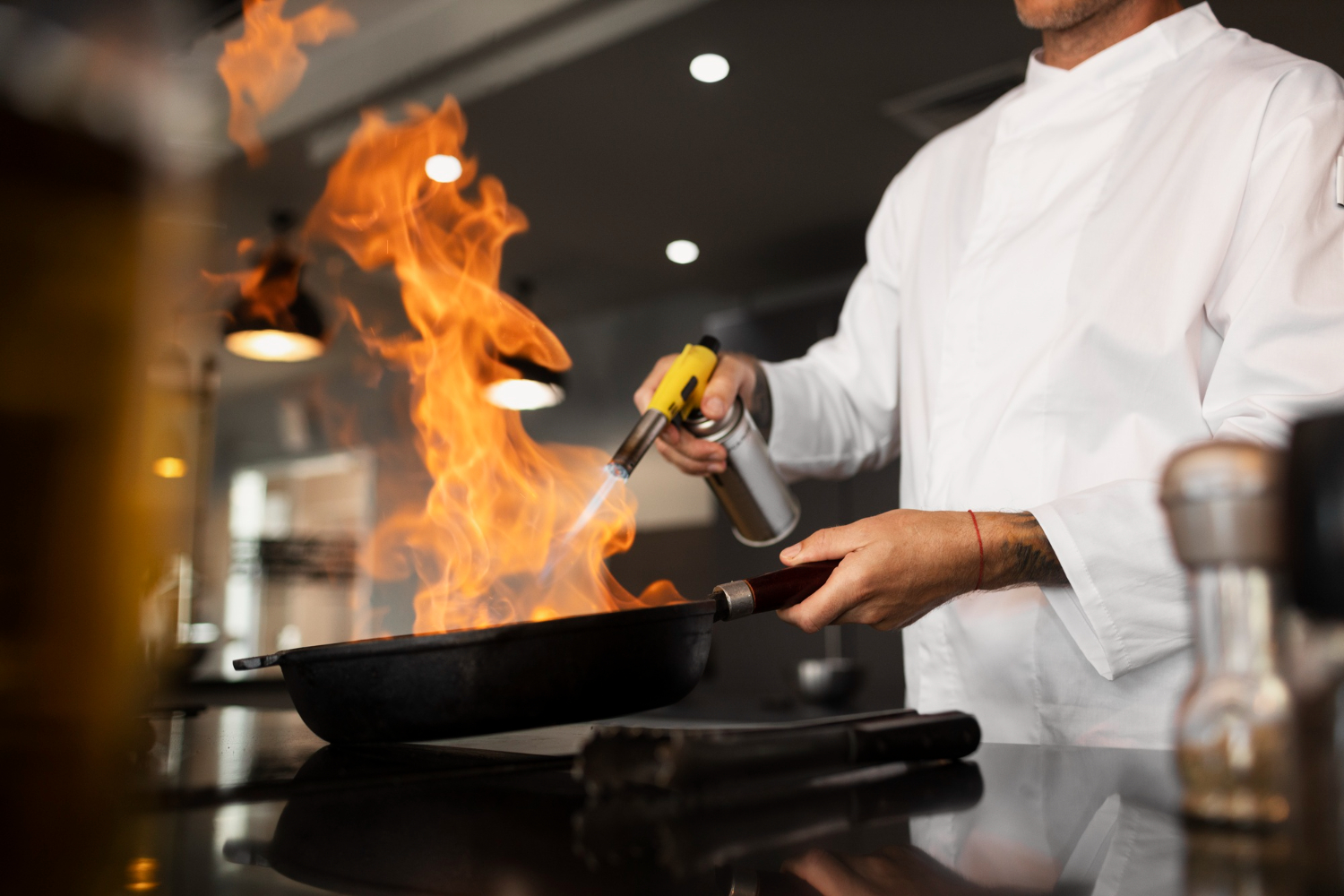
The through-line is that a fire has one setting, so every technique above is a way of adjusting something else – the distance, the barrier, the enclosure, the timing, or which part of the fire is being used.
What is striking is how much of modern cooking is still these methods with a thermostat added. An oven is a masonry chamber with the fire removed, a grill is embers with the ash cleaned up, and a slow cooker is a dying fire that never actually dies. The equipment changed enormously; the twelve things anyone is actually doing to food did not.
Like our content? Follow us for more.