

Look at any vernacular building and the roof tells you the weather before anybody mentions it. Here are eleven of the things a roof is arguing with.
1. The Steep Pitch for Rain
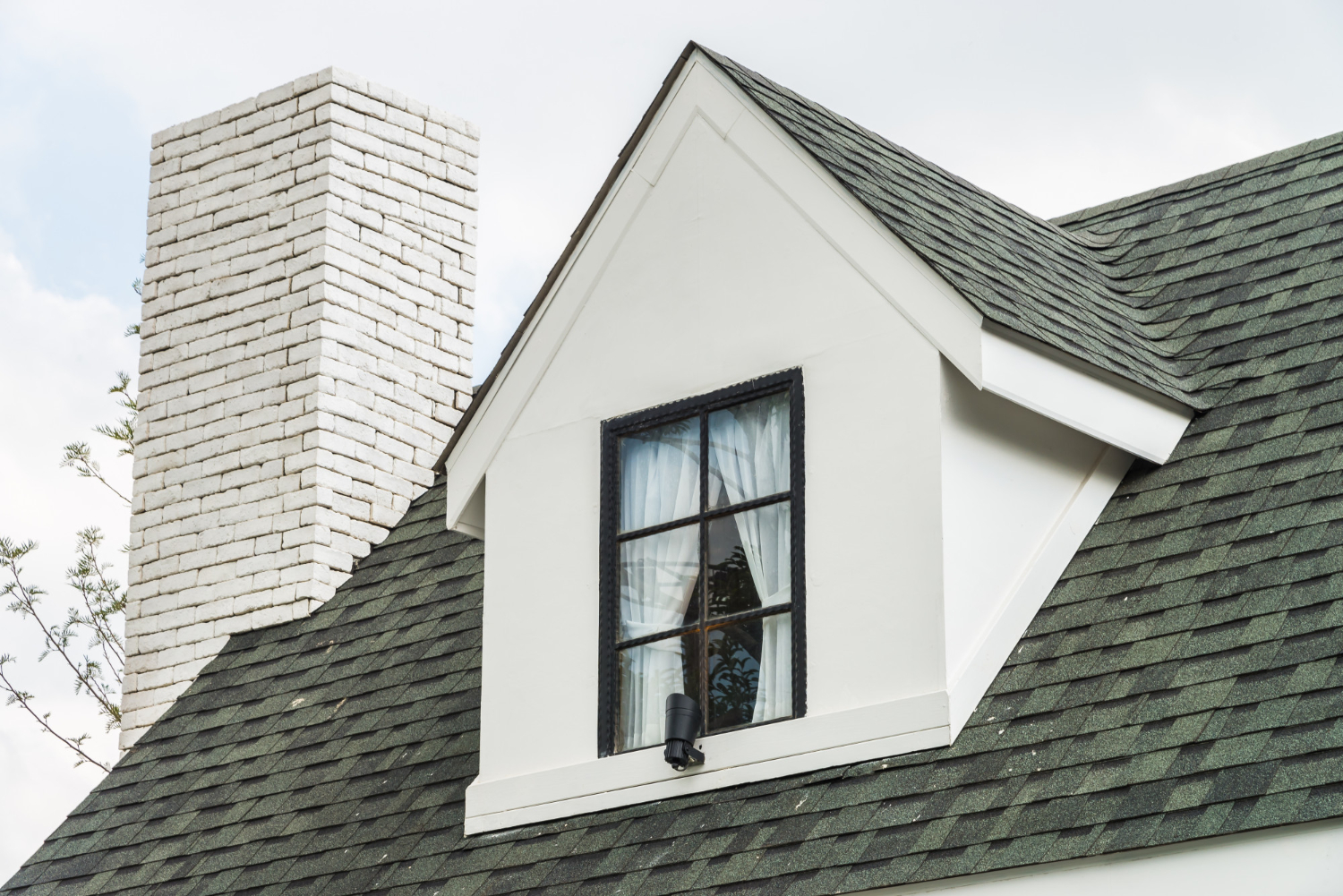
Water runs off a steep slope faster and has less opportunity to find a way through joints, so persistently wet climates produce steep roofs almost without exception.
The steeper it is, the less time water spends on it. Steep pitch is the roof solution to rain that simply will not stop.
Like our content? Follow us for more.
2. The Even Steeper Pitch for Snow
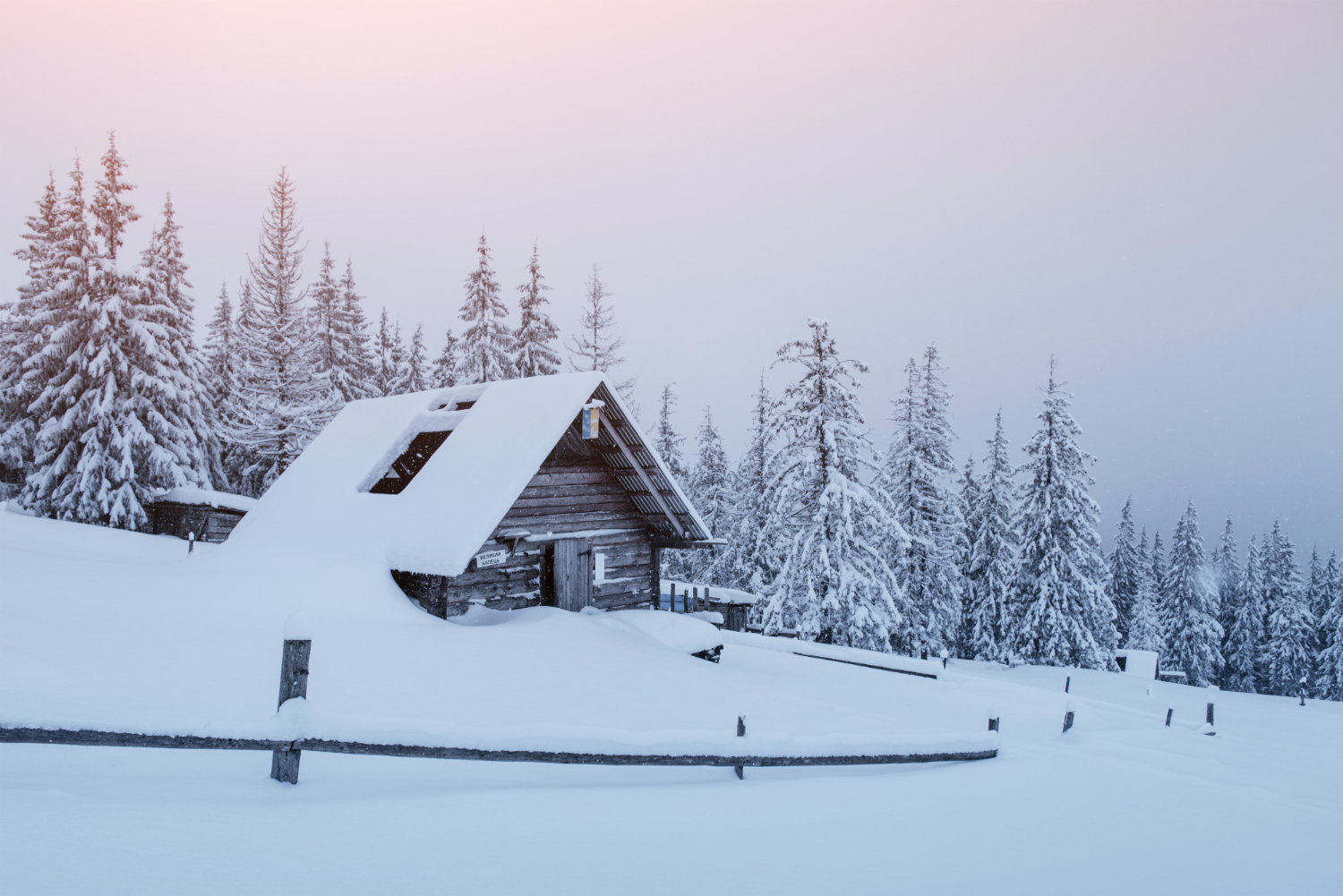
Snow accumulates rather than running off, and accumulated snow is extremely heavy, so heavy-snow regions either build steeply enough to shed it or build strongly enough to carry it.
Both approaches exist and produce very different buildings. Snow pitch is the roof decision where the alternative is calculating a load.
3. The Flat Roof That Only Works Where It Is Dry
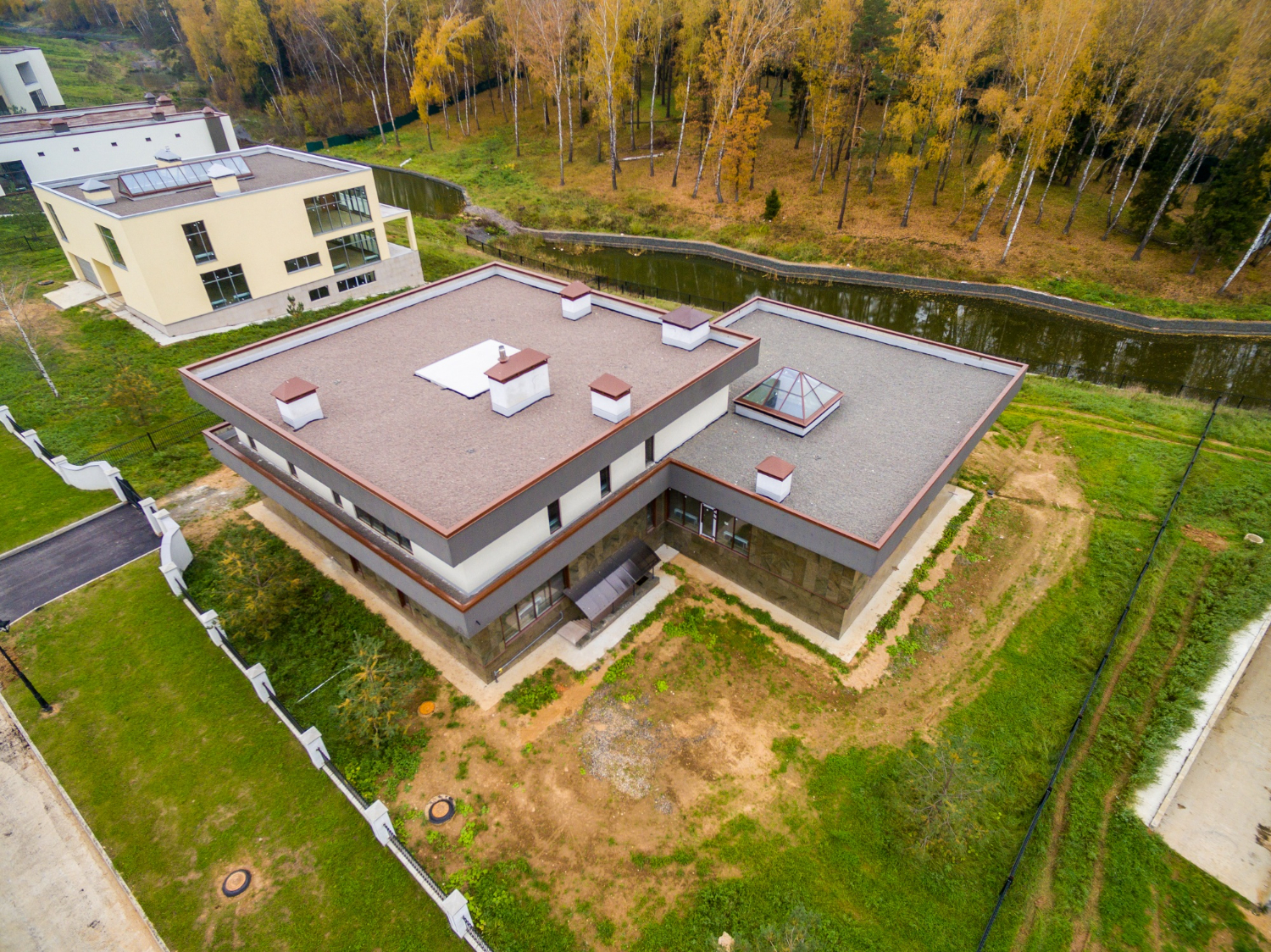
A flat or nearly flat roof is only viable where rainfall is low, and in exchange it provides usable outdoor space at the top of the building.
In hot dry regions those roofs are used for sleeping, drying and sitting. Flat roofs are the solution that turns a climate limitation into a room.
4. The Overhanging Eave
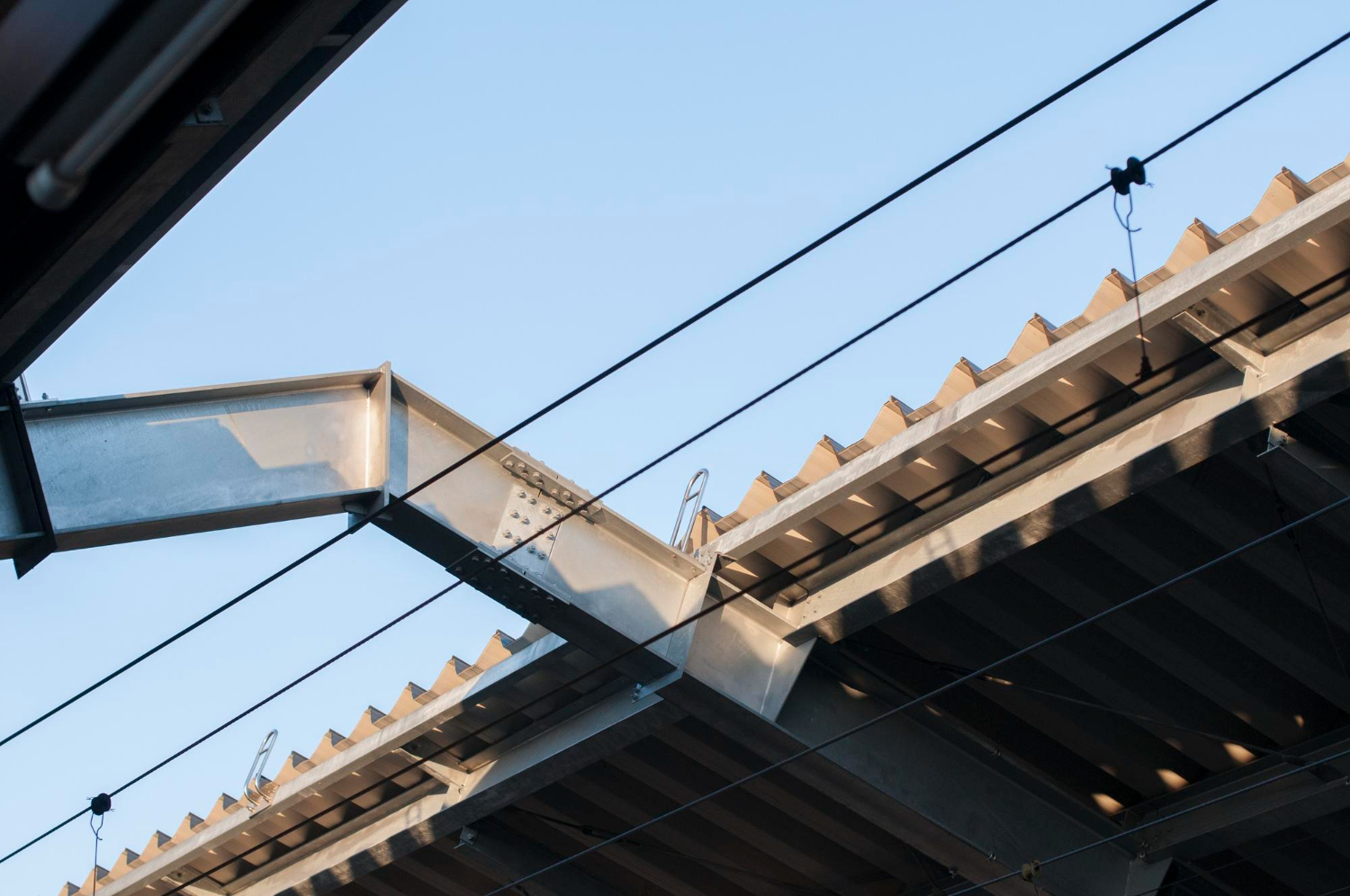
Extending the roof well beyond the wall keeps rain off the wall face, which matters enormously where the walls are earth, mud brick or unprotected timber.
The width of the overhang tracks how much the wall needs protecting. Deep eaves are the roof feature that exists to defend something else.
5. Thatch and Its Non-Obvious Physics
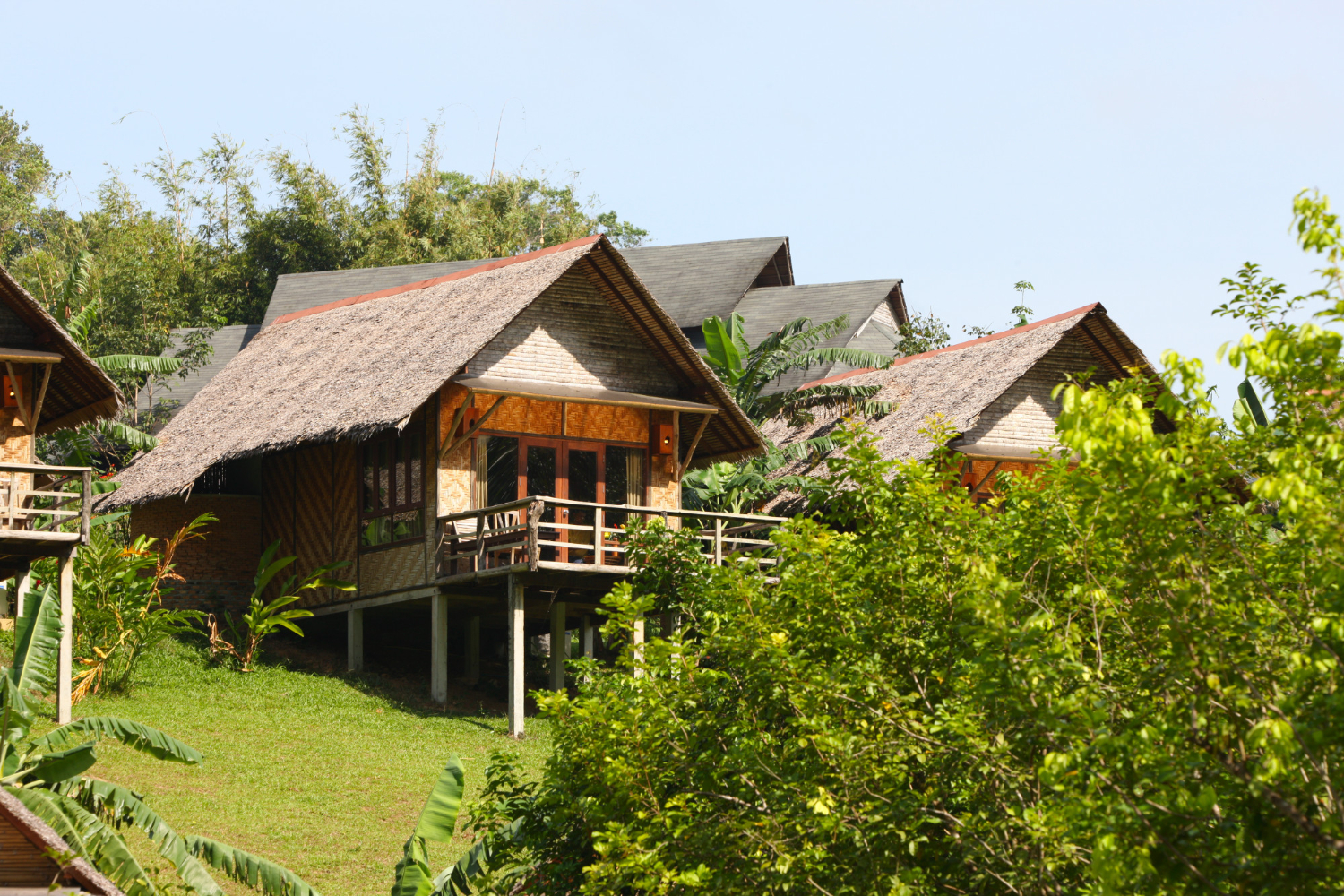
Thatch does not work by being waterproof. It works by being steep enough that water runs across the surface of the fibres and off, rather than soaking down through the layer.
A shallow thatched roof fails immediately, which is why they are always steep. Thatch is the roof material whose function depends entirely on angle.
6. Domes and Vaults Where There Is No Timber
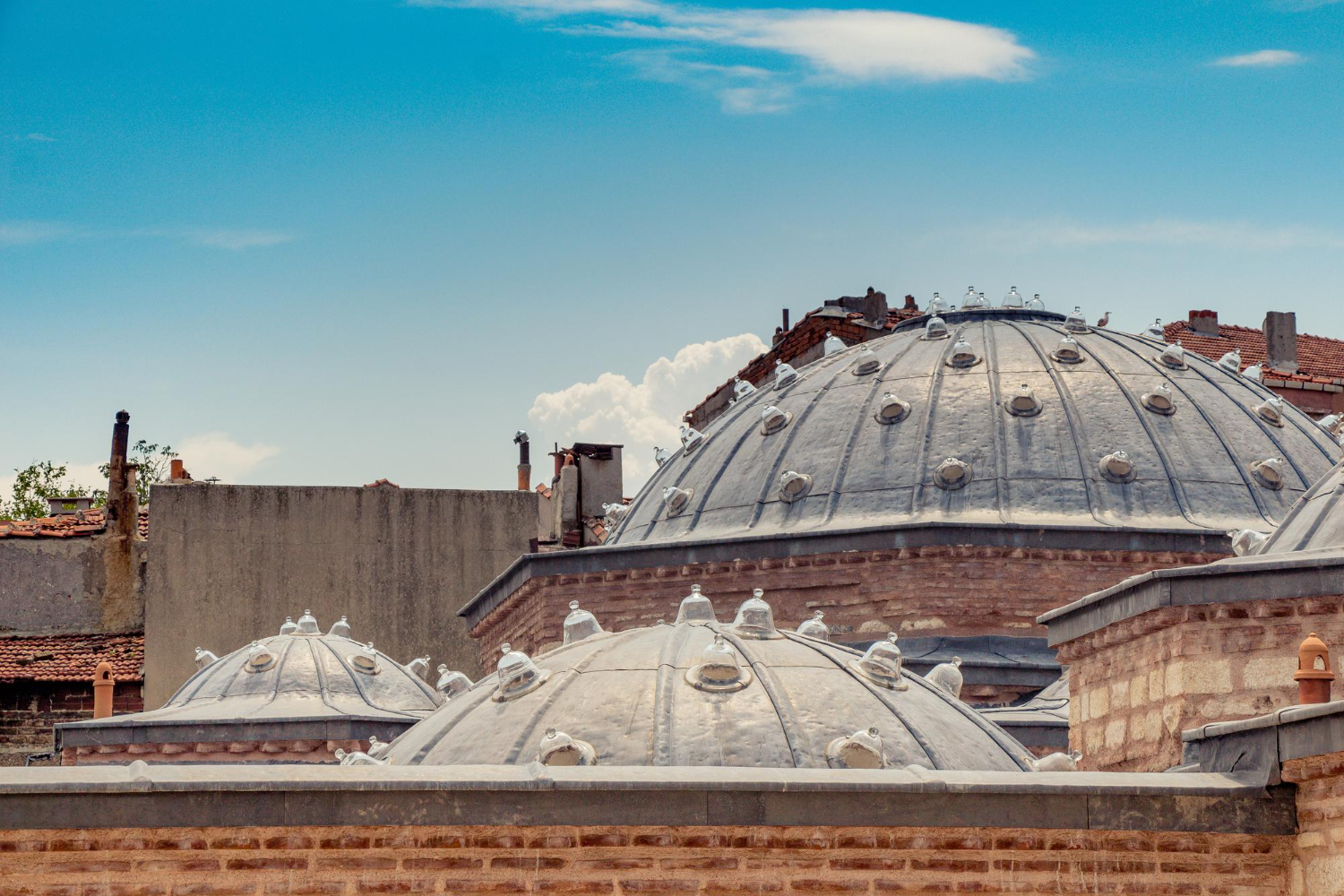
Where long straight timbers are unavailable, roofs are built by corbelling or vaulting in stone, brick or earth, spanning space without a single beam.
The form is a response to a shortage rather than an aesthetic choice. Vaulted roofs are the solution to having no trees.
7. Heavy Roofs Requiring Heavy Buildings
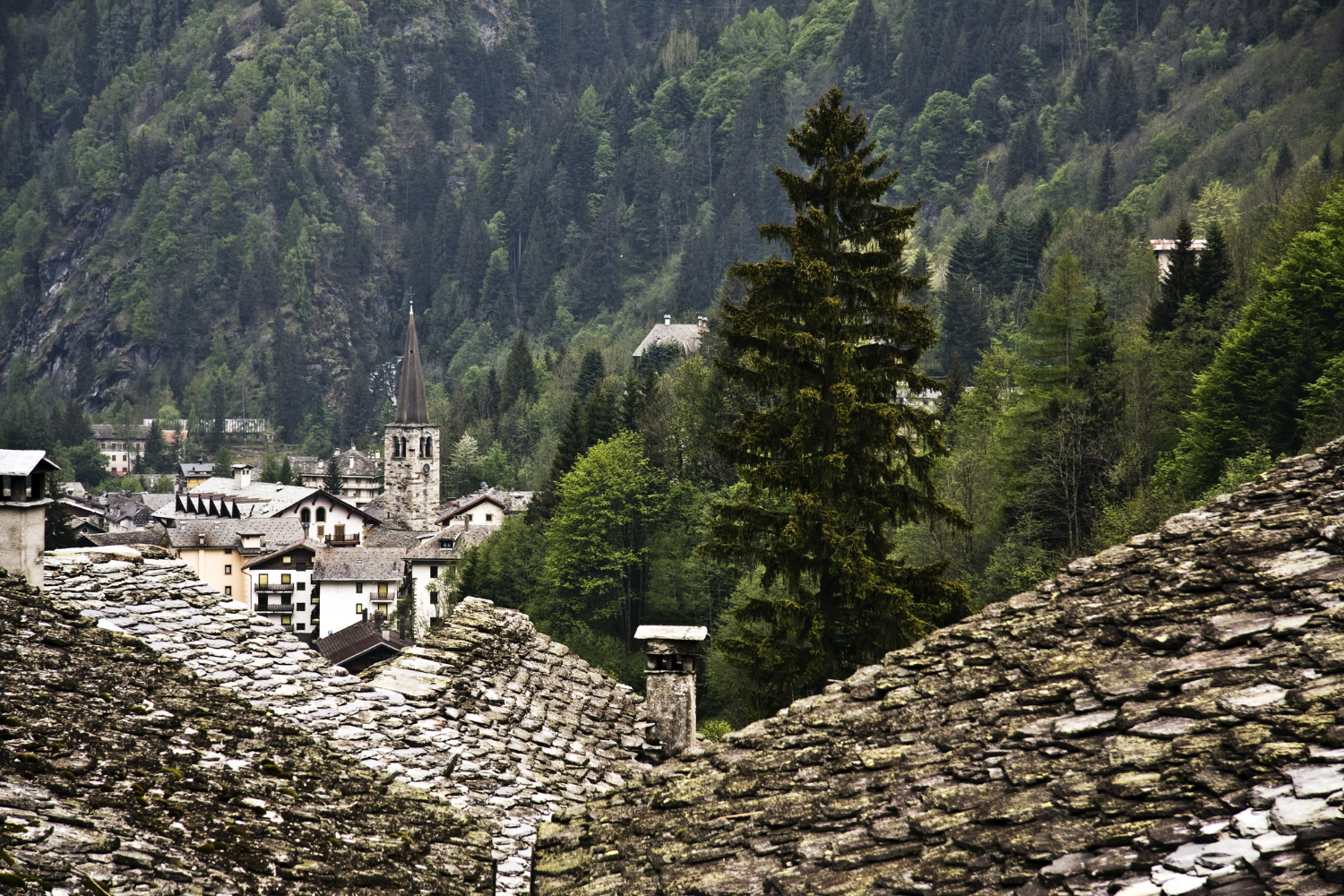
Stone slabs, thick slate and clay tiles are extremely heavy, so a building carrying one needs walls and a frame proportioned to hold it up.
The roof determines the structure below rather than the reverse. Heavy roofing is the choice that dictates the entire building.
8. The Low Profile for Wind
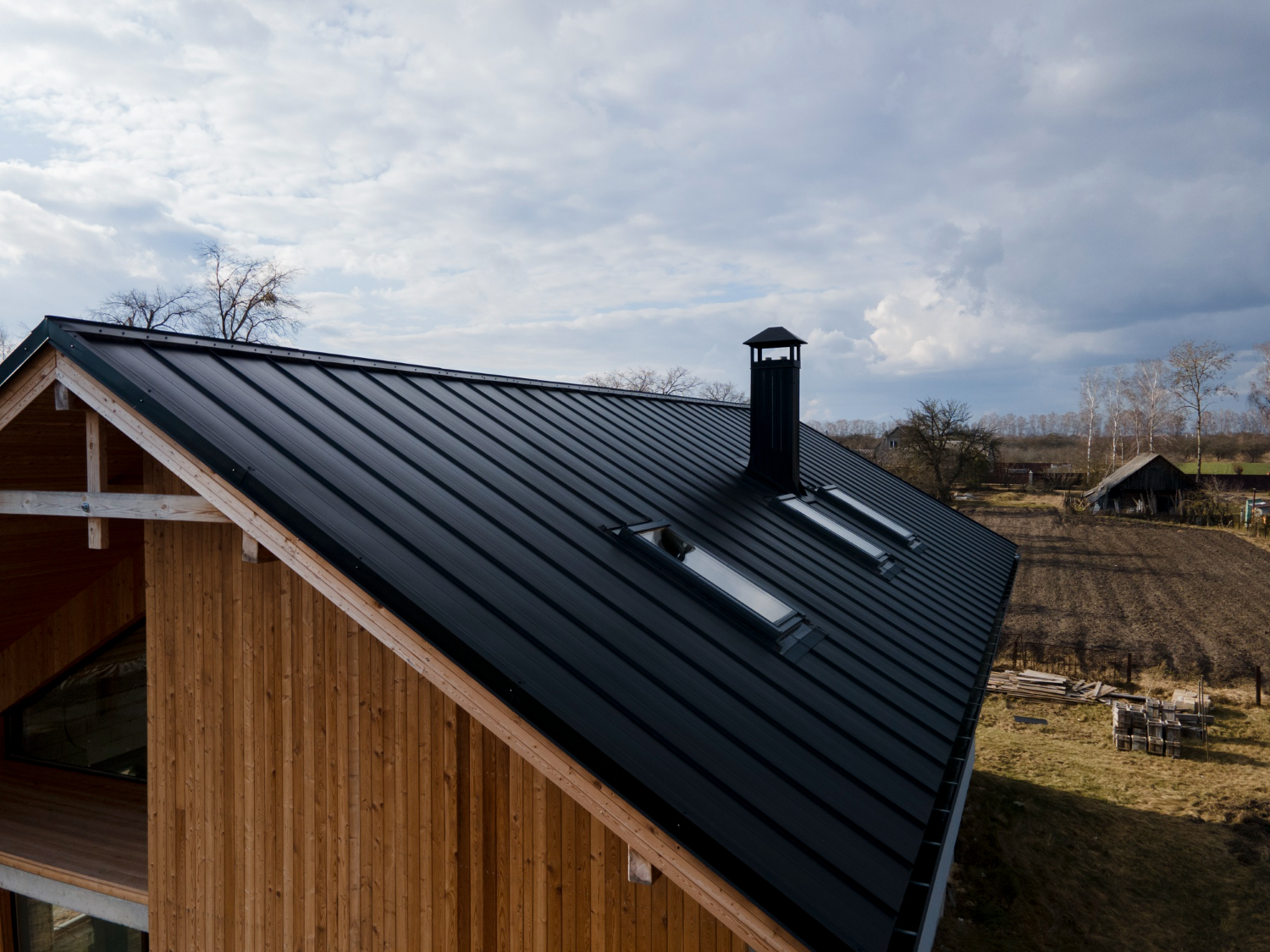
In very exposed locations, roofs are built low, with shallow angles and minimal overhang, because anything that catches wind will eventually be removed by it.
Some are additionally weighted or roped down. Wind-resistant roofs are the solution that gives the weather nothing to grip.
9. The Ventilated Space Underneath
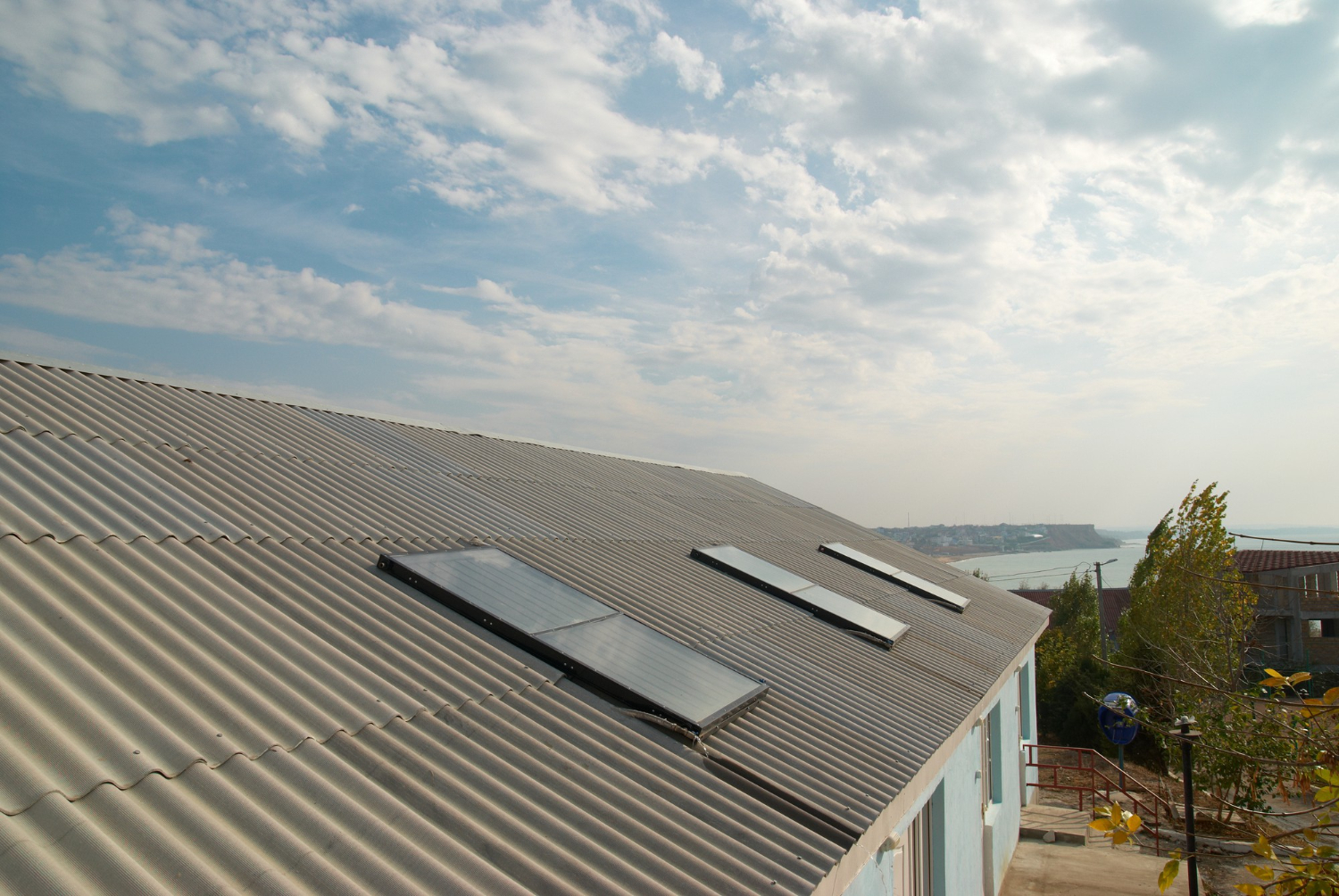
Warm moist air rising from inside a building condenses when it reaches a cold roof, so a great many roof designs include a deliberately ventilated gap to carry that moisture away.
The problem is invisible and the damage is not. Roof ventilation is the solution to weather generated inside the building.
10. Turf and Living Roofs
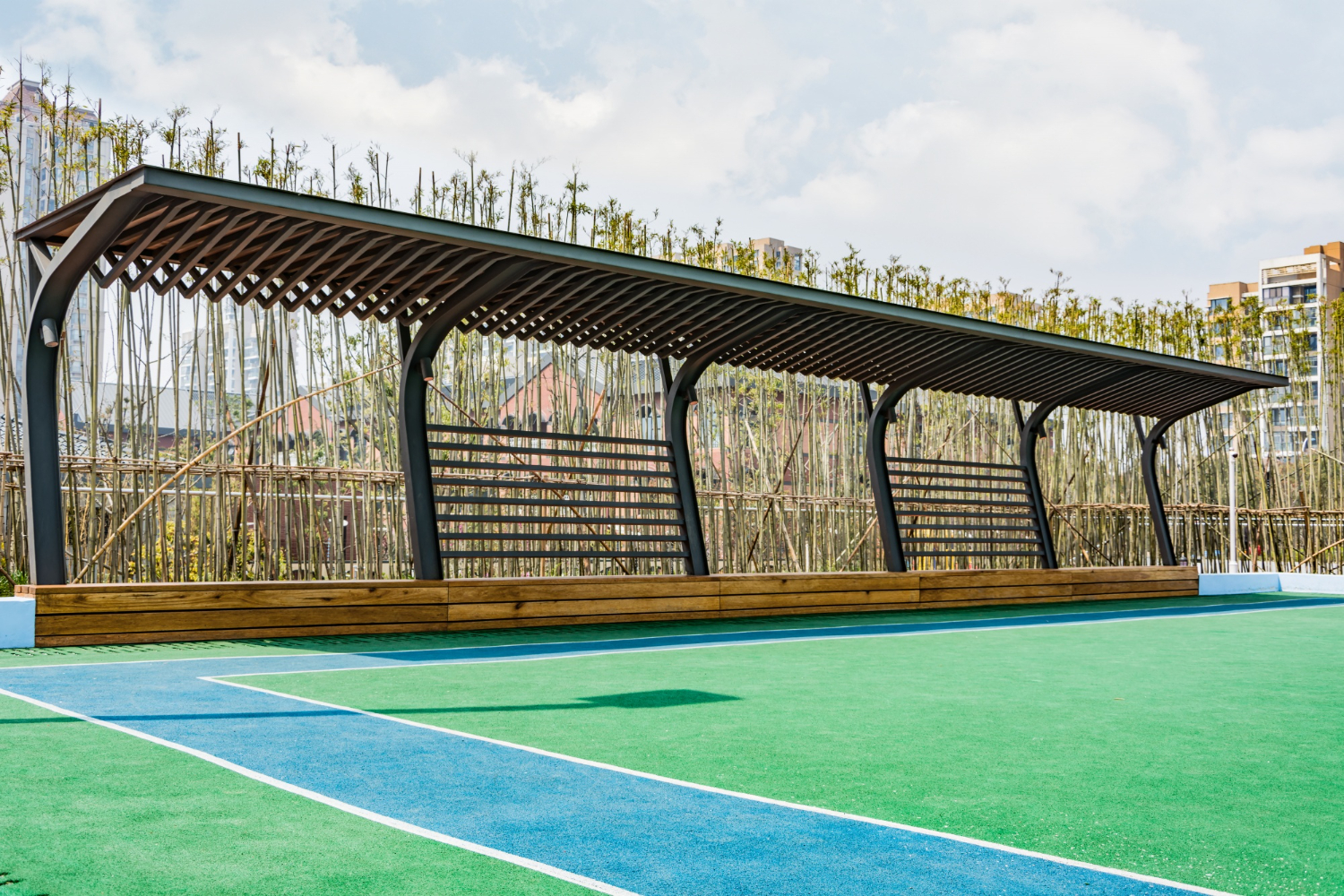
Covering a roof with soil and growing vegetation provides substantial insulation using material available on site, at the cost of considerable weight and continuous growth.
It is an old solution in cold regions rather than a recent innovation. Living roofs are the solution that uses the ground as a blanket.
11. The Roof That Collects Rather Than Sheds
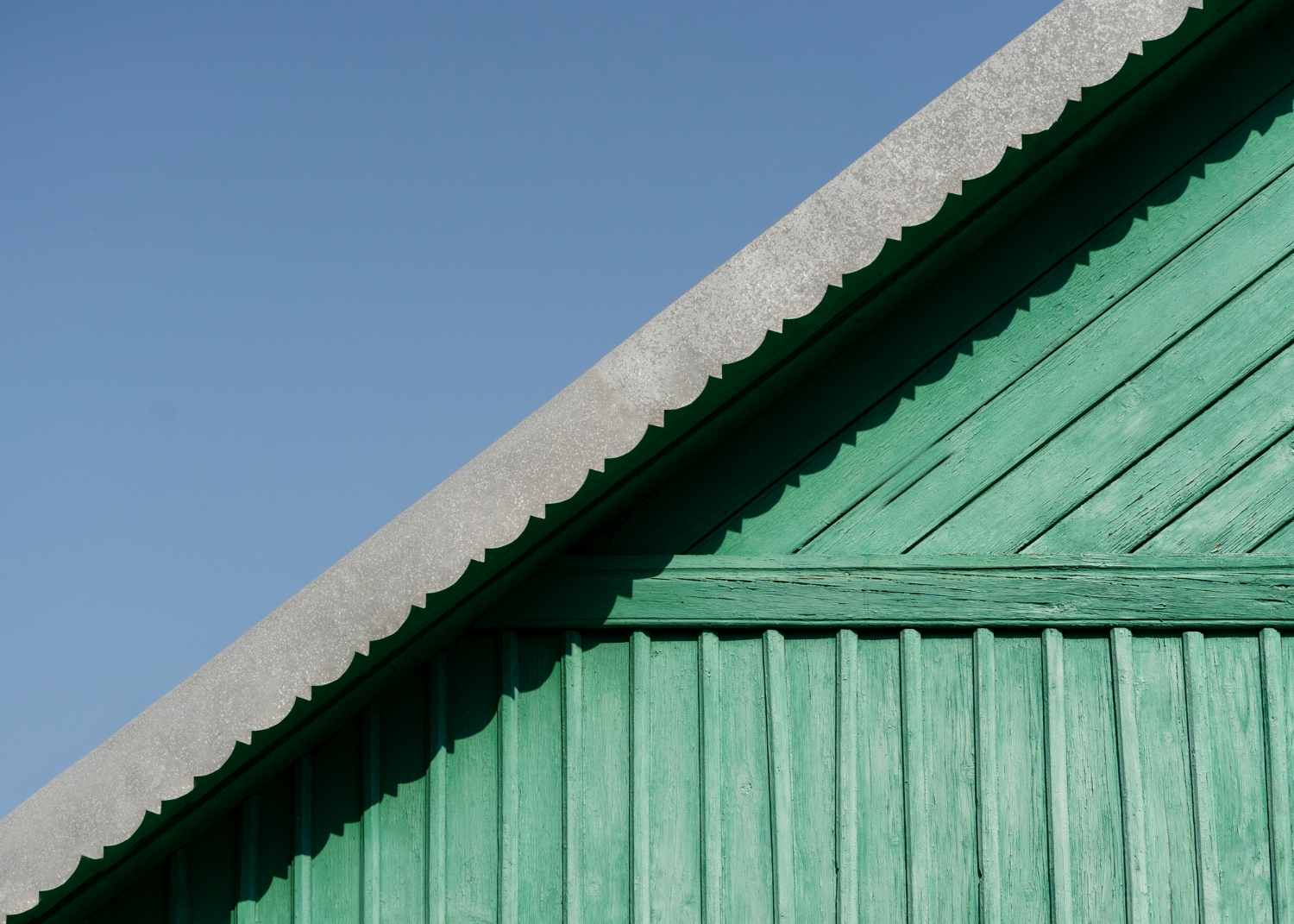
Where water is scarce, the roof is designed to capture rainfall and direct it into storage rather than to dispose of it as quickly as possible.
The entire logic inverts. Collecting roofs are the solution in places where the problem is not enough rain rather than too much.
A Diagram of the Local Weather
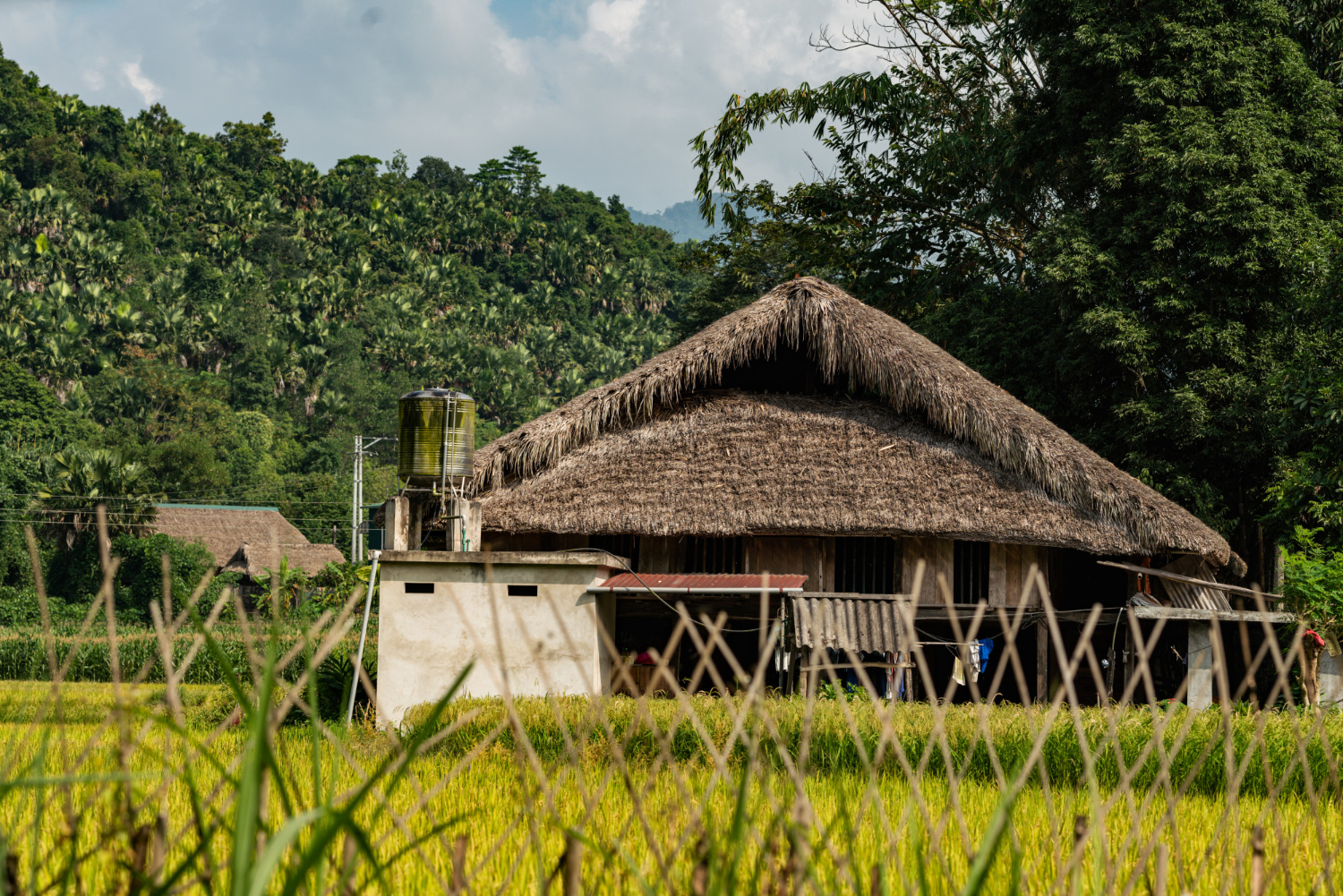
Pitch, overhang, weight, material and ventilation are all answers to the same question asked in different climates: what falls on this building, how much of it, and how fast does it have to go away.
The habit worth developing is reading the roofline when you arrive somewhere new. A steep pitch means persistent rain or snow, deep eaves mean vulnerable walls, a flat roof means a dry climate and probably an outdoor room, and a low heavy profile means wind. It is the fastest available summary of what the weather does there, and it was written by people who had no choice but to get it right.
Like our content? Follow us for more.
