This is not about equipment or technique. Almost all excess baggage is a decision problem rather than a folding problem, and the decisions are made before anything goes in the bag. Here are ten.
1. Pack for Days, Not for Scenarios
The pile grows when you pack for possibilities – the cold evening, the smart dinner, the long walk – each of which adds items used once or not at all.
Pack for the days you will actually have and accept one compromise outfit for anything unexpected. Packing for days rather than scenarios is the decision that removes the most weight.
Like our content? Follow us for more.
2. Find Out the Actual Constraint First
Allowances differ enormously between carriers, routes and fare types, and change regularly, so the limit you are packing to should be the one that applies rather than the one you remember.
Two minutes of checking prevents the expensive kind of surprise. Establishing the real constraint is the step that has to happen before anything else.
3. Everything Should Work With Everything

A small set of items in compatible colours produces far more combinations than a larger set that does not, which means the wardrobe is limited by coordination rather than by quantity.
Two items that only go with each other are a liability. Coordination is the principle that multiplies a small bag.
4. Count the Shoes
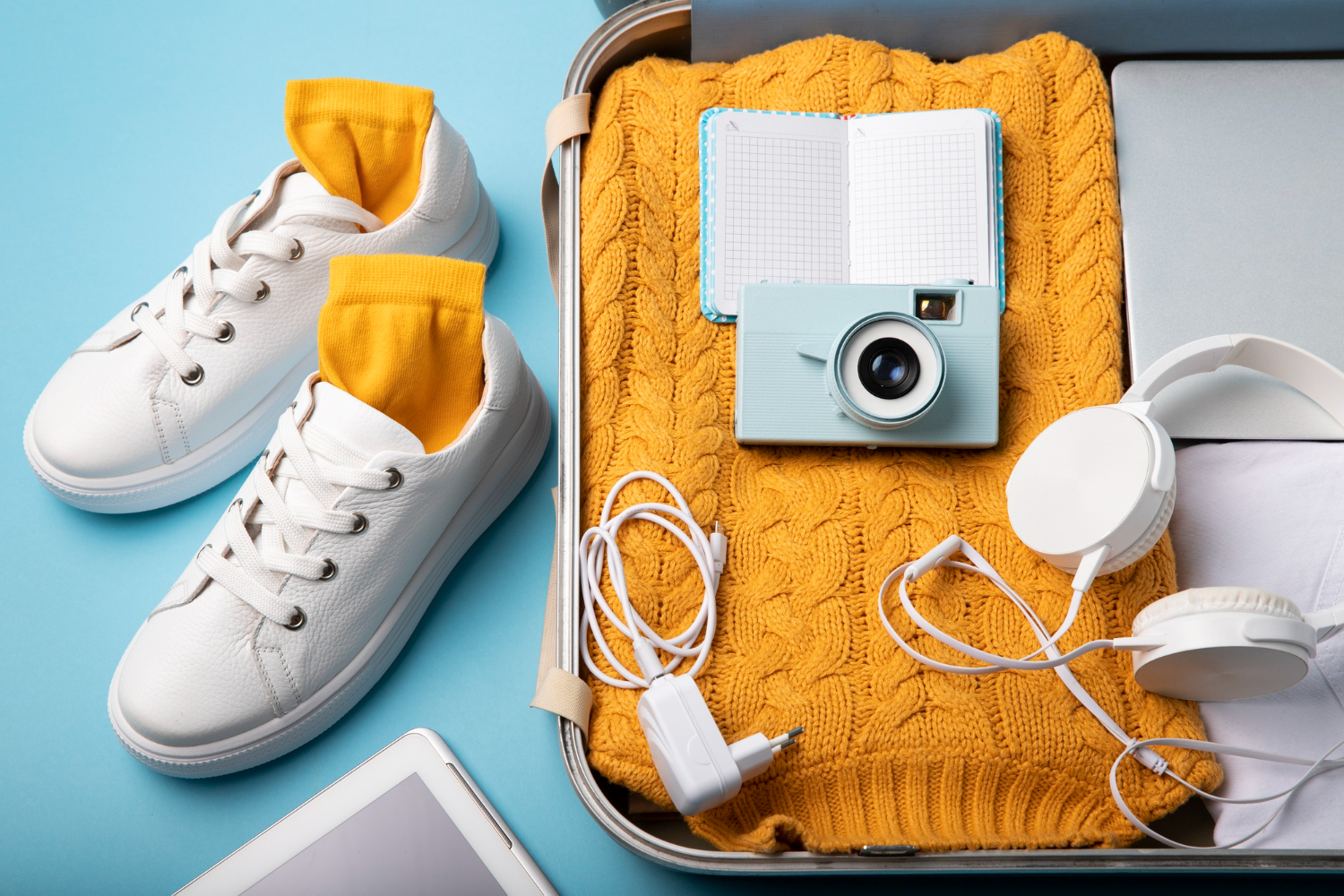
Footwear is the heaviest, bulkiest and least compressible thing most people carry, and the difference between two pairs and three is substantial.
Wear the bulkiest pair and carry the rest. Shoe count is the single highest-return decision in any bag.
5. Assume You Can Wash Things
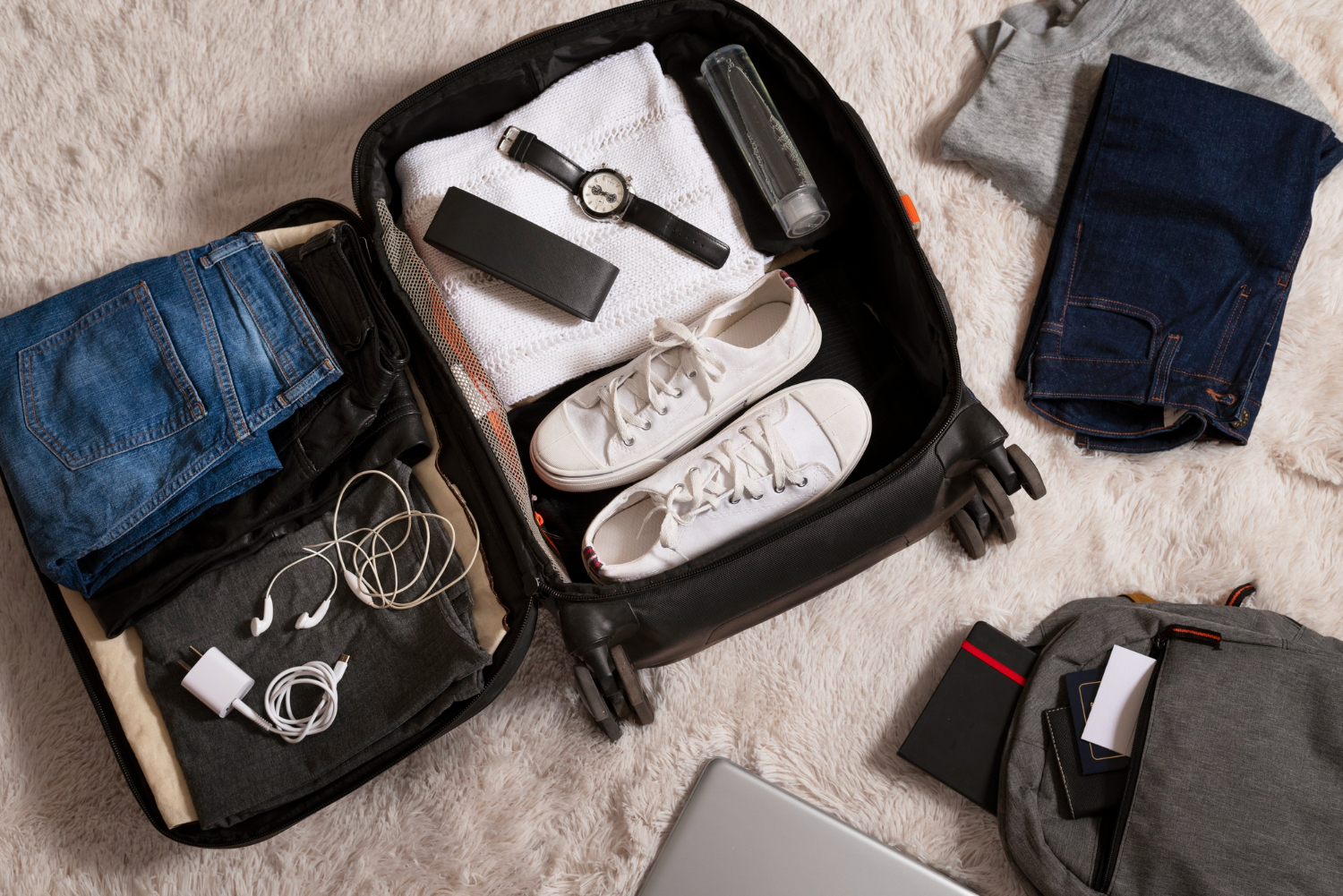
Packing for the whole trip rather than for a few days is the fundamental error on longer journeys, and washing something in a sink is a truly available option almost everywhere.
A week of clothes covers three weeks of travel. Washing rather than packing is the assumption that changes the arithmetic entirely.
6. Almost Everything Is Available There
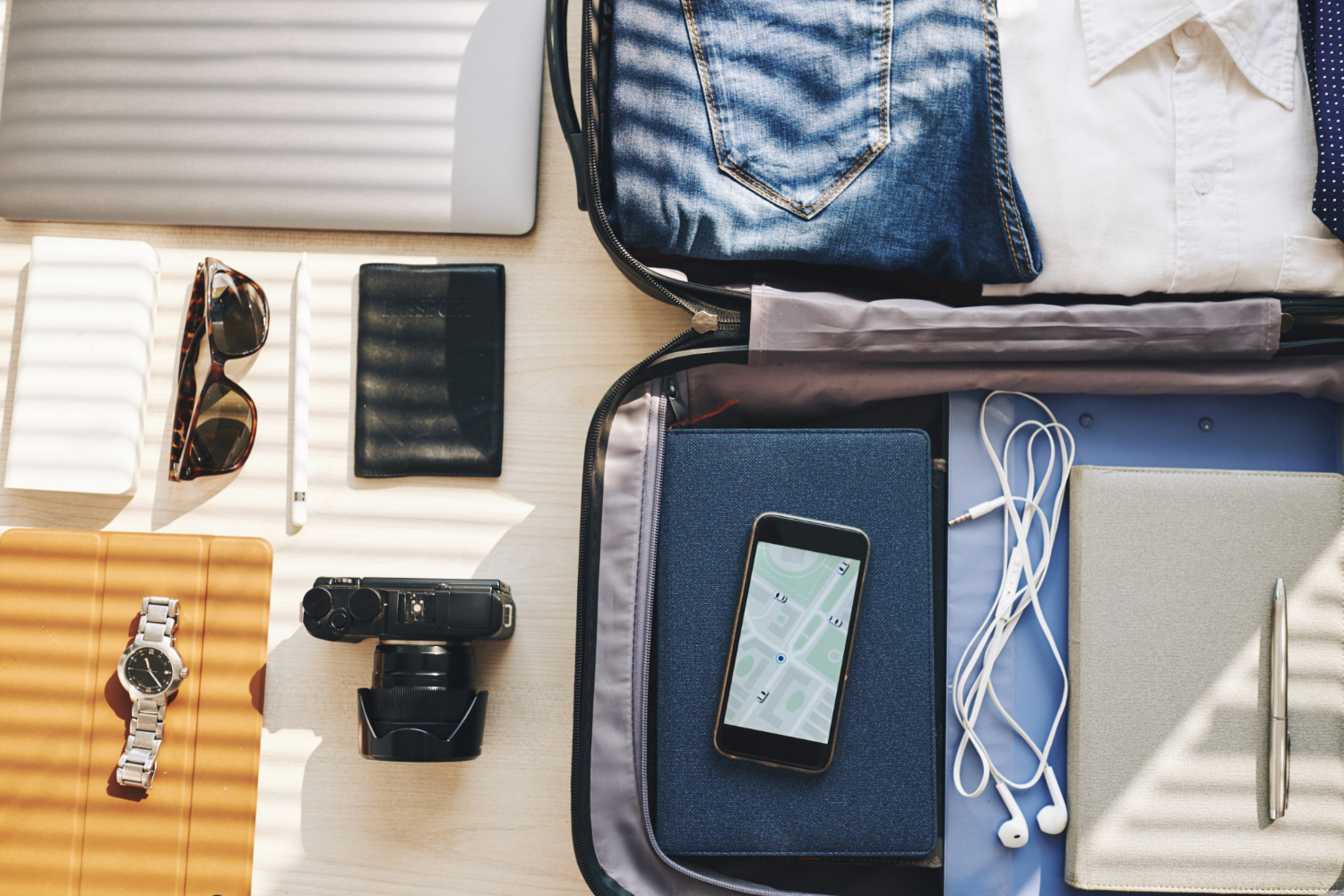
People pack consumables and everyday items for places where those items are sold in every shop, at similar or lower prices, by people who use them daily.
Buy on arrival rather than transporting. Buying there is the correction for the instinct to prepare for scarcity that does not exist.
7. One Warm Layer Beats Three Medium Ones
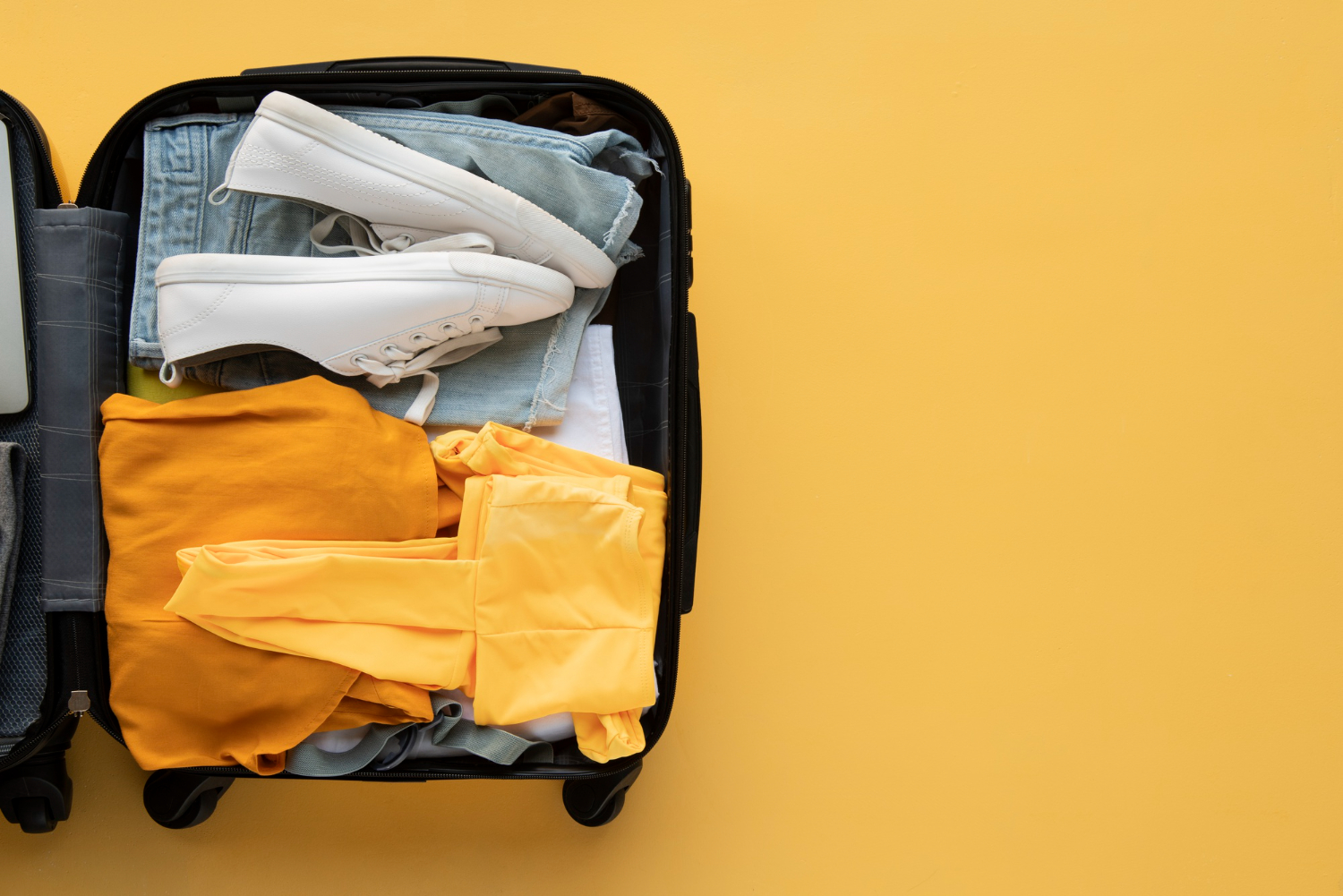
Layering works, and it works best with one truly warm and compressible item rather than several bulky intermediate ones that individually do very little.
The medium jumper is the classic dead weight. One good warm layer is the substitution that saves the most volume.
8. Take Out Three Things at the End
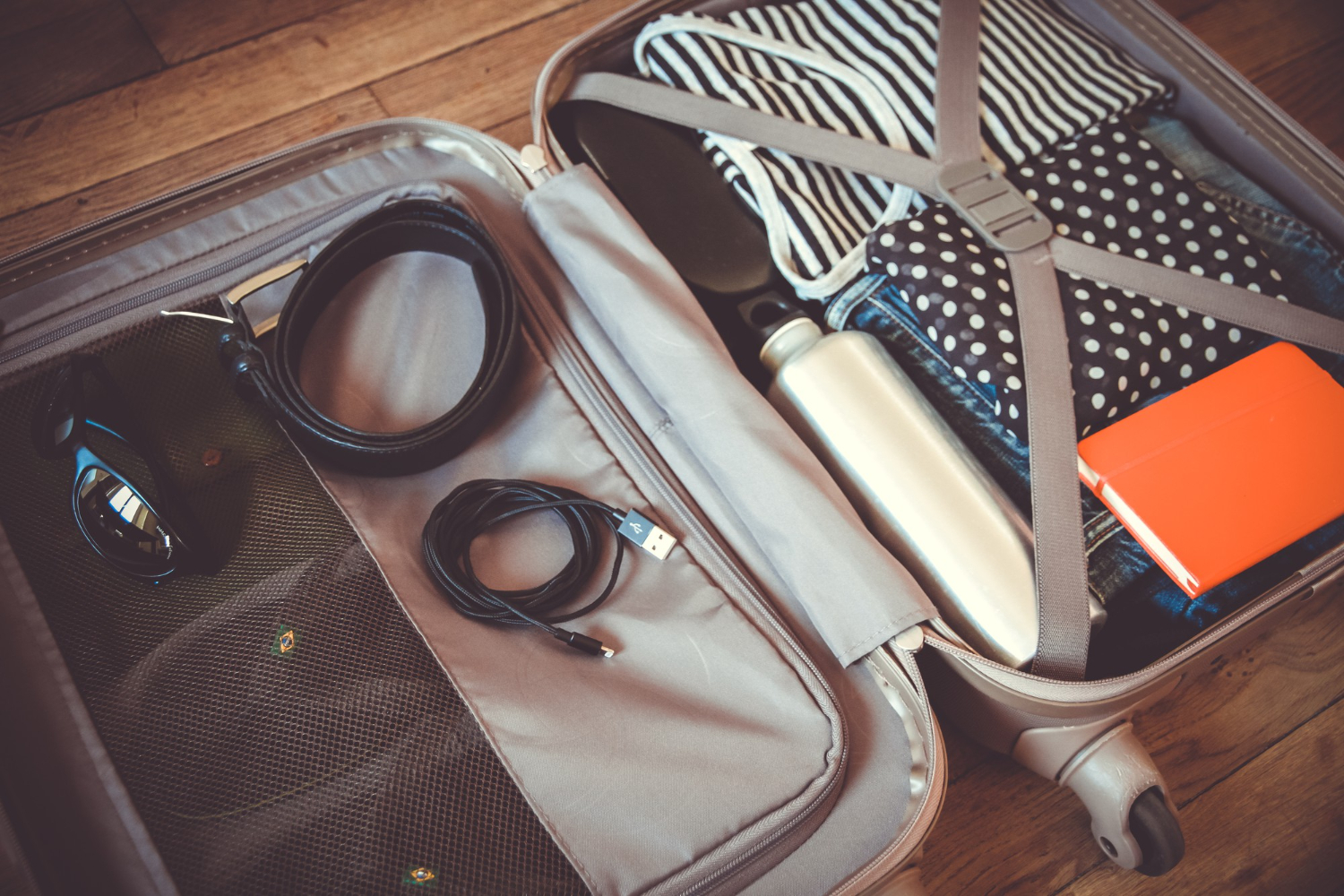
Pack completely, then remove three items you have not used on a comparable previous trip, without replacing them.
It works because the final pass is the only one made with the whole pile visible. Removing three things is the step almost nobody does and everybody should.
9. Weigh It Before You Leave
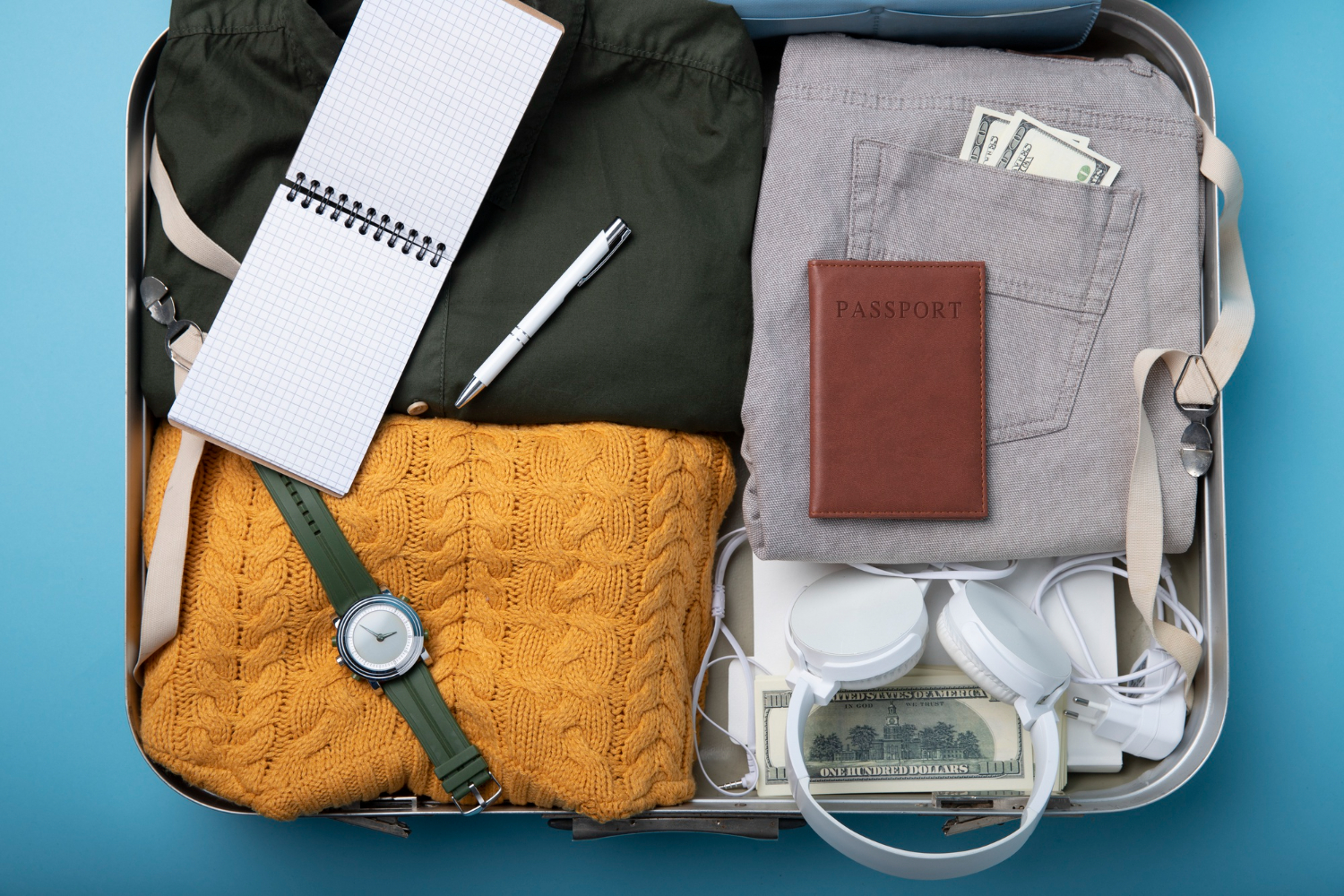
A bag that felt fine on the bed is a different object after a day of carrying it, and the number is worth knowing before rather than at a check-in desk.
Anything you would not carry for an hour should come out. Weighing it is the reality check that happens too late otherwise.
10. Know Why You Are Doing It

Travelling light is easier to move with, quicker at every transition and cheaper on most routes, and it is not a virtue in itself or a competition.
Anybody travelling with children, medical requirements or specialist equipment has different constraints and none of this applies to them. Knowing the reason is what stops the principle becoming a rule.
Decisions Rather Than Technique
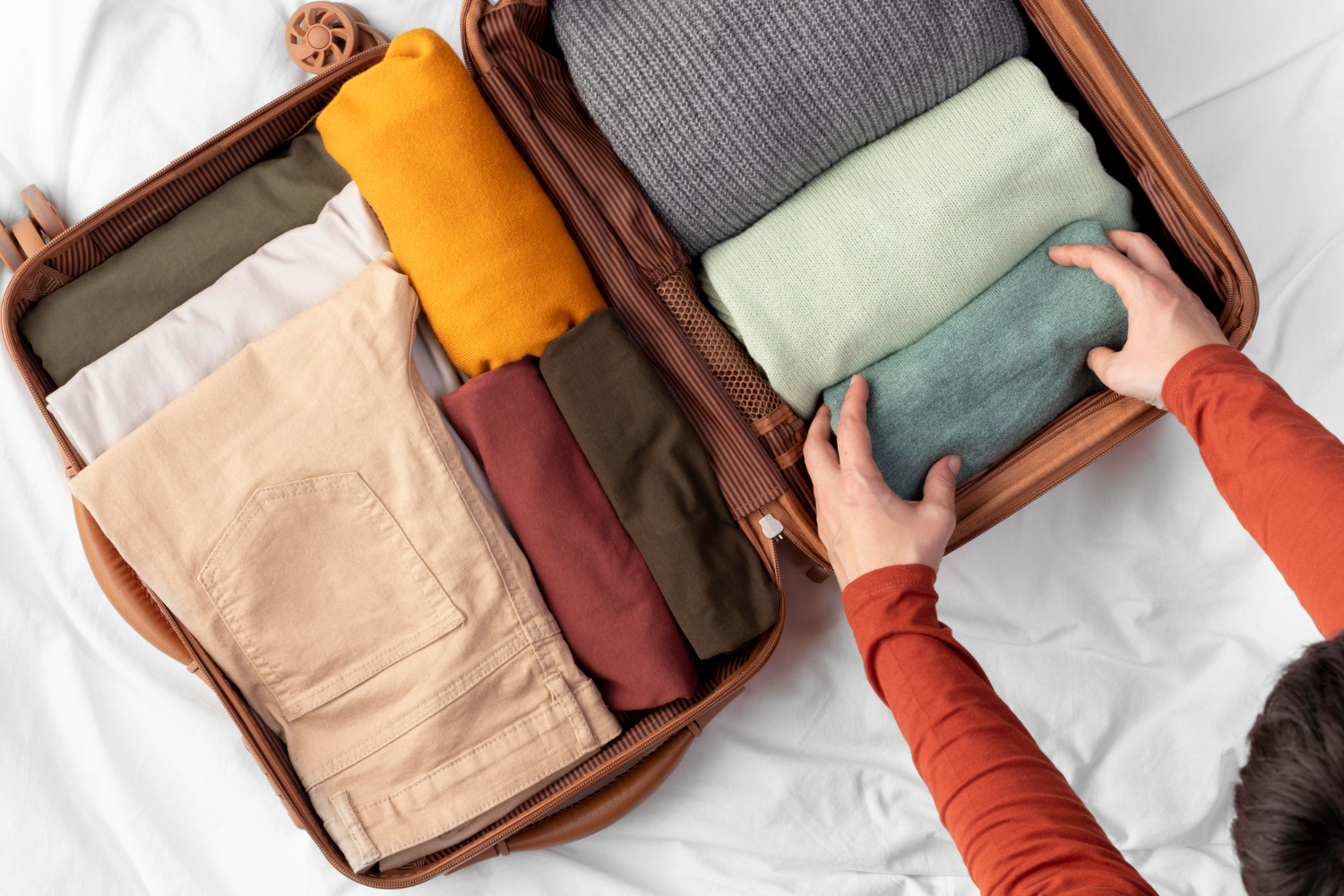
Nearly all of this happens before anything is folded. What goes in the bag is determined by whether you packed for days or for possibilities, whether the items work together, and whether you assumed you could wash something.
A closing qualification that matters. Travelling light is a convenience rather than an achievement, and there is no prize for it. Plenty of people have entirely legitimate reasons to carry more – equipment, children, medical needs, a long stay, a cold destination – and the useful version of everything above is that you should carry what you need rather than what you packed out of caution.
Like our content? Follow us for more.