The wheel is frequently described as the great invention. The wheel-and-axle pair is the invention; a disc that rolls is obvious, and attaching it usefully is not. Here are twelve consequences.
1. Rolling Beats Sliding by an Enormous Margin
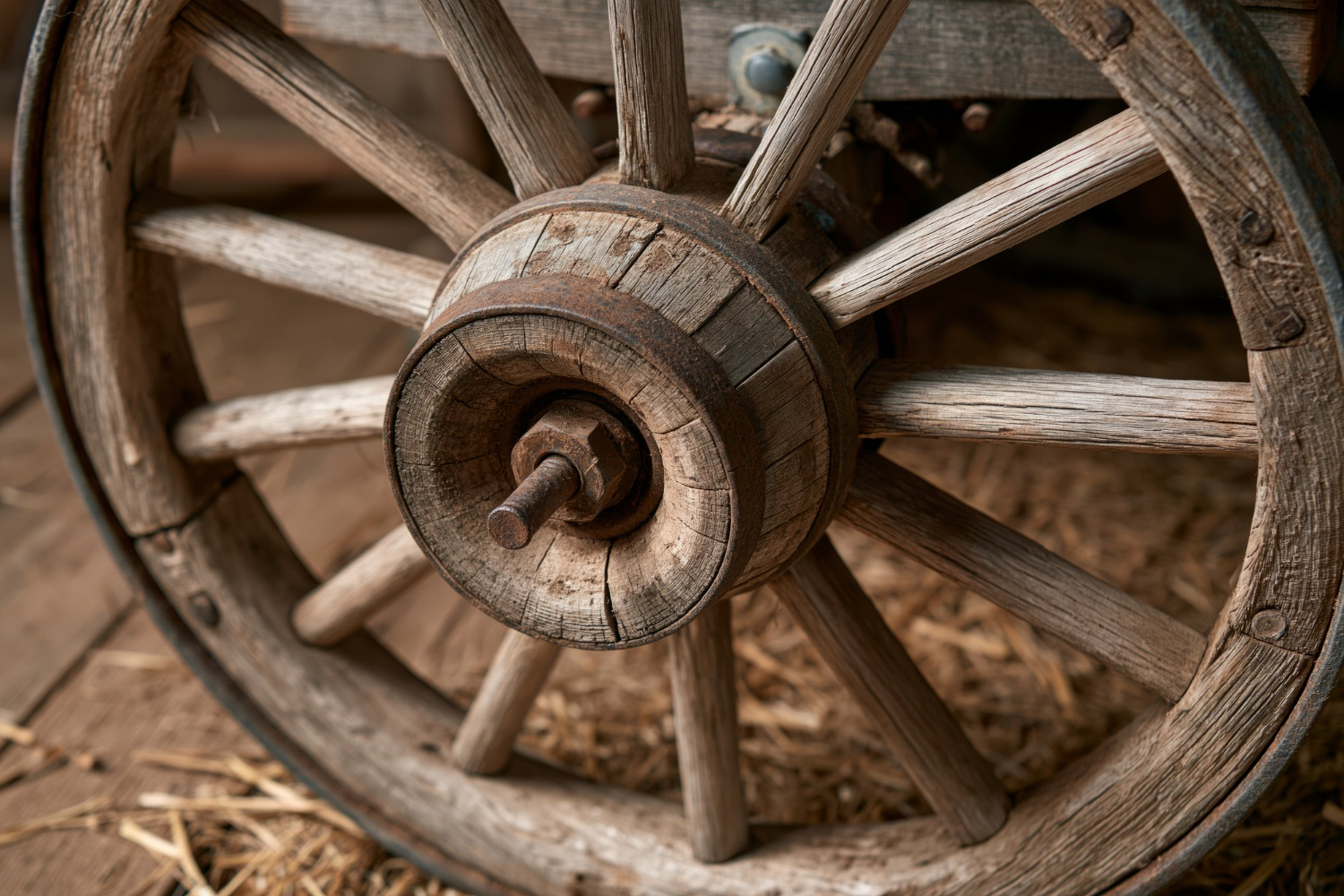
Dragging something across a surface requires overcoming friction across the whole contact area; rolling it means the contact point is continually renewed and never slides.
The force required drops dramatically. Rolling friction is the entire reason wheels exist.
Like our content? Follow us for more.
2. The Axle Is Where the Problem Moved
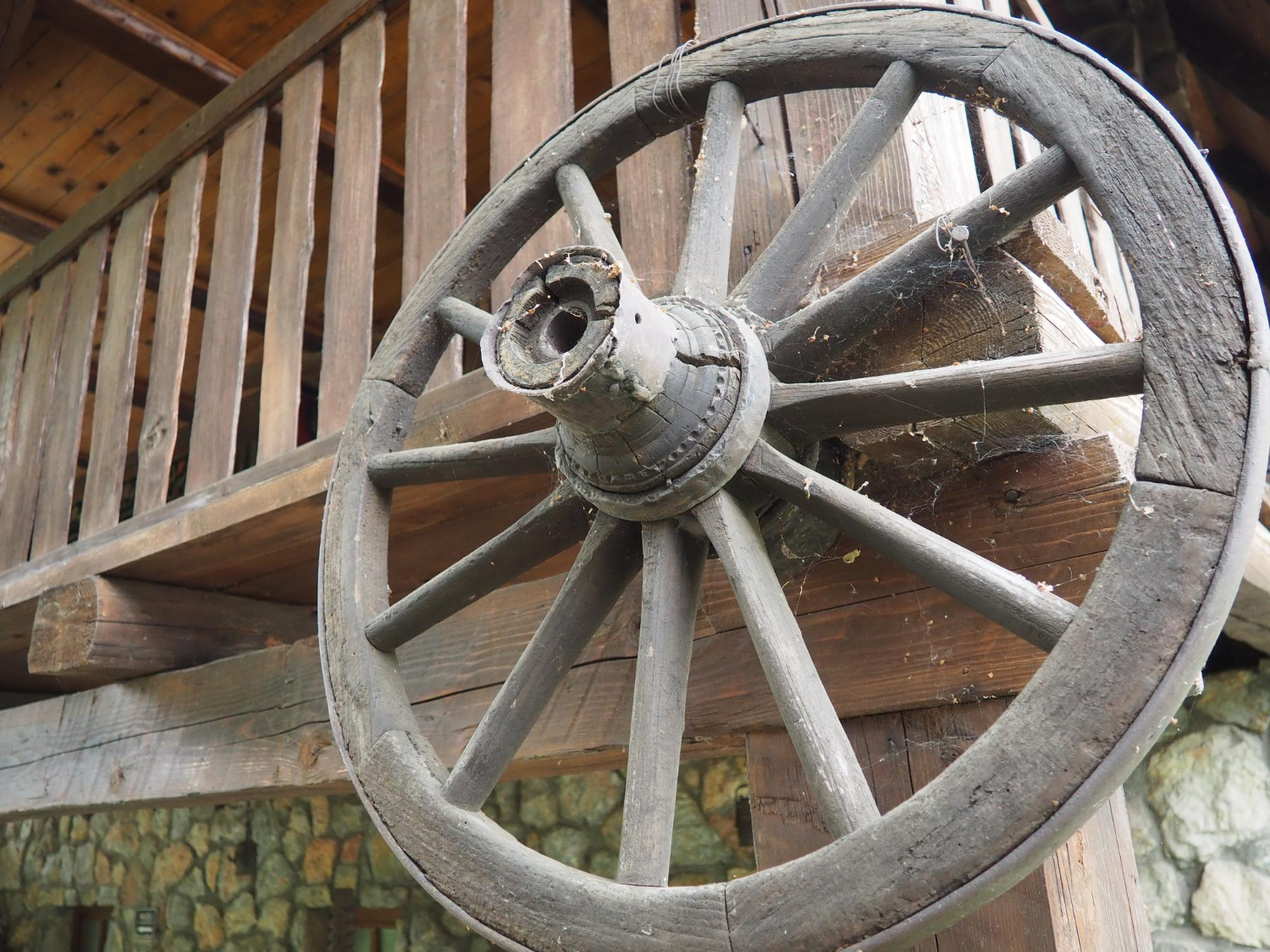
A rolling wheel still has to be attached, and at the axle the two surfaces truly slide against one another – so the friction you removed at the ground reappears at the hub.
Every development since is about that interface. The axle is the place the original problem was relocated to.
3. Which Is Why the Fit Has to Be Precise
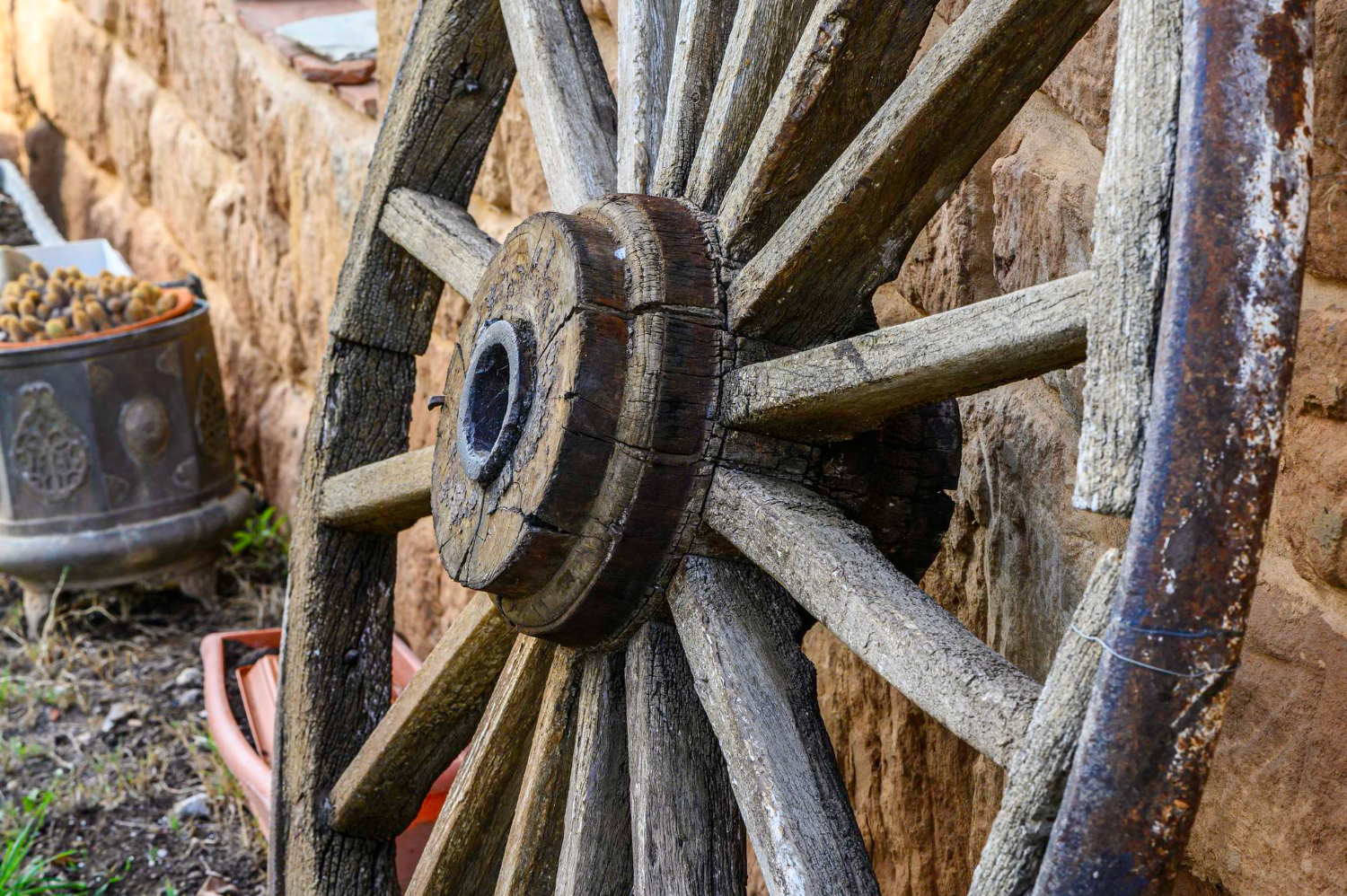
An axle that is too loose wobbles and wears rapidly; too tight and it binds. Achieving the tolerance required was beyond most early woodworking.
That precision requirement is a substantial part of why wheeled vehicles appeared later than they might have. Fit tolerance is the manufacturing constraint that delayed everything.
4. Lubrication Was the First Solution
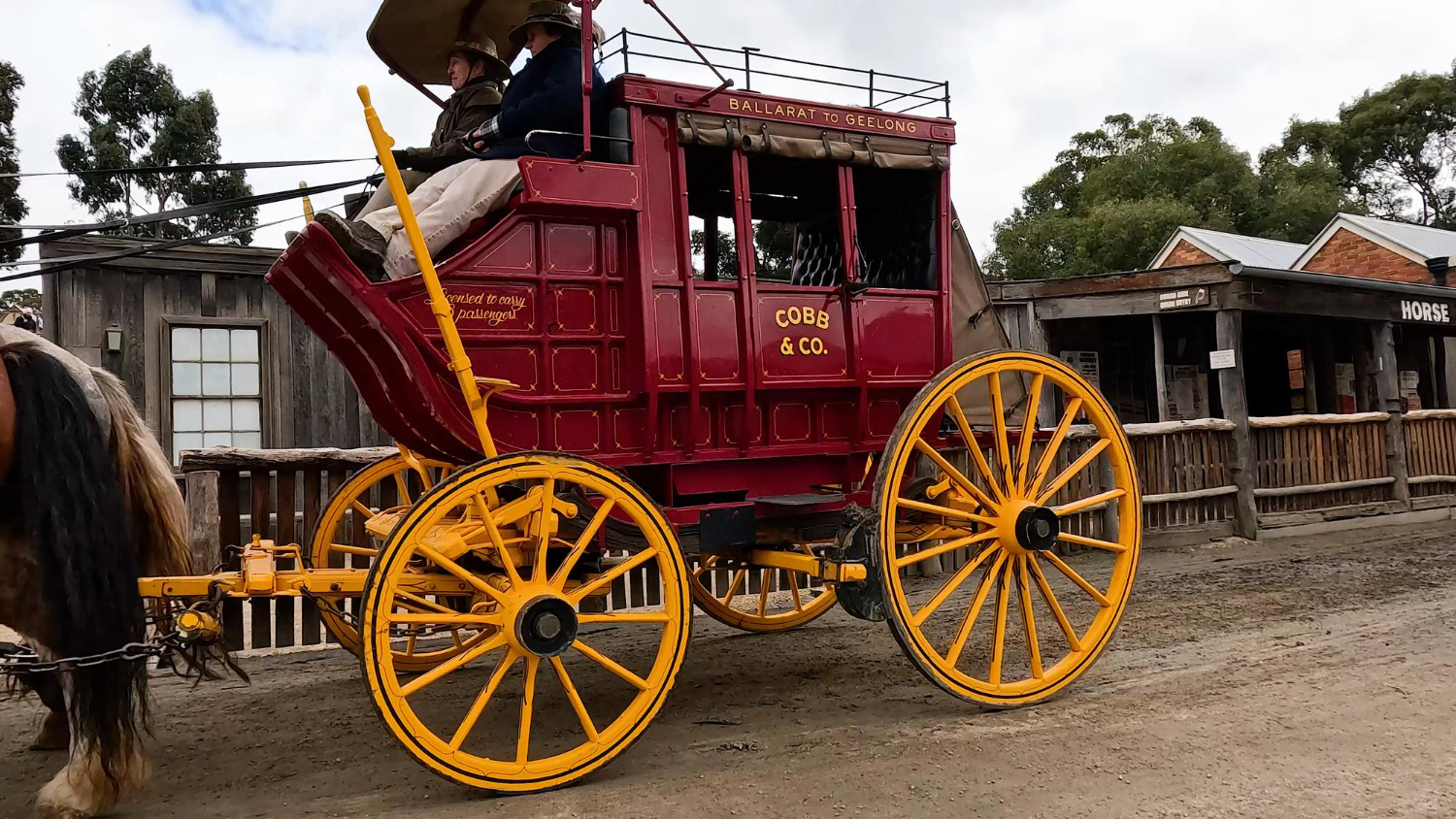
Animal fat, tar and oil between axle and hub reduce friction and carry away heat and debris, and a wheel without lubrication fails quickly.
Maintaining it was a routine daily task. Lubrication is the earliest bearing technology and still the most widespread.
5. A Plain Bearing Sacrifices the Cheap Part
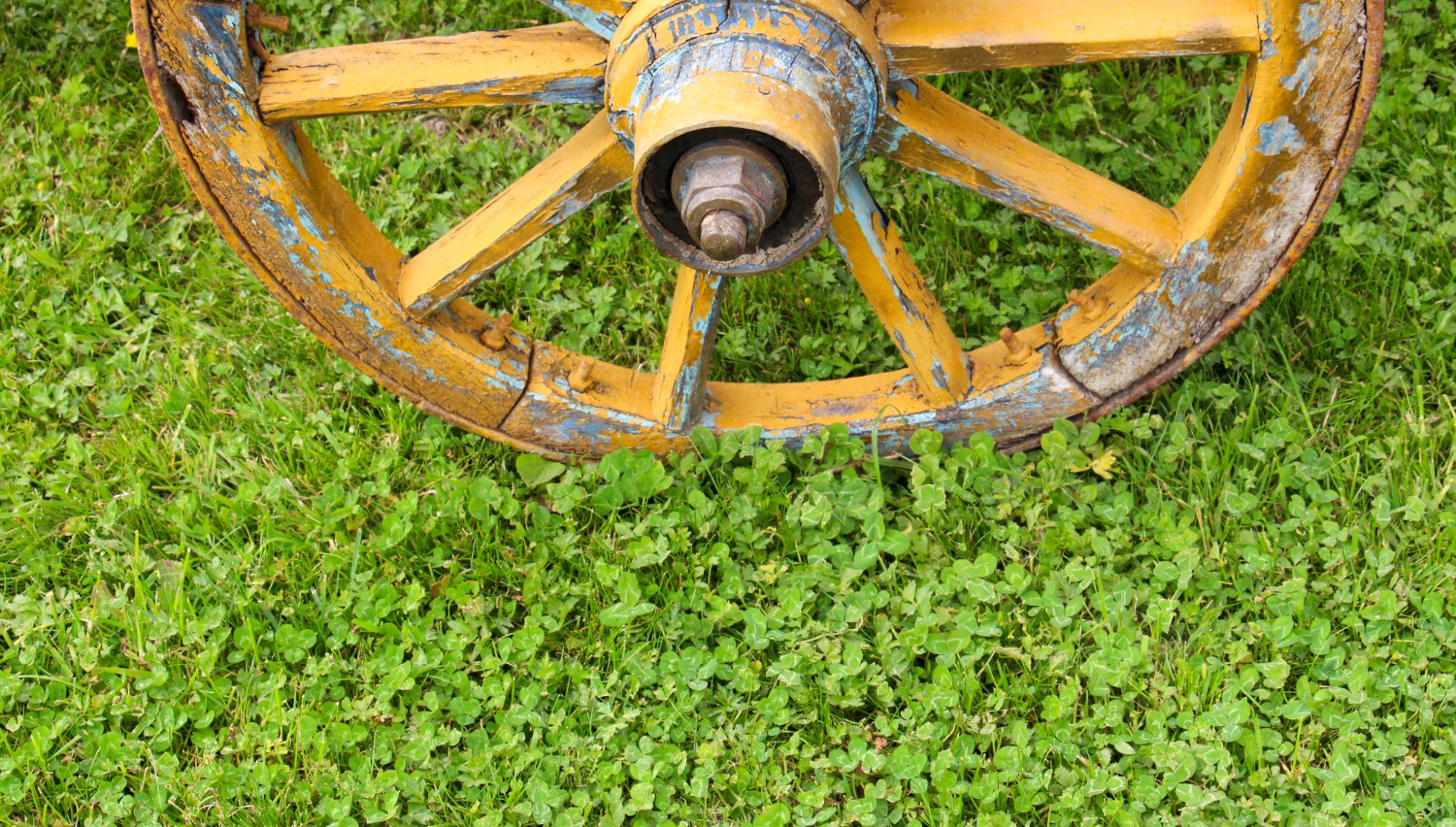
Where two surfaces must slide, the softer replaceable one is deliberately the one that wears, so that damage accumulates in a component designed to be swapped.
Getting that the wrong way round destroys the expensive part. Sacrificial wear is the design principle behind every plain bearing.
6. Balls and Rollers Replace Sliding With Rolling
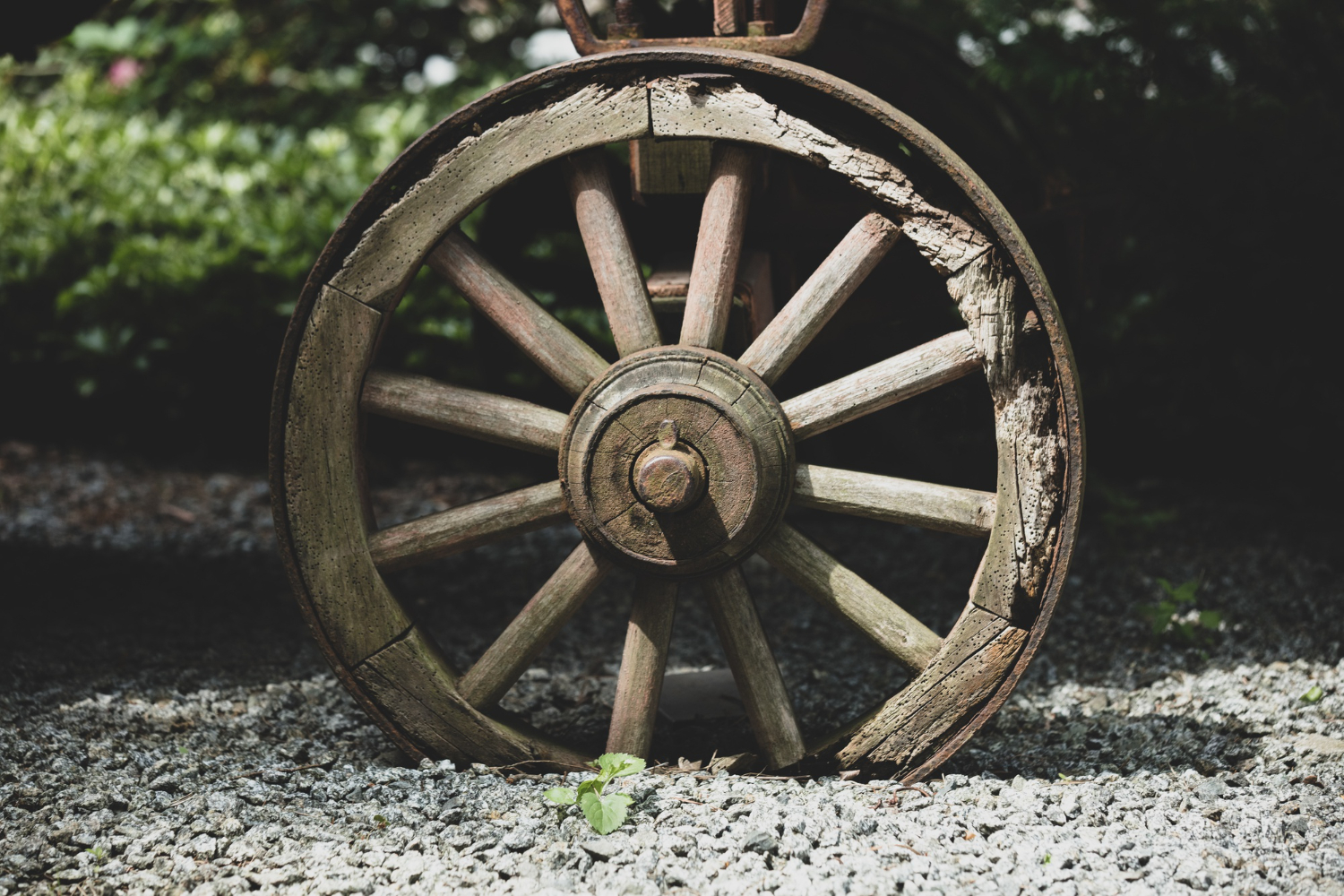
Placing hard rolling elements between two surfaces converts sliding contact into rolling contact, which is the same trick as the wheel applied a second time inside the hub.
It is a wheel within a wheel. Rolling-element bearings are the recursive solution to the problem the wheel created.
7. Load Spreads Across Many Contacts
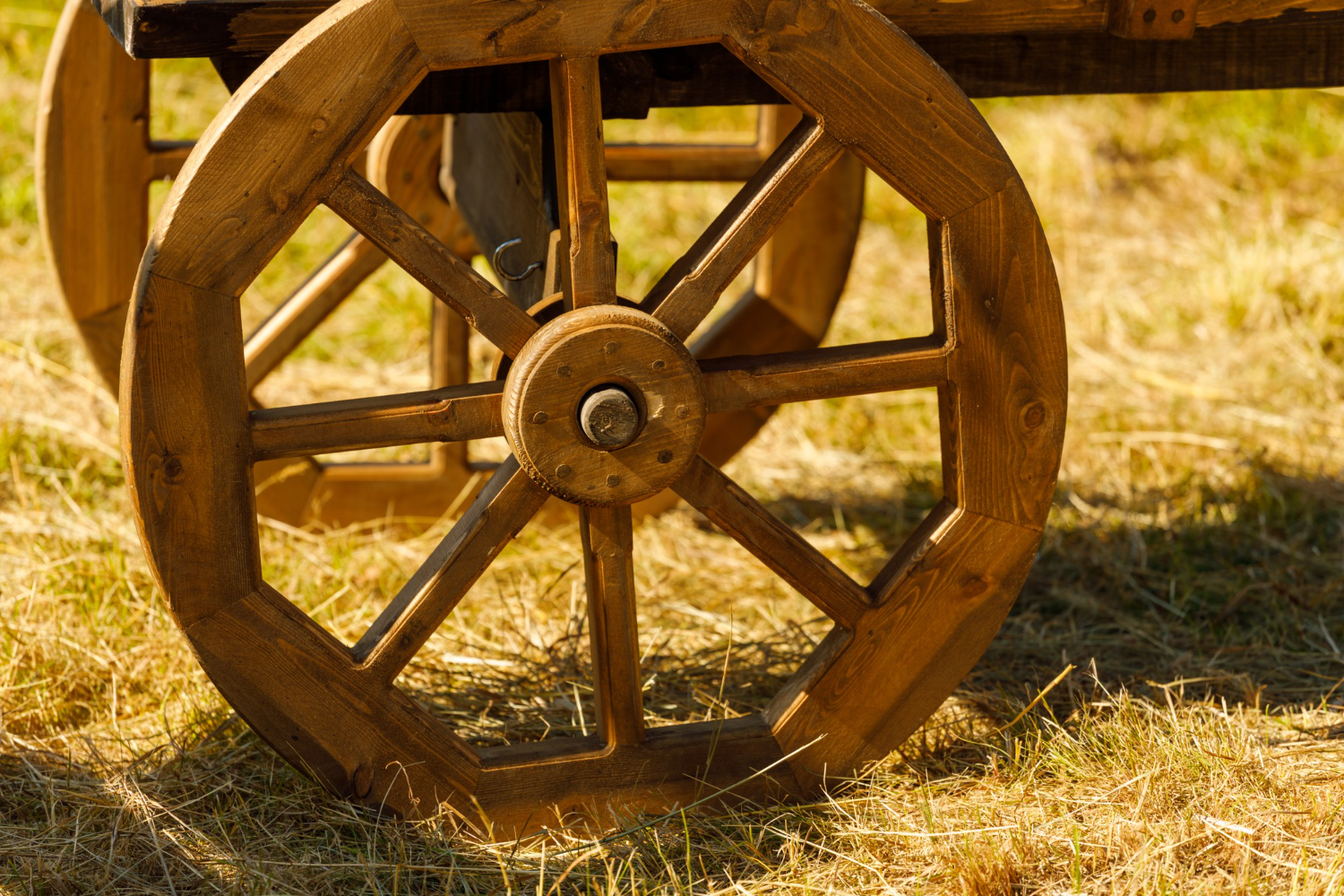
A bearing with many balls or rollers distributes the load across all of them, so no single contact carries enough force to deform anything.
Fewer, larger elements would concentrate stress. Load distribution is the reason bearings contain so many identical parts.
8. Wheel Diameter Is a Trade
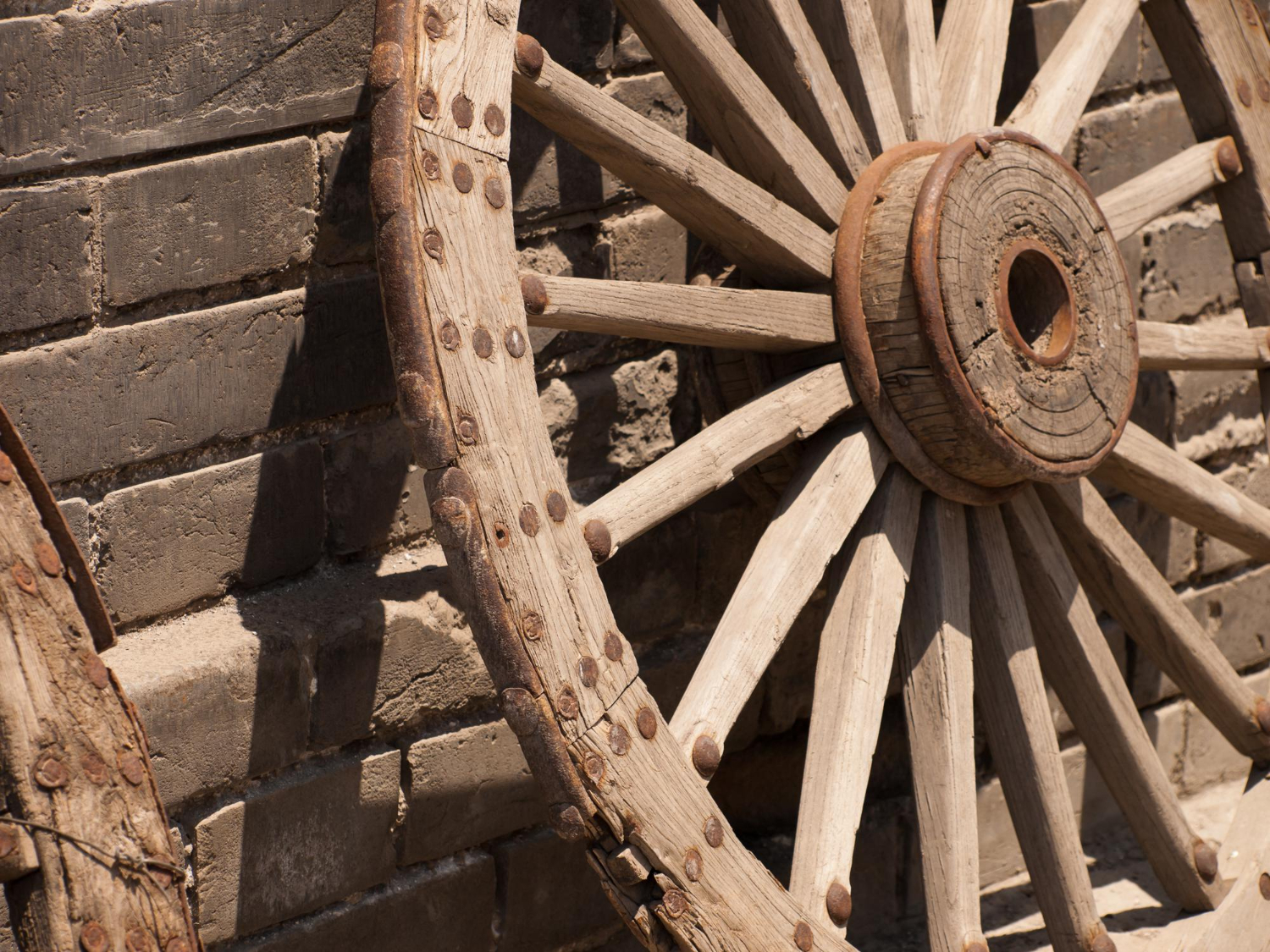
A larger wheel rolls over obstacles more easily and covers more ground per turn; a smaller one accelerates more readily and needs less clearance.
Cart, carriage and machine wheel sizes all reflect that calculation. Diameter is the decision that trades obstacle clearance against effort.
9. Spokes Work in Tension, Not Compression
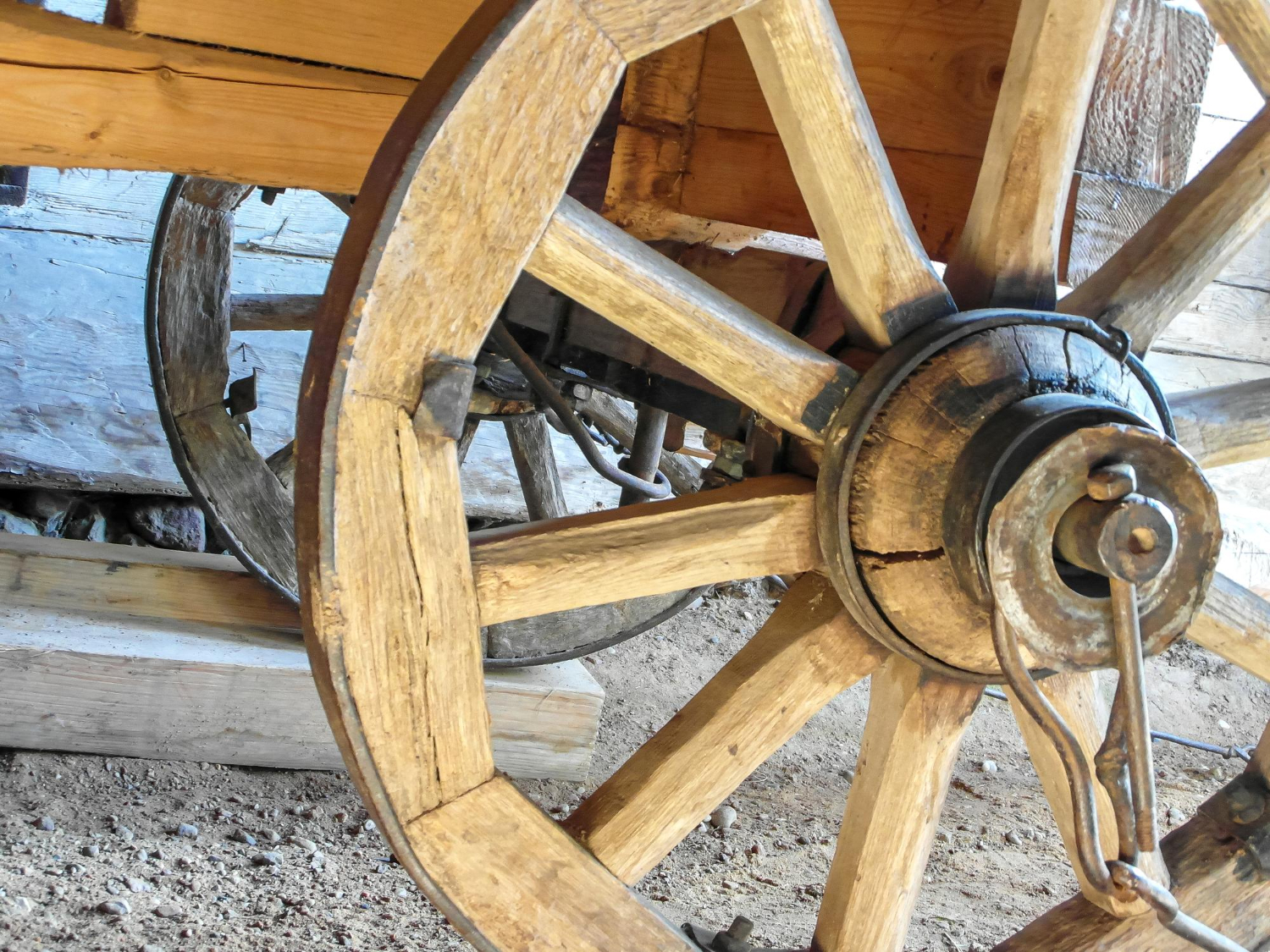
A wire-spoked wheel does not stand on its lower spokes; it hangs from its upper ones, with every spoke in tension and the rim held in compression.
That is why an extremely light wheel can carry a heavy load. Tension spoking is the counterintuitive design that made light wheels possible.
10. Bearings Fail From Dirt Rather Than Load
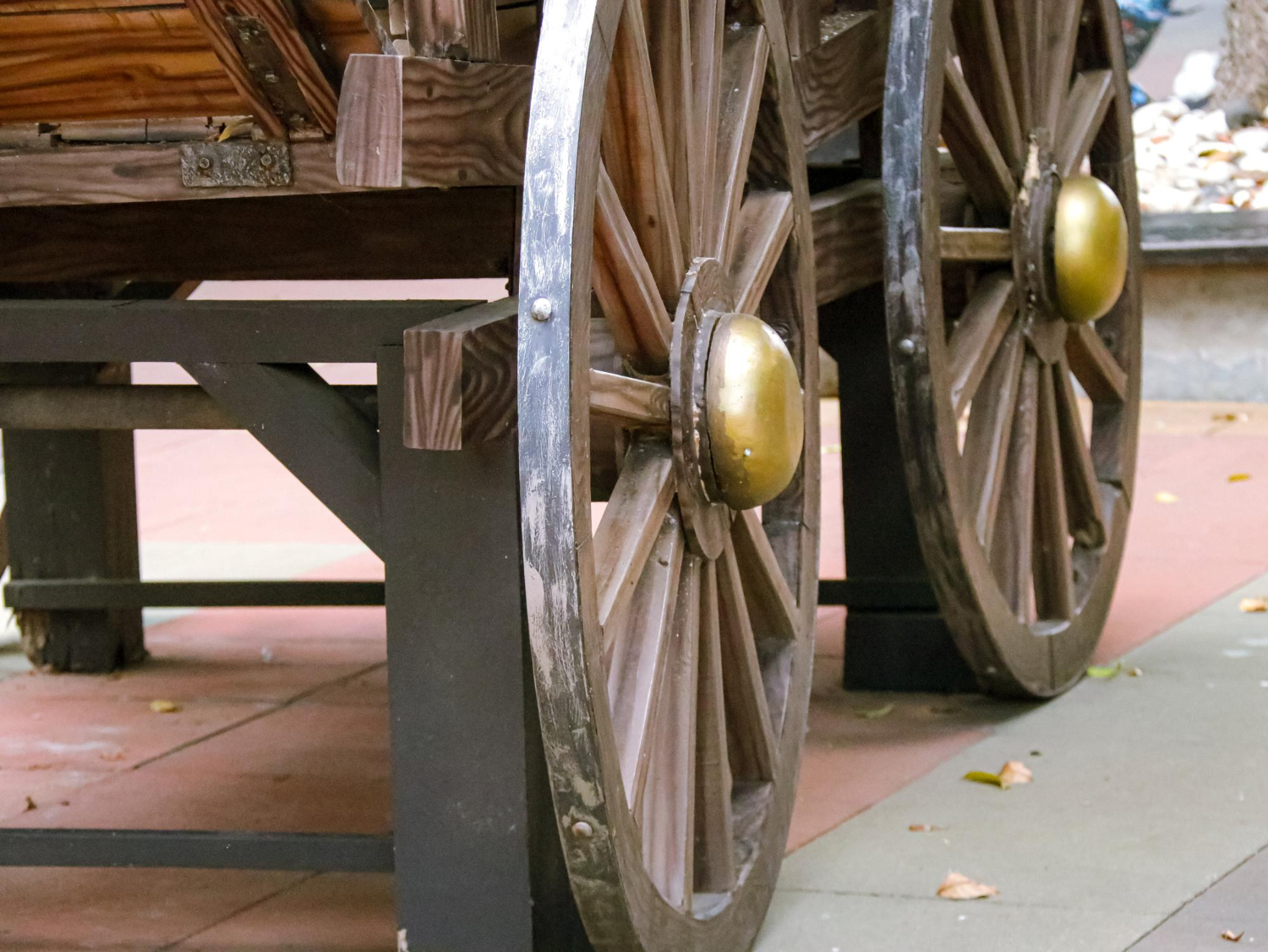
Most bearing failure is caused by contamination getting in or lubricant getting out rather than by the load exceeding what the bearing can carry.
Sealing is therefore as important as the bearing itself. Contamination is the failure mode that determines real-world lifespan.
11. Some Places Did Not Use Wheels for Good Reasons
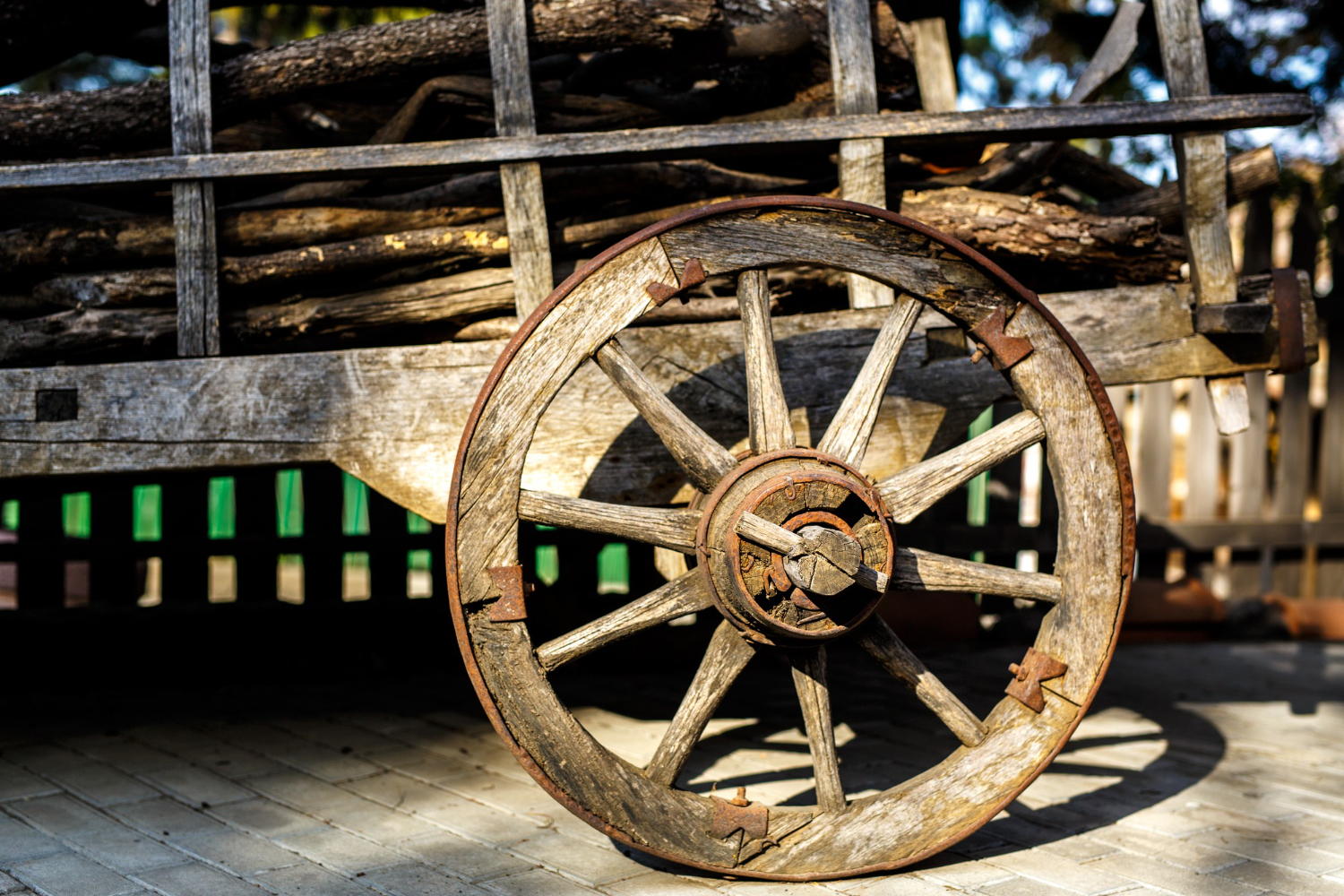
Wheeled transport requires suitable terrain and a draught animal capable of pulling, and in regions lacking either, other solutions were more efficient.
That reflects conditions rather than knowledge, and several such societies used wheels in other applications. Terrain dependence is the reason wheel adoption was uneven.
12. The Wheel Needed a Road as Much as an Axle
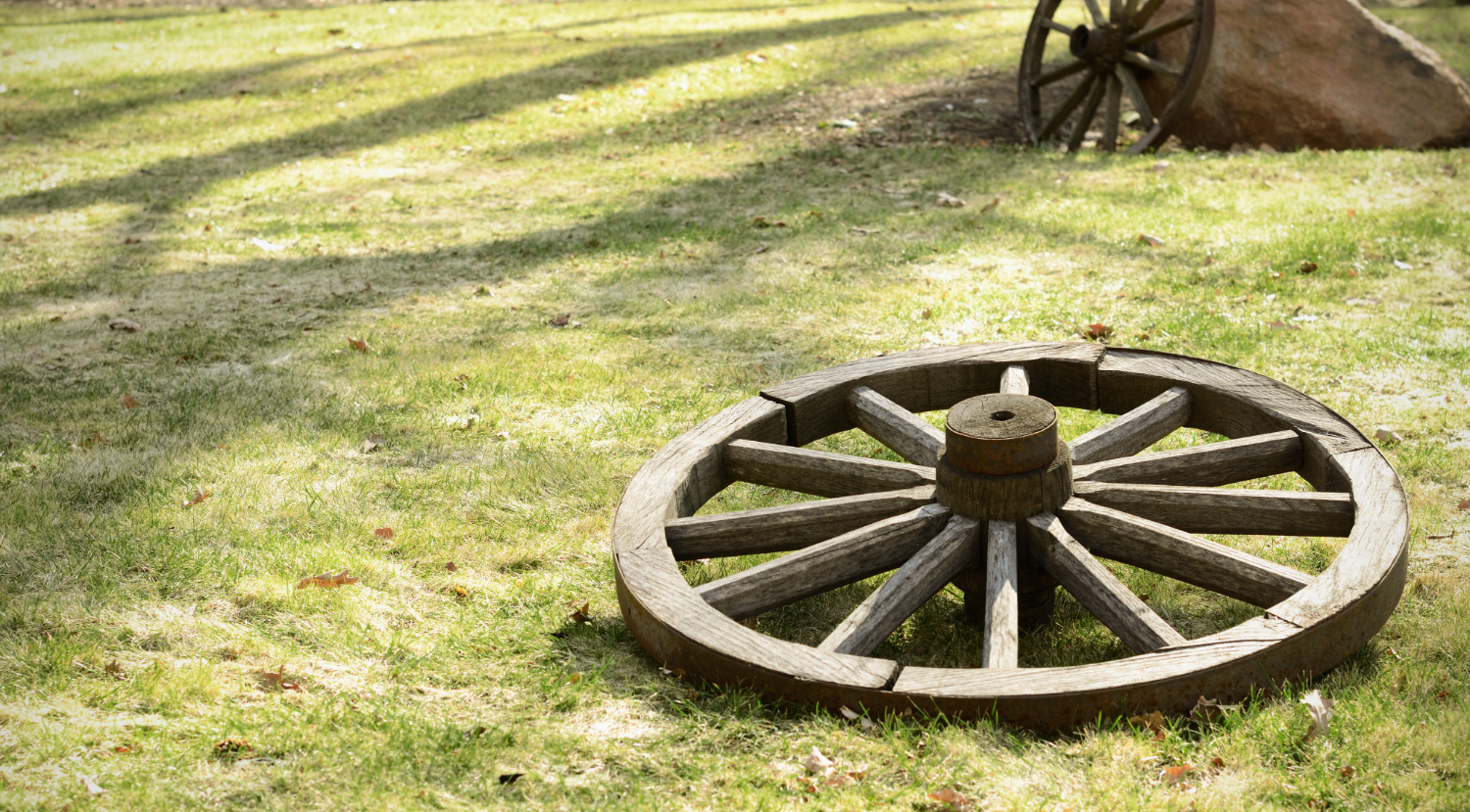
A wheel is only advantageous on a reasonably firm even surface; on soft or broken ground it sinks or jams and a sledge performs better.
Roads and wheels developed together for that reason. Surface dependence is the constraint that made the wheel useless until somebody built somewhere to use it.
The Wheel Was Easy, the Join Was Not
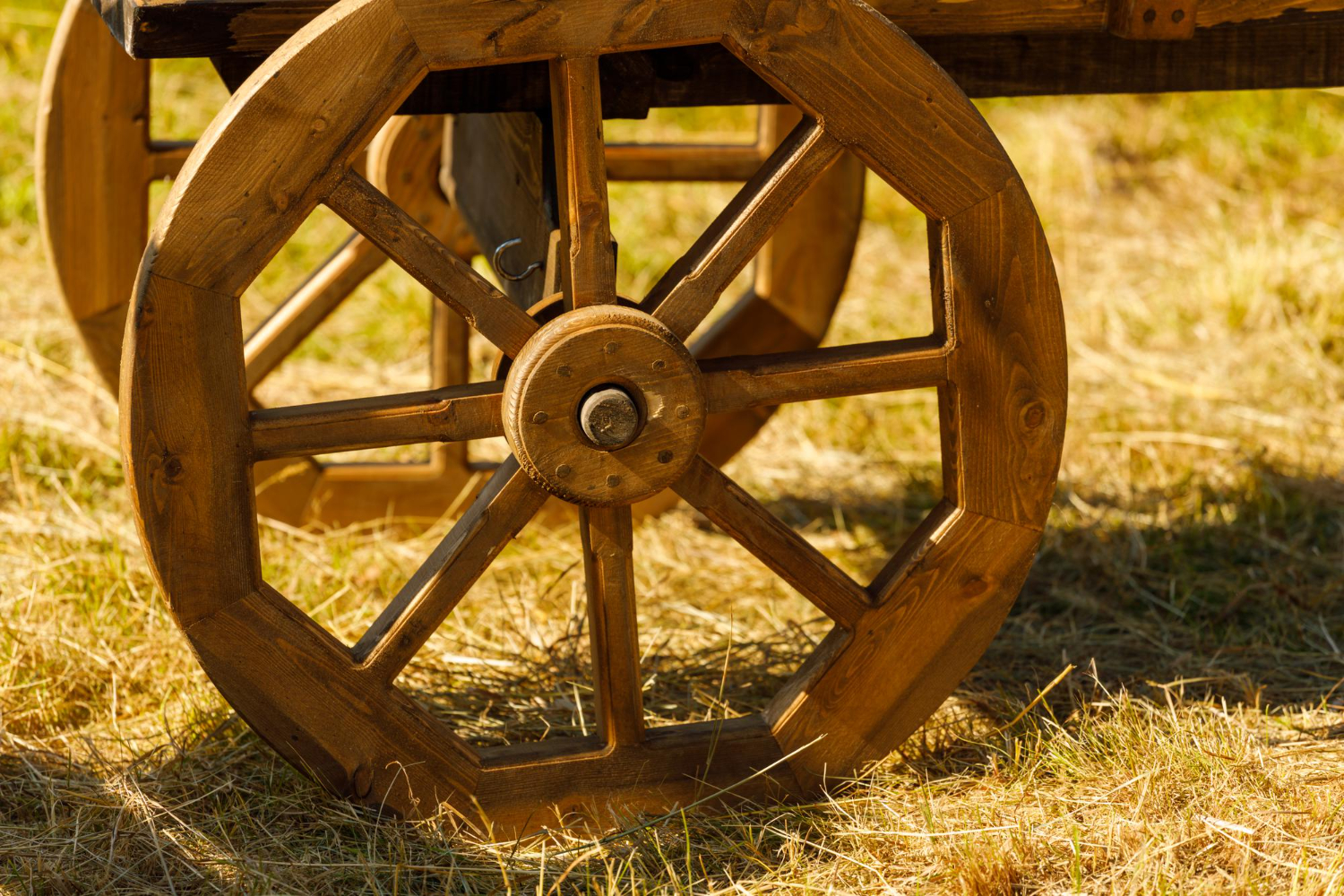
Everything here concerns one interface. A rolling wheel removes friction at the ground and creates it at the hub, and the history of the wheel is largely the history of managing that single contact.
The idea worth carrying away is the sixth one. A bearing is a wheel inside a wheel – the same solution applied to the problem the first application created – and that recursion is why the wheel took as long as it did and why it eventually worked as well as it does.
Like our content? Follow us for more.