

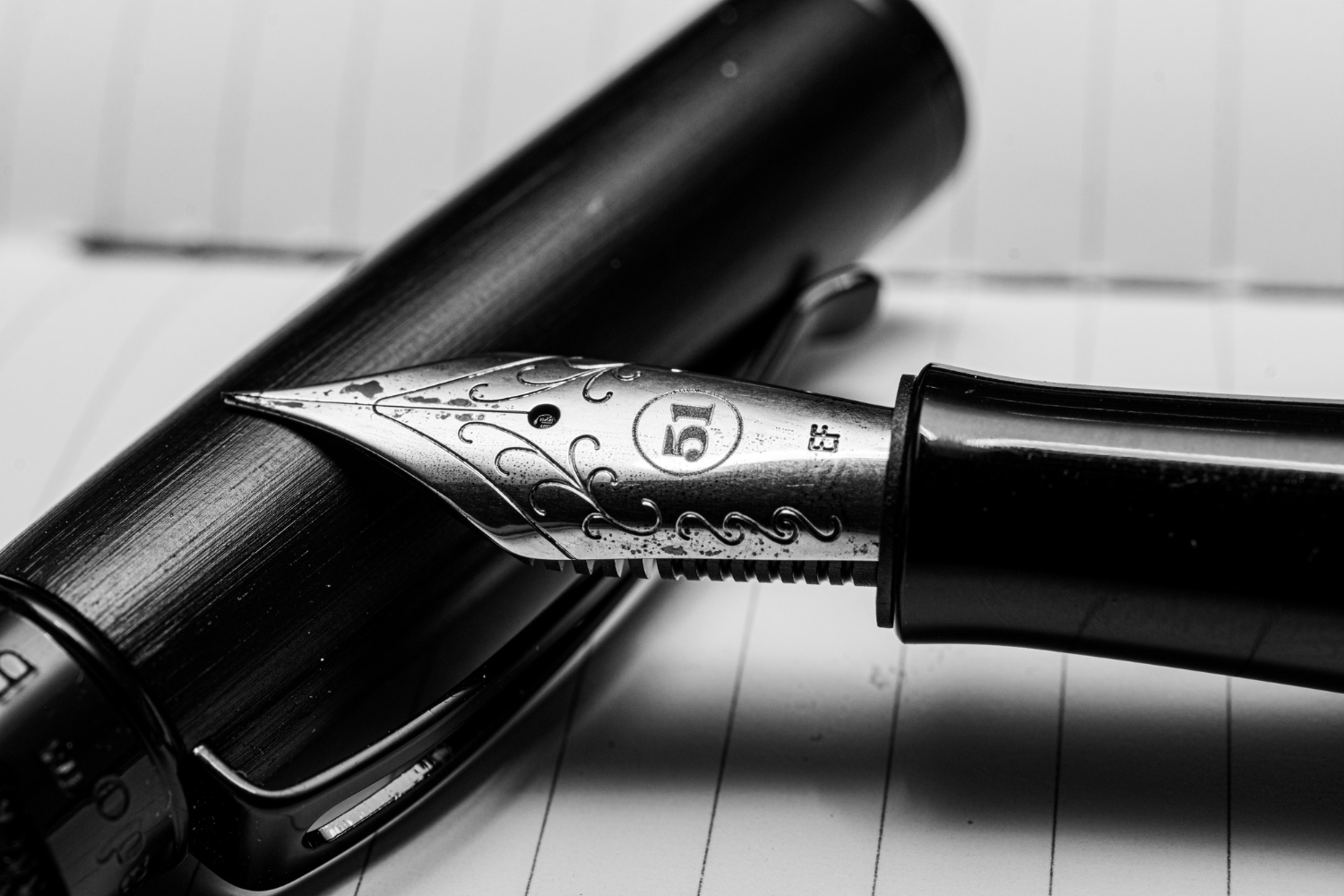
The whole subject is fluid control. Too little and nothing appears; too much and it blots; and the difference between the two is a matter of fractions of a drop. Here are fifteen problems and their solutions.
1. Getting the Ink to the Paper at All
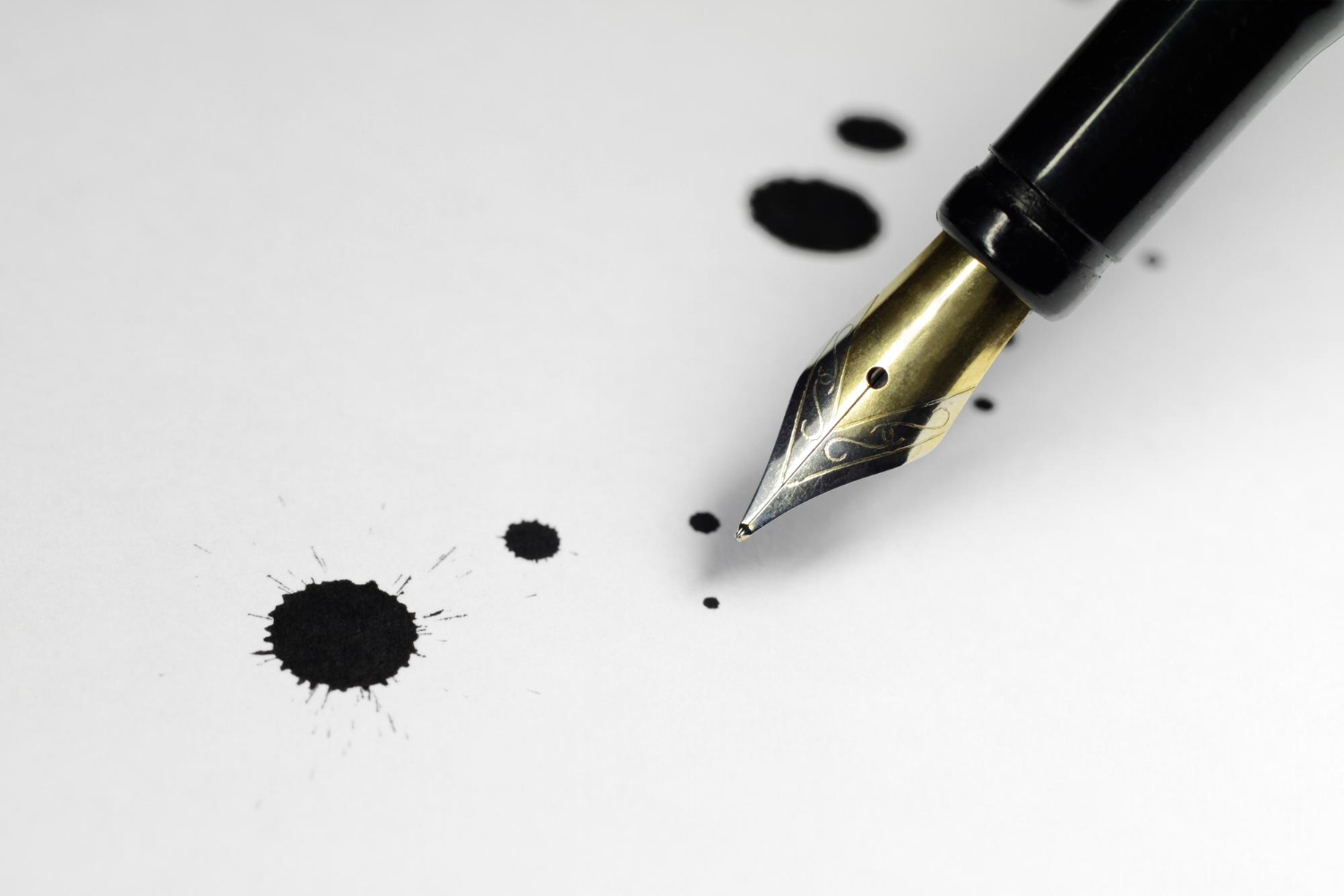
Ink has to travel from wherever it is stored to the point of contact, and the mechanism doing that determines everything about how an implement behaves.
Capillary action, gravity, wicking and mechanical transfer are the four available answers. Ink delivery is the problem every implement is a solution to.
Like our content? Follow us for more.
2. The Split in the Nib
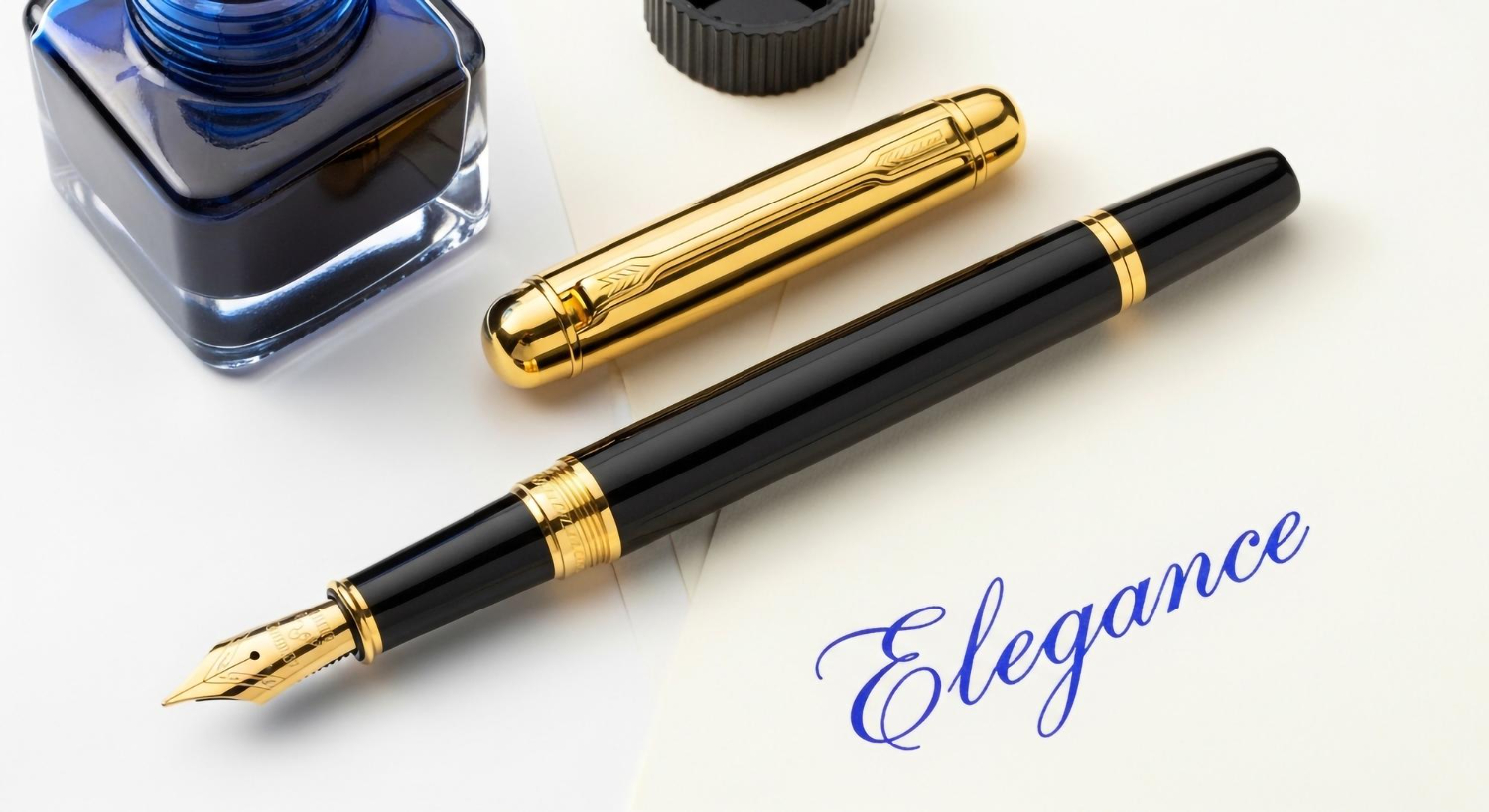
A cut reed or quill holds ink in the slit by capillary action and releases it when the tip touches paper and the tines separate slightly under pressure.
No moving parts and no reservoir are involved. The split nib is the mechanism that made writing with liquid possible.
3. Which Also Gives You Line Variation
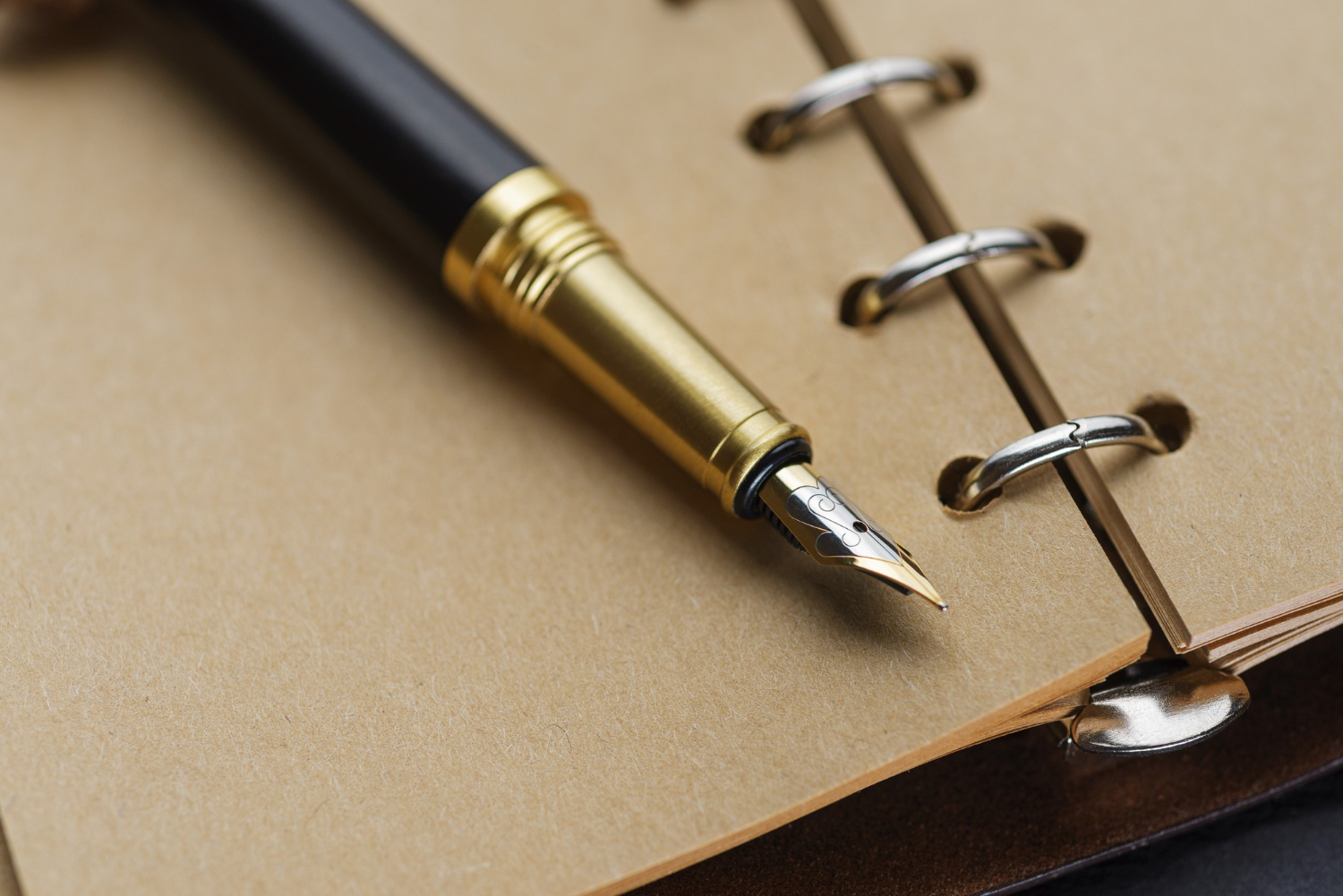
Because the tines separate further under greater pressure, a flexible nib produces thick and thin strokes from the same tool depending on how hard it is pressed.
That variation is the basis of most historic handwriting styles. Pressure response is the property that made writing expressive.
4. Having to Stop and Recharge
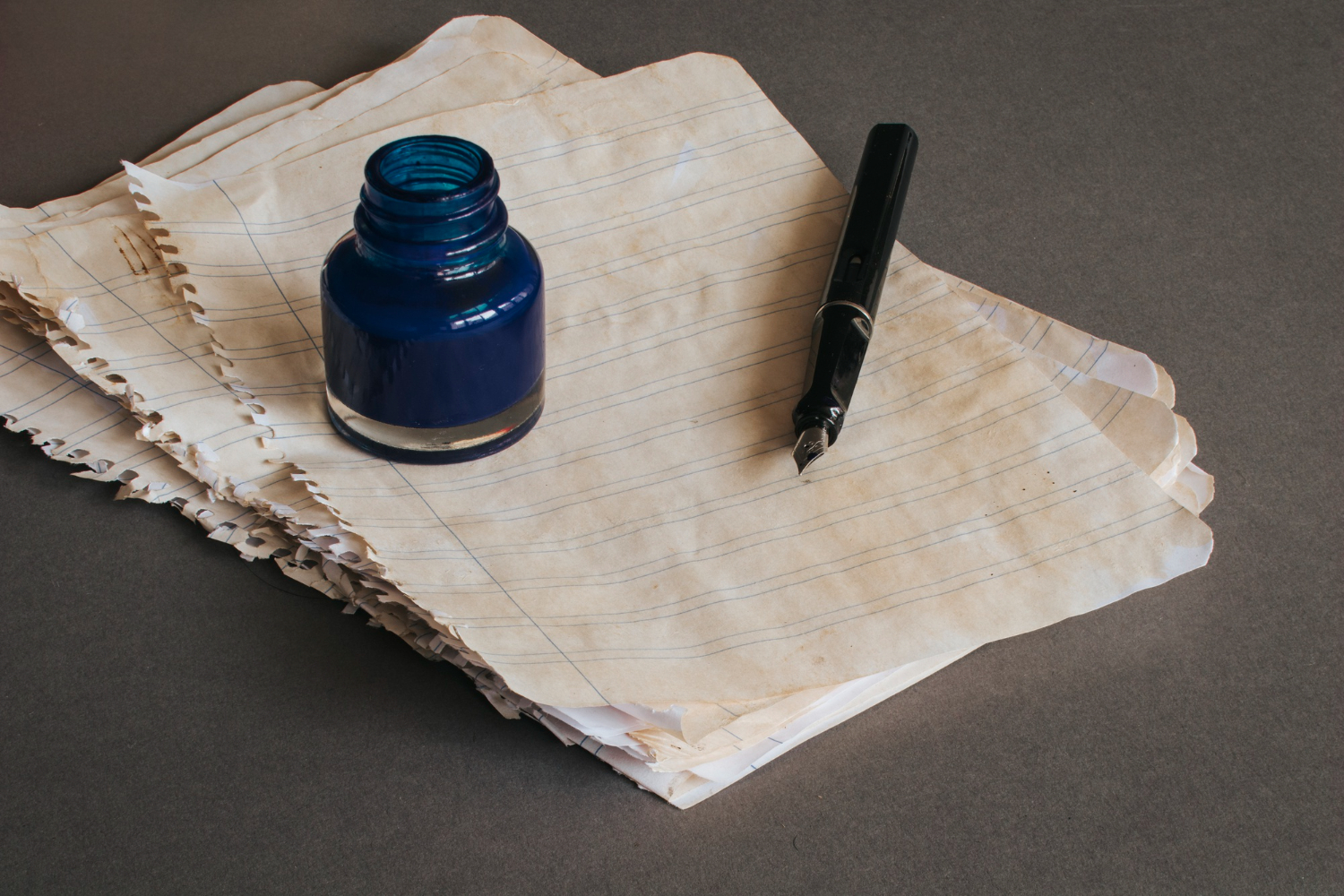
A nib holds a very small quantity, so writing was punctuated every few words by returning to an inkwell, which shaped the rhythm of writing itself.
Nobody could write continuously. Frequent recharging is the constraint that governed how writing was done for millennia.
5. Adding a Reservoir
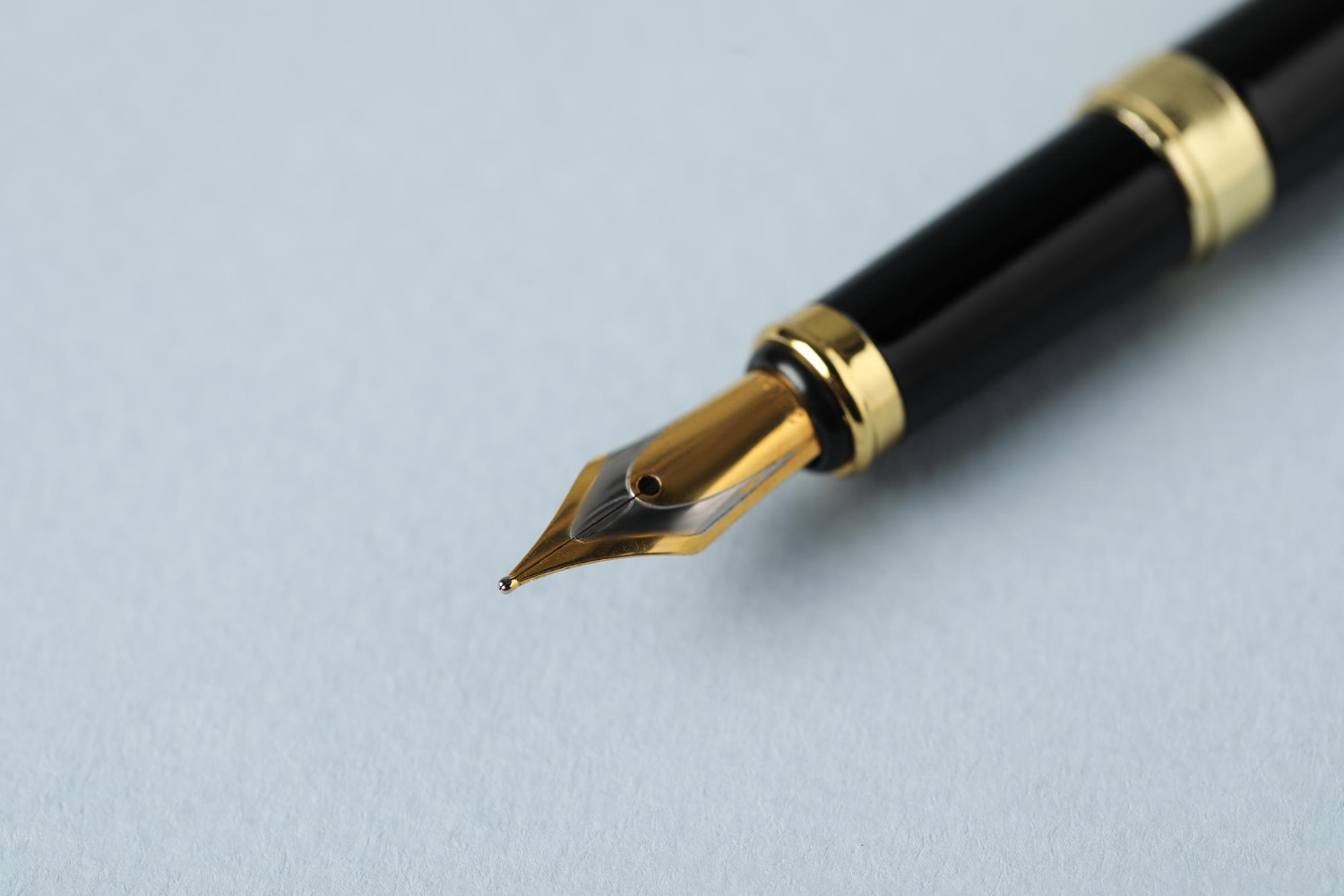
Putting a supply of ink inside the pen removes the inkwell, which requires a mechanism to hold it and release it at the right rate rather than all at once.
That is a substantially harder problem than it appears. The reservoir is the addition that created several new difficulties.
6. Letting Air In as Ink Leaves
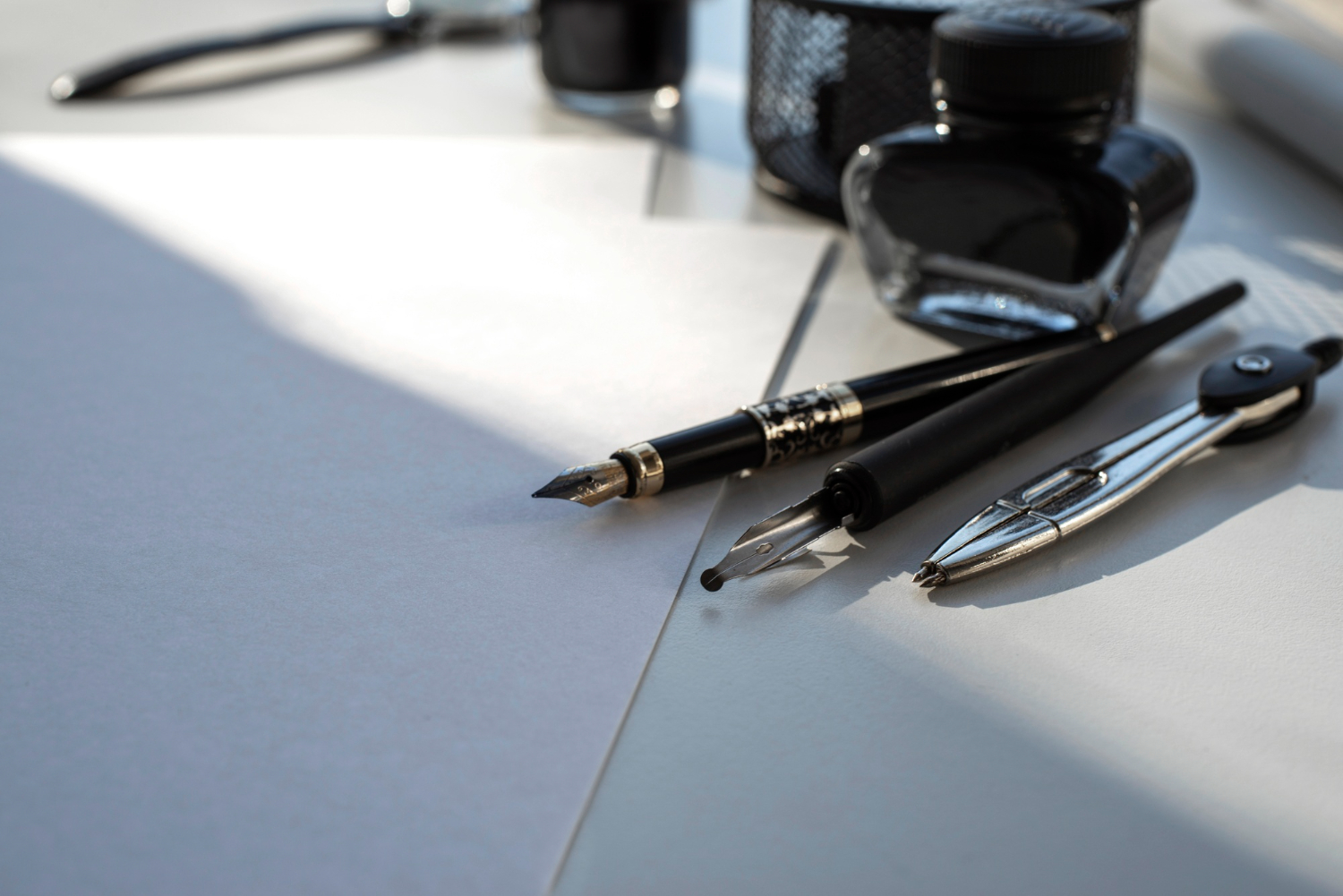
A sealed reservoir will not empty, because a vacuum forms behind the departing ink, so the feed has to admit air at exactly the rate ink leaves.
Get that wrong and the pen either floods or stops. Air exchange is the invisible mechanism that makes a fountain pen work.
7. Stopping It Leaking in a Pocket
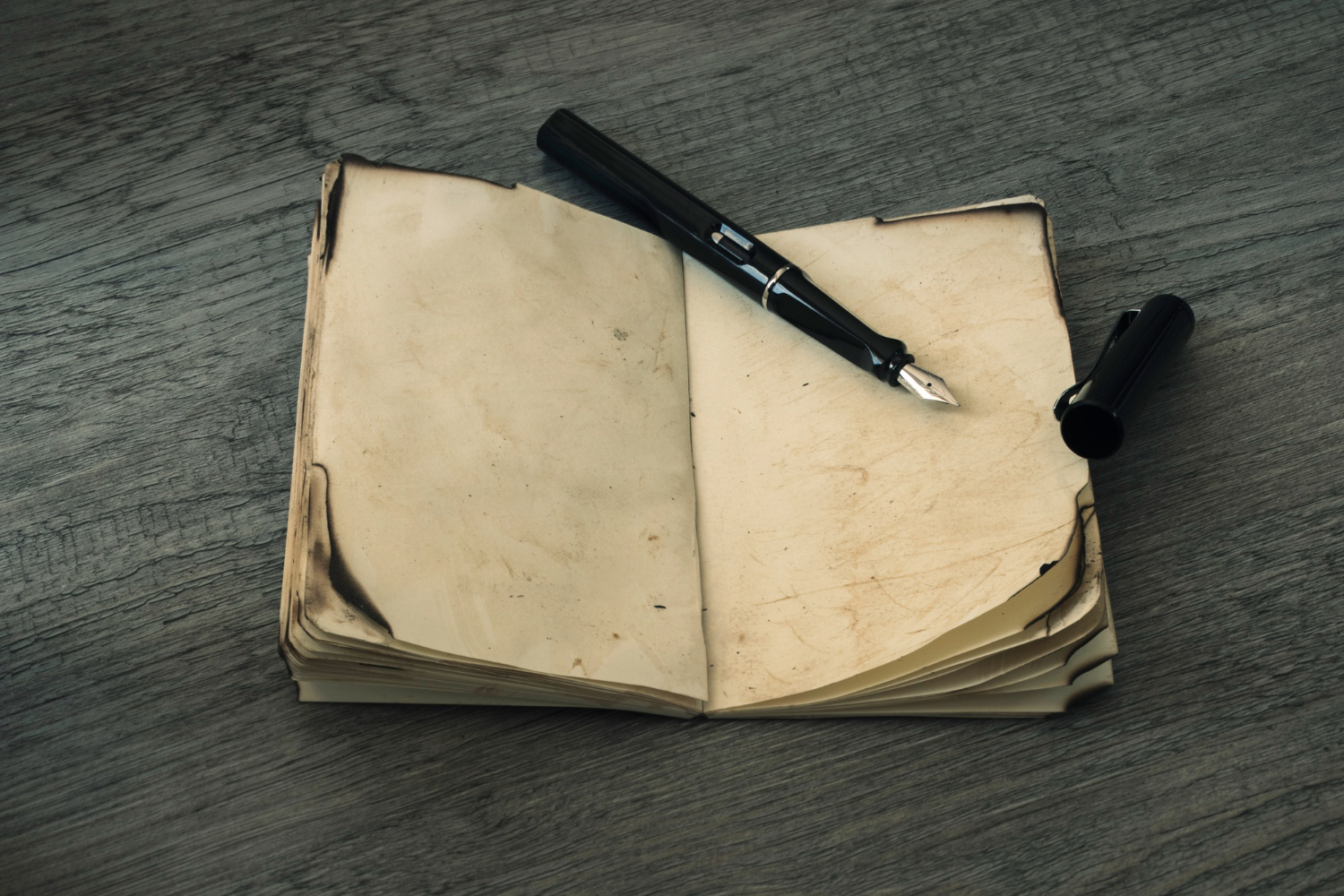
A pen carrying liquid ink and subject to temperature and pressure changes will express ink unless the feed can absorb the expansion.
Feeds contain fins and channels for exactly that purpose. Leak management is the problem that shaped the inside of every fountain pen.
8. Using a Ball Instead of a Slit
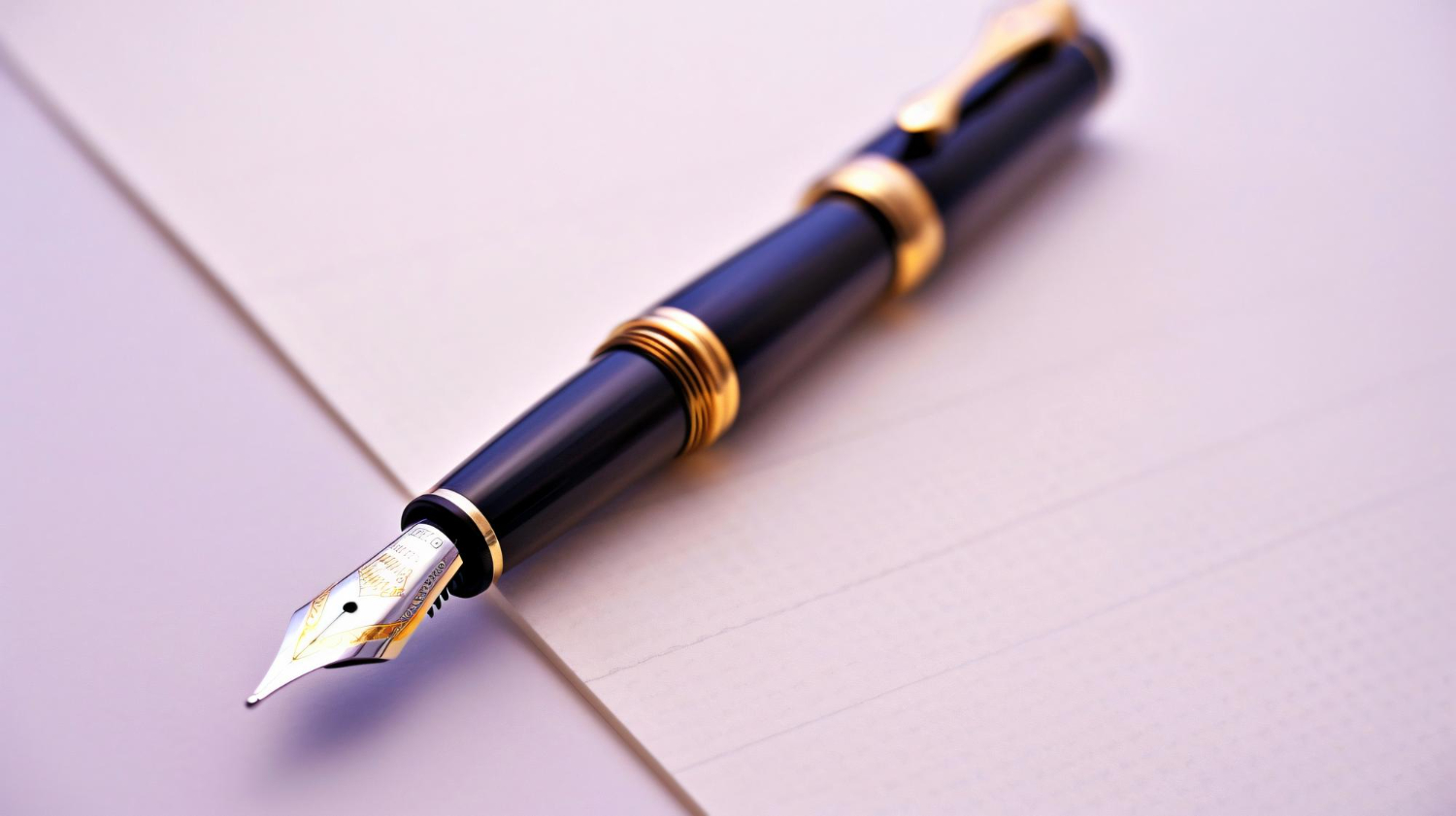
A rotating sphere in a socket picks up ink from a reservoir and transfers it to the paper, which eliminates the split, the flexibility and most of the leaking at once.
It requires a thicker ink and firmer pressure. The ballpoint is the solution that traded expressiveness for reliability.
9. Making an Ink That Will Not Run
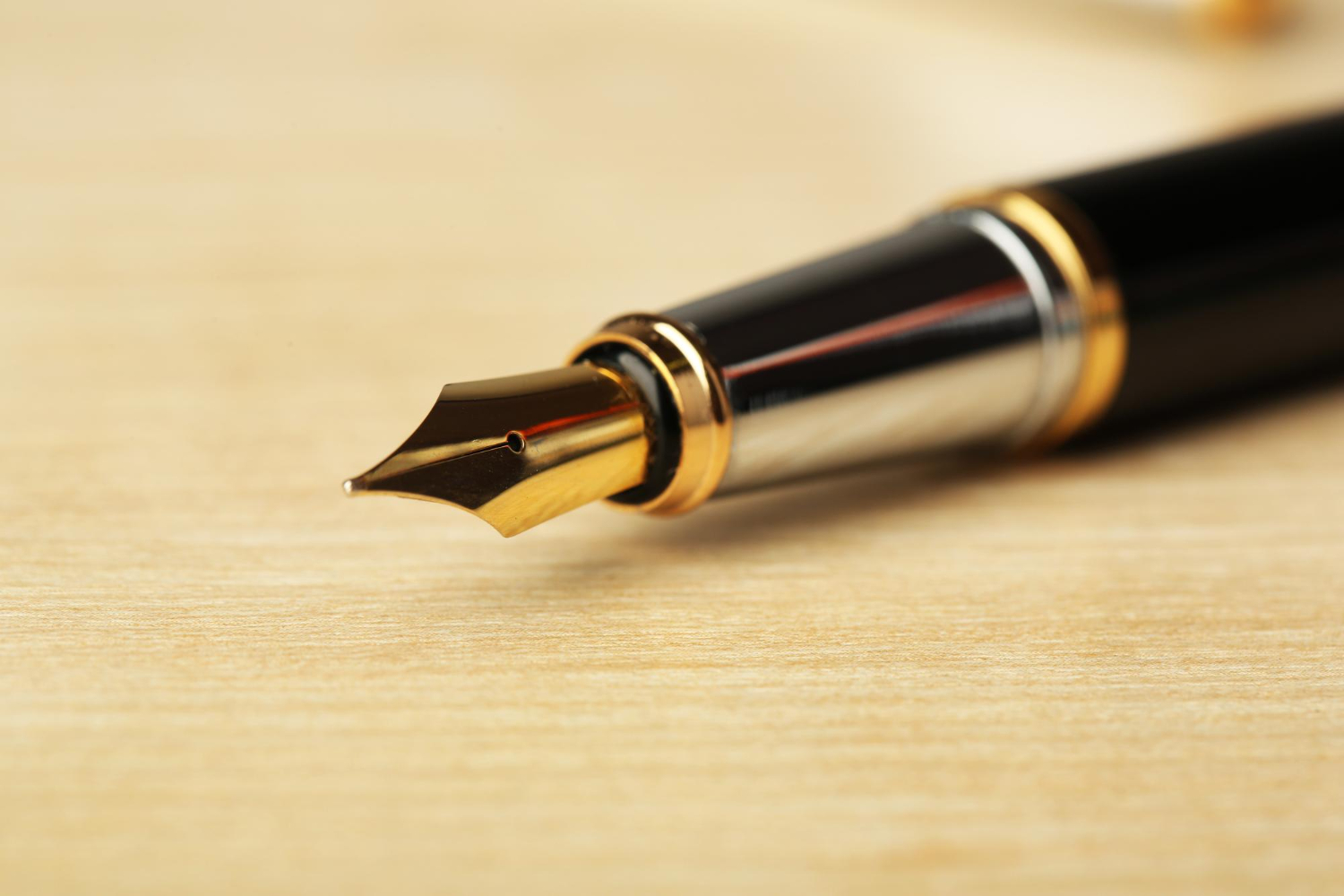
Ballpoint ink is far more viscous than fountain ink, because it must not flow on its own and must transfer only when the ball turns.
The ink and the mechanism were designed together. Viscous ink is the component that makes the ball possible.
10. Wicking Through a Porous Tip
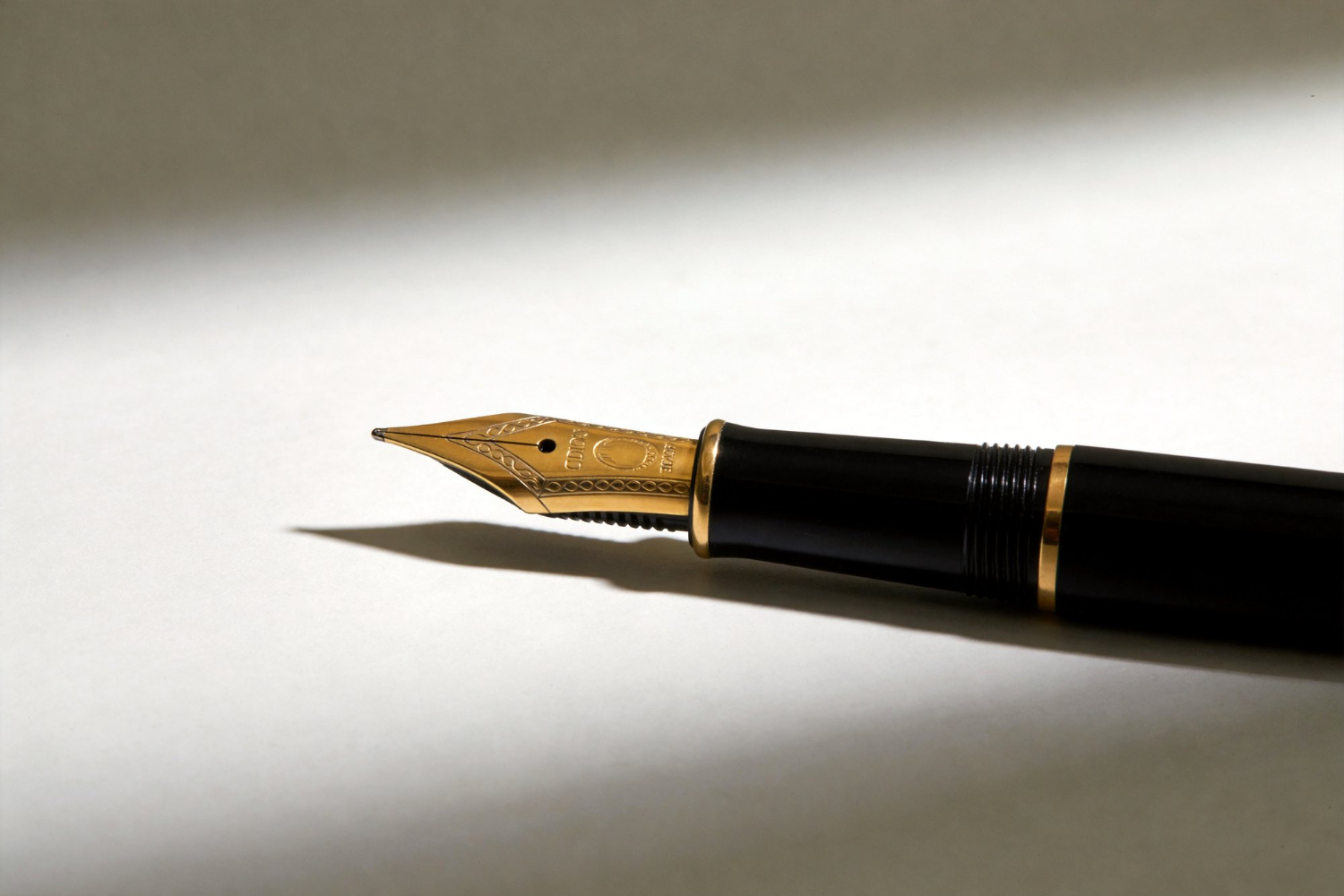
Fibre tips draw ink from a reservoir through a porous material by capillary action and deliver it across a broad soft point.
It produces a consistent line with no pressure sensitivity. Wicking delivery is the solution that removed the mechanism entirely.
11. Depositing a Solid Instead
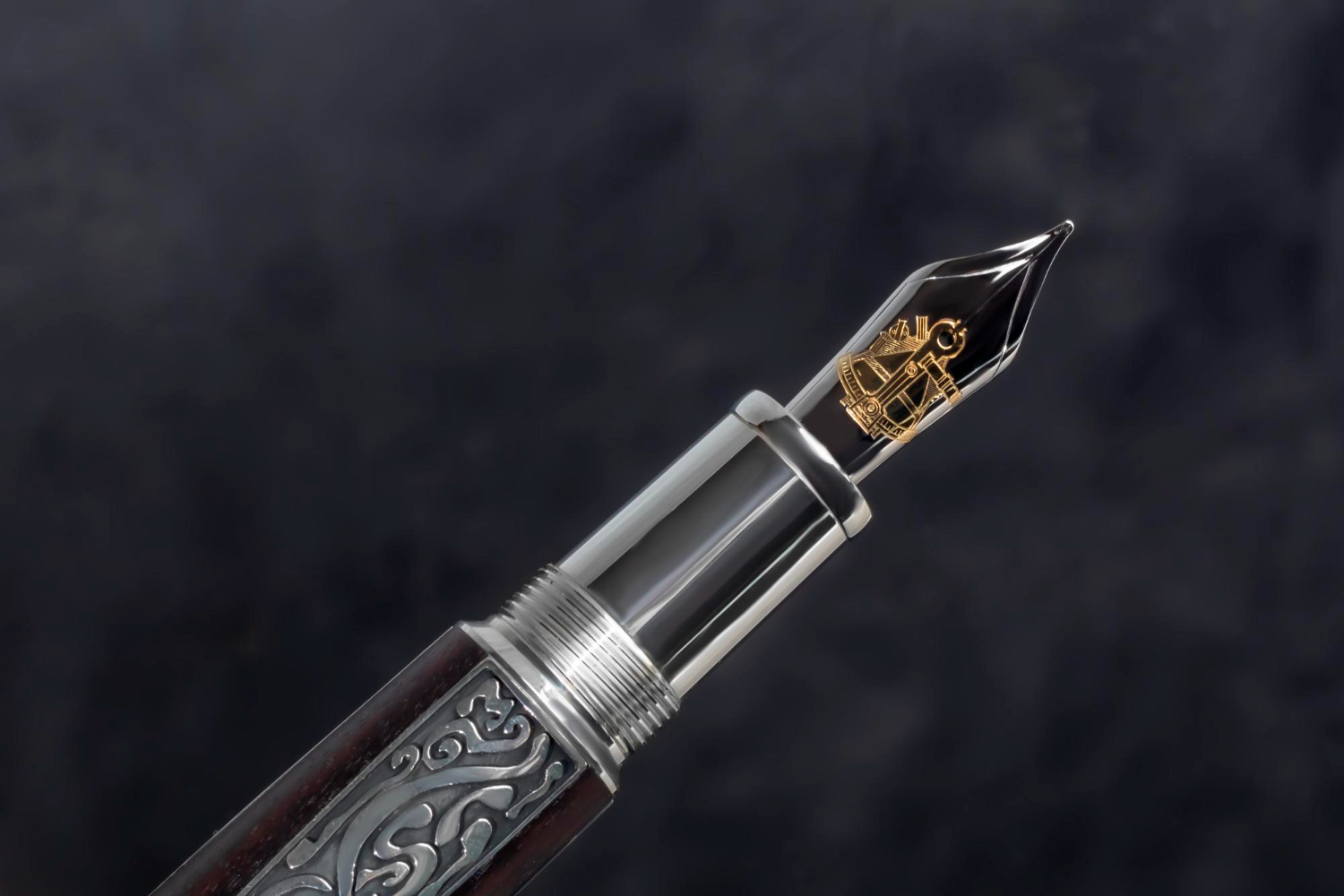
A pencil works differently from all of the above. Graphite particles are abraded off by the paper surface and left sitting on it, with no liquid involved at any point.
Nothing soaks in and nothing dries. Solid deposition is the approach that avoids the fluid problem completely.
12. Adjusting Hardness With Clay
Pencil cores are graphite mixed with clay, and the proportion determines hardness – more clay makes a harder core that deposits less and wears slower.
That is the entire meaning of the grading system. Clay proportion is the variable behind every pencil grade.
13. Making Something Stickier Than Paper
An eraser works because graphite particles adhere to it more readily than to the paper fibres, so rubbing lifts them off rather than scrubbing them away.
The eraser is doing chemistry rather than abrasion. Selective adhesion is the mechanism that makes pencil reversible and ink not.
14. Deciding Whether It Should Last
Dye-based inks dissolve fully and produce bright colour that fades over time; pigment-based inks suspend solid particles that sit in the paper and survive far longer.
Documents intended to endure used the latter. Ink permanence is the choice made before anything is written.
15. The Paper Decides Everything Anyway
Surface texture, absorbency and sizing determine whether ink feathers, sits on top, bleeds through or flows smoothly, so the same pen behaves entirely differently on different paper.
Half of any writing problem is the surface. Paper interaction is the variable that makes every implement conditional.
Controlled Fluid, Controlled Rate
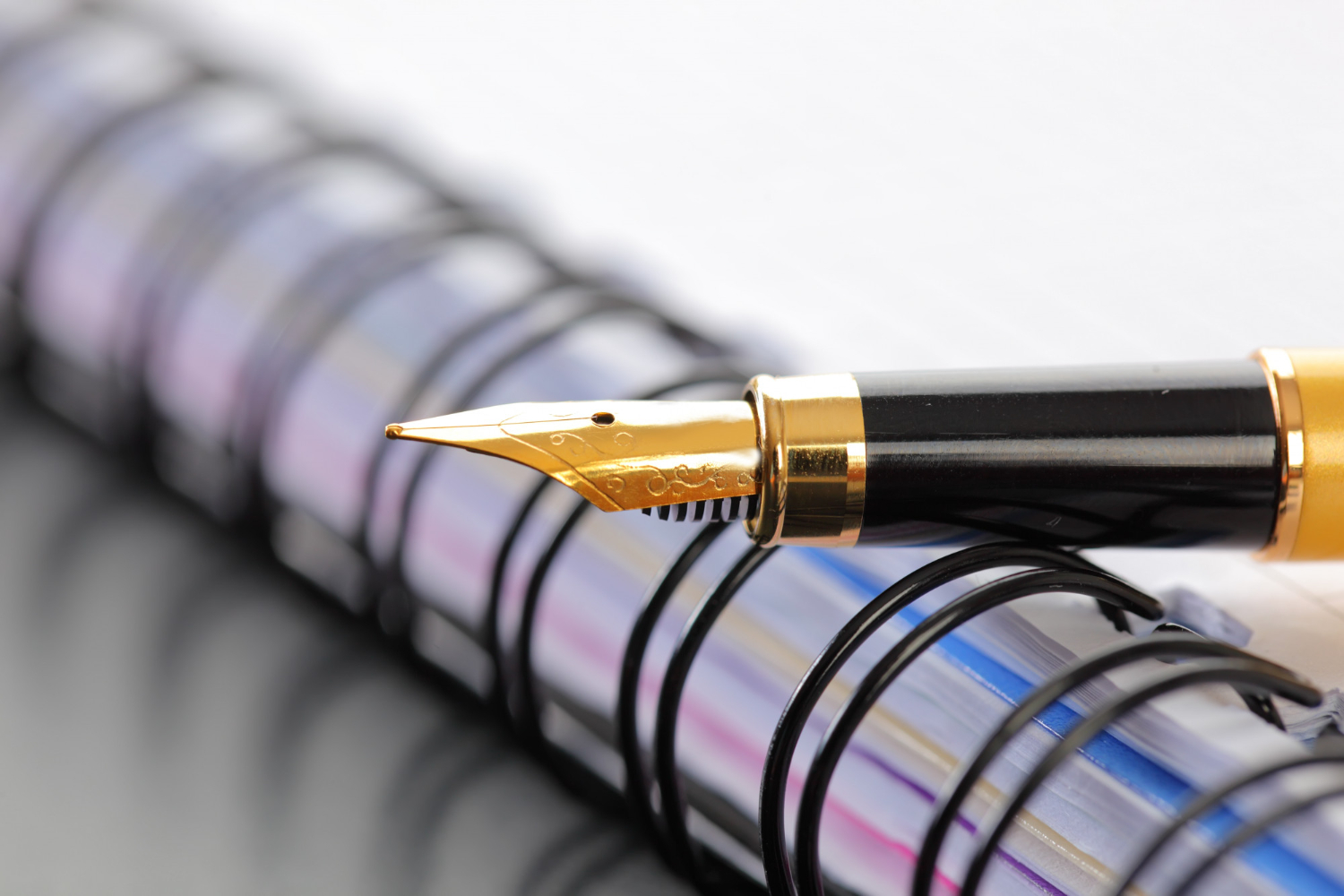
Every implement here is a set of compromises between flow and control. More flow means blotting and leaking; less means skipping and scratching; and each solution trades expressiveness, reliability or permanence for one of the others.
The item worth carrying away is the last one. People blame the pen for skipping, feathering, bleeding or dragging, and a substantial proportion of the time the pen is fine and the paper is wrong – which is why the same implement can feel excellent in one notebook and unusable in another.
Like our content? Follow us for more.
