A built viewpoint is an argument about what matters in a landscape. Somebody chose the position, the height and the direction, and everybody who stands there afterwards sees what they decided was worth seeing. Here are fourteen.
1. The Prospect Tower
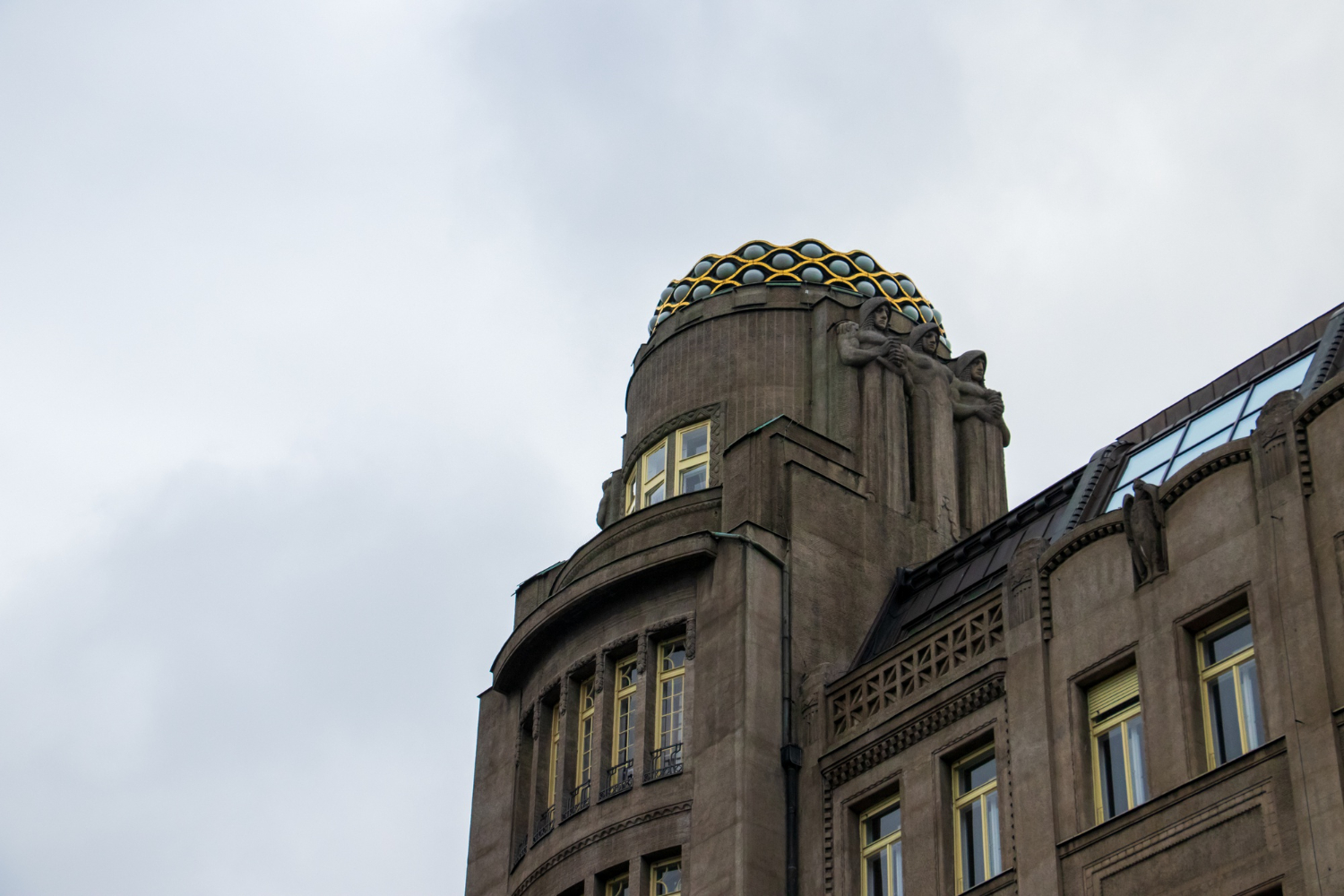
A structure in a designed landscape built purely to be climbed and looked from, positioned to command the estate and whatever lay beyond it.
It contains nothing and does nothing else. The prospect tower is the building whose entire function is elevation.
Like our content? Follow us for more.
2. The Eye-Catcher

The inverse arrangement: a structure built on a distant hill to be looked AT from the house, terminating a view rather than providing one.
Frequently it is a facade with nothing behind it. The eye-catcher is the building constructed to be seen rather than used.
3. The Belvedere
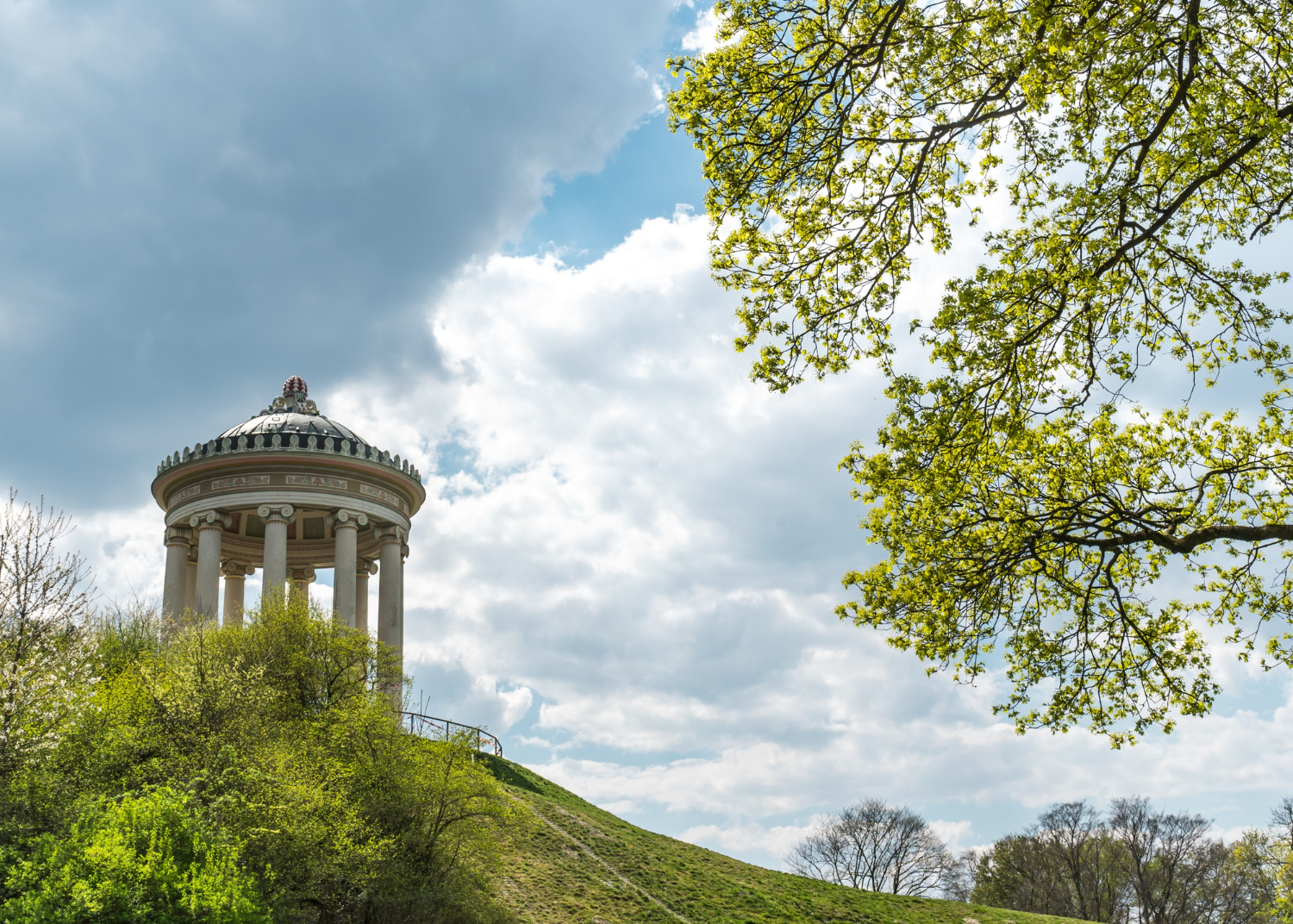
A room, terrace or pavilion positioned specifically for the view, generally on the highest or most exposed part of a building or garden.
The name means exactly what it does. The belvedere is the room that exists because of what is outside the window.
4. The Framed Gap in Planting
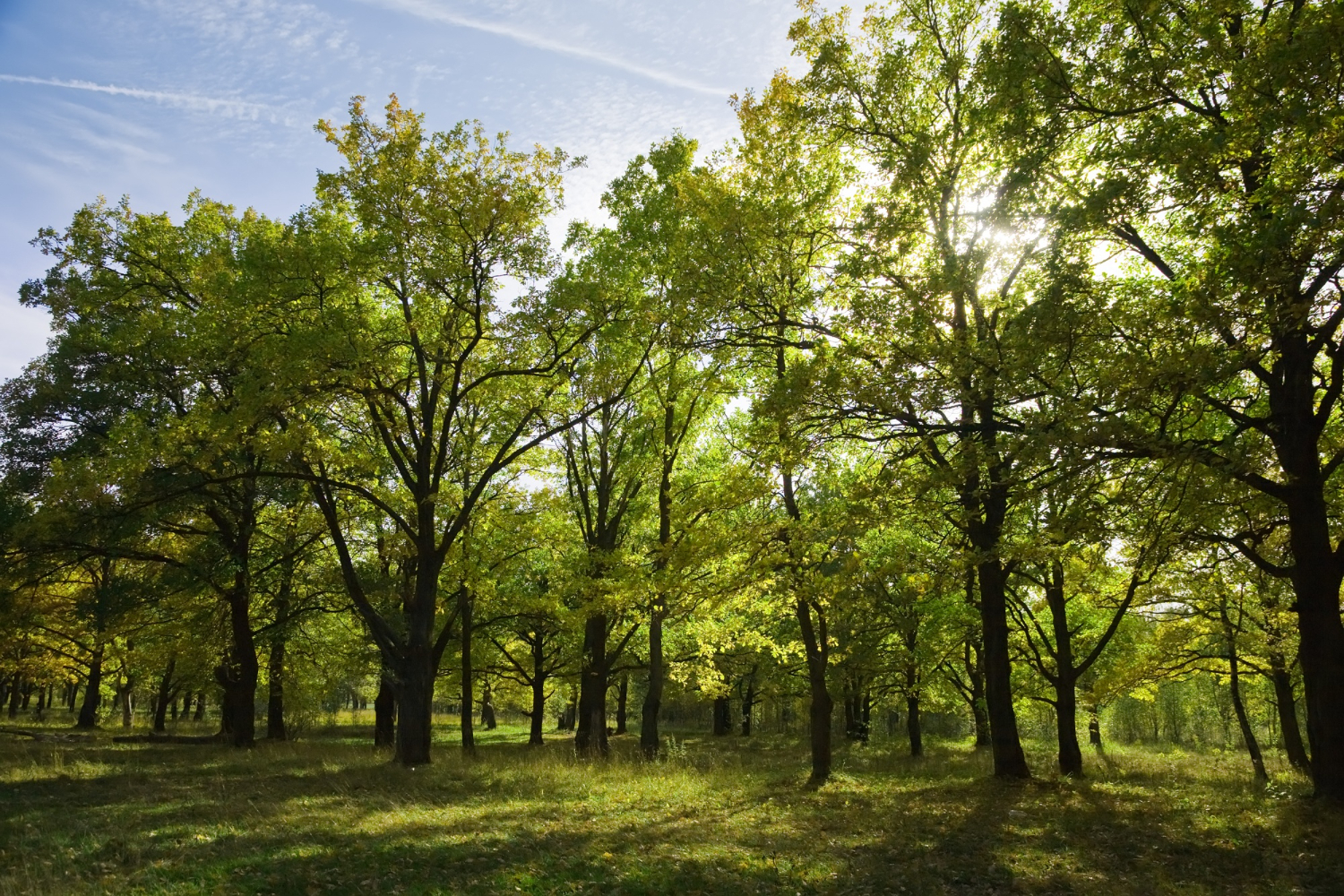
Trees planted or cleared to create a deliberate opening, directing the eye along a single line toward something chosen and concealing everything else.
It is landscape design working by subtraction. The framed gap is the viewpoint made from vegetation rather than stone.
5. The Working Lookout

Structures built to watch for something practical – weather, fire, movement – and positioned for maximum sightline, which frequently makes them excellent viewpoints by accident.
The view was a by-product of the function. The working lookout is the viewpoint nobody designed as one.
6. The Platform Over a Drop
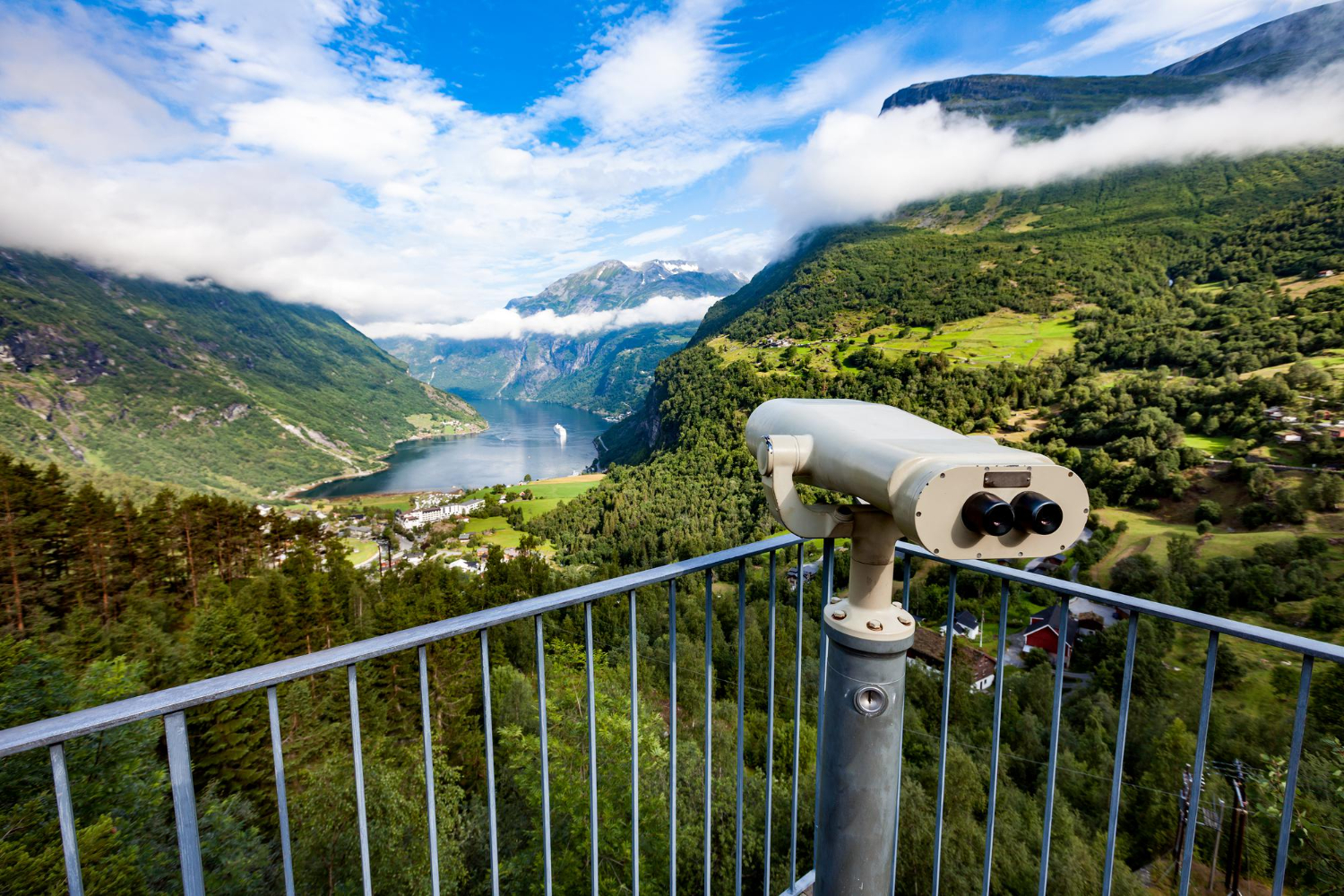
A projecting deck or transparent floor extending over an edge, which produces its effect from exposure rather than from height alone.
The sensation is the point rather than the vista. The projecting platform is the viewpoint engineered for how it feels.
7. The Orientation Table

A circular engraved plate naming the features visible from that spot with their directions and distances, which converts a view into information.
It tells you what you are looking at and how far away it is. The orientation table is the viewpoint fitting that supplies the caption.
8. The Viewpoint Aligned to a Date

Some structures are positioned so that the sun rises or sets along a particular line on particular days, which makes the viewpoint seasonal rather than permanent.
On the wrong date there is nothing to see. The aligned viewpoint is the one that only works twice a year.
9. The Single-Subject Viewpoint
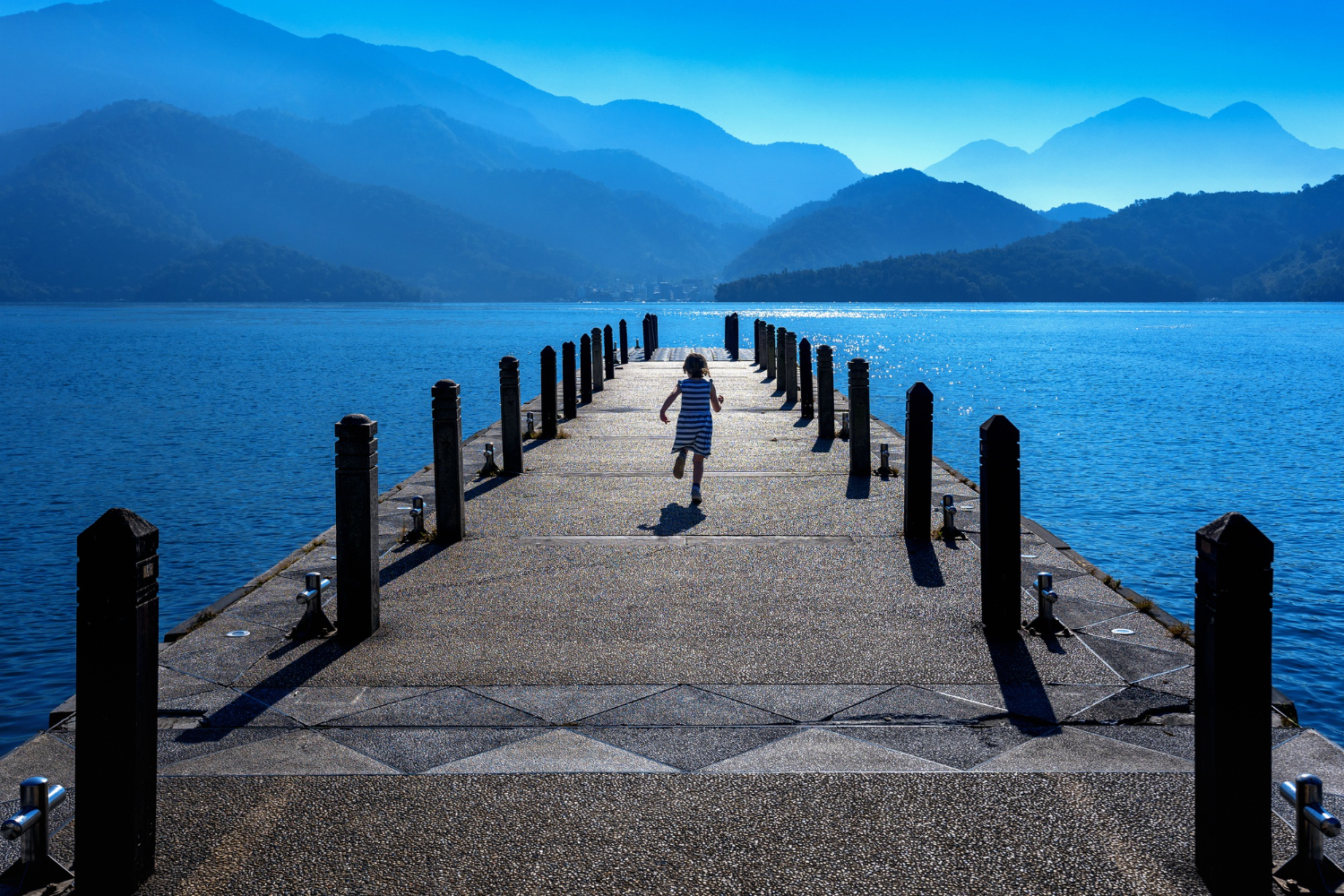
A number of built viewpoints exist to see one specific thing – a mountain, a waterfall, a building, a stretch of coast – and face that direction exclusively.
Everything else is deliberately excluded. The single-subject viewpoint is the structure with an opinion about what matters.
10. The Roadside Pull-In
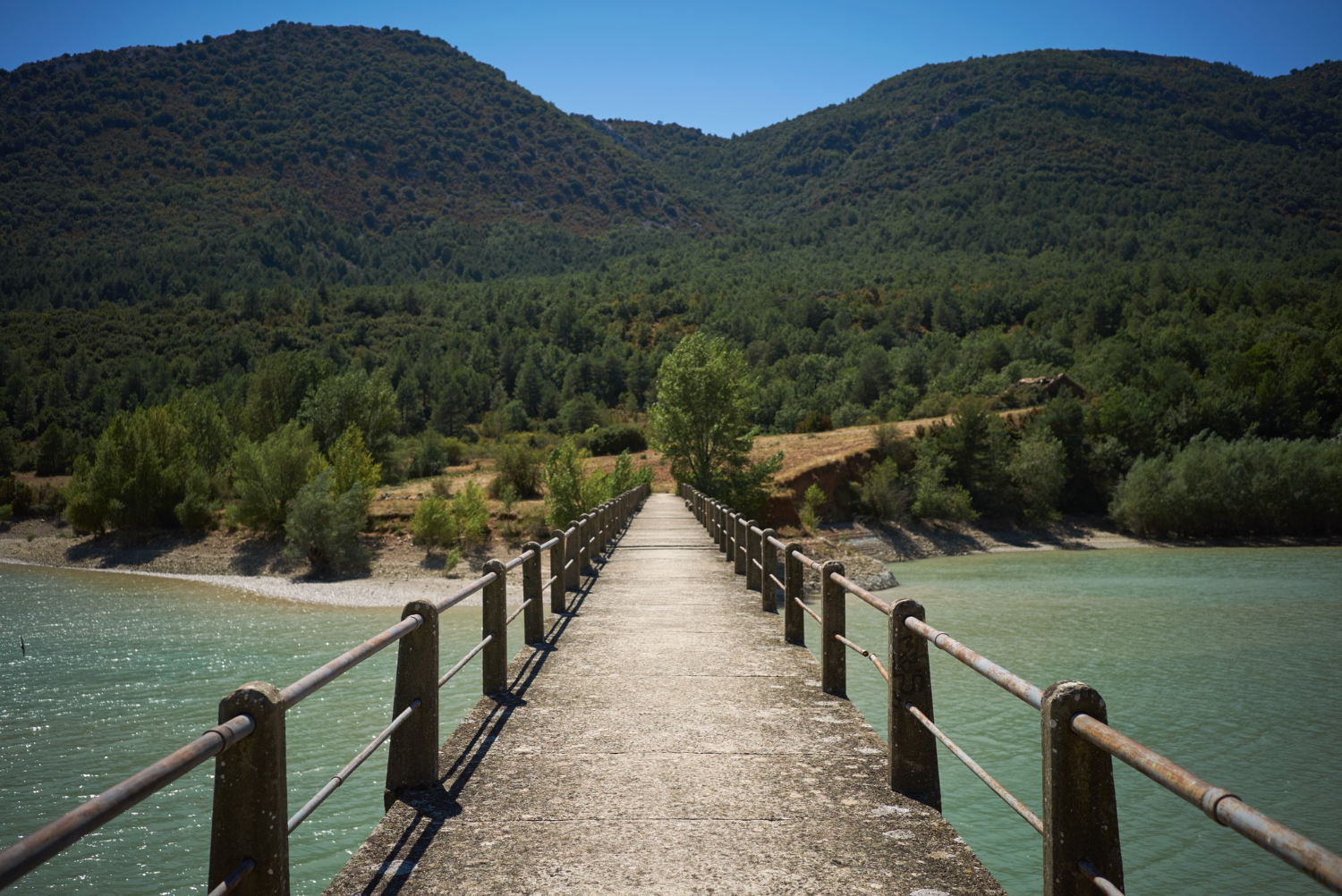
Modern viewpoints are frequently a parking area with a low wall, sited by whoever built the road at the point where the view opens.
They are the most used and least considered viewpoints anywhere. The roadside stop is the viewpoint designed around a vehicle.
11. The Tower That Grew a Second Purpose
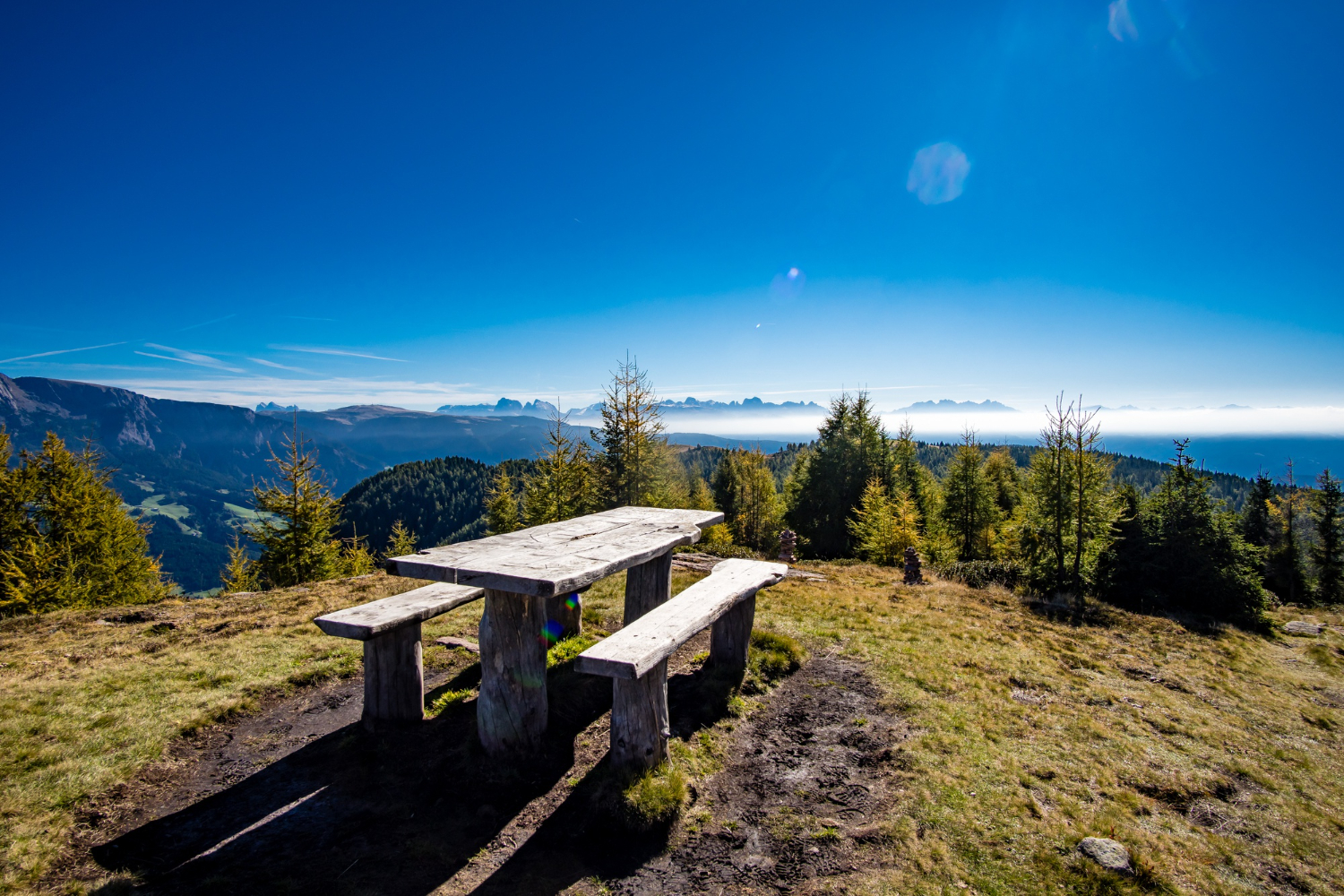
Structures built for something else entirely – water, signals, industry, worship – that have been opened for the view because the height already existed.
The conversion costs almost nothing. The repurposed tower is the viewpoint that was free.
12. The Zigzag Approach
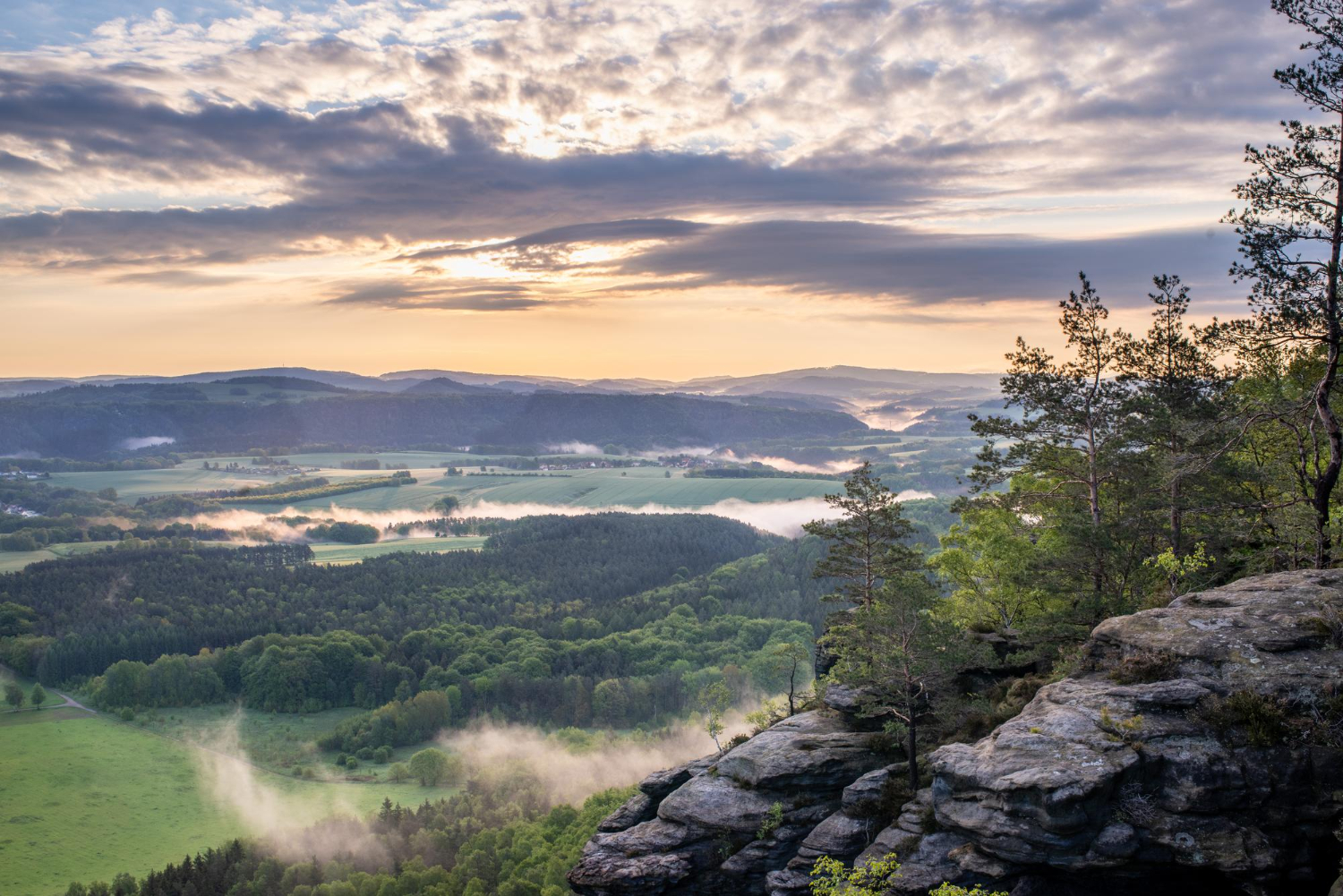
Some viewpoints are reached by a deliberately indirect path that conceals the view until the final turn, so the arrival is staged rather than gradual.
The concealment is the design. The staged approach is the viewpoint where the route is part of the structure.
13. The Seat Positioned by Somebody
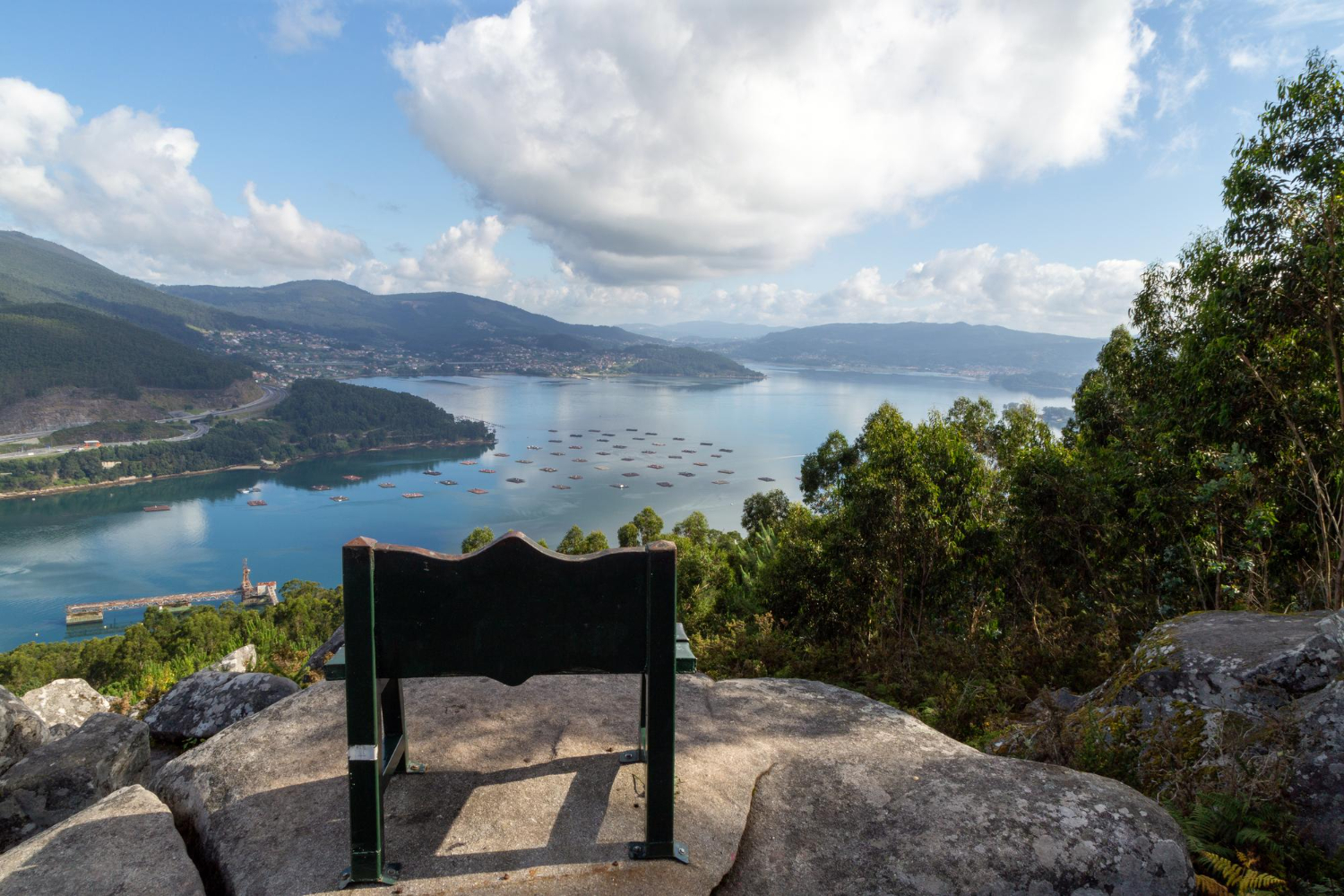
A bench placed deliberately at a specific spot, frequently with a plaque, is the smallest possible built viewpoint and among the most common.
Somebody chose that exact position for a reason. The placed bench is the viewpoint made of one piece of furniture.
14. The Viewpoint That Created the View
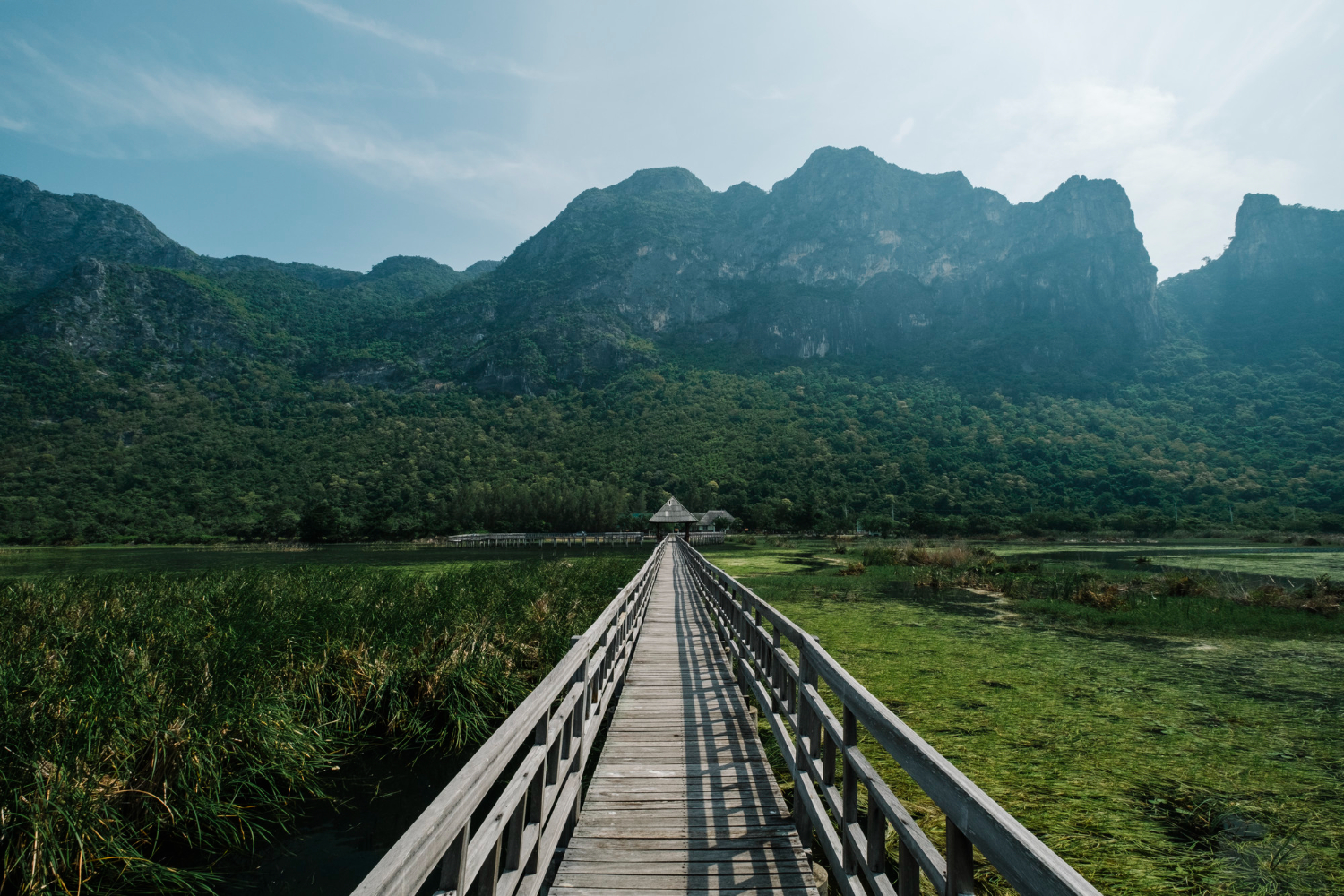
Once a viewpoint exists, everybody stands in the same place and photographs the same composition, so the structure determines what the landscape looks like to everybody who has never been there.
The building shapes the image of the place. The defining viewpoint is the structure that decided what a landscape looks like.
Somebody Decided Where You Should Stand

Every structure here is a decision about position, height, direction and framing – and the effect is that everybody who comes afterwards sees a landscape the way one person thought it should be seen.
Practical notes: built viewpoints are by definition exposed, frequently involve a climb, and older ones have older railings and parapets than anything constructed now. Weather at a viewpoint is markedly worse than at the car park below it. And the last item is worth remembering – if a view looks familiar before you arrive, it is because a structure decided the composition long before you got there.
Like our content? Follow us for more.