The arrival of an animal in a household is one of the few truly memorable events of an ordinary childhood, largely because of how long it took to bring about. Here are eleven.
1. The Campaign
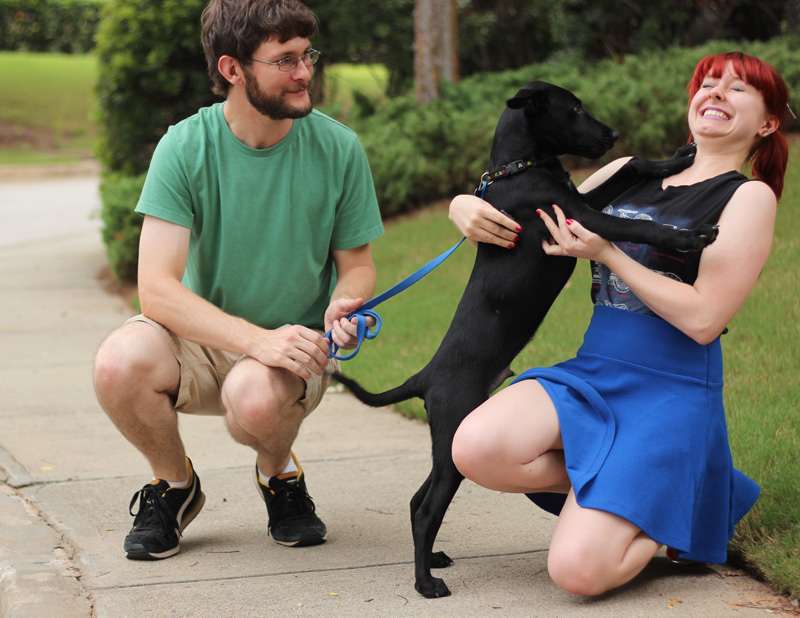
Getting one required a sustained argument conducted over months, with promises made about responsibility that everybody involved knew would not survive the first fortnight.
The promises were made sincerely. The campaign is the stage that took longer than everything after it.
Like our content? Follow us for more.
2. The Conditions Attached
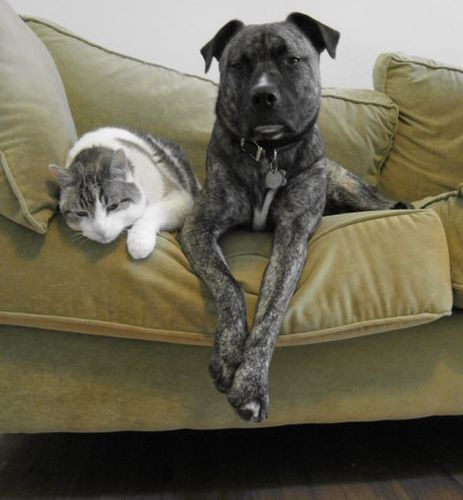
Permission arrived with terms – who would feed it, who would clean up, what would happen if standards slipped – which were agreed enthusiastically and enforced unevenly.
Nobody expected the terms to hold. The conditions are the negotiation that everyone entered in good faith and nobody honoured.
3. The Day It Arrived
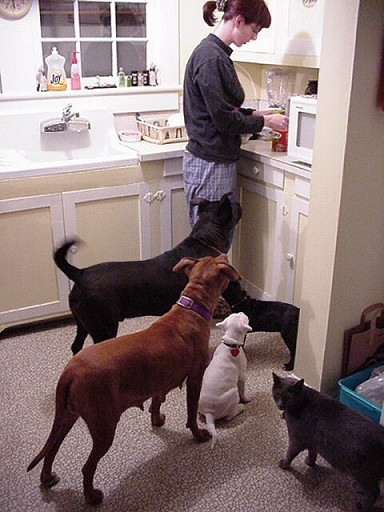
The journey home is remembered in detail by almost everybody – the container, the noise it made, who held it, and the specific quiet in the vehicle.
It is one of the more vivid memories of a childhood. The arrival journey is the moment the whole thing became real.
4. Choosing the Name
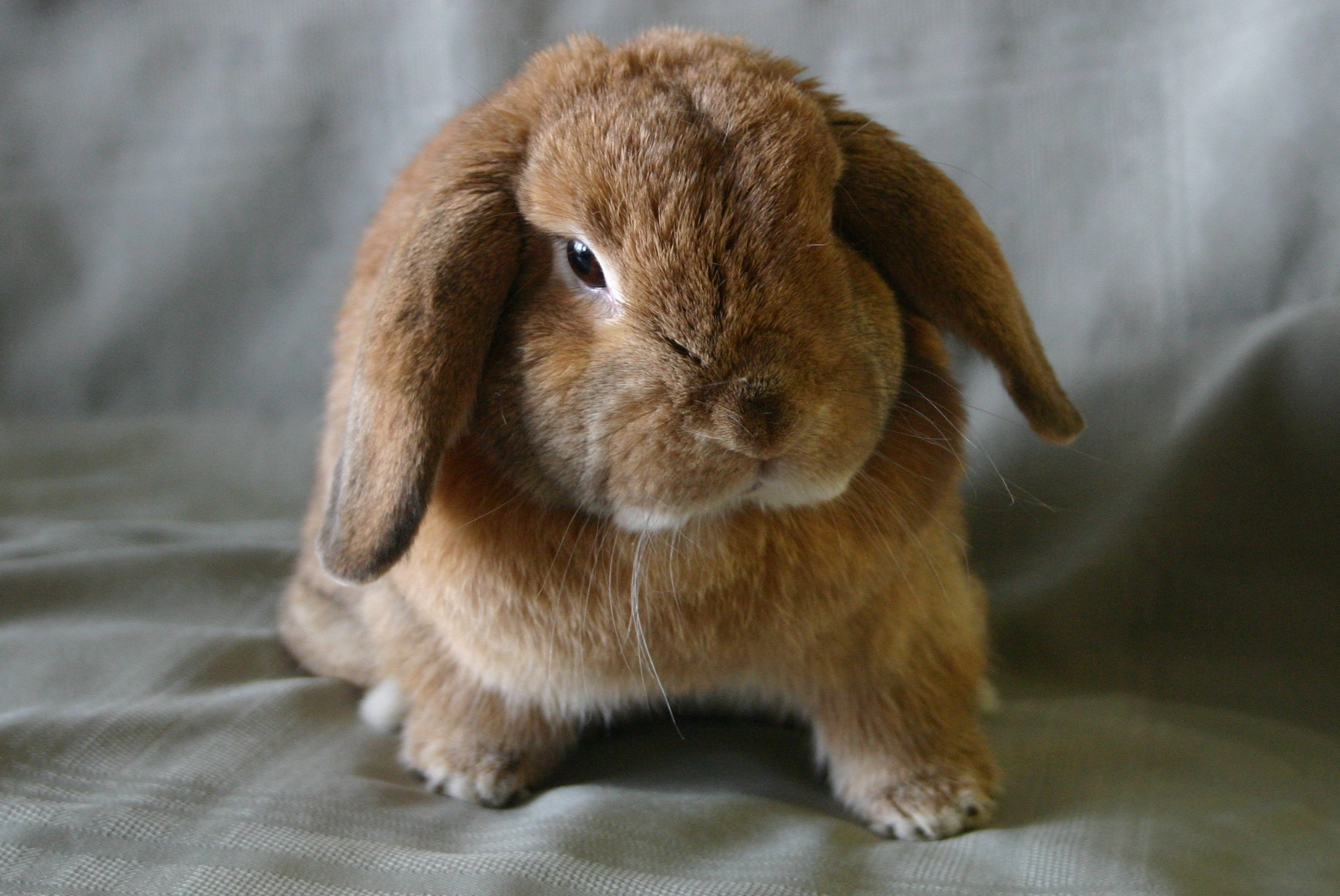
Naming took substantially longer than expected, involved the entire household, produced several rejected candidates, and frequently ended with something nobody had intended.
A great many were named after something on television. The naming is the family process with the least efficient outcome.
5. The First Night

It did not settle, the household did not sleep, and somebody ended up sitting with it in the small hours in a way that had not been anticipated.
This happened in essentially every household. The first night is the stage nobody was warned about.
6. Everything Being Rearranged
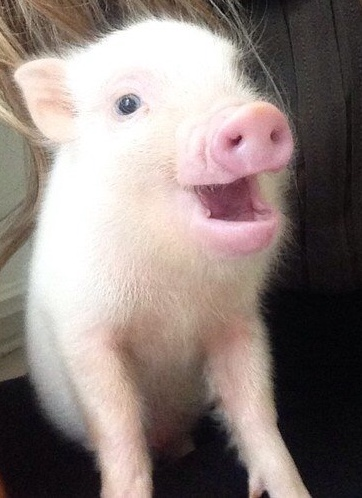
The house was adapted – a corner given over, furniture moved, doors kept shut, and a set of new rules about where things could be left.
The adaptation was permanent and gradual. The household rearrangement is the change that happened without anybody deciding.
7. The Thing It Ruined
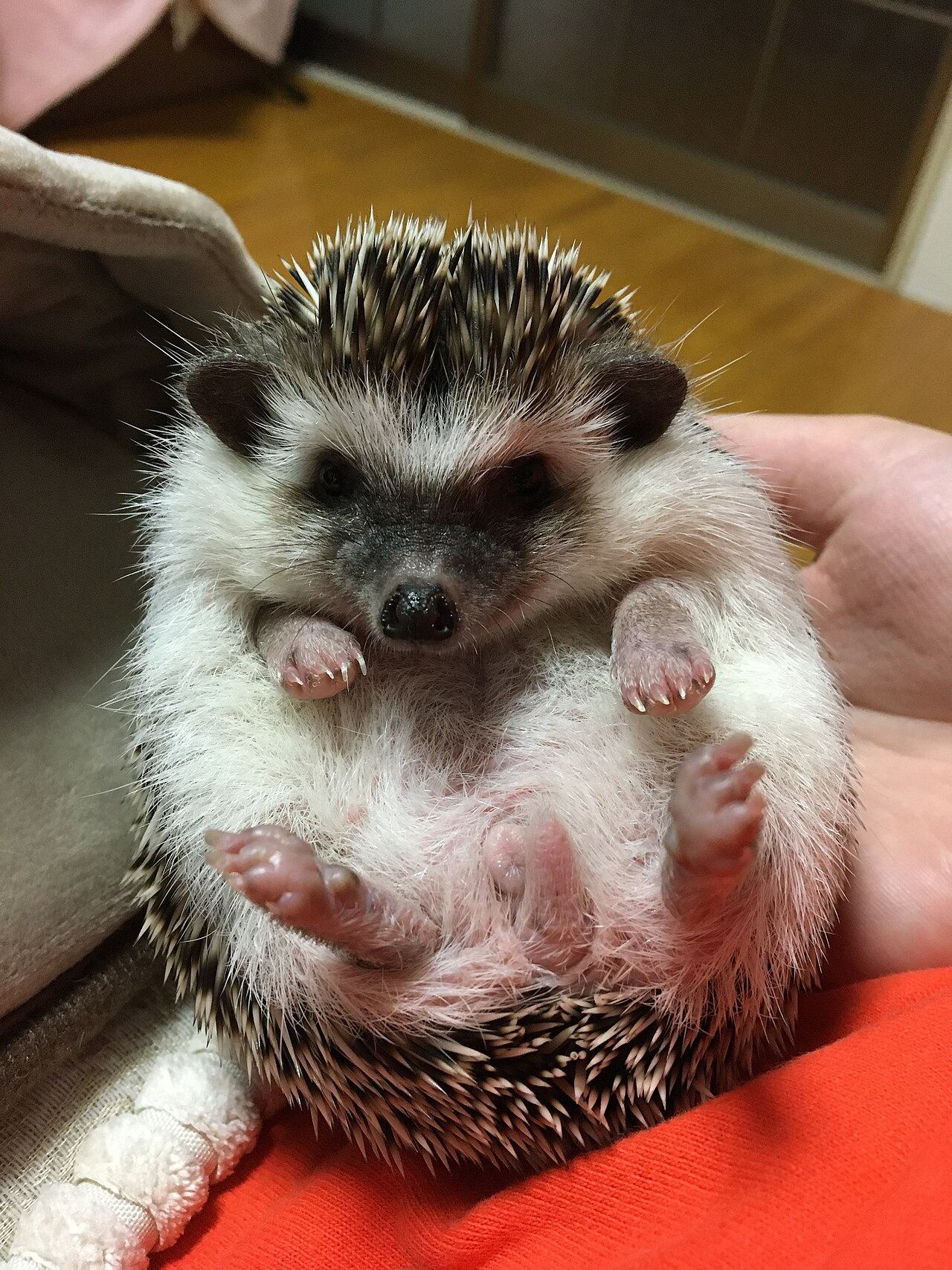
Within the first month it destroyed something that mattered to somebody, and that incident was recounted for years afterwards with decreasing annoyance.
Every household has one. The ruined object is the incident that became a family story.
8. The Responsibilities Migrating to an Adult
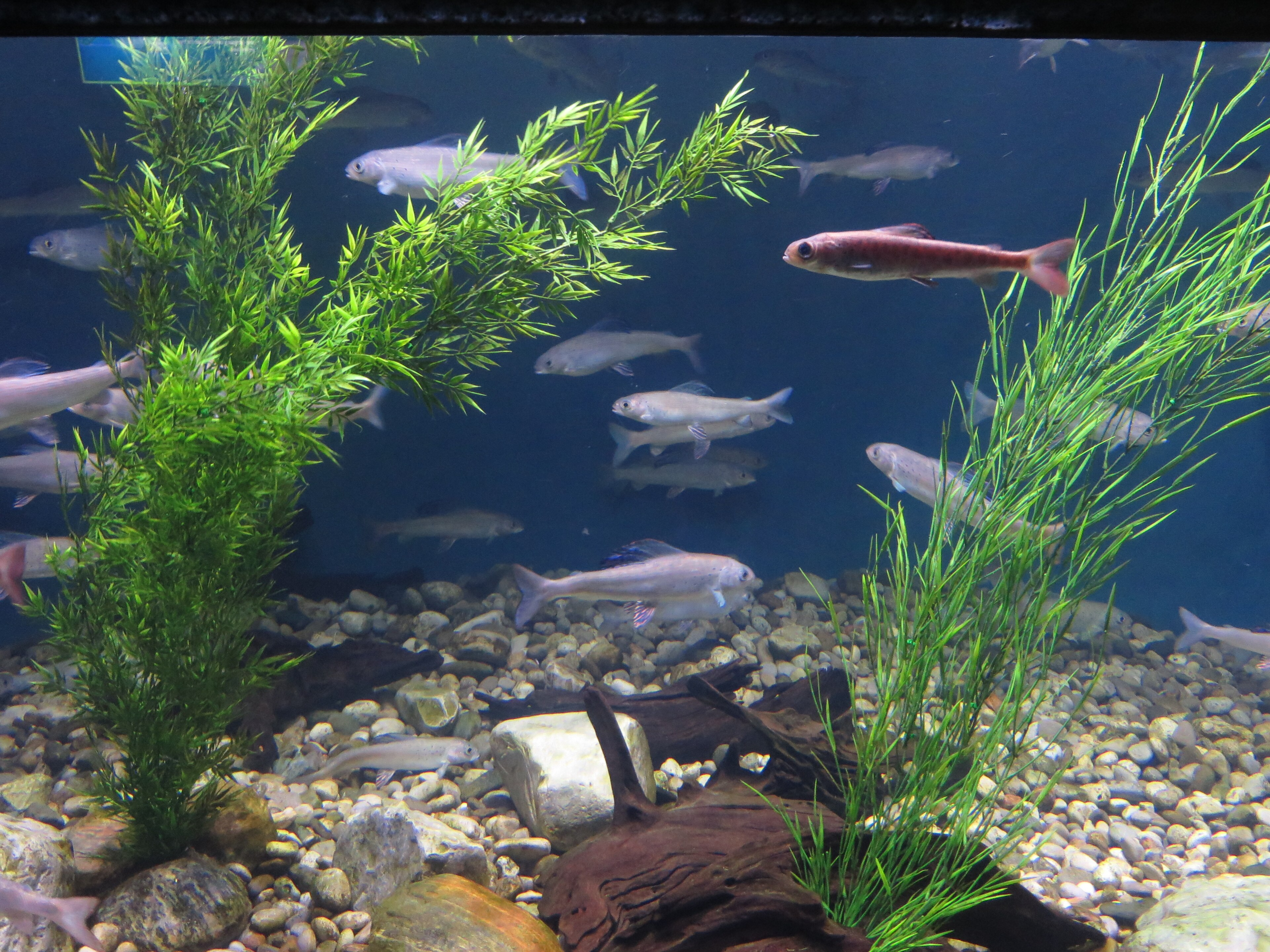
Feeding, cleaning and the less appealing duties drifted steadily toward whichever adult was most reliable, exactly as everybody had privately expected.
It was noted and rarely enforced. The migrating duties are the outcome the conditions had been designed to prevent.
9. It Choosing Somebody
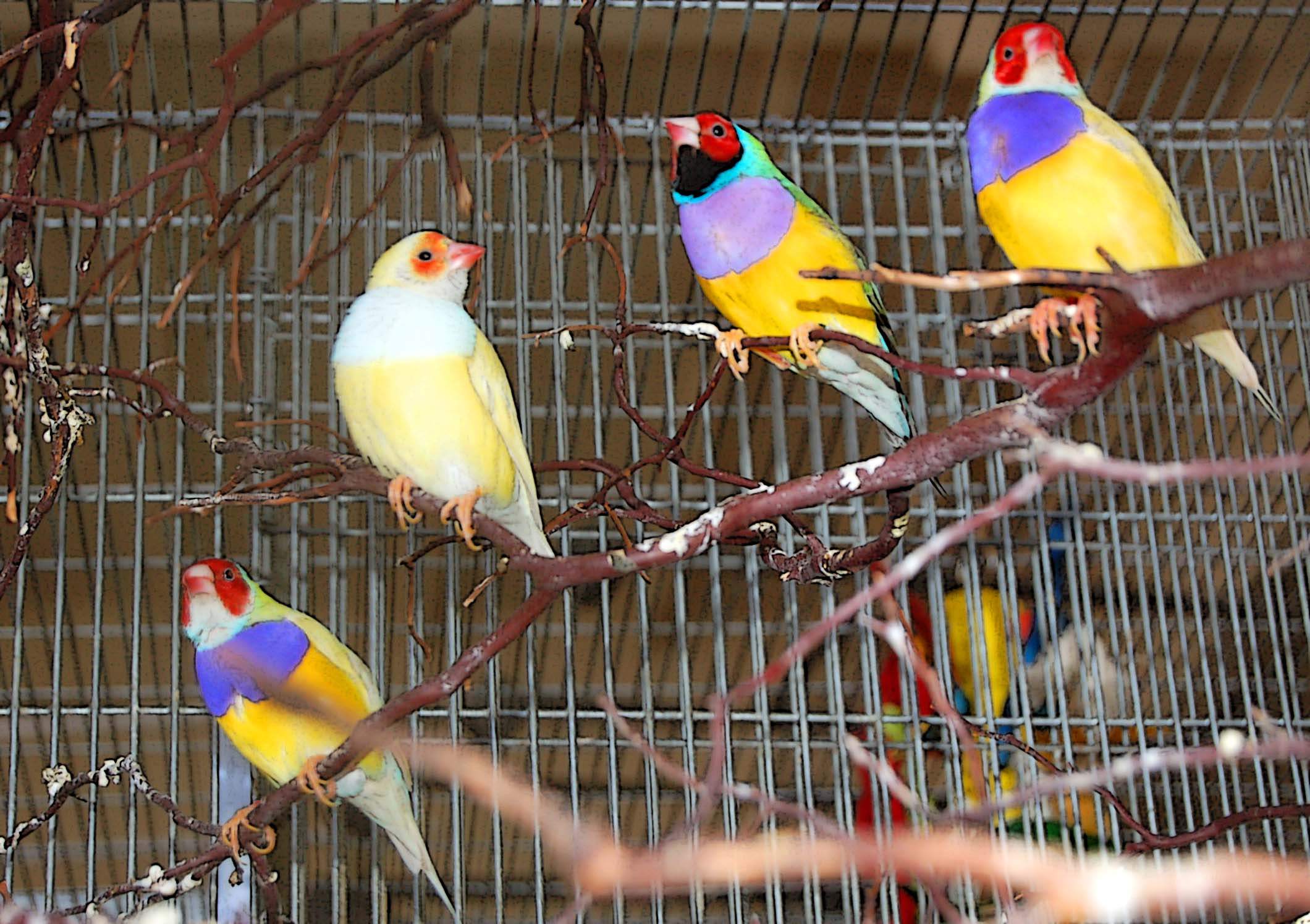
Animals develop a preference for one member of a household, and it is frequently not the person who campaigned hardest for it.
That allocation was outside anybody control. The chosen person is the arrangement the animal decided on its own.
10. Learning to Read It
Over time the household became fluent in what it wanted, when, and what particular sounds and behaviours meant, without anybody being taught.
That knowledge was shared and unspoken. Learning to read it is the household skill that developed invisibly.
11. It Becoming Part of the Furniture of Home
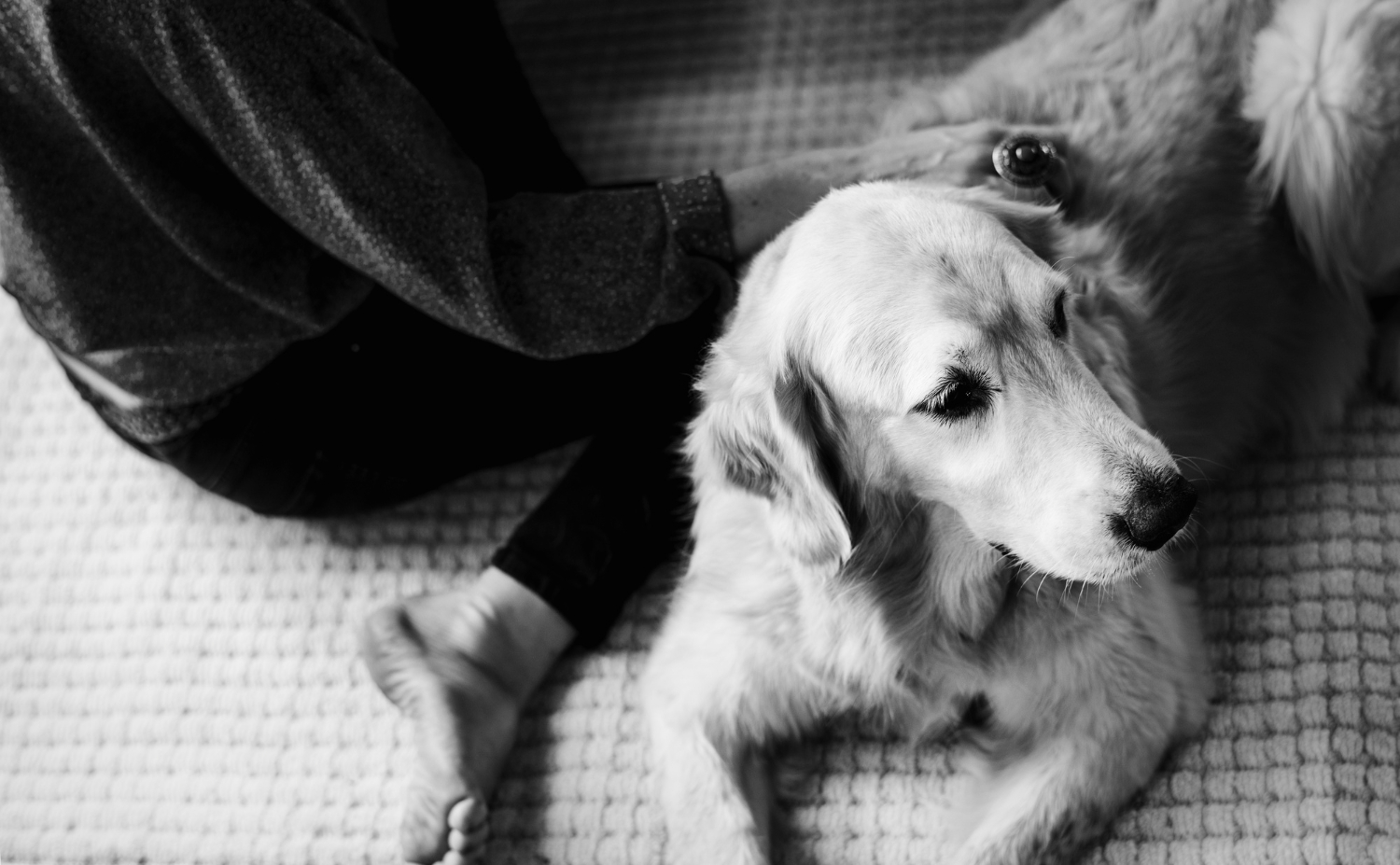
Within a year the household could not remember arranging itself any other way, and the animal was simply one of the things that constituted home.
Nobody noticed the transition happening. Becoming ordinary is the pet outcome that took a year and was never remarked on.
A Campaign, a Journey and a Reorganisation
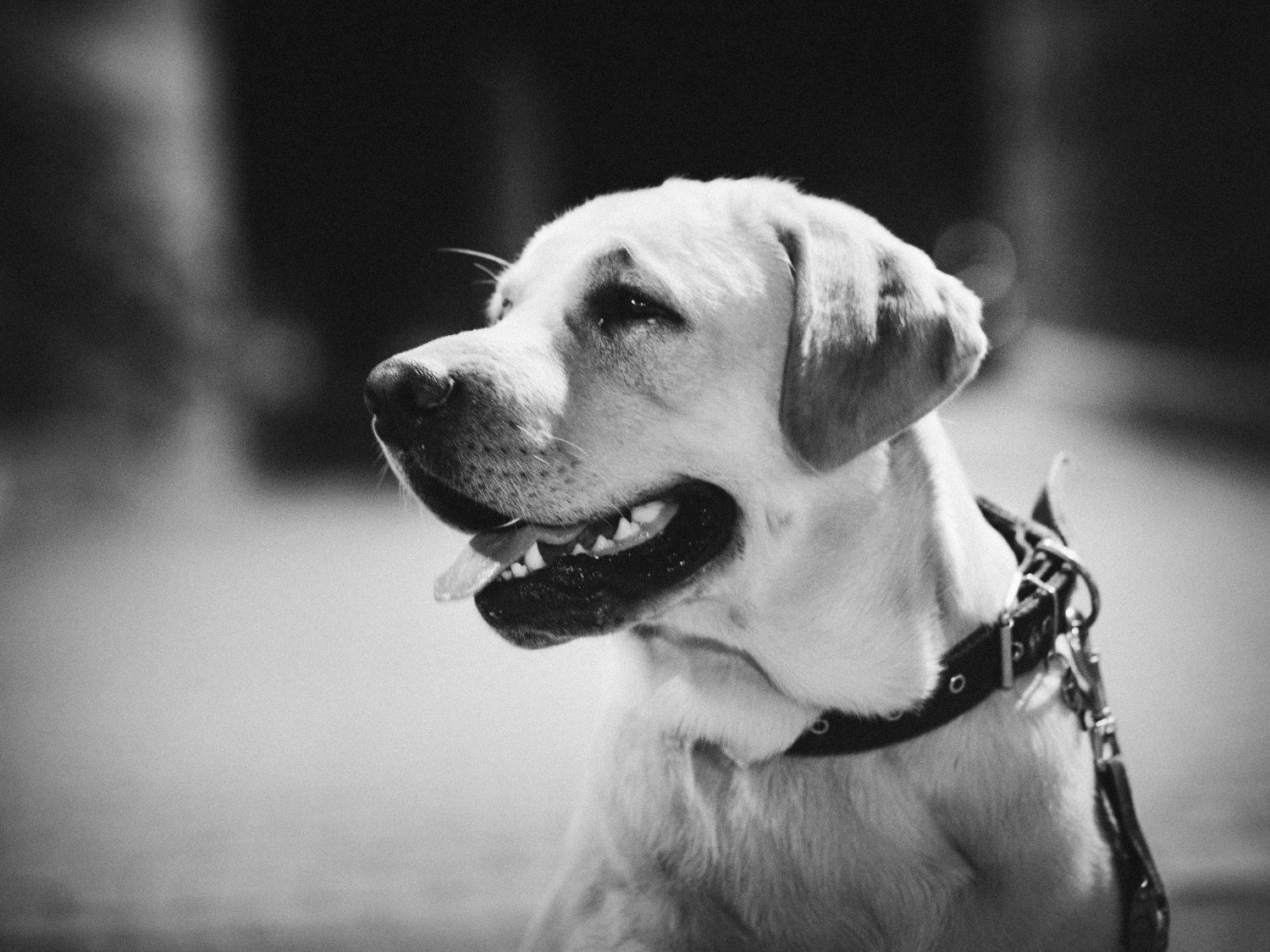
The subject was negotiated for months, arrived in one memorable afternoon, and then steadily restructured a household over the following year without anybody agreeing to it.
The last item is the one that only makes sense afterwards. Something the household spent months arguing about and then adapted itself around became, within a year, so completely ordinary that nobody could recall what the arrangement had been before – which is a considerable amount of change for a decision that took that long to make.
Like our content? Follow us for more.