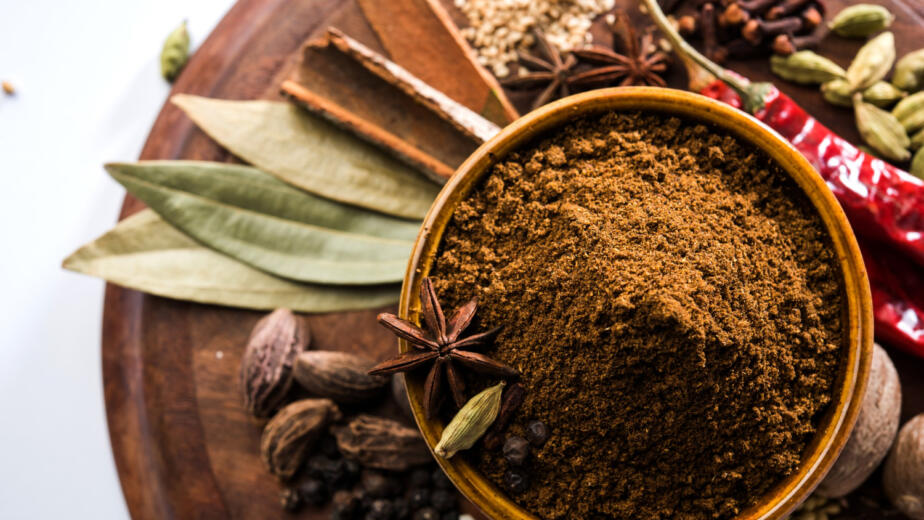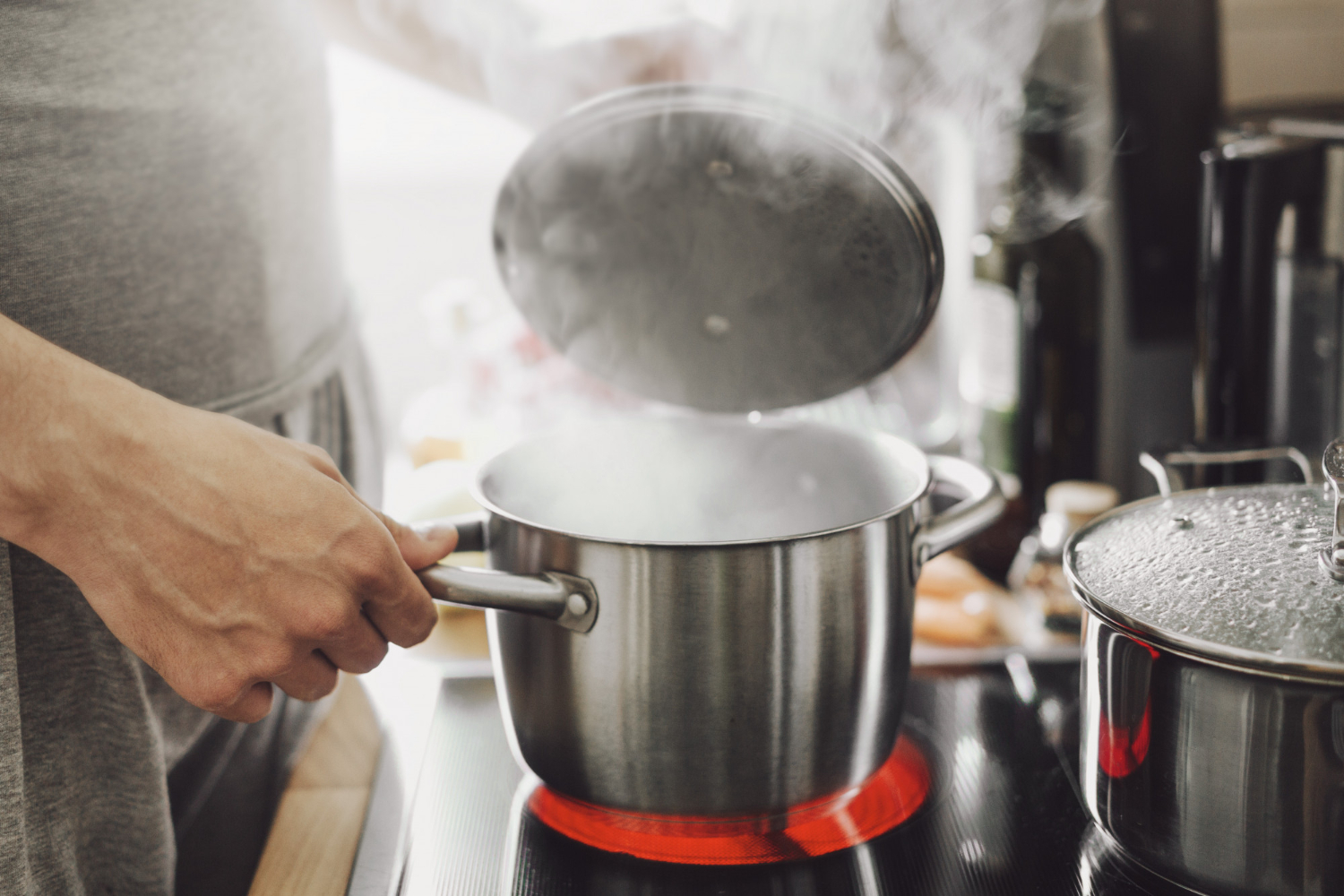
The governing fact is volatility. An aroma compound has to leave the food and travel through air to reach you, and everything below is about what makes that more or less likely to happen. Here are fifteen.
1. Most of What You Taste Is Smell
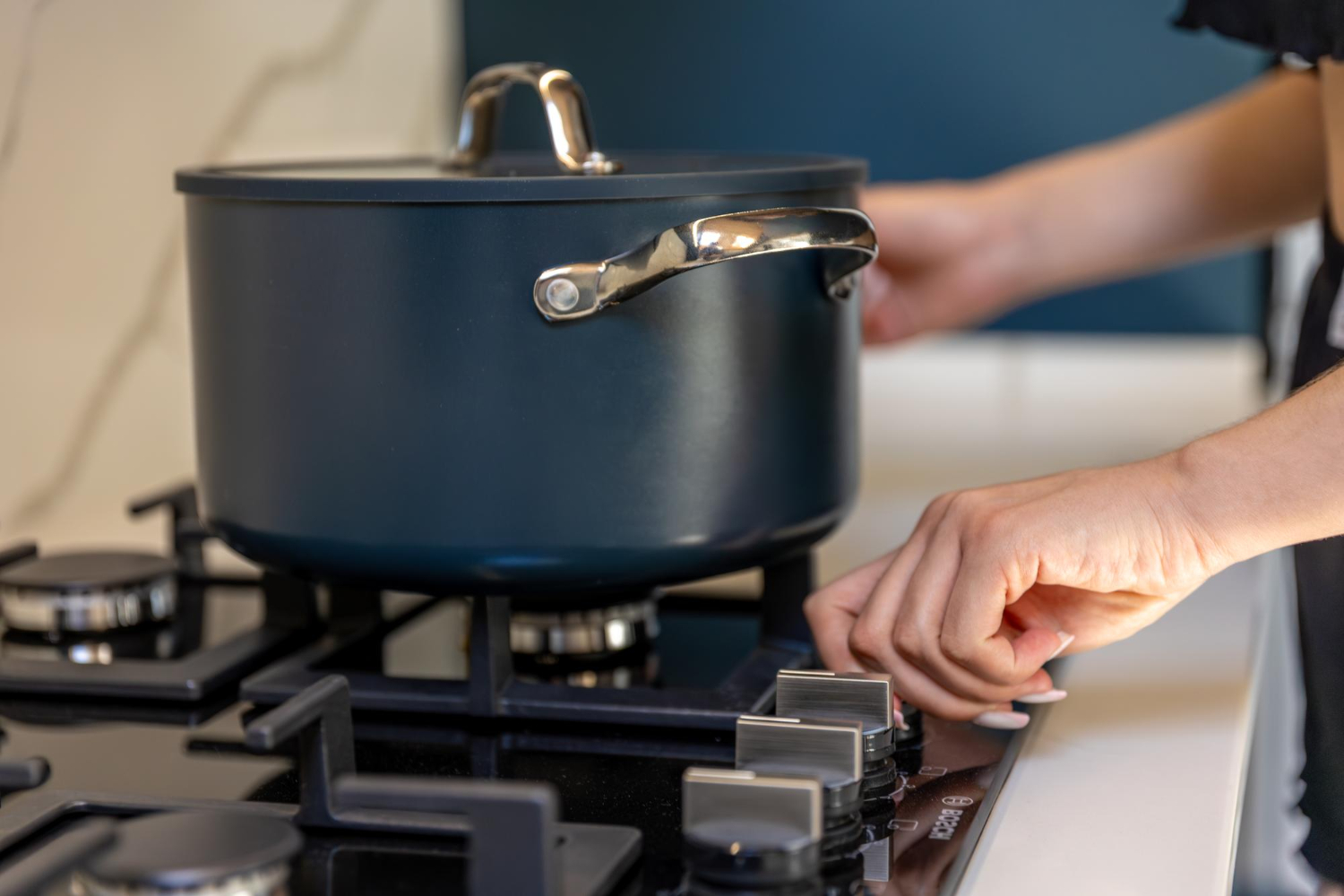
Aroma reaching the nose from inside the mouth accounts for the large majority of what is perceived as flavour, which is why food is flat when the nose is blocked.
The tongue contributes a small number of qualities and the nose does the rest. Retronasal aroma is the sense doing most of the work under another name.
Like our content? Follow us for more.
2. Aroma Compounds Have to Evaporate
A compound can only be smelled if it leaves the food and travels through the air, which means volatility determines whether an aroma exists at all.
A substance that will not evaporate is not an aroma however strongly it is present. Volatility is the property that decides what can be smelled.
3. Heat Releases Them and Then Removes Them
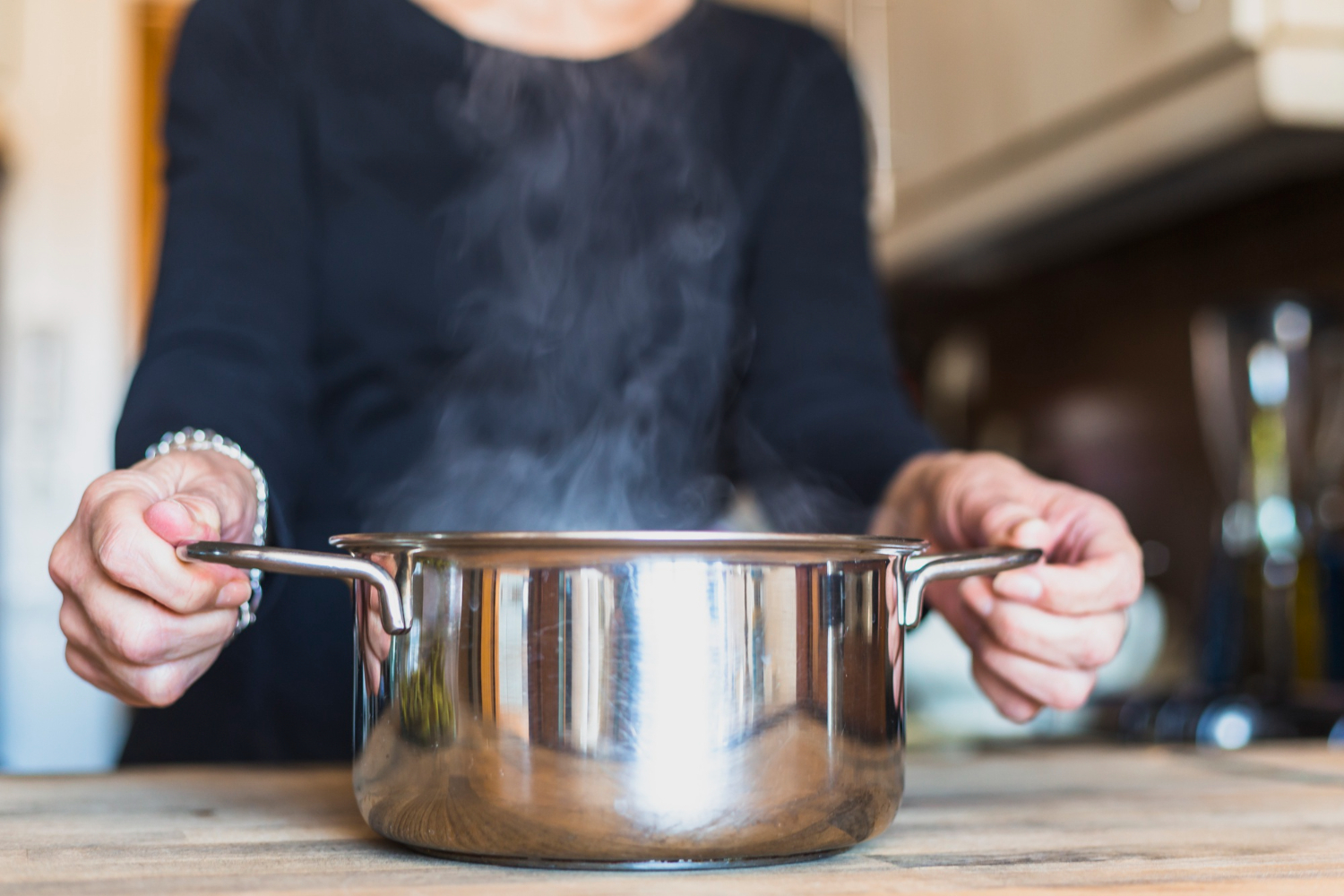
Warming food accelerates evaporation, which is why hot food smells stronger – and continued heat drives the compounds off entirely, which is why long cooking loses aromatics.
The same mechanism gives and takes. Heat is the variable that works in both directions at once.
4. Which Is Why Delicate Things Go In Last
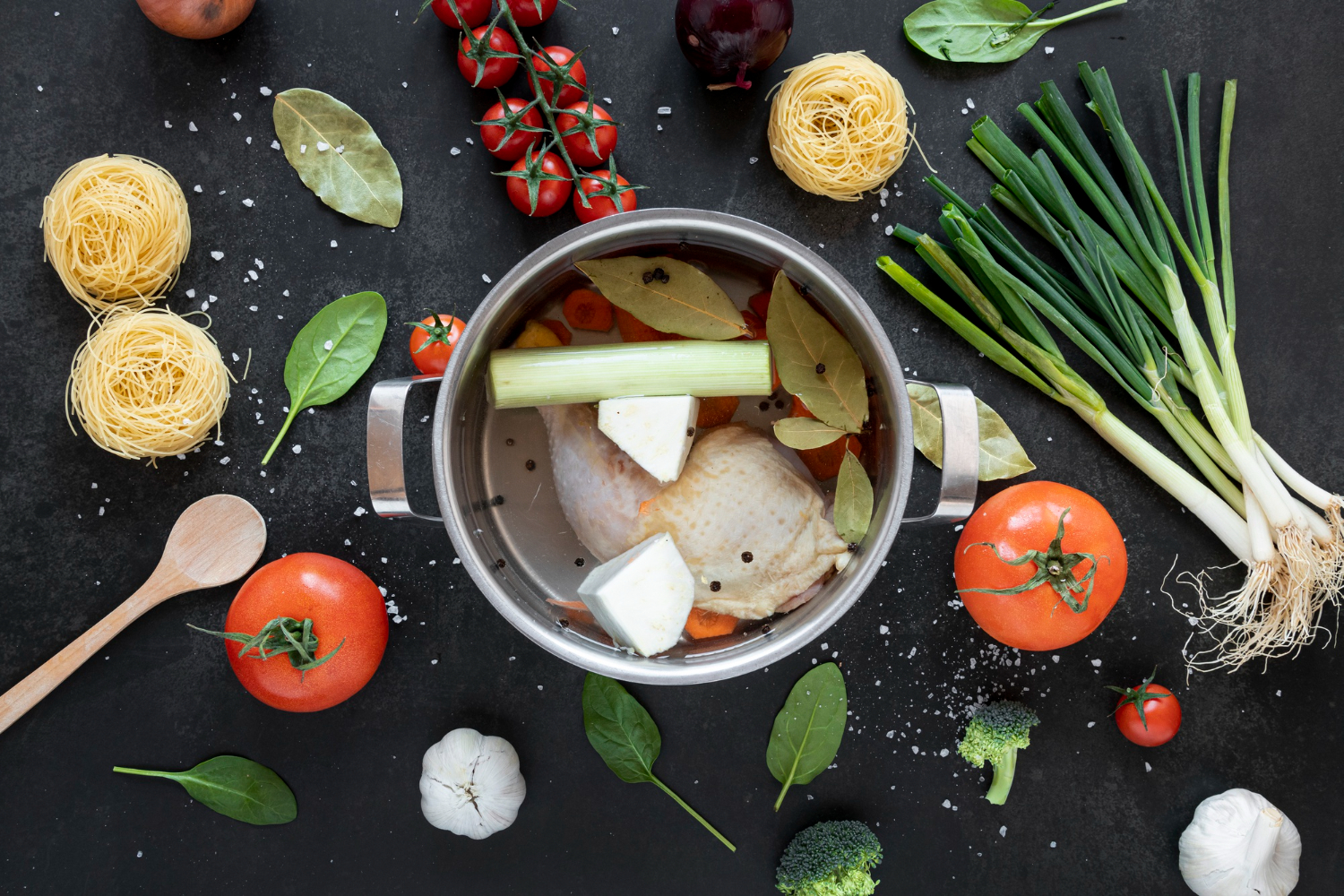
Herbs, spices and aromatics with volatile compounds contribute far more when added near the end, because they have not had time to evaporate away.
The same ingredient at the start does something different. Late addition is the technique that follows directly from volatility.
5. Browning Invents New Compounds
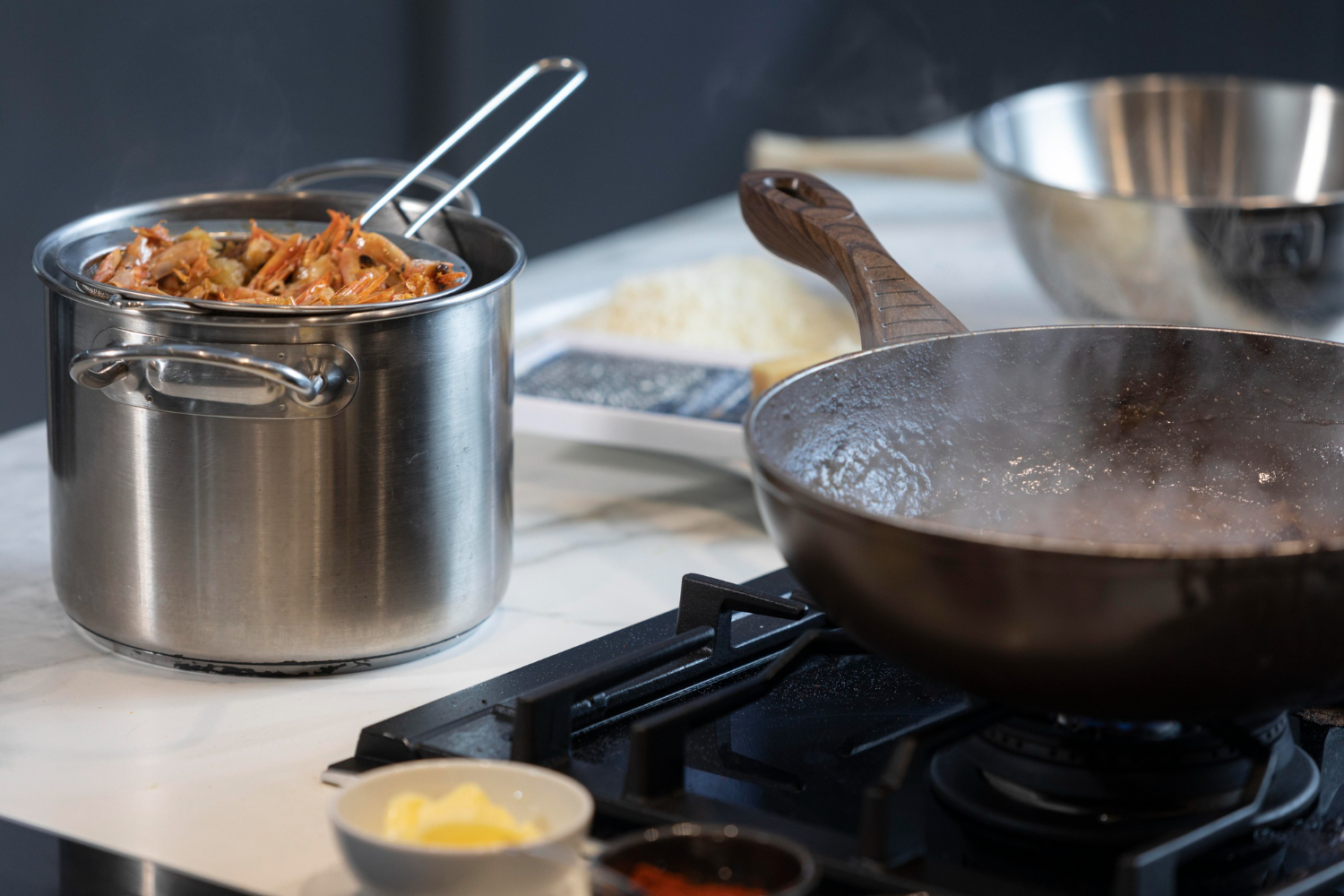
Reactions between sugars and proteins at high temperature generate hundreds of aroma compounds that did not exist in the raw ingredients at all.
Nothing was released; something was made. Browning chemistry is the process that creates aroma rather than revealing it.
6. Fat Holds Onto Them
Many aroma compounds dissolve readily in fat and poorly in water, so fat acts as a reservoir, absorbing them and releasing them gradually over time.
That is the actual mechanism by which fat carries flavour. Fat solubility is the property behind an observation everybody has made.
7. So a Low-Fat Version Smells Different
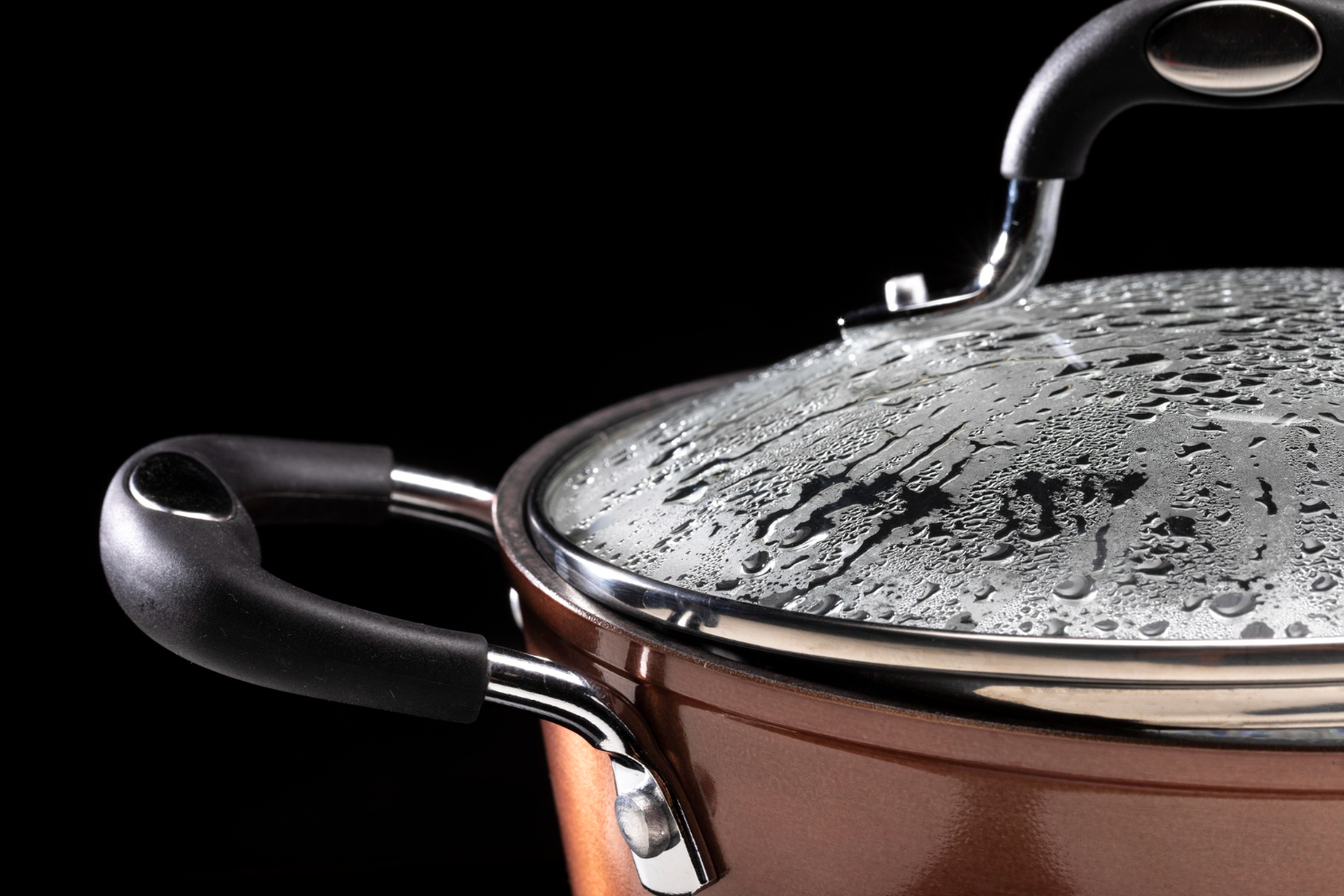
Removing fat removes the medium holding a substantial proportion of the aroma compounds, which changes not only the texture but what reaches the nose.
It is a chemistry problem rather than a taste preference. Fat removal is the change that alters aroma as much as mouthfeel.
8. The Liquid Decides Which Ones Arrive
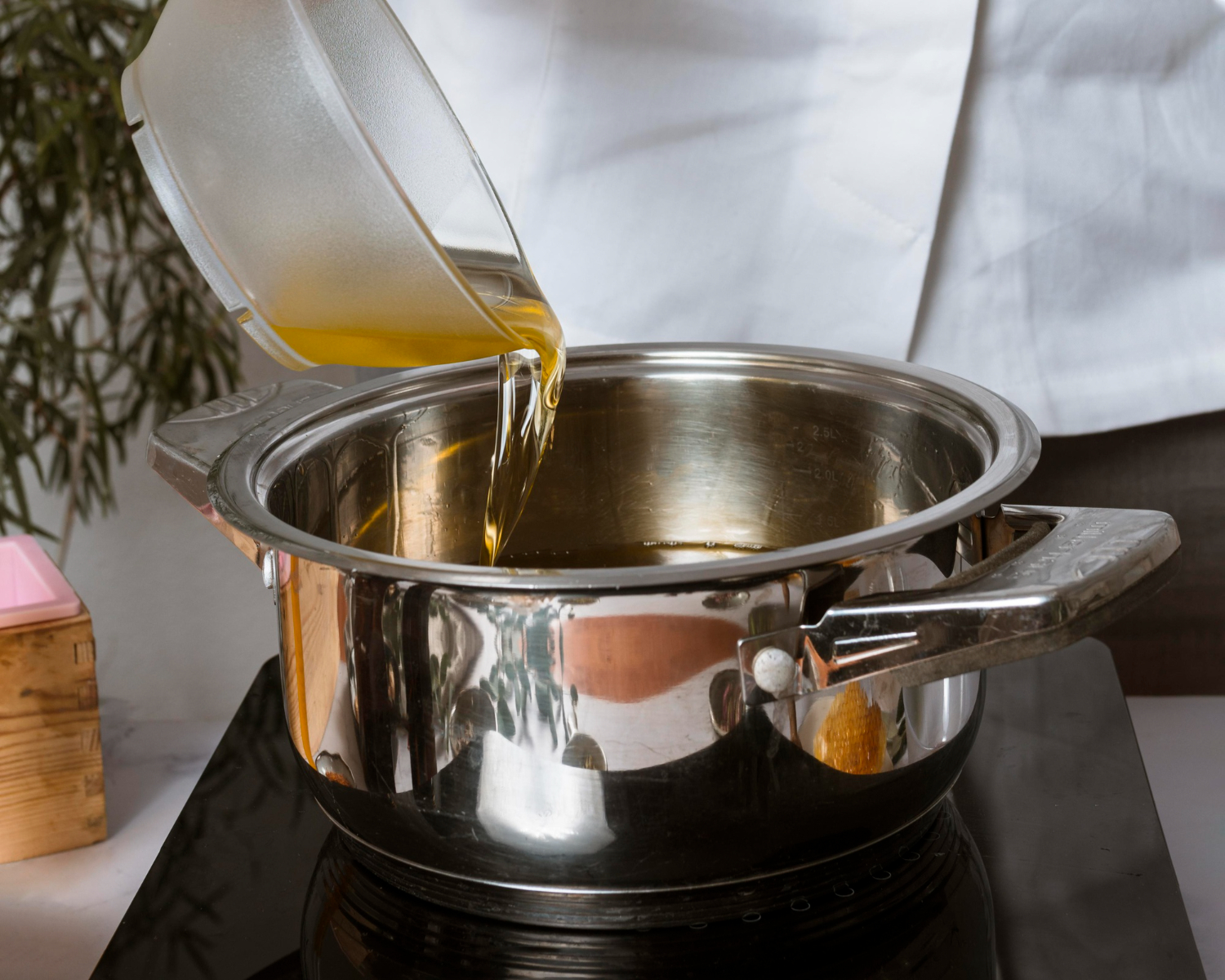
Water-soluble and fat-soluble aroma compounds partition differently, so the same ingredients in a broth and in a sauce deliver different subsets of their aroma.
Nothing has been added or removed; the medium has selected. Solubility partitioning is the reason identical ingredients smell different in different dishes.
9. Cutting Releases Aroma by Breaking Cells
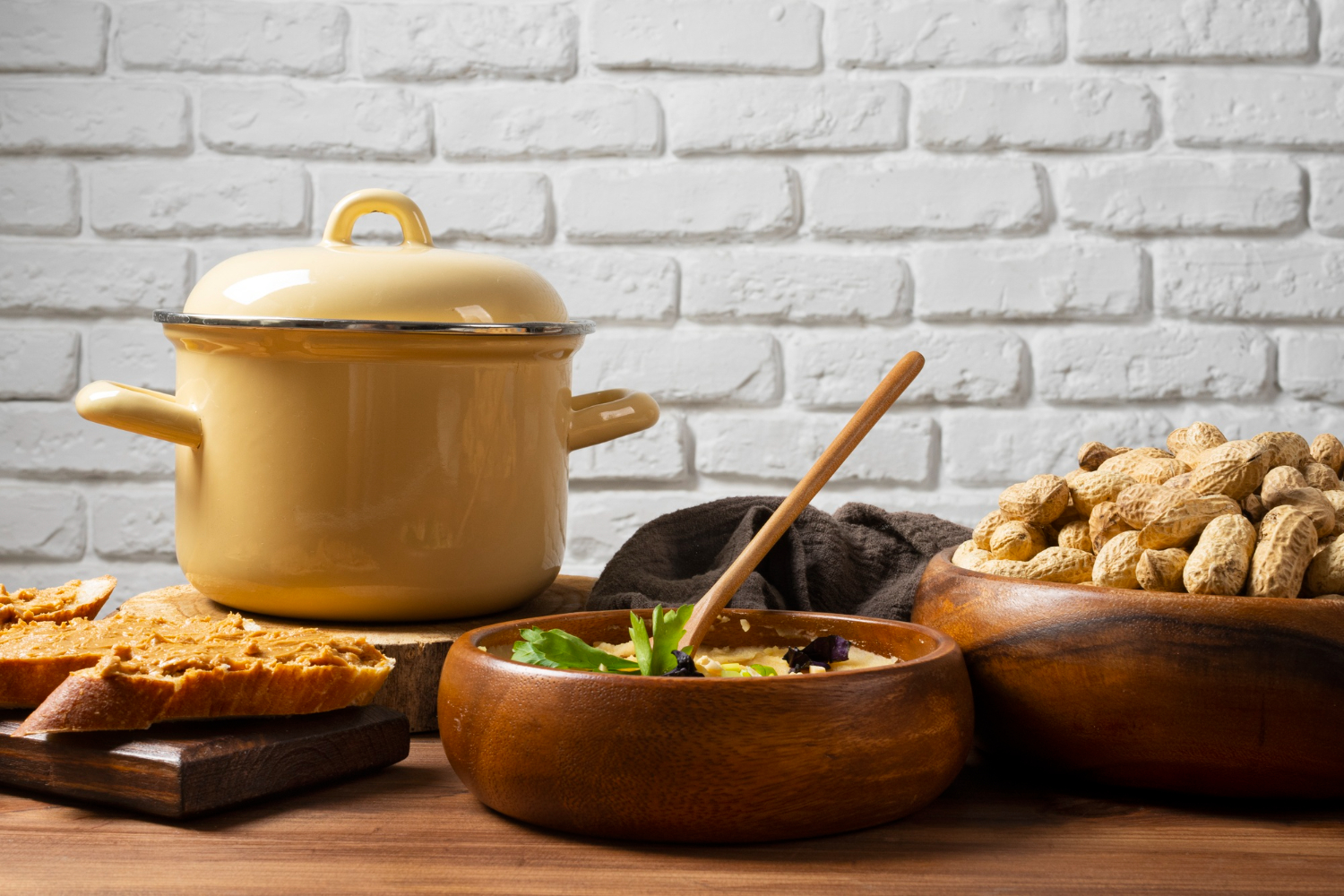
Chopping, crushing and grinding rupture cell walls, releasing stored compounds and allowing enzymes to act on precursors, generating aroma that was not present in the intact ingredient.
That is why the smell appears at the board rather than in the basket. Mechanical damage is the trigger for a great deal of aroma production.
10. Some Aromas Are Created by Contact

Certain compounds form only when two substances that were separate come together, which is why some ingredients smell of very little until something is done to them.
Nothing was hiding; the compound did not exist yet. Contact-formed aroma is the case where the smell is a reaction product.
11. Cold Food Smells of Almost Nothing
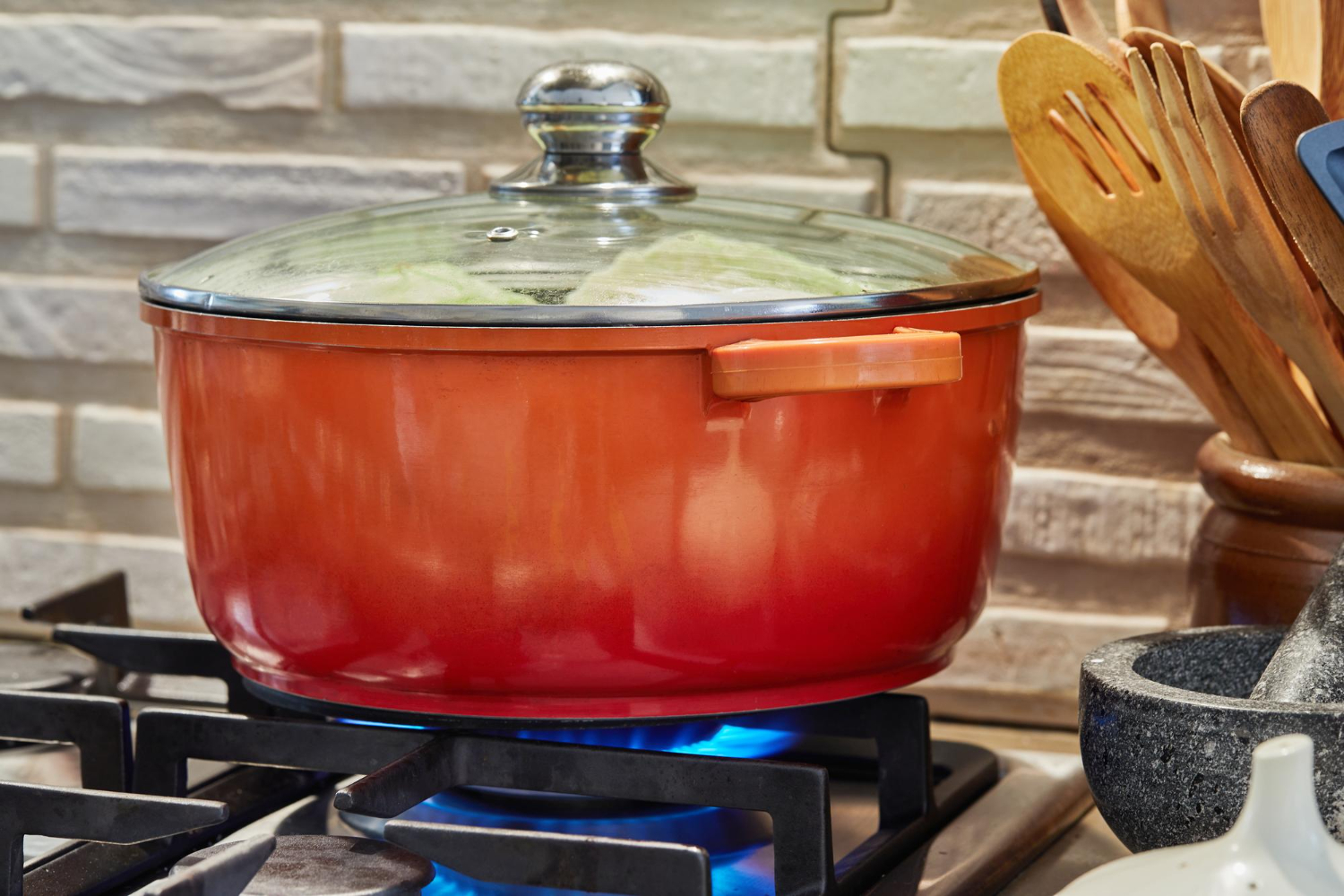
Lower temperature means slower evaporation, so a chilled dish releases a fraction of the aroma the same dish releases warm.
Anything intended to be eaten cold has to be seasoned accordingly. Temperature dependence is the reason cold dishes need more of everything.
12. The Burst When You Take the Lid Off
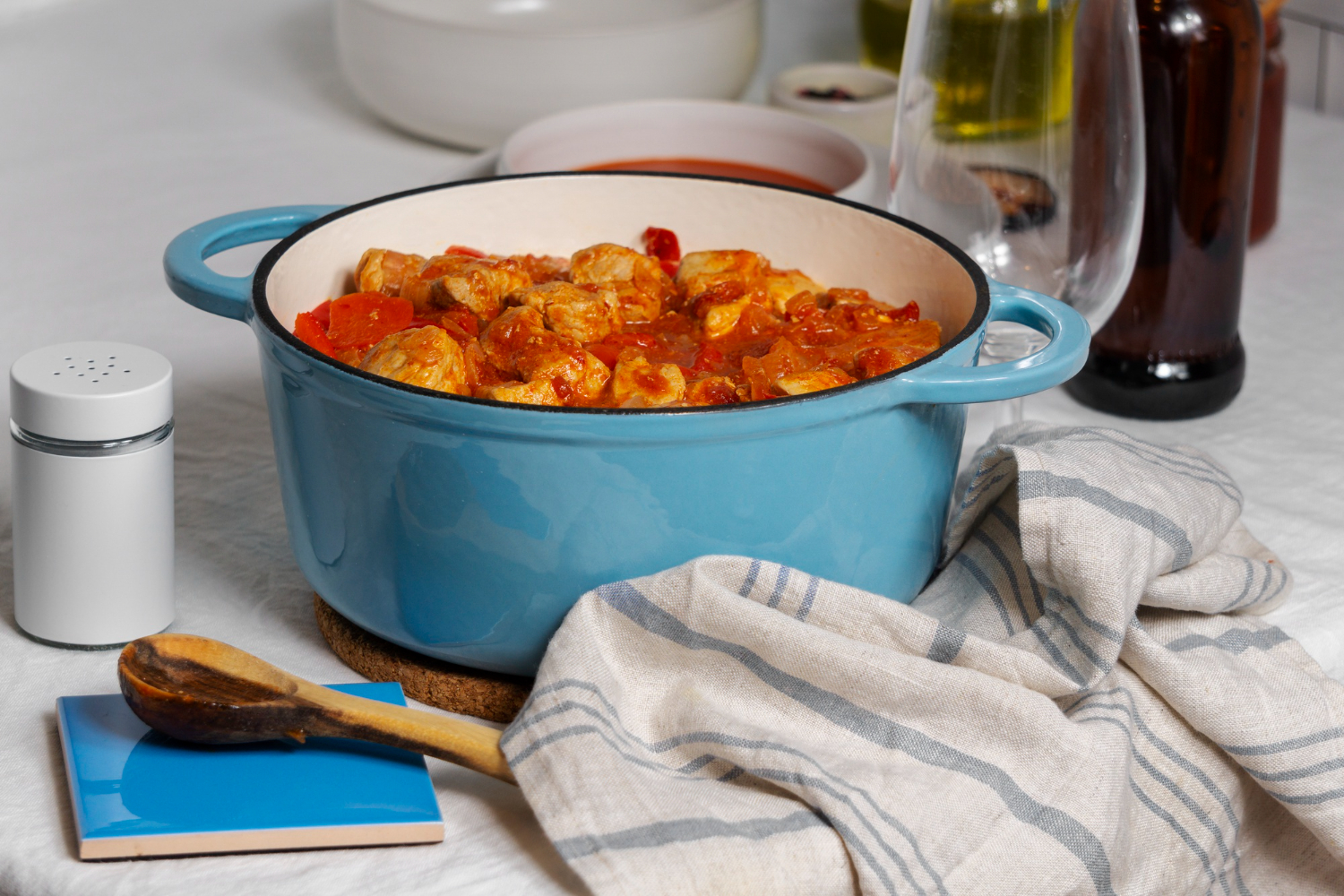
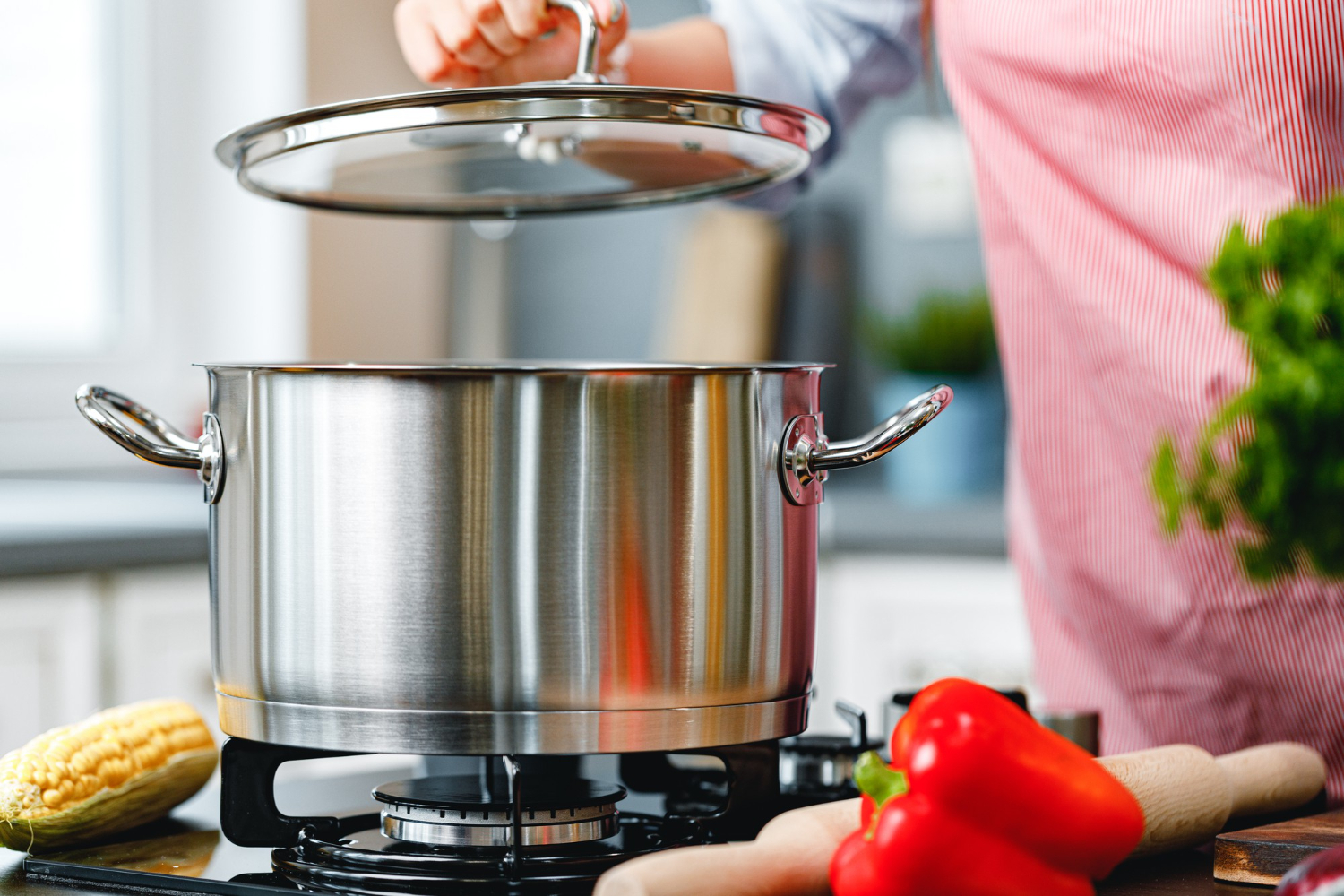
A covered dish accumulates aroma compounds in the space above it, which are released all at once when uncovered, producing a concentration far higher than the dish emits steadily.
That moment is the strongest the dish will ever smell. The uncovering burst is a physical accumulation rather than an impression.
13. Steam Is the Delivery System
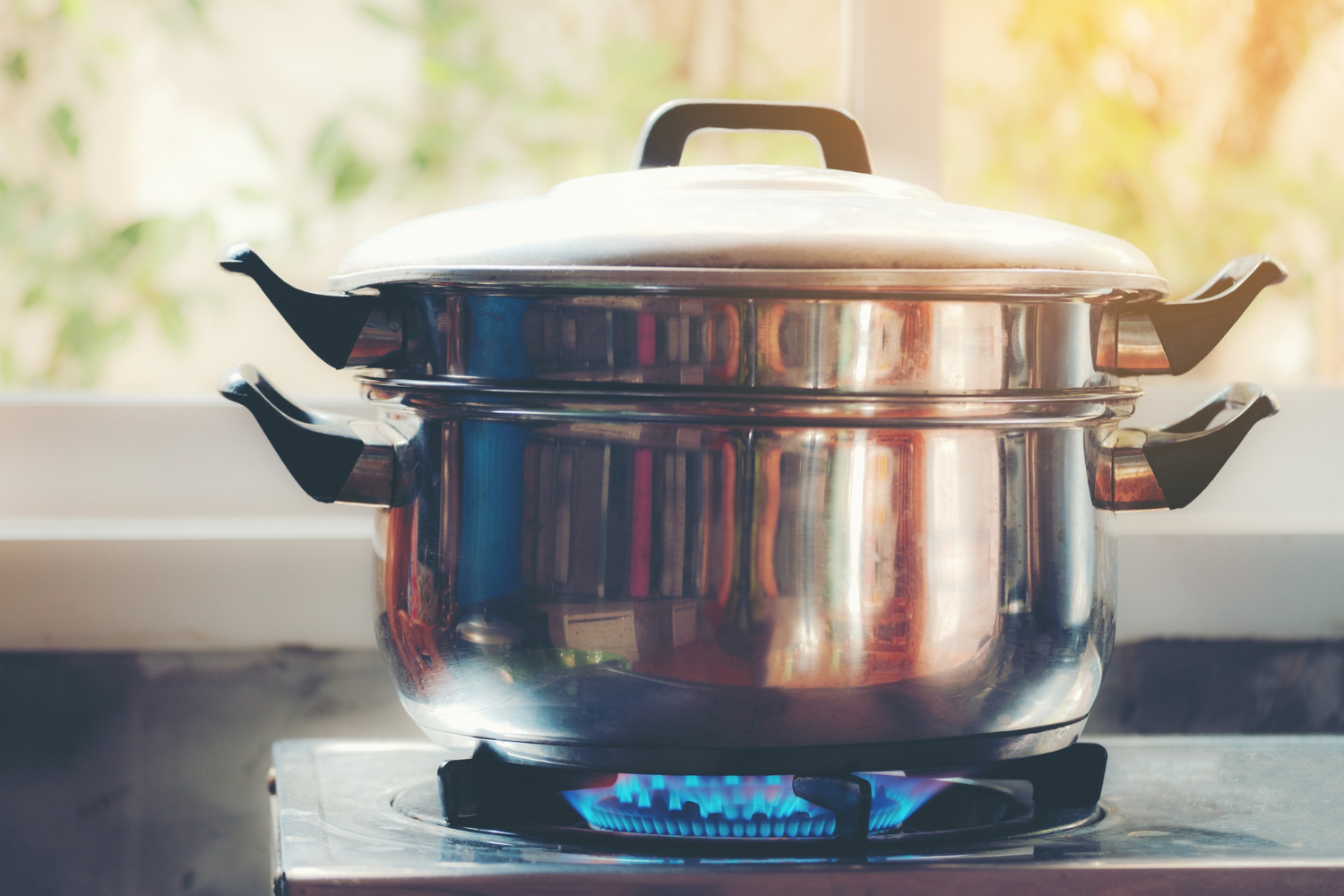
Rising water vapour carries aroma compounds upward and outward, which is why a simmering pot fills a house and a sealed one does not.
Without steam the compounds disperse far more slowly. Vapour transport is the mechanism that spreads a smell through a building.
14. Staleness Is Loss Rather Than Change
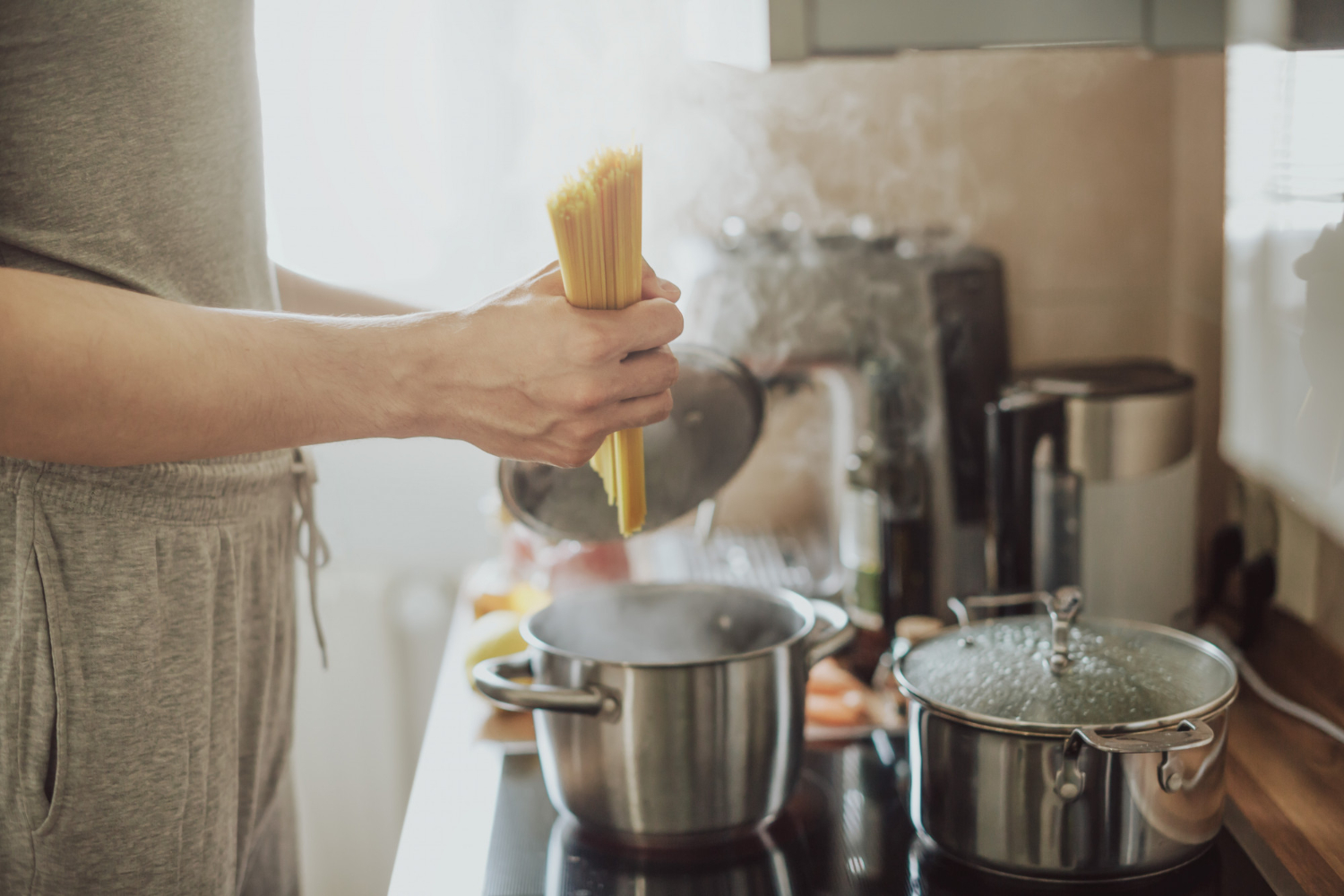
Food that smells of less over time has generally lost its volatile compounds to the air rather than acquiring anything, which is why ground spices fade so much faster than whole ones.
Grinding increases surface area and accelerates the loss. Volatile escape is what staleness usually is.
15. Aroma Is Why Anticipation Works
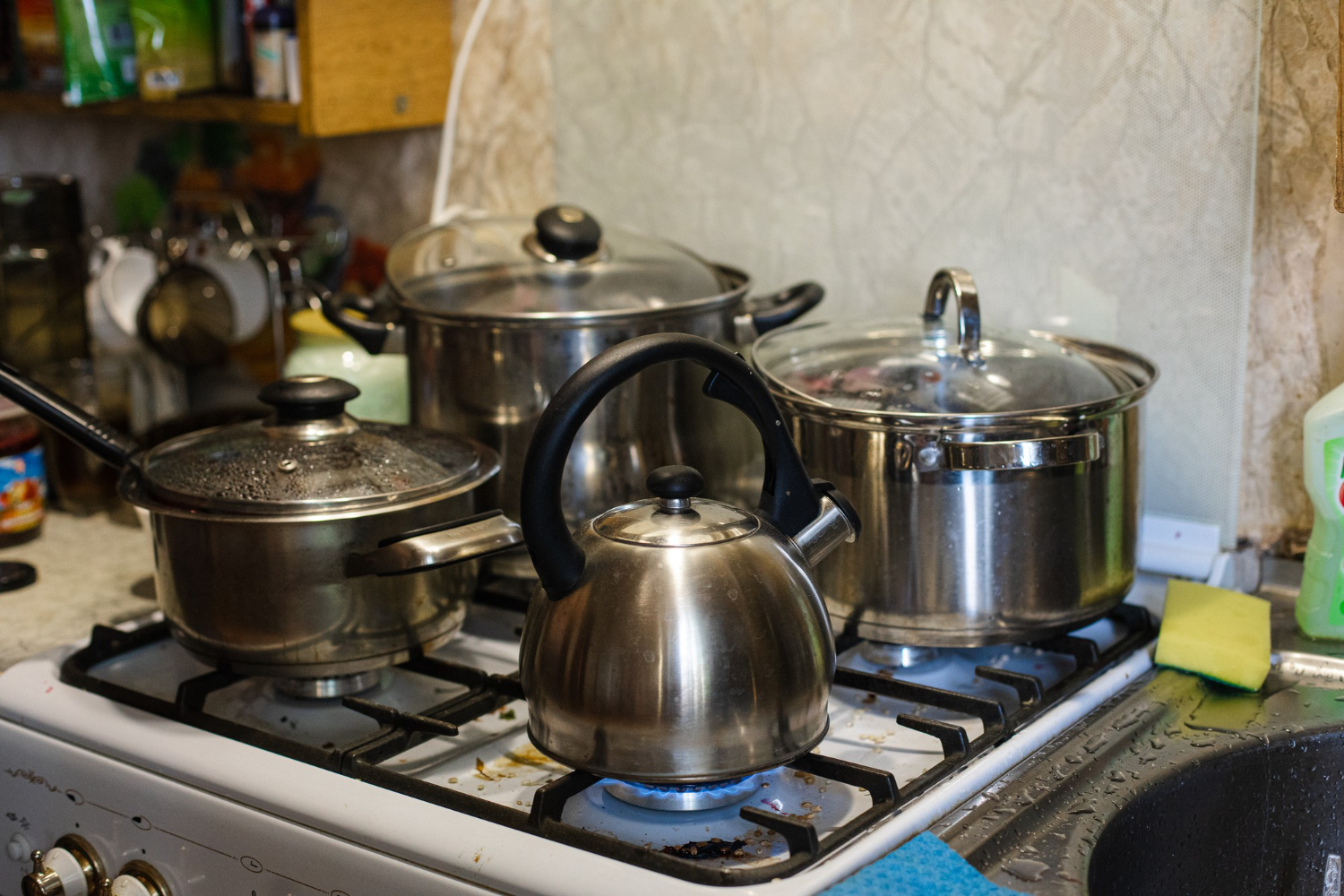
Smell reaches you before anything else – before the plate, before the first mouthful – which means the aroma of cooking is doing work on the meal before it is served.
No other component of a dish operates in advance. Anticipatory aroma is the part of a meal that arrives first and is rarely counted.
Everything Depends on Evaporating
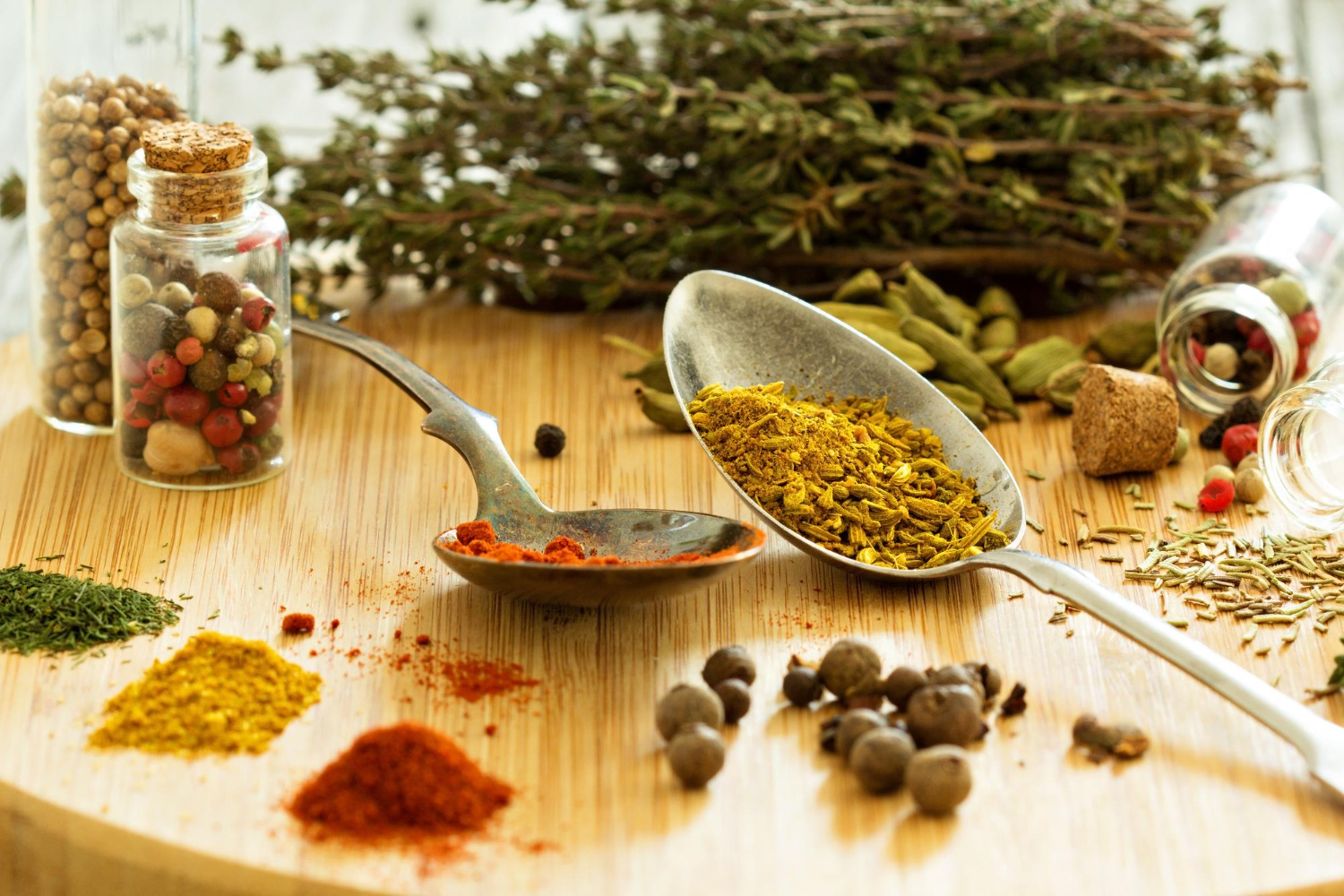
Compounds have to leave the food and reach the nose, so heat, fat, liquid, temperature, cutting and time all matter – and each of them makes that more or less likely.
The practical rule that falls out of all this is about timing. Anything valued for its aroma should arrive late, be served warm, and reach the table with a lid on it – because every one of those decisions is about giving volatile compounds the shortest possible route from the pan to somebody nose.
Like our content? Follow us for more.