The difference between covering ground and seeing a place is mostly about route choice. Everything below is a way of arranging a walk so that the parts between the destinations become worth having. Here are ten.
1. Walk One Leg That You Would Normally Ride

Take a single journey you had planned to make by transport and do it on foot instead, chosen for distance rather than for what is on the way.
That one leg reliably produces more than the destination did. Substituting one journey is the smallest change with the largest effect.
Like our content? Follow us for more.
2. Pick Two Points and Ignore the Middle
Choose somewhere to start and somewhere to end, and make no decisions at all about the route between them beyond general direction.
The unplanned middle is the part that turns out to matter. Undetermined routing is what separates a walk from a transfer.
3. Follow Something Linear
A river, a canal, a wall, a ridge, an old railway or a coastline gives a route that requires no navigation and passes through parts of a city that no itinerary would include.
The feature does the planning for you. Following a line is the technique that removes route decisions entirely.
4. Go Uphill Early

Any high ground gives you the layout of a city in one look, and understanding the shape early makes everything afterwards easier to place.
It is more useful on the first day than the last. Climbing first is the orientation step most people take too late.
5. Choose the Parallel Street

The road one block over from the main route generally has the same direction, a fraction of the traffic and substantially more of what people who live there actually use.
It costs nothing and changes the walk completely. The parallel street is the substitution available on almost every route.
6. Walk Somewhere at Two Different Hours
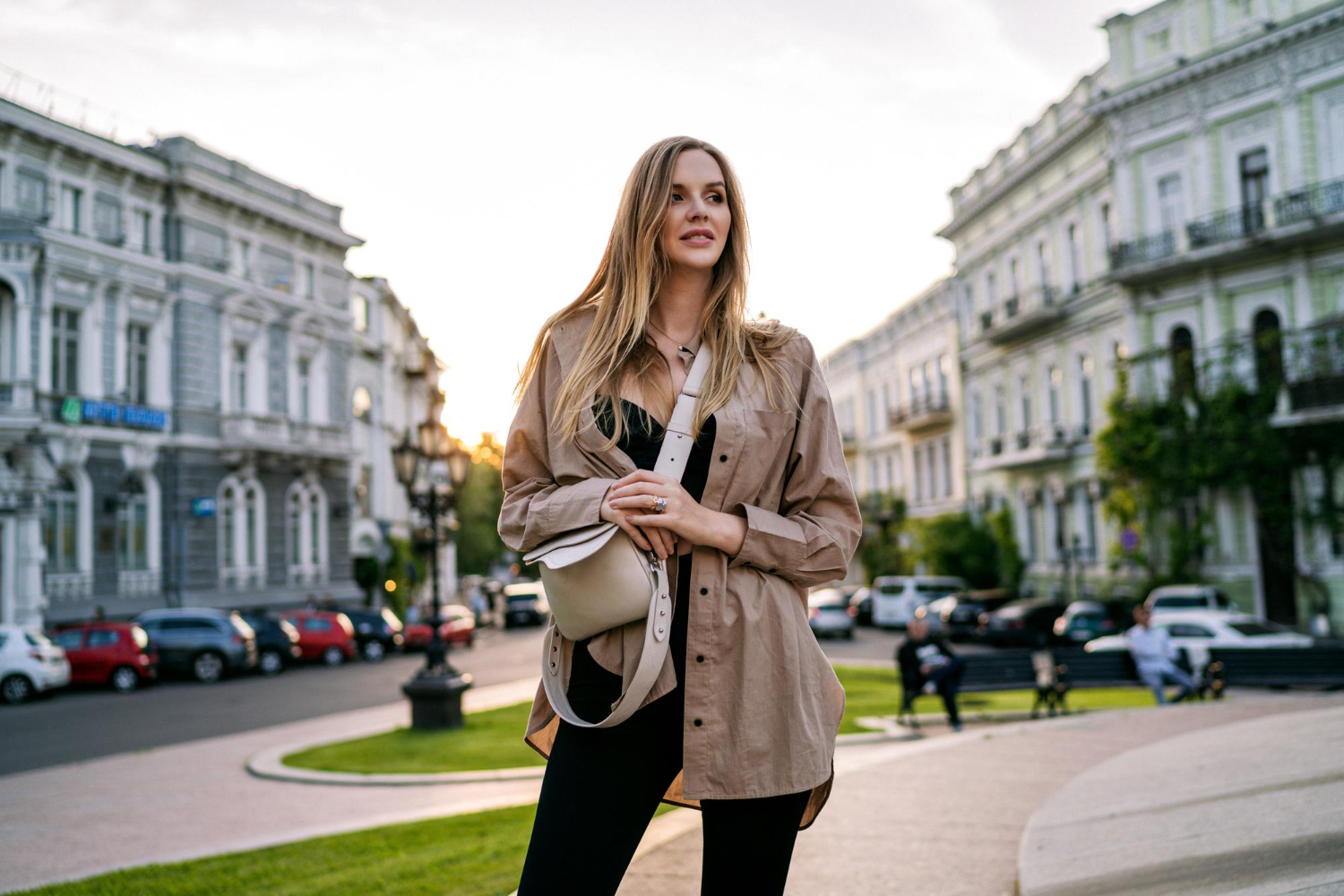
The same street at eight in the morning and eight in the evening is functionally two places, with different people, different businesses open and a different purpose.
Most visitors only ever see one version. Revisiting at another hour is the cheapest way to double what you have seen.
7. Let the Detour Happen

A walk with a fixed arrival time cannot accommodate the thing you were not expecting, which is generally the thing worth stopping for.
Slack in the schedule is what makes a detour possible. Built-in spare time is the condition every good walk requires.
8. Sit Down Somewhere Ordinary

Twenty minutes on a bench, in a square or at a counter shows you how a place actually operates, which walking through it at pace does not.
Stopping is part of the method rather than a break from it. Deliberate pausing is what turns movement into observation.
9. Cross to the Other Side Occasionally

A street looks substantially different from each pavement, because you see the frontages opposite rather than the ones you are walking past, and one side is generally in sun while the other is not.
Walking a route in both directions shows you two versions of it. Switching sides is the adjustment that costs nothing and changes what is in front of you.
10. Have a Way to Stop Walking

Knowing that transport, a taxi or a route back exists means you can commit to going further, because the walk does not have to be completed in both directions.
The exit plan is what enables the distance. A known way back is the arrangement that makes a long walk a reasonable decision.
The Gaps Are the Trip
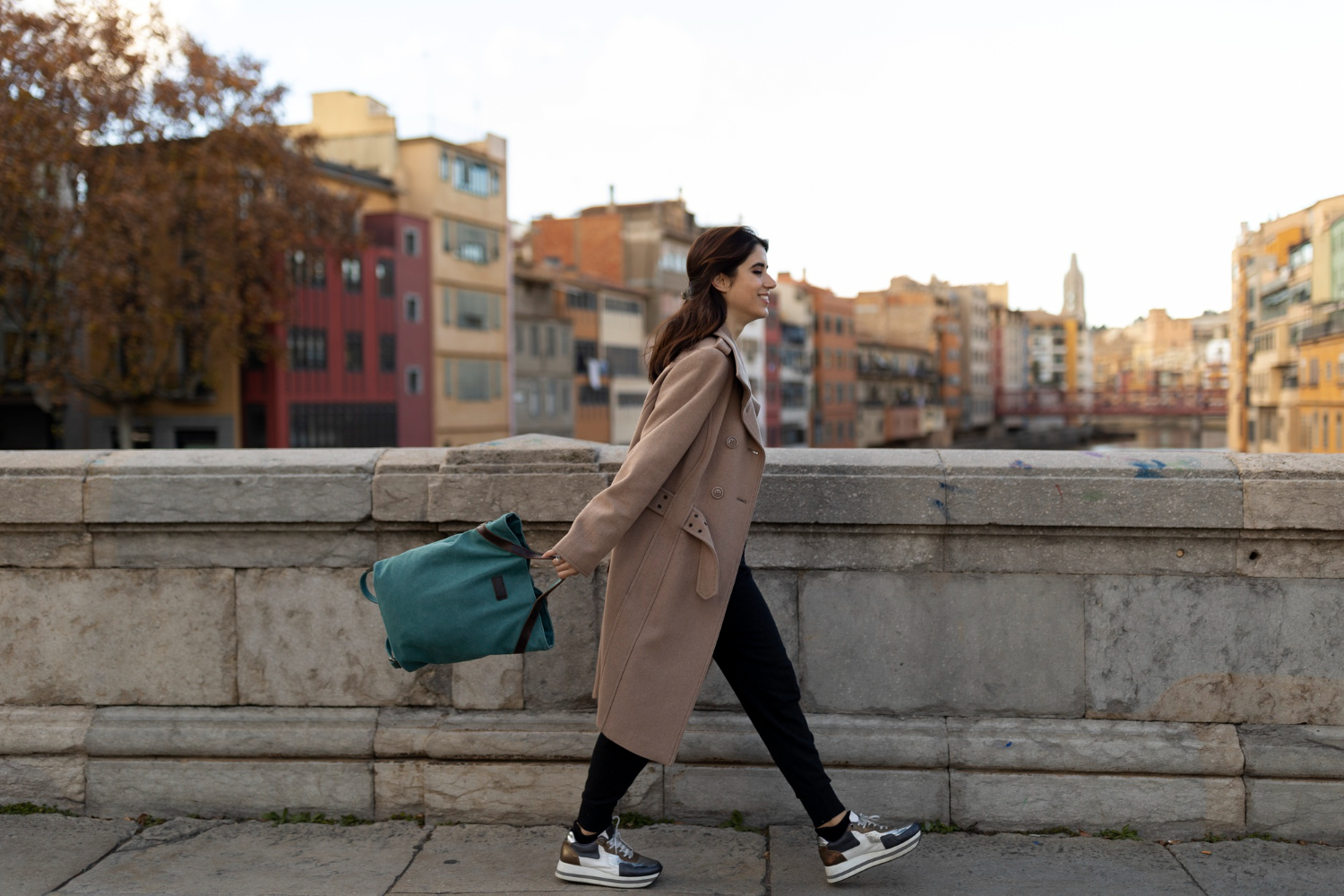
Substituting one journey, following something linear, switching pavements and leaving slack for detours – each turns the space between destinations into the part worth remembering.
One thing to say plainly: this assumes walking distances suits you, and for a great many people it will not, on any given day or at all. Plenty of the best ways to see a city involve sitting on a slow bus with a window, taking a boat, or spending an afternoon in one place – and every item above about choosing the ordinary spot and returning at another hour works just as well without covering any distance.
Like our content? Follow us for more.