The idea that fixes everything else is that suction does not pull. Removing air from a tube lets the surrounding atmospheric pressure push liquid up into it, and the atmosphere has a fixed amount of push available. Here are sixteen results.
1. Suction Is the Atmosphere Pushing
Lowering the pressure inside a tube does not create a pulling force. It allows the pressure already acting on the liquid surface outside to push it upward into the tube.
Nothing is being pulled at any point. Atmospheric push is the correct description of every suction device.
Like our content? Follow us for more.
2. Which Means There Is a Hard Ceiling
Because the atmosphere can only push with a fixed pressure, it can only support a water column of roughly ten metres – and a perfect vacuum above would not change that.
No pump can exceed it. The ten-metre limit is a property of the air rather than of any machine.
3. So Deep Systems Push From the Bottom
Where water must be raised further than that limit allows, the pump goes down to the water and pushes upward, because pushing has no equivalent ceiling.
That is why deep installations are submerged. Pushing from below is the answer to a limit that cannot be engineered around.
4. And Altitude Makes It Worse
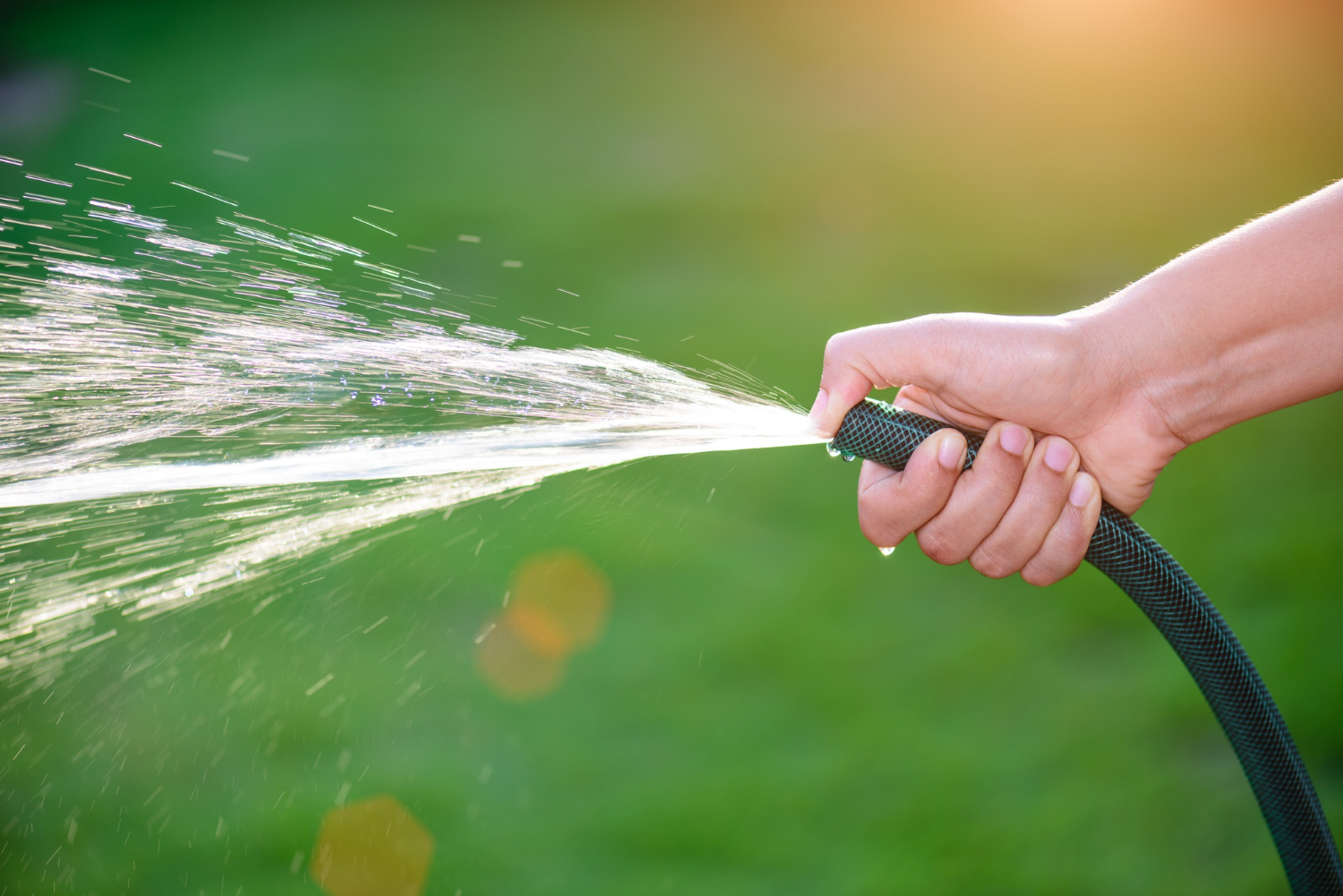
At higher elevation the atmosphere pushes less hard, so the maximum suction lift decreases – a system that works at sea level may not work on a mountain.
The limit moves with the weather too. Elevation dependence is the reason the figure is approximate.
5. A Siphon Runs on Weight Difference
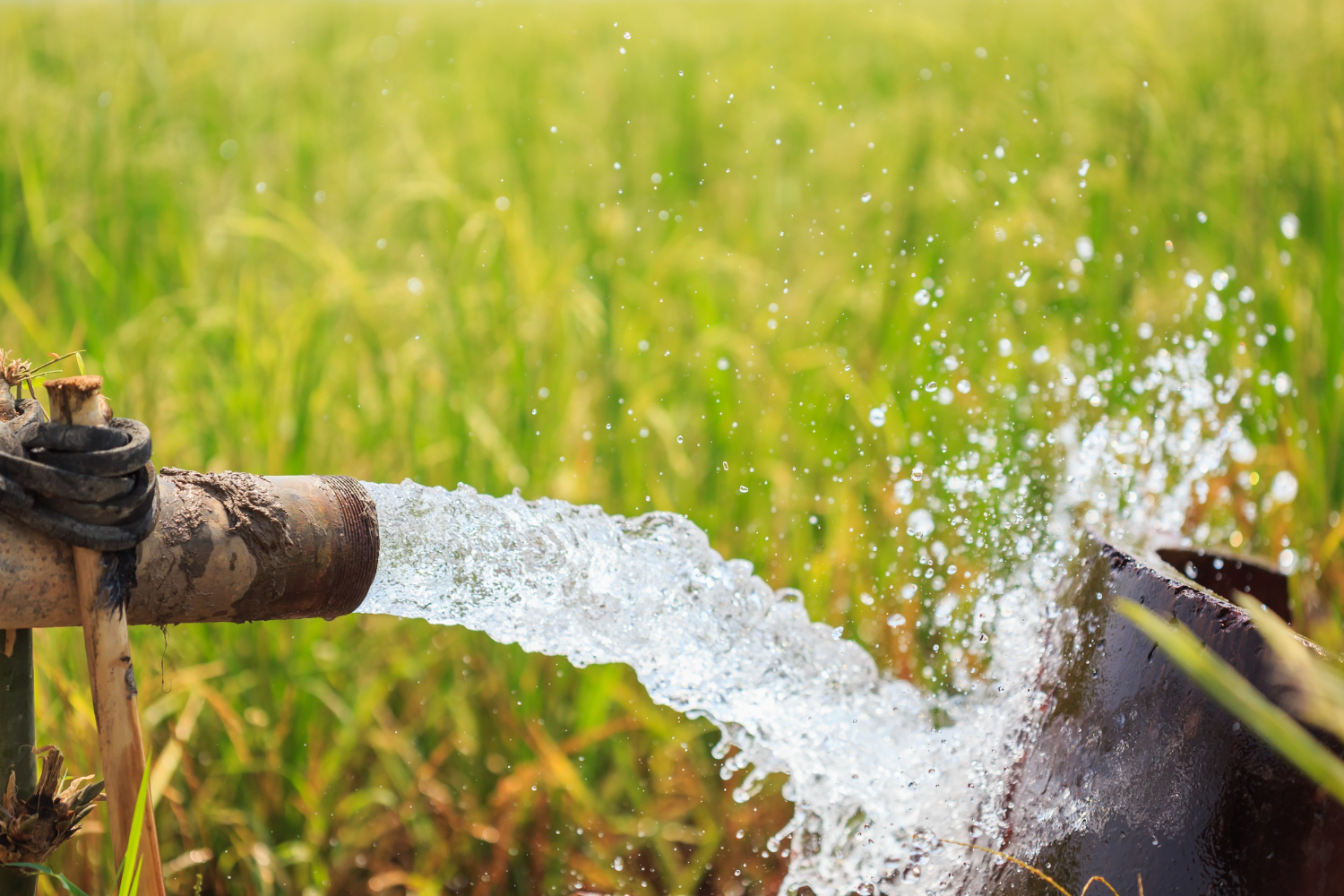
Liquid flows over a barrier and down the far side because the descending column is heavier than the ascending one, and the difference pulls the whole chain along.
Nothing is powering it beyond gravity. Column imbalance is what makes a siphon continue once started.
6. And It Stops the Moment Air Gets In
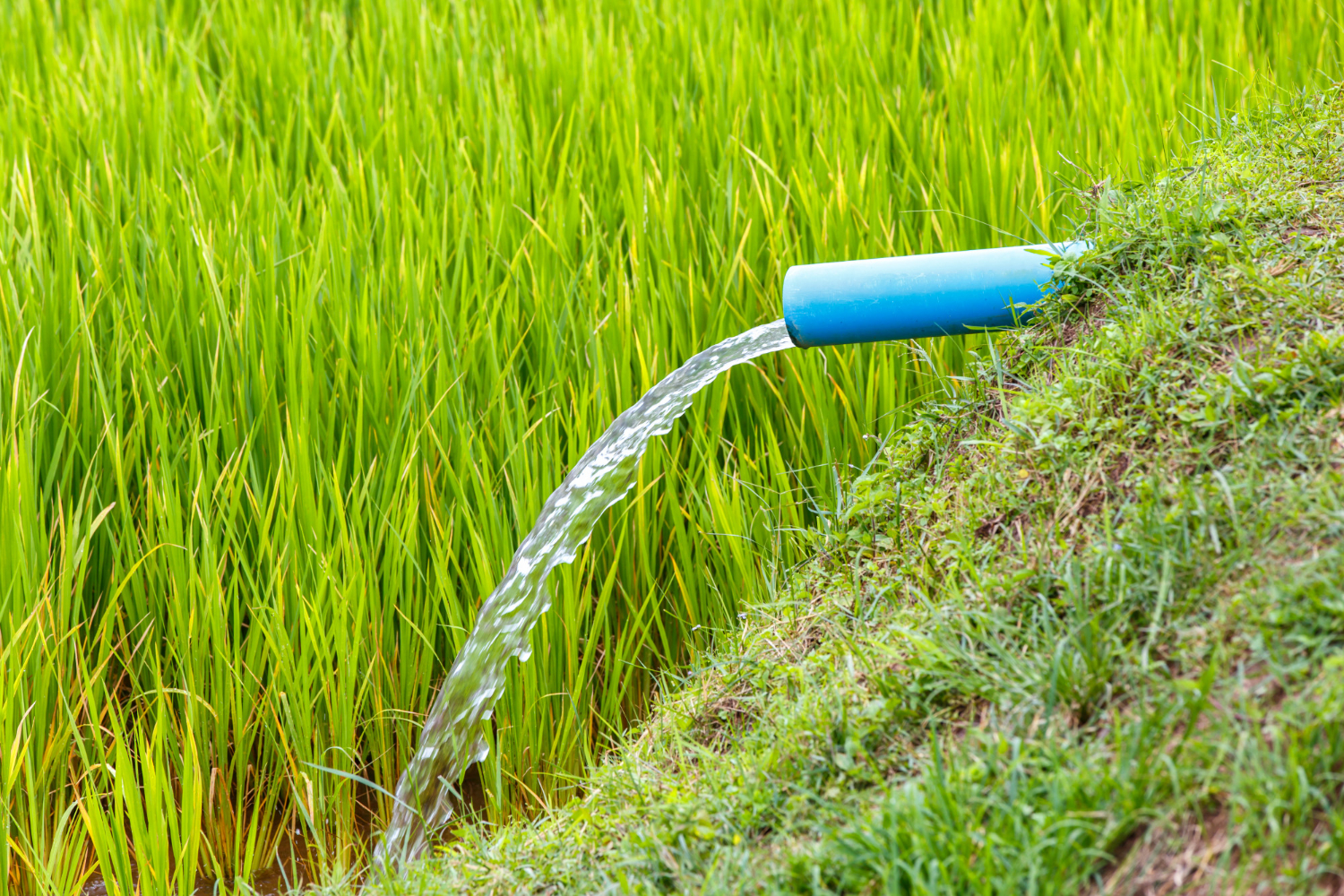
A siphon depends on an unbroken column of liquid, so any bubble that separates the two sides breaks the connection and flow ceases immediately.
That is also how it is deliberately stopped. Continuity dependence is the siphon vulnerability.
7. The Outlet Has to Be Lower

A siphon only runs if the far end is below the source surface, and raising the outlet above that level stops it regardless of how the tube is arranged.
Height difference is the whole engine. Outlet position is the condition that determines whether it works at all.
8. Some Pumps Trap a Fixed Amount
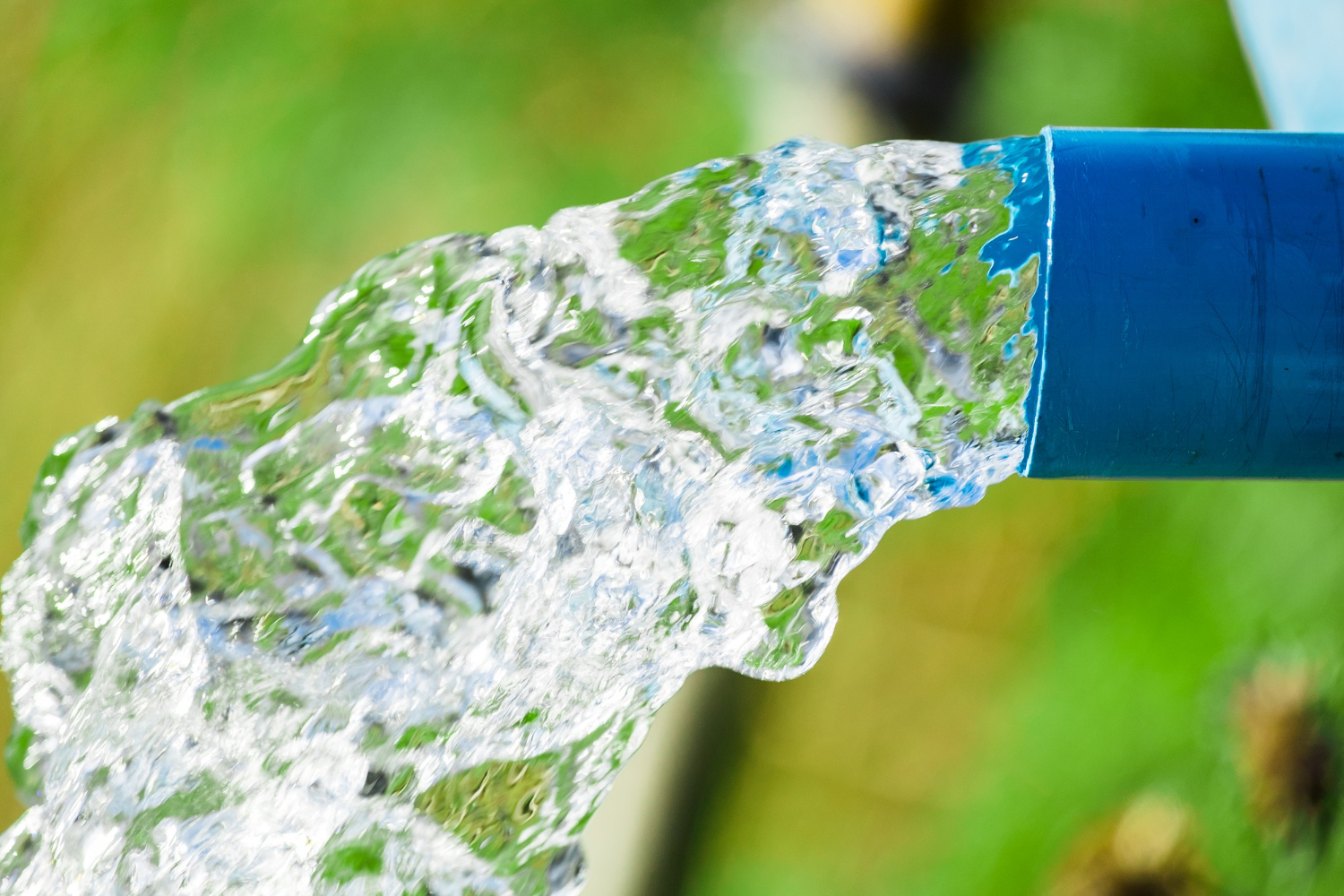
A positive displacement pump captures a defined volume and moves it along, delivering the same quantity per cycle whatever the resistance downstream.
That makes output predictable. Fixed displacement is the design for consistent delivery.
9. Others Fling It Outward
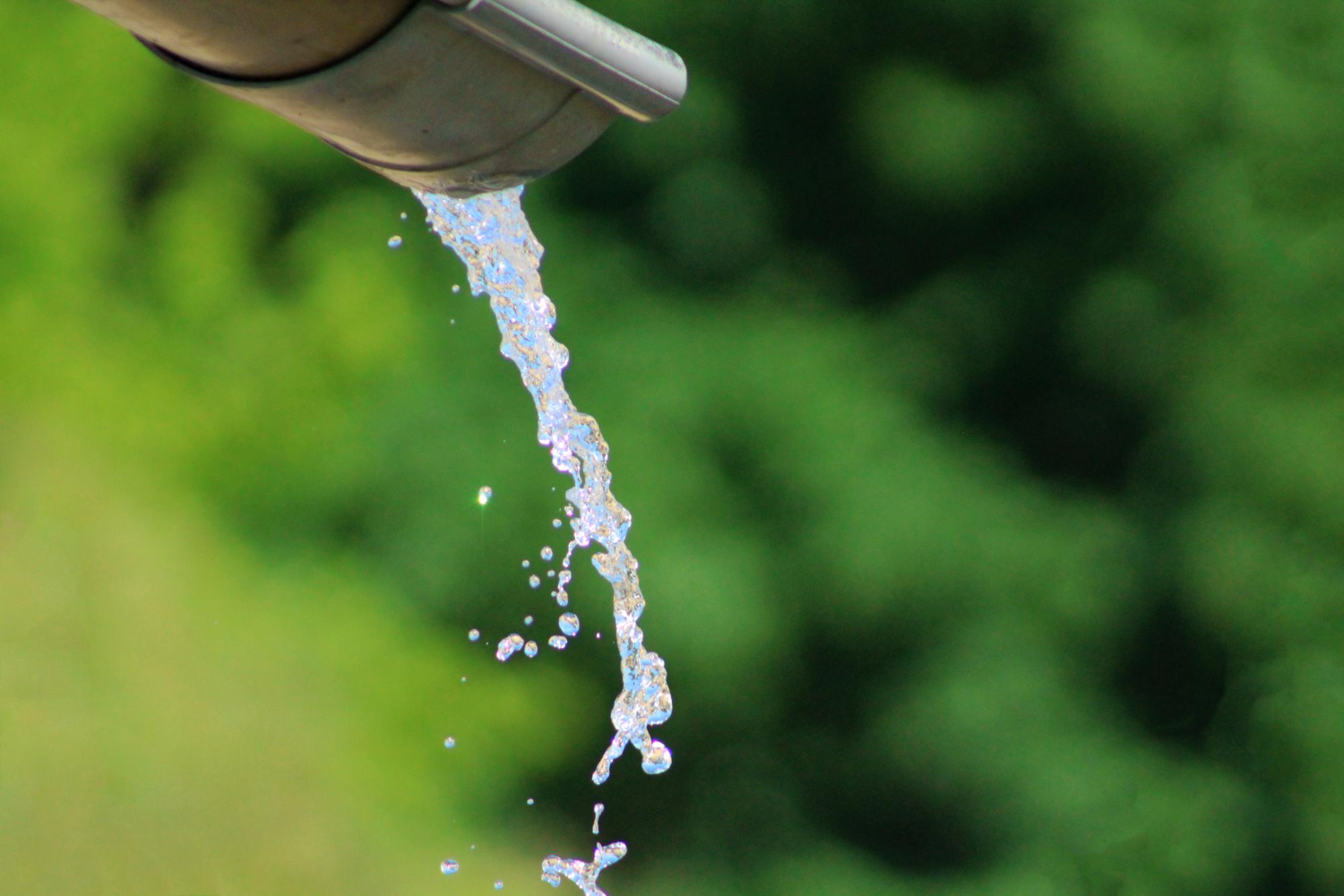
A centrifugal pump spins liquid outward at speed and converts that speed into pressure, which is efficient at high volumes and cheap to build.
The two designs suit different problems. Centrifugal action is the approach used where volume matters more than precision.
10. Their Output Falls as Resistance Rises

A centrifugal pump delivers less as the pressure it works against increases, whereas a displacement pump delivers the same amount and simply requires more force.
That difference determines which suits a given system. Resistance response is the practical distinction between the two families.
11. Pumps Generally Cannot Move Air

Most pumps rely on the liquid itself to seal and transmit force, so a pump full of air cannot establish flow and must be filled before starting.
That is what priming is. Air incapacity is the reason a pump needs to be filled to work.
12. Wind and Muscle Did It for Centuries

Before engines, lifting water was done by wind-driven machinery, animals walking in circles, treadwheels and human effort, using the same mechanical principles at a slower rate.
The physics is identical and the power source is not. Pre-engine lifting is the same problem solved with what was available.
13. The Screw That Lifts Without Suction
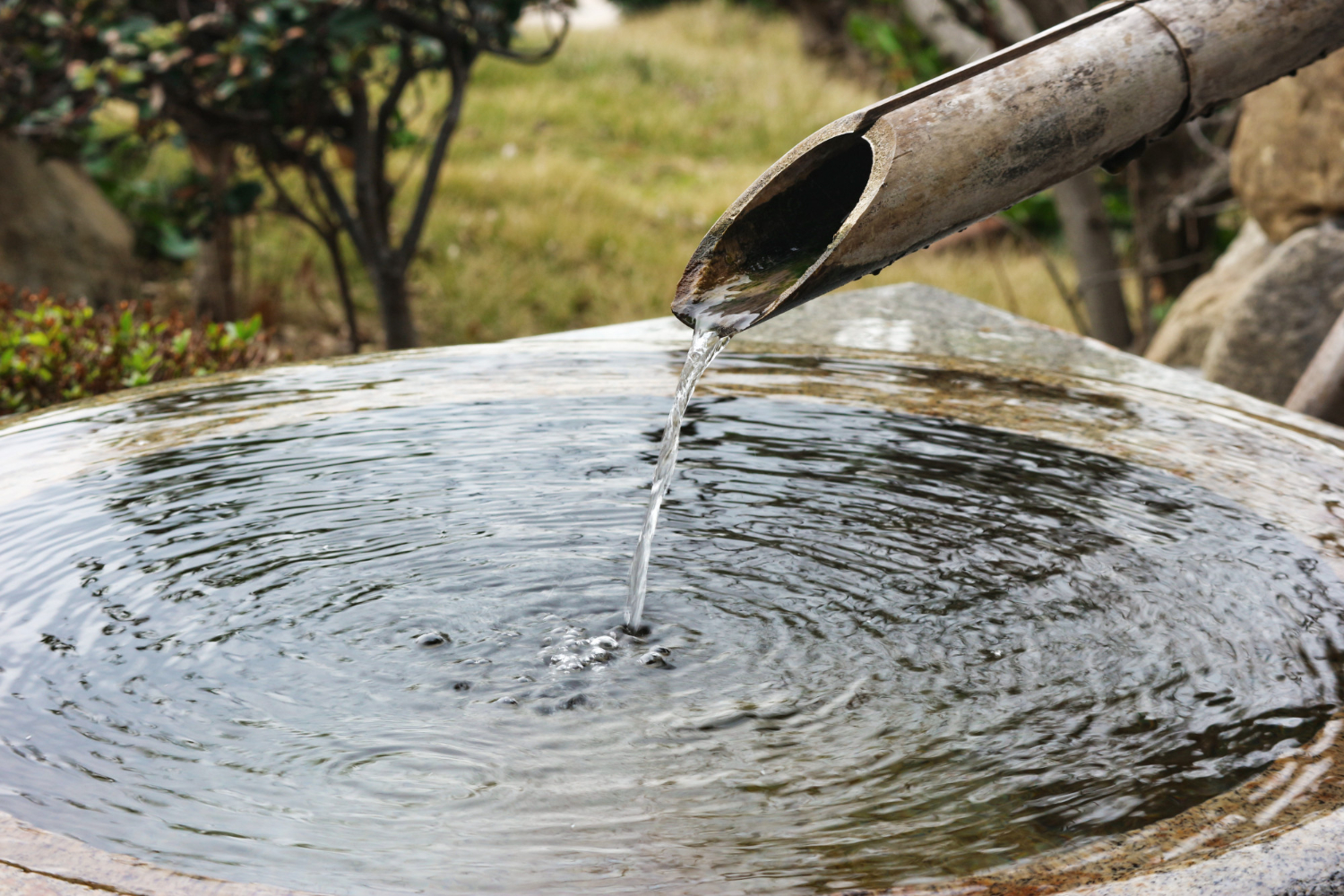
A helical screw turning inside a close-fitting tube carries water upward in pockets, entirely sidestepping the suction limit because nothing is being drawn.
It moves large volumes over modest heights very reliably. The screw lift is the design that ignores the ceiling altogether.
14. A Ram That Uses the Water Itself
Where a stream has a fall, the momentum of flowing water can be used to lift a small proportion of it much higher, with no external power at all.
It wastes most of the flow to move a little of it. The hydraulic ram is the pump powered by the thing it is pumping.
15. Boiling on the Suction Side Destroys Pumps
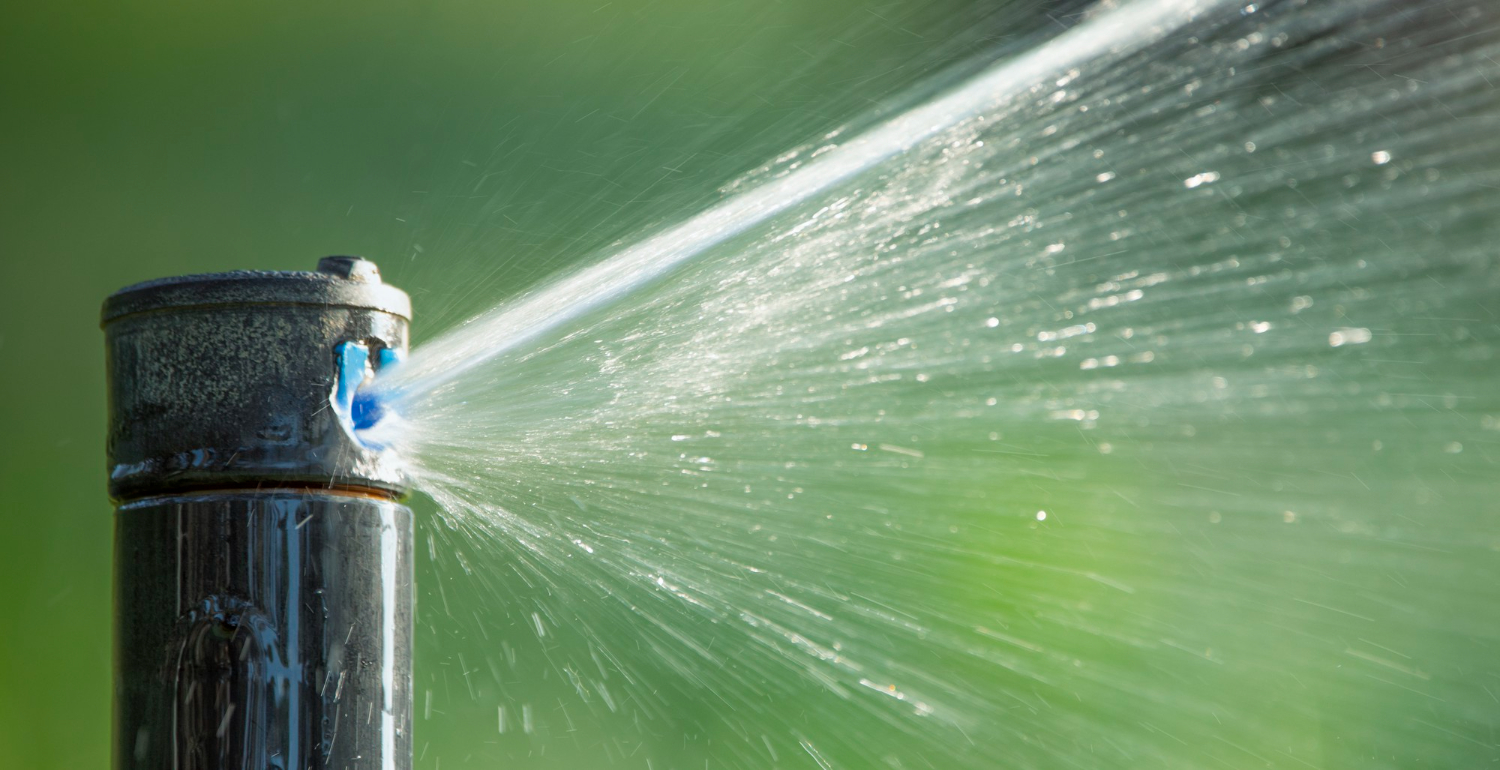
If pressure at the inlet drops far enough, the liquid vaporises into bubbles that then collapse violently as pressure recovers, eroding the pump from inside.
It sounds like gravel passing through. Cavitation is the damage caused by liquid briefly becoming gas.
16. Gravity Is Still the Best Option
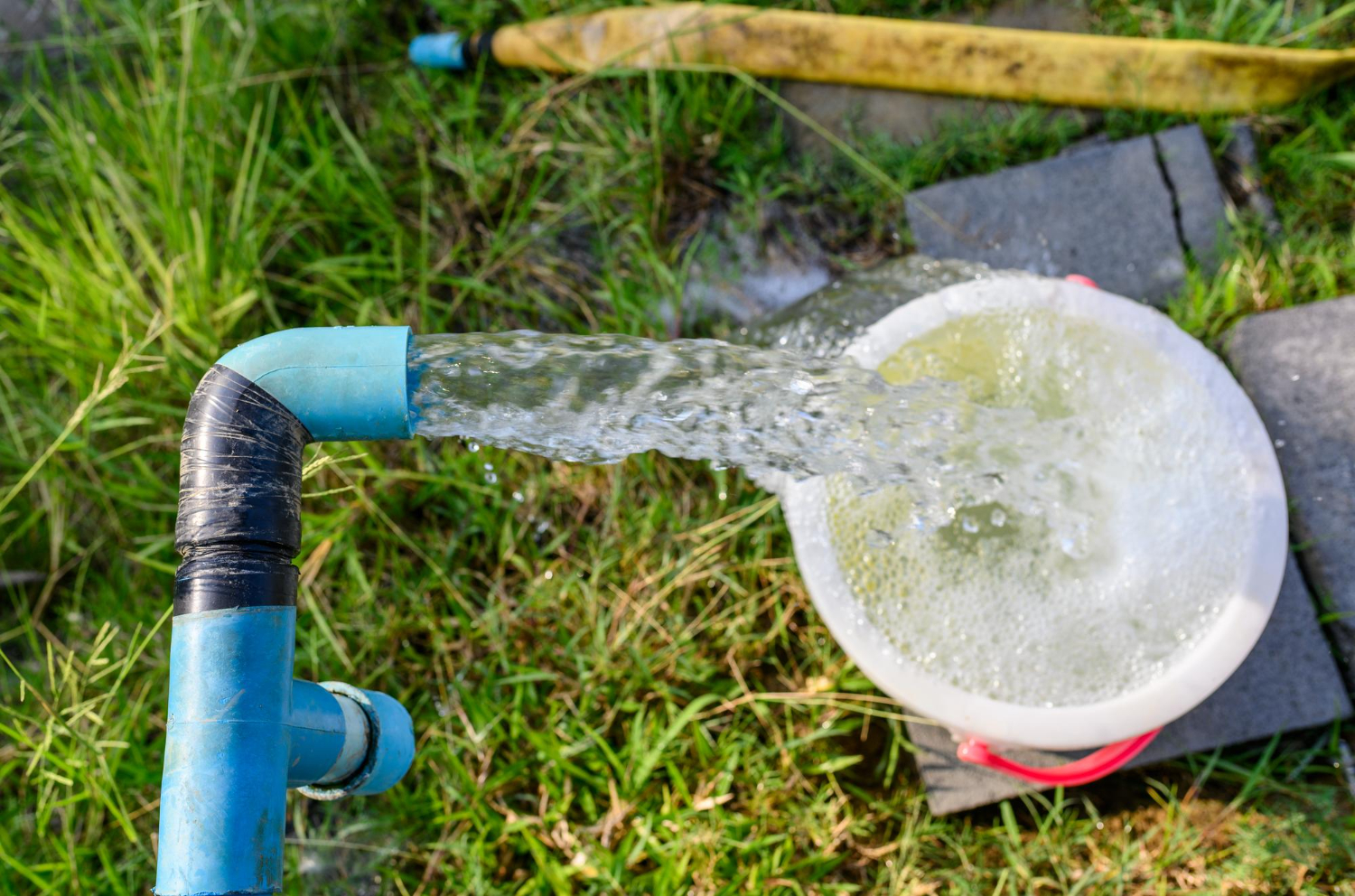
Where the geography allows water to be collected high and delivered lower, no pump, power or maintenance is required and the system runs indefinitely.
Every civilisation that could do this did. Gravity supply is the method that has never been improved on where it is available.
The Atmosphere Can Only Push So Hard
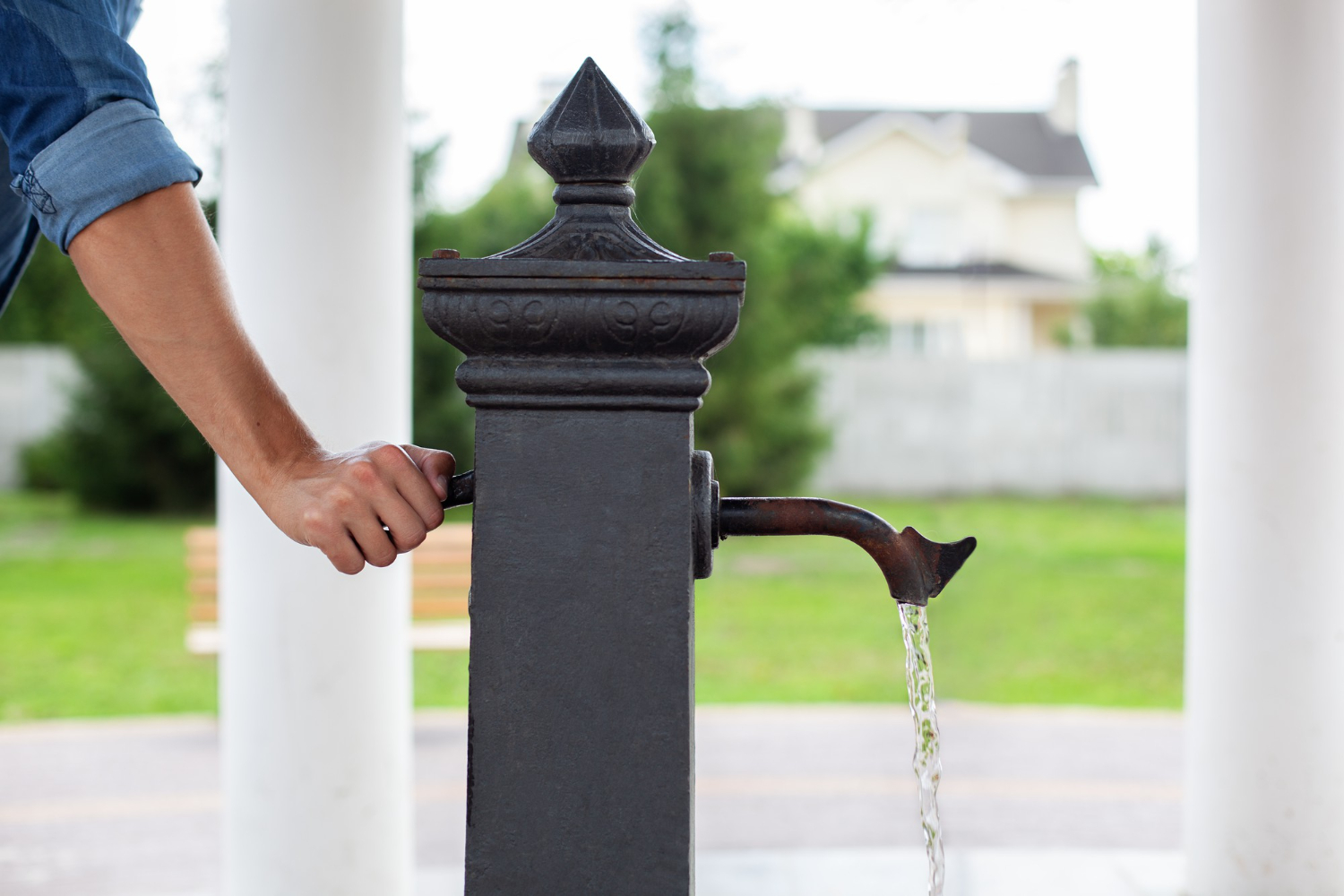
A fixed ceiling on suction, no ceiling on pushing, a siphon running on weight difference, and two families of pump with opposite responses to resistance – the whole subject in four facts.
The second item is the one worth carrying. The ten-metre suction limit is not an engineering shortcoming that better pumps will eventually overcome – it is a property of the atmosphere, it applies to every suction device ever built, and every deep water system in the world is designed around it.
Like our content? Follow us for more.