
The starting point is that the front of your eye is a living surface with no blood supply, exposed to open air, that must stay optically perfect. Almost everything below follows from that unusual arrangement. Here are fourteen.
1. The Front of the Eye Has No Blood Supply
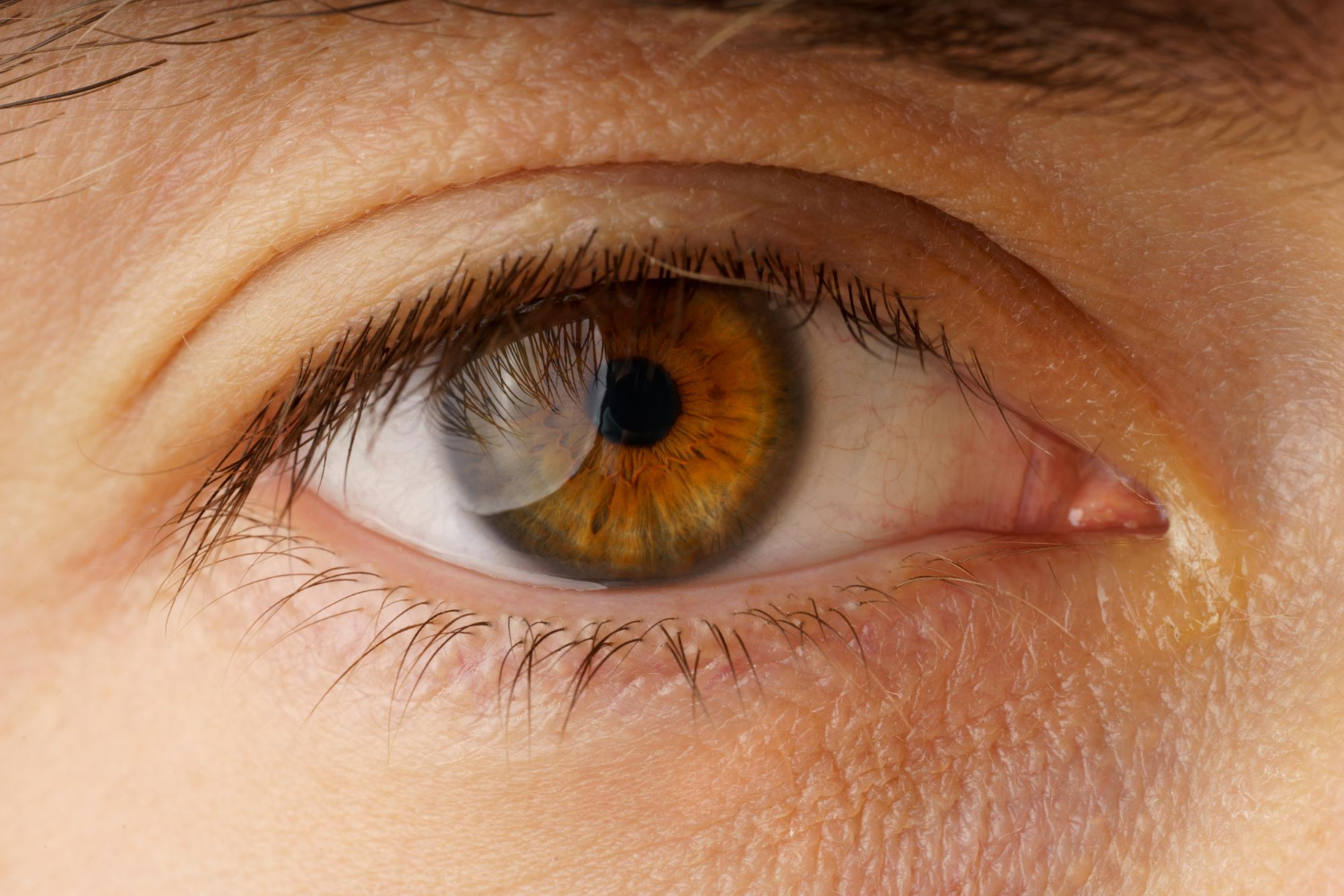
The cornea contains no blood vessels, because vessels would scatter light and degrade the image, so it must be transparent at the cost of its own supply line.
Transparency and vascularisation are incompatible. The avascular cornea is the constraint the whole system works around.
Like our content? Follow us for more.
2. So It Takes Oxygen From the Air
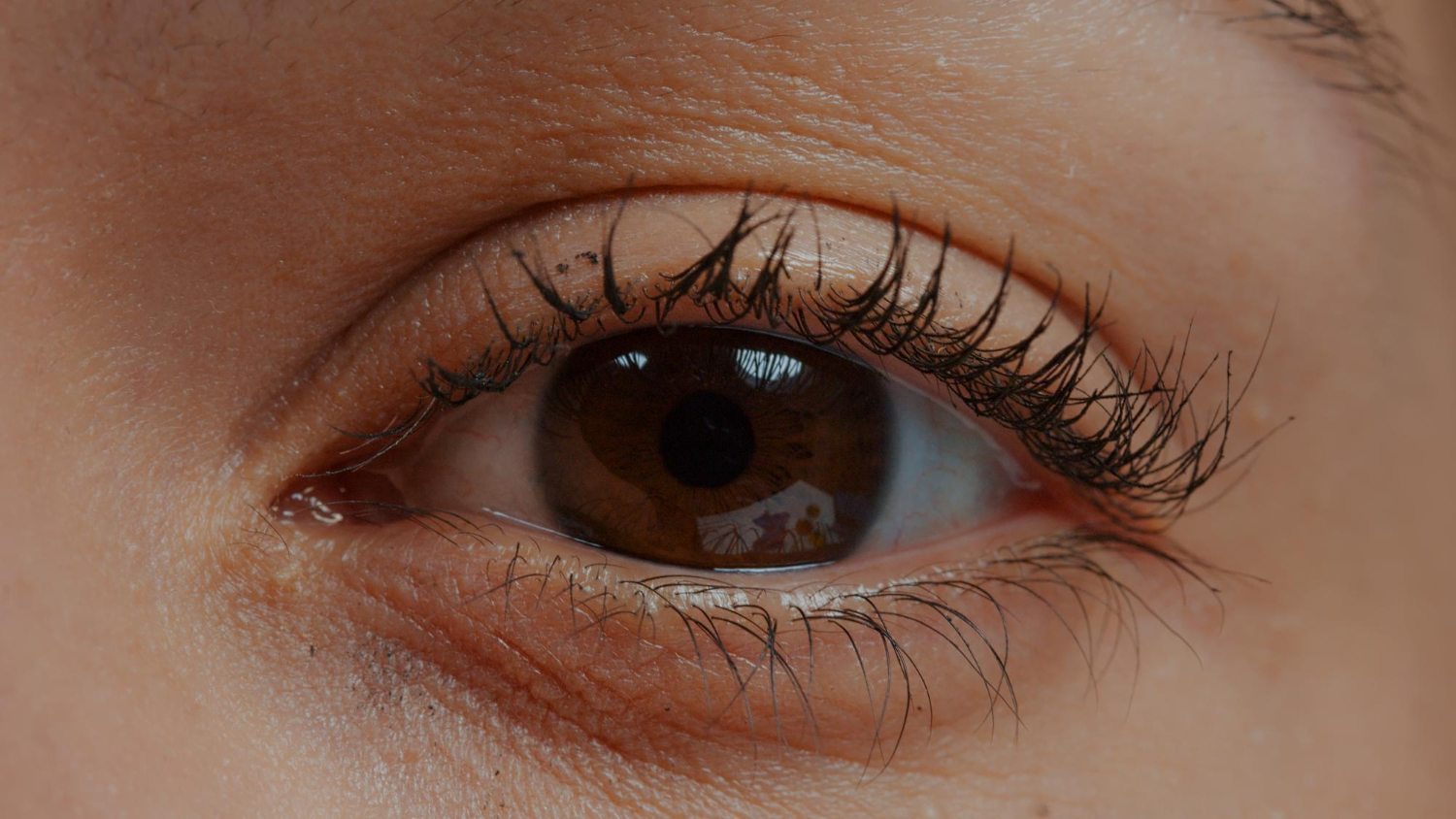
With no blood delivering it, the cornea absorbs oxygen directly from the atmosphere through the fluid covering it, which means that fluid layer is a supply system rather than merely a lubricant.
Interrupt the film and you interrupt the supply. Atmospheric uptake is why the surface must stay wet.
3. The Film Has Several Layers

The covering is not simply water. It includes an inner layer binding it to the surface, a watery bulk, and an oily outer layer that slows evaporation substantially.
Each layer has a different source and function. Layered structure is what makes the film stable rather than draining away.
4. Blinking Spreads It Rather Than Producing It

The eyelid acts as a wiper, redistributing the existing film evenly across the surface and restoring the layers after they have thinned.
The fluid is produced continuously and independently. Redistribution is the mechanical function of the eyelid.
5. You Blink Far More Than Lubrication Needs

Measured blink rates are several times higher than what maintaining the film would require, which means something else is being served.
The excess is the interesting part. Surplus blinking is the observation that opened the whole research question.
6. The Rate Changes With What You Are Doing
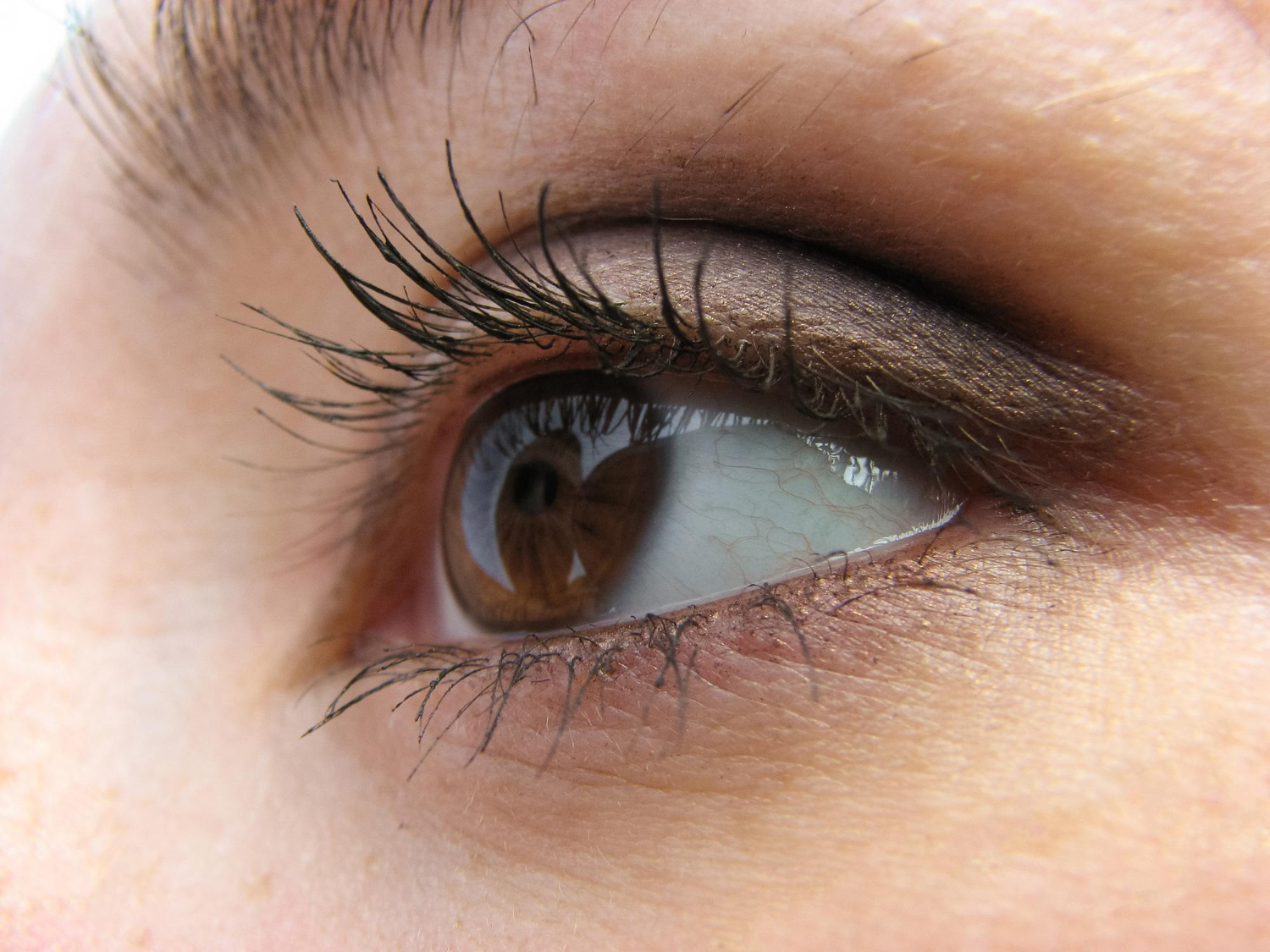
Blinking drops substantially during concentrated visual tasks and rises during conversation and periods of lower visual demand.
It tracks attention rather than dryness. Task-dependent rate is the evidence that blinking is partly cognitive.
7. Blinks Are Timed Rather Than Random

They cluster at natural breaks – at the end of a sentence, at a pause, at a scene change – rather than falling at even intervals.
The timing avoids losing information. Strategic timing is how the cost of blinking is minimised.
8. You Never See the Darkness

Each blink briefly blocks all light, and you perceive no interruption whatsoever, because visual processing is suppressed during the movement and the gap is bridged.
The suppression is active rather than a failure to notice. Blink suppression is the reason a constant interruption is invisible.
9. The Same Suppression Happens When Your Eyes Move

A comparable mechanism operates during rapid eye movements, preventing you from perceiving the blur that sweeping the eyes across a scene would otherwise produce.
You never see the transitions between fixations. Movement suppression is the related process that hides the rest of the gaps.
10. Blinking Marks a Mental Pause

Blinks are associated with brief interruptions in attention, and the pattern of when they occur reveals something about how a person is processing what they are looking at.
A room of people watching the same thing blinks at similar moments. Attentional punctuation is the cognitive role alongside the mechanical one.
11. The Lid Margin Sweeps Debris Inward

The edge of the eyelid moves across the surface with a slight inward action, carrying particles and debris toward the inner corner where drainage occurs.
It is a cleaning stroke rather than just a closure. Directional sweeping is why debris ends up in one specific place.
12. The Drainage Goes Into Your Nose

Fluid leaves through small openings at the inner corner and drains into the nasal cavity, which is why anything that increases tear production produces a runny nose.
The two are directly connected. Nasal drainage is the anatomy behind a familiar effect.
13. Eyelashes Slow the Airflow

Lashes disrupt air moving across the eye surface, reducing evaporation from the film and diverting particles, which is a measurable aerodynamic effect rather than an aesthetic one.
Their length appears to be optimised for it. Airflow disruption is the function of a feature usually discussed for other reasons.
14. The Blink Is Faster Than You Can Control

A full blink takes a fraction of a second and is largely automatic, running whether or not you attend to it, and deliberately suppressing it becomes uncomfortable within a short period.
Trying to stop demonstrates how insistent it is. Automatic operation is why a constant behaviour goes entirely unnoticed.
A Living Window With No Blood Supply

Transparency without vessels, oxygen from the air, a layered film that has to be redistributed, and a blink rate governed by attention rather than by dryness.
One necessary note: everything above is a description of a mechanism and none of it is health information. Anybody experiencing discomfort, dryness, irritation or any change in their eyes or vision should see a doctor or optometrist, and no article about tear films is a substitute for that.
Like our content? Follow us for more.