

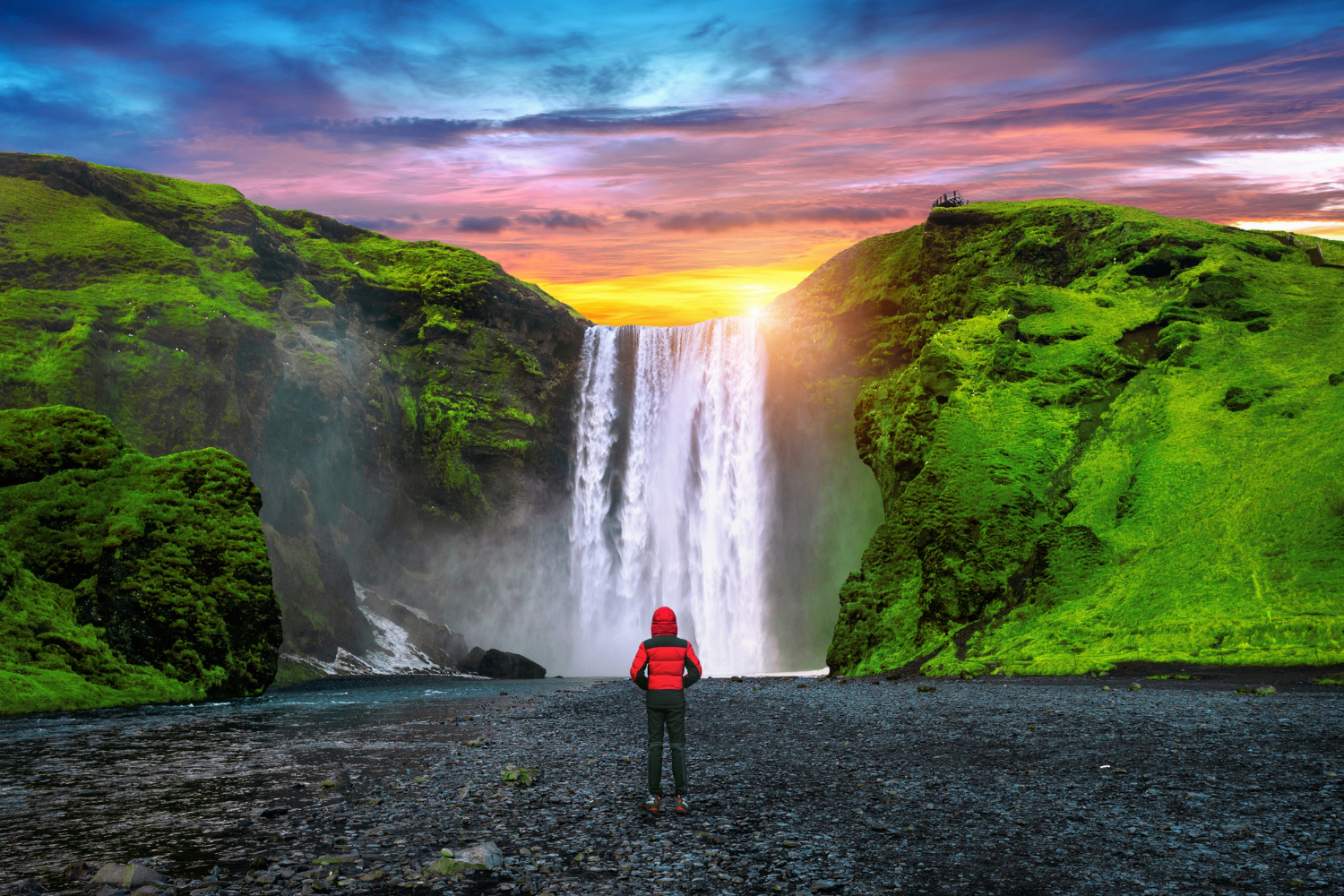
The question worth asking at any waterfall is what makes the drop possible, because a river will otherwise smooth its own bed given enough time. Something is preventing that, and what it is determines everything. Here are seventeen answers.
1. Hard Rock Sitting on Soft
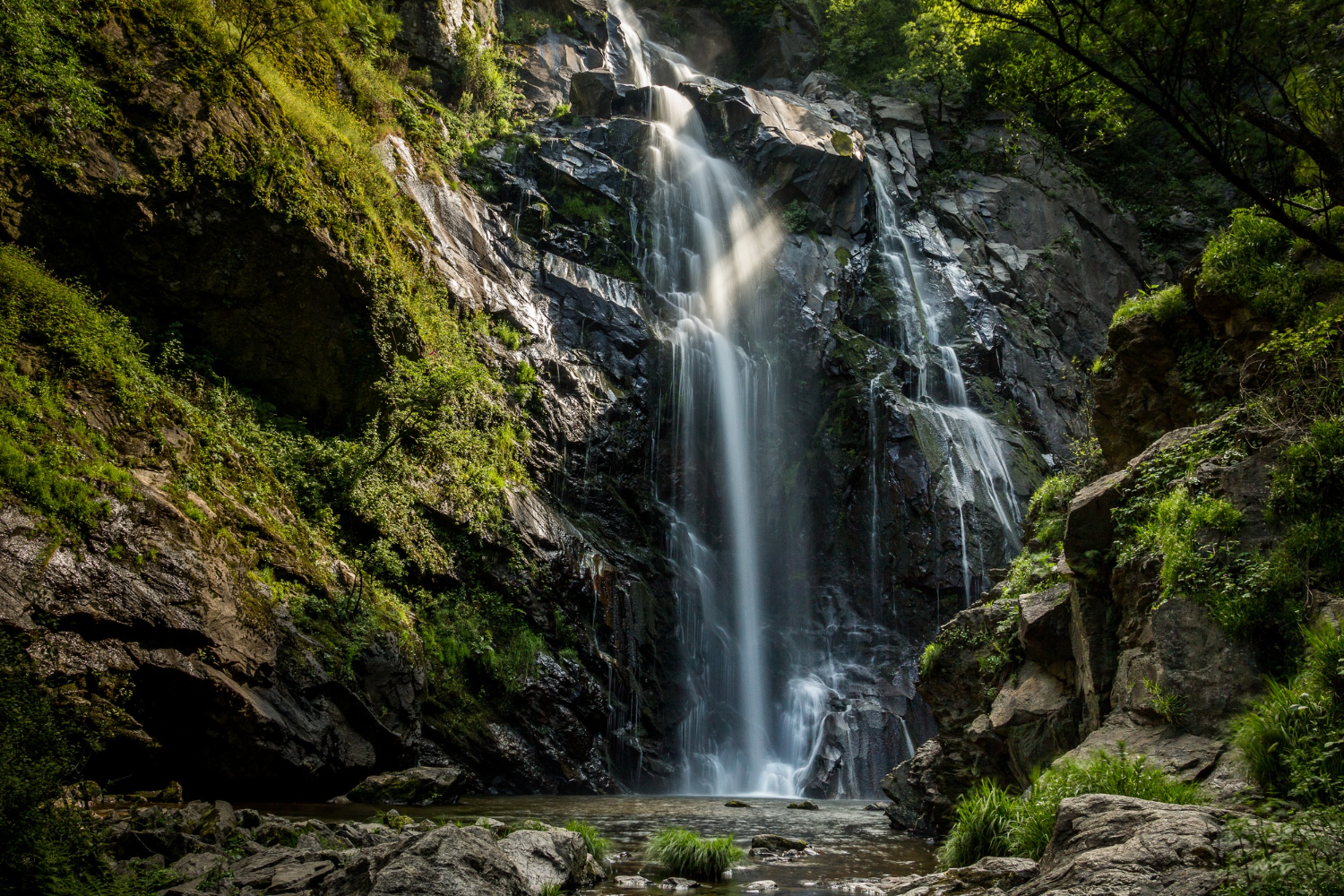
The commonest cause is a resistant layer lying over a weaker one, so the river cuts down through the soft rock below far faster than it can wear the hard cap above.
The step maintains itself as long as the layers persist. Differential erosion is the mechanism behind most waterfalls anywhere.
Like our content? Follow us for more.
2. And Why It Undercuts Itself
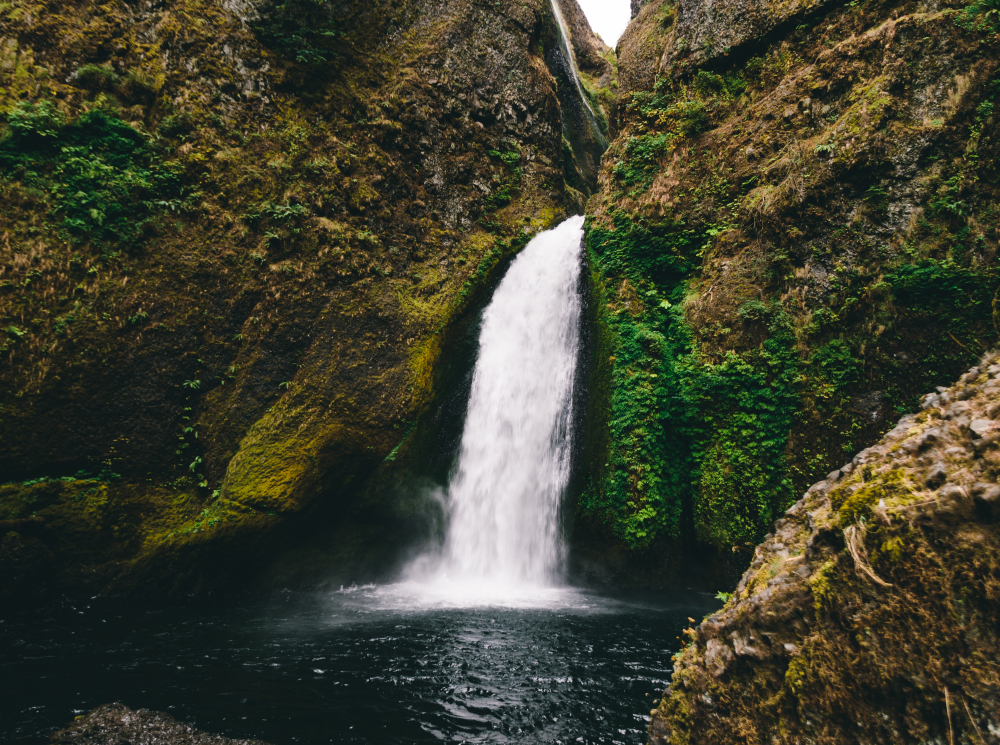
Falling water excavates the softer rock at the base, hollowing out beneath the resistant layer until the unsupported overhang eventually collapses.
That is the fall demolishing its own foundation. Undercutting is the process that makes a waterfall temporary.
3. So the Whole Thing Moves Upstream
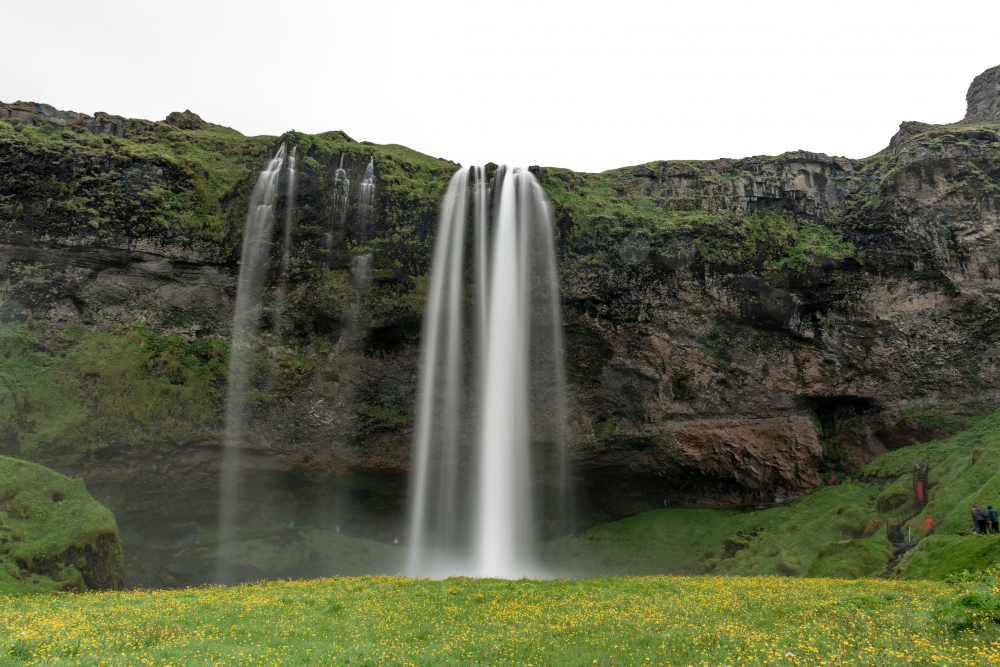
Each collapse removes a section of the cap and the lip retreats, which means a waterfall migrates gradually up its own river over long periods.
Some have measurable annual retreat rates. Upstream migration is the fact that makes a waterfall a moving feature.
4. Leaving a Gorge Behind It
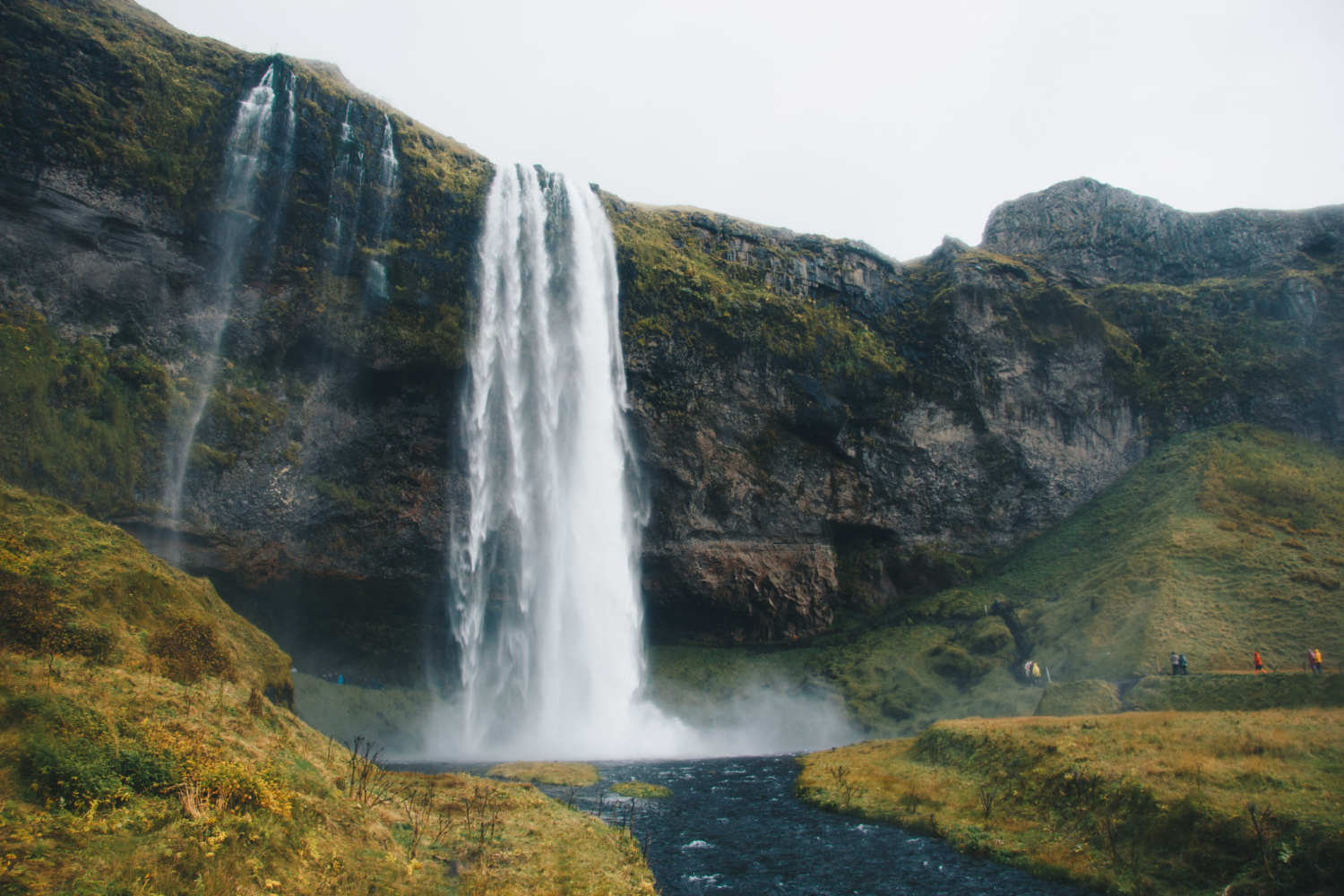
The channel a retreating waterfall cuts through remains as a steep-sided gorge downstream, so the length of that gorge records how far the fall has travelled.
You can read the history by looking backwards. The trailing gorge is the track a waterfall leaves.
5. The Pool It Digs at the Bottom
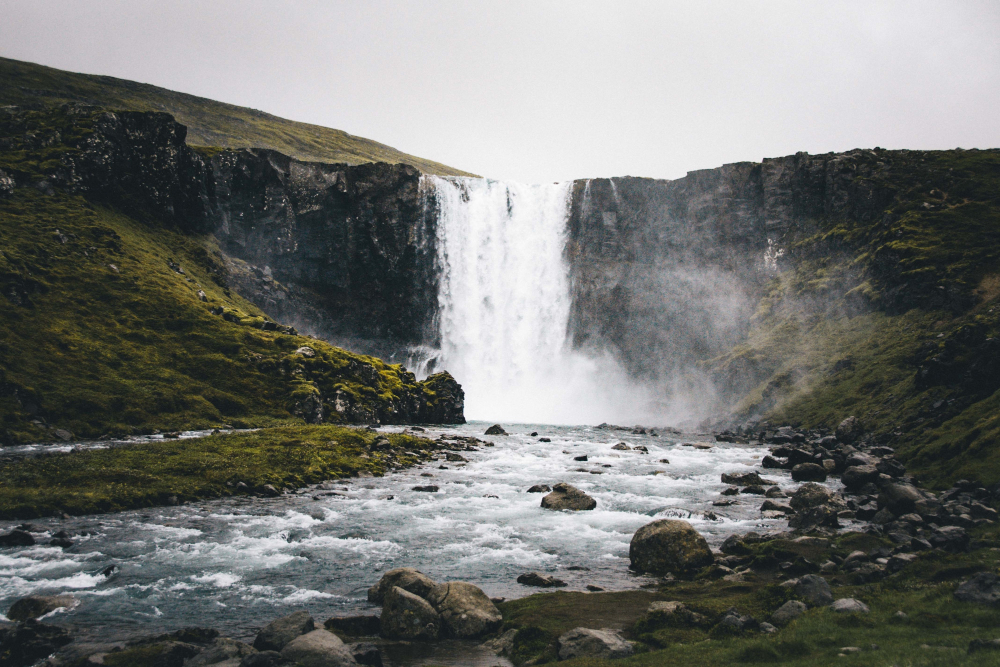
Falling water carrying sediment excavates a deep basin at the base, frequently far deeper than the river either side of it.
The scouring is done by the load rather than the water. The plunge pool is the excavation the fall performs on its own bed.
6. The Step Left by a Glacier
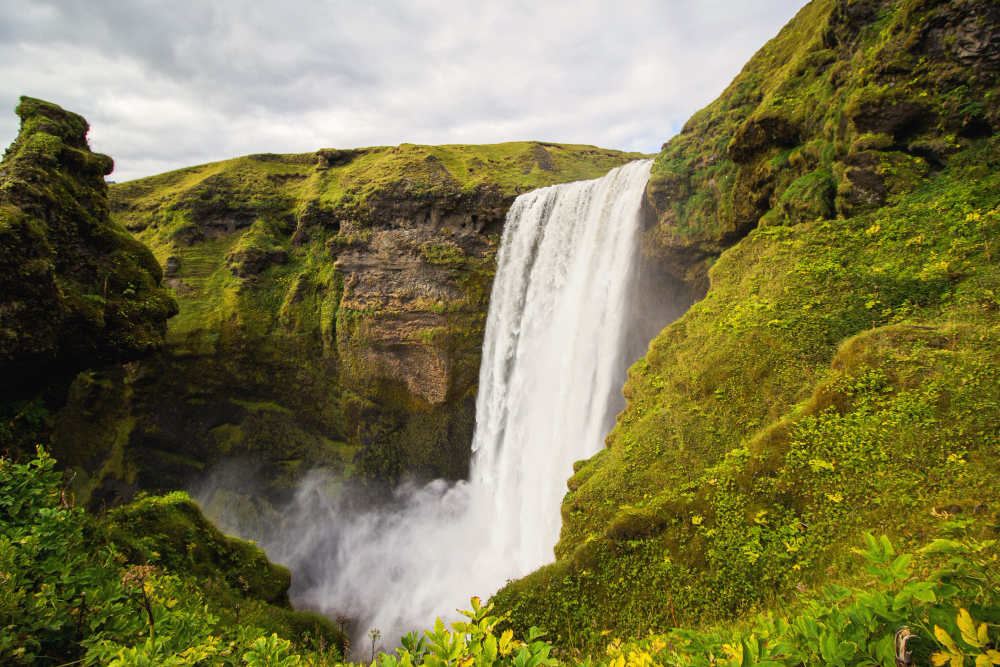
Ice carves a main valley far deeper than its smaller tributaries can, so when the ice retreats those side valleys are left entering high above the floor.
The tributary falls straight out of its own valley. The hanging valley is the glacial signature that produces the tallest falls.
7. The Fault That Dropped One Side
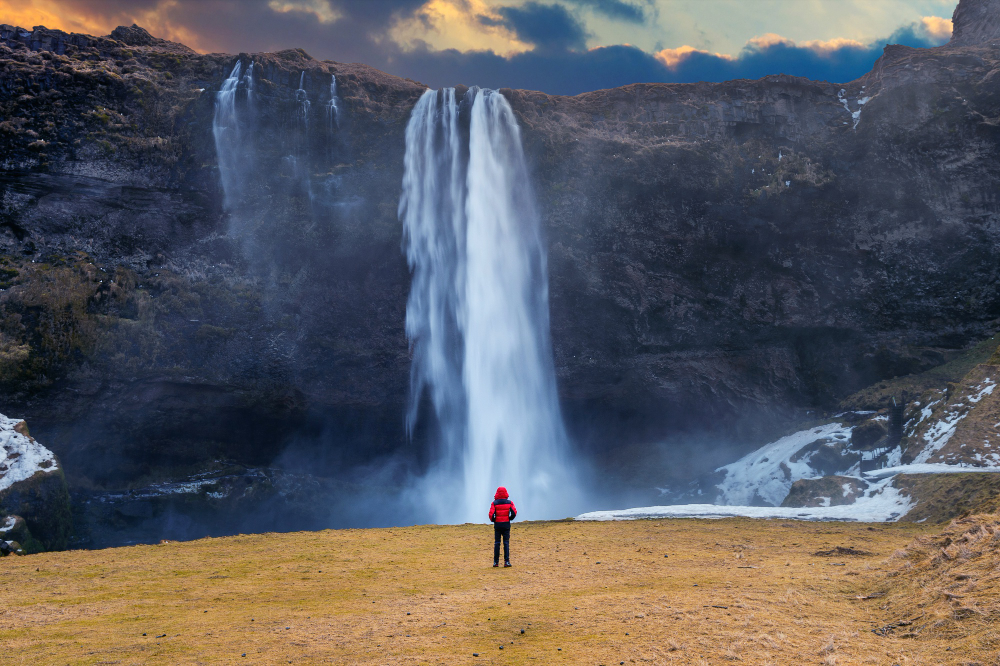
Movement along a fracture can displace the ground vertically, producing an abrupt step in a riverbed with no difference in rock type at all.
The line is generally straight and continues beyond the river. The fault step is the drop created by the ground moving rather than eroding.
8. The Base Level That Fell
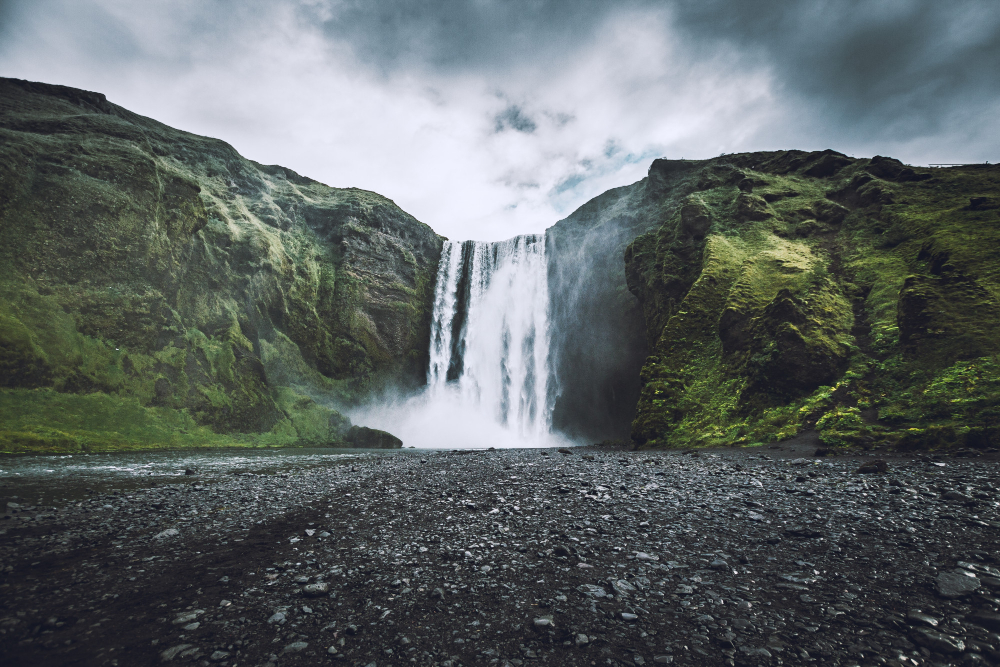
If sea level drops or the land rises, a river must cut down to reach its new outlet, and the adjustment travels upstream as a migrating step.
The step is a wave of erosion working inland. The knickpoint is the drop caused by something happening far downstream.
9. The Lava That Blocked the Valley
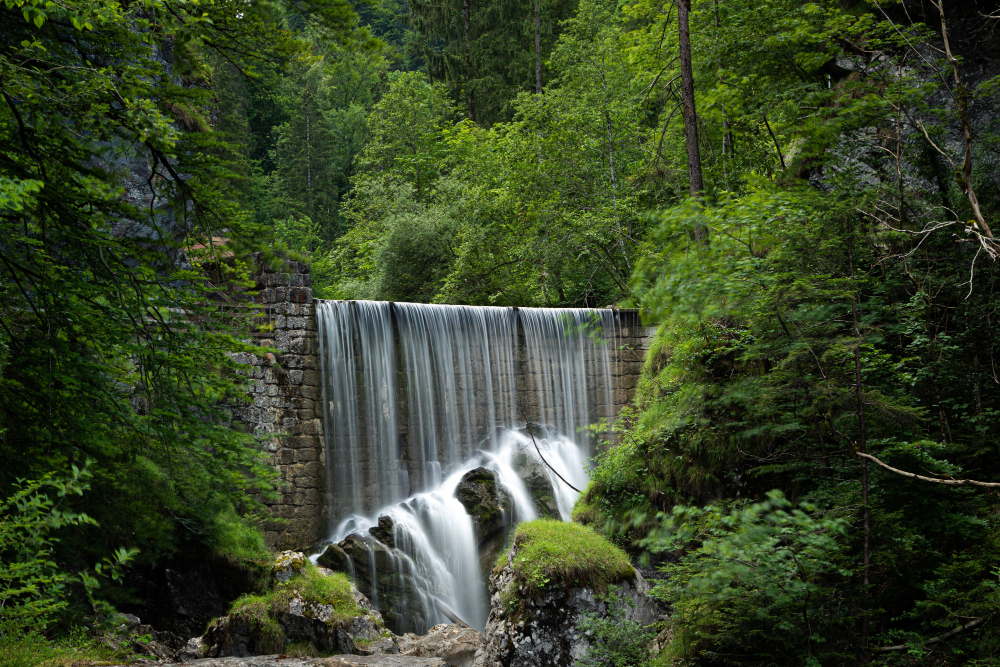
A flow crossing a river dams or diverts it, and the water eventually finds a route over the obstruction, producing a fall over rock that was not there before.
The rock is far younger than the valley. The lava-dammed fall is the drop created by an interruption.
10. The Landslide That Did the Same
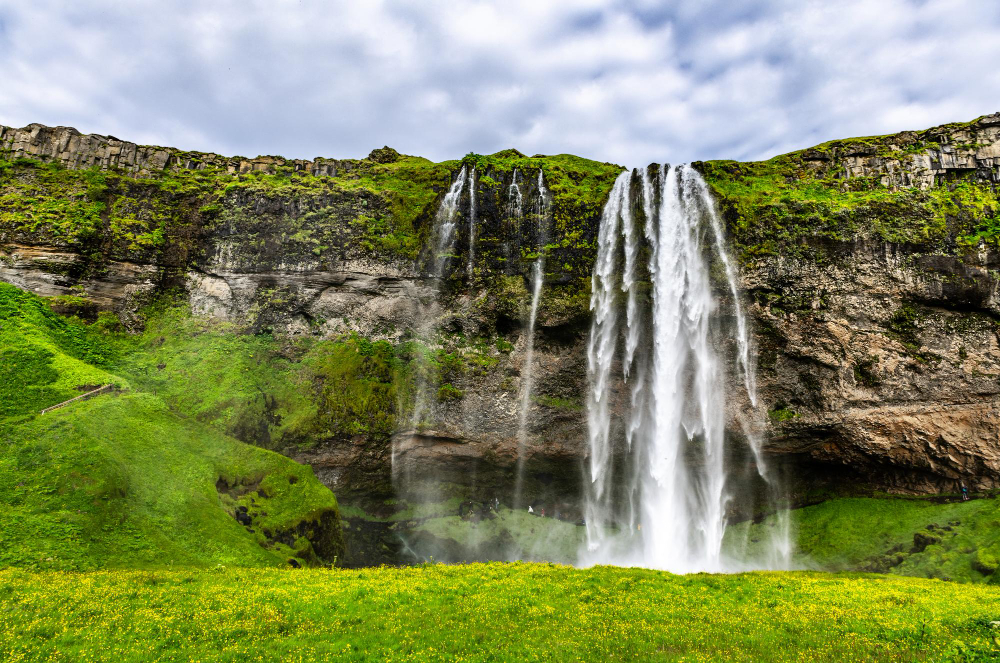
A collapse from a valley side can block a river completely, producing a lake behind and a fall where the water eventually escapes over the debris.
These are frequently short-lived. The landslide fall is the temporary drop that may not survive a decade.
11. The Fall That Builds Outward
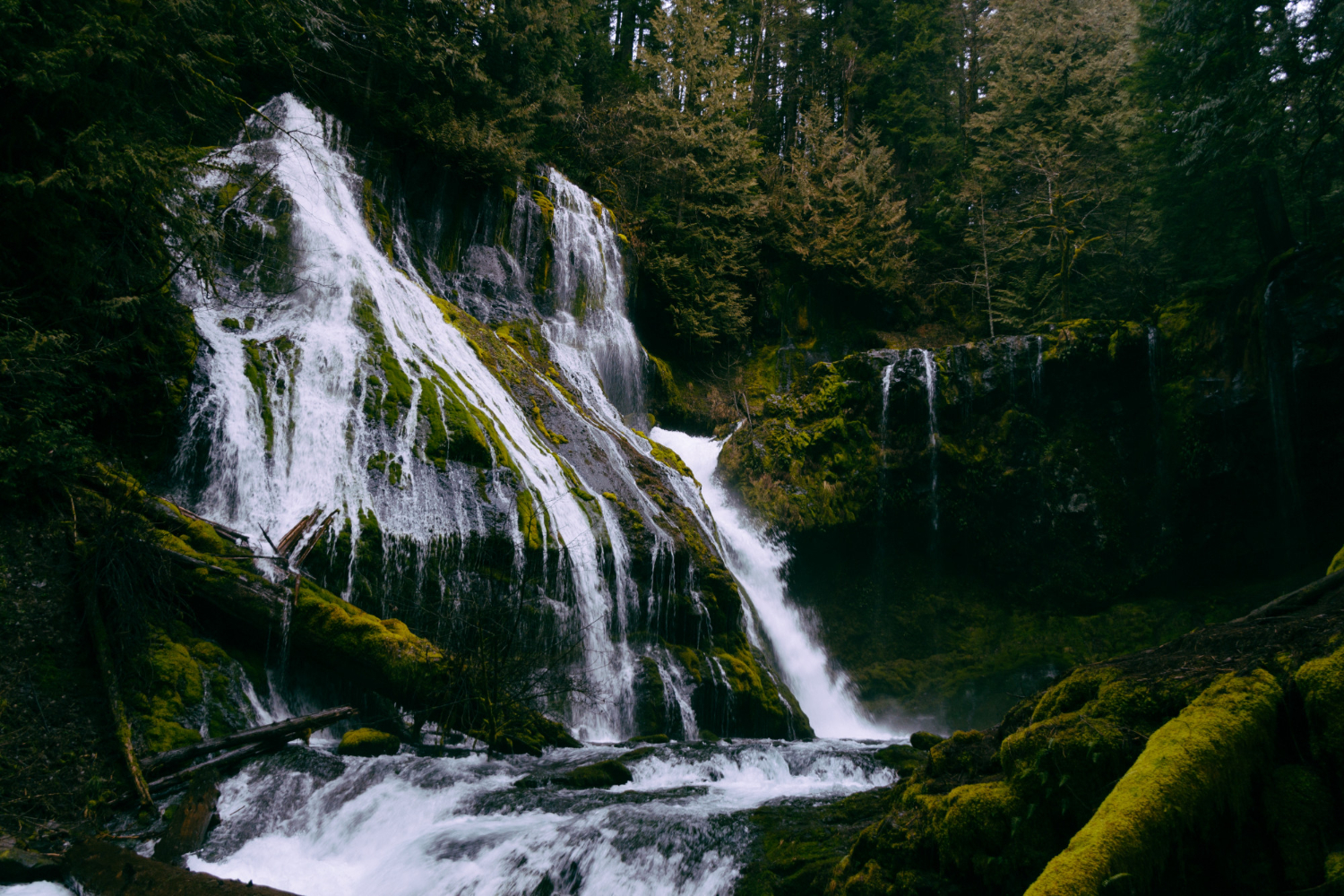
Where water carries dissolved minerals, those minerals precipitate as the water aerates and cools, depositing rock that builds the lip forward rather than eroding it back.
The fall grows downstream instead of retreating. Mineral deposition is the process that runs the whole thing in reverse.
12. The One That Freezes
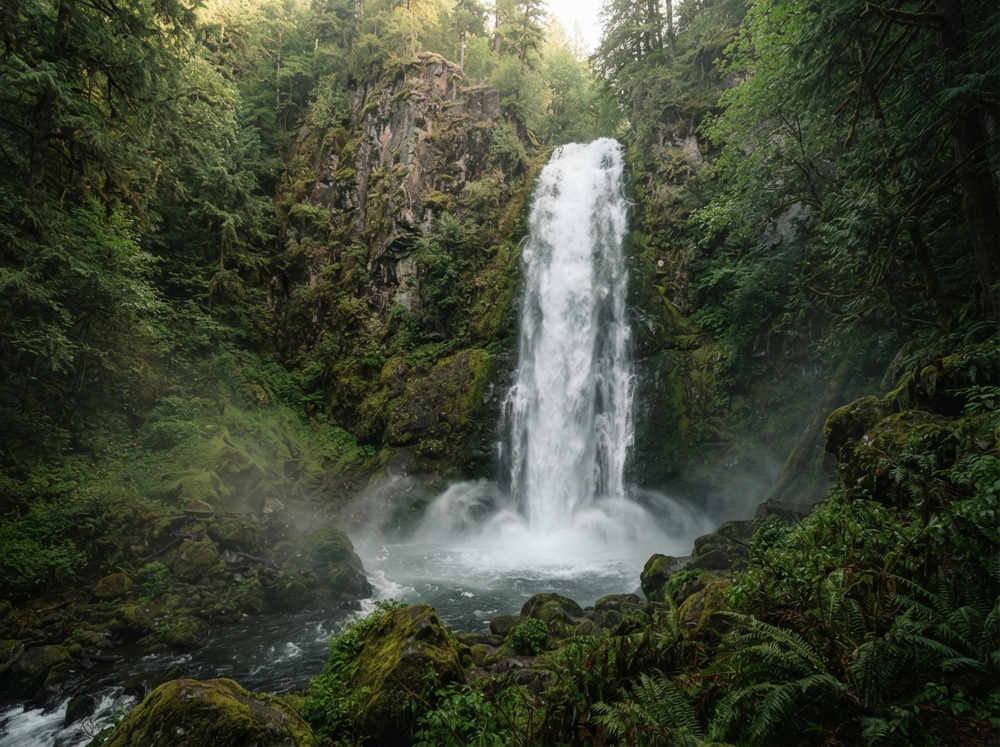
In cold climates, spray and slow flow can build ice over an entire fall, producing a structure that forms and collapses annually and changes the shape underneath.
The rock beneath is being worked on all winter. The frozen fall is the seasonal form that is also an erosive process.
13. The Fall That Is Only There Sometimes
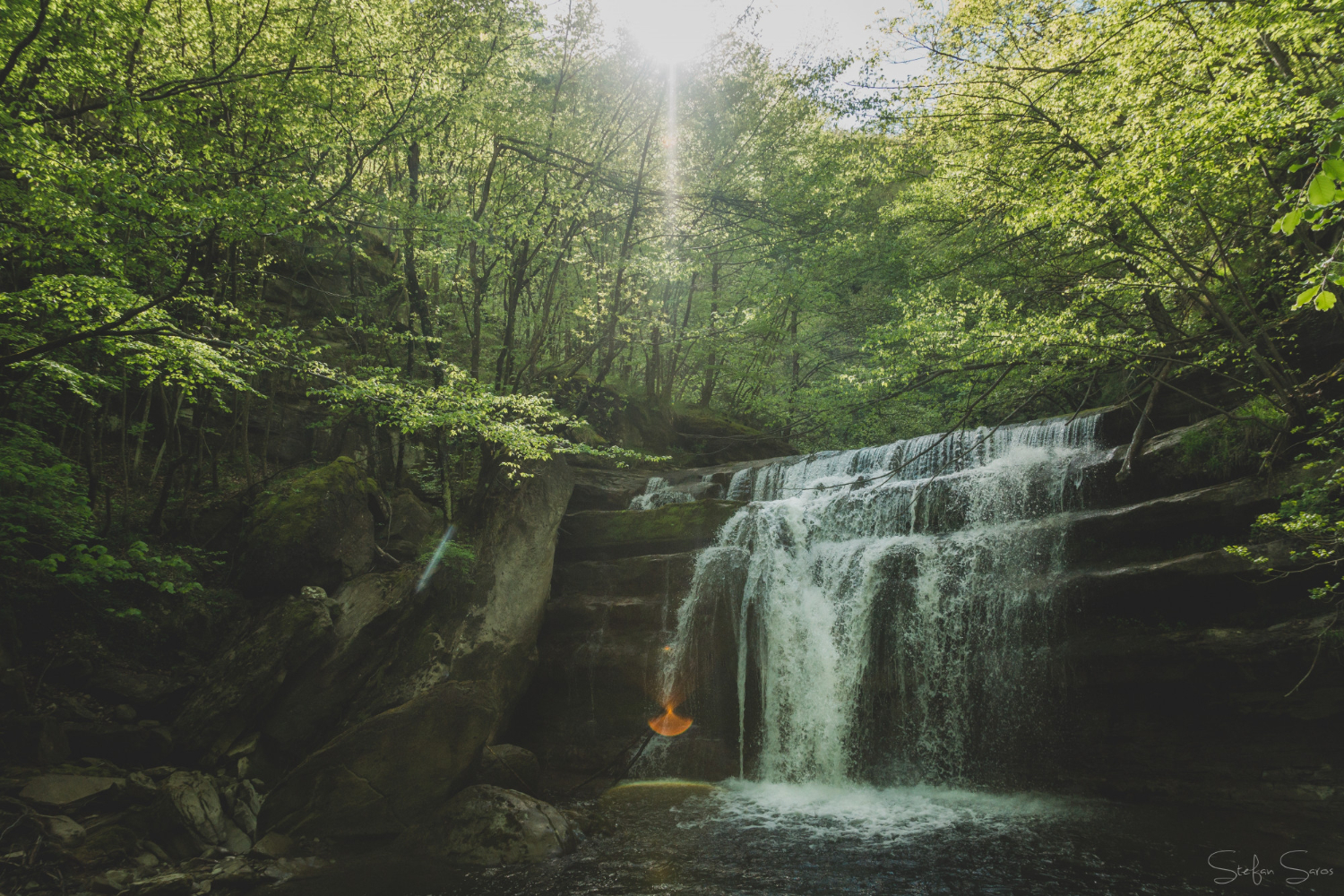
Where flow is intermittent, a fall appears after rain or snowmelt and is absent for most of the year, leaving a dry cliff with obvious water marks.
Visiting at the wrong time shows you a rock face. The seasonal fall is the one with an availability window.
14. The Tall One With Almost No Water
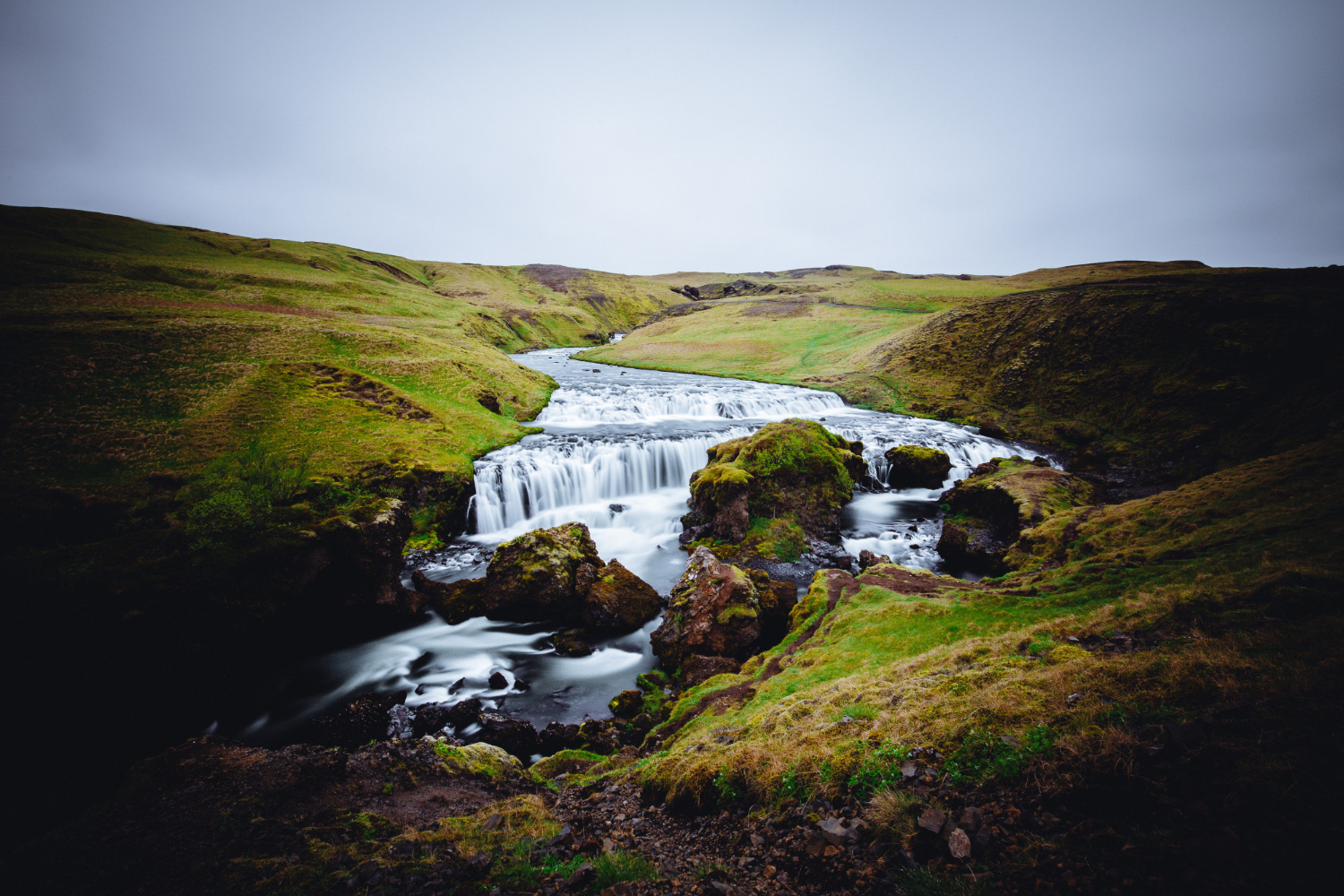
Height and volume are unrelated, and the tallest falls are frequently thin ribbons that disperse into spray before reaching the bottom.
A short wide fall may move a hundred times more water. Height without volume is why the tallest is rarely the most impressive.
15. The Wide One With Enormous Volume
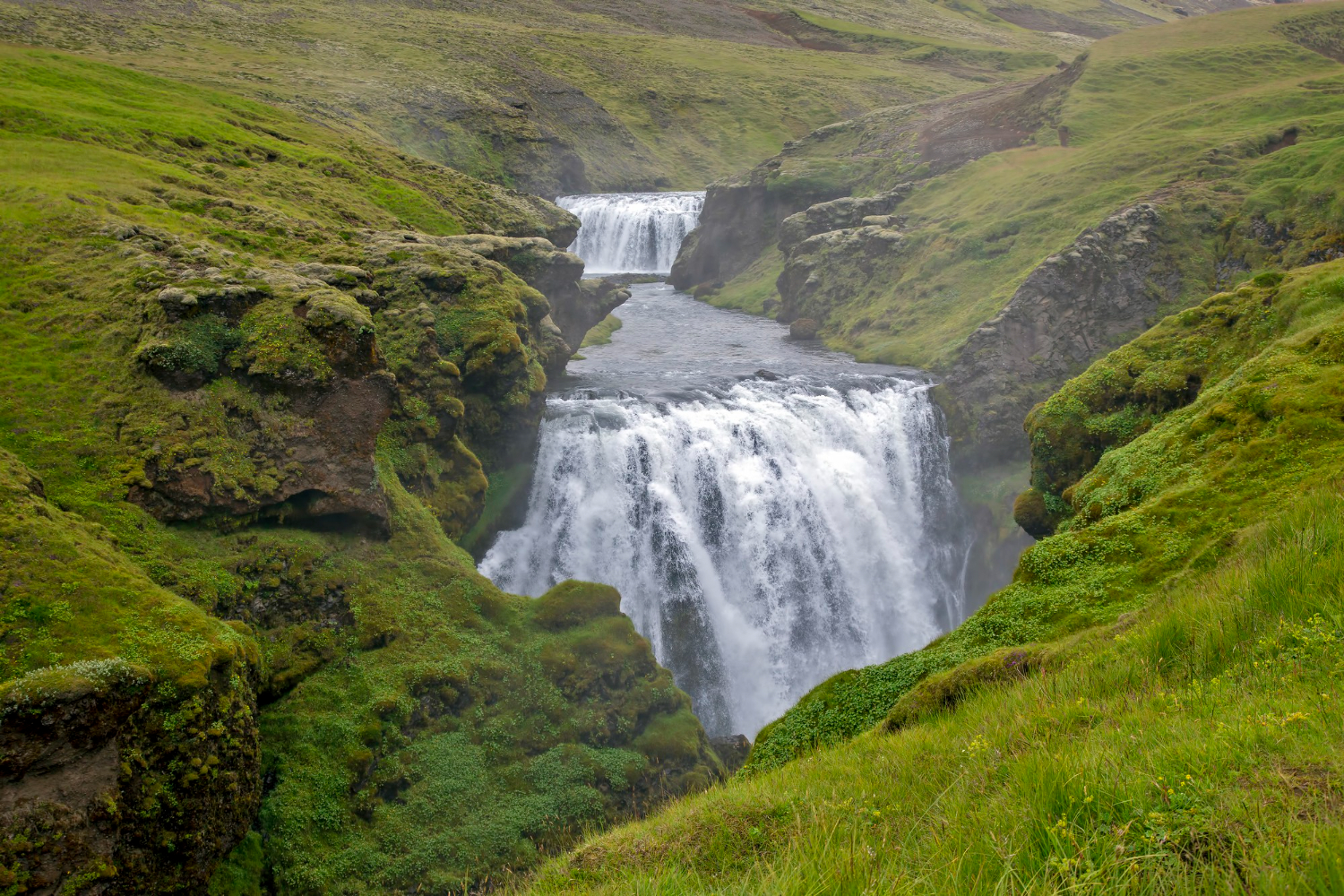
Where a large river crosses a resistant band along a broad front, the result is a low wide fall moving an extraordinary quantity of water.
These are heard before they are seen. Volume without height is the opposite form and generally the more powerful.
16. The Ones That Fall in Stages
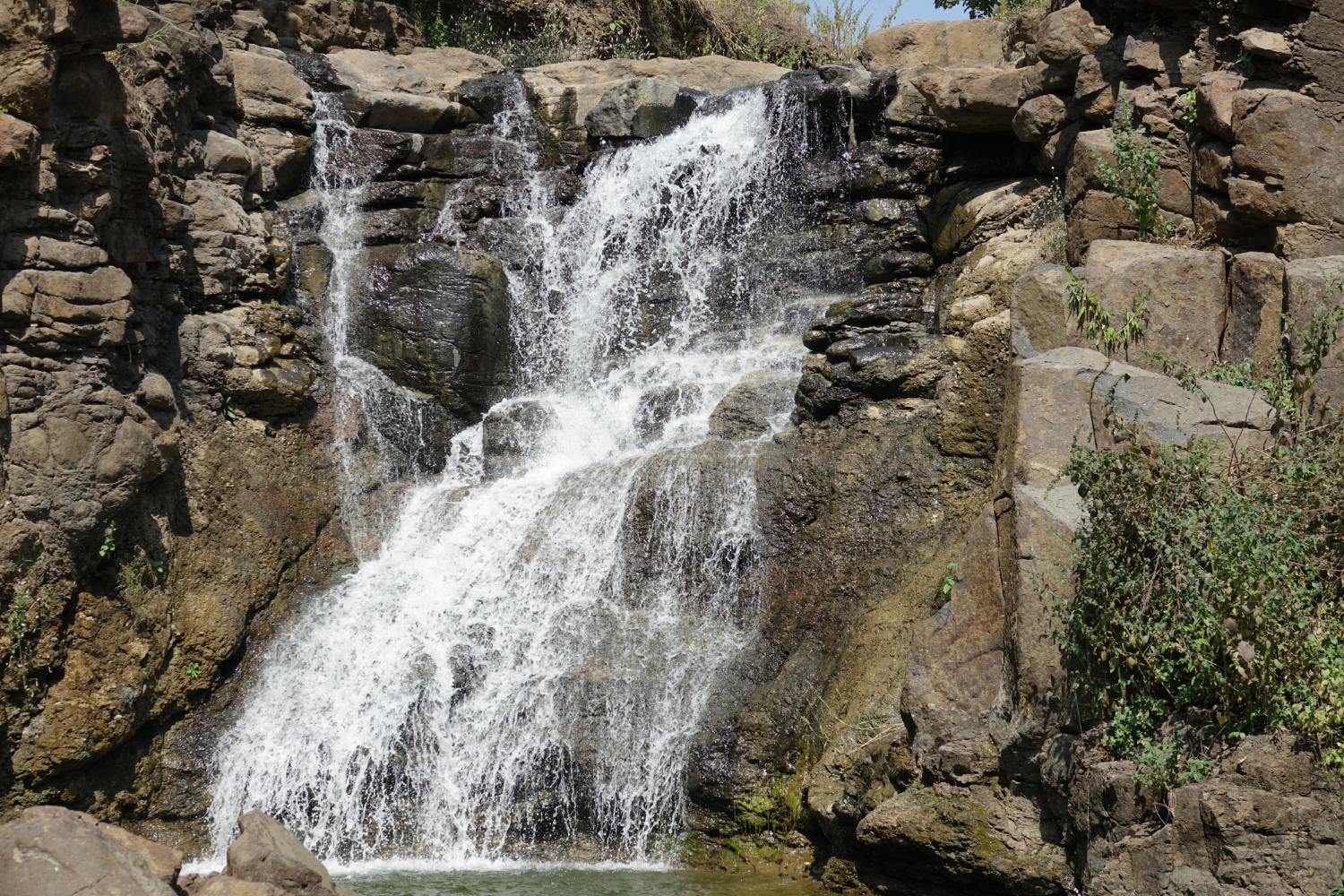
Where several resistant bands occur in sequence, the river descends in a series of steps rather than a single drop, producing tiered and cascading forms.
Each step is its own small waterfall. The tiered fall is the geology repeating itself down a slope.
17. The One That Splits and Rejoins
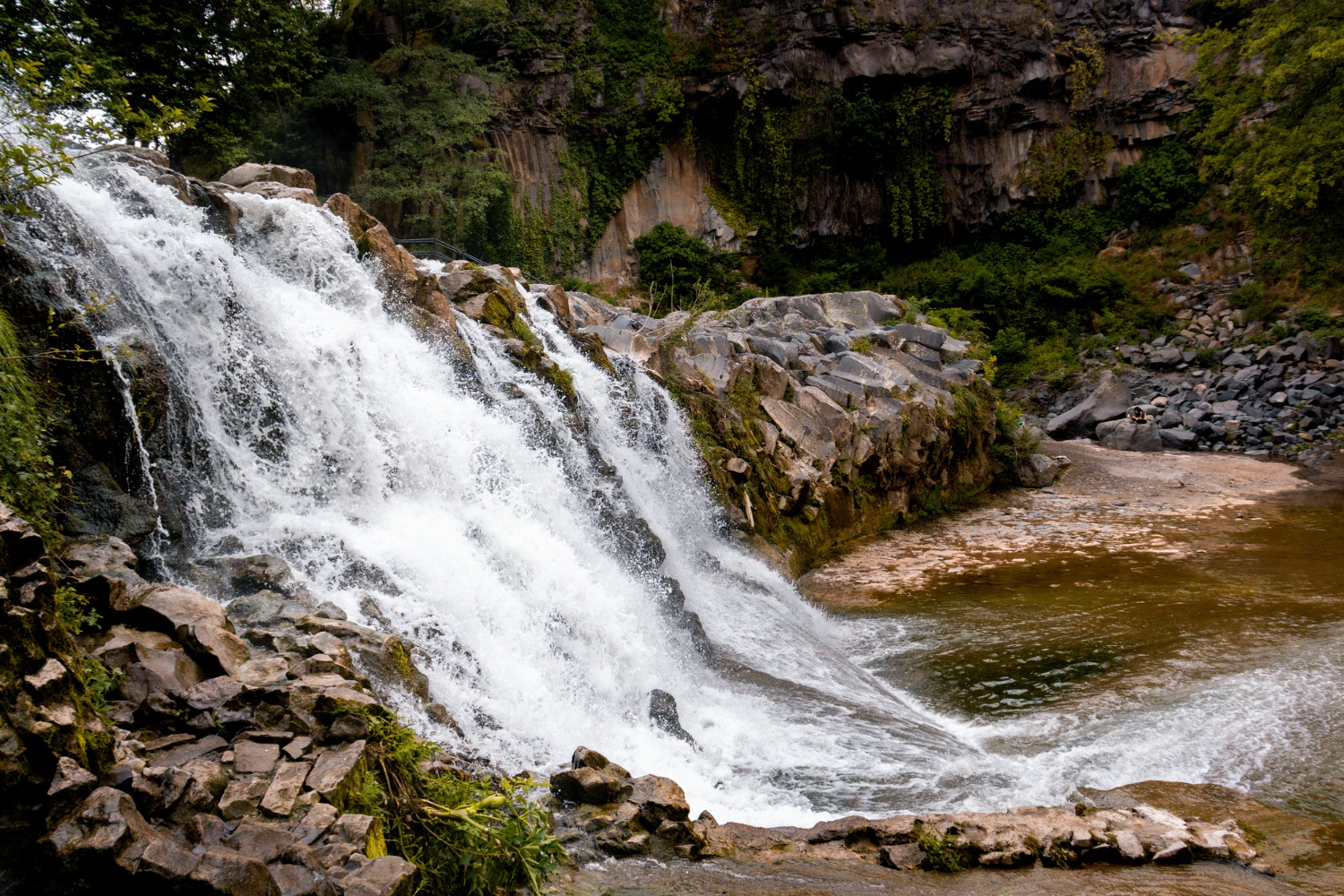
Where the lip is uneven or obstructed, a single river divides into separate falls that may recombine below, and the pattern changes entirely with flow.
High water can merge them into one. The segmented fall is the form that looks different every time you see it.
Something Is Stopping the River Smoothing Its Bed
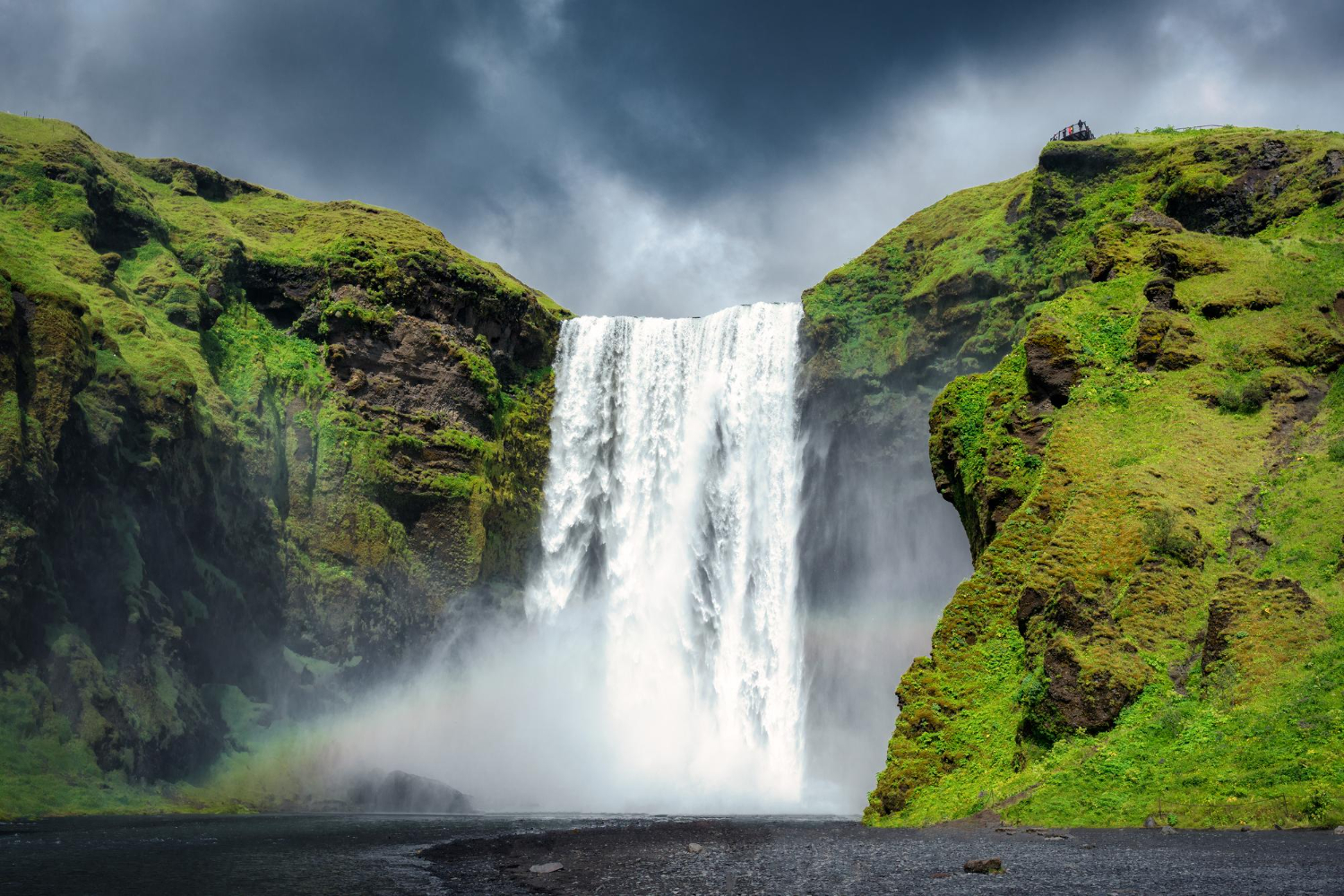
A resistant layer, a glacier, a fault, a fallen base level, a blockage or a mineral deposit – each produces a step, and the shape of the fall and the gorge below record which one it was.
A necessary caution: rock beside a waterfall is permanently wet, frequently undercut and substantially more slippery than it looks; plunge pools carry powerful recirculating currents that are invisible from above; and flow can rise sharply within minutes from rainfall miles upstream with no change in the weather where you are standing. The ground above a fall is where most difficulty occurs. Use marked viewpoints and check conditions locally.
Like our content? Follow us for more.
