

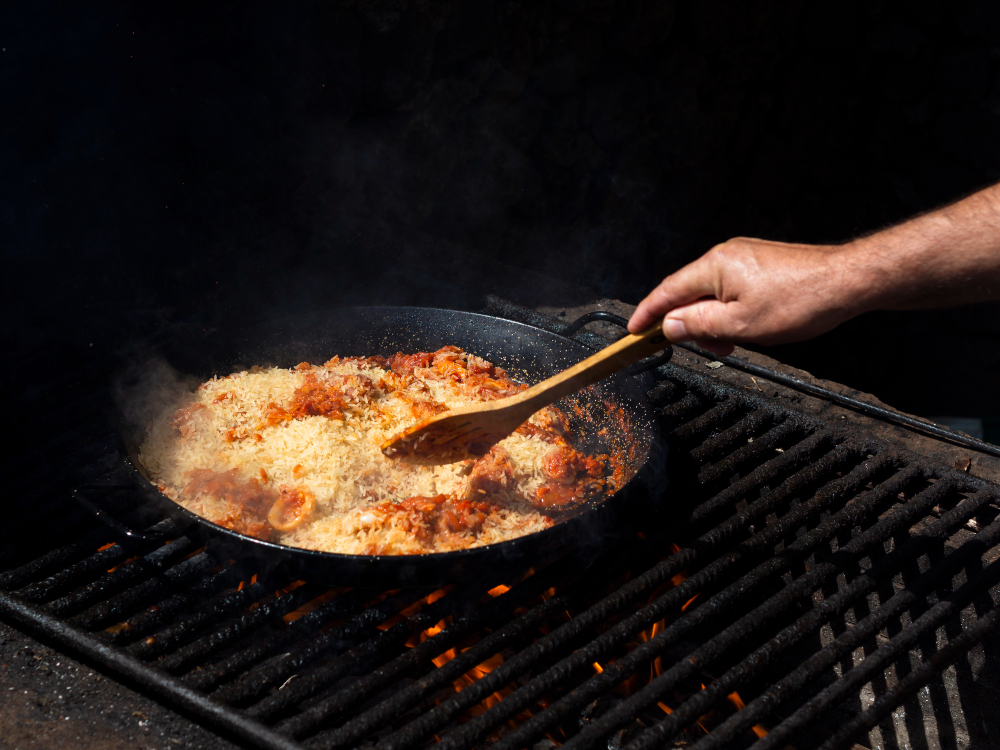
Two things are moving in opposite directions the whole time: heat going in, and water coming out as steam. Which one is winning at any moment determines what the food is doing. Here are fifteen.
1. Fat Gets Far Hotter Than Water
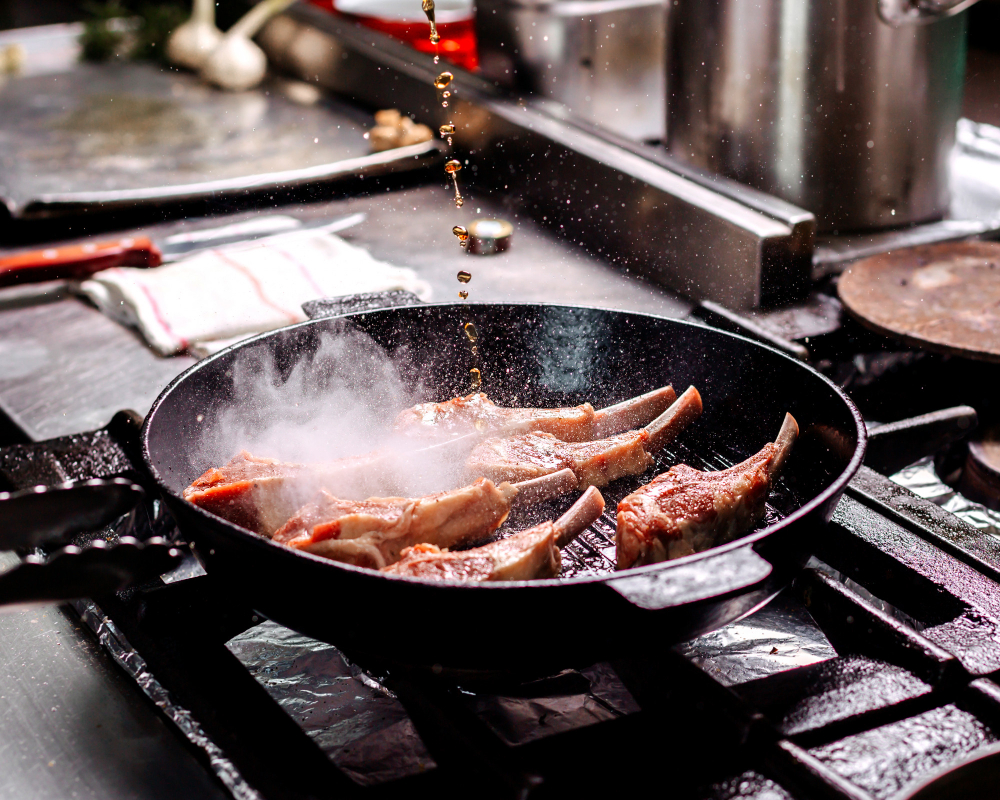
Water cannot exceed its boiling point at ordinary pressure, while fat can reach temperatures well beyond it – which is why frying browns food and boiling never does.
The temperature difference is the entire advantage. Higher achievable heat is why frying exists as a technique.
Like our content? Follow us for more.
2. The Bubbling Is Steam Leaving
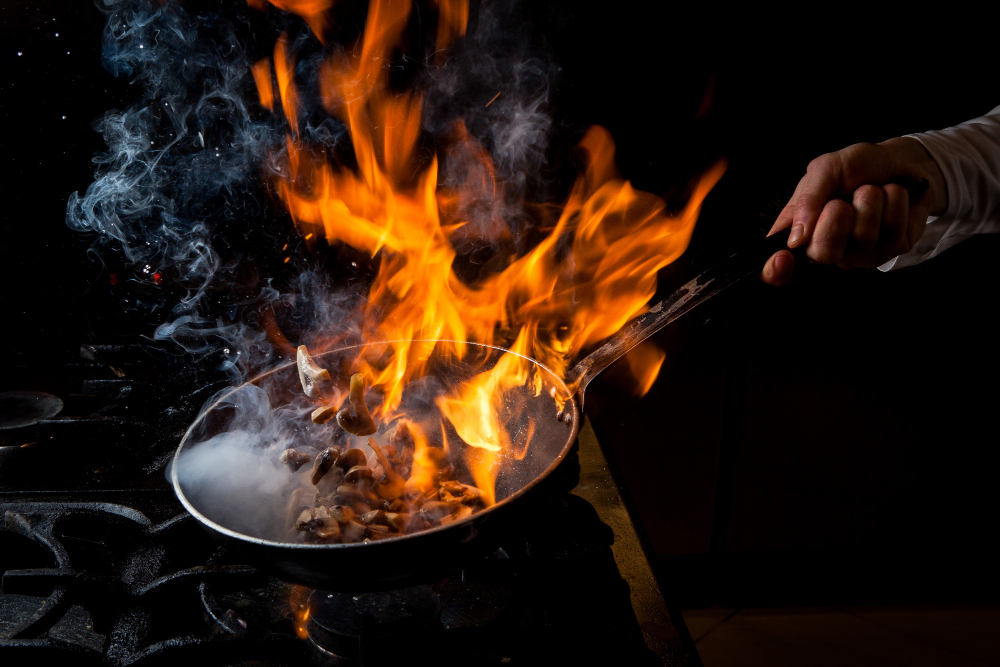
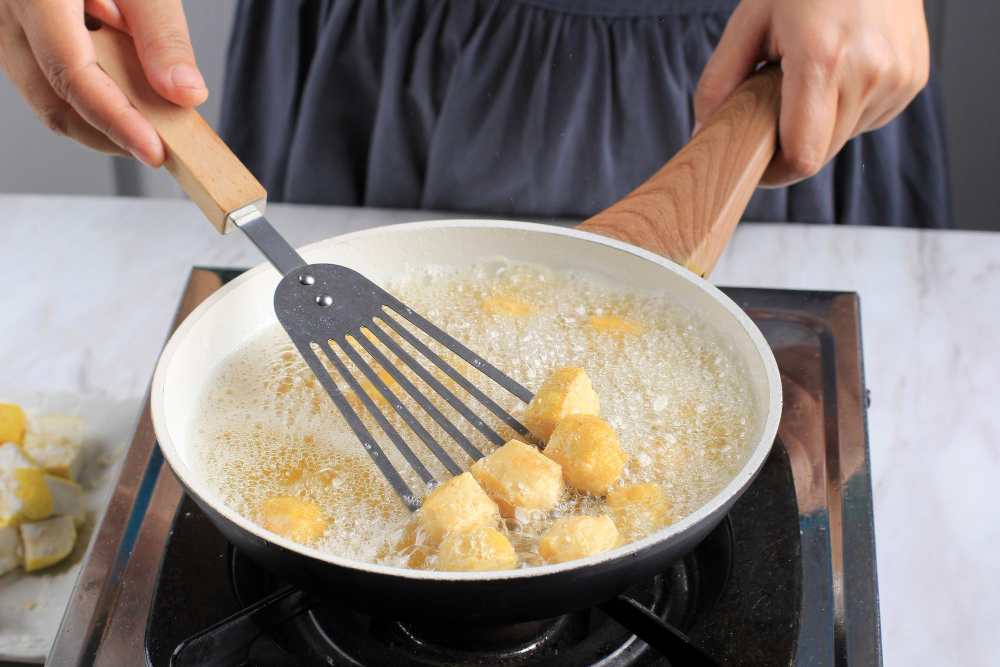
The vigorous activity around food in hot fat is water inside the food turning to steam and escaping, not the fat boiling, which happens at temperatures nowhere near this.
Watch it slow as the food dries out. Escaping steam is what the bubbles actually are.
3. That Outward Flow Keeps the Fat Out
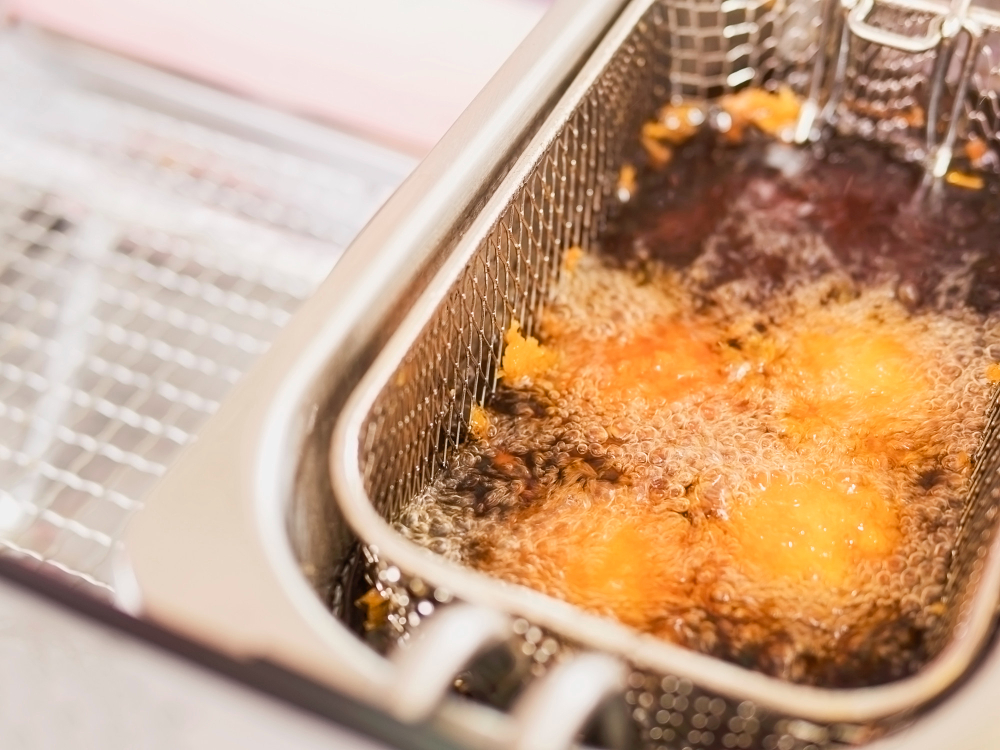
While steam is streaming outward through the surface, fat cannot travel inward against it, which means properly fried food absorbs remarkably little.
The food is defending itself. Steam pressure is the barrier that keeps frying from being greasy.
4. So Greasy Food Is Overcooked Food
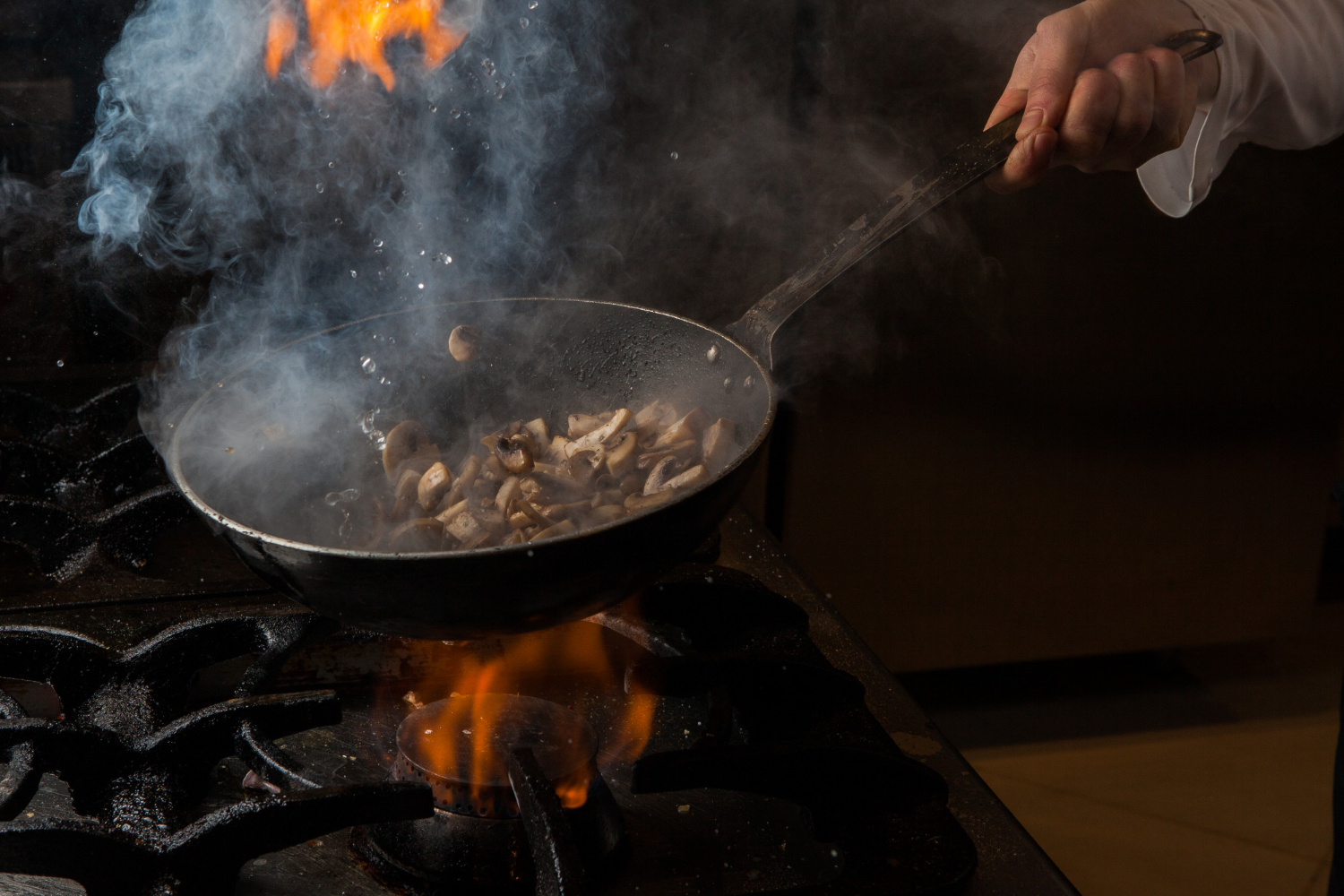
Once the surface stops releasing steam, the barrier is gone and fat enters freely – which means oiliness is a sign of cooking too long rather than of the method.
It also happens if the fat was too cool to start. Barrier failure is the actual cause of greasy results.
5. Cold Food Drops the Temperature
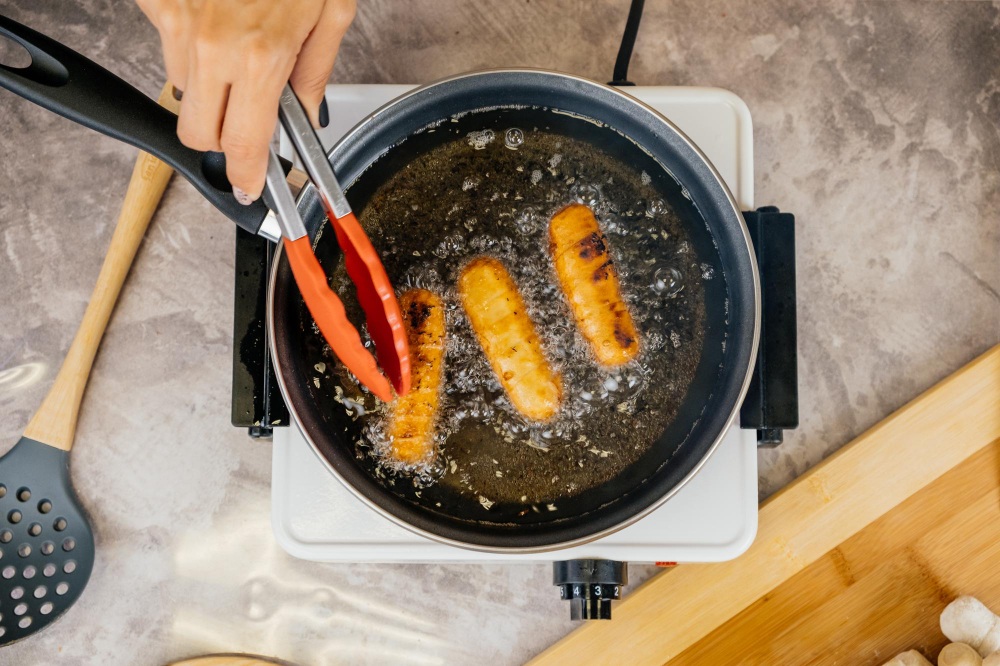
Adding food takes heat out of the fat, and adding too much at once drops it far enough that the food stews in cooling oil instead of frying.
The recovery time matters more than the starting temperature. Thermal load is why batches exist.
6. And Then Everything Steams Instead
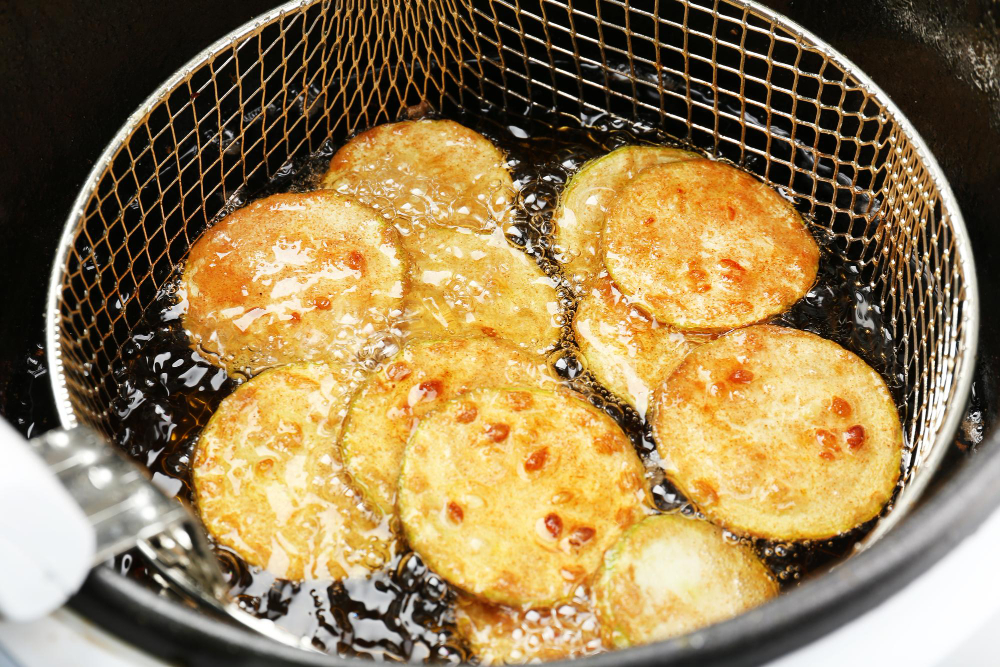
Below a certain temperature, the surface never dries and browns, so the food cooks in its own escaping moisture and emerges pale and soft.
It is a different cooking method arrived at accidentally. Under-temperature frying is the commonest failure there is.
7. A Wet Surface Wastes the Heat
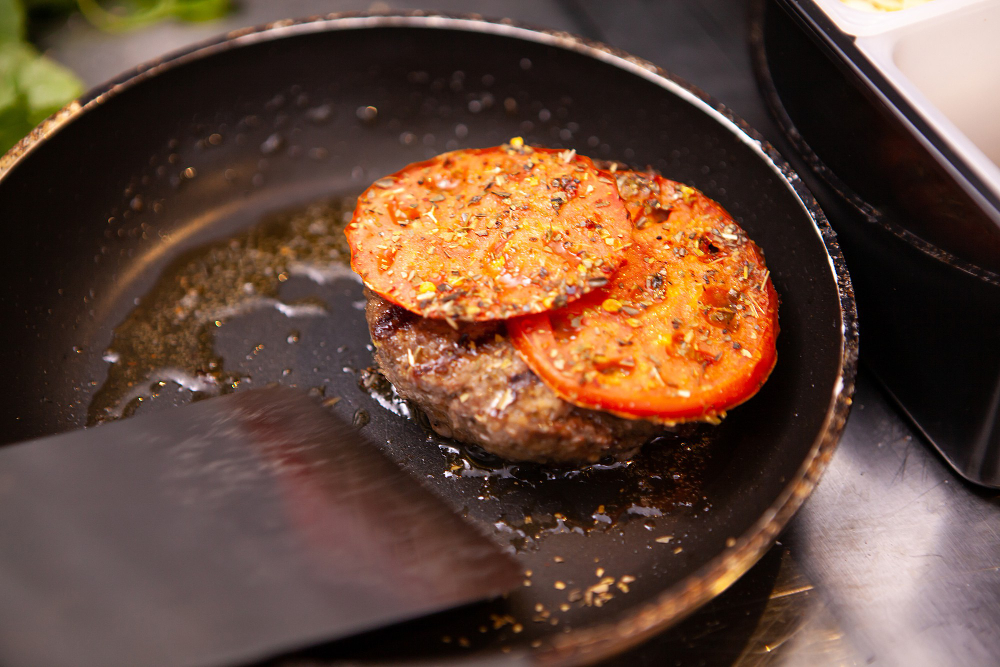
Water on the outside of food must all evaporate before the surface temperature can rise past boiling, and until it does no browning can begin.
Drying the surface first is not fussiness. Surface moisture is a delay imposed before any cooking starts.
8. A Coating Is a Sacrificial Layer
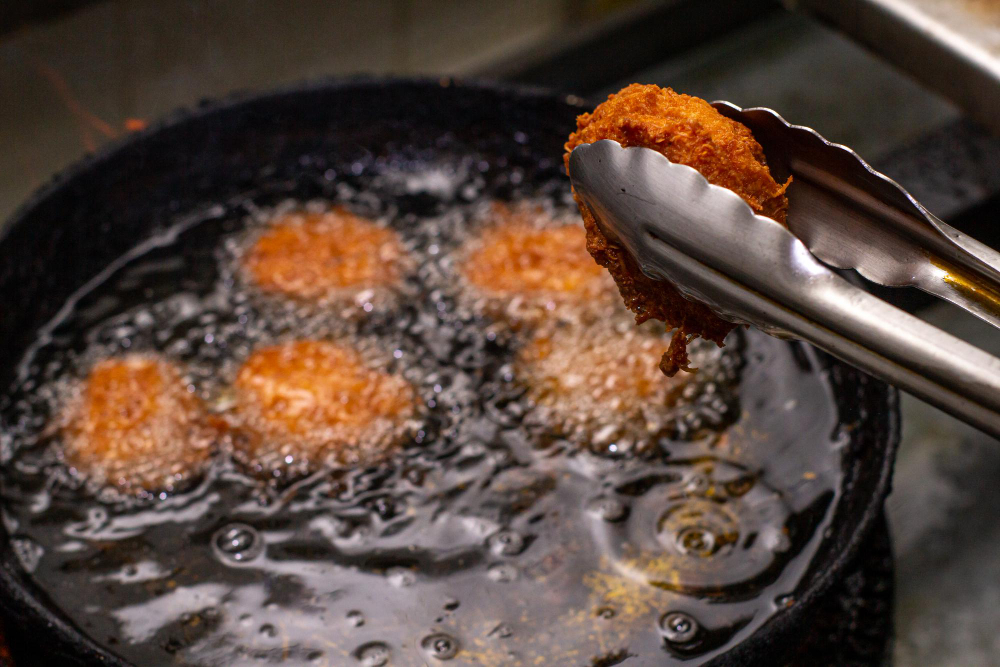
Batters and crumbs provide a dry starch-and-protein surface that browns and crisps while insulating the interior, which cooks more gently underneath.
The coating takes the heat the food would have. Sacrificial surfaces are what allow delicate things to be fried at all.
9. Browning Is a Reaction, Not Just Colour
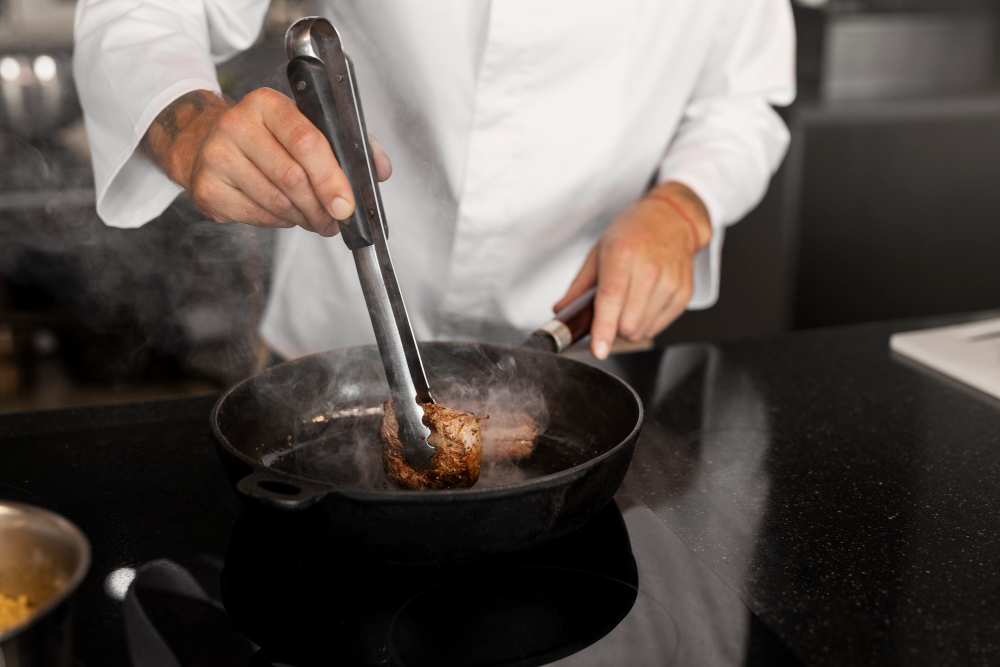
The colour and flavour of a fried surface come from sugars and proteins reacting at high temperature, producing compounds that did not exist in the raw food.
The same reaction browns bread and roast meat. Surface chemistry is where the flavour of frying comes from.
10. Crispness Is the Absence of Water
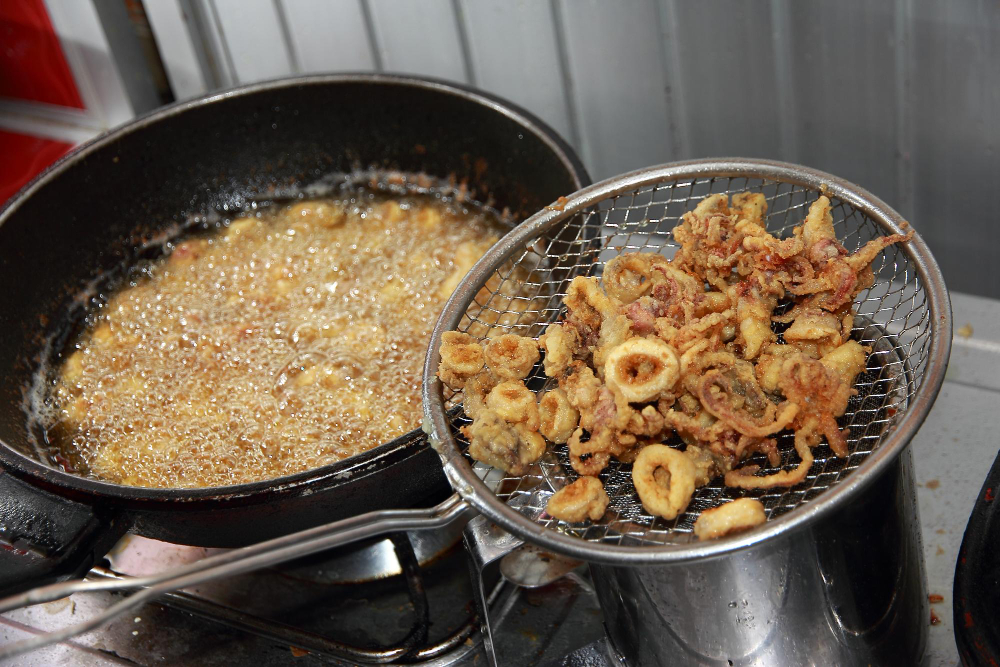
A crisp surface is one from which enough moisture has been driven off that the structure has set rigid, and anything that reintroduces water softens it immediately.
That is why fried food does not stay crisp. Dryness is what crispness physically consists of.
11. Which Is Why Covering It Is Fatal
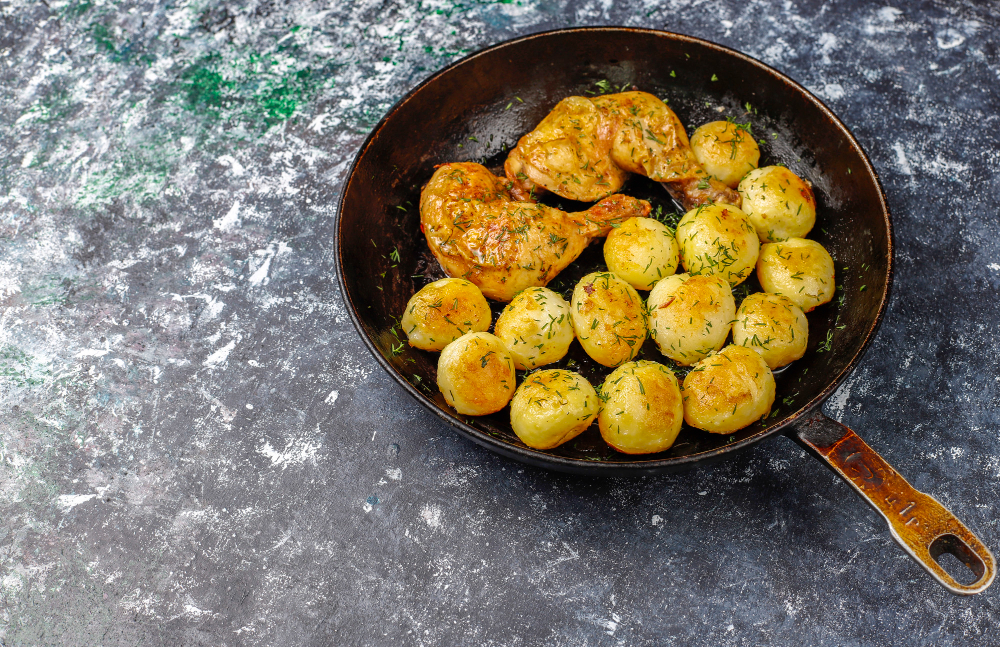
Trapping fried food under a lid or in a container holds the steam it is still releasing against its own surface, softening the crust within minutes.
Air movement preserves it and enclosure destroys it. Trapped steam is what ruins good frying after the pan.
12. Fat Changes With Use
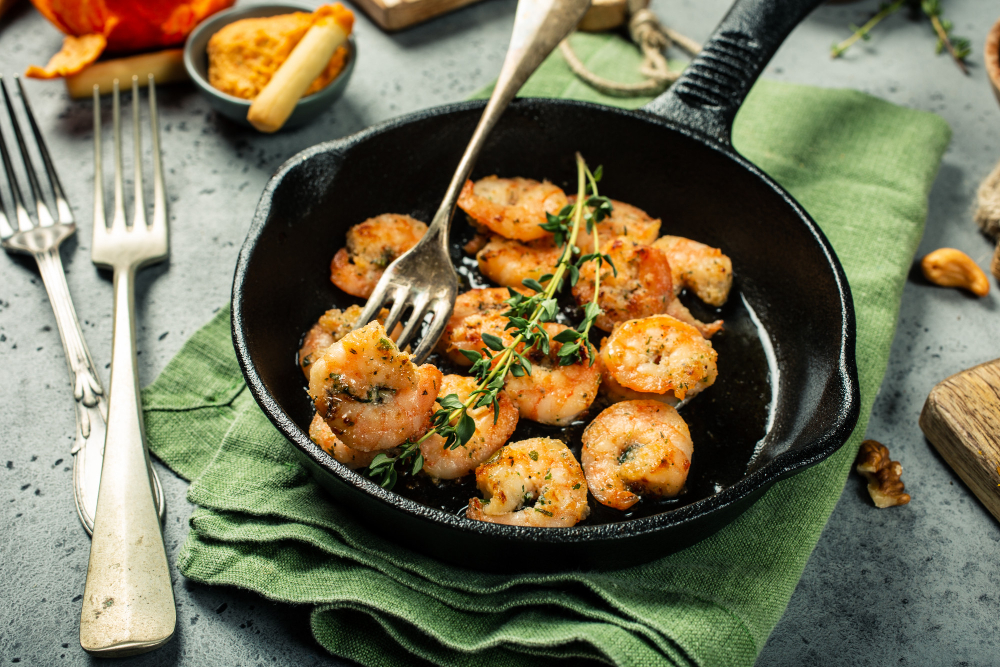
Heat, time and food particles progressively alter fat, lowering the temperature at which it smokes, changing its flavour and making it behave differently from fresh.
It is a different ingredient by the fourth use. Progressive degradation is why fat is not a fixed variable.
13. Different Fats Tolerate Different Heat
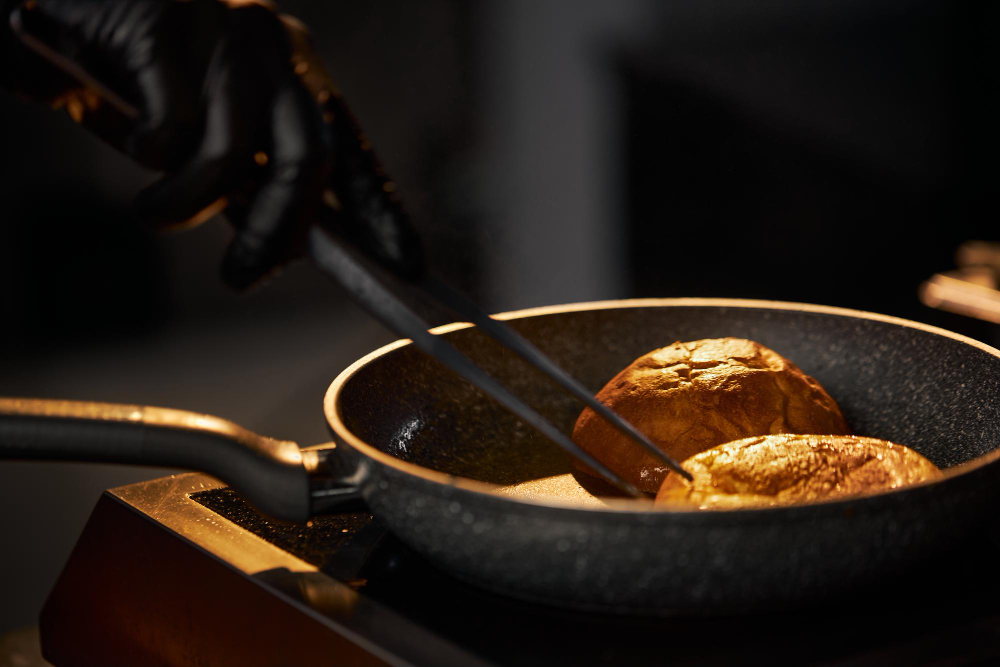
Fats vary substantially in the temperature at which they begin to break down and smoke, which determines what each can be used for.
Exceeding it changes flavour and produces smoke. Thermal tolerance is the property that decides suitability.
14. Draining Matters More Than Blotting
Surplus fat runs off a hot surface readily, so lifting food onto a rack lets it drain while air circulates – whereas resting it flat traps steam underneath.
The paper approach softens the base. Elevated draining is the finish that preserves the result.
15. Salting Immediately Works Better
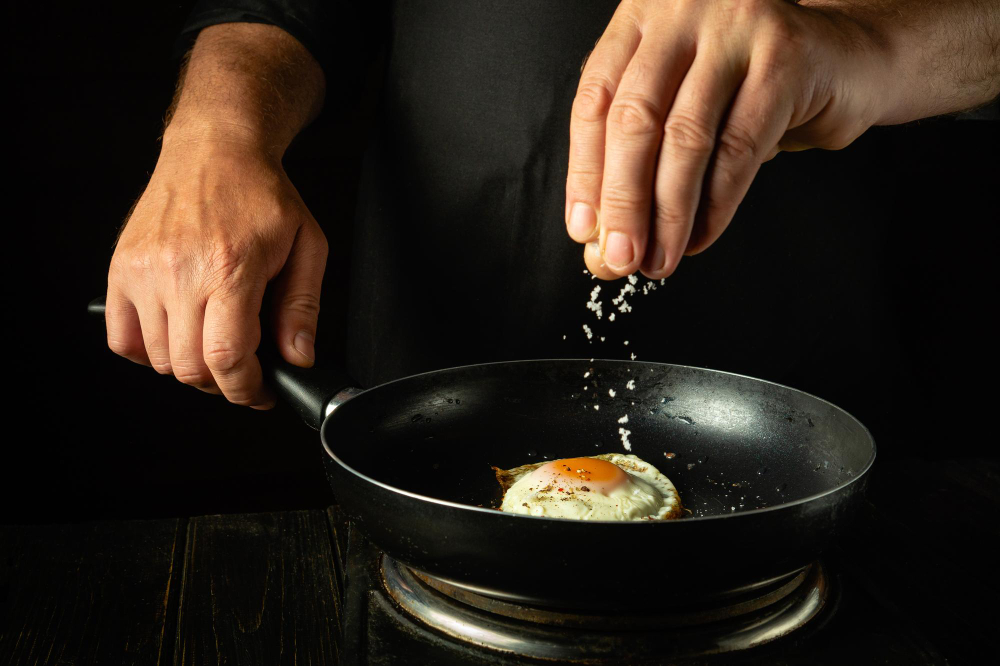
Seasoning a hot surface adheres while the food is still slightly oily and cooling, and applied later it largely falls off.
The window is short. Immediate seasoning is the last step of the frying rather than a separate one.
Steam Going Out While Heat Comes In
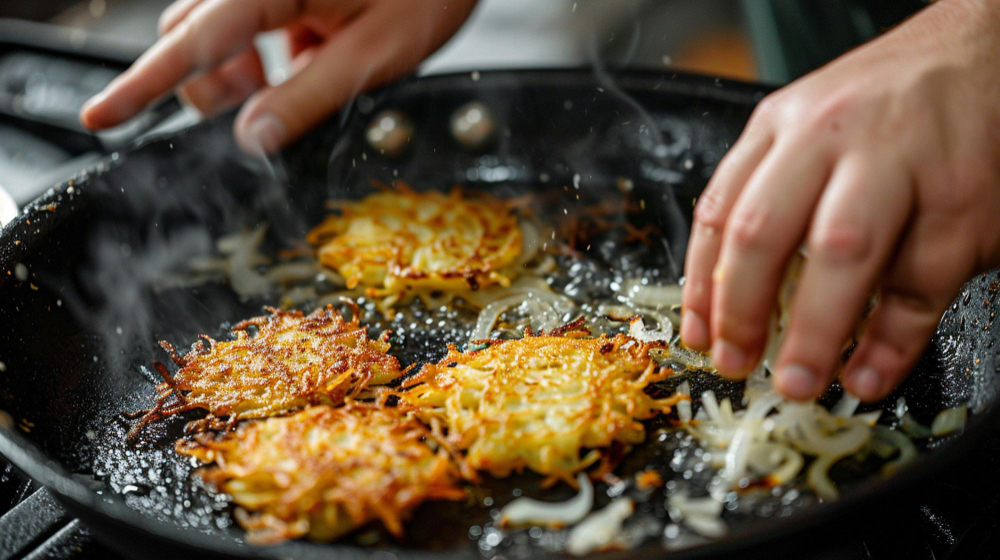
Fat above the temperature of boiling water, steam escaping outward and holding it back, and a crust that forms as the surface dries – and every failure is one of those three stages going wrong.
One necessary note: everything above describes what happens in the pan, not how to do it. Hot fat is a real fire hazard and a real burn hazard, quantities and temperatures matter, and the correct source for how to fry safely at home is proper safety guidance rather than an article about steam pressure.
Like our content? Follow us for more.
