Three variables produce nearly every dune shape there is: how much sand there is, how many directions the wind blows from, and whether vegetation is holding anything down. Here are seventeen results.
1. Sand Bounces Rather Than Blows
Wind rarely lifts sand grains far. They hop along the surface in a series of low arcs, landing and knocking other grains into the air, which is how sand travels.
Almost all of it stays within a metre of the ground. Saltation is the mechanism moving every dune on this list.
Like our content? Follow us for more.
2. And Pushes the Heavy Grains Along
Larger grains too heavy to hop are pushed along the surface by the impacts of the bouncing ones, which sorts the material by size as it travels.
The two processes operate together. Surface creep is what moves the grains the wind cannot lift.
3. A Dune Starts Where the Wind Slows
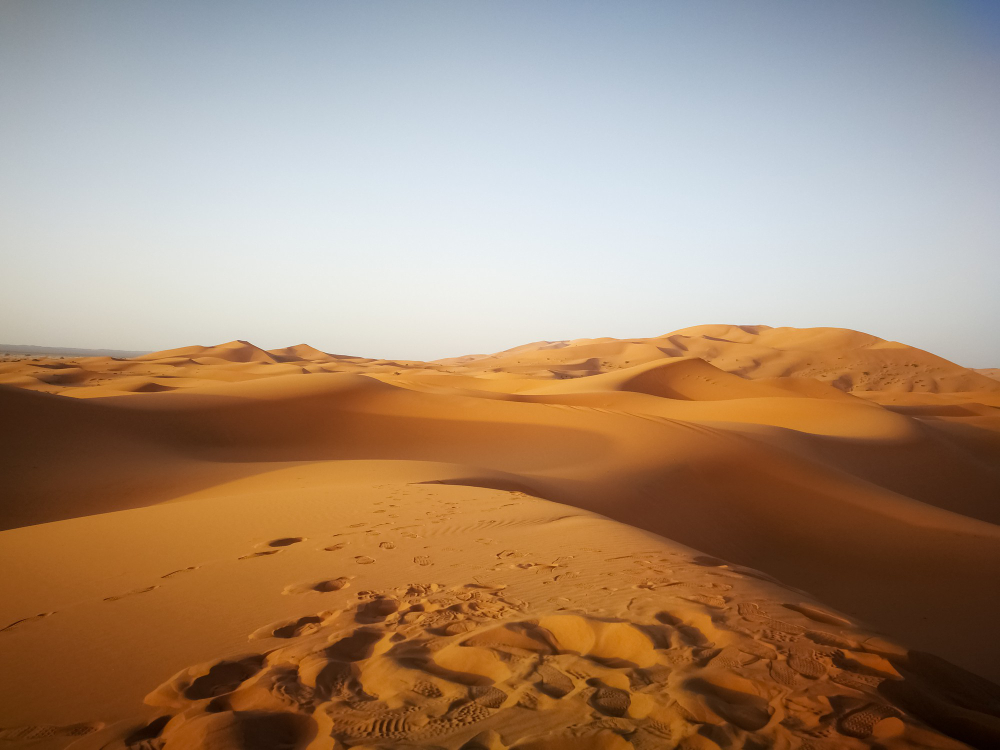
Anything that reduces wind speed – an obstruction, a change in surface, a patch of vegetation – causes the air to drop part of its load, and the deposit then becomes an obstruction itself.
The process reinforces itself from the start. Deposition at an obstacle is how every dune begins.
4. The Two Sides Are Completely Different
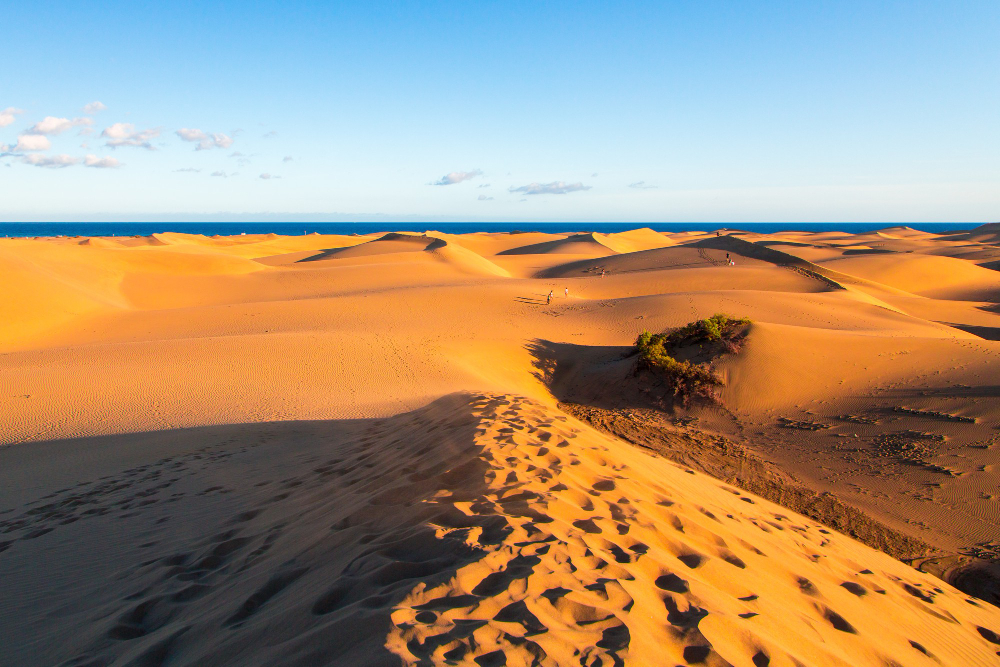
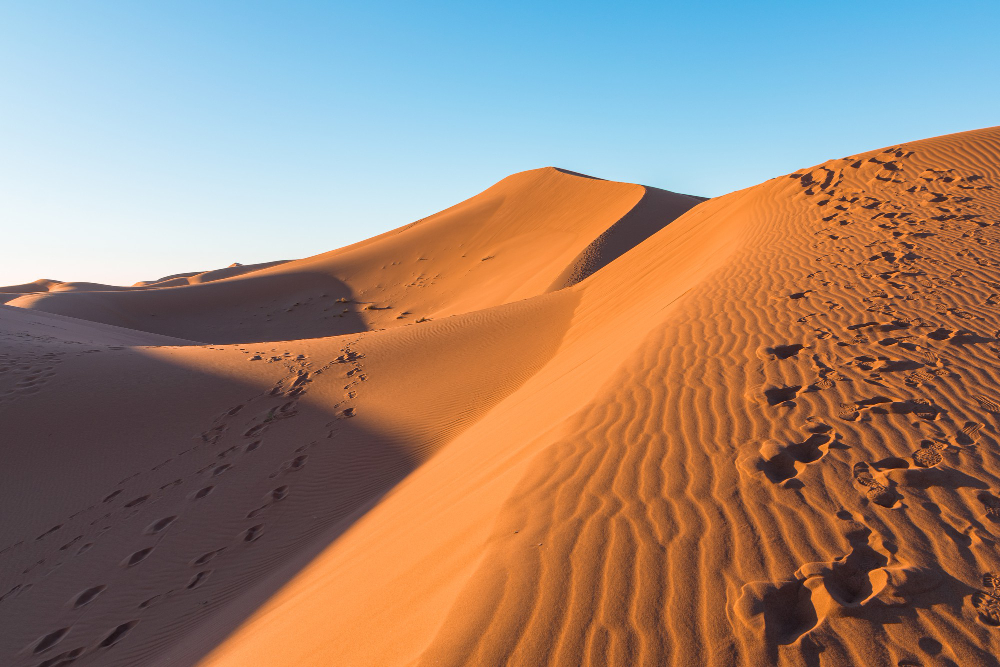
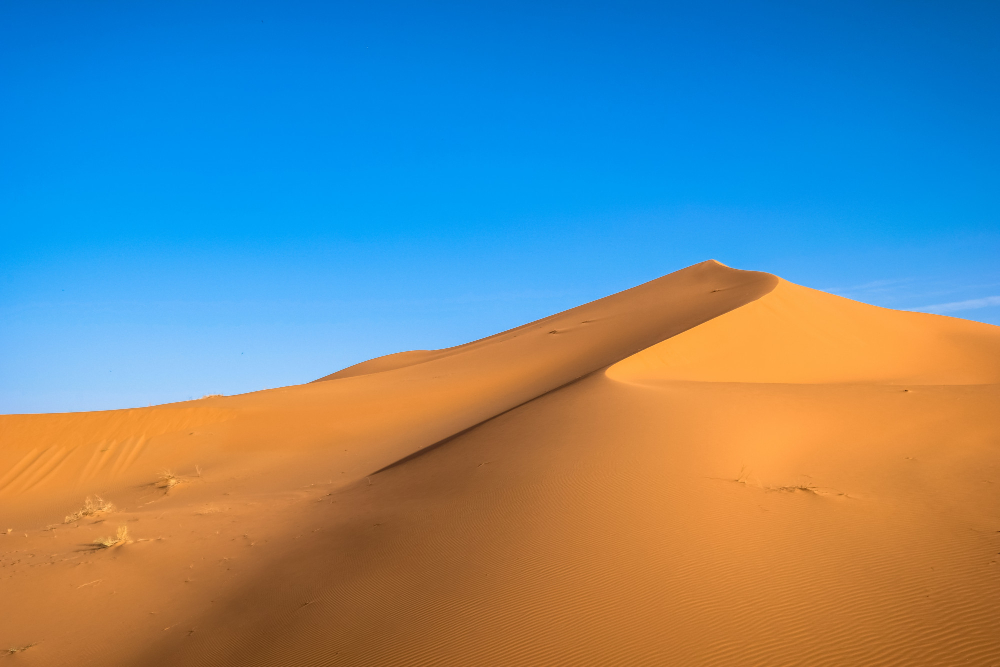
Sand is pushed up the windward face, which is therefore long and gentle, and falls down the lee face, which is short and steep.
You can tell wind direction from the profile alone. The asymmetric section is the most basic thing a dune records.
5. The Steep Side Is Always the Same Angle
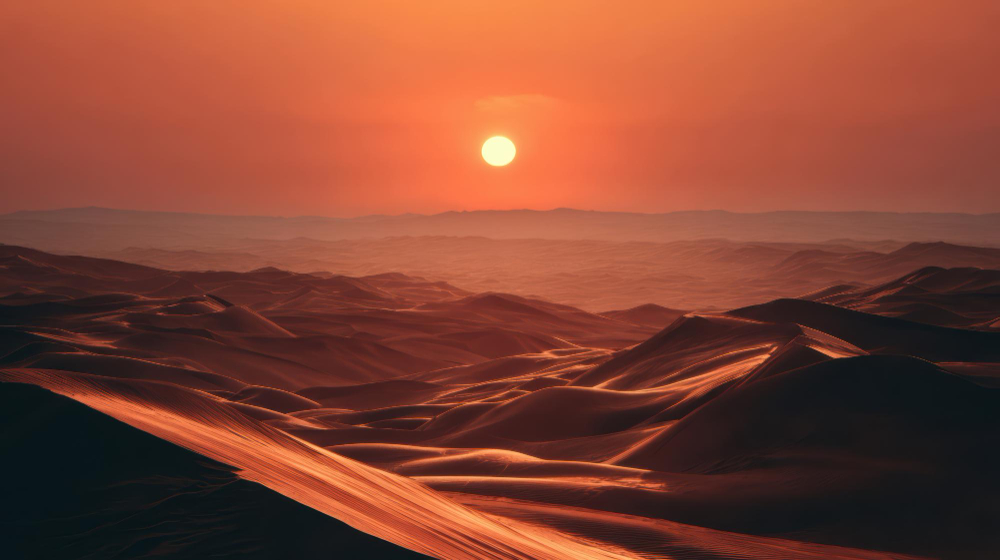
Sand accumulating on the lee face avalanches once it exceeds the angle the material can support, which is consistent for a given grain size – so every lee face sits at that limit.
That is why dune faces look so uniform. The angle of repose is a property of the sand rather than of the dune.
6. Dunes Move
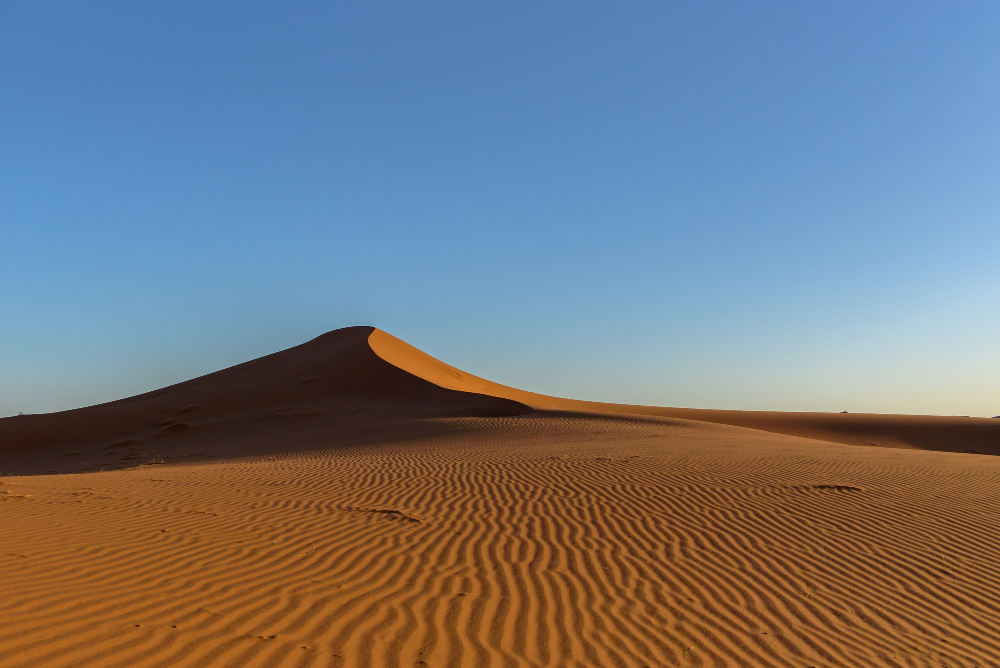
Sand is continuously removed from the windward side and deposited on the lee, which means the whole form migrates downwind while keeping its shape.
Some move several metres a year. Migration is what makes a dune a process rather than an object.
7. The Crescent With Horns Downwind
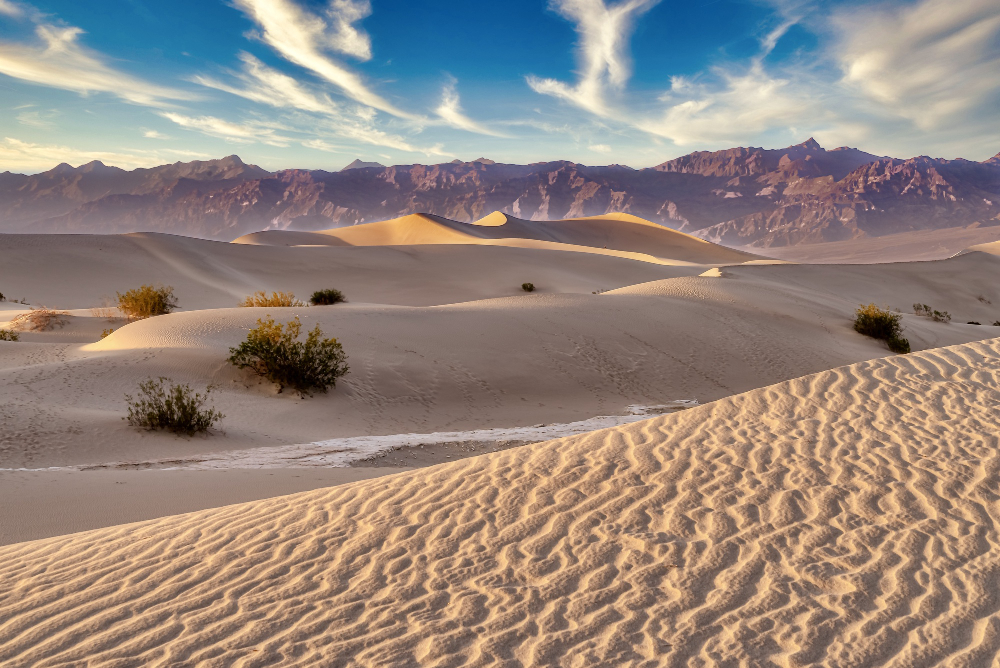
Where sand is limited and the wind comes consistently from one direction, a dune forms a crescent with the tips extending downwind, because the thinner edges migrate faster than the thick centre.
It is the classic desert form. The crescent dune is what limited sand and one wind produce.
8. The Long Ridge Running With the Wind
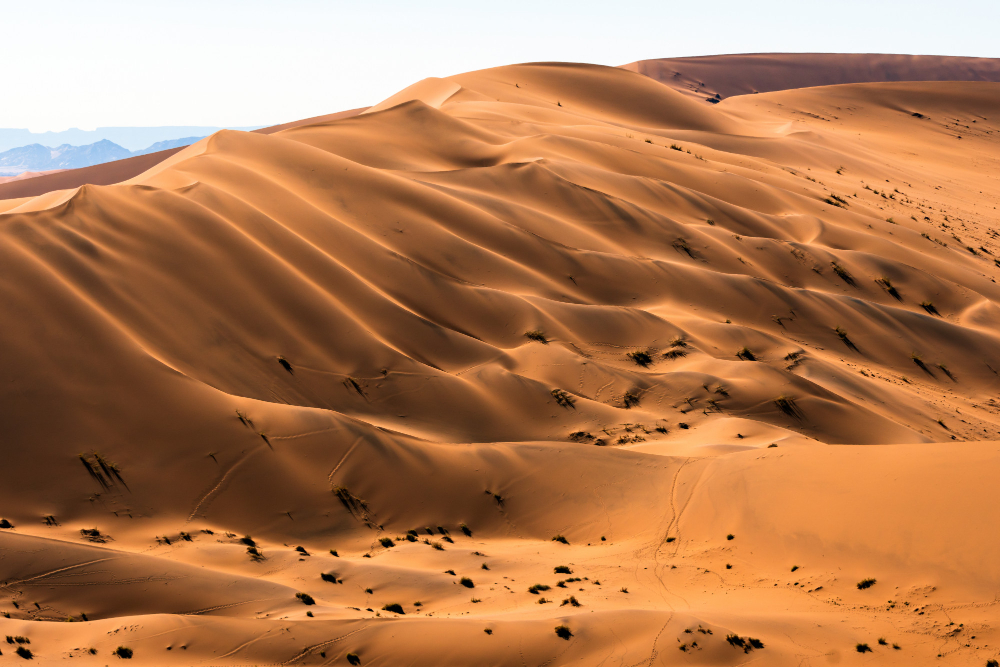
Where two prevailing wind directions alternate, sand accumulates along a line between them, producing long parallel ridges that can extend for enormous distances.
They run roughly with the resultant wind. Linear dunes are the signature of two competing directions.
9. The One That Does Not Move
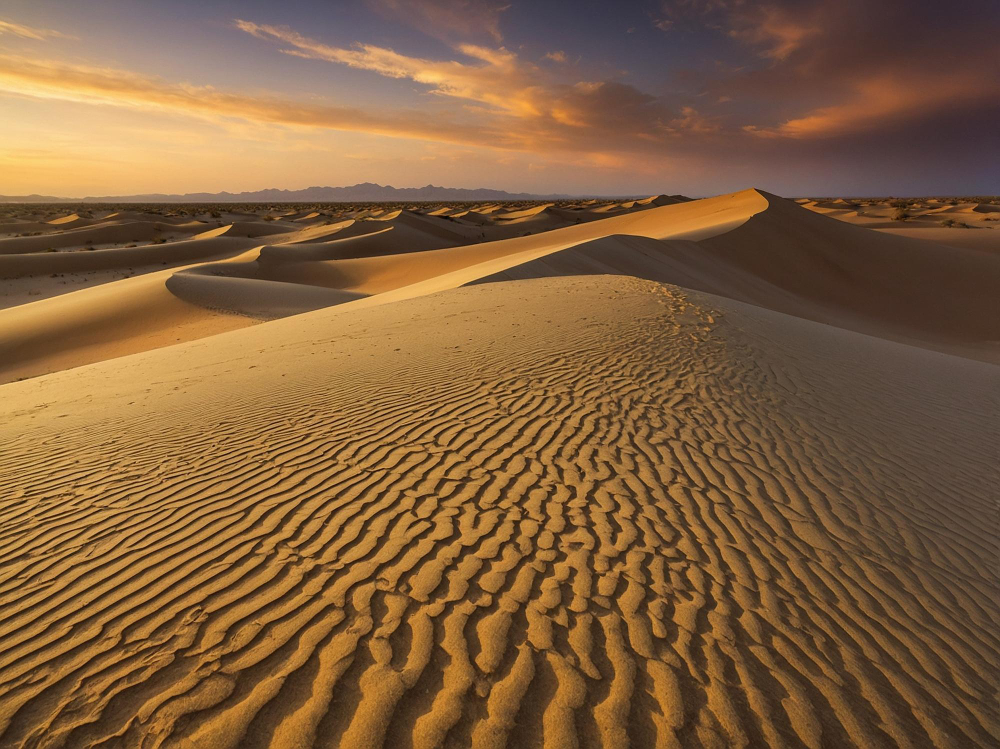
Where wind arrives from many directions through the year, sand is pushed inward from all sides, producing a pyramidal form with arms radiating from a peak that stays in one place.
They grow upward instead of travelling. Star dunes are what happens when no direction wins.
10. And They Are the Tallest
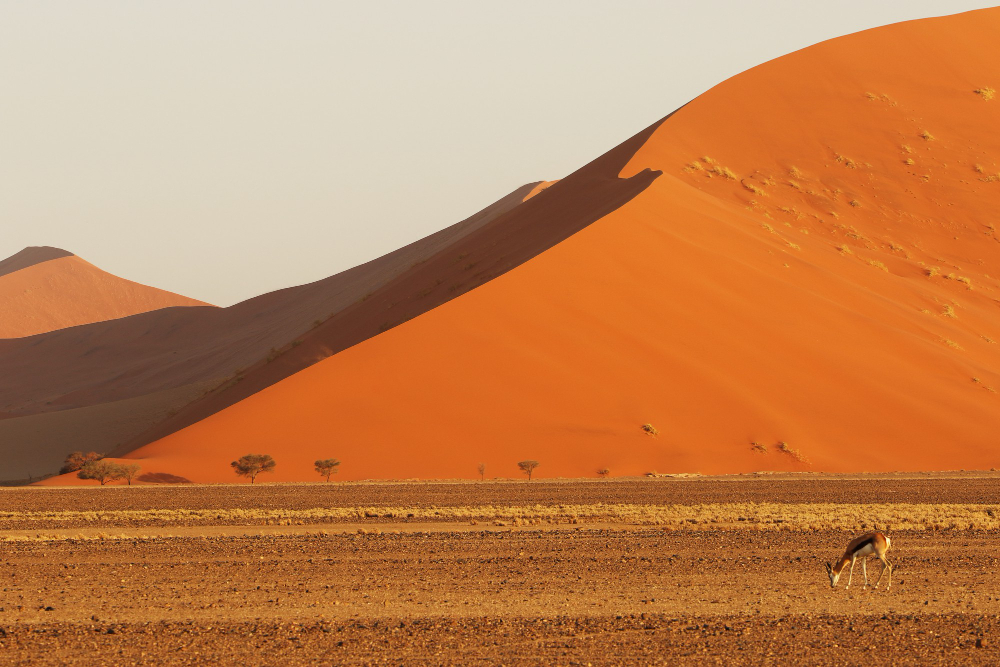
Because a star dune accumulates rather than migrating, it can continue growing for very long periods, which is why the highest dunes are generally this form.
Nothing moves the sand away. Accumulation without migration is why height and stillness go together.
11. The Crescent Pointing the Other Way
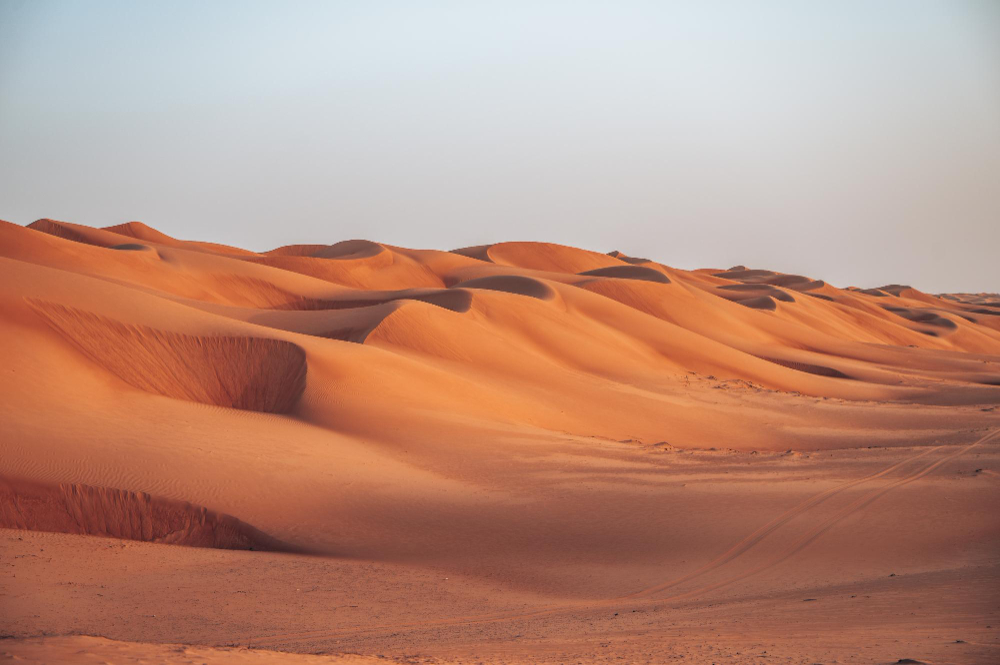
Where vegetation anchors the edges and the centre is blown out, the arms trail upwind rather than downwind – the reverse of the classic crescent, and diagnostic of plants being involved.
The shape alone tells you vegetation is present. Parabolic dunes are the vegetated inversion.
12. The Ridge Behind a Beach
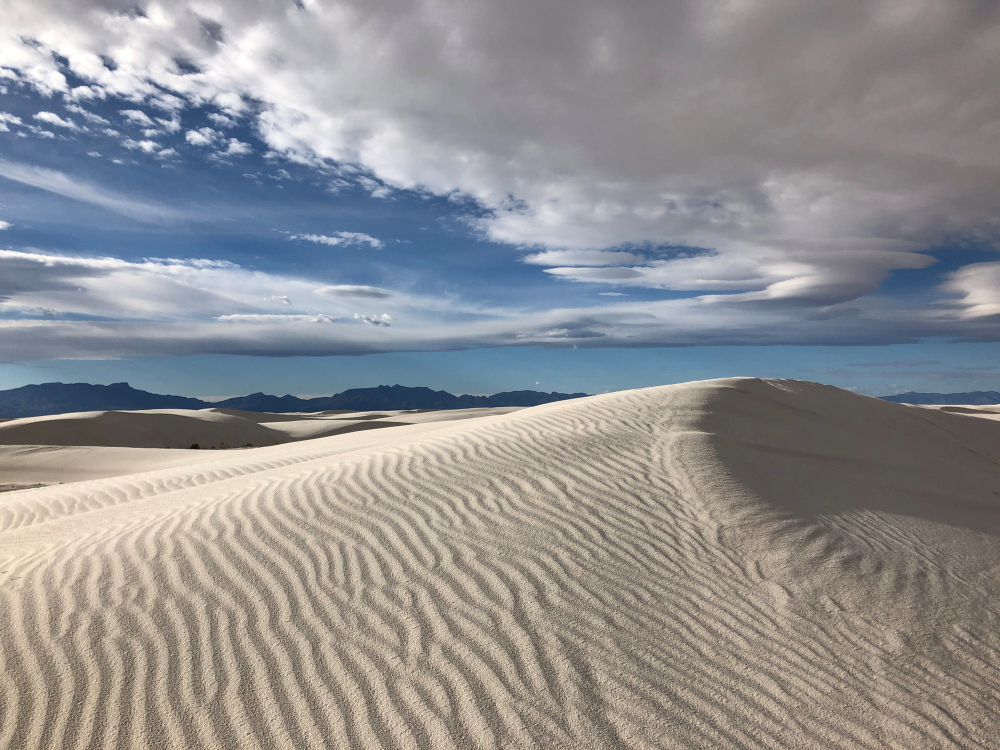
On a coast, sand blown inland accumulates just above the reach of the waves, forming a ridge that runs parallel to the shore and is held together by specialised plants.
It is the coastline defending itself. Foredunes are the first line built by wind and plants together.
13. The Plants That Build It
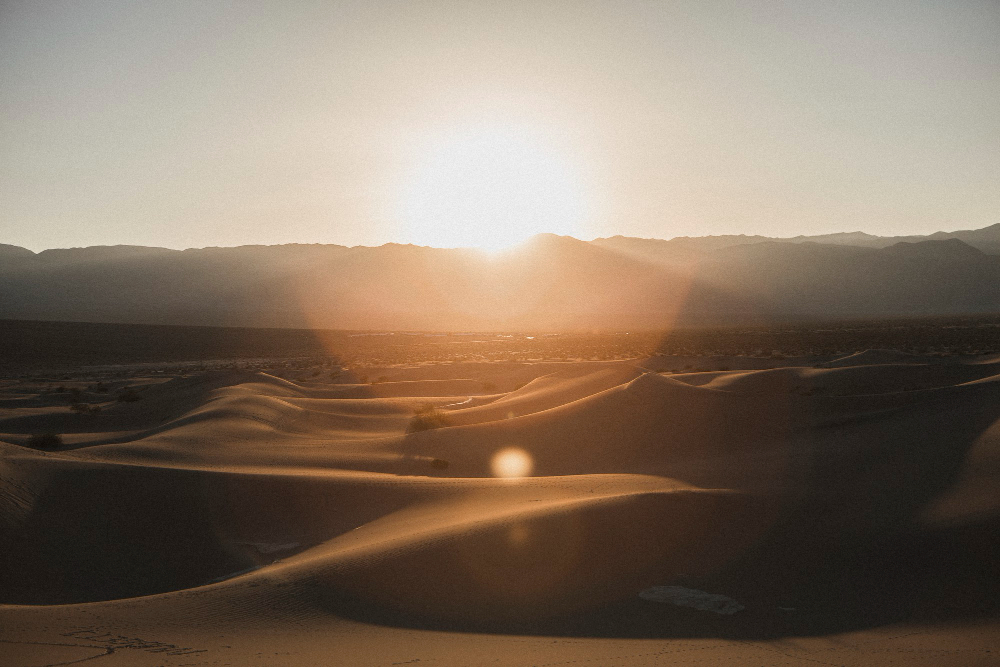
Certain grasses tolerate burial and respond by growing upward through accumulating sand, which traps more of it – so the plant and the dune build each other.
Without them the sand disperses. Sand-binding vegetation is what converts a deposit into a structure.
14. The Hollow Where They Failed
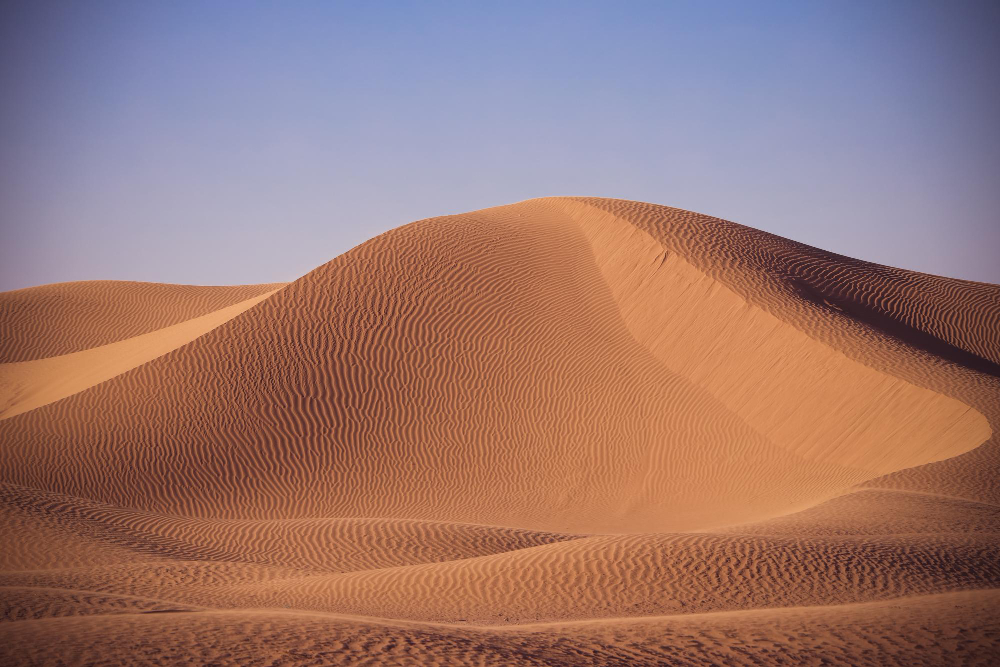
Where vegetation is breached, wind funnels through the gap and excavates a hollow, which enlarges and can cut through an entire ridge.
A small break becomes a large one. Blowouts are what happens when the plant cover is interrupted.
15. The Fences Running Across It
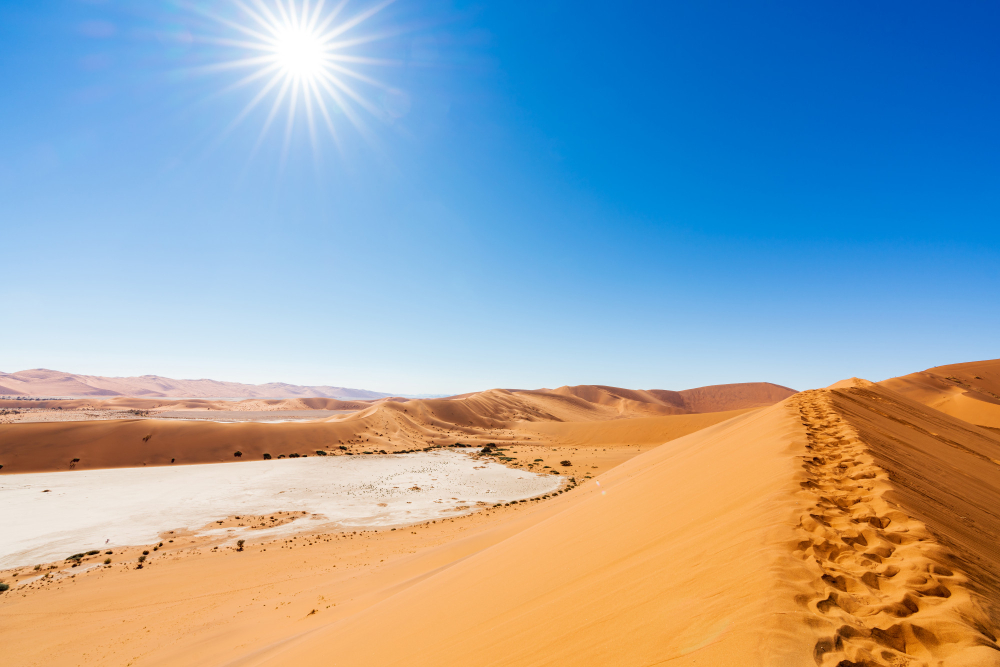
Low fences and planting on coastal dunes slow the wind so sand drops and accumulates, deliberately building the ridge rather than protecting it.
They work by causing deposition. Sand fencing is dune formation applied on purpose.
16. The Old Dunes Under the Grass
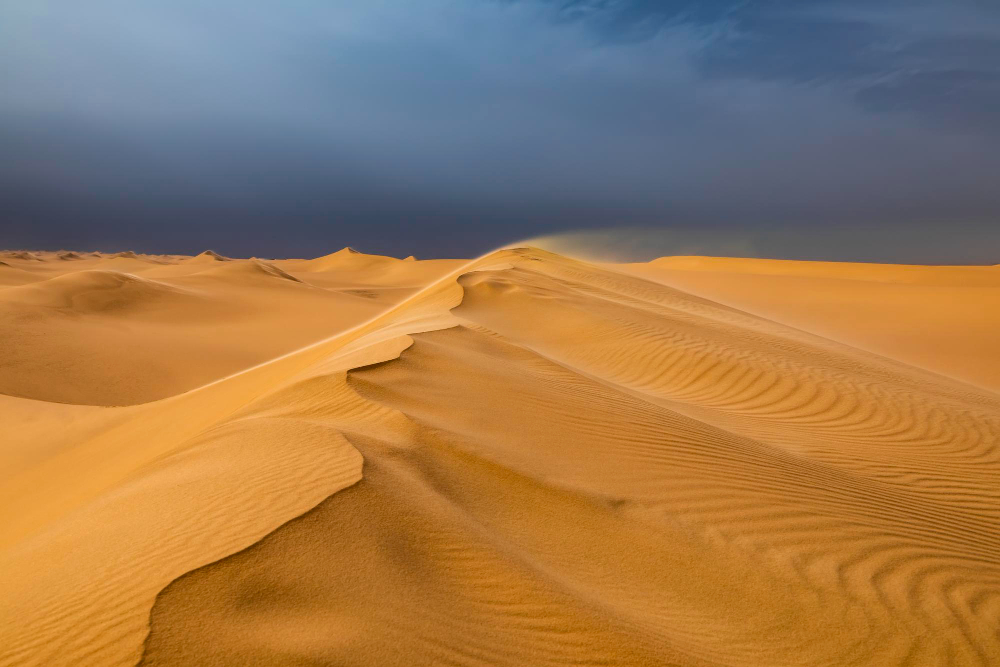
Inland from many coasts are ridges now covered in vegetation and soil, which are former dune systems from when the shoreline sat further inland.
They are recognisable by their shape and alignment. Fossil dunes are the coastline remembering where it used to be.
17. The Sound Some of Them Make
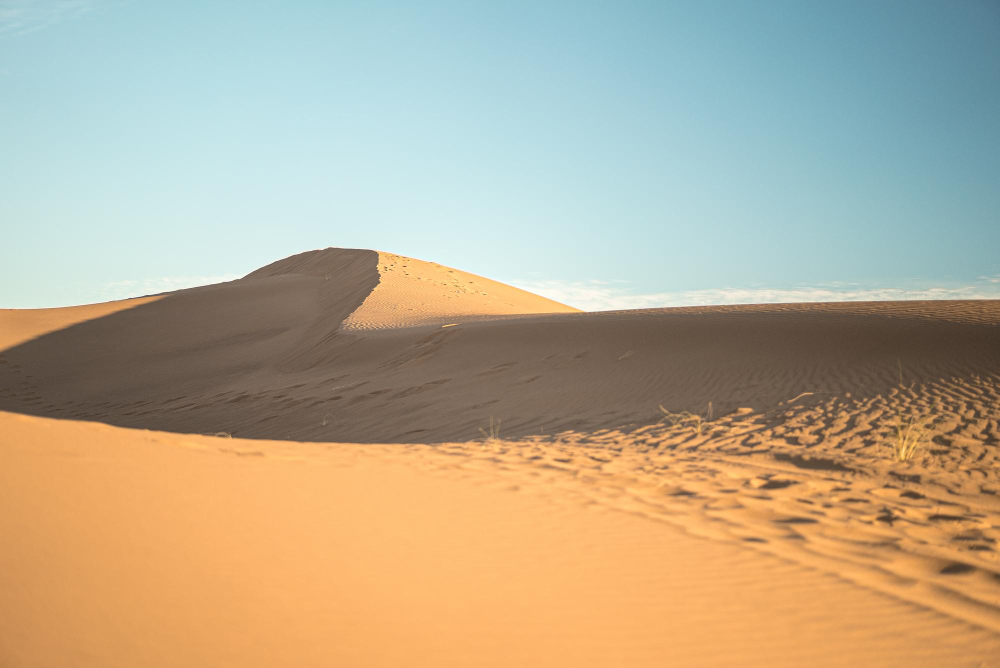
Certain dunes produce a low audible sound when sand avalanches down the lee face, generated by the grains moving in a coordinated way.
It requires particular grain size and dryness. Booming sand is the phenomenon that remains partly unexplained.
Sand Supply, Wind Directions, Vegetation
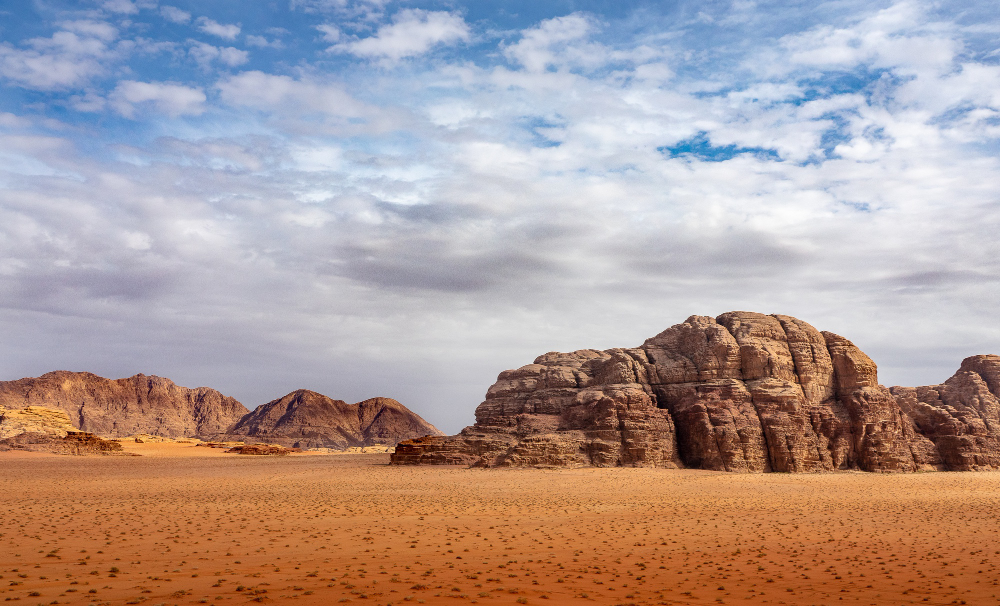
How much sand, how many wind directions and whether anything is growing – three variables producing the crescent, the ridge, the star, the parabola and everything between them.
Practical notes: a lee face is by definition sitting at the steepest angle the sand will hold, which is why it gives way underfoot; open dune fields are extremely disorienting because every ridge looks like the others and there are no fixed reference points; and reflected glare and heat off pale sand are substantially greater than the air temperature suggests. Marked routes exist for reasons that are not visible from the top of a dune.
Like our content? Follow us for more.