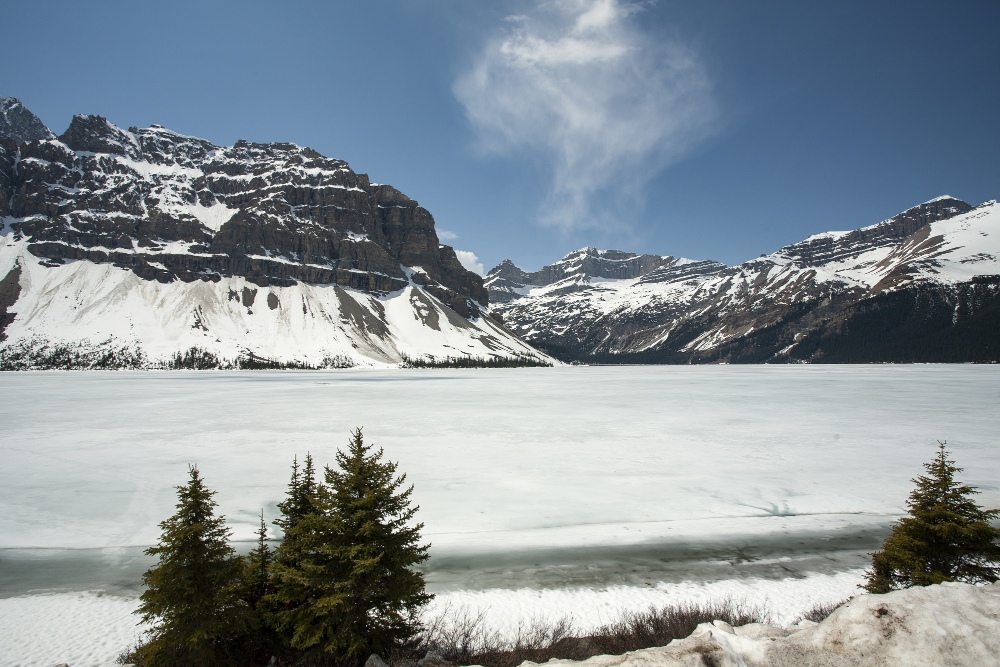
Ice does two things to a landscape: it removes material from where it flows and deposits it where it stops. Almost every feature below is one of those two, and reading which is which reconstructs the ice. Here are seventeen.
1. Ice Forms Where Snow Does Not Melt
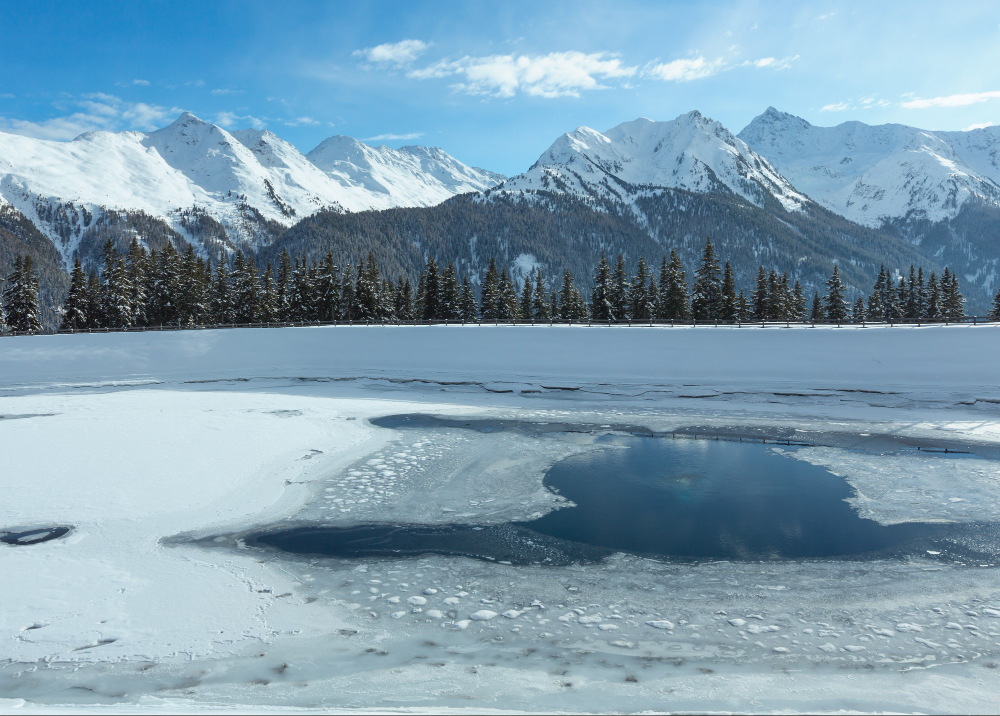
A glacier begins wherever more snow accumulates each year than disappears, so the surplus compacts under its own weight into dense ice.
No dramatic cold is required, only a persistent surplus. Accumulation exceeding loss is the only condition needed.
Like our content? Follow us for more.
2. And Then It Flows
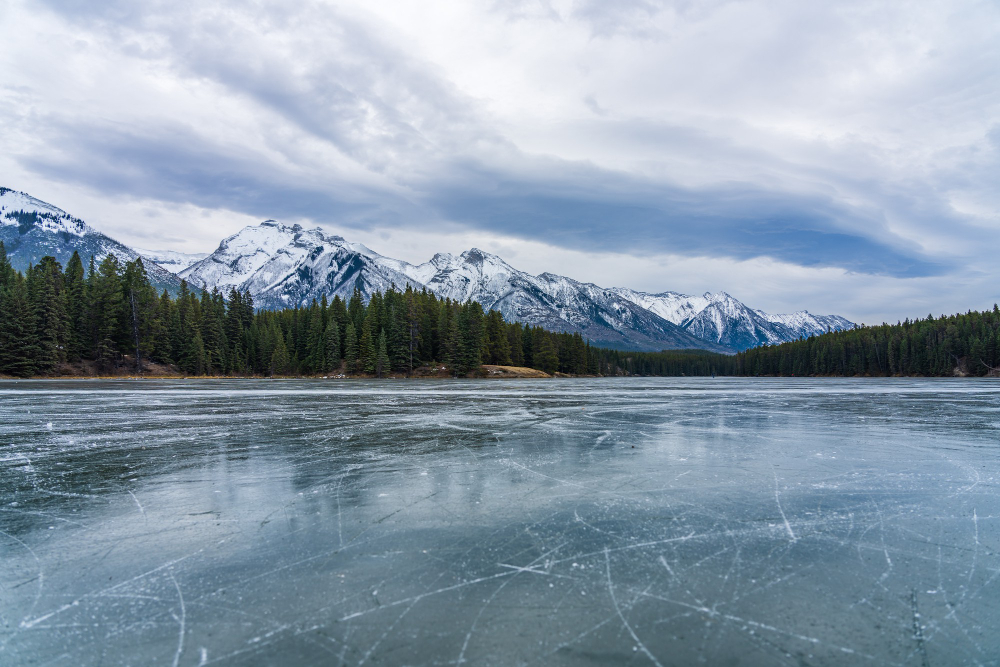
Ice under sufficient weight deforms rather than fracturing, so the mass moves downhill slowly and continuously – which makes a glacier a very slow river rather than a static block.
It is moving even when nothing appears to change. Plastic deformation is what makes ice an agent rather than a covering.
3. It Grinds and It Tears
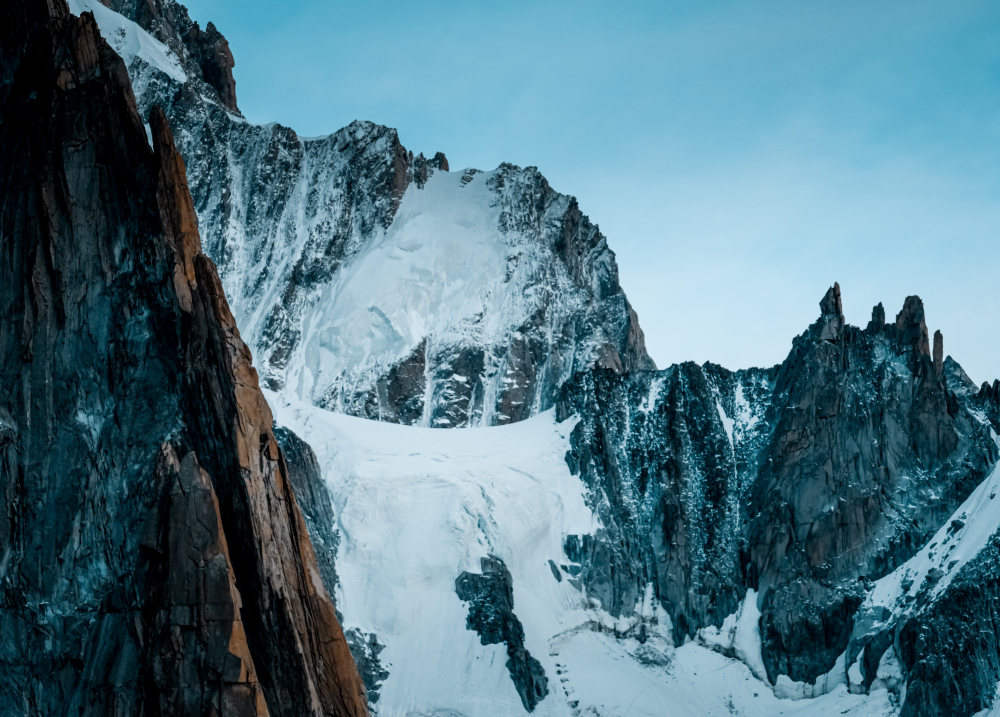
Rock embedded in the base scours the bed as the ice passes, and ice freezing onto bedrock tears blocks away as it moves on – abrasion and plucking together.
One smooths and the other quarries. Two erosion mechanisms are why glacial rock looks both polished and shattered.
4. The Scratches on the Rock
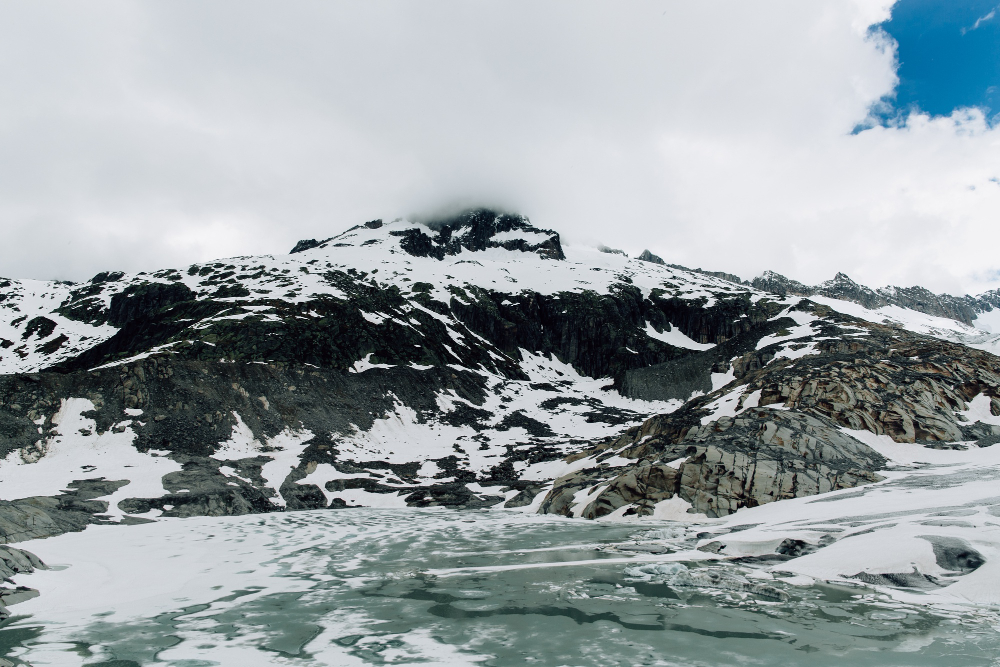
Embedded fragments leave parallel grooves aligned with the direction of flow, which survive on exposed bedrock for a very long time.
They point the way the ice went. Striations are a direction arrow left on the ground.
5. The Polished and Plucked Sides
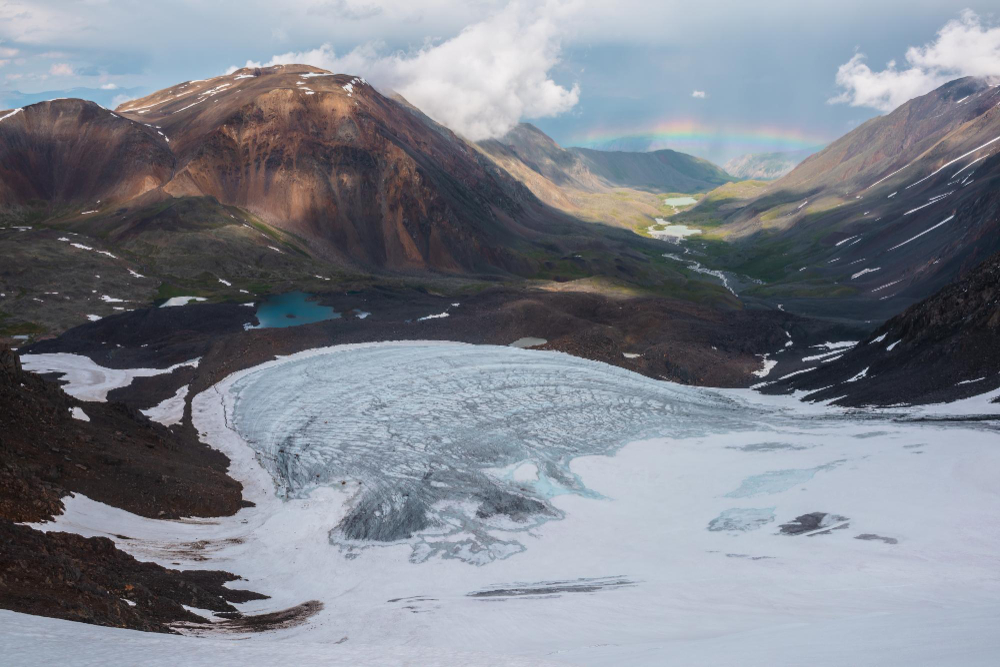
A rock outcrop passed over by ice is smoothed on the upstream side and ragged on the downstream side, because abrasion acts on one and plucking on the other.
The asymmetry is unmistakable. Ice-shaped outcrops record flow direction without any scratches.
6. The Valley With Straight Sides
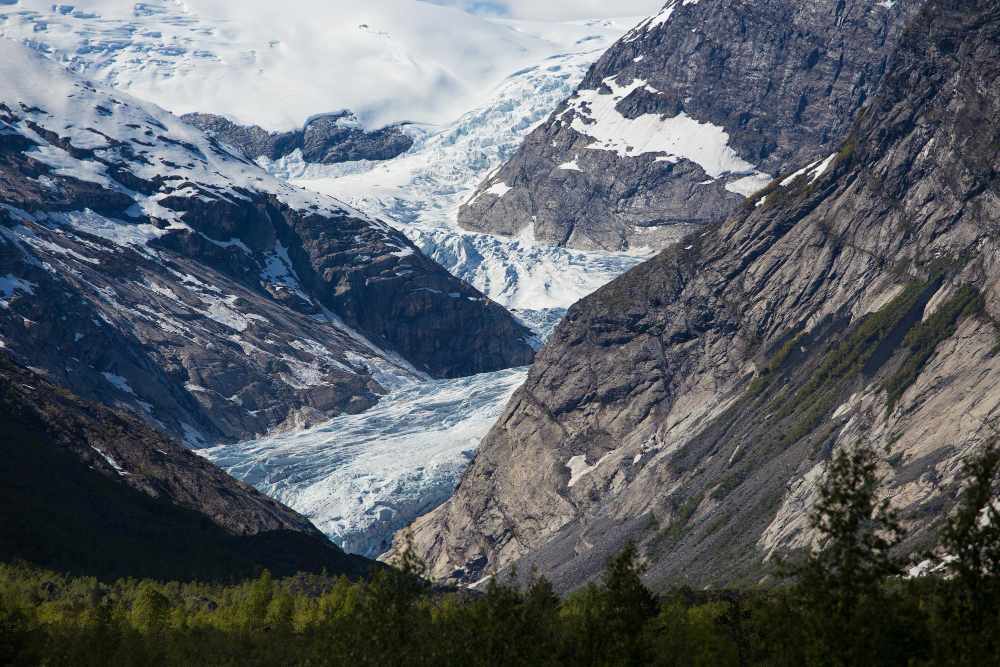
Ice occupies the full width of a valley and erodes the sides as well as the bed, converting a narrow river-cut V into a broad U with steep walls and a flat floor.
A river cuts down and ice cuts outward. Trough cross-section is the single clearest sign of former ice.
7. The Spurs Cut Off
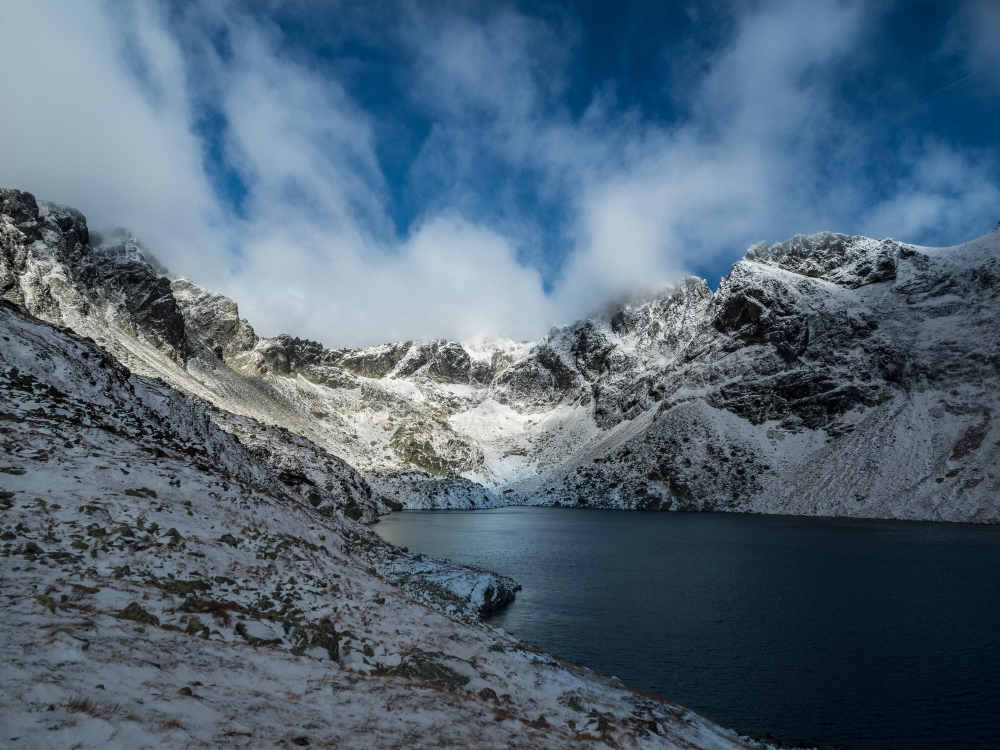
Ice cannot flow around obstacles as a river does, so the interlocking ridges of a river valley are sheared off, leaving truncated spurs and a straightened valley.
Straightness itself is evidence. Truncated spurs are what ice does to a winding valley.
8. The Side Valleys Left Hanging
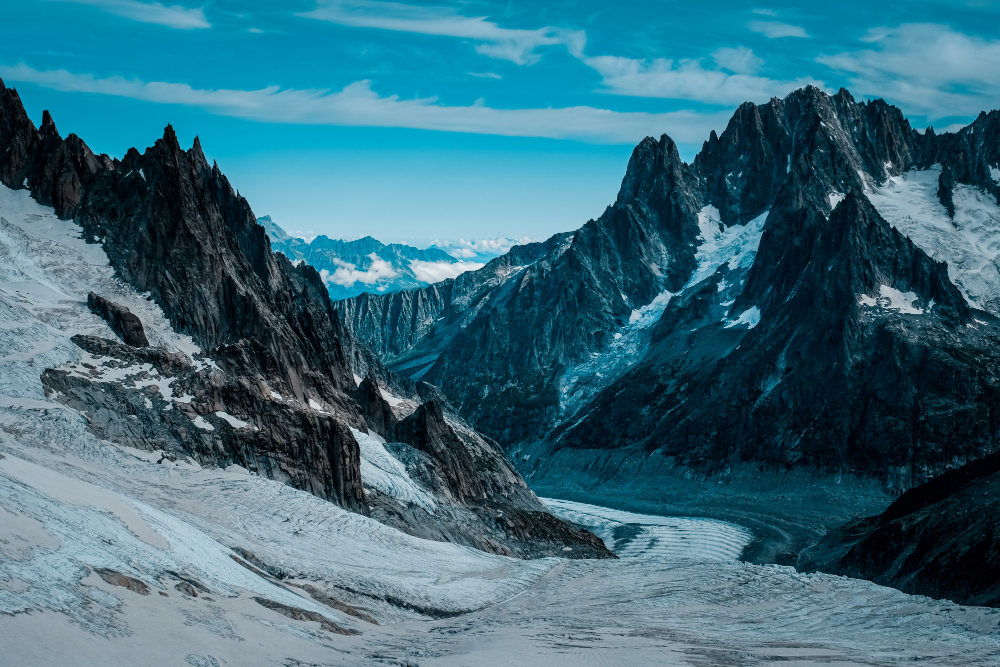
Tributary glaciers were smaller and eroded less deeply, so their valleys now enter the main one high on the wall rather than at the floor.
Waterfalls mark them today. Hanging valleys record the difference in ice thickness.
9. The Armchair Hollow at the Top
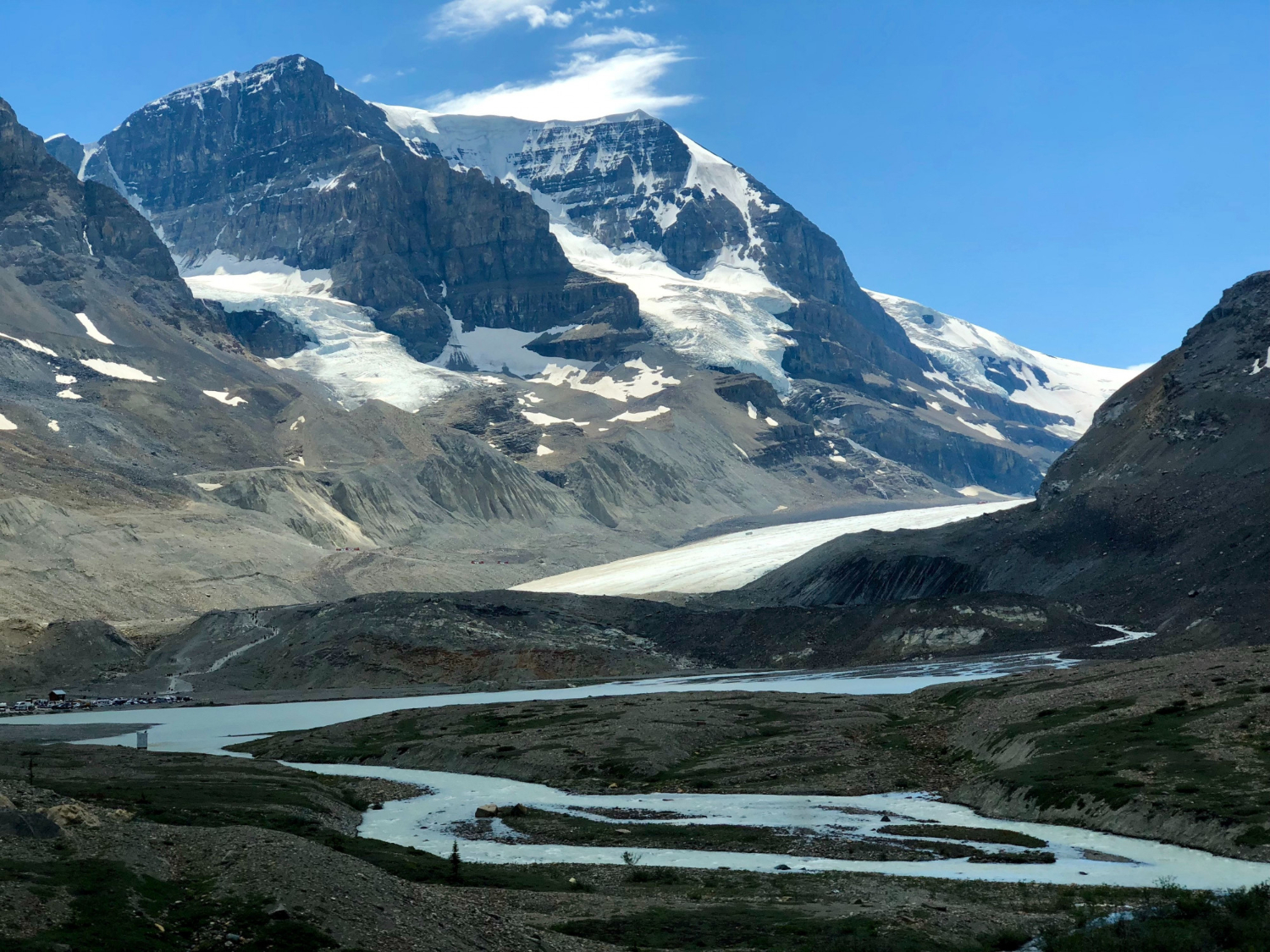
Where accumulation began, the ice excavated a deep rounded hollow into the mountainside, frequently with a steep back wall and a lip at the front.
Many now hold small lakes. The cirque is where the glacier was born.
10. The Ridge Between Two of Them
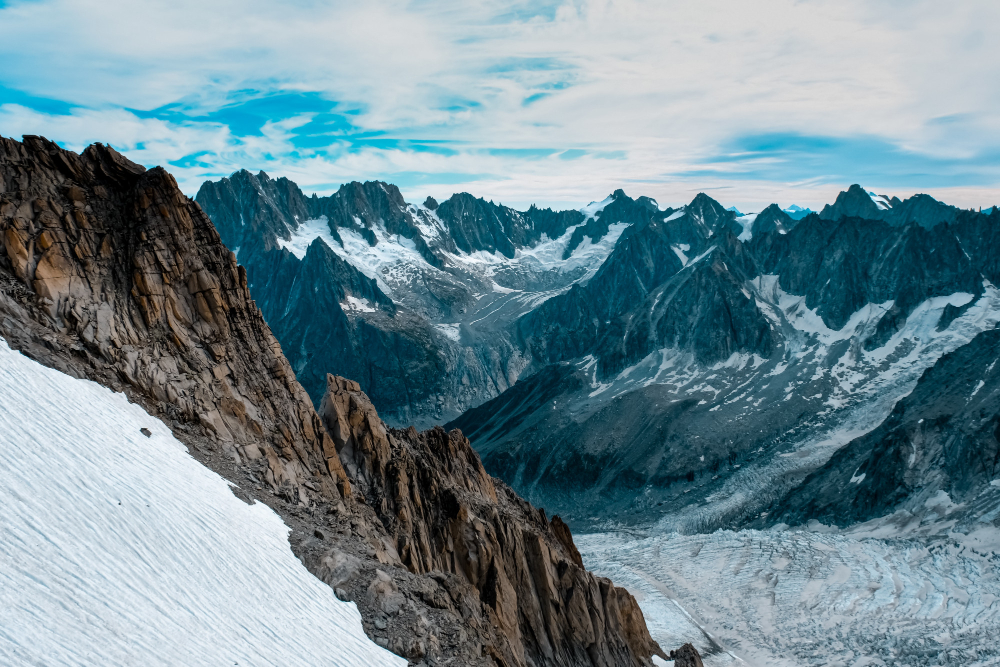
Where two hollows erode back toward each other from opposite sides, the ground between them is reduced to a narrow ridge with steep faces on both sides.
They are dramatic and unstable. Aretes are what remains between two cirques.
11. And the Peak Where Several Meet
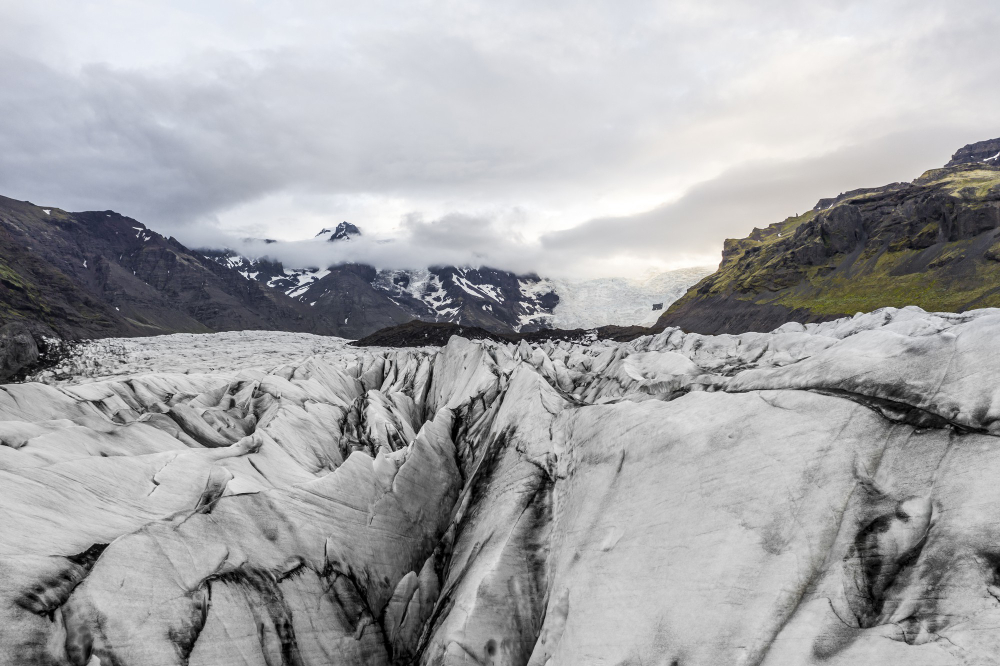
Where three or more hollows erode back toward a single summit, the result is a steep pyramidal peak with faces on every side.
It is the most recognisable mountain shape there is. Horns are the intersection of several cirques.
12. The Ridges Along the Valley Sides
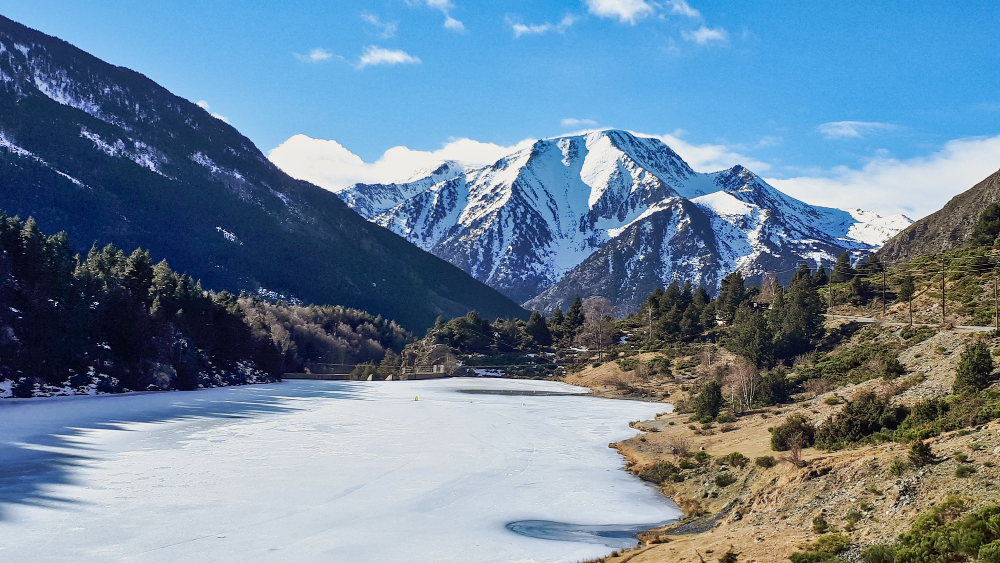
Material falling onto the ice from the valley walls is carried along the edges and deposited as a ridge when the ice goes, running parallel to the valley.
They mark the ice surface level. Lateral moraines record how thick the glacier was.
13. The Ridge Down the Middle
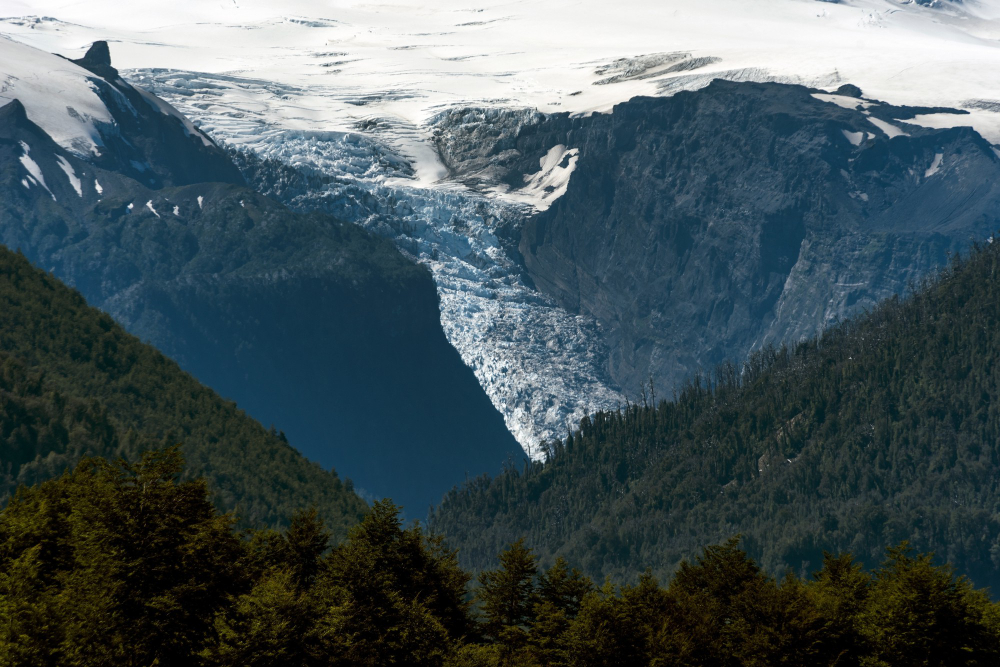
Where two glaciers merge, their adjacent edge deposits combine and are carried onward in the centre of the enlarged flow, leaving a stripe down the middle.
It shows where two ice streams joined. Medial moraine is a confluence written in rubble.
14. The Mound Across the End
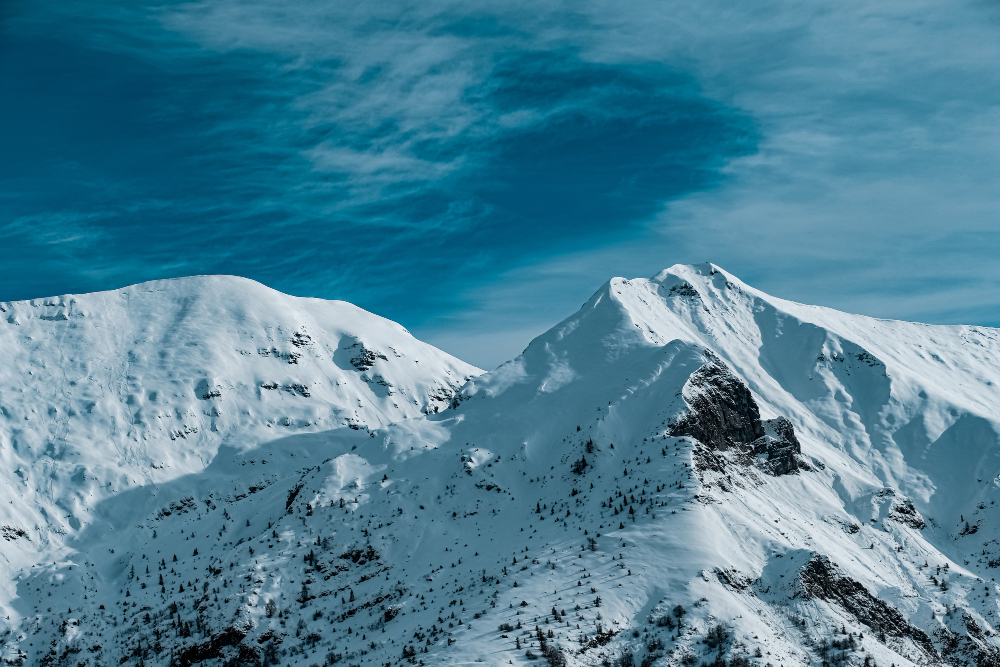
At the furthest extent, material carried by the ice is dumped in a ridge across the valley, marking exactly where the advance stopped.
Many now dam lakes. Terminal moraine is the position of the ice front.
15. The Boulder That Does Not Belong
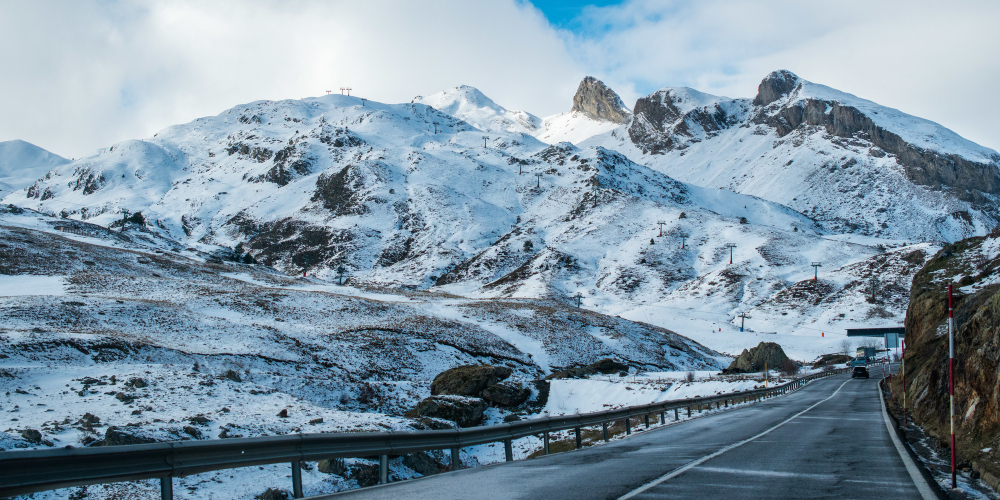
Rocks carried long distances and left behind where the ice melted sit on entirely different bedrock, sometimes in improbable positions.
Their source rock identifies the route. Erratics are evidence transported from somewhere else.
16. The Streamlined Mounds
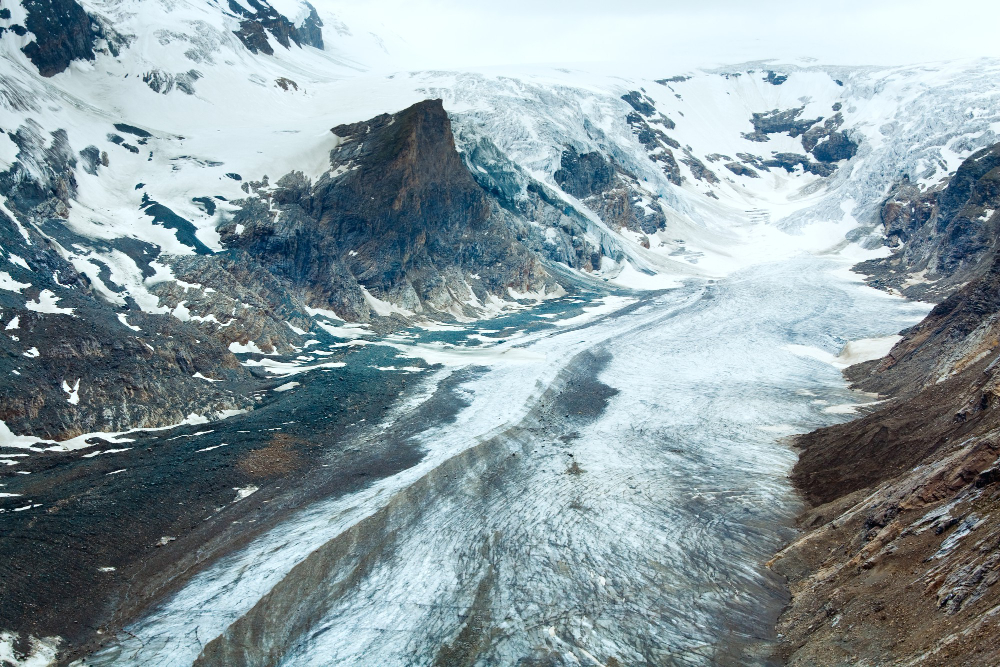
Fields of smooth elongated hills, steeper at one end and tapering at the other, are formed beneath moving ice and align with the direction of flow.
They occur in swarms rather than singly. Drumlins are the bed shaped by the ice above it.
17. The Flat Sorted Ground Beyond
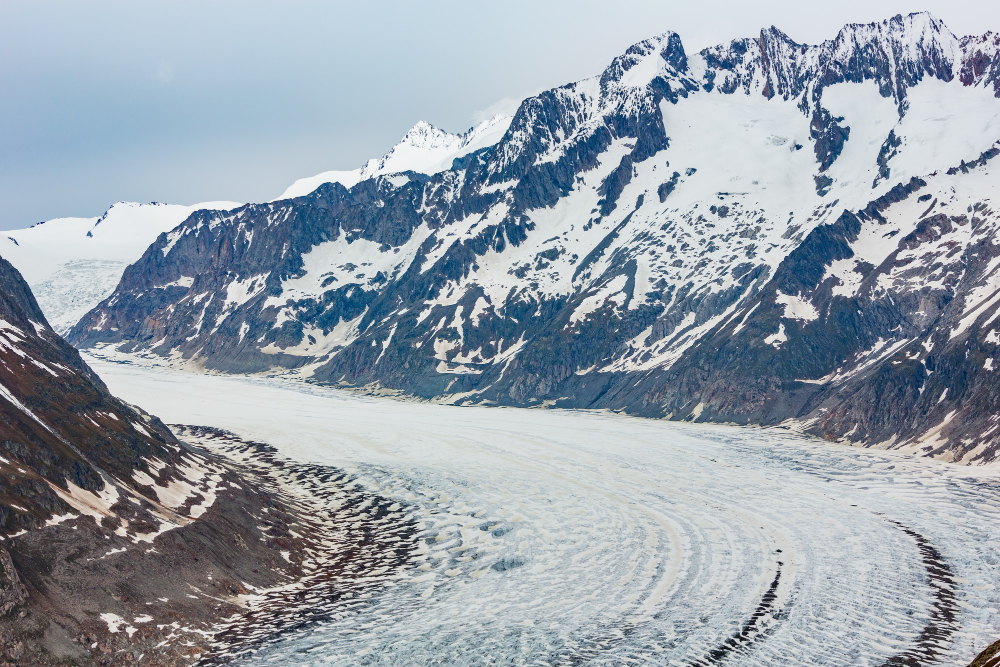
Meltwater emerging from the ice front carries sediment and deposits it in size order across a broad flat area, coarse near the ice and fine further away.
Sorting distinguishes it from moraine. Outwash plains are water-sorted rather than ice-dumped.
Where the Ice Was and Which Way It Went
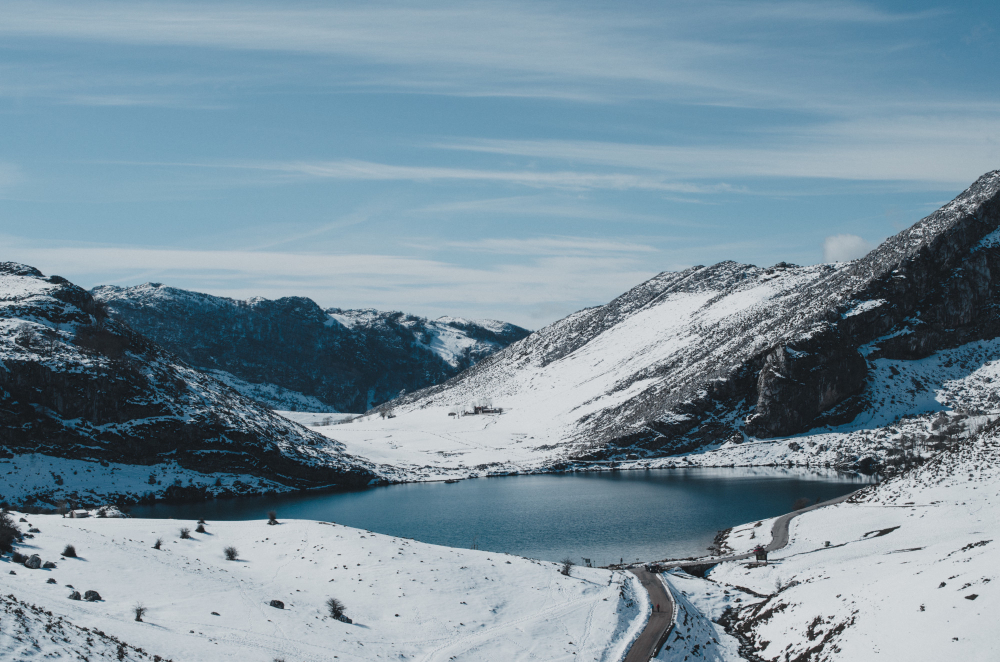
Material removed where the ice flowed and dumped where it stopped, scratches and asymmetry giving the direction, a straightened trough giving the extent, and a ridge across the valley giving the limit.
A serious note for anywhere ice is still present: glacier surfaces carry crevasses that snow bridges conceal completely, ice fronts collapse without warning, meltwater channels run under and through the ice, and the rock walls above are actively shedding material. Glaciers are visited with guides, equipment and training, and the landforms described above are the safe half of this subject.
Like our content? Follow us for more.