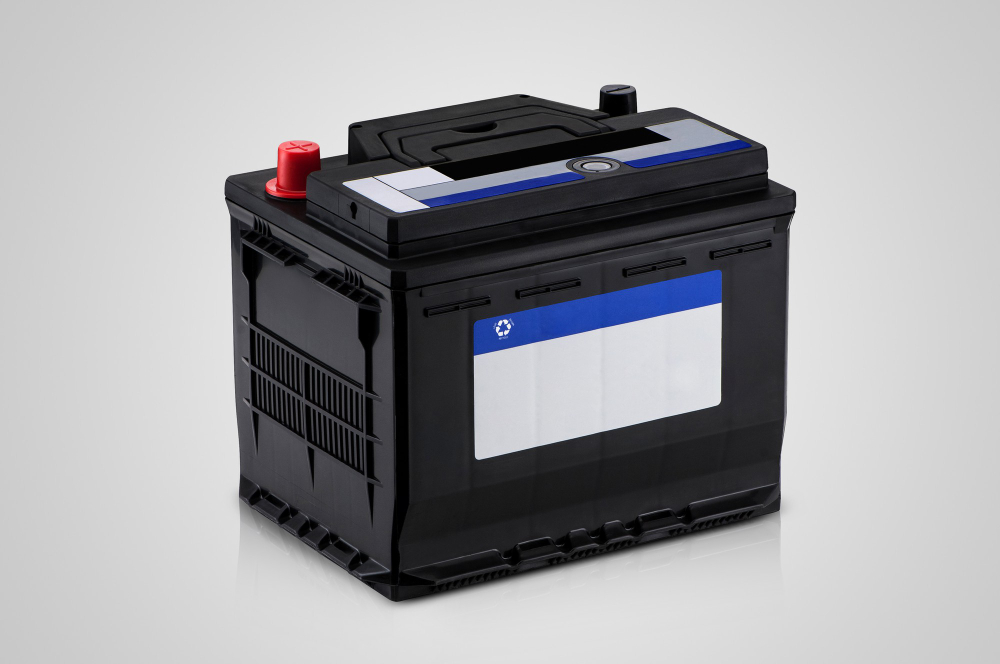
Two materials are held apart in a state where one wants to give up electrons and the other wants to take them, and the separation is the entire trick. Here are fourteen consequences.
1. It Is Two Reactions Held Apart
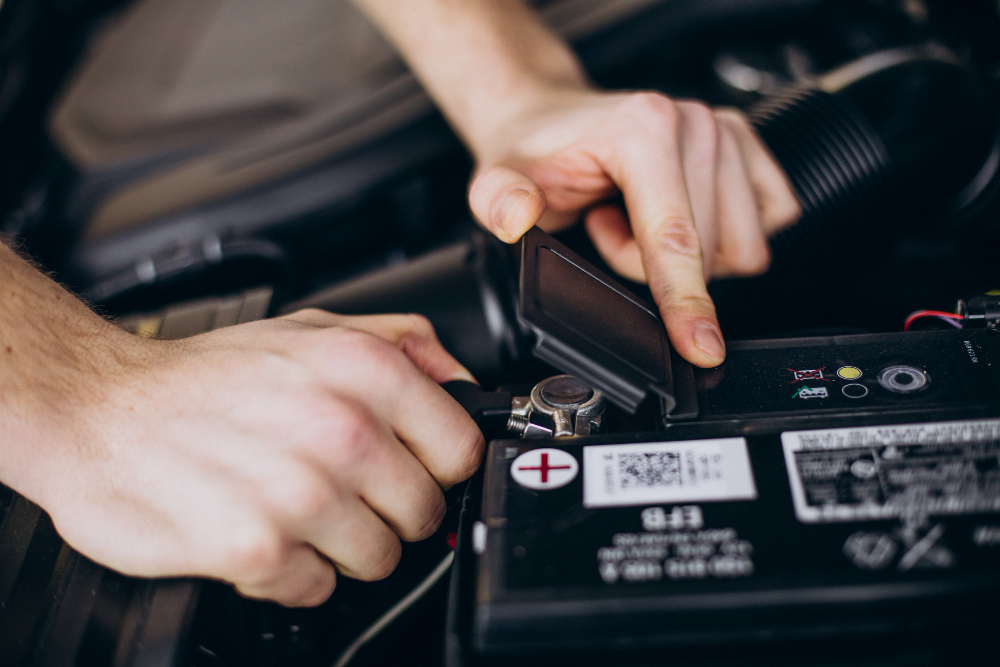
One material releases electrons and another accepts them, and the two are physically separated so the exchange cannot happen directly between them.
The separation is the whole design. Enforced separation is what makes a battery rather than a chemical mixture.
Like our content? Follow us for more.
2. So the Electrons Go the Long Way
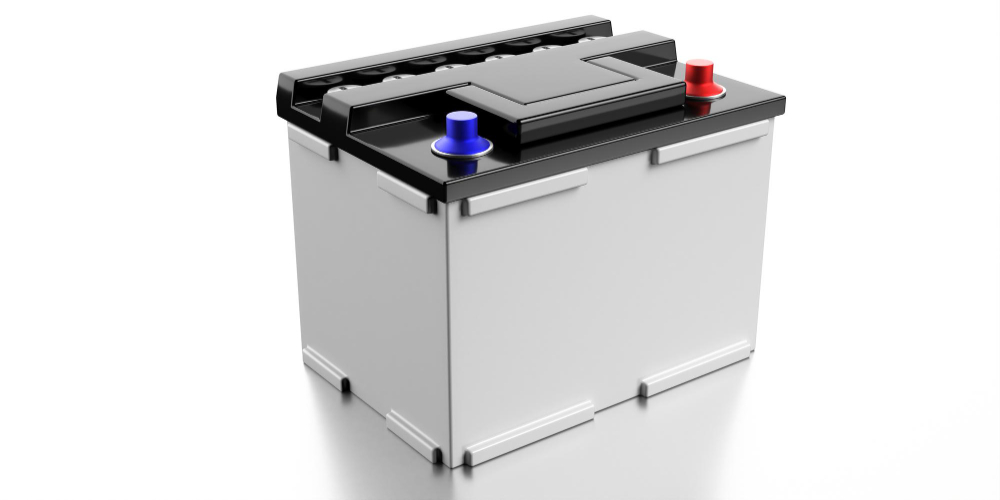
Because the direct route is blocked, electrons released at one side travel through the external circuit to reach the other, and that journey is the electricity being used.
Your device is a detour. The external path is the only route the reaction has available.
3. Something Moves Inside as Well
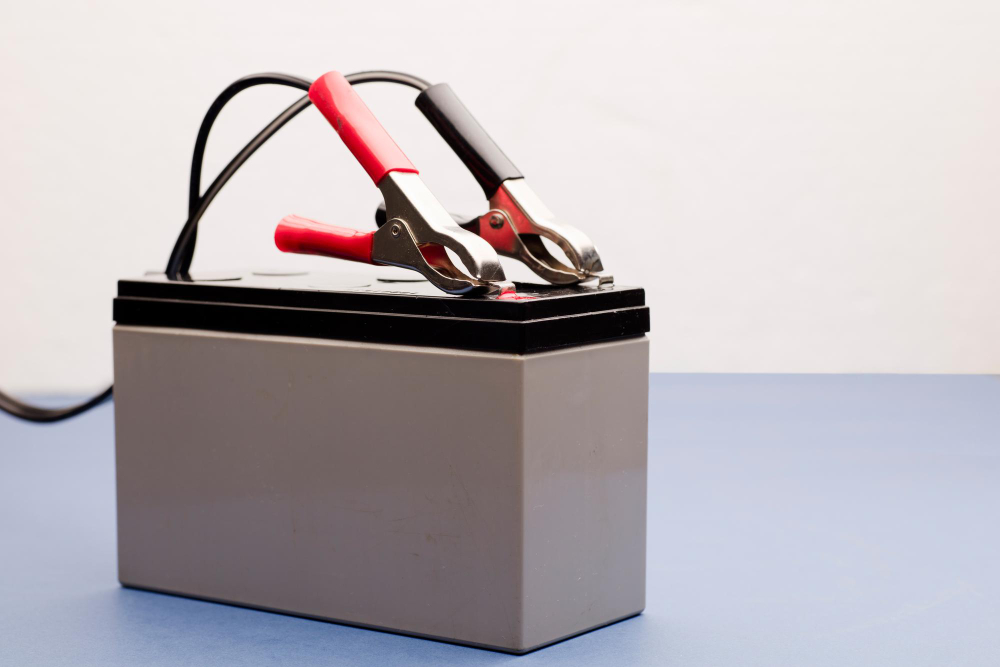
Charge cannot be allowed to accumulate at one end, so ions travel through the material between the two sides to balance it, completing the circuit internally.
Without that the reaction halts immediately. Internal ion movement is the half of the circuit nobody sees.
4. Voltage Comes From the Materials
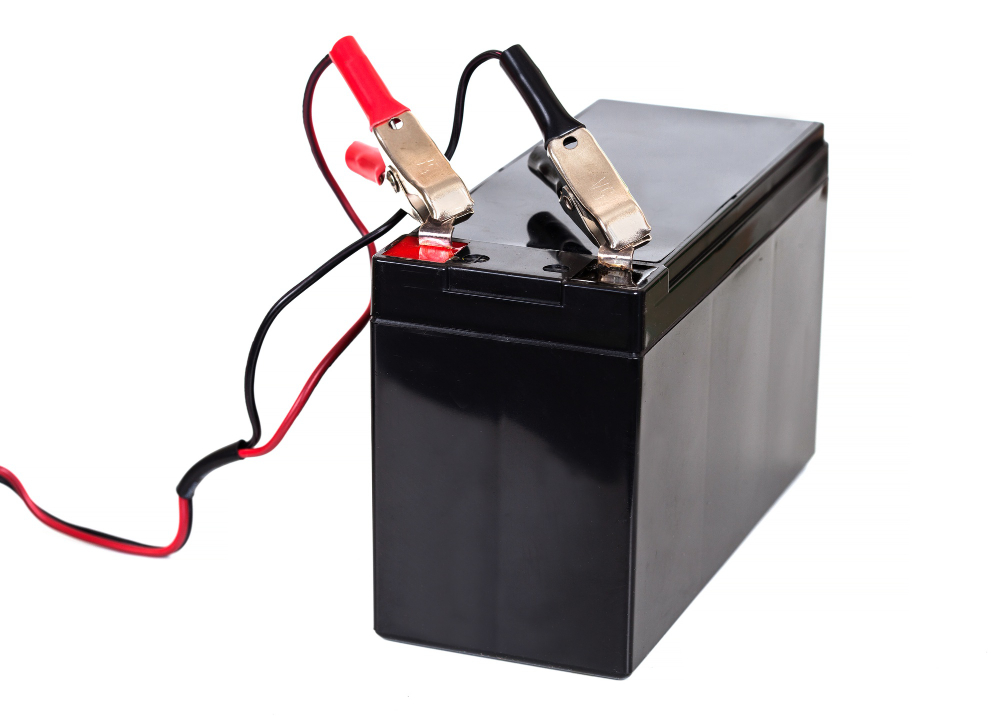
How strongly one side wants to release electrons and the other to accept them sets the voltage, and that is a property of the chemistry rather than of the size.
Two cells of the same type give the same voltage. Chemical potential is what the number on the label describes.
5. And Capacity Comes From the Quantity
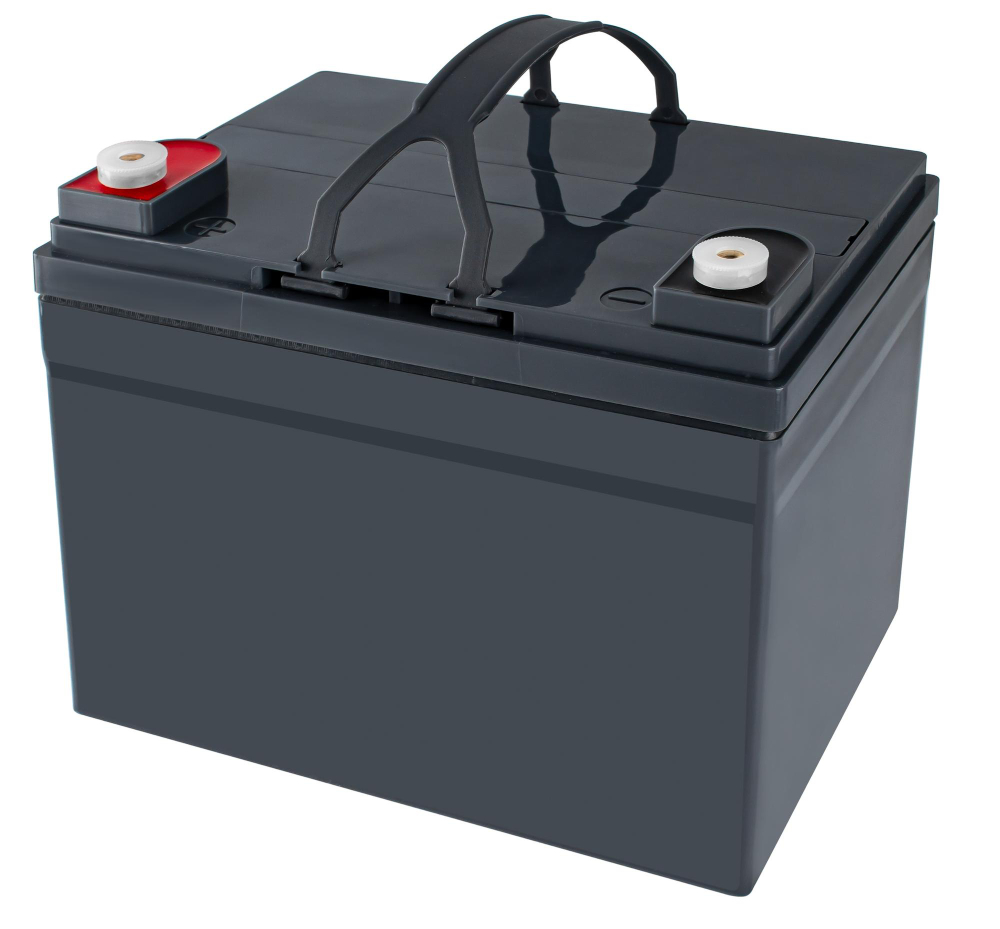
How long it lasts depends on how much reacting material is present, which is why a large cell and a small one of the same type share a voltage and differ enormously in duration.
Size buys time rather than pressure. Material quantity is what capacity actually measures.
6. Some Reactions Run Backwards
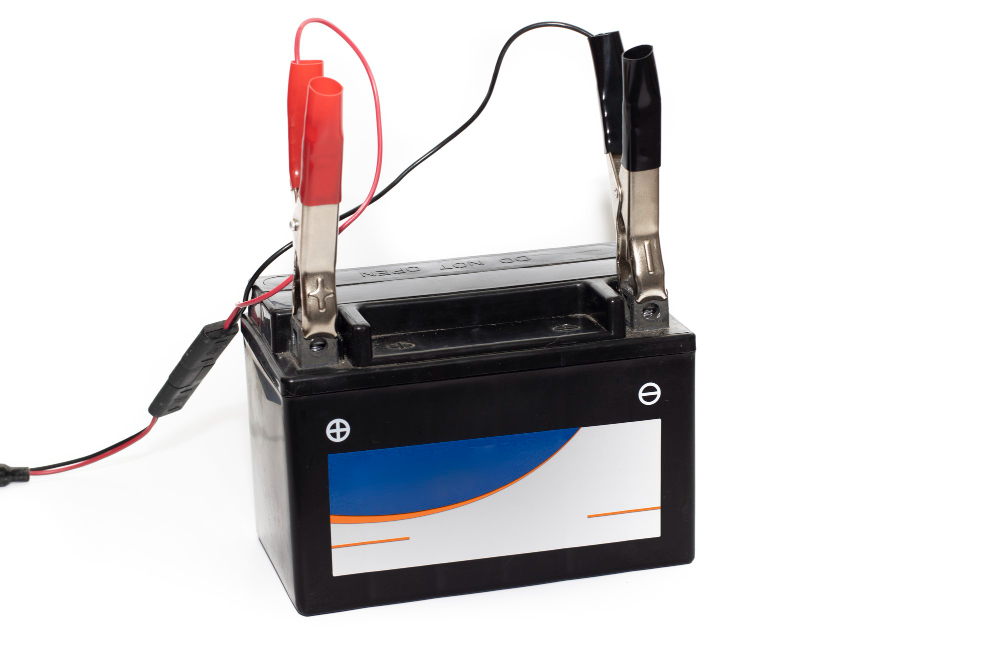
Where the products can be converted back to the original materials by forcing current the other way, the cell can be recharged; where the change is not readily reversible, it cannot.
It is a property of the chemistry rather than of the construction. Reaction reversibility is the only real difference between the two categories.
7. Nothing Inside Is Free
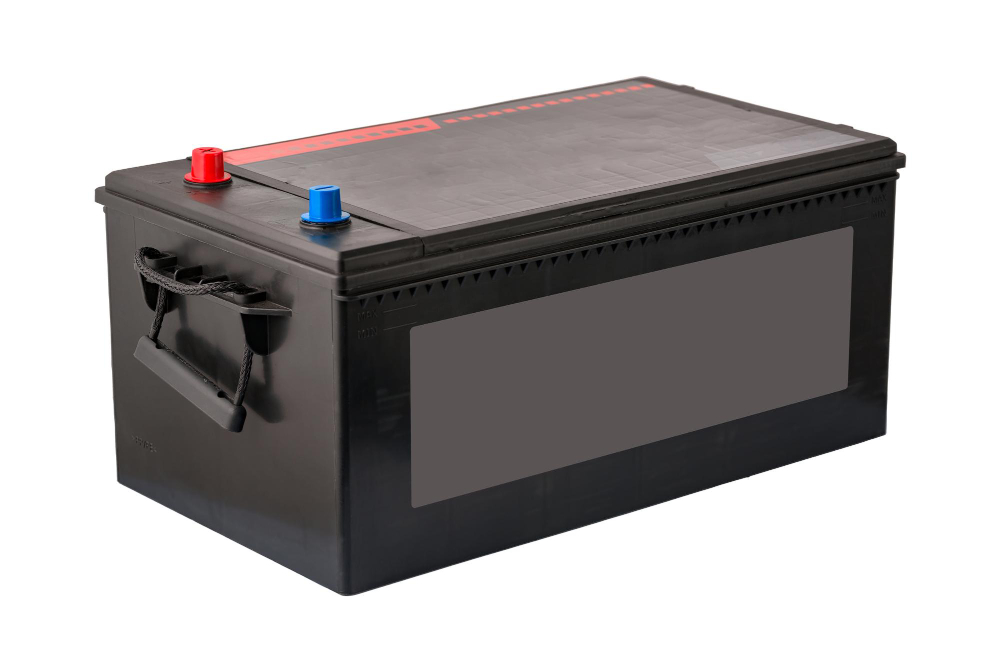
Every internal component resists the flow to some degree, so part of the energy is spent within the battery rather than delivered, and appears as heat.
That is why a working cell warms slightly. Internal resistance is the toll the battery charges itself.
8. Which Limits How Fast It Can Deliver
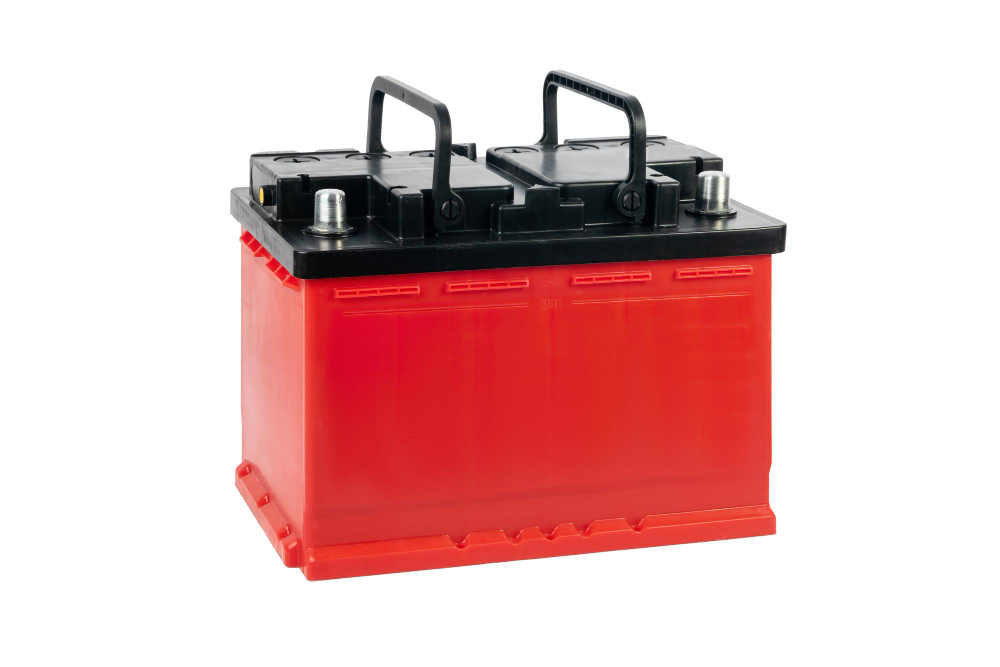
A cell that supplies a small current indefinitely may collapse under a large one, because internal resistance drops the voltage as the current rises.
Capacity and delivery rate are separate specifications. Current limitation is why a full battery can still seem inadequate.
9. Cold Slows Everything Down
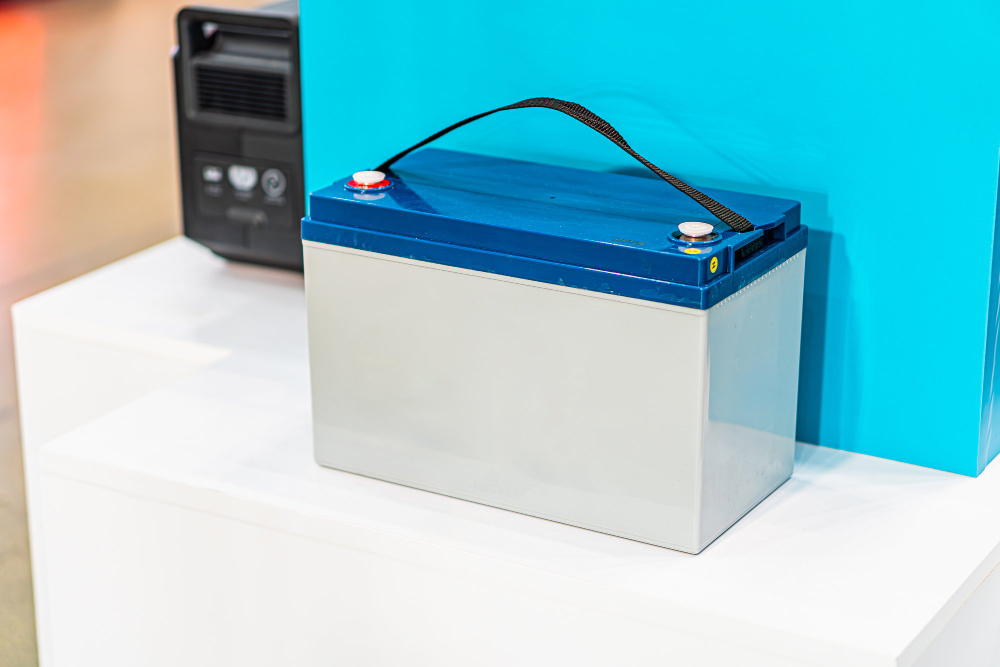
Chemical reactions proceed more slowly at low temperature, so a cold cell delivers less and appears flat, and generally recovers when warmed.
The capacity has not been lost. Temporary cold reduction is the commonest false diagnosis there is.
10. It Runs Down Doing Nothing
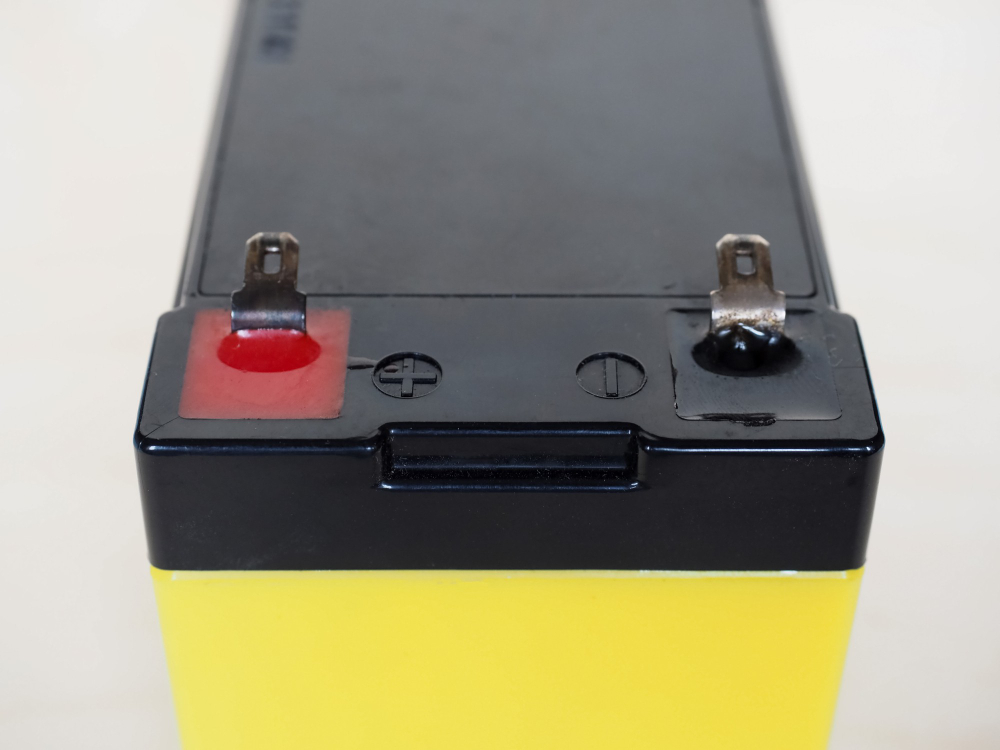
Slow unwanted reactions proceed internally even with nothing connected, which means a cell discharges gradually while sitting in a drawer.
The rate varies enormously between types. Self-discharge is why storage has a limit.
11. Leakage Is the Casing Failing
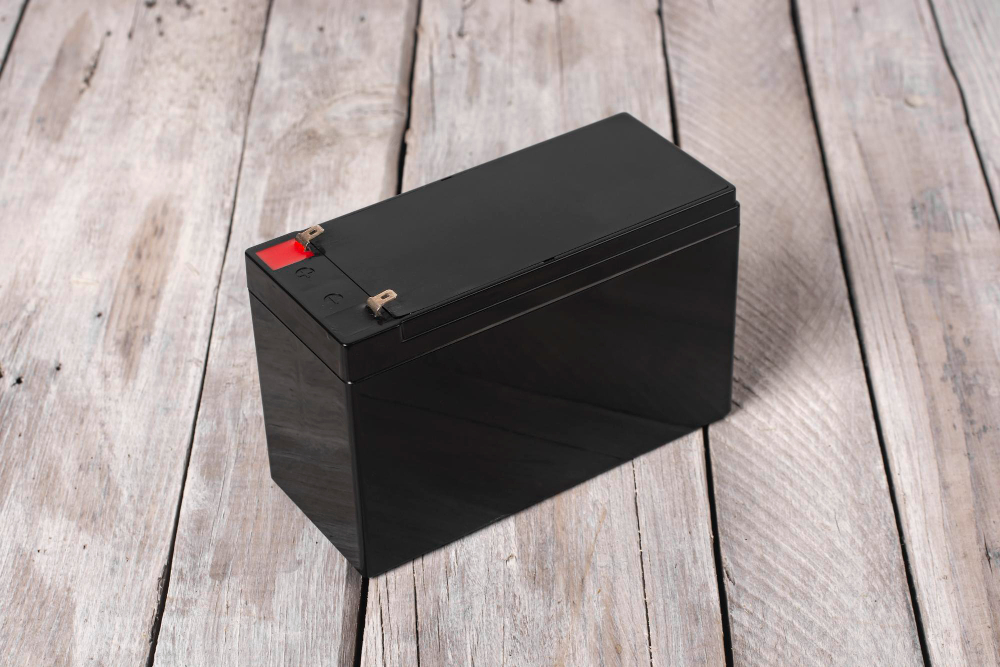
As reactions proceed past exhaustion, pressure and corrosion can breach the container and release the material inside – which is an enclosure failure rather than a chemical one.
It generally happens after the cell is flat. Casing breach is what leaking physically is.
12. Mixing Old and New Is Truly Harmful
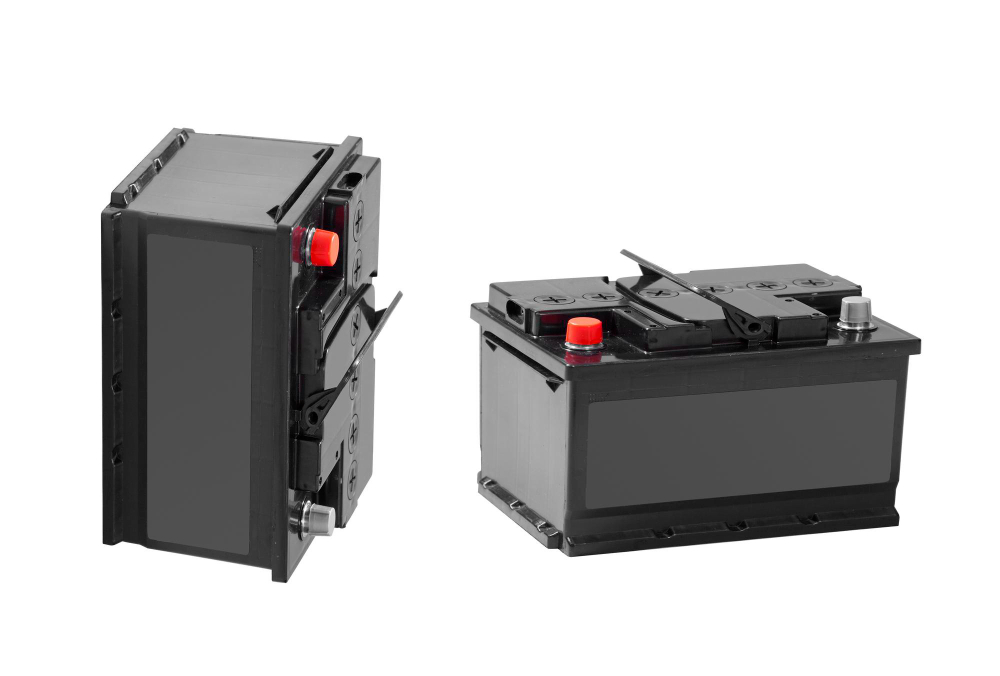
Cells in series carry the same current, so a weaker one is driven by the stronger ones past the point where it should have stopped, which damages it and can produce the condition that causes leakage.
It is not merely inefficient. Forced discharge is why the instruction to replace them together exists.
13. Capacity Fades With Use
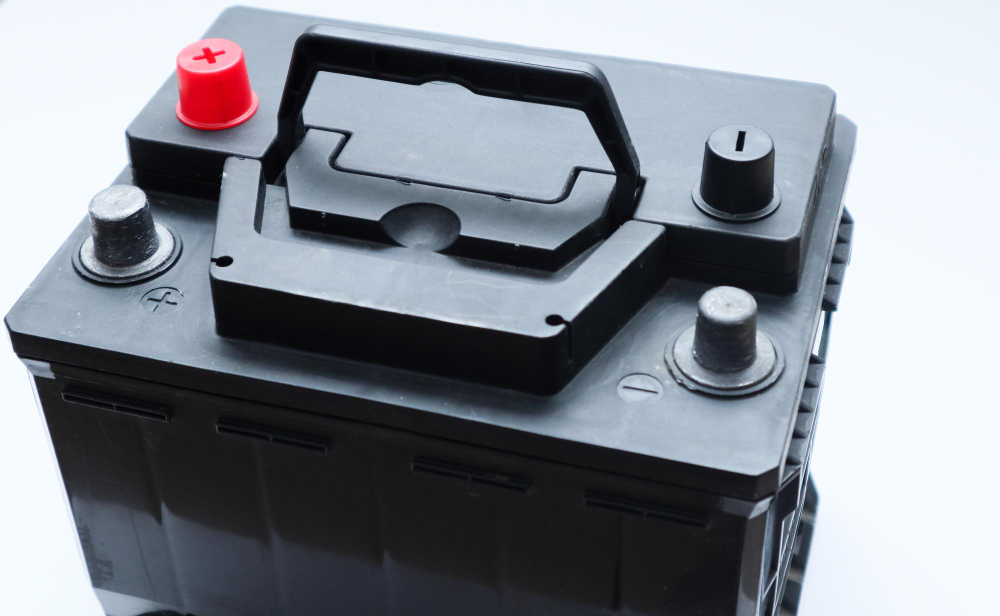
Repeated cycling produces physical and chemical changes at the electrodes that progressively reduce how much material remains available, and the loss is permanent.
The decline is gradual and irreversible. Cycle ageing is why a rechargeable cell has a life measured in cycles.
14. A Flat Battery Is Not Empty
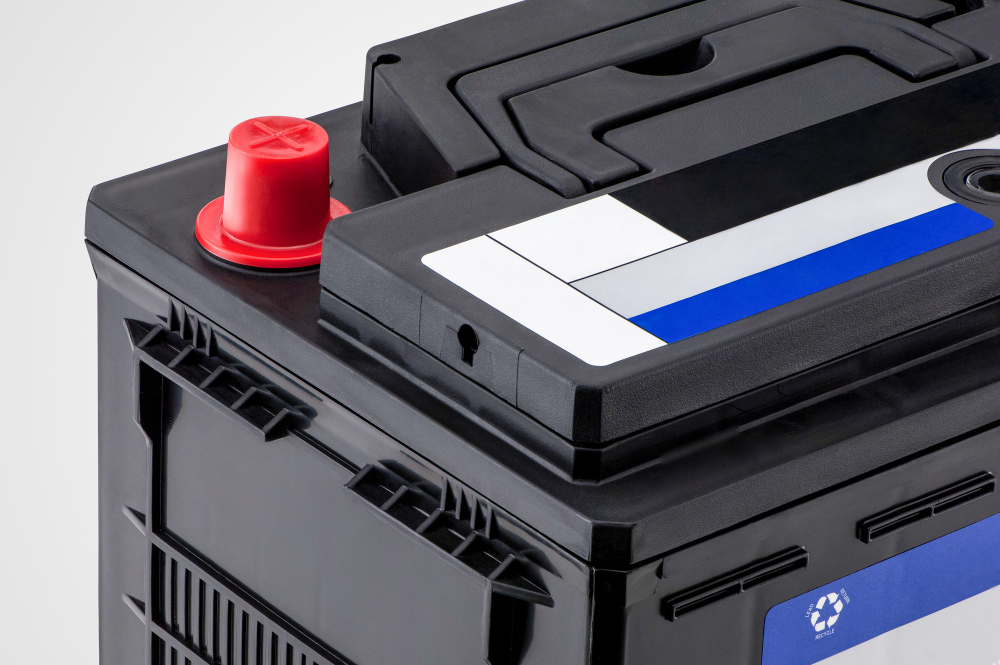
It contains exactly as much matter as when full, chemically rearranged into a lower-energy state – so nothing has left it and nothing has been used up in the ordinary sense.
The mass is unchanged throughout. Rearrangement rather than depletion is what discharge actually consists of.
A Reaction With a Toll Gate
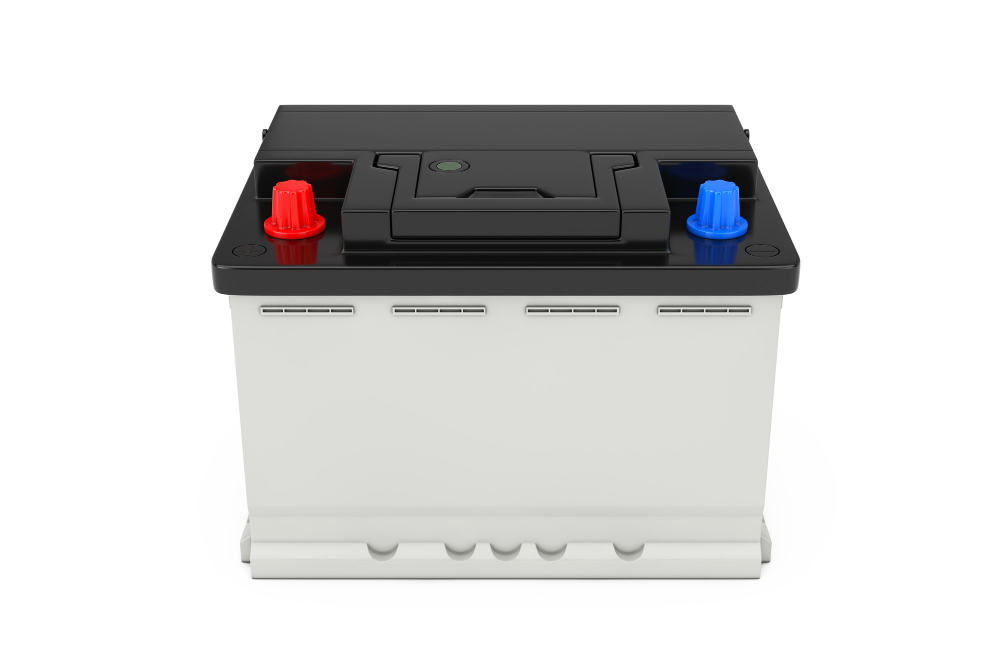
Two reactions held apart, electrons forced the long way round, ions completing the circuit inside, a voltage set by chemistry and a capacity set by how much material is in there.
One necessary note: batteries present real hazards, and how to charge, store, handle and dispose of any particular type is a matter for the manufacturer instructions and current local guidance rather than for an article about chemistry. Nothing above is advice on any of that, deliberately.
Like our content? Follow us for more.