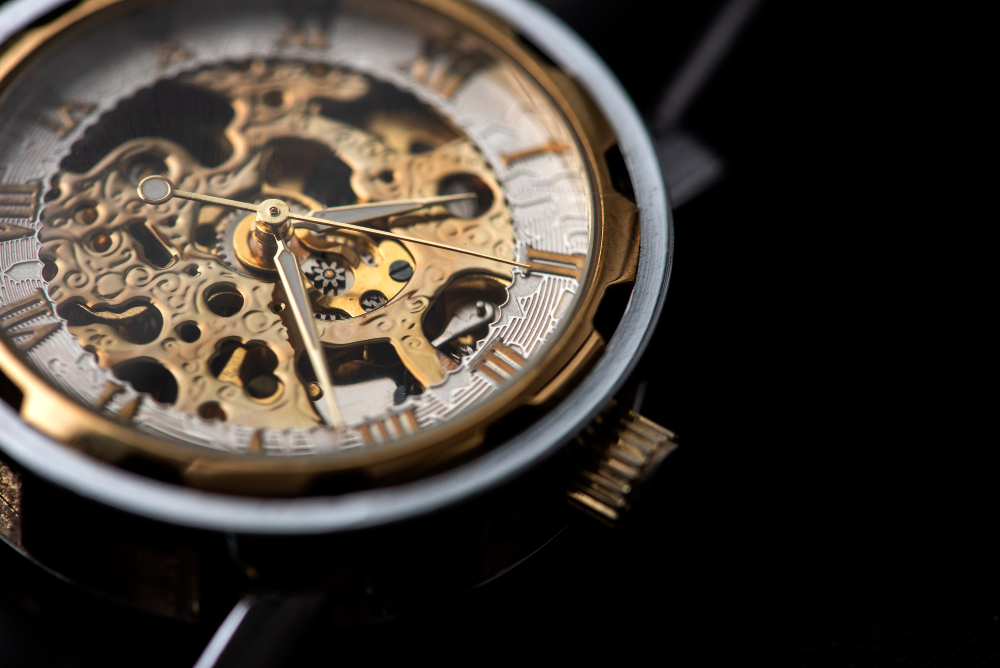
Everything difficult about a watch comes from being small, portable and attached to somebody. The timekeeping principles are the same as a clock; the conditions are entirely different. Here are twelve.
1. The Power Has to Be Wound Up
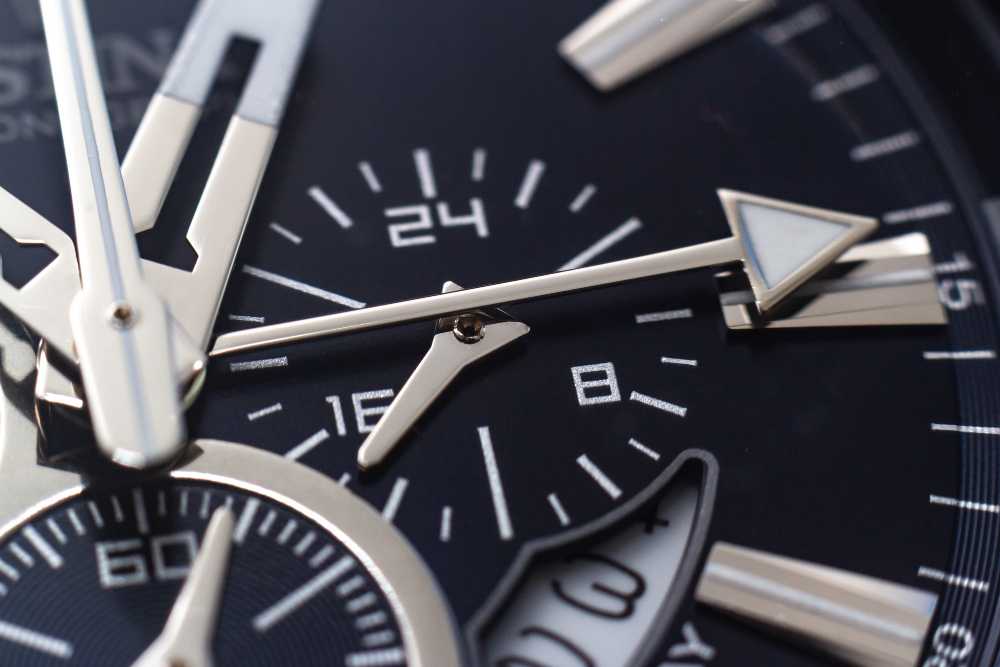
With no weight to hang, energy is stored in a coiled spring, which is compact and delivers force that varies as it unwinds rather than staying constant.
A weight pulls evenly and a spring does not. Spring storage is the first compromise portability forces.
Like our content? Follow us for more.
2. So the Force Changes as It Runs Down
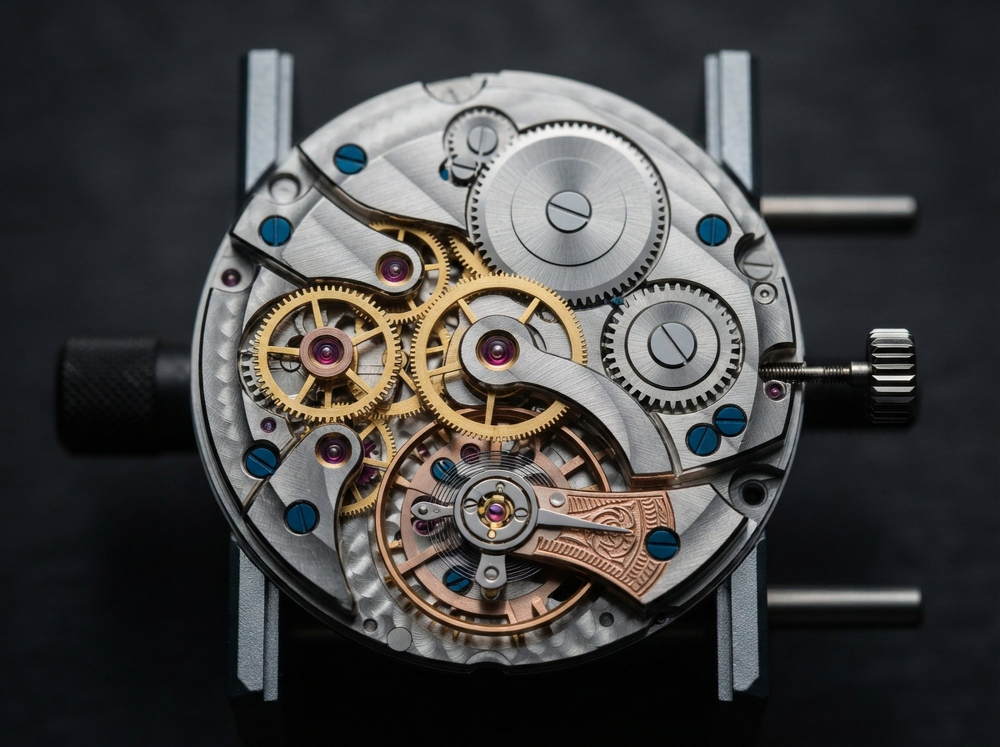
A fully wound spring pushes harder than one nearly unwound, which changes how hard the regulator is driven and therefore how fast the watch runs.
Accuracy drifts across the reserve. Uneven torque is a problem clocks with weights never have.
3. And the Regulator Is a Spring Too
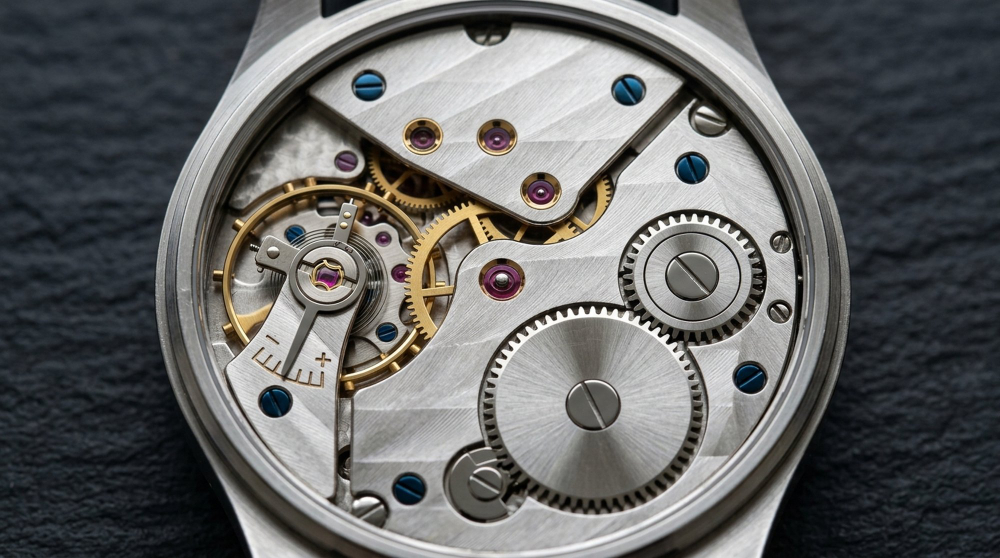
With no room for a pendulum, a small weighted wheel oscillating against a fine hairspring keeps time, which works in any orientation and is far more susceptible to everything else on this list.
It is the pendulum problem solved differently. The balance wheel is what makes a watch possible and fragile.
4. Gravity Pulls on It Differently in Every Position
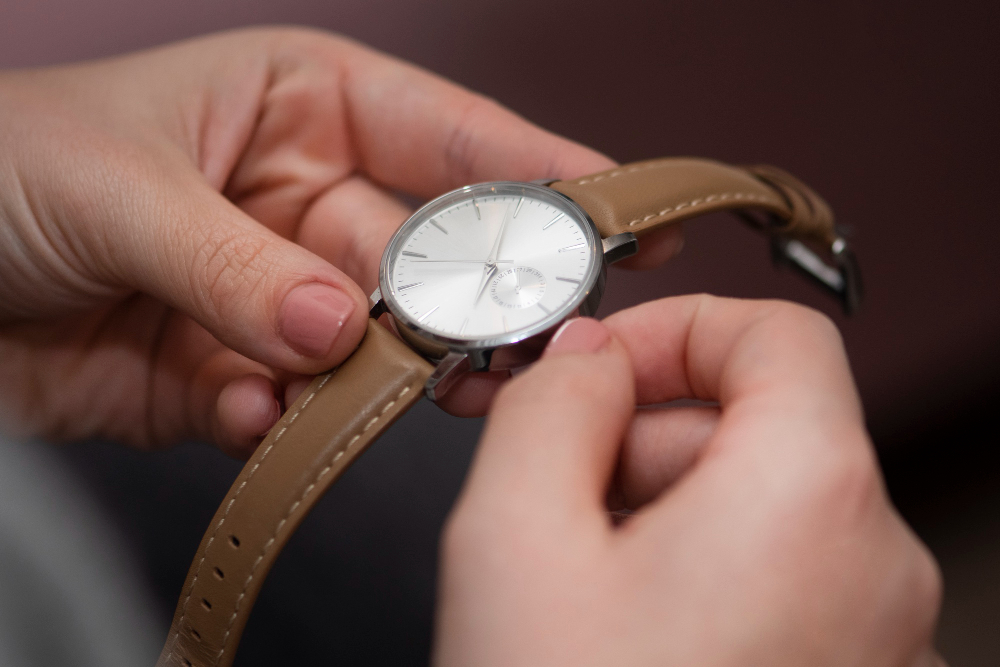
A balance wheel lying flat is loaded differently from one standing vertical, which changes its rate – so a watch keeps different time depending on how it is held.
A clock never moves. Positional variation is the problem unique to something worn.
5. Which Is Why They Are Adjusted in Several Positions
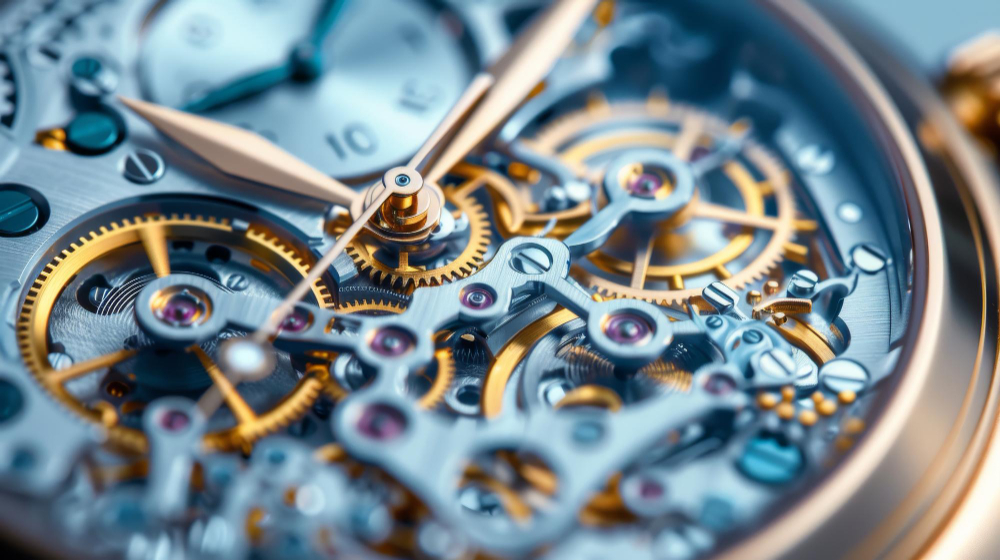
Regulation involves measuring the rate in a range of orientations and adjusting so the errors partly cancel, rather than setting it correctly in one.
It is a compromise across positions. Multi-position regulation is averaging an unavoidable error.
6. And Why Somebody Made the Whole Thing Rotate
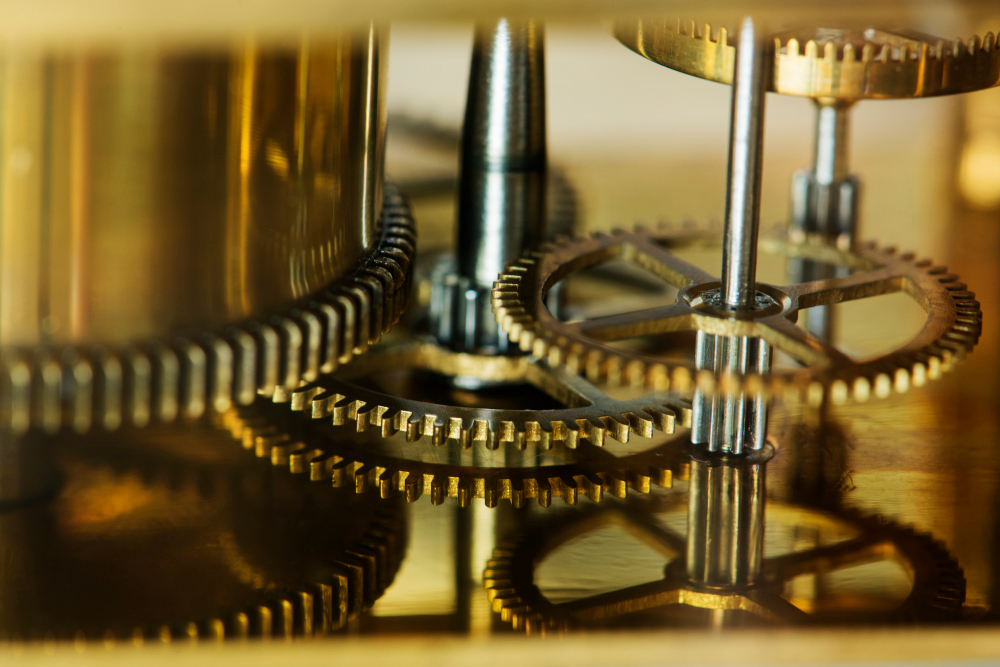
One solution mounts the regulator in a carriage that turns continuously, so it passes through every orientation repeatedly and the positional errors average out over each revolution.
It is an elegant answer to a narrow problem. Rotating the escapement is the most elaborate fix on this list.
7. Temperature Changes the Rate
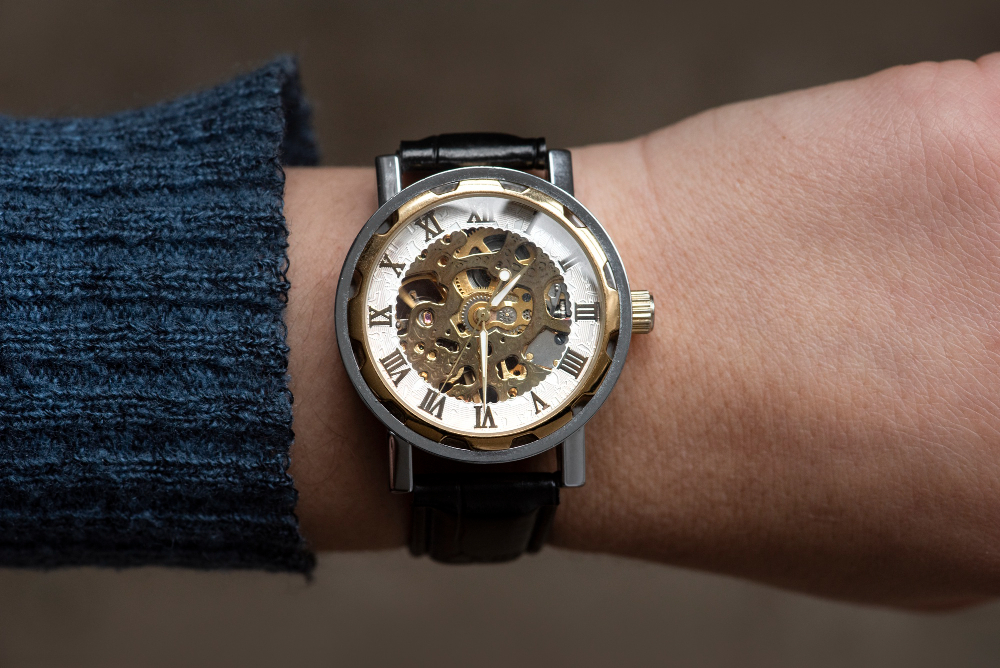
Metal expands when warm, which alters both the hairspring and the balance, and a watch moved between a cold street and a warm room is changing rate continuously.
The effect is measurable over a day. Thermal sensitivity is what being carried actually costs.
8. So the Materials Have to Cancel It Out
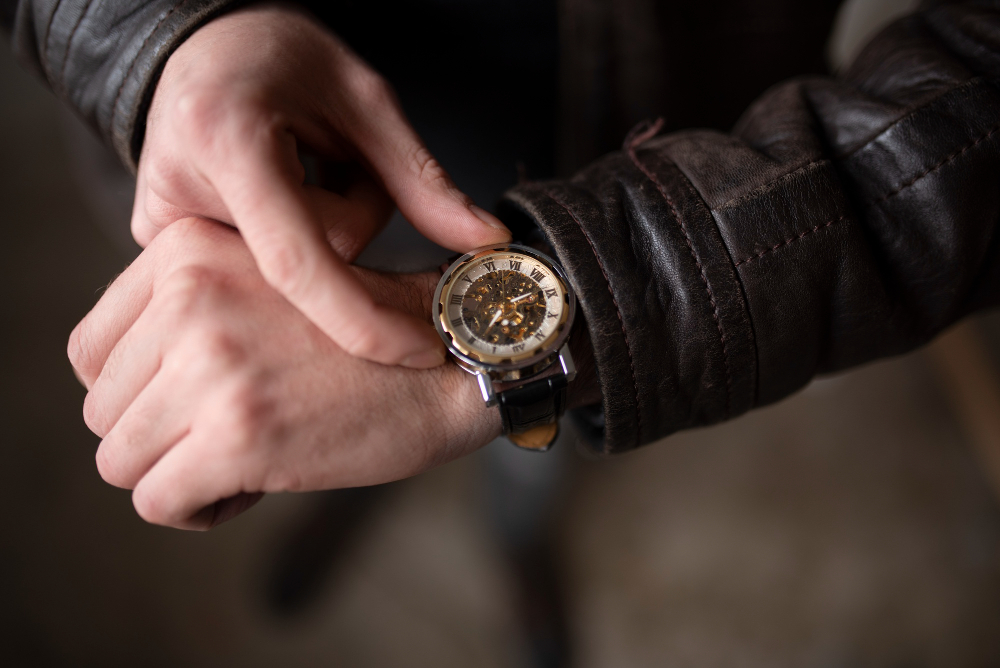
The solution is alloys and constructions chosen so that the expansion of one component offsets the effect on another, keeping the rate stable across a range.
It is chemistry solving a mechanical problem. Compensating materials are why modern movements tolerate temperature.
9. It Winds Itself From Being Worn
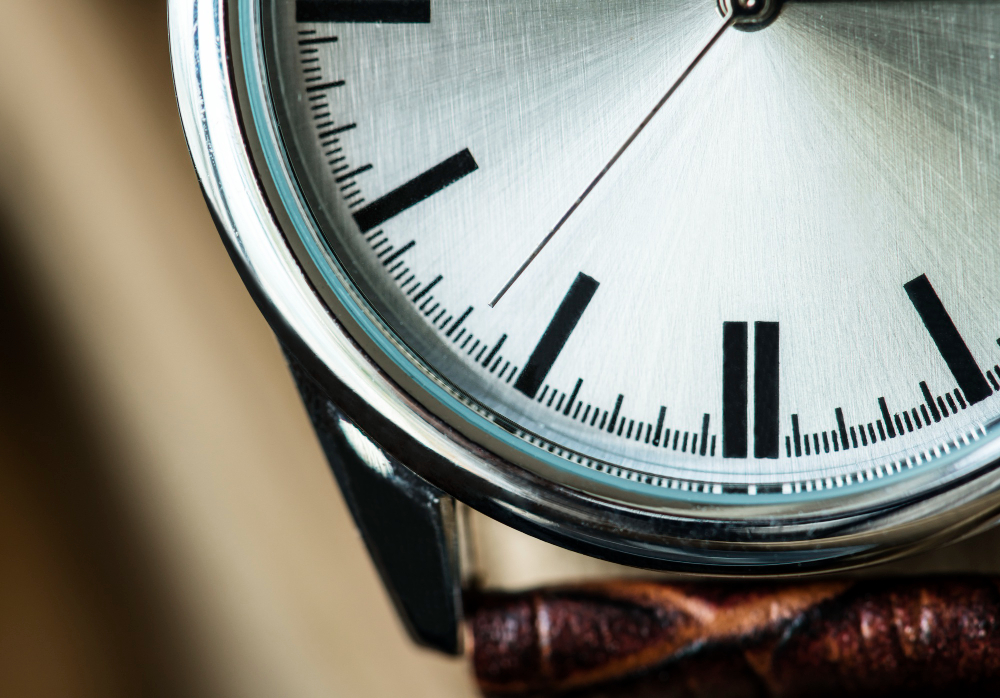
A weighted rotor pivoting freely turns as the arm moves and winds the spring through a gear train, which removes the daily winding and keeps the spring in its more consistent range.
Movement becomes the power source. Self-winding is portability turned into an advantage.
10. Everything Has to Survive Being Knocked
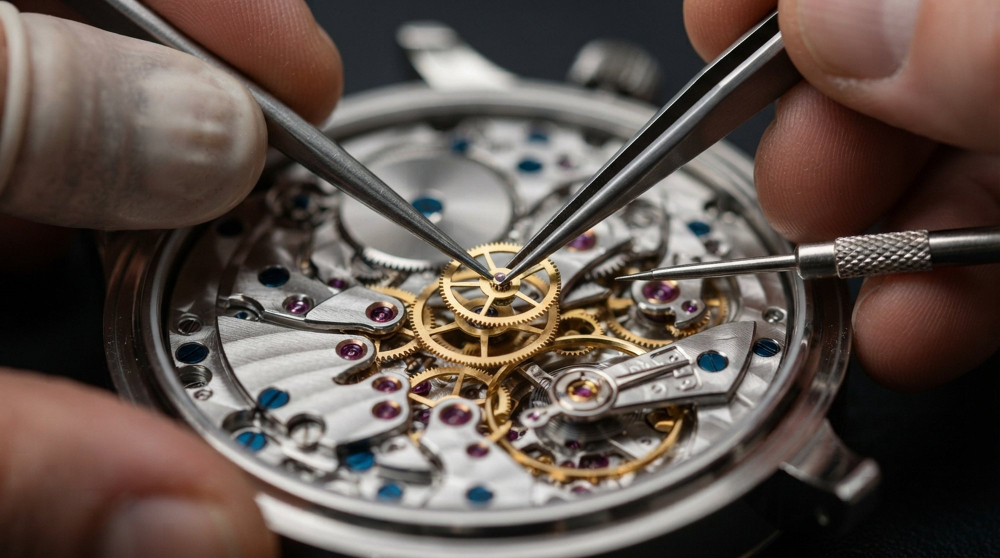
A watch receives impacts continuously that would destroy an equivalent clock mechanism, so the delicate pivots are mounted in settings that can move slightly and absorb shock.
Without that they snap. Shock protection is what makes a fragile mechanism wearable.
11. The Seals Are the Only Thing Keeping Water Out
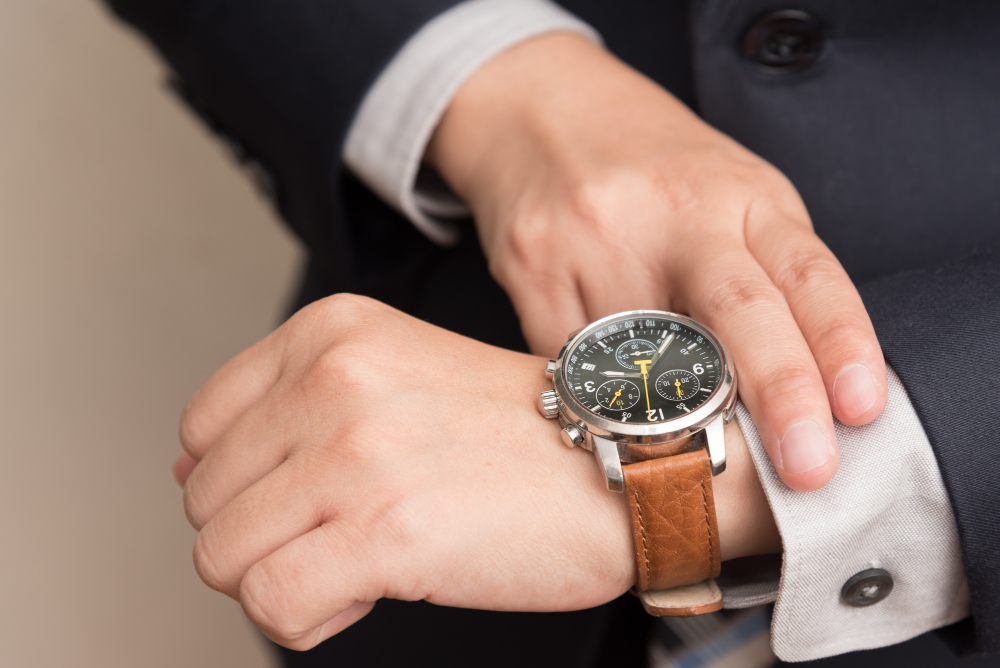
Resistance depends entirely on compressible seals at the case back, the crown and the crystal, and those degrade with age, heat and use rather than lasting indefinitely.
An old watch is not as sealed as a new one. Seal deterioration is invisible until it matters.
12. A Crystal Solved All of It at Once
A quartz crystal vibrating at a highly stable frequency, divided down electronically, is unaffected by position, barely affected by temperature and needs no escapement – which made every problem above irrelevant and cost almost nothing.
It is more accurate by a wide margin. Electronic regulation is why the mechanical version became a choice rather than a necessity.
Everything That Comes From Being Carried

A spring that pushes unevenly, a regulator affected by which way it is held, metal that changes with temperature, seals that age and a crystal that made all of it optional.
The last item is the honest ending. A quartz movement is more accurate than almost any mechanical watch ever made, costs a fraction as much and requires none of the ingenuity described above – which means everything on this list is now a set of solved problems that somebody chooses to keep solving.
Like our content? Follow us for more.