Almost nothing about a reef is the animals. It is a structure they built, shaped by light, waves and water depth, and every part of its form is a record of those. Here are seventeen.
1. The Animals Are Farming
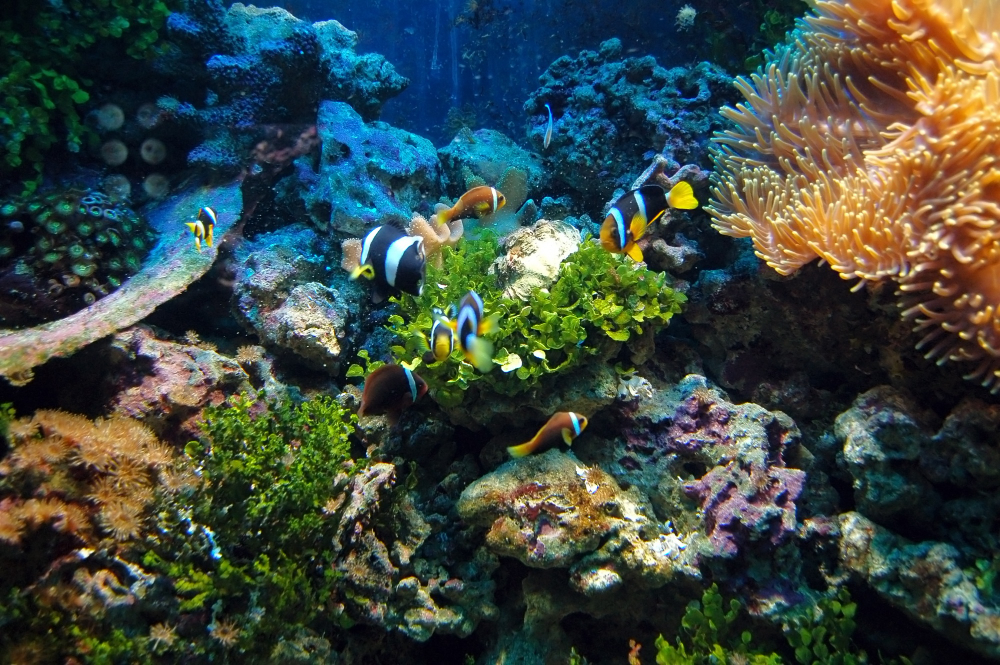
Reef-building corals host photosynthetic organisms inside their own tissue, which supply most of their energy – so the animal is partly powered by sunlight.
It is a partnership rather than feeding. Internal photosynthesis is what makes reef-building possible.
Like our content? Follow us for more.
2. Which Is Why Reefs Are Shallow
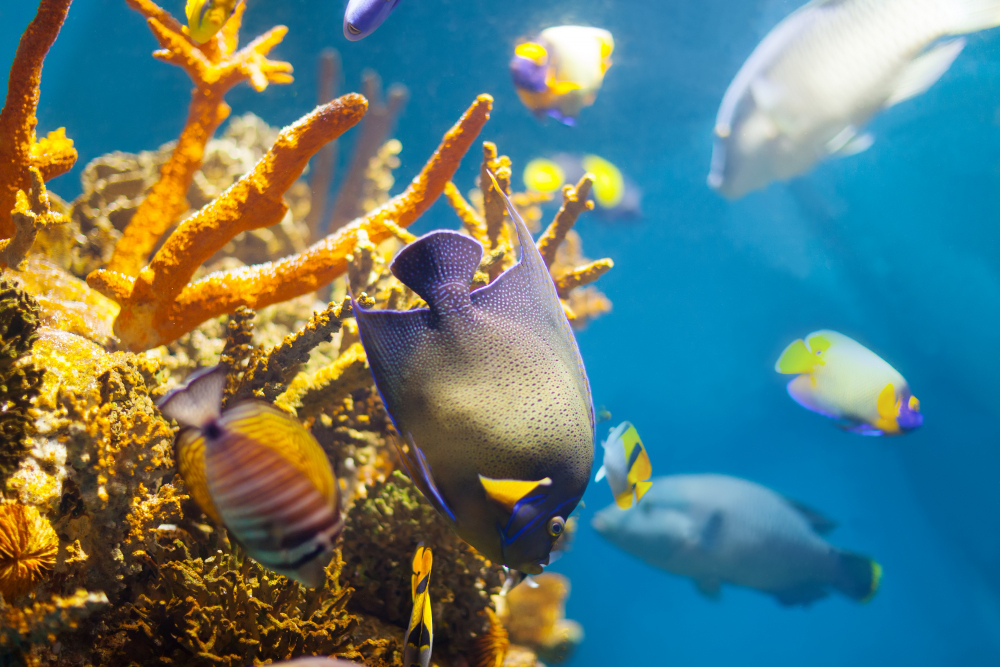
Because the energy comes from light, the corals that build reefs cannot live below the depth light reaches usefully – which confines the whole structure to shallow water.
Depth is a hard limit rather than a preference. Light dependence is the constraint on every reef.
3. The Structure Is Almost Entirely Dead
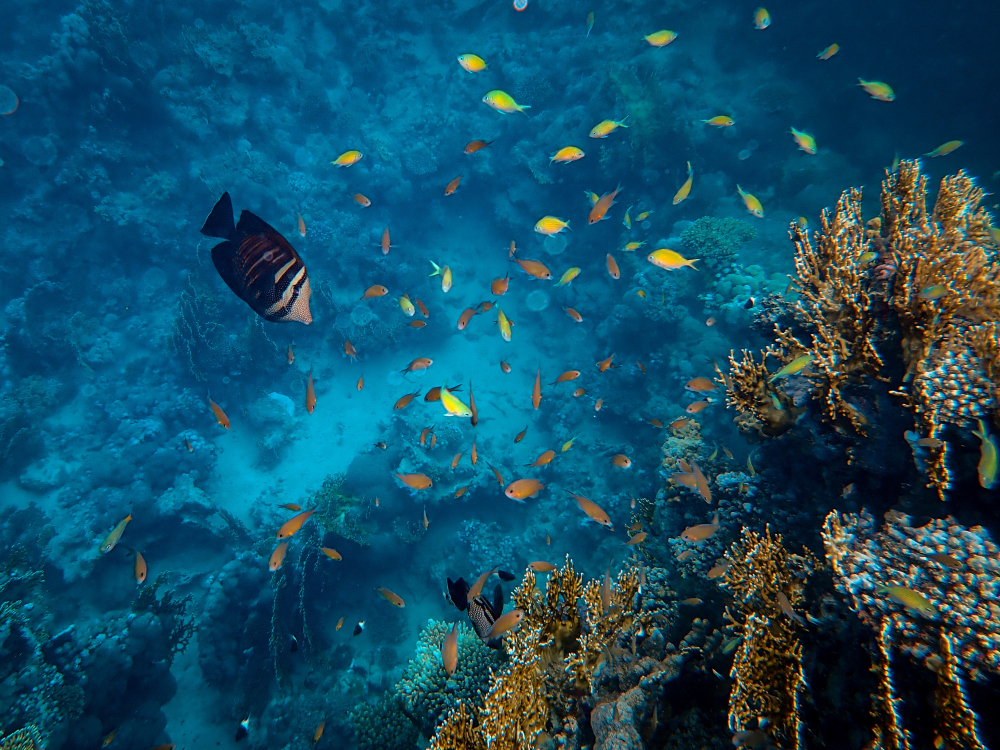
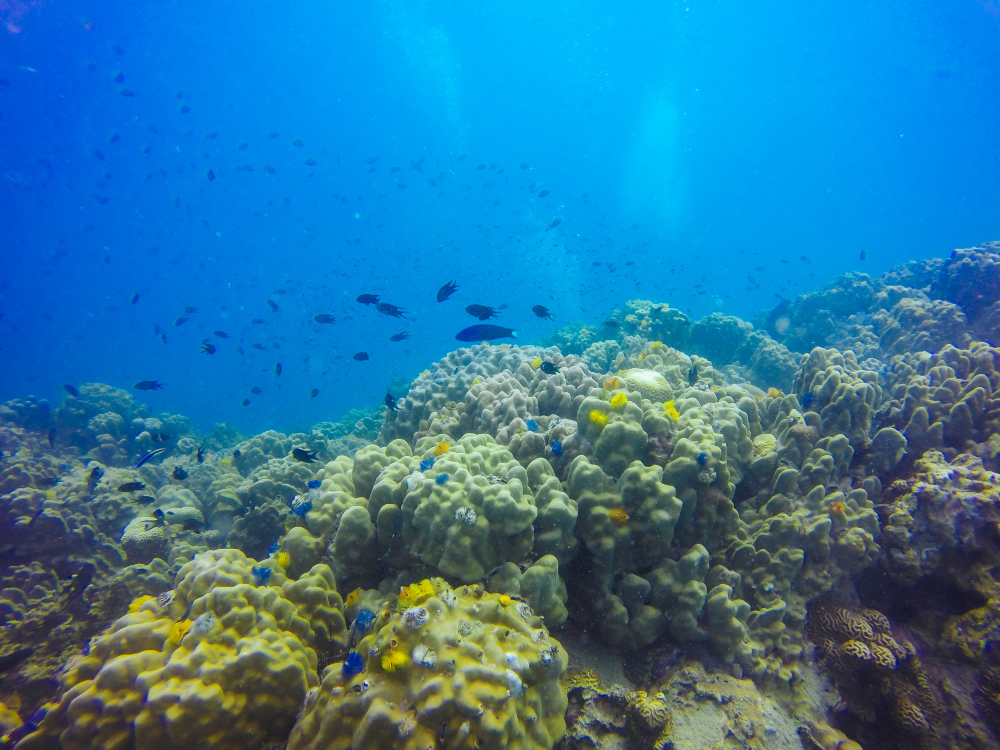
Each generation deposits skeleton and dies, leaving the mass behind, so a reef is accumulated carbonate with a thin living layer over the top.
The living part is millimetres deep. Accumulated skeleton is what a reef physically is.
4. It Cannot Grow Above the Water
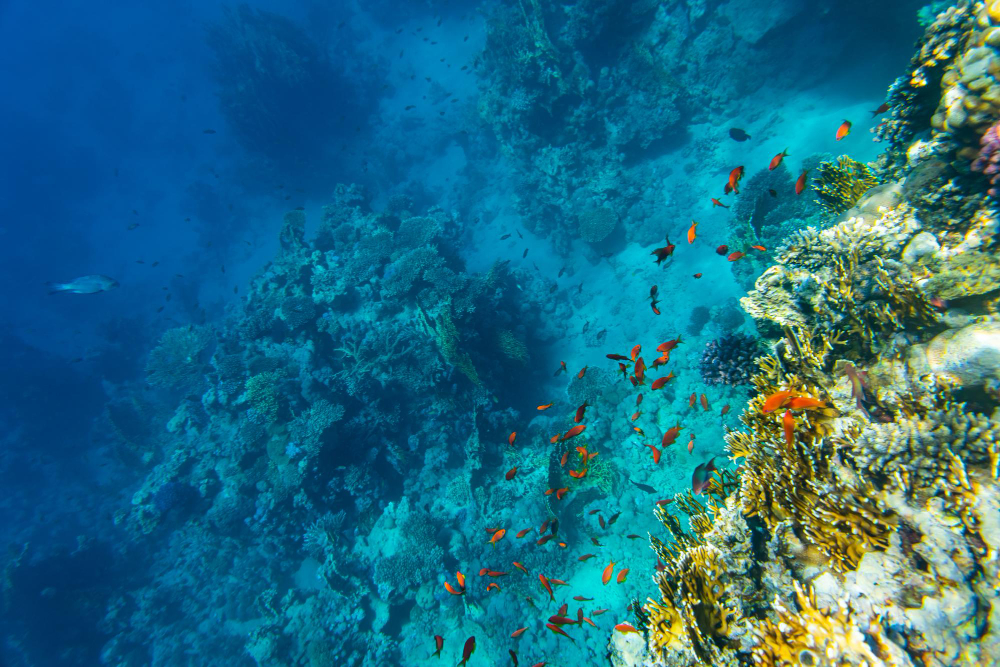
Coral exposed to air dies, so upward growth stops at low tide level – which is why reef tops are remarkably flat across enormous areas.
The sea surface acts as a ceiling. Exposure limit is what produces the flat top.
5. A Reef Against the Shore Is the Simplest Kind
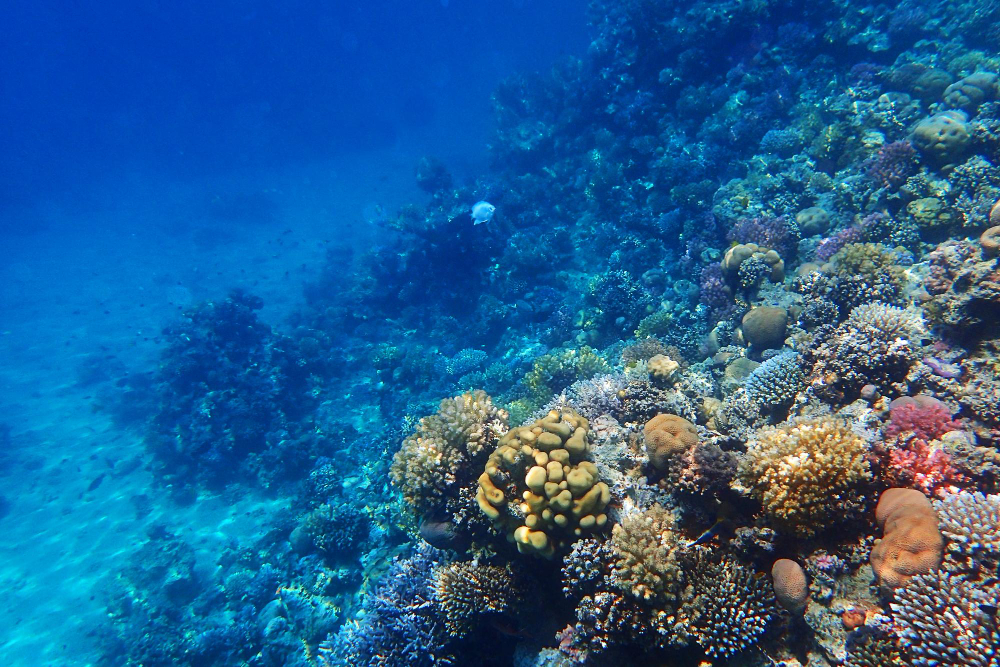
Where coral grows directly out from land with no gap, the result is a shelf extending seaward from the coast, following the shoreline.
It is the starting form. Fringing reefs are coral growing where the land already is.
6. A Gap Behind It Means Something Moved
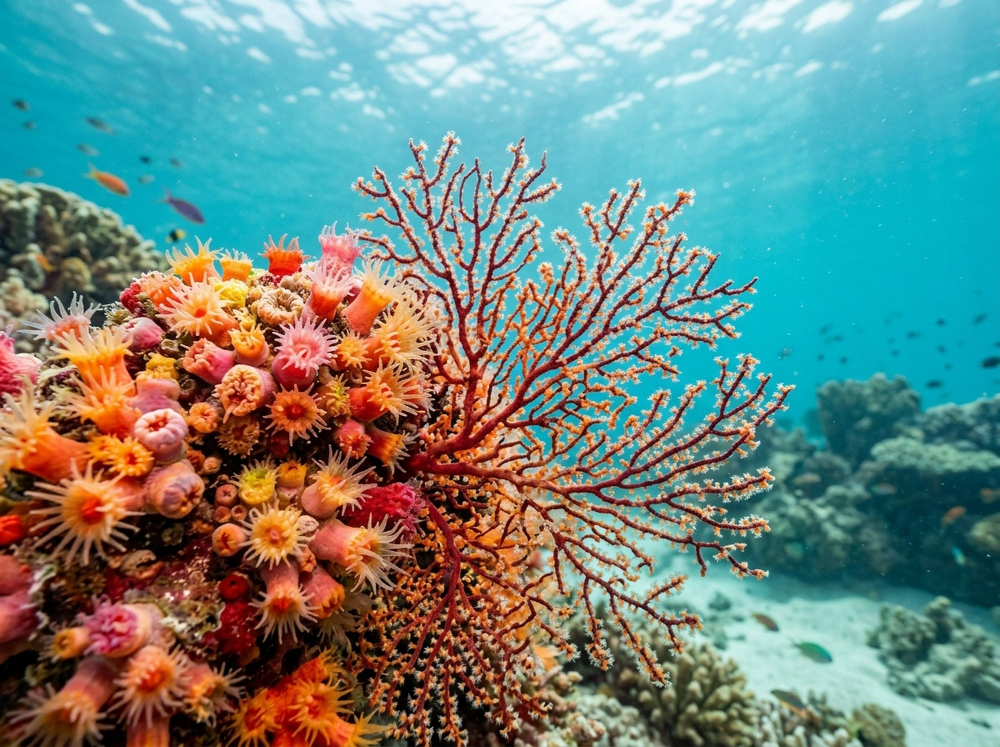
Where a reef sits offshore with a lagoon between it and the land, either the reef grew seaward or the land sank – and both leave the same arrangement.
The gap is the informative part. Barrier reefs record a separation that developed.
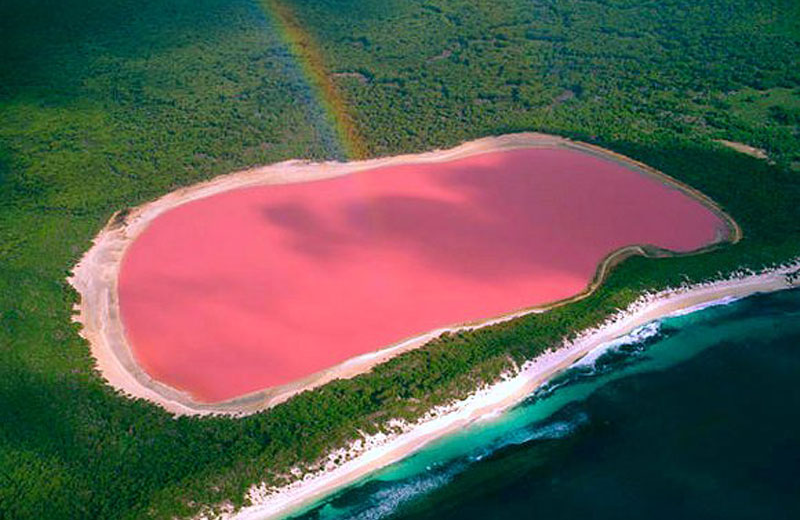
7. And a Ring With No Island Means the Island Went
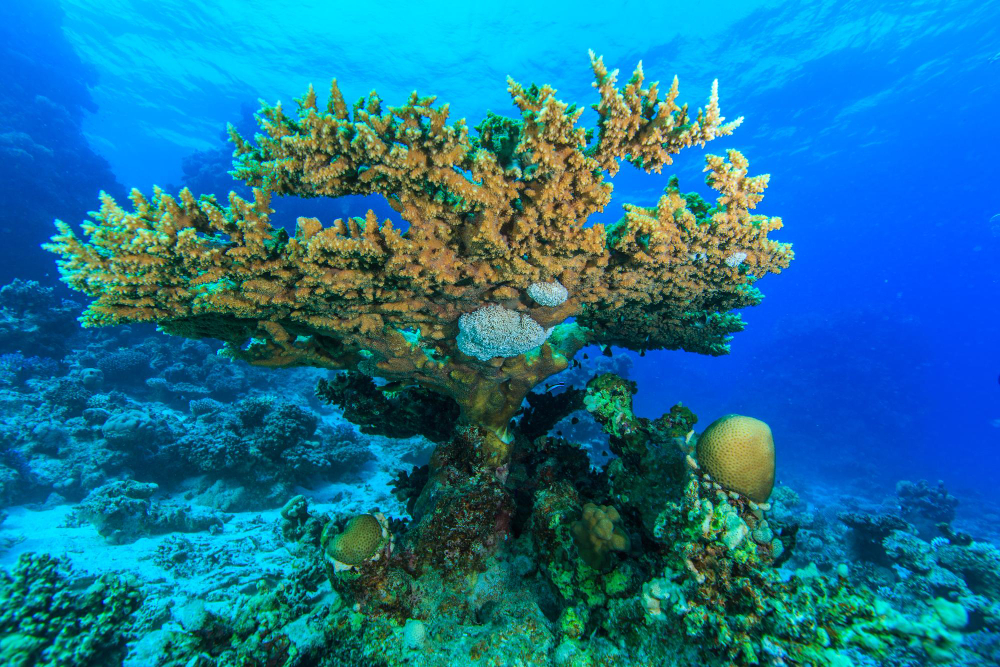
A circular reef enclosing a lagoon with no land in the middle marks where an island used to be, with the reef growing upward as the island subsided beneath it.
The shape outlines something absent. Atolls are the outline of a vanished island.
8. That Explanation Was a Guess for a Century
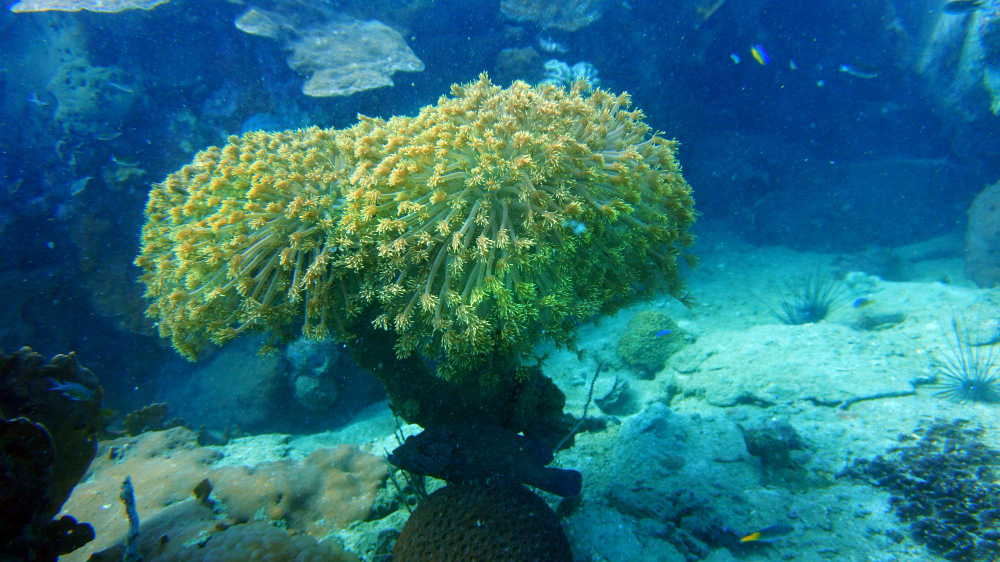
The subsidence account was proposed from surface observation long before anybody could test it, and was confirmed much later by drilling through an atoll to find volcanic rock far below.
It was a prediction rather than a description. The confirmed hypothesis is one of the cleaner cases in geology.
9. The Seaward Side Takes the Waves
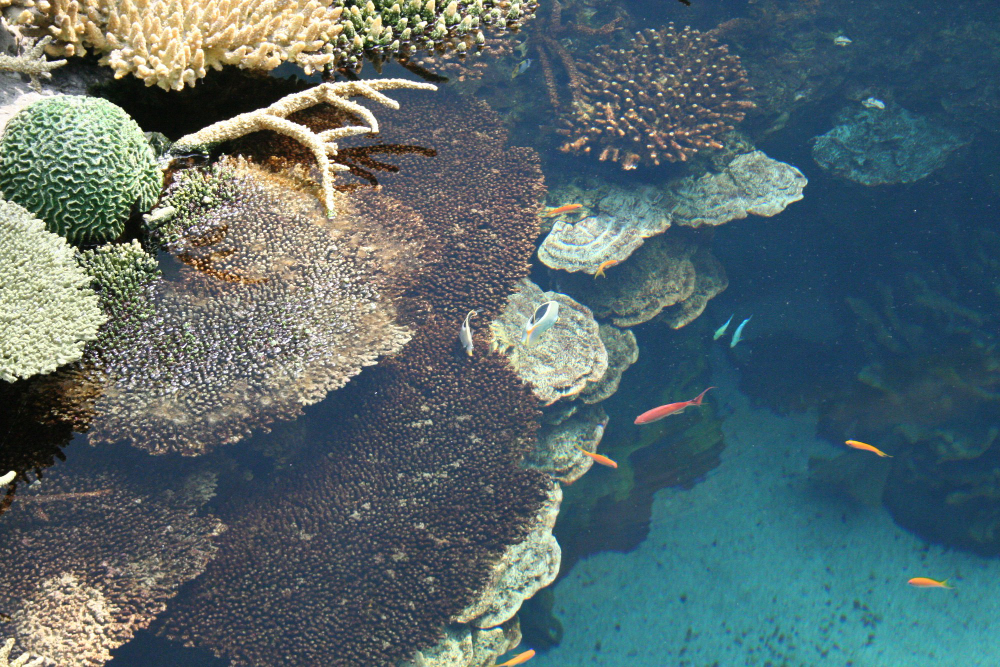
The front of a reef faces the open ocean and receives the full wave energy, which produces a steep, solid, wave-resistant face.
It is the strongest part of the structure. The reef front is built by what it endures.
10. So the Coral There Grows Differently
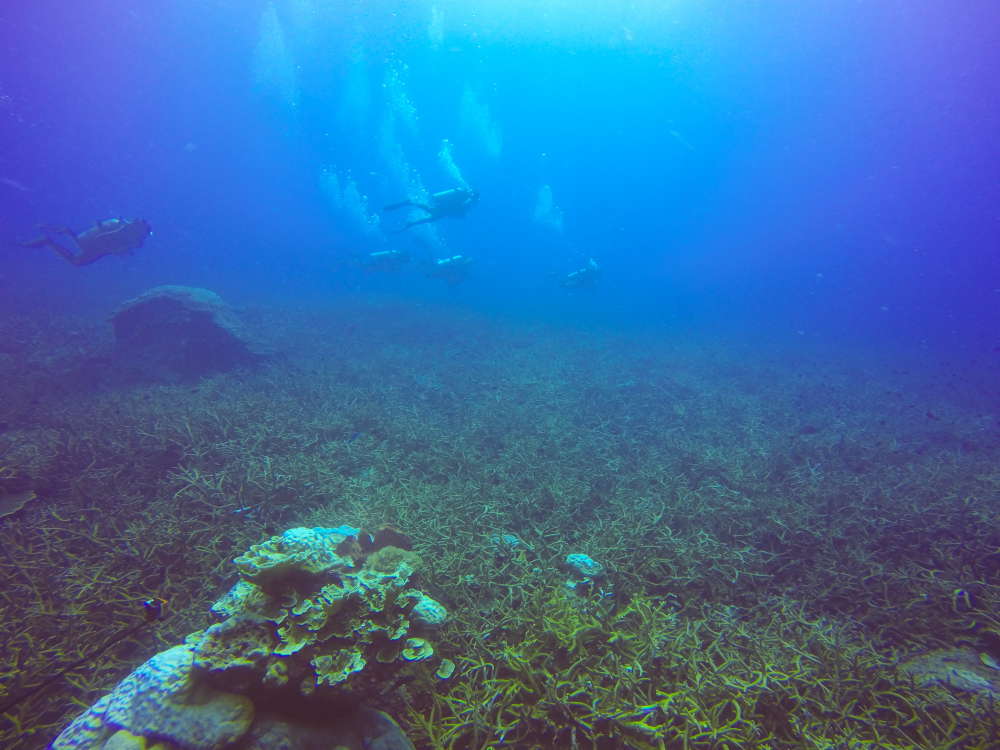
Where waves are strong, corals grow as robust low encrusting and massive forms; in sheltered water behind, they grow as delicate branching ones.
The same animals build different shapes. Growth form is a record of local wave energy.
11. The Flat Top Is the Working Surface
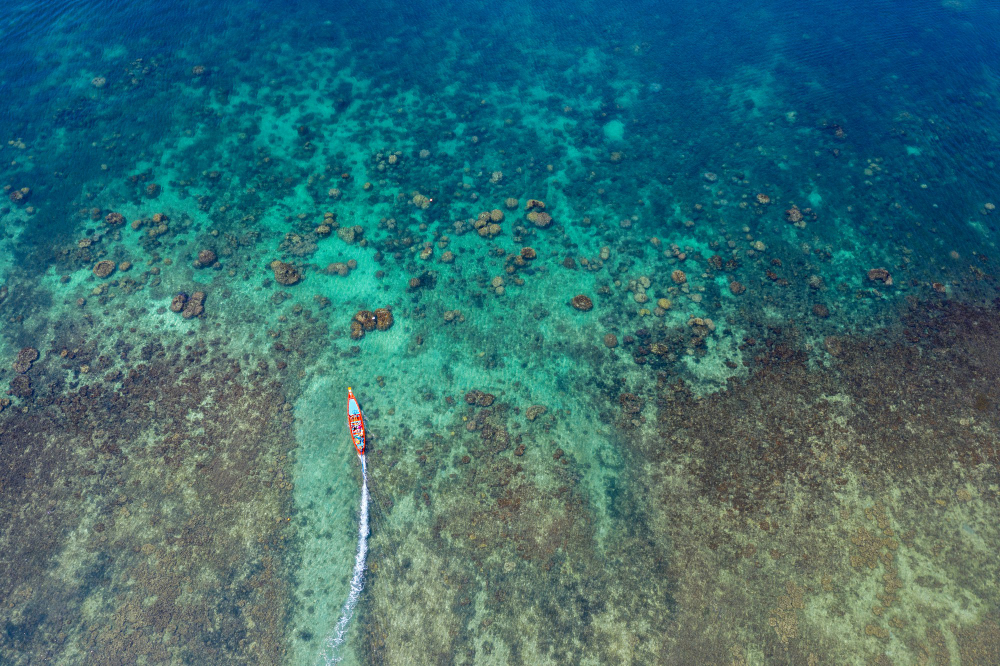
Between front and lagoon lies a broad flat area at low tide level, which is where wave energy is dissipated and where the structure is most heavily worked.
It is the reef crest and platform. The flat top is where the reef does its work.
12. The Lagoon Collects Fine Material
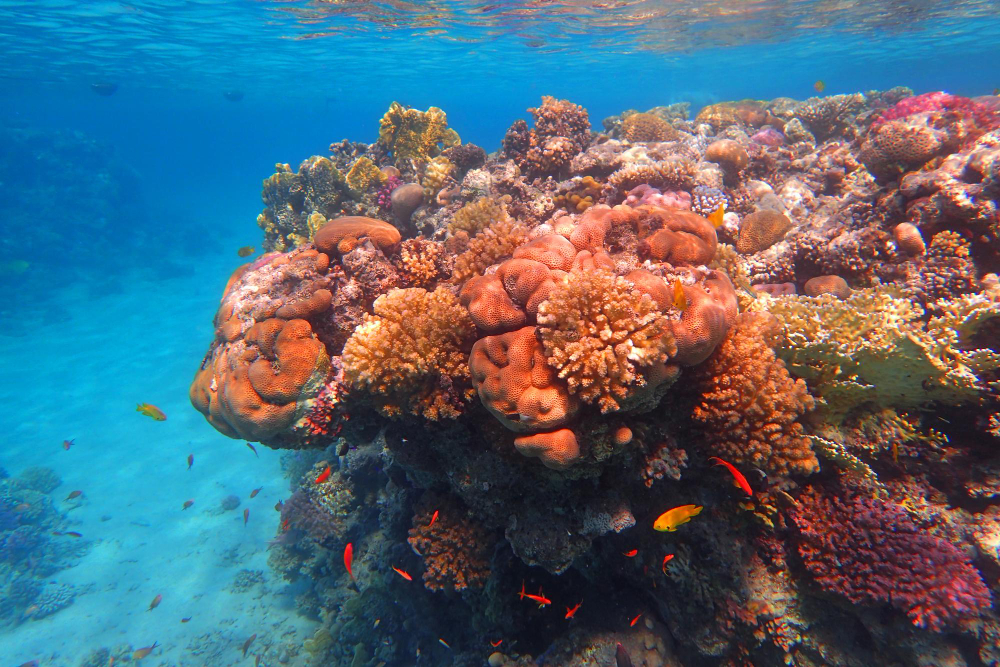
Sheltered water behind the reef allows fine sediment to settle, which produces a floor of soft material entirely unlike the structure protecting it.
Calm water sorts by particle size. Lagoon sediment is the quiet side of the same system.
13. The Sand Is Broken Reef
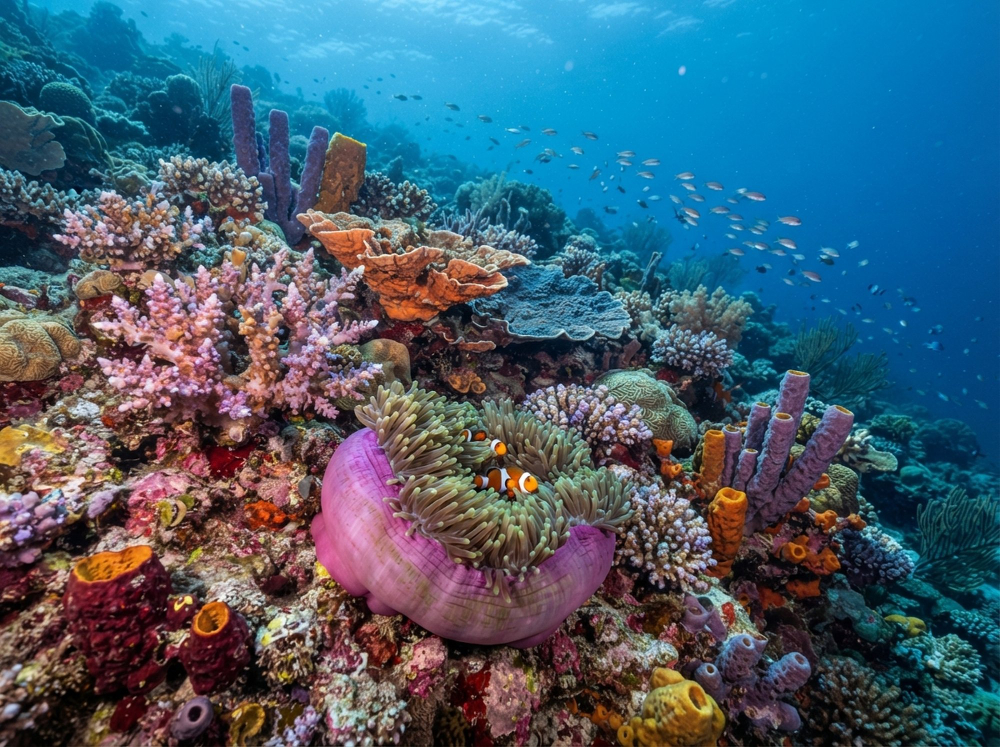
The pale sand around and within a reef is almost entirely fragmented skeleton, broken by waves and by organisms that scrape and bore into the structure to feed.
It was the reef quite recently. Biological erosion is where reef sand comes from.
14. Gaps Through a Reef Usually Mean Fresh Water
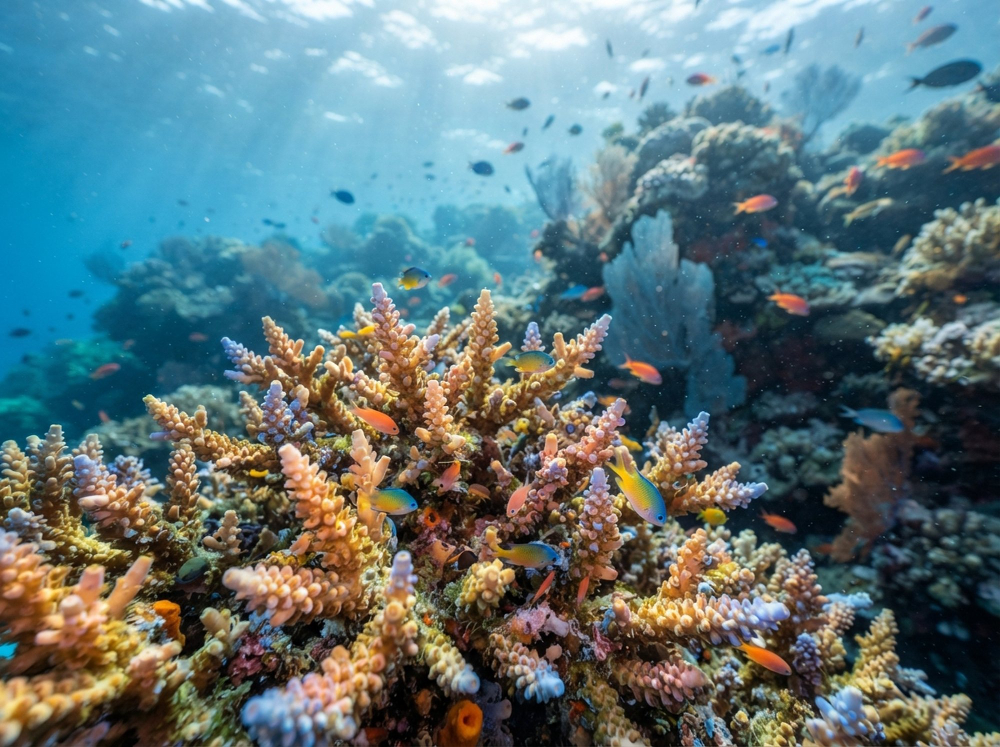
Corals tolerate fresh water poorly, so a channel cutting through a reef frequently marks where a river has discharged – historically or now.
The gap is an absence with a cause. Reef passes record freshwater outflow.
15. Islands on the Reef Are Made of Rubble
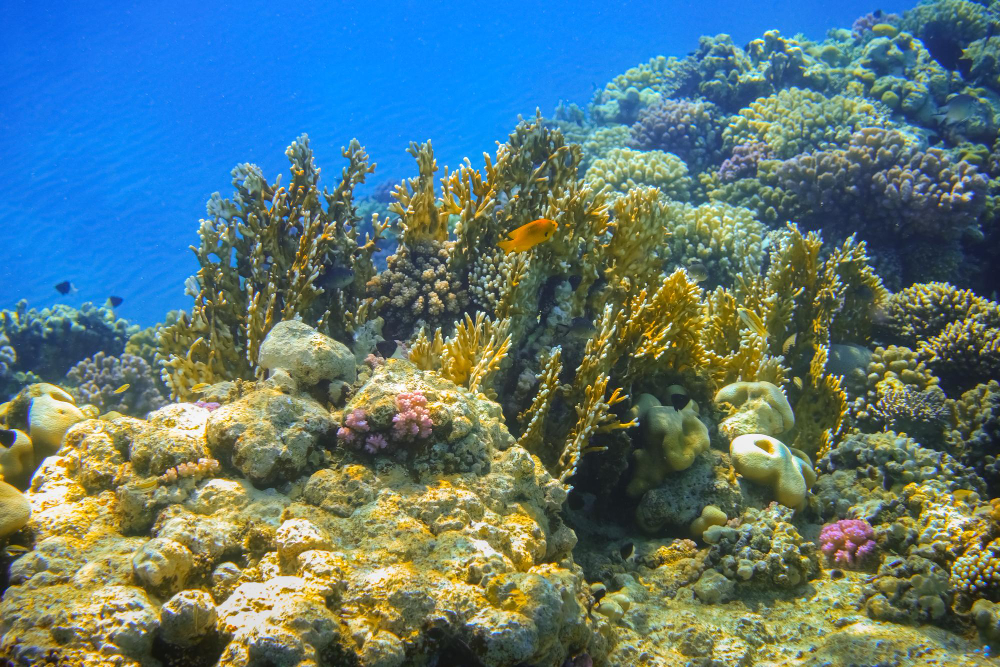
Low sandy islands sitting on a reef flat are accumulations of broken material piled by storms and waves, rather than land in any geological sense.
They can move and disappear. Reef islands are sediment rather than substrate.
16. The Reef Is Protecting the Coast Behind It
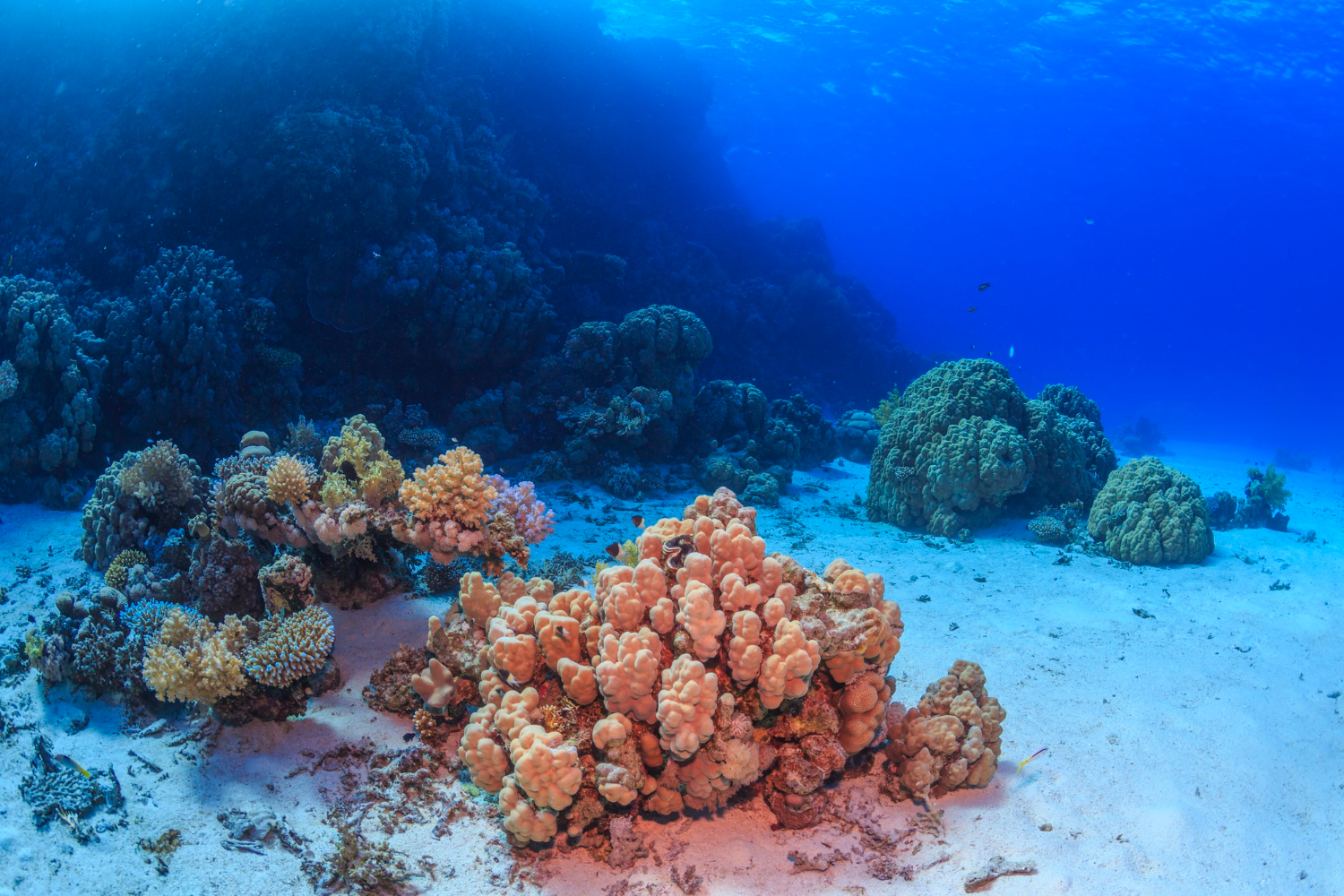
By dissipating wave energy at the front, the structure substantially reduces what reaches the shoreline – which is why coastlines behind reefs differ from exposed ones.
It is coastal defence that builds itself. Wave dissipation is the reef effect on the land.
17. And the Whole Thing Is a Record of Sea Level
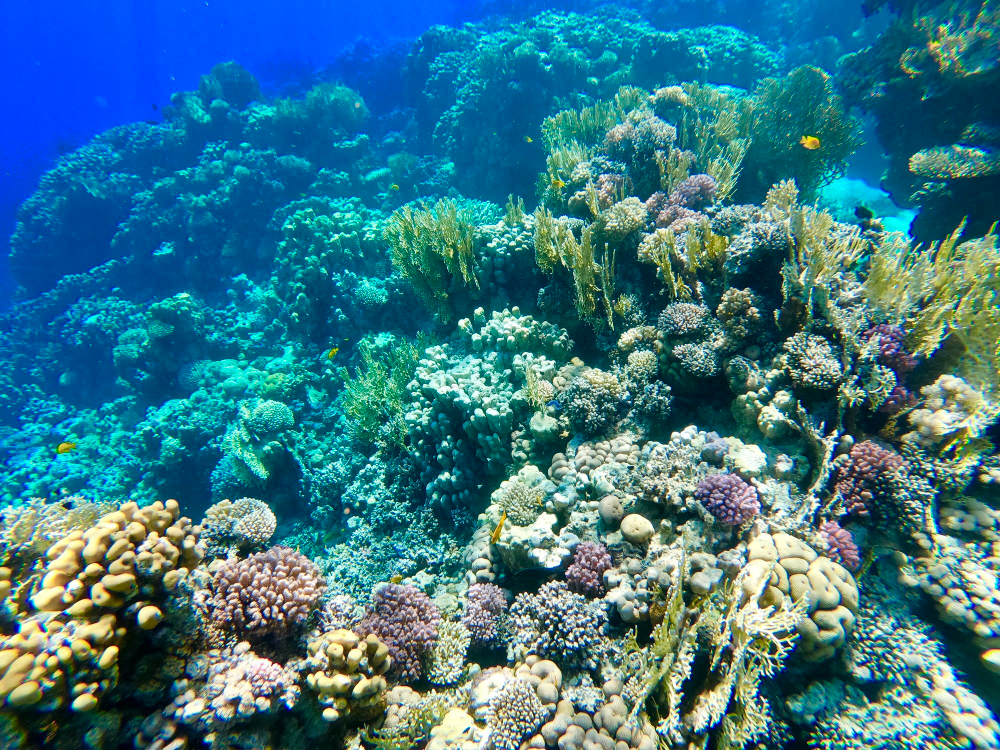
Because growth tracks the water surface, the position and depth of reef material records where the sea stood while it was growing – including material now well below the surface.
Drowned reefs are readable. Growth tracking is why reefs are used to reconstruct past levels.
A Structure Built by What Lived There
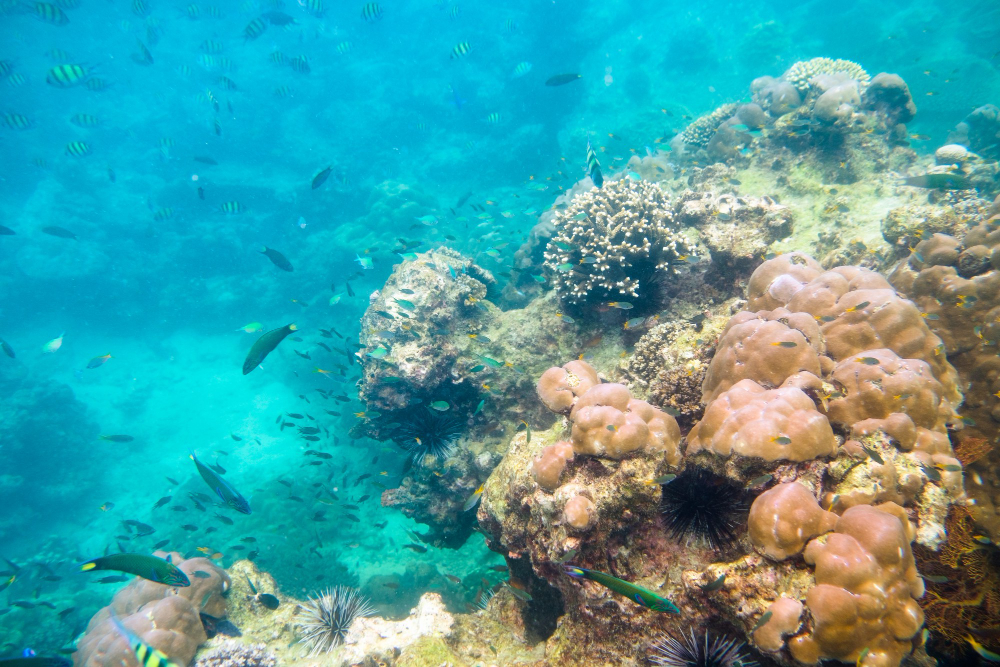
Animals powered by light and confined to shallow water, a mass of skeleton with a living skin, a flat top set by the tide and a ring that outlines an island that sank.
Practical notes for anybody near one: reef surfaces are sharp and cut badly, wounds from them heal poorly, a considerable number of reef organisms injure on contact and some seriously, and water moving through a reef channel can run far faster than it appears. Access is a matter for local guidance and operators who know the specific site.
Like our content? Follow us for more.