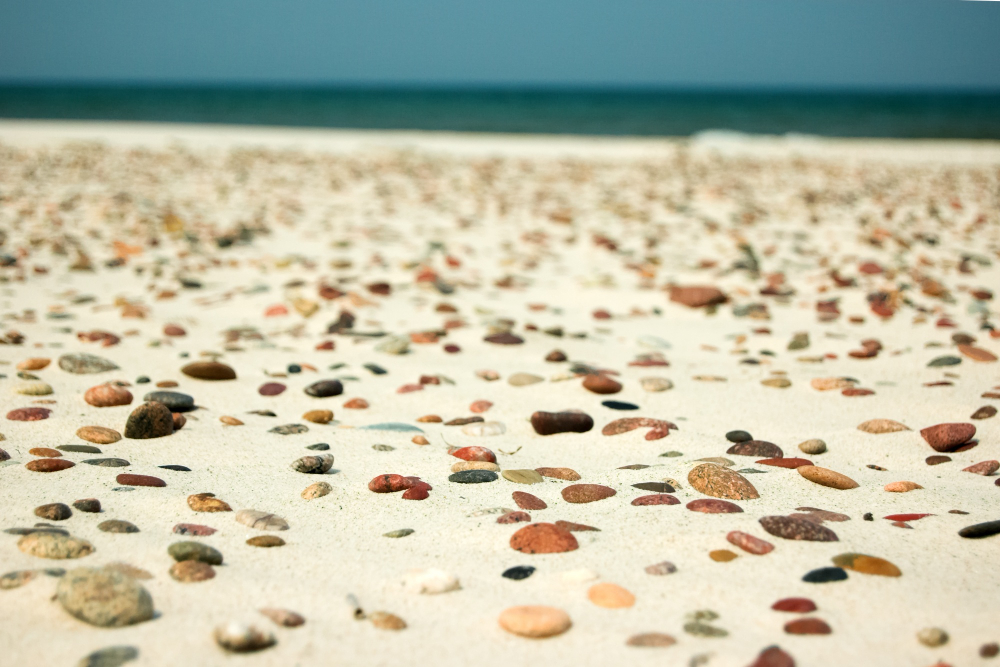
Coarse material behaves completely differently from sand under waves – it drains, it rolls, it stacks and it sorts – and almost everything distinctive about a shingle beach follows from that. Here are seventeen.
1. It Came From Somewhere Else
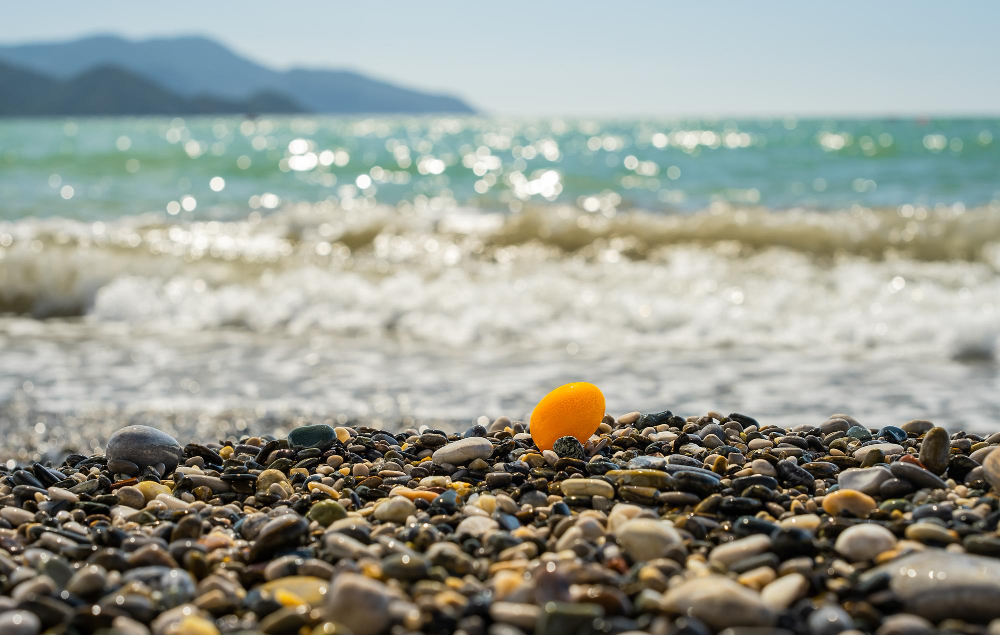
The pebbles were eroded from cliffs, carried down rivers or reworked from older deposits, and have arrived from elsewhere along the coast.
Few of them started here. Sediment supply is the first thing any beach depends on.
Like our content? Follow us for more.
2. Rolling Rounded Them

Waves move pebbles back and forth against each other continuously, grinding off corners until they become smooth and rounded.
Every pebble records a great deal of movement. Abrasion is what shapes them.
3. It Is Steeper Than Sand
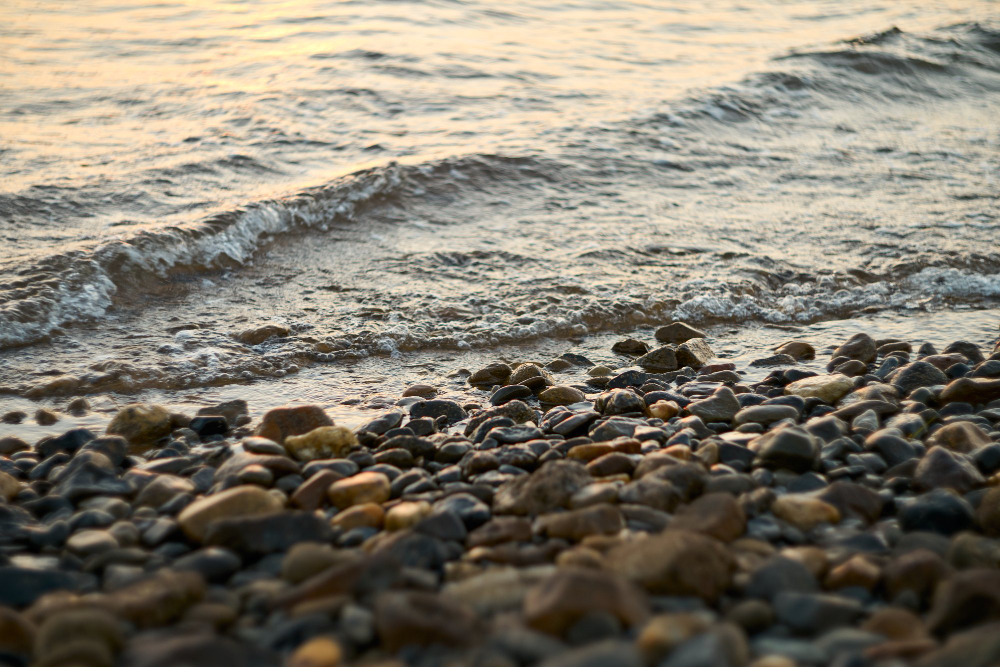
Coarse material lets water drain straight through, so waves running up the beach lose water into it and the return flow is weaker than the arrival.
Material is pushed up faster than it is pulled down. Drainage is why shingle beaches are steep.
4. The Sound Is the Backwash
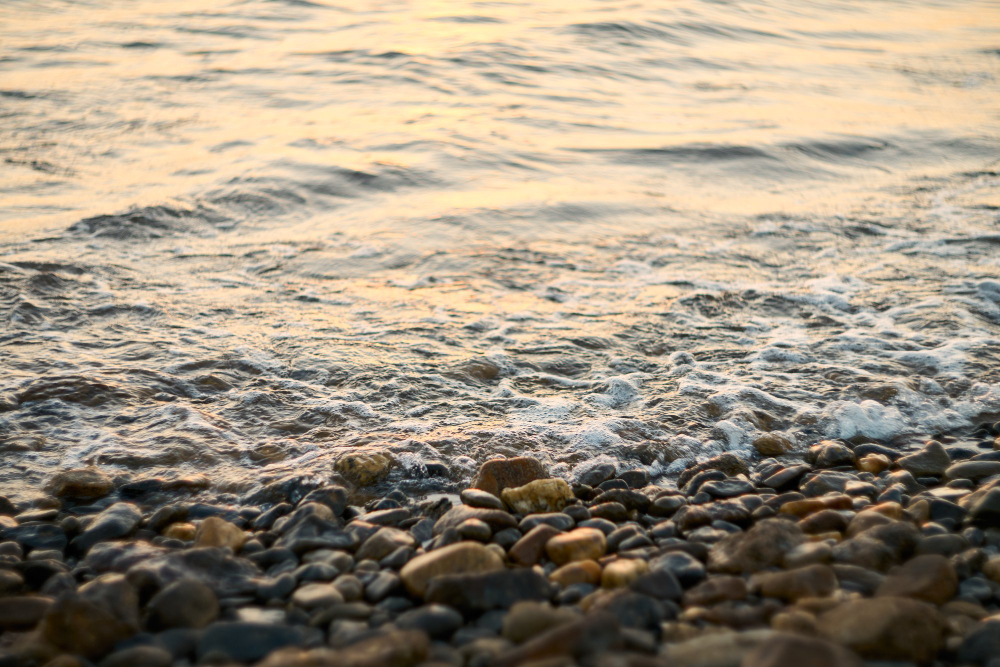
The rattling roar as a wave retreats is pebbles rolling over each other as water drains back down the slope.
It is loudest on steep coarse beaches. The noise is the beach moving.
5. Storms Build Ridges High Up
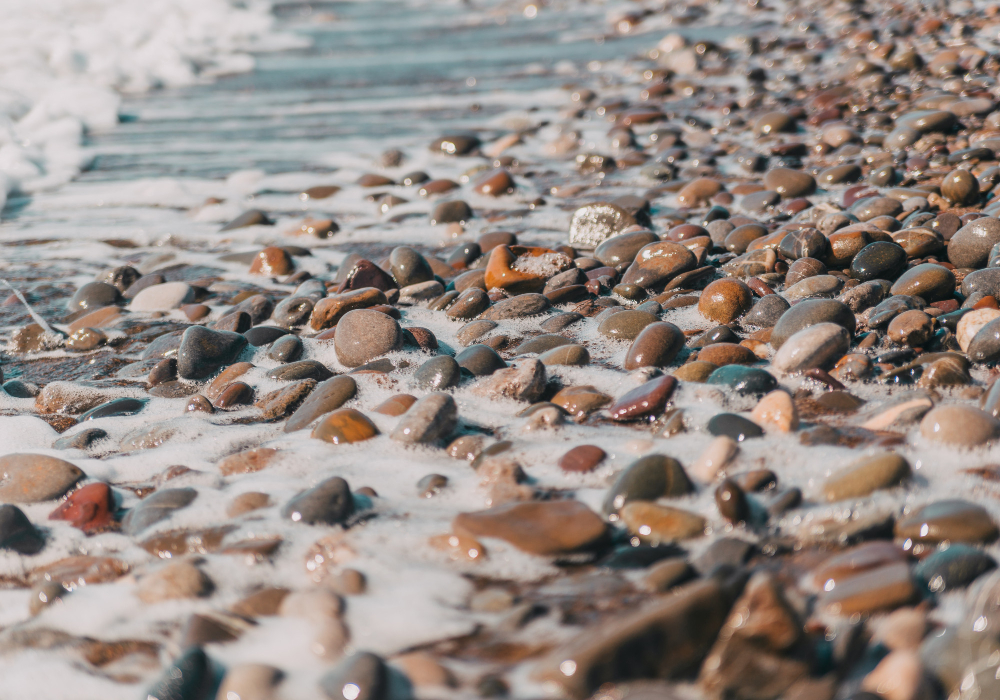
The largest waves throw pebbles far above the level of ordinary tides, leaving ridges that ordinary waves cannot reach to remove.
Each ridge records a storm. Storm ridges are the beach remembering its worst days.
6. Several Ridges Mean Several Storms
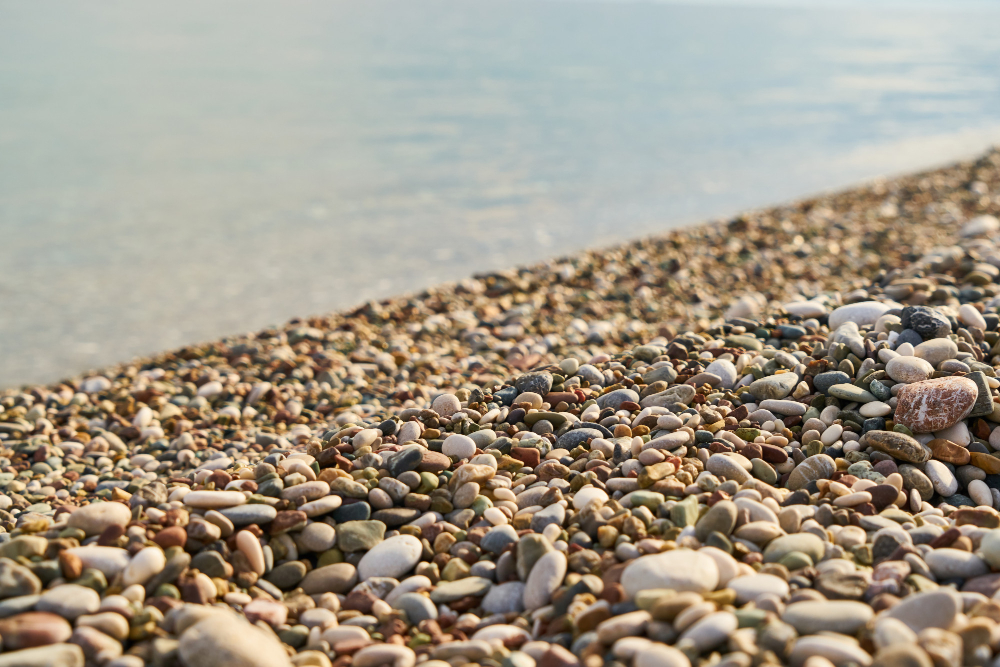
A beach with a series of ridges at different heights has been built by a succession of events, with the highest usually the largest.
They can be read like layers. Ridge sequences are storm history.
7. The Scallops Along the Edge
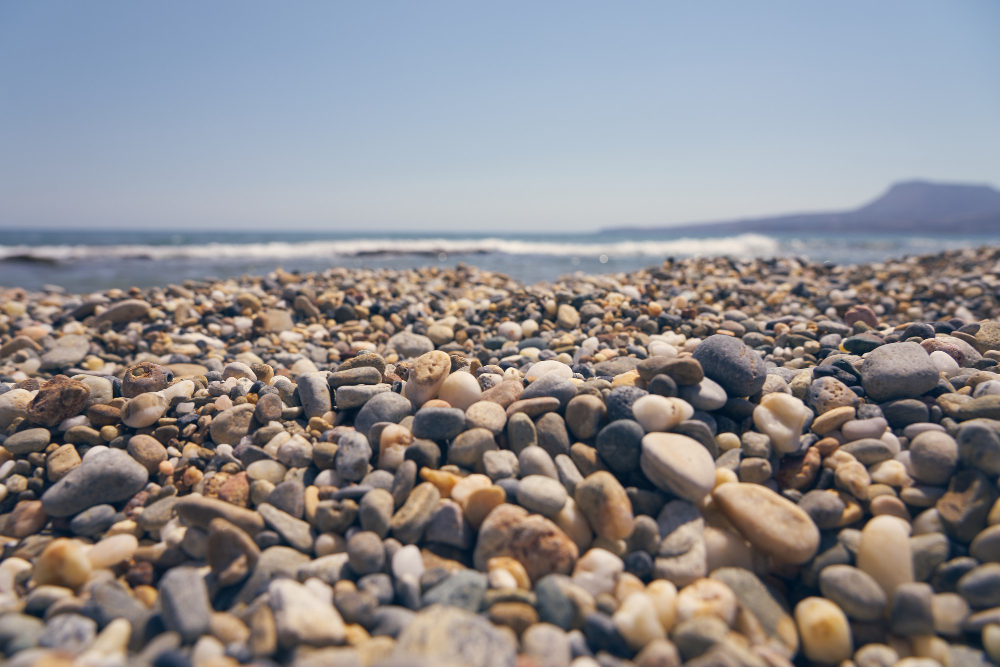
Regularly spaced curved bays and points form along the waterline, with spacing that relates to the size of the waves shaping them.
They are self-organised. Beach cusps are a pattern nobody draws.
8. It Is Moving Along the Coast
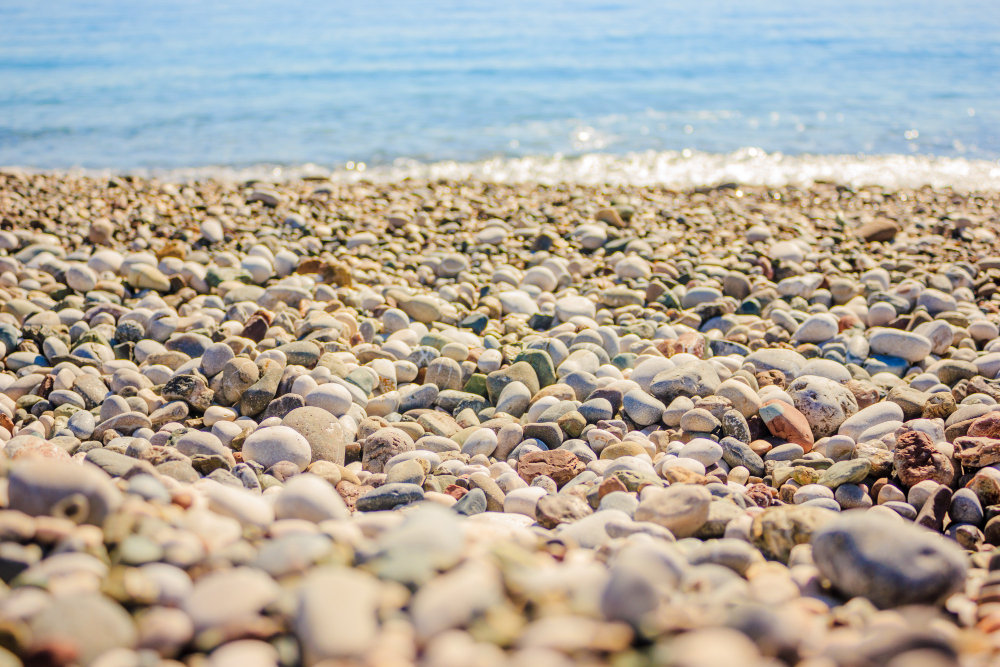
Where waves arrive at an angle, each one carries pebbles up the beach diagonally and the backwash drags them straight down, moving material sideways step by step.
The beach looks still and is travelling. Longshore drift is the slow river of stones.
9. Which Builds Spits
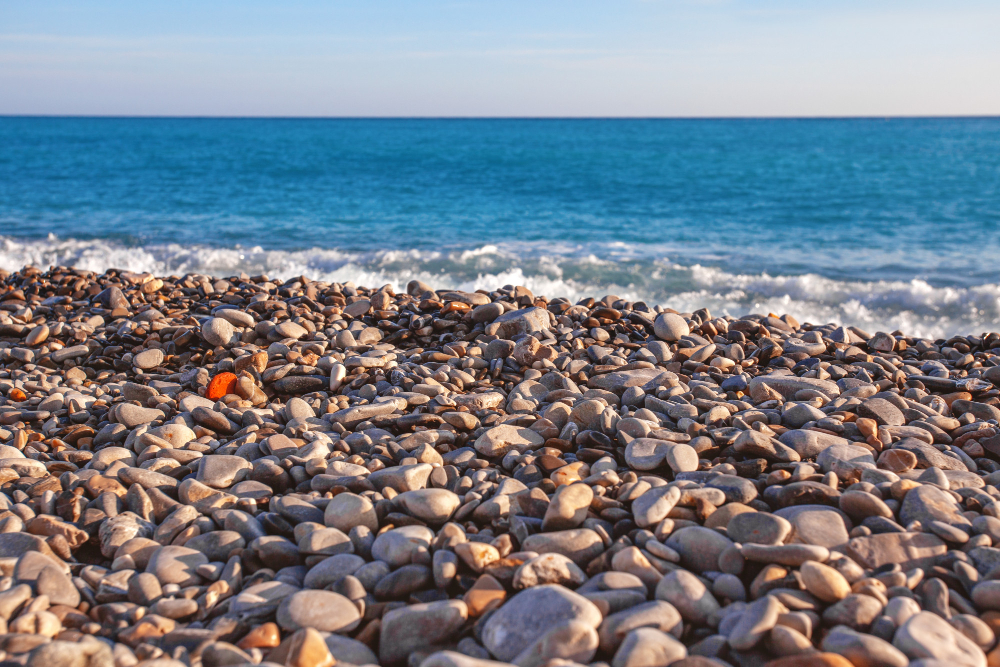
Where the coastline turns, drifting material continues in the same direction and builds a ridge out across the water.
It grows from the shore outward. A spit is drift that ran out of coast.
10. The Size Changes Along the Beach
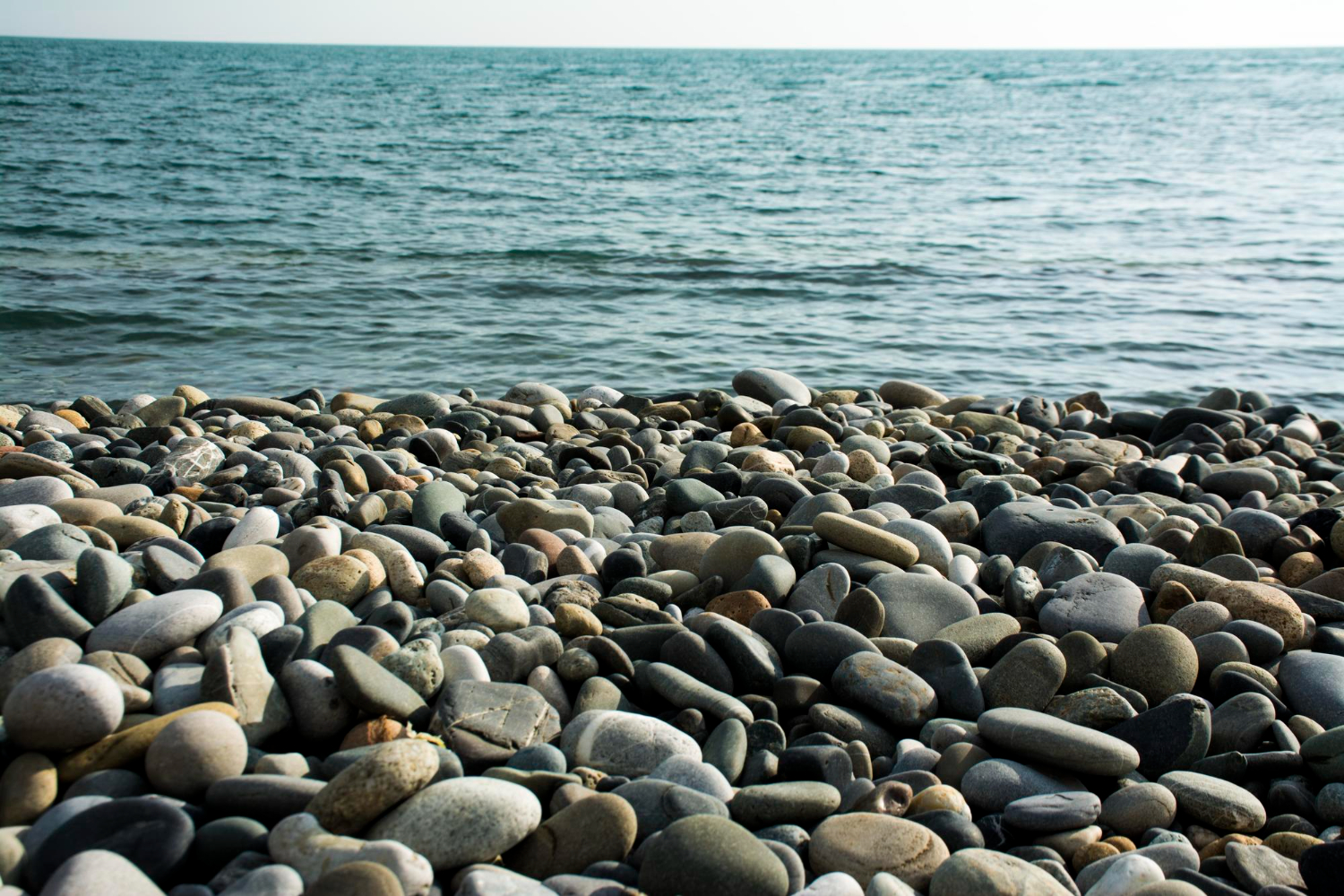
Moving material is sorted as it travels, so one end of a long beach can have noticeably larger or smaller pebbles than the other.
The gradient is informative. Sorting records the direction of movement.
11. Flat Pebbles Go Higher
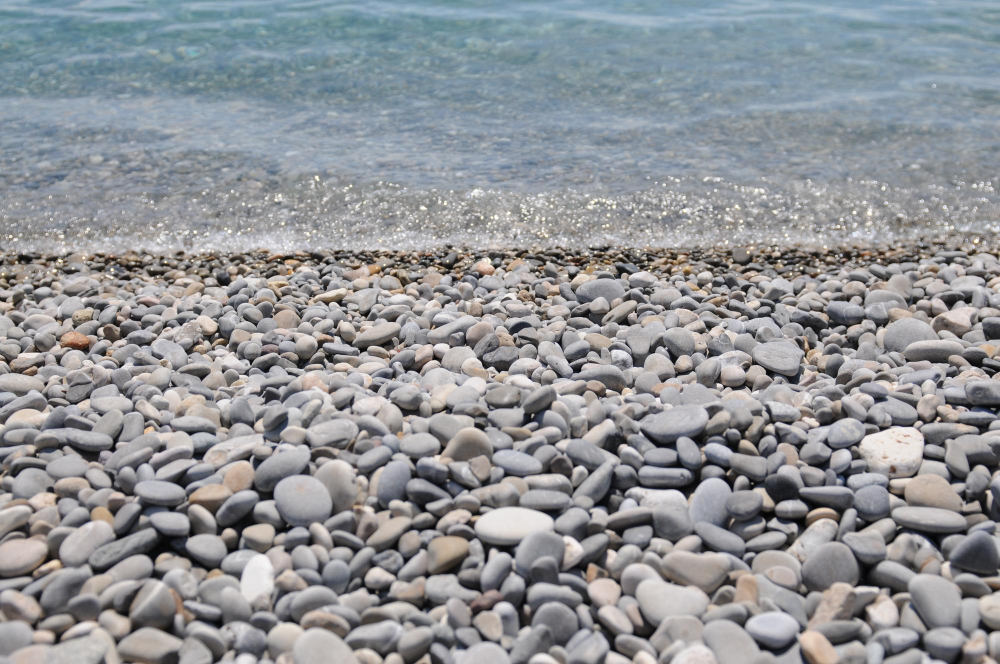
Flat stones are carried further up the beach and left higher than round ones, which roll back down more readily.
Shape sorts as well as size. Flat stones collect at the top.
12. Wet Pebbles Show Their True Colours
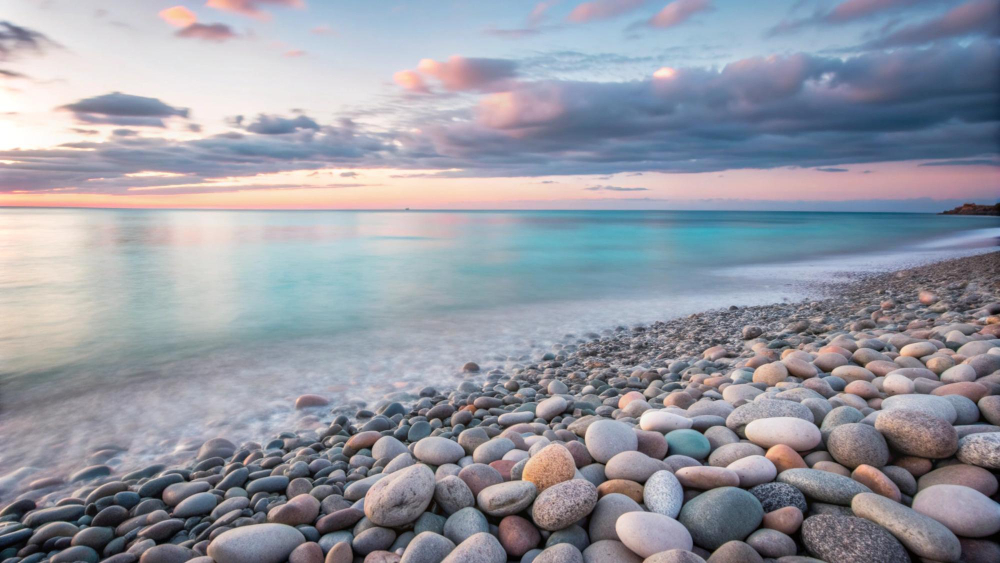
Stones glisten with colour at the waterline and turn dull and grey once dry, because a film of water fills the tiny surface roughness that otherwise scatters light.
The colour was there all along. Surface wetting is why the best pebbles lose their looks in a pocket.
13. Shingle Holds the Heat
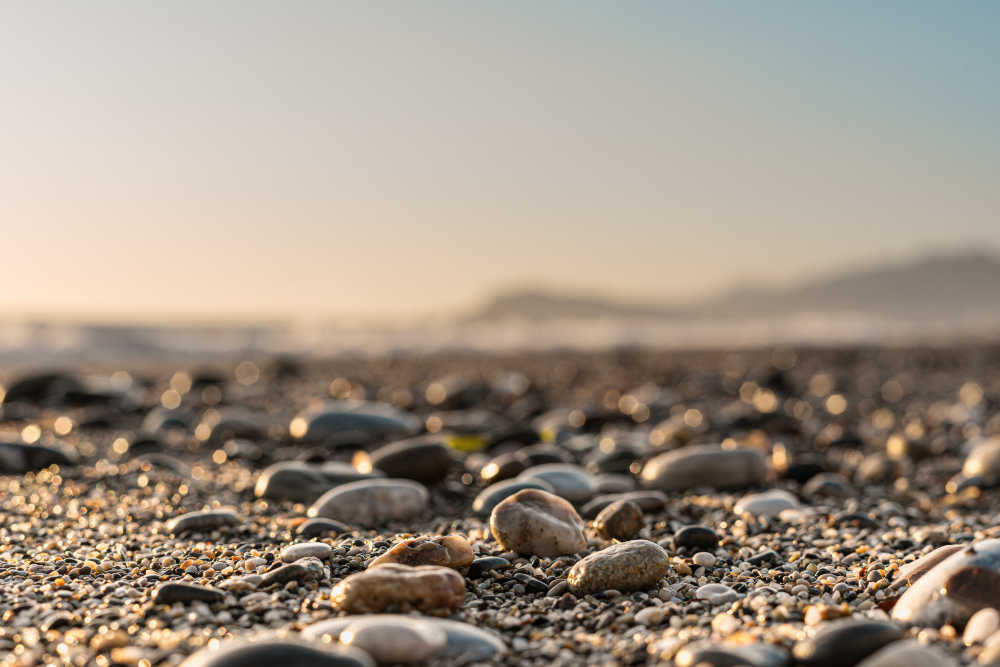
Pebbles absorb sunlight and store heat, so a shingle beach can be uncomfortably hot underfoot by afternoon and stay warm into the evening.
Coarse stone behaves differently from sand here too. Stored heat is part of why shingle plants face drought.
14. It Can Be Breached

A storm that exceeds the height of the bank can wash over it and carry material landward, rolling the whole beach back.
Beaches migrate rather than simply eroding. Overwash is the beach retreating intact.
15. Plants Grow in Stones

Vegetated shingle supports a specialised set of plants able to root among pebbles with little soil and cope with salt and drought.
It is a rare habitat. Shingle vegetation is life in an unlikely place.
16. The Pebbles Tell You the Geology
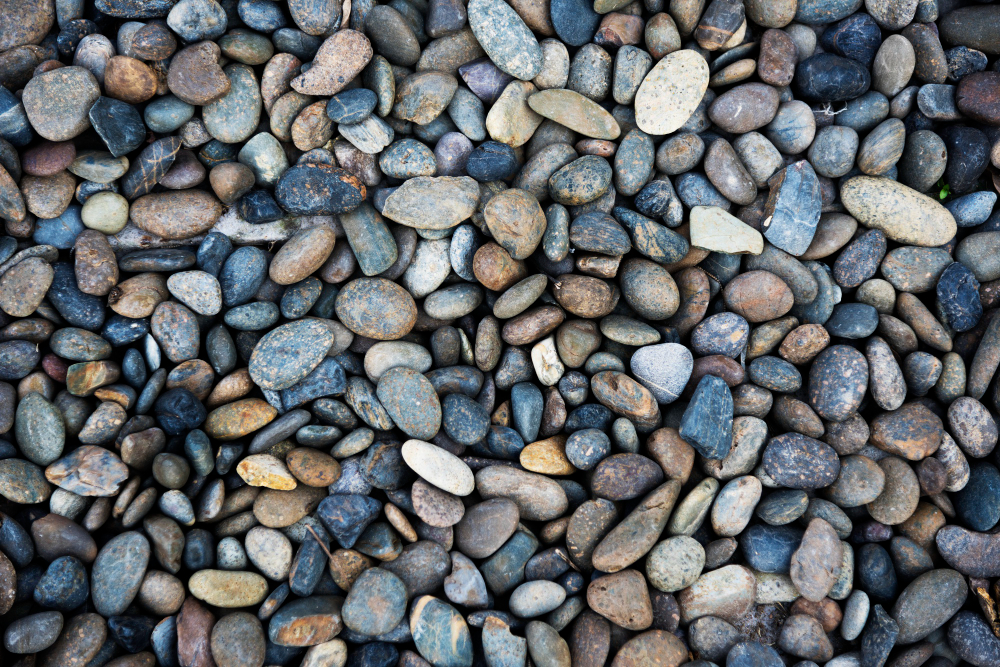
The mix of stone types on a beach reflects the rocks along the coast and inland, sometimes including material carried a long way.
Each one is a sample. Pebble composition is the coastline in miniature.
17. It Is Never the Same Twice

Every tide and storm rearranges the surface, so the beach visited one week is measurably different the next.
Nothing stays put. Constant change is the defining property of shingle.
Stones That Drain, Roll and Travel
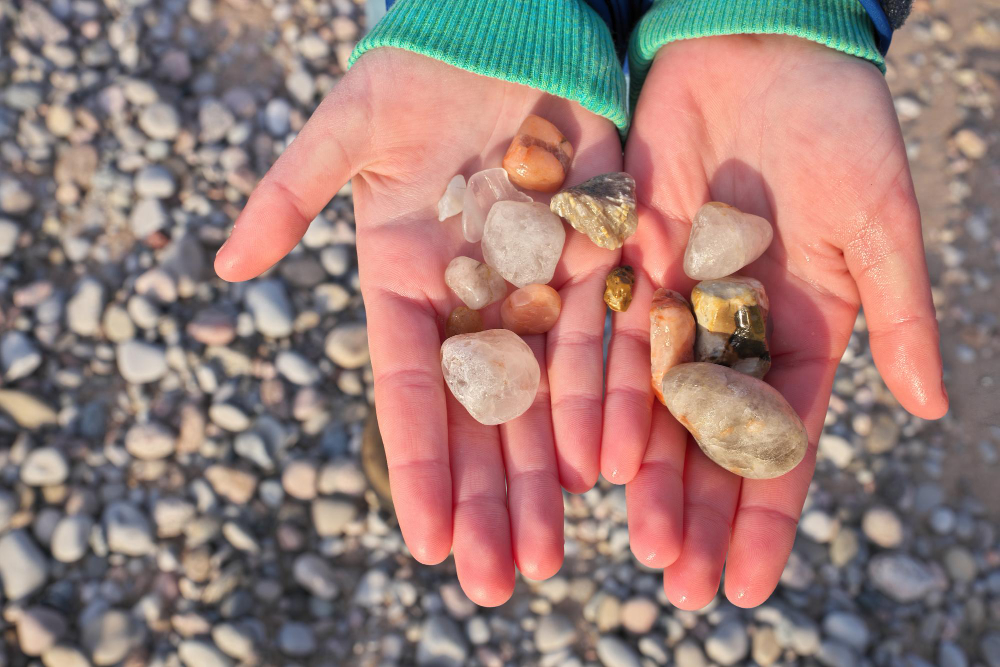
Pebbles brought from elsewhere and rounded by rolling, a slope made steep by drainage, ridges thrown up by storms and a whole beach sliding sideways along the coast.
Practical notes: steep shingle beaches frequently shelve abruptly into deep water and produce a strong backwash that can pull people off their feet, shingle banks can give way underfoot, and walking on loose pebbles is far slower and more tiring than it looks. Local guidance on bathing and access is the thing to follow.
Like our content? Follow us for more.