Most rock is worn away mechanically. Limestone is removed chemically, taken into solution and carried off in the water, and a landscape shaped by dissolving behaves unlike anywhere else. Here are seventeen.
1. The Rock Dissolves in Rain
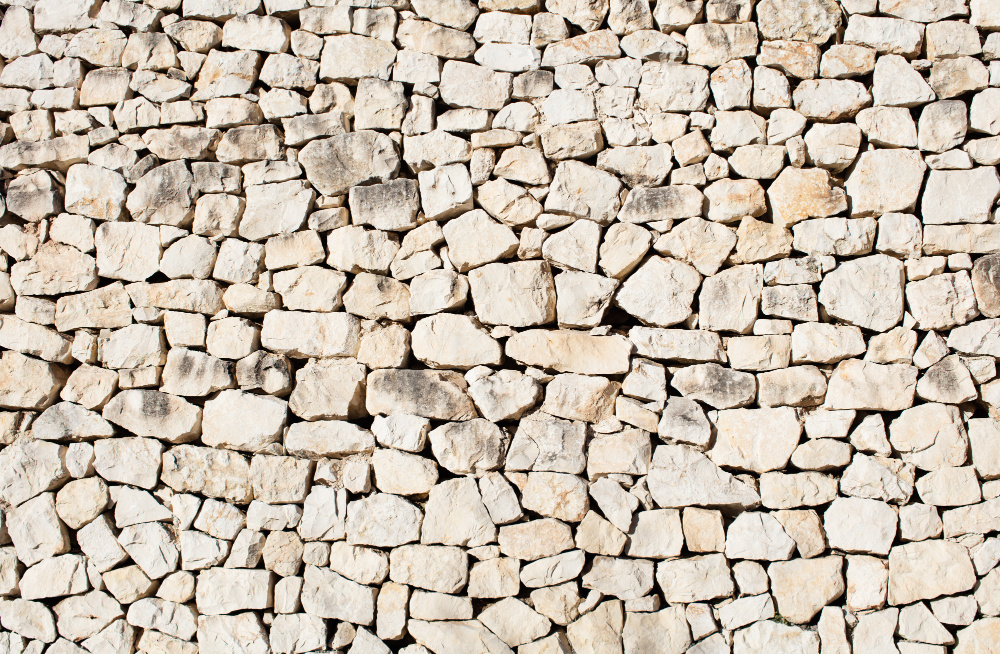
Rainwater absorbs carbon dioxide from the air and from soil, becoming slightly acidic, and that mild acid dissolves limestone slowly and continuously.
No grinding is required. Chemical removal is what shapes the whole landscape.
Like our content? Follow us for more.
2. It Dissolves Along the Cracks First
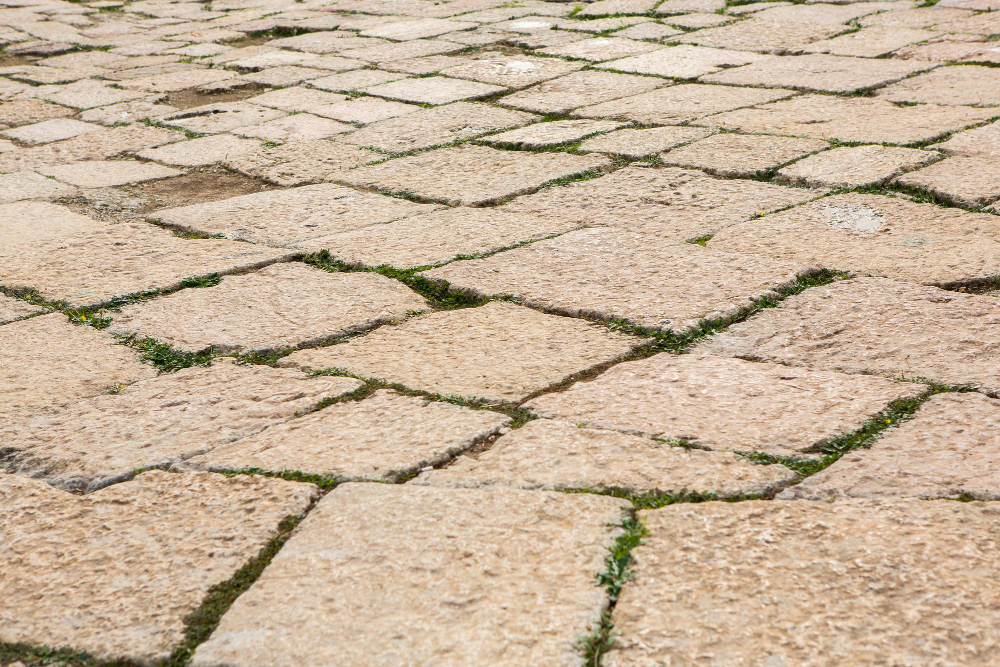
Water travels along joints and bedding planes rather than through solid rock, so dissolution concentrates in existing lines of weakness and widens them.
The pattern was set before any water arrived. Joint-guided solution is why the shapes are so geometric.
3. The Water Goes Underground
Once cracks are wide enough, water sinks rather than running across the surface, so the drainage moves below ground.
The surface loses its streams. Internal drainage is the defining feature.
4. So the Valleys Are Dry
Valleys cut by rivers in the past remain as landforms with no water in them, because the flow has since found a route underground.
They look like river valleys and are not. Dry valleys are drainage that left.
5. Streams Vanish Into the Ground
Where a surface stream meets limestone, it disappears down an opening and continues underground, sometimes abruptly and sometimes over a stretch.
The bed below is dry. Sinking streams are the surface handing over to the underground.
6. And Reappear Lower Down
The water re-emerges where the limestone meets rock it cannot penetrate, producing strong springs at a consistent level along a valley side.
The line of springs is predictable. Resurgence is where the underground system ends.
7. Which Is Why Villages Sit in Lines
Settlements cluster at the spring line, because that is where reliable water is available in a landscape with none on the surface.
The geology placed the houses. Spring-line settlement is the human consequence.
8. The Pavement Is a Dissolved Surface
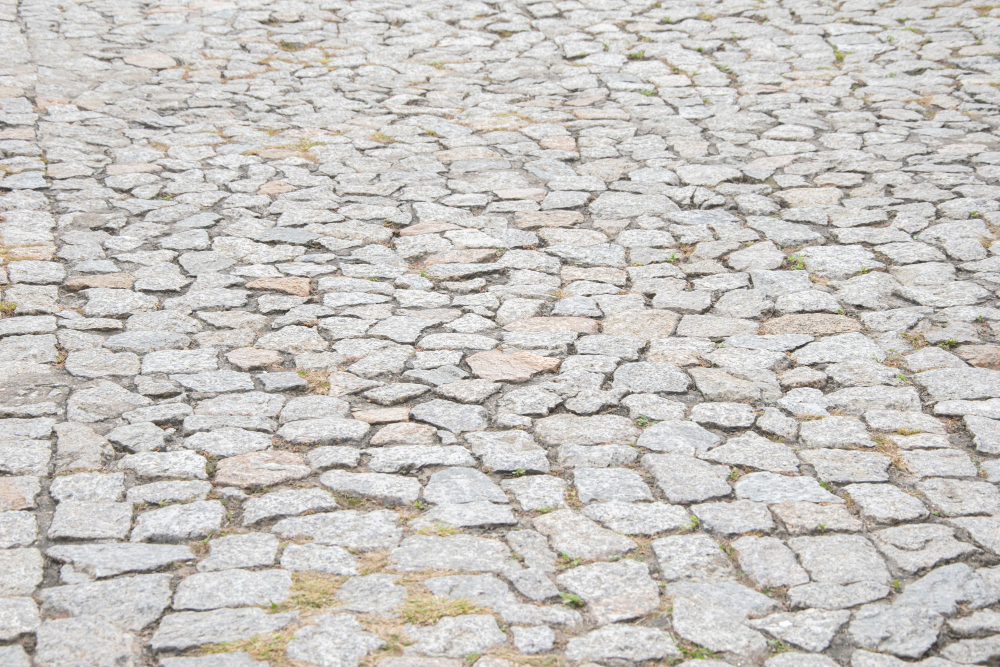
Flat expanses of bare rock are divided into blocks by deep fissures, where water has widened the joints and left the blocks between them standing.
The blocks are what remains. Limestone pavement is a joint pattern made visible.
9. The Fissures Are Small Woodlands
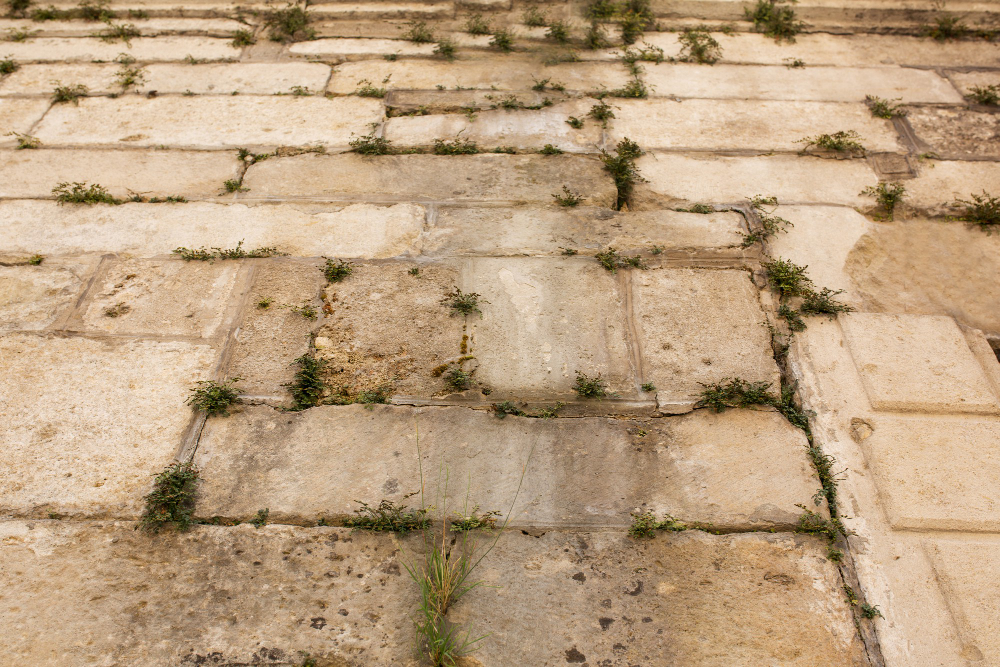
Deep, shaded, humid and sheltered from grazing and wind, the fissures support plants usually found in woodland, growing well below the exposed surface.
A wood without trees. Fissure habitat is one of the oddest in any landscape.
10. Ice Exposed Most of It
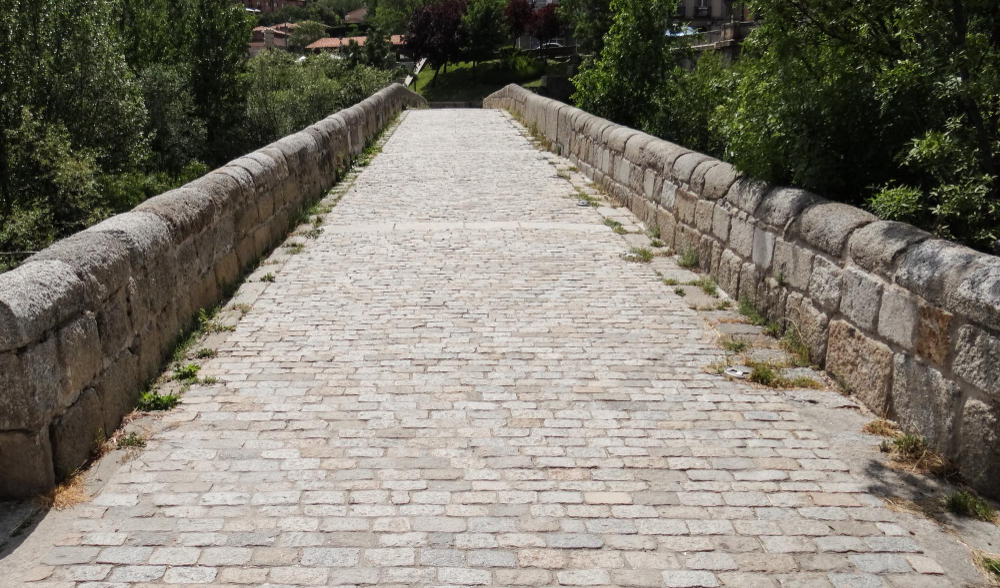
In many areas the pavements were laid bare by glaciers stripping away soil, leaving a clean rock surface on which dissolution could then work.
Two processes in sequence. Glacial stripping prepared the surface.
11. Underground the Same Thing Made Caves
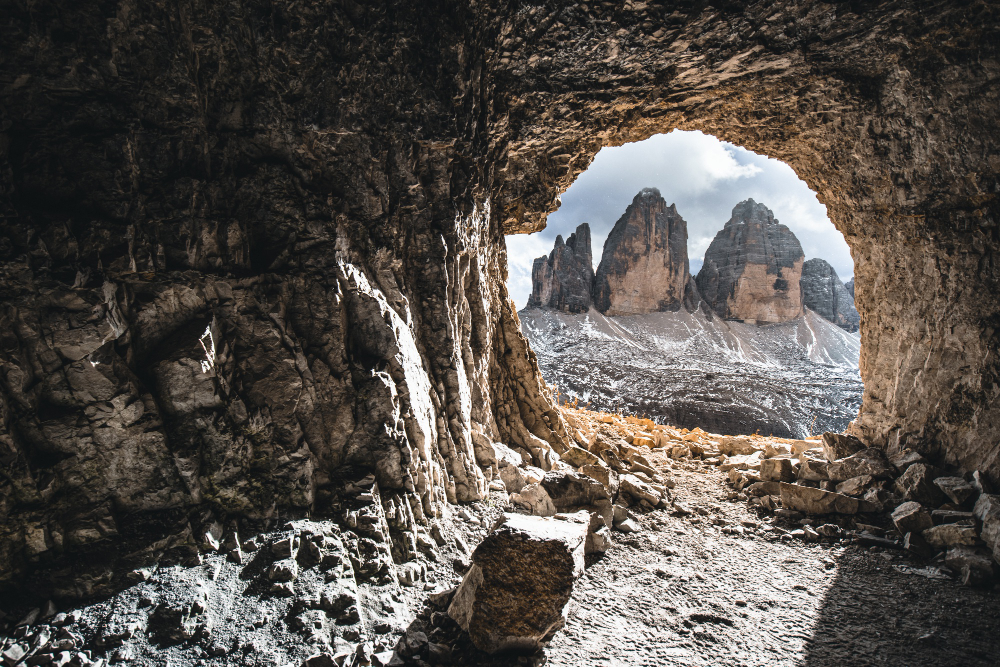
Water moving through the rock dissolves passages along the same joints and bedding planes, producing systems that can extend for great distances.
Caves are the drainage system. Solution passages are the underground version of the same process.
12. Dripping Water Builds It Back Up
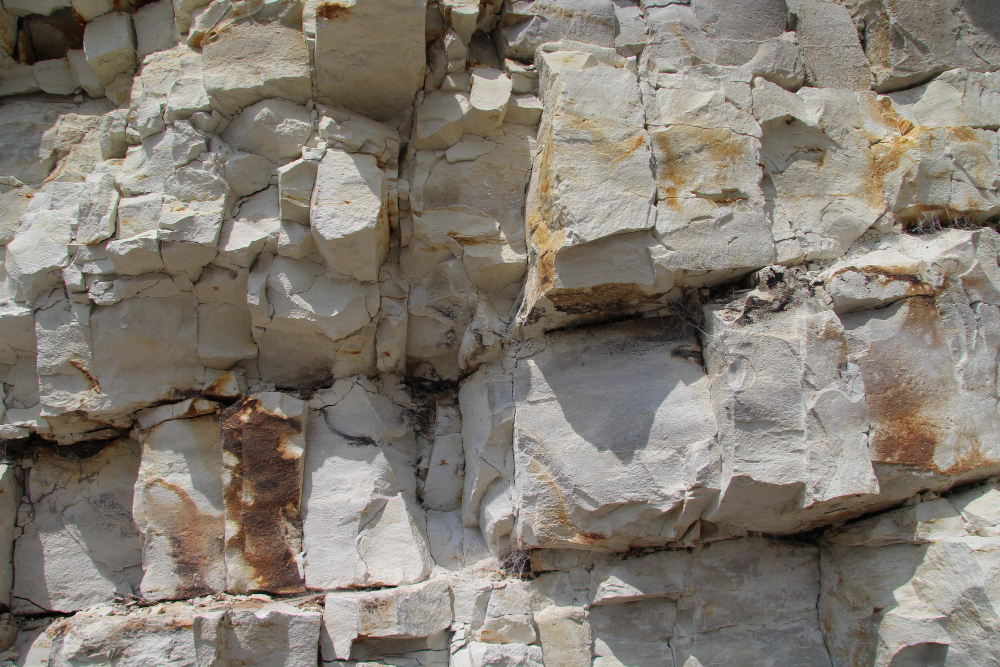
Where water emerges into an air-filled cave it loses carbon dioxide and deposits the dissolved mineral, building formations downward from the roof and upward from the floor.
The rock is being rebuilt elsewhere. Redeposition is dissolution in reverse.
13. Those Formations Record Conditions
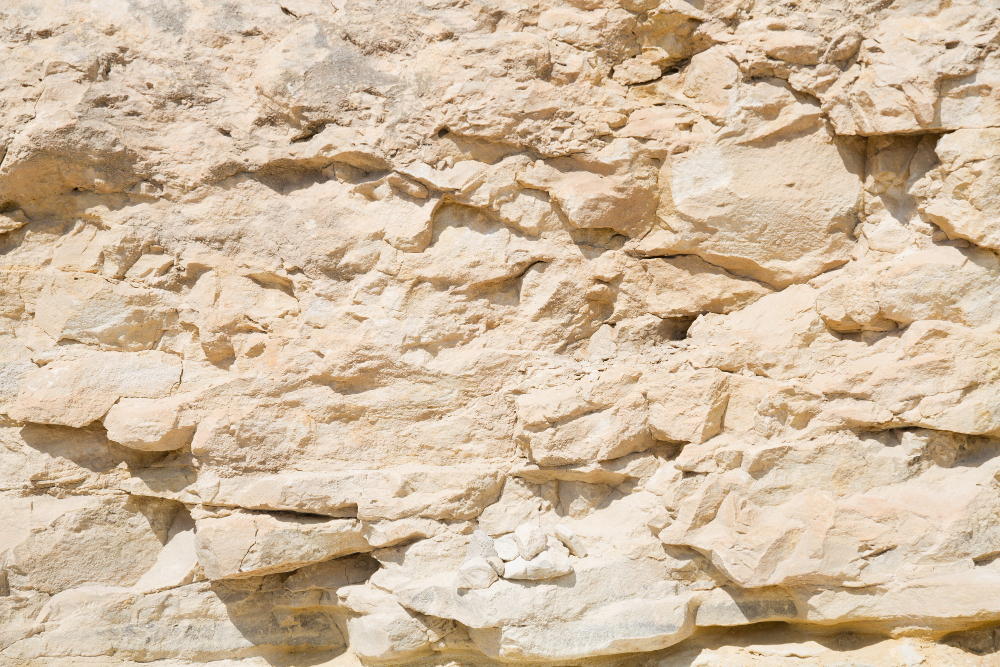
The layers in a deposit grow at rates that depend on water supply and chemistry, so they preserve a record of past conditions above ground.
They are readable like tree rings. Layered deposits are an archive in the dark.
14. Collapsed Caves Become Gorges
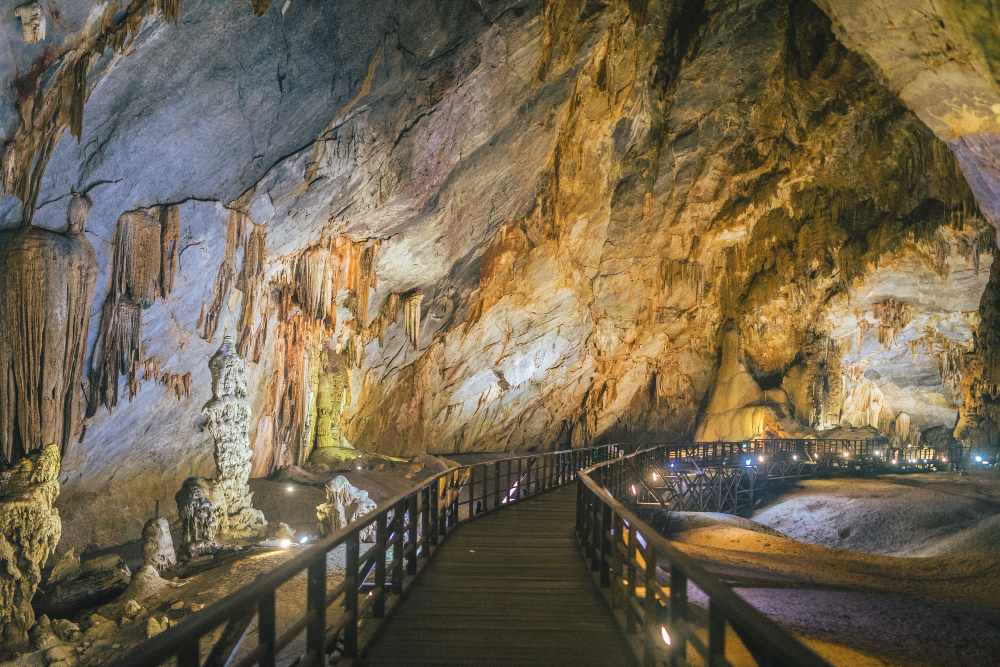
Where the roof of a large passage falls in, the result is a steep-sided gorge with no river in it of a size that could have cut it.
The river was underground. Collapse features are caves turned inside out.
15. And Sometimes Leave an Arch
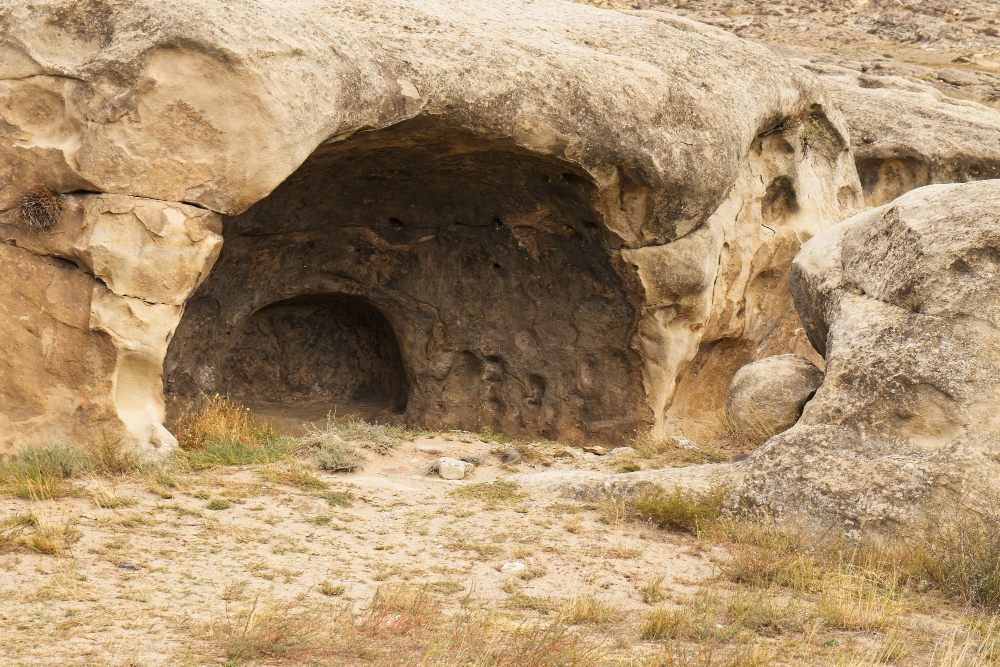
Where a section of roof survives while the rest collapses, a natural arch is left spanning the gap.
It is a fragment of a ceiling. Natural arches are what collapse did not take.
16. Springs Deposit Rock Where They Emerge
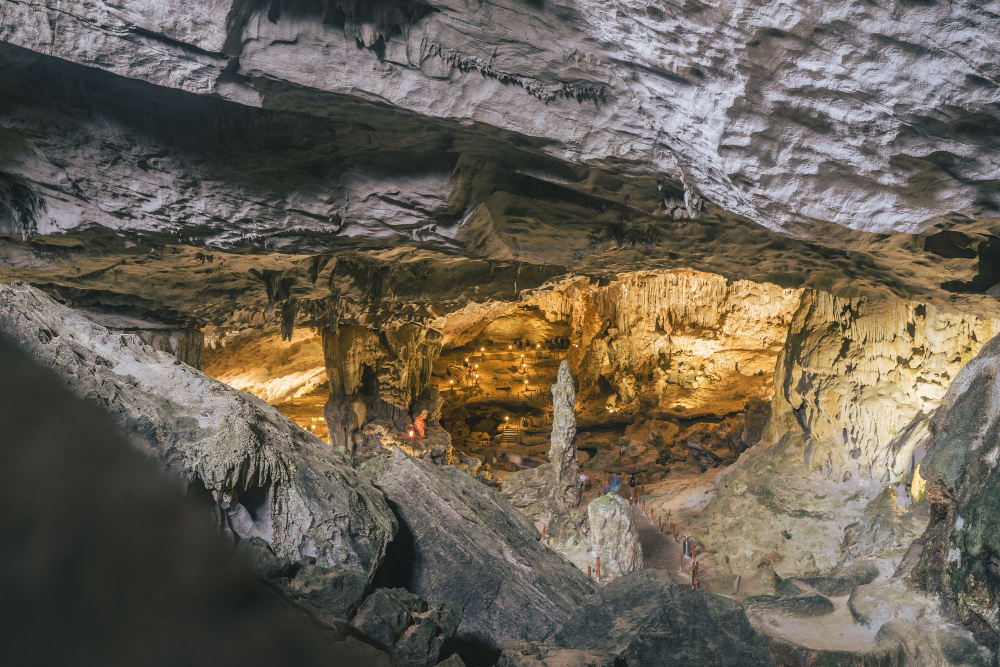
Water emerging at the surface loses carbon dioxide and deposits mineral around the spring, building up crusts and terraces over long periods.
Rock accumulates rather than erodes there. Spring deposits are the material returning.
17. The Soil Is Thin and the Ground Is Dry
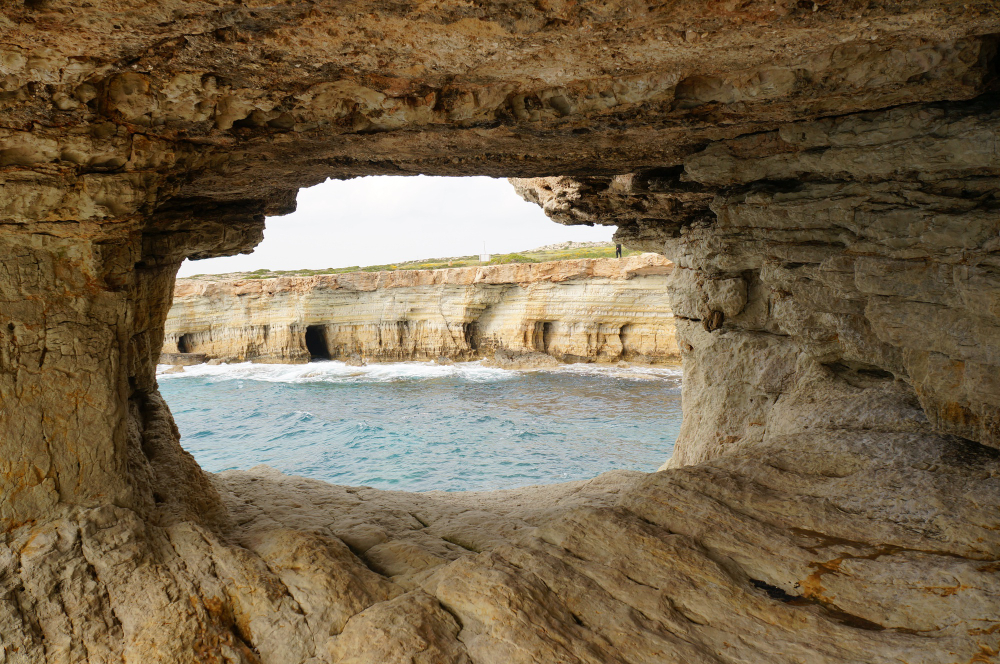
Because water drains instantly and the rock leaves little residue when it dissolves, soils are shallow and the surface dries quickly after rain.
Grazing suits it and cultivation rarely does. Thin soils are why the land is used as it is.
A Landscape Being Dissolved
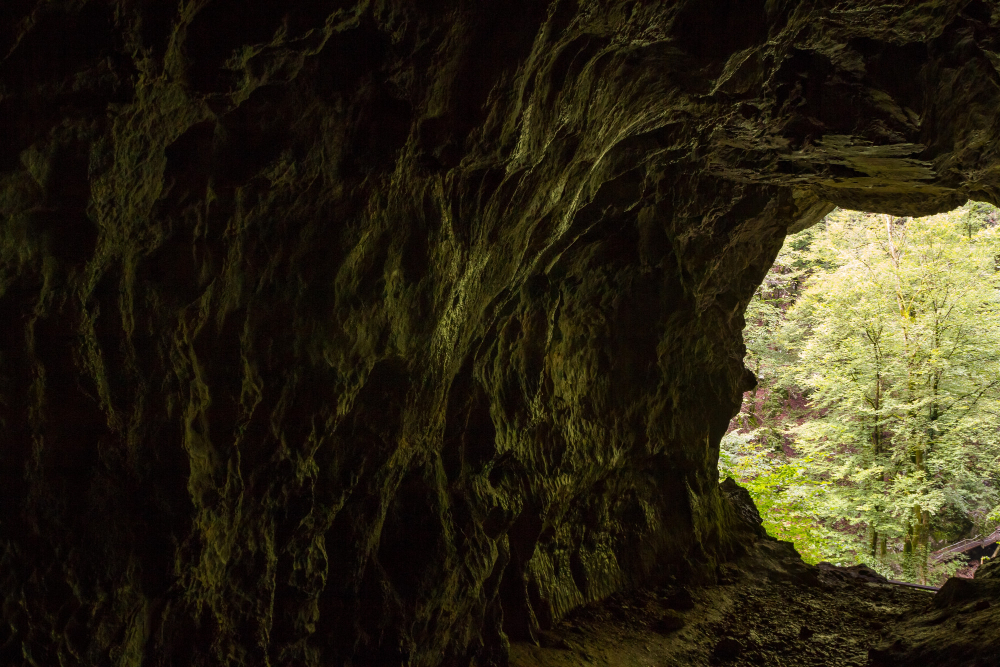
Rain made slightly acidic, cracks widened into fissures, drainage that moved underground, dry valleys and springs where the water comes back out.
Practical notes: the fissures in limestone pavement are deep, frequently hidden by vegetation and exactly the width to trap a leg, and the rock surface becomes extremely slippery when wet. Caves, sinks and swallow holes are entered only with proper equipment, training and people who know the system – flooding underground can happen very quickly after rain on the surface.
Like our content? Follow us for more.