The least designed-looking thing in the street, and all of it is deliberate. Here are ten.
1. The Backrest Decides How Long You Stay
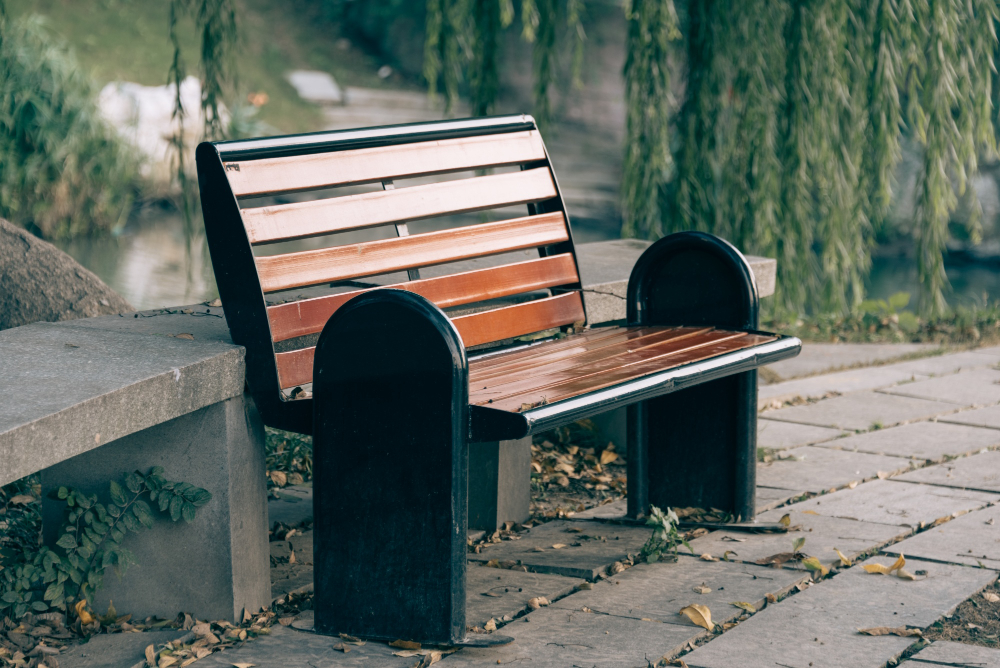
A bench with a back supports the spine and is comfortable for a long sit; a backless one becomes uncomfortable within minutes.
Backless benches appear where somebody wants turnover rather than lingering.
Like our content? Follow us for more.
2. The Armrests Are Rarely About Arms
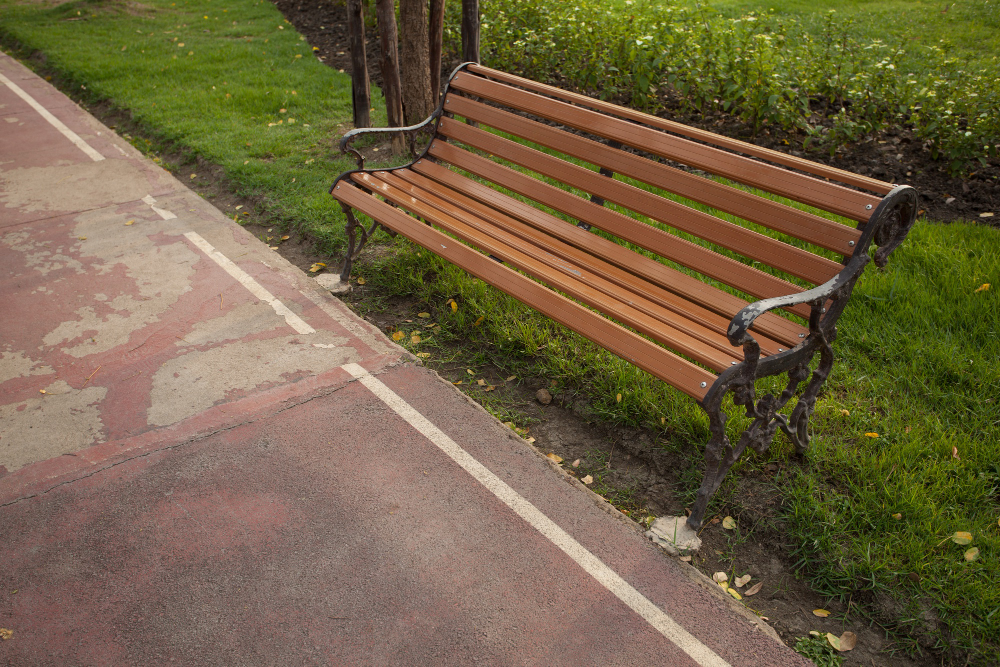
Central armrests divide a bench into defined seats, which stops one group spreading across it.
They also make lying down impossible, which is frequently the actual purpose.
3. Which Direction It Faces Is the Whole Design
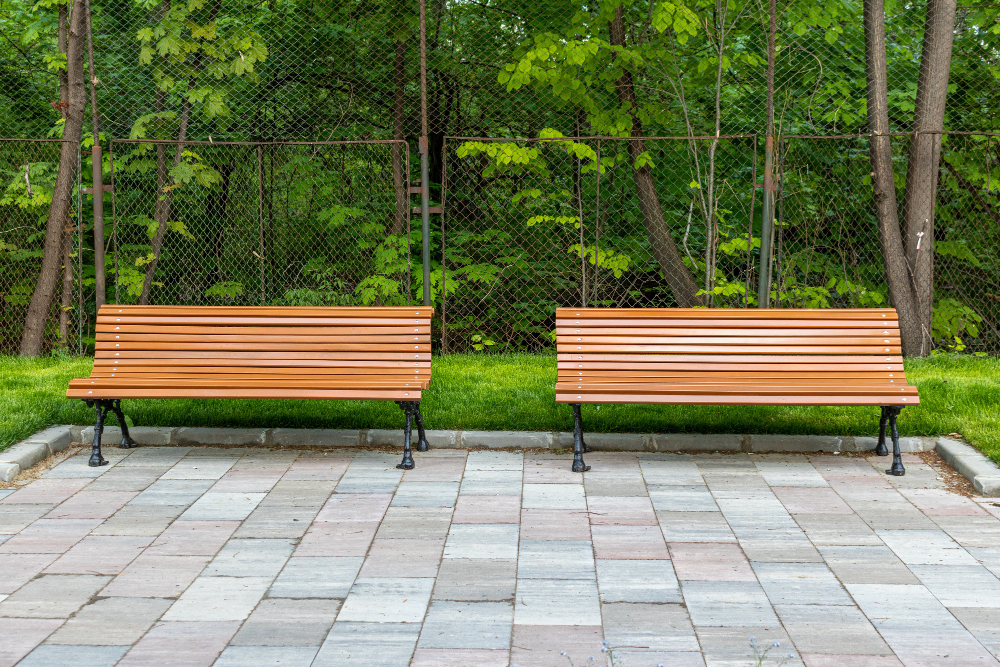
A bench facing a view invites contemplation; one facing a path invites watching people; two facing each other invite conversation.
Most benches face outward at the edge of a space, which produces a room with everybody around the walls.
4. The Material Decides the Season
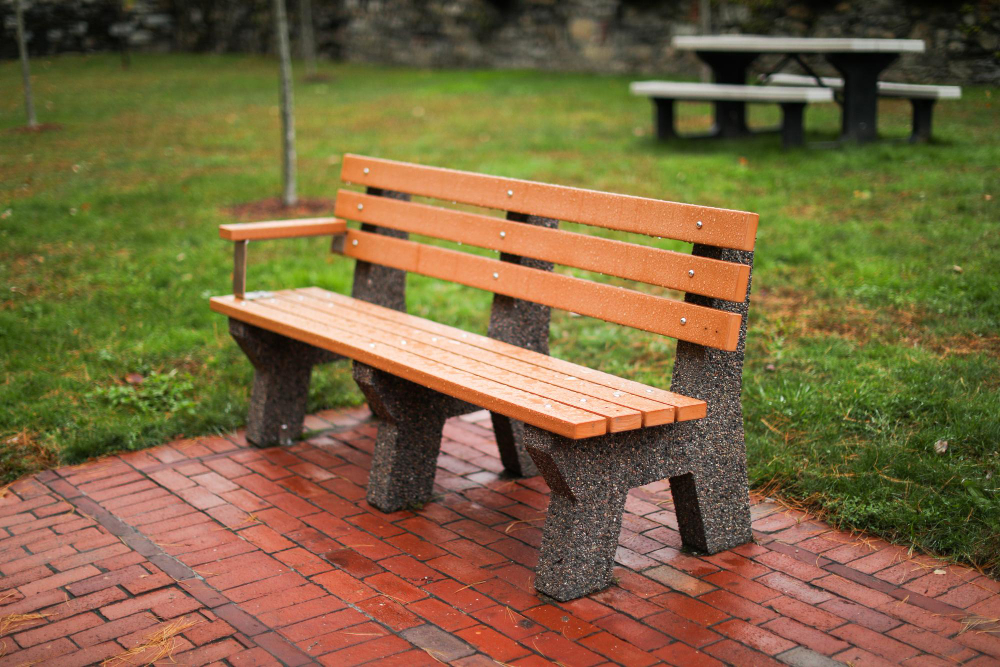
Metal is cold in winter and hot in summer, stone is permanently cold, and wood is usable in both.
A metal bench in an exposed spot is unusable for a third of the year and that is known when it is chosen.
5. The Height Excludes People Silently
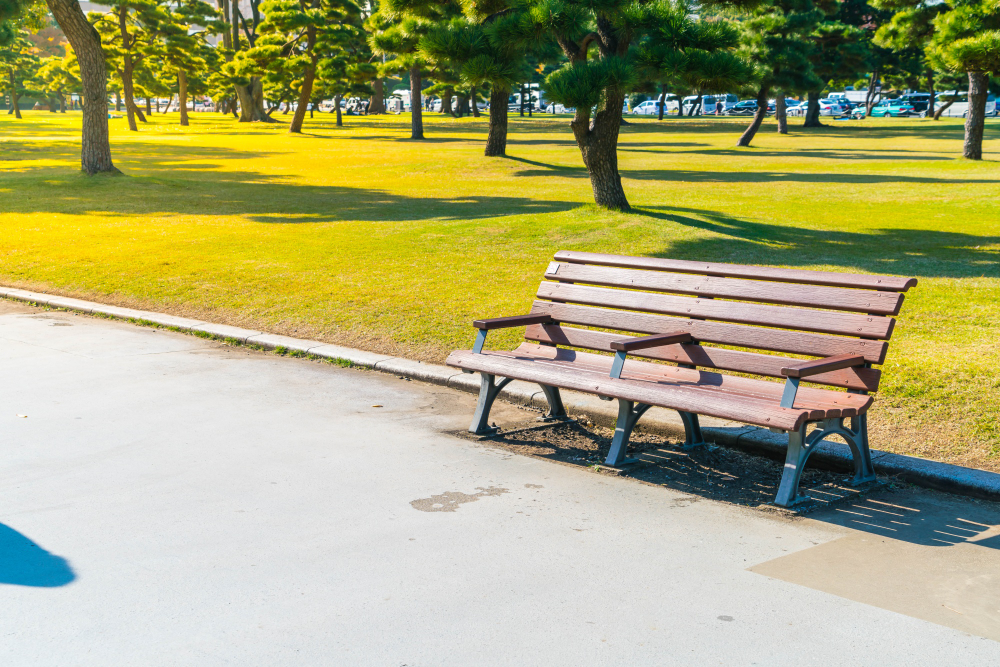
A low seat is difficult to rise from without arms to push against, and a high one leaves shorter people’s feet dangling.
Getting up is harder than sitting down, and a great many benches are designed around the wrong one.
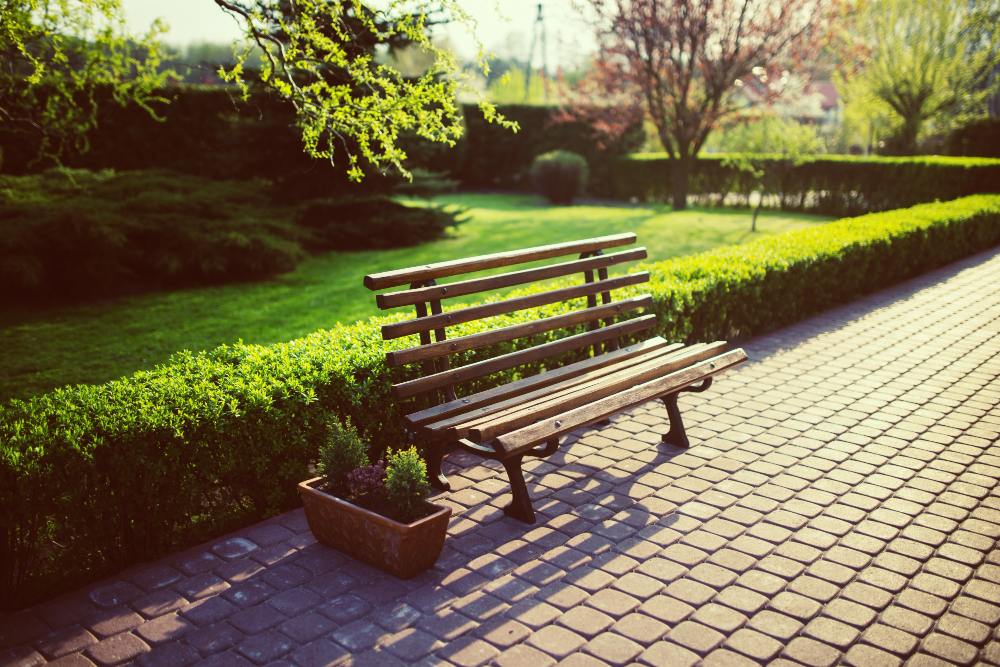
6. Drainage Is Why the Slats Have Gaps
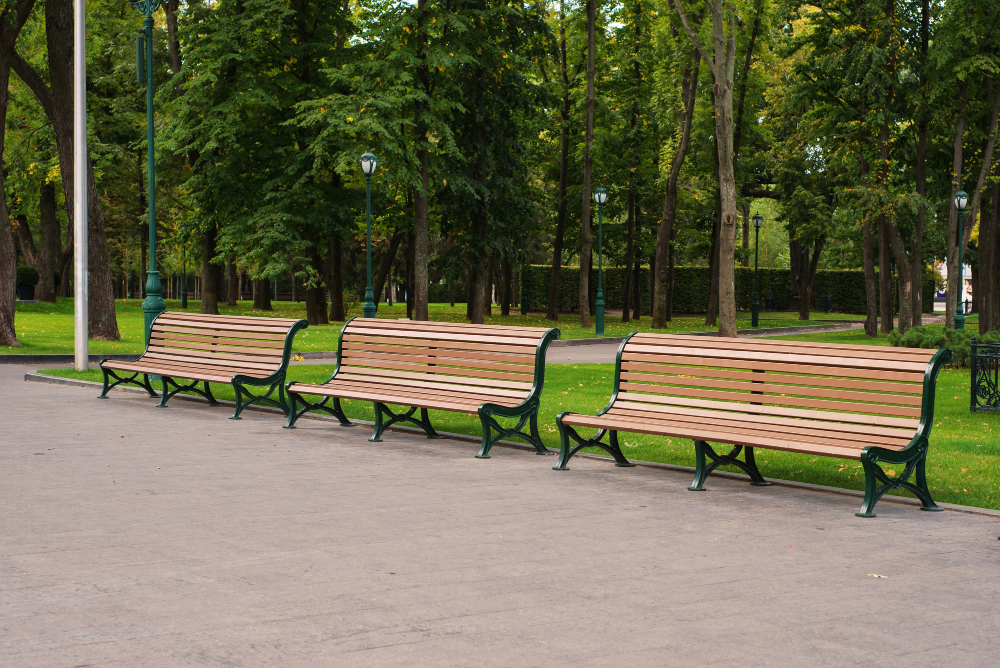
Gaps let rain through rather than pooling, so the seat dries in an hour instead of staying wet all day.
A solid seat with a slight slope does the same job and is more expensive to make.
7. Bolting It Down Answers a Different Question
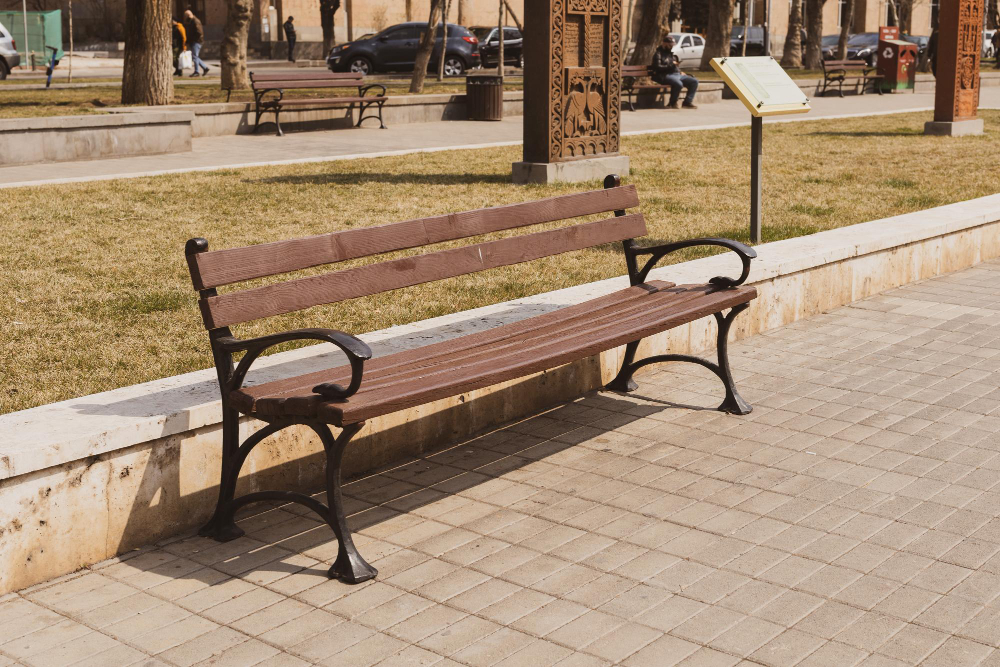
A fixed bench cannot be moved by the people using it, which prevents theft and also prevents rearrangement.
Loose chairs in public squares are consistently more used, and consistently harder to manage.
8. Sightlines Decide Where It Goes
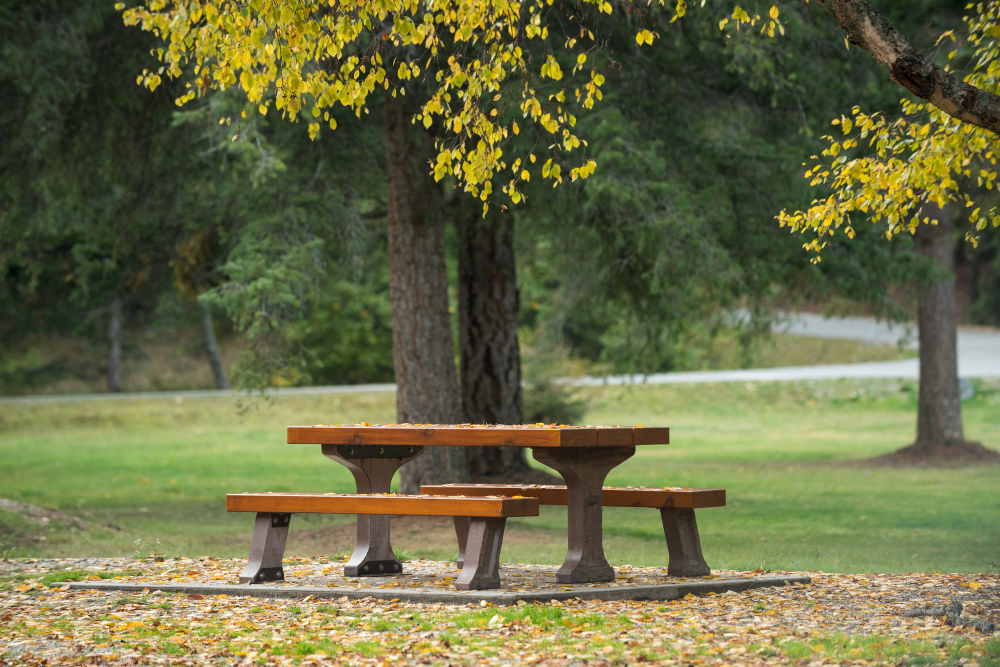
Benches placed where people can see and be seen are used; benches in concealed corners are avoided by most people.
An unused bench is usually in the wrong place rather than the wrong shape.
9. Shade and Shelter Are the Actual Constraint
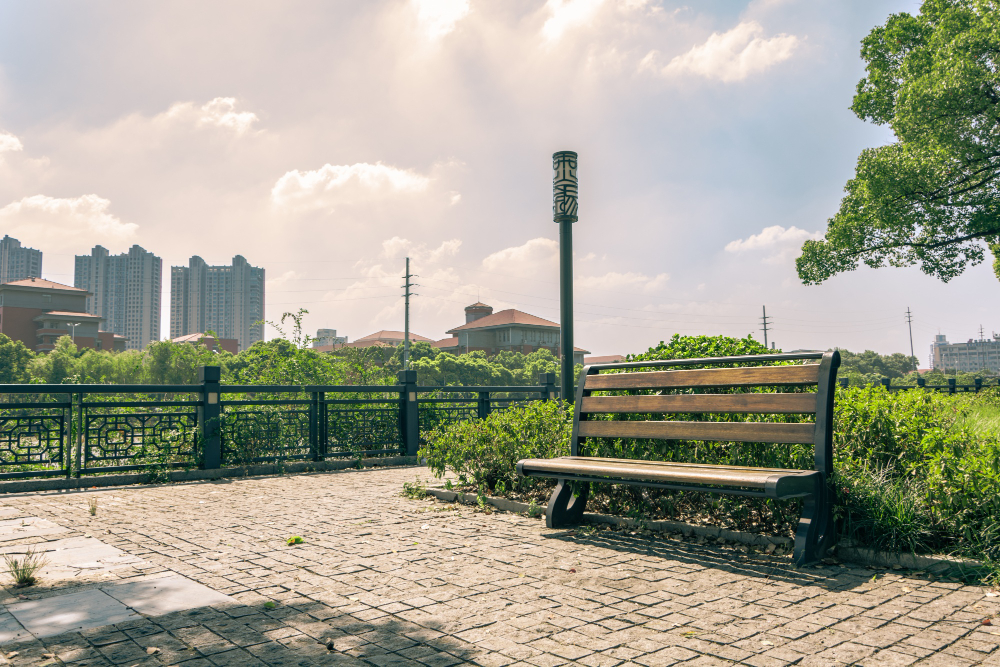
A bench in full sun is empty on a hot day and a bench with no shelter is empty in rain, whatever else is right about it.
The most used bench in any park is usually the one under something.
10. Somebody Is Being Designed Out
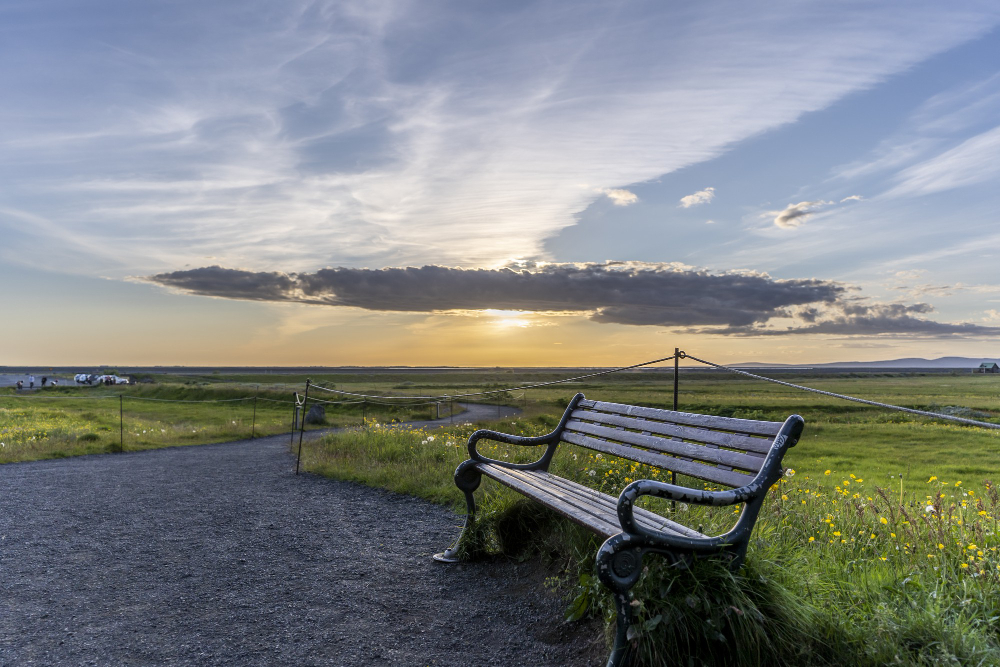
Dividers, sloped seats, short lengths and deliberately uncomfortable surfaces are used specifically to stop people sleeping.
This is contested wherever it is done, because the same features also exclude anybody who needed to sit for a while.
A Seat That Was Argued Over
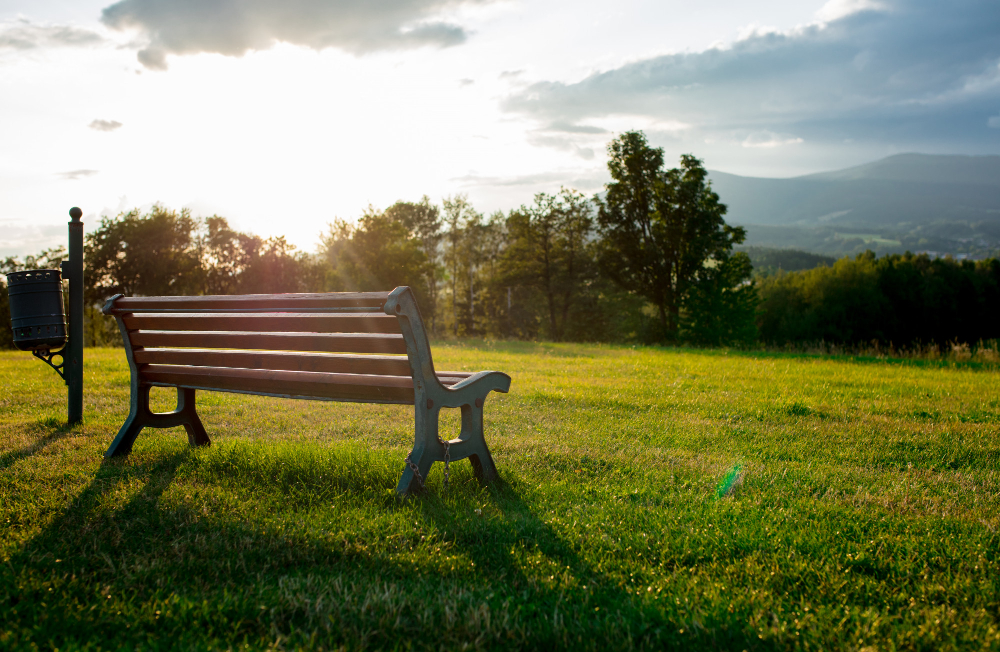
A backrest setting how long you stay, armrests dividing the space, the direction deciding what sitting means, gaps for drainage and features intended to stop somebody lying down.
The third item is the one that changes how a place feels. Almost every public space arranges its benches facing outward from the edges, which produces somewhere people sit side by side looking at the middle – and the far rarer arrangement of benches facing each other produces a space where people actually talk.
Like our content? Follow us for more.