

Cash at the turnstile, no ticket, no seat, and scores posted as letters. Here are seventeen.
1. There Were No Seats, and Nobody Thought That Was Odd
The great majority of any ground was standing room: a sloped concrete bank with crush barriers across it at intervals and no seating of any kind.
Seats existed in one stand, cost more, and were regarded by a large proportion of supporters as a slightly peculiar choice. Standing was not a hardship or a compromise. It was simply how you watched football, for ninety minutes, every other Saturday, for decades.
2. You Paid Cash at the Gate and Were Never Issued a Ticket

For the terraces there was no ticket at all. You turned up, handed over coins at a window or directly to the man in the turnstile booth, and went in.
No seat number, no name, no record of the transaction beyond the money in the box. You could decide at two o’clock to go to a match at three, walk there, and be inside within a minute of arriving. The entire system assumed that anybody who wanted to come would be accommodated.
Like our content? Follow us for more.
3. The Turnstile Counted You, and That Was the Only Record

Each turnstile had a mechanical counter on it that clicked over once per person, and adding up the counters at the end of the afternoon was how the attendance was arrived at.
Which is why so many historic crowd figures are approximations and some are frankly inventions. Counters were read late, read wrong, not read at all, or adjusted. Nobody in the ground knew how many people were in it while the match was going on, including the people responsible for it.
4. Children Were Passed Over People’s Heads to the Front

If you were small you did not stay with whoever brought you. You were handed to the nearest adult, who handed you on, and you travelled forward over the crowd until you were deposited at the wall at the front where the small children stood.
This was completely routine and happened without discussion. At the end you made your way back up to find whoever you had come with, at a prearranged spot. An entire generation’s first experience of a football match was from the front wall, surrounded by other children, having been passed there by strangers.
5. The Crowd Moved, and You Moved With It
A packed terrace was not a set of individuals standing still. It swayed, surged forward when something happened near the goal, and carried everybody in it several feet without anybody choosing to go.
You learned to go with it rather than resist it, to keep your footing, and to know roughly where you would end up. People describe losing a shoe, ending the match twenty yards from where they started, and being lifted off their feet entirely – all of it recounted as ordinary rather than frightening, which says something about what everybody had got used to.
6. The View Was Whatever You Could Get
Stands were built with pillars holding the roof up, and the pillars were in front of people. A substantial number of spectators watched through or around a steel column every week.
There were no allocated positions, so the view depended on when you arrived and how tall you were, and regulars had a spot they stood in and defended. Getting there late meant watching from the back with the pitch visible in horizontal strips between heads.
7. The Half-Time Scores Arrived as Letters on a Board
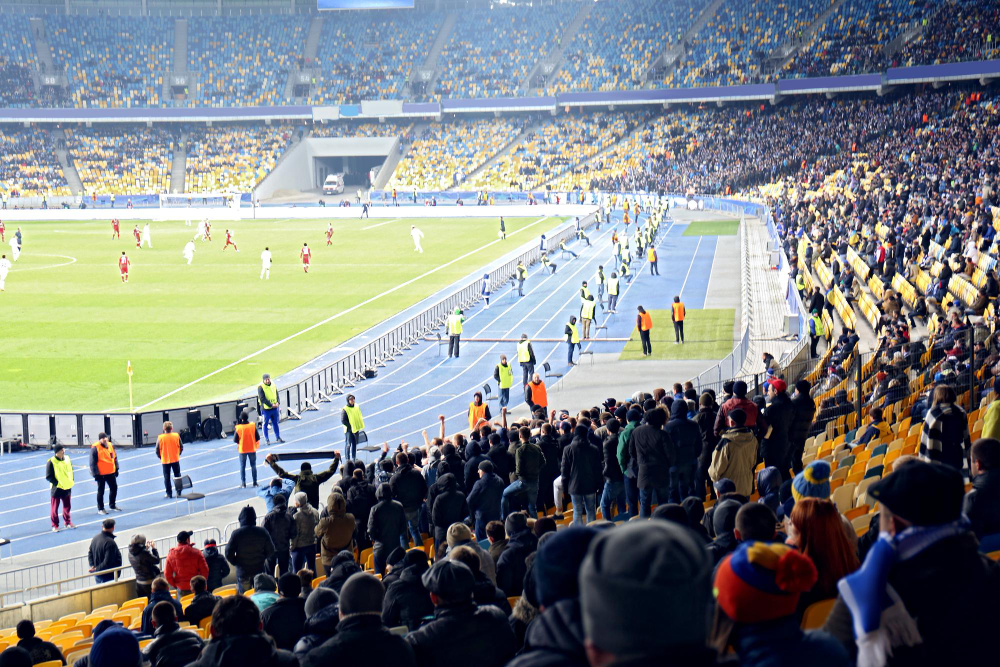
At half-time a man walked along a board at the side of the pitch hanging up numbers next to letters of the alphabet. That was the only information available about any other match anywhere.
A for one fixture, B for another, through to K or L. The numbers were the half-time scores. If you wanted to know which letter was which match you needed the printed programme, and if you had not bought one you were watching a man post numbers against letters that meant nothing to you.
8. Which Is Why Everybody Bought the Programme
The programme was not a souvenir. It was the only document that made the afternoon legible: the teams, the numbers the players were wearing, and the key to the scoreboard letters.
Players wore position numbers rather than permanent squad numbers, so matching a shirt to a name required the printed line-up and an announcement of any changes. Without it you could follow the match but you could not reliably say who had scored.
9. The Floodlights Were an Event in Their Own Right
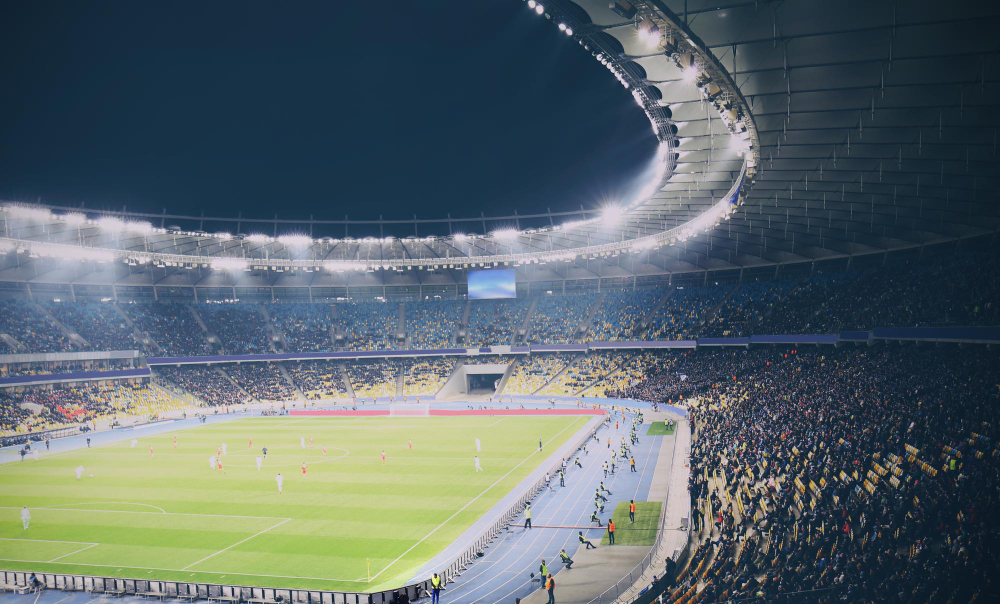
Four towers, enormously tall, lit up for a midweek evening match, visible from streets away – and for the first decade or so of their existence they were themselves the attraction.
An evening game under lights drew bigger crowds than the same fixture on a Saturday afternoon. The colour of the grass under them, the way the ball looked, the fact that it was happening in the dark on a weekday: it was a different and slightly glamorous occasion, and the towers became the thing you could see the ground by from a mile away.
10. There Was No Replay and No Second Look
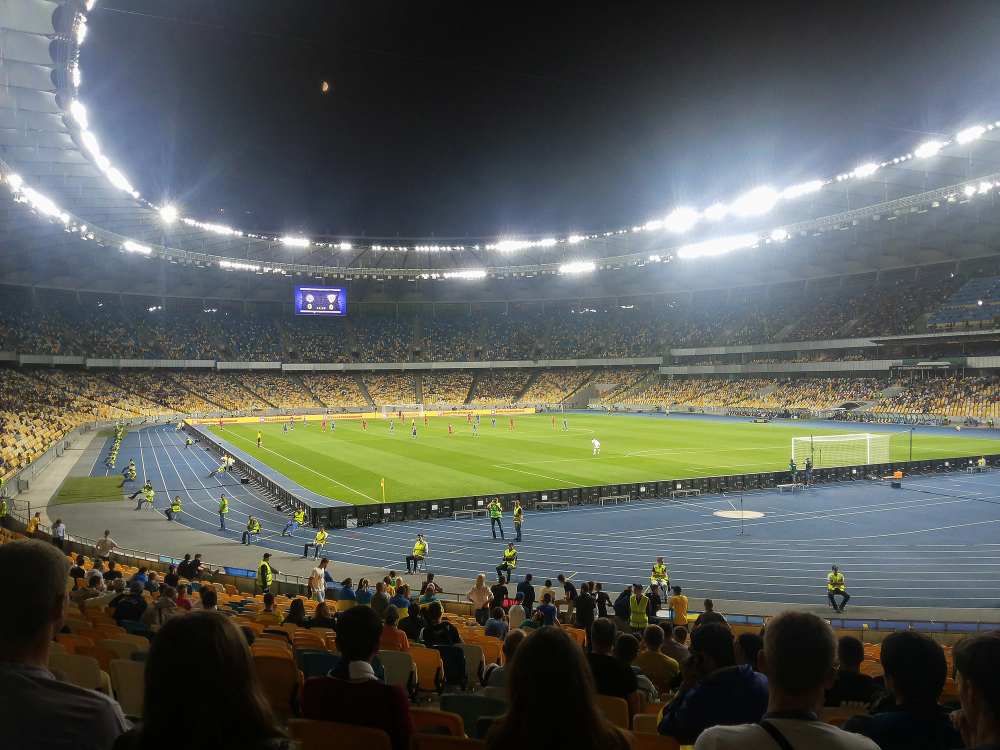
If you missed it, it was gone. No screen in the ground, no replay, no slow motion and no angle other than your own.
Which made the crowd the arbiter of what had happened, and arguments about a goal or a decision were settled by consensus and volume rather than by evidence. It also meant that the memory people carry of a famous moment is frequently their own single glimpse of it from one position at one speed, which is why accounts of the same incident differ so widely.
11. The Pitch Was Mud From November Until March
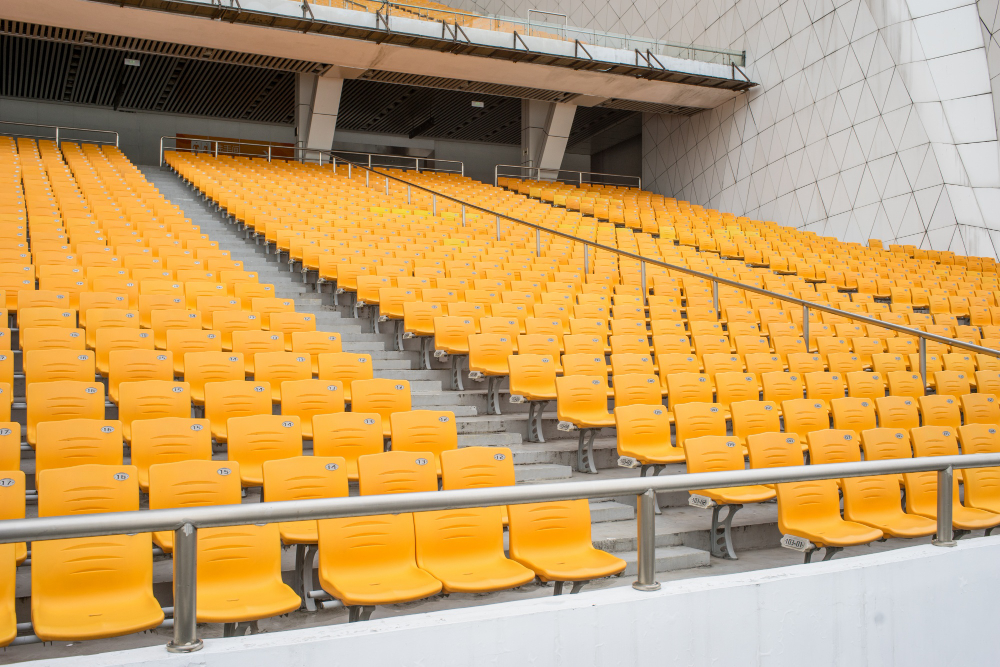
Modern pitches are engineered. These were fields. By midwinter the centre circle and both penalty areas were bare brown mud, and the grass survived only at the edges.
Which changed the game itself rather than just its appearance. The ball did not run, it stopped dead and sat up; passing along the ground became unreliable; and the physical cost of ninety minutes on that surface was substantial. Anybody comparing footage across the decades is partly comparing two different sports played on two different materials.
12. The Rattle, and Then the End of the Rattle

Supporters brought wooden rattles – a hardwood frame swung round a cog, producing a loud ratcheting clatter – and for a long period they were the standard noise of a football ground.
Then they disappeared almost entirely within a few years, for the obvious reason that a heavy piece of hardwood on a stick in a tightly packed crowd is a hazard and occasionally a weapon. The sound they made is one of the few things about the period that cannot be recovered at all, because it depended on hundreds of them going at once.
13. The Tea Came Out of an Urn and the Pie Was Structural
Refreshment was a hatch under the stand, a steel urn, tea in a thin cup, and a pie that had been kept hot for an unknown number of hours.
The pie’s defining characteristic was its temperature distribution: nuclear in the middle, cold at the edge, with pastry of real structural strength. There was nothing else. No choice, no brands and no queue management – just a hatch, a crowd and fifteen minutes.
14. You Could Smell the Afternoon
The combination was specific and is remembered with surprising precision: cigarette smoke in enormous quantity, the tea urn, wet wool, pipe tobacco, and the liniment carried on the air from the pitch.
Most of those have simply gone. A football crowd no longer smokes, no longer wears wet wool, and no longer stands close enough for any of it to reach anybody. It is one of the clearest examples of a sensory memory that cannot be reconstructed because every single component of it has been removed separately for separate reasons.
15. Leaving Early to Beat the Crowd Was a Real Calculation
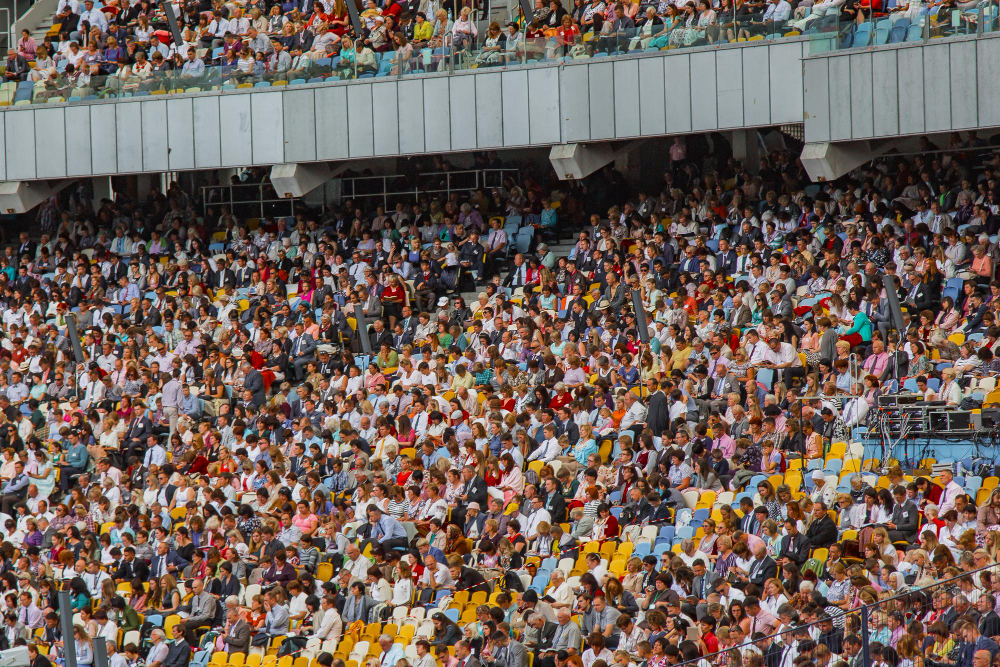
Getting out of a packed ground on foot, into streets with no parking and a bus service that was about to be overwhelmed, took a long time.
So people left before the end – on the eighty-fifth minute, the eightieth, sometimes earlier – and a measurable share of any crowd was walking away while the match was still being played. Everybody who did it has at least one story about what they missed, and the decision was made weekly, deliberately, by people who wanted to be home.
16. The Result Reached Everybody Else at Five O’Clock
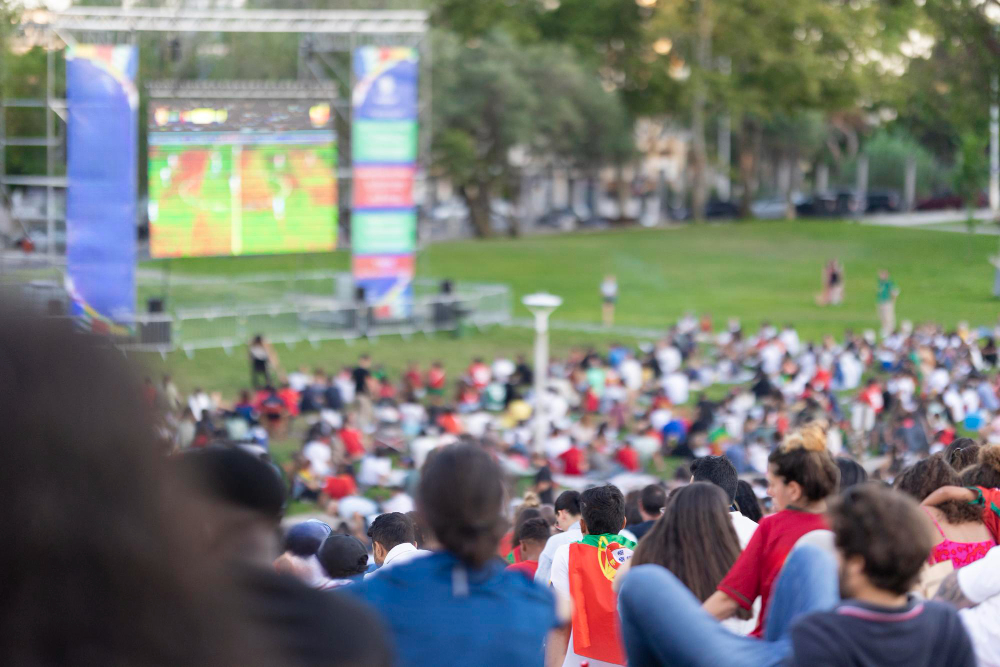
If you were not at a match, you did not know what had happened in it until the results were read out on the radio at the end of the afternoon.
A single voice reading every score in order, in a cadence so consistent that listeners could tell from the intonation of the first team’s name whether it was a win, a draw or a defeat before the numbers arrived. Households stopped for it. It was the only way the week’s results became known, and it had the whole country’s attention for about four minutes.
17. Then It Ended, Because People Died
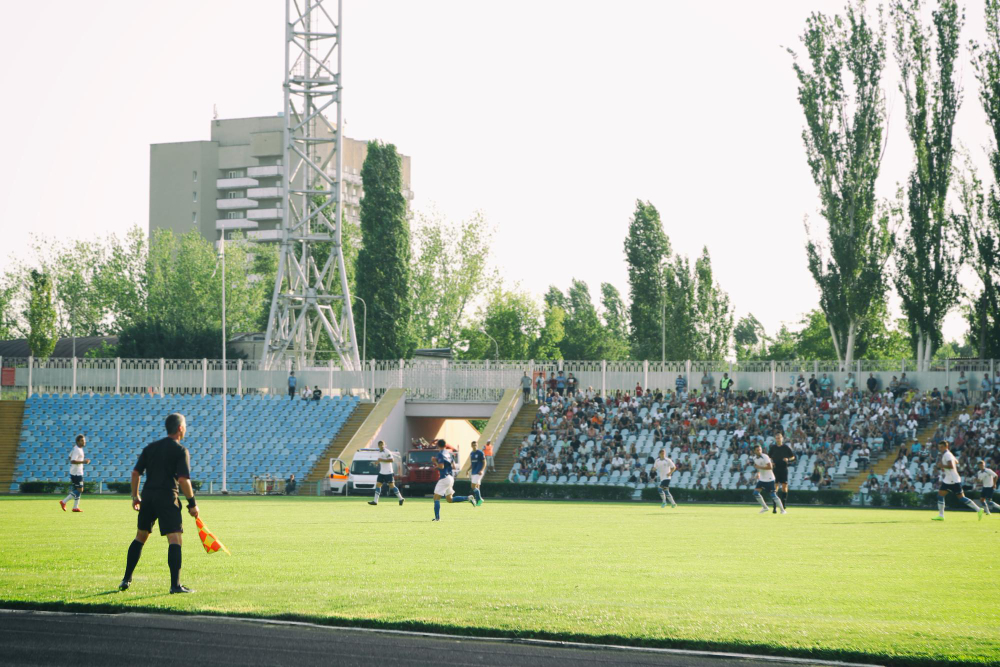
The terraces did not disappear because tastes changed or because anybody preferred seats. They were removed after a disaster at a match in which a large number of spectators were killed in a crowd, and a public inquiry that followed it required grounds to be seated.
That is the honest reason and it should not be softened. The conditions in several of the items above – unlimited standing, crowds whose size nobody knew, barriers and pens, movement nobody could control – were understood by a great many people to be dangerous long before they were changed, and the change came only after the worst had happened. Anybody remembering the terraces fondly, as very many do, is remembering something that was also, demonstrably, not safe.
An Afternoon Nobody Was Counting

Cash at a turnstile with no ticket issued, a mechanical counter as the only record, children passed overhead to the front wall, a crowd that moved you several feet at a time, scores posted as letters needing a programme to decode, and a pitch that was mud for four months of the year.
The seventh and eighth items go together and they are the ones hardest to imagine now. The only news from any other match was a man walking along a board at the side of the pitch hanging numbers beside letters of the alphabet – and the letters meant nothing unless you had bought the programme, which carried the key. Thousands of people stood watching a scoreboard they could not read, waiting to get home and find out what it had said.
Like our content? Follow us for more.
