

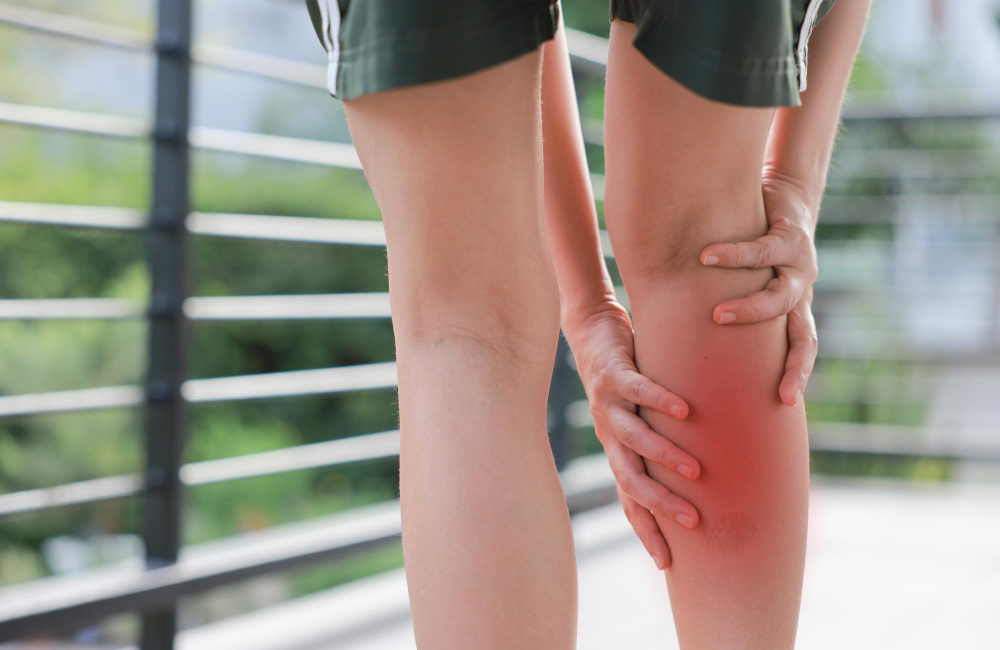
A Cramp Is a Muscle That Will Not Stop Firing
Start with what is actually happening, because it is more specific than most people assume.
A cramp is not a muscle seizing up, tightening, or going into spasm in any vague sense. It is a muscle receiving a continuous stream of instructions to contract, at a very high rate, which it obeys.
Recordings of electrical activity in a cramping muscle show exactly that: bursts of signal arriving far faster than during any voluntary effort, from the nerve cells that drive that muscle. The muscle is not malfunctioning at all. It is doing precisely what it is being told, and the problem is upstream.
Which immediately narrows the question. The thing that needs explaining is not a muscle, it is why a set of nerve cells has started firing on its own and will not stop.
Like our content? Follow us for more.
The Explanation Everybody Was Given Does Not Hold Up
The standard account is dehydration, loss of salt in sweat, or an imbalance of the minerals that muscles and nerves depend on. It is in every piece of popular advice on the subject and it has shaped an entire industry of drinks.
It is not supported. When researchers have compared people who cramp during an event with people who do not, under the same conditions, the hydration status and the blood levels of the relevant minerals have repeatedly come out the same in both groups.
That is a strong result and it has been obtained more than once. If the cause were a shortage of something, the people suffering from the consequence should be shorter of it than the people who are not. They are not.
And There Are Three Further Things It Cannot Explain
Beyond the measurements, the theory fails several ordinary observations that anybody who has cramped will recognise.
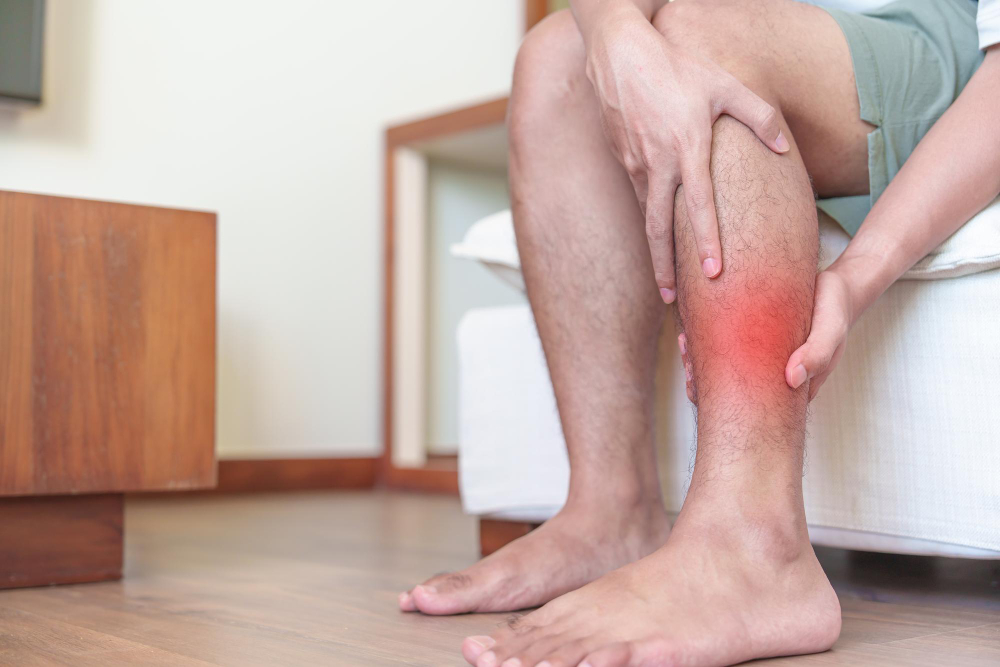
The first is location. A cramp happens in one muscle – a calf, a hamstring, a foot, an arch – while every other muscle in the body carries on normally. A shortage of a substance circulating in the blood reaches every muscle equally, so it cannot account for one going and the rest not.
The second is circumstance. Cramps occur in cool weather, in water, in rested people, early in an event before any substantial loss could have occurred, and in situations involving no heavy sweating at all. Swimmers cramp. People cramp in bed.
The third is the response. If the problem were a missing substance, supplying it should fix it, and the time it takes to fix should be the time it takes to get the substance into the muscle. What actually happens is that cramps resolve in seconds, well before anything swallowed could possibly arrive, and they resolve to an intervention that supplies nothing at all.
The Leading Explanation Is About Nerves, Not Chemistry
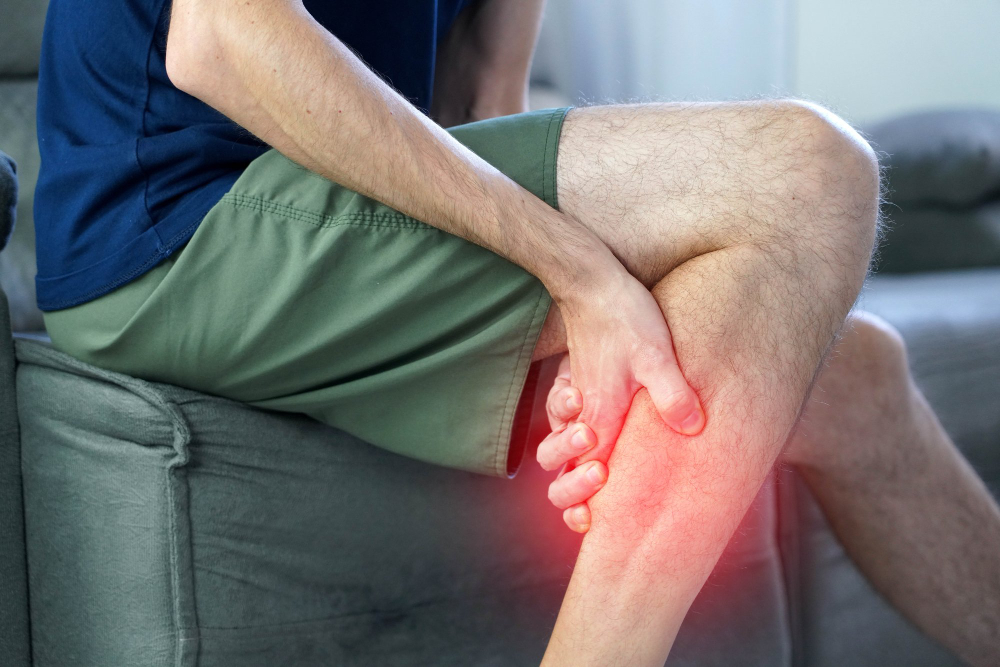
The account that has largely replaced it holds that cramp is a failure of balance in the control of a muscle, brought on by fatigue.
The nerve cell that drives a muscle does not decide anything on its own. It sits between inputs pushing it toward firing and inputs holding it back, and what it does is the sum of the two. Among those inputs are sensors inside the muscle itself, which report how much it is being stretched and tend to push toward contraction, and sensors in the tendon, which report how much tension is on it and tend to push toward relaxation.
The proposal is that fatigue shifts the balance. The stretch side becomes more active, the tendon side becomes less active, and the net effect is a nerve cell that is much easier to set off than it should be. Push it far enough and it starts firing without being asked.
On this account a cramp is not a deficiency and not damage. It is a control system losing its restraint while under load, and the muscle simply carrying out what arrives.
Which Is Why Cramps Happen in Shortened Muscles
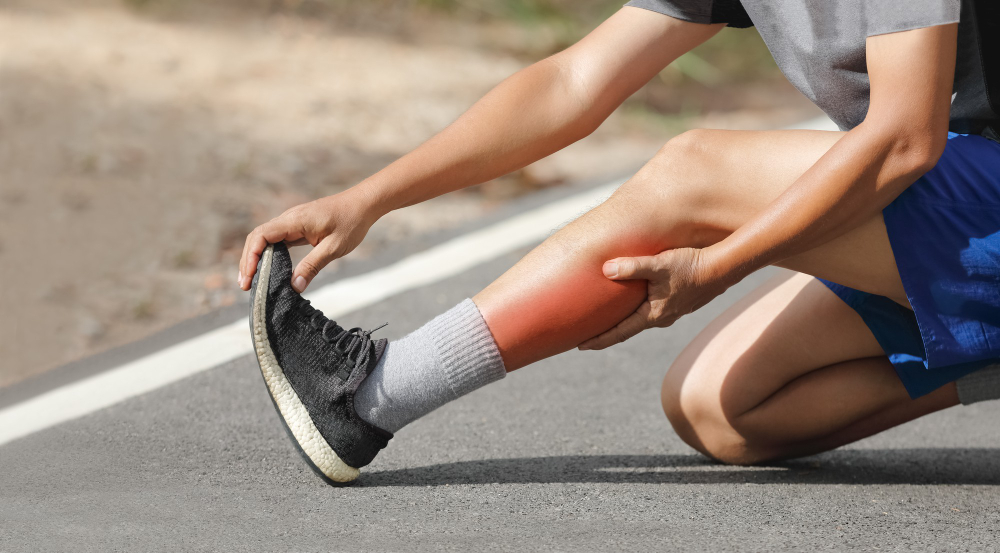
The neural account makes a prediction the chemical one does not, and it is borne out.
The sensors in the tendon that provide the restraining signal respond to tension. A muscle working while already shortened has less tension on its tendon than the same muscle working while lengthened – so the restraint is weaker in exactly that position.
And that is where cramps happen. A calf cramps when the foot is already pointed. A hamstring cramps when the knee is already bent. A foot cramps when the toes are curled. People who cramp in bed are almost always lying with the muscle in its short position, which is why it so often happens to a leg stretched out under a tucked blanket.
Nothing about a shortage of water or salt predicts that pattern. A theory about tension-dependent restraint predicts it exactly.
And Why Stretching Works
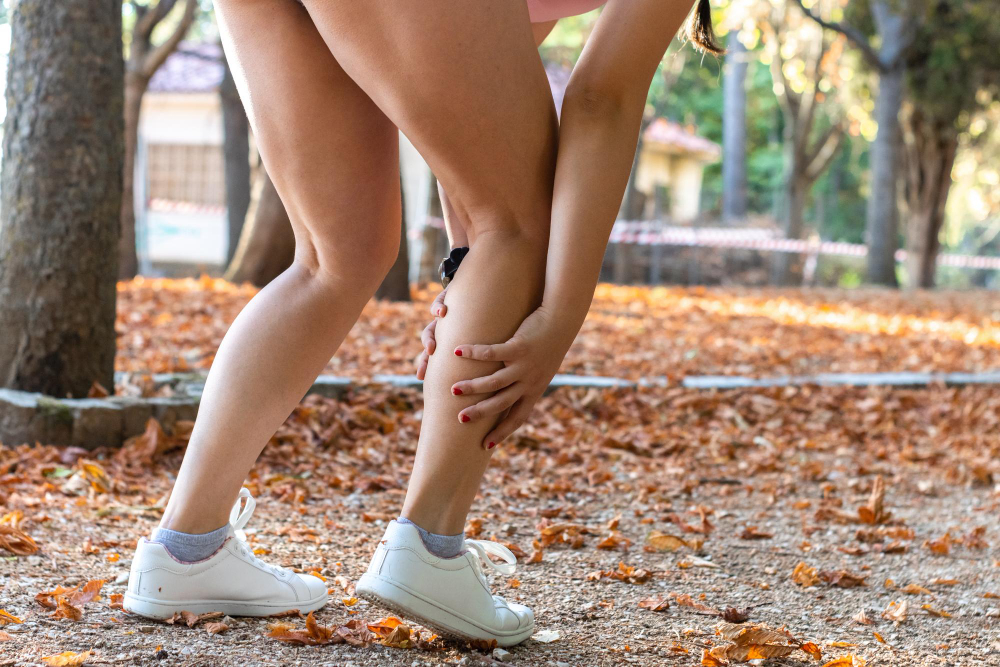
The one intervention that reliably stops a cramp while it is happening is lengthening the muscle, and this is the only treatment for it with a clear mechanism behind it.
Stretching the muscle increases the tension on its tendon, which increases the output of the restraining sensors, which raises the inhibition arriving at the nerve cell driving the muscle. Push that far enough and the runaway firing stops.
Which is why the relief is immediate rather than gradual, and why it works regardless of how long the person has been exercising, what they have drunk or what the weather is doing. It is not replacing anything or rebalancing anything. It is turning the brake back on.
This is also the strongest practical argument for the neural account, because the thing everybody already does, discovered independently by every person who has ever cramped, is precisely the thing the theory says should work.
The Pickle Juice Result, Which Is Stranger Than It Sounds
Among athletes there is a long-standing practice of drinking a small amount of pickle juice to stop a cramp, which sounds like exactly the sort of folk remedy that turns out to be nothing. It was tested properly, and it works – and the way it works demolishes the chemical theory on its own.
In controlled testing, a small mouthful shortened cramps substantially, with relief arriving in something like a minute and a half.
That is the finding that matters, because it is far too fast. A liquid swallowed takes considerably longer than that to be absorbed, enter the bloodstream and reach a muscle in the leg in any meaningful quantity. Measurements taken during these tests confirmed it: blood levels of the relevant substances had not changed by the time the cramp stopped.
So whatever happened, nothing from the liquid reached the muscle. The only remaining explanation is a reflex – receptors in the mouth and throat detecting something strong and sour, and that signal producing inhibition of the nerve cells driving the cramping muscle, by a route that does not involve the stomach at all. Which is a startling thing for a sports-field remedy to turn out to be, and is about as direct a demonstration as anybody could want that cramp is a nervous problem. Nothing here is a recommendation that anybody drink anything.
Night Cramps Are a Separate Problem and Also Unexplained
The cramps that wake people at night are not the same phenomenon as the ones that happen during exercise, and they should not be run together.
They are not preceded by effort, they become markedly more common with age, they favour the calf and foot, and they frequently occur in people who have done nothing strenuous for years. Whatever is happening is happening in a resting body.
The honest position is that they are poorly understood. The shortened-position observation seems to apply – the sleeping leg is usually in exactly that posture – and that is about as far as the agreement goes.
The important point is that the literature treats these as two different things with two different likely causes, while popular advice treats them as one and offers the same explanation for both, which is a good part of why that explanation has survived so long.
The Strongest Predictor Is Having Had One Before
Of everything that has been examined as a risk factor, the one that stands out is not an environmental variable at all. It is personal history.
The best single predictor of whether somebody will cramp during an event is whether they have cramped before. Beyond that, the factors that come out as relevant are things like working harder than usual, going faster than trained pace, and doing something unaccustomed – all of which are measures of fatigue rather than of loss.
Which fits the fatigue-and-control account and does not fit the deficiency one. Two people in identical conditions, drinking identically, sweating identically, will not have the same outcome, and the thing that separates them is how hard each is working relative to what they are used to, plus whatever it is about some nervous systems that makes this happen to them and not to others.
That last part is still open. Nobody can say what makes a particular person a cramper, which means a condition almost everybody has experienced remains, at the level of the individual, unexplained.
Like our content? Follow us for more.
