The building came on a truck, and that explains almost everything else. Here are ten.
1. The Counter Was the Point and the Booths Were the Overflow
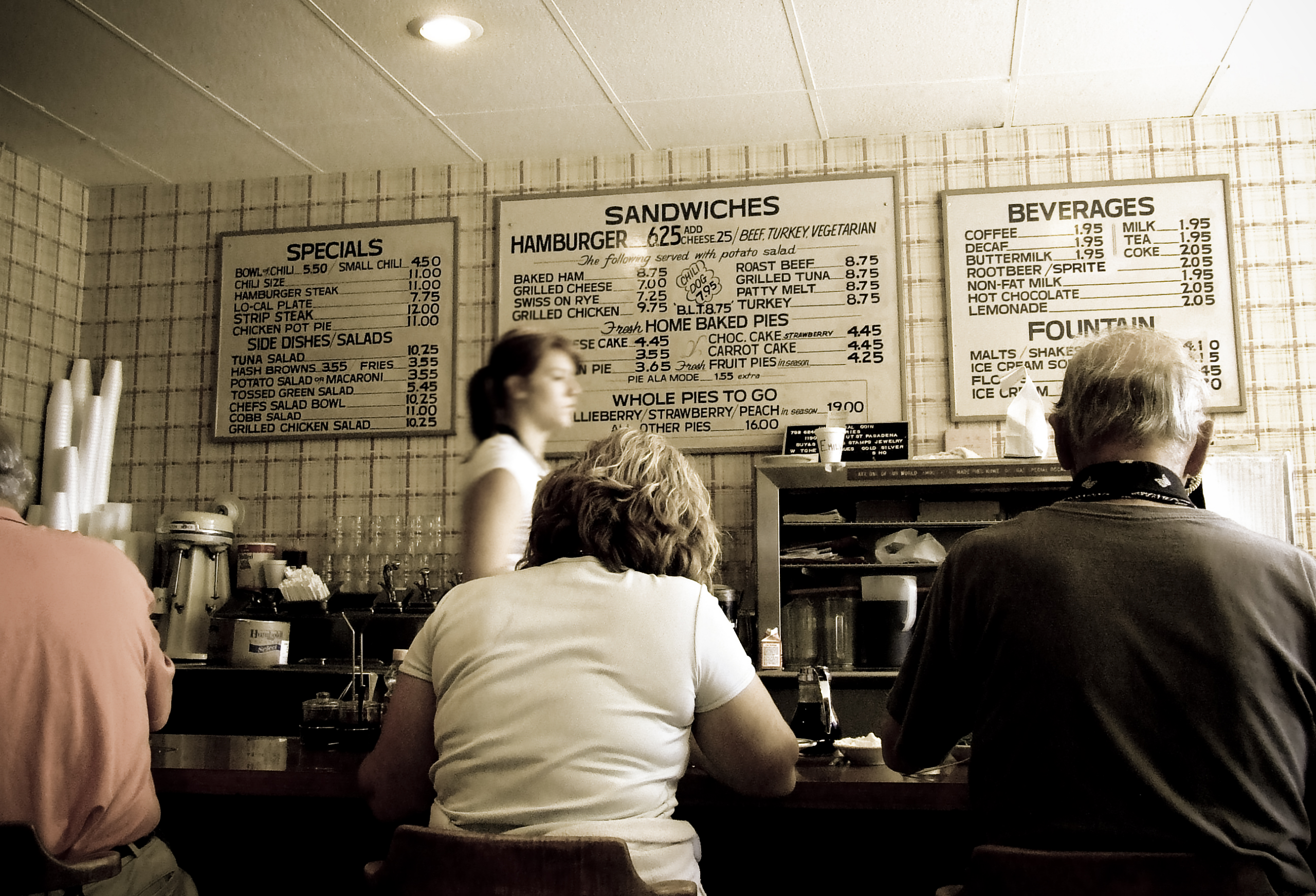
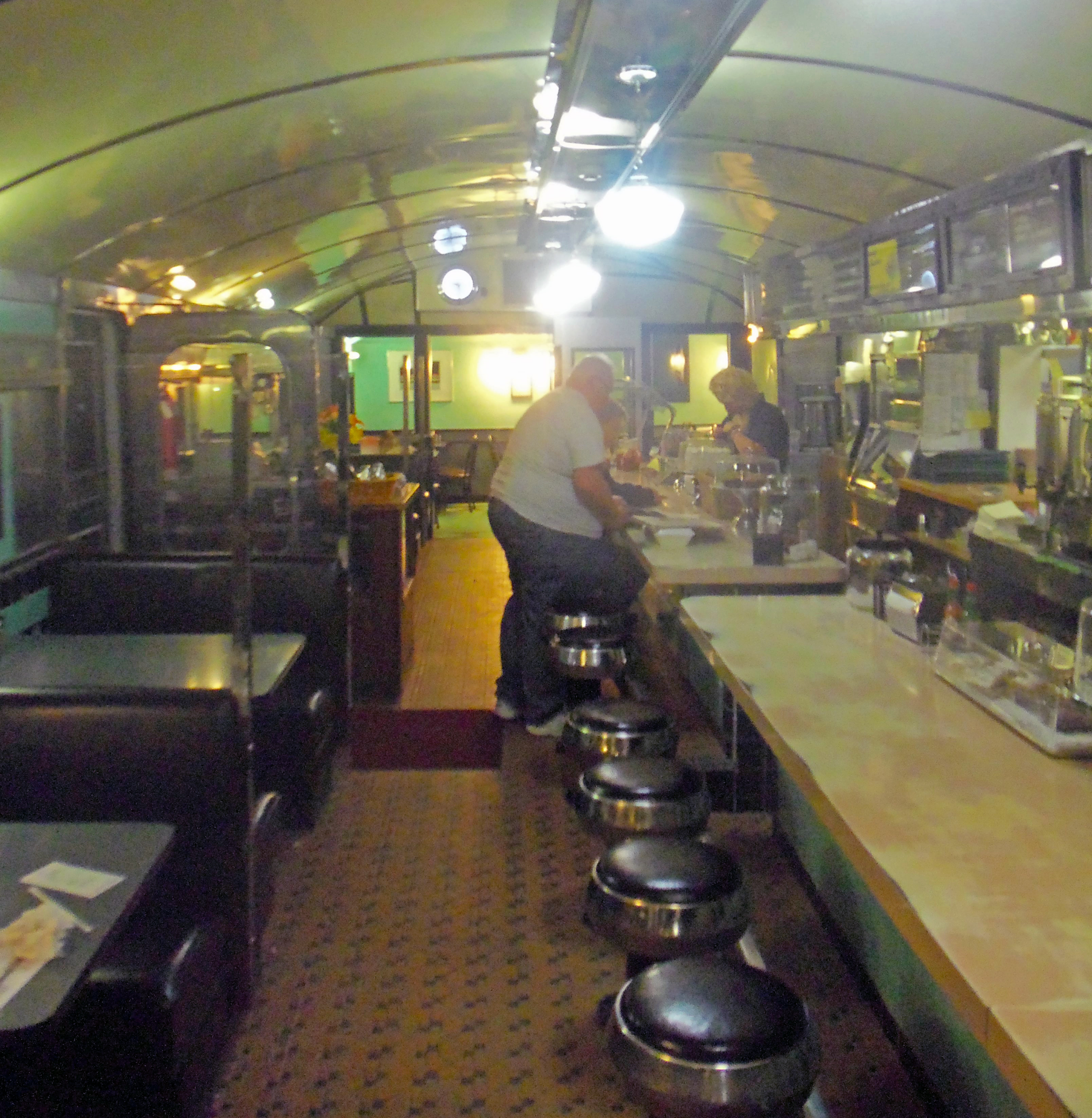
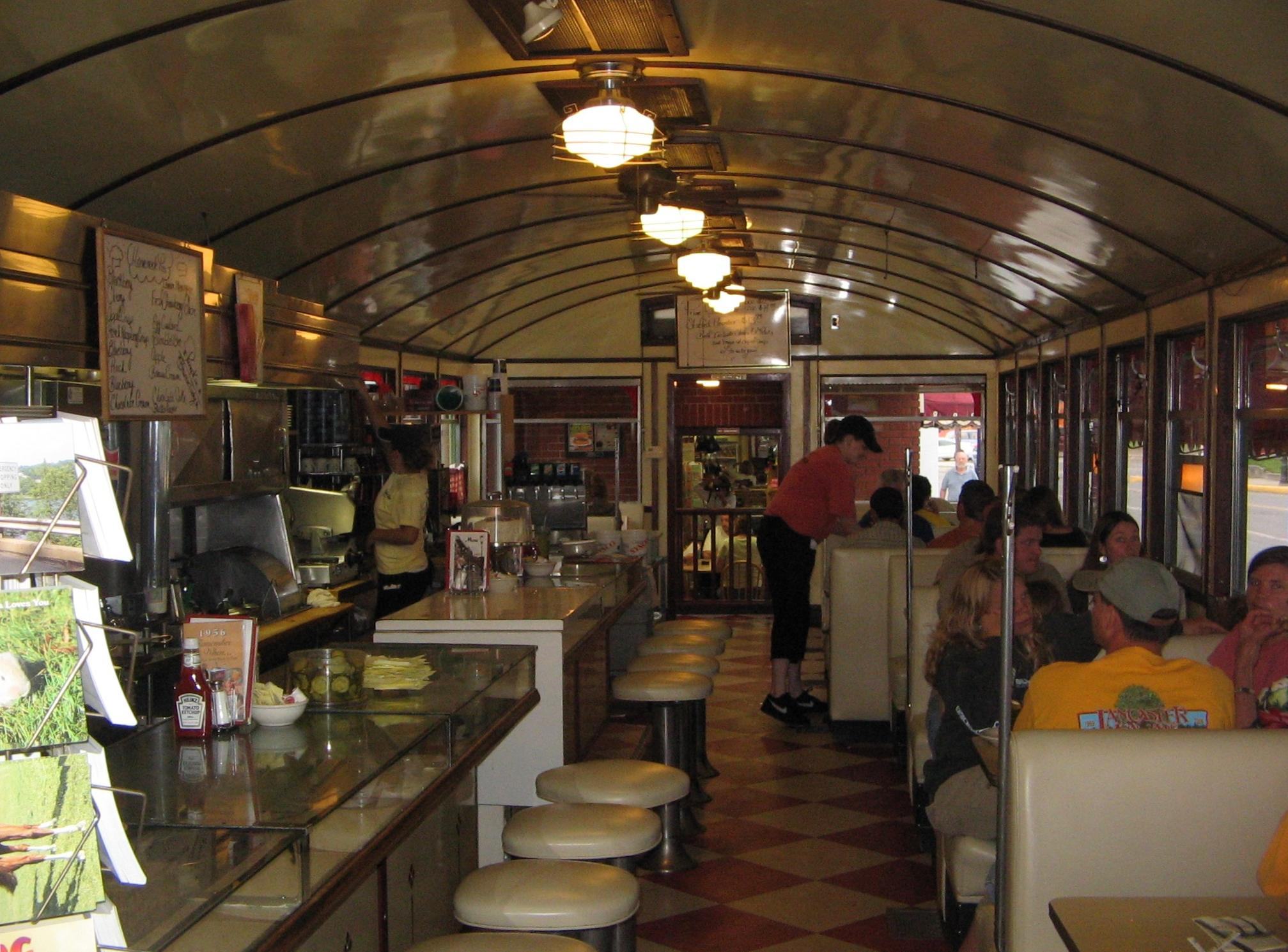
A long counter with fixed stools faced the cooking line, so that a solitary customer sat facing the work rather than facing an empty chair across a table.
That is the whole social invention of the format and it is why a diner was the one American eating place where arriving alone was normal rather than conspicuous. A counter seat is a public seat: it provides company without requiring conversation, which no table can do.
Like our content? Follow us for more.
2. It Was a Manufactured Building Delivered on a Truck
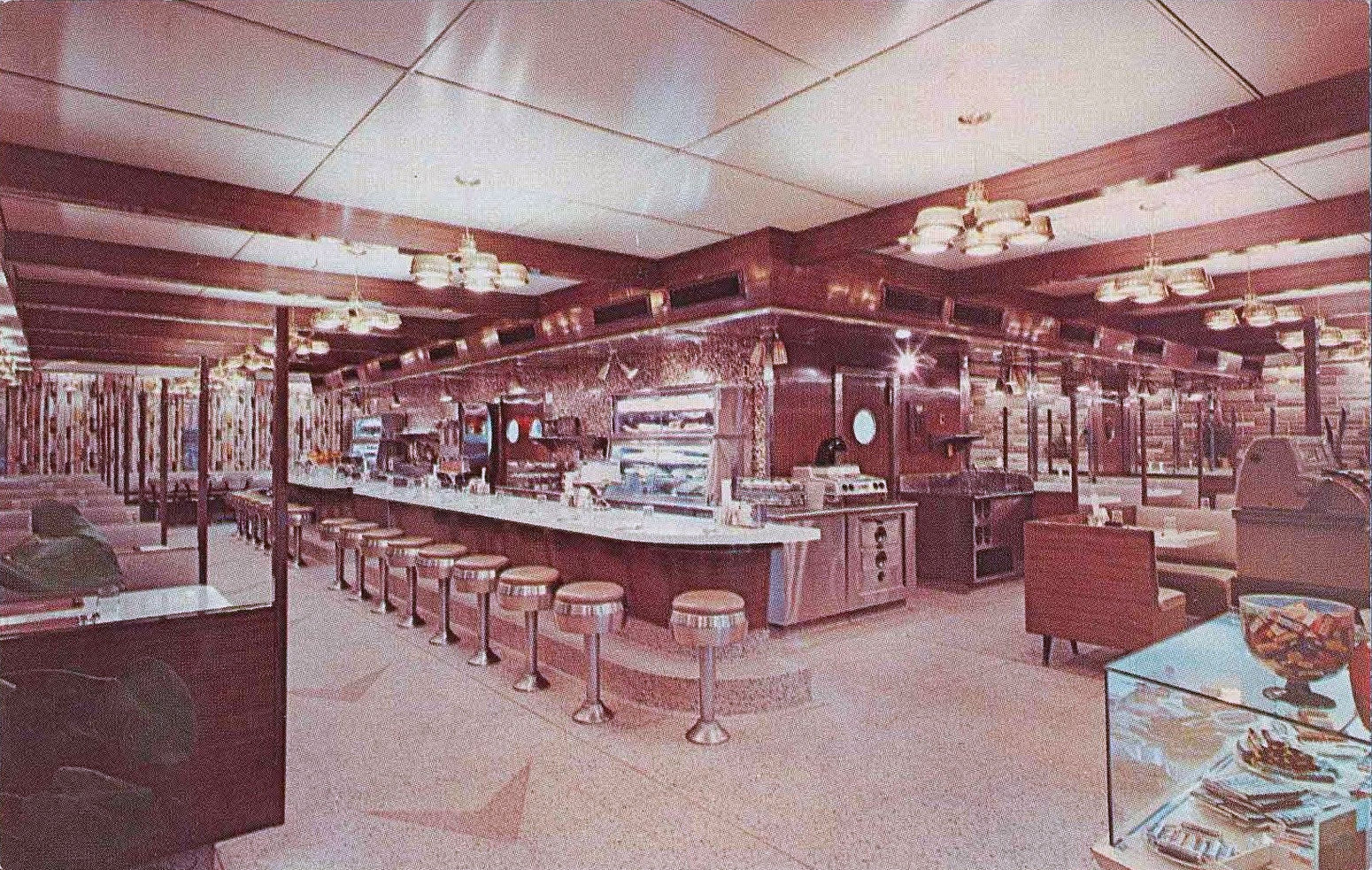
A great many diners were not built on site. They were constructed in a factory as a complete unit, shipped by rail or road, and set on a prepared foundation.
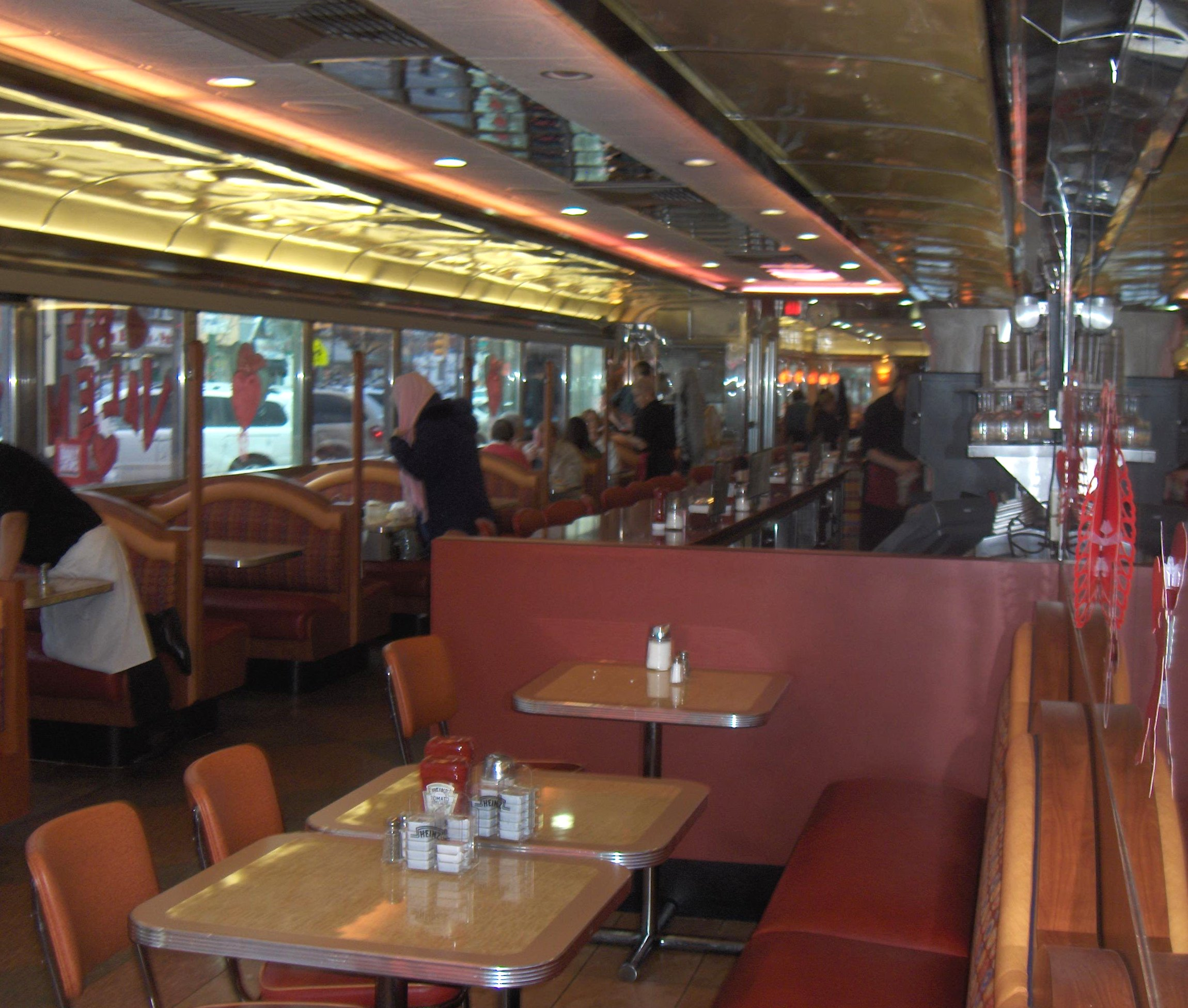
This is the detail that explains the shape, the fittings and the strange uniformity of the format across thousands of miles. The long narrow plan with rounded ends is the plan of something that had to fit on a flatbed, and the stainless steel, tile and enamel were specified because they survived the journey and cleaned easily afterwards.
3. The Entire Menu Was Cooked by One Person in Front of You
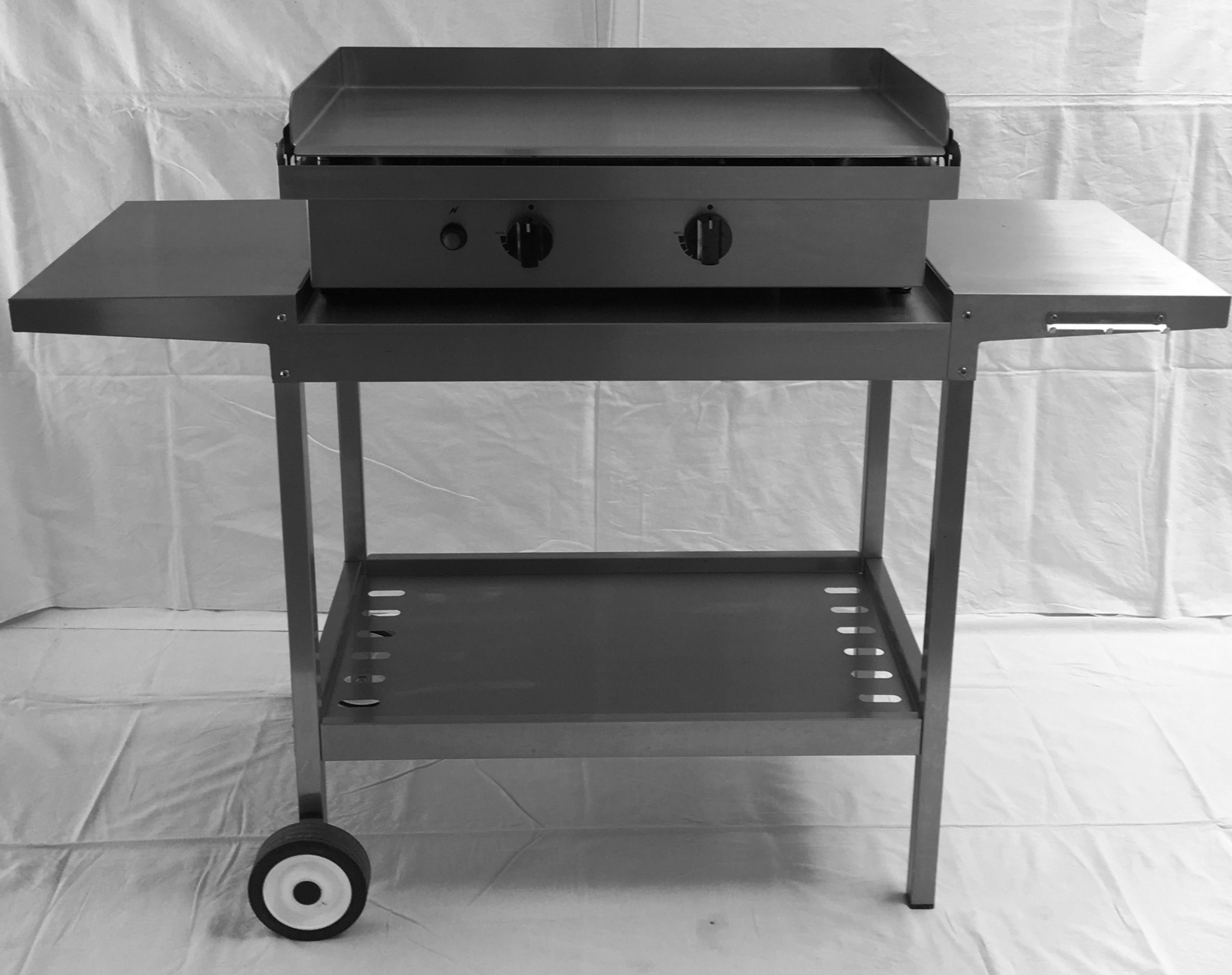
A short-order cook worked a flat griddle, a fryer and a few burners, holding the whole order sequence in their head, in full view of the people eating it.
The open kitchen was not a design statement, it was a consequence of the building being too narrow to have a back. But it produced something that restaurants have spent the last two decades deliberately recreating at considerable expense, and it was an accident of a flatbed width.
4. Coffee Was Refilled Without Being Asked and Was Not Charged For
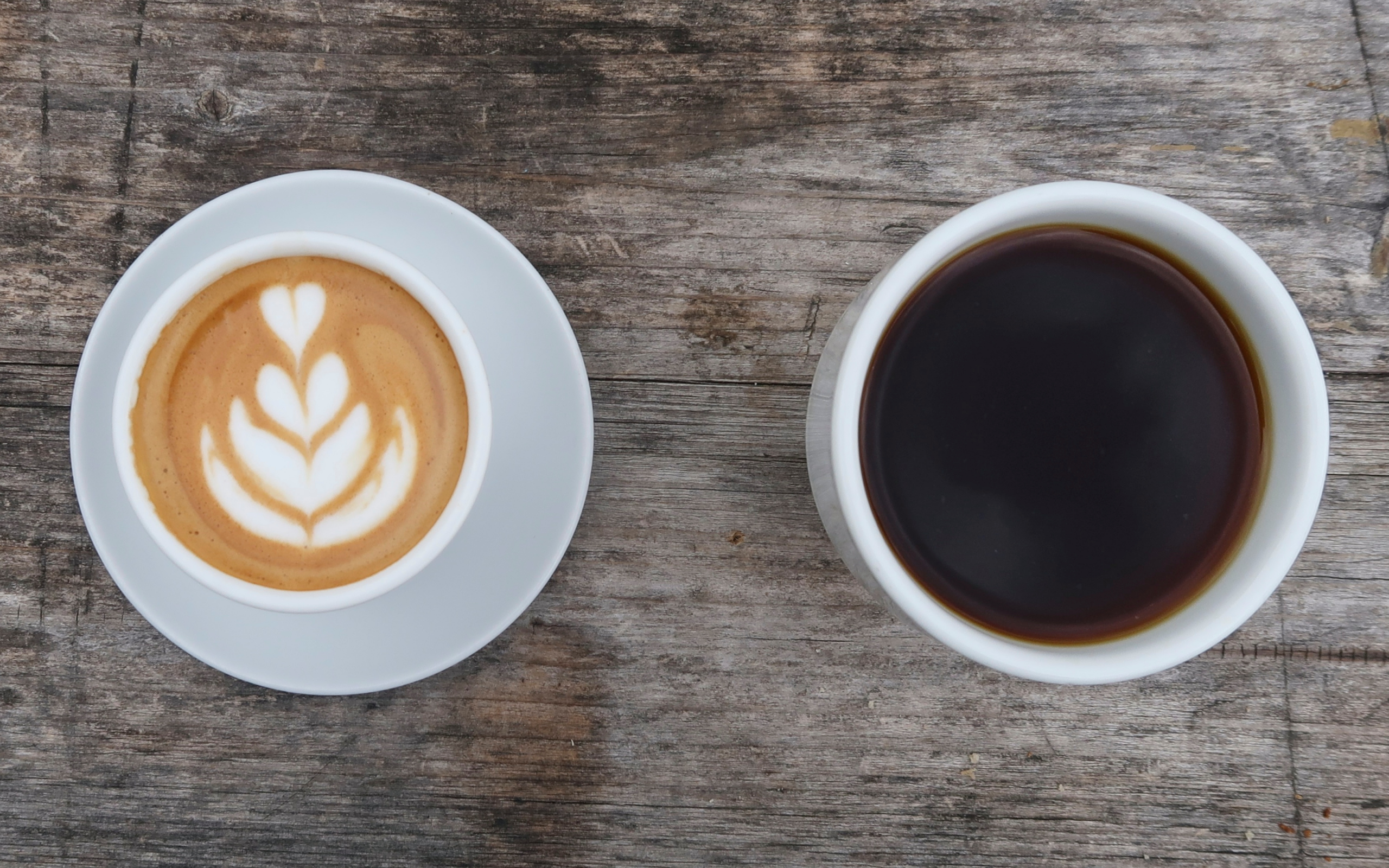
The pot came round, the cup was topped up, and the refill was understood as included rather than as a separate transaction.
The practice has a hard economic logic. Coffee is nearly costless relative to its price, and a bottomless cup keeps a customer in a seat and inclined to order food – which in a business running on volume and turnover is worth more than the coffee.
5. There Was a Rotating Glass Case of Pies and It Was Lit From Inside
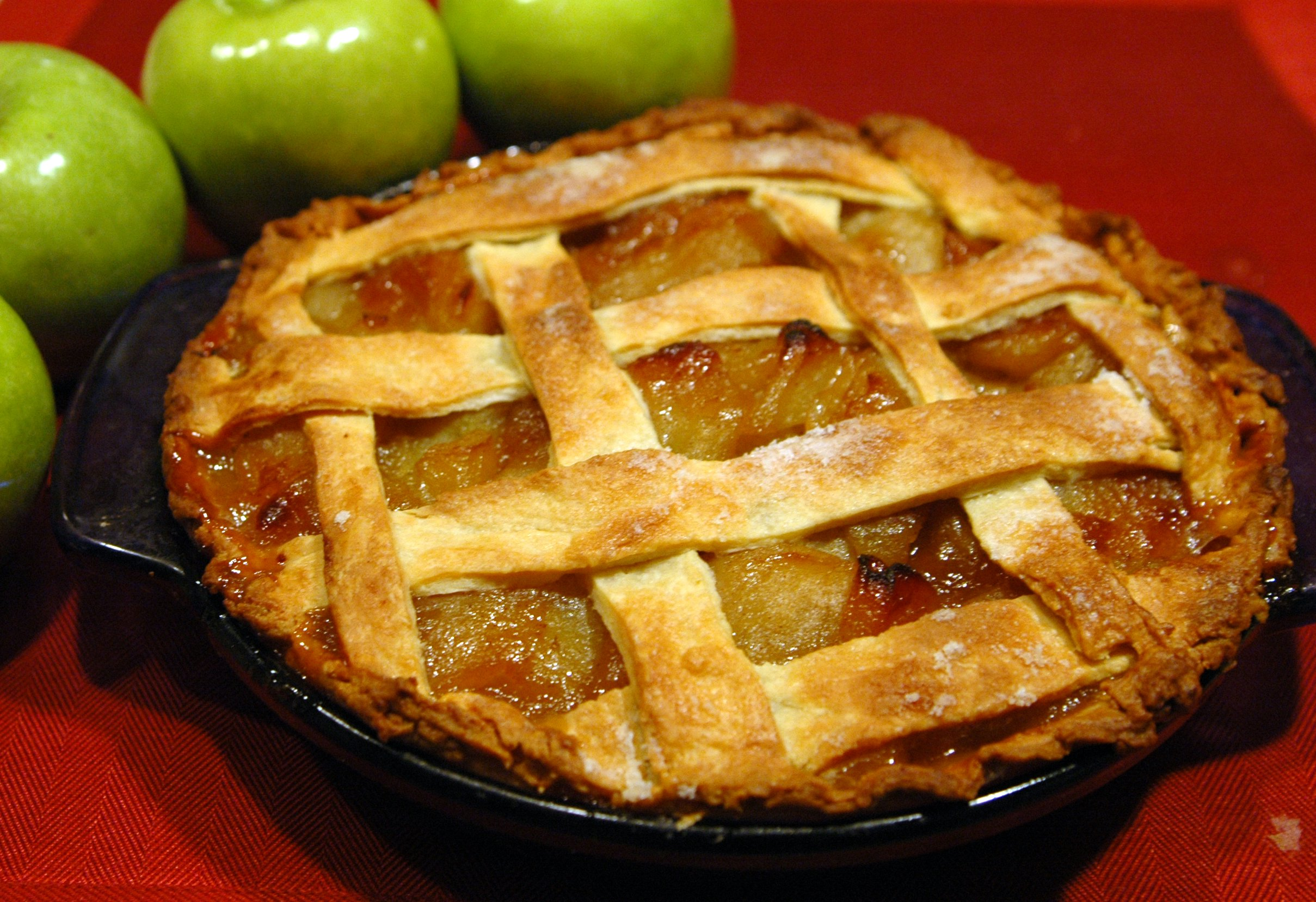
A refrigerated or ambient display stood on the counter, turning slowly, lit, with whole pies and cut slices visible from every seat in the room.
It is the most effective piece of point-of-sale design in American food retail and it was in place for decades before anybody wrote about impulse merchandising. A lit, moving, elevated display of a high-margin item in the eyeline of a seated customer is close to optimal, and it was arrived at by instinct.
6. The Staff Had a Vocabulary That Was Not English
Orders were called to the kitchen in an elaborate compressed slang in which every common dish, modification and quantity had its own short phrase.
It existed because a short-order kitchen is loud and a call has to be unambiguous, short and audible, which ordinary phrasing is not. The vocabulary varied regionally and was learned on the job, and it is almost entirely gone – replaced by printed tickets and screens, which are clearer and considerably less interesting.
7. Prices Were on a Board and Changed With a Letter at a Time
The menu board was a grooved panel into which individual plastic letters and numbers were slotted by hand, and a price change meant finding the right digit.
The friction is the interesting part. Changing a price took physical effort and was visible to every regular in the room, which made operators reluctant to do it – a real constraint on pricing behaviour that no digital display imposes.
8. Every Table Had the Same Four Objects and They Were Never Moved

Salt, pepper, sugar in a glass pourer and a napkin dispenser sat at every position, along with ketchup and in many places a small jukebox selector.
The standardised table set is a labour decision. If every table is identical and self-sufficient, a server never has to fetch anything, and turnover – which is the entire economics of the format – depends on nobody waiting for condiments.
9. It Was Open at Hours Nothing Else Was
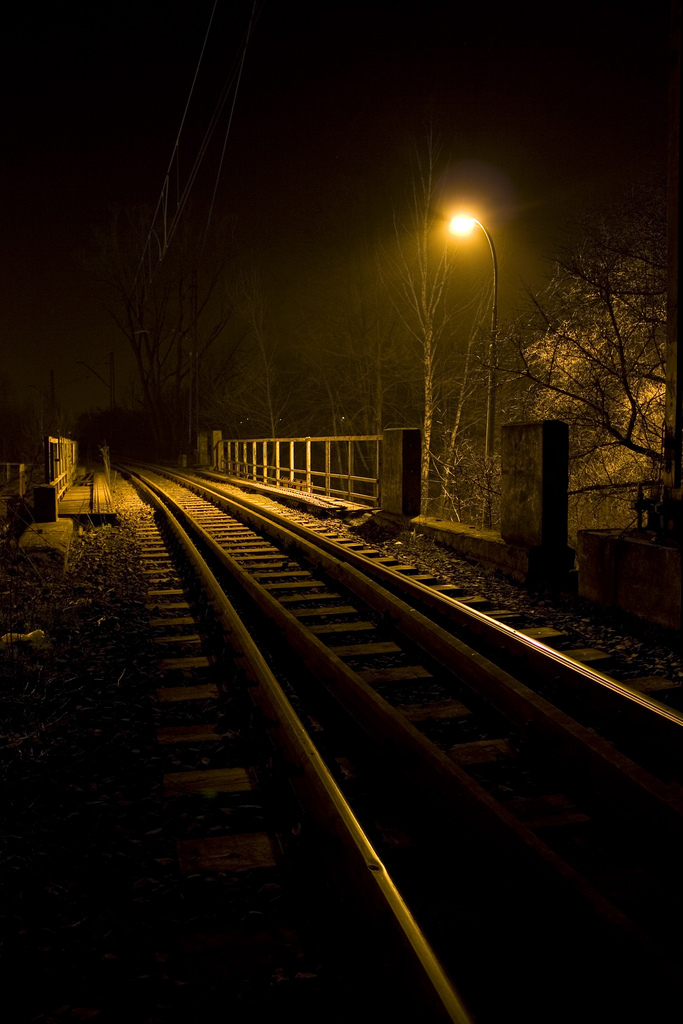
All-night and very-early operation was standard, serving shift workers, long-distance drivers, police, hospital staff and anybody awake when every other option was closed.
The round-the-clock model is the part of the format that has been most comprehensively lost, and what ended it was labour cost rather than demand. Staffing the quiet hours stopped covering itself, and the social function of a building that was simply always open went with it.
10. Breakfast Was Served at Any Hour and That Was the Radical Part
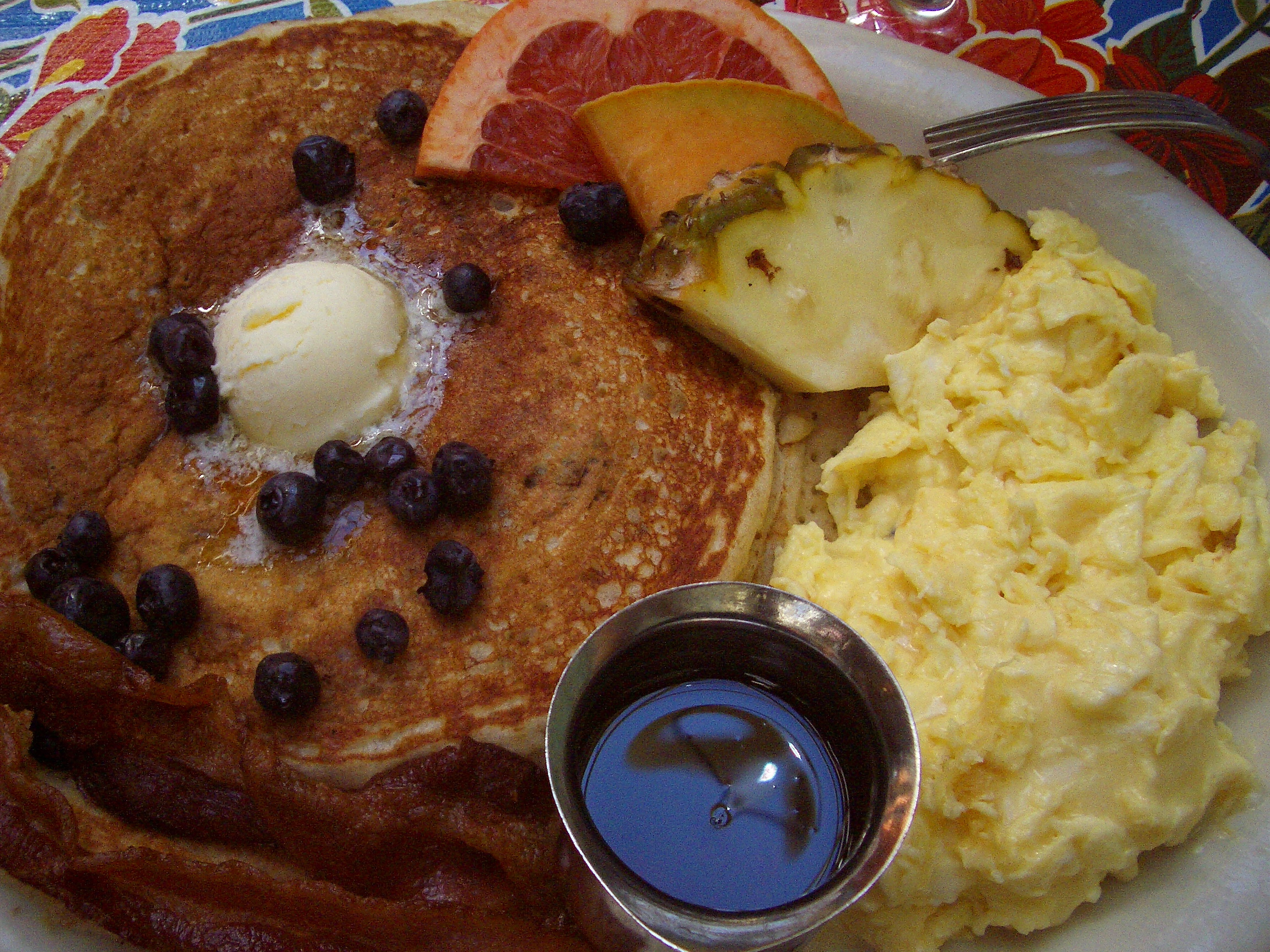
Eggs, pancakes and the whole morning menu were available at two in the afternoon or two in the morning, with no distinction drawn.
Nobody now registers this as unusual, which is the measure of how completely it won. All-day breakfast was a diner invention arising from all-night opening – if you are open at four in the morning, the morning menu has to be available then – and it has since been adopted by essentially the entire American eating-out industry.
What Fits on a Flatbed
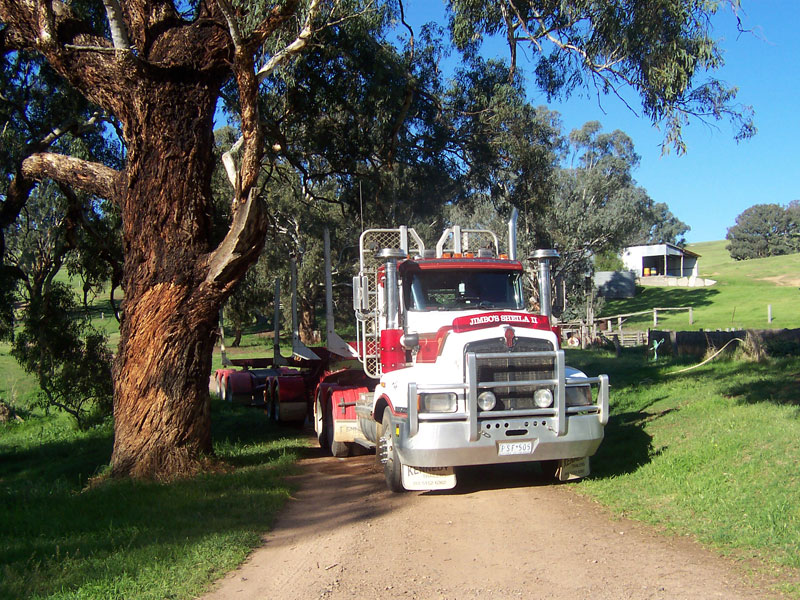
The single most useful fact about the American diner is that a great many of them were manufactured rather than built, and shipped to the site complete.
Almost everything distinctive about the format follows from that. The long narrow plan with rounded ends is a shape that fits on a flatbed. The counter runs the length of the building because there is no width for anything else. The kitchen is open because a narrow building has no back. The stainless steel, tile and enamel were specified to survive shipping and to be cleaned quickly afterwards. And the near-identical appearance of diners thousands of miles apart is simple manufacturing: a small number of factories supplied the whole country.
What that accidental geometry produced is an original piece of social architecture. The counter made solitary eating ordinary. The visible kitchen made the cooking part of the experience. The standardised tables and the bottomless cup made turnover work. The all-night opening created a building in every town that was simply always available, and all-day breakfast came out of that and conquered the country.
None of it was designed as hospitality. It was designed to fit on a truck.
The thing most worth missing is not the pie case. It is a room that was open at four in the morning, where sitting alone was the normal way to be there.
Like our content? Follow us for more.