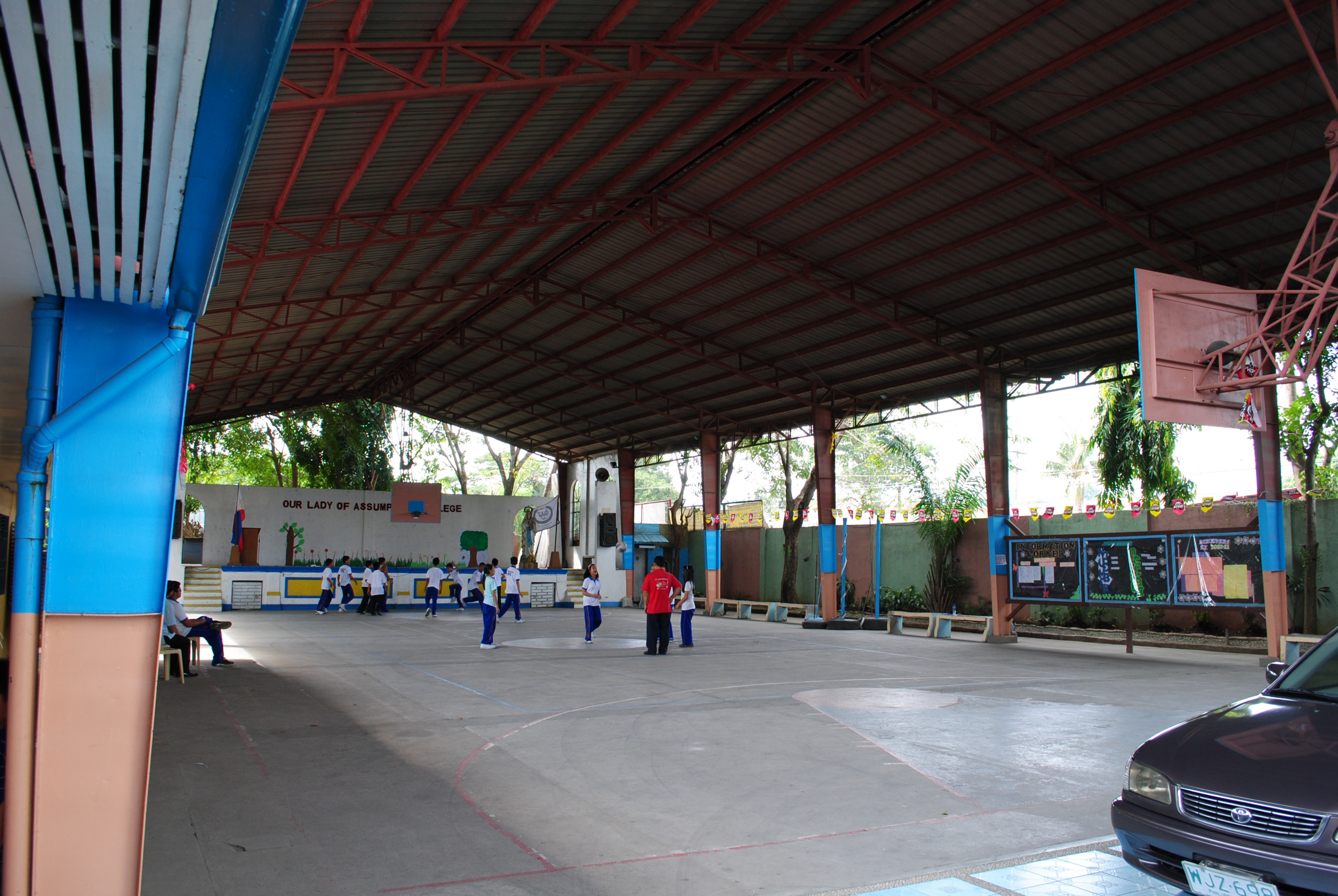
Posted rankings, public team selection, and no water. Here are twelve.
1. Teams Were Picked by Two Children Standing in Front of Everybody Else
Two captains were appointed and chose alternately from a line, in public, until the line was empty – which meant the final selection was made in front of an audience that knew exactly what it meant.
The method is efficient and it produces balanced teams, which is why it lasted. It was abandoned almost everywhere in favour of pre-assigned or counted-off teams, and the reason given in the teaching literature is the one everybody who was picked last already knew.
Like our content? Follow us for more.
2. You Climbed a Rope to the Ceiling With Nothing Underneath You
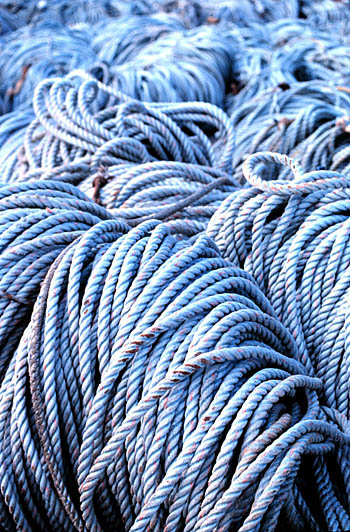
A knotted or plain rope was fixed to the gymnasium ceiling, the climb was to the top, and it was performed over a wooden floor with no mat and no belay.
The rope was a standard fitting in American school gymnasiums and the anchor points survive in a great many of them. It disappeared on liability grounds, and the apparatus that replaced it – climbing walls with harnesses and mats – teaches the same thing with three layers of protection.
3. There Was a National Fitness Test and Your Result Was Posted on a Wall
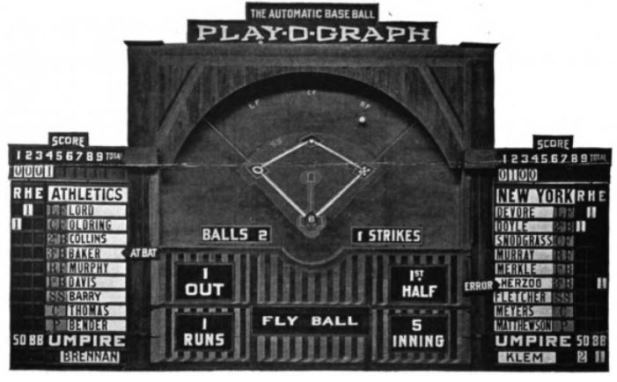
A standardised battery of events was administered annually, results were ranked against national percentiles, and the outcome was frequently displayed publicly with names attached.
The programme was well intentioned and its public comparison element is now regarded as the thing that did the damage. Modern school fitness assessment is generally criterion-based and private – measured against a healthy range rather than against classmates – which is a direct correction of this.
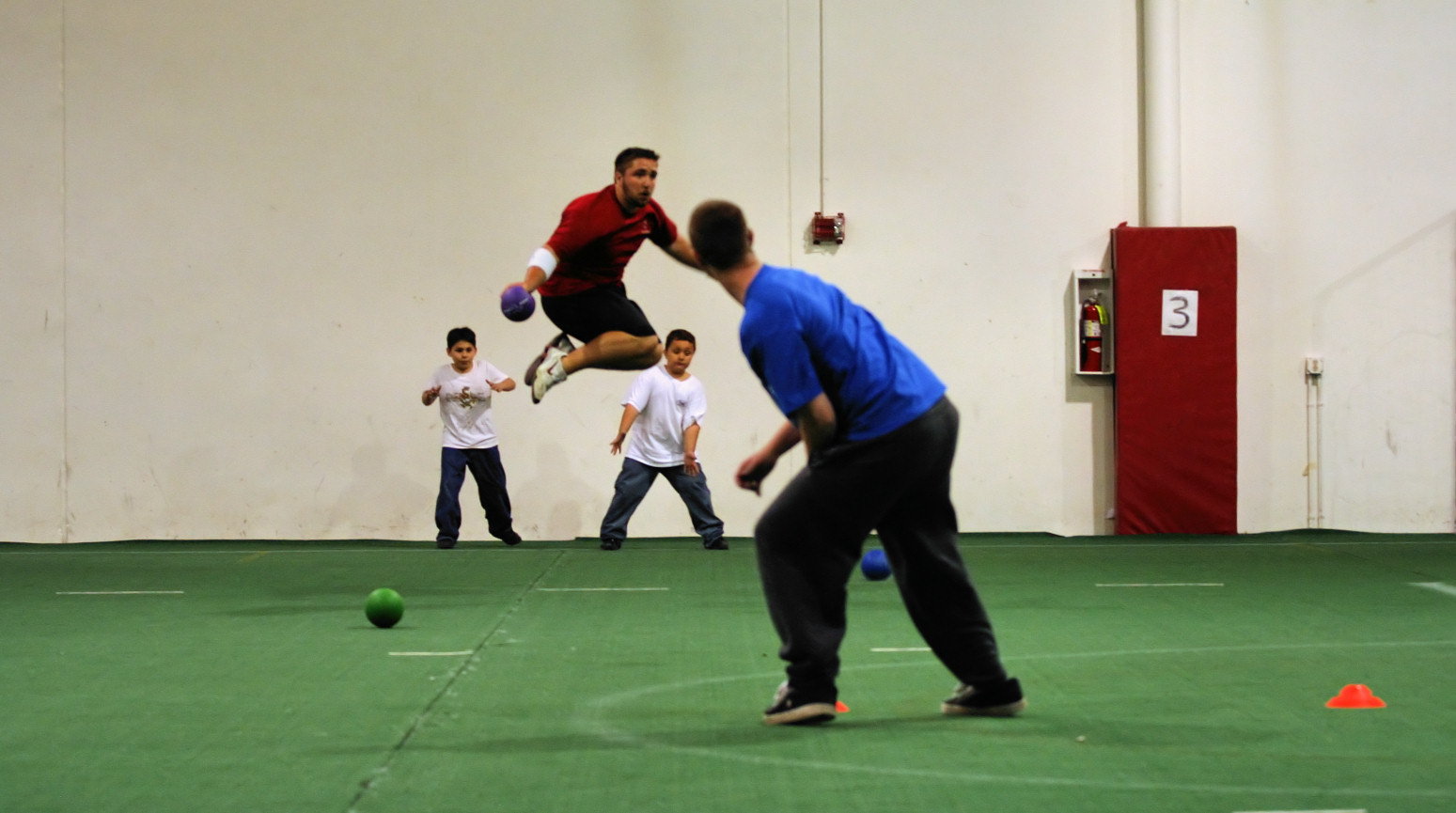
4. Dodgeball Was Played With a Hard Ball and Elimination Was the Point
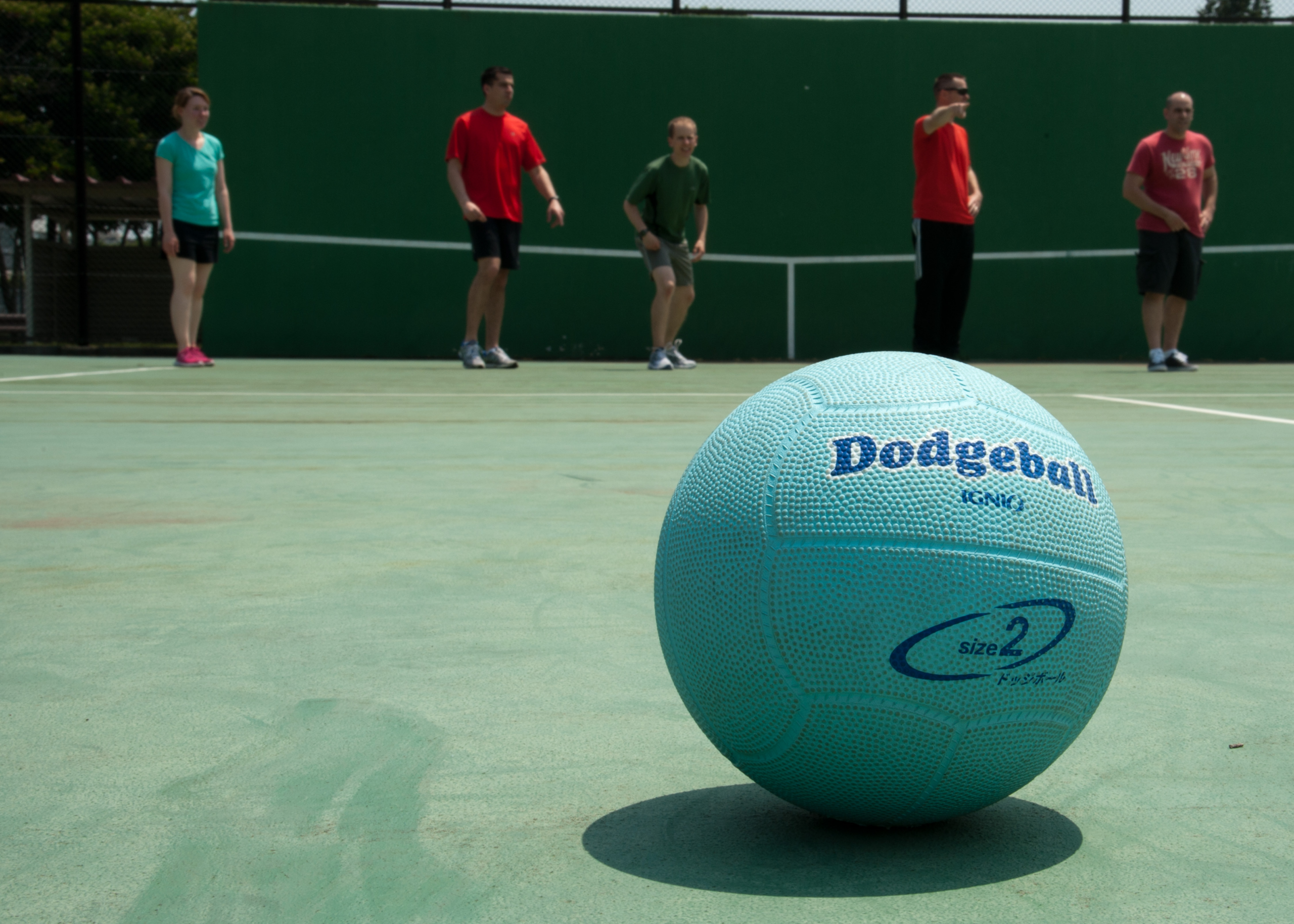
The game was universal, it was played with whatever ball the school had, and the mechanism of the game was that children were struck and removed.
It was removed from many curricula on the grounds that a game whose objective is to hit other people and eliminate the least able first is a poor use of instructional time. The counter-argument – that children enjoyed it enormously – is true and was not considered decisive.
5. Everybody Showered Afterwards, Together, and It Was Not Optional
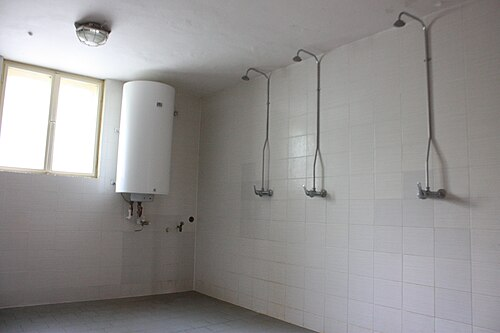
Communal showers were part of the period and attendance was enforced, with a teacher present and in some schools a mark for compliance.
The practice collapsed almost entirely within about two decades, and what ended it was not policy but refusal: enough students declined that enforcement became impractical. It is the only item on this list that was ended from below rather than from above.
6. Climbing the Rope Was Graded and So Was Everything Else
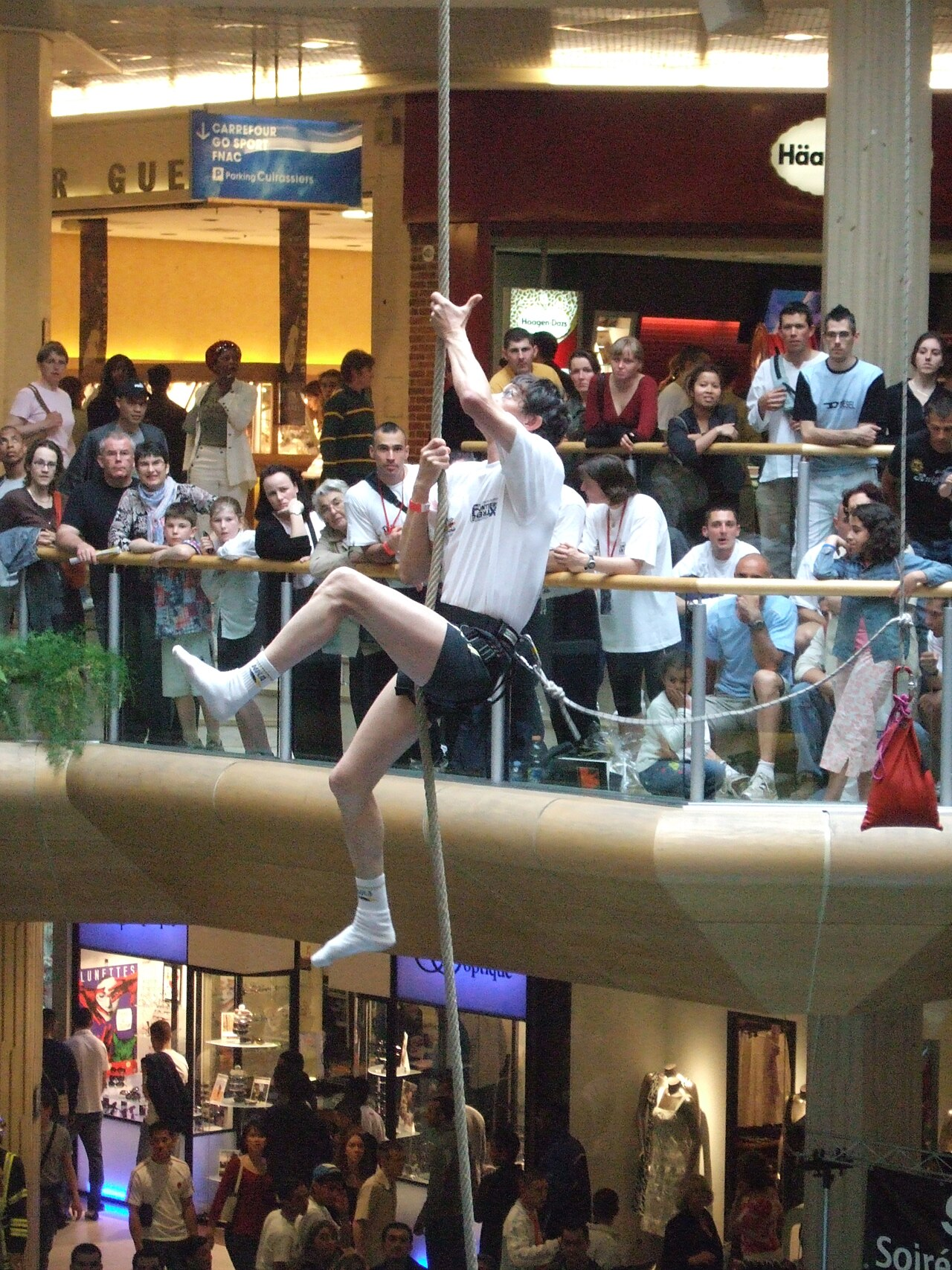
Physical performance was marked on the same report as academic subjects, which meant a child’s body was assessed and recorded alongside their reading.
Grading physical capacity rather than participation or effort is the practice that attracted the most sustained criticism, and most modern frameworks now assess effort, understanding and participation precisely because capacity is substantially outside a child’s control.
7. Water Was Something You Were Discouraged From Drinking

The prevailing coaching belief was that drinking during exertion caused cramps and reduced conditioning, and children were instructed to wait.
This one is worth being blunt about: the belief was simply wrong, it was held confidently by people responsible for children exerting themselves in heat, and its reversal is one of the most consequential corrections in the history of school sport. Current practice is the opposite in every respect.
8. The Uniform Was Issued, Identical and Frequently Humiliating
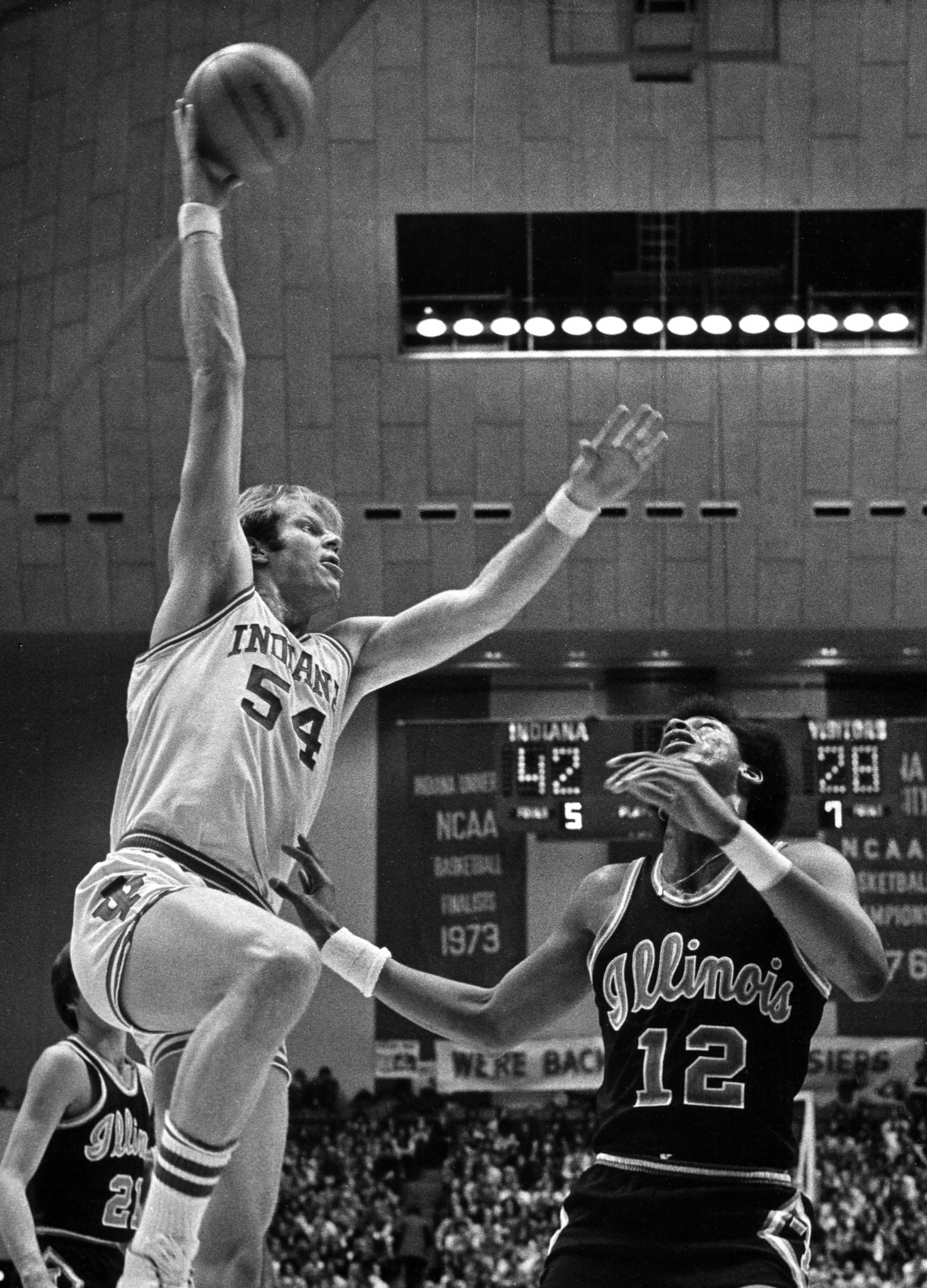
A standard garment was required, supplied or purchased through the school, and there was no variation permitted for size, build or preference.
The uniform requirement persists in a modified form and the specific items of the period do not. What changed is the recognition that a compulsory garment that fits a notional average body is an obstacle to participation rather than a neutral piece of kit.
9. Exercise Was Used as Punishment
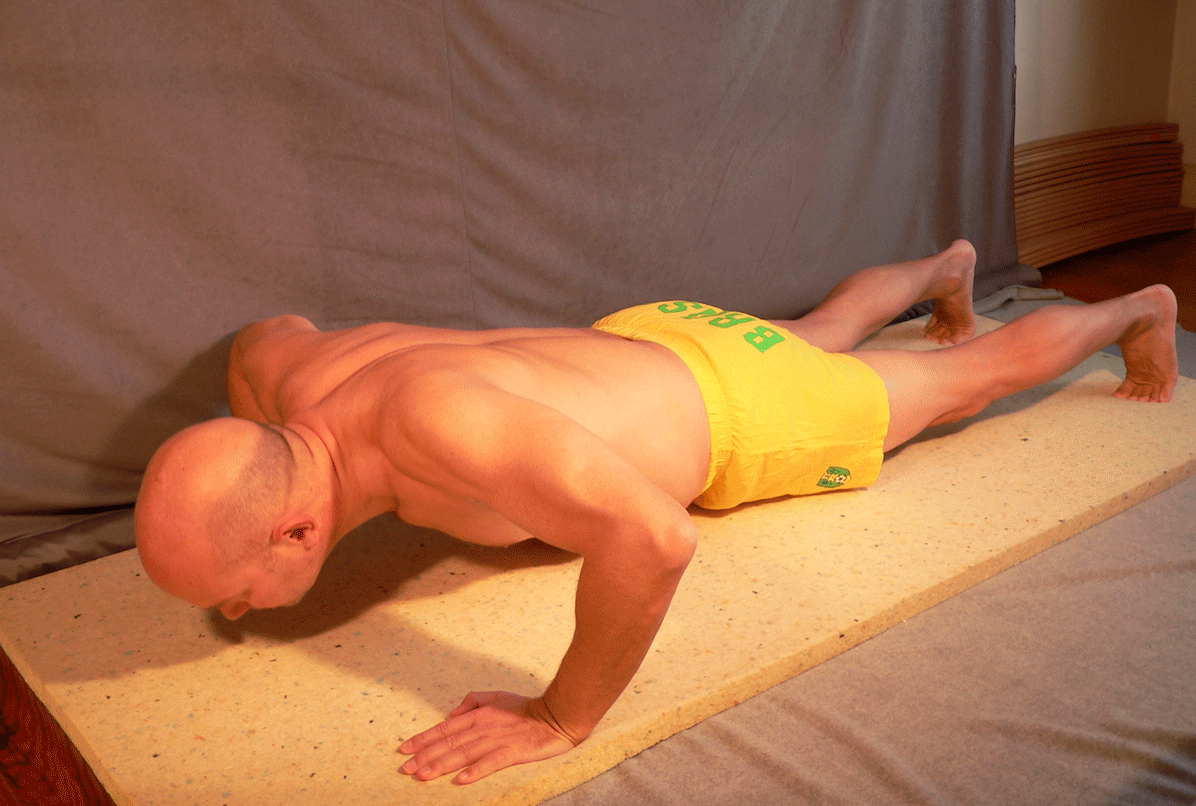
Laps, press-ups and additional running were assigned as sanctions for misbehaviour, lateness or poor performance in the activity itself.
The practice is now specifically discouraged in coaching guidance for a reason that is obvious once stated: using physical activity as a penalty teaches children that physical activity is a penalty, which is the exact opposite of what the subject exists to do.
10. The Least Able Children Were the Most Visible
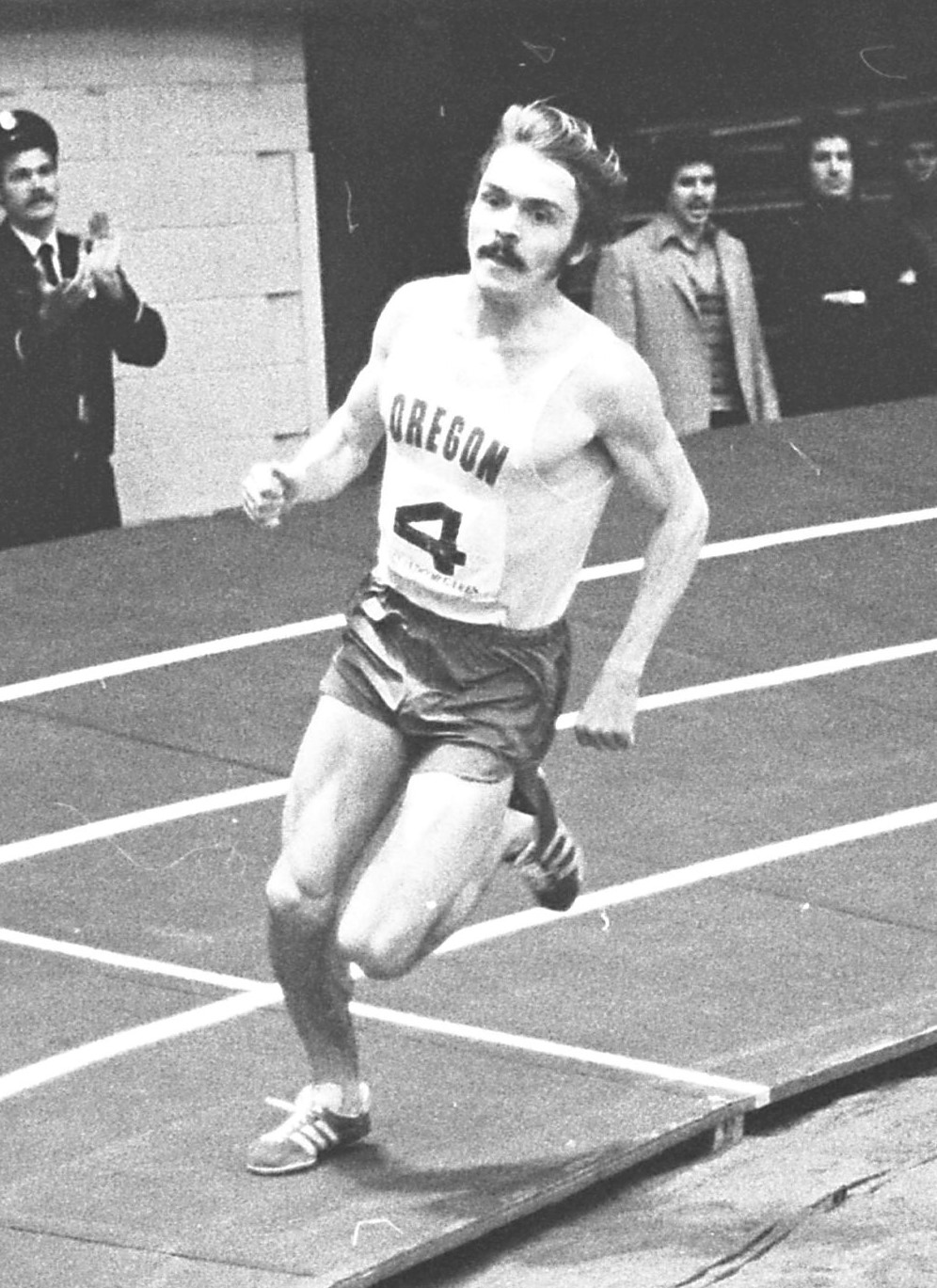
Almost every structure of the period – public team selection, elimination games, ranked posted results, graded performance – concentrated attention on whoever was struggling.
That is the thread running through the whole list and it is why the subject has been so thoroughly redesigned. The modern emphasis on lifelong activity, individual progress and non-elimination formats is not a softening. It is a response to the finding that the old structures reliably produced adults who avoided exercise.
11. There Was No Warm-Up, No Cool-Down and No Instruction in How to Move
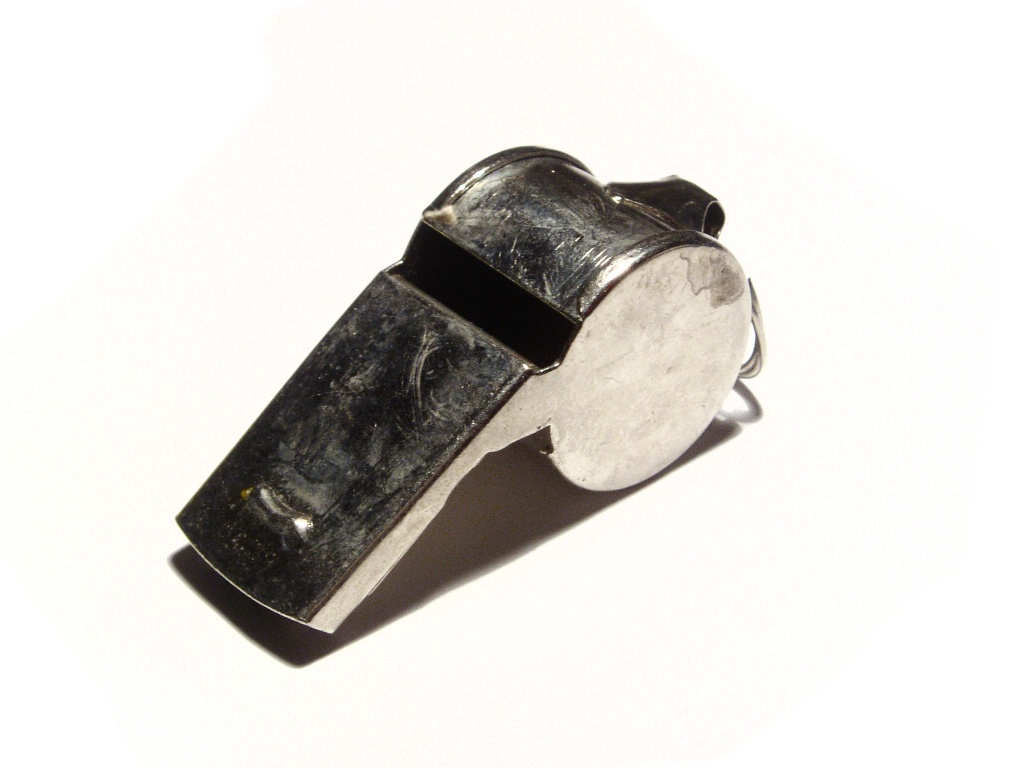
Activity began at the whistle and ended at the bell, and the preparatory and technical content that now occupies a substantial share of a lesson did not exist.
The absence is explained by the subject’s purpose at the time. It was understood as recreation and as fitness testing rather than as physical education, and the entire concept of teaching movement competence as a skill arrived later.
12. Almost Everything Here Was Changed by One Finding
Read the list again. The public selection, the elimination, the posted rankings, the graded capacity, the punishment laps, the compulsory shower and the enforced uniform.
They were all ended or redesigned once it became clear that the subject was producing the opposite of its own goal – that children processed through those structures were measurably less likely to be active adults. Not injury, not complaint and not fashion. The subject was failing on its own terms, and that is what changed it.
Failing on Its Own Terms
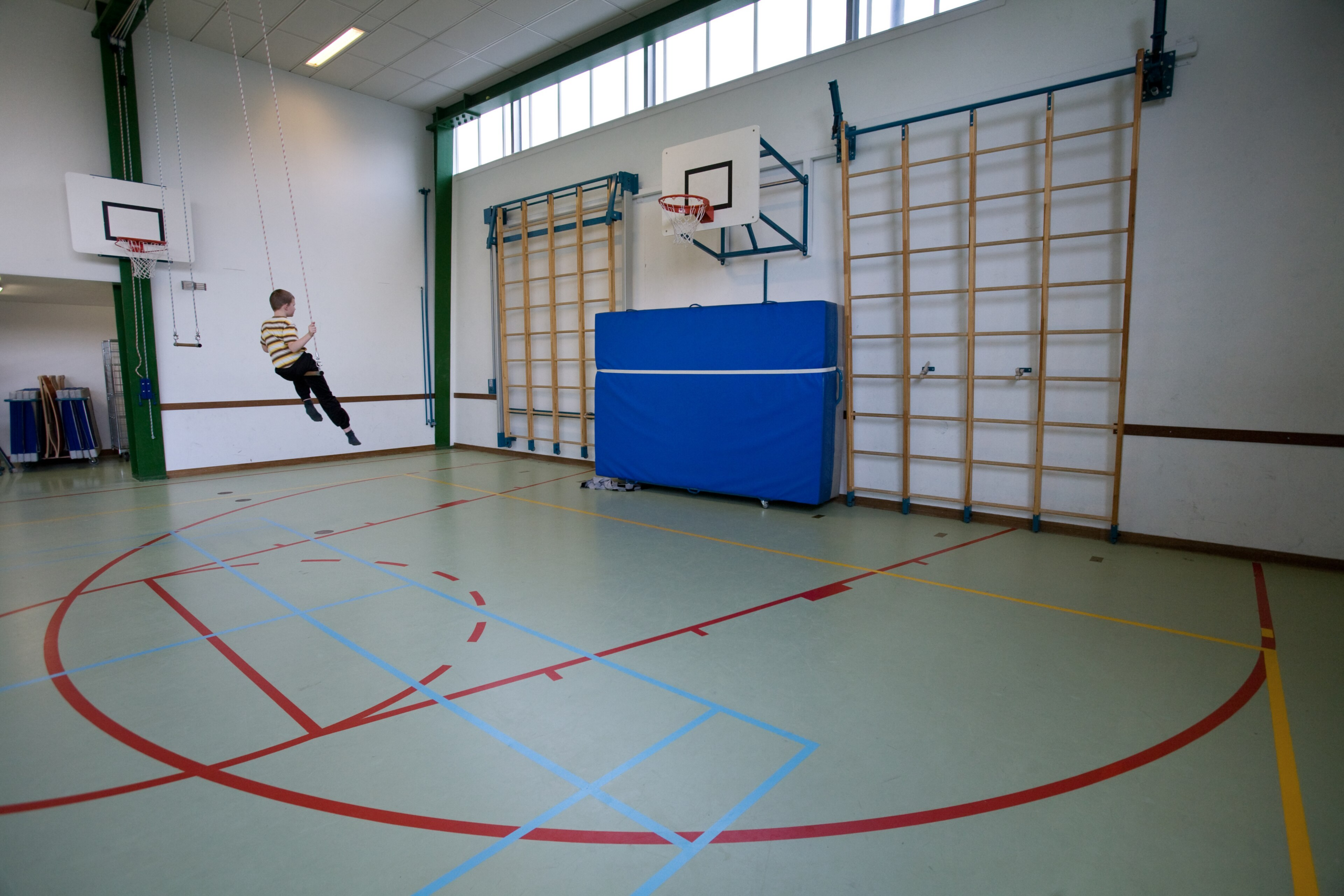
The reason this list reads as harsh is that the subject’s structures were almost all comparative, and comparison in a compulsory activity has a predictable effect on whoever compares badly.
Public selection, elimination games, posted national percentiles and graded physical capacity all do the same thing: they identify the least able child repeatedly, in front of everybody, in a class they cannot leave. And the finding that redesigned the subject is that this does not toughen anybody up. It produces adults who associate physical activity with public failure and avoid it, which is the precise opposite of the subject’s stated purpose.
That is why the modern version looks so different. Non-elimination formats, criterion-based private assessment, grading on effort and understanding rather than capacity, movement competence taught as a skill, and an explicit goal of lifelong activity rather than measured fitness. None of that is a softening of standards; it is a change of target.
And one item was not a design question at all. The instruction not to drink water was simply false, confidently held, and applied to children exercising in heat. That one was not redesigned. It was corrected.
Anybody picked last in front of a line remembers it precisely, decades later, which is the most persuasive evidence anybody has ever produced about this subject.
Like our content? Follow us for more.