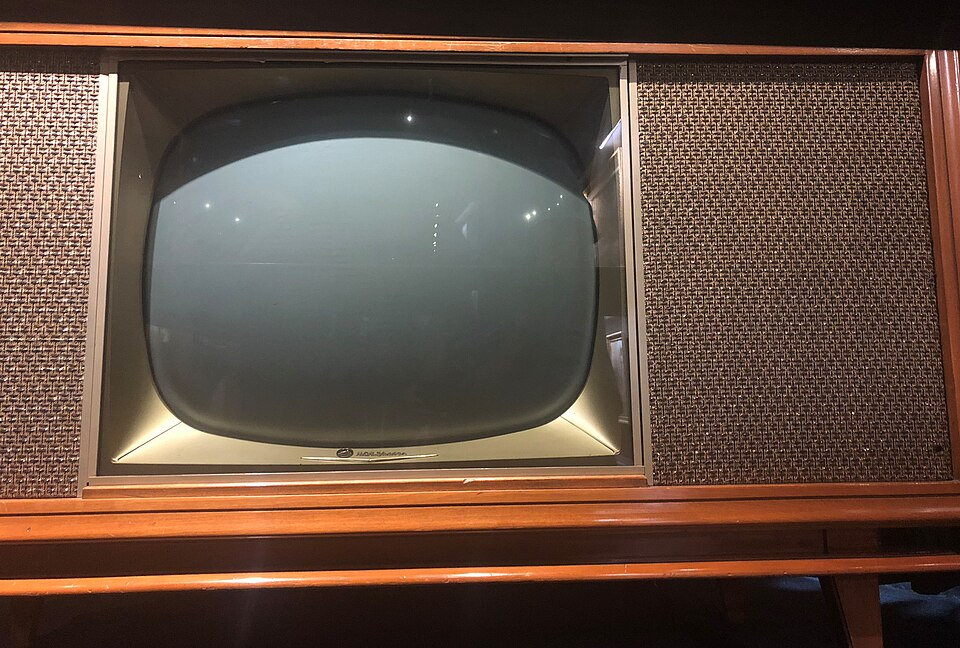
The television repairman was one of the most familiar tradesmen in mid-century America, because a television of that era was a machine with dozens of components that wore out on a predictable schedule, and it cost about as much as a used car.
Nobody threw one away. It was repaired, at home or in a shop, by a man with formal electronics training, a stock of parts and a set of test equipment, and the trade employed a very large number of people.
Then it ended – comprehensively, within about twenty years, for reasons that had nothing to do with anybody doing anything wrong. Here are ten things the American TV repairman did in 1965, and what happened to all of it.
1. He Came to Your House

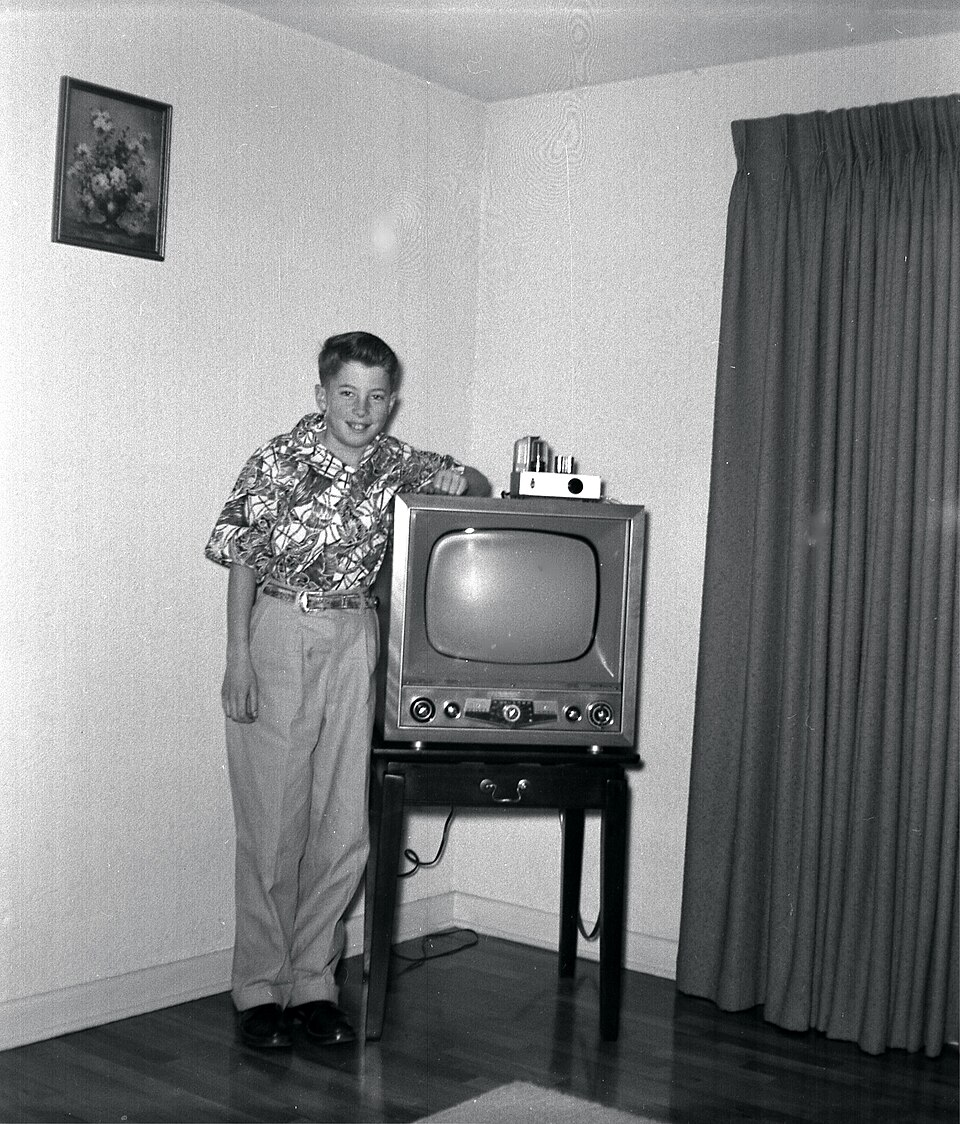
The house call was the standard first response. The repairman arrived with a case, took the back off the set where it stood, worked on it in the living room with the family watching, and either fixed it there or took it away.
A substantial fraction of faults were fixable on the spot, which made the call economic. The set was also far too heavy for a householder to move, which made the call necessary.
Like our content? Follow us for more.
2. He Carried a Case Full of Glass Valves
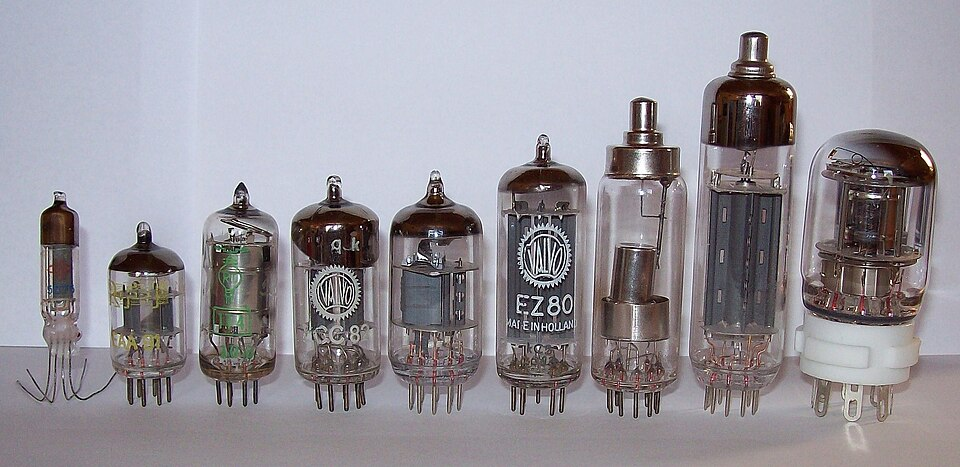
A 1965 American television ran on vacuum tubes – glass valves, a dozen or two of them, each with a limited life, each plugged into a socket. The repairman’s case held a selection of the common ones, and swapping them was the first diagnostic step.
Tubes were the single most common point of failure by a wide margin, which is why the whole trade was organised around them. It is also why the drugstore had a tube tester by the door and householders would pull their own tubes and go test them.
3. He Worked Inside It With the Power On
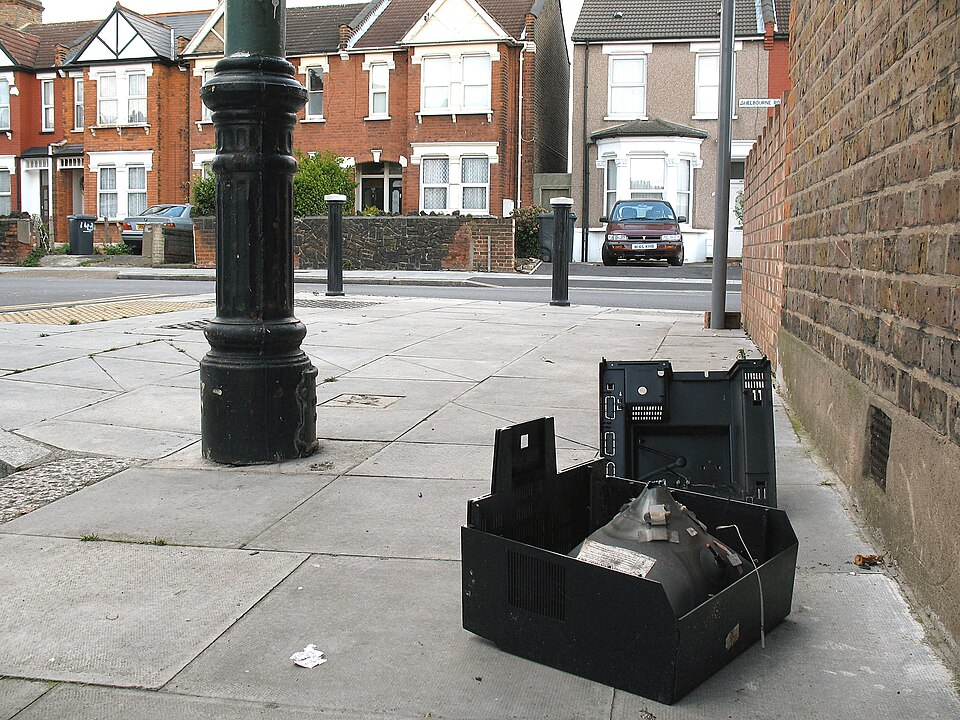
Fault-finding on a live television meant working inside a cabinet containing a power supply at mains voltage and a picture-tube circuit running at many thousands of volts, with a capacitor that held a dangerous charge after the set was unplugged.
Repairmen were trained to work one-handed with the other hand in a pocket, specifically so that a shock could not cross the chest. They were also trained to discharge the tube before touching anything, and the ones who forgot found out why. Working live inside consumer equipment of this kind would now breach every applicable electrical safety practice, and the sets themselves could not be sold today without interlocks and shielding.
4. The Early Colour Sets Emitted X-Rays
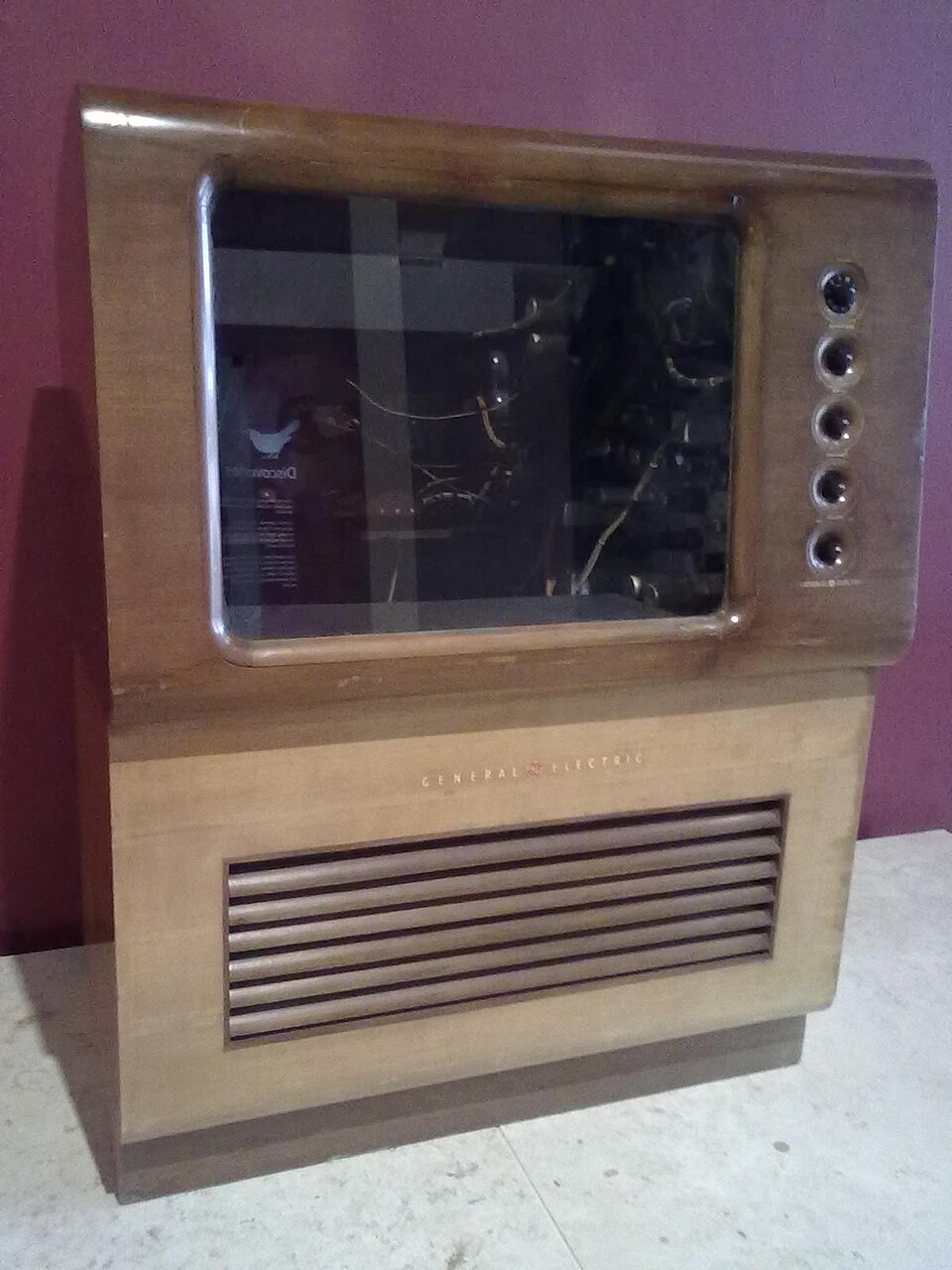
The high voltages required by colour picture tubes of the middle and late nineteen-sixties produced measurable X-ray emission, and some sets – particularly where a regulator fault let the voltage run high – emitted considerably more than anybody had anticipated. The problem was identified, publicised and led to federal action.
Shielding was added, voltage regulation was improved and emission limits were imposed. Television receivers sold in the United States have been subject to mandatory radiation-emission limits since the late nineteen-sixties, and the unshielded high-voltage designs of the period could not be sold now.
5. He Aligned and Adjusted Things That No Longer Exist
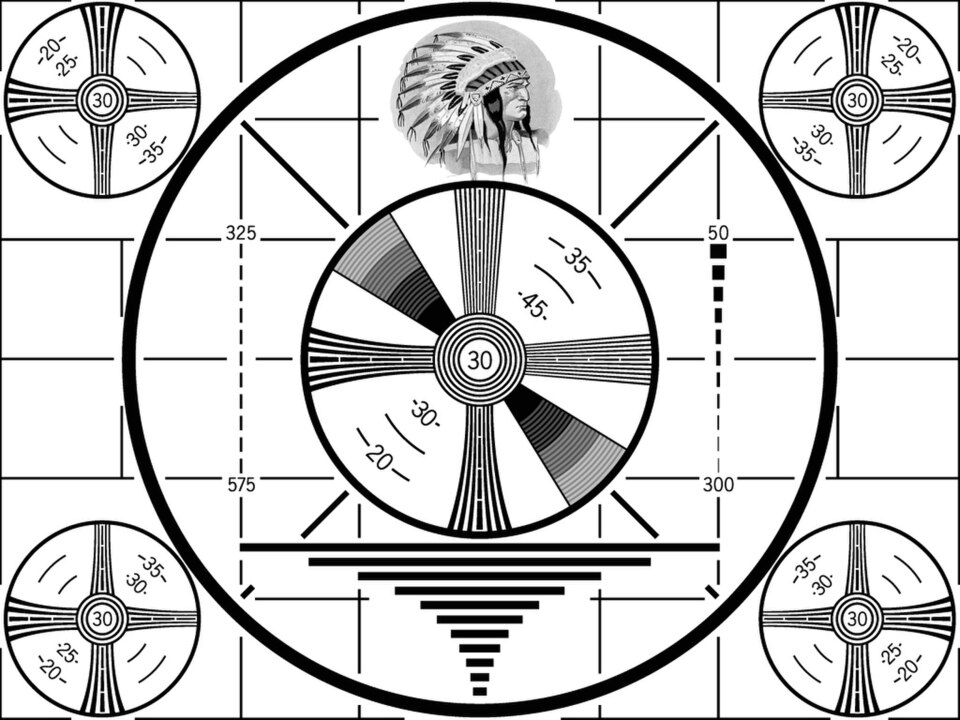
A period set needed convergence, purity, linearity, focus, high-voltage and colour adjustments, all made by hand with the back off, using test patterns and a signal generator, and all of which drifted with heat, age and moving the set.
This was genuine skilled work requiring trained judgement and proper test equipment, and it is the single clearest reason the trade needed professionals. Modern displays have no equivalent adjustments at all.
6. He Replaced the Picture Tube and the Set Was Worth It
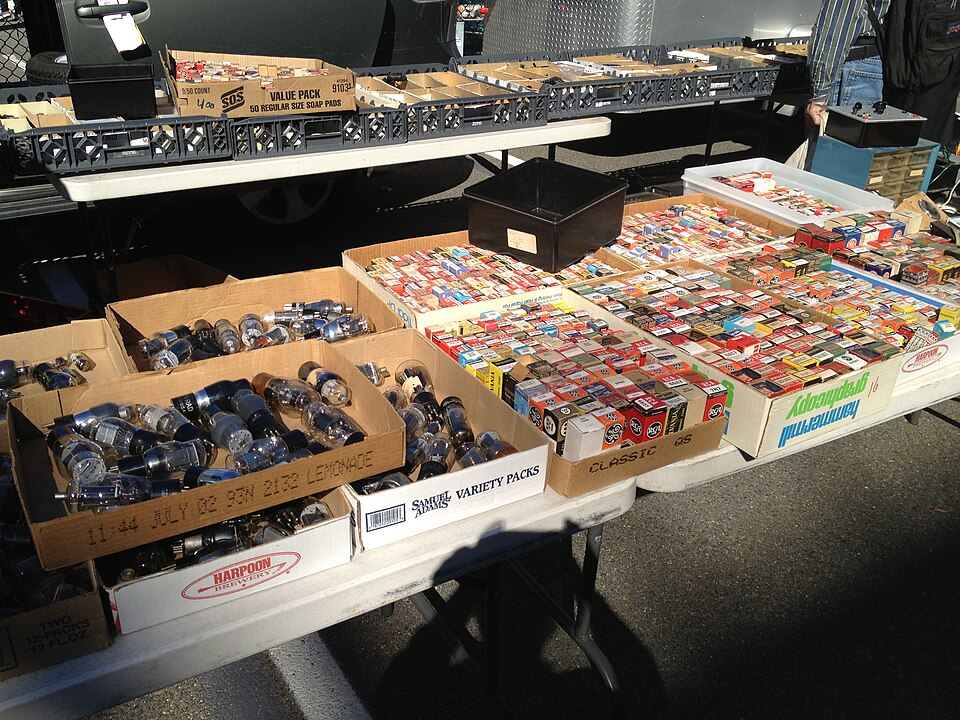
A worn picture tube – dim, soft, with poor contrast – was replaced, which meant removing the chassis, handling a large evacuated glass envelope, and fitting and realigning a new one. Rebuilt tubes were a substantial industry in themselves.
The job cost a significant sum and people paid it, because the alternative was buying a new television. That calculation is the whole story of the trade, and its reversal is the whole story of its end.
7. The Shop Had a Back Room Full of Parts and a Service Manual Library
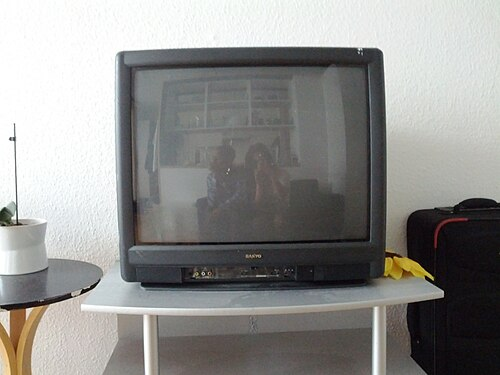
A repair shop stocked tubes, capacitors, resistors, transformers, flyback units, yokes and knobs, and held service manuals and schematics for hundreds of models, supplied by the manufacturers as a matter of course.
Manufacturers published full circuit diagrams and service data because repair was the expected end of a set’s fault. The withdrawal of that documentation, decades later, is one of the things the modern argument about repairability is actually about.
8. He Was Sometimes Accused of Padding the Bill
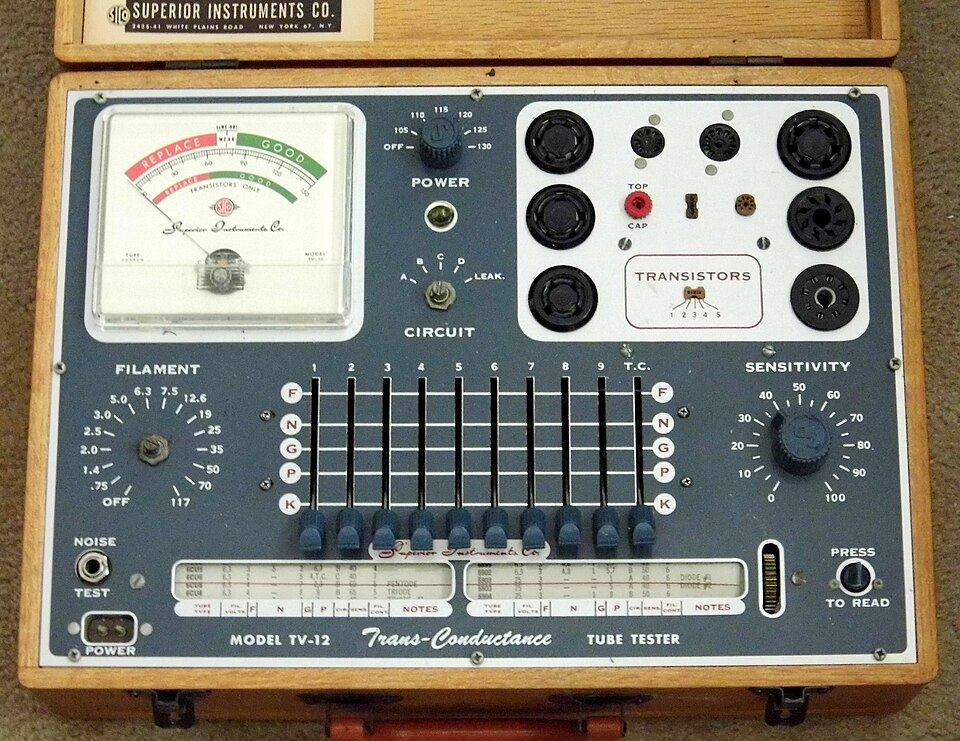
The trade had a reputation problem. A householder could not verify what had been done inside the cabinet, the common fix was cheap and the labour was not, and consumer organisations ran investigations which found a meaningful proportion of unnecessary work being charged for.
Most repairmen were honest and the honest ones resented the reputation, but the information asymmetry was real and the trade never solved it. It is the same structural problem every repair trade has, and the drugstore tube tester existed partly because of it.
9. Transistors Removed Most of His Work
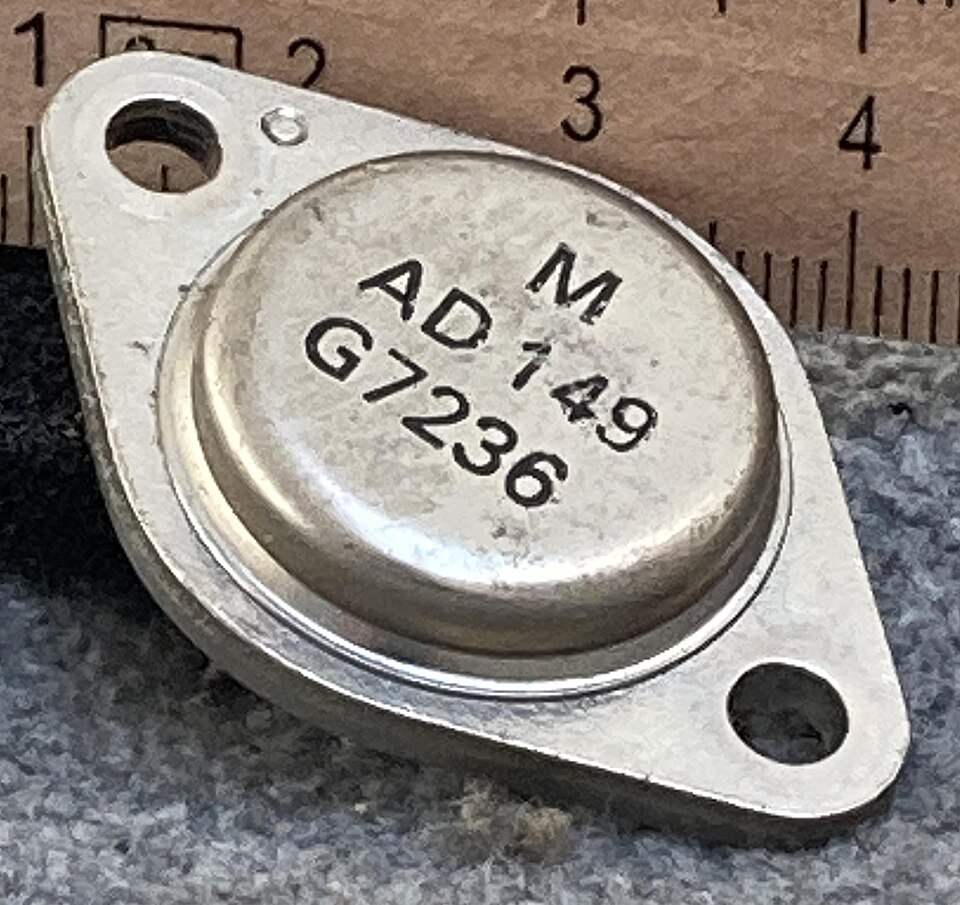
Solid-state components replaced tubes through the late nineteen-sixties and seventies, and a transistorised set did not have a component that wore out on a schedule. Then integrated circuits replaced dozens of discrete parts with one, and the modular chassis replaced component-level repair with board swapping.
Each step removed work. The faults became rarer, the diagnosis became coarser, and the skill required dropped from component-level electronics to identifying which board to change.
10. And Then a New Set Cost Less Than the Repair

The final blow was price. Television manufacturing moved to high-volume overseas production, and the real price of a set fell by an enormous factor over three decades while skilled labour did not. At some point in the nineteen-eighties a service call plus parts began to exceed the cost of a replacement, and the trade ended.
There was nothing to be done about it. A repair trade exists only while repairing is cheaper than replacing, and that condition simply stopped being true. The shops closed, the apprenticeships stopped, the service manuals stopped being published, and a skilled occupation that had employed tens of thousands of Americans disappeared inside a working lifetime.
Why It Is Worth Remembering
Two of these would not be lawful or possible today: the live high-voltage work inside consumer equipment, which no modern electrical safety practice permits and which modern interlocks and shielding prevent; and the unshielded high-voltage colour sets themselves, which have been subject to mandatory radiation-emission limits in the United States since the late nineteen-sixties.
But the trade did not die of regulation, and that is the point worth making. It died of arithmetic, in the same way the small dairy farm and the independent portrait studio did. Transistors and integrated circuits removed the faults, modular construction removed the skill, and cheap high-volume manufacturing removed the economic case for repairing anything.
What makes the television repairman worth remembering is how completely it happened. In 1965 every American town had at least one shop, the training was a recognised technical qualification, and manufacturers supplied full schematics as a matter of routine. By the late nineteen-eighties essentially all of it was gone, and nothing about the disappearance was anybody’s fault.
The thing an American household lost was not the repairman. It was the assumption behind him: that an expensive machine in the living room was a thing that would be maintained for fifteen years by somebody who understood it, with parts available and a circuit diagram published by the people who made it.
That assumption is why a 1965 television had a removable back and a 1965 manufacturer printed a schematic. The man who came to the house with a case of valves was the last visible piece of it, and he went when the arithmetic turned.
Like our content? Follow us for more.