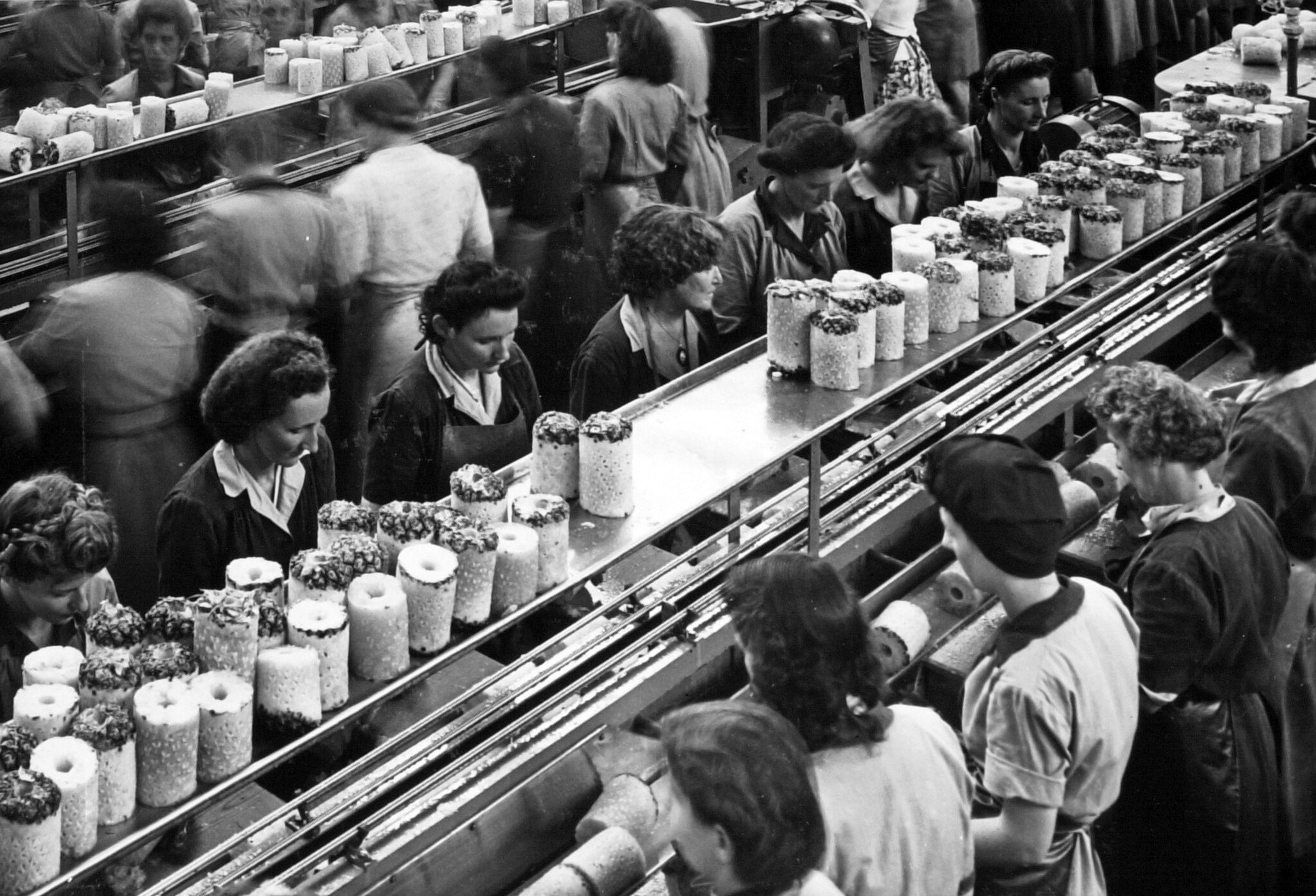
The cannery was one of the great employers of women in twentieth-century industry, and almost nobody writes about it. In fruit and vegetable districts, salmon ports and tomato country, the plant took on thousands of seasonal workers when the crop came in, ran them at piece rates for as long as the harvest lasted, and let them go.
The work was wet, cold, fast, repetitive and paid by the tray. The workforce was overwhelmingly female, substantially immigrant, and classified and paid as such.
Here are fourteen things that were ordinary in a cannery in 1960, and what each one became.
1. The Season Started With a Telephone Call and Could End the Same Week
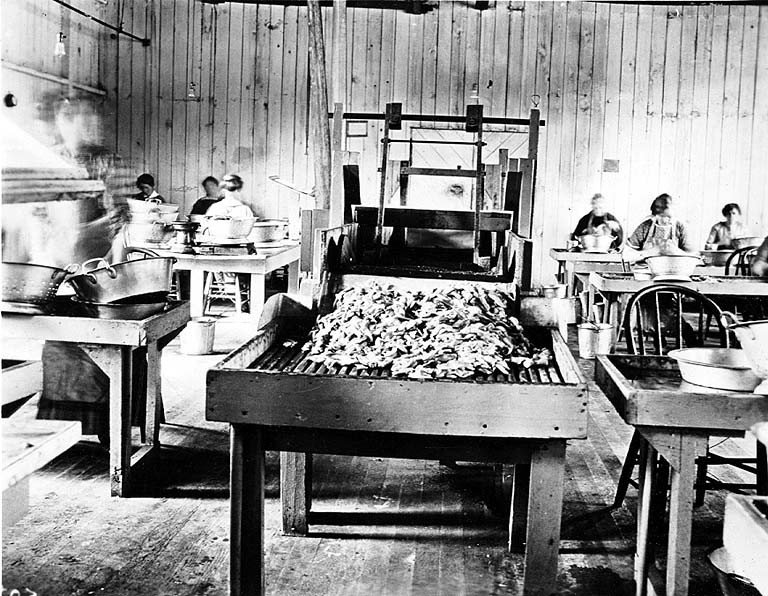
Cannery work was seasonal to the point of being unpredictable. The crop decided everything, and the crop was decided by the weather. A woman waited for a call telling her to come in tomorrow, and the season might run eleven weeks or four. When the fruit came in all at once, the plant ran around the clock.
Nothing about modern employment is organised this way for a workforce of thousands, and the arrangement only worked because the workers had no alternative and the employer carried no obligation. Modern food processing runs on frozen and controlled-atmosphere storage, imported supply from the opposite hemisphere, and year-round production, which converted most of those seasonal jobs into a smaller number of permanent ones.
Like our content? Follow us for more.
2. You Were Paid by the Piece and the Clock Did Not Matter
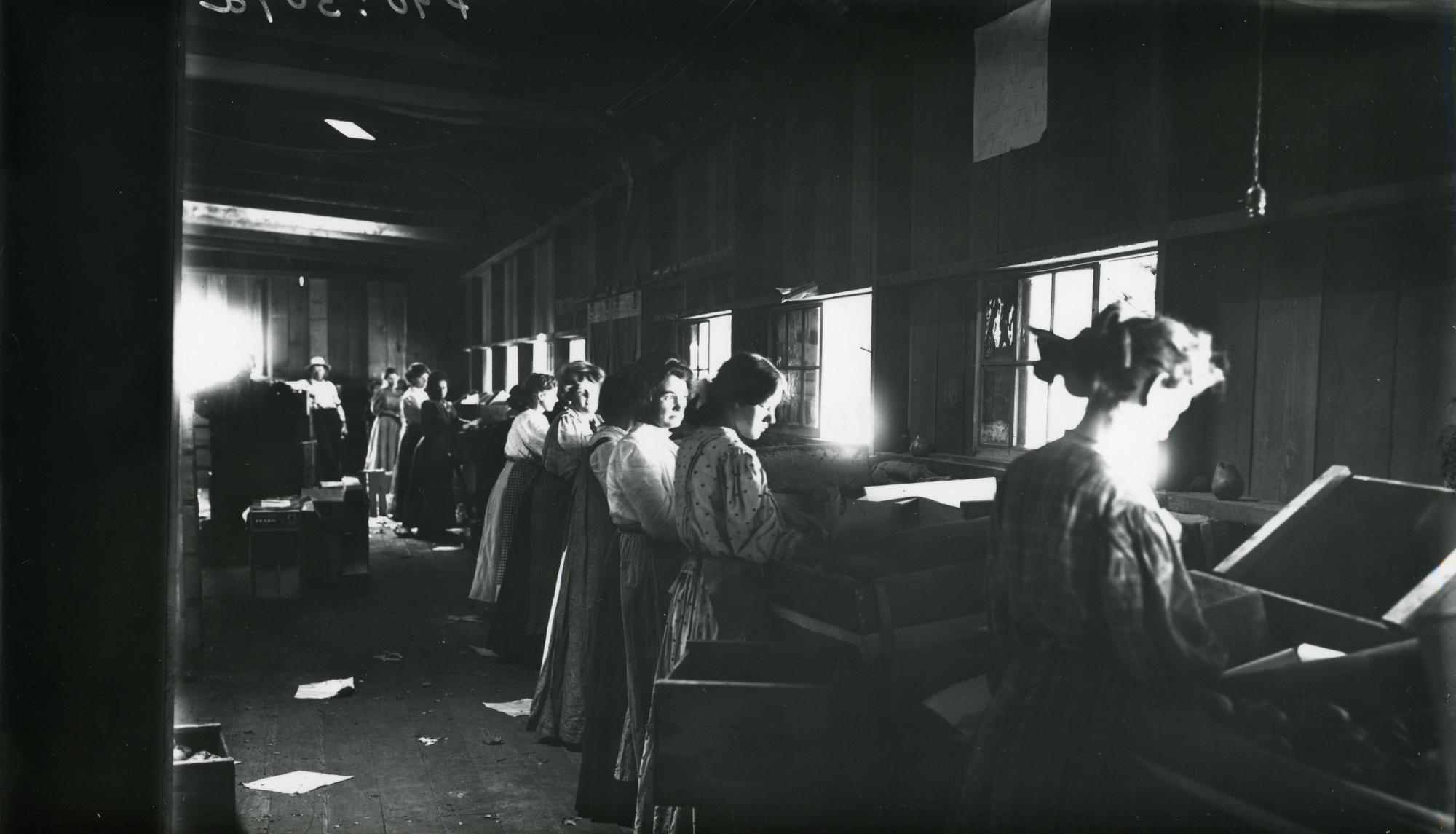
Pay was by the tray, the bucket, the box or the hundredweight. A fast worker earned well and a slow one earned very little for the same hours on her feet, and there was no floor under a bad day when the fruit arriving was small, bruised or hard to handle.
Piece rates in food processing were progressively replaced by hourly pay with production bonuses, under minimum wage coverage that was extended to more agricultural and processing work through the 1960s and 1970s. The specific injustice of the piece rate was that the worker absorbed the quality of the raw material: a bad delivery cut her wages and cost the company nothing.
3. The Line Speed Was Set by Somebody Else and You Kept Up
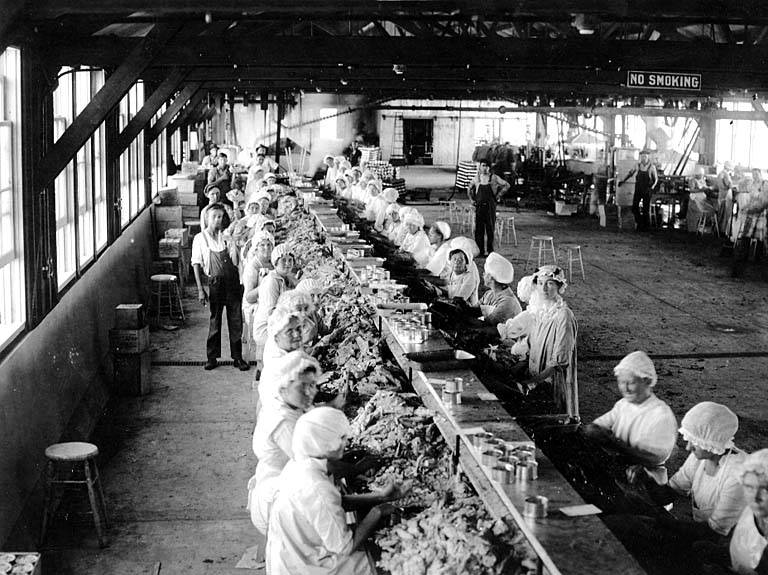
A conveyor moved past at a rate set in an office, and every person on it worked to that rate for the length of the shift. Falling behind meant product going past unprocessed, which was visible to everybody including the supervisor standing at the end of the line.
Line speed remains a live industrial relations issue in food processing, and it is now bounded by ergonomic standards, mandated breaks, job rotation and – in the better operations – by rate-setting that involves the people on the line. What has gone is the unlimited version, where the only check on speed was how much product was being spoiled.
4. Repetitive Injury Was Not a Recognised Category
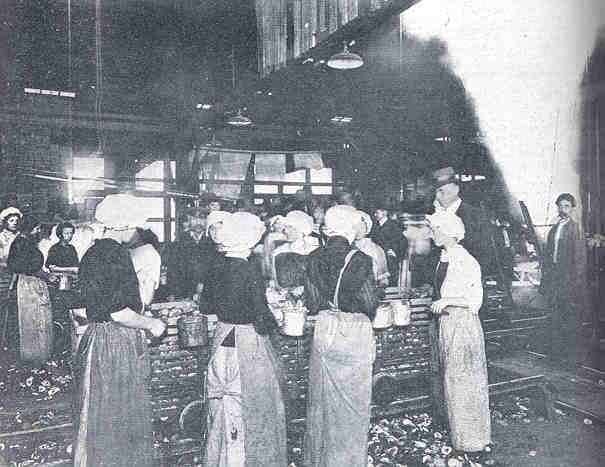
Cutting, trimming, packing and sorting at speed for ten or twelve hours meant hands, wrists, shoulders and backs doing the same movement tens of thousands of times a shift. Women worked through pain, wrapped their own wrists, and were understood to be complaining if they mentioned it.
Repetitive strain and musculoskeletal disorders are now a recognised occupational injury category with ergonomic standards, job rotation, adjustable workstations and reporting requirements behind them, and food processing was one of the industries that drove the recognition. This is noted as workplace history – anybody experiencing this kind of pain from their own work should be seeing a doctor and raising it with their employer, not reading about 1960.
5. You Stood in Water for the Whole Shift
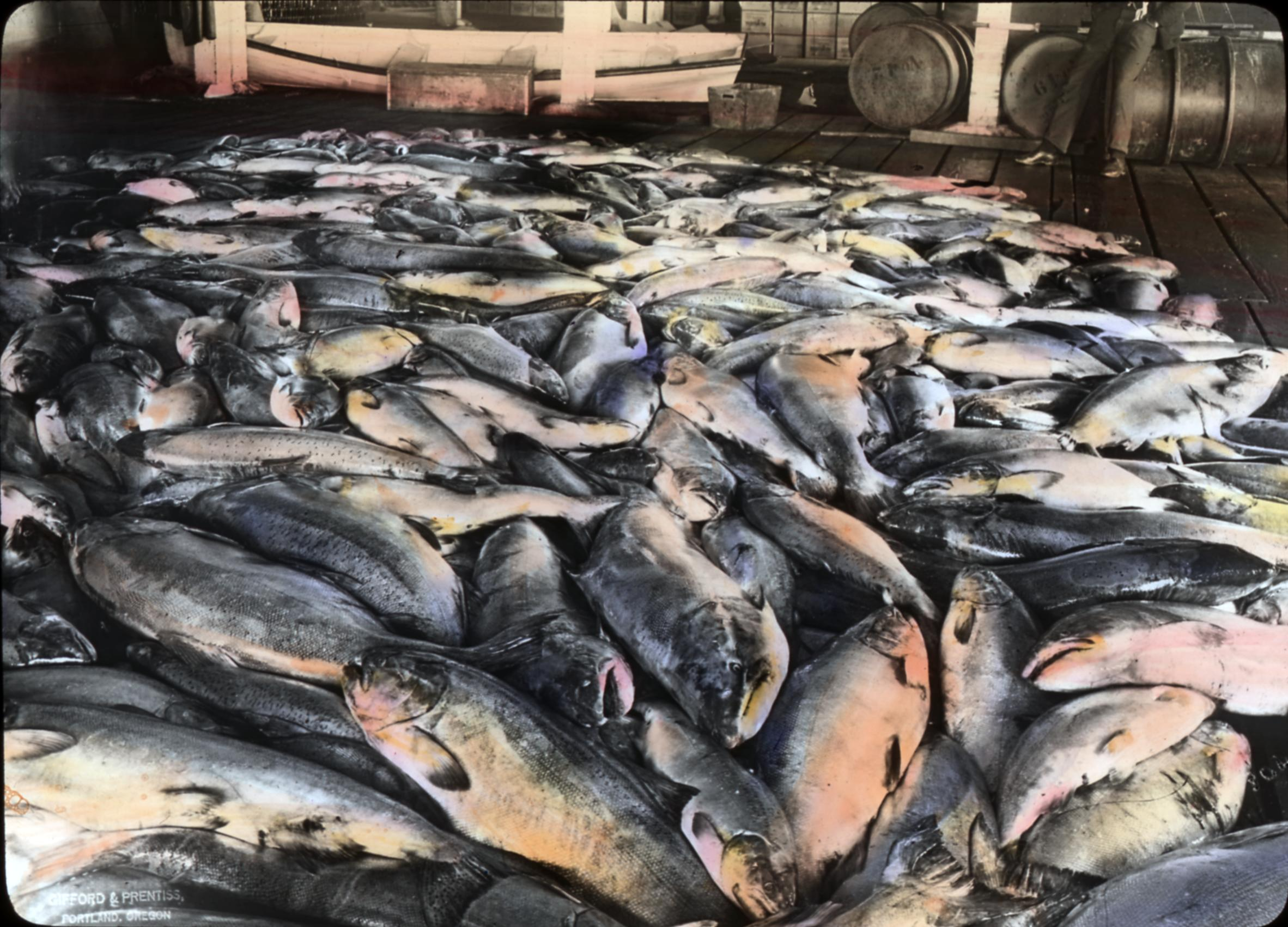
Washing, blanching and canning mean water everywhere. Floors were wet all day, drains ran constantly, and workers stood on concrete in rubber boots in the cold wet for the length of the shift. Slips were routine and the cold came up through the feet.
Drainage design, anti-slip flooring, insulated footwear and mandatory matting at standing workstations all came out of exactly this. The slip-and-fall rate in wet food processing remains higher than in most industries, which is why it is one of the most heavily engineered aspects of a modern plant – a problem substantially solved by building rather than by telling people to be careful.
6. The Knives Were Sharp, Fast and Unguarded
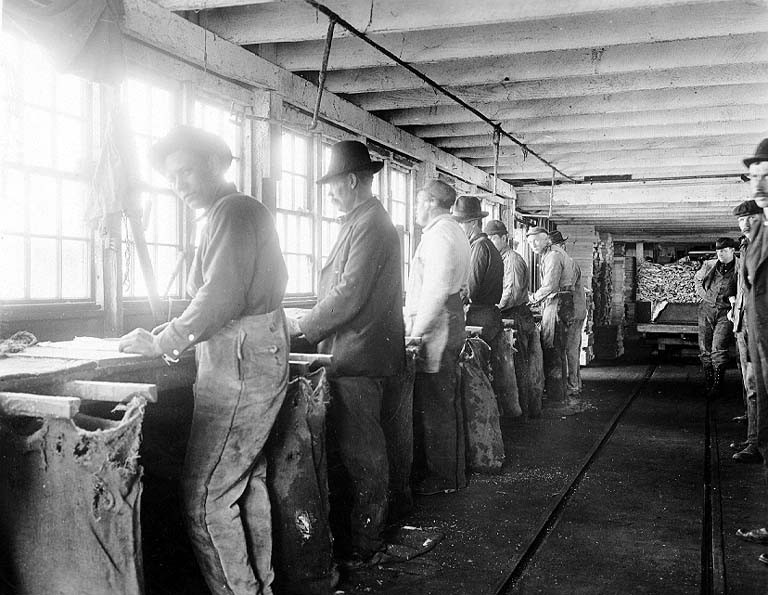
Trimming and cutting were done by hand with a knife, at piece rate, by workers whose hands were cold and wet. Cuts were constant and minor ones were not reported. Mechanical slicers, pitters and dicers had belts, blades and nip points that were frequently open.
Machine guarding requirements, lockout procedures for cleaning and clearing jams, cut-resistant gloves and sleeves, and mechanised cutting have changed this comprehensively. The dangerous moment in any food plant has always been clearing a blockage on running machinery, and that is now a procedure with a lock and a key rather than a decision made by whoever was nearest.
7. The Workforce Was Mostly Women, and That Set the Wage
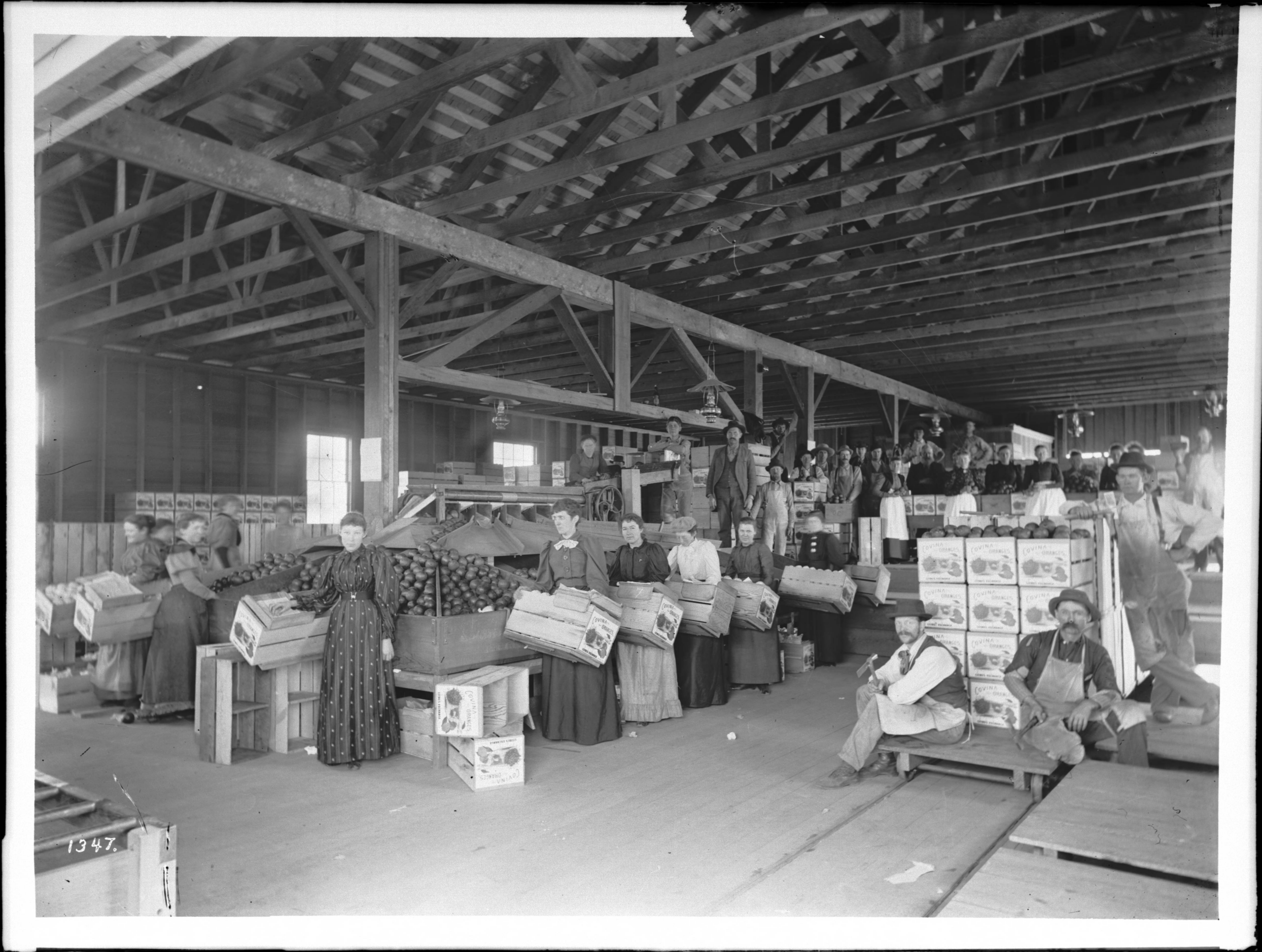
Cannery lines were overwhelmingly female, and the jobs were classified as women’s work and paid accordingly. Men held the mechanical, warehouse, retort and supervisory positions at higher rates. The classifications were written into job descriptions and in some cases into contracts.
The Equal Pay Act of 1963 and Title VII of the Civil Rights Act of 1964 made explicitly sex-based wage classifications unlawful, and the canning industry produced significant litigation over exactly these job structures. The formal separation of men’s and women’s job classifications is gone; the industry’s history is one of the clearer illustrations of how a job’s pay followed who was doing it rather than what it required.
8. Children Were in the Plant Because There Was Nowhere Else
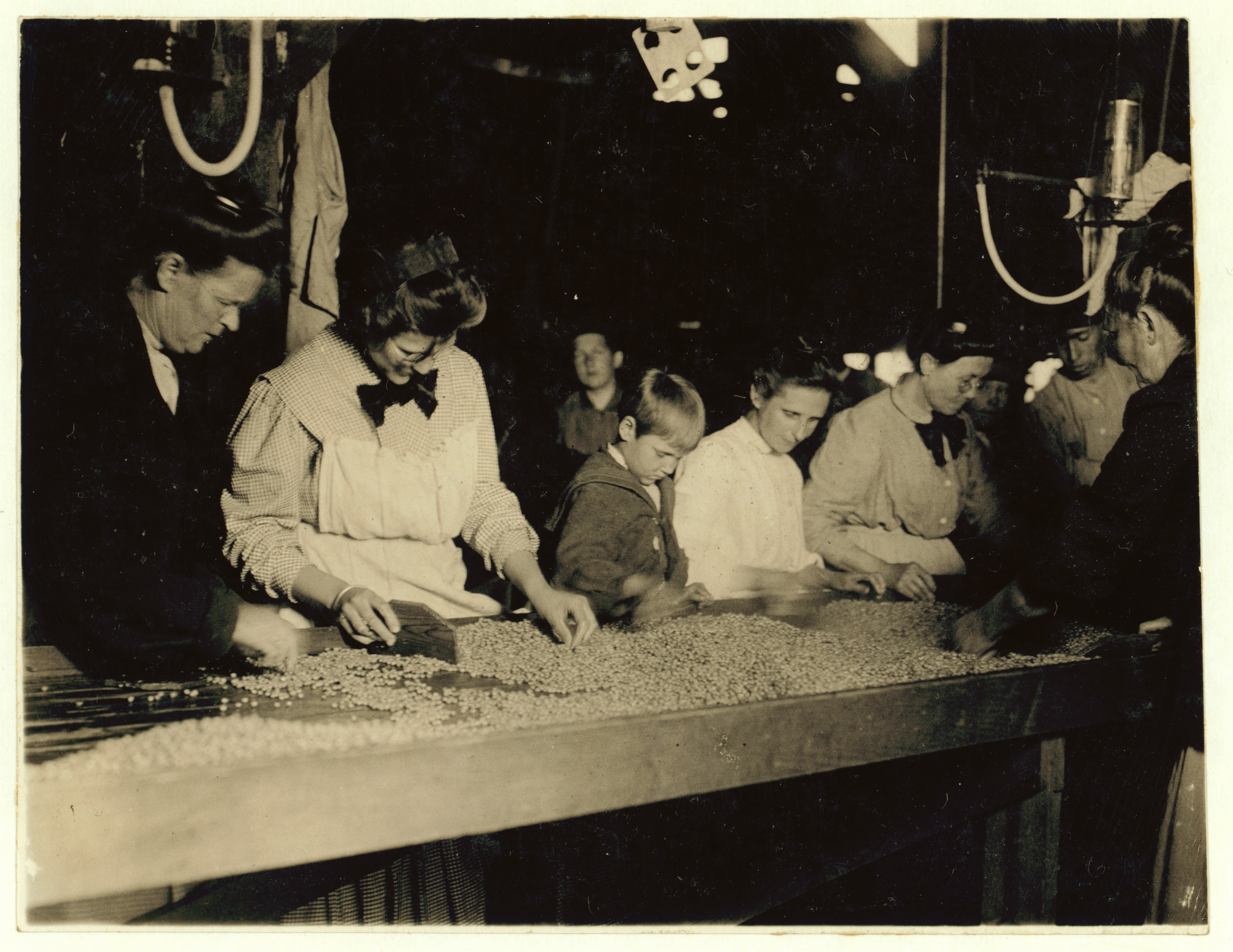
Mothers working the season brought children who were too young to be left and too old to be carried, and they waited in break rooms, in cars, on the loading dock, or in the plant itself. In earlier decades they had worked the line alongside their mothers.
Child labour law had long since closed the second part. The first part was a childcare problem that nobody treated as the employer’s business, and it is why seasonal cannery towns developed informal networks of grandmothers and neighbours that operated for generations. Some modern processors provide or subsidise childcare, mostly because they cannot otherwise recruit, which is the same problem solved from the other direction.
9. Immigrant and Migrant Labour Did the Hardest Jobs
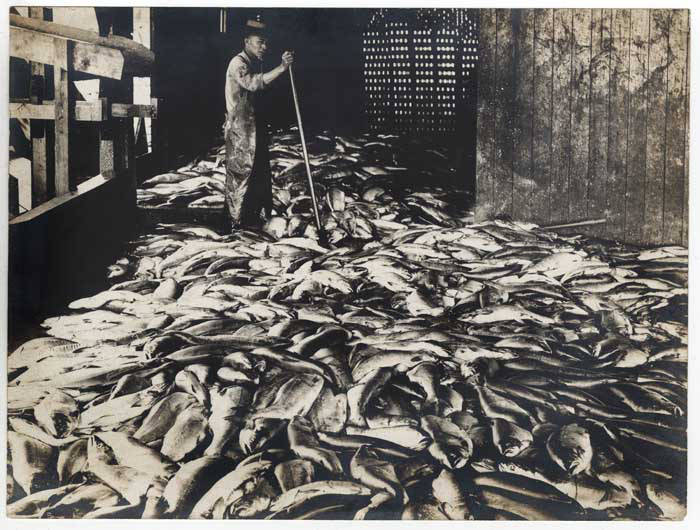
Cannery and field work in the same regions drew heavily on migrant and immigrant labour, with the hardest and worst-paid positions concentrated there. Workers moved with the harvest, housing was provided by the employer or the contractor and was frequently appalling, and the whole arrangement was organised around the fact that the workforce would leave.
Farm labour organising from the 1960s onward, federal migrant housing standards, field sanitation requirements and the extension of labour protections to agricultural work changed the legal position substantially, and enforcement has remained the central difficulty rather than the law. The subject is live rather than historical, which is worth stating plainly in a list that is otherwise about things that ended.
10. Nobody Measured What Was in the Air or the Water
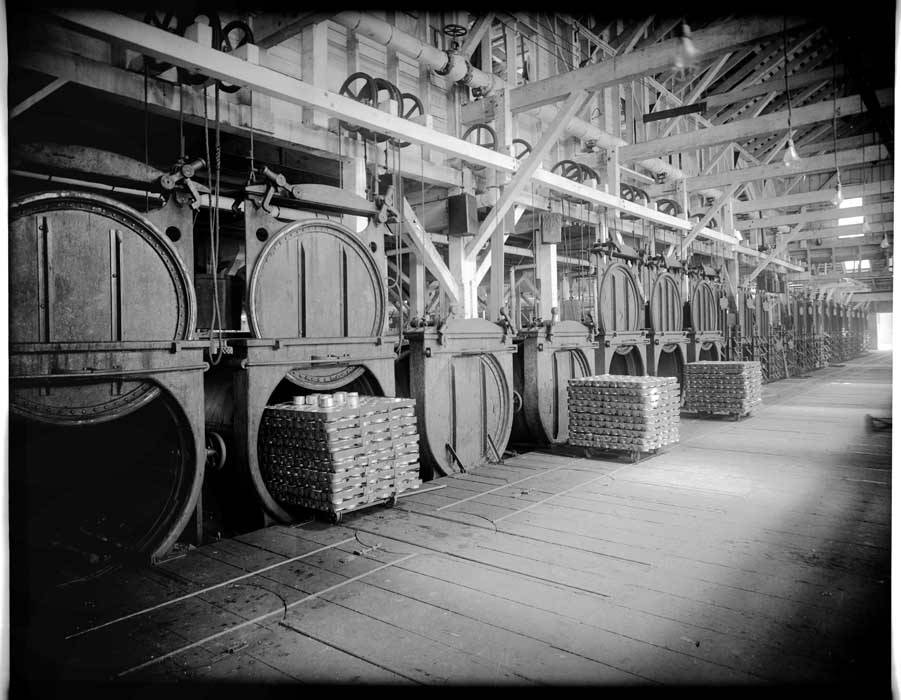
Steam, lye for peeling, chlorine in the wash water, sulphur dioxide in fruit processing, ammonia in the refrigeration plant. Exposures were unmeasured, ventilation was whatever the building happened to provide, and a leak was dealt with by the people who noticed it.
Workplace exposure limits, ammonia leak detection and alarm systems, confined space entry procedures and emergency response requirements all arrived with the broader industrial regulation of the 1970s. Ammonia refrigeration in particular is now one of the most tightly regulated systems in any food plant, because a large release is a mass casualty event and several of them happened.
11. Quality Control Was Somebody Looking at It
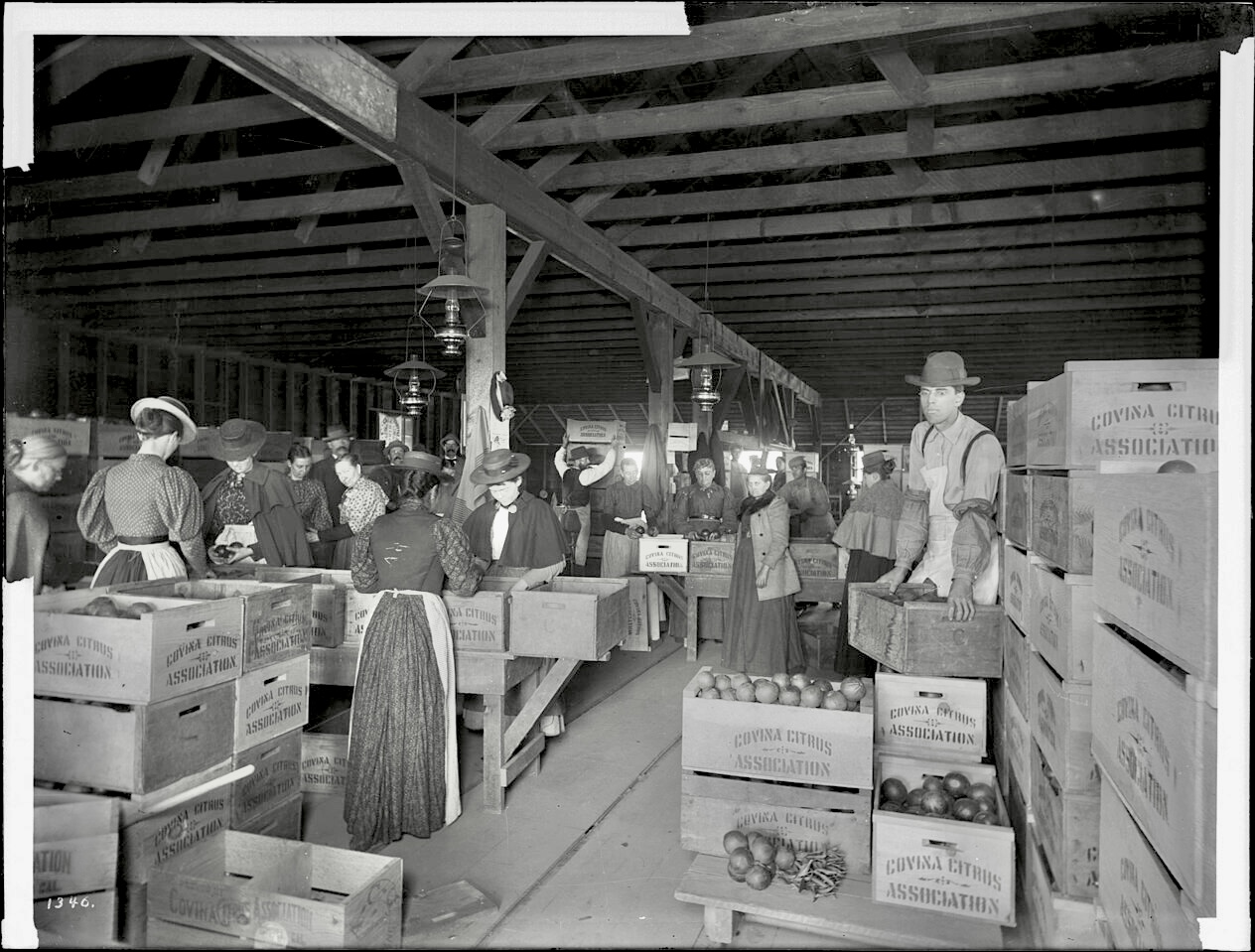
Inspection meant a person watching product go past and pulling out what looked wrong. Can seams were checked by eye and by hand. Process times and temperatures were recorded on paper by whoever was on the retort, and the records were as good as that person’s attention.
Low-acid canned food is now governed by a federally mandated scheduled process, with the process established by a qualified authority, continuous monitoring, calibrated instruments, mandatory records and operator certification for retort work – because the failure mode of under-processed canned food is botulism, and the regulations were written in response to outbreaks. Metal detection, X-ray inspection, seam teardown testing and automated grading have replaced the eye.
12. The Company Town Had a Cannery Instead of a Mill
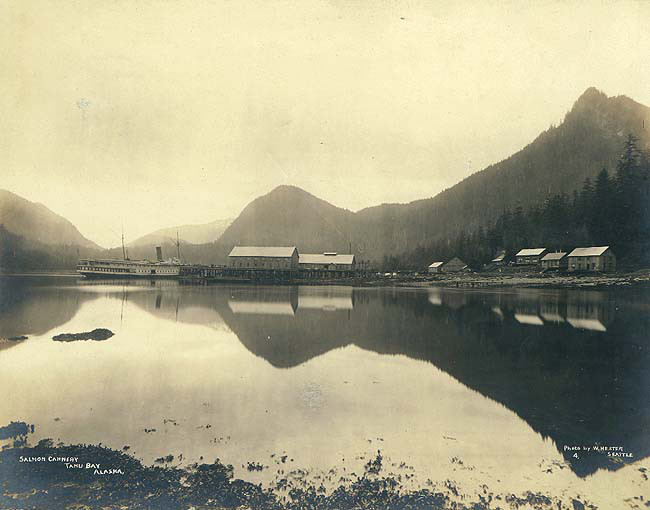
Canning towns up and down the Pacific coast, along the Chesapeake, through upstate New York and across the Midwest were built around a plant, with company housing for the season, a store, and a social calendar organised by the employer. The plant’s whistle, the smell of the crop being run and the arrival of the season organised the year.
Consolidation did most of the work: hundreds of small local canneries closed through the second half of the century as processing concentrated into a smaller number of very large plants near the best growing land. The buildings survive as breweries, flats, museums and markets, and the one thing everybody from those towns mentions is the smell – tomatoes, peaches, salmon, corn – which hung over the whole place for weeks and is remembered with a fondness that surprises people.
13. You Left With No Record That You Had Worked There
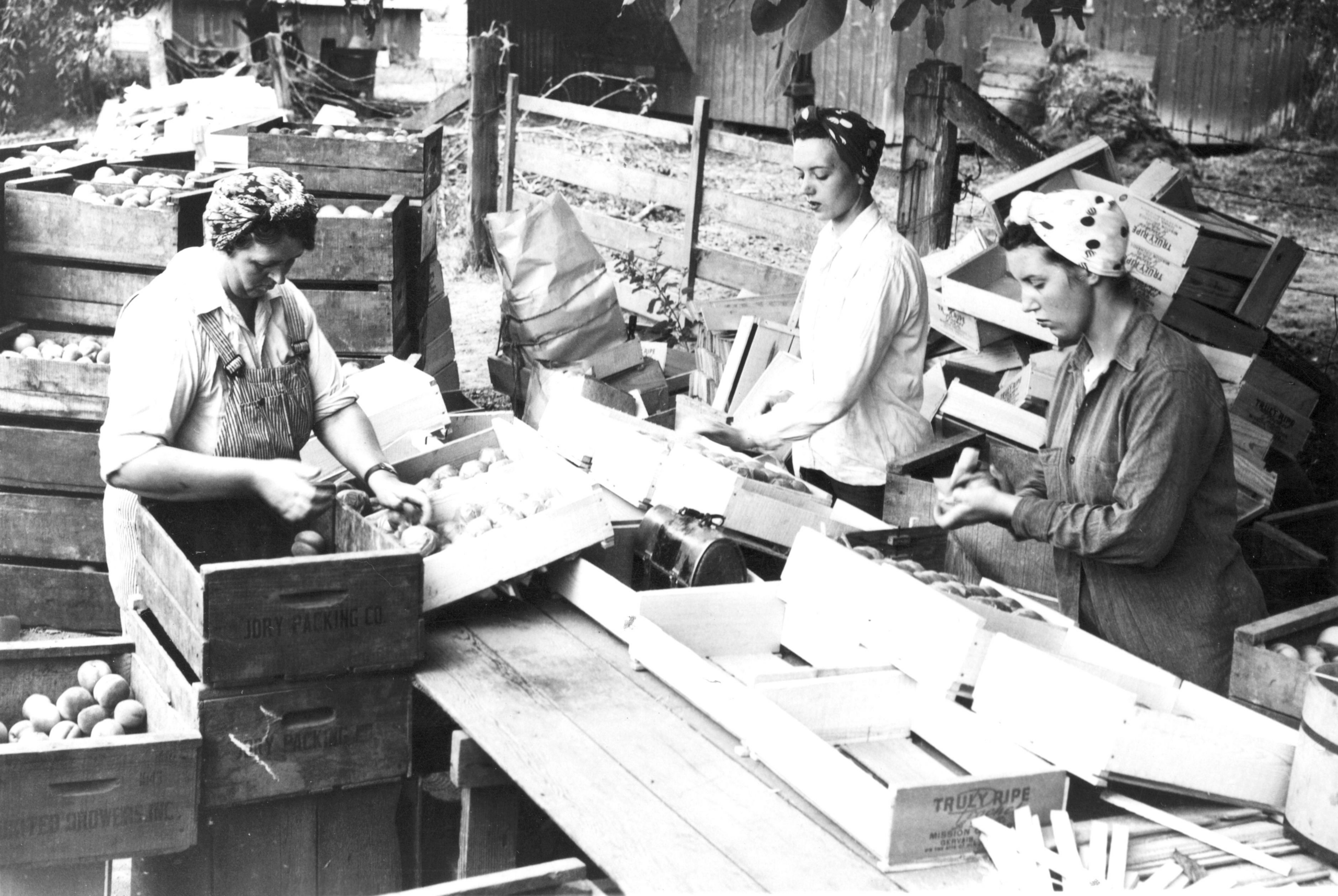
Seasonal work generated no pension, no continuity of service, no benefits and frequently no documentation worth keeping. A woman might work twenty seasons at the same plant and have nothing on paper to show for it. Social Security coverage for some categories of this work arrived late.
Coverage was progressively extended, and modern seasonal employment generates records, contributions and in many cases accrued entitlements. The gap is still real for the most casual work, but the 1960 position – two decades of annual employment leaving no trace in any system – has largely closed. It is the reason a great many women of that generation reached retirement with earnings records that badly understated what they had actually done.
14. Everybody Knew the Plant Would Be There Next Year
Whatever else was uncertain, the cannery itself was permanent. The crop would come in, the call would come, and the line would run. Families planned around the season the way farming families plan around the harvest, because it was the same harvest.
What ended that was not a single collapse but a steady consolidation – freezing displacing canning for many products, imports taking others, a smaller number of enormous plants replacing the local ones, and automation cutting the labour per ton by a very large factor. The work that remains is better paid, far safer, year-round and done by many fewer people, which is the same sentence that ends the story of almost every industry on this list.
Why This One Is Rarely Told
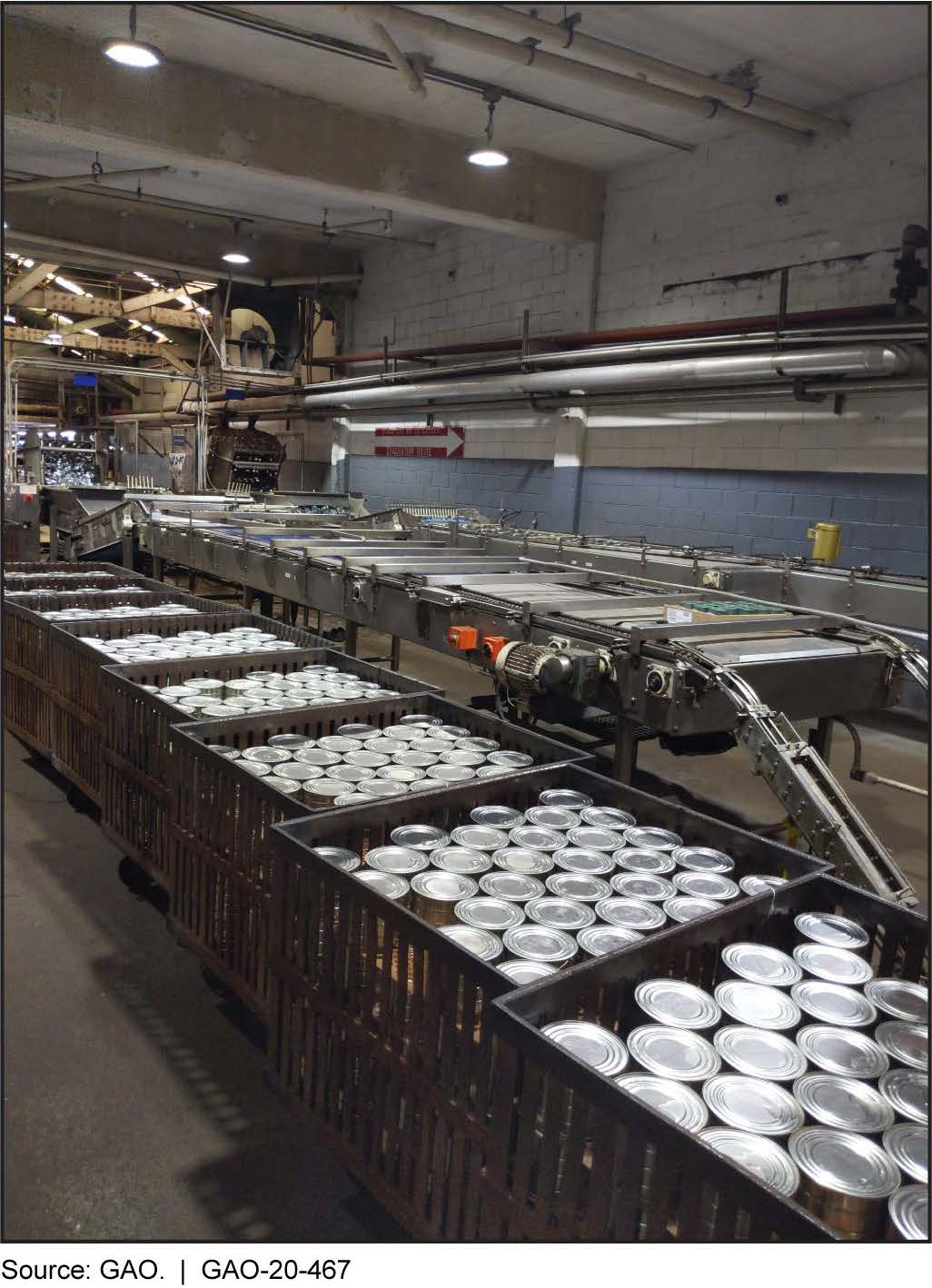
Heavy industry got the photographs and the songs. The cannery did not, for three reasons that are worth naming.
The workforce was female and seasonal, which meant it was never a political constituency in the way a steel local or a mine local was. It was frequently immigrant, which meant a great many of the workers had limited standing to complain and every reason not to. And the plants were small and scattered – hundreds of local canneries rather than a handful of enormous mills – so when they closed they closed quietly, one town at a time, over fifty years rather than in a single collapse anybody reported.
The changes that improved it were mostly not won by the workers in the plant. They came from food safety law written after outbreaks, from equal pay and civil rights legislation applied by lawyers, from workplace regulation drafted for industry generally, and from engineering driven by insurance. That is a less satisfying story than a strike, and it is the accurate one.
What the women who worked those seasons describe, almost without exception, is the other side of it: the crew, the talk down the line, the money arriving in a lump at the end of a season, and the smell of the crop over the whole town.
If your mother or grandmother worked a season, she probably told you about the piece rate and the smell before she told you about anything else.
What was the plant, what did it run, and is the building still standing?
Like our content? Follow us for more.