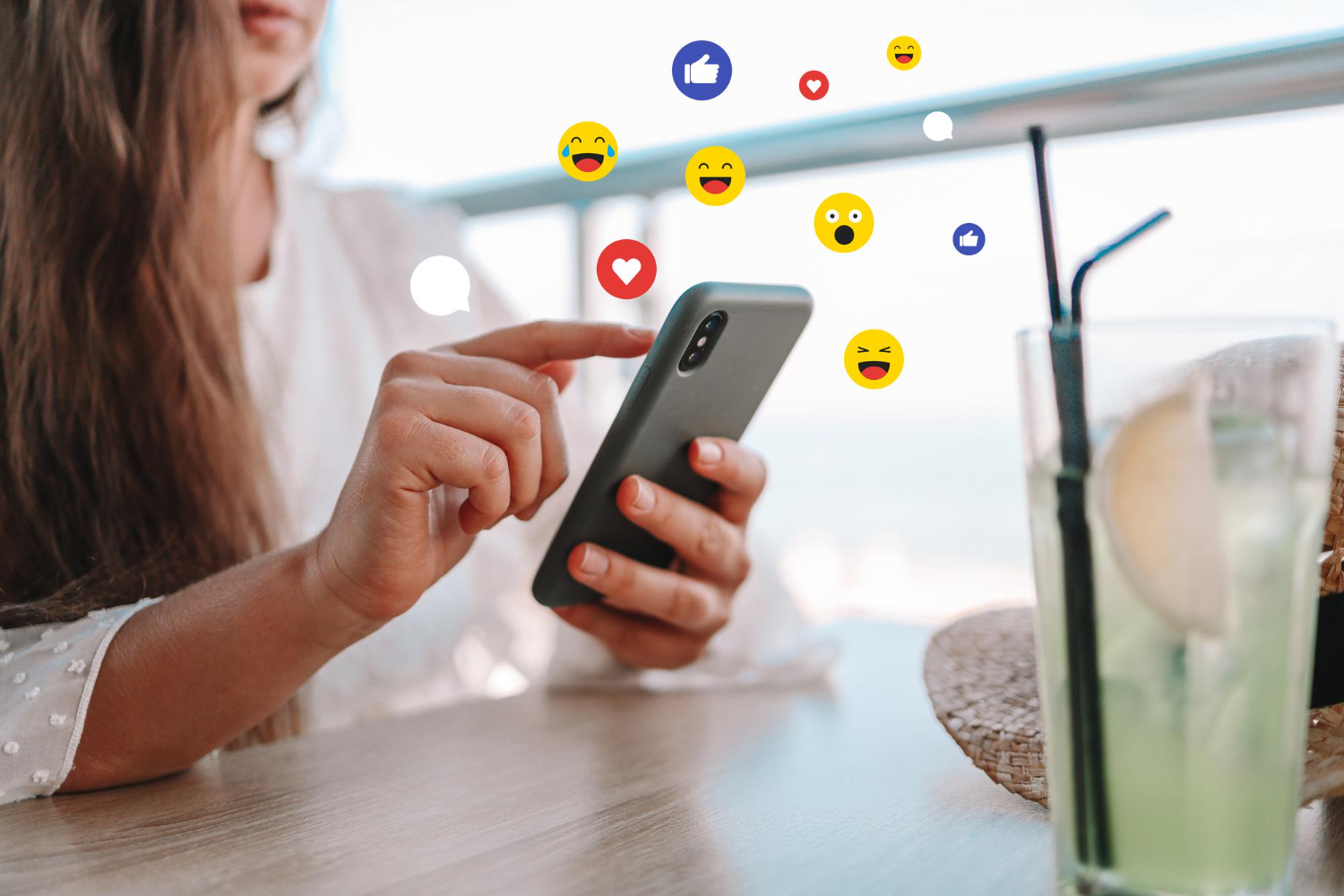
Every July 17, World Emoji Day celebrates the small pictures that thoroughly took over global conversation, symbols that cross every language barrier, carry entire moods in a single character, and are governed, believe it or not, by a formal approval process. Here are eight things to know about the tiny symbols the whole world speaks, counted down one by one.
1. The Date Comes From the Calendar Emoji Itself

Look closely at the calendar emoji on major platforms. It reads July 17, and that’s the whole story.
World Emoji Day falls on July 17 for the most self-referential reason in the holiday calendar, that’s the date displayed on the calendar emoji itself on major platforms, a design detail that emoji enthusiasts turned into the observance’s official date in 2014. The date comes from the calendar emoji itself, making this one of the only holidays whose reason for existing is written on its own icon.
Like our content? Follow us for more.
2. Emoji Were Born in Japan Before They Conquered the World
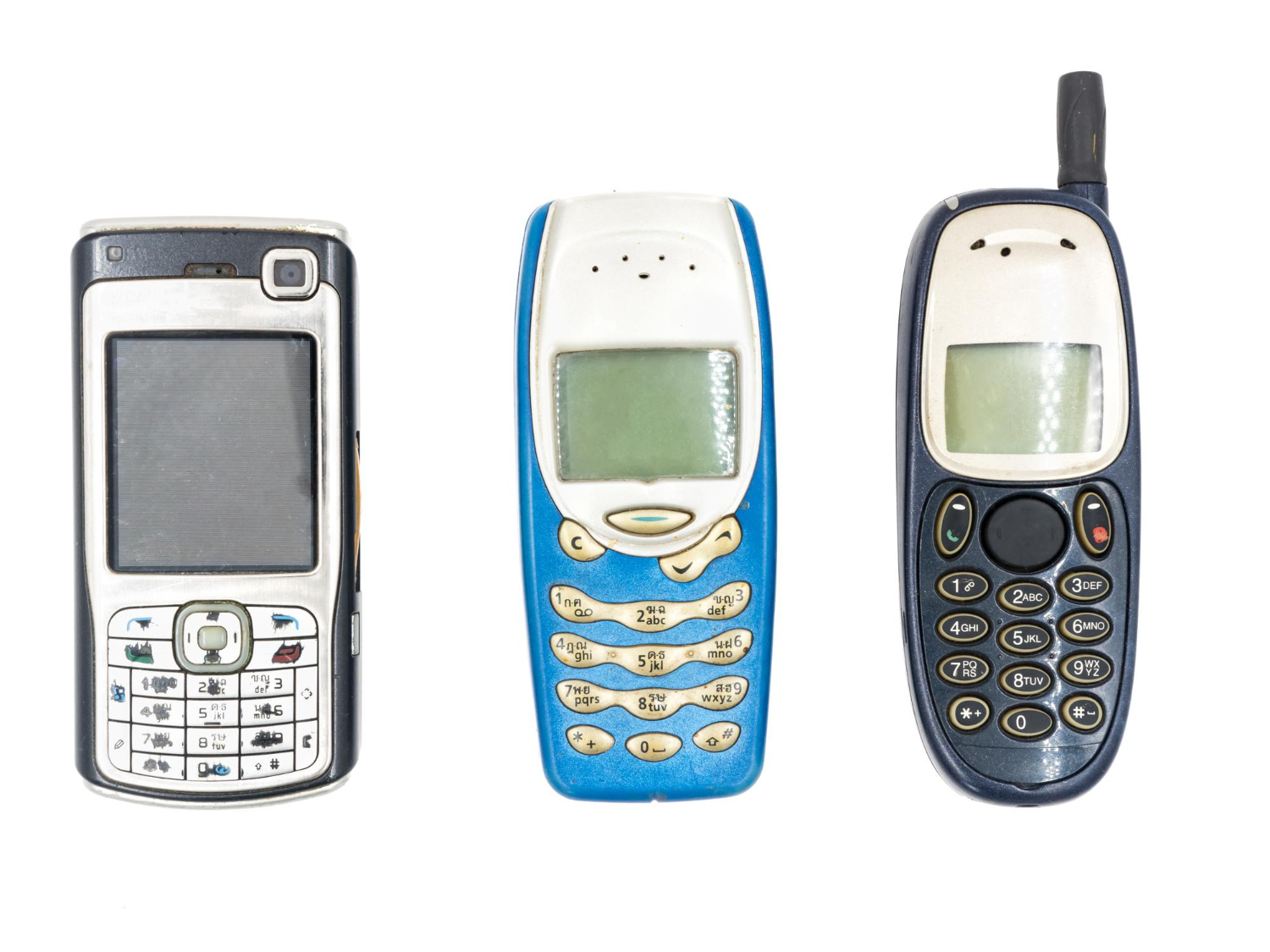
The first emoji sets appeared on Japanese phones in the 1990s. The name itself is Japanese.
The emoji began on Japanese mobile phones in the late 1990s, tiny pixel pictures created so short messages could carry tone and meaning, and even the name is Japanese, combining the words for picture and character, a coincidence with the English “emotion” that the symbols happily grew into. Emoji were born in Japan before they conquered the world, a local design solution that became a planetary vocabulary within a single generation.
3. A Formal Committee Approves Every New Emoji

New symbols pass through a standards body. Proposals, review, and approval can take years.
[IMAGE SUGGESTION] Wikimedia Commons “committee meeting documents table” — CC-licensed image of a formal review process.
Every new emoji must pass through the Unicode Consortium, the standards body that keeps text working across the world’s devices, where written proposals are argued over evidence of expected use, distinctiveness, and demand, a review that can take years before a new symbol reaches any keyboard. A formal committee approves every new emoji, which means the world’s most casual language is governed by one of its most careful processes.
4. A Few Faces and Hearts Do Most of the World’s Work
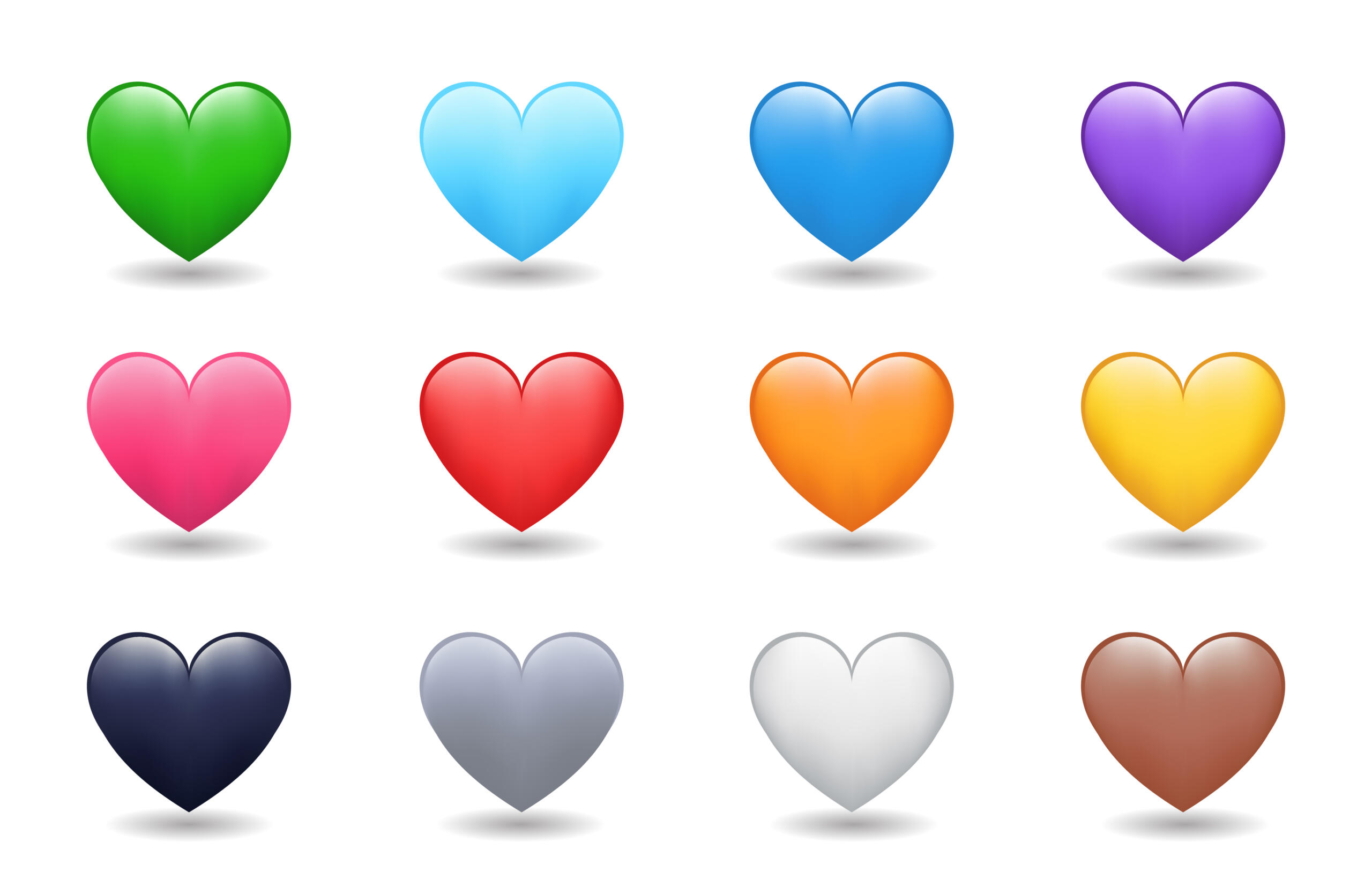
Usage is astonishingly top-heavy. The laughing-crying face and the red heart dominate globally.
For all the thousands of available symbols, global usage is remarkably top-heavy, with the laughing-crying face and the red heart perennially ranked the most used on Earth, joined by a small supporting cast of smiles, tears, and thumbs that carry the overwhelming share of daily traffic. A few faces and hearts do most of the world’s work, proof that whatever the language, people mostly want to say the same handful of things.
5. The Same Emoji Doesn’t Mean the Same Thing Everywhere

Meanings shift across cultures and generations. A friendly symbol in one place reads differently in another.
The emoji may be a global vocabulary, but it isn’t a global dictionary, the thumbs-up reads warm in some cultures and curt in others, the folded hands are read as thanks, please, or prayer depending on the reader, and entire generations disagree about whether a simple smiley is friendly or devastatingly sarcastic. The same emoji doesn’t mean the same thing everywhere, which keeps the world’s simplest language as interpretable as any other.
6. Emoji Are a Traveler’s Secret Weapon

Symbols cross language barriers instantly. A pointed finger and a food emoji have ordered many dinners.
Experienced travelers know the emoji’s most practical magic, it crosses language barriers instantly, a camera symbol asks permission for a photo, a food emoji plus a pointing finger has ordered dinners on every continent, and a string of hearts thanks a host in a language the sender can’t speak. Emoji are a traveler’s secret weapon, the closest thing to a universal phrasebook that fits on a keyboard.
7. New Emoji Arrive Every Year, and Reveal the Times

Annual additions track what the world wants to say. Recent years added foods, faces, and family life.
Fresh emoji arrive nearly every year, and the additions read like a diary of the times, new foods as cuisines go global, new activities as hobbies surge, broader skin tones and family combinations as the keyboard works to look more like the people using it. New emoji arrive every year, and reveal the times, which makes each release a small cultural census, argued over accordingly.
8. The Emoji Is the Postcard’s Great-Grandchild
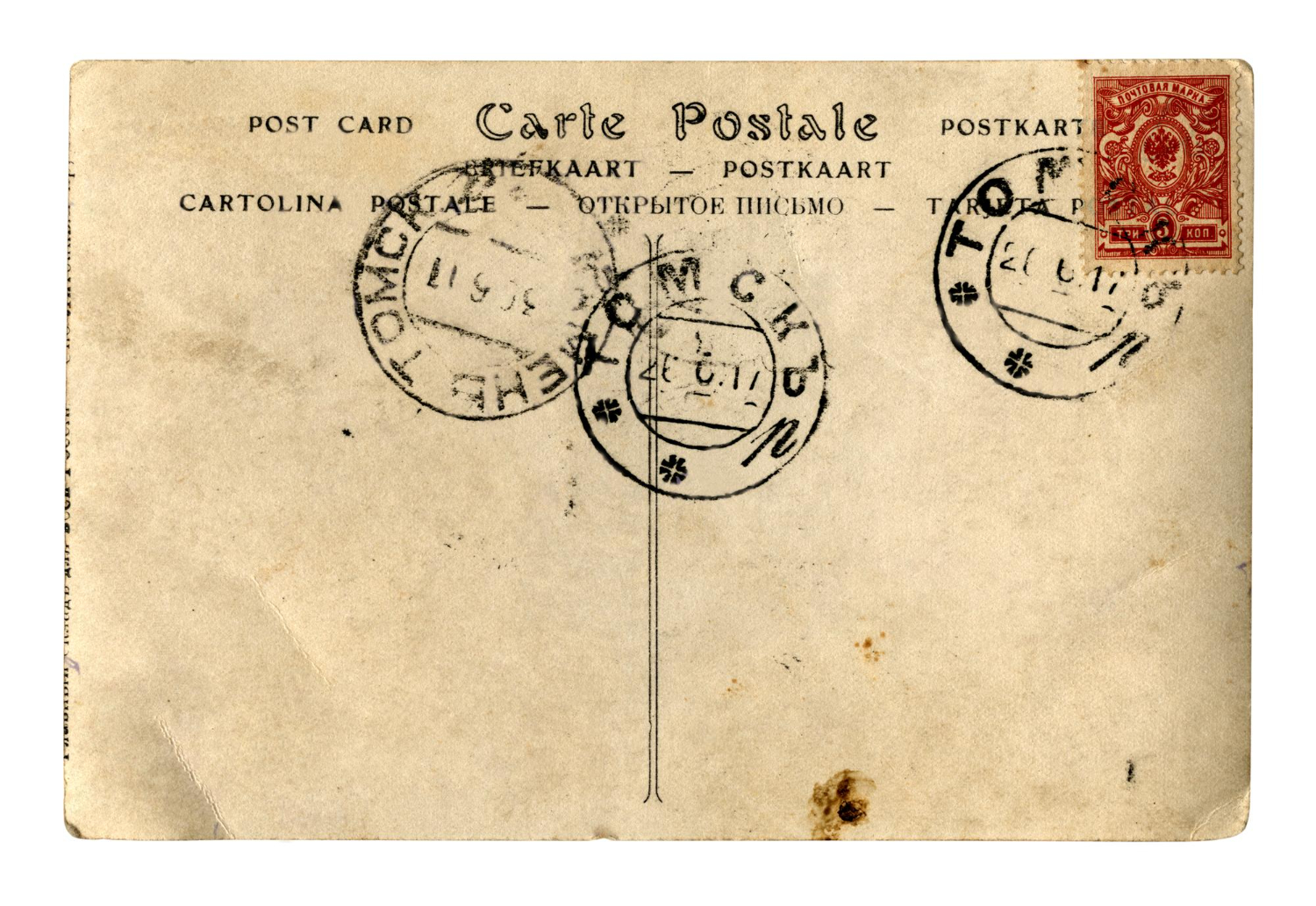
Compressing feeling into a small picture isn’t new. Humans have always shrunk sentiment to fit the medium.
Step back and the emoji looks less like an invention than an inheritance, humans have always compressed feeling into small pictures, from the scenic postcard’s sunset to the greeting card’s heart, and the emoji simply shrank the tradition to a single character delivered at the speed of light. The emoji is the postcard’s great-grandchild, and World Emoji Day is really a celebration of something much older, the human insistence on sending a feeling, fast.
A Holiday for the World’s Smallest Language
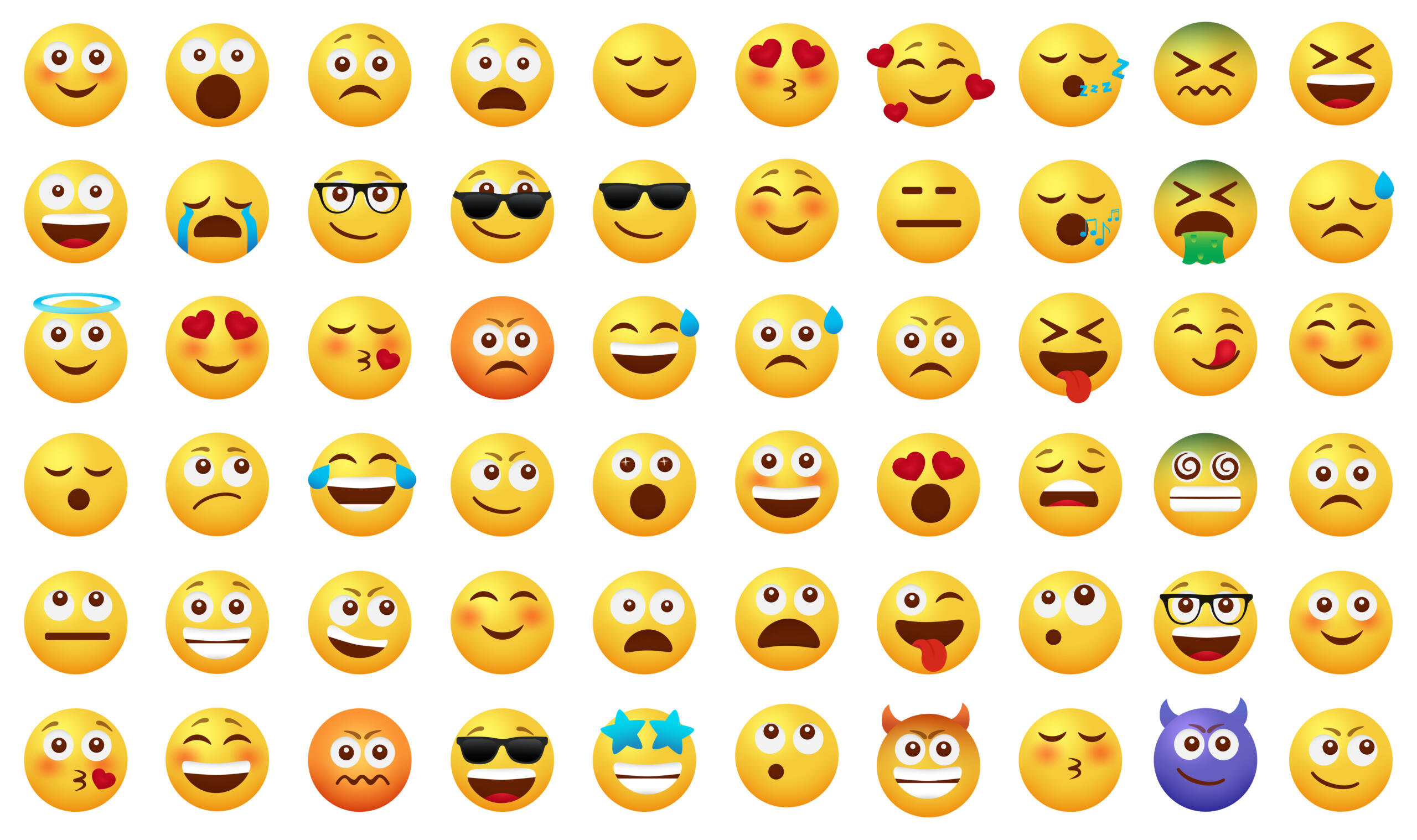
Taken together, these eight things explain what World Emoji Day actually celebrates, a Japanese design idea, governed by a careful committee, dominated by a few hearts and faces, misread across cultures, beloved by travelers, and descended from every small picture humans ever mailed. Not bad for symbols the size of this period.
The emoji earned its holiday by doing something no constructed language ever managed, getting billions of people to use it daily without a single lesson, and every July 17 the keyboards of the world take a bow. However you feel about the laughing-crying face, the next message you send will probably carry a little picture doing an emotion’s work, and now you’ll know the committee, the calendar, and the century of postcards standing behind it.
Like our content? Follow us for more.