Every year the same handful of states sit at the bottom of America’s tourism tables, short on theme parks, cruise ports, and bucket-list icons, and every year the travelers who go anyway come home with the same report: emptier trails, cheaper trips, friendlier towns, and sights the crowded states can’t match. Here are the U.S. states almost nobody visits, and why travelers are wrong to skip every one, counted down one by one.
1. North Dakota: The Badlands Nobody’s Standing In Front Of
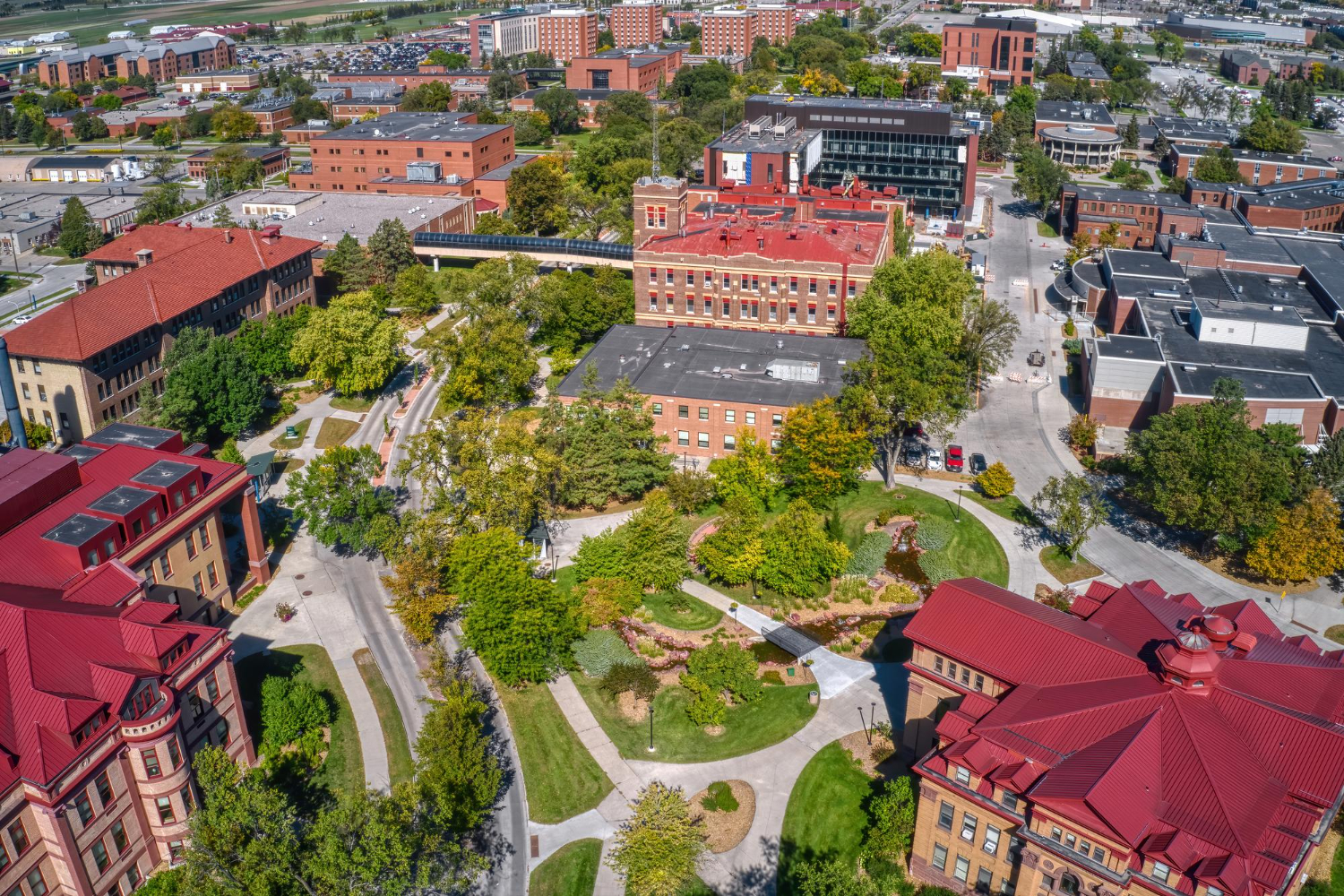
America’s least-visited state hides a stunning national park. Wild horses roam its painted canyons.
Perennially cited as the least-visited state in America, North Dakota keeps a genuine secret in plain sight, Theodore Roosevelt National Park, painted badlands where bison and wild horses roam and where the crowds of the famous Western parks simply don’t exist, plus the surprisingly lively food-and-arts scene of Fargo. North Dakota, the badlands nobody’s standing in front of, offers the classic Western park experience with the parking lot the way parks used to be, mostly empty.
Like our content? Follow us for more.
2. Kansas: A Hundred Miles of Prairie the Pioneers Would Recognize
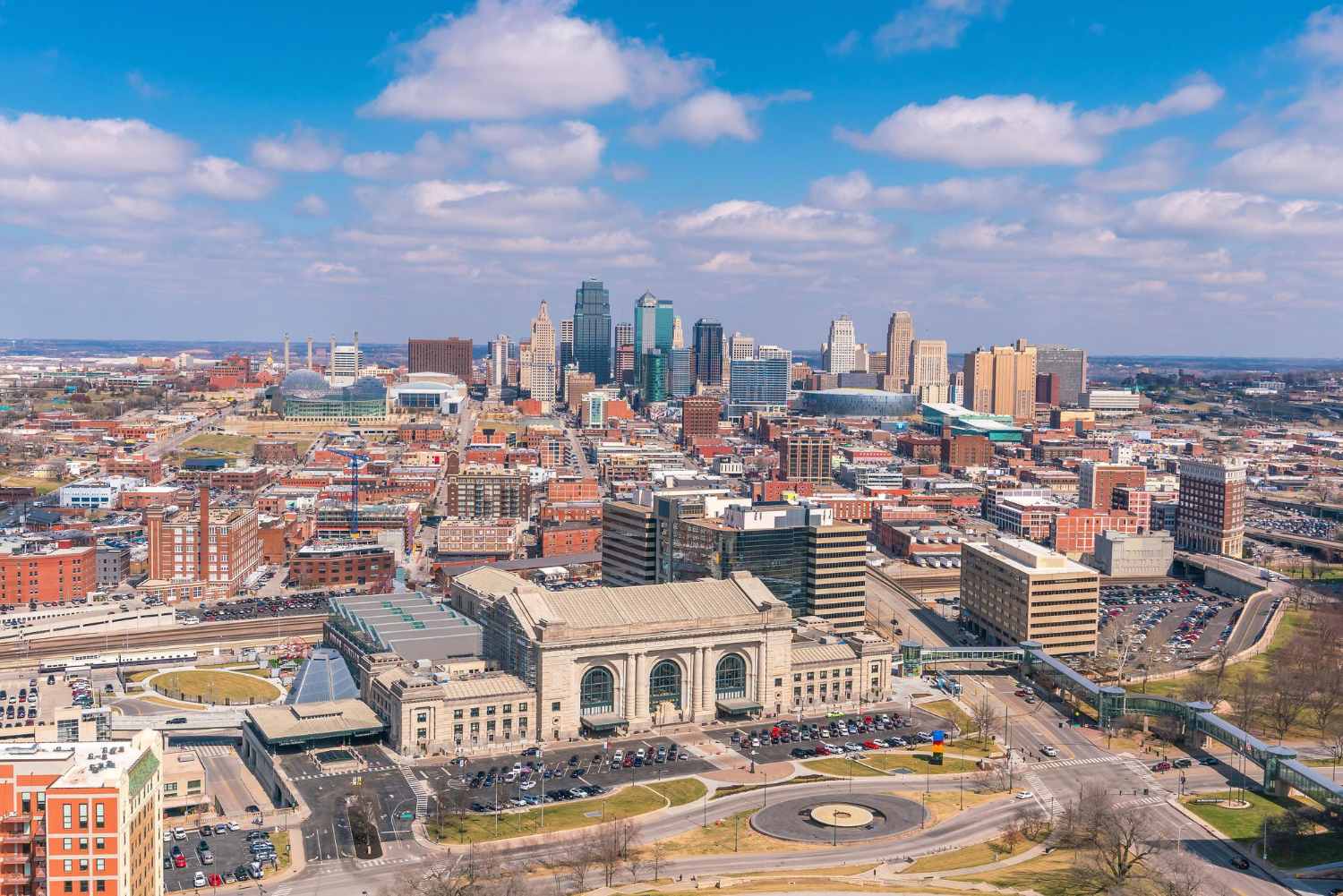
The Flint Hills preserve America’s last tallgrass. Chalk formations rise from the western plains like monuments.
Kansas gets driven through more than driven to, which means almost nobody sees the Flint Hills, the last great sweep of the tallgrass prairie that once covered the middle of the continent, green swells running to every horizon, or the chalk monuments of Monument Rocks rising from the western plains like a fleet of stone ships. Kansas, a hundred miles of prairie the pioneers would recognize, rewards exactly the traveler willing to take the exit.
3. Nebraska: Half a Million Cranes and a River of Sand Hills
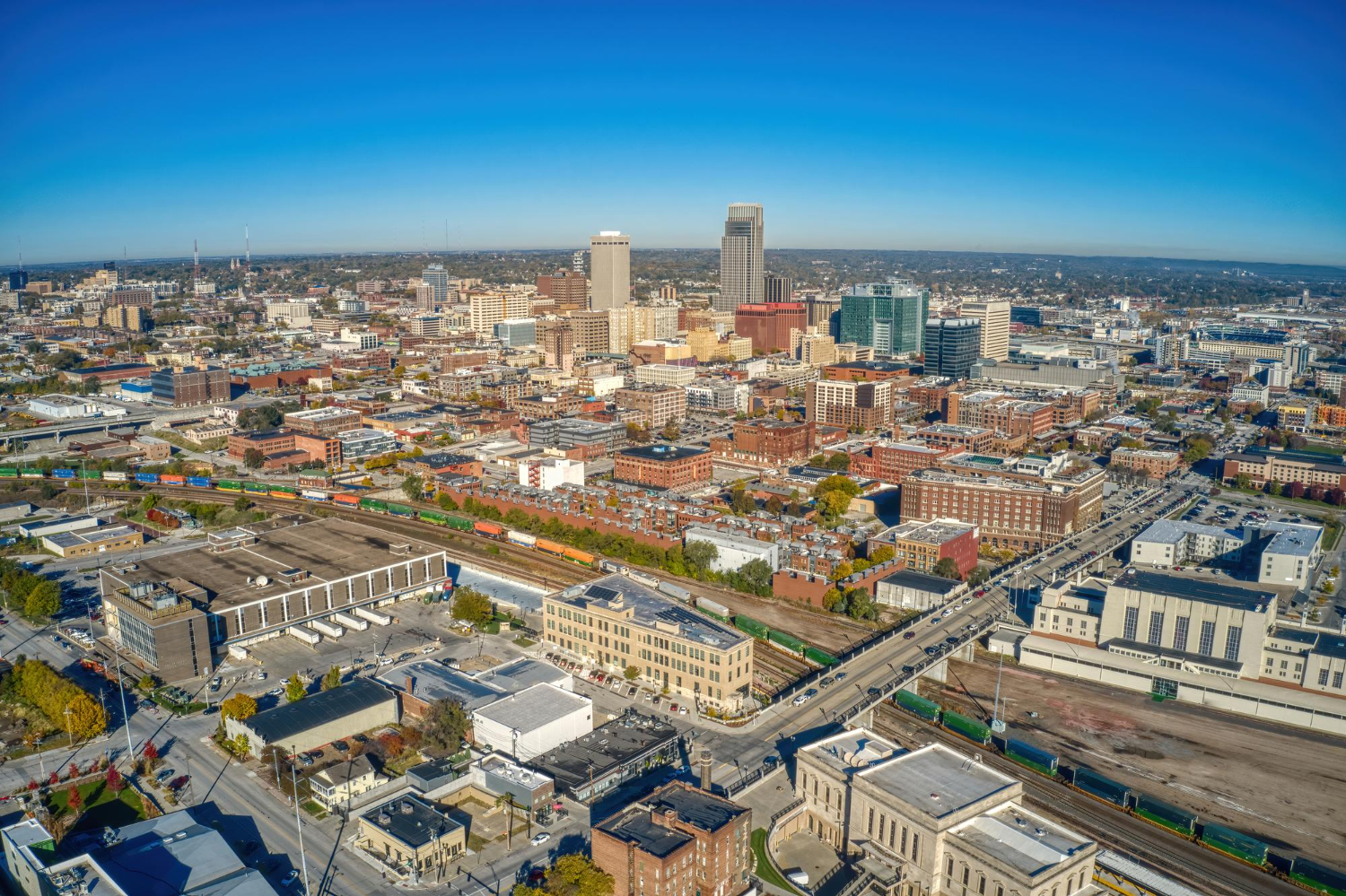
Each spring brings one of Earth’s great migrations. The Sandhills are a landscape found nowhere else.
Every spring along Nebraska’s Platte River, more than half a million sandhill cranes stage one of the greatest wildlife spectacles on Earth, filling the dawn sky in numbers that leave first-time viewers speechless, and the state’s grass-covered Sandhills, the largest dune field in the Western Hemisphere, roll on for hours of the emptiest, loveliest driving in America. Nebraska, half a million cranes and a river of sand hills, hosts world-class wonders that most of the world hasn’t heard about.
4. West Virginia: The East’s Wildest Scenery, Minus the Crowds
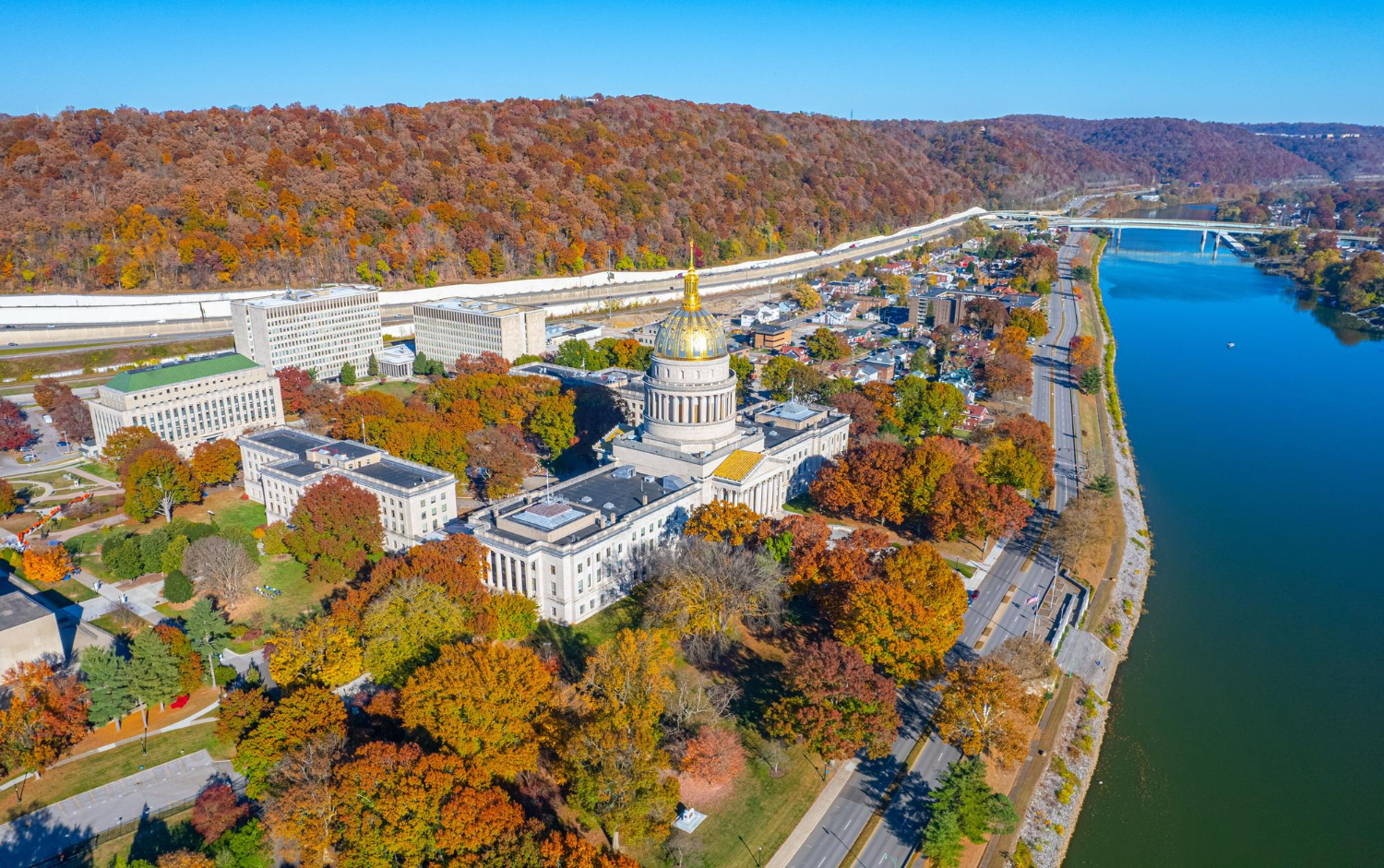
A dramatic gorge earned national park status. Mountain towns keep the adventure affordable.
West Virginia sits within a day’s drive of a third of the country and still lands low on the visitation tables, despite holding the New River Gorge, one of America’s newest national parks, with its famous bridge, whitewater, and climbing, plus mountain towns, scenic railroads, and fall color that rivals New England at a fraction of the price. West Virginia, the East’s wildest scenery minus the crowds, is the region’s best adventure value hiding behind an old reputation.
5. Iowa: Bluffs, River Towns, and the Great American Porch
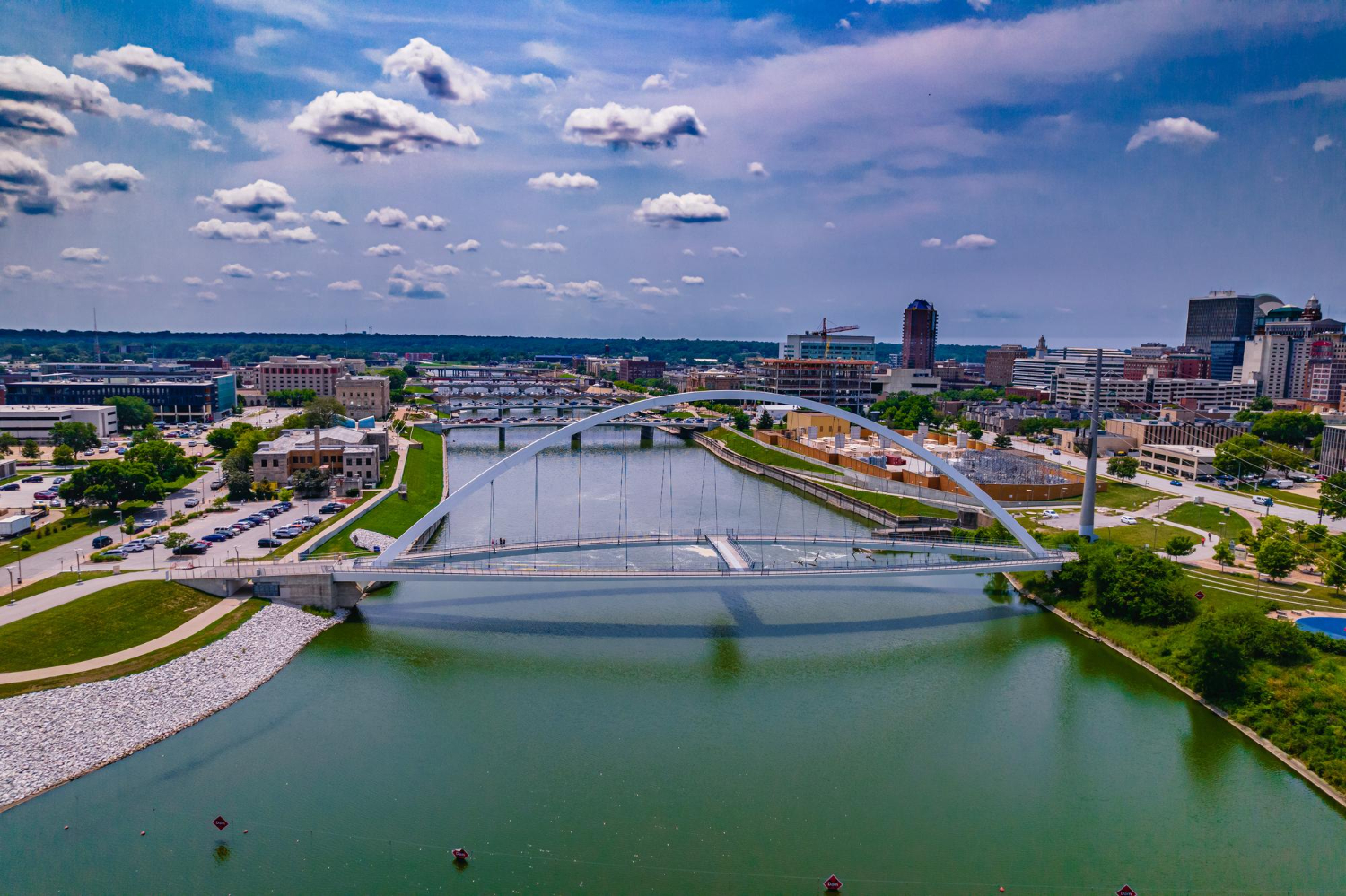
The Mississippi side is all bluffs and river towns. The state fair and small towns do Americana at full strength.
Iowa’s flat reputation dissolves along its edges, the Mississippi side stacked with bluffs and time-capsule river towns, the western border rippled by the rare wind-built Loess Hills, and in between, covered bridges, legendary small-town main streets, and a state fair that does Americana at maximum strength. Iowa, all bluffs, river towns, and the great American porch, out-delivers its reputation the moment a traveler leaves the interstate.
6. Mississippi: The Roots of American Music, Live and Unhurried
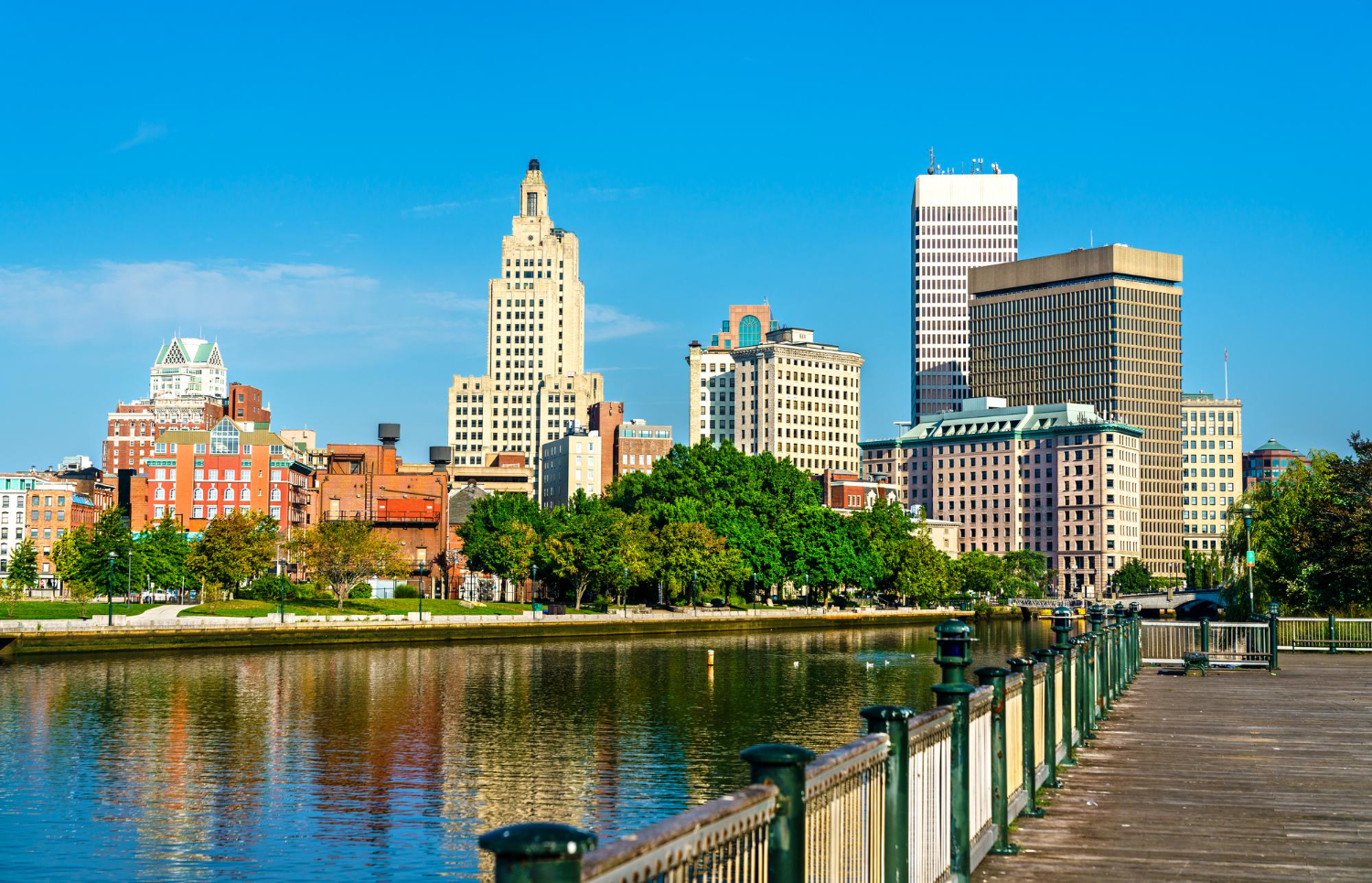
The blues was born in the Delta and still plays there. The Gulf coast adds beaches without the spring-break crush.
Mississippi holds ground zero of American music, the Delta, where the blues was born and still plays in juke joints and festival towns along the marked Blues Trail, plus antebellum river cities, some of the South’s best food at its most honest prices, and a Gulf coast of white sand that never got the spring-break crush. Mississippi, the roots of American music live and unhurried, offers cultural travel as deep as any state’s, with the volume of visitors turned way down.
7. Arkansas: Hot Springs, Diamond Digging, and Ozark Rivers
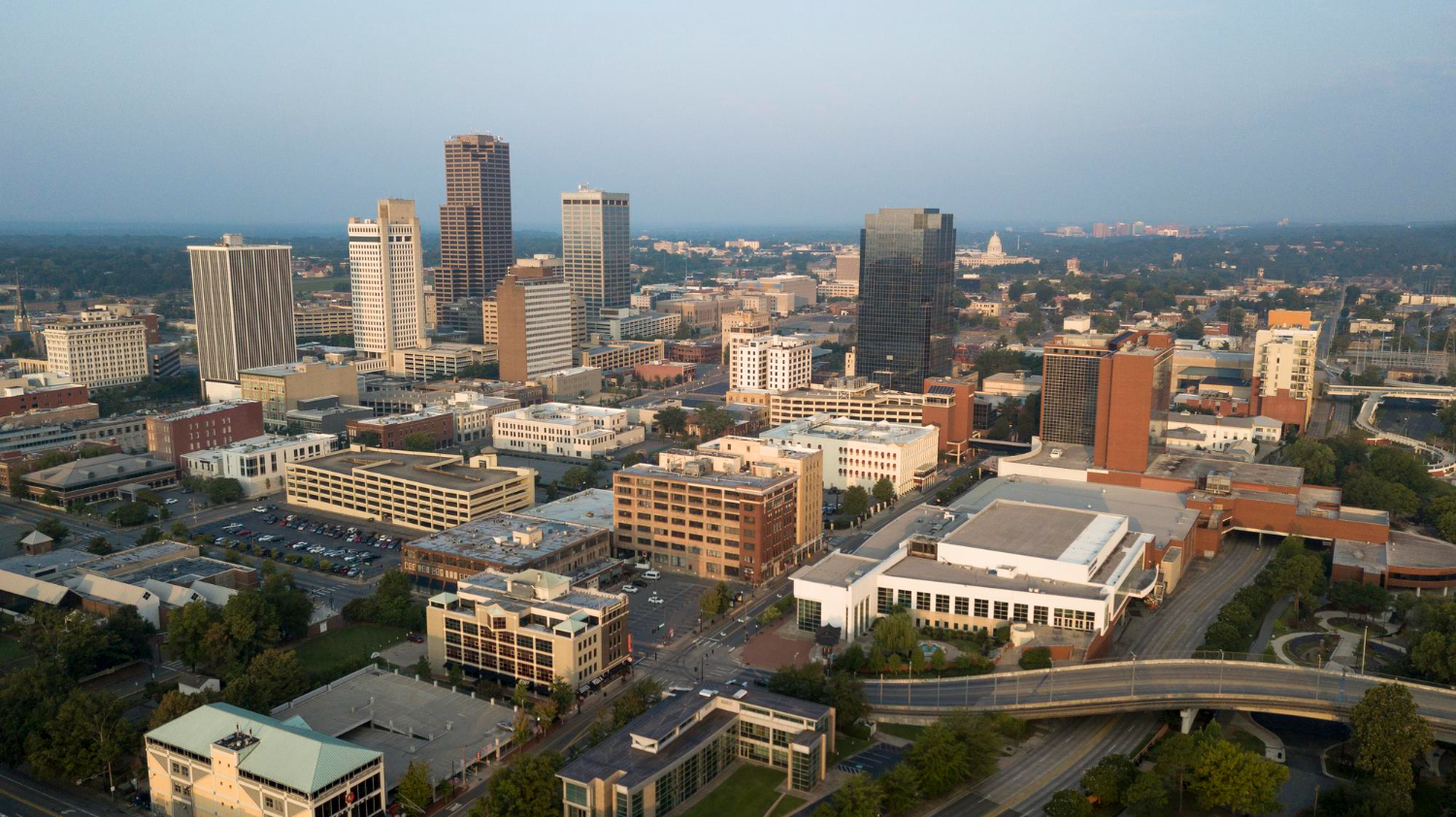
A national park is built around bathhouses. Visitors keep any diamond they dig up.
Arkansas packs an improbable list into one overlooked state, Hot Springs National Park with its historic bathhouse row, the Buffalo National River flowing free beneath Ozark bluffs, a world-class art museum rising from the woods of Bentonville, and Crater of Diamonds, the only public site on Earth where visitors dig for real diamonds and keep what they find. Arkansas, with hot springs, diamond digging, and Ozark rivers, may be the most underrated outdoor state east of the Rockies.
8. Delaware: Beaches, History, and Not a Cent of Sales Tax
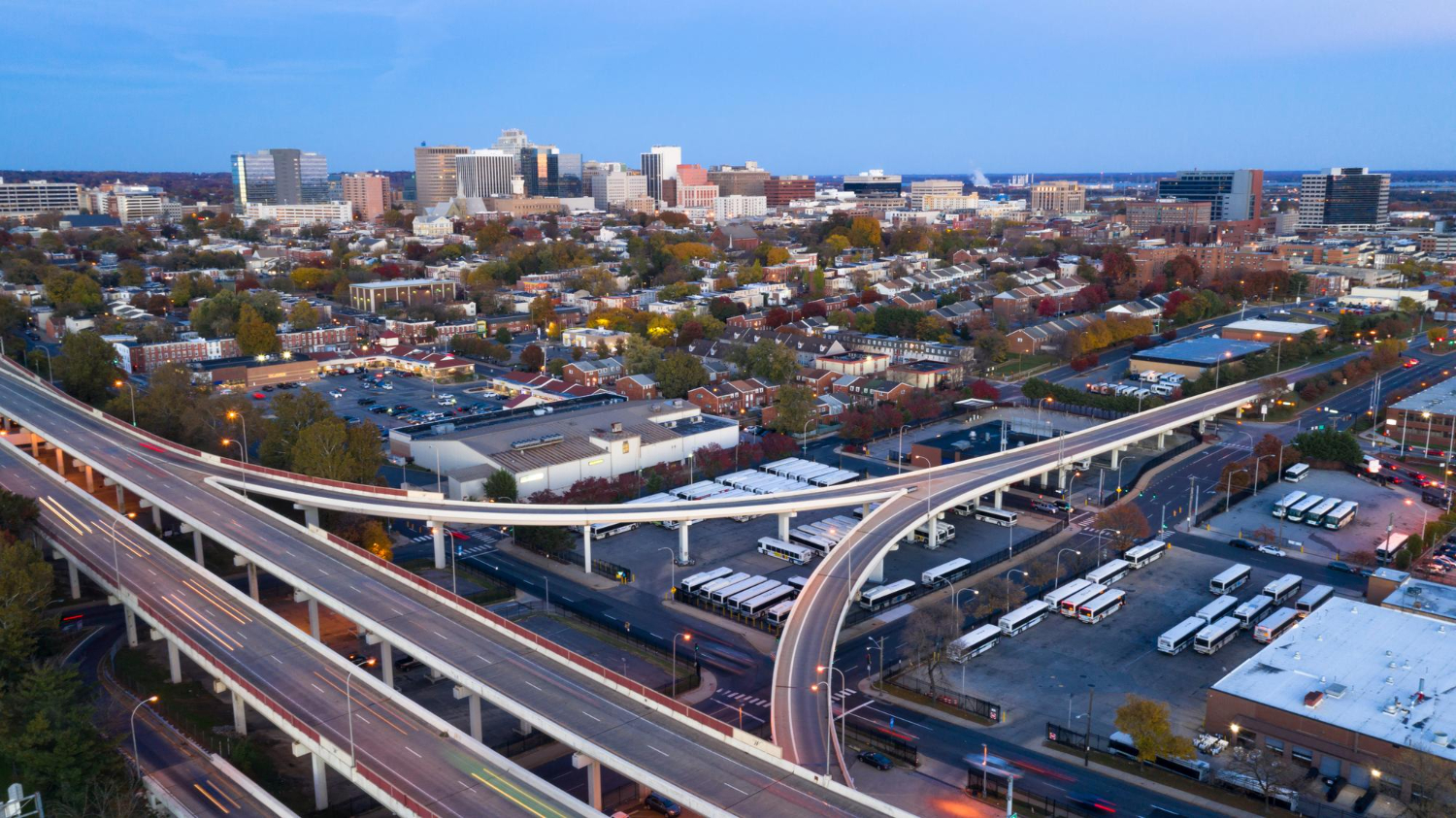
The First State’s beach towns charm without the sprawl. Tax-free shopping sweetens every stop.
Little Delaware lands low on the tables mostly by being small, but its beach towns, boardwalk classics with bandstands and salt-water taffy, deliver the Atlantic summer at a gentler scale than the famous shore states, alongside first-rate colonial history and the traveler’s bonus of zero sales tax on everything. Delaware, with beaches, history, and not a cent of sales tax, proves the least-visited list is sometimes just a list of well-kept secrets.
The Best Argument Is the Empty Trailhead
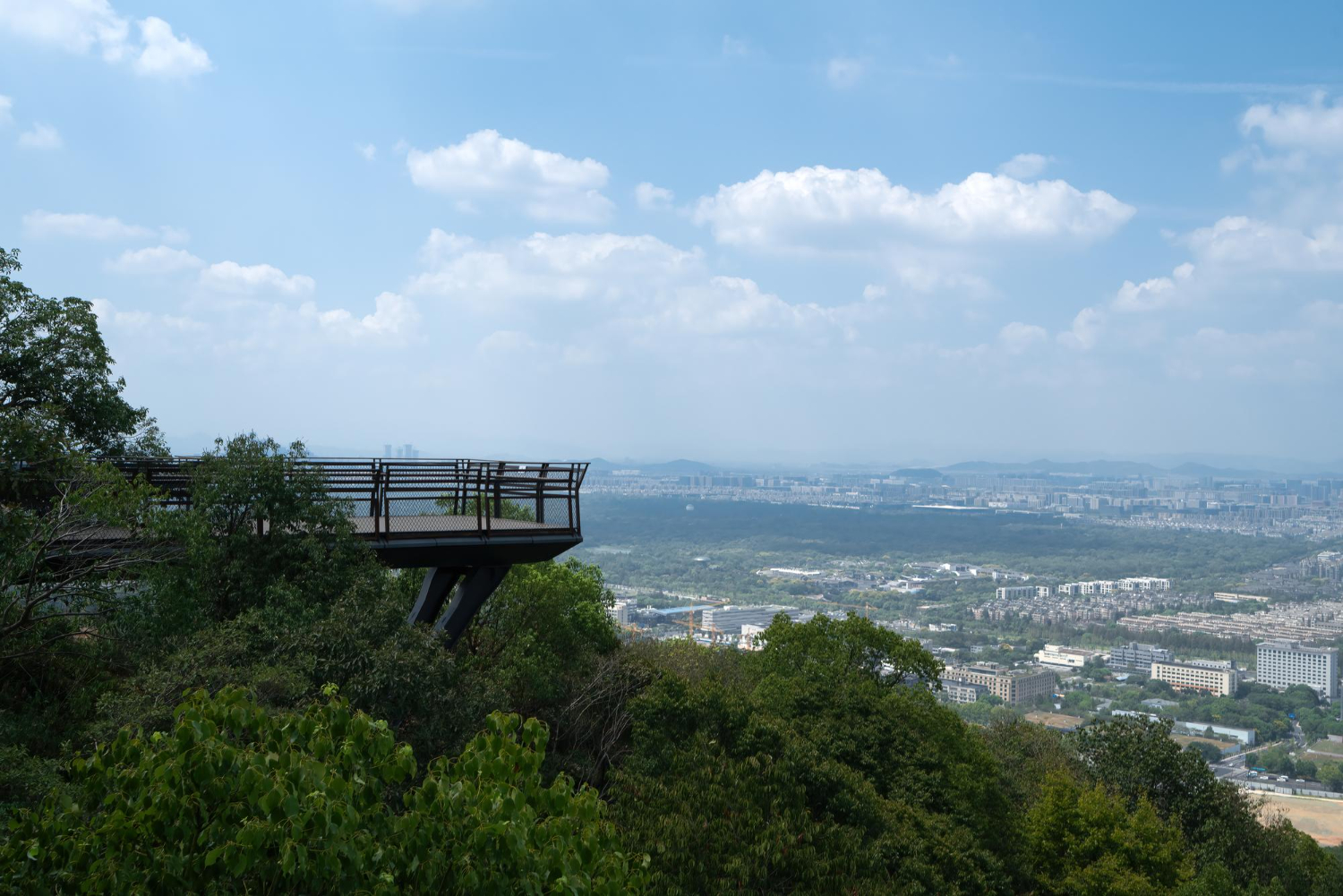
Taken together, these states make the same case from eight directions, painted badlands, tallgrass seas, half a million cranes, a gorge with its own bridge day, the birthplace of the blues, and diamonds you can keep, all of it uncrowded, affordable, and genuinely glad to see you. The bottom of the tourism table, it turns out, is a travel list in disguise.
The least-visited states stay that way for reasons that have little to do with what they offer, they’re far from the big airports, short on famous icons, and long on the kind of travel that doesn’t photograph its own crowds. That’s exactly the opportunity: while the famous parks meter their entrances and the famous coasts stack their towels, these states offer the increasingly rare luxury of room. The rankings measure where everyone goes; the smart traveler reads them upside down.
Like our content? Follow us for more.