

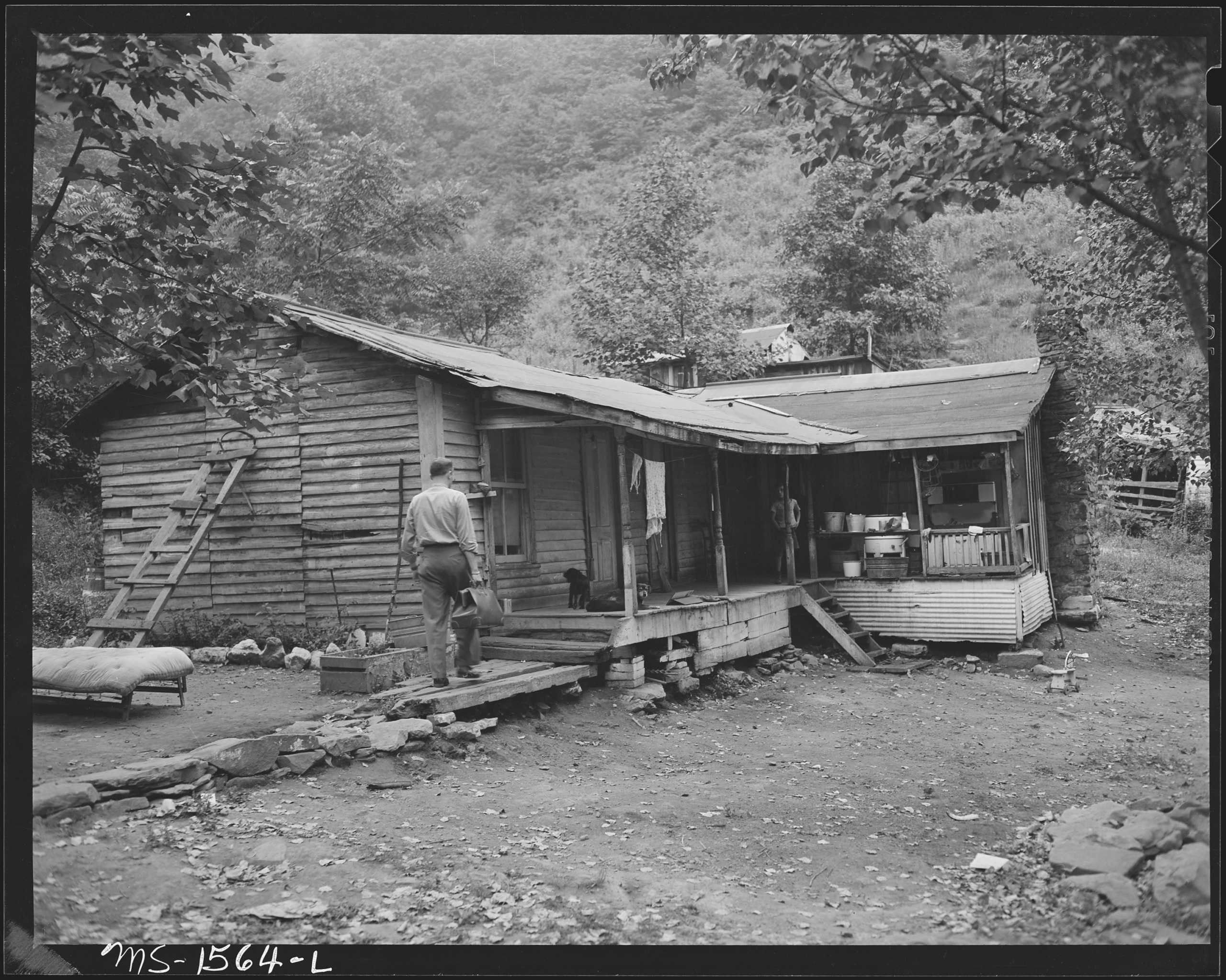
In 1955 the single-handed country doctor was the whole of medicine for a great many townships. He saw patients in a room at the front of his own house, drove a round of calls in the afternoon, delivered babies at home, dispensed his own drugs from a bag, and was available every hour of every day for as long as he held the practice.
He was also operating with no laboratory, no imaging, no ambulance service, no second opinion within thirty miles, and no record of his patients beyond an index card and his own memory.
Here are sixteen things that were ordinary for a country doctor in 1955, and what each one became.
1. The Doctor Came to the House, and That Was the Normal Way to See One
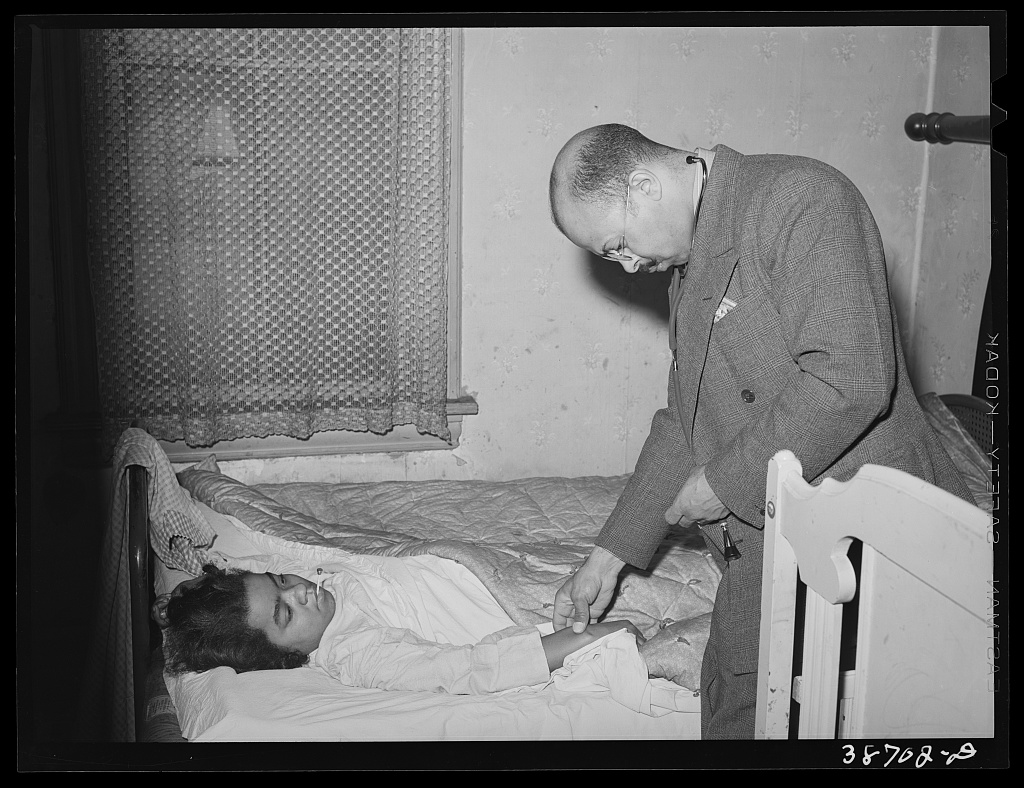
House calls accounted for a very large share of all patient contacts in the 1930s and were still a routine part of general practice in 1955. A doctor saw patients in his surgery in the morning, drove a round of calls in the afternoon, and went out again at night if somebody telephoned.
House calls have fallen to a tiny fraction of patient contacts, and the reasons are not mysterious: a doctor in a surgery sees several patients an hour and a doctor in a car sees one, the equipment that makes modern diagnosis possible does not fit in a bag, and the population is far larger per doctor. Home visiting has partly returned in specialist forms – palliative care, community nursing, hospital-at-home schemes – but the general-purpose house call is gone.
Like our content? Follow us for more.
2. Everything He Could Do Fitted in One Leather Bag
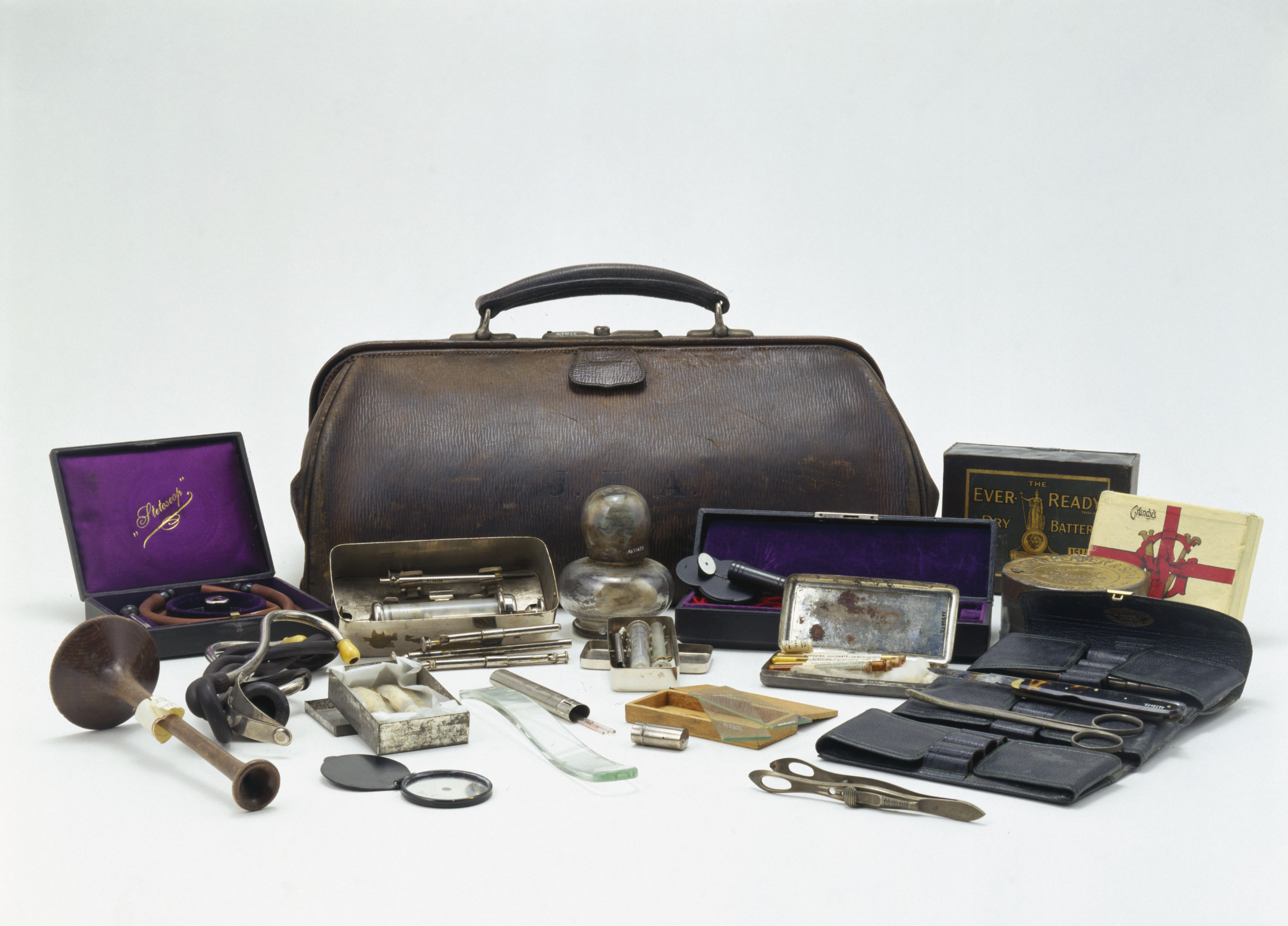
Stethoscope, blood pressure cuff, thermometer, otoscope, reflex hammer, tongue depressors, a suture kit, syringes, and a selection of drugs in glass ampoules and bottles. Whatever was not in the bag did not happen until the patient reached a hospital.
The bag defined the limits of rural medicine. No imaging, no laboratory, no monitoring, no oxygen beyond what could be carried. A modern paramedic arrives at a house with more diagnostic capability than a 1955 doctor had, including a twelve-lead cardiograph and oxygen, which is the single clearest illustration of how much the boundary has moved.
3. Diagnosis Was Made by Looking, Listening and Touching
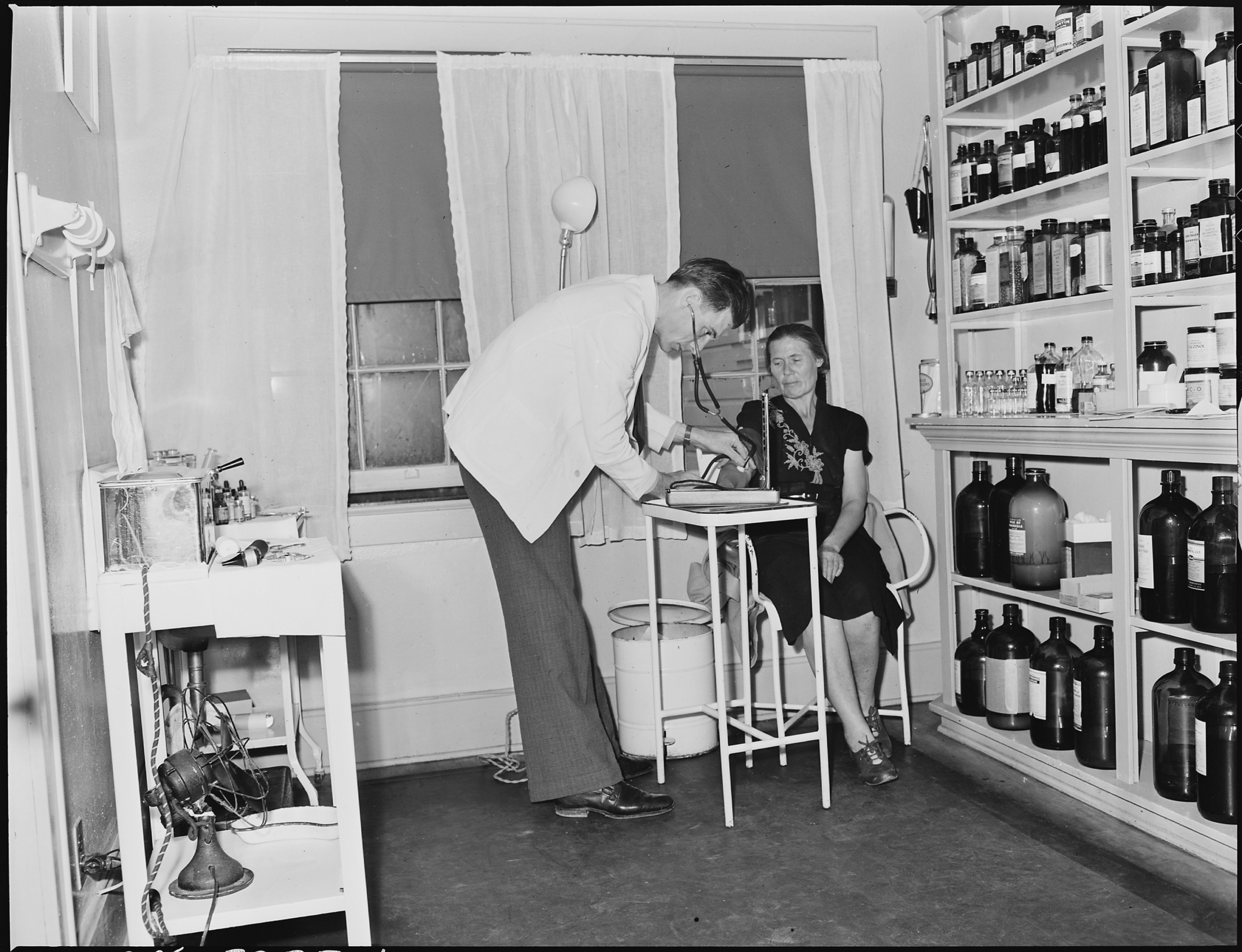
Without a laboratory within reach or imaging of any kind, the physical examination carried the entire weight of the diagnosis. A doctor developed enormous skill at percussion, auscultation and palpation because he had nothing else, and he made the call at the bedside.
Those skills are still taught and are still valuable, and they are also demonstrably less accurate than the tests that replaced them, which is why the tests replaced them. What has genuinely been lost is the volume of practice: a doctor who examined thirty people a day by hand for forty years developed a pattern recognition that a modern clinician, who examines and then scans, does not accumulate in the same way.
4. He Was Paid in Cash, in Kind, or Not at All
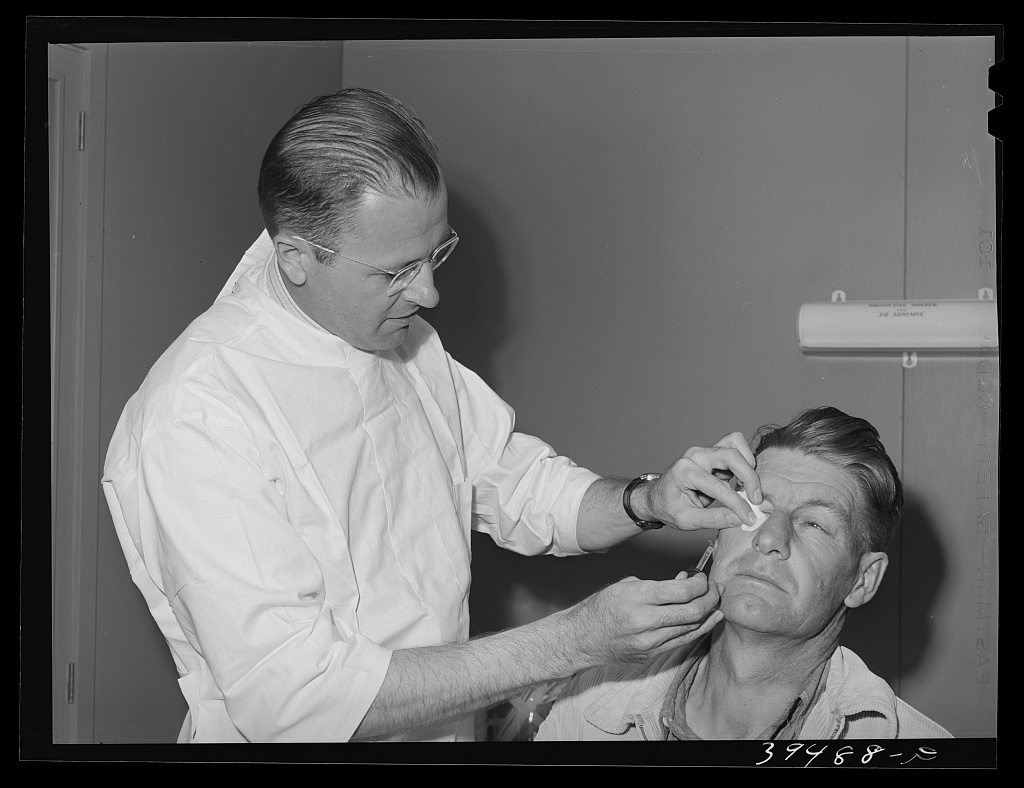
The fee was small, settled at the door, and frequently deferred or forgiven. Payment in produce, labour, firewood or livestock was common in farming districts and was not considered remarkable by either party. A great deal of rural medicine was effectively unpaid.
Health insurance coverage expanded enormously from the 1940s onward, and the federal programmes established in 1965 transformed how care for older and poorer patients was paid for. The informal economy of rural practice went with it. What replaced the doctor’s personal discretion over who paid was a system that is more equitable and comprehensible, and that nobody describes as warm.
5. He Delivered Babies at Home, Frequently Alone
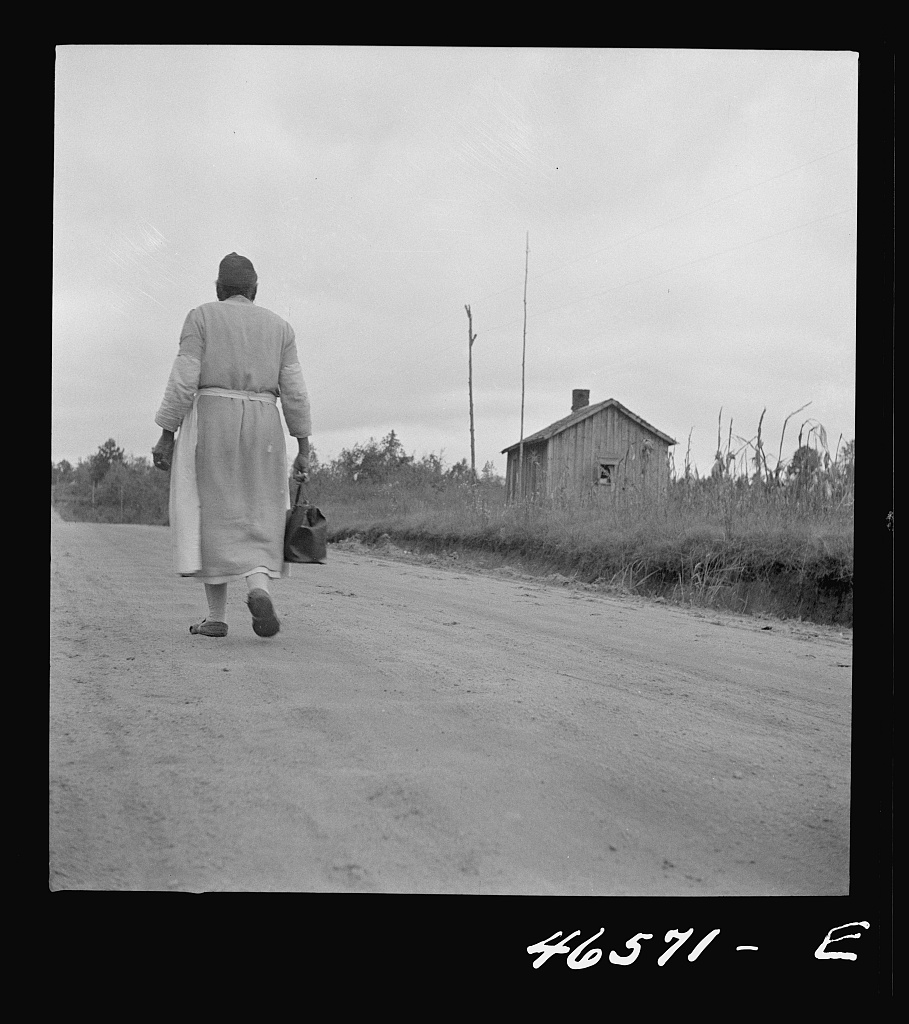
Home birth attended by the family doctor was still common in rural districts in 1955, with a neighbour or a relative assisting. The doctor drove out, stayed as long as it took, and handled whatever happened with what was in the bag.
Birth moved decisively into hospitals over the following two decades, and maternal and infant mortality fell substantially over the same period for a combination of reasons including blood transfusion availability, antibiotics, surgical capability and better antenatal care. This is included as historical fact about where care happened and not as any comment on where anybody should give birth now, which is a decision for a person and their own clinicians.
6. The Telephone Was the Entire Emergency System
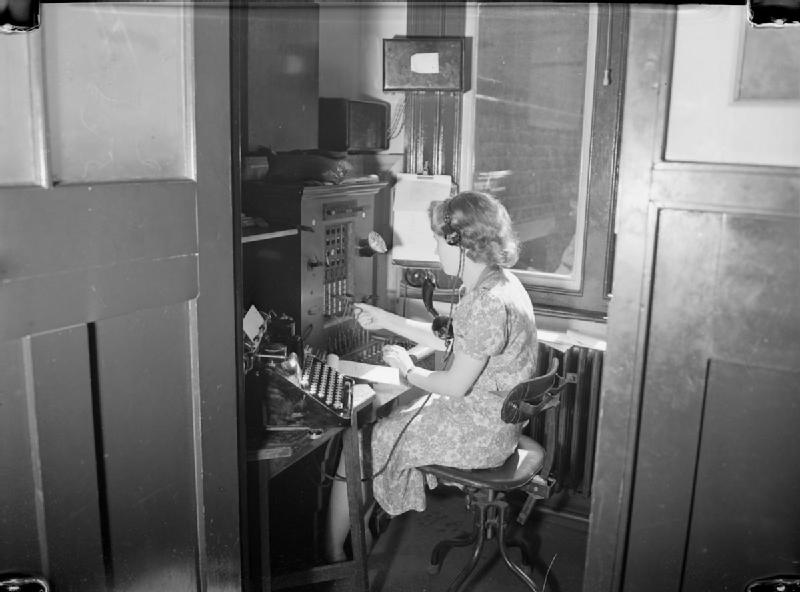
There was no ambulance service as now understood in most rural areas. A family telephoned the doctor at his house, and his wife frequently took the call and kept the book. If somebody needed to reach hospital, they went in a neighbour’s car, a farm truck, or in some counties the undertaker’s vehicle, because the undertaker owned the only stretcher-carrying car in town.
The modern emergency medical system – a single emergency number, trained paramedics, equipped ambulances, and a regional trauma system – was built from the late 1960s onward, prompted substantially by a landmark report on accidental death and disability published in 1966 which found that a soldier wounded in Vietnam had a better chance of survival than a civilian injured on a highway at home.
7. His Wife Ran the Practice and Was Not Employed
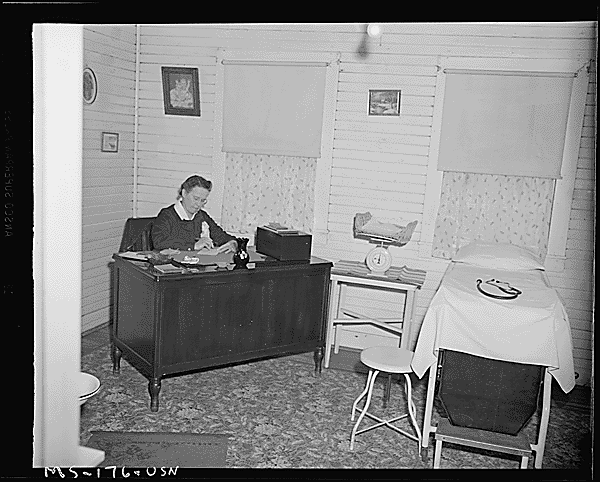
She answered the telephone, kept the appointment book, managed the accounts, took messages at all hours, cleaned the surgery, sterilised instruments, and in many practices assisted with procedures. She was not paid, not employed, and not described as staff.
The doctor’s wife as unpaid practice manager was close to universal and is almost entirely absent from the written history, which was mostly written about the doctors. Modern practice employs practice managers, receptionists and nurses, all of them paid and trained, and the function she performed is now three or four distinct jobs.
8. He Was On Call Permanently and Nobody Thought It Was a Problem
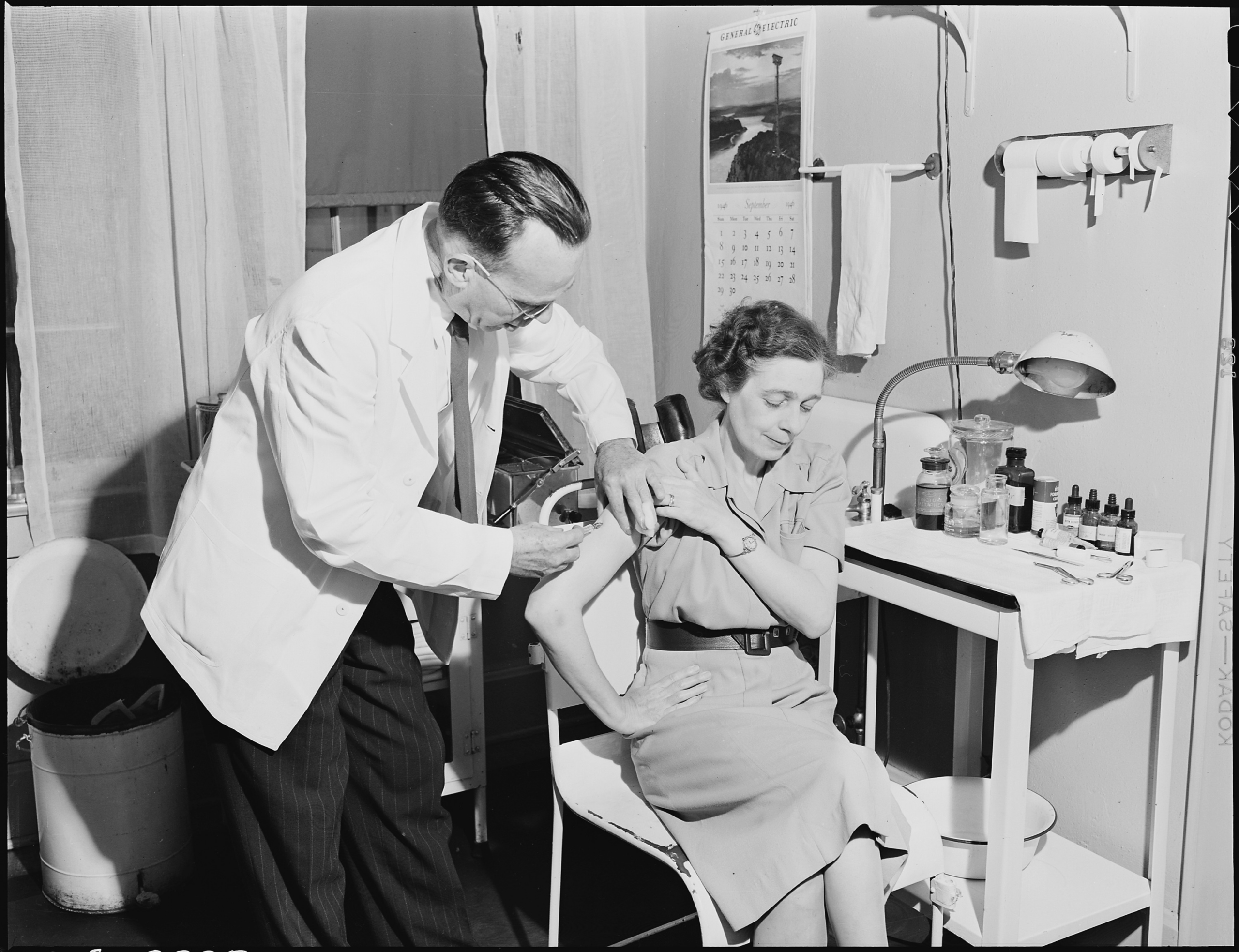
A single-handed rural doctor was available twenty-four hours a day, seven days a week, for years at a stretch. Holidays required finding a locum, which in a remote district frequently meant no holiday. Being woken three times in a night and then doing a full day was routine.
Working hours for doctors are now regulated, rotas are shared across practices and cooperatives, and out-of-hours care is organised regionally. The change was driven by evidence about fatigue and error as much as by anything else – a doctor who has been awake for twenty hours makes measurably worse decisions, and that finding applies to everybody including people who believe it does not apply to them.
9. The Drugs in the Bag Were Dispensed by the Doctor Himself
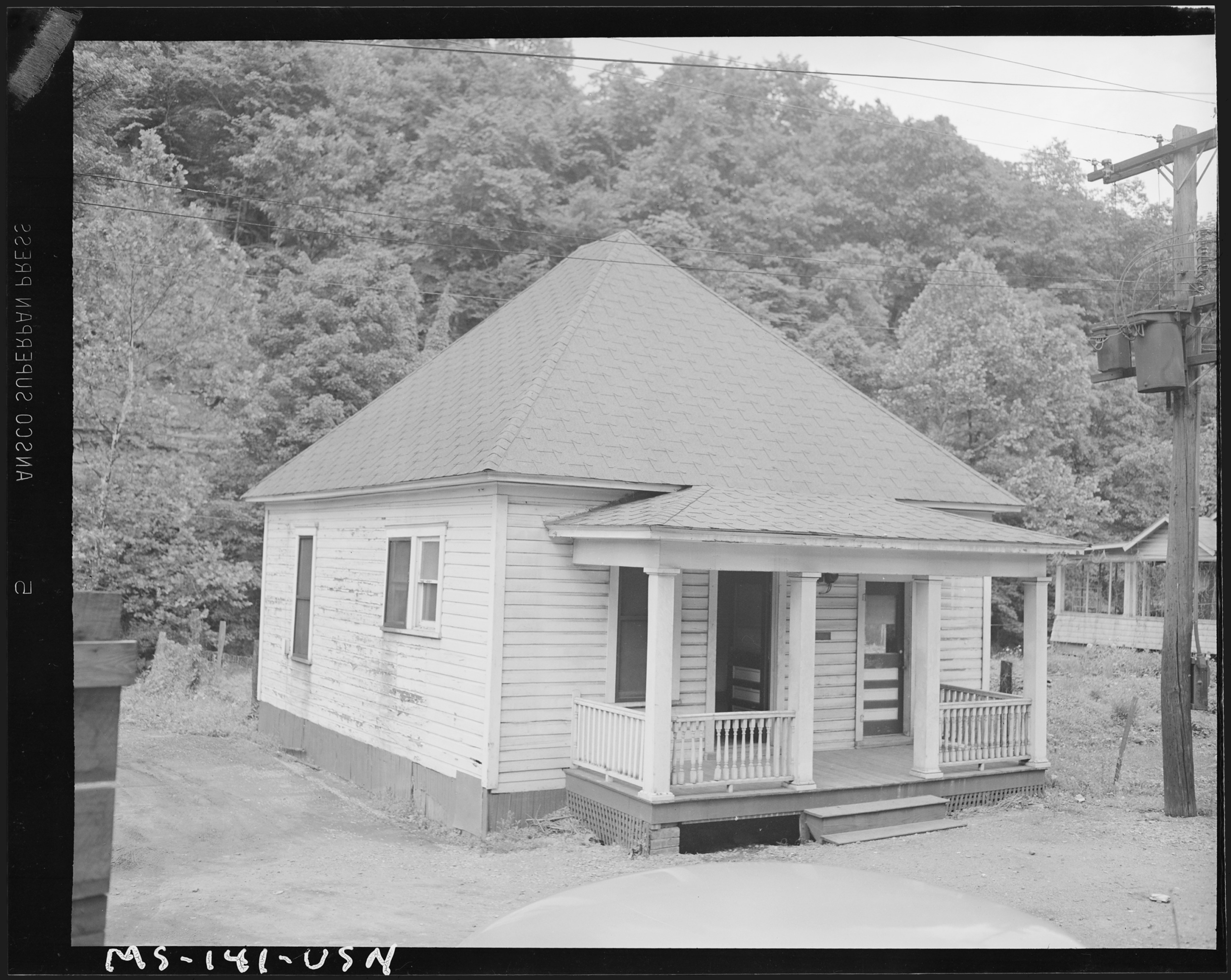
Rural doctors commonly dispensed as well as prescribed, carrying and handing over medicines directly because the nearest pharmacy might be thirty miles away. The bag held injectables and tablets, labelled by hand or sometimes not labelled at all.
Dispensing is now tightly separated from prescribing in most settings, with the pharmacist as an independent check on dose, interaction and appropriateness – a separation introduced precisely because the single-handed doctor dispensing from his own bag had no second pair of eyes. Dispensing practices still exist in genuinely remote areas, under regulation.
10. Records Were a Card, a Ledger or His Memory
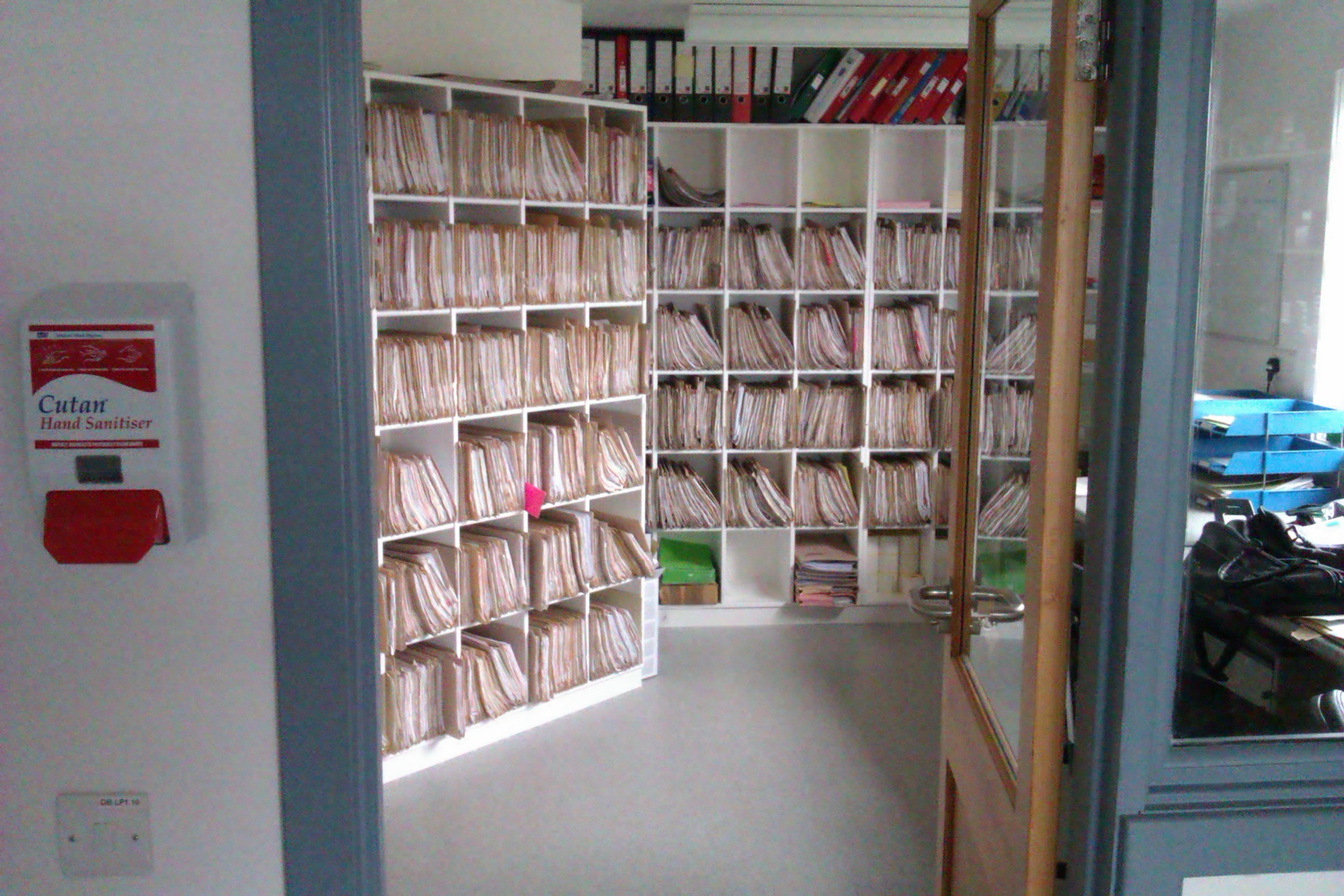
Patient records in a single-handed practice were frequently a small index card, a ledger entry, or nothing at all. The doctor remembered. He had treated the family for twenty years, delivered the children, and knew the history because he had been present for it.
The memory was genuinely good and it was also irreplaceable, which was the problem: when the doctor retired or died, the record went with him. Modern records are structured, transferable, auditable and readable by the next clinician, and the continuity that one person’s memory provided is now supposed to be provided by the file – which works better across a system and worse across a kitchen table.
11. Patients Were Not Told Things
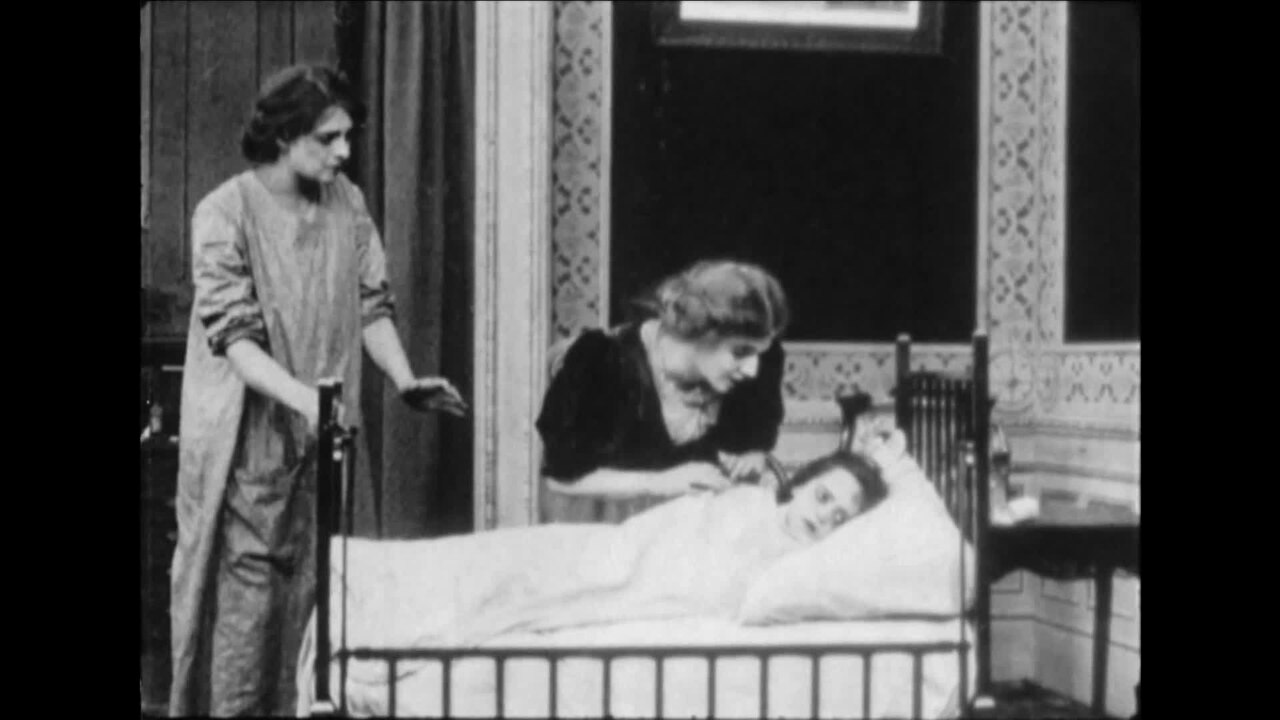
A serious diagnosis was frequently disclosed to the family and withheld from the patient, on the grounds that the knowledge would do harm. The doctor made that decision himself. It was standard practice and was taught as such.
This changed comprehensively over the following decades, through a combination of professional reappraisal, legal development around informed consent, and straightforward evidence that most patients want to know and cope better when they do. Modern practice treats the patient as the person entitled to their own information. It is probably the single largest change in the ethics of medicine in the period covered by this list.
12. He Treated Animals Occasionally and Nobody Objected
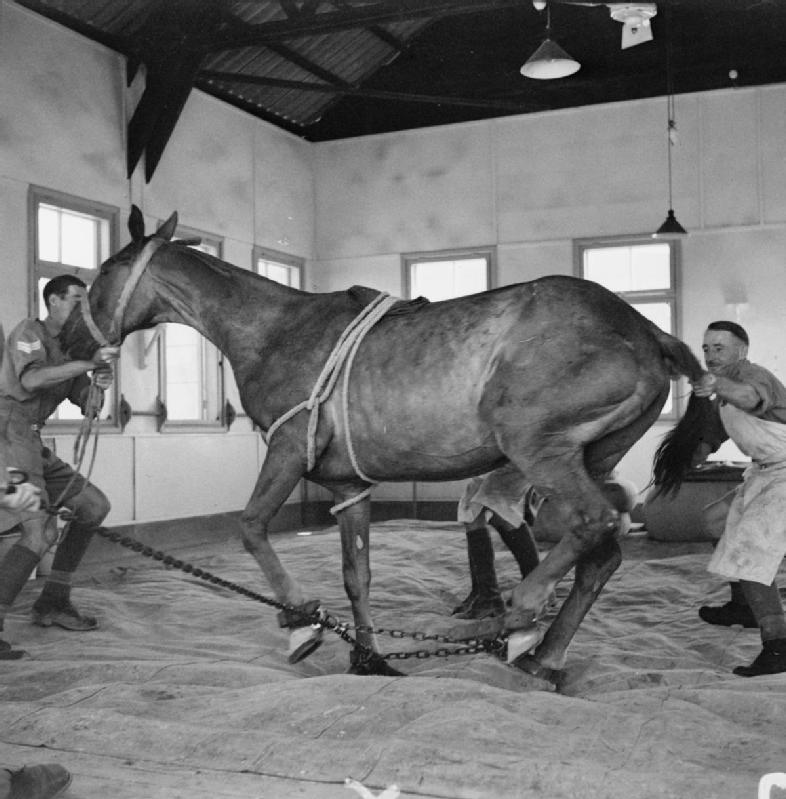
In districts with no veterinarian within reach, the doctor was sometimes the nearest person with a suture kit and an understanding of anatomy, and he was asked. Equally, the vet was sometimes called to a person. Both happened and neither was advertised.
Professional boundaries are now absolute and legally enforced in both directions. The arrangement persisted because remoteness produced genuine gaps, and the gaps have mostly been closed by better roads, air ambulance services and regional specialist coverage rather than by a change in anybody’s attitude to the rules.
13. Infectious Disease Was the Daily Work
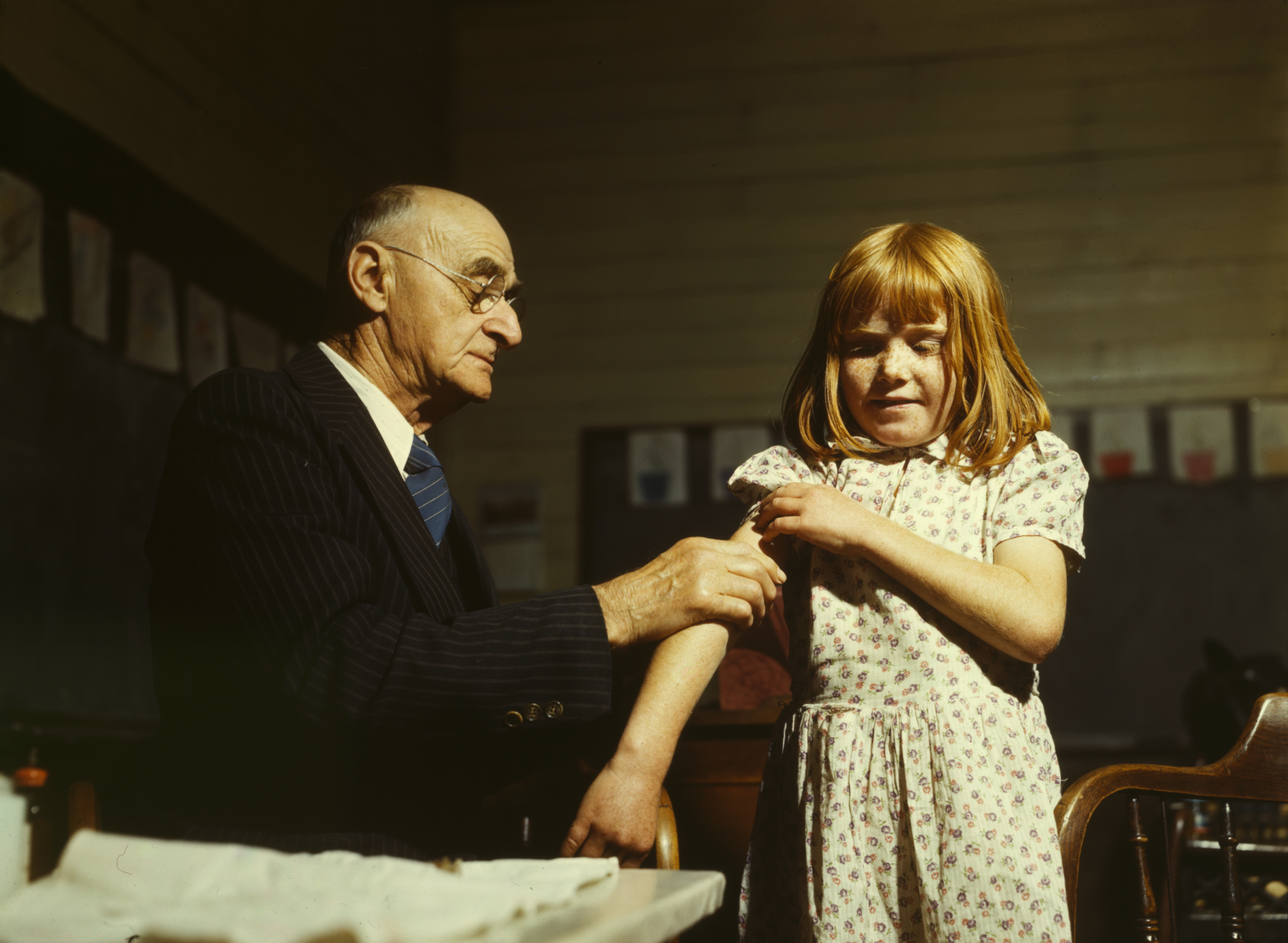
Polio, diphtheria, whooping cough, measles, rheumatic fever, tuberculosis. Quarantine notices were posted on houses by order of the health officer, and the doctor spent a large part of his week on infectious illness in children.
Mass immunisation changed this more than any other single development in twentieth-century medicine, and the polio vaccine arriving in the mid-1950s is the one that people who lived through it describe as the end of a specific and constant fear. This is stated as medical history; it is not vaccination advice, and decisions about any individual’s immunisation belong with their own clinician.
14. The Surgery Was in the Front of His House
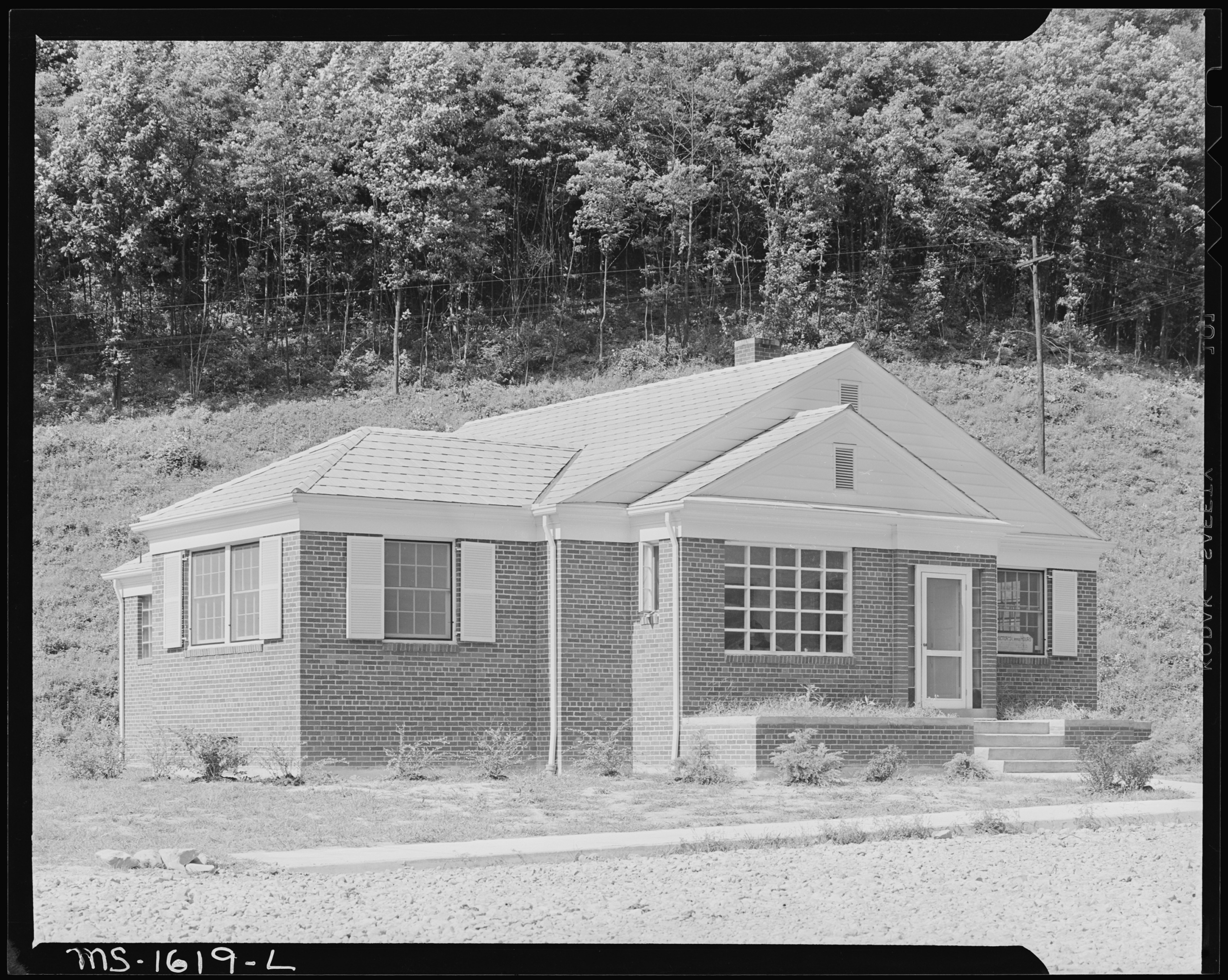
A room at the front of the doctor’s own home, with a separate door, a waiting area that was frequently the hall, and the family living in the rest of the building. Patients came to the house and the doctor’s children grew up with strangers in the hallway.
Purpose-built premises, group practices and health centres replaced the front-room surgery from the 1960s onward, driven by the need for more consulting rooms, treatment space, records storage and eventually accessibility compliance. The separation of the doctor’s home from the doctor’s work is also a professional boundary that was not available to a single-handed rural practitioner and is now considered necessary.
15. He Knew Everything About Everybody and Kept It
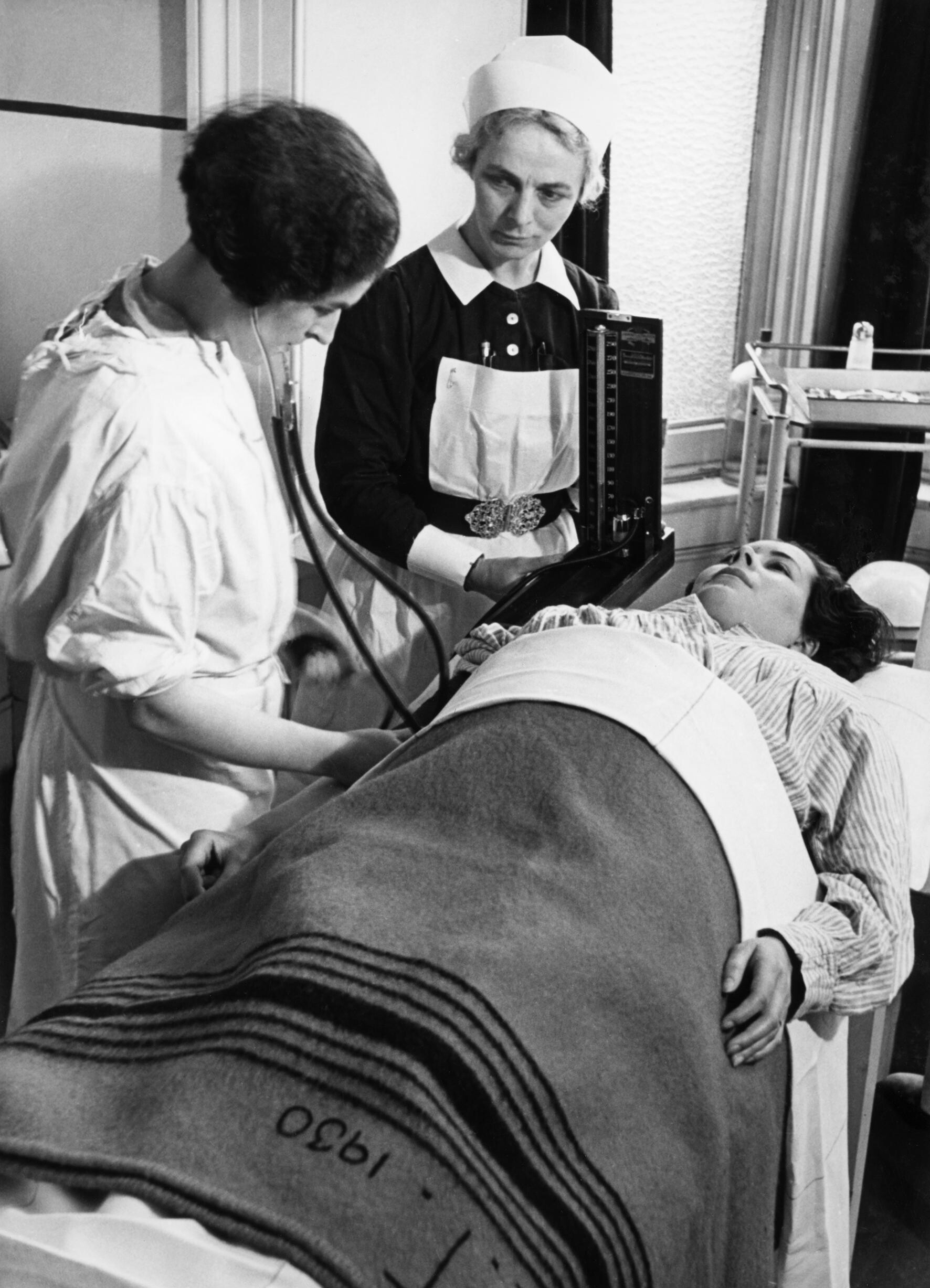
In a township of eight hundred people, one doctor knew who was pregnant before the family did, who was drinking, whose marriage was failing, and who could not pay. He carried all of it, and the arrangement held entirely on his personal discretion.
Confidentiality is now a legal and regulatory framework rather than a matter of character, with defined rules on disclosure, access and records. That is a substantial improvement, because the old arrangement worked beautifully with a discreet doctor and failed completely with an indiscreet one, and the patient had no remedy either way. What the framework does not reproduce is the knowledge itself, which was the thing that made the practice work.
16. Nobody Expected the Model to End, and It Ended Fast
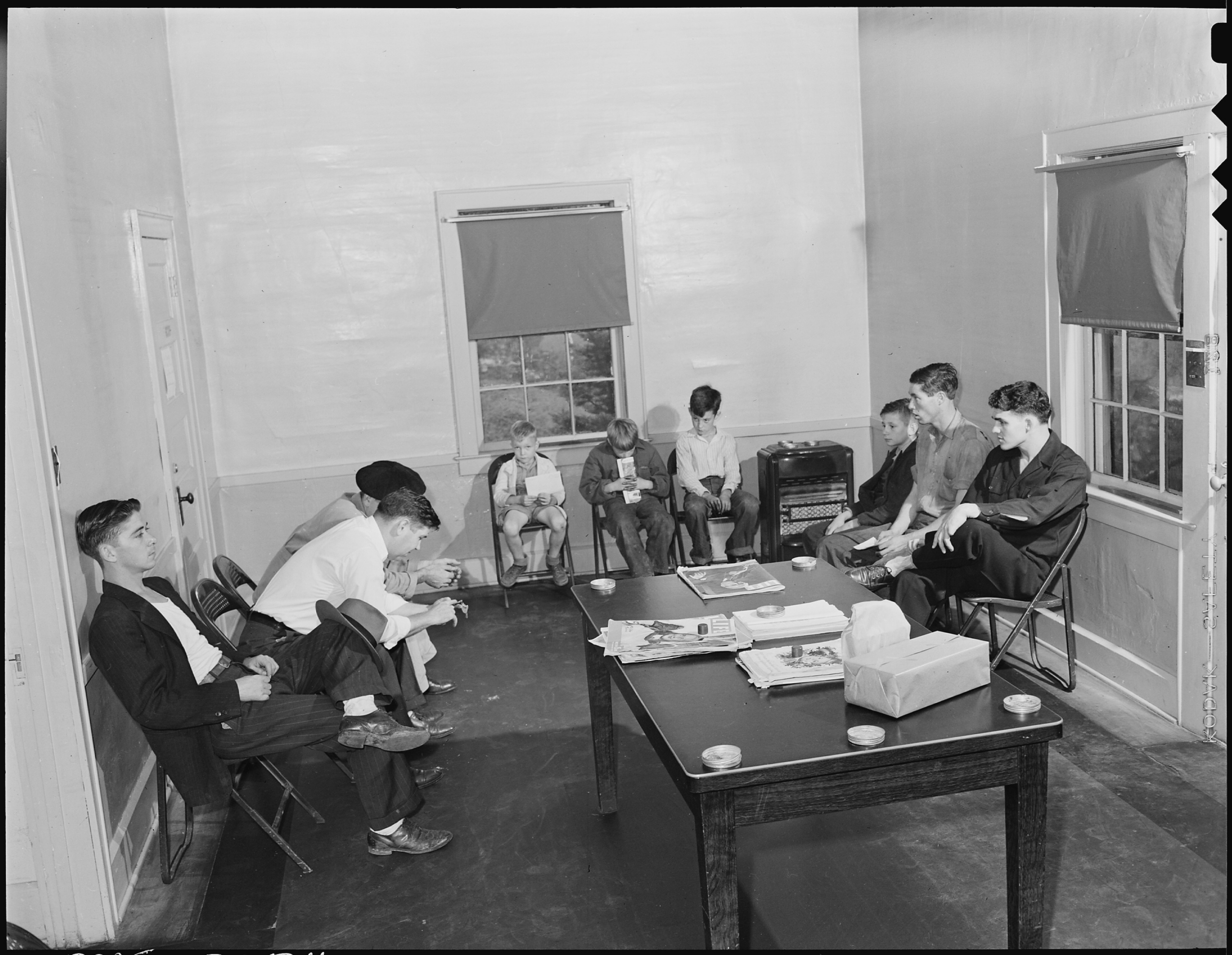
In 1955 the single-handed family doctor was the backbone of rural medicine and the idea of a township without one was unthinkable. The numbers were already moving: general practice was losing ground to specialisation, and new graduates were not replacing retirements in rural areas.
The proportion of physicians in general practice fell sharply through the second half of the century as specialisation and hospital-based medicine expanded, and rural recruitment became – and remains – a structural problem that governments address with incentives, loan forgiveness and training placements. Family medicine was established as a specialty of its own in the late 1960s partly in response. The country doctor did not become obsolete; the job simply stopped being one person’s whole life, which turned out to be what the job had depended on.
What Was Gained and What Was Not
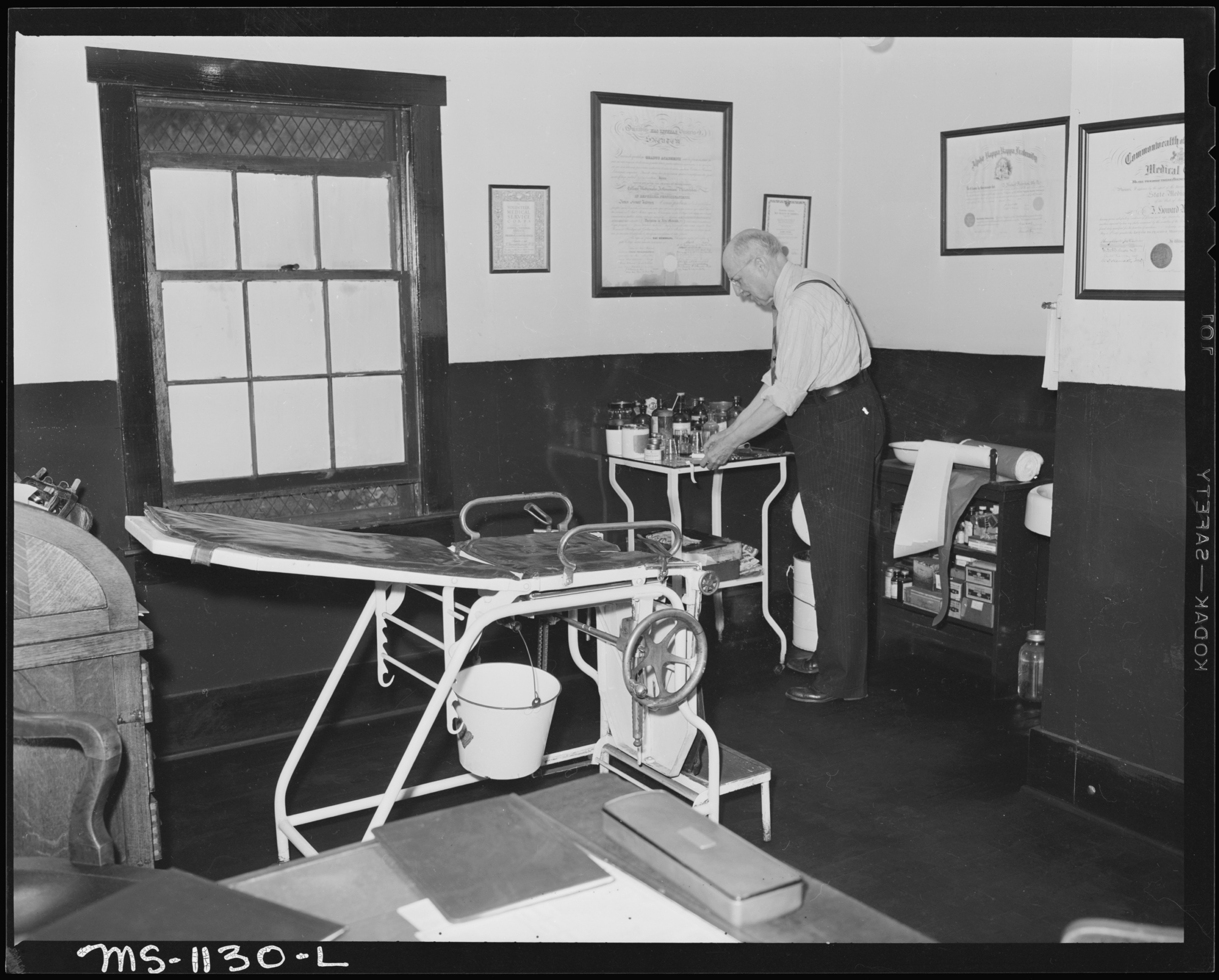
This is a list where the gains are overwhelming and the losses are specific.
What was gained: imaging, laboratories, a second opinion, transferable records, emergency medical services, regulated working hours, immunisation, separation of prescribing from dispensing, informed consent, enforceable confidentiality, and a patient’s right to know their own diagnosis. Every one of those saves lives, and the mortality figures over the period are not ambiguous.
What was lost is continuity. One person who knew a family for thirty years, had been in the house, delivered the children, and held the whole history in his head is a genuinely different thing from a well-organised file read by whoever is on duty. Modern systems work hard to reproduce it – named practitioners, continuity schemes, linked records – and they reproduce part of it.
The honest summary is that the country doctor’s medicine was far worse and his relationship with the patient was far better, and the second was substantially a consequence of the first: he spent that much time at the bedside because the bedside was all he had.
If your family had one of these, somebody in it can probably still name him and tell you what he charged.
Which county, and did he ever take payment in anything other than money?
Like our content? Follow us for more.
