

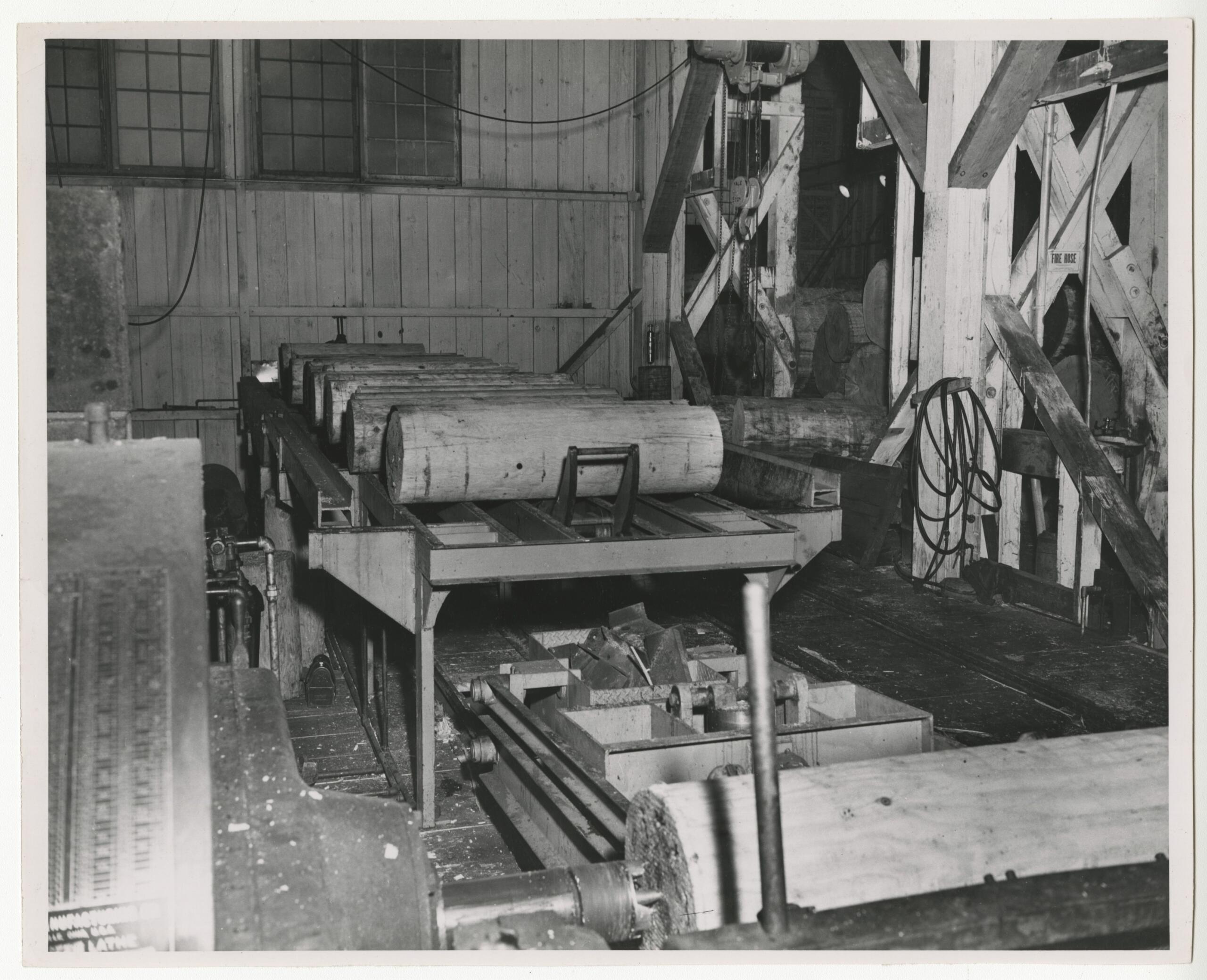
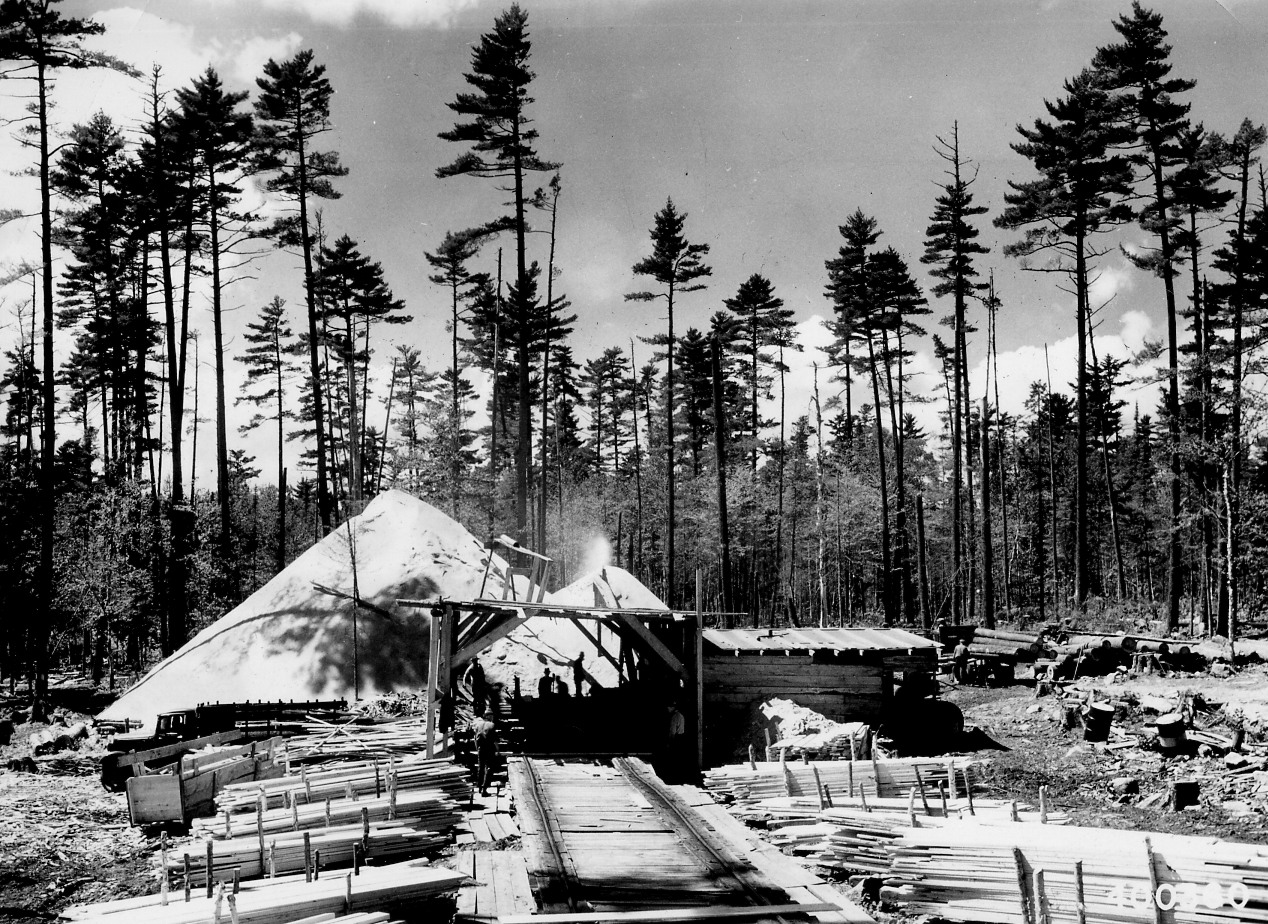
In 1960 a sawmill ran a six-foot blade with nothing over the cutting zone, moved logs by hand with peaveys on a deck where a shifting log had nowhere to go, cleared jams on running machinery, and burned everything it could not sell in a conical incinerator that glowed all night.
The grade of every board was one man’s opinion as it went past, the value of every log was the sawyer’s judgement, and the whole operation lived or died on the timber within hauling distance.
Here are twelve things that were ordinary in a sawmill in 1960, and what each one became.
1. The Headsaw Was a Six-Foot Blade With Nothing Around It
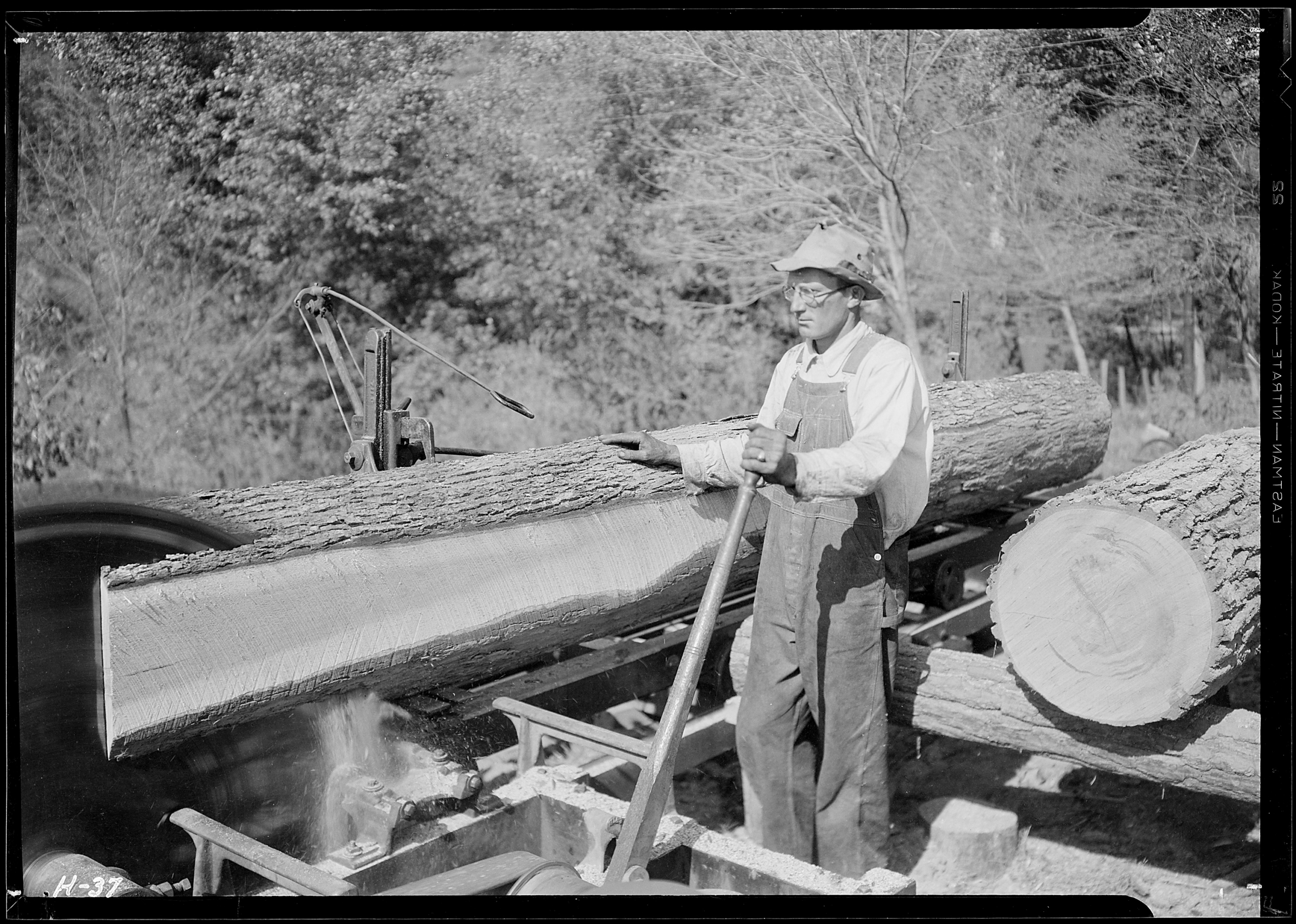
The primary breakdown saw was a large circular or band blade running at speed with no guard over the cutting zone, because the operator had to see the log and the cut. The sawyer stood beside it for a shift, feeding carriage after carriage.
Guarding, interlocks, enclosed cutting zones and remote operation from a cab have changed the primary breakdown entirely. A modern mill’s headrig is run from a booth by somebody watching a screen, with the saw enclosed and the log positioned by hydraulics – which removed the single most dangerous position in the building.
Like our content? Follow us for more.
2. Everybody Could Identify a Sawmill Worker by His Hands
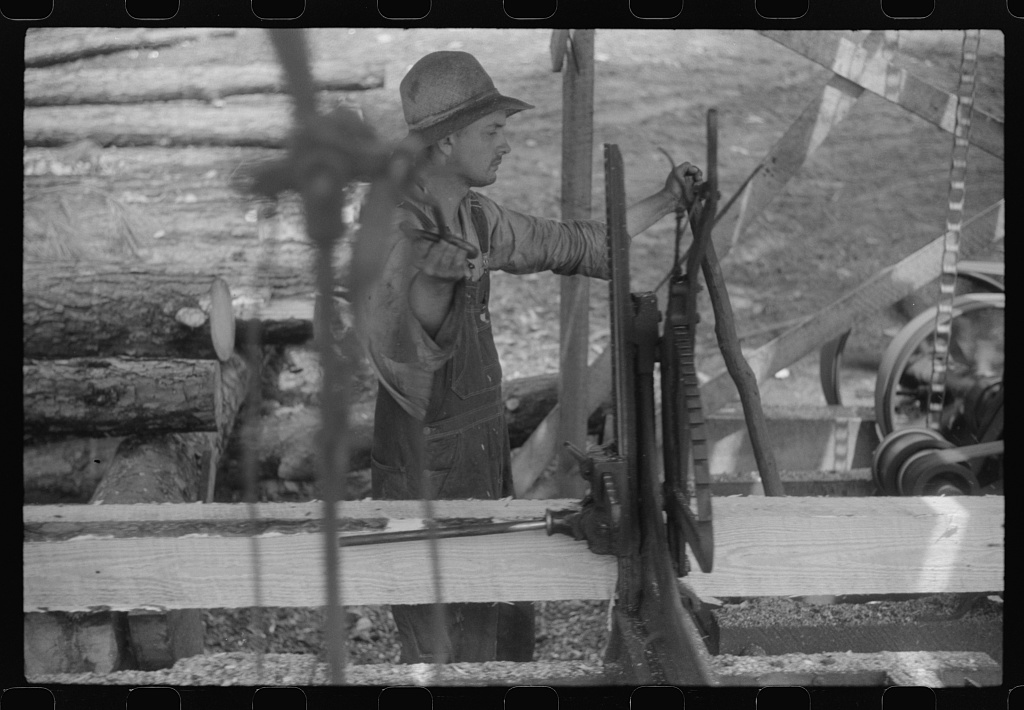
Missing fingers were so common in the trade that they functioned as an occupational marker, and the men concerned generally regarded it as unremarkable. The usual mechanisms were the edger, the trim saw and reaching to clear a jam on a running machine.
Guarding on every saw, push sticks and jigs, emergency stops within reach, lockout before clearing any jam, and the removal of manual handling at the saw itself have made amputations rare rather than routine. Modern mills also have far fewer people standing next to blades, which is the more significant change.
3. Jams Were Cleared on Running Machinery
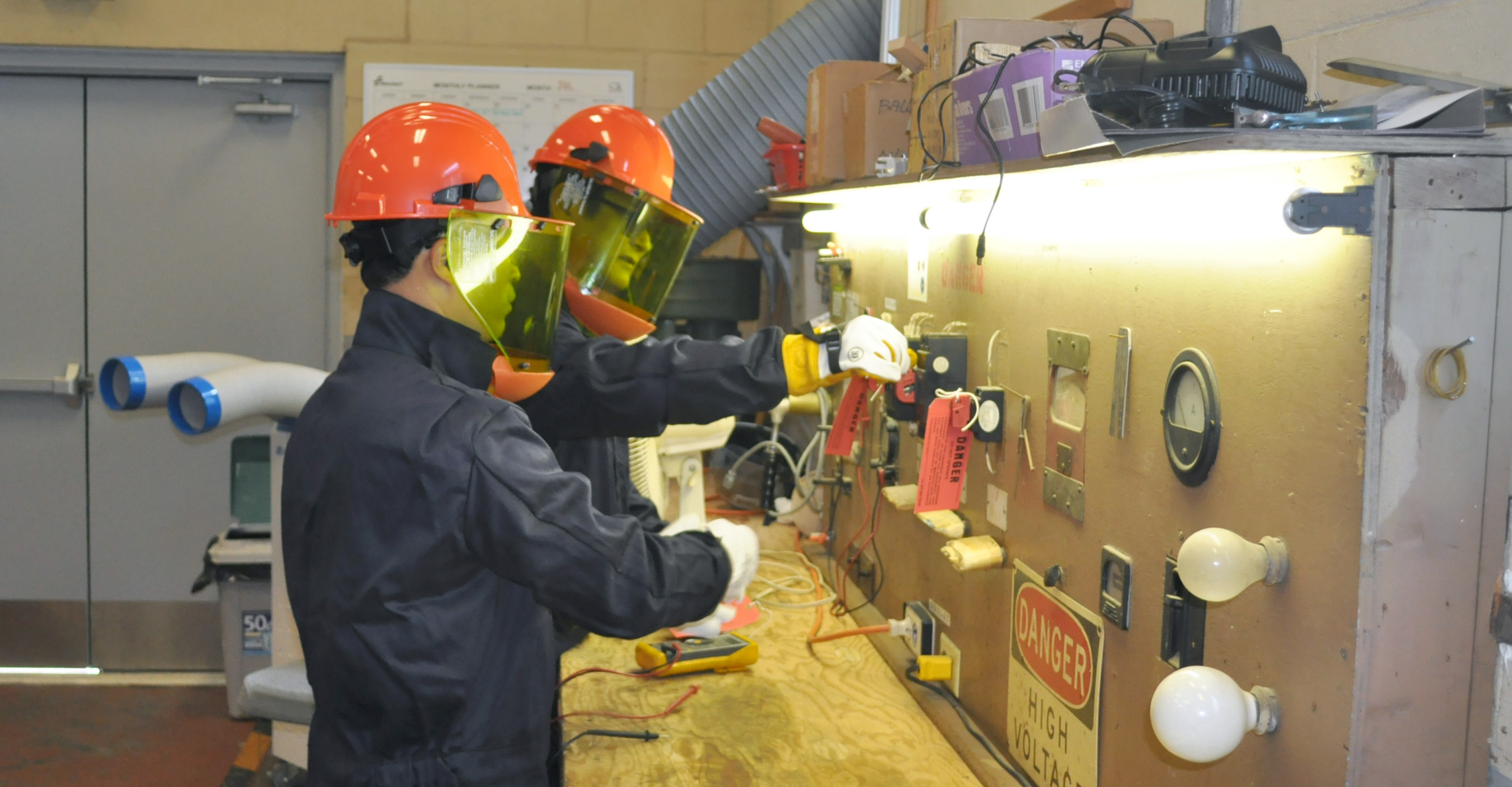
A board jammed in the edger or a slab caught on a conveyor was freed by reaching in, with a bar or with a hand, while everything kept turning – because stopping the line cost production and restarting it took time.
Lockout and tagout – isolating the energy source, locking it off, and holding the key yourself – is now the single most enforced rule in any mill. It exists because the characteristic fatality is somebody clearing a blockage on equipment that somebody else then started, and because machinery that appears to have stopped can still have stored energy in it.
4. The Noise and the Dust Were Both Unmeasured
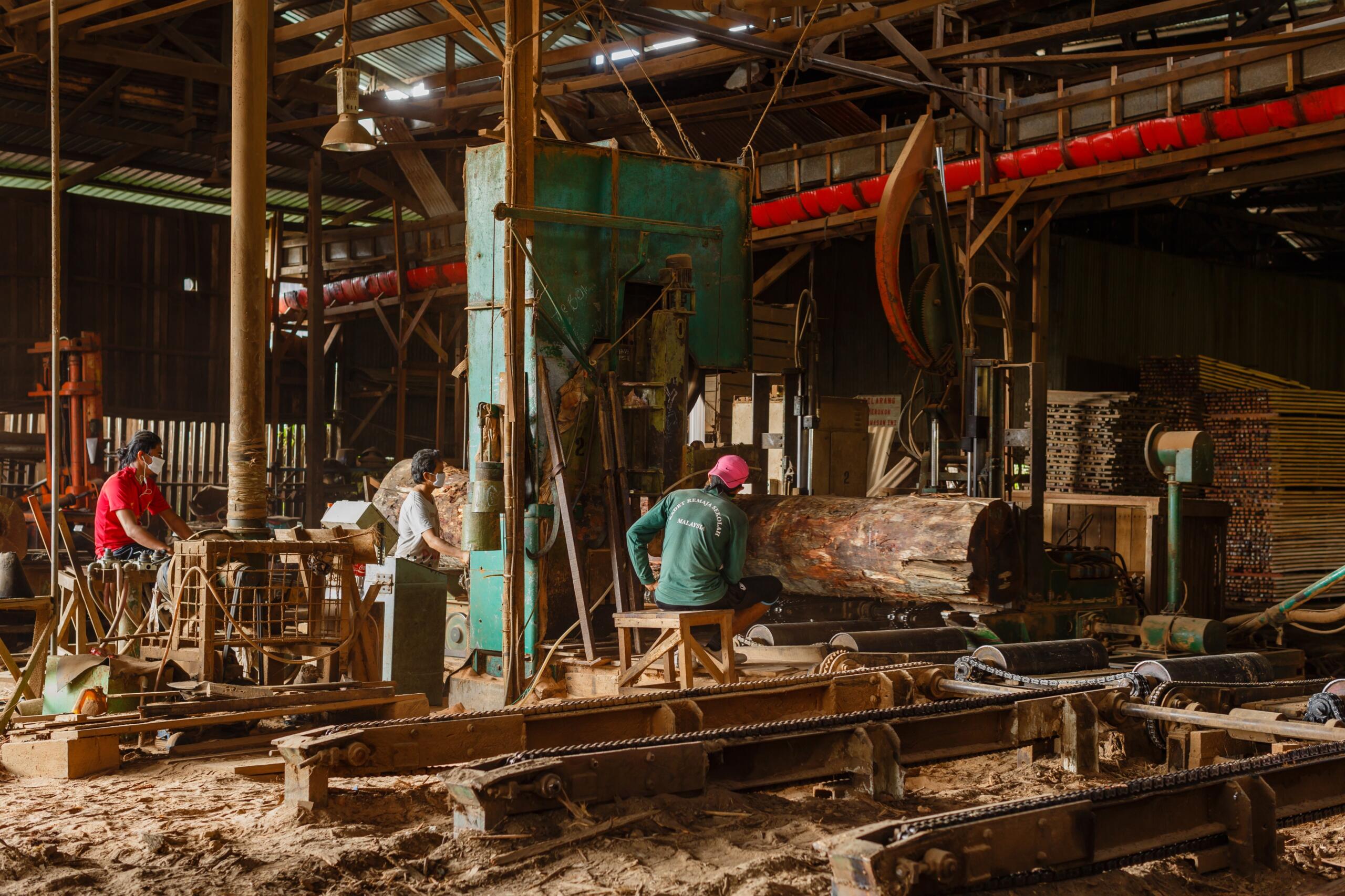
A sawmill is extremely loud and generates fine wood dust continuously. In 1960 hearing protection was uncommon and dust was something you swept up and breathed.
This is included as occupational history. Hearing conservation programmes, dust extraction at source, and respiratory protection where exposure remains are now standard, and certain wood dusts are recognised occupational hazards with exposure limits. Anybody with that work history should raise it with their own doctor rather than with an article.
5. The Dust Was Also an Explosion Hazard Nobody Named
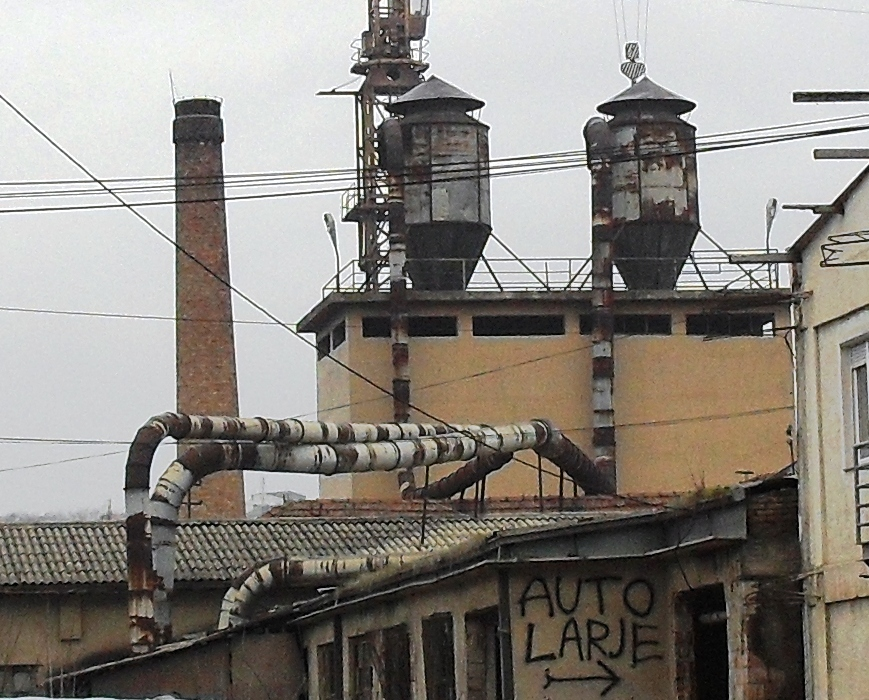
Fine wood dust suspended in air inside a building is combustible in exactly the way grain dust is, and accumulations on beams and ledges provide the secondary fuel that turns a small ignition into a building-wide event.
Combustible dust is now a defined hazard category with housekeeping requirements, dust collection systems, explosion venting on collectors, and ignition source control. The recognition came late relative to grain, and the incidents that drove it in the wood products sector are comparatively recent, which is why dust control in modern mills is unusually rigorous.
6. Logs Were Moved by Men With Peaveys and Chains
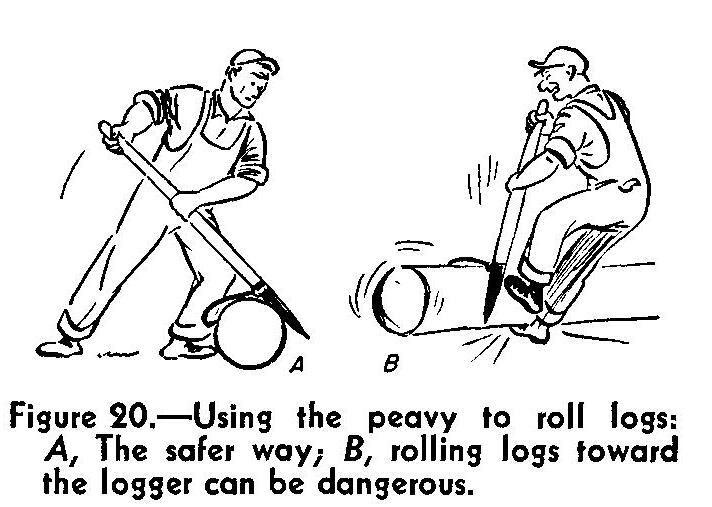
Logs arrived by truck or rail and were rolled, levered and chained into position by hand with peaveys and cant hooks, on decks where a log that shifted had nowhere to go but onto somebody.
Hydraulic log decks, loaders, knuckleboom cranes and automated infeed removed manual log handling almost entirely. Rolling logs are among the most unforgiving hazards in any industry – the mass is enormous, the surface is round, and a person cannot outrun one in a confined space – and the solution was to stop having people among them.
7. The Sawyer’s Judgement Decided What the Log Was Worth
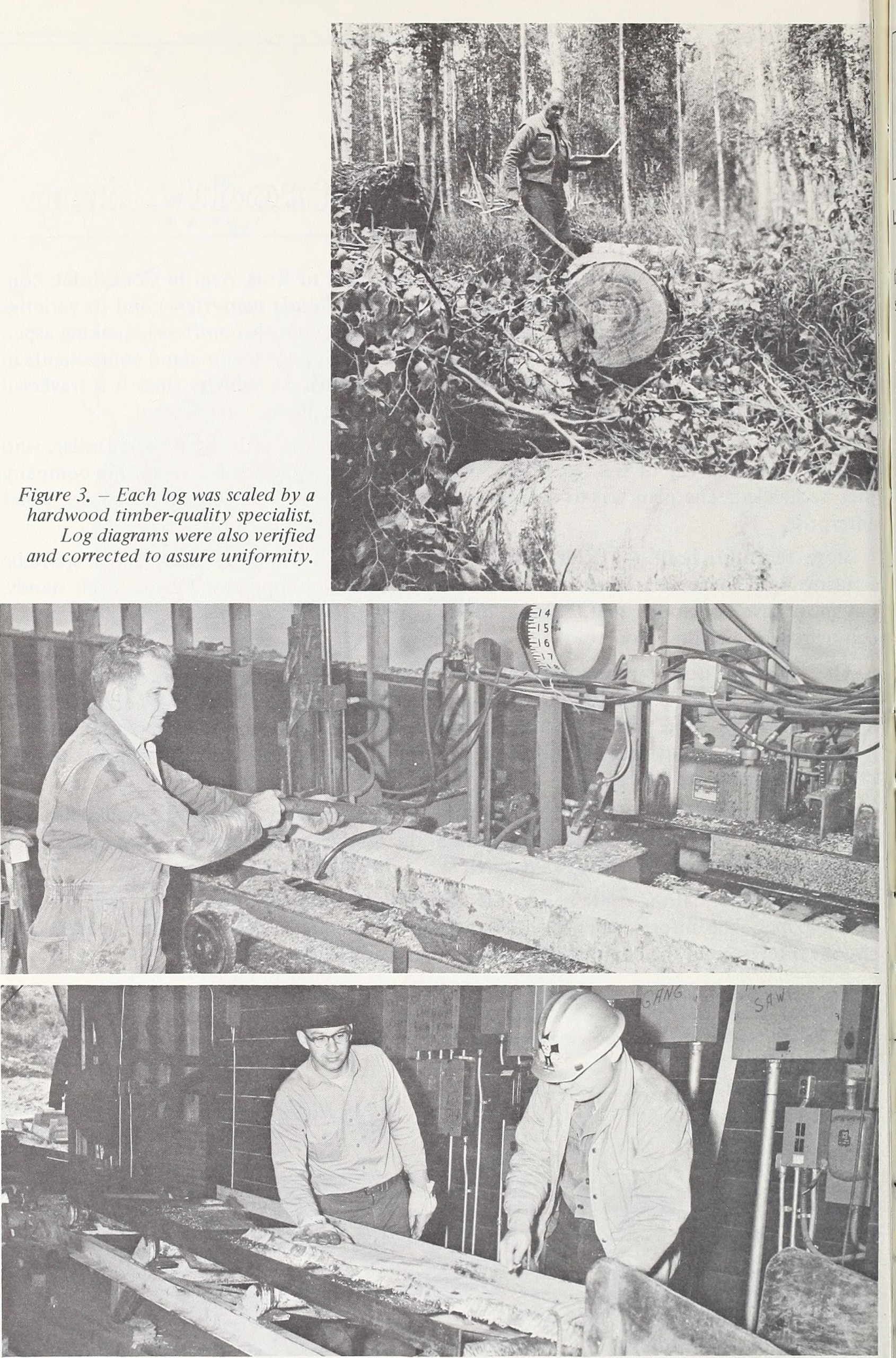
An experienced sawyer looked at a log and decided how to break it down – where to make the first cut, how to turn it, how to get the most valuable boards out of the grain and around the defects. The difference between a good sawyer and an average one was measurable in money.
Optical scanning and computer optimisation now assess each log in three dimensions, model the possible cutting patterns and select the one with the highest value, in a fraction of a second. The yield improvement is substantial and is the main reason modern mills get more lumber out of a smaller log. The sawyer’s eye was a genuine expertise and it has been comprehensively outperformed.
8. Nothing Was Dried Properly and Everything Moved
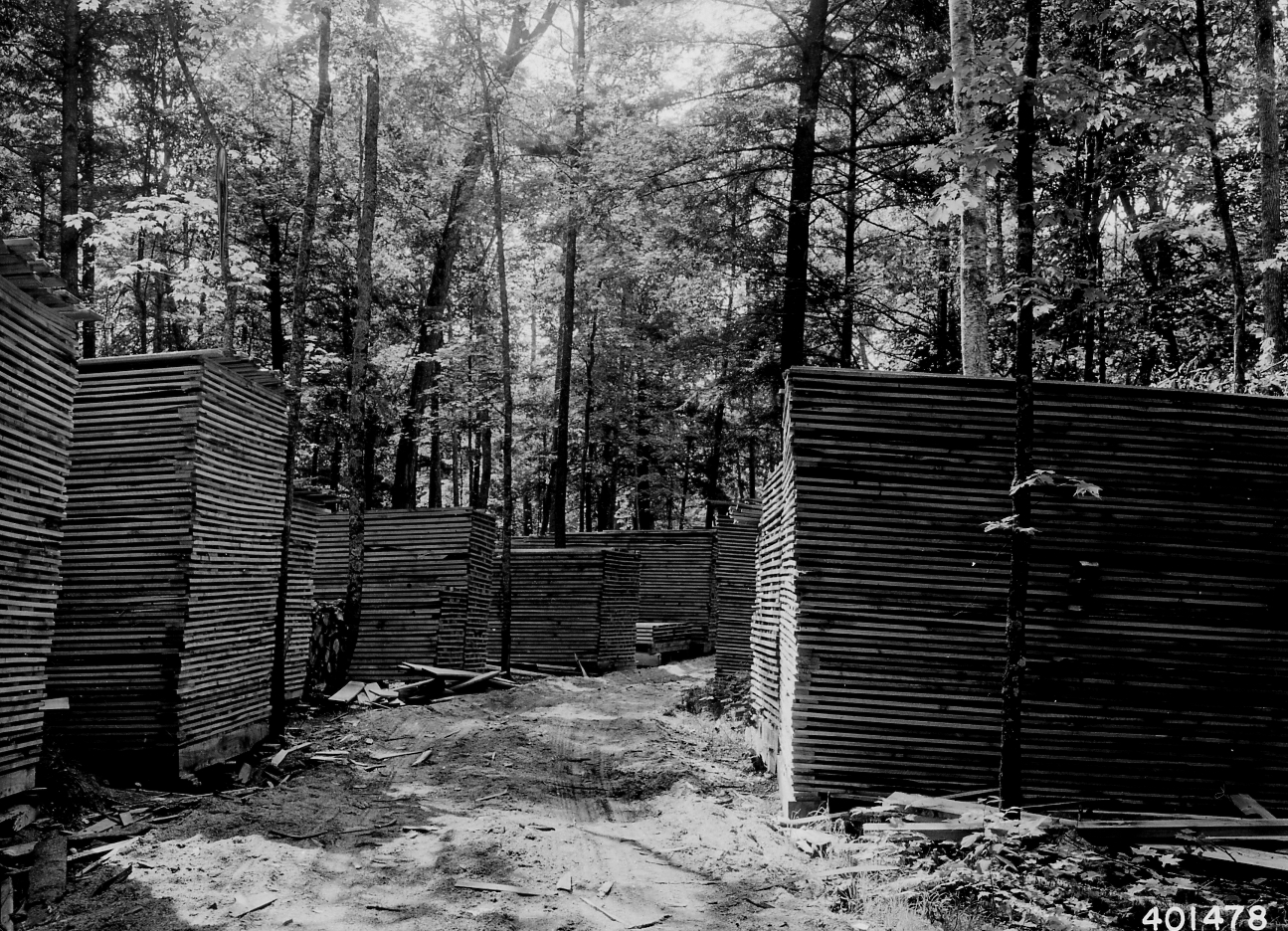
A great deal of lumber was air-dried in stacks or sold green, and the moisture content was estimated rather than measured. Boards shrank, cupped, twisted and split after they had left the yard.
Kiln drying with measured and controlled schedules, moisture meters, and grading rules that specify moisture content transformed the consistency of the product. It is why a modern stud is straight and stays straight, and it is one of the main reasons timber construction became as predictable as it is.
9. Grading Was One Man’s Opinion as the Board Went Past
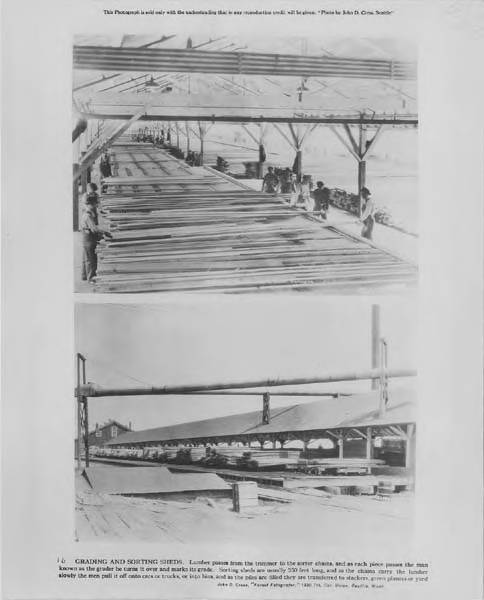
A grader stood at the chain and assigned each board a grade by eye at speed, marking it with chalk or a crayon. The grade set the price, and two mills could grade the same board differently.
Published grading rules, certified graders, agency supervision and mill certification standardised it, and machine stress grading – measuring the stiffness of each piece mechanically – added an objective measure for structural timber. A graded piece now carries a stamp identifying the mill, the grade, the rule and the agency, which is what makes engineered design in timber possible at all.
10. The Waste Was Burned in a Conical Burner Day and Night
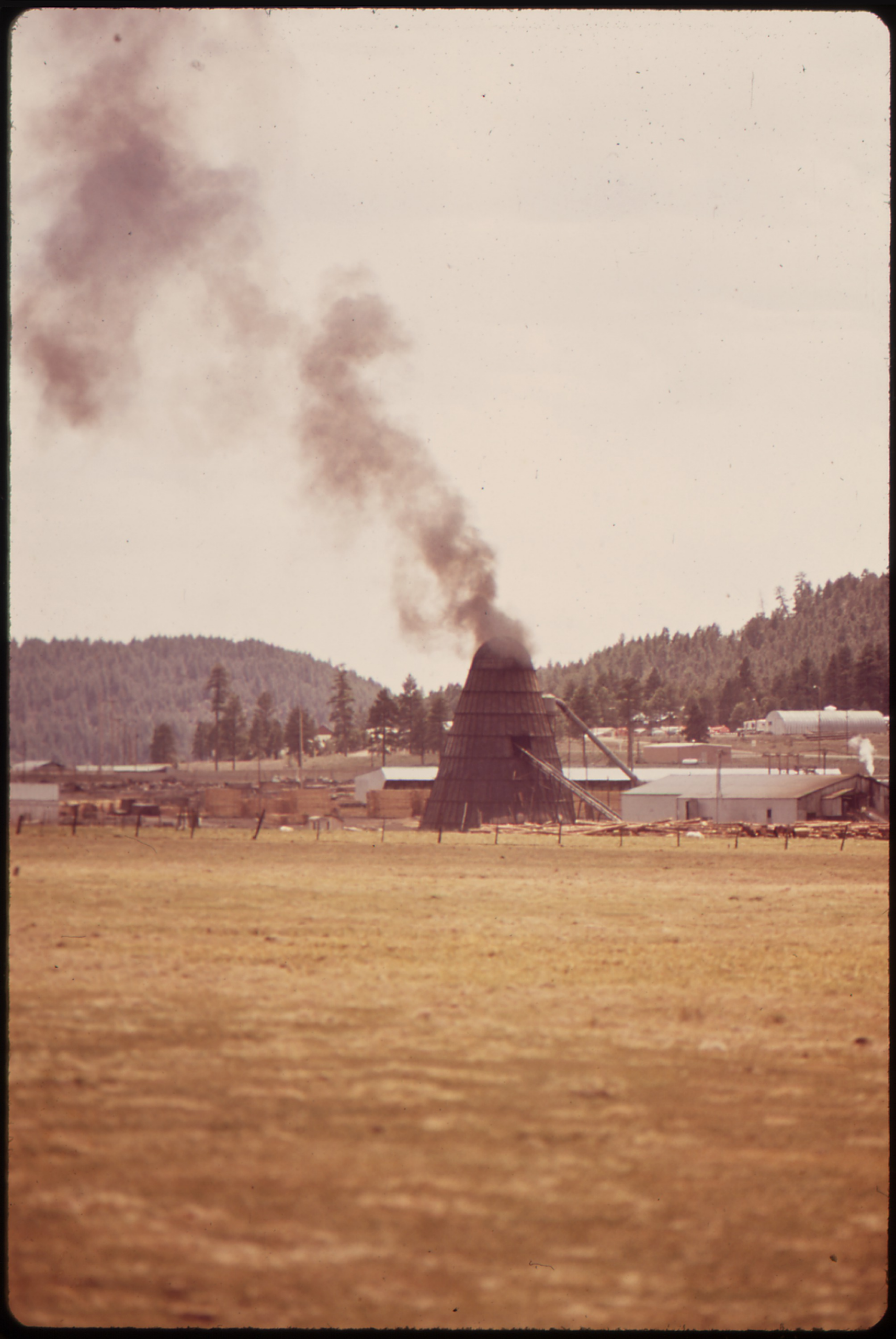
Slabs, edgings, sawdust and bark went into a wigwam burner – a conical steel incinerator with a mesh top that glowed and threw sparks, burning continuously beside almost every mill.
Air quality regulation closed them from the 1960s onward, and the residues became products instead: chips for pulp, sawdust and shavings for panel products and pellets, bark for mulch and fuel, and the whole stream burned for process heat and power in modern mills. A sawmill now sells or uses almost everything that comes in, which is both an environmental and a commercial change. The derelict burners are a recognisable landmark in old timber country.
11. The Mill Ran the Town and Shut When the Timber Ran Out
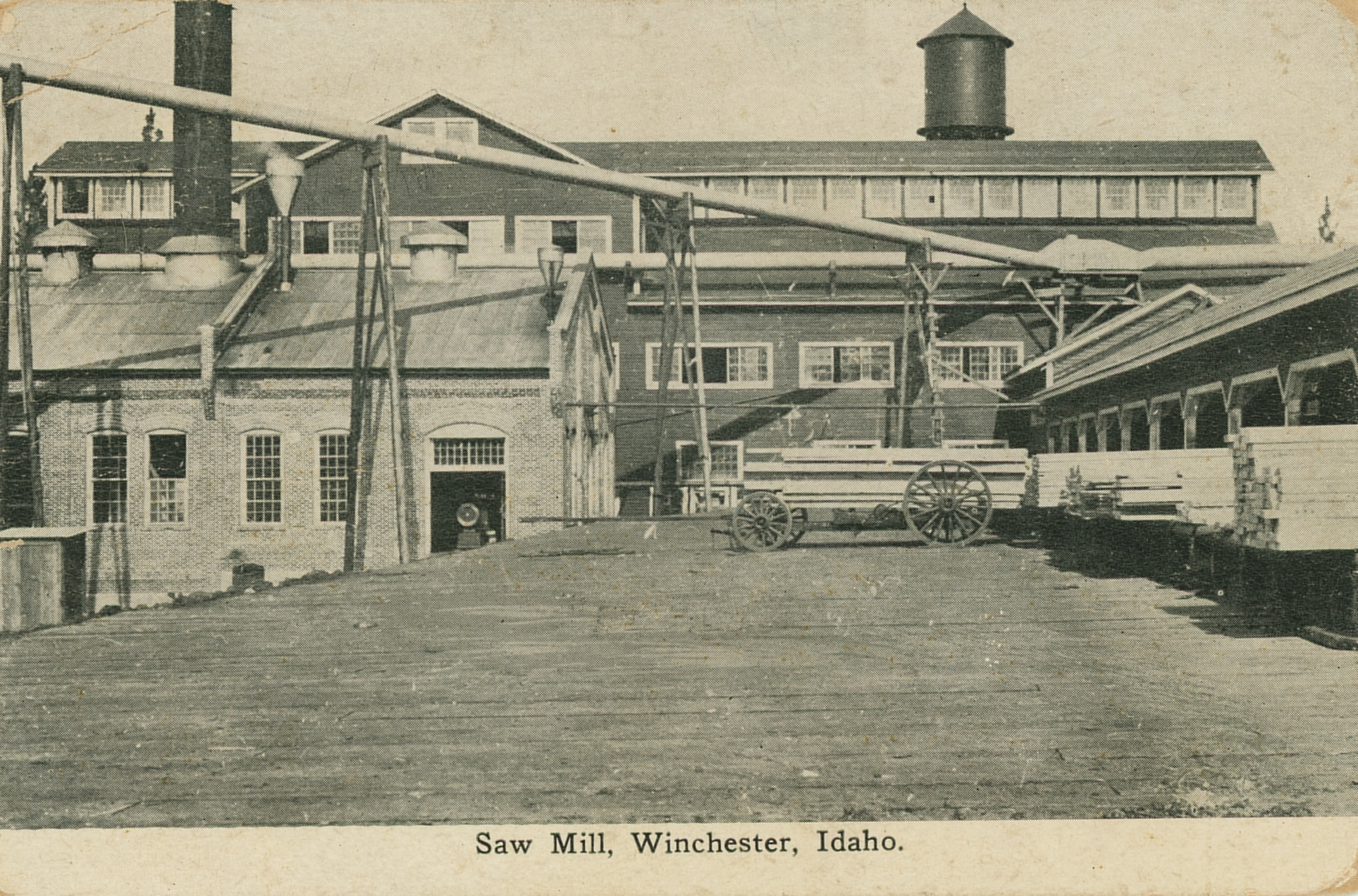
A sawmill was frequently the only employer in its valley, with company housing, a company store in some cases, and an existence tied entirely to the timber within hauling distance.
Consolidation into fewer, larger, highly automated mills drawing on a wider catchment, along with changes in forest management and ownership, closed enormous numbers of small mills. A modern mill produces many times the output with a fraction of the workforce, which means the towns that depended on the old ratio could not be sustained by the new one.
12. Nobody Expected the Trees to Be a Managed Crop
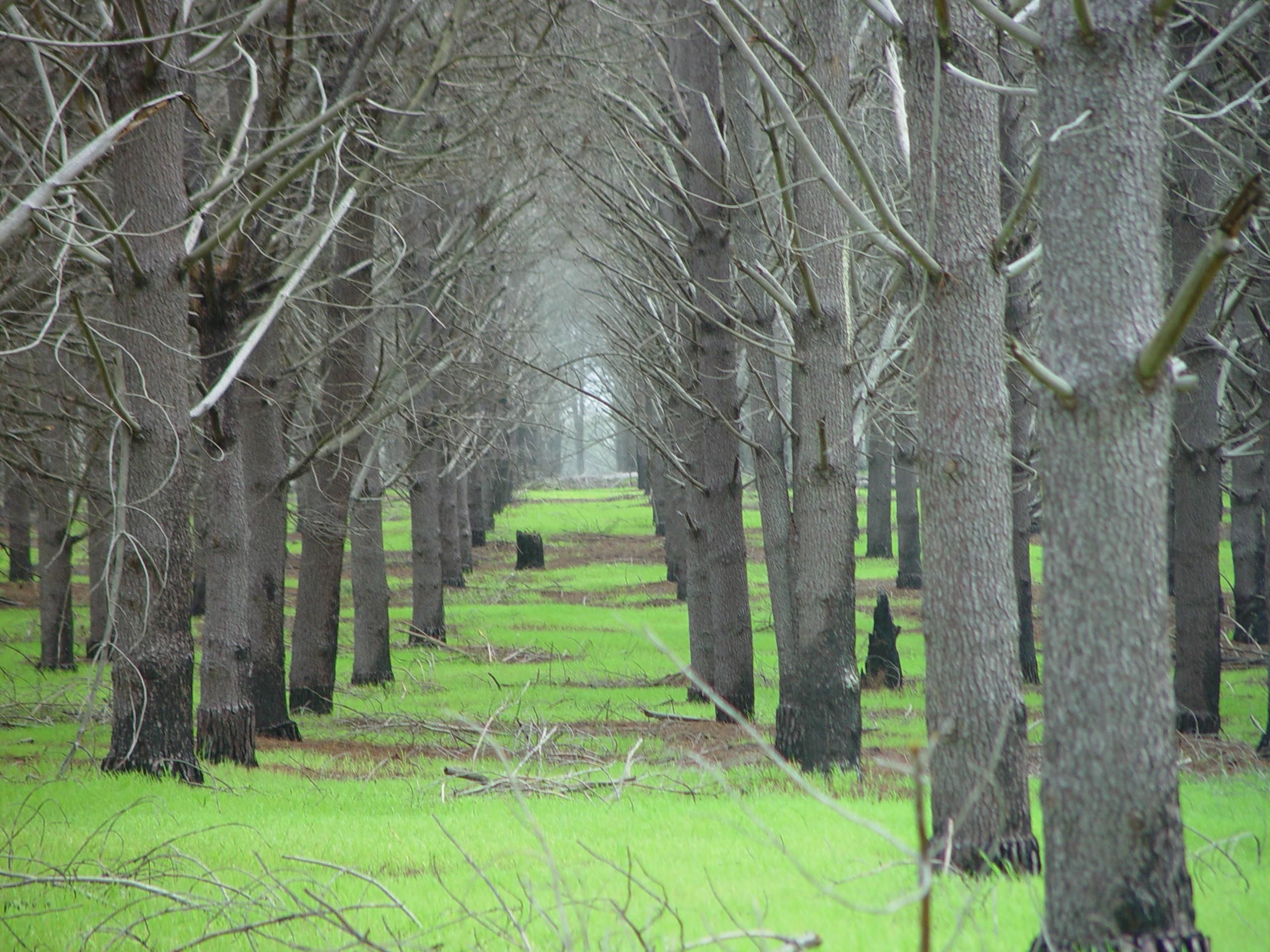
In 1960 much of the supply in many regions was old-growth harvested from publicly or privately held forest, with replanting and rotation practised unevenly and regulated lightly.
Sustained yield management, replanting requirements, certification schemes that track timber to its source, and plantation forestry have changed the supply fundamentally. Mills are now designed around smaller, uniform, faster-grown logs rather than around large old ones, which is the deepest change of all – the equipment in a modern mill is shaped by what the forest now produces, and the forest is shaped by what somebody decided to plant forty years ago.
The Log Decided Everything
The usual account of this industry is automation and job losses, and that is accurate but it is not the deepest change.
The deepest change is in the raw material. A mill in 1960 in much of the world was cutting large logs from mature forest, and almost everything about the building followed from that – the size of the headrig, the handling equipment, the skill of the sawyer in reading a big log with big defects, and the economics of a mill sited near the timber.
Modern mills overwhelmingly cut smaller, younger, more uniform logs from managed and planted forest. That single fact reorganised the industry. A uniform log can be scanned, optimised and processed at enormous speed by machinery, which is what made automation possible and what made the sawyer’s eye redundant. It also means the mill can be sited for transport rather than for proximity to old timber, and it can be built far larger because the supply is predictable.
So the automation did not arrive and then find a use. The forest changed, the log changed, and the mill was rebuilt around the new log – with the safety improvements, the yield improvements and the job losses all arriving together as consequences of the same thing.
The towns that lost their mills did not lose them to a machine. They lost them to the fact that the new mill could be anywhere.
If you grew up in timber country, the burner glowing at night is what you remember, and the sound of the mill starting in the morning.
Which valley, and is the mill site still there?
Like our content? Follow us for more.


