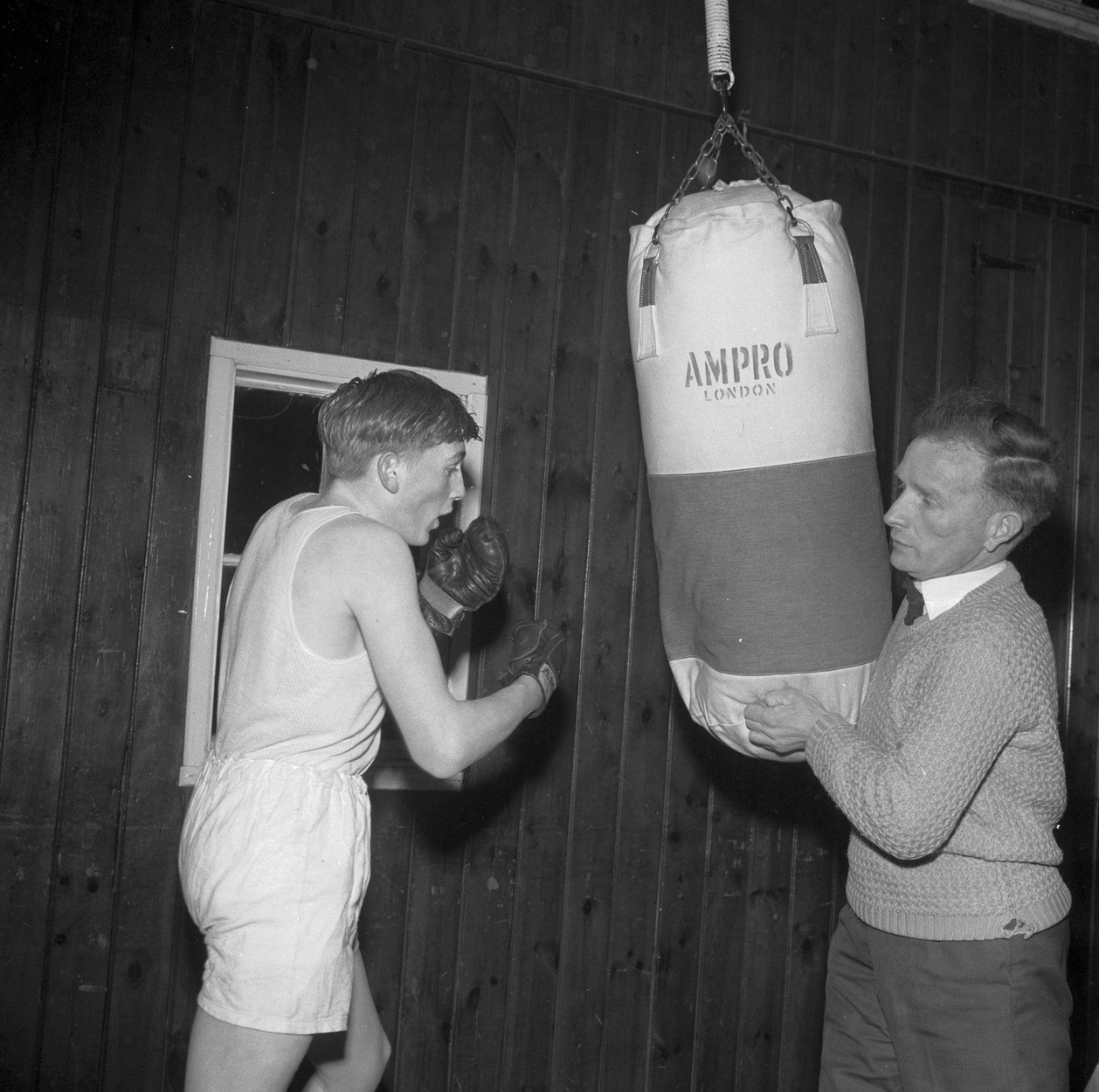
In 1960 a boxing gym took whoever walked through the door, put him in with somebody experienced to see what he was made of, and kept no record of any of it.
The same man frequently trained the fighters, matched them, handled the money and decided whether a dazed boxer went back in. Championship fights went fifteen rounds. Nobody was tested for anything, and a fighter stopped in one town could be fighting in another nine days later.
Here are fourteen things that were ordinary in a boxing gym in 1960, and what each one became.
1. Boys Walked In Off the Street at Twelve and Nobody Asked Anything
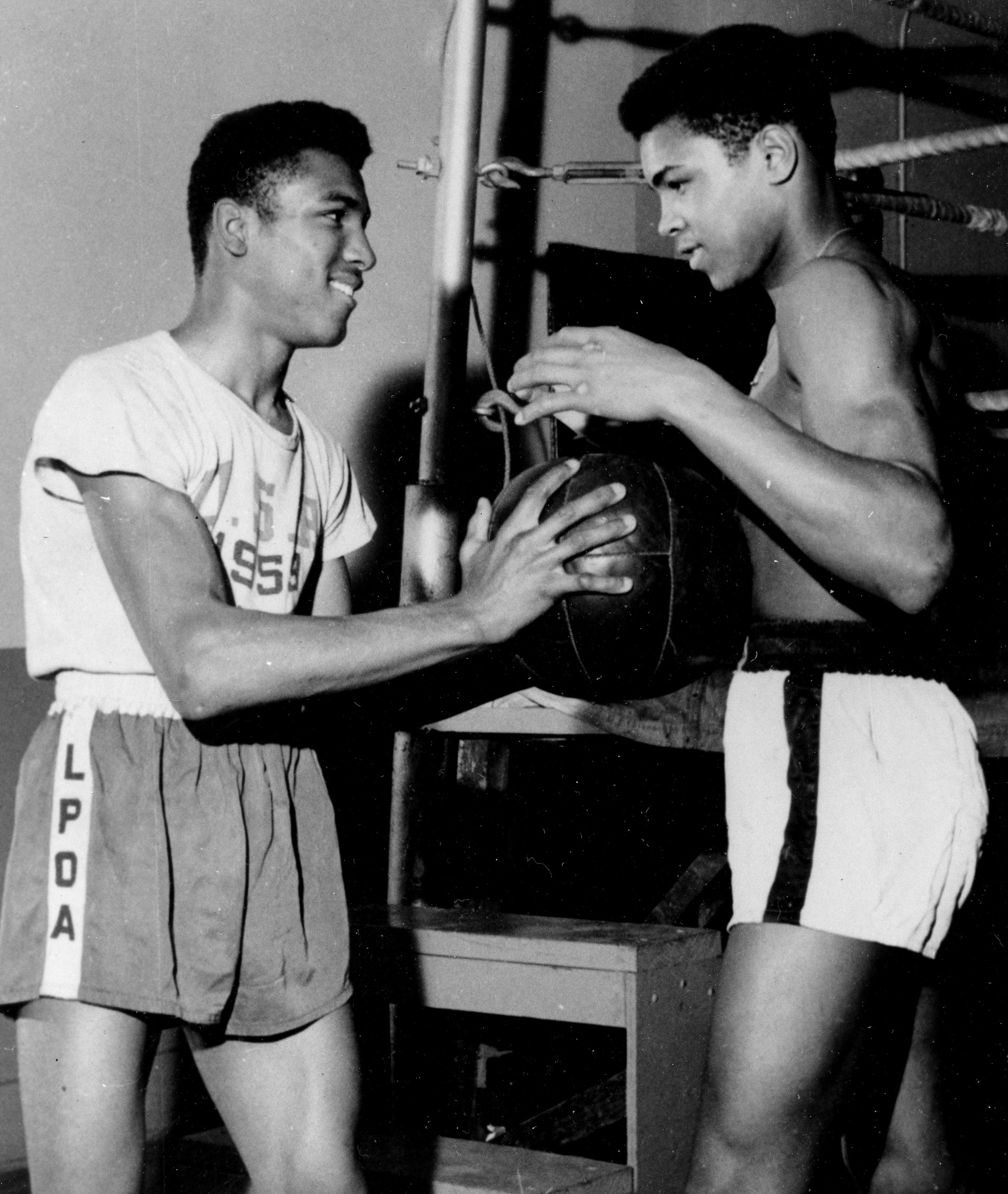
A gym took whoever turned up. A boy came in, was shown how to wrap his hands, and was sparring within weeks. There was no registration, no medical, no parental consent form and no record that he had ever been there.
Amateur boxing is now organised around registration, medical cards, age-banded competition, bout records that follow a boxer between clubs, and mandatory parental consent for minors. The open door is remembered fondly and the record-keeping is what makes it possible to stop somebody who has taken too much, which is the thing the open door could not do.
Like our content? Follow us for more.
2. Sparring Was How You Found Out Whether a Boy Could Fight
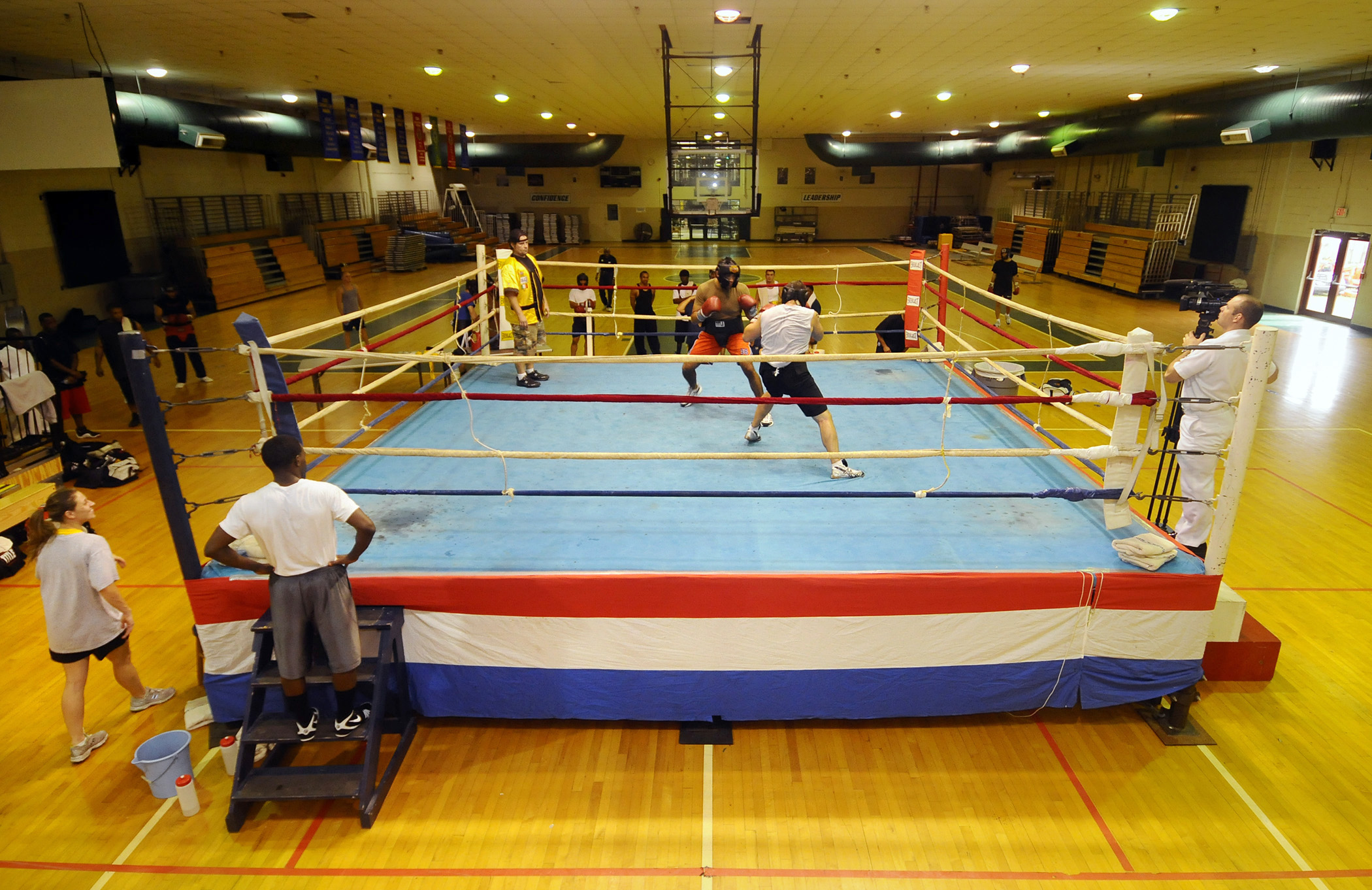
The standard method of assessment was to put a newcomer in with somebody experienced and watch. Hard sparring was frequent, it was not limited in rounds or intensity, and getting badly beaten in the gym was understood as a normal part of learning.
Sparring is now controlled: supervised, limited, matched by weight and experience, with headguards in amateur settings and reduced intensity as standard practice. The reason is the accumulation of blows rather than the single big one, and the understanding that gym sparring over years can account for more total head impact than competition. This is stated as a change in coaching practice.
3. Nobody Stopped a Boxer Who Said He Was Fine
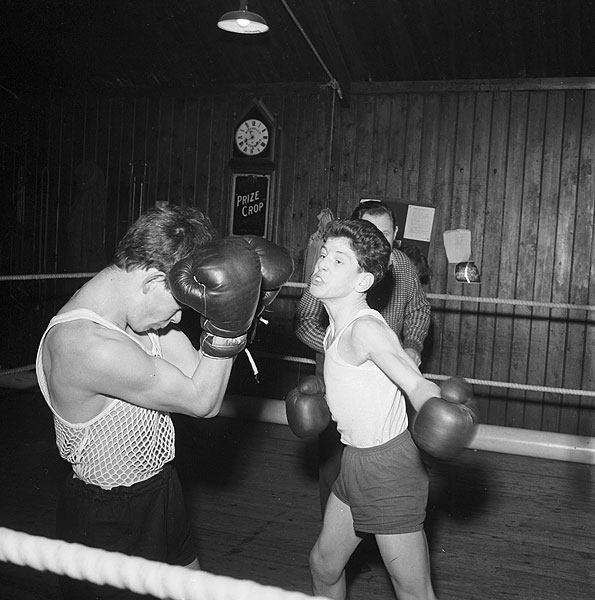
A fighter who was dazed, who had been dropped, or who had taken a bad beating in sparring went back in when he said he was ready, which was usually immediately. Continuing was courage and stopping was not.
Mandatory stand-down periods after a knockout or technical stoppage, medical clearance before returning, suspension periods recorded centrally and enforced across jurisdictions, and pre-bout medicals are now standard in both amateur and professional boxing. The culture of carrying on is the thing the rules were written against, and the rules exist because the individual judgement of a concussed person is not reliable, by definition.
4. The Trainer Was Also the Doctor, the Matchmaker and the Manager
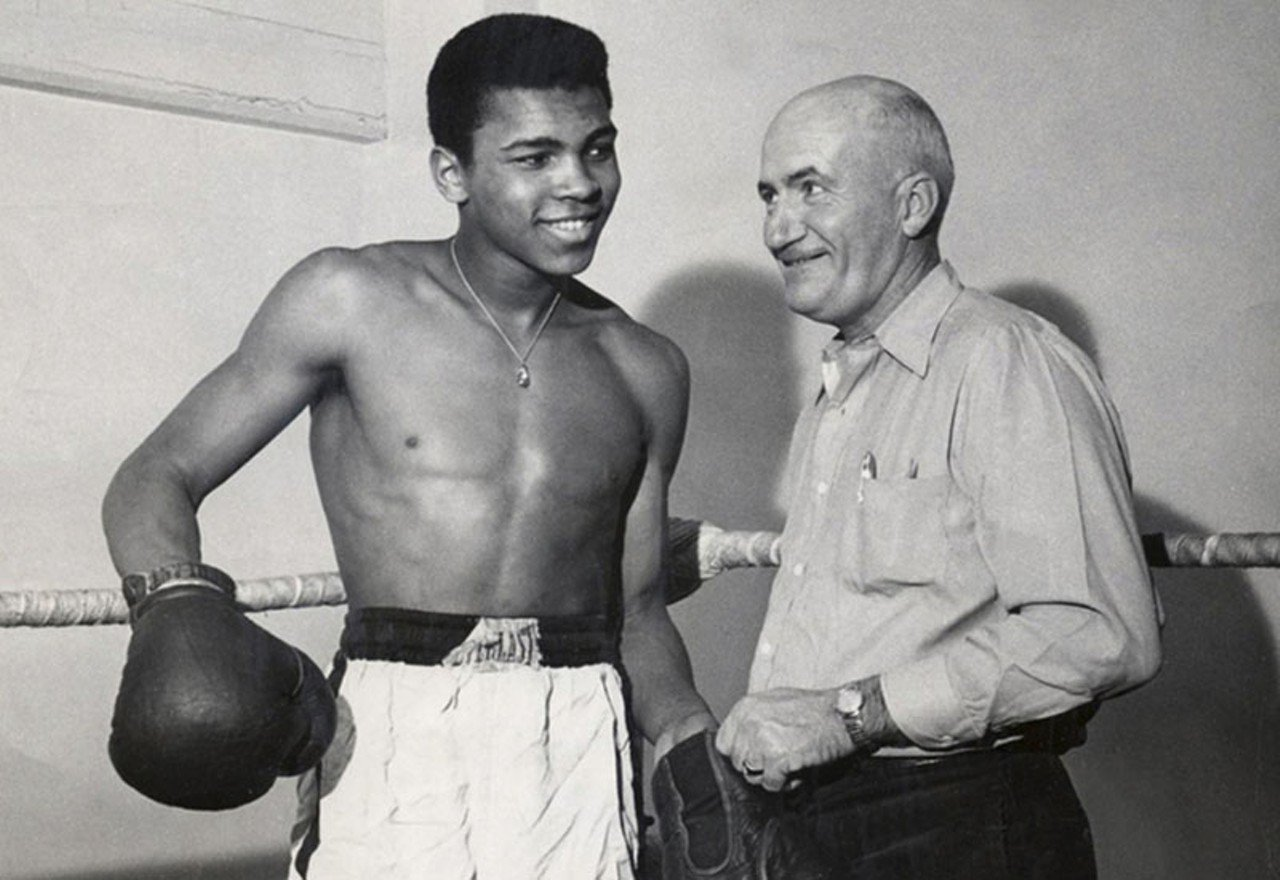
One man in a gym frequently trained the fighters, decided who they fought, negotiated the money, treated cuts and decided whether somebody was fit to continue. Those are four roles with four different interests.
The conflicts are now recognised and separated by licensing: managers, trainers, matchmakers and medical officers are distinct licensed roles, and the ringside physician has independent authority to stop a contest that nobody in the corner can override. The single figure who was both the person who profited from the fight continuing and the person deciding whether it should is the clearest structural problem the old arrangement had.
5. Weight Was Made the Day of the Fight by Any Means Available
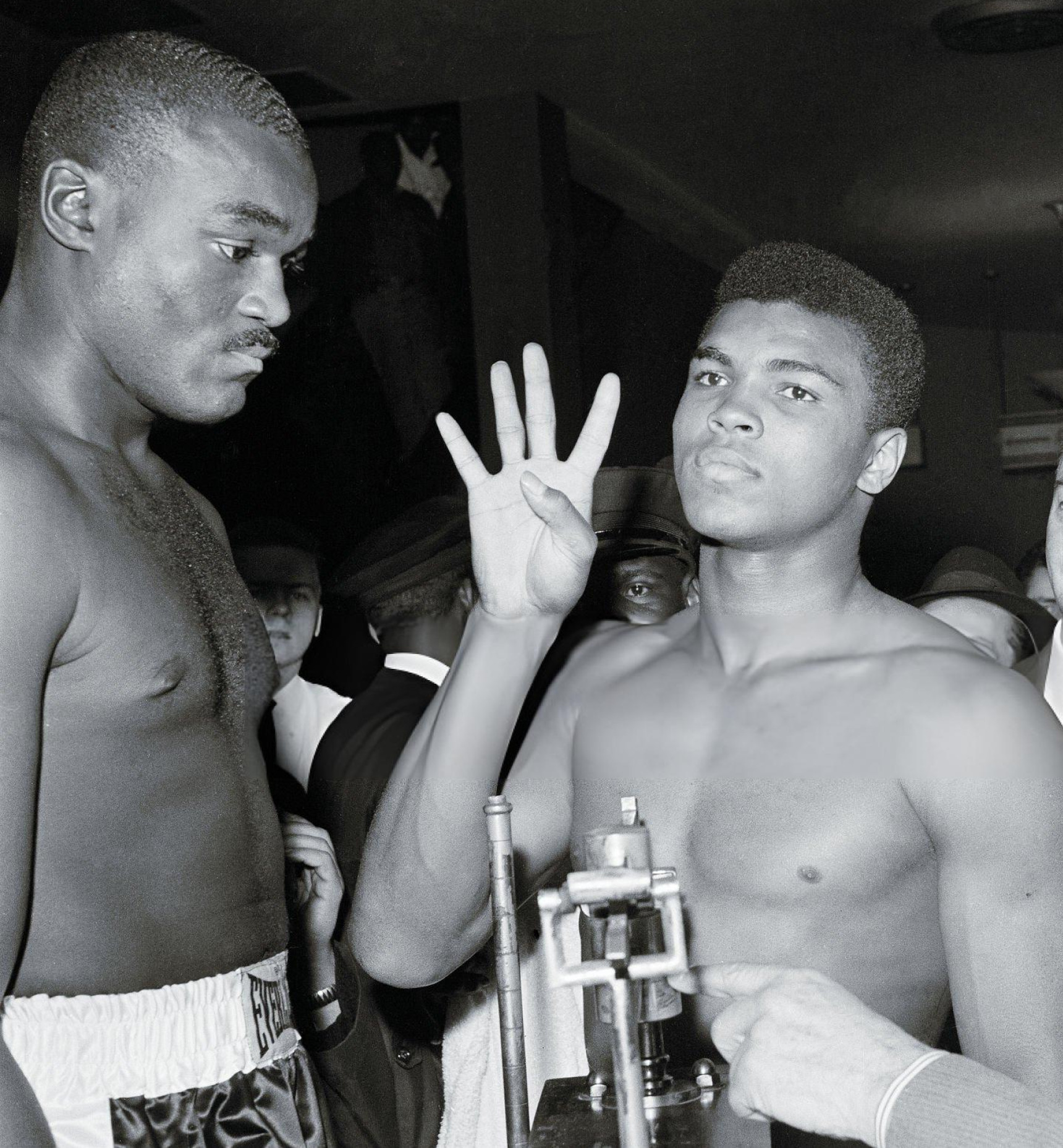
Weigh-ins happened hours before the contest, and the methods used to reach the limit were dehydration, starvation and sweating, followed by eating and drinking in whatever time remained.
Weigh-ins were moved to the day before in professional boxing in most jurisdictions, giving time to rehydrate, and hydration testing, same-day weight checks and limits on how much can be regained have been introduced in various places. This is noted as a change in the sport’s rules; it concerns practices now medically supervised, and anybody facing weight-making pressure in a sport should be dealing with a doctor and their federation rather than with an article.
6. The Equipment Was Minimal and Shared
Gloves were shared, old, and compressed flat with use. Hand wraps were reused. Headguards in training were uncommon. Mouthguards were a boil-and-bite item that many fighters did without. The bags were leather, packed hard, and hung from whatever would take them.
Glove specifications by weight and discipline, inspection before bouts, individually fitted mouthguards, replacement schedules for worn gloves, and hygiene standards for shared equipment all arrived over subsequent decades. Compressed, hardened gloves were a known hazard and the modern specification exists because padding that has flattened transmits force rather than absorbing it.
7. Nobody Was Tested for Anything

There was no drug testing in the sport at any level in 1960, and no requirement to disclose medication or treatment.
Anti-doping programmes with in-competition and out-of-competition testing, published prohibited lists and sanctions are now standard in amateur boxing and in professional boxing in most significant jurisdictions, though coverage in professional boxing remains uneven between sanctioning bodies and territories, which is an acknowledged weakness rather than a solved problem.
8. The Gym Was the Only Youth Provision in the Area and It Worked

Boxing clubs in working-class districts functioned as the main organised activity for adolescent boys – somewhere to be in the evening, somewhere with adults in it, and somewhere that imposed discipline, routine and belonging on people who frequently had little of any of them.
This is the part that has not changed and is the sport’s strongest claim. Amateur clubs remain substantially a youth and community service, run largely by volunteers, in exactly the places with the least provision, and the evidence on engagement with young people at risk is taken seriously by people who are otherwise critical of the sport. The arguments about boxing almost always collide at this point.
9. Fighters Were Paid Badly, Late, or Not at All
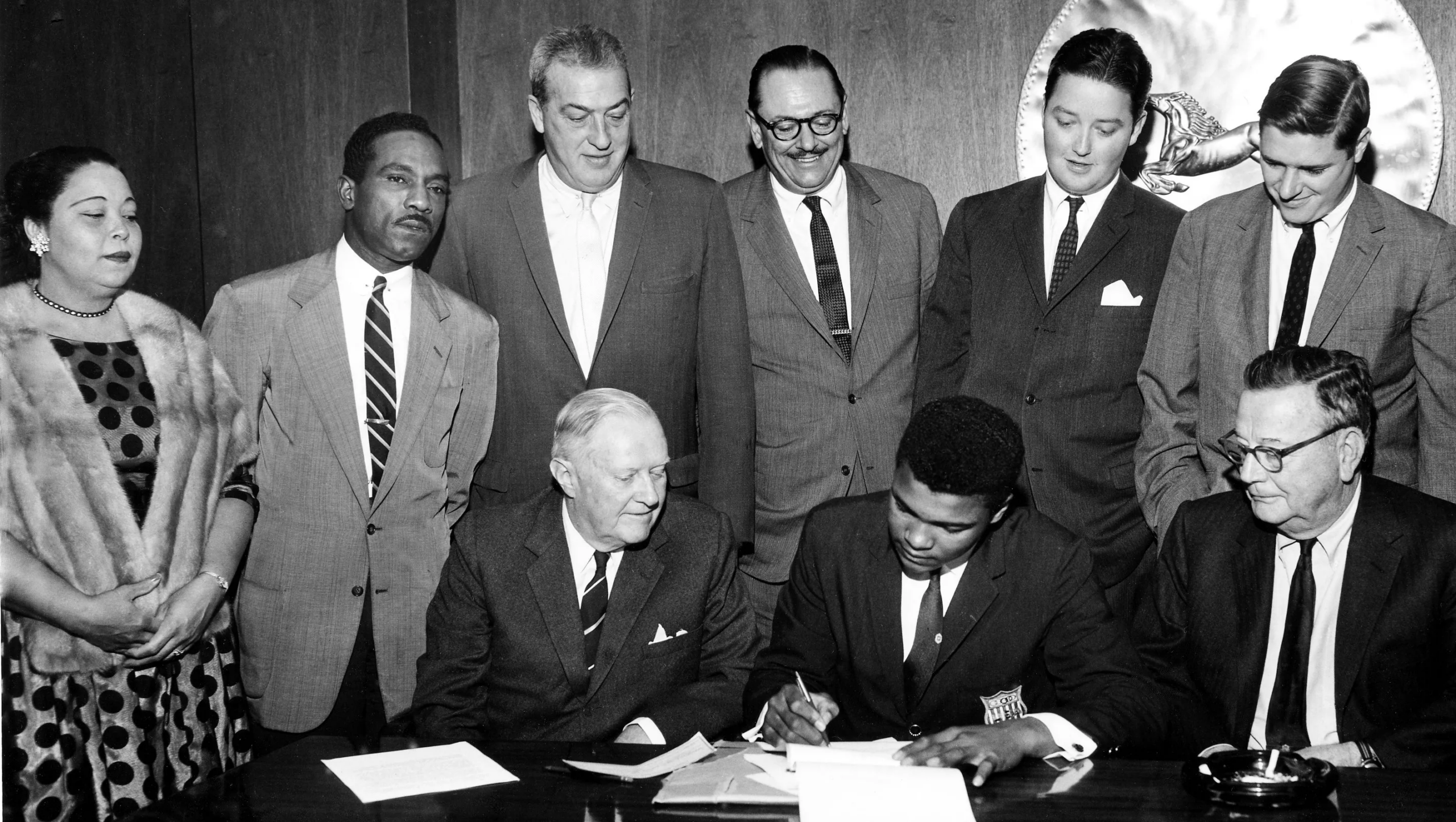
Purse arrangements were informal, deductions were made at the promoter’s discretion, and a professional fighter frequently had no written contract, no idea what the gate had taken, and no mechanism to find out.
Licensing of promoters and managers, written contracts, regulated purse arrangements, bond requirements and commission oversight of payments arrived through subsequent decades. Exploitation of fighters remains a live subject in professional boxing, particularly at the lower end of the card, and the governance of the sport is genuinely fragmented between competing bodies in a way that most sports are not.
10. Journeymen Fought Constantly With No Record of the Damage
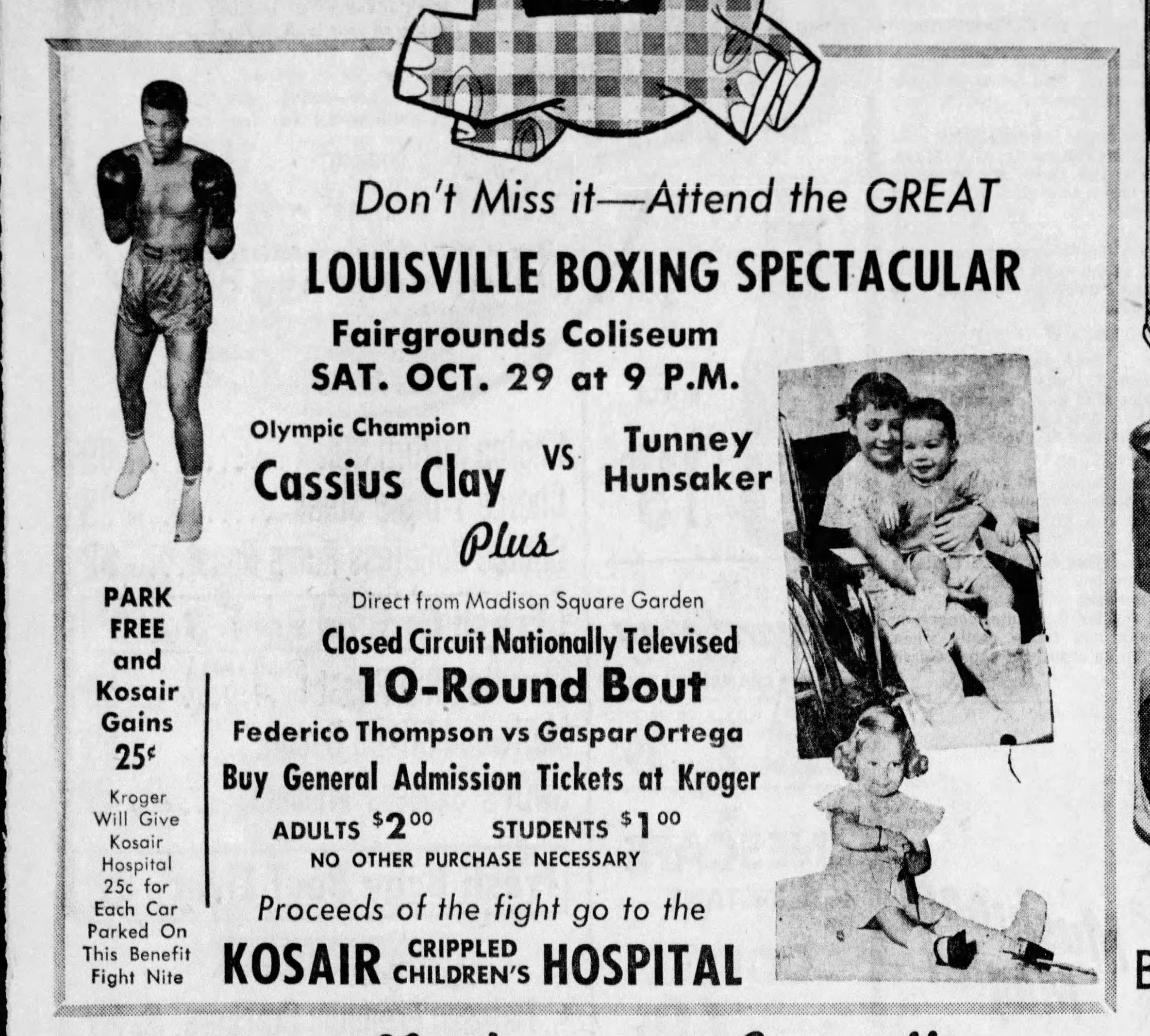
A fighter at the bottom of the bill might fight fortnightly, travel to be the opponent, lose, and fight again the next week in another town where nobody knew he had been stopped nine days earlier.
Central bout records, mandatory suspension periods communicated between commissions, and medical suspensions that follow a licence rather than a venue made this enormously harder. It is the single most important administrative change in the sport’s safety, and it is purely a record-keeping one – the protection comes from a database, not from a rule about how to fight.
11. Women’s Boxing Did Not Officially Exist

Women boxed, in gyms and in unsanctioned events, and were barred from licensing and from amateur competition in essentially every jurisdiction.
Licensing opened over the 1990s after legal challenges, amateur world championships followed, and the sport entered the Olympic programme in 2012. Participation has grown substantially from a very low base. The arguments made against it at the time were the same arguments made against women in every other contact sport, and they were abandoned in the same order.
12. The Long-Term Effects Were Visible and Were Not Investigated
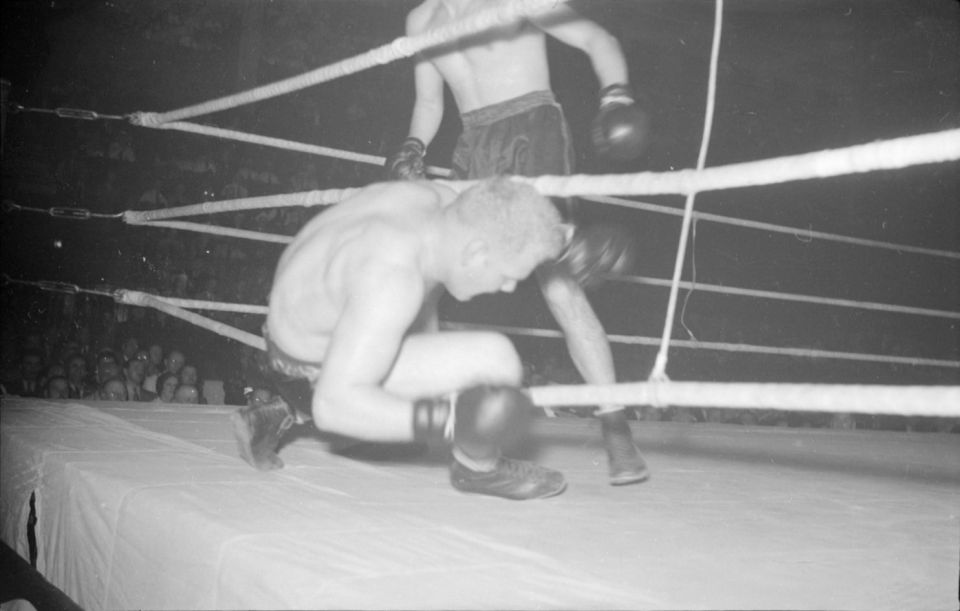
The condition associated with repeated head trauma in boxers was described in the medical literature in the 1920s and was known in the sport by a colloquial name everybody used. It was observed in retired fighters, it was discussed, and it did not change what anybody did.
This is included as the history of the sport’s response to evidence. Research into the cumulative effects of repeated head impacts has expanded enormously and now covers several sports, and boxing’s regulatory response includes mandated scanning in some jurisdictions, career-length monitoring, suspension rules and medical record systems. The subject is serious, it remains actively researched and genuinely contested in its details, and nothing in this item is a medical statement – anybody concerned about their own history of head injury in any sport should be speaking to a doctor.
13. Fights Went Fifteen Rounds and the Last Three Were the Dangerous Ones
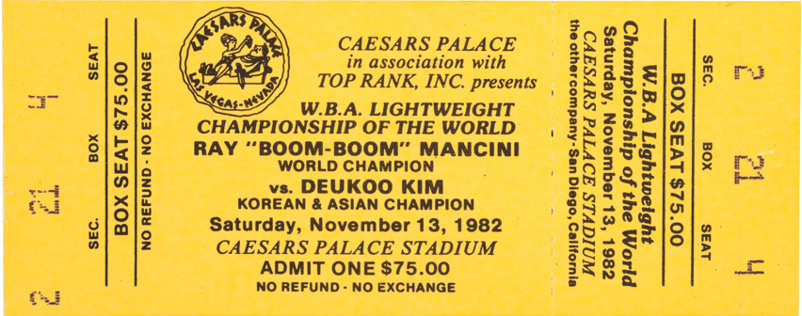
Championship distance in professional boxing was fifteen rounds, and the final rounds involved exhausted fighters with diminished ability to defend themselves.
Championship distance was reduced to twelve rounds in the 1980s across the major sanctioning bodies, following analysis of when serious injuries occurred in contests. It is one of the clearest examples in any sport of a rule changed specifically because the data showed where the harm was concentrated.
14. The Ring Itself Was Harder Than It Needed to Be
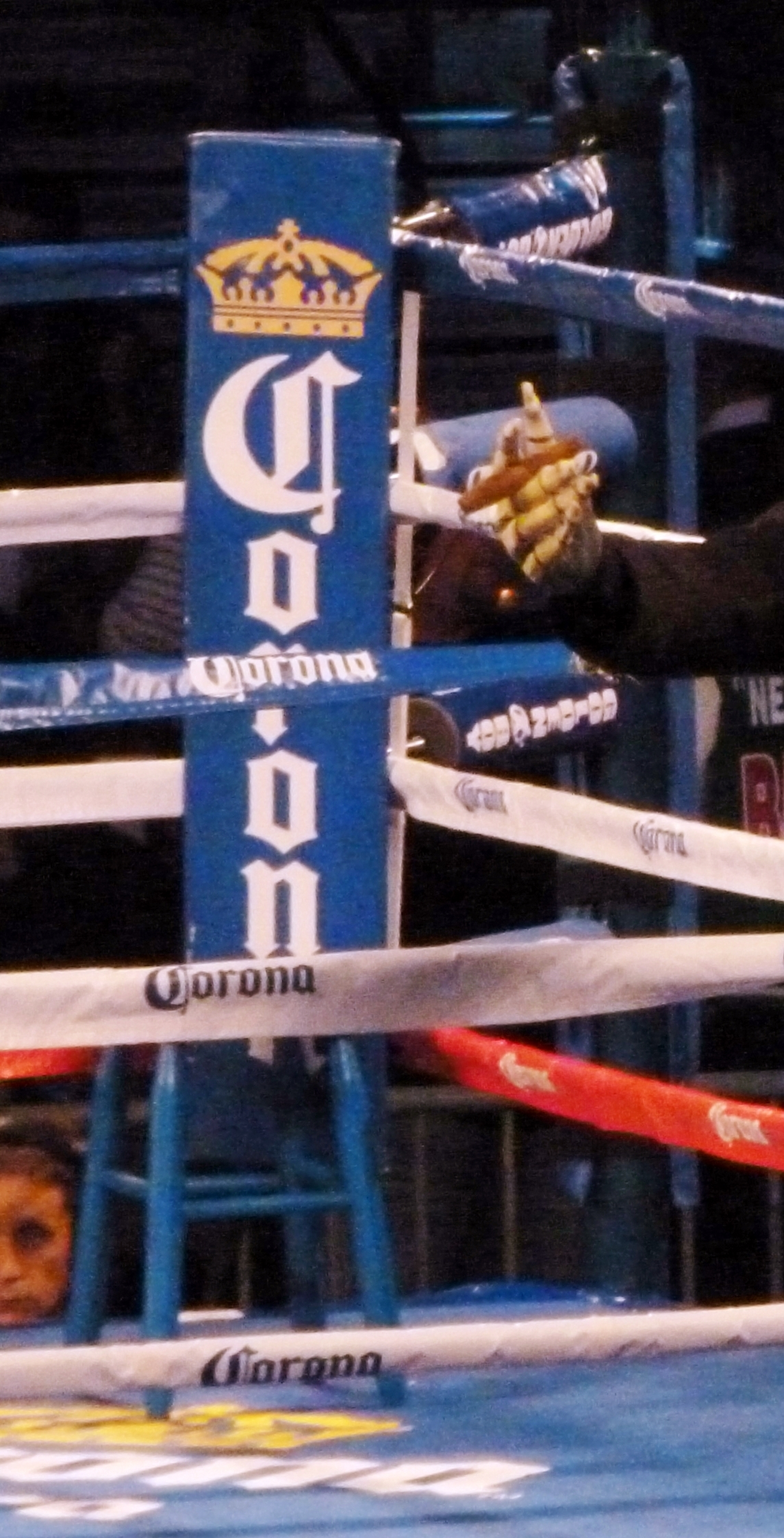
Ring construction varied, padding under the canvas was thin or absent in small venues, the ropes were slack, and corner posts were inadequately padded. A fighter going down hit a floor with very little give.
Ring specifications now cover padding thickness and type under the canvas, rope tension and number, post padding, apron width and the height of the platform, and rings are inspected before sanctioned events. Falls onto the canvas are a significant mechanism of head injury independent of any punch, which is why the floor is now specified as carefully as the gloves.
The Protection Came From Paperwork

Boxing is unusual among the subjects in this series, because the thing that made it safer was not equipment and was not technique.
Gloves got better, the ring got padded, headguards appeared in amateur training, and the championship distance came down. Each of those helped. None of them is the main thing.
The main thing is records. A central bout record that follows a licence rather than a venue. A medical suspension that is communicated between jurisdictions. A registration system that knows how many times a boxer has been stopped and when. A database that makes it impossible for somebody to be beaten up on Friday and matched again the following weekend two hundred miles away.
That sounds bureaucratic and it is the single most protective development in the sport’s history, because the harm in boxing is overwhelmingly cumulative rather than instantaneous, and the only way to manage a cumulative harm is to count it.
Everything else on this list is an argument about the sport, and those arguments are genuine and unfinished. The record-keeping is not an argument. It is the reason that a boy who walks into a gym now leaves a trail, and the reason somebody can look at that trail and tell him to stop.
If there was a club in your town, somebody in your family probably went for a while and stopped.
Which gym was it, and is the building still being used for anything?
Like our content? Follow us for more.