

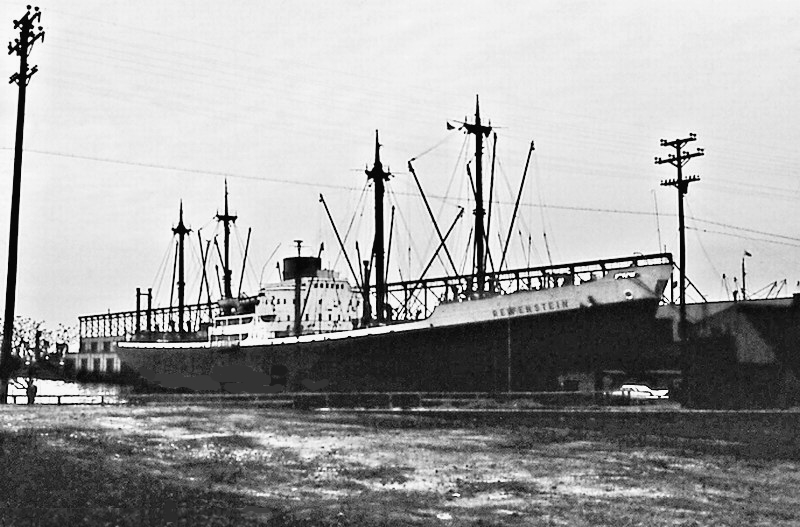
In 1965 a merchant seaman signed on for a voyage that might last eighteen months, could not legally leave the ship until it ended, had no way of contacting his family except by letter collected at a foreign port, and bought his tobacco and boots from a shop the ship owned.
He also spent days ashore in cities most people would never see, on a vessel crewed by three times as many people as the same ship would carry now.
Here are sixteen things that were ordinary at sea in 1965, and what each one became.
1. You Signed Articles and Could Not Leave Until the Voyage Ended
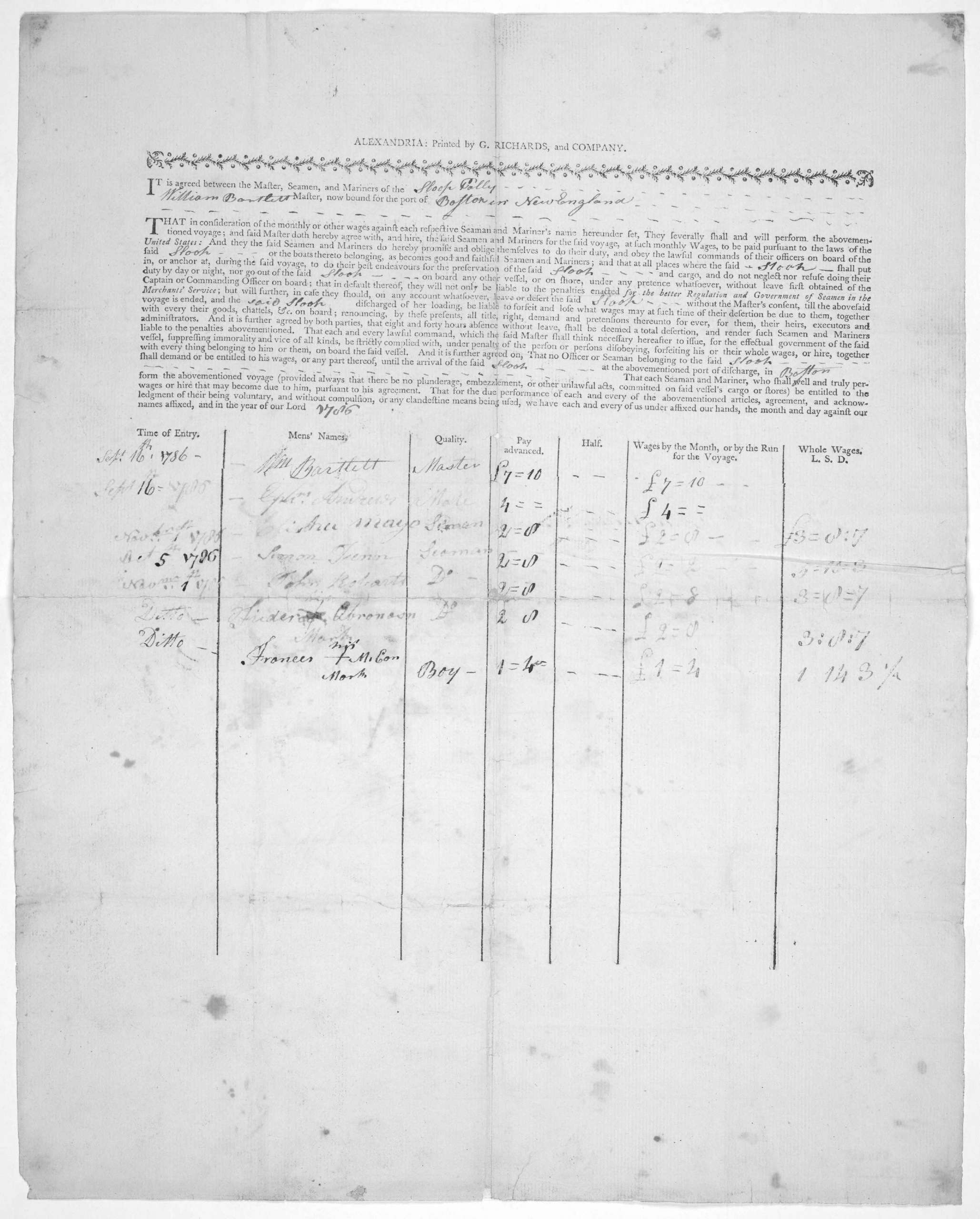
A seaman signed the ship’s articles for a voyage, not for a period of employment. The agreement bound him to the ship until it returned to a port of discharge, which could be eighteen months later, and leaving before that was desertion rather than resignation.
Desertion was a legal offence with real consequences and remained so long after it had stopped being treated that way on land. Modern seafarers work on fixed-term contracts with defined tour lengths, repatriation rights and the ability to leave, and an international convention now sets minimum standards on contracts, hours, accommodation, repatriation and pay. The voyage article binding a man to a hull is gone.
Like our content? Follow us for more.
2. The Crew Came From Everywhere and Were Paid Differently for the Same Job
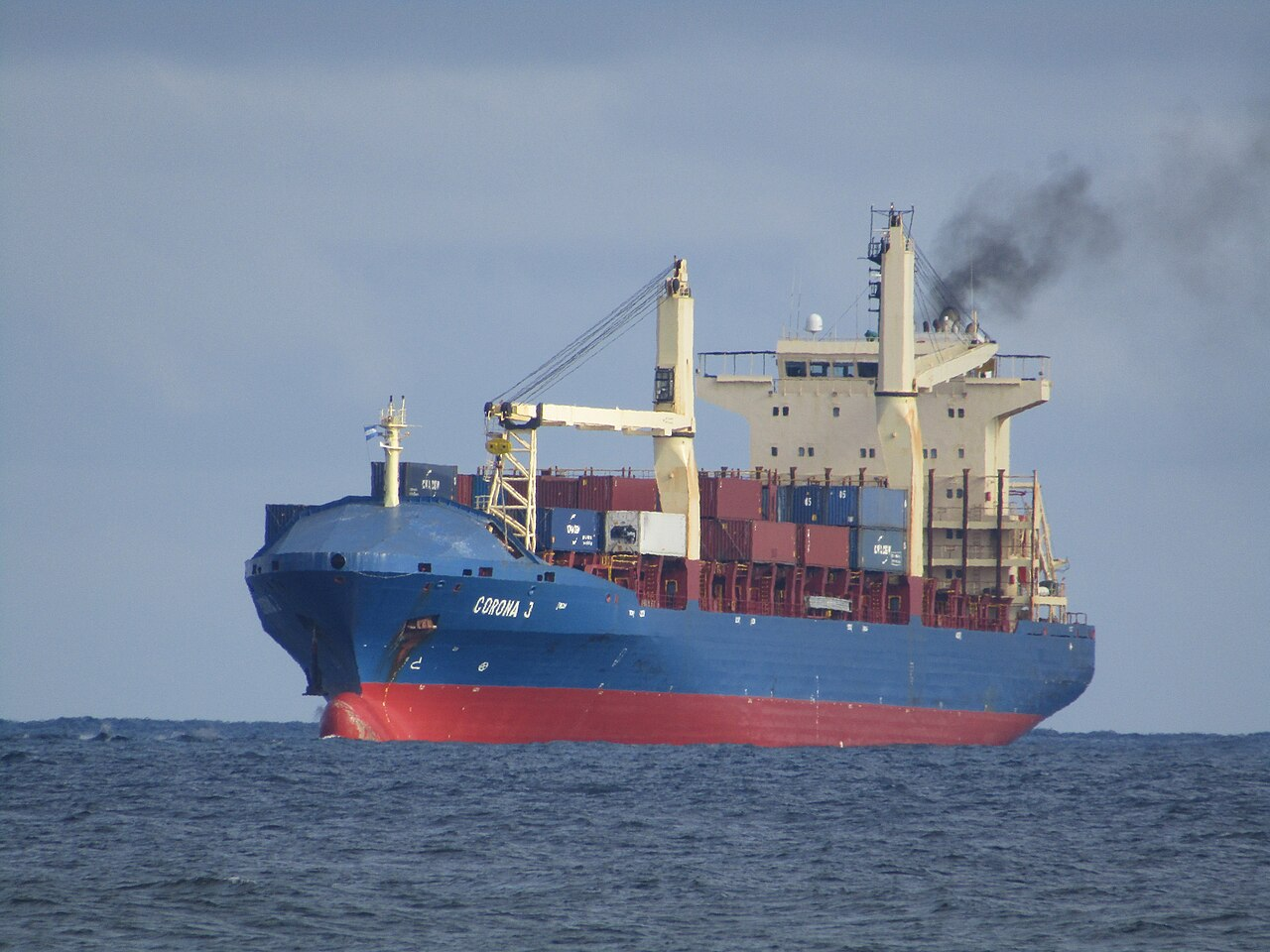
Crews were frequently assembled from several countries, and pay scales varied enormously by nationality for identical work in identical conditions – a practice that was open, documented and defended as reflecting conditions ashore.
Flags of convenience and international crewing both expanded afterwards, and pay differentials by nationality did not disappear, which is one of the live issues in the industry today rather than a historical one. What has changed is that minimum standards are now set internationally and inspected in port, and there is a mechanism – however imperfect – for a crew that is not being paid to do something about it.
3. There Was No Way to Contact Anybody at Home
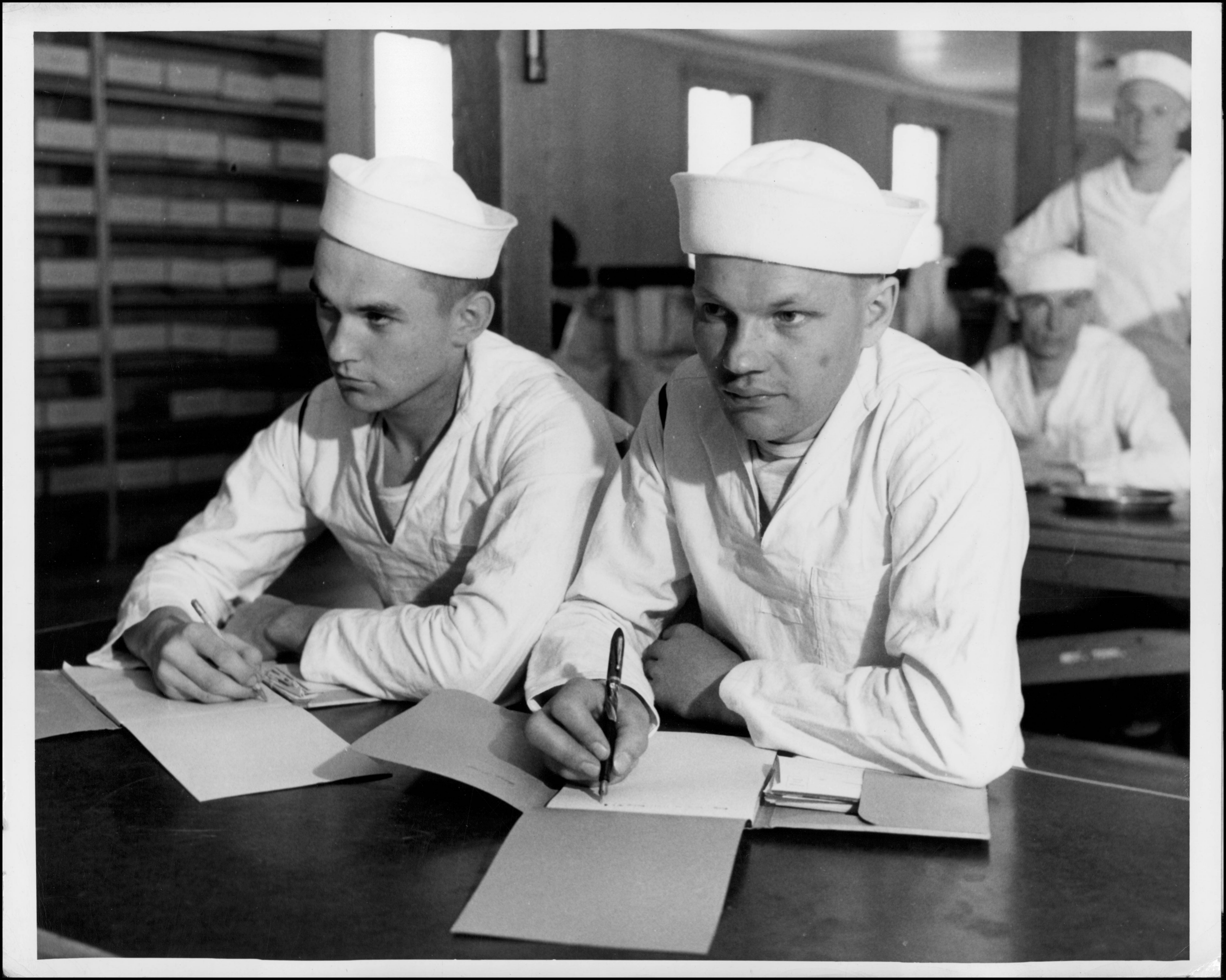
Letters reached a ship at ports of call, weeks or months after posting, collected from an agent. Outbound post went the same way. A man could learn of a death, a birth or a marriage in his family long after everybody else knew.
Satellite communication and then internet access aboard transformed this completely, and most modern vessels provide some form of connectivity – which crews consistently rate among the most important things about a ship. The isolation of a long voyage is the thing former seafarers describe as genuinely hard, ahead of the weather and the work.
4. The Ship’s Slop Chest Was the Only Shop and the Master Set the Prices
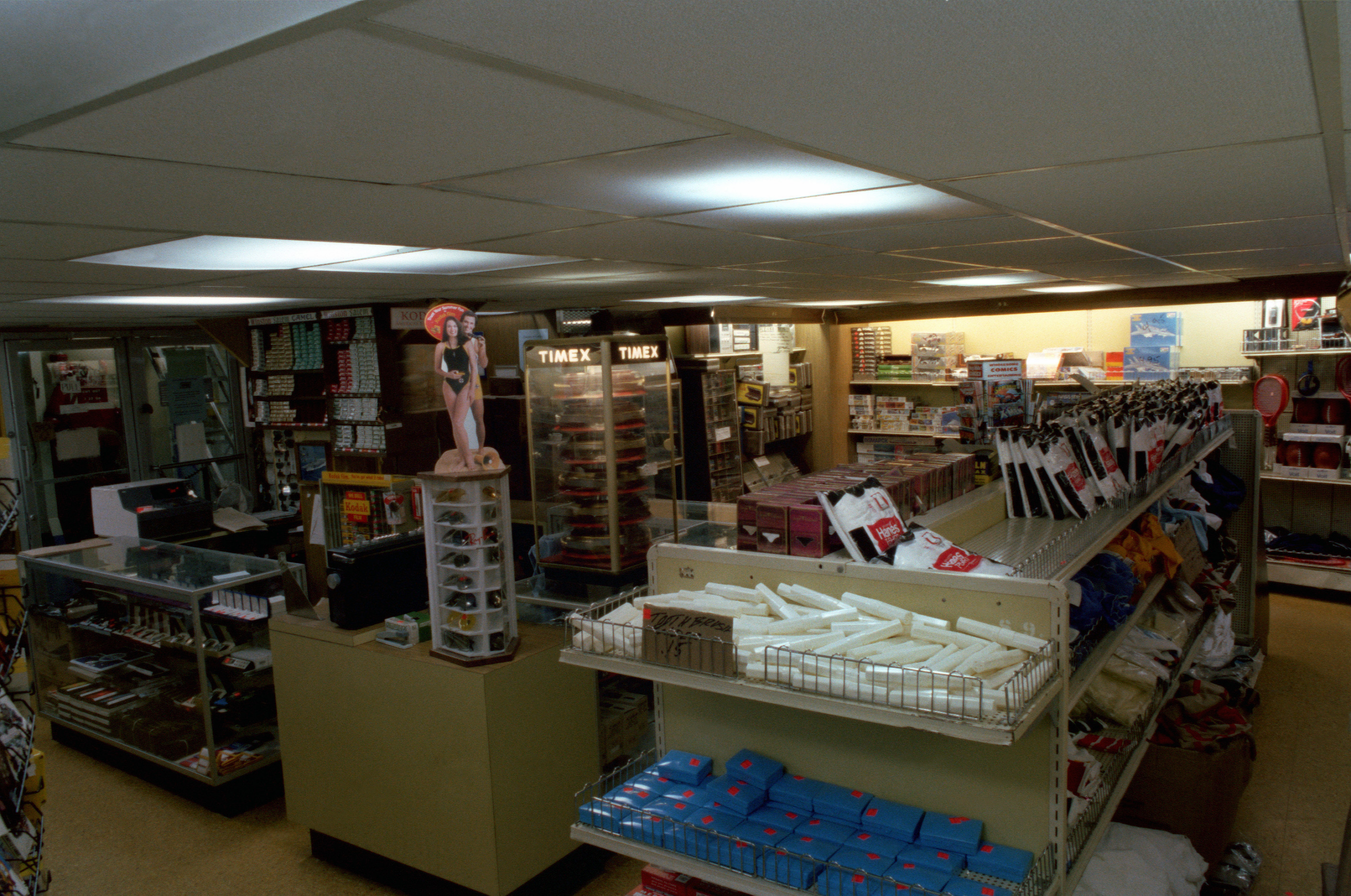
Tobacco, soap, clothing, boots and small comforts were sold from the slop chest, the ship’s own store, charged against wages. Prices were set aboard and the crew had no alternative supplier in the middle of an ocean.
The slop chest persists in a regulated form and is now governed by rules on reasonable pricing and on what may be deducted from wages. The historical arrangement – a captive market, a monopoly supplier and deductions at source – is the same structure as the company store ashore, and it was criticised for the same reasons and for far longer.
5. Crossing the Line Was a Ritual That Got Out of Hand
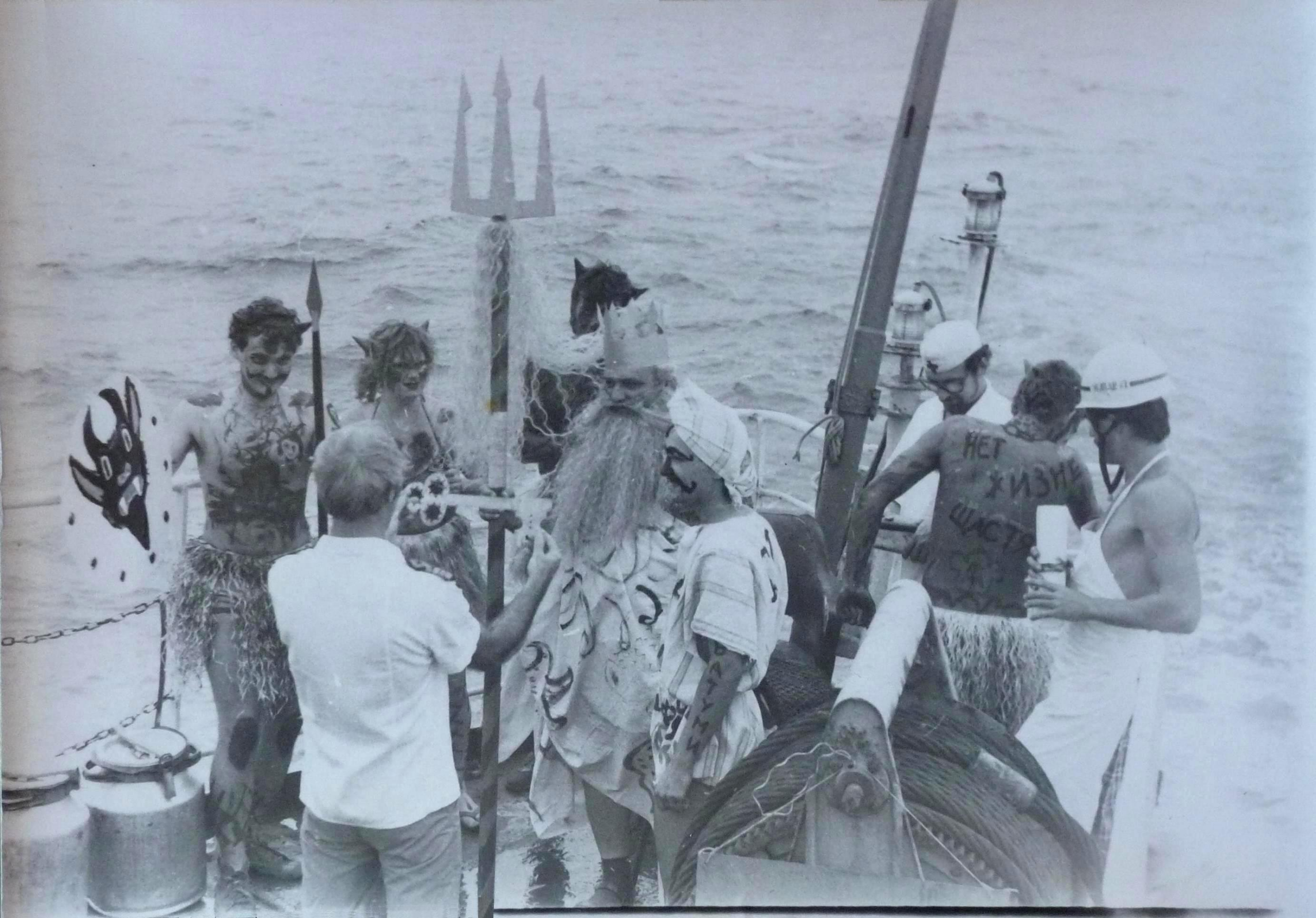
The ceremony on crossing the equator, in which first-timers were subjected to an initiation by the crew, was a genuine tradition with centuries behind it. Conducted well it was a good-humoured rite. Conducted badly, with drink and no supervision, it became hazing that caused real injury and real humiliation.
Navies and shipping companies progressively brought it under control, with written limits on what may be done and officers responsible for supervising it. Most modern versions are short, voluntary and essentially theatrical. The change came from the same place as everywhere else in this series: incidents, complaints and eventually a rule, rather than anybody deciding the tradition was wrong in principle.
6. The Engine Room Was Deafening, Hot and Manned Continuously
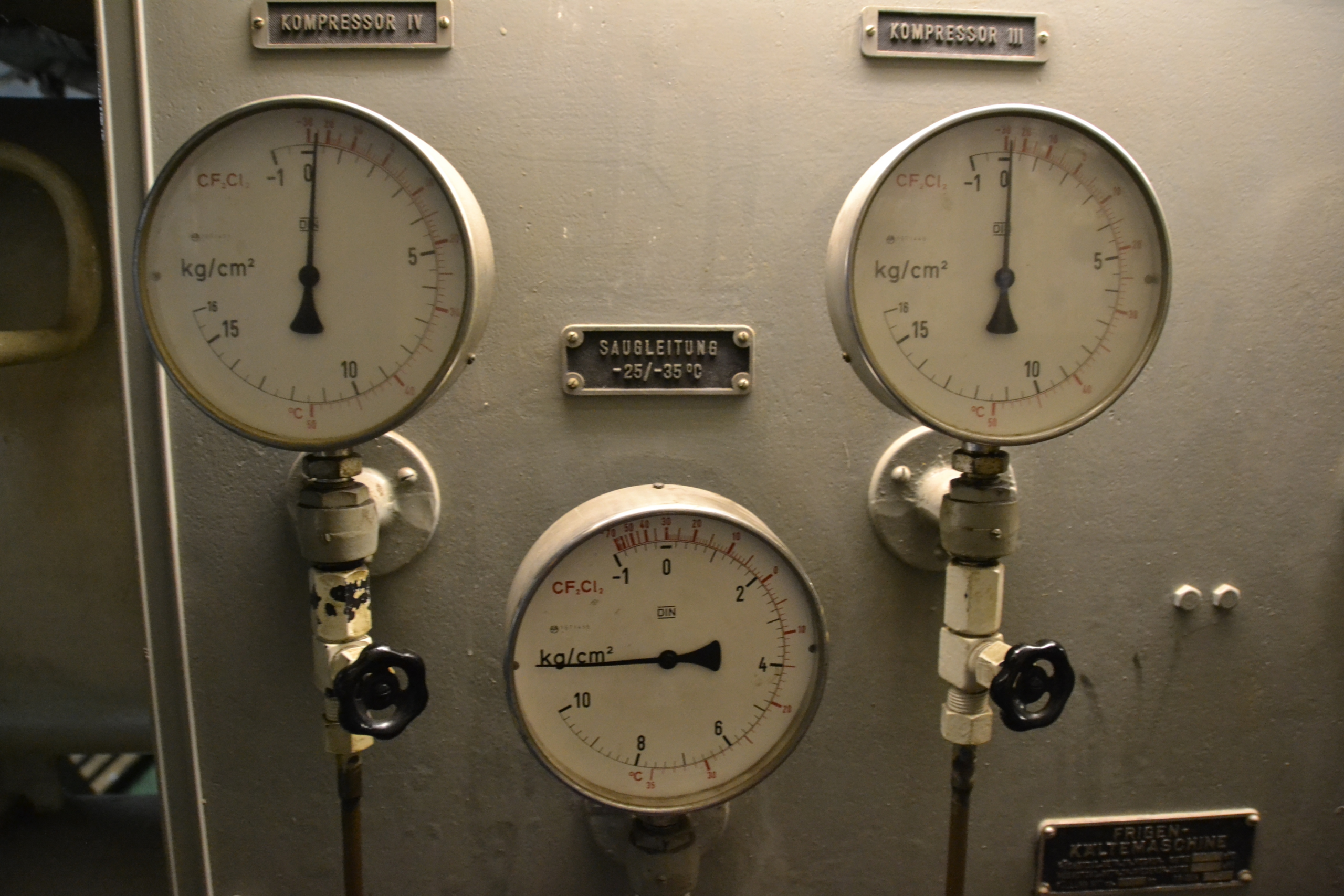
Watches were stood in the engine room around the clock, in temperatures that could exceed fifty degrees in the tropics, beside machinery producing noise levels that destroyed hearing. Engineers communicated by touch and gesture and worked in boiler suits soaked through.
Unmanned machinery spaces changed this fundamentally. A modern vessel’s engine room is monitored from a control room and frequently runs unattended overnight, with alarms calling an engineer if something needs attention. Hearing protection is mandatory, heat stress is managed, and the continuous watch in the heat and the noise has largely gone.
7. Asbestos Was Everywhere in the Machinery Spaces
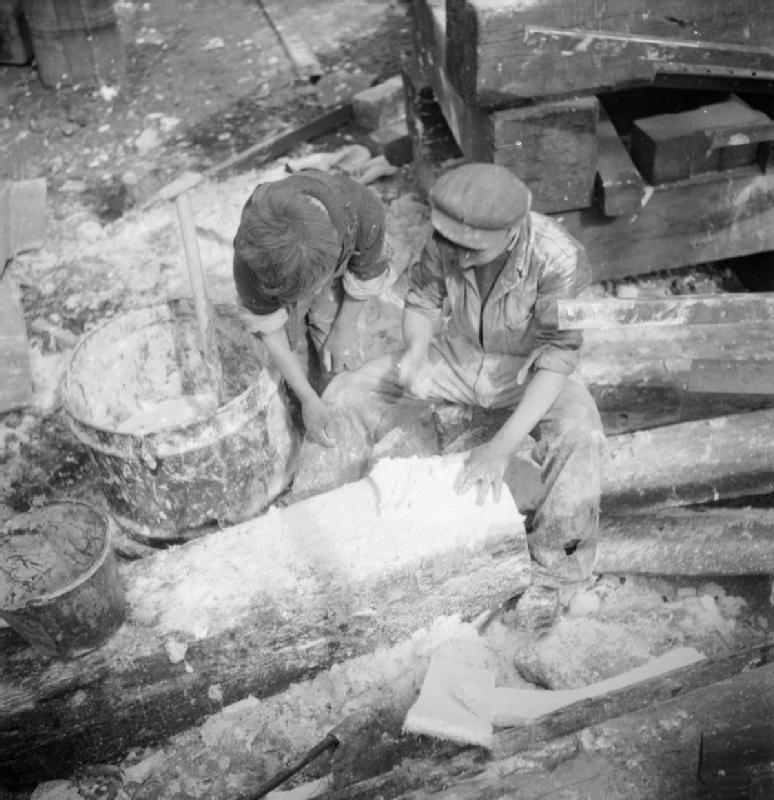
Boiler and pipe lagging, gaskets, bulkhead insulation and protective clothing were asbestos throughout, and engine room staff worked in constant contact with it, cutting it, replacing it and breathing the dust in a confined space.
This is included as occupational history. Seafarers of that era, particularly engine room ratings and engineers, were among the occupational groups with substantial exposure; the material was prohibited for new installation and progressively removed from the 1980s, and surviving vessels carry asbestos registers and management plans. Anybody with that service history should raise it with their own doctor rather than with an article.
8. Shore Leave Was Real and Lasted Days
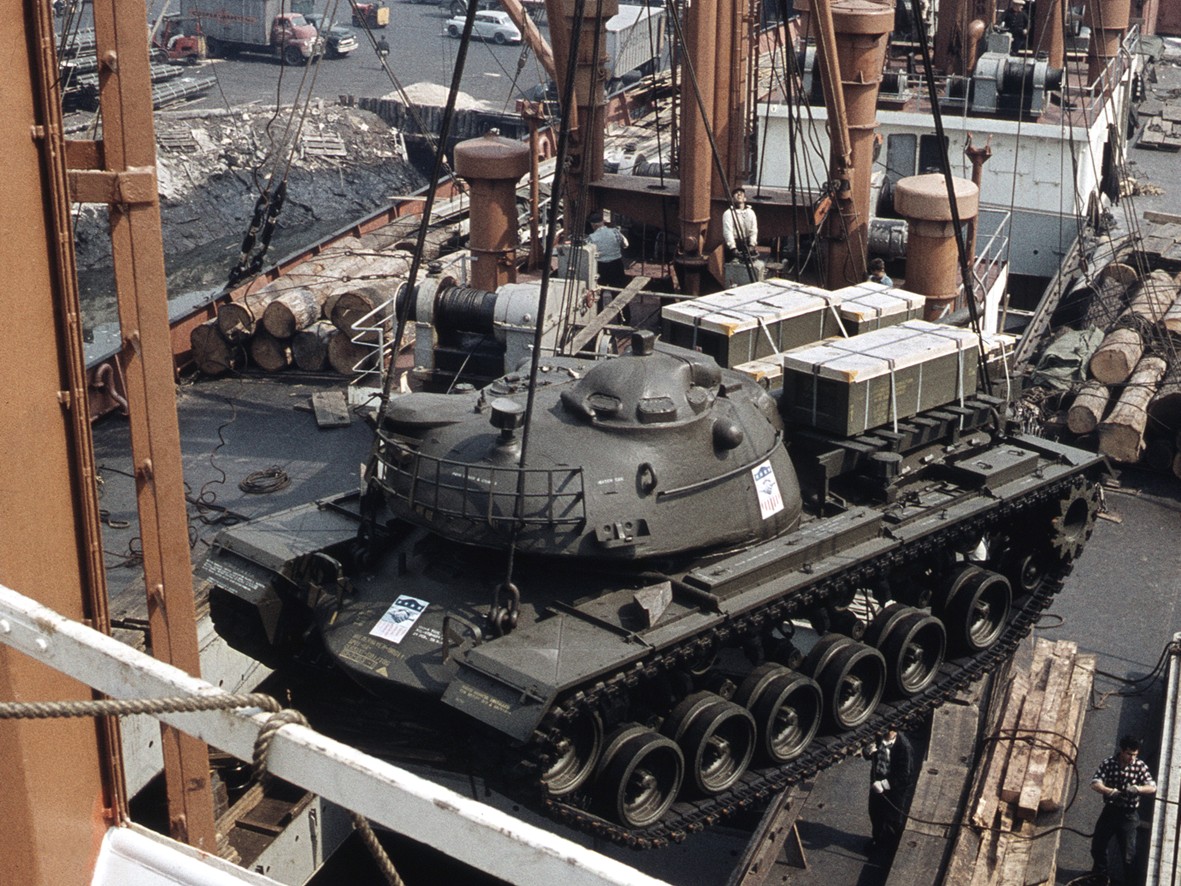
Cargo was loaded and discharged by hand or by simple derricks, which took days or weeks in port. A crew had genuine time ashore in foreign cities, and seeing the world was not a recruitment slogan but an accurate description of the job.
Containerisation ended it. A container ship is turned round in hours by cranes at a terminal that is frequently miles from the city, and crews may not be permitted ashore at all for security or visa reasons. The single biggest change in the life of a seafarer over the last sixty years is not the technology or the safety – it is that the job stopped involving going anywhere.
9. The Crew Was Three Times the Size It Would Be Now
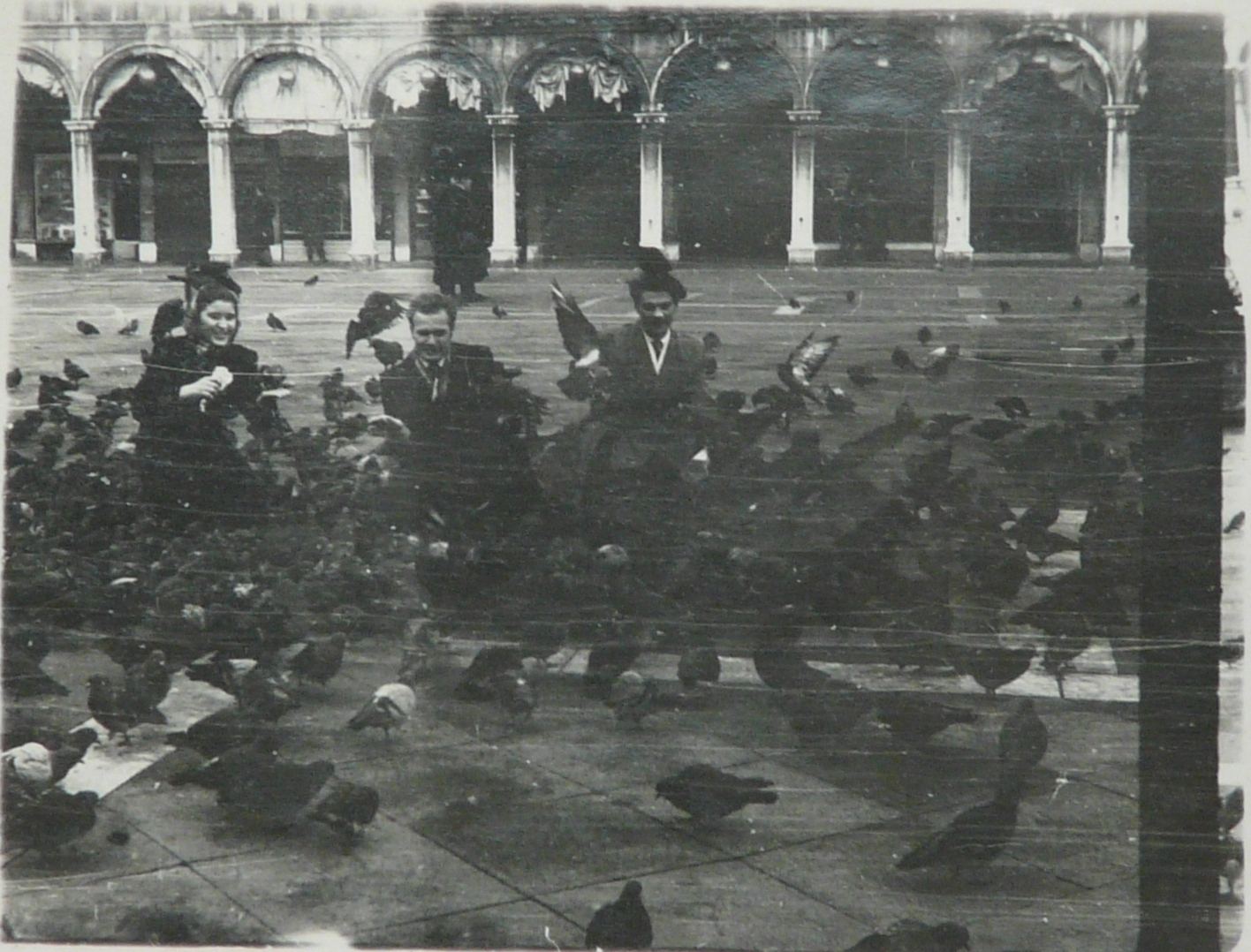
A general cargo ship of that period carried a large complement: deck crew, engine room staff, cooks, stewards, a radio officer, and in some trades a purser and a doctor. Forty or fifty people on a vessel that would now be run by a fraction of that number.
Automation removed most of it. Unmanned engine rooms, satellite navigation, automated cargo handling, self-tensioning winches and electronic communication each eliminated a role. A modern vessel many times larger operates with around twenty people, which is better in almost every respect and has made the ship a far lonelier place.
10. The Radio Officer Was the Only Link and He Was a Specialist
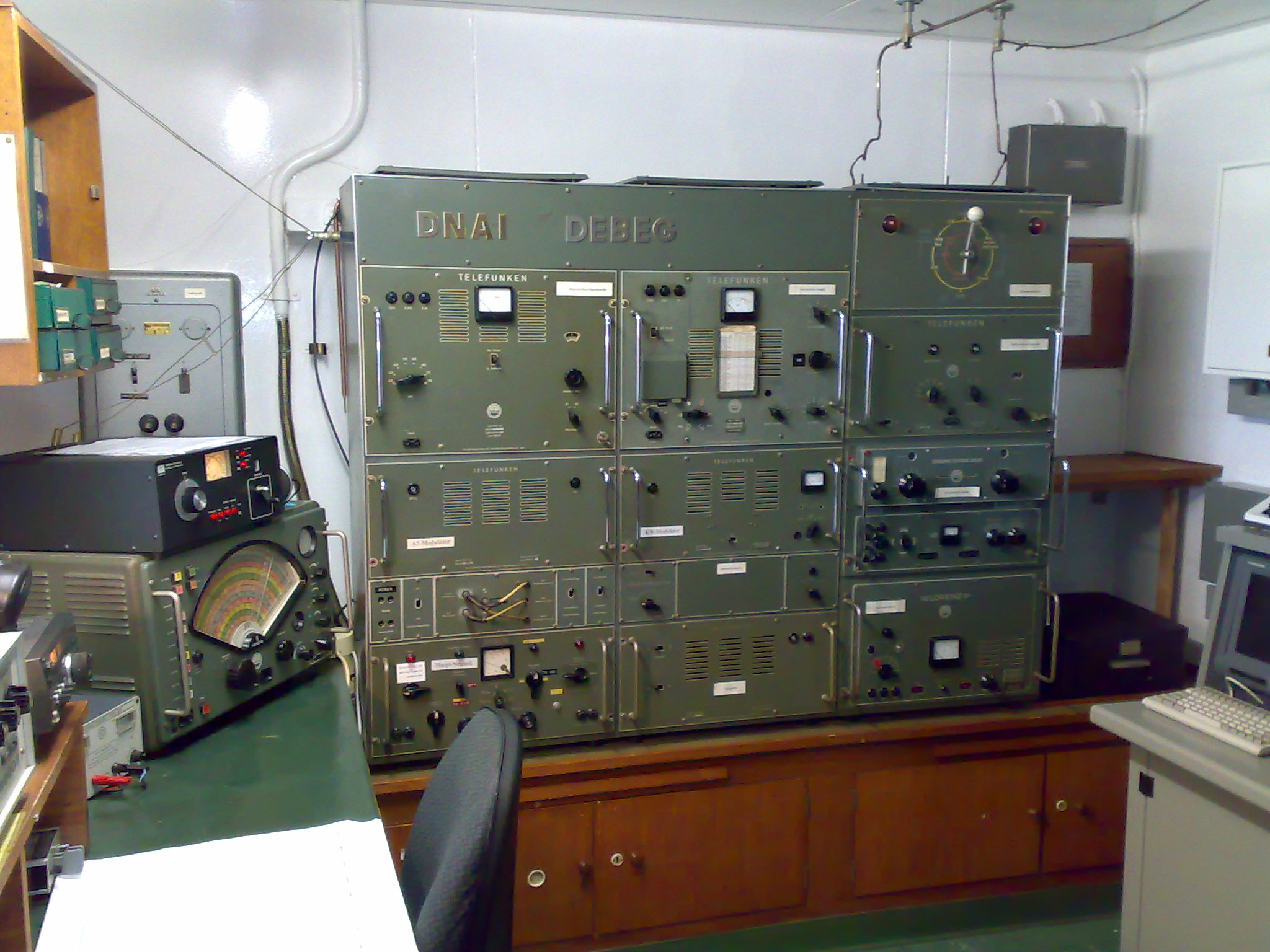
Every ship carried a radio officer qualified in morse, who kept watch on the distress frequency, handled the ship’s traffic, and was the sole means of communication with the shore. The distress call and the silence periods observed around it were an international system everybody kept.
Satellite distress and safety systems replaced morse watchkeeping, and the radio officer as a rank was abolished over the following decades, with the functions absorbed into the deck department. Maritime morse watch formally ended in the 1990s. It is one of the cleanest examples of an entire shipboard profession being removed by a change in the underlying technology.
11. Navigation Was Done With a Sextant and a Chronometer
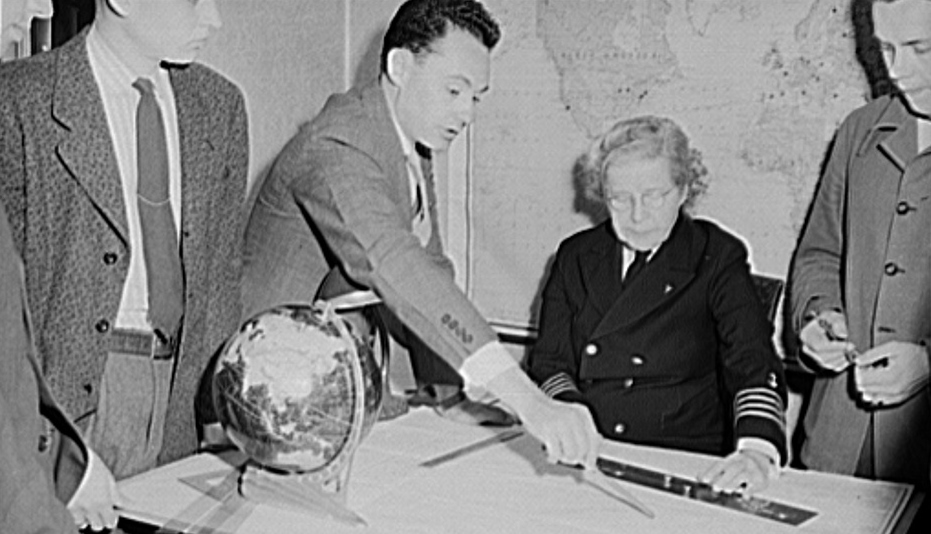
Position at sea was fixed by sights of the sun and stars worked up with tables, supplemented by dead reckoning between fixes and by radio direction finding where it was available. A navigator who could not take a sight could not do the job.
Satellite positioning made celestial navigation unnecessary and it was dropped from some training programmes, then partially reinstated in several, on the grounds that a crew with no independent means of fixing position is dependent on a system that can fail or be interfered with. The sextant is now a backup rather than the method, which is a reasonable place for it to end up.
12. Lifeboats Were Open Boats Lowered on Davits
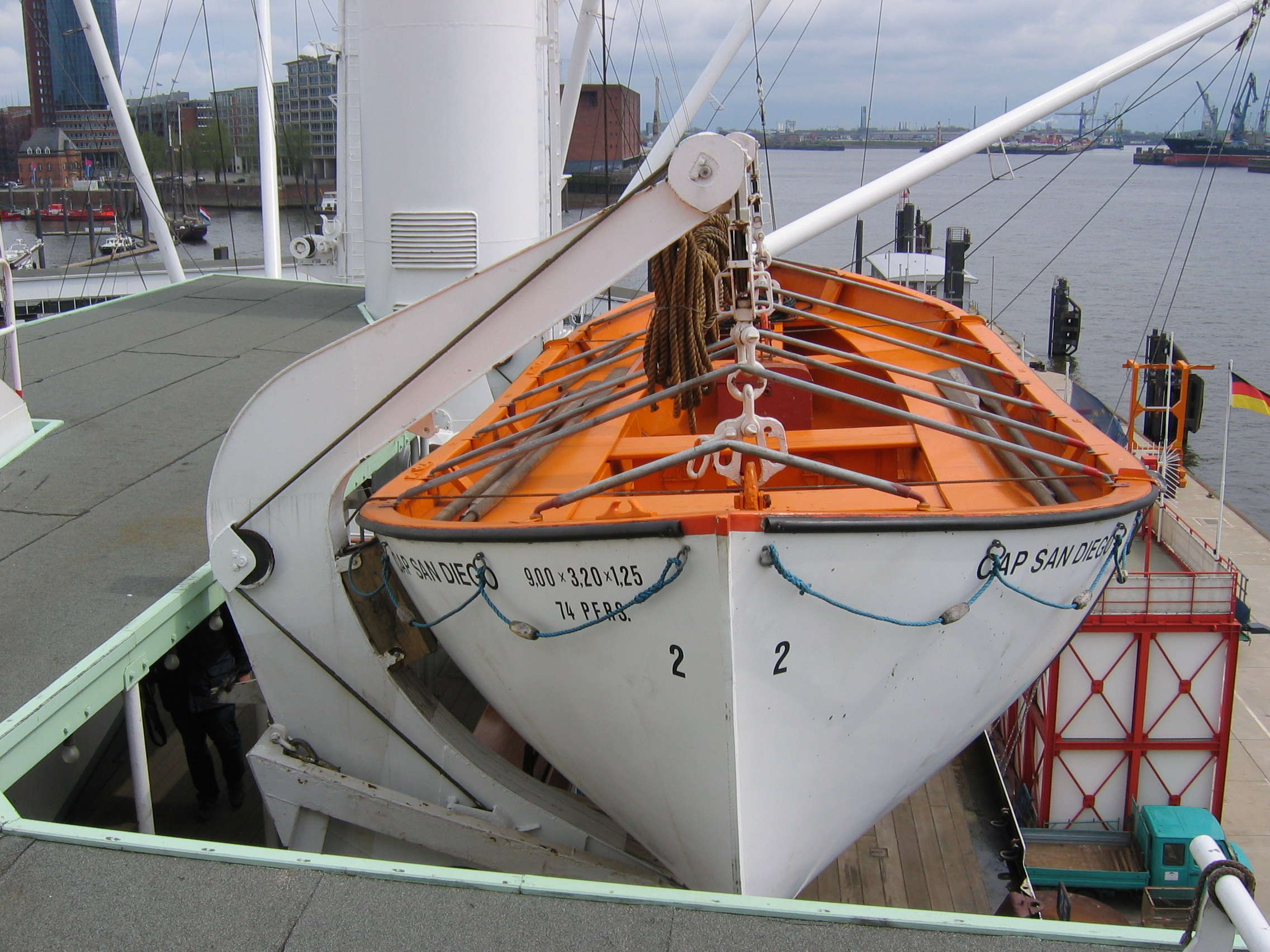
The survival craft were open or partly covered boats, swung out on davits and lowered by hand into whatever sea was running. Launching one from a listing ship in heavy weather was extremely difficult and frequently failed.
Enclosed, self-righting, fire-protected lifeboats with engines, and free-fall launch arrangements on some vessel types, replaced them. Immersion suits, liferafts with hydrostatic release and emergency position beacons were added. Drills are mandatory and recorded. The change is one of the largest in survivability at sea and came, as usual, out of specific disasters and the inquiries after them.
13. Food Depended Entirely on the Cook and the Length of the Passage
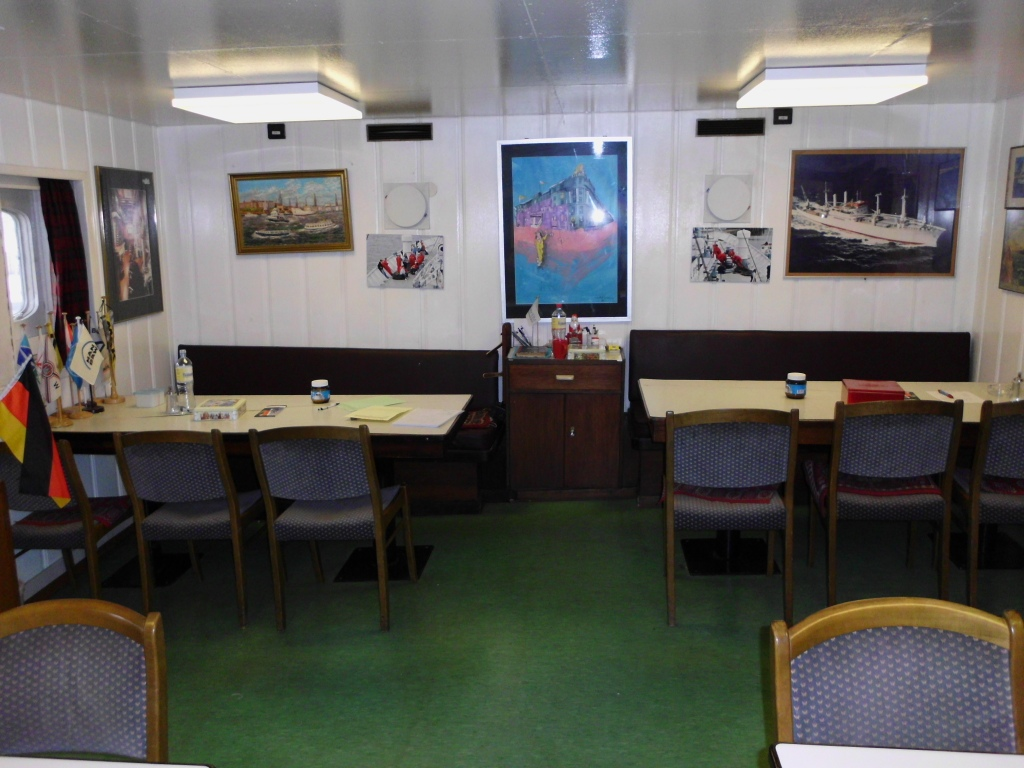
Fresh provisions lasted the first weeks and then the ship ate from stores. The cook’s competence determined morale for the rest of the voyage, and a bad cook on a long passage was a serious matter that could and did produce formal complaints.
Refrigeration, frozen provisions, shorter passages and resupply at more ports improved it enormously, and catering standards are now covered by the same international convention that governs hours and accommodation. The cook remains one of the most important people aboard for exactly the reason he always was, and every seafarer will tell you so.
14. Accommodation Was Shared, Cramped and Ranked
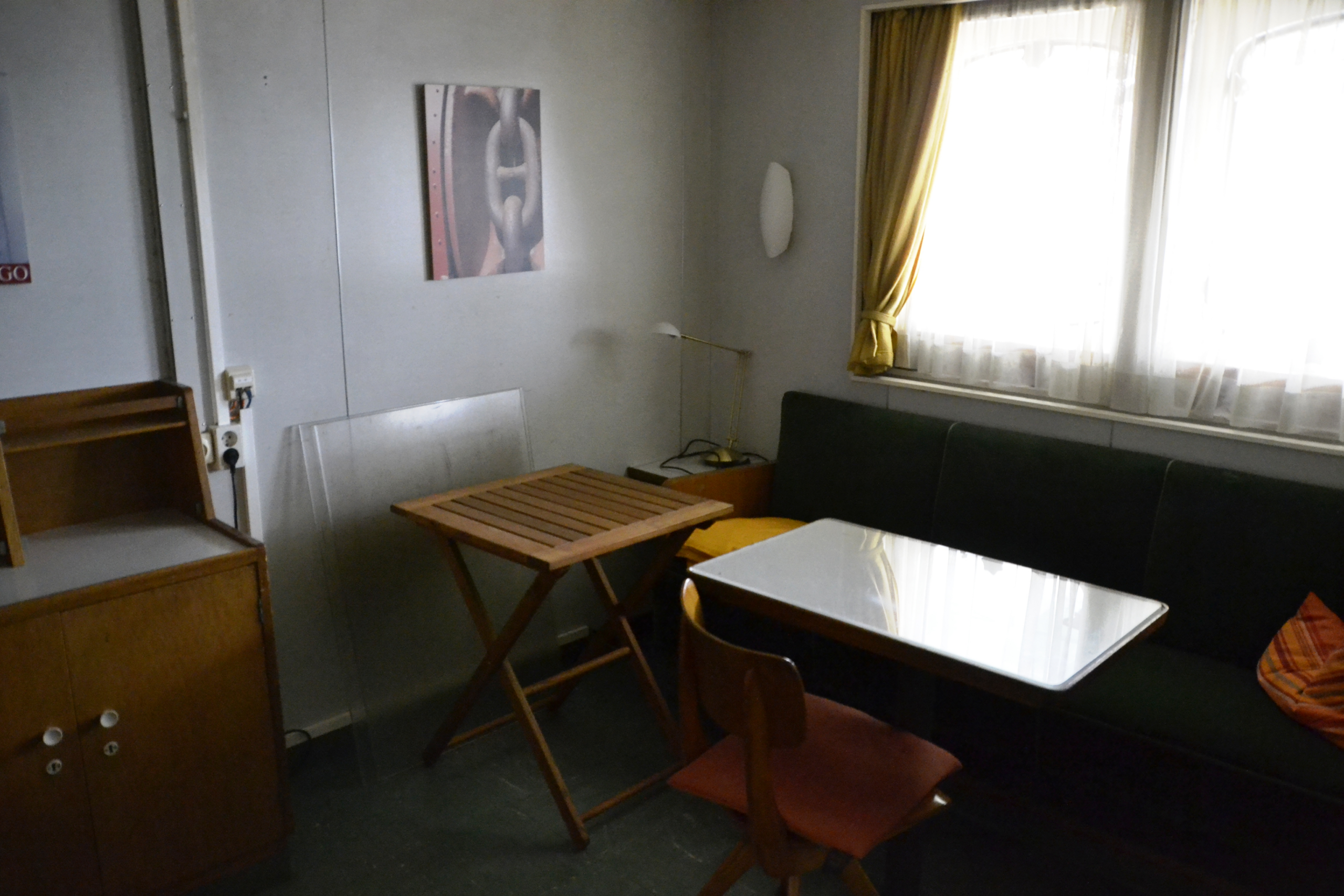
Ratings berthed several to a cabin in the forecastle or aft, officers amidships with better accommodation, and the physical layout of the ship expressed the hierarchy precisely. Sanitary facilities were shared and limited.
Single cabins for all ranks are now the norm on most vessels, with specified minimum sizes, ventilation, heating and sanitary provision set out in international standards and inspected. The separation of officers and ratings in messing and accommodation has softened considerably, though it has not disappeared and the hierarchy aboard remains real.
15. Discipline Was Governed by Law With the Master as the Authority
The master held legal authority over the crew, including powers of discipline, confinement and the logging of offences that affected a man’s pay and his record. There was no appeal at sea and the shore mechanisms were slow and rarely used by ratings.
The master still holds ultimate authority and always will, because a vessel at sea needs one. What has changed is the framework around it: defined grievance procedures, recorded complaints, flag and port state inspection, and a right to report conditions. The logging of a man for an offence that then followed him between ships has gone.
16. Nobody Thought a Box Would Replace All of It
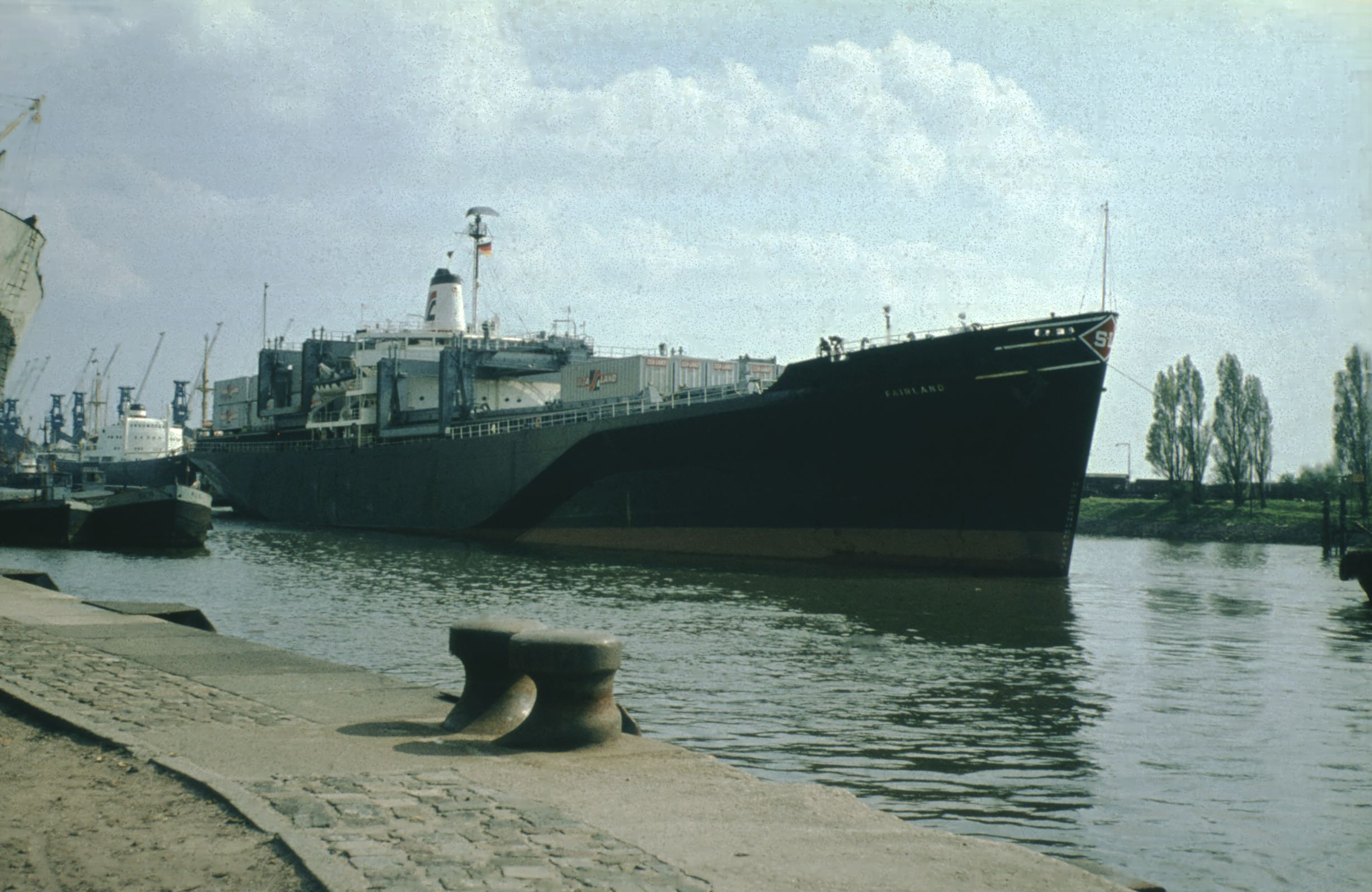
In 1965 containerisation was beginning and was regarded by much of the industry as a specialist development for particular trades. General cargo handled piece by piece was how the world moved goods.
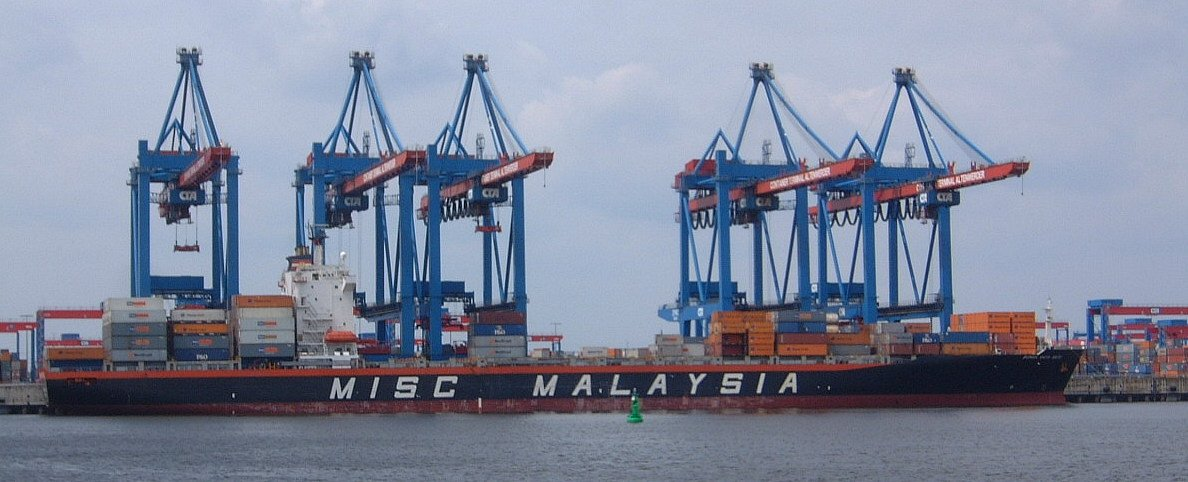
Within about twenty years the container had reshaped shipping, ports, cities, labour and global trade more thoroughly than almost any other postwar development. Dock labour collapsed, old ports were abandoned for deepwater container terminals, ship sizes grew enormously, crew numbers fell, and shore leave effectively ended. Everything on this list that disappeared, disappeared because of automation or because of the box, and mostly because of the box.
The Box Did Most of It
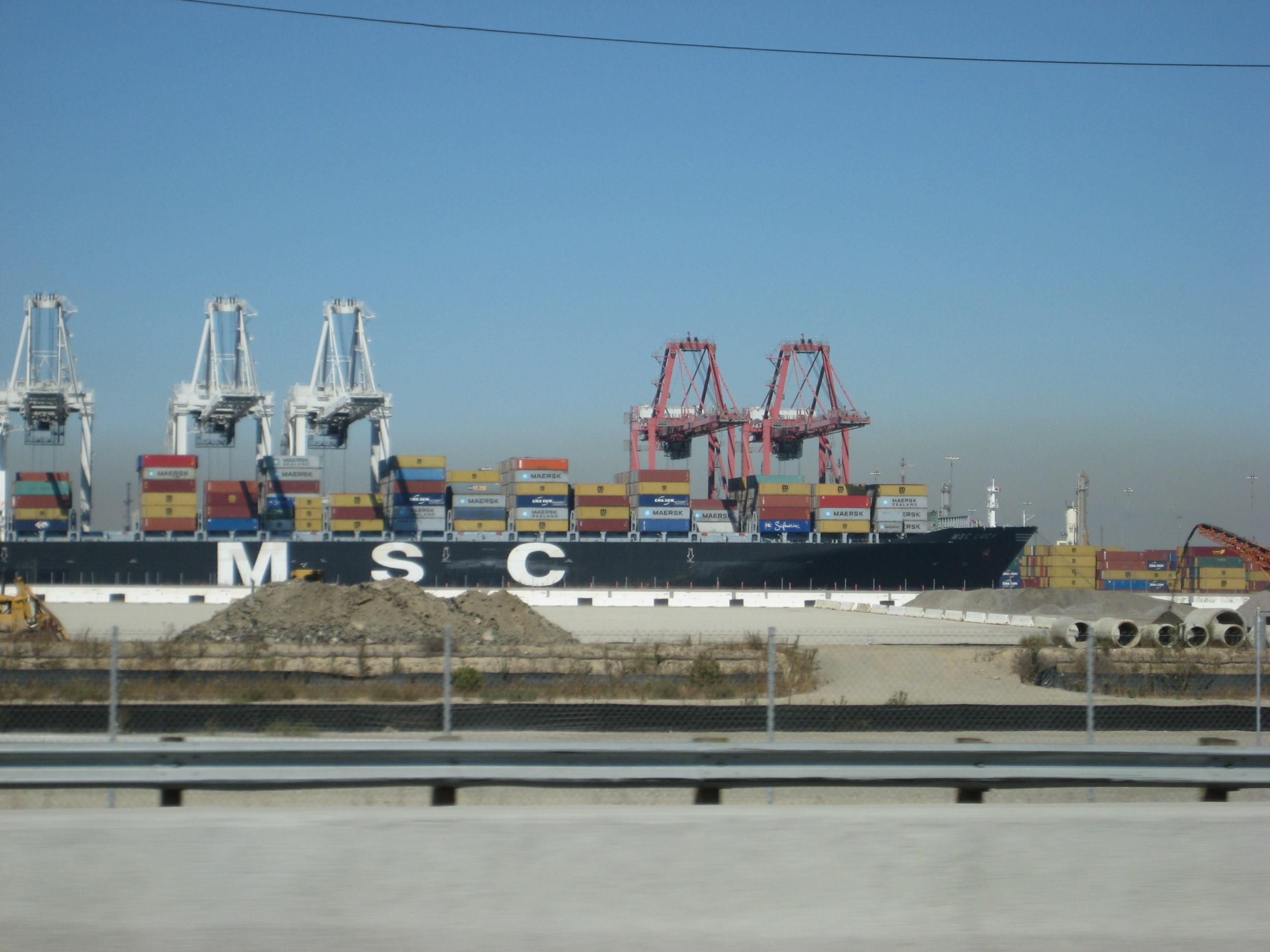
Reading this list it is tempting to credit regulation, and the international convention governing seafarers’ working and living conditions did a great deal – on hours, accommodation, repatriation, contracts and pay.
But the single largest agent of change was the shipping container, and it is worth being clear about how comprehensively it reshaped the job.
A general cargo ship in 1965 spent a substantial share of its life in port, because loading several thousand separate items by derrick and by hand takes days. That slow turnaround is what produced the shore leave, the knowledge of foreign cities, the large crew, and much of the culture of the merchant service.
A container terminal turns a far larger ship round in under a day, with cranes, at a facility built on reclaimed land away from the old docks. The crew does not go ashore because there is no time and frequently no permission. The large deck crew is unnecessary because nobody handles cargo. The ports that the trade was built around were abandoned.
So the thing that ended the romance of the merchant navy was not safety rules or bureaucracy. It was the discovery that putting everything in identical steel boxes was so much cheaper that nothing else about the industry could survive it.
If somebody in your family went to sea, the slop chest and the letters waiting at an agent’s office are the details that land.
Which company, which trade, and how long was the longest voyage?
Like our content? Follow us for more.

