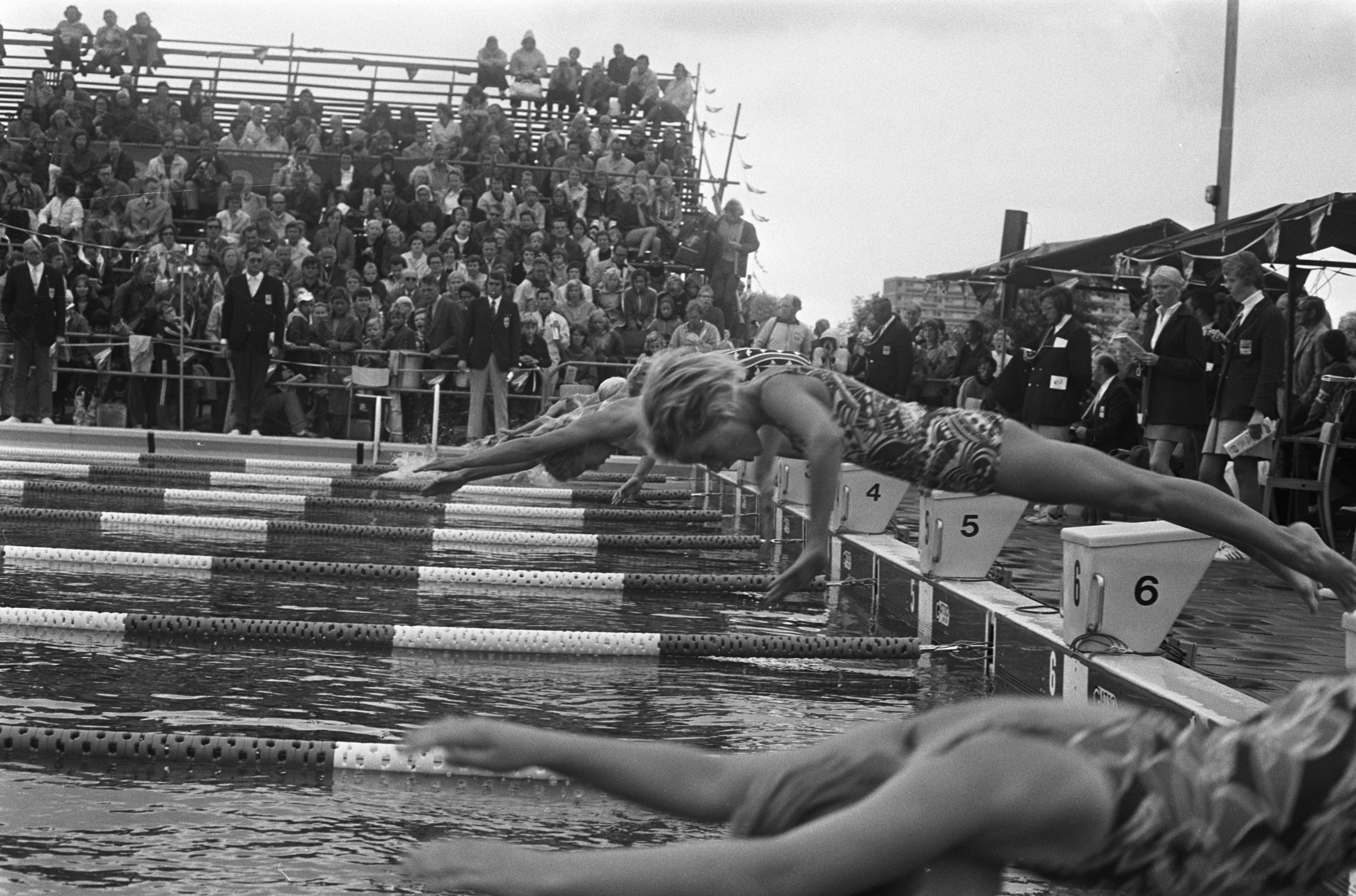
In 1975 summer league practice was in the water by six in the morning, twice a day, because those were the hours the pool was not open to the public.
The water was unheated and cold and you got in anyway. The coach was frequently nineteen. The times were taken by parents with stopwatches and averaged, because everybody knew one watch was not reliable. And the whole eight-week season was organised by a handful of parents typing heat sheets at a kitchen table.
Here are fourteen things every kid on a summer swim team did in 1975, and what became of each one.
1. Practice Started Before Six in the Morning
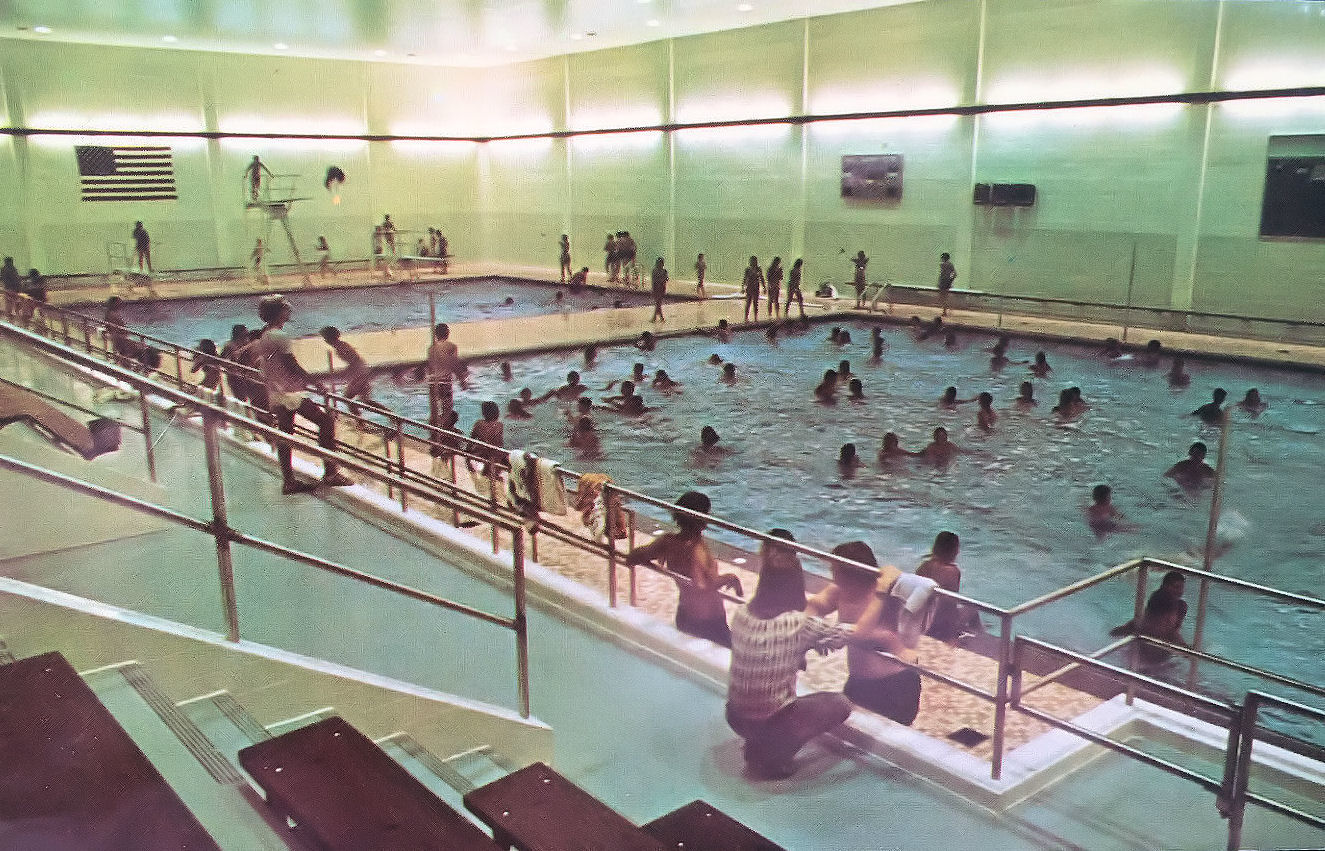
Summer league practice was held early – in the water by six or half past, twice a day in a lot of programmes, before the pool opened to the public and again in the evening after it closed.
Still early, with far more attention to adolescent sleep, training load and whether twice-daily sessions are appropriate for children. The timing was dictated by pool availability rather than by anything to do with coaching.
Parents drove, in the dark, in a car with the heater on, with a child who had been asleep twenty minutes earlier. That detail is the one everybody remembers and it was entirely routine – a whole family’s summer organised around a pool’s spare hours, for a season that lasted eight weeks.
Like our content? Follow us for more.
2. The Water Was Cold and You Got In Anyway
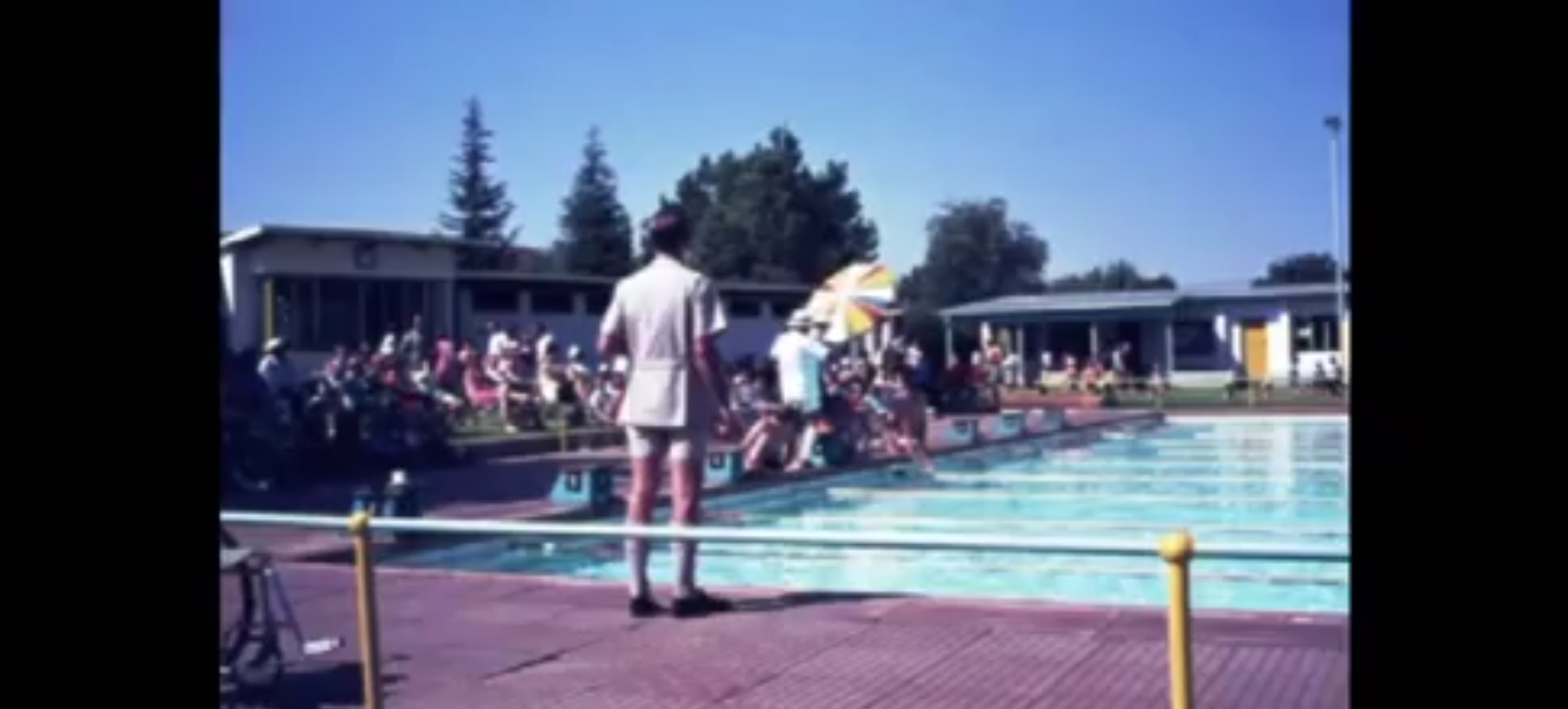
Unheated outdoor pools in early morning were genuinely cold, and the instruction was to get in – not gradually, and not after a discussion about it.
Heated pools, far more common indoor facilities, and coaching that does not treat discomfort as character-building. Getting into cold water quickly is physiologically unpleasant and the response was to do it fast and start moving.
The cultural assumption underneath is what changed rather than the water. Enduring something unpleasant without complaint was understood to be part of the point, for everybody from the coach to the parents, and a child who objected was told to get in – which nobody involved regarded as harsh because that was the standard everywhere.
3. The Coach Was Frequently Nineteen
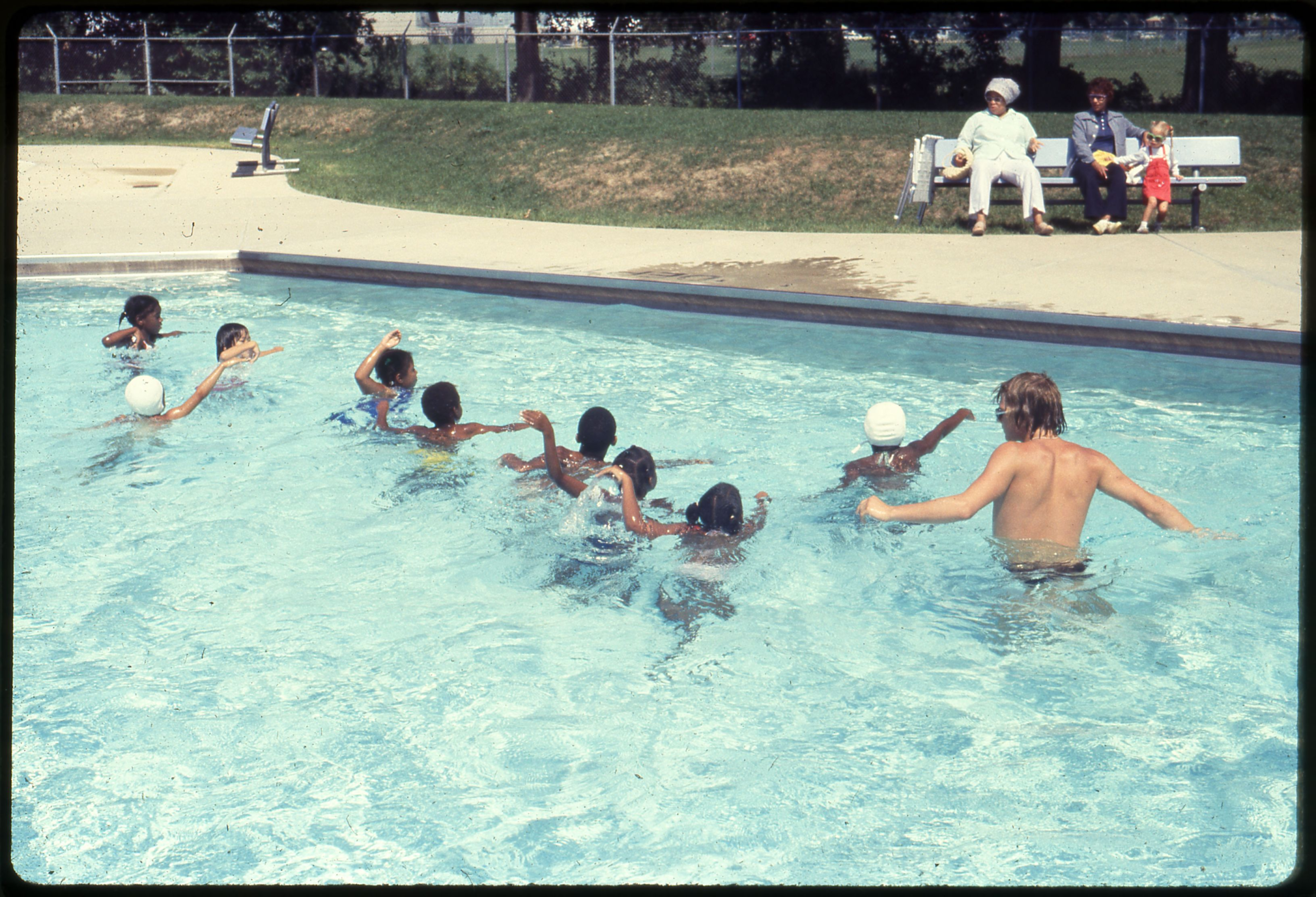
Coaching was done by college students home for the summer, former swimmers from the same club, and in some cases a parent – with little formal qualification and no required certification.
Coaching certification, safeguarding checks, training in child development and defined supervision structures. The nineteen-year-old coach had been a swimmer, knew the strokes, and was learning to coach by doing it on a hundred children.
A lot of them were extremely good at it, which is worth saying. A nineteen-year-old who remembers being ten is frequently better at motivating a ten-year-old than a qualified adult, and a great many people name a summer coach as the first person outside their family who took them seriously – while the arrangement also plainly depended on luck.
4. Times Were Taken by Parents With Stopwatches

Timing at meets was done by volunteers standing at the end of each lane with a handheld stopwatch, starting on the gun and stopping on the touch, with two or three timers per lane and the times averaged or the middle one taken.
Electronic touchpads, automatic starts and officially certified times. Hand timing is accurate to roughly a tenth of a second at best, depends on a volunteer’s reaction time, and produced disputes at every meet.
The averaging convention existed precisely because everybody knew it was unreliable. Three watches on one lane, discard the outlier, take the middle – which is a sensible protocol built around the known limitation, and it meant a child’s personal best was a consensus rather than a measurement.
5. The Meet Took All Day and Nobody Left

A summer league meet ran from early morning to late afternoon, through every age group and every event, with each child swimming perhaps three or four times across eight hours.
Shorter sessions, seeded heats, timed finals and far better scheduling. The format meant a vast amount of waiting – families camped out for the day with chairs, coolers and towels, for a total of about three minutes of actual swimming per child.
The waiting was the social event and that is why nobody minded. Eight hours in a field beside a pool with the same forty families, week after week, for a whole summer, produces friendships between the parents as reliably as between the children – and a lot of people’s recollection of summer league is mostly about the periphery rather than the races.
6. The Ribbons Were the Entire Economy

Placing in a heat earned a ribbon – printed with the place, the event and the meet, handed out in a stack at the end – and children accumulated them across a season and pinned them to a wall or a corkboard.
Still awarded, alongside electronic results and digital records. The ribbon was physical, immediate and cheap, which is the whole reason it worked: a child who came sixth in a heat still got something to take home.
The participation ribbon argument started here and has not moved on much. A sixth-place ribbon was either a reasonable acknowledgement that a child had got up at five and swum a race, or a dilution of the meaning of winning, and the people on each side of that have been saying the same things for fifty years.
7. The Relay Was the Only Event Anybody Shouted About
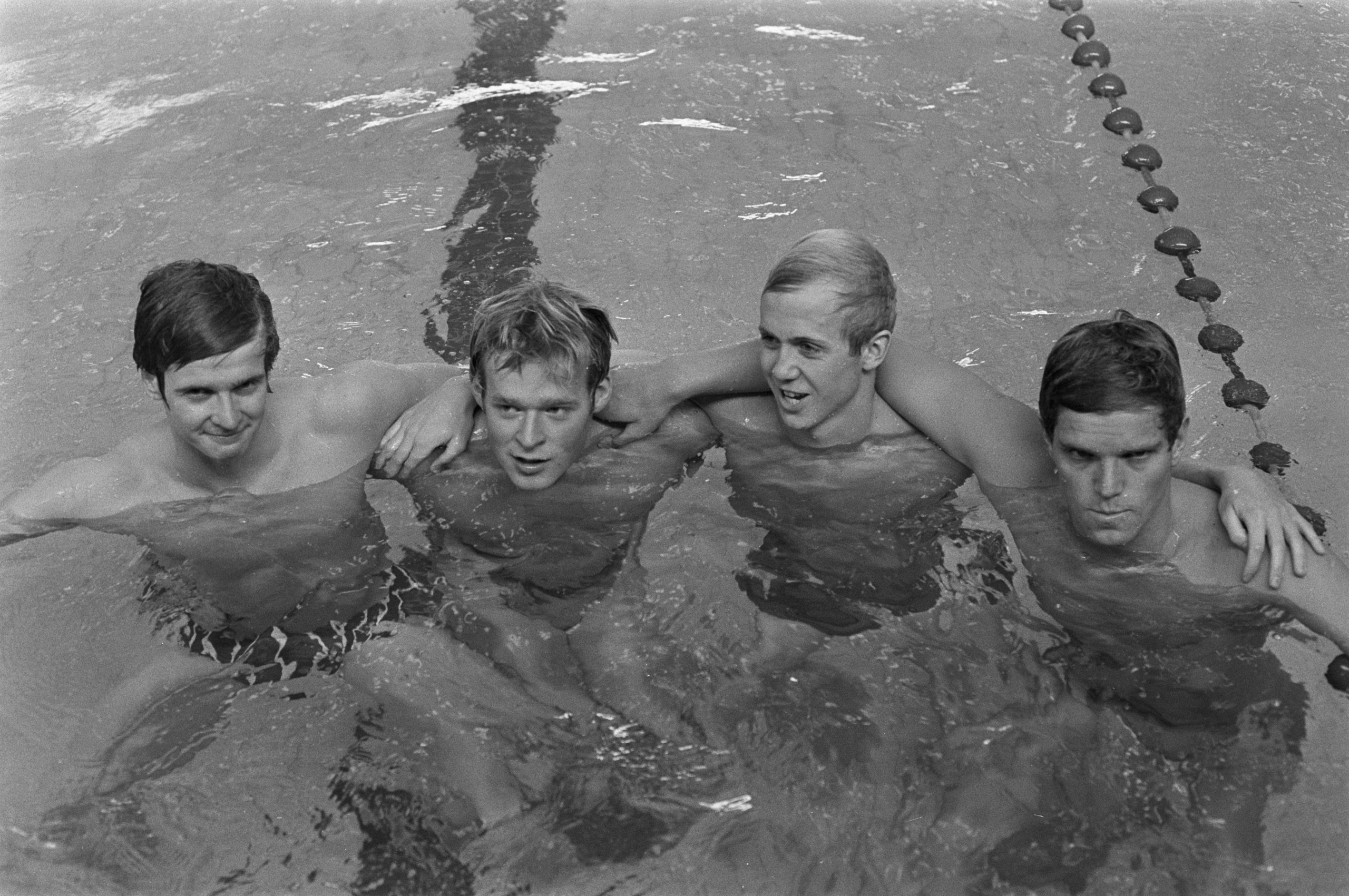
Individual events were watched politely. The relays – four swimmers, the exchange on the touch, the whole team’s result depending on the slowest leg – produced the only genuine noise of the day.
Unchanged, and still the event that fills the deck. The relay works because it converts an individual sport into a collective one for two minutes, which is also why the pressure on the final leg is disproportionate to anything else in the meet.
It also had a social function nobody designed. A relay requires four swimmers of mixed ability to be assembled, which meant the fastest child in the age group was dependent on the slowest – and that single structural fact did more for team cohesion than anything a coach said all summer.
8. The Team Suit Was Bought Once and Worn Until It Disintegrated
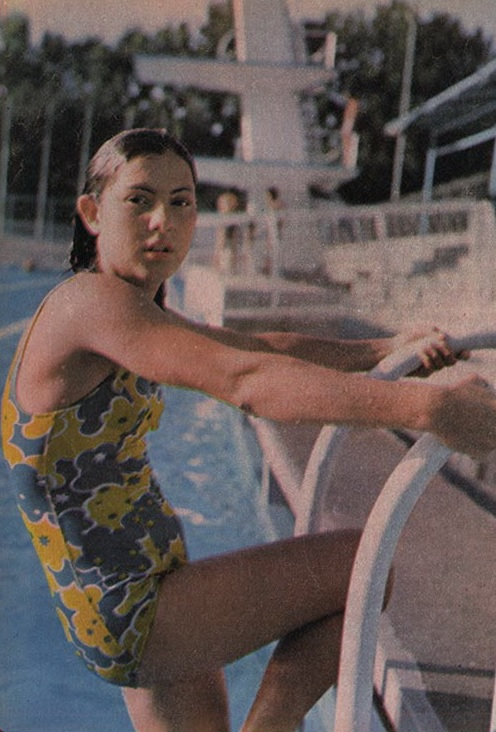
One suit in the team’s colours, bought at the start of the season, worn twice a day in chlorinated water for eight weeks, by the end of which it was faded, stretched, thin and transparent in places.
Chlorine-resistant fabrics that last substantially longer, and more suits per swimmer. Nylon and early elastomeric suits degraded rapidly in chlorine, and a season was roughly the service life of one suit.
Which produced the awkwardness nobody mentioned at the time. A swimsuit that has gone thin in the eighth week is being worn by a child in public, in front of a crowd, and families who could afford a second suit bought one in July while families who could not did not – a visible difference in a setting where there is nowhere to hide it.
9. Everything Smelled of Chlorine for the Whole Summer
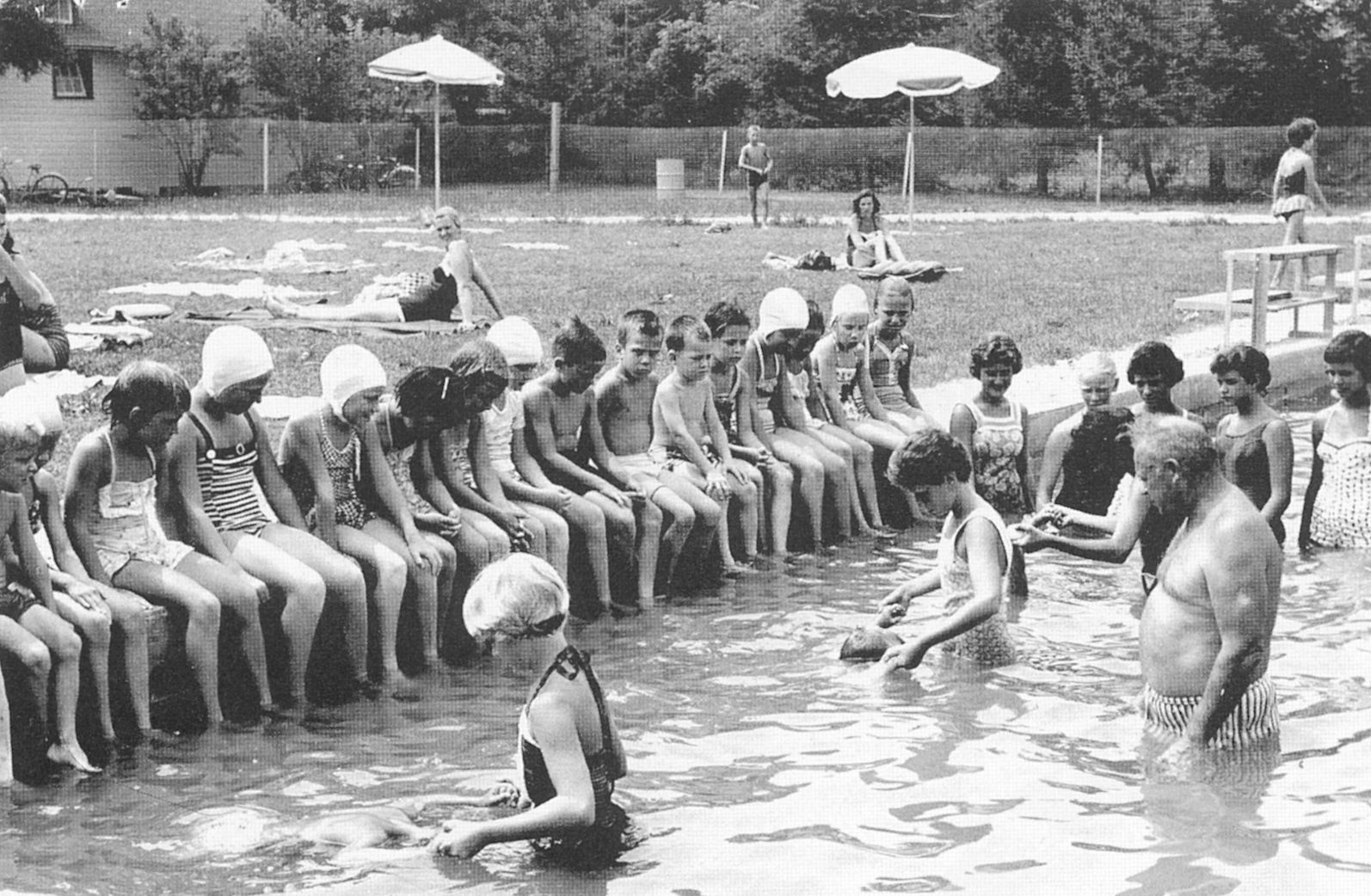
Hair, skin, towels, car interiors, the bag in the hall, the house – the smell was permanent from June to August and nobody in the family could smell it any more by week three.
Unchanged, and the single most reliably reported sensory memory of the whole experience. Chlorine compounds bind to hair and skin and are not fully removed by ordinary washing, so the smell accumulated.
The visible effects went with it. Hair lightened and went coarse, eyes were red through most of July, skin on the shoulders went through burning and peeling repeatedly, and ear infections were a routine seasonal event – all of which was accepted as simply what a summer swimmer looked like.
10. Sun Protection Was Essentially Not Happening
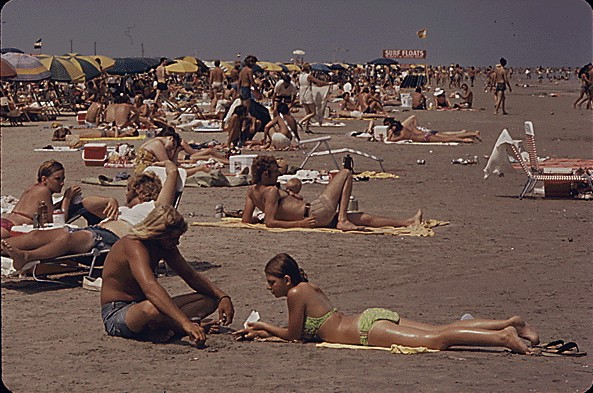
Children spent eight hours a day, five days a week, for two months, on a pool deck in full sun, with minimal shade, little sunscreen, no hats in the water and no particular concern about any of it.
Sun protection is now built into how these programmes are run – shade structures, scheduled application, protective clothing and a general understanding that cumulative childhood sun exposure matters.
This is the one item on this list with a straightforwardly serious consequence, and the information was not in general circulation. The connection between childhood sun exposure and later skin damage became widely understood after this generation had already had its summers, which is why the practice changed and why it is worth stating plainly rather than fondly.
11. The Concession Stand Funded the Whole Programme

A stand run by parents sold snacks, drinks, candy and hot food all day at every home meet, and the takings were a substantial part of the club’s income.
Still a central funding mechanism, now with food hygiene requirements and allergen information. The stand worked because it had a captive market of several hundred people with nowhere else to go for eight hours.
The nutritional comedy of it was noticed by nobody. A programme dedicated to children’s athletic development funded itself by selling those children sweets, fried food and sugary drinks for the duration of every event – and the parents running the stand were the same parents who had driven them there at five in the morning.
12. The Whole Thing Was Organised by Parents in Somebody’s Kitchen
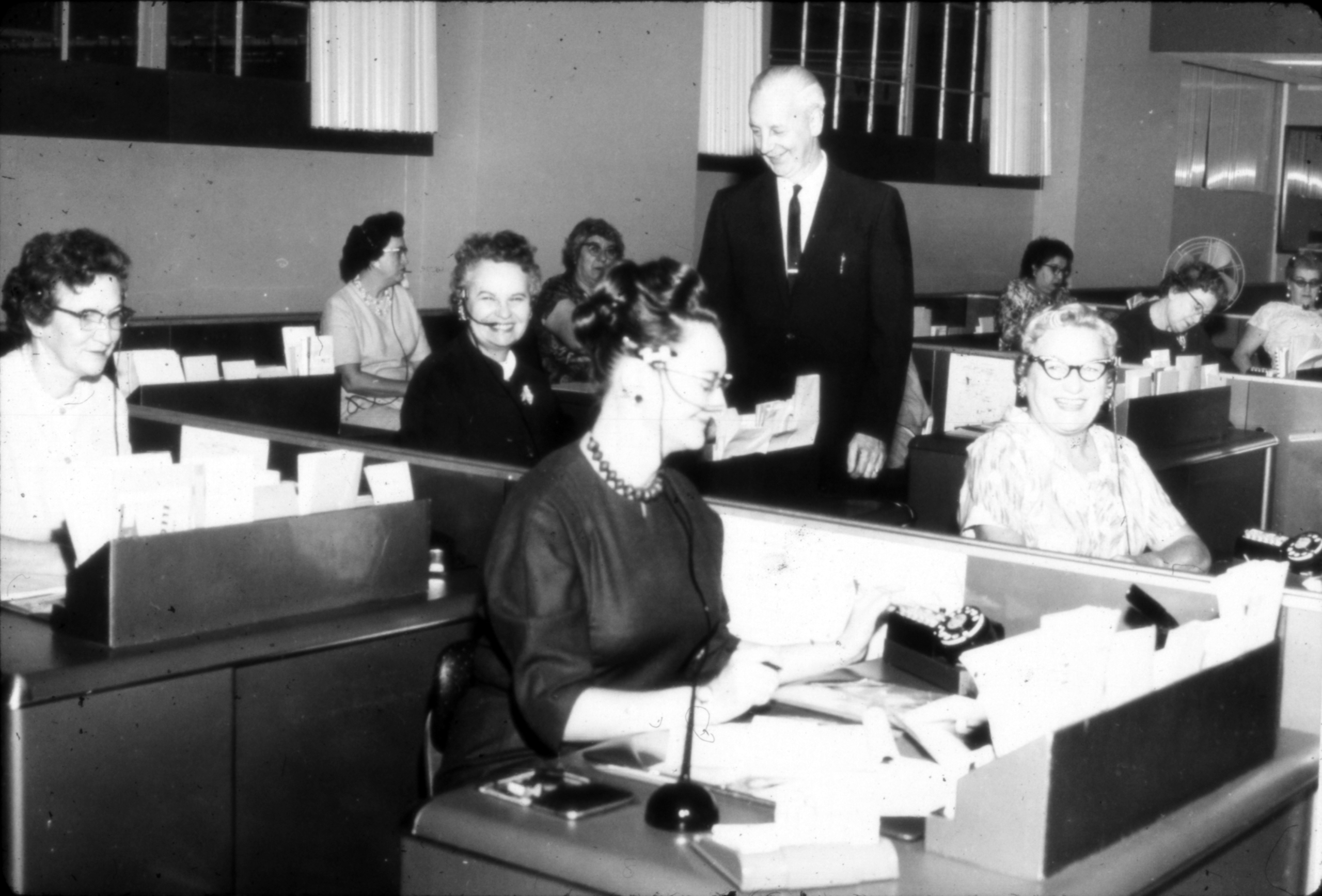
Entries, heat sheets, lane assignments, officials, timers, ribbons, the stand, the schedule and the league standings were all managed by volunteer parents, with paperwork done by hand and typed up at home.
Online entry systems, meet management software, electronic results and league databases. The administrative work was considerable and was done in evenings by a handful of people, with heat sheets typed, duplicated and stapled.
The duplicated heat sheet is the artefact. A stack of smudged purple-inked pages listing every swimmer, event and lane, handed out at the gate, was the entire information system for a day involving several hundred children – and it was produced by somebody’s mother at a kitchen table the night before.
13. The Season Was Eight Weeks and Then It Simply Stopped
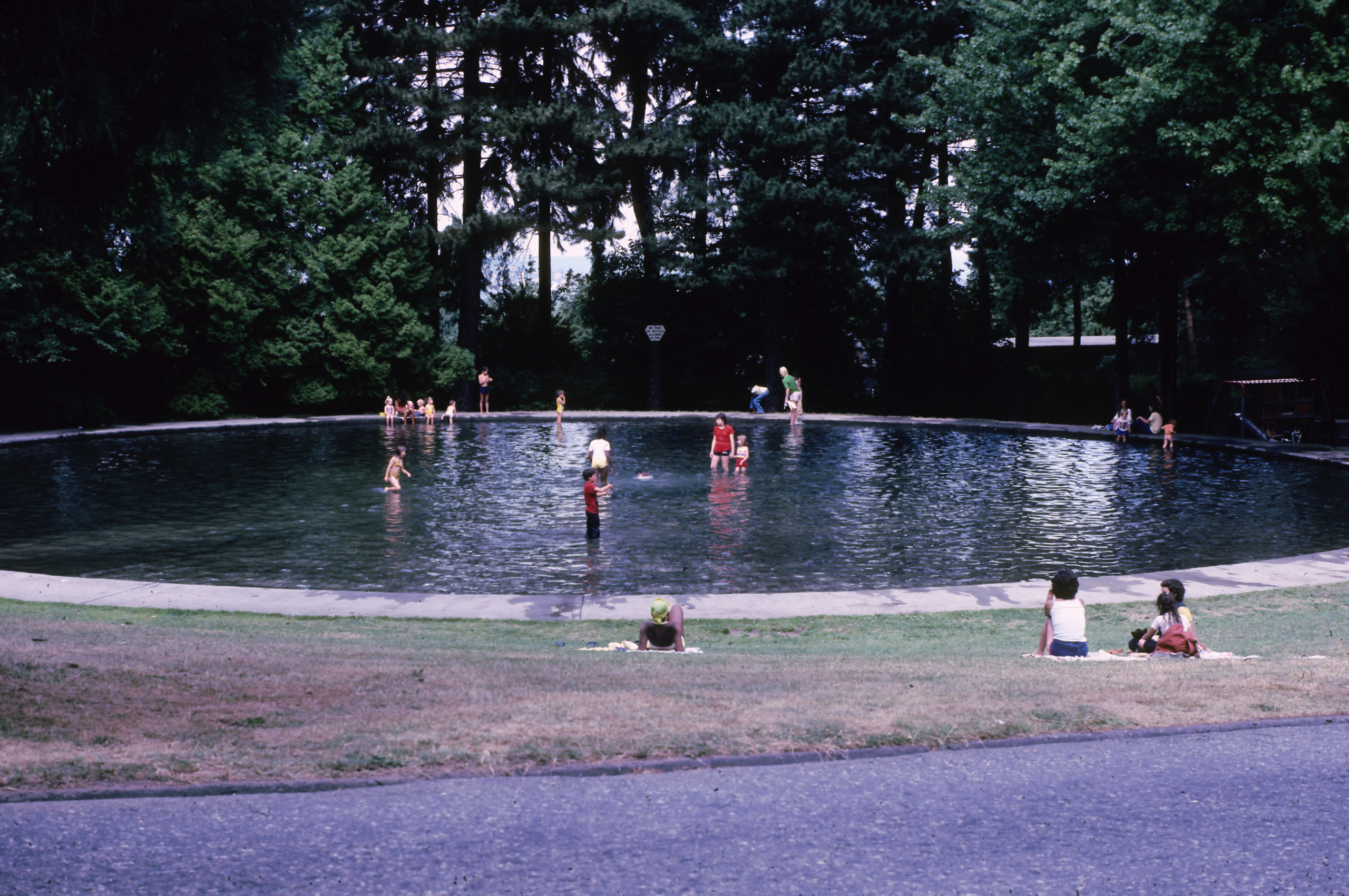
Summer league ran from the end of school to the middle of August, with a championship meet at the end, and then the pool closed and the whole thing ceased until the following June.
Year-round club swimming is now the norm for committed swimmers, with summer league as one part of a continuous programme. The abrupt stop was total: no training, no contact with the team, no pool.
The seasonality is what made it what it was. Eight intense weeks with the same group, then ten months apart, repeated through a childhood, produces a particular kind of friendship – people you knew extremely well for two months a year and barely saw otherwise, which is a relationship structure that year-round training has largely removed.
14. Then It Became a Year-Round Commitment and a Serious Expense
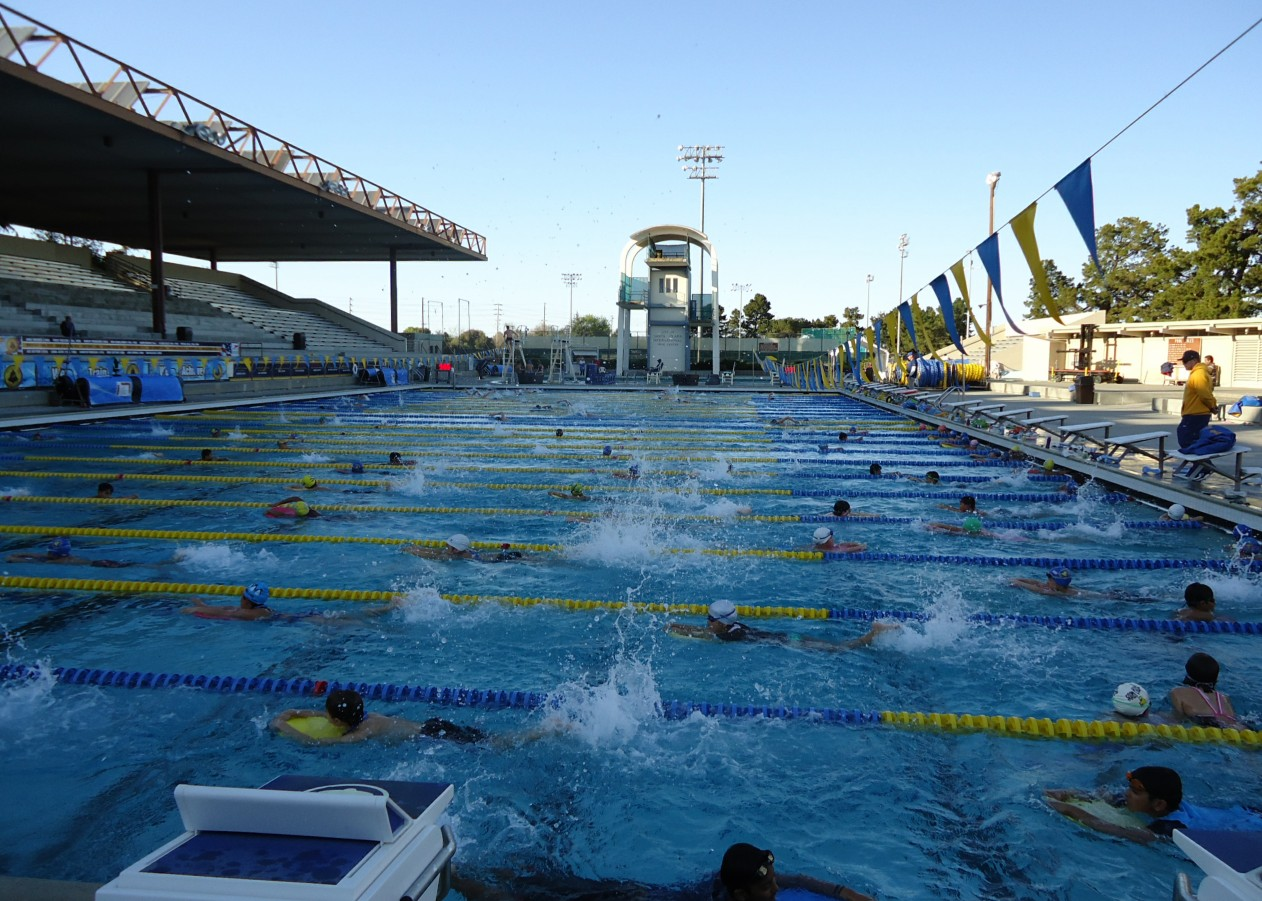
Summer league was cheap, local, short and run by volunteers, which is what made it close to universal in the neighbourhoods that had a pool.
Competitive swimming is now year-round, requires indoor facilities, paid certified coaching, travel to meets and substantial annual fees, which has made it considerably better organised and considerably less accessible. Recreational summer leagues continue in many places and are no longer the pathway into the sport.
That is the trade, and it is the same one visible across youth sport generally. The coaching is better, the safeguarding is real, the facilities are warm and the timing is measured electronically – and the eight-week, five-dollar, volunteer-run neighbourhood version that got an enormous number of ordinary children into a pool has become one option among several rather than the default.
It Was Cheap, Local and Short, and That Was the Whole Point
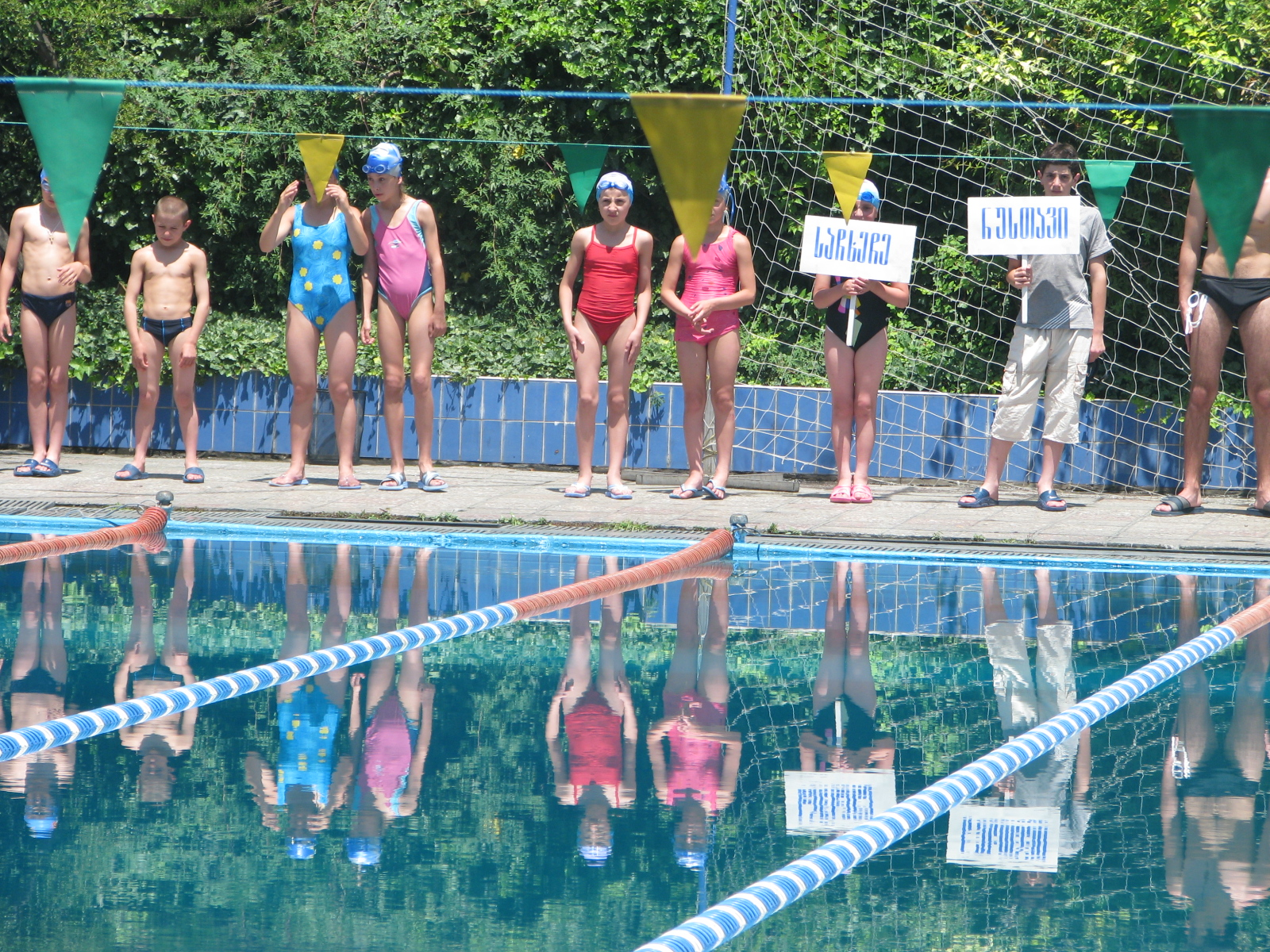
The thing that made summer league matter was not the swimming. It was the barrier to entry, and there essentially was not one.
It cost very little. It lasted eight weeks. It happened at the pool in your own neighbourhood. The coach was a college student home for the summer. The officials, the timers, the administration and the food were all supplied by parents. There was no travel beyond the next town, no indoor facility, no year-round commitment and no equipment beyond one suit, one cap and a pair of goggles.
Which meant that in any neighbourhood with a pool, almost every child who wanted to swim competitively could. Not the talented ones, not the ones whose families could fund it – essentially all of them.
Everything about the modern version is better. The coaching is qualified. The safeguarding is real rather than a matter of luck with a nineteen-year-old. The water is heated. The timing is electronic rather than three parents averaging stopwatches. Sun protection is built in, which matters more than anything else on this list. Training load for children is actually thought about.
And it is year-round, indoor, certified, travelled-to and expensive. A child who wants to compete seriously now needs a family that can fund annual fees, drive to meets in other states and commit twelve months a year.
So the sport got better and the gate got narrower. Recreational summer leagues still exist in a lot of places, and they are no longer the route in – they are a parallel activity, while the pathway runs through the year-round clubs.
That is not a scandal and nobody engineered it. It is what happens when an activity professionalises: standards rise, costs follow, and the version that was run by volunteers for eight weeks in a neighbourhood pool stops being where talent gets found.
What was lost is not the five-thirty alarm, which nobody misses. It is that a child from a family with no money and no particular interest in sport could end up on a team, because the team was two streets away, cost almost nothing and finished in August.
If you did this, you can still smell the chlorine, and your hair went a different colour every July.
And your personal best was three parents with stopwatches agreeing with each other.
Like our content? Follow us for more.