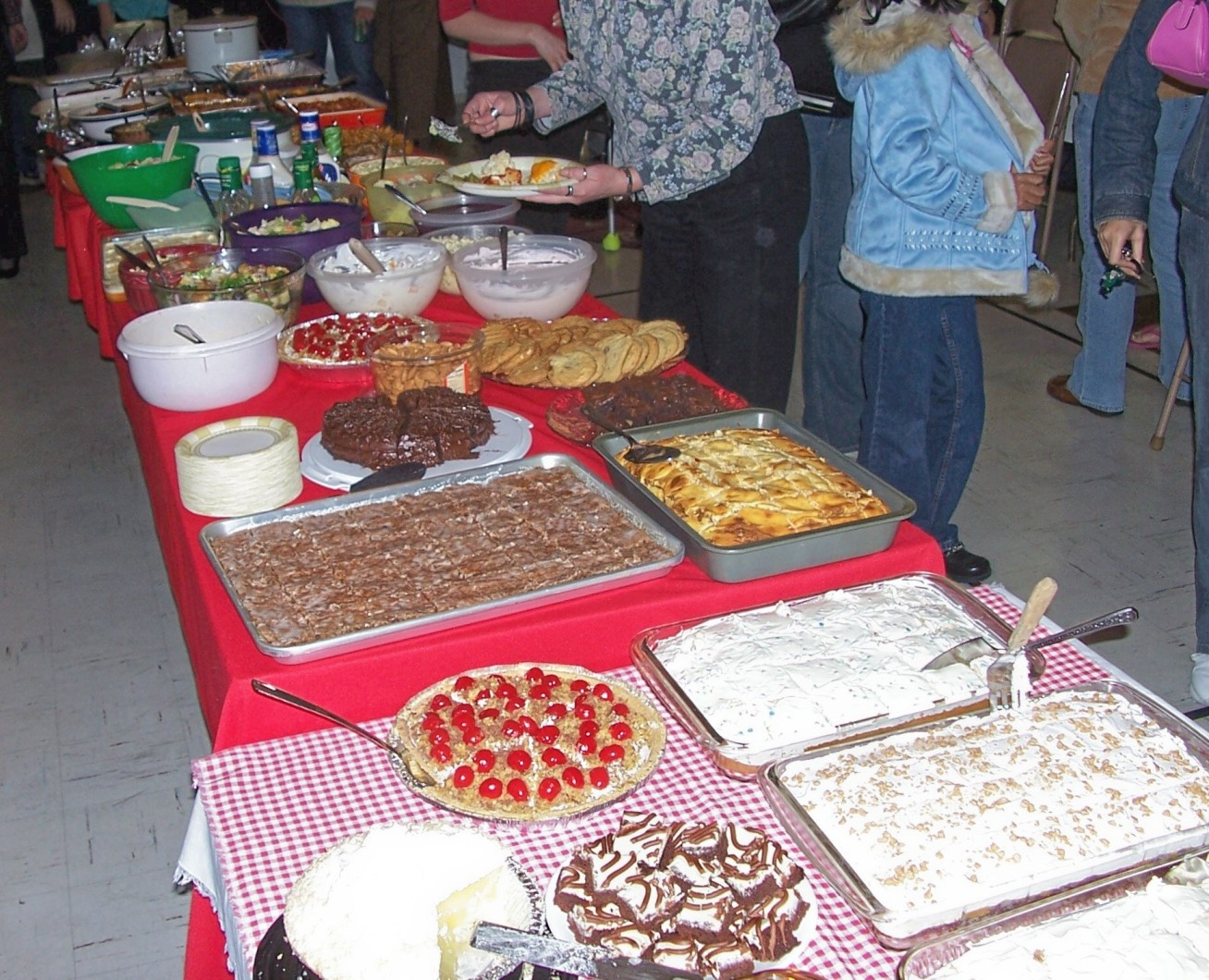
In 1972 a church social meant forty families each arriving with one covered dish, set down on a trestle table among all the others, with no list of ingredients and nobody asking for one.
The food stood at room temperature for two hours. What you brought was decided by what you were known for, and once you were known for it nobody else brought it. The hall was set up and taken down by the same six people, who were almost all women. And the dishes were washed by hand afterwards by whoever stayed.
Here are fifteen things every family brought to a church potluck in 1972, and what became of each one.
1. The Dish Arrived Covered and Nobody Asked What Was In It
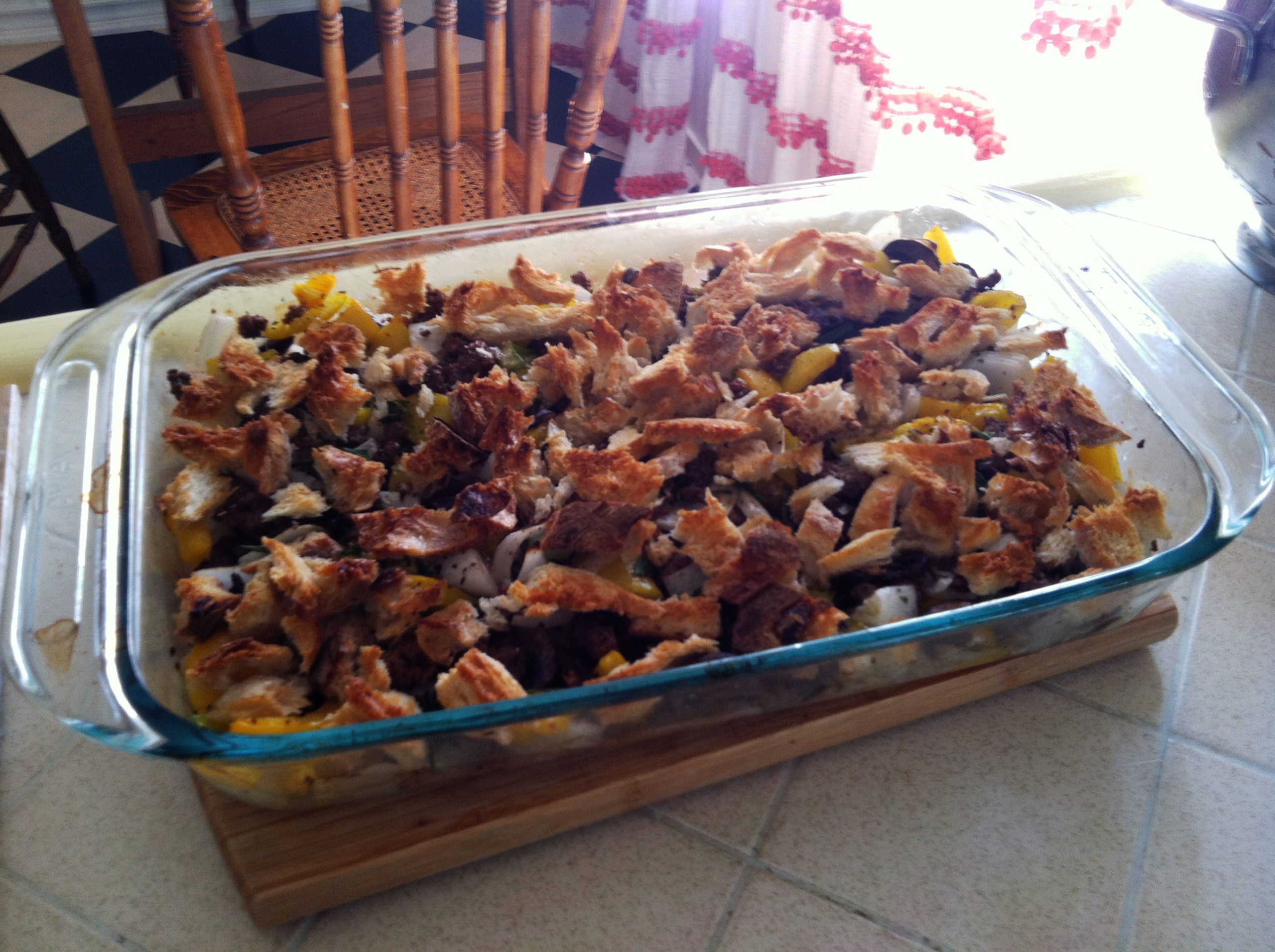
Every family brought one dish, covered with a tea towel or foil, carried on a lap in a car, and set down on a long table among forty others. There was no list of ingredients and nobody requested one.
Allergen labelling, ingredient cards and in many congregations a requirement that contributed food be declared or that catering be centralised. The covered dish was an act of trust conducted at scale, every week or every month, by people who mostly knew each other.
That trust is the thing that has become impossible rather than merely unfashionable. A person with a severe allergy at a 1972 potluck was relying on recognising a dish by sight and on asking whoever had made it, if they could find them in the hall – and the modern requirements exist because that arrangement is not a system, it is a hope.
Like our content? Follow us for more.
2. The Food Stood Out at Room Temperature for Two Hours
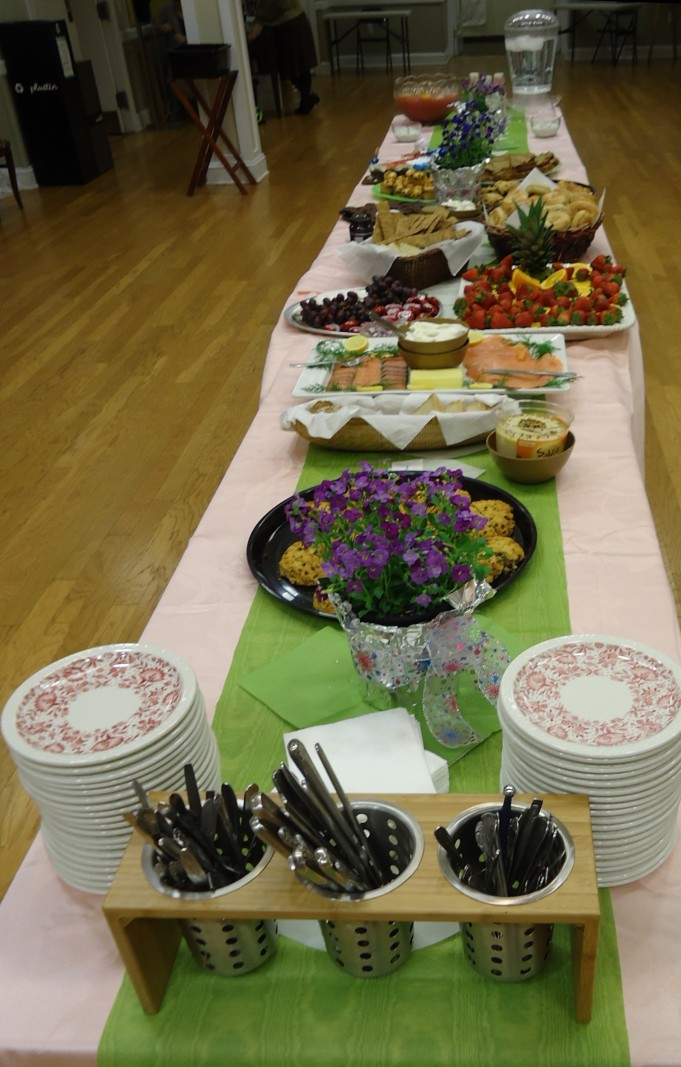
Dishes were put on the table when people arrived and were still being eaten from well after the meal started, with no refrigeration, no heated service and nothing but the hall’s ambient temperature.
Chilled and heated service, temperature monitoring and time limits on food standing out. The food safety position on this is unambiguous and has been for decades: the window in which prepared food can stand unrefrigerated is considerably shorter than a church social lasted.
Nobody was being careless, because nobody had been told. Domestic food hygiene knowledge in 1972 was substantially what your mother had taught you, the information that is now standard was not in general circulation, and a hall full of people eating a two-hour-old casserole was simply what happened. The improvement here is pure gain and nothing was lost with it.
3. What You Brought Was Decided by What You Were Known For
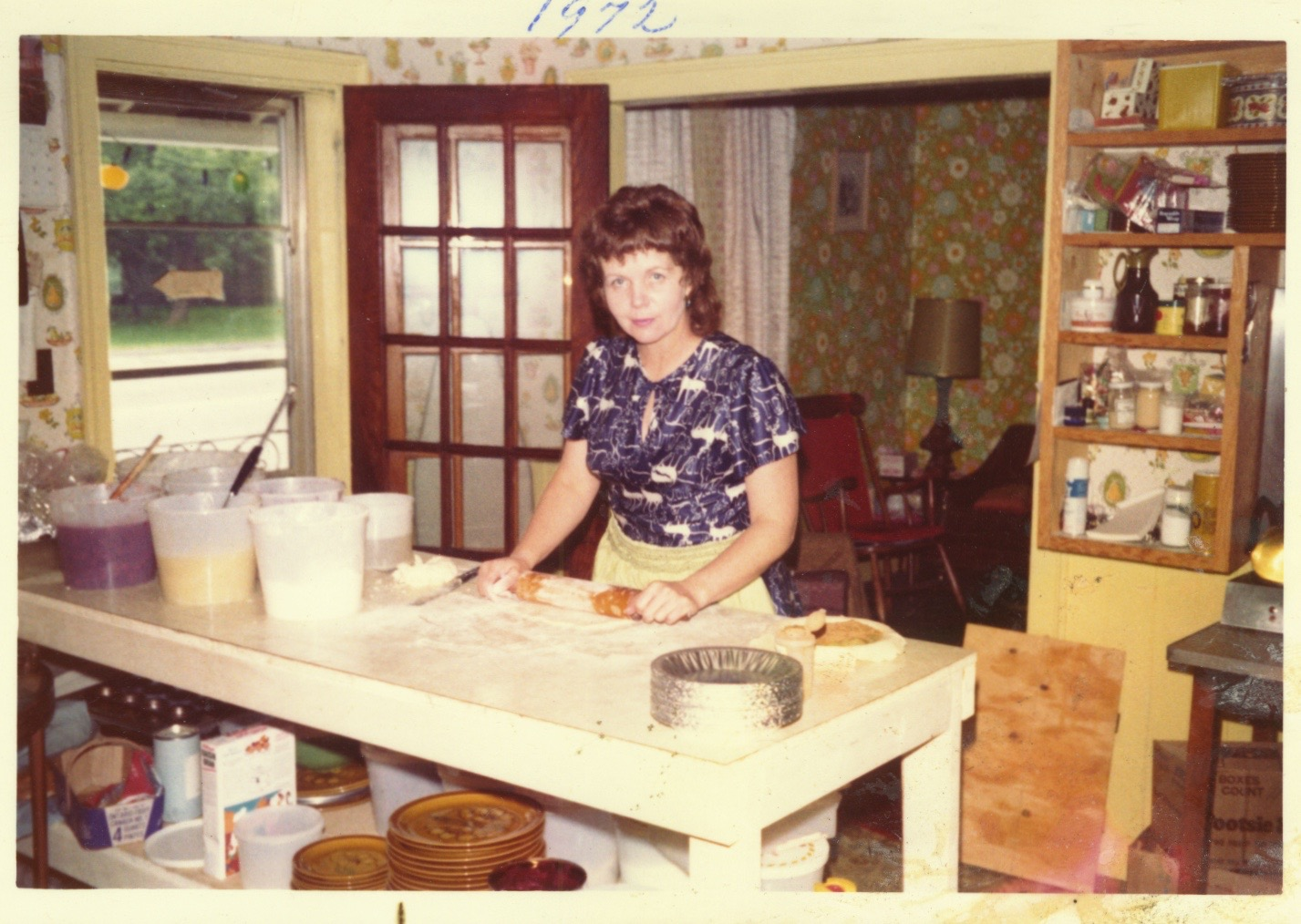
Over years, each household acquired a dish. One family brought the beans, another the slaw, another a particular cake, and they brought it every time, for decades, without being asked.
Sign-up sheets, assigned categories and organising apps that balance the table. The old system had no coordinator and worked anyway, because reputation did the allocation: you brought the thing you were good at, and once you were known for it nobody else brought it.
The informality had a cost that everybody could see. A new family had no established dish and had to work out what was missing without stepping on anybody’s territory, and a household who could not cook well, or could not afford much, brought something modest that sat on the same table as everything else. The table was a public document about every family in the room.
4. The Table Had a Strict Order and It Was Never Written Down
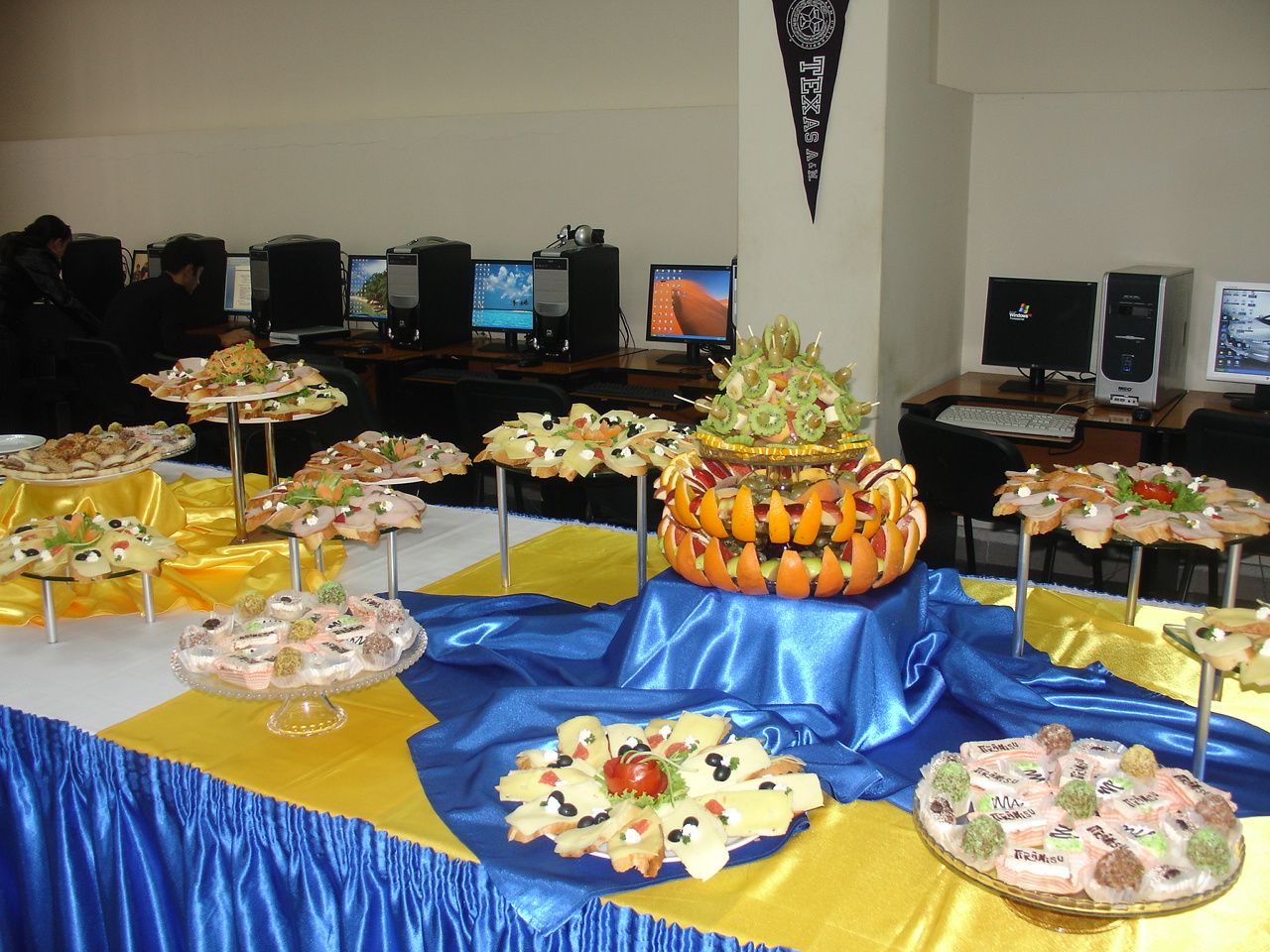
Dishes were arranged in sequence – salads, then the hot dishes, then breads, then desserts separately – and the order was established by whoever set up and reproduced every time without discussion.
Buffet layouts planned deliberately, frequently with servers. The sequence existed for a practical reason: a plate loaded in the wrong order cannot carry everything, and dessert placed next to the hot dishes gets taken first by children.
The enforcement was entirely social. A person who put a cake down among the casseroles would have it moved within a minute by somebody who did not say anything about it, and the hierarchy of who had the standing to move a dish was understood by everybody and acknowledged by no one.
5. Children Ate Last and Were Expected To
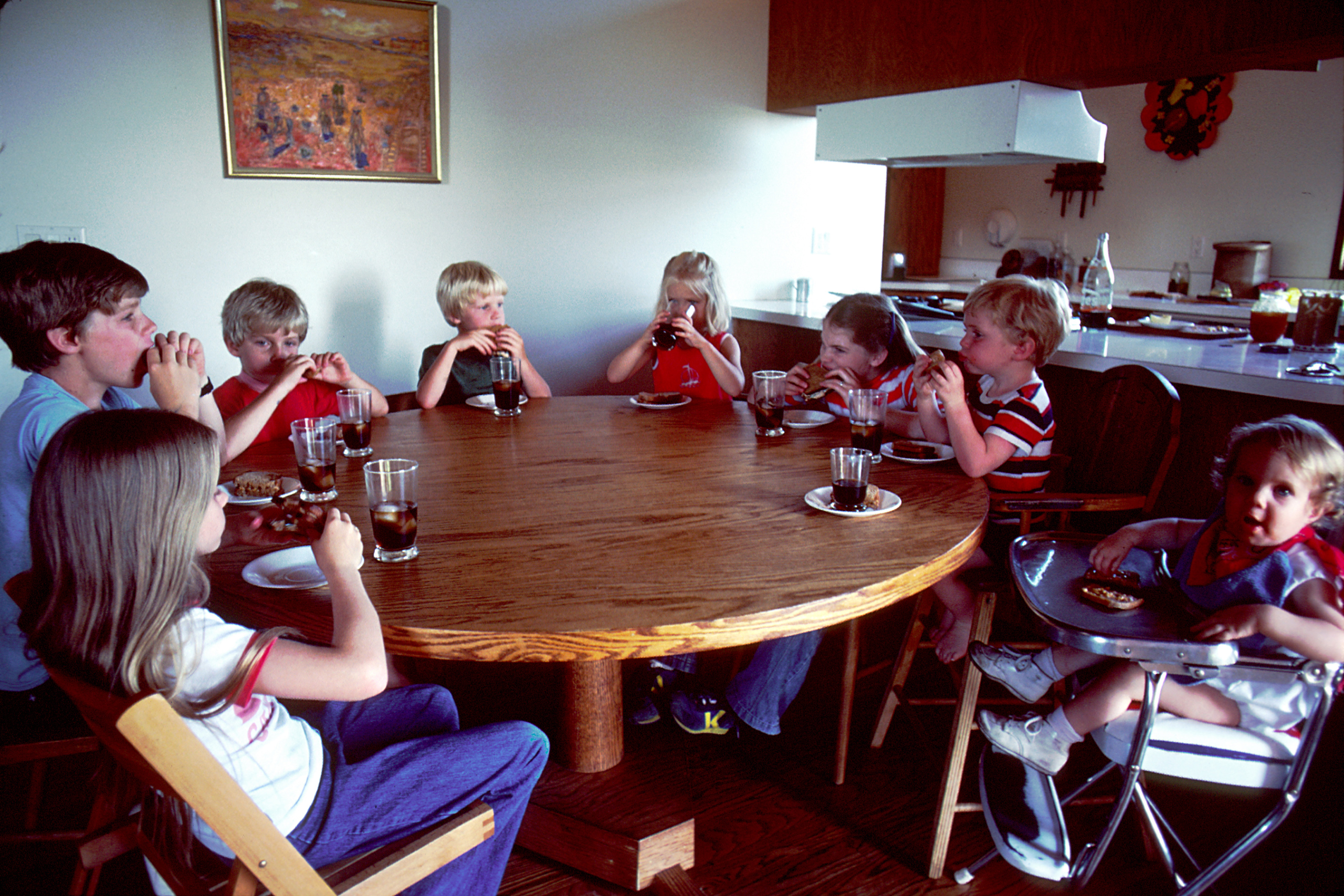
The serving order ran adults first in most congregations, or ran by table in sequence, and children either waited or were fed at a separate table at the side of the hall.
Children generally served first or alongside, with dedicated provision. Making children wait was not a punishment but an ordinary expression of precedence, and it was universal enough that children did not regard it as remarkable.
The separate children’s table is remembered with real affection, which is the part adults did not anticipate. Being seated away from the adults with your cousins and the other families’ children, unsupervised for an hour, is considerably better than being made to sit politely among grown-ups – and the people who sat there describe it as the best part of the evening.
6. The Hall Was Set Up and Taken Down by the Same Six People
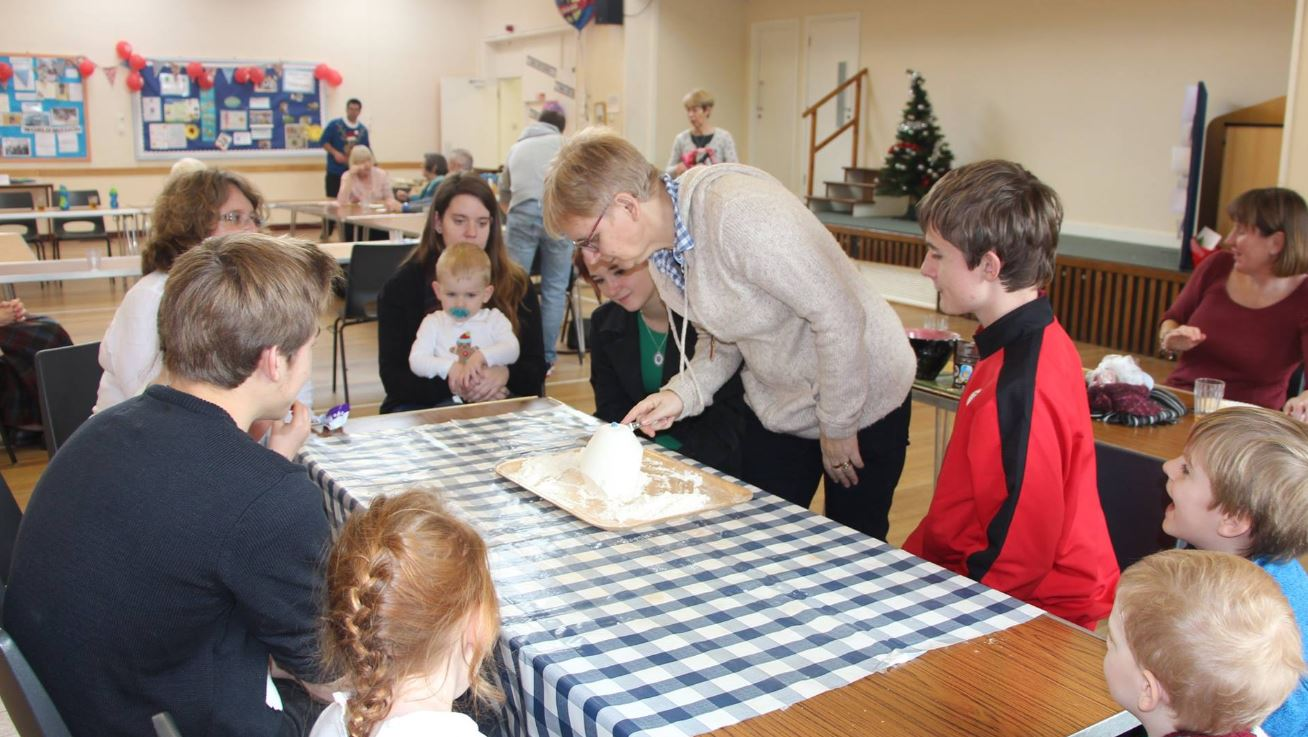
Trestle tables carried from a store cupboard, legs unfolded, cloths laid, chairs set out, urns filled and plugged in – done beforehand by a small group of volunteers, and reversed afterwards by the same group.
Hired venues, caterers, or a far larger rota. The names were always the same, they were overwhelmingly women, and the work was substantial and completely invisible to everybody who simply arrived at six o’clock.
That concentration is why these events ended. An institution staffed by six people doing unpaid physical work is fragile by construction, and when two of them became ill or moved away there was no mechanism to replace them. A great many church socials stopped not because anybody decided to stop but because the people who set up the tables got old.
7. The Urn Was the Only Appliance and It Ruled Everything
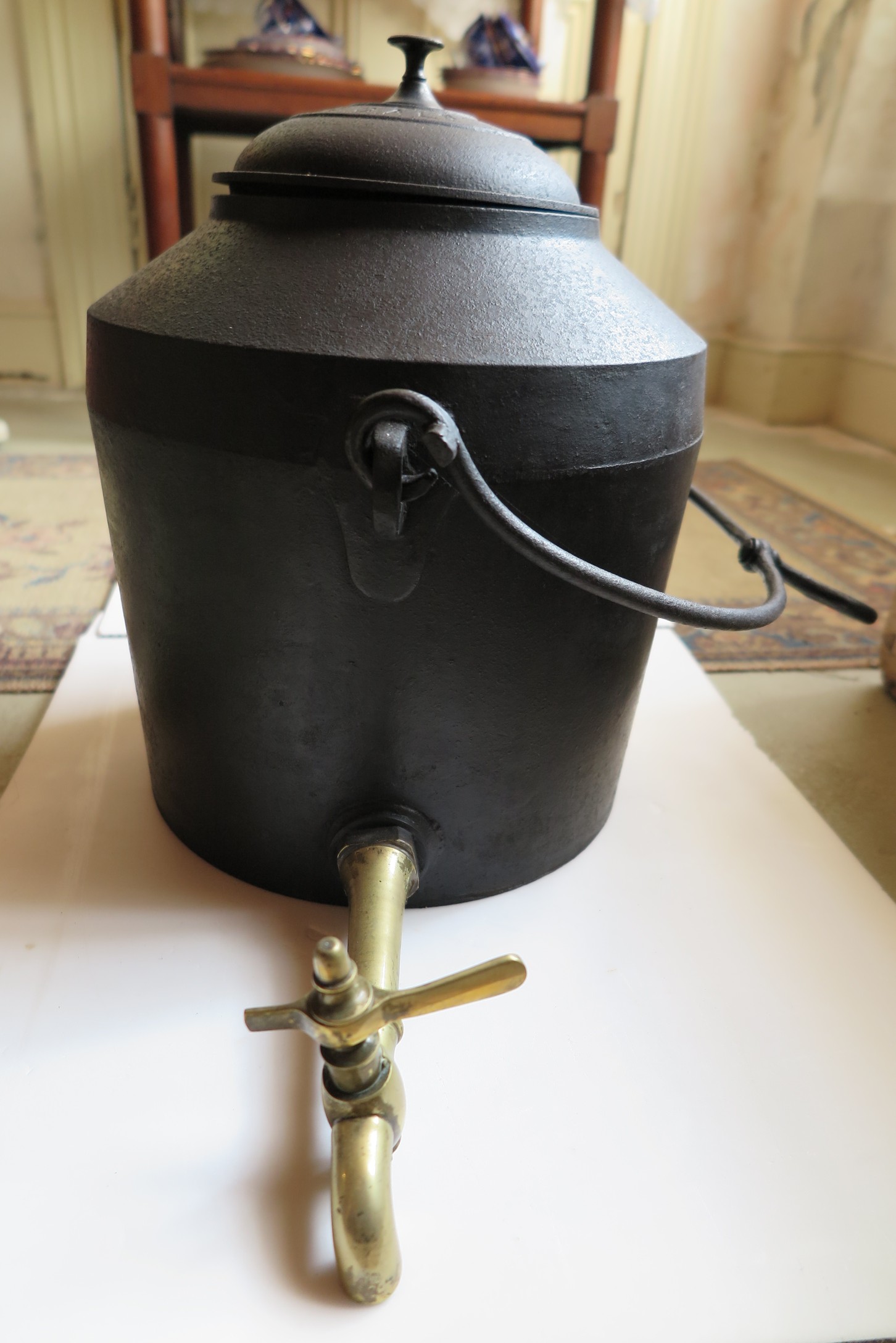
Hot drinks came from a large metal urn that took twenty minutes to boil, held enough for a hundred cups, had a tap that dripped, and was the single most important piece of equipment in the building.
Catering boilers, instant hot water and in many halls a proper kitchen. The urn’s limitations set the shape of the evening: it had to be started early, could not be moved once filled, and when it ran out everything stopped until it reheated.
It also produced a specific and universally recognised taste. Tea or coffee from an urn that has been standing, in a cup from a stack of hall crockery, is a flavour that people can recall precisely and that cannot be reproduced at home – which is a small strange piece of shared sensory memory held by an entire generation.
8. There Was Always Far Too Much Food
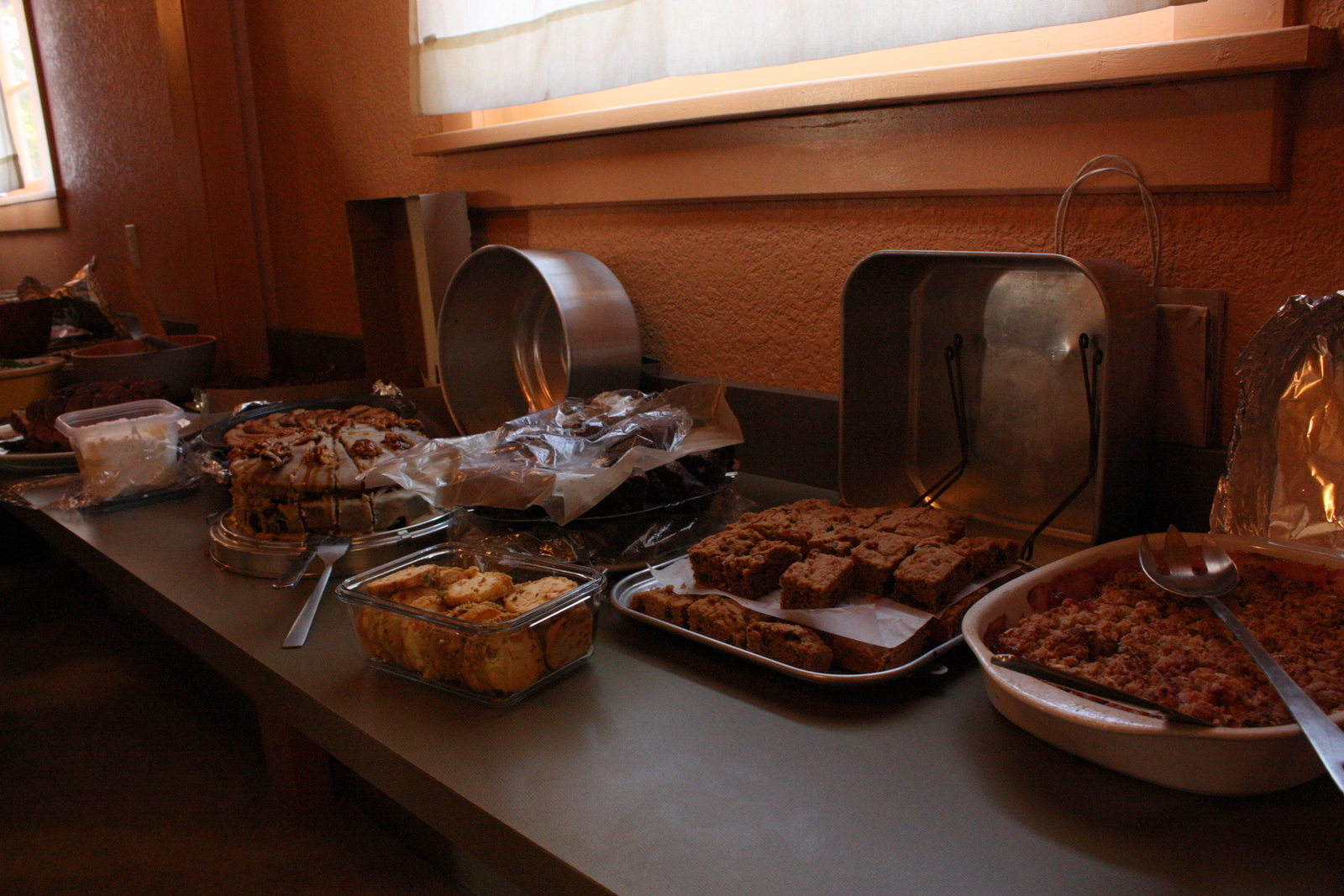
Forty families bringing a dish for an event of a hundred and twenty people produces a quantity of food substantially greater than a hundred and twenty people can eat, every single time, predictably.
Coordinated sign-ups that match quantity to attendance. The over-supply was structural: nobody wanted to be the household that brought too little, so everybody brought slightly too much, and the aggregate was enormous.
Nobody experienced it as waste and that is the interesting part. The surplus was the display – a table that groaned was the event succeeding – and the leftovers went home with whoever needed them, which was understood without being stated and was one of the ways a congregation quietly looked after its own.
9. The Dishes Were Washed by Hand by Whoever Stayed
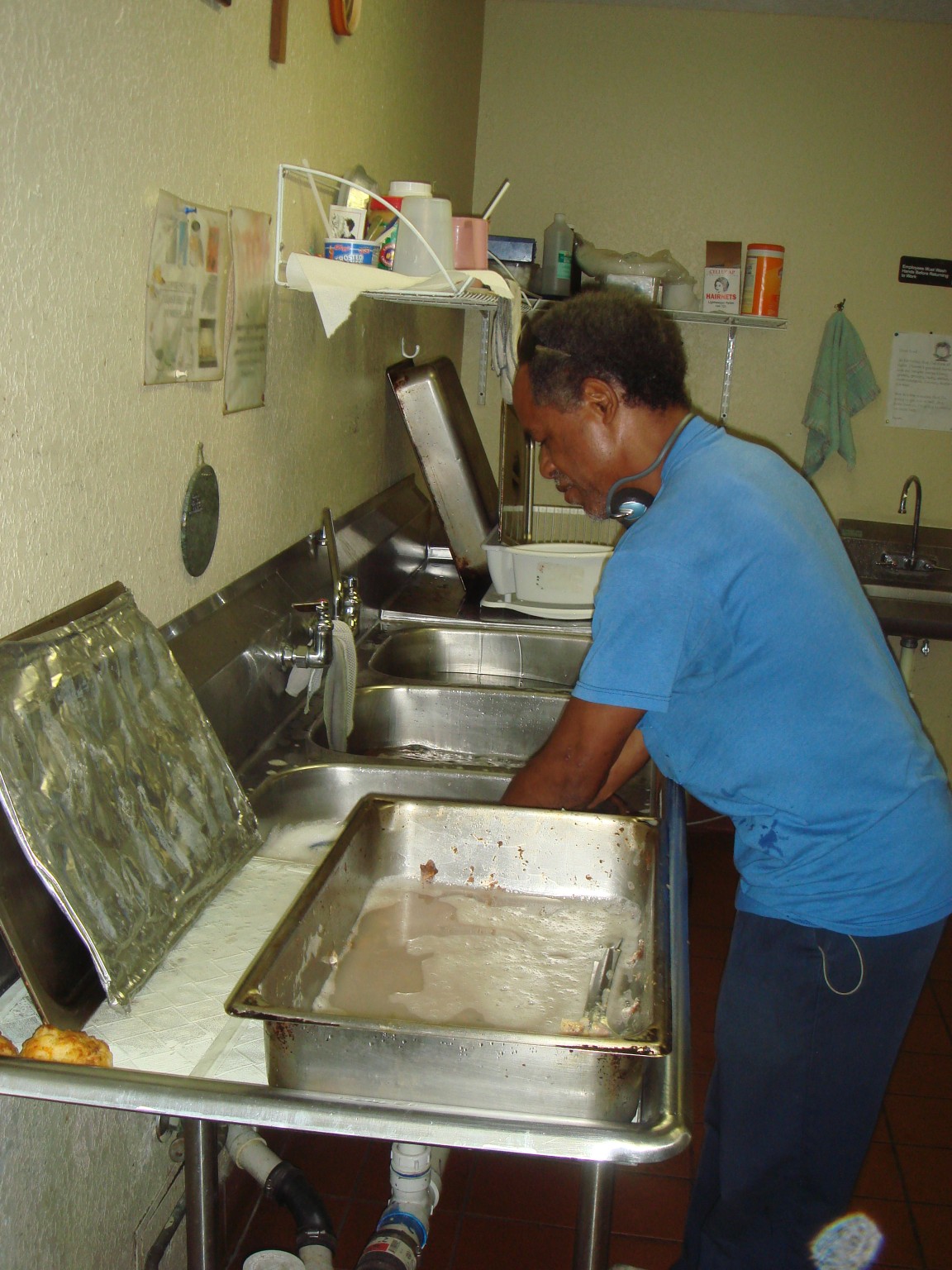
After the meal a group went into the kitchen and washed everything – hall crockery, the urn, serving spoons, and the families’ own dishes – in two sinks, with tea towels, standing up, for an hour.
Dishwashers in better-equipped halls and disposable service elsewhere. Hand-washing for a hundred people takes a long time and happens after everybody else has gone home, which is why the people who did it were always the same ones.
The kitchen was also where the real conversation happened, which is why there was never a shortage of volunteers for it. An hour at a sink with three other people, with the formal part of the evening over, is the most sociable part of a social – and a great many of the friendships and most of the information in a congregation were transacted there.
10. You Had to Get Your Own Dish Back and It Was a Problem
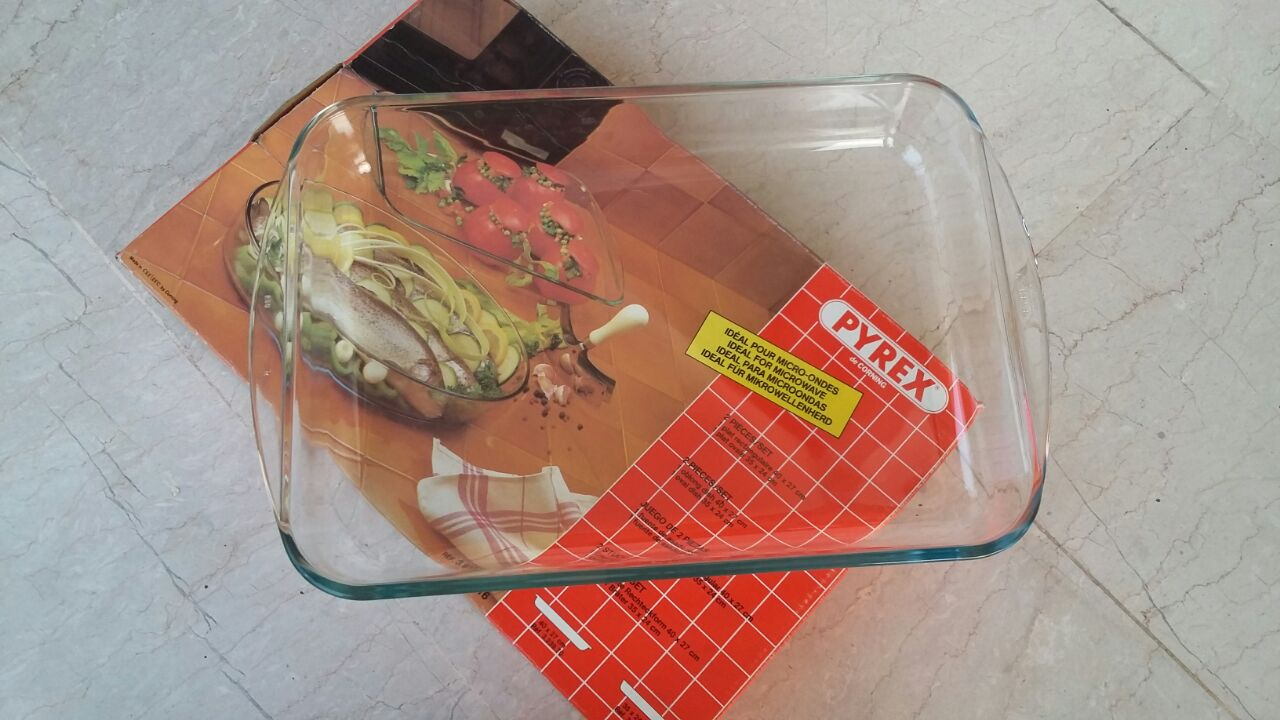
Families brought their own casserole dishes, cake tins and serving spoons, and at the end had to identify and reclaim them from a kitchen containing eighty identical items.
Disposable containers, hired equipment or centralised catering. Dishes were marked on the base with tape, initials, nail varnish or a scratched name, and the markings are still visible on inherited cookware.
Loss was constant and permanent. Every congregation had a shelf of unclaimed dishes that nobody recognised, items circulated between households for years, and a lost casserole dish was a genuine small grievance – which is why so much mid-century cookware carries somebody’s initials on the bottom in a shaky hand.
11. Attendance Was Not Really Optional
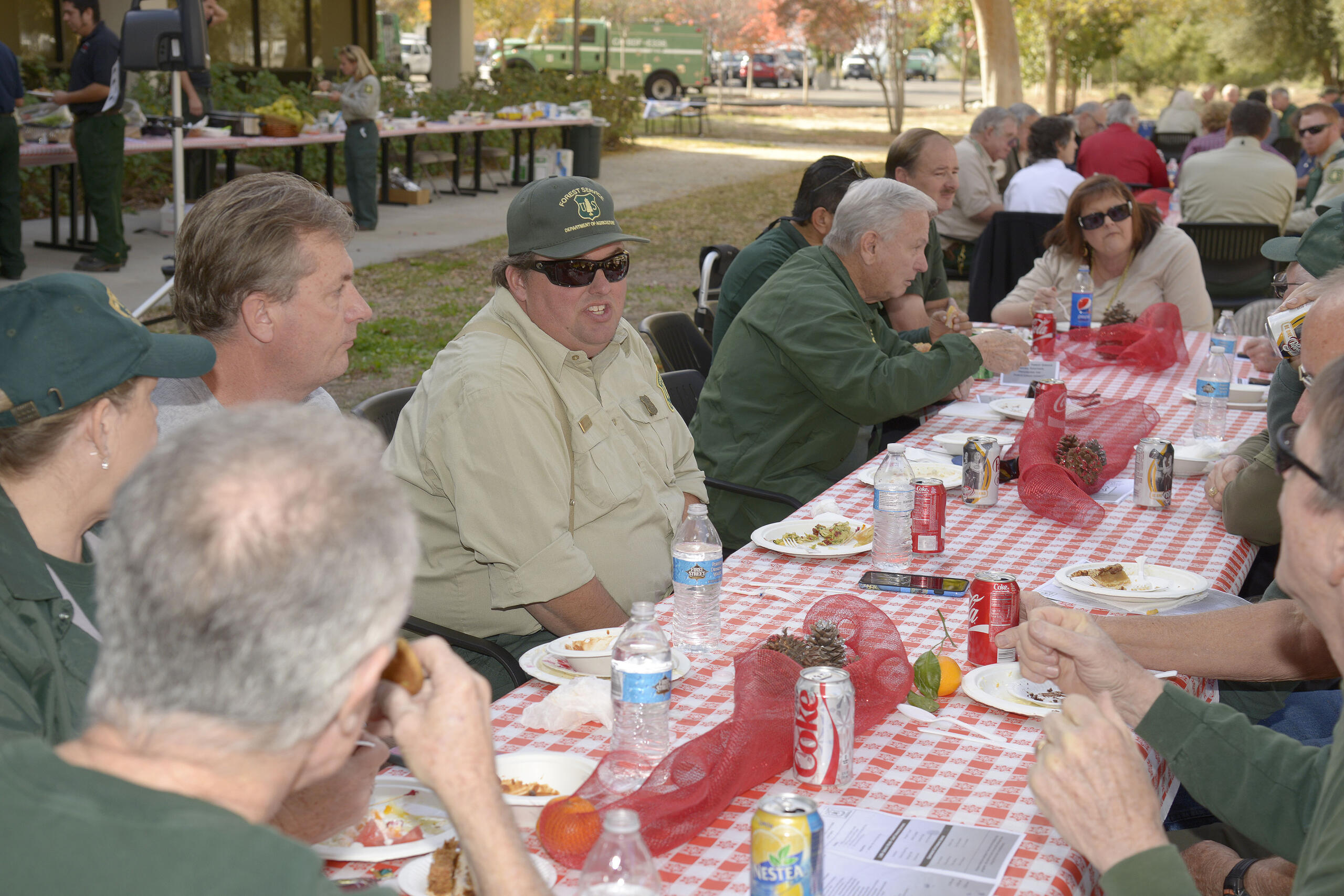
The social was announced, the date was fixed, and a family who did not come without a clear reason was noticed – not punished, but noticed, and asked about afterwards with every appearance of concern.
Attendance is genuinely voluntary and events are far smaller. The social pressure was real, it was gentle, and it was effective, which is how a volunteer-run event achieved attendance rates that any modern organiser would find impossible.
Whether that was community or surveillance is the question people disagree about, and both answers are defensible. A network in which your absence is noticed is a network that will also notice when you are in trouble, and the same mechanism produces both – which is the trade that a great many people describe missing without quite wanting it back.
12. The Entertainment Was Somebody You Knew Doing a Turn
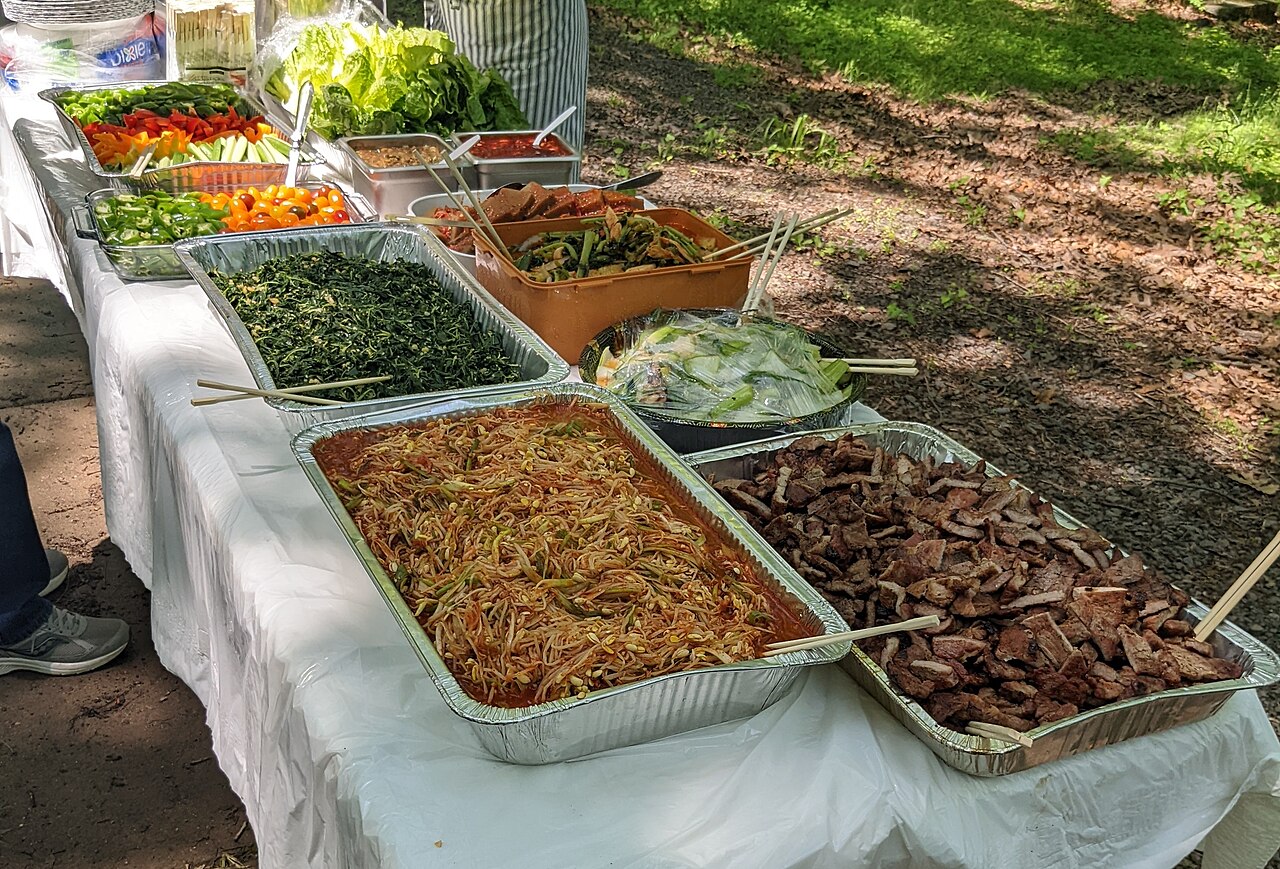
After the meal came a programme: a recitation, a song at the piano, a sketch, a quiz, children performing something rehearsed, or a slide show of somebody’s holiday.
Professional or recorded entertainment where any is provided. The performer was a member of the congregation, the standard was variable, and the audience was obliged to be generous – which they were, reliably.
It is genuinely hard to explain how unembarrassing this was. An adult standing up to sing in front of people who would see them again on Sunday, with no particular talent, to warm applause, was completely ordinary – and the disappearance of that kind of amateur public performance is one of the larger and least-remarked social changes of the last fifty years.
13. The Money Was Collected in a Basket and Counted on a Table
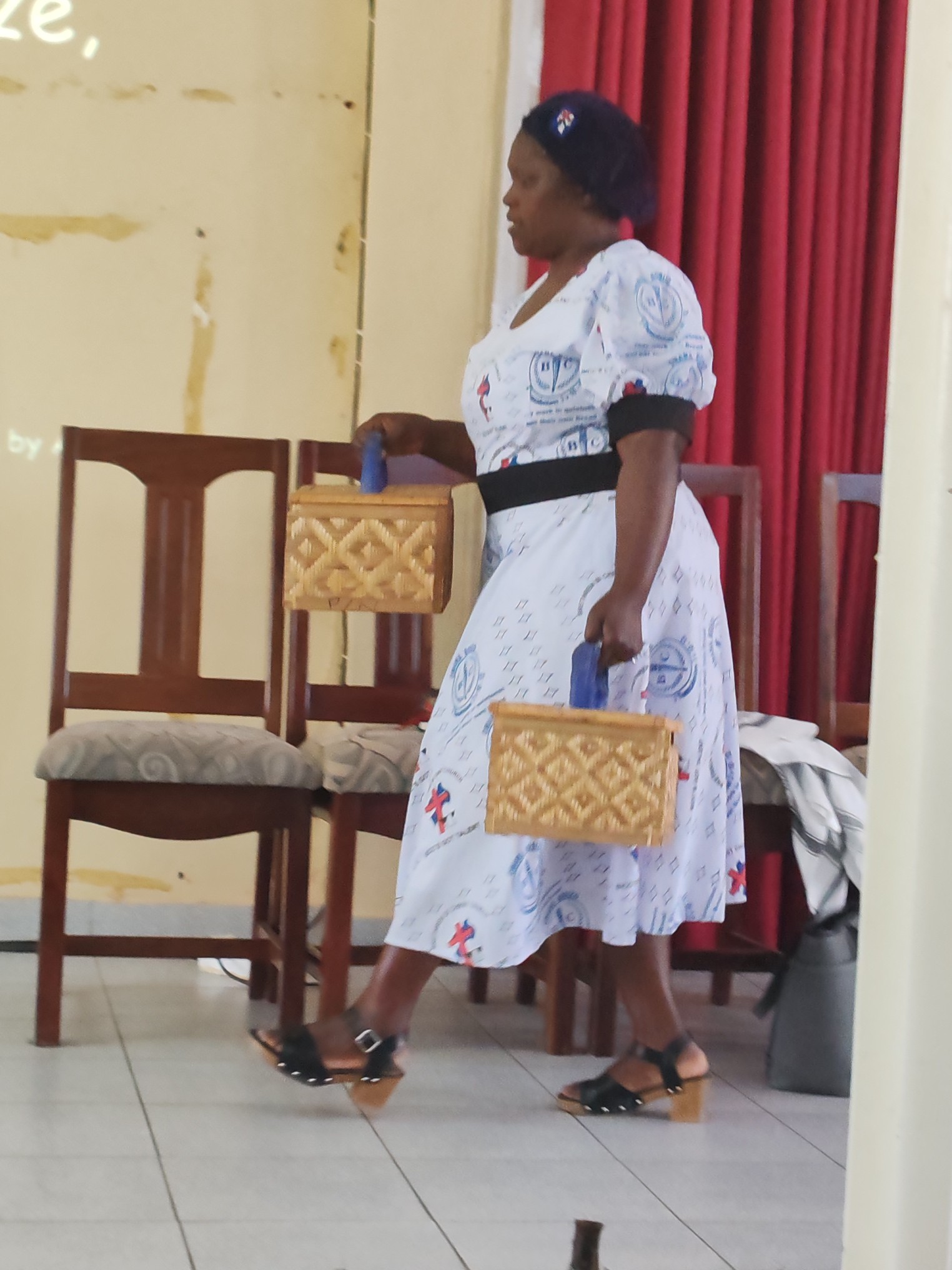
Costs were met by a plate, a basket passed round, or a small charge taken at the door into a tin, counted afterwards at a table by two people with a notebook.
Card readers, online giving and proper financial controls with dual counting and recorded reconciliation. The old method was cash, counted by whoever was available, recorded in a book and banked when somebody got round to it.
The two-person rule is the one part that was already there, and it was there for exactly the reason it exists now. Nobody counted alone, not because anybody was suspected but because the people doing it understood that handling other people’s money without a witness is a position no volunteer should be put in – which is a surprisingly modern instinct for 1972.
14. It Was Where You Found Out Everything
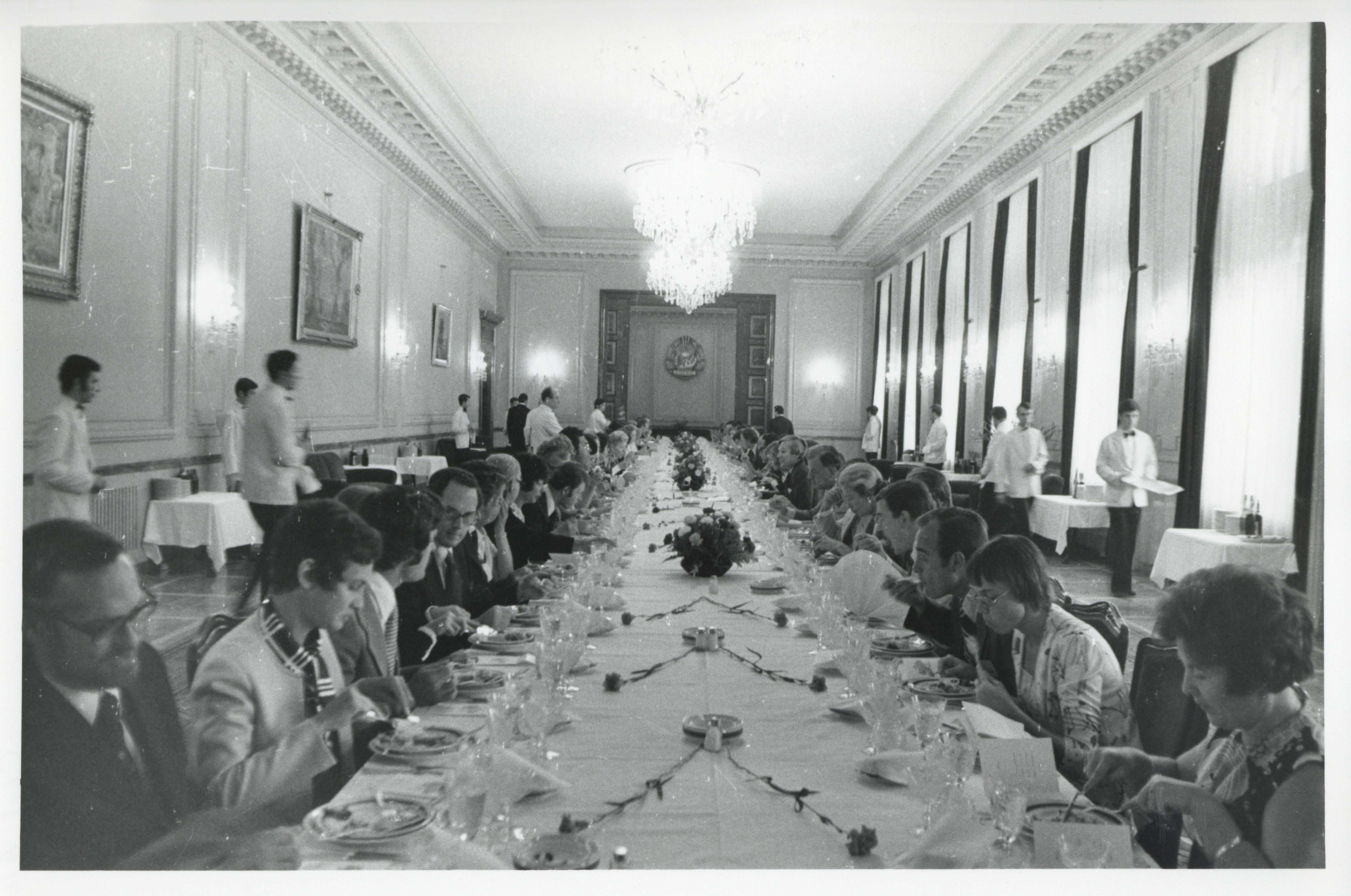
The social was the congregation’s information system: who was ill, who had moved, who had lost a job, who had a new baby, what the committee had decided, and what everybody thought about it.
Dispersed across messaging, social media and email, continuously rather than monthly. Centralised information exchange is what the event was actually for, and the food was the mechanism that assembled the people.
The consequence was practical rather than sentimental. A congregation that gathered everybody in one room every month knew, without any system, which of its members needed help – and the help that followed was arranged in that room. That function has not been replaced so much as distributed, which works differently and misses different people.
15. Then the Hall Got Hired Out and the Socials Stopped

The event depended on a free hall, volunteer labour, home-cooked contributions, informal food handling, cash and a congregation large enough to fill a room.
Halls are increasingly let commercially to cover building costs, which removes the free date. Volunteer numbers have fallen with congregation size and age. Food hygiene requirements have ended the uncoordinated covered dish. And smaller congregations cannot fill a hall, so the event became a smaller event and then a cup of tea after the service.
None of the individual changes was aimed at the social and the combination finished it. What exists in a great many places now is a coffee rota – which does the information-exchange job adequately for a smaller group, and does not do the thing a long table covered in forty households’ cooking did, which was to make a congregation look at itself all at once.
The Table Was a Public Document About Every Family in the Room
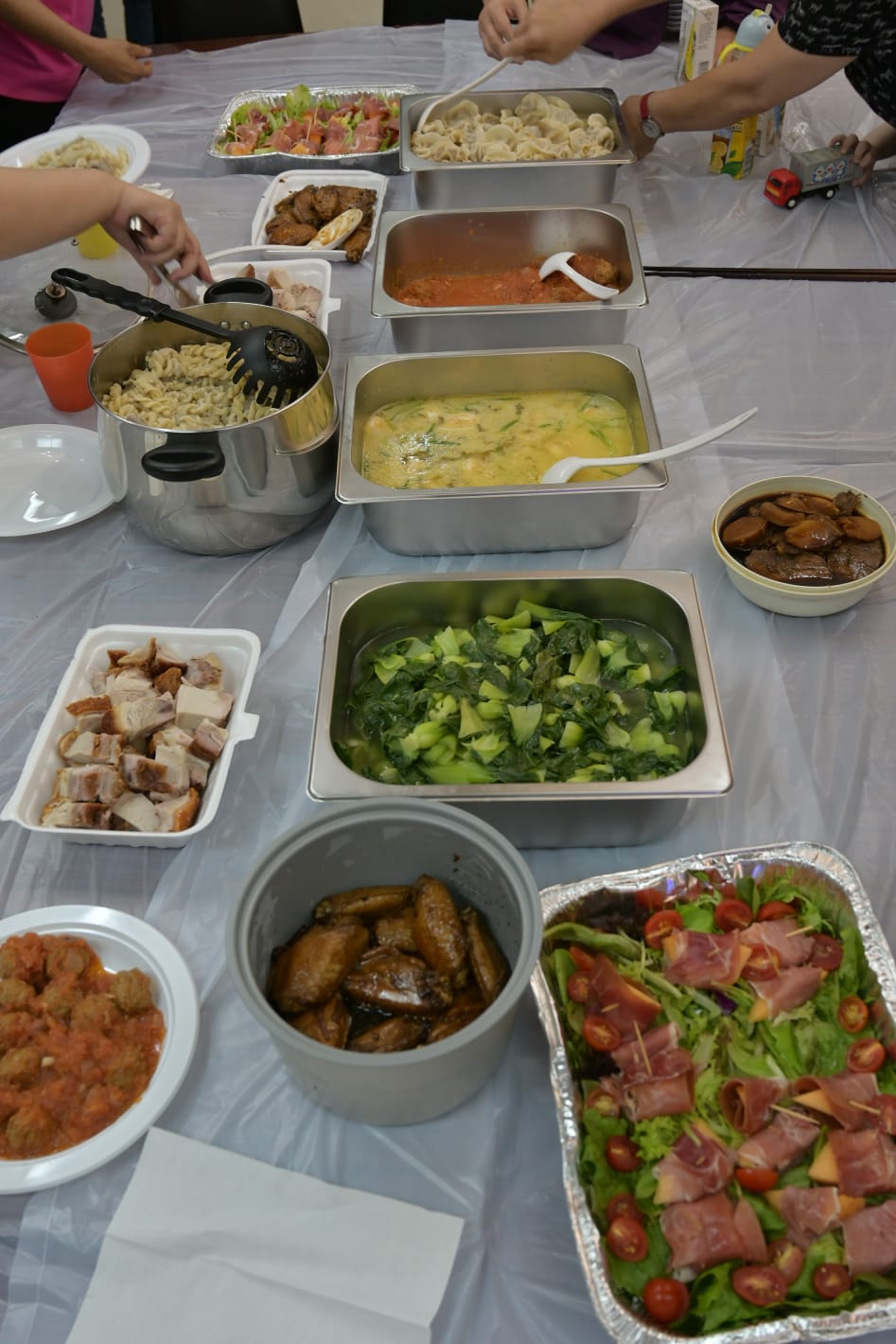
The thing nobody mentions about the potluck is how much information was on that table.
Over years, each household acquired a dish. You brought the beans, or the slaw, or that particular cake, and you brought it every time, for decades, without being asked and without anybody organising it. Reputation did the allocation.
Which meant the table was a readable record of forty families. The household who brought something elaborate every time, made from ingredients that were not cheap. The household who brought a tray of something simple, in quantity, reliably. The new family who had not yet worked out what was missing and brought something tentative. The one who brought store-bought and was not judged for it out loud.
Everybody in the hall could read all of it, and everybody did, and nobody said anything.
That is the double edge of this entire institution. A community in which your contribution is visible is a community that knows exactly where you stand – and the same visibility that exposed a family who were struggling was what told the congregation that they were struggling. The leftovers going home with whoever needed them was not charity administered by a committee; it was a thing that happened quietly because everybody had looked at the same table.
The modern replacements fix the problems properly. Sign-up sheets balance the food. Allergen declarations make it safe. Catering removes the labour from the same six women. Every one of those is better.
What they also do is remove the display. A coordinated event where everybody brings an assigned item in a labelled container tells you nothing about anybody, which is more private, more equal and considerably more comfortable.
And a congregation that no longer looks at itself all at once has to find out some other way who is in trouble. Most of them do find out. It just takes longer, and it misses people it did not used to miss.
If your family went to these, there is a casserole dish somewhere with initials scratched into the bottom of it.
And somebody still knows exactly what your grandmother was expected to bring.
Like our content? Follow us for more.