

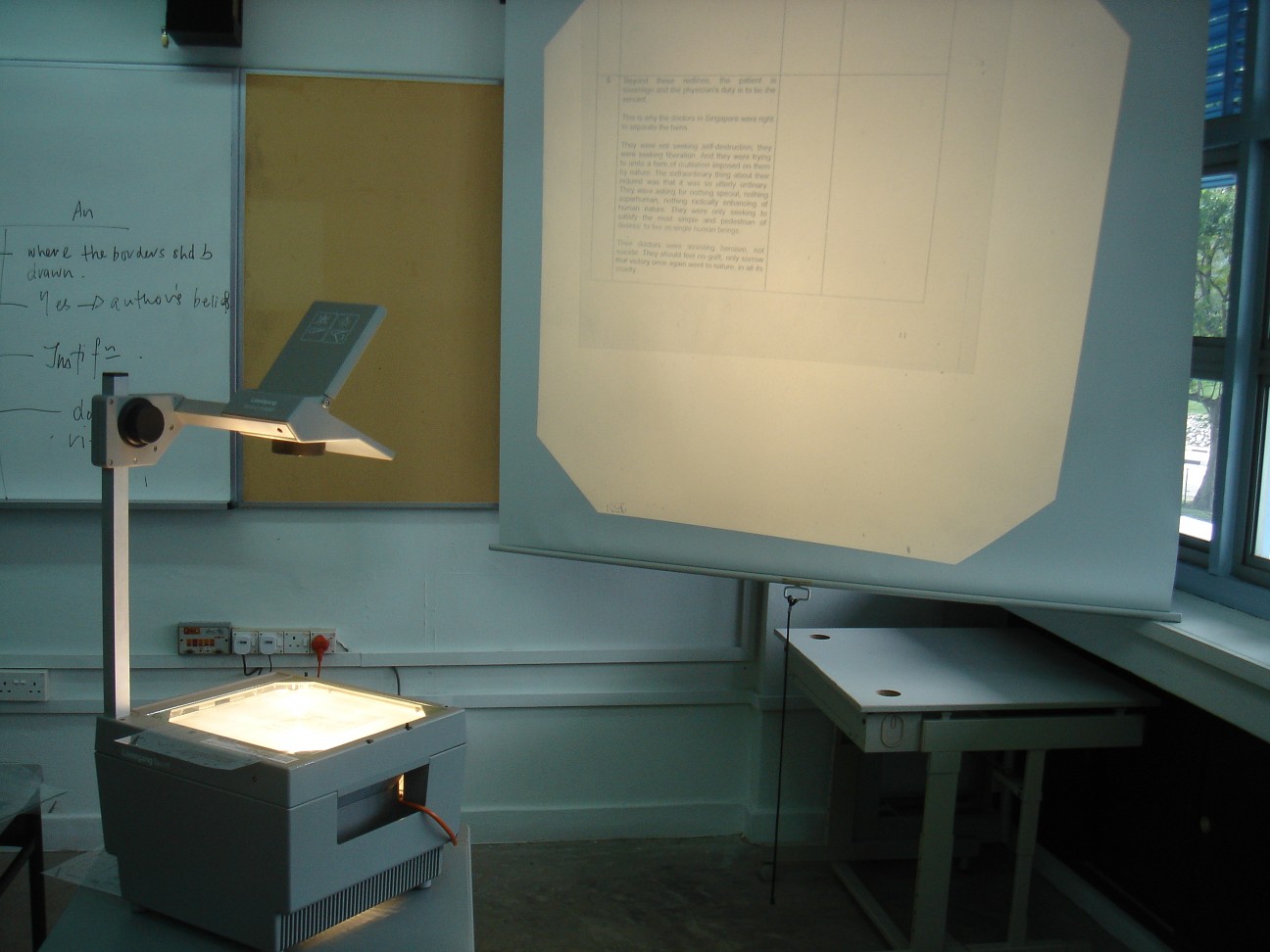
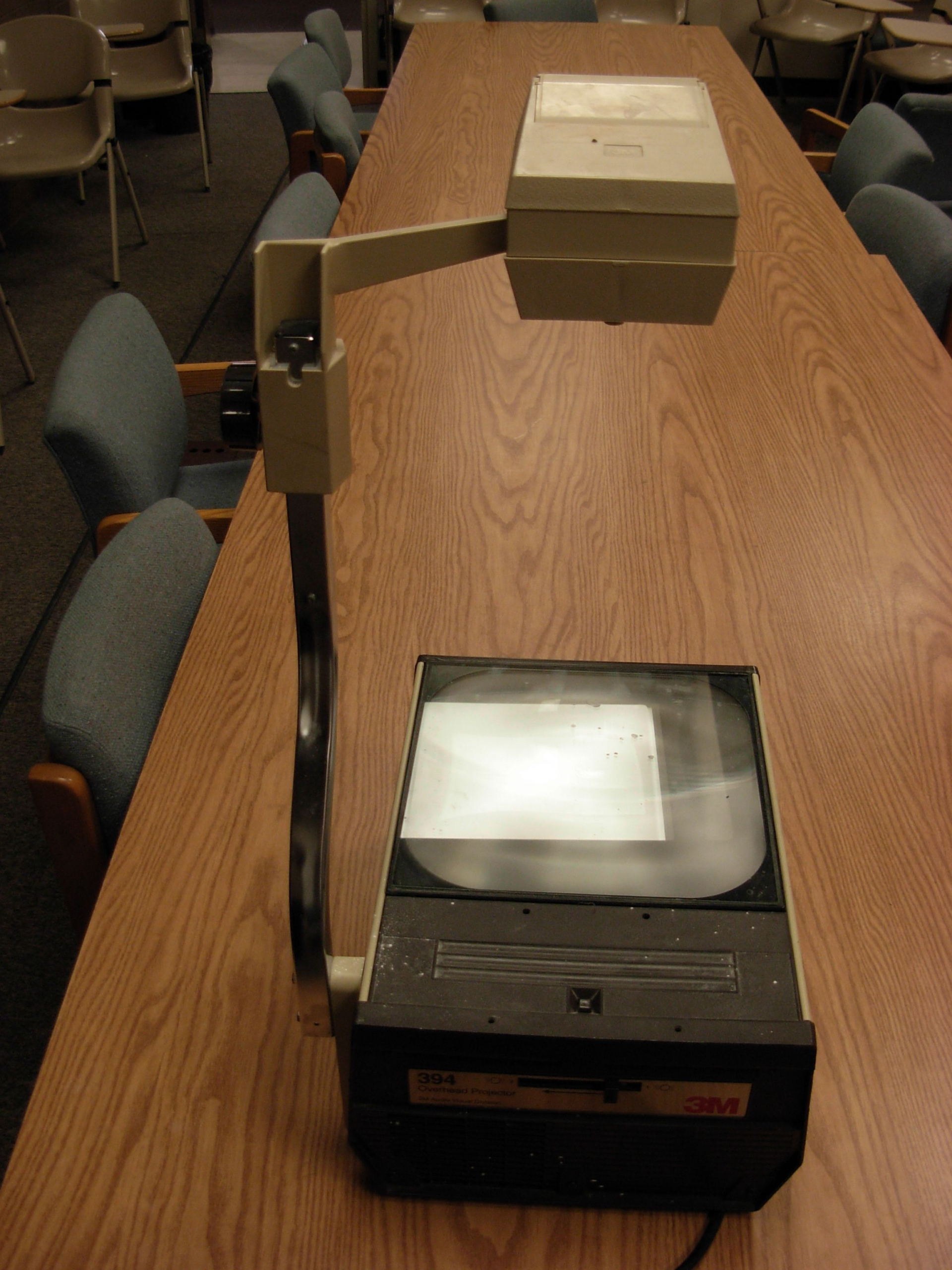
In 1974 the machine at the front of an American classroom was a box with a lamp in it, a sheet of glass on top and a mirror on a stick, and it threw whatever was lying on the glass onto the wall behind the teacher.
There was a roll of clear film on two spindles you cranked across. The pens came in two kinds that looked identical and one of them was permanent. The fan blew your papers off the top. The bulb failed mid-sentence and there was a spare under a flap.
Here are fourteen things every teacher did with the overhead projector in 1974, and what happened to each of them.
1. The Machine Was a Box With a Mirror on a Stick
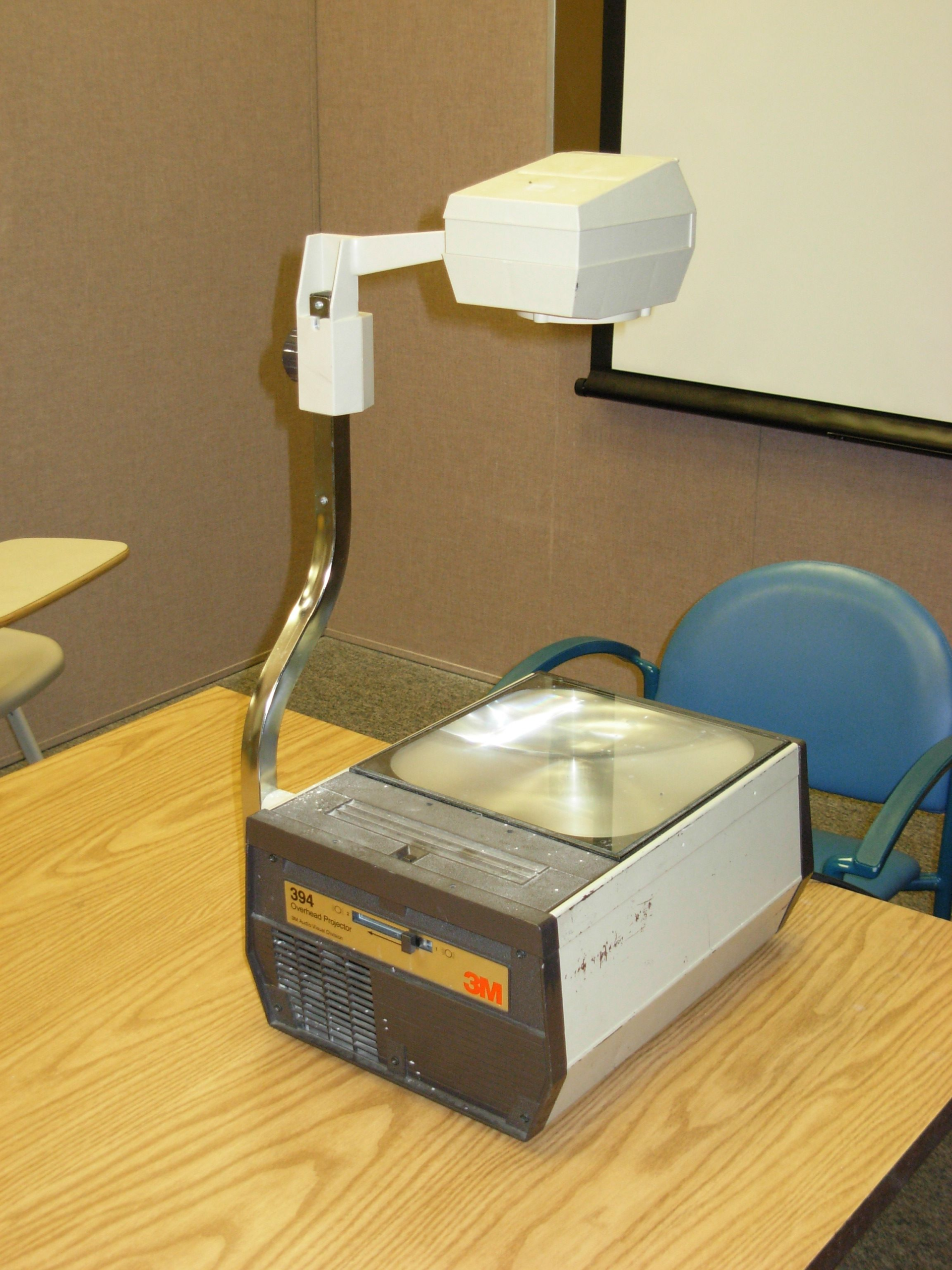
The projector was a boxed base containing a lamp and a fresnel lens with a glass platen on top, and an arm rising from one corner carrying a lens and an angled mirror that threw the image onto a wall behind the teacher.
Ceiling-mounted or short-throw digital projectors fed from a computer, interactive whiteboards, and document cameras that photograph whatever is placed under them.
The optics are worth knowing because they explain everything about how the thing was used. Light passes up through whatever is lying on the glass, goes to the head, and is folded backwards by the mirror – which means the teacher stands beside a brightly lit horizontal writing surface and faces the room while the image appears behind them.
Like our content? Follow us for more.
2. There Was a Roll of Film on Two Spindles and You Cranked It Across
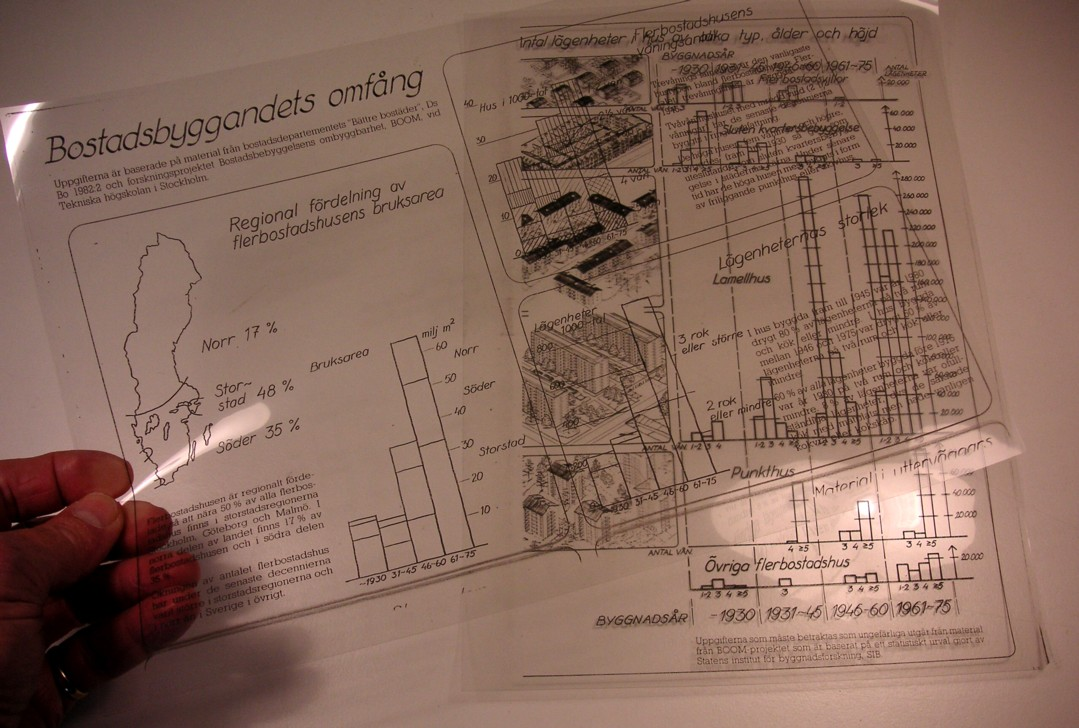
Many machines carried a continuous roll of clear acetate on a spindle at one side, running across the platen to a take-up spindle at the other, advanced by a knob so that fresh film came under the lens.
Scrolling on a screen, or simply a new slide. The roll gave a teacher an effectively unlimited writing surface that advanced like a scroll and kept everything previously written.
And the roll was a record. A teacher could crank backwards to something written twenty minutes earlier and it was still there, exactly as written, which is a capability that a wiped whiteboard does not have and that took decades to reappear.
3. The Markers Were a Whole Separate Problem
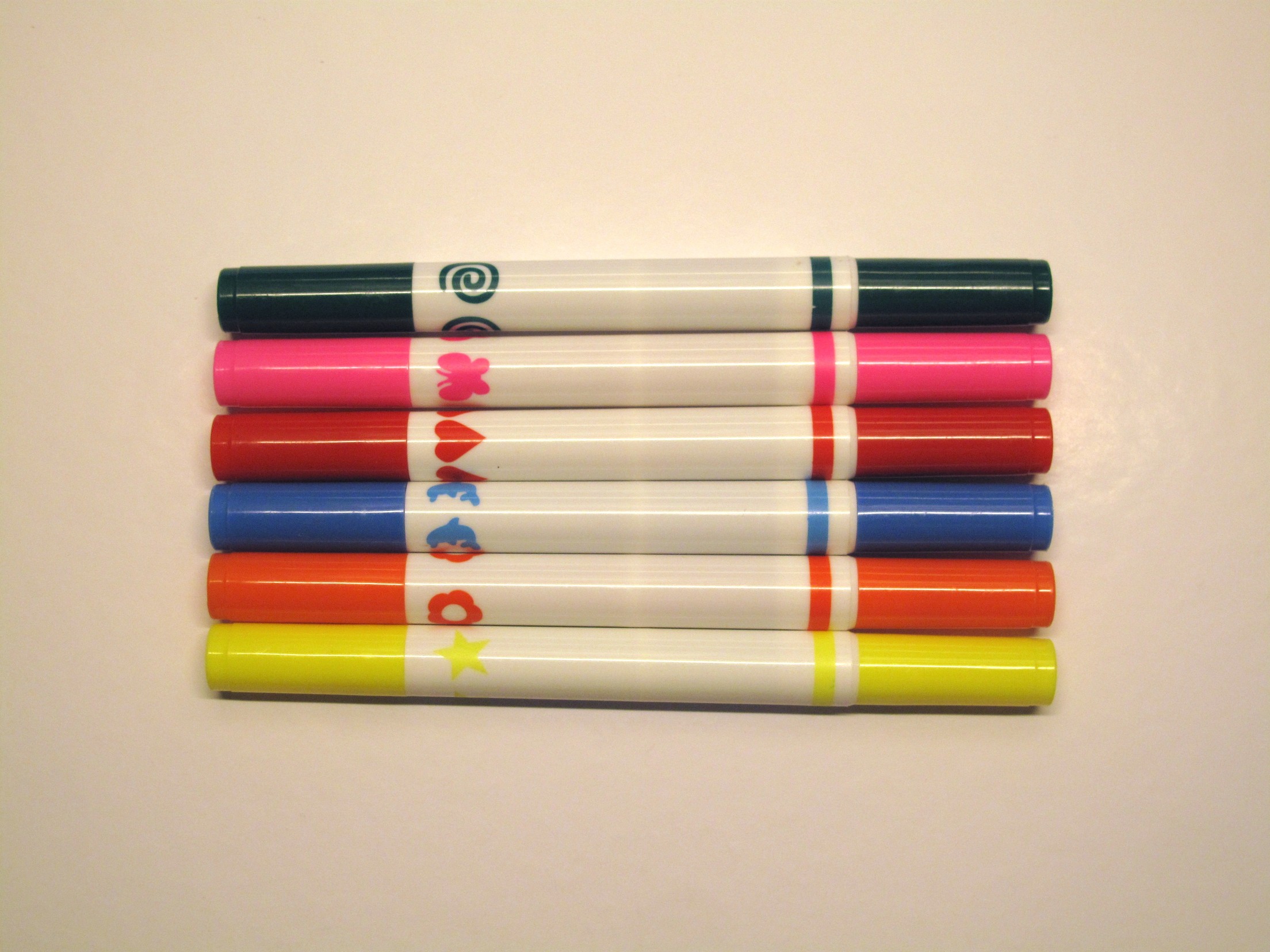
Writing was done with special pens in two kinds: water-soluble, which wiped off with a damp cloth, and permanent, which did not – and the two looked almost identical in a tray.
Dry-erase markers on whiteboards, and digital annotation that is undoable. The permanent-pen error was committed by every teacher in America at least once.
The consequences were disproportionate and immediate. A pre-prepared transparency representing an hour of somebody’s evening, annotated in the wrong pen in front of a class, was ruined permanently – and the specific noise a teacher makes on realising this is remembered by everybody who was in the room.
4. Transparencies Were Made by a Heat Process in the Office
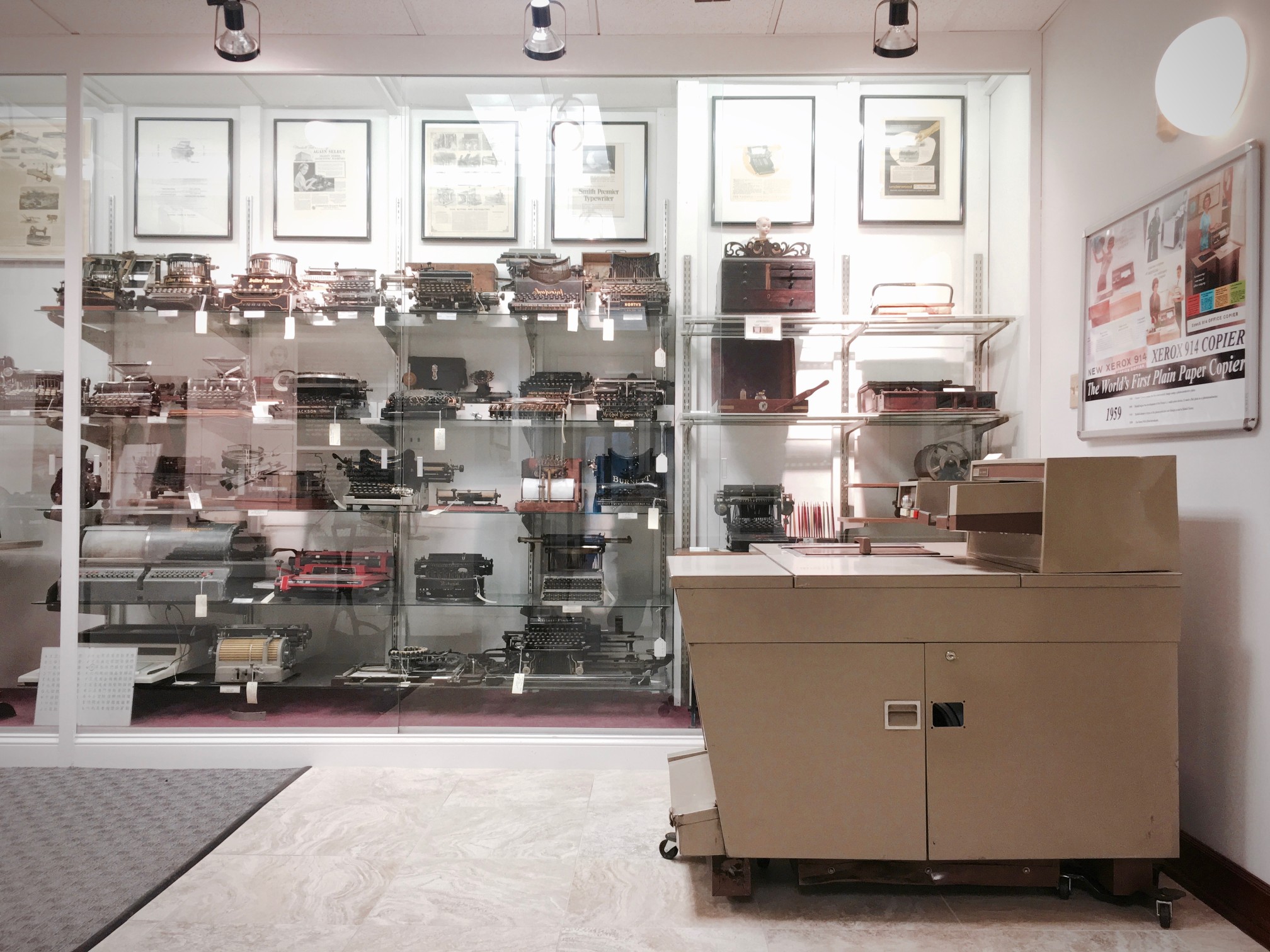
Pre-made sheets were produced by placing a printed original with a special film in a desktop machine that used infrared heat to transfer the image – a process shared with the office copier of the period.
Printing directly onto film, or simply displaying a file. The heat process was slow, the machines jammed, and the resulting transparency was frequently a blurry brown rather than a crisp black.
It is why a teacher’s good transparencies were treated as valuable property. A set took an afternoon in the office, the machine was shared and temperamental, and the sheets were filed in labelled folders and reused for years – which is also why so many of them were visibly a decade old.
5. The Overlay Technique Built a Diagram in Layers
The real power of the medium was stacking: a base transparency showing an outline, with further sheets hinged along one edge and flipped down in sequence to add layers – bones, then muscles, then skin, or an empty map, then rivers, then cities.
Animated builds in presentation software, which do exactly the same thing and were explicitly modelled on it.
The physical version had one advantage the software lost, which is that the teacher controlled it by hand at the speed of the room. A layer went down when the class was ready for it, could be lifted back off, and two layers could be compared by holding one slightly away from the glass – which is a gesture nobody has reproduced.
6. A Sheet of Paper Over the Top Revealed One Line at a Time
The standard trick was to cover a prepared transparency with a sheet of ordinary paper and slide it down, exposing one line, one answer or one step at a time.
Progressive reveals in presentation software, built as a standard feature because this was such a universal teaching behaviour that it had to be replicated.
Children watched that sheet of paper with complete attention and it is the thing most people remember. A hidden list being uncovered a line at a time is genuine suspense, costs nothing, requires no equipment, and works on a class of thirty in a way nobody has improved on.
7. The Teacher Wrote While Facing the Class
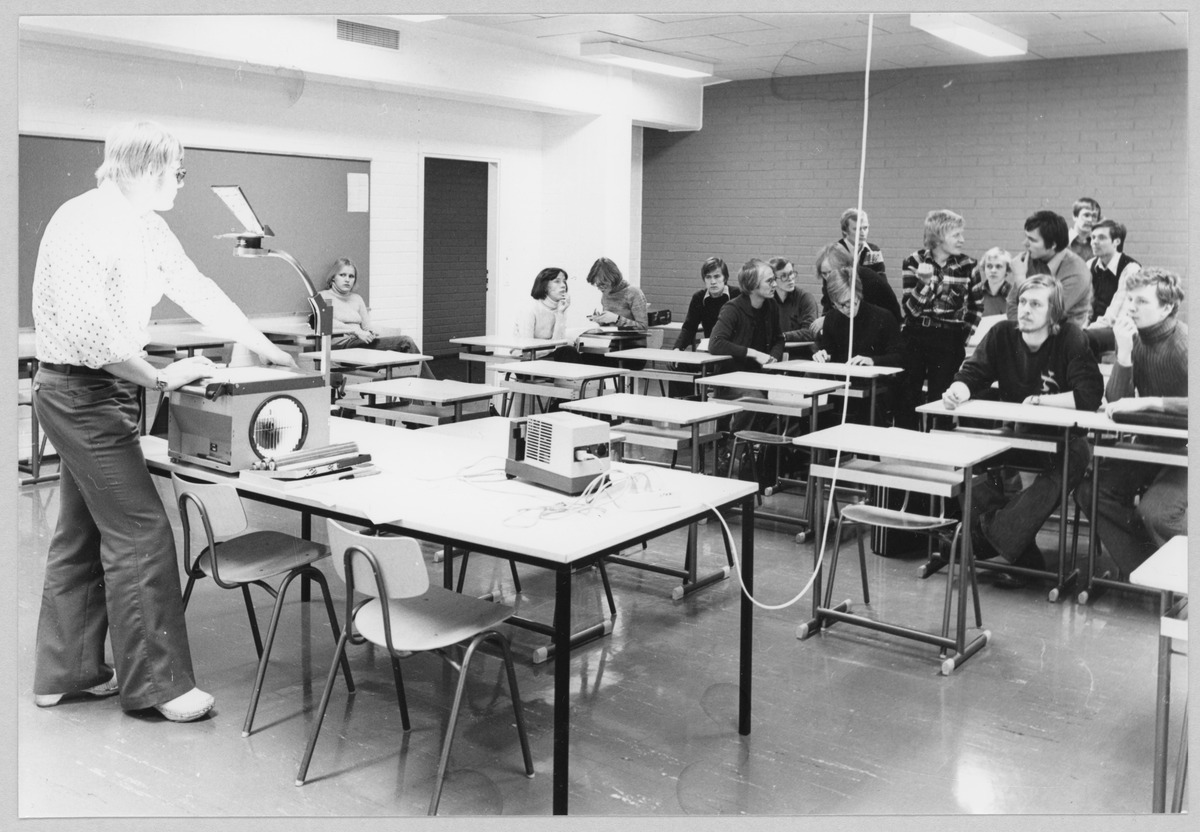
Because the writing surface is horizontal and beside the teacher while the image appears behind them, a teacher could write and look at thirty faces simultaneously.
Interactive whiteboards, which return the teacher to standing at the wall with their back partly turned, and computers, which put them behind a keyboard looking at a screen.
This is the single most consequential property of the machine and it was almost never stated. A teacher at a chalkboard cannot see the room. A teacher at a laptop is looking at a laptop. An overhead let somebody write a worked example and watch, in real time, the exact moment a particular child stopped following – which is the whole job.
8. The Lamp Was Hot and There Was a Spare Under a Flap
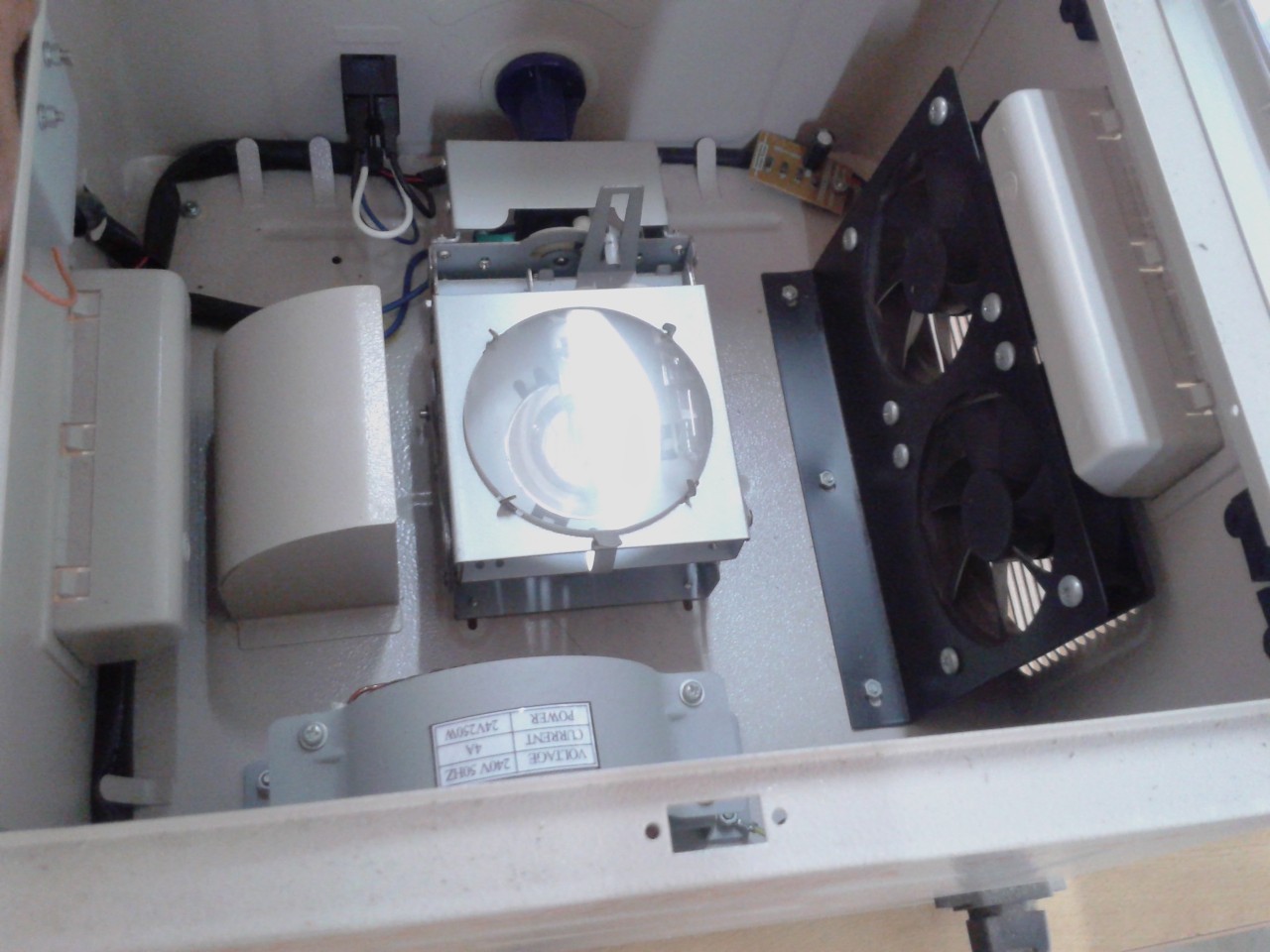
The bulb was a high-wattage incandescent lamp running hot enough to need a continuous fan, and it failed regularly – so machines carried a spare under a small door, with a lever that swung the replacement into position.
Long-life laser and LED sources with no user-serviceable lamp. The swing-over spare existed because the lamp was expected to fail during a lesson and frequently did.
The failure was dramatic and total. A bulb going produced a bang, a smell and a dark room in the middle of a sentence, and whether the lesson continued depended entirely on whether anybody had replaced the spare after the last time.
9. The Fan Ran Constantly and Blew Your Papers Off
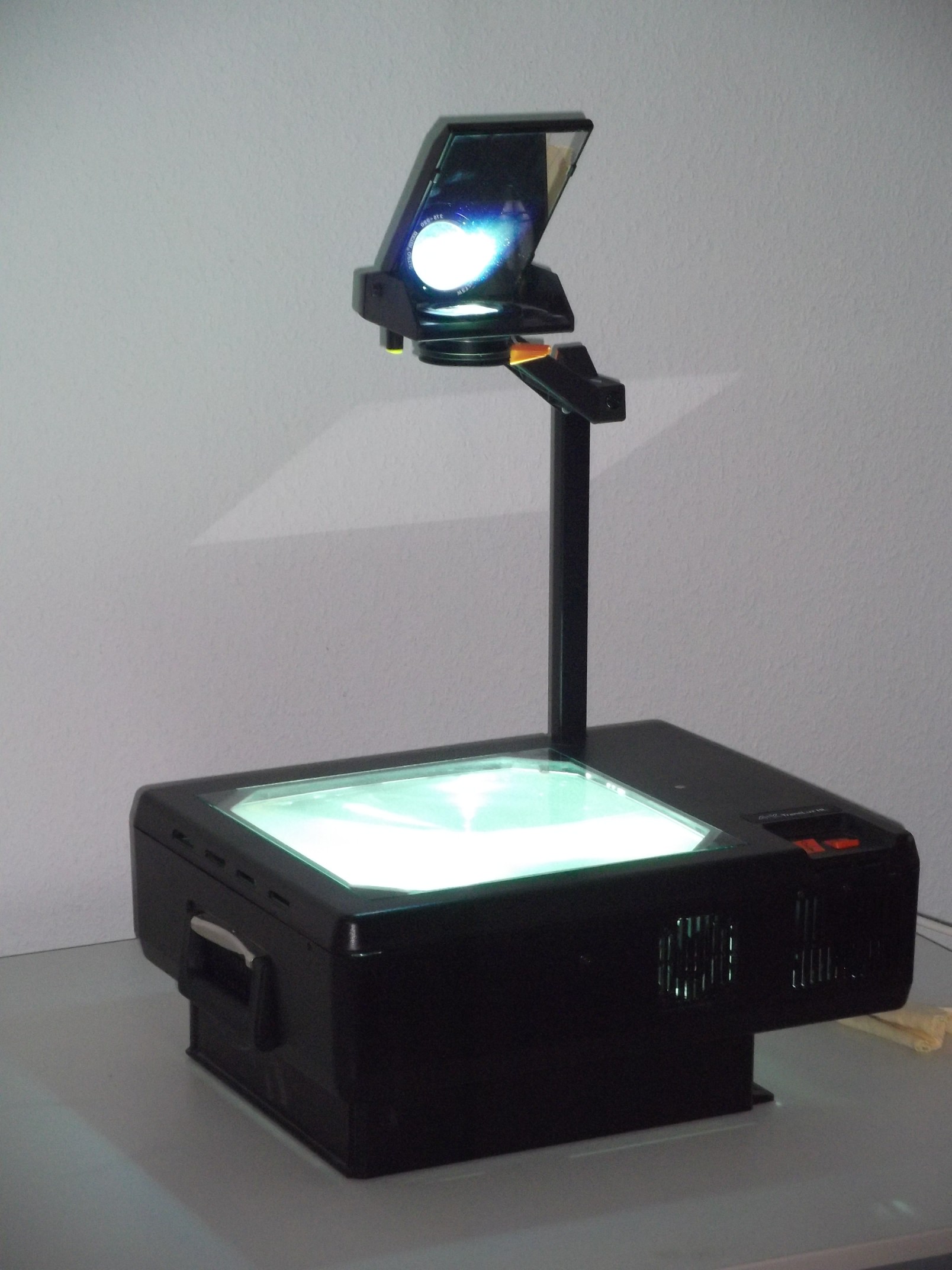
Cooling was by a fan exhausting from the base, which produced a steady roar and a jet of warm air across the top of the machine – directly where loose paper and transparencies were resting.
Silent or near-silent operation. The exhaust meant a teacher’s prepared sheets were under constant threat and the standard defence was a book laid on the pile.
Every teacher who used one developed the same habits. Transparencies in a weighted stack, the current sheet held at a corner, and a reflexive grab when the fan caught an edge – which happened mid-sentence, repeatedly, for a whole career.
10. The Image Was a Trapezoid and Nobody Fully Fixed It
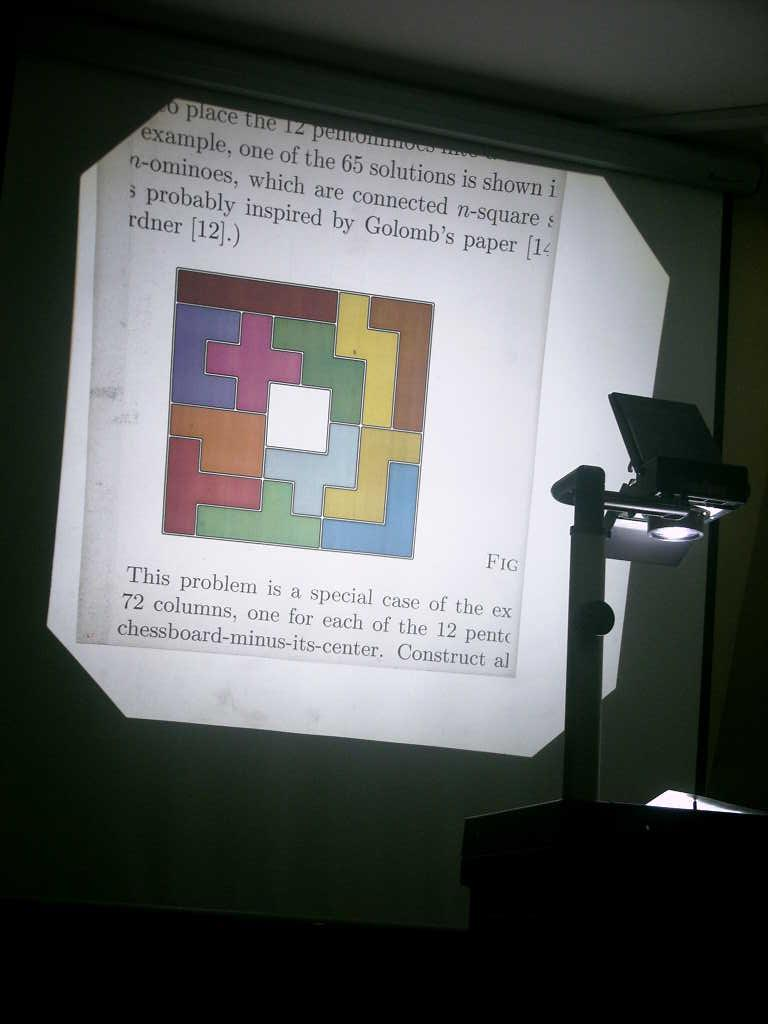
Projecting upward at an angle onto a vertical wall produces keystoning – a picture wider at the top than the bottom – and the only corrections available were tilting the head, tilting the screen, or moving the machine.
Automatic digital keystone correction, which squares the image in software regardless of the geometry.
So the picture was always slightly wrong and everybody stopped noticing. A generation of American children learned from diagrams that were subtly stretched towards the top of the wall, and nobody involved regarded this as a defect worth more than thirty seconds of shoving the cart.
11. The Teacher’s Hand Was in the Picture, Enormously
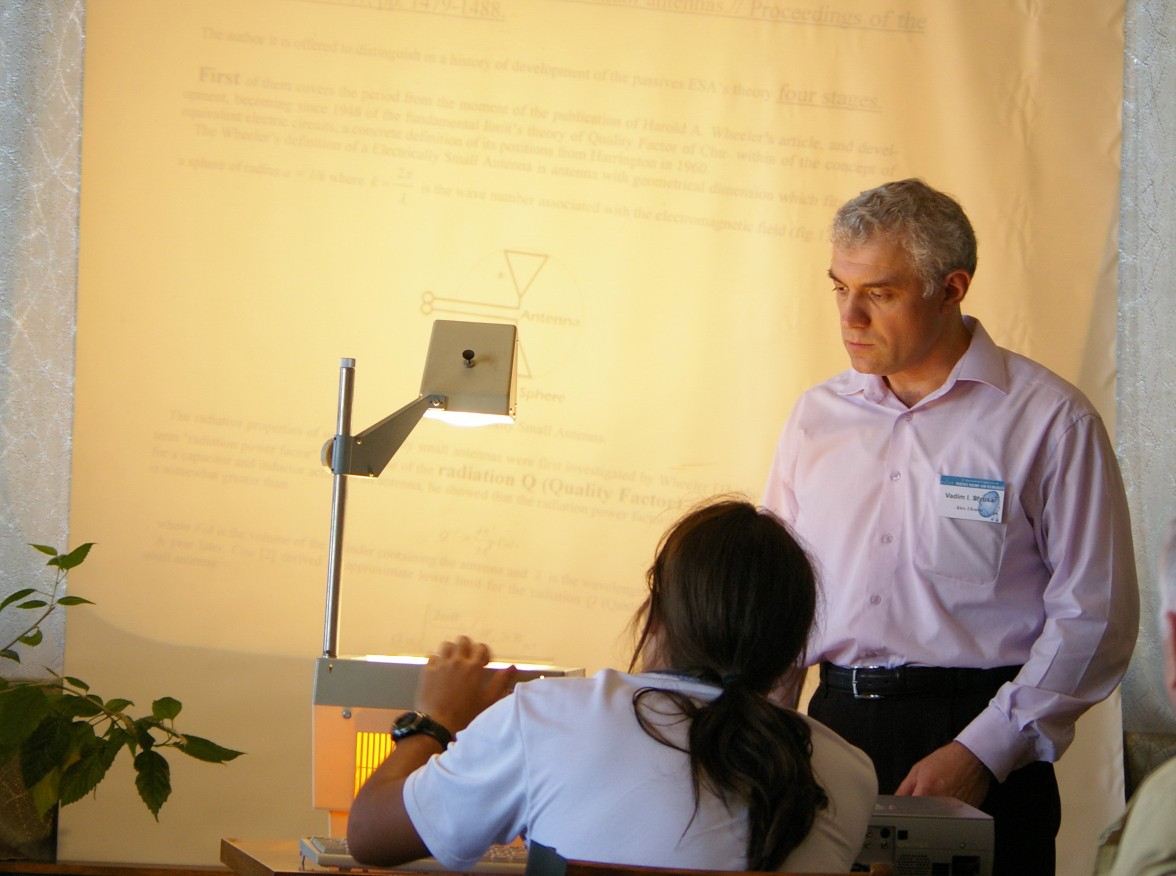
Anything on the glass was projected, including the teacher’s hand, sleeve, watch, pen and ring – magnified to several feet across and moving over the image.
Document cameras with the same property, and digital annotation with none of it. The projected hand was a constant, and teachers used it deliberately.
Pointing became a physical gesture at scale. A finger laid on the glass appeared as a shape a yard long on the wall, which is an extremely effective pointer, and skilled users could indicate a specific term in a dense paragraph for a whole class at once with no laser and no stick.
12. The Machine Lived on a Cart and Was Fought Over
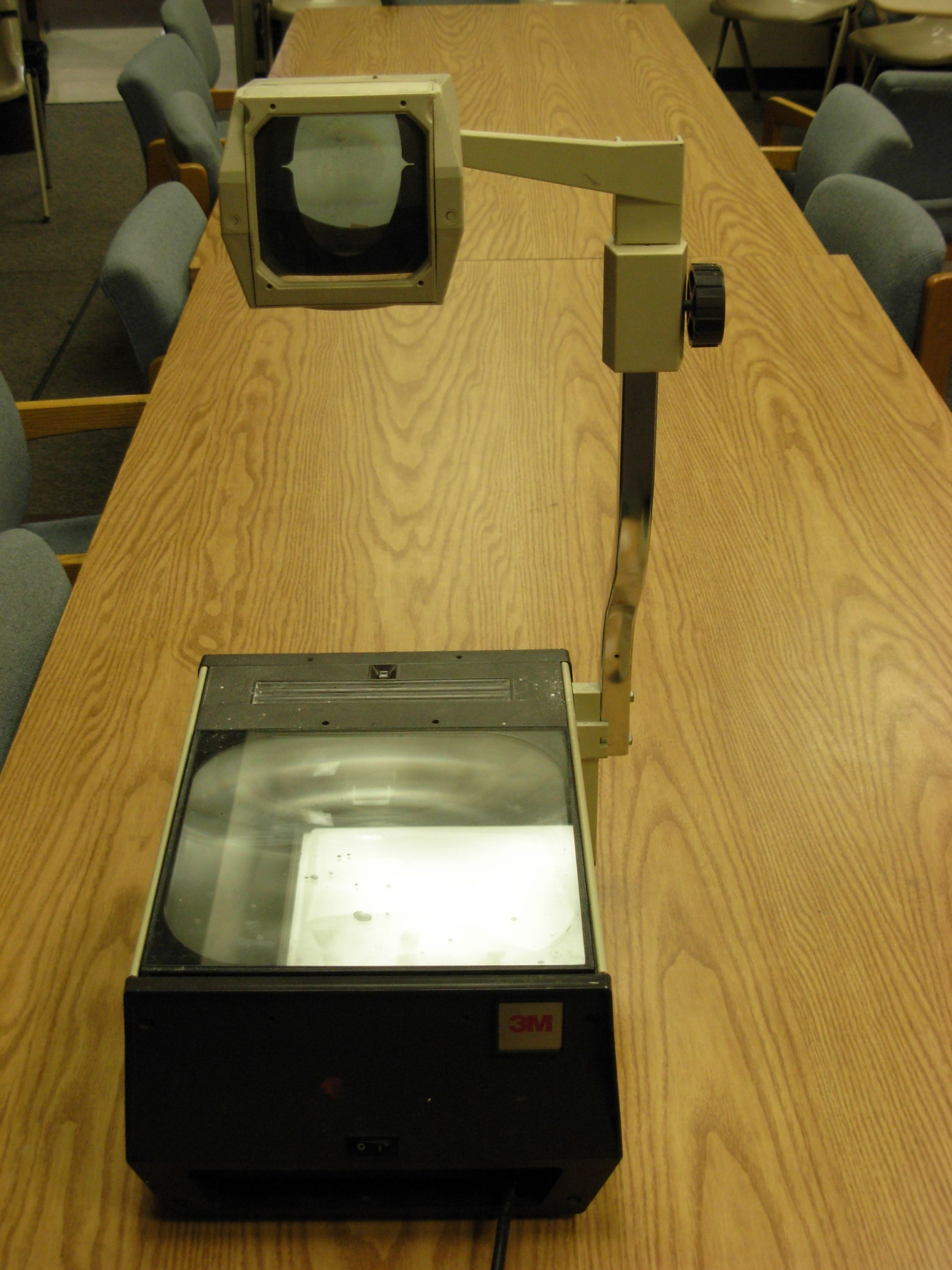
Projectors were shared between rooms, wheeled on a trolley with a shelf and a cable wound round the handle, booked out or simply taken – and a department had fewer machines than classrooms.
Fixed installation in every room, which removed the scheduling problem entirely and is the change teachers would name first if asked.
The scarcity shaped lessons in a way that nobody records. A teacher who needed the projector on Tuesday had to know where it was, get to it before somebody else, and wheel it down a corridor – which means a certain amount of American teaching happened without a visual aid for purely logistical reasons.
13. Everything You Wrote Was Visible to Everybody Instantly
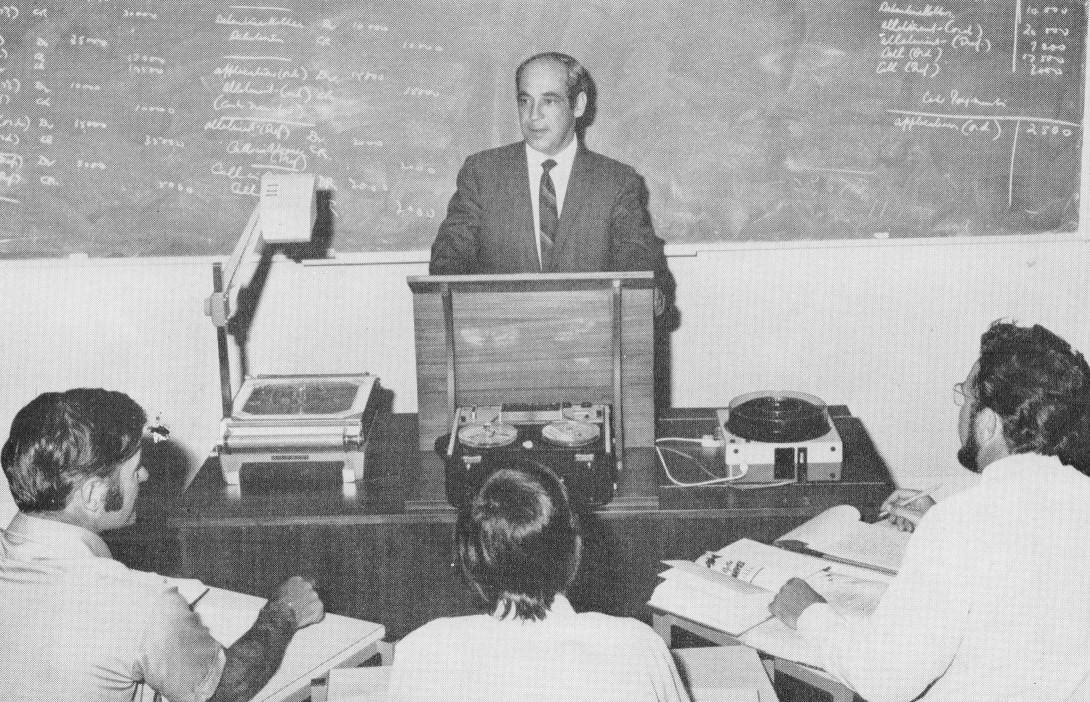
There was no composing off-screen. Whatever the teacher put on the glass appeared at once, in front of the class, including mistakes, false starts and arithmetic that did not come out.
Prepared files, edited in advance, with the display controlled separately from the preparation. The old machine had no draft mode of any kind.
Which produced something valuable by accident. Children watched a worked problem go wrong, get crossed out and be done again, by an adult, in public – and seeing competent people make and correct errors in real time is a thing that disappears entirely once every displayed item has been prepared beforehand.
14. Then the Document Camera Quietly Brought It All Back
The machine depended on transmissive optics, a hot lamp, a fan, special pens, a heat process for making sheets and a cart to move it on – and digital projection replaced all of that with a computer and a file.
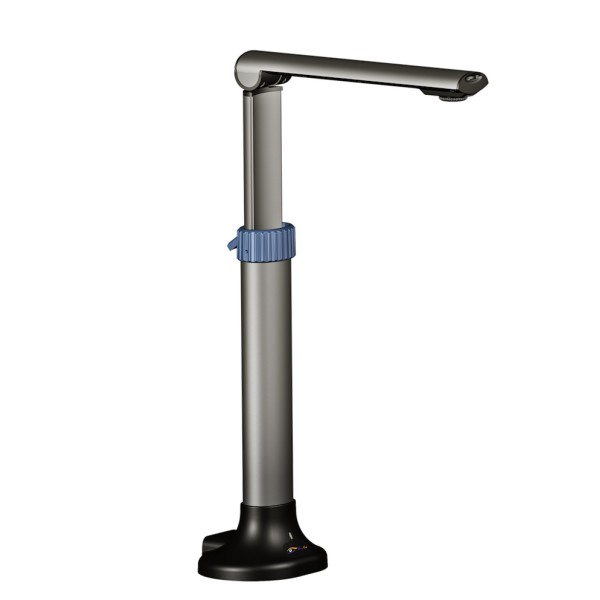
Document cameras – a small camera on a stem pointing down at a desk surface, feeding a projector or screen – which are now standard in classrooms and which restore the one property the computer had removed.
And the restoration was not an accident, because the gap was obvious to anybody teaching. A computer and a projector give you prepared material displayed perfectly, and they take away the ability to write by hand, in the moment, at the speed of the room, while looking at the faces in it. The document camera puts that back: a teacher sits beside a horizontal surface, writes on ordinary paper, points with a finger, builds a diagram in layers, slides a sheet down to reveal a line at a time, and watches the room the whole while. Which is precisely the overhead projector, with a sensor instead of a mirror and no bulb to replace – and it took about twenty years of better technology to work out that the old machine’s defining advantage had been worth keeping.
It Took Twenty Years of Progress to Get Back to the Mirror
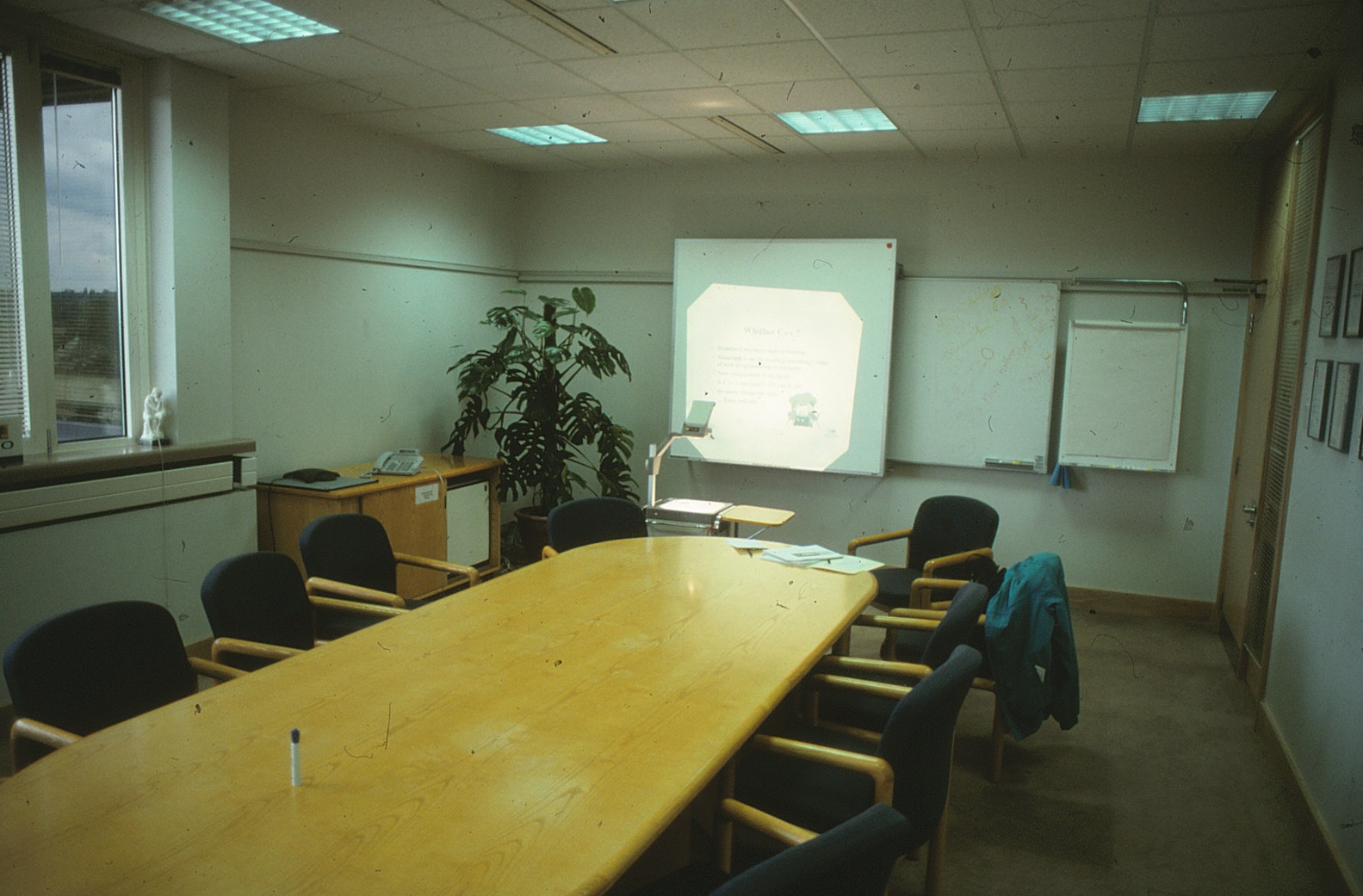
The overhead projector was replaced by something unambiguously more capable. A computer and a digital projector can display anything – text, photographs, video, a website, a simulation, a document somebody wrote this morning – at perfect geometry, in colour, with no lamp to change and nothing to wheel down a corridor.
By any list of features, it is not a contest.
But one property went missing in the transition, and it was the machine’s most important one, and almost nobody had ever articulated it because it was simply how the thing worked.
The writing surface was horizontal, beside the teacher, and the image appeared behind them. Which means a teacher could write and look at the room at the same time.
That sounds minor. It is most of the job.
A teacher at a chalkboard has their back to thirty children, which is why so much classroom management folklore is about what happens while you are facing the wall. A teacher at a laptop is looking at a laptop, and the class is watching the top of their head. A teacher at an interactive whiteboard is standing at the wall again, partly turned away, reaching up.
A teacher at an overhead projector was sitting or standing beside a lit glass surface, writing a worked example by hand, with thirty faces directly in front of them – and could see the exact moment a particular child stopped following. Not afterwards, from a quiz. At the moment it happened, on that child’s face, mid-problem.
Everything else good about the machine followed from the same geometry. The hand projected a yard long on the wall, which is a superb pointer. The paper slid down the sheet to reveal one line at a time, which is free suspense. The overlays flipped down by hand at the speed of the room. The roll of acetate cranked backwards to something written twenty minutes earlier. And the mistakes happened in public, uncorrected drafts and all, in front of children who got to watch an adult work something out badly and then fix it.
So the document camera is not a new idea. It is a small camera on a stem, pointing down at a desk, feeding a projector – and what it does is restore a horizontal writing surface beside a teacher who is facing the class.
It is an overhead projector with a sensor where the mirror was.
Which means the sequence here is the genuinely interesting part. A machine was replaced by something better at everything except one unnamed thing; two decades of classroom technology went by; and then the one unnamed thing was rebuilt, deliberately, by people who had worked out what was missing.
Nobody had to invent it. They had to notice it had gone.
If you were in these rooms, you watched a sheet of paper slide down a list and you can feel the suspense now.
And somebody’s hand was three feet long on the wall, with a watch on it.
Like our content? Follow us for more.
