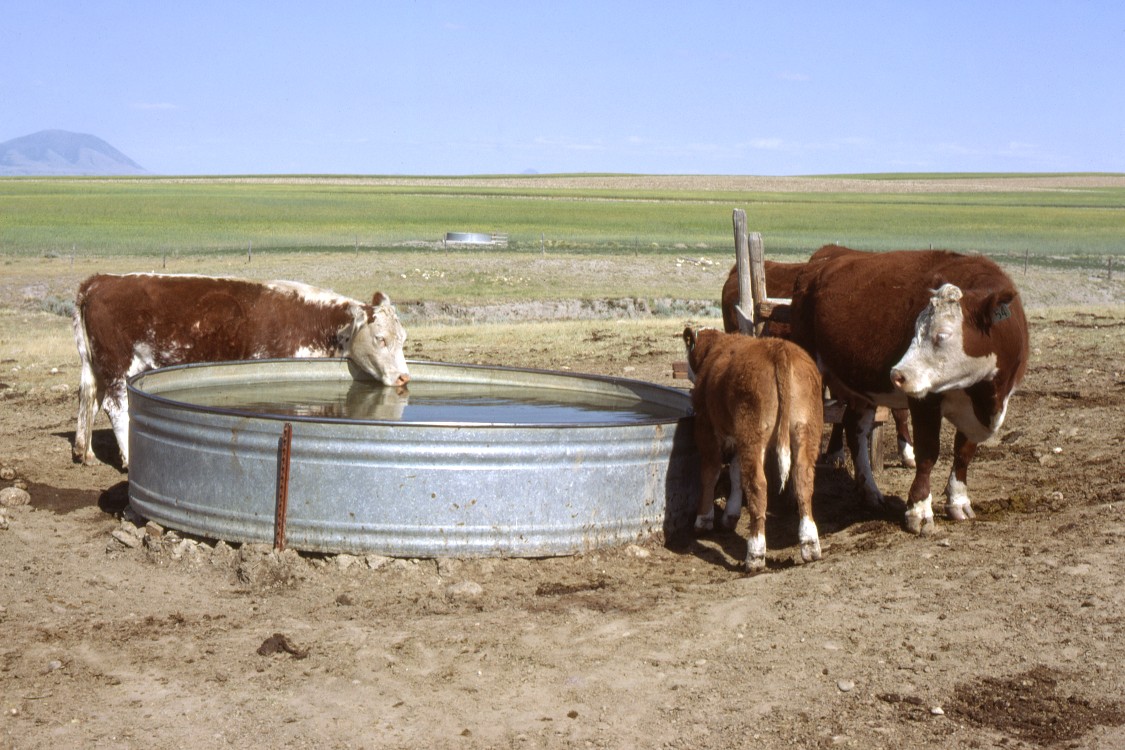
In 1974 the water on an American livestock place came out of a galvanised tank or a concrete trough, filled by a float valve in a box that was always about to stick, surrounded by a churned mud hole nobody ever fixed.
Somebody broke the ice on it twice a day all winter with an axe. There were goldfish in it to eat the algae. Children got in it on hot days and were told not to, every time. And beside it a salt block sat in a holder, licked into a smooth hollow, which was most of the mineral programme and also the only instrument anybody had for reading the herd.
Here are twelve things every farm kid knew.
1. The Tank Was Galvanised Steel or Poured Concrete
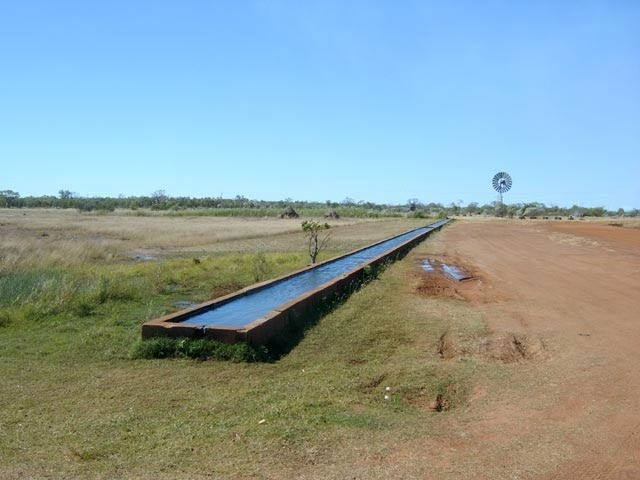
Livestock drank from a round or oval tank – corrugated galvanised steel on the ground, or a poured concrete trough set in place decades earlier and essentially permanent.
Moulded poly tanks, insulated automatic waterers and frost-free units, with galvanised tanks still sold and still in wide use.
The material tells you the intended lifespan. A concrete trough was installed by somebody who expected it to outlast them, and a galvanised tank was expected to last twenty or thirty years – which is a different attitude to equipment than anybody applies to anything now.
Like our content? Follow us for more.
2. A Float Valve Kept It Full and Was the Thing That Broke
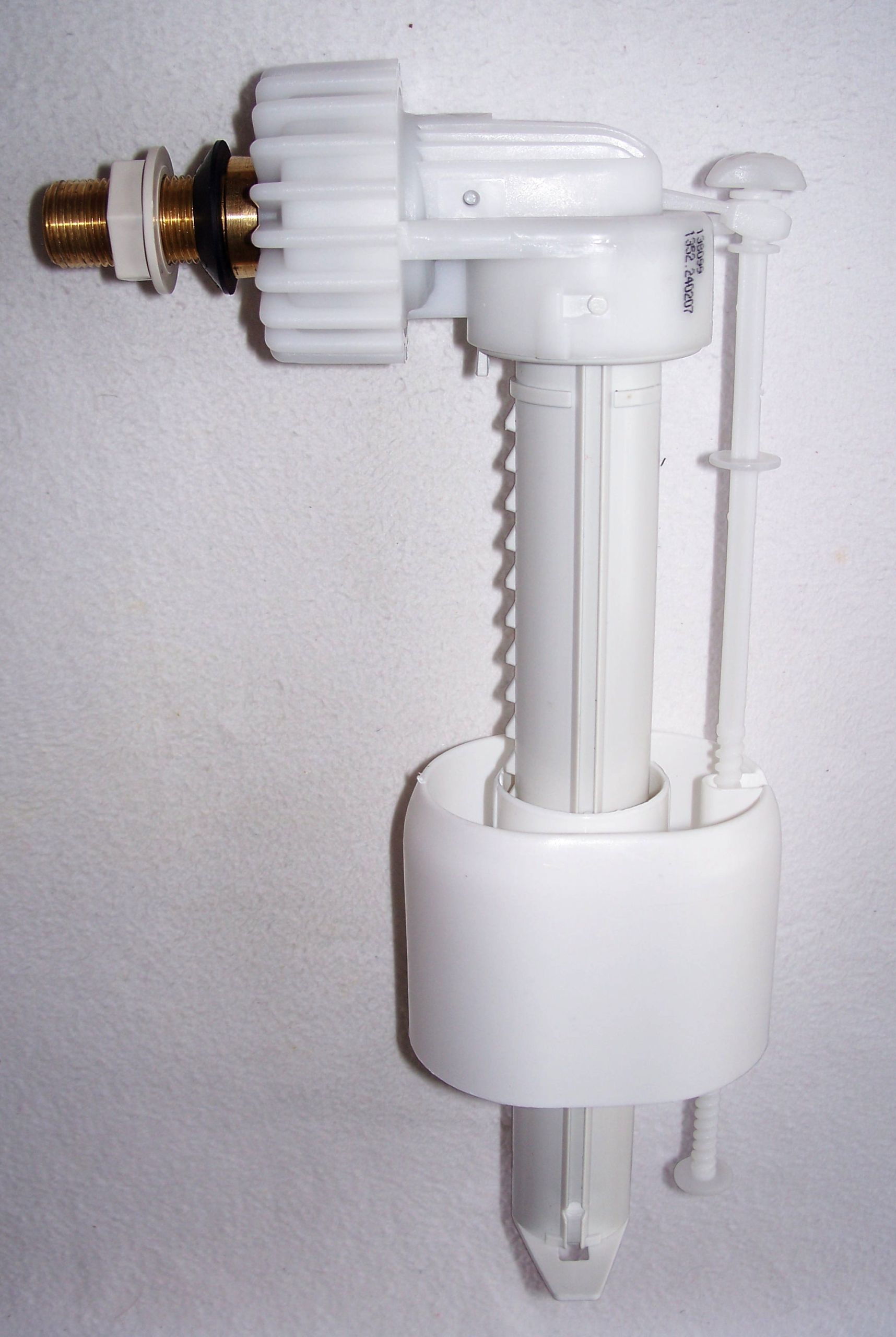
Water came in through a float-operated valve in a protective box at one end, which shut off when the level came up – and which stuck, leaked, froze or got knocked loose by animals.
The same mechanism, better made and better protected, still the component that fails.
The float valve is the single most checked item on a livestock place and always has been. A stuck-open valve runs the well or the meter all night, a stuck-shut one leaves stock without water in heat, and both of those are discovered by somebody walking out and looking.
3. The Overflow Made a Mud Hole and Nobody Fixed It
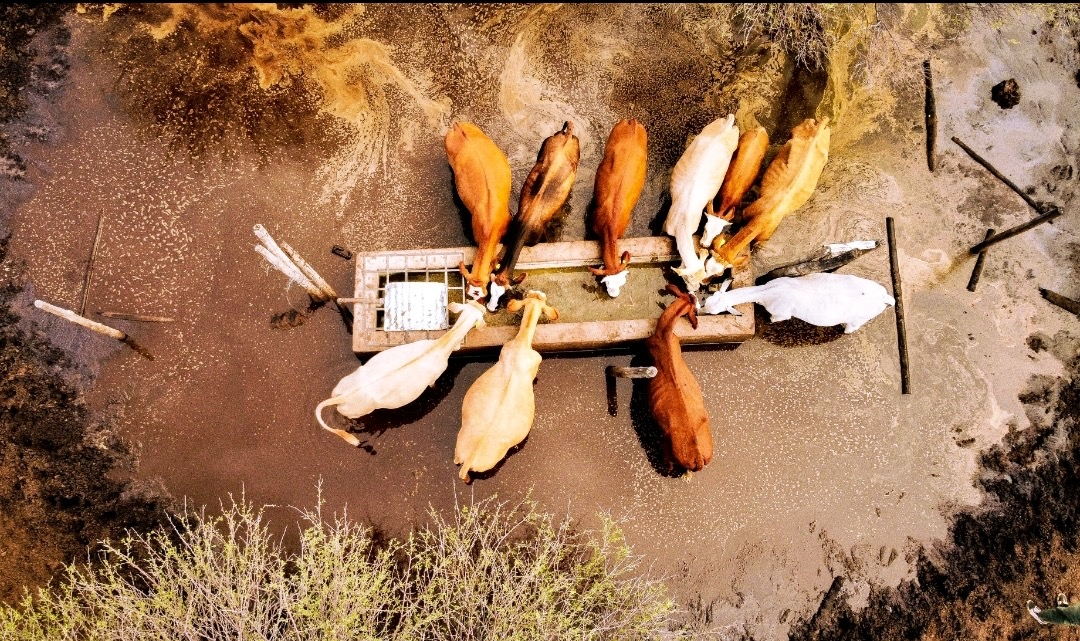
Spilled and overflowed water created a permanent churned wet area around the tank that stock stood in, which got worse every year and was simply accepted as what a tank looked like.
Geotextile and rock pads, concrete aprons and deliberate siting, all standard now for drainage and footing reasons.
The mud was never harmless and it was universally tolerated. It made footing bad, it kept stock standing wet, and the fix – a hard pad around the tank – was obvious, cheap and almost never done, because it was nobody’s priority until it was.
4. Winter Meant Breaking Ice Twice a Day
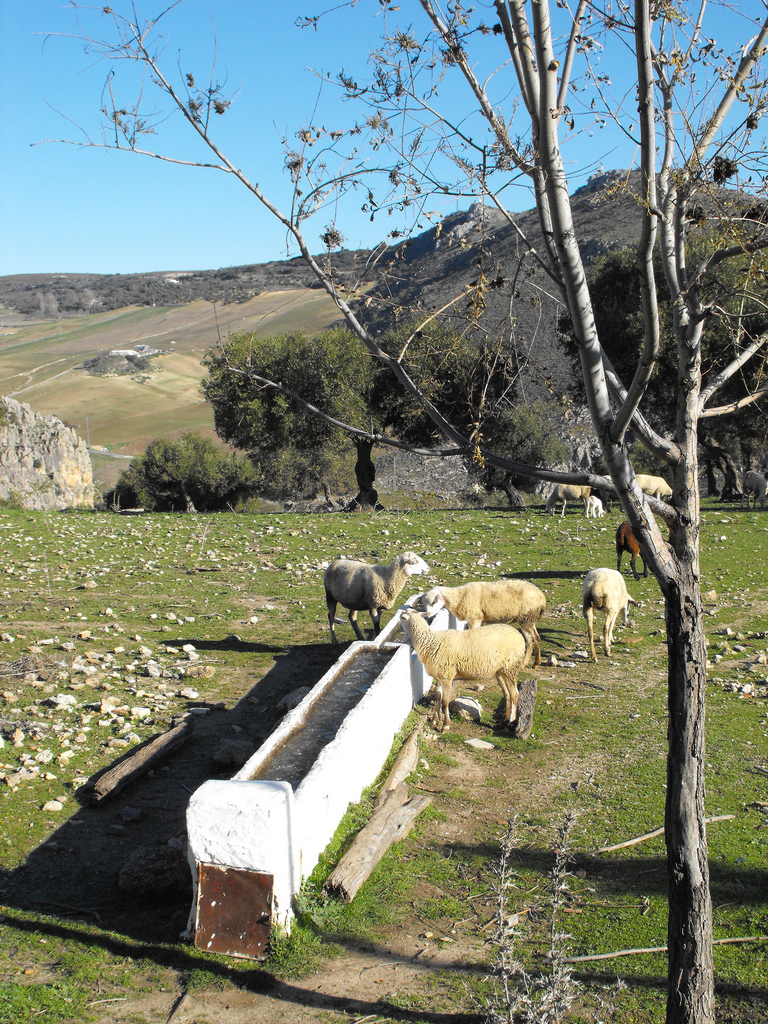
In cold weather somebody went out morning and evening with an axe, a maul, a bar or a hatchet and broke the ice on every tank so the stock could drink.
Submersible tank heaters, insulated energy-free waterers and heated automatic units, with ice-breaking reduced to a backup for power failures.
This was the dominant winter chore on any livestock place and it is the thing that has changed most. It happened every day without exception, in the worst weather of the year, twice, at both ends of the day – and it is the single largest piece of labour that heated waterers eliminated.
5. The Tank Heater Was Watched With Suspicion
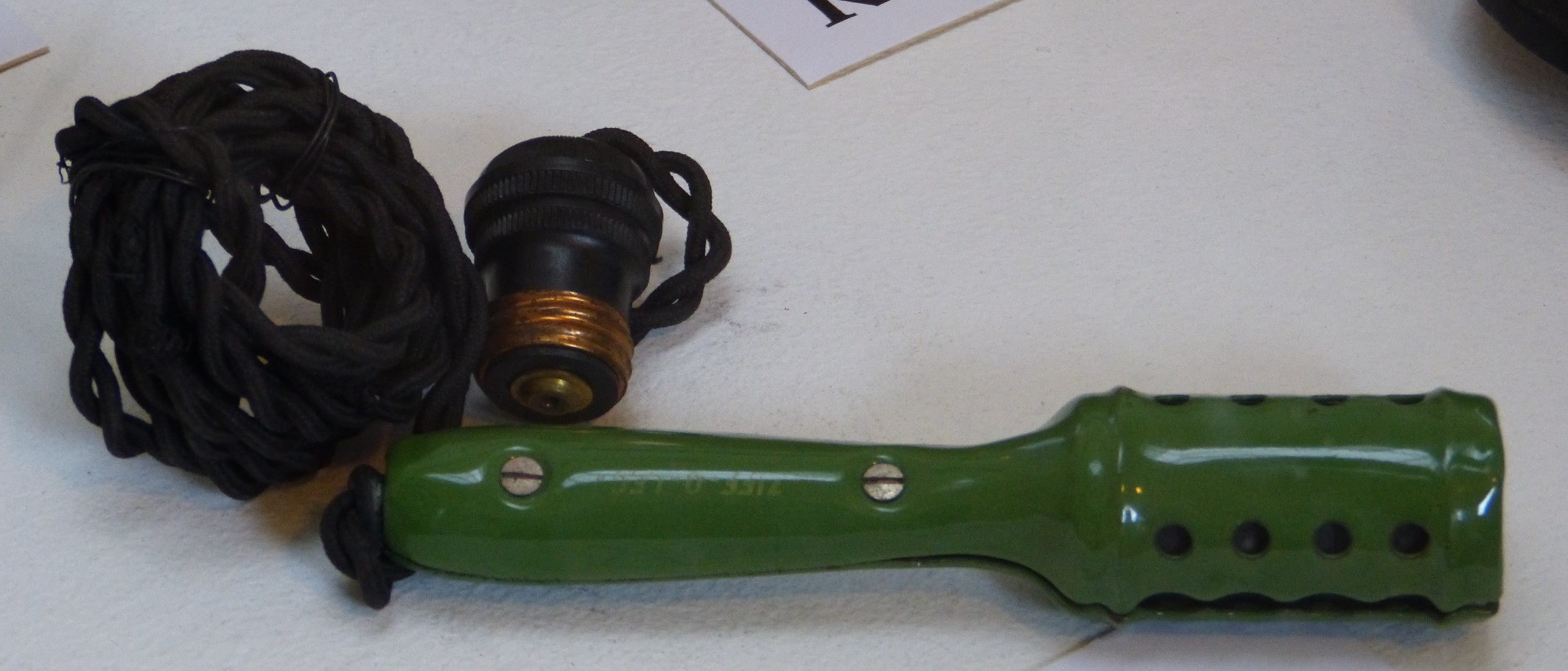
An electric heating element dropped into the tank, on a cord run out from a building, kept a hole open in the ice – and was distrusted because of the combination of water, electricity and animals.
Purpose-built heaters with proper grounding, thermostats and guards, along with insulated designs that use no electricity at all.
The suspicion was reasonable and it is why adoption was slow. An early element on a long cord in a steel tank full of water with animals standing in it was a situation everybody could see the problem with, and the engineering that resolved it came later.
6. The Tank Grew Moss and Somebody Scrubbed It
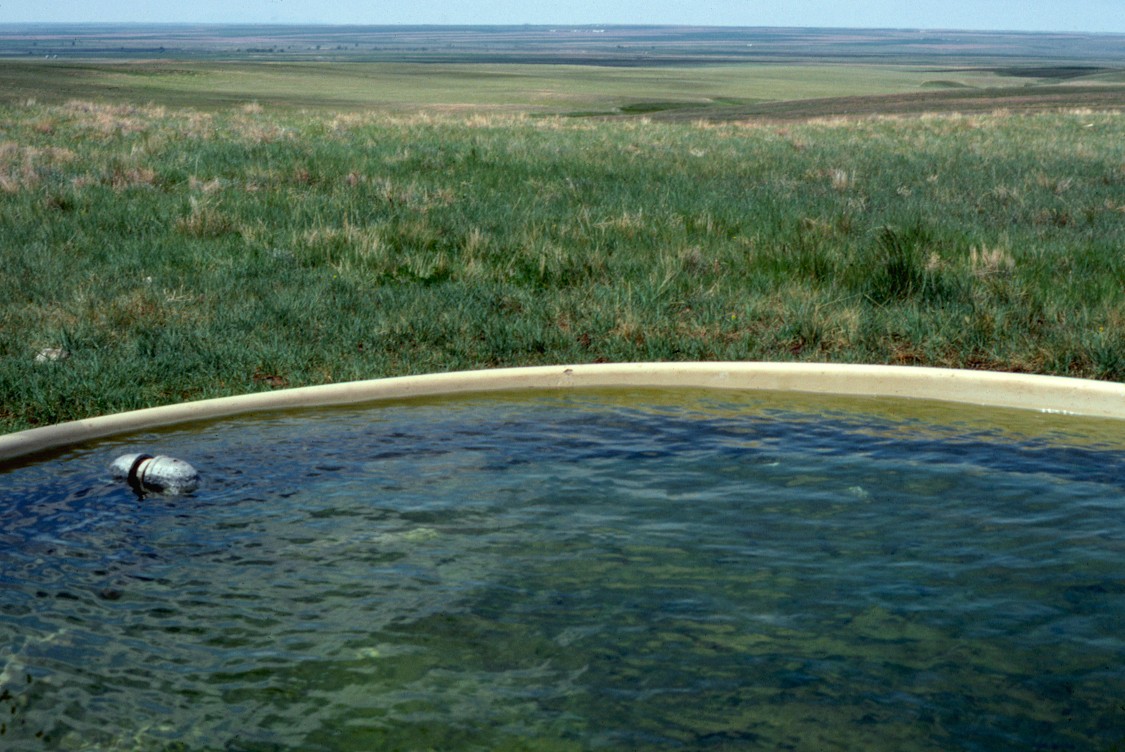
Algae grew on the sides and bottom in warm weather, the tank got drained and scrubbed with a brush periodically, and the question of how often was a matter of individual conviction.
The same job, with better understanding of water quality and intake, and much the same range of individual diligence.
Clean water gets drunk and dirty water does not, which is the whole argument. Stock will reduce their intake from a fouled tank, and reduced water intake shows up in everything else – so the scrubbing was doing considerably more than making the tank look tidy.
7. There Were Goldfish in a Great Many Tanks
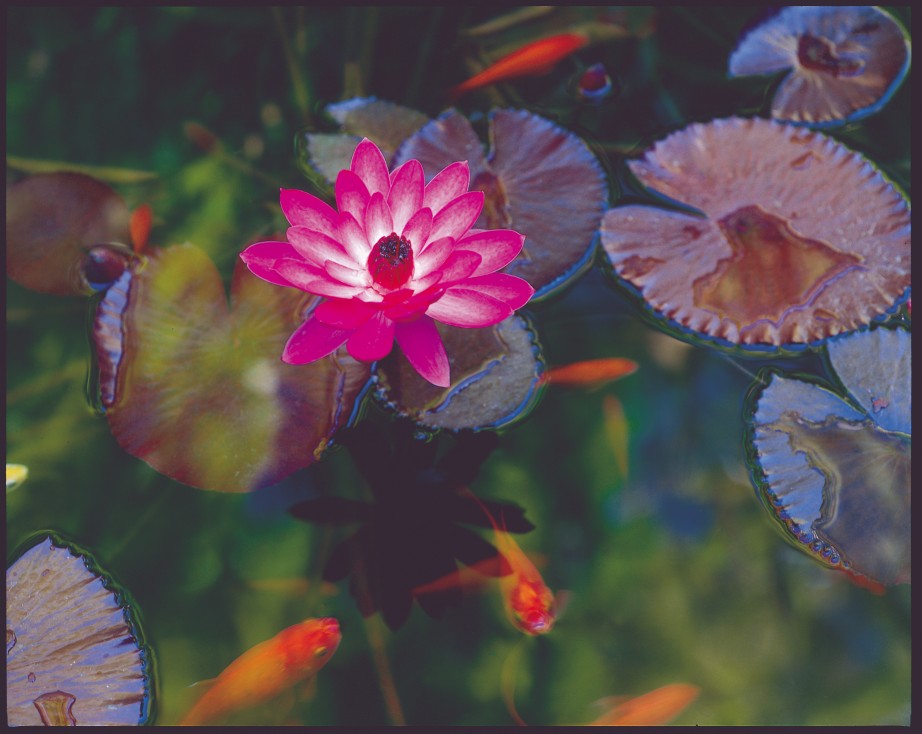
Common goldfish were put into stock tanks deliberately, on the understanding that they would eat algae and mosquito larvae and keep the water cleaner.
Rarely done, with the practice discouraged on grounds of introducing fish into places they can escape from into local waters.
This is the detail everybody from a farm remembers and nobody from town believes. The fish were genuinely functional rather than ornamental, they overwintered under the ice in deeper tanks, and children knew every one of them individually and had names for them.
8. Swimming in It Was Forbidden and Universal
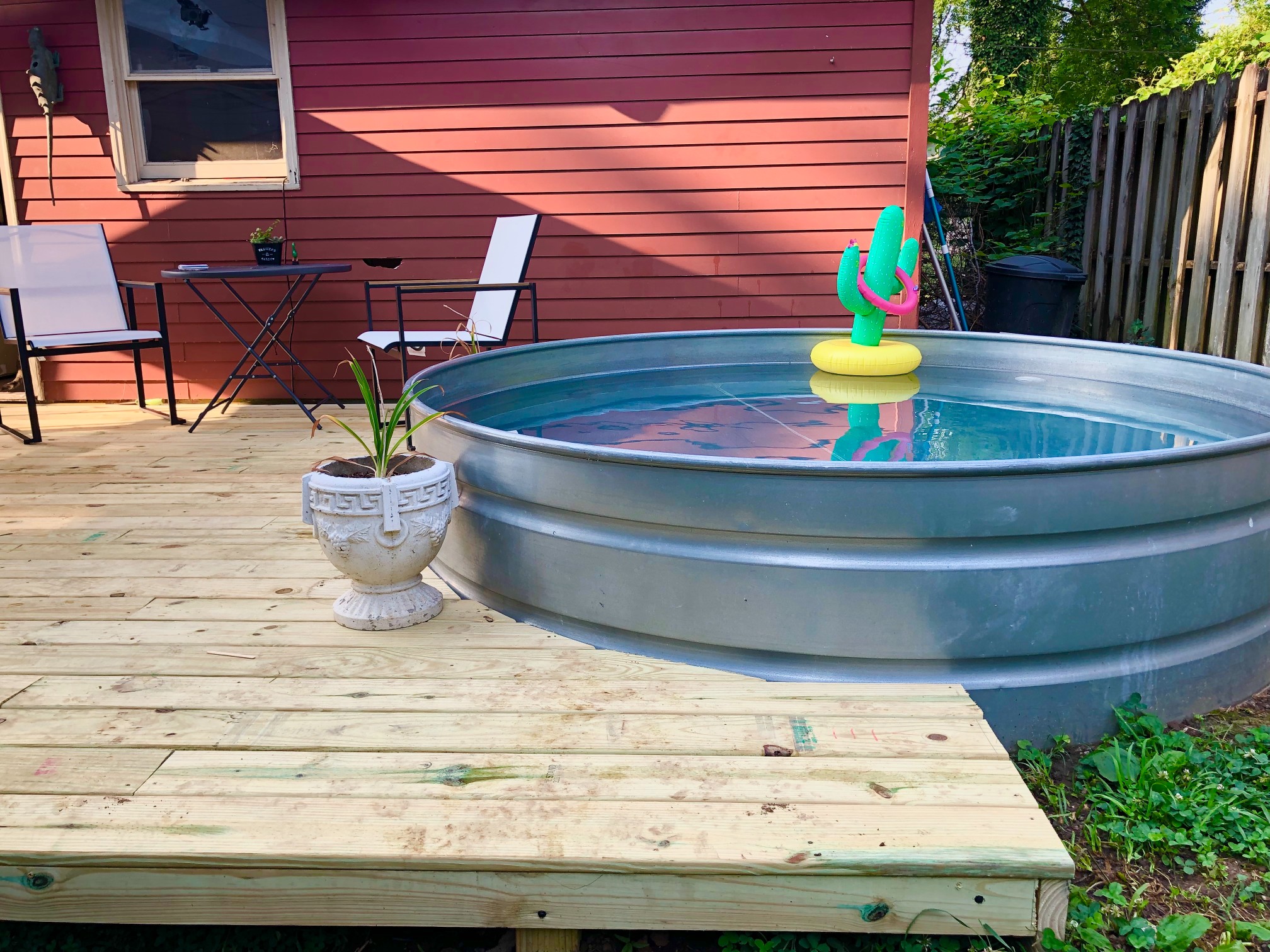
On a hot day a stock tank was the only body of water within reach, and children got into it – and were told not to, every time, for reasons involving the stock, the water and the fact that it was not a swimming pool.
Stock tanks still get used this way, and purpose-sold galvanised tanks have become a popular garden plunge pool entirely disconnected from livestock.
The prohibition was about the animals as much as the children. Stock will not drink from water that has had people in it with any enthusiasm, the tank is the herd’s only supply, and fouling it on the hottest day of the year is a genuine problem rather than a fussy objection.
9. The Salt Block Sat in a Holder and Got Licked Into a Shape
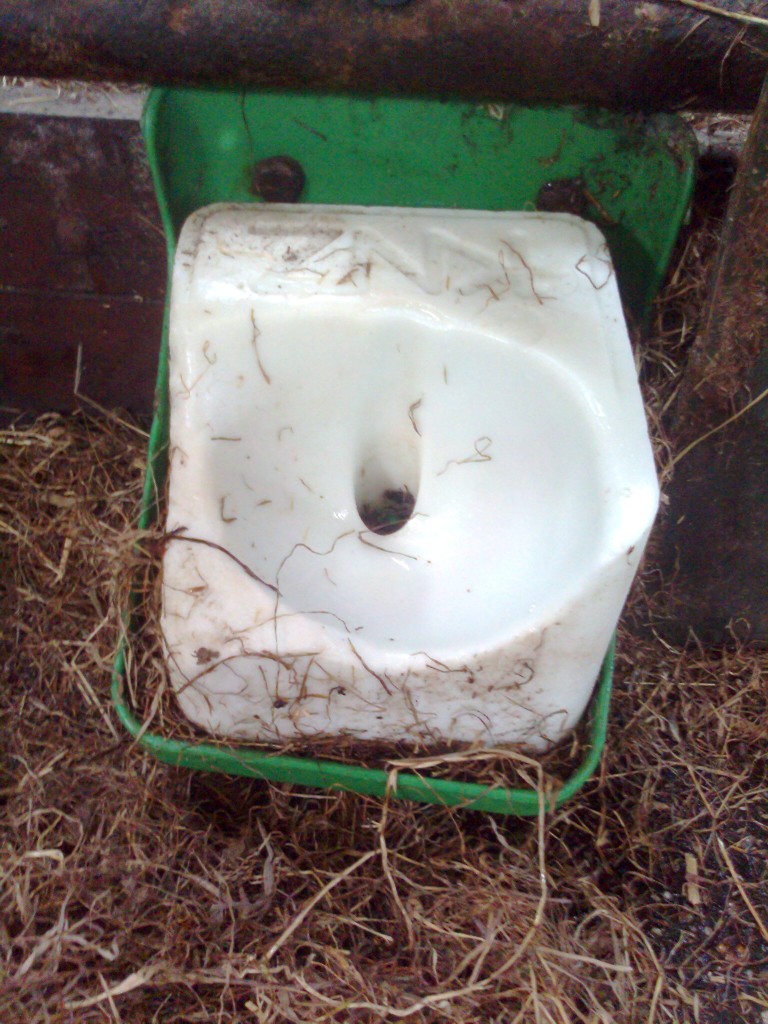
A compressed block of salt – white plain salt, or a mineral block with trace elements, or iodised – sat in a wooden or metal holder and was worn down over weeks into a smooth hollowed form.
Blocks and loose mineral both widely used, with free-choice loose mineral increasingly preferred because intake is better and more even.
The shape is what everybody remembers and it is also information. A block licked into a deep smooth hollow has been worked hard, and the rate at which blocks disappeared told a stockman something about the herd that nothing else on the place reported.
10. The Block Was How You Read the Herd
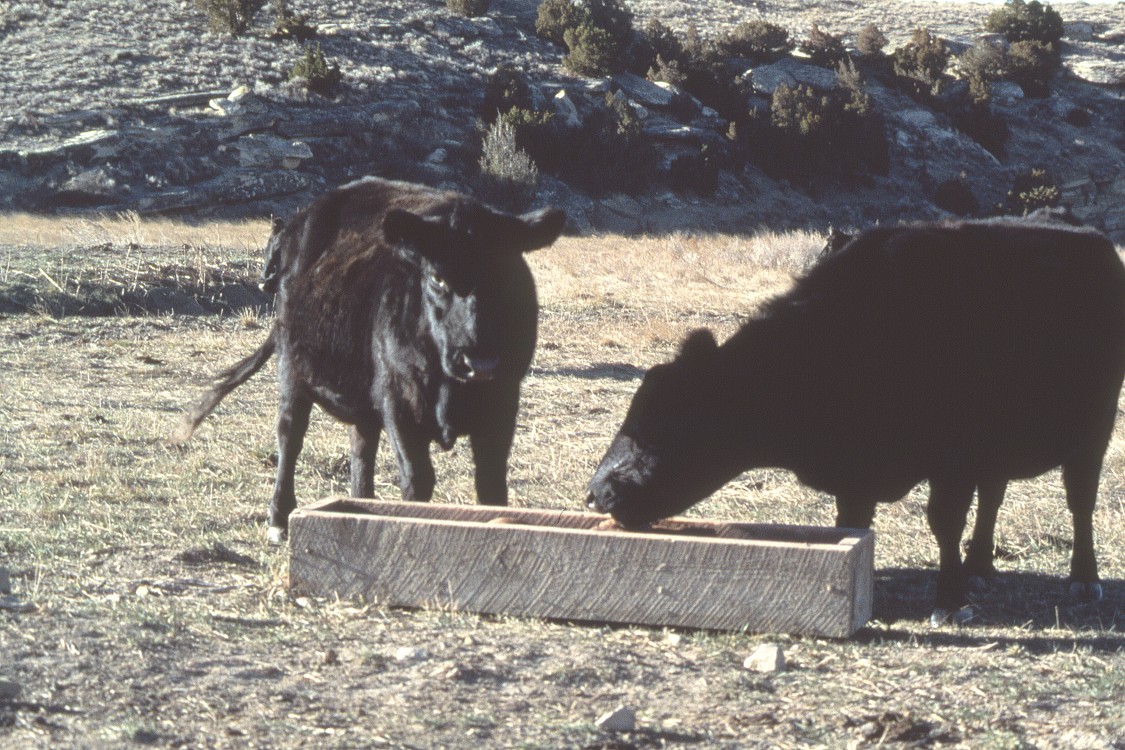
How fast the block went, which animals used it, whether consumption jumped or stopped – these were watched, because they indicated something about the feed, the water and the condition of the stock.
Formulated free-choice mineral programmes with recorded intake, matched to local forage analysis and to the specific class of stock.
The old reading was real observation with a crude instrument. A plain salt block supplies sodium and tells you about appetite for sodium, which is useful – and it tells you nothing at all about the other mineral requirements that vary enormously by region and by what the ground is growing.
11. Mineral Deficiency Was Regional and Largely Invisible
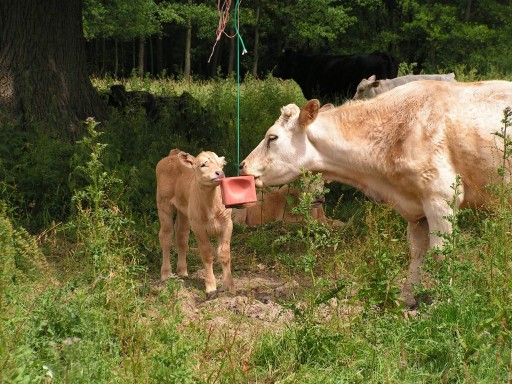
Different parts of the country grow forage short in different elements, which produces problems in stock that are real, costly and not obvious from looking at the animals.
Soil and forage testing, regionally formulated mineral products and veterinary advice, which address the specific local shortfall rather than offering the same block everywhere.
This is the genuine advance and it is worth stating as one. Matching supplementation to what the local ground is actually short of is a measurable improvement over supplying plain salt and hoping – and anybody with stock should be working from current advice and local testing rather than from anything in this piece, which gives no product, mineral, amount or programme.
12. Then the Tank Got Sealed, and the Wildlife Noticed
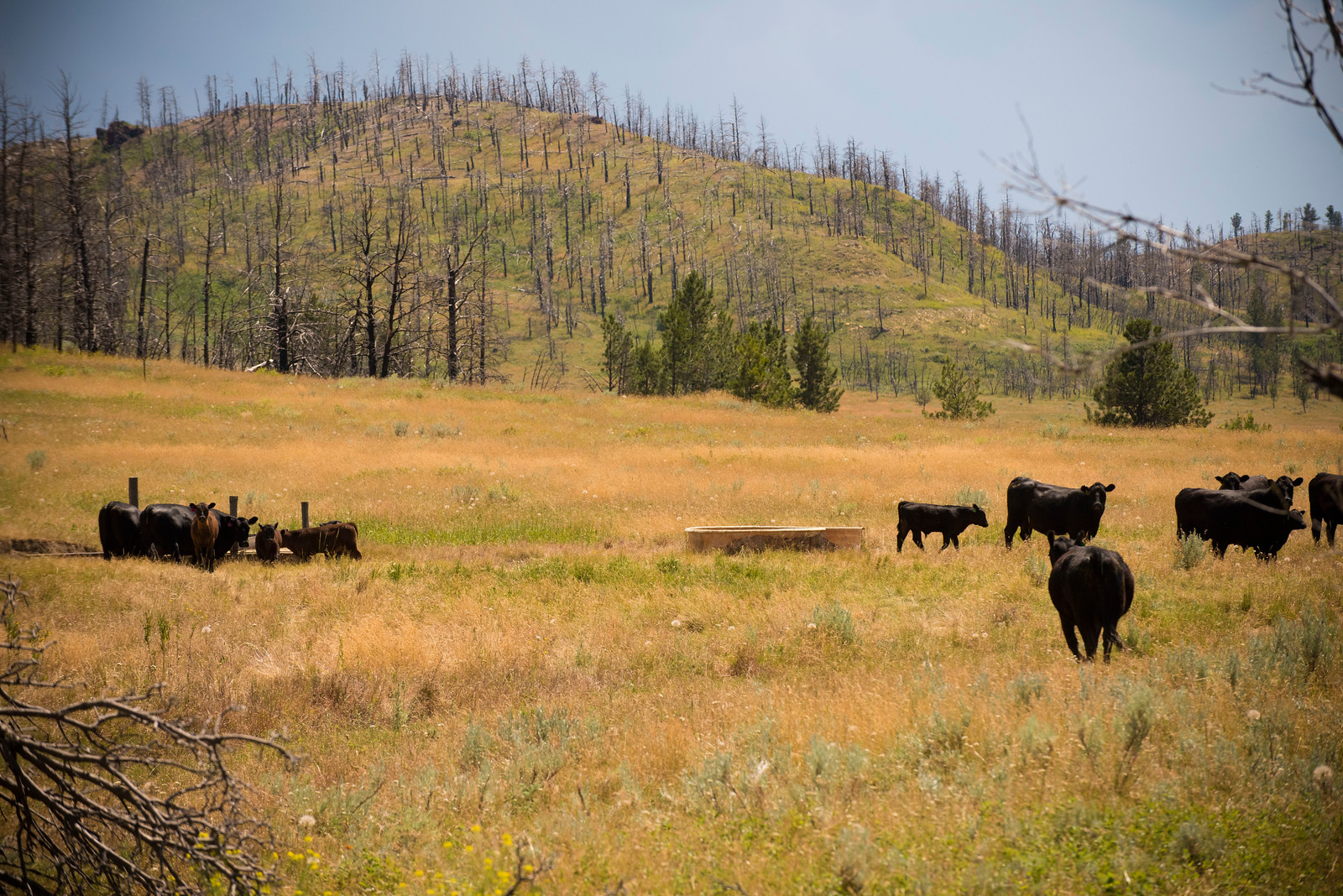
In 1974 an open stock tank was the only reliable water for a long way in a great many places – drunk by the cattle it was there for and also by birds, bees, deer, dogs and anything else that could reach it, with the whole thing maintained by somebody breaking ice twice a day all winter.
Enclosed, insulated and heated automatic waterers which are better for the livestock in every measurable way – no ice, cleaner water, steadier intake, no daily round – and which provide nothing to anything else.
And the second effect of that was not anticipated by anybody, which is the part worth knowing. Open water in dry and semi-arid country does an enormous amount of work beyond the stock it was installed for. Birds drink from it and bathe in it. Bees and other insects use it, in numbers, all summer. Deer, antelope and smaller mammals come to it. In a great deal of the American West and the dry plains, the network of windmill-fed and pipeline-fed open tanks effectively became the available surface water across country that had very little of it – so an entire set of wild populations ended up depending on a system built for cattle. When those tanks were replaced with sealed insulated waterers, the water went away from everything except the livestock. This is now well recognised and the responses are practical and uncontroversial: escape ramps so that birds and small animals that fall in can climb out, float boards for the same purpose, deliberately retained open tanks, and separate small wildlife waterers installed on purpose. None of that undoes the argument for the modern waterer, which is a straightforward improvement for the animals and for the person who no longer stands in a January wind with a maul. It is just a reminder that a piece of farm equipment can be doing a second job nobody wrote down, and that you find out what the second job was when you remove it.
The Equipment Had a Second Job Nobody Wrote Down
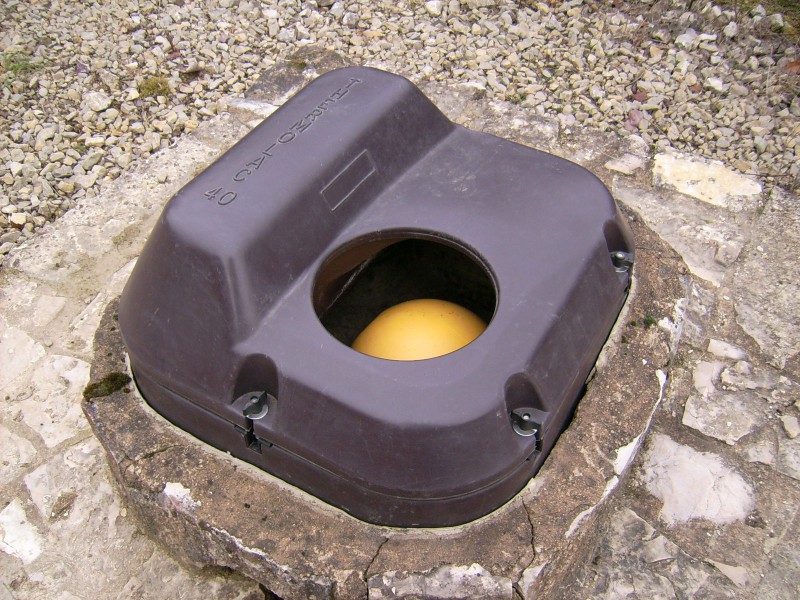
The modern automatic waterer is better than the open stock tank in every way that can be measured, and it is worth being clear about that before anything else.
It does not freeze, which eliminates the single largest winter chore on a livestock place – somebody walking out twice a day, every day, in the worst weather of the year, with an axe or a maul, to every tank. It holds cleaner water, because it is enclosed and because the volume turns over. It produces steadier intake, which shows up in condition and in production. It does not grow algae the way an open tank in full sun does. It does not create the churned mud hole around it that everybody tolerated for a century. And nobody has to stand in a January wind at six in the morning breaking ice.
That is a real improvement and nothing in this piece argues against it.
But the open tank was also doing something else, and the something else was invisible until it stopped.
In the dry parts of the United States – the West, the high plains, a great deal of semi-arid range – surface water is scarce. What there was, historically, was intermittent: seasonal streams, playas, a spring here and there. Then over the course of a century, ranchers drilled wells, put up windmills, ran pipelines and installed open tanks across all of that country, in order to water cattle. Hundreds of thousands of them.
And in doing so they accidentally built the most reliable network of year-round open water that dry country had ever had.
Birds drank from it and bathed in it. Bees and other insects used it in enormous numbers all summer, because insects need water and a stock tank is a guaranteed source. Deer and antelope came to it. Small mammals came to it. Bats drank from it on the wing. Over generations, entire wild populations in dry country adjusted to a water distribution system that had been installed for livestock and that nobody thought of as habitat at all.
Then the tanks started being replaced with sealed, insulated, heated units, which is excellent for the cattle and provides exactly nothing to anything else.
This is now well understood and the responses are practical rather than controversial. Escape ramps in open tanks, so that a bird or a small animal that gets into the water can climb out instead of drowning. Float boards doing the same job. Keeping some open tanks deliberately. Installing small separate wildlife waterers where it matters. None of it requires anybody to go back to breaking ice.
The salt block has a parallel story and it is simpler. A plain salt block supplies sodium, and animals have a strong appetite for sodium, so it gets used and the rate of use tells a stockman something about the herd. What it does not do is address the actual mineral shortfalls of a particular place, which vary enormously depending on what the local ground grows and what it does not. That problem got solved properly – through soil and forage testing and regionally formulated free-choice mineral – and the block-in-a-holder has been largely superseded for good reasons. Anybody running stock should be working from current advice and local testing, not from anything here.
So two pieces of ordinary farm furniture, both replaced by better equipment, and in one case the replacement removed something nobody had noticed was being provided.
Which is a general lesson about old equipment worth holding onto: a thing installed for one purpose may have quietly become load-bearing for another, and the way you find out is by taking it away.
If you grew up with a stock tank, you broke the ice on it and you know exactly how cold the handle got.
And you had names for the goldfish.
Like our content? Follow us for more.