
In 1964 an American woman did not go downtown in the clothes she had been wearing at home. She changed – into town clothes, which were a separate category – and the assembly included short white gloves in July, a hat anchored with a long pin, a foundation garment that took fifteen minutes to get into, stockings that could run getting into a car, and a frame handbag carried on the forearm.
None of it was comfortable and nobody expected it to be. The gloves were not about the weather. They were a credential, in a world where a stranger decided how to treat you from what you had on.
Then the car, self-service retail and the credit card dissolved the entire reason for it. Here are fourteen things every woman knew.
1. Going Downtown Was an Occasion You Dressed For
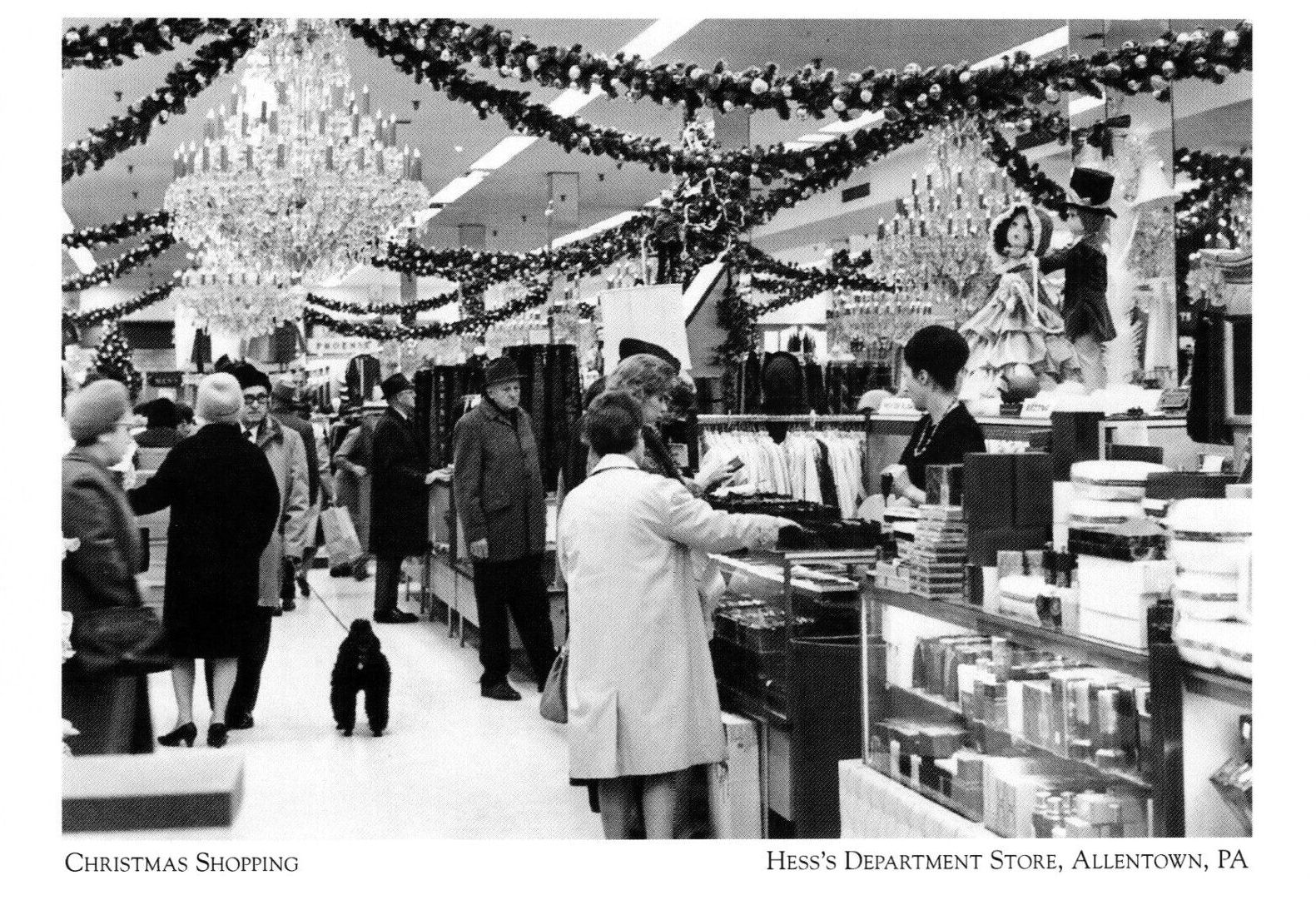
A trip into town to shop, bank, see a doctor or keep an appointment required changing clothes – not into anything elaborate, but deliberately into town clothes, which were a distinct category from house clothes.
No change of clothing for any errand, with the same clothes worn at home, in a store, at a bank and on an aeroplane.
The two-category wardrobe is the thing to understand first. House clothes and town clothes were not better and worse versions of the same thing; they were different sets with different purposes, and crossing the line between them without changing was a real breach that people noticed.
Like our content? Follow us for more.
2. Gloves Were Not Optional and Not About the Weather
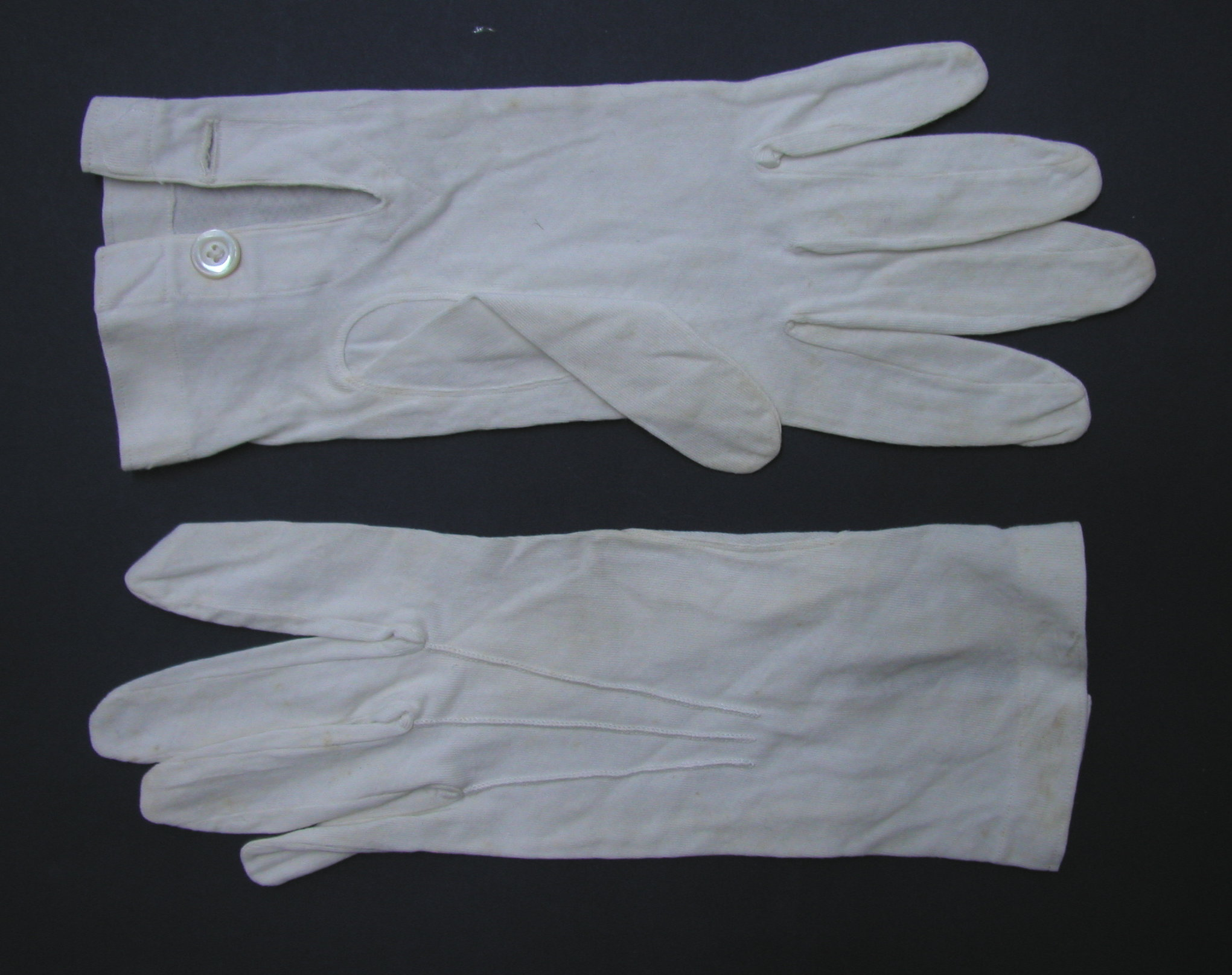
Short white or pale cotton gloves were worn with a town outfit in any season, including summer, as a standard element of being properly dressed in public rather than as protection from anything.
Worn only for warmth, for work or for formal occasions, with the daytime social glove gone completely.
Summer gloves are the detail that proves these were signals rather than clothing. A cotton glove in July does nothing for you physically – it exists purely to be seen, which means it was carrying information about the wearer, and everybody looking knew how to read it.
3. The Hat Was Fixed in Place With a Pin

A hat was anchored to the hair with one or more long decorative pins pushed through the hat and the hairdo, which is what kept it on in wind and in a moving car.
Hats worn by choice and secured with combs or clips if at all, with the long pin an antique object.
Those pins were genuinely substantial objects and that fact had consequences. They were long, sharp and sold in pairs, and the historical record on them includes both their use as an improvised defence by women travelling alone and municipal attempts to restrict their length – which tells you something about the period that the pretty examples in antique shops do not.
4. The Foundation Garments Were the Real Labour
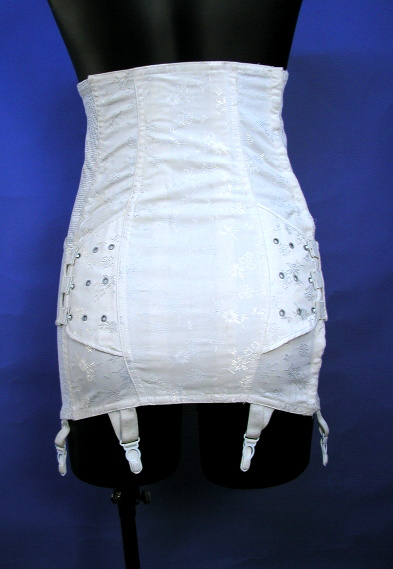
Under the dress came a structure – girdle or corselette, stockings fastened to it, slip, sometimes more – which took real time to put on, constrained movement and was simply the price of an acceptable silhouette.
Elastic and synthetic foundations worn by choice, with the required daily structural undergarment gone.
This is the part that gets left out of nostalgic accounts and it should not be. Getting dressed to go downtown was fifteen or twenty minutes of physical work, the result was uncomfortable all day by design, and no woman was in any doubt about the trade she was making.
5. Stockings Were Fragile, Expensive and Constantly Repaired
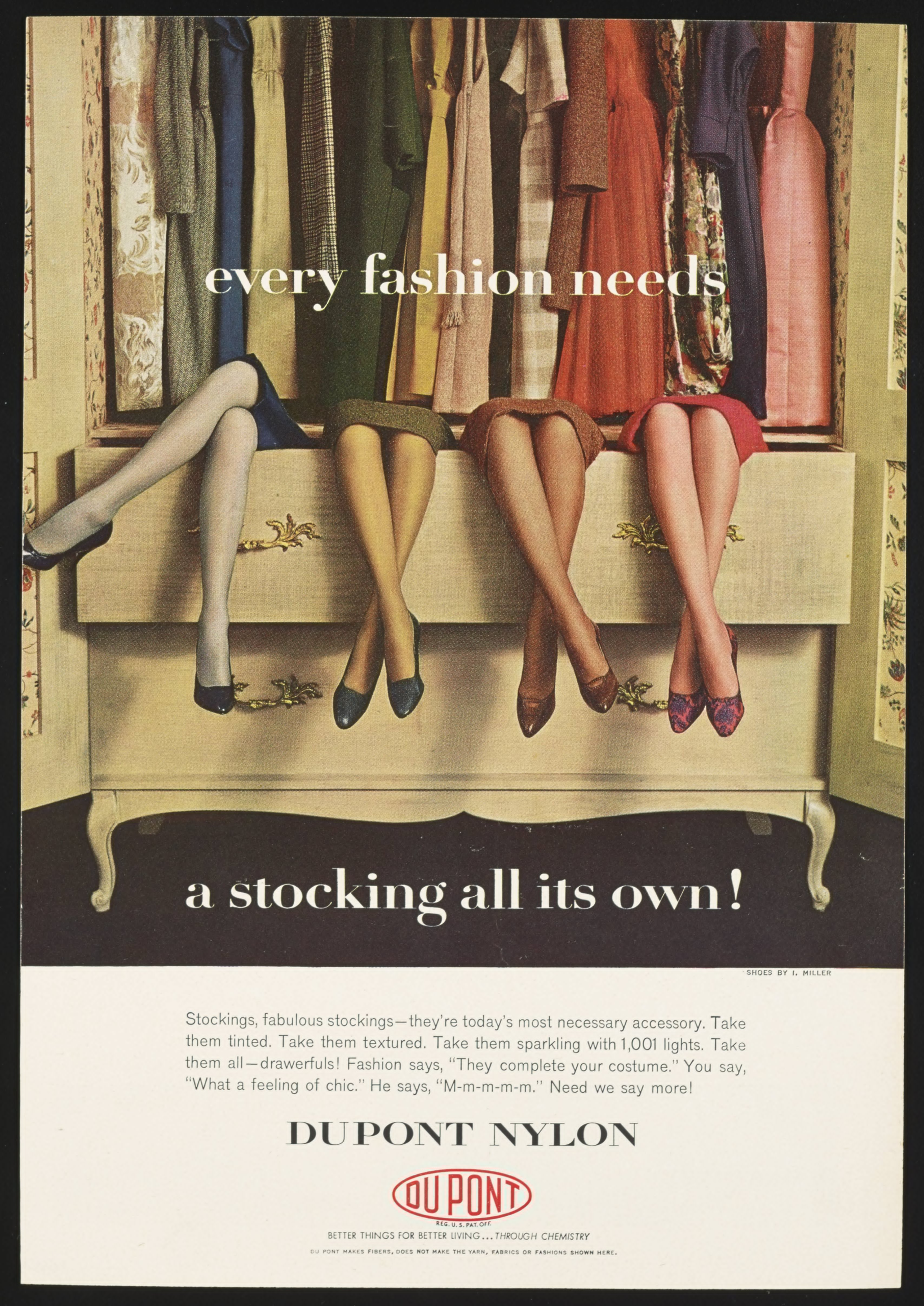
Nylon stockings ran easily, cost enough to matter, were held up by fasteners that failed, and were mended, clear-nailed at the start of a run and worn carefully.
Pantyhose and then bare legs, with the whole apparatus of fasteners, seams and repair gone and the social requirement to cover the leg largely gone with it.
The economics explain the behaviour. A pair of stockings represented a real fraction of a week’s household spending, a run could happen getting into a car, and the result was a set of careful habits around sitting, moving and reaching that nobody had to be taught.
6. The Pocketbook Was Carried in the Hand, Not on the Shoulder
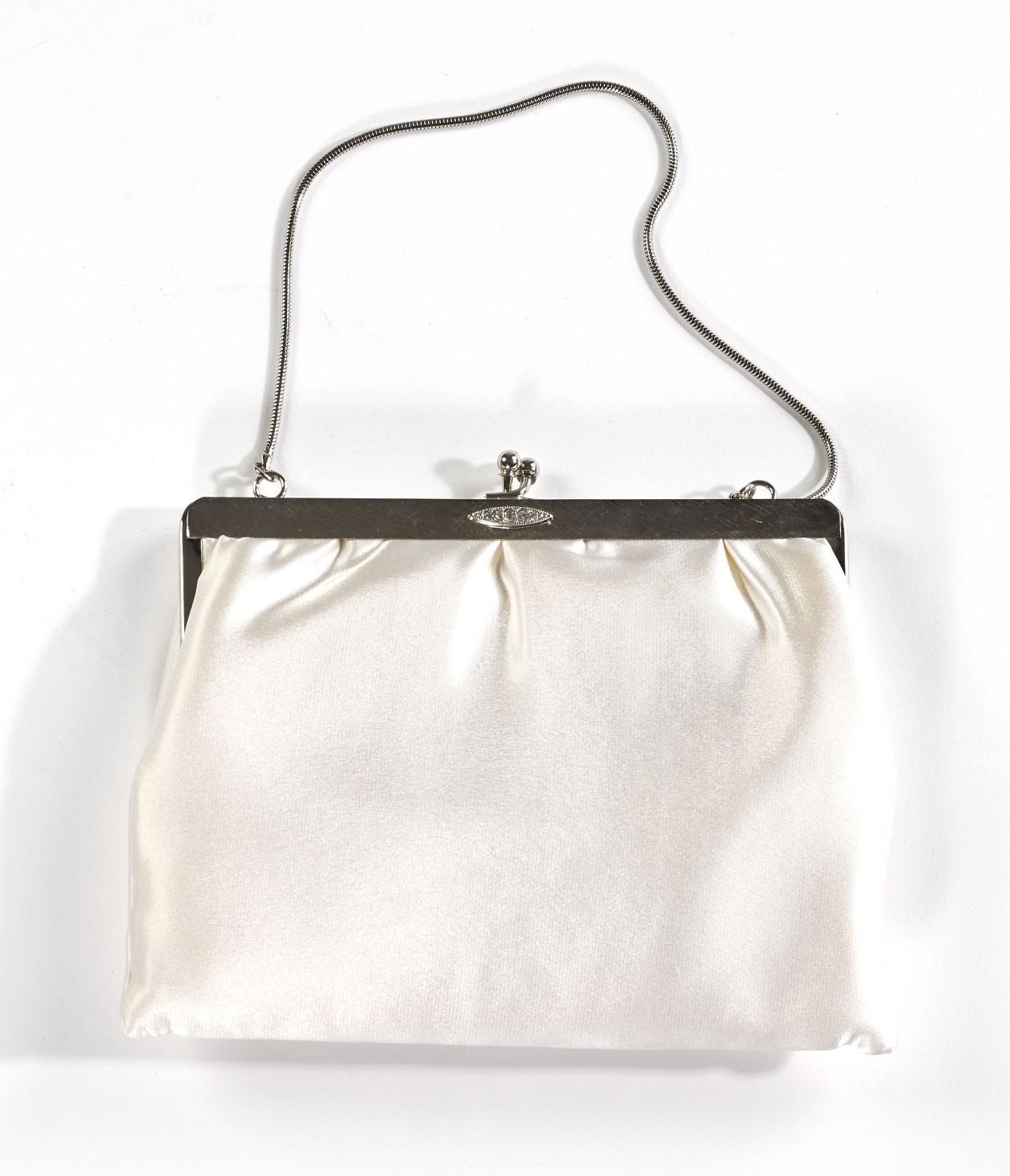
A structured handbag with a clasp frame and a short handle was carried in the hand or over the forearm – which occupied an arm all day and dictated how you moved through a store.
Shoulder bags, crossbody bags and backpacks, which leave both hands free and changed how women move in public more than almost any other object.
Freeing up the hands was a bigger change than it sounds. A woman carrying a frame bag on her forearm with gloves on could not easily hold a child, carry a parcel and open a door – which is a practical limitation built into the correct way of being dressed.
7. The Children Were Dressed Up Too and Hated It

Children going downtown were put into good clothes – stiff shoes, a dress or a jacket, hair done – and told repeatedly not to get anything dirty before they got there.
Children dressed for comfort everywhere, including at events their grandparents would have considered demanding.
Dressing the children was never about the children. It was a statement about the family made in the most visible available medium, and every mother walking a well-turned-out child through a store knew exactly what was being communicated and to whom.
8. There Was a Charge Account With a Metal Plate
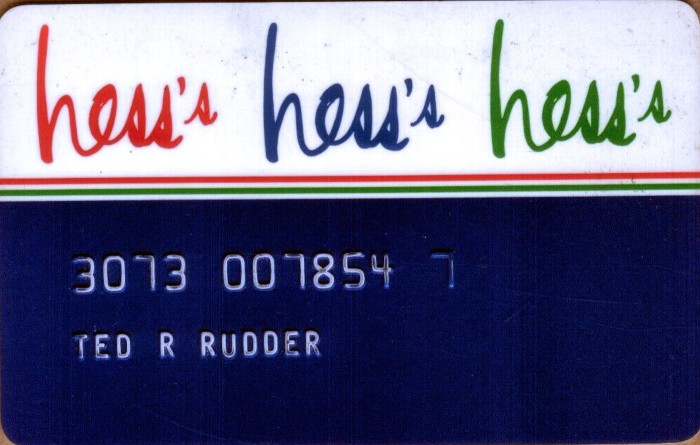
Regular customers held accounts at individual stores, identified by a small embossed metal or plastic plate, with purchases charged and a statement arriving monthly.
General-purpose cards and digital payment accepted everywhere, with the store-specific account and its plate obsolete.
The store plate was a credential rather than a payment method and that is the key difference. It identified you as somebody that establishment had decided was good for the money, which made producing it a small public act of standing – and it is exactly the function that universal cards abolished.
9. Somebody Operated the Elevator

A department store elevator had an attendant who worked the control, called the floors and the departments on them, and held the door – a uniformed job, frequently held by a young woman.
Automatic elevators everywhere, with the occupation essentially extinct outside a handful of preserved buildings.
The announcement is what people remember and it was doing real work. The attendant was the store’s directory, spoken aloud, which meant a shopper did not need to read a board or know the layout – and when the job went, finding anything became the customer’s problem.
10. The Store Had a Lounge With Chairs and a Mirror

Larger stores provided a women’s lounge – seating, a mirror, a writing desk in some cases, an attendant – as a place to rest, repair an appearance, meet somebody or wait.
Restrooms, with the lounge function gone and no seating provided anywhere in most retail.
The lounge existed because a shopping trip was long and the public had nowhere else to sit. A woman downtown for four hours with children, parcels and a bus to catch needed somewhere to stop, and the store that provided one was buying her whole afternoon.
11. You Waited for the Bus or the Ride in Full View
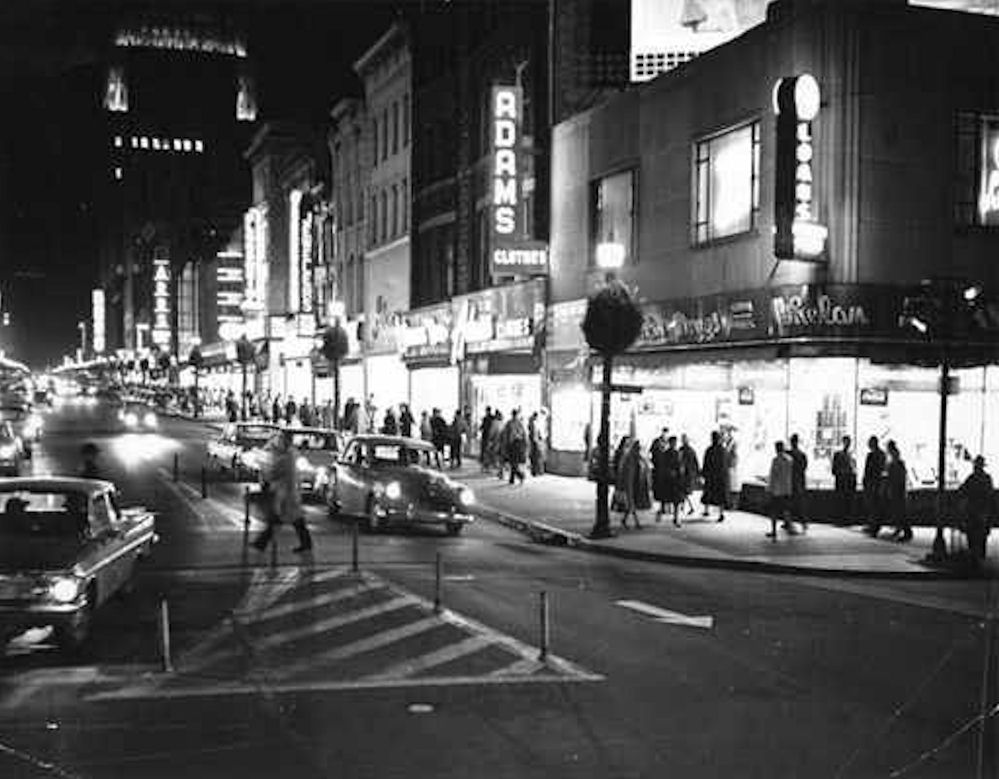
The trip ended standing on a sidewalk, at a stop or outside a store, visibly waiting – in the hat, the gloves and the shoes, for however long it took.
Waiting in a car, which is private, climate-controlled and invisible to anybody.
Standing in public is the condition that made the whole code necessary and the car is what dissolved it. Being seen, at length, by people who would form and share an opinion is a completely different social situation from driving from a garage to a parking lot.
12. The Code Was Enforced by Real Consequences
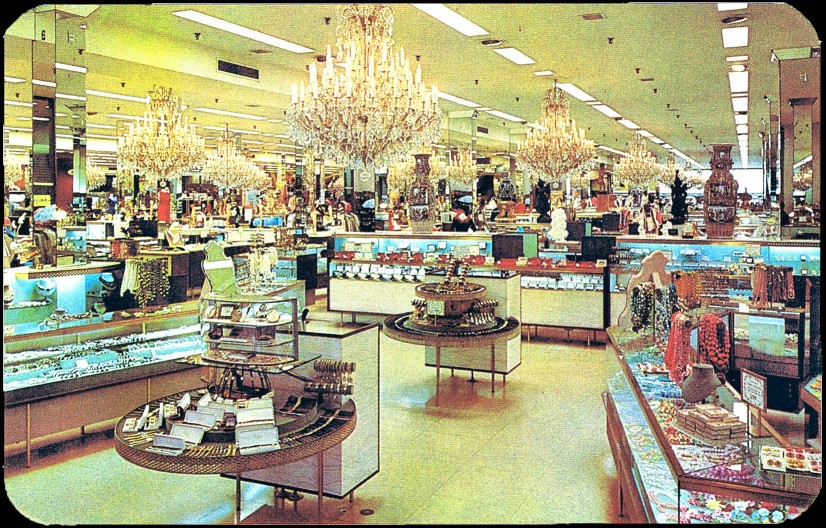
A woman dressed wrong for a setting was served differently, watched more closely, extended less credit, spoken to differently and taken less seriously – and everybody understood that this was how it worked.
Dress carries far less weight in determining how a stranger is treated in ordinary commercial settings.
This is the honest centre of the subject and it has to be said plainly. The gloves and the hat were not vanity; they were a working credential in a world where strangers decided how to treat you from what you were wearing, and the penalty for appearing without them was real and immediate. For women facing discrimination on other grounds as well, the stakes attached to that credential were considerably higher again.
13. Nobody Was Comfortable and Nobody Expected to Be
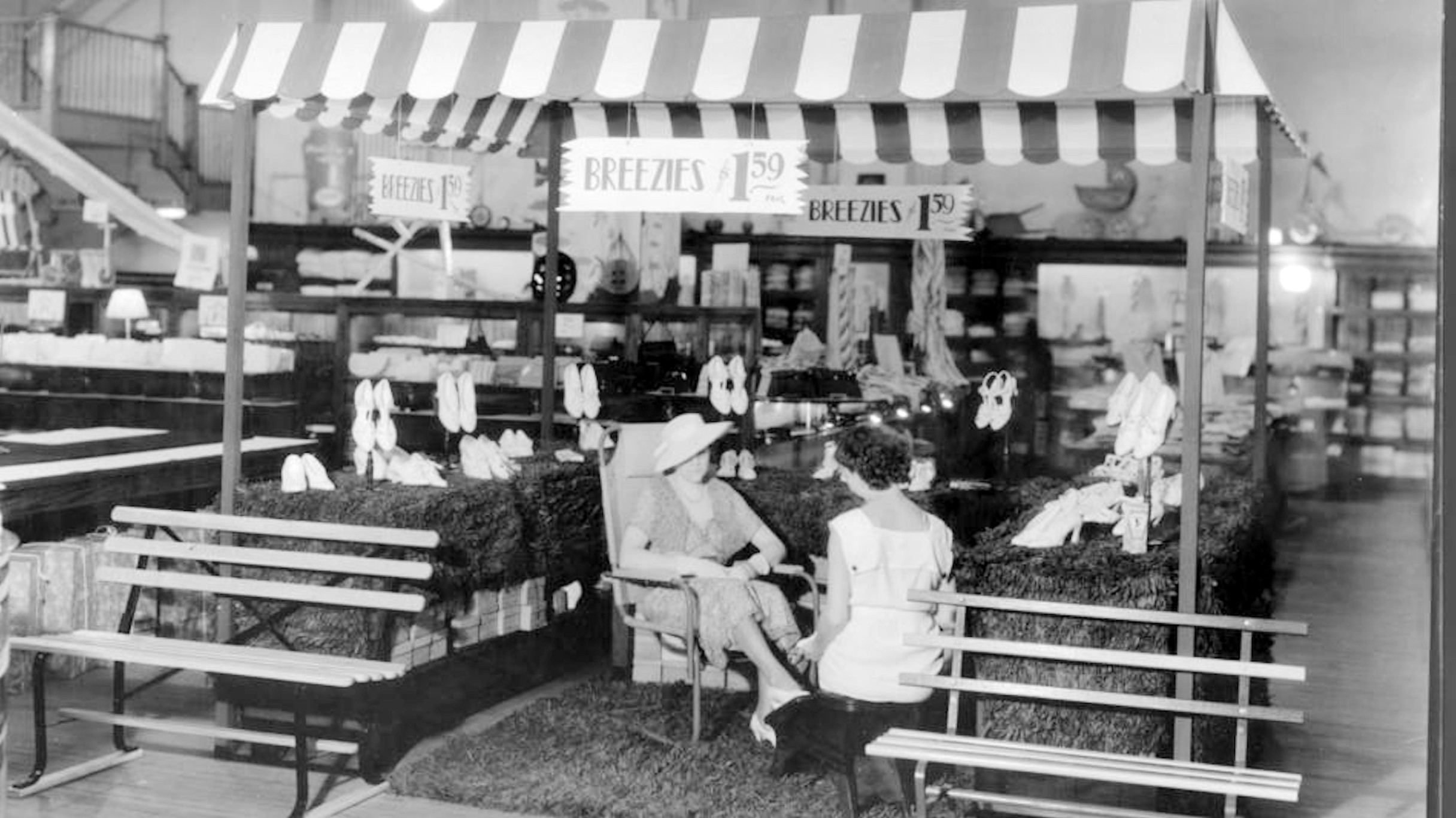
The shoes hurt, the foundation garments constrained, the gloves were hot, the hat had to be managed, the bag occupied an arm, and the entire assembly was maintained for several hours without complaint.
Comfort as a default expectation in nearly every setting, including formal ones.
The absence of any expectation of comfort is genuinely foreign now and it was absolutely standard. Clothing was understood as something you put up with in order to be appropriately presented, and the idea that an outfit should feel good would have struck most people as beside the point.
14. Then the Reason for the Code Disappeared

In 1964 an American woman going downtown presented a complete, carefully assembled, deliberately uncomfortable public appearance, because being in public meant standing among strangers who would assess her and act on the assessment.
The whole apparatus gone – gloves, hat, pin, foundation structure, stockings, frame bag, store plate, lounge, attendant – with nobody dressing to be assessed by a store clerk.
And the end of it was a liberation rather than a loss, which is worth saying clearly in a piece that is otherwise about things worth remembering. Four changes dismantled it and none of them was about fashion. The car removed the standing in public: a woman who drives from her own garage to a parking lot and back is not on display in the way a woman waiting twenty minutes at a bus stop was. Self-service retail removed the assessment: in a store where you take goods off a shelf and queue at a register, no clerk is deciding from your appearance whether to serve you, show you the good merchandise or extend you credit. Universal credit cards removed the store plate, and with it the whole business of being personally vouched for by an establishment. And the broader collapse of visible class signalling in American dress removed the vocabulary itself, so that the gloves stopped being able to say anything even to people who knew how to read them. What is left is the honest accounting. The clothes were beautiful and the photographs are wonderful and the craftsmanship in a good hat is real. But the system those objects belonged to was one in which a woman’s ability to be treated decently in public depended on an expensive, time-consuming, physically uncomfortable performance that had to be renewed every time she left the house – and which was considerably more consequential, and considerably less forgiving, for women who were also being judged on other grounds. Nobody should want that back. The hat is worth admiring. The requirement is not.
The Hat Is Worth Admiring. The Requirement Is Not.
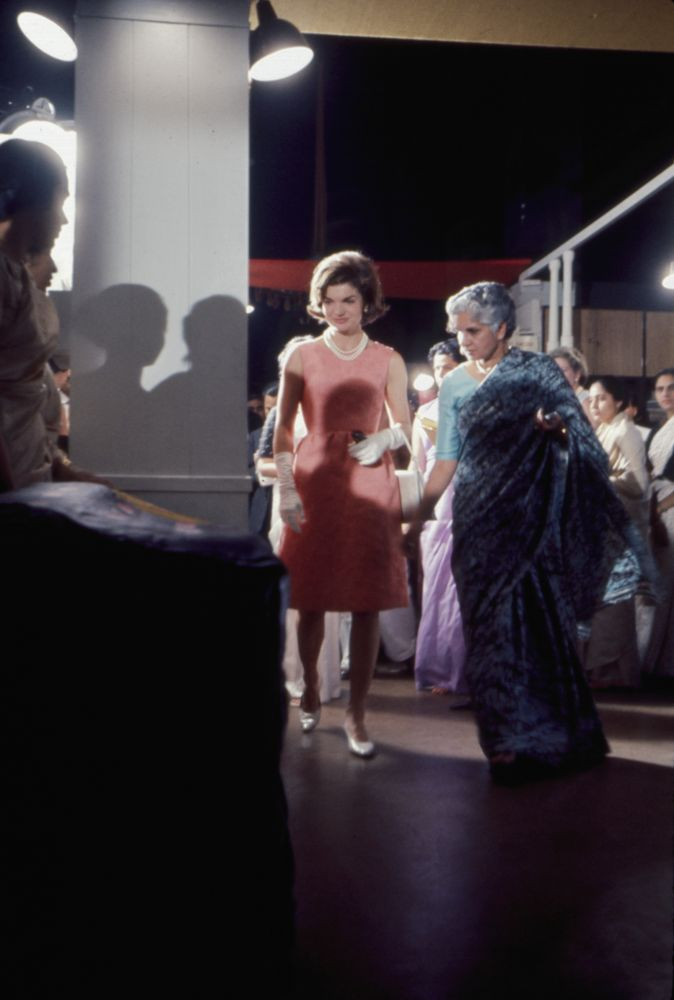
There is a particular kind of photograph that circulates with a caption about how people used to dress properly – a street scene from about 1960, every woman in a hat and gloves, everybody looking composed and adult.
The clothes in that photograph are genuinely beautiful. The craftsmanship in a good hat is real, the tailoring is better than most of what is made now, and the overall effect is undeniable.
But the caption is wrong about what it is looking at, because that is not a photograph of people with better taste. It is a photograph of a working credential system, and everybody in it is wearing their identification badge.
Here is how it functioned. Being in public in 1964 meant being among strangers, at length, on foot – waiting for a bus, standing on a sidewalk, walking several blocks between stores, sitting in a waiting room. And in each of those situations, strangers were deciding how to treat you from what you were wearing. A clerk decided whether to come over, which merchandise to show you and whether to suggest an account. A bank decided how to speak to you. A receptionist decided how long you waited. A store detective decided whether to follow you. None of this was subtle or deniable; everybody understood it and women navigated it deliberately.
So the gloves, the hat, the hat pin, the structured bag, the stockings, the foundation garment and the shoes were not vanity and not fashion. They were the uniform you wore in order to be treated decently, and the penalty for appearing without it was immediate and concrete. It also cost real money, it took fifteen or twenty minutes of physical work to assemble, and it was uncomfortable for the entire day by design.
And for women who were being judged on other grounds in addition – and there were many, in a country where who you were affected how you were served – the stakes attached to that credential were considerably higher again, and the margin for error considerably smaller.
That system was then dismantled, and not by anything to do with clothes.
The car did most of it. A woman who drives out of her own garage, parks, walks thirty feet into a store and drives home is simply not on display in the way a woman standing at a bus stop for twenty minutes was. The extended public exposure that made the credential necessary largely stopped happening.
Self-service retail did the rest. In a store where you take the goods off the shelf yourself and pay at a register, nobody is assessing your appearance in order to decide whether to serve you, what to show you or whether you are good for the money – because no human being is making that decision at all. The whole clerk-side apparatus that the uniform was addressed to was abolished.
The universal credit card removed the store plate, and with it the business of being personally vouched for by an individual establishment. You no longer needed to look like somebody a store had decided to trust, because trust had been outsourced to an institution that had never seen you.
And over time the vocabulary itself collapsed. Class signalling through daytime dress stopped being legible, so the gloves lost the ability to communicate anything even to people who still knew the code.
What remains is an honest accounting, and it has two halves that both need saying.
The objects were lovely and the skill that made them was real, and it is reasonable to miss them. There is nothing wrong with admiring a 1964 hat.
But the arrangement those objects served was one in which an American woman’s basic ability to be treated with respect in public rested on an expensive, laborious, physically uncomfortable performance that had to be reassembled every single time she left her house – and which was less forgiving the further she was from whatever the local default was.
The hat is worth admiring. The requirement is not, and nobody should want it back.
If your mother or grandmother did this, there is a hatbox somewhere and a pair of gloves in tissue paper that have never been worn again.
And she could put the whole thing together in twenty minutes and did not consider it remarkable.
Like our content? Follow us for more.