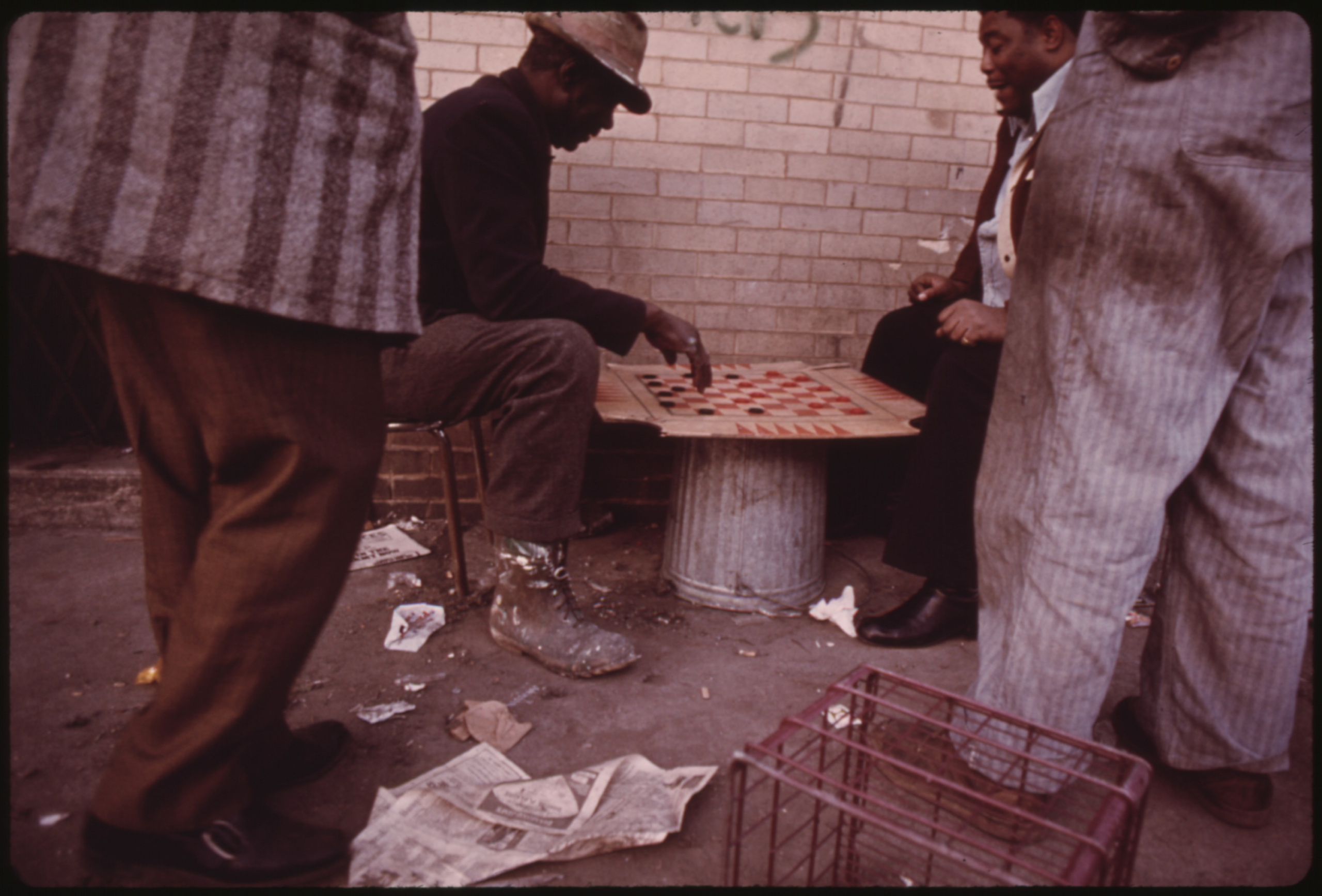
In 1974 there was a checkerboard at the store that belonged to nobody and never moved. The pieces were frequently bottle caps. There was a ring of men standing around it offering advice nobody wanted, a local champion everybody could name, and a domino table whose shuffle you could hear from the street.
Nobody played for money. There was no club, no schedule, no membership and nothing to join. You went down there and either a game was going or you waited.
And the men who were there every day were the retired, the widowed, the out of work and the ones who could no longer farm. Here are fourteen things every man knew.
1. The Board Lived at the Store and Belonged to Nobody
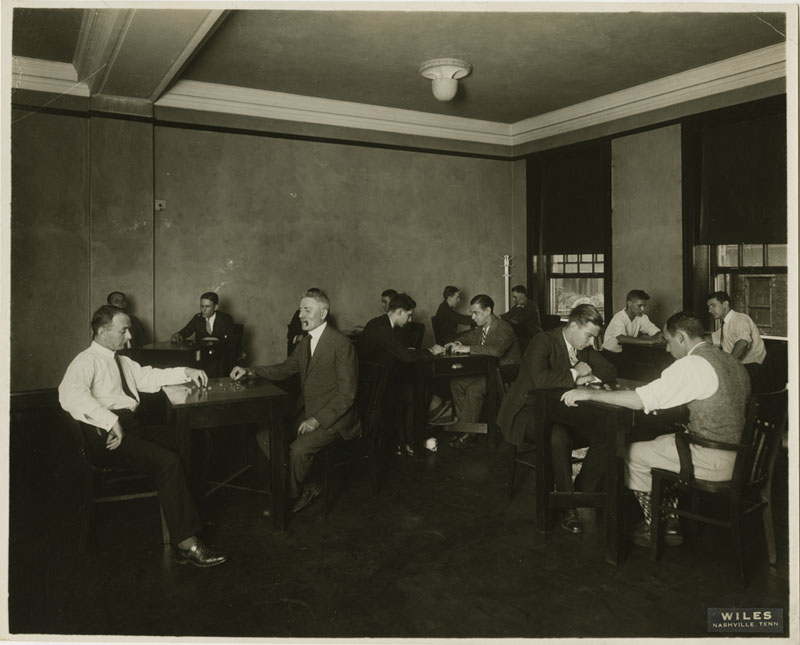
A checkerboard stayed permanently at the general store, the filling station, the barbershop or the feed store – on a table by the stove or on an upturned crate – available to whoever showed up, owned by the business and used by the public.
No equivalent arrangement. There is effectively no commercial premises in America where a board game sits out for the public to use at will.
The permanence is the whole thing. Because the board never moved, nobody had to arrange anything – you went down there and either a game was in progress or you waited, which means the institution required no organisation, no schedule and no membership of any kind.
Like our content? Follow us for more.
2. The Pieces Were Frequently Bottle Caps
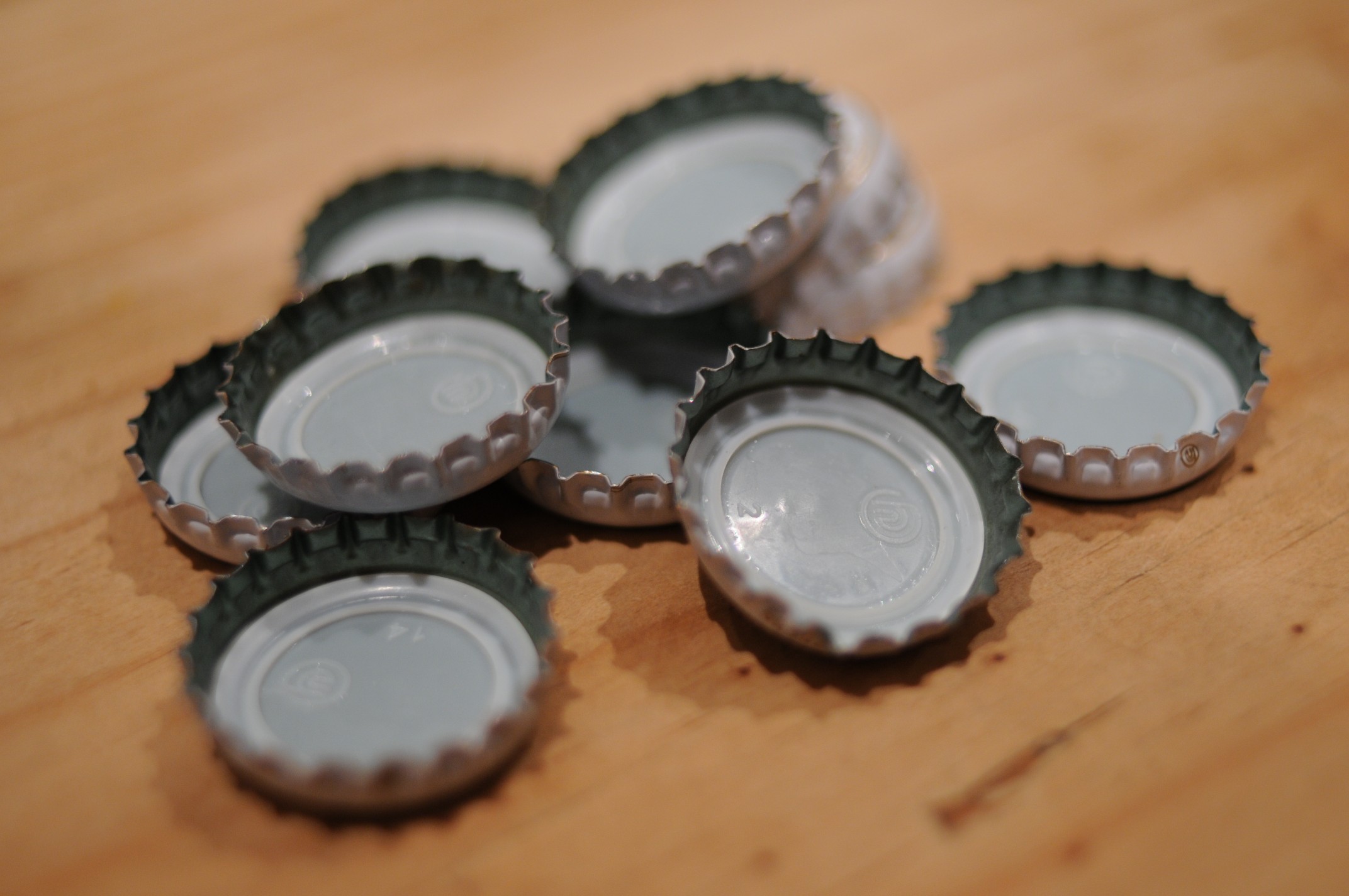
Proper wooden or plastic checkers got lost, so sets ran on substitutes – bottle caps, two colours of them, or washers, or buttons, or cut discs of broom handle.
Complete manufactured sets, cheap and everywhere, with improvised pieces gone entirely.
Bottle caps tell you how little equipment the thing needed and how little anybody cared. The game is entirely in the position rather than in the objects, which means a board drawn on plywood with soda caps for men is a complete and serious set and everybody understood that.
3. Checkers Was Taken Seriously and Had a Real Literature
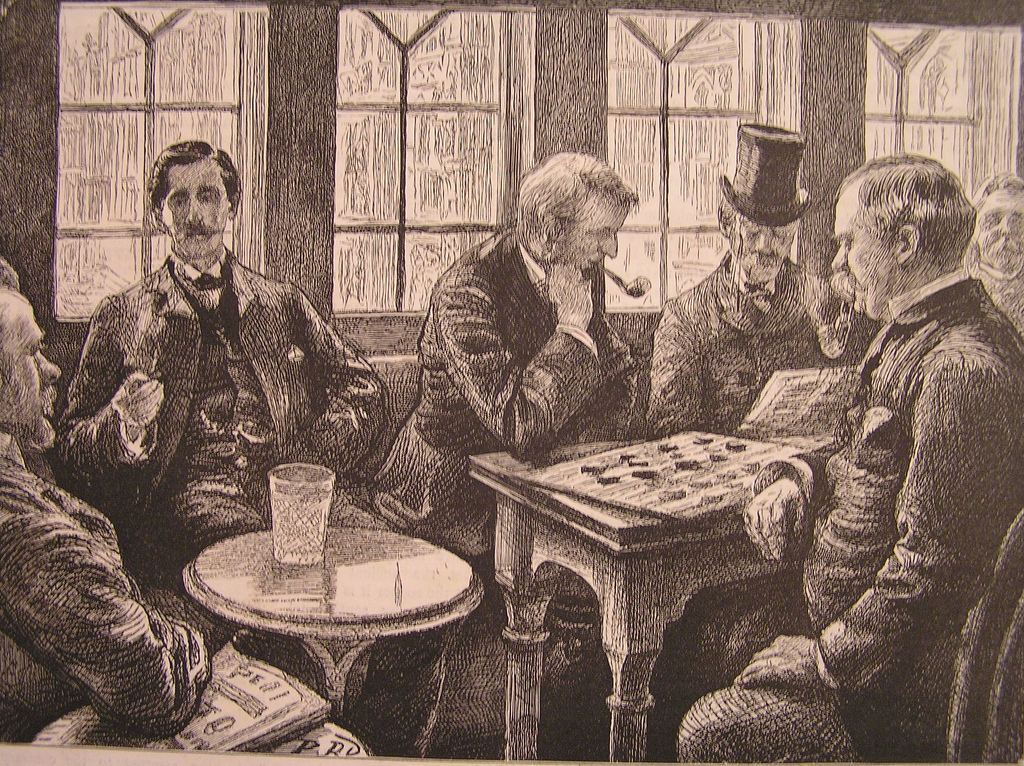
The game had published openings, named variations, standard problems, correspondence play and a competitive structure – and some of the men playing at the store knew that material.
Solved by computer at the highest level and much diminished as a competitive pursuit, with the literature known almost nowhere.
This surprises people and it should not. Checkers is a deep game with a century of serious analysis behind it, the strongest players memorised opening lines exactly as chess players do, and treating it as a simple children’s game is a fairly recent misunderstanding.
4. Every Place Had a Local Champion and Everybody Knew Who It Was
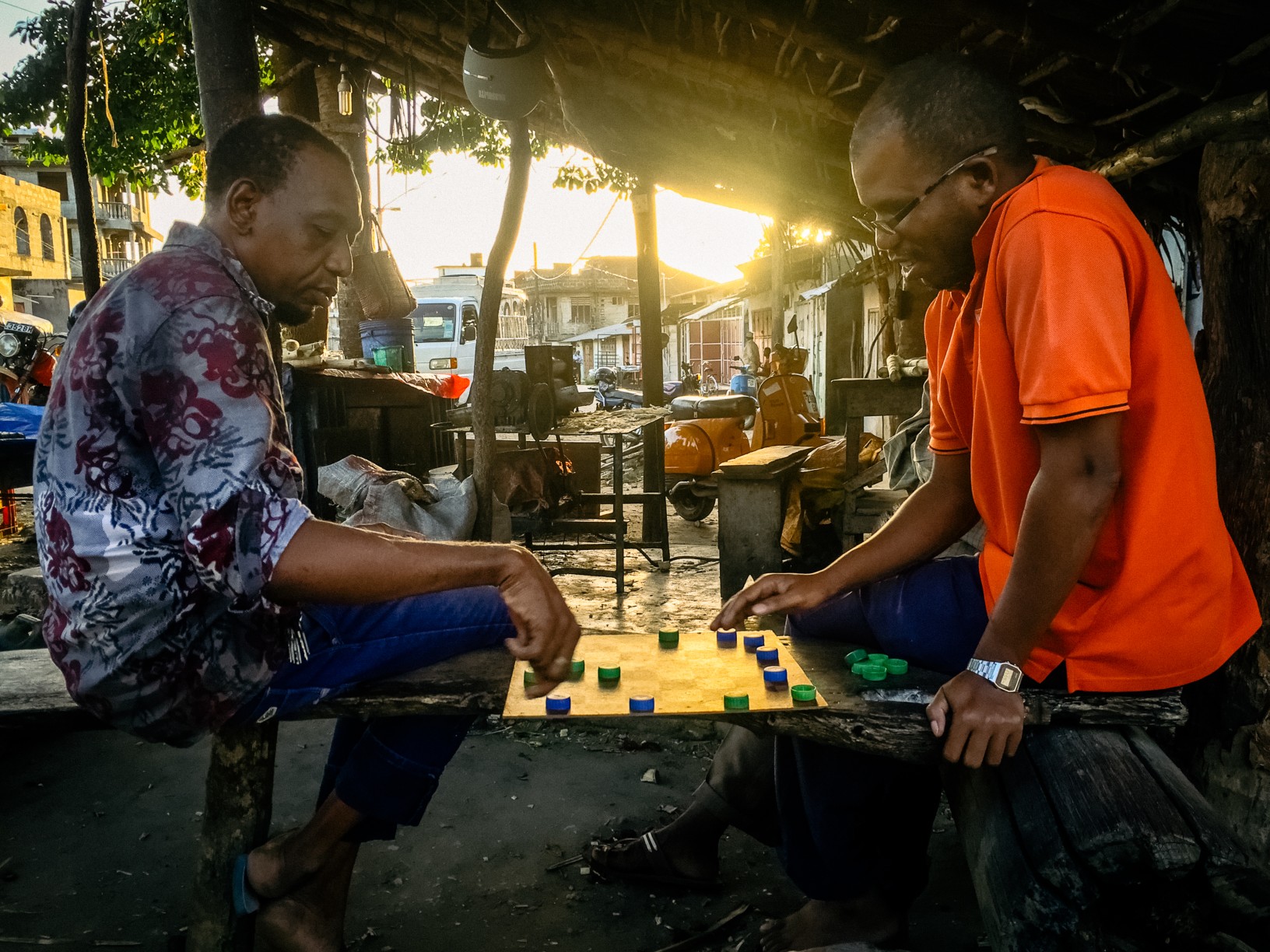
One man was understood to be the best player in the area, and that standing was durable, publicly acknowledged and quietly defended over years.
No comparable local hierarchy exists for anything of the kind.
Being the best checkers player in a small town was a real social position and it cost nothing to hold. It did not require money, land, office, education or youth – which made it one of very few forms of local standing available to a man who had none of those things.
5. Dominoes Had Several Games and You Played the Local One
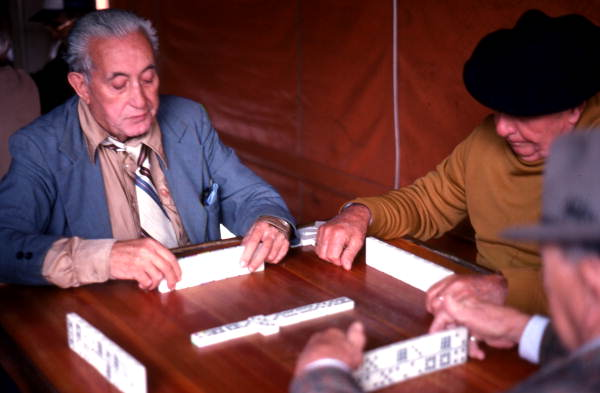
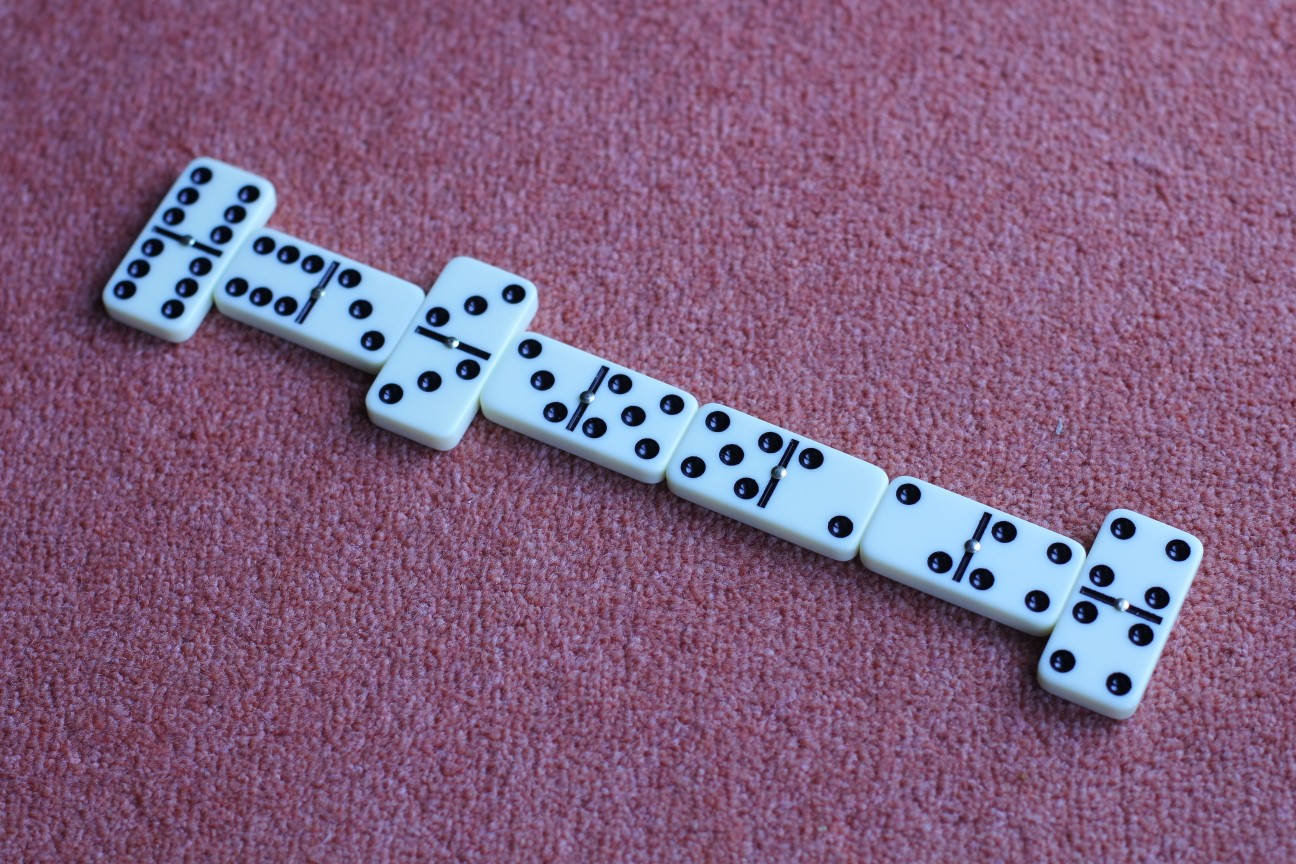
The set was the same everywhere, but the game played with it was regional – a drawing game in one place, a scoring game counting to multiples in another, a partnership bidding game in another – and you played whichever one your area played.
The same regional distribution, considerably weakened, with the partnership bidding game remaining strong in specific areas and the rest much reduced.
The regional split in domino games is a genuine cultural map and it matches migration rather than anything else. A man who moved three states and sat down at a domino table found a different game with the same tiles – which is exactly how folk games behave when nobody writes anything down.
6. The Shuffle Was the Sound of the Place
Tiles turned face down and swirled flat on a wooden table with both hands produced a loud, distinctive clatter that carried out the door – and marked the start of every hand.
Mostly absent, surviving where domino halls and clubs continue, with plastic tiles on padded surfaces producing a thinner sound.
People who grew up around it remember the shuffle before they remember any game. It is a sound with no other source, it happened dozens of times an evening, and it functioned as an audible announcement that something was happening in that building.
7. Spectators Were a Required Part of the Game
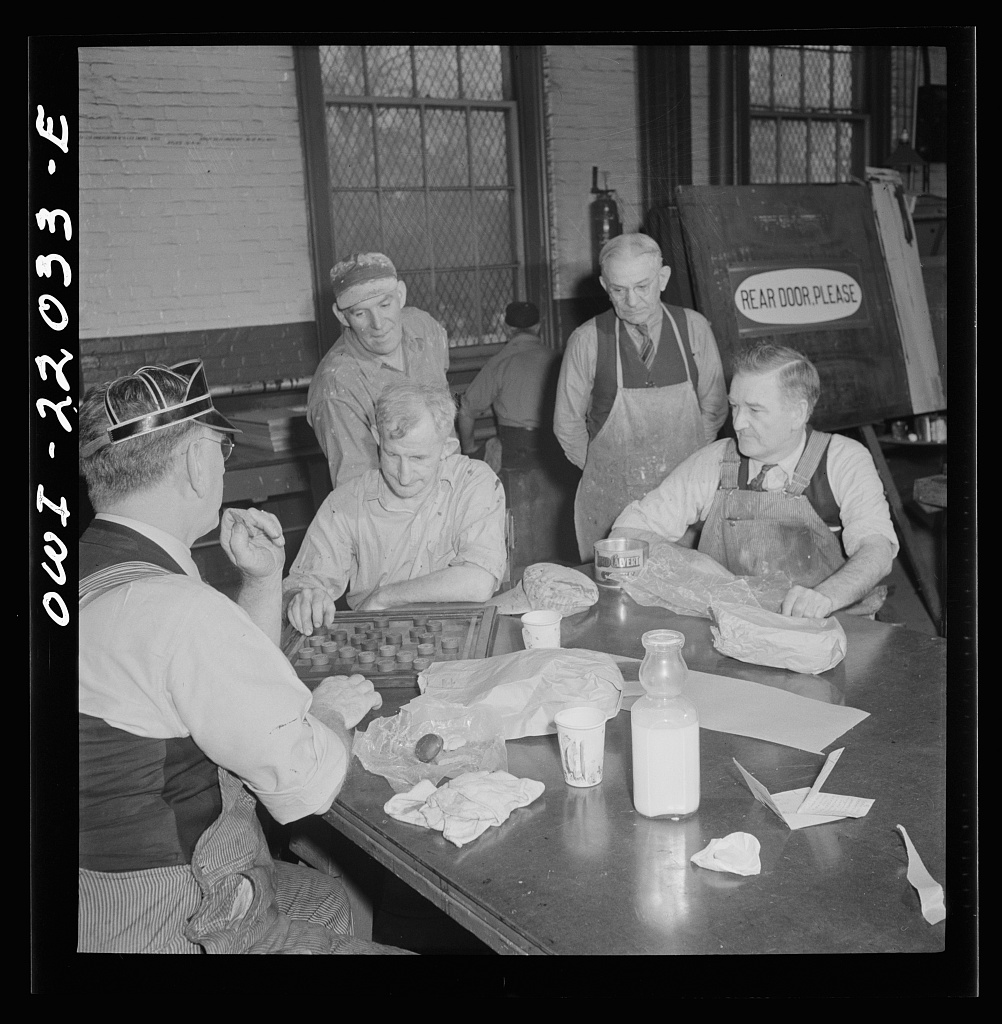
Players sat and a ring of men stood or sat around them – watching, commenting, groaning, advising against the rules and arguing about moves that had already been made.
Essentially gone, since the settings that permitted standing around indefinitely without purchasing anything have gone.
The spectators were not incidental to the game; they were the point of the game. Two men playing checkers is a diversion for two men, and two men playing checkers watched by six is an event for eight – which is how a single board occupied an entire afternoon for a whole group of people.
8. Unsolicited Advice Had Its Own Rules and Its Own Insults
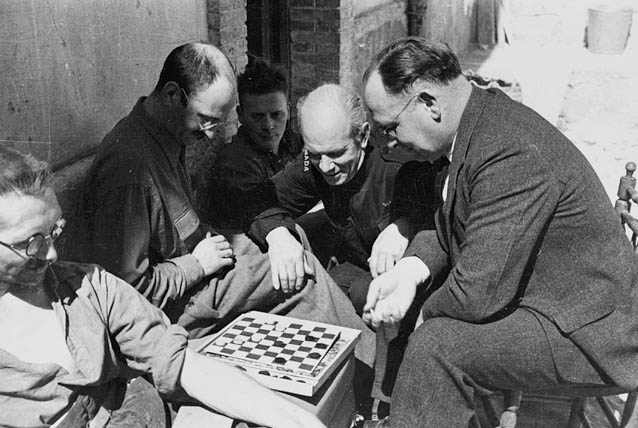
Onlookers commented constantly, players told them to be quiet, there was an understood line between acceptable noise and genuine interference, and the whole exchange was half the entertainment.
No setting in which this specific social form occurs.
The commentary was a structured performance rather than a nuisance and everybody involved knew the script. The watcher gets to be clever, the player gets to be aggrieved, the insults are formulaic and affectionate, and the game underneath is almost a pretext for the conversation happening over it.
9. The Stakes Were a Soft Drink or Nothing at All
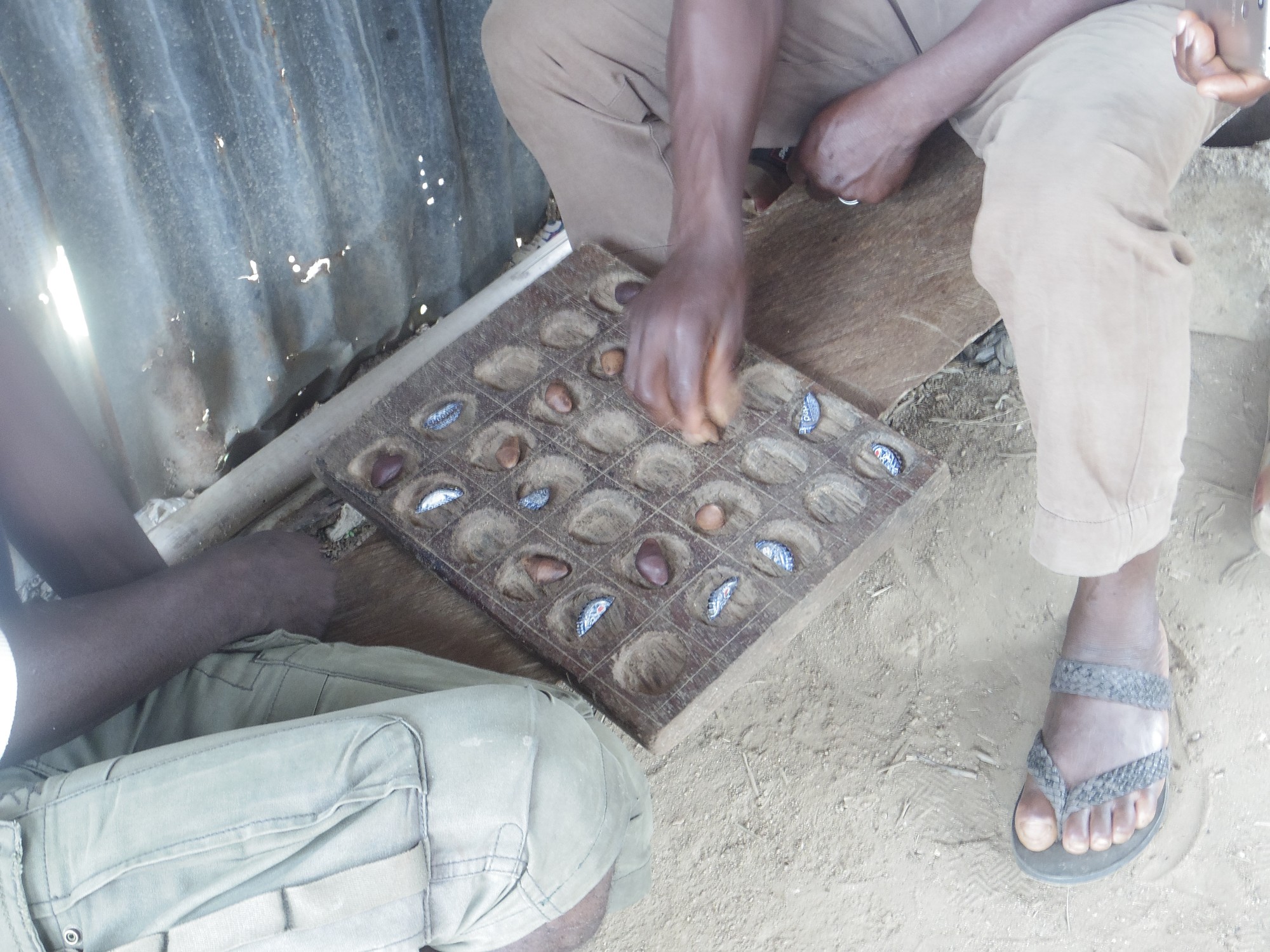
Games were played for nothing, or for a bottle of pop, or for who bought the coffee – with no money changing hands in most settings and no interest in any.
Where organised play survives it is either free or formally structured, with the informal nothing-stakes arrangement having nowhere to occur.
Playing for nothing is a significant fact about the institution. There was no prize, no ranking, no entry and no payout, which means the entire activity ran on standing alone – and an activity that runs on standing alone needs a stable group of people who see each other repeatedly.
10. Bad Weather Produced All-Day Games
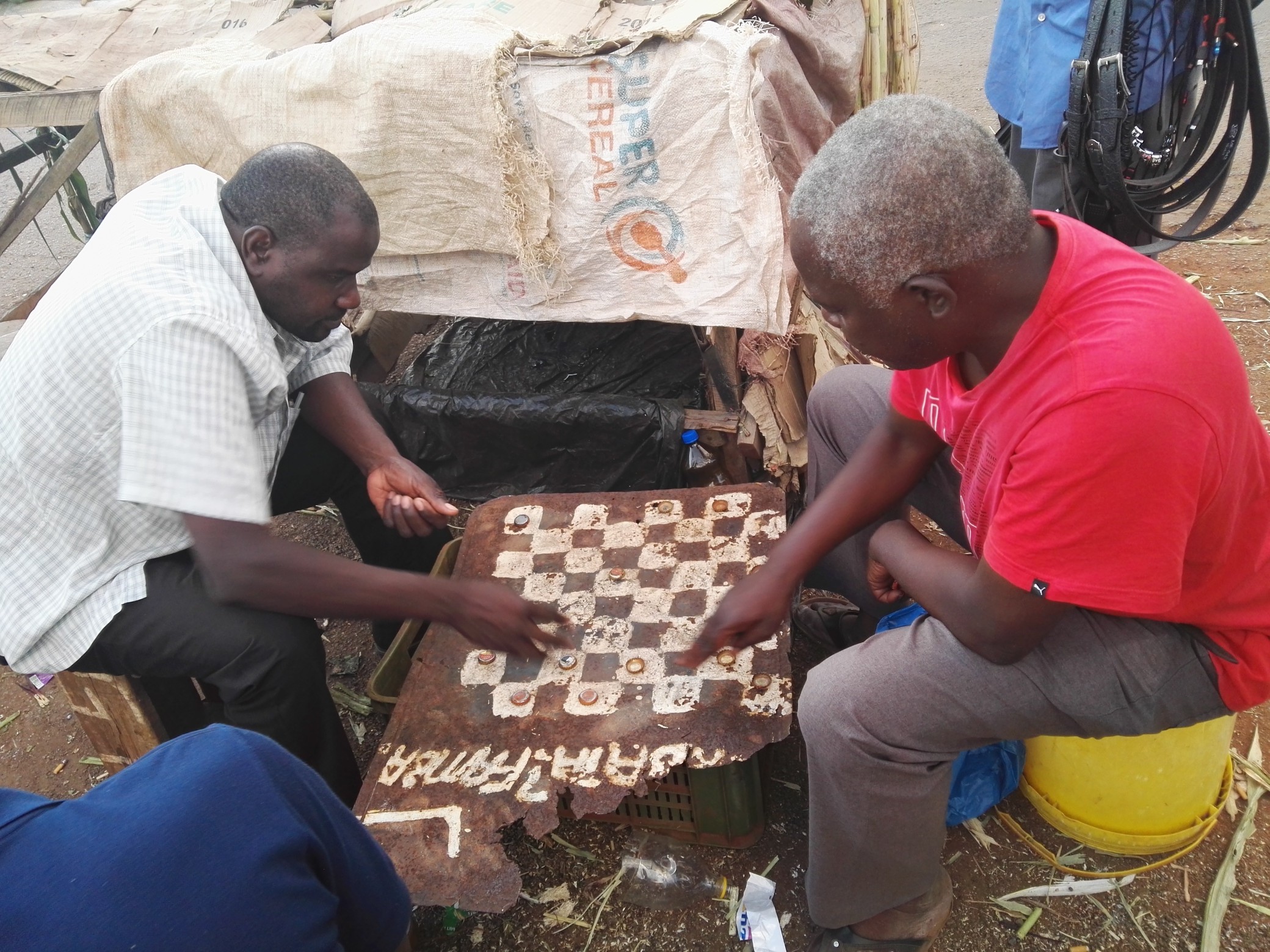
Rain, snow or a frozen field meant men who could not work came down to the store and the game ran from morning until the light went, with players rotating in and out.
Nothing. Weather that stops outdoor work now sends people home rather than to any common room.
The weather game is the clearest illustration of what the board was for. It existed to absorb unstructured time in company, which is a need that arises whenever work stops unexpectedly – and the modern version of an unexpected free day is spent alone.
11. The Old Men Were Fixtures and Had Standing There
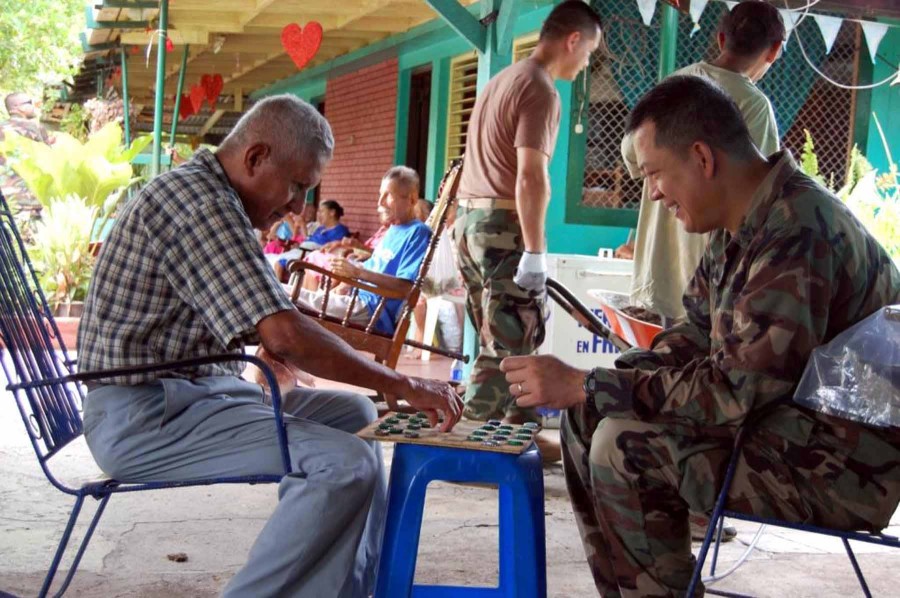
Retired men, men who could no longer farm, widowers and men between jobs occupied the table and the chairs around it daily, at known hours, as an accepted and expected presence.
No equivalent place exists. Retired men are not a standing daily presence in any ordinary commercial premises.
This is the function that mattered most and the one that was never named. A man with no job, no wife and no particular reason to leave the house had somewhere to go every single day where his arrival was expected and his absence would be noticed – and the checkerboard was the pretext that made that socially possible.
12. Horseshoes Covered the Same Ground Outdoors
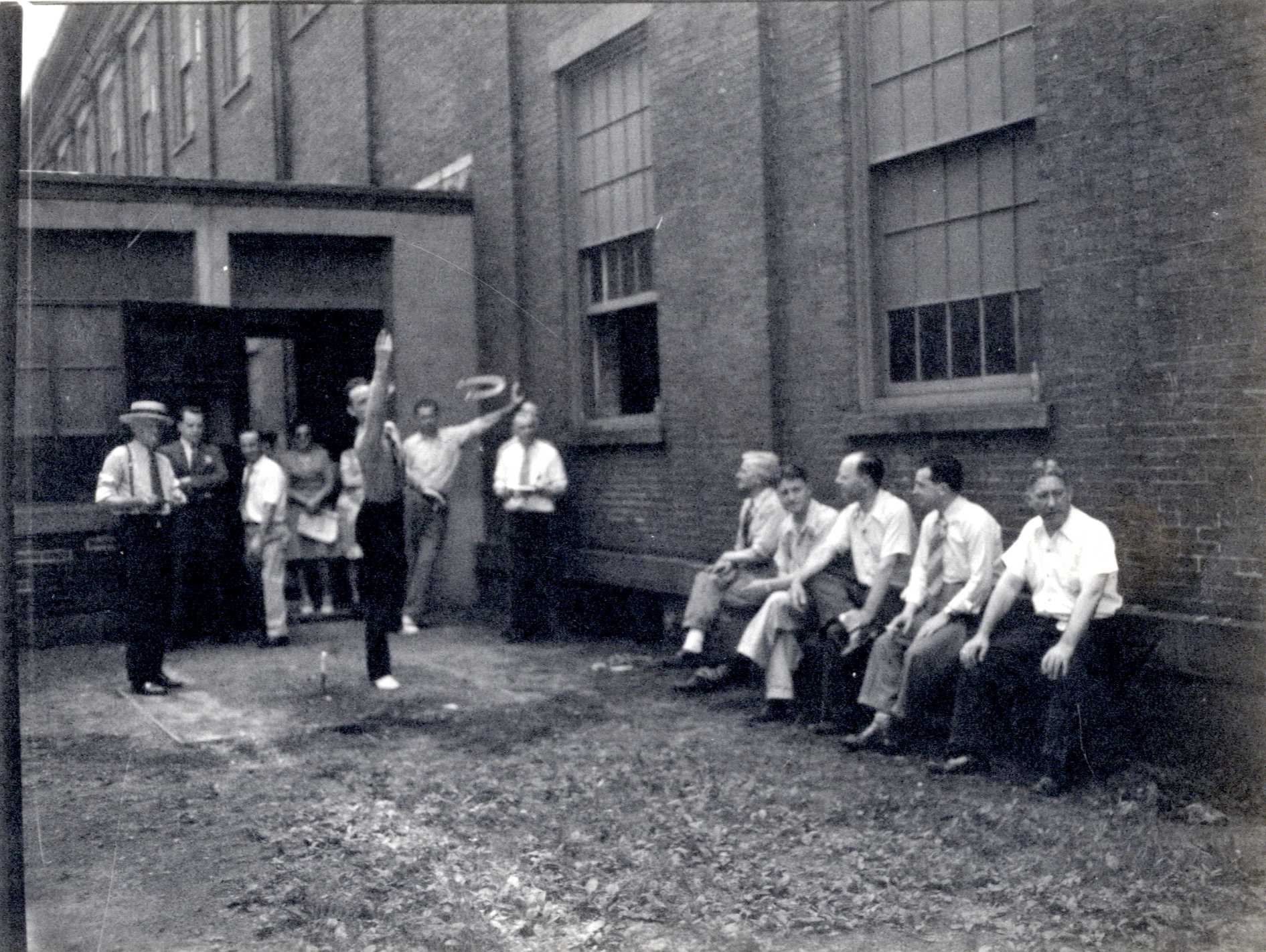
A pair of pits behind the store, the hall or the filling station, with a standing afternoon game in good weather and the same crowd of watchers and commentators.
A recreational and competitive sport with a formal organisation, mostly separated from any daily social setting.
Horseshoes worked the same way for the same reason: cheap, permanent, requiring no booking, playable by old men, and generating spectators. It is the outdoor version of the same institution and it declined alongside it for the same causes.
13. The Host Businesses Allowed It Deliberately
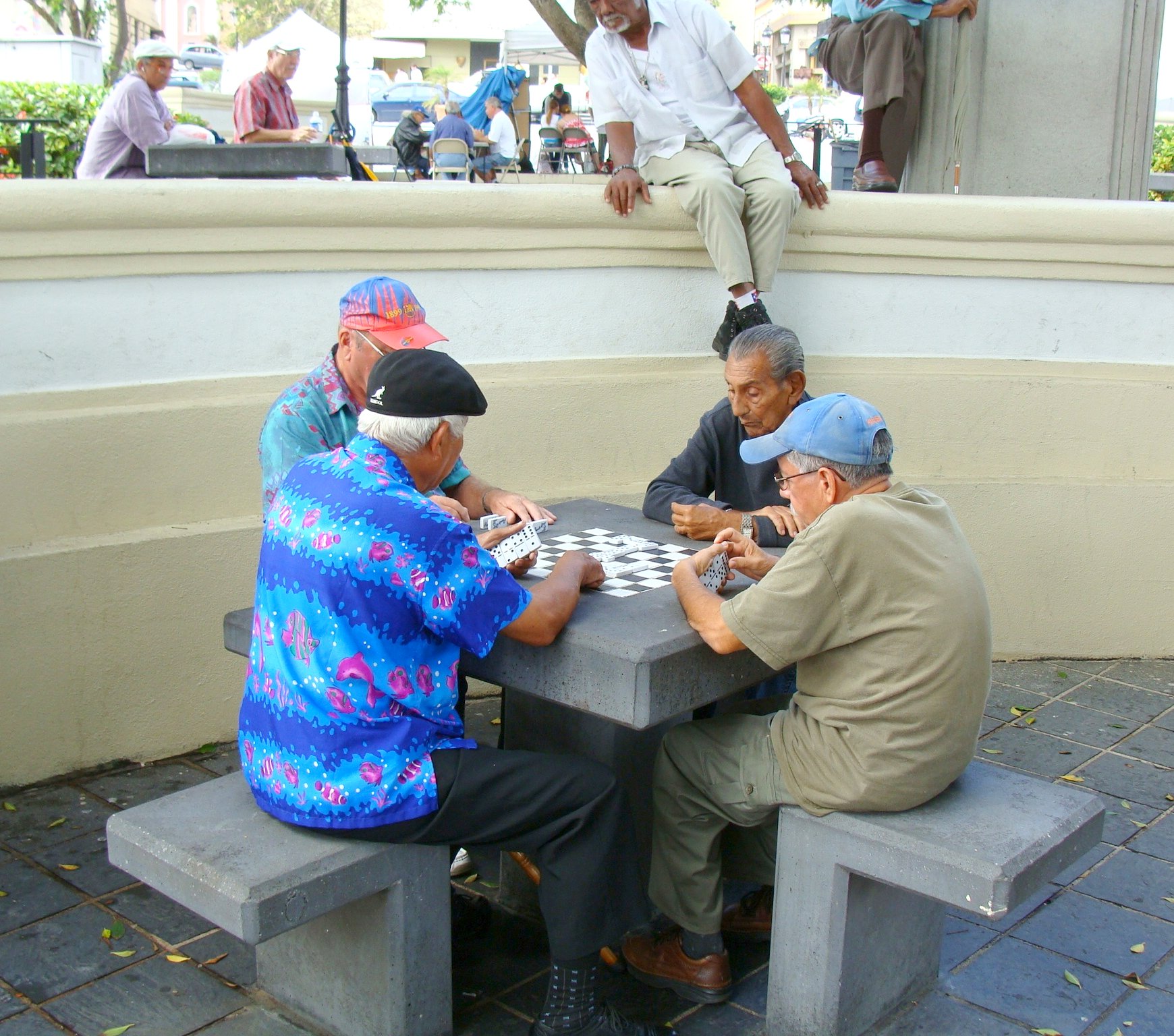
Storekeepers, barbers and station operators tolerated and encouraged men sitting for hours without buying anything, because the crowd was the advertisement and the loiterers were also customers.
Retail designed explicitly against lingering, with no seating, no reason to stay and often a policy against it.
The economics were real rather than charitable and that is worth being clear about. A store with eight men in it looks like a store worth going into, those men buy things eventually, and they carry every piece of information in the county – which made them worth the chairs they occupied.
14. Then the Places Themselves Closed
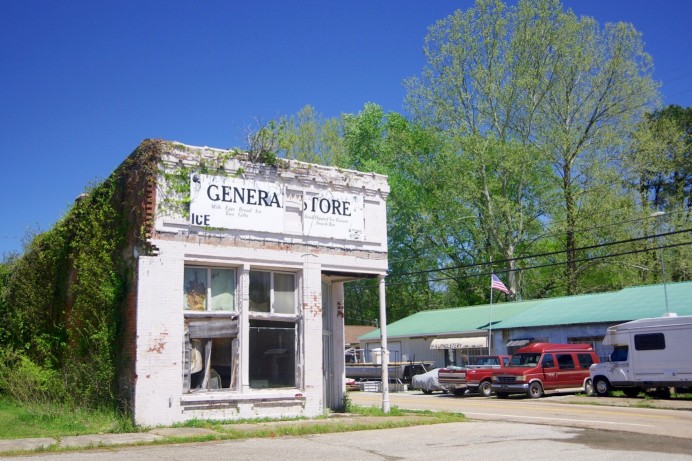
In 1974 a man could walk into a business on the main street of almost any small American town, sit down at a board that was already there, and spend four hours among people who expected him.
The board is gone because the room is gone. The general store, the full-service station with a stove, the barbershop where you could sit after your haircut and the feed store counter have all closed or been replaced by formats with no seating and no tolerance for staying.
And the thing that went with the room is the part worth naming plainly, because the game was never the point. What those tables provided was a place where a particular group of men – retired, widowed, out of work, no longer able to farm, with no office to go to and no structure left in the day – were expected daily, by name, without having to arrange anything, buy anything, join anything or explain why they had come. That is an extraordinarily difficult thing to construct deliberately and it existed by accident, as a side effect of a retail format that could afford to give away chairs. Every cause of its disappearance is separately reasonable. Small-town main-street businesses closed for the same economic reasons everywhere. Self-service formats replaced counter service, and a self-service store has nothing for a man to sit beside. Air conditioning and television made home more comfortable than the store, which is a real improvement nobody should want reversed. Service stations stopped being places with a stove and a mechanic and became places you pay at a pump. And the barbershop shortened its visit. None of those was a mistake, and together they removed the entire physical infrastructure of unstructured daily male sociability outside work, church and the tavern. The consequence is now discussed widely as a problem of isolation among older men, usually as though it were a new development requiring a new solution. It is not new. The solution used to be a checkerboard with bottle caps for men, on a table by a stove, in a building that made its money some other way.
The Game Was Never the Point
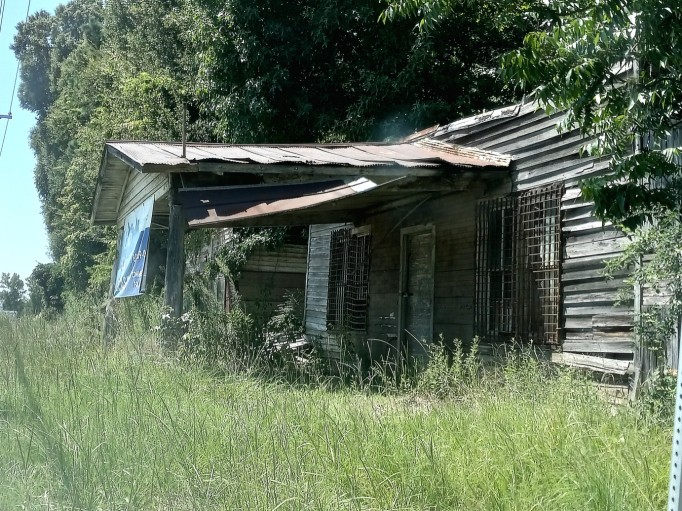
It is easy to read all this as a quaint picture of small-town leisure, and that misses what the checkerboard was actually doing.
Consider who was at that table. Not working men on their lunch break, mostly. The daily, reliable, all-afternoon occupants were retired men, widowers, men who had sold the farm or could no longer work it, men between jobs, and men whose health had taken them out of employment. People, in other words, with no office to go to, no structure left in the day, and nothing in particular requiring them to leave the house.
And what the store provided them was not entertainment. It was a place where they were expected.
That distinction matters enormously. Expected daily, by name, at roughly known hours, by a group of people who would notice if they did not turn up – without having to arrange it in advance, without having to join anything, without having to buy anything, and without having to explain why they had come. The checkerboard was the pretext that made the whole thing socially possible, because a man cannot walk into a store and sit for four hours for no reason, but he can absolutely do it to play checkers.
That is a very hard thing to build on purpose. It existed entirely by accident, as a side effect of a retail format that could afford to give away a few chairs – and the economics were genuinely sound rather than charitable, because a store with eight men in it looks worth entering, those men buy things eventually, and between them they hold every piece of information circulating in the county.
Then the format went, and every single reason it went was a good one.
Small-town main-street businesses closed for the same economic reasons they closed everywhere: consolidation, cars, highways, larger stores further away with lower prices. Counter service gave way to self-service, and a self-service store has no counter for a man to sit beside and no clerk to talk to. Air conditioning arrived, and television, which together made sitting at home genuinely more comfortable than sitting by a stove in a store – an improvement nobody should want undone. The service station with a stove, a mechanic and a bench became a pay-at-the-pump canopy. The barbershop where you could stay an hour after your haircut shortened the visit.
None of that was a mistake. Taken individually each change was an improvement or at worst an inevitability. Taken together they removed the entire physical infrastructure of unstructured daily sociability for men outside of work, church and the tavern – and the tavern was not available to everybody, for reasons of money, health, religion and inclination.
What is striking is how the resulting problem gets discussed now.
Social isolation among older men is a widely recognised and well-documented issue, and it is generally presented as a modern development requiring new interventions – programmes, groups, organised activities, deliberate efforts to get retired men into contact with other people. All of that is worth doing.
But it is not a new problem that appeared from nowhere. It is the predictable result of demolishing a solution that used to work, and the solution that used to work was not a programme. It was a checkerboard with bottle caps for pieces, on a table by a stove, in a building that made its money doing something else entirely, where a man could show up at two in the afternoon, say nothing for an hour, lose two games, and go home having been among people who knew him.
Nobody organised it. Nobody funded it. Nobody would have described it as serving any purpose at all. And that is exactly why nobody noticed what was being lost when the store closed.
If you remember the shuffle of dominoes on a bare wooden table, you heard it from outside the building first.
And somebody in your town was the best checkers player in the county, and everybody knew his name and nobody wrote it down.
Like our content? Follow us for more.