

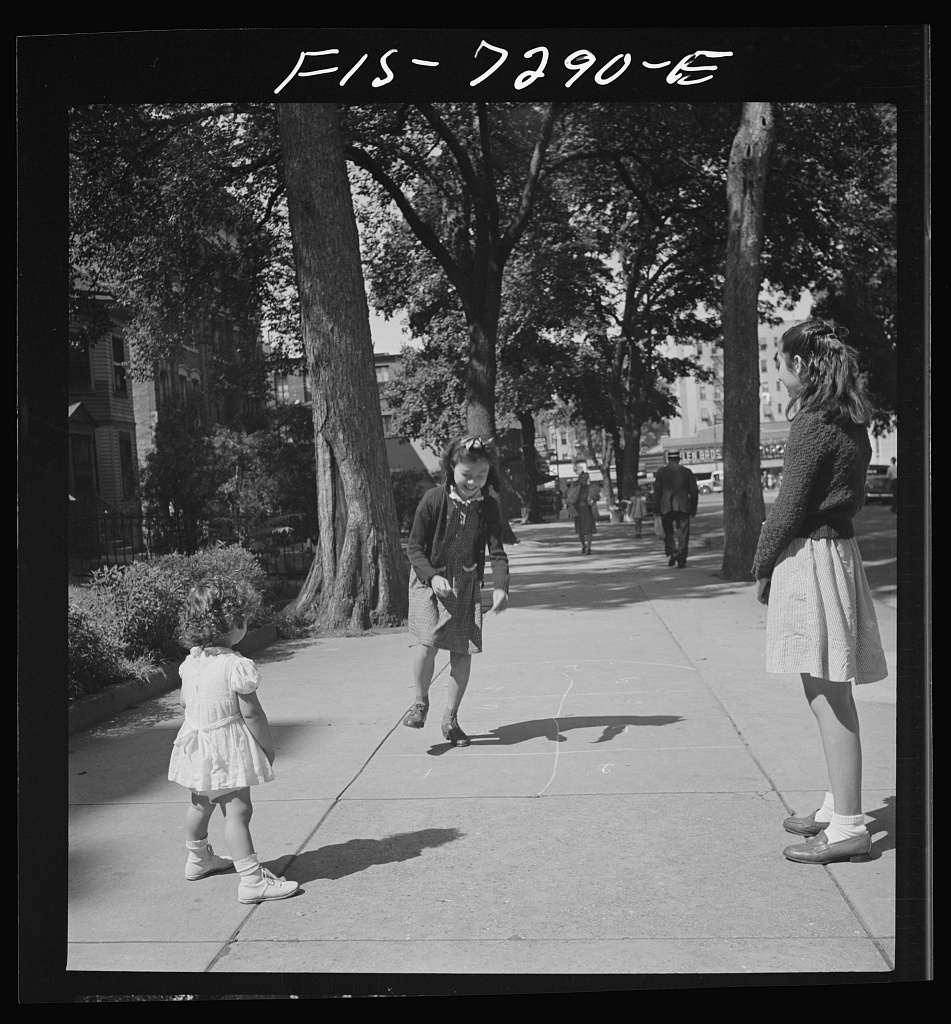
In 1964 a child could draw a hopscotch court from memory, run jacks past tensies, call a counting-out rhyme, turn a double rope in rhythm and name the thing you throw into the squares – and had learned every bit of it from another child.
No adult taught any of it. Nothing was written down. And the diagram changed shape from one block to the next, which is exactly how folklorists knew it was travelling child to child rather than from any central source.
Then the chain that carried it broke, and not for the reason most people give. Here are fifteen things every kid knew.
1. The Chalk Was the Only Equipment and It Came From Everywhere

A stub of chalk – from school, from a hardware store box, from a carpenter’s line – drew the whole playing field on any concrete, and rain erased it.
Chalk sold in large coloured sticks as a craft item, used mostly for drawing pictures under adult supervision rather than for laying out games.
Chalk is the detail that explains the whole category. The games needed a flat surface and a marking tool and nothing else, which meant they could happen anywhere there was sidewalk – and because the layout vanished in the next rain, it had to be redrawn from memory every time, which is how the diagram itself got transmitted.
Like our content? Follow us for more.
2. Jacks Had a Full Progression and Everybody Knew It
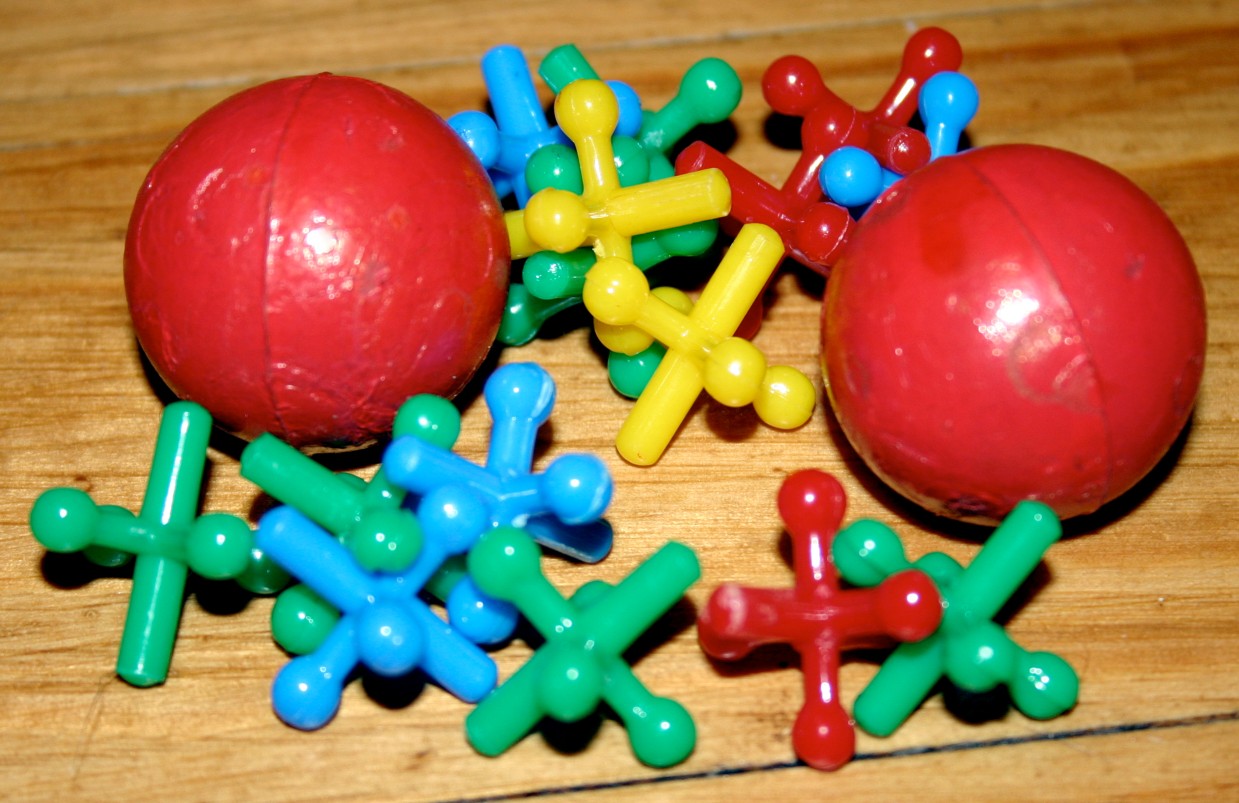
A small rubber ball and ten metal jacks, played on a flat surface, running onesies, twosies, threesies and upward – bounce the ball, scoop the number, catch the ball, one hand only.
Sold as a nostalgia item, rarely played, with the progression and the variant rounds known almost nowhere.
The progression is the part that has been lost rather than the object. Past tensies came a long list of named variant rounds – pigs in the pen, cherries in the basket, around the world, double bounces, no bounces – each with its own rule, and a good player knew a dozen of them in an order the local group agreed on.
3. Hopscotch Diagrams Were Local and Argued About
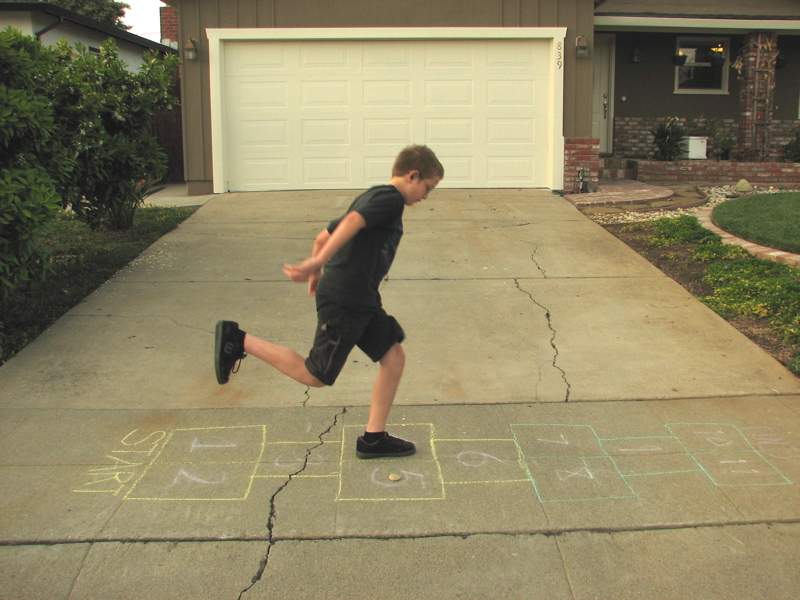
The chalk diagram varied – eight squares, ten, a curve at the top, a rest square, a numbered court with a home – and each neighbourhood had its own version it considered correct.
A standard printed or painted diagram, usually installed by adults, with one layout and no local variation.
The variation is the historically interesting part. The game is ancient and spread across the whole world, and the fact that the court changed shape from block to block without anybody writing it down is the clearest possible evidence that it travelled child to child rather than from any central source.
4. The Thing You Threw Had a Name and the Name Changed
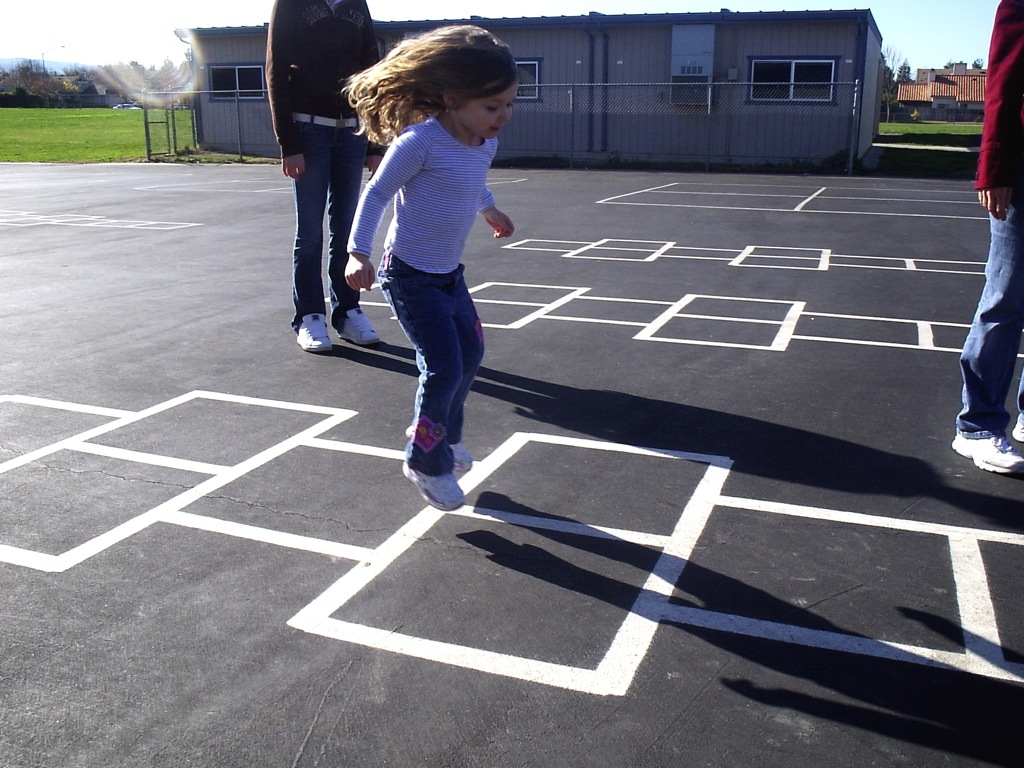
The object tossed into the squares – a stone, a bottle cap, a button, a key, a flattened piece of lead – was called a lagger, a potsy, a pitcher or a marker depending entirely on where you lived.
No name at all, because the game is rarely played with a thrown marker in the first place.
Those regional names are a dialect map and folklorists used them as one. The word a child used for the hopscotch marker, like the word for a carbonated drink or for playing hooky, drew lines across the country that matched settlement patterns – which is a strong clue that these games moved with families and not with media.
5. Single Rope Had Its Own Repertoire
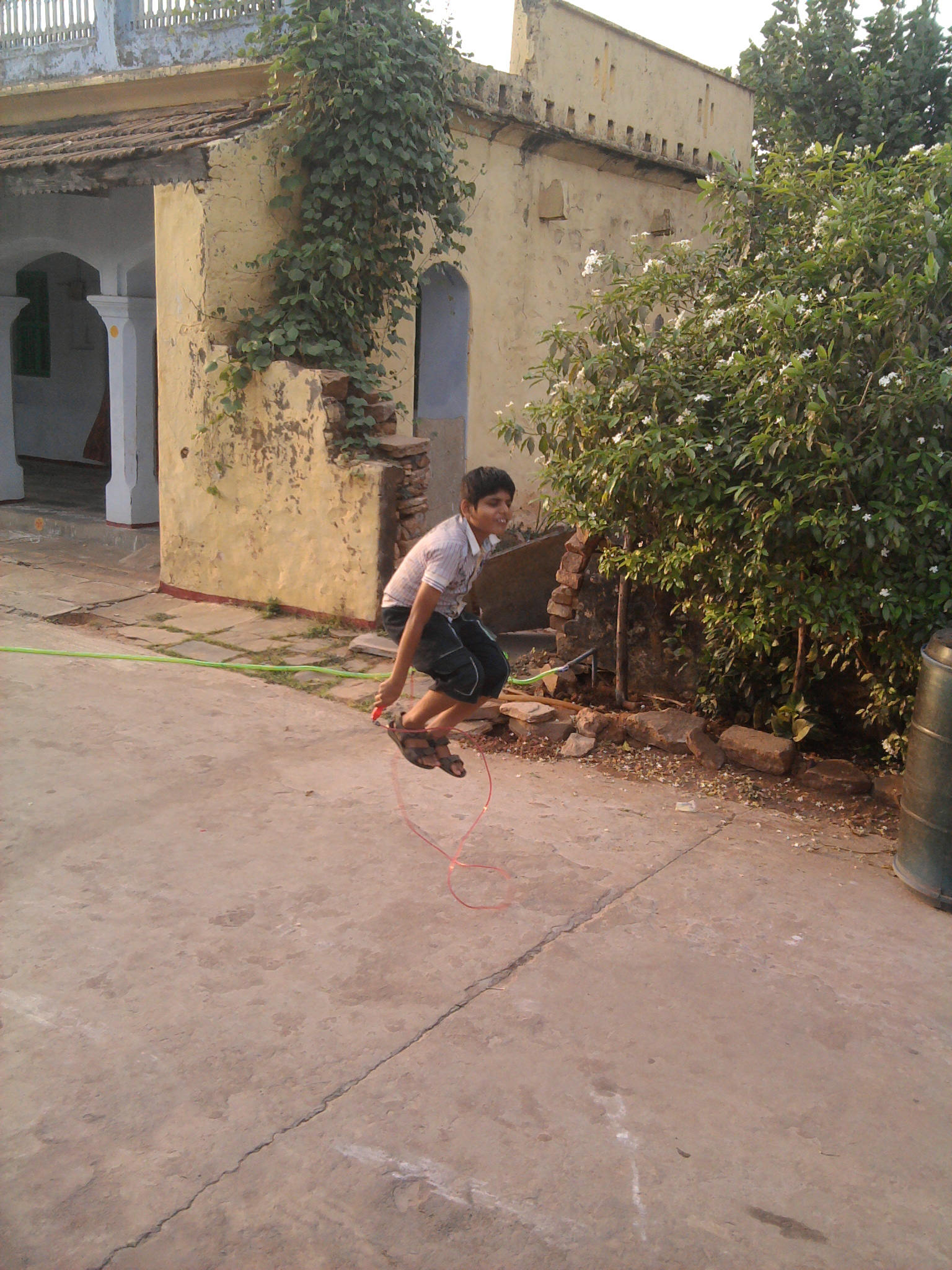
One child skipping alone, with a sequence of steps and a rhyme to time them – counting rhymes, alphabet rhymes, fortune-telling rhymes that ended when you missed.
Rope skipping as an exercise and a competitive sport, highly developed, with the rhyme repertoire almost entirely gone from it.
The rhyme was not decoration. It set the tempo, it marked the turns, and in the fortune-telling versions it produced a result – the letter you tripped on, the number you reached – which is what made the game worth repeating rather than just a physical exercise.
6. Double Dutch Was a Genuinely Difficult Skill
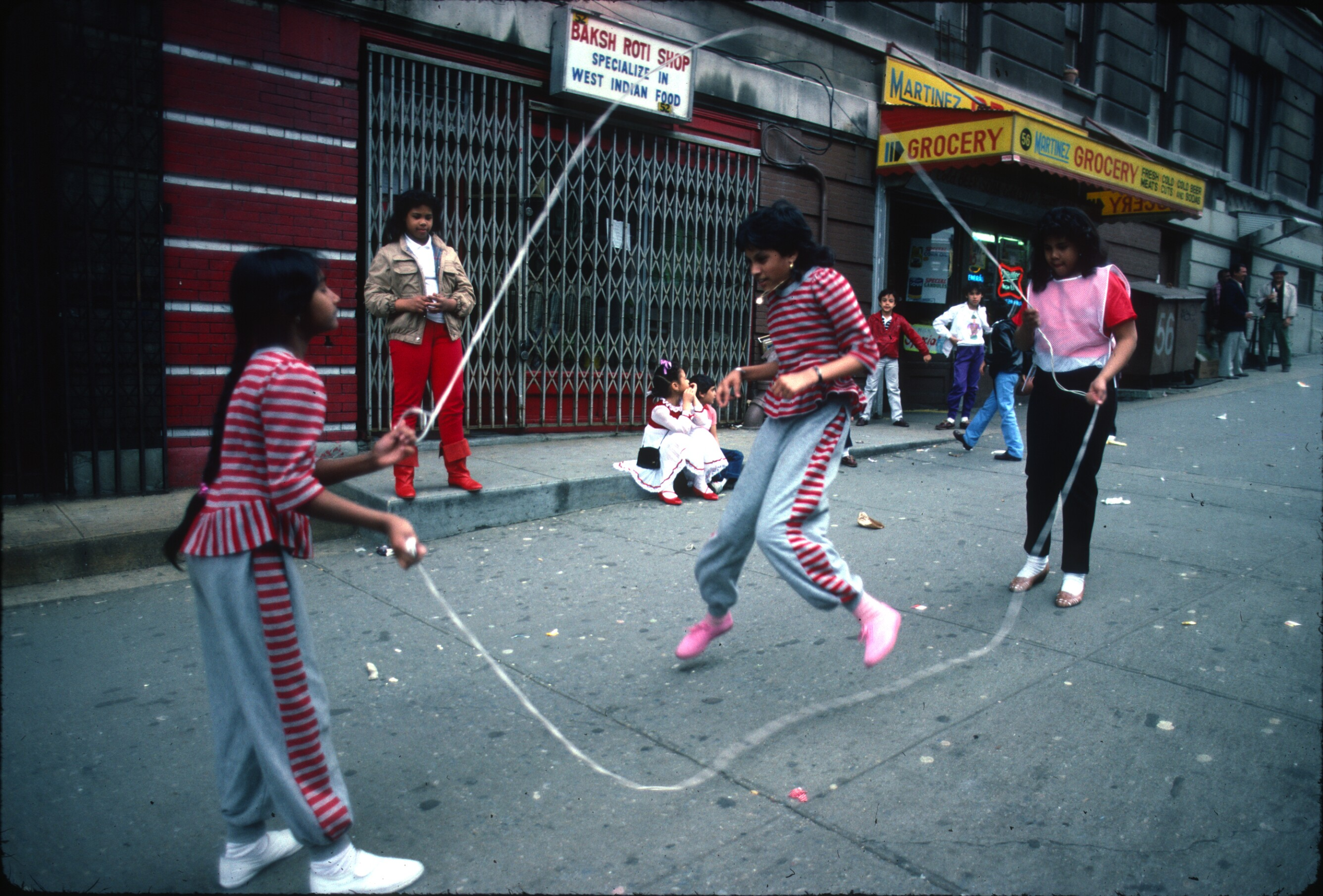
Two ropes turned in opposite directions by two turners, with one or more jumpers entering and leaving without breaking the rhythm, to a called rhyme.
A codified competitive sport with leagues, judges and televised championships, and far less of the informal street version that fed it.
Turning was the harder half and it never got the credit. Two turners have to hold a matched rhythm in opposite directions for minutes at a time, adjust for a jumper’s height, and open the rope for an entry – and a neighbourhood’s best turners were known and requested by name.
7. Ball Bouncing Games Ran on Alphabet and Memory
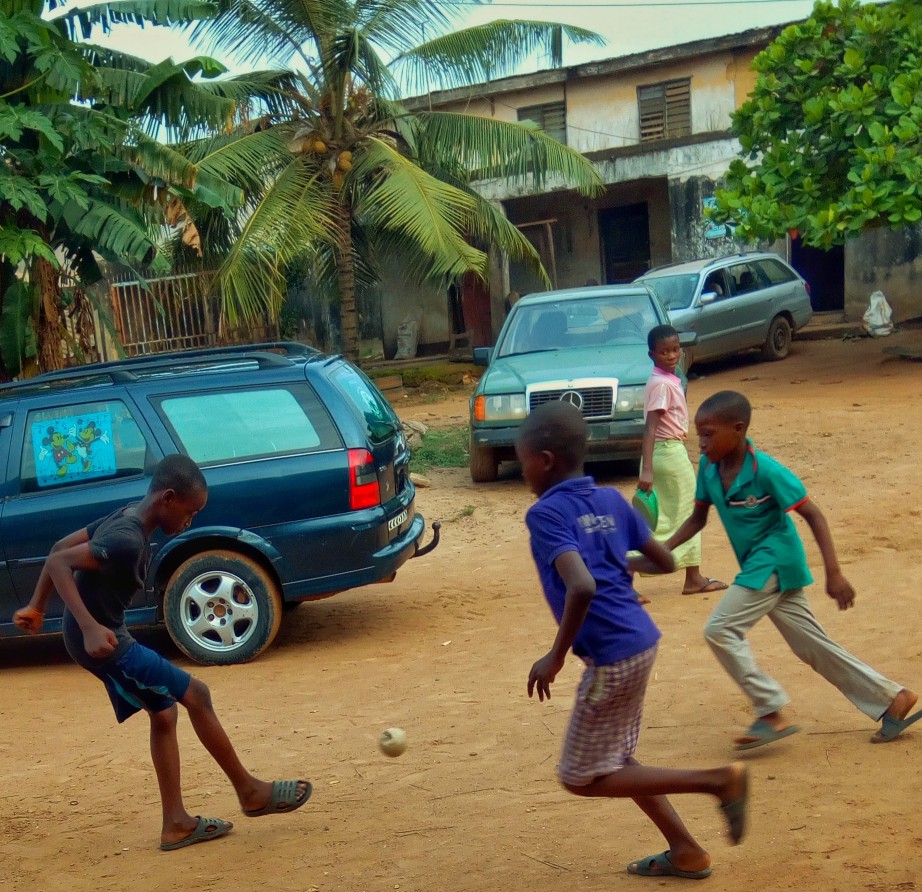
A rubber ball bounced against a wall or on the sidewalk, with a chanted rhyme that ran the alphabet and required a name, a place and a word for each letter, with a leg swung over the ball on the beat.
Essentially extinct, surviving only where it has been deliberately taught by an adult from a written source.
These were memory games wearing a ball game’s clothes. The rhyme demanded that the player generate a new name, place and item at speed for each letter, to a fixed rhythm, while keeping a physical pattern going – which is a considerably harder cognitive task than it looks from outside.
8. Clapping Games Were Transmitted Entirely by Ear
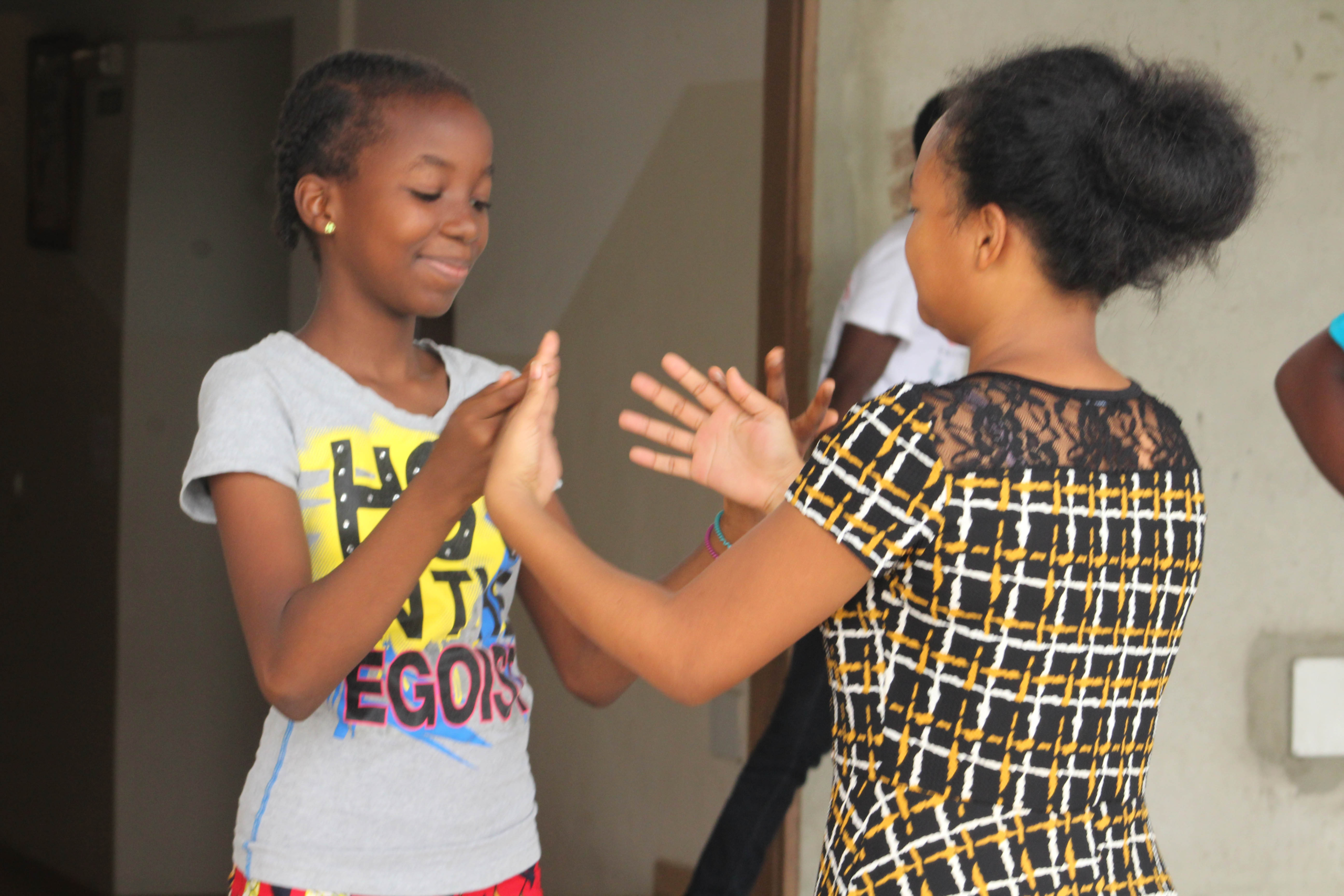
Two children facing each other ran a clapping pattern – own hands, partner’s hands, crossed, backs – to a sung or chanted rhyme, with the pattern accelerating until somebody broke.
Still alive, and the single healthiest survivor in the whole category, because it needs no space, no equipment and no more than two children.
That survival tells you exactly what killed everything else. The clapping game requires only two children and three feet of floor – no sidewalk, no chalk, no mixed-age group, no unsupervised block – so it survived every change that destroyed the games needing those things.
9. Marbles Had Stakes and a Vocabulary
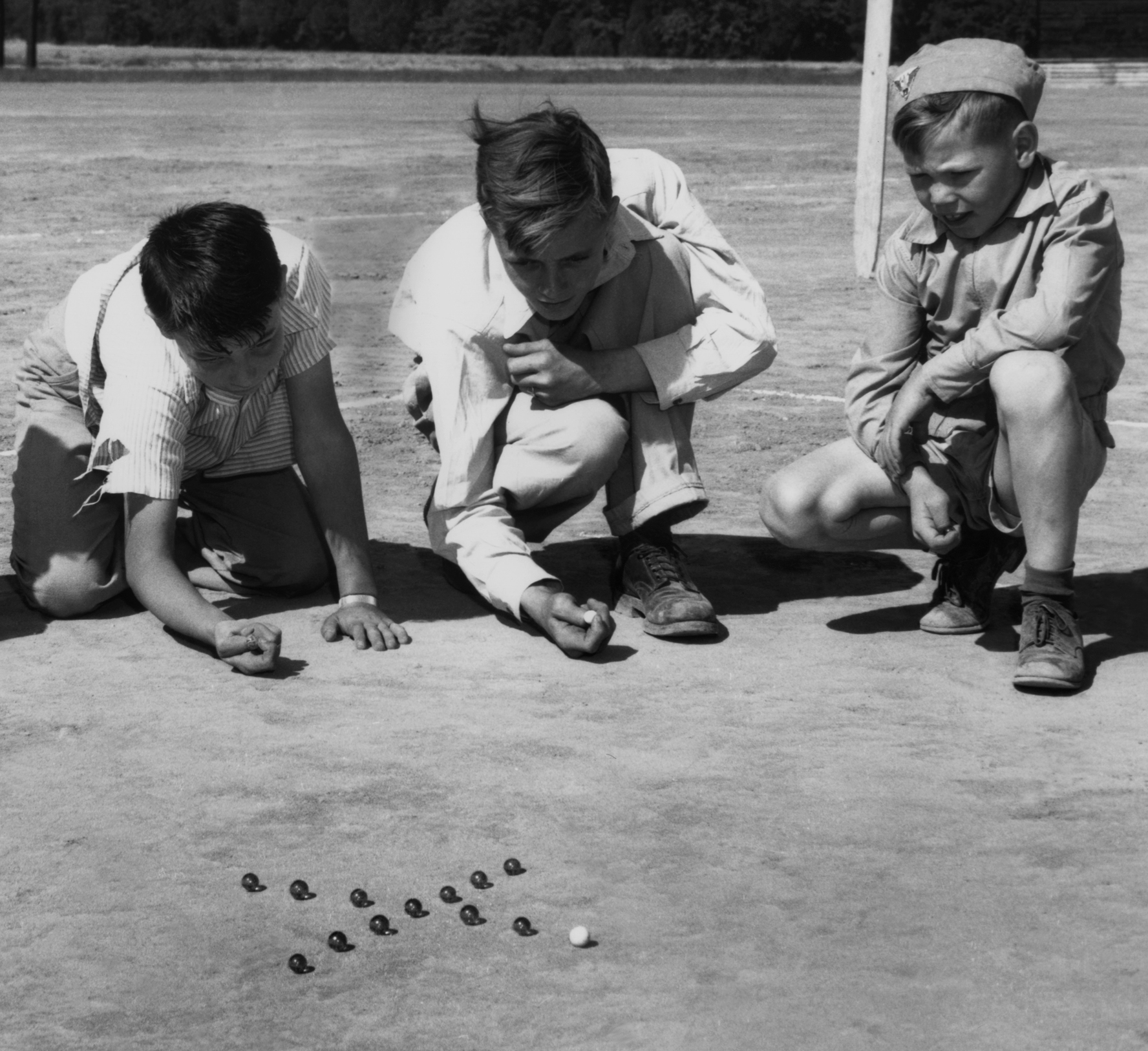
A ring drawn in dirt or chalk, shooters and mibs, knuckling down, with a running distinction between playing for fun and playing for keeps – which meant you went home with somebody else’s marbles.
A collector’s object. The ring, the shooting technique, the terminology and the stakes are all gone from ordinary play.
Playing for keeps is the part that makes modern adults uneasy and it was the whole point. It was gambling, children understood it as gambling, the stakes were real property that the loser went home without, and a child who was good at it accumulated a visible fortune in a cloth bag.
10. The Counting-Out Rhyme Decided Who Was It
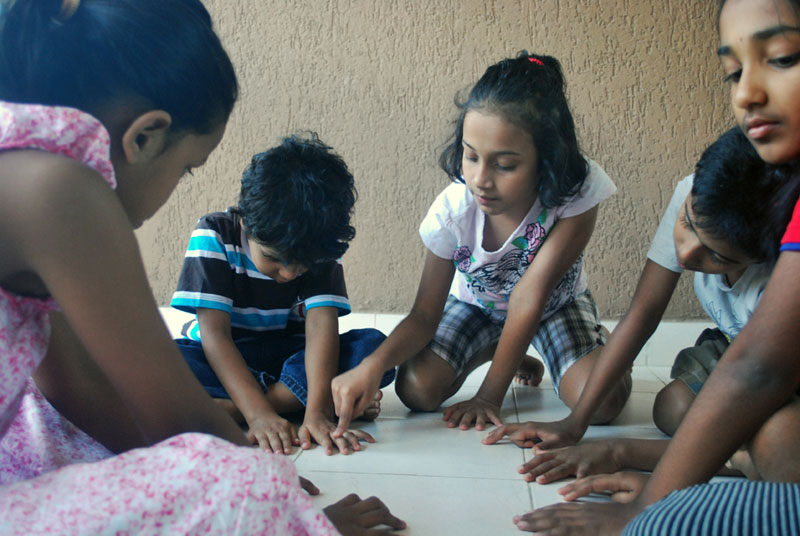
Before any game, somebody counted around the group with a rhyme, one syllable per child, and whoever the last syllable landed on was out – or in – depending on the local rule.
Mostly replaced by an adult assigning turns, a random app, or a brief argument.
The counting-out rhyme is the most collected piece of children’s folklore there is, and some of its historical variants carried racial slurs. Those versions are properly gone and this piece quotes no rhyme of any kind – but the mechanism itself, a procedure children ran themselves to produce a decision everybody accepted, is worth noticing for what it did rather than what it said.
11. Kick the Can Needed a Big Mixed Group and the Whole Block
One child guarded a can while everybody hid, and a hider who reached the can and kicked it freed all the prisoners – a game that needed a dozen children, a lot of ground and no adult involvement at all.
Gone almost completely, since every one of its requirements – the group size, the territory and the absence of supervision – has disappeared.
This game is the clearest casualty and it is the best illustration of the real cause. It cannot be played by three children in a yard. It needs a large mixed-age group ranging freely over a whole block for an hour, which is an arrangement that effectively no longer exists in American neighbourhoods.
12. Statues, Red Light and Mother May I Were All the Same Game
A caller at one end, a line of children at the other, movement permitted and then frozen on command, with an elaborate local grammar of permitted steps – giant steps, baby steps, scissor steps, umbrella steps.
Still played, usually in an organised setting, with the step vocabulary simplified or absent.
The step vocabulary was where all the creativity went. The game’s structure is trivial, so what children did was invent and name an increasingly baroque list of movements, which meant the fun was in the local invention rather than in the rules – and the local invention is exactly what does not survive adult organisation.
13. Hide and Seek Had Formal Calls
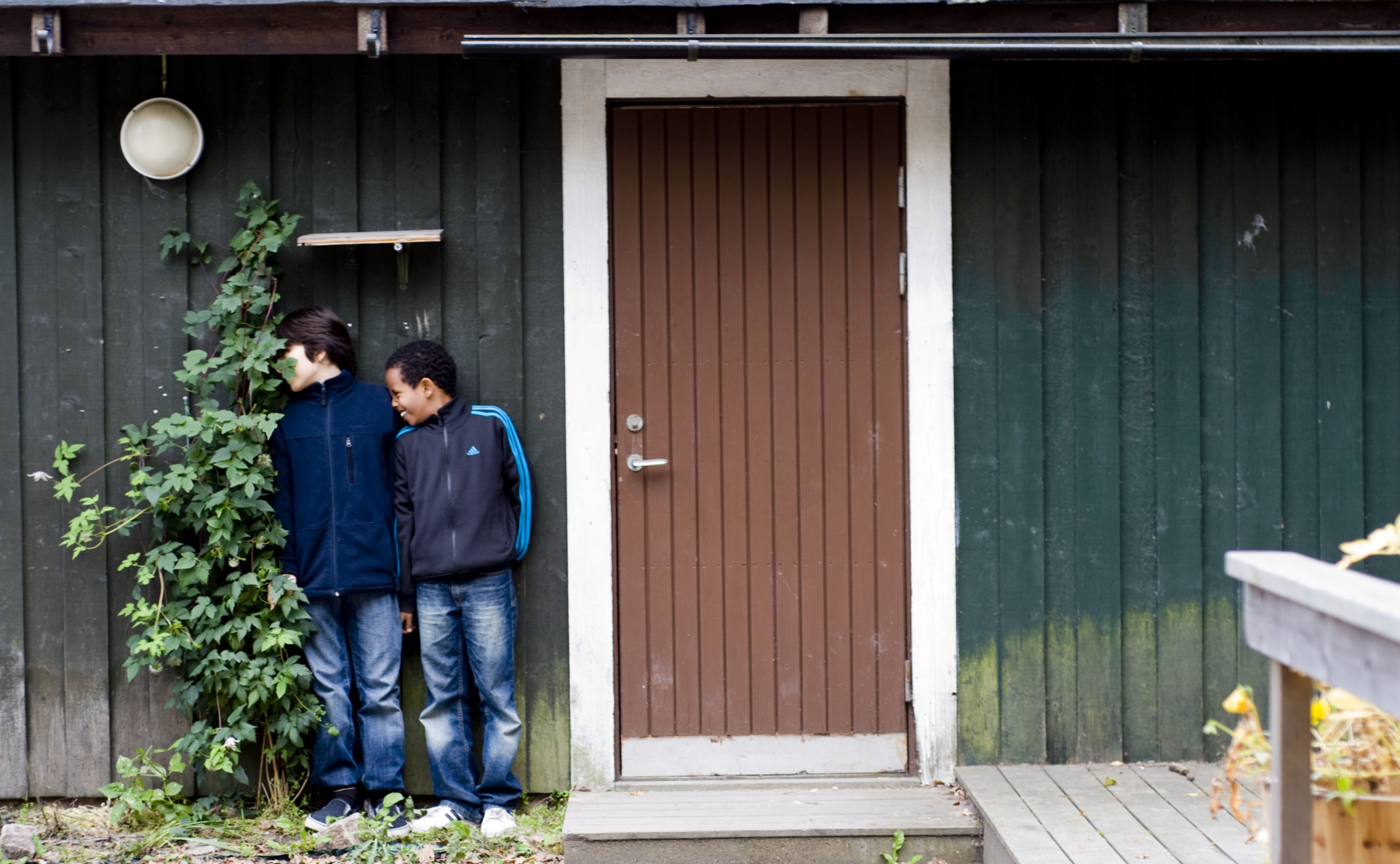
The counting, the call that released the hiders, the call that ended the round and brought everybody in, and a safe spot with its own name – all fixed, all known, all slightly different two streets over.
Played constantly and still thriving, with the formal calls largely reduced to counting and a shout.
The end-of-round call is the piece worth preserving. A game played over a wide area needs an agreed signal that reaches hiders out of sight and is understood to mean the round is genuinely over – and children developed, maintained and taught each other exactly that, with regional wording, because the game did not work without it.
14. Nobody Taught Any of It and Nobody Wrote It Down
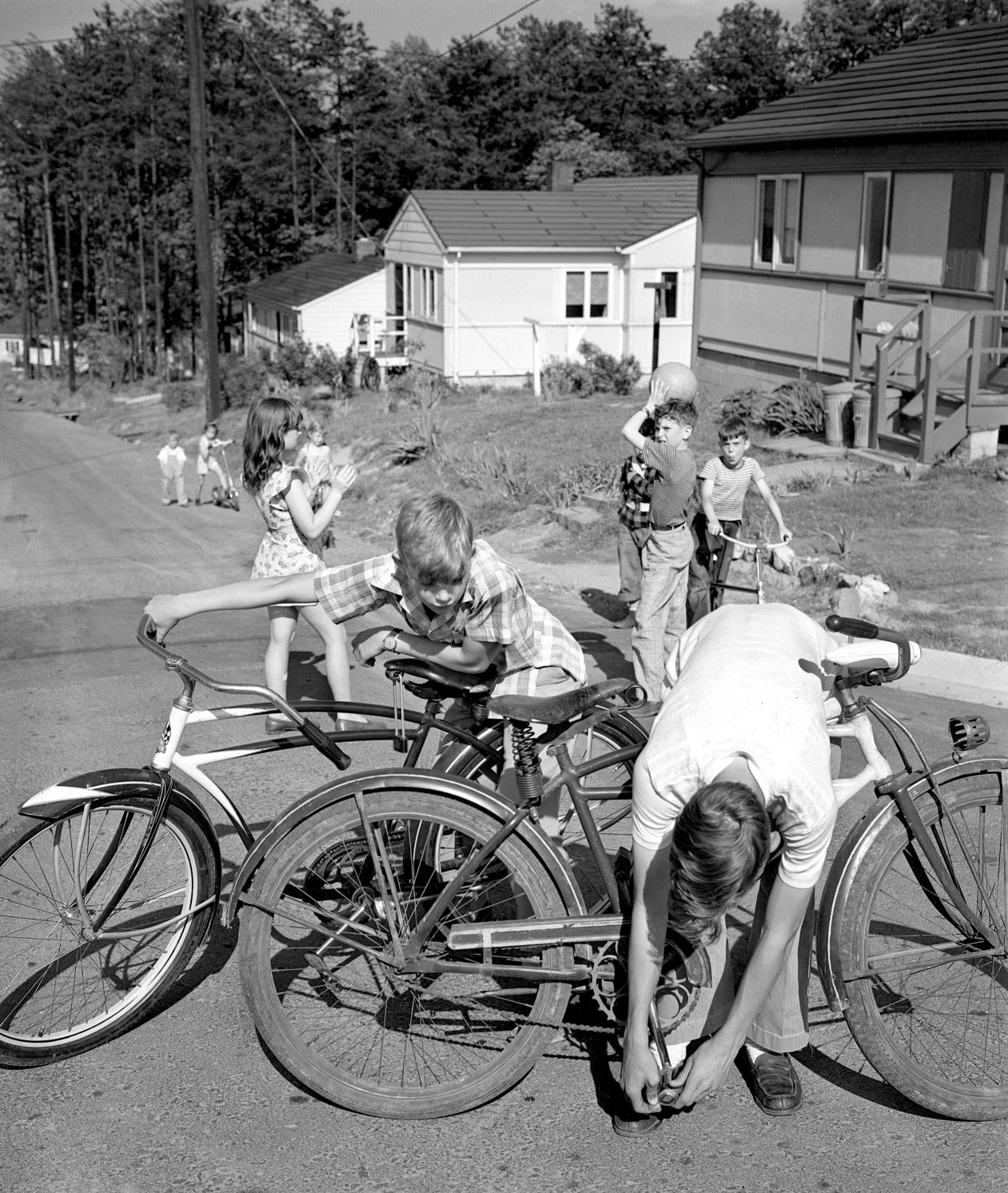
Every rule, rhyme, diagram, name and call in this entire category was learned from another child – usually an older one – with no adult teaching, no written source and no organisation of any kind behind it.
Transmission now runs the other way. The games children know came from a teacher, a book, a video or a camp counsellor, which means they arrive standardised and without local variation.
That reversal is the single most important fact about the subject. An oral tradition requires a chain of transmission, and the chain here ran from a ten-year-old to a seven-year-old in an unsupervised mixed-age group – which is a specific social arrangement, not a general fact about children.
15. Then the Chain Broke
In 1964 a child learned a hundred rhymes, a dozen game structures and a full regional vocabulary from other children, in the street, with no adult within earshot, and passed it on three years later to somebody smaller.
The repertoire is largely gone, not because children stopped liking games but because the mechanism that carried them from one child to the next was taken apart.
This is the part that gets explained wrongly, usually by blaming screens, and the real explanation is more specific and more interesting. Children’s street games are one of the very last large bodies of genuine oral folklore in the industrialised world – folklorists who collected them in the twentieth century found the same rhyme appearing in hundreds of separate places with systematic regional variation, exactly like a dialect map, transmitted entirely by children with no written source and no adult involvement. That transmission required one particular arrangement: a mixed-age group of children, in the same place, regularly, unsupervised, with time that was not scheduled. The seven-year-old learned from the ten-year-old because the ten-year-old was there, outdoors, with nothing else assigned. Across the following decades every element of that arrangement was dismantled, and mostly for reasons that were not wrong. Play became scheduled. It became organised by adults. It became age-segregated, so that seven-year-olds were with seven-year-olds and the older children who held the repertoire were somewhere else. Traffic made streets genuinely unusable. Supervision expectations rose, so unsupervised ranging over a block became something a parent could be criticised for. Families got smaller and neighbourhoods had fewer children in them. And so the chain that carried a hundred rhymes from one child to the next simply stopped having anywhere to run. What children know now came instead from a teacher, a book, a video or a camp – which is a perfectly fine way to learn a game, and a completely different thing. It arrives standardised, without regional variants, without the local argument about whose hopscotch court is correct, and without the thing that made the whole category remarkable: that it belonged to children, who ran it themselves, and that no adult had any part in it at all.
It Was Oral Folklore, and the Carrier Was Dismantled
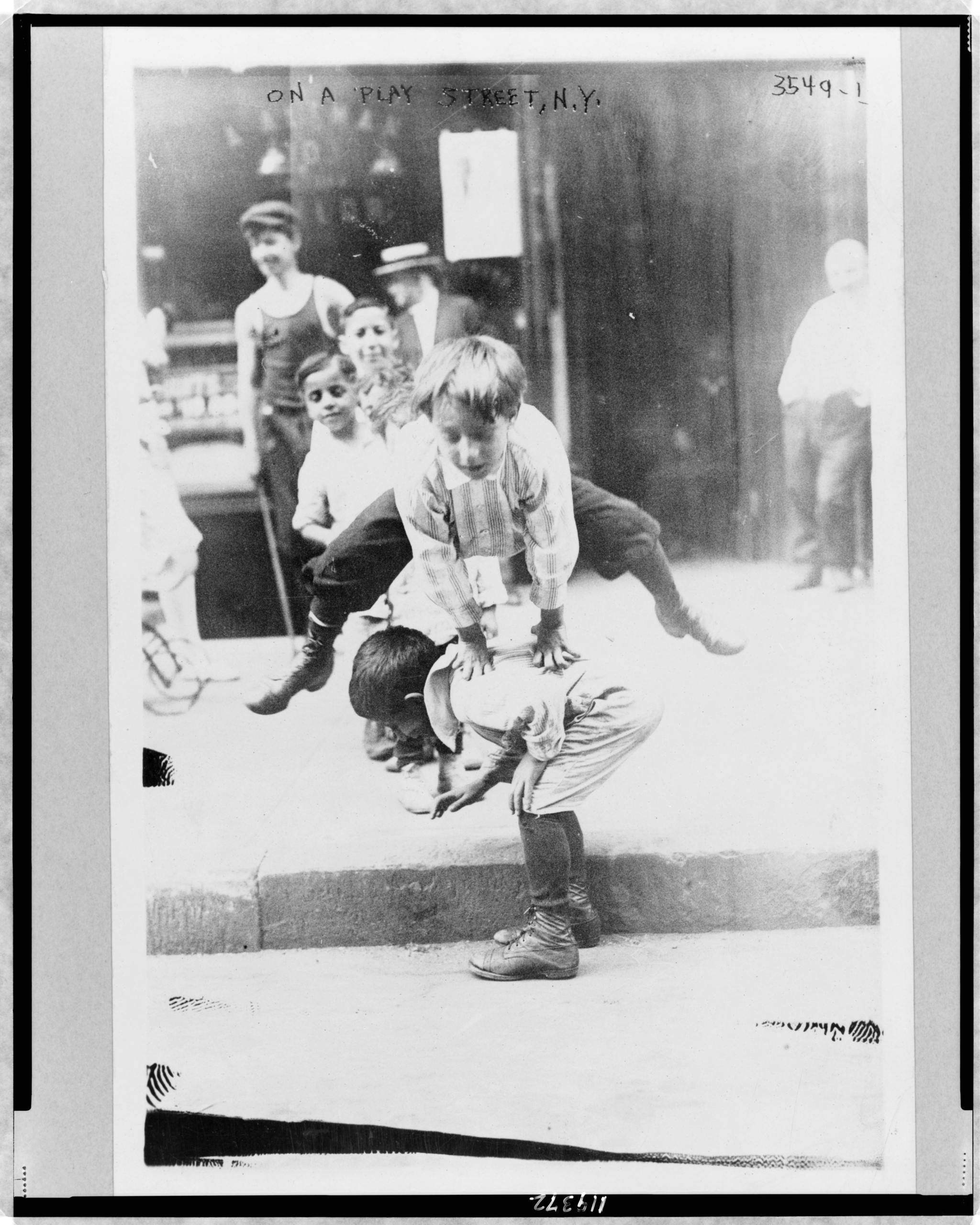
The usual explanation for all this is screens, and the usual explanation is not quite right.
Start with what these games actually were. Children’s street games and rhymes are one of the last substantial bodies of genuine oral folklore to survive into the industrialised world. Folklorists who went out and collected them through the twentieth century found something remarkable: the same rhyme, the same game, the same counting procedure turning up in hundreds of separate places, with systematic variation that mapped onto regions almost exactly the way dialect words do. The name for the hopscotch marker varied by settlement pattern. The shape of the court varied by neighbourhood. The variant rounds in jacks had local orders. None of it was printed, none of it was taught, and none of it came from any institution.
Which means it required a carrier, and the carrier was a specific social arrangement rather than a general fact about childhood.
The arrangement was this: a mixed-age group of children, in the same place, regularly, over long unscheduled stretches, with no adult within earshot. That is what makes transmission work. The seven-year-old learns the full progression of jacks and the whole vocabulary of permitted steps and the correct end-of-round call because the ten-year-old is right there, outdoors, with nothing assigned to do, and because in three years the seven-year-old will be the ten-year-old and will pass it on.
Take away any one element and the chain weakens. Take away all of them and it stops.
And across the following decades all of them went, mostly for reasons that were not wrong.
Play became scheduled, so the long unstructured afternoon disappeared. Play became organised by adults, so the games that got played were the ones an adult chose. Play became age-segregated – a decisive change that gets very little attention – so the seven-year-olds were with other seven-year-olds while the older children holding the repertoire were in a different programme somewhere else. Traffic increased to the point where the street genuinely was not usable. Expectations about supervision rose, so a mixed group ranging freely over a block for an hour became something a parent could be criticised for rather than the default. Families got smaller and neighbourhoods had fewer children in them, so the dozen children that a game like kick the can simply requires often were not available on one block at one time.
Notice which games survived. Clapping games are in the best shape of anything in the category, and the reason is structural: they need two children and three feet of floor. No chalk, no sidewalk, no territory, no mixed-age group, no absence of adults. Every requirement that failed for the other games does not apply to them. Hide and seek survived too, in simplified form, for the same kind of reason.
And the games that are being played again are mostly arriving by a completely different route. A child today who knows hopscotch or double dutch usually learned it from a teacher, a book, a video, a camp counsellor or a parent working from a written source – which is a perfectly good way to learn a game and produces a standardised version with no regional variant, no local court shape, no argument about whose rules are correct and no step vocabulary somebody on your block invented last week.
That is the actual loss, and it is a narrow one. Children still play. Children are still inventive. What went is a transmission system that belonged entirely to children, that ran for generations without a single adult involved, and that produced thousands of local variants nobody ever wrote down.
If you can still draw your neighbourhood’s hopscotch court from memory, you are holding a piece of folklore that was never written down.
And somewhere there is an argument you had at eight years old about whether the rest square counts.
Like our content? Follow us for more.
Source: Wikimedia Commons
