Out in the yard, twenty or thirty steps from the back door, there was a mound.
It had a slanting door set into one side, usually wood, sometimes sheet metal, with a latch and a wooden step or two down into the dark. Inside was a small chamber with earth or brick or poured concrete walls, a packed dirt floor, shelves along the sides, and a smell of damp soil and vegetables that anybody who went down into one can still summon.
It was called the storm cellar, the cyclone cellar, the cave, the fraidy hole, the dugout or just the cellar depending on where you were. It existed because across a very large portion of the United States a tornado can take a house off its foundation and there was nothing else to be done about it.
And it was used, on almost every day of its existence, as a vegetable store – because once you have dug a hole in the ground with a door on it, you are not going to leave it empty three hundred and sixty-four days a year.
Why It Had to Be Separate From the House
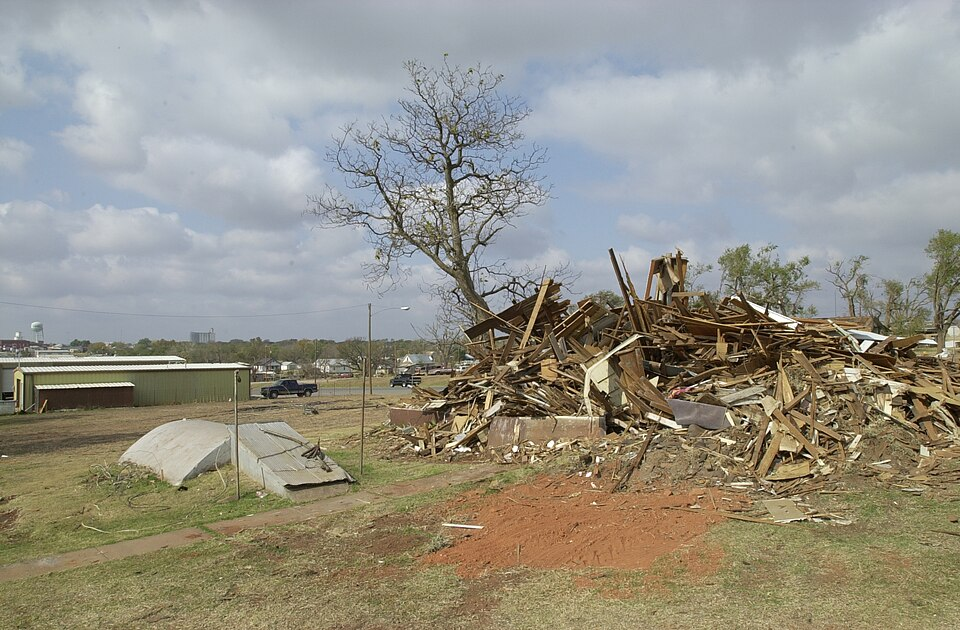
The decision to dig a chamber out in the yard rather than under the house seems like extra work, and the reasoning behind it is sound and slightly grim.
A tornado destroys a house by taking it apart. If the shelter is underneath the structure, the structure comes down on top of the entrance – and a family in a basement with a collapsed house above it is sheltered from the wind and trapped by the debris. A separate cellar, out in the open, has nothing above it to fall in.
The mound shape was functional too. Earth banked over the roof adds mass and sheds water, and a low profile gives the wind nothing to catch. The door was set at an angle rather than flat, so that it shed rain, and it opened in the direction that made it least likely to be held shut by debris or pinned by a fallen tree.
And the distance from the house was a compromise between two risks: far enough that the house would not land on it, close enough that a family woken at two in the morning could actually get to it in the dark with children in their arms.
Like our content? Follow us for more.
It Was Primarily a Root Cellar With a Second Job
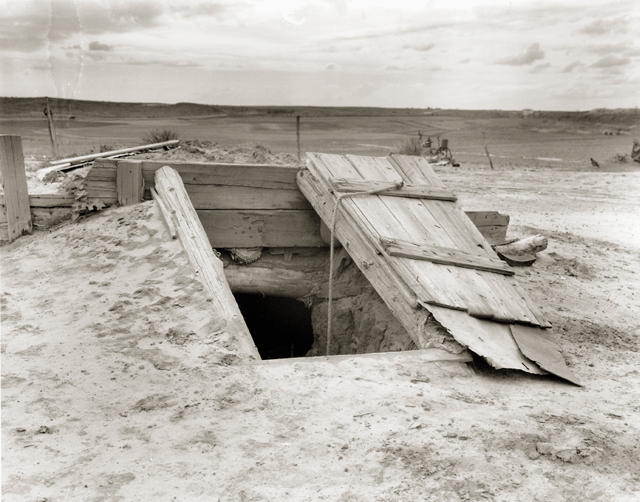
Here is the part that gets left out of every nostalgic account, and it is the part that explains why these were built at all in households that could barely afford the labour.
A hole in the ground with a door is a near-perfect cold store. Soil a few feet down holds a steady temperature all year – cool in summer, above freezing in winter – with high humidity and no light. That is exactly the condition that keeps potatoes, carrots, turnips, beets, cabbages, apples and winter squash for months.
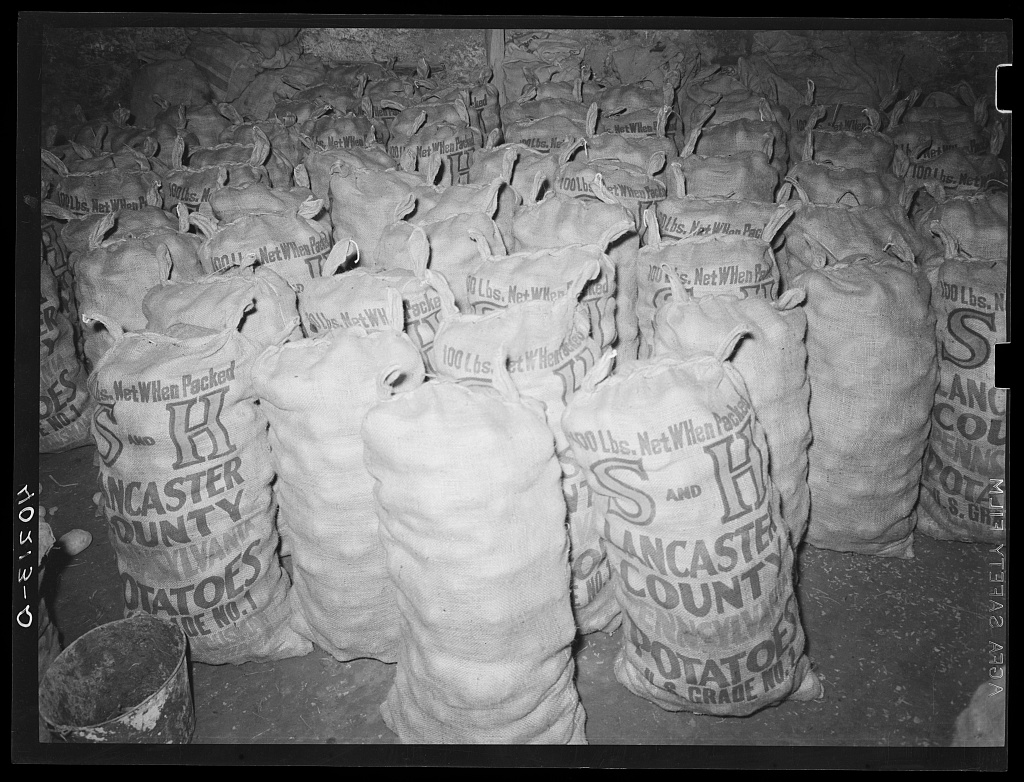
So the storm cellar had shelves, bins, sand boxes, barrels and crocks in it, and it held the household’s winter vegetables, its canned goods, its crocks of preserved food and frequently its seed for spring. In a great many families the primary daily identity of the structure was the place you were sent to fetch potatoes.
Which means the economics work. A household digging a tornado shelter is spending a great deal of labour on an event that might never come. A household digging a root cellar that is also a tornado shelter is building something it uses every week, with the storm protection effectively free.
That dual purpose is almost certainly why so many were built, and it is why a great many of them were dug in parts of the country with modest tornado risk as well as in the places that genuinely needed them.
The Warning System Did Not Exist
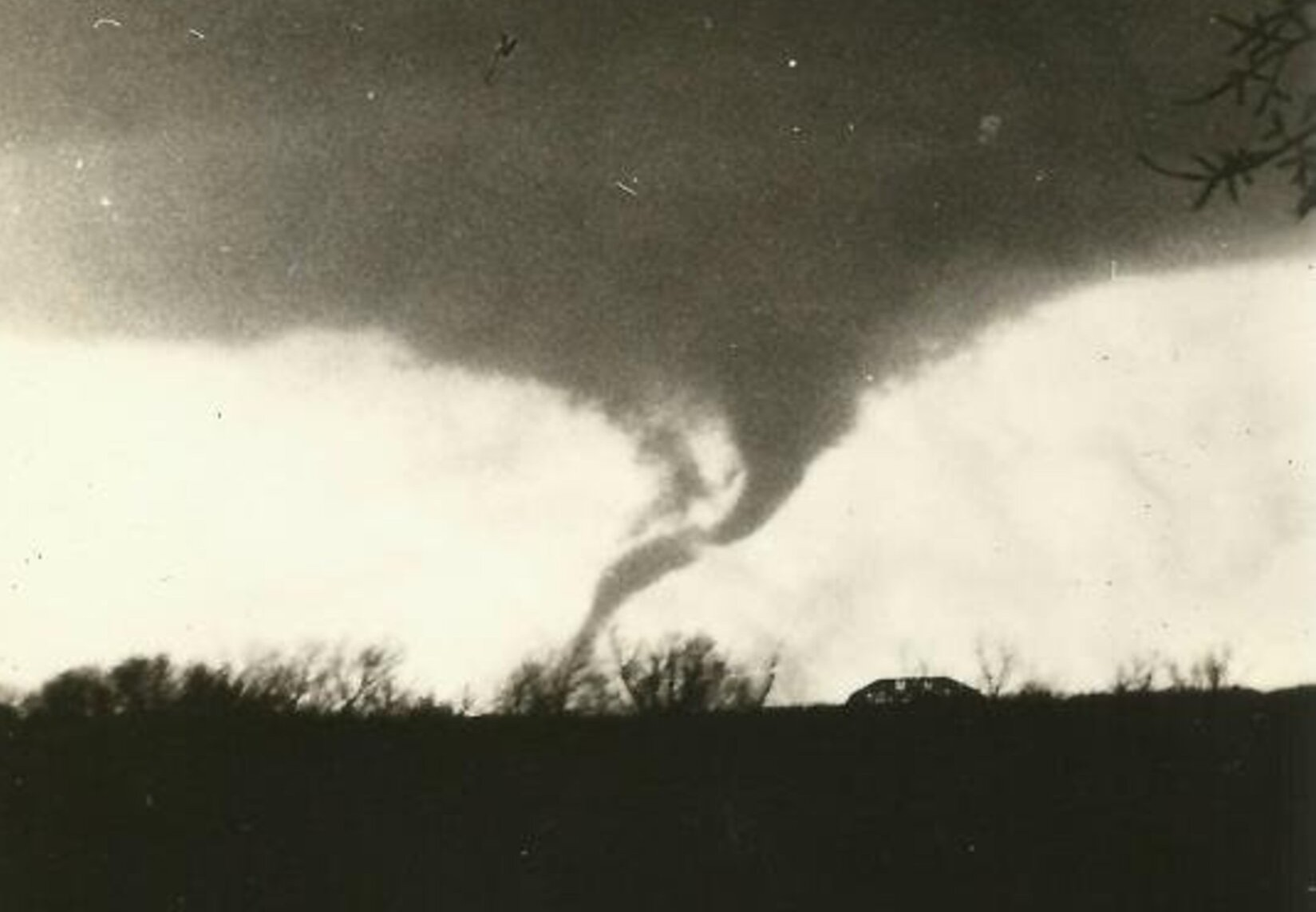
To understand what the cellar was for, you have to understand what preceded modern severe weather warning, which is: nothing.
For a long stretch of American history there was no tornado warning of any kind. For part of that period the word itself was actively avoided in official forecasts, on the stated reasoning that predicting a tornado would cause panic and that the prediction could not be made reliably enough to justify it. So a household’s warning system was a household’s own eyes: the colour of the sky, the direction and smell of the wind, the sound, the behaviour of the livestock, and whatever a neighbour on higher ground could see and shout about.
That is why the folk knowledge around weather was so detailed and so seriously held. People watched the sky with real attention because the sky was the only instrument available, and a father standing in the yard looking at a cloud bank was performing the entire available risk assessment for his family.
And when he decided, everybody went down the steps. Which happened, in a bad season, many more times than a tornado actually arrived – and the false alarms were the system working rather than failing.
Going Down Was Its Own Experience
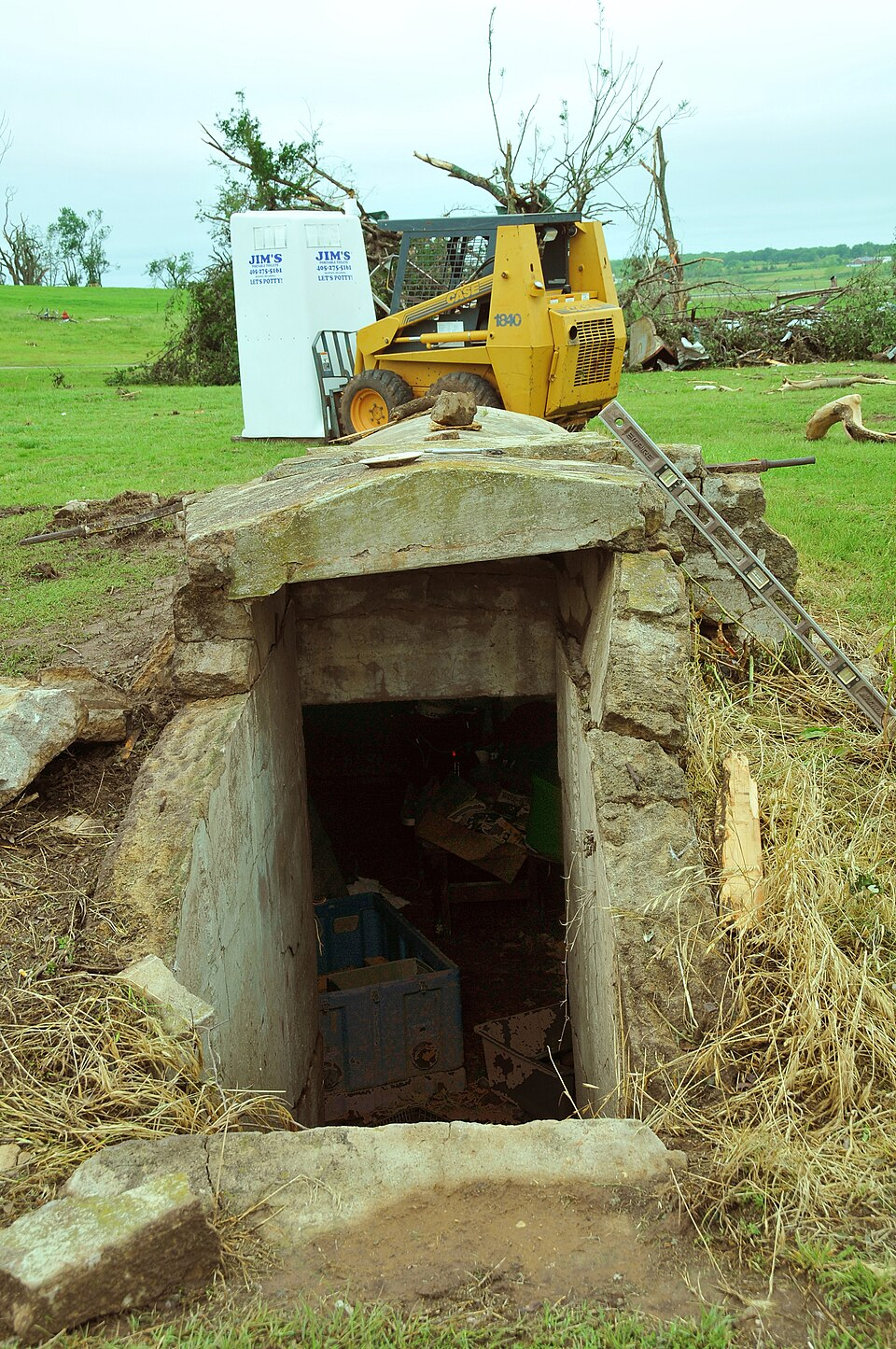
Anybody who did this as a child remembers it with unusual clarity, and the memories are consistent.
The waking up and being carried. The wind and the particular quality of the light. The run across the yard. The door, which was heavy and sometimes swollen shut. The steps down, and the cold air coming up to meet you. The smell – earth, potatoes, damp wood, kerosene from the lamp. The spiders, snakes and toads, which were a genuine and frequently mentioned feature. The water in the bottom in a wet year. Sitting on a bench or a crate among the vegetable bins in the lamplight, listening.
And the waiting, which was the long part. Families stayed down for however long the weather took, sometimes with neighbours who had no cellar of their own, because a household with a cellar was expected to take in anybody nearby who needed it and routinely did.
Then the climb back up, and the looking around to see whether anything had changed.
What Replaced It Was Information
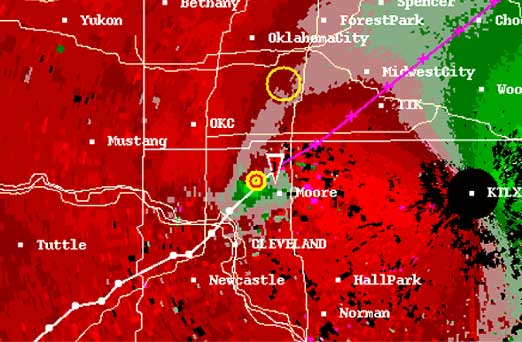
The storm cellar did not disappear because tornadoes stopped. It became less central because the single biggest change in tornado survival was not shelter design at all. It was warning.
A severe weather forecasting capability developed through the middle of the twentieth century, including the lifting of the prohibition on the word itself, the establishment of a dedicated forecasting function, the use of weather radar to detect the structures that produce tornadoes, a network of trained spotters, and – critically – a public distribution system through radio, then television, then outdoor sirens, then weather radio, then the telephone in everybody’s pocket.
The effect on deaths was large and it is one of the clearest public safety successes in American history. A population that gets minutes of specific, authoritative warning behaves completely differently from a population relying on somebody looking at a cloud.
That change also altered what shelter needed to be. With warning, the question becomes where to go in the next few minutes rather than whether to have dug a chamber in the yard years ago – which made interior rooms, basements, engineered safe rooms and community shelters viable options in a way they were not when the warning time was zero.
This piece gives no guidance on what anybody should do in severe weather, which is properly the business of current authoritative sources and local emergency management, and those sources are specific, free and considerably better than any folk rule.
The Refrigerator Took the Other Job
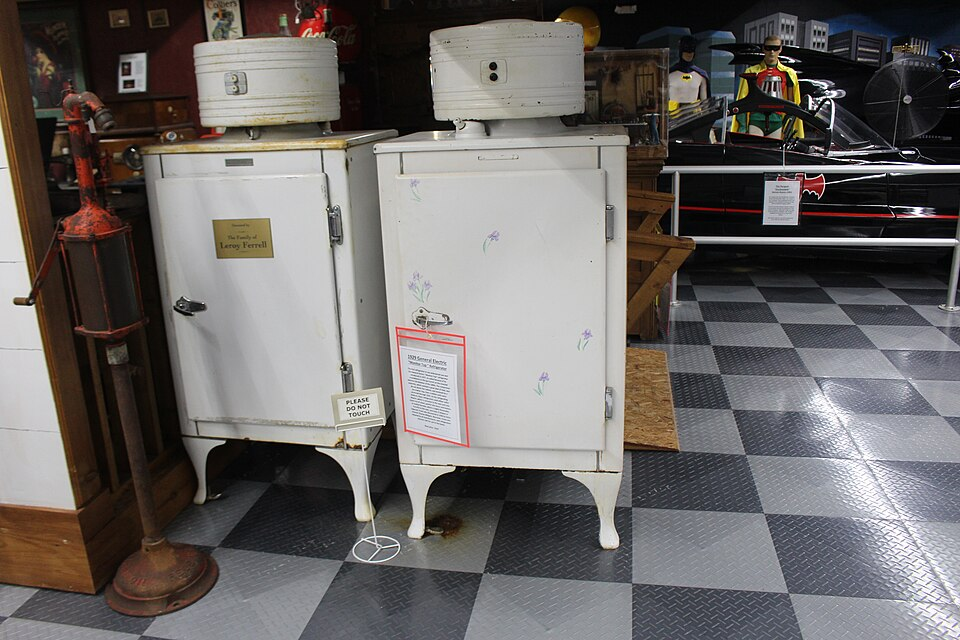
The cellar’s everyday function went for an entirely separate reason, and it went first in most households.
Mechanical refrigeration and then the home freezer removed the need to store a winter’s root vegetables at all. Year-round supermarket produce removed the need to grow them in quantity. And the two together removed the reason to walk out to a cold hole in the ground in February.
So the structure lost its daily purpose while keeping its emergency one, which is a bad position for any building to be in. An unused cellar is not maintained. The door rots or the hinges rust. Water collects. The steps crumble. Something gets stored in front of the door. And then it is not a shelter any more, because a shelter you cannot open in ninety seconds in the dark is not a shelter.
A great many American storm cellars failed that way – not destroyed, simply allowed to lapse, because the thing that had justified maintaining them was the potatoes rather than the weather.
Both Jobs Mattered and Only One Is Remembered
The storm cellar gets remembered as a tornado shelter because that is the dramatic story, and the dramatic story is true.
But it was built the way it was, in the numbers it was, because it did two jobs with one hole. It kept a family’s winter food through the summer and the winter, every year, reliably, which is what justified the digging. And on a handful of afternoons across a lifetime it kept the family itself, which is what justified the location, the mound, the angled door and the distance from the house.
Modern severe weather protection is better in every respect – the warnings arrive in time, the shelters are engineered, and the death rates reflect both. Nobody should want to go back to reading a cloud bank from a farmyard.
What has gone with it is a particular kind of structure that earned its keep daily and saved lives occasionally, and the specific memory of being carried across a yard in the wind at two in the morning toward a door in the ground with potatoes behind it.
Like our content? Follow us for more.