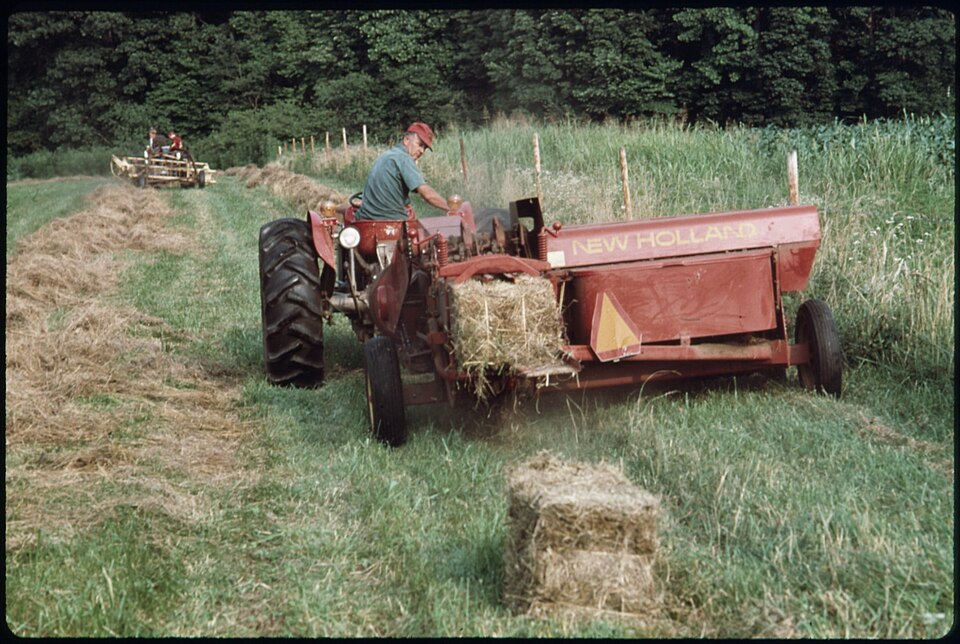
In 1974 putting up hay on an American farm meant a crew. Six, eight or ten people – neighbours trading labour, relatives, and every teenager in the township who wanted a summer wage – working against a forecast.
Somebody rode the wagon behind the baler and stacked bales as they came off the chute. Somebody was up in the loft at the top of the elevator, in the hottest place on the farm, keeping up with a conveyor that did not stop. And somebody in the house cooked a full hot dinner for all of them at noon.
All of it existed because of one decision: that a bale should weigh what a person can throw. Here are sixteen things every farm family knew.
1. The Loose Hay Era Had Only Just Ended
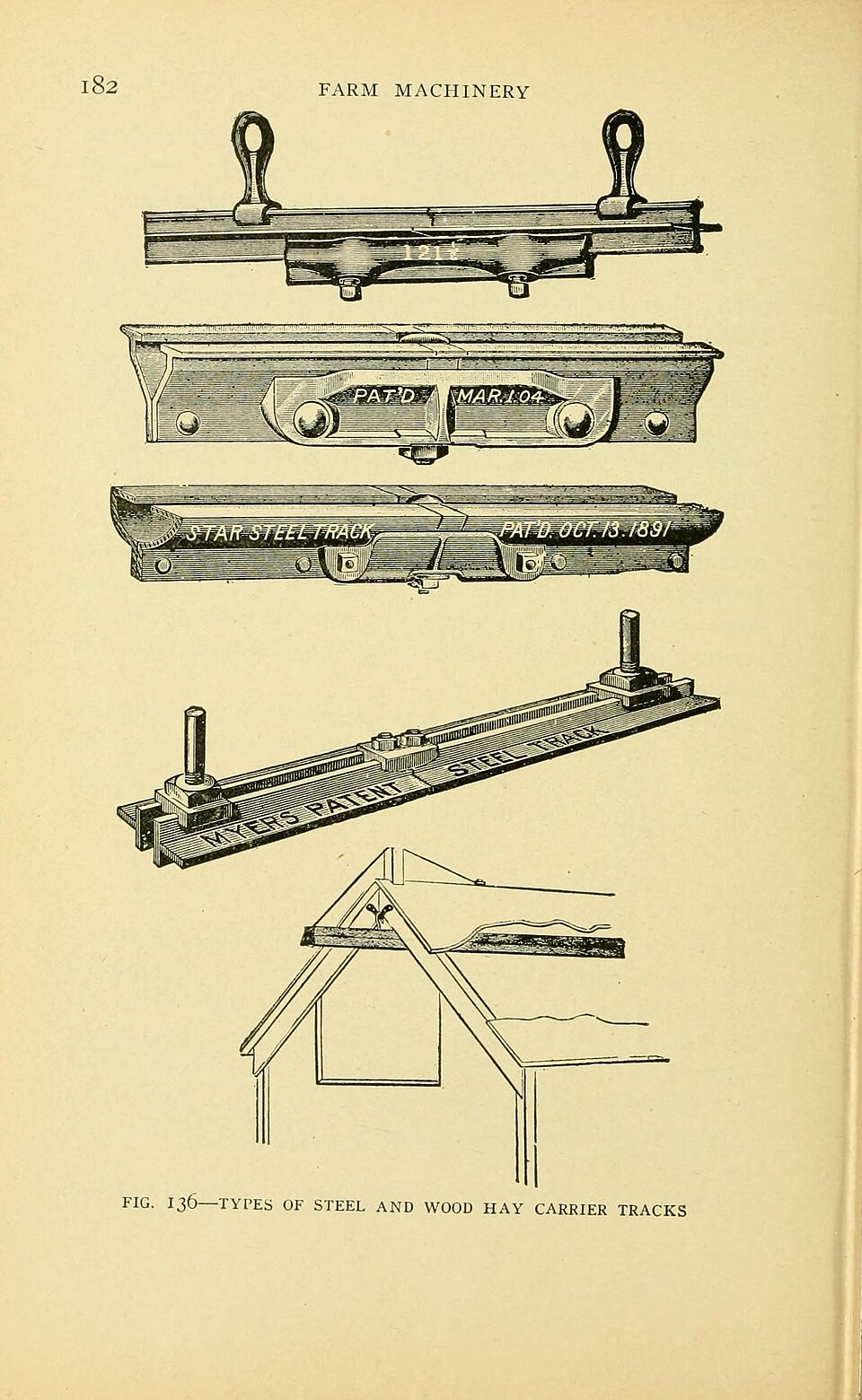
Within living memory of 1974, hay was not baled at all. It was cut, cured, raked into piles, pitched onto a wagon by hand, hauled to the barn and lifted into the loft loose with a grapple fork on a rope and pulley.
Entirely gone, with the surviving evidence being the big door high in the gable end of old barns and the track and pulley still bolted to the ridge inside.
If you look at an old American barn, the enormous opening near the peak is the loose hay door, and the iron track running the length of the ridge inside carried the fork. That equipment is the reason the barn is shaped the way it is, and almost nobody who owns one now knows what it was for.
Like our content? Follow us for more.
2. The Mower Was a Sickle Bar and It Was Unforgiving
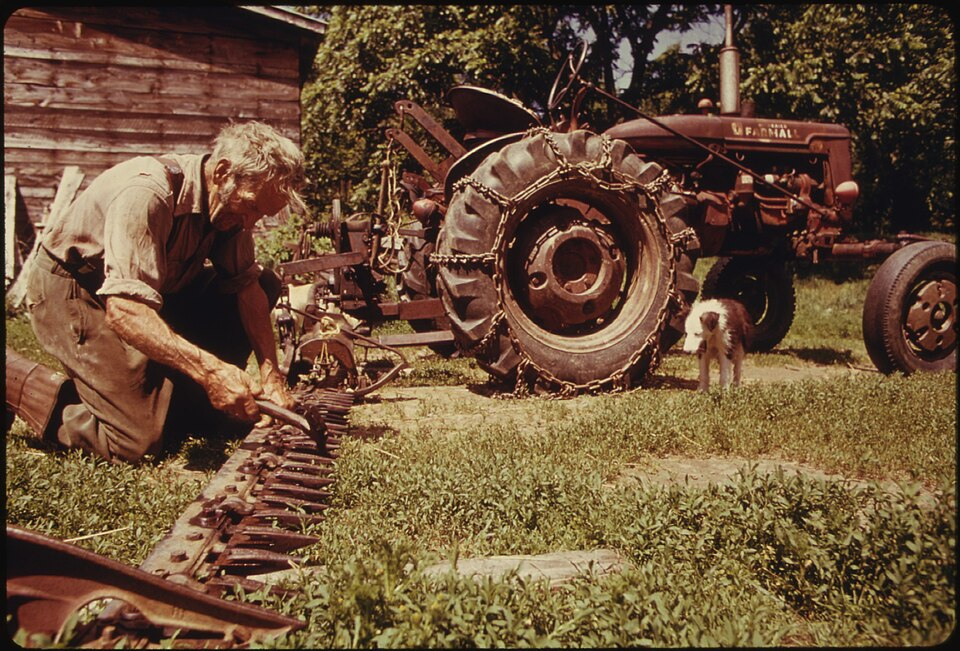
A long horizontal bar carrying triangular blades that slid back and forth between fixed guards, cutting the stems at ground level as the tractor pulled it along the edge of the standing crop.
Disc and drum mowers with rotating blades, and mower conditioners that cut and crush in one pass – faster, far less prone to plugging, and able to work in heavier crops.
The sickle bar was a precision cutting device being dragged through dirt, which is why it was so much trouble. Blades broke, guards bent, the bar plugged in thick or damp crop, and sharpening and replacing sections was a routine job rather than an occasional repair.
3. Judging the Moisture Was the Whole Skill
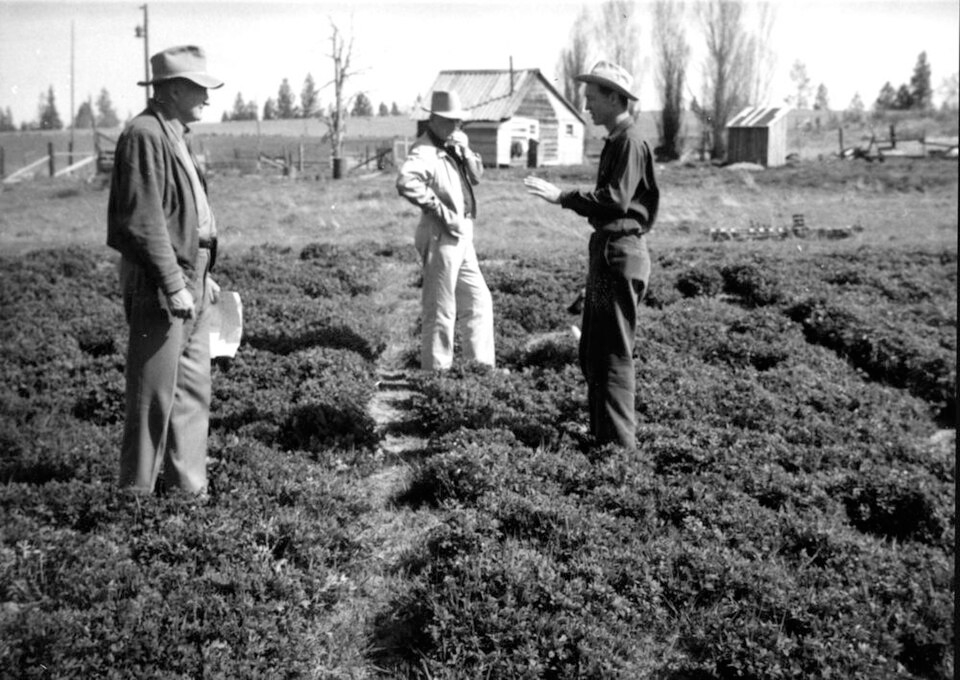
Cut hay had to dry in the field to the right point before baling – dry enough to keep, not so dry that the leaves shattered off the stems and blew away – and that judgement was made by hand, by feel, by twisting a handful and seeing how it behaved.
Electronic moisture meters in the baler cab reading continuously, alongside preservative applicators, and the same twist test still used by experienced people as a cross-check.
The twist test is real skill and it is not mystical. A practised hand can judge within a narrow range by how the stems break, how the leaves cling and how the bundle springs back – and getting it wrong in either direction costs either the feeding value or the whole crop.
4. Raking Set Up Everything That Followed
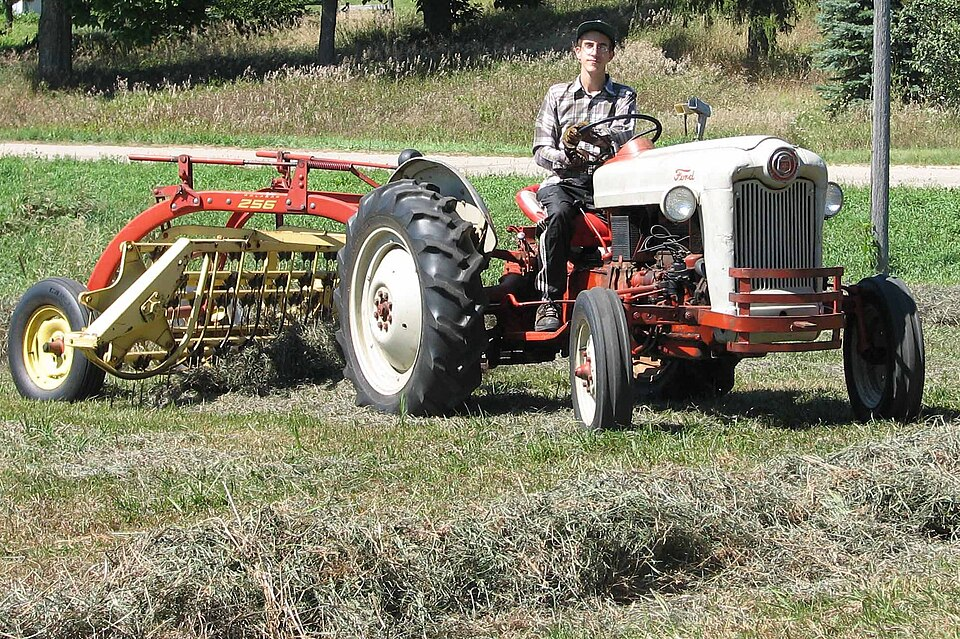
A side delivery rake swept the cut crop into long continuous windrows, sized so that the baler’s pickup could take them in evenly without choking or running half empty.
The same operation with wheel rakes, rotary rakes and mergers, now frequently combining several passes into one wide windrow to feed much larger machines.
Raking is the step that gets no credit and determines the result. An uneven windrow makes uneven bales, a windrow that is too big plugs the machine and one that is too small makes loose bales that fall apart in the barn – so the rake operator effectively decided the quality of the day’s work.
5. The Small Square Bale Was Sized for a Human Being
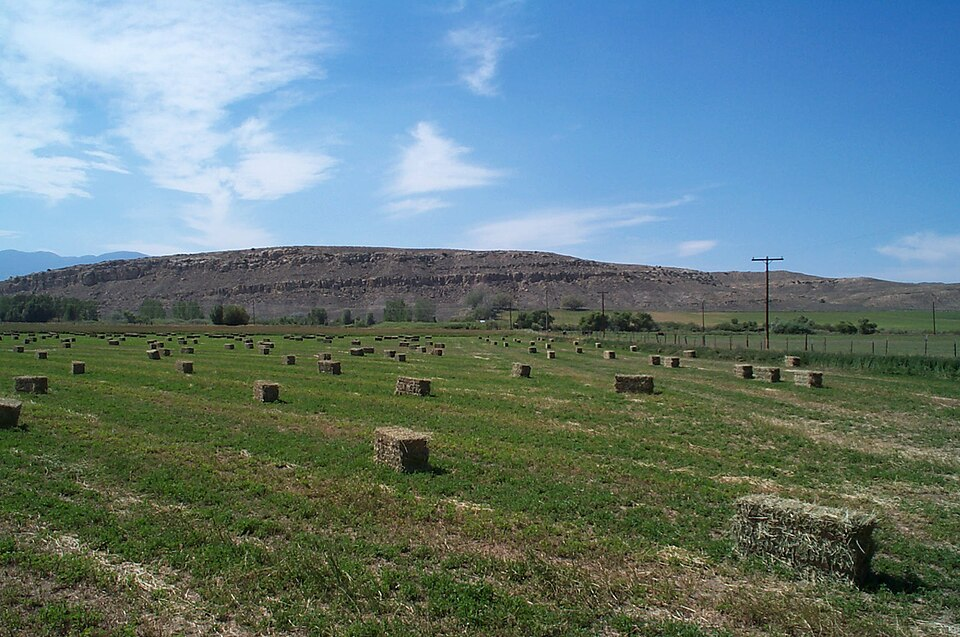
The bale came out of the machine as a rectangular block bound with two strings, weighing something a person could pick up by the strings and throw – which is precisely why it was that size.
Still made, still useful for horse owners and small operations, and now a specialty product rather than the standard form in which hay is handled.
That dimension is the single most consequential design decision in twentieth-century American haymaking. Everything downstream of it – the crew, the wagon, the loft, the elevator, the teenage summer job and the midday dinner – exists because somebody decided a bale should be liftable by one person.
6. The Knotter Was the Most Complicated Thing on the Farm
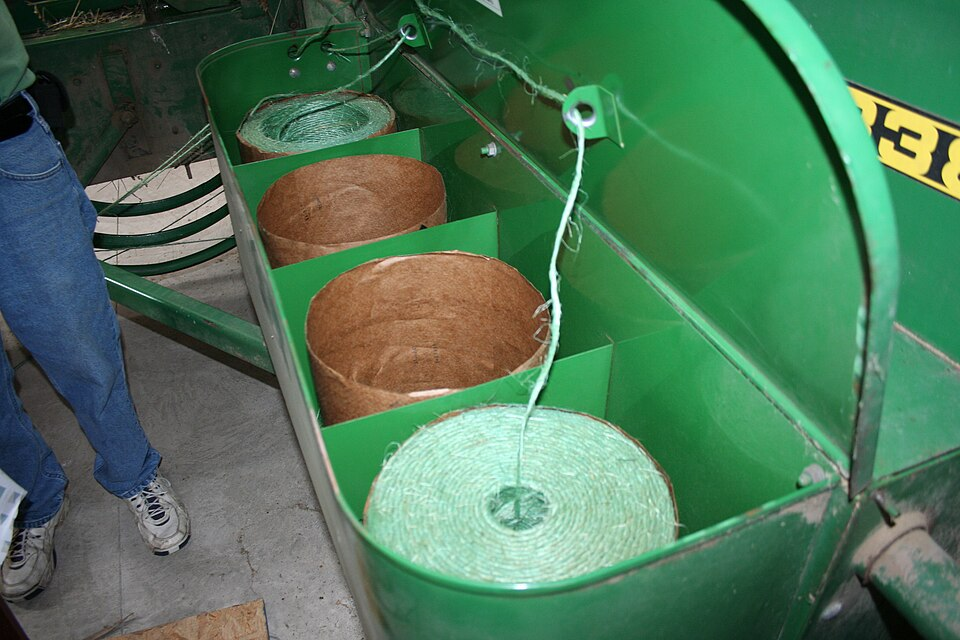
Inside the baler, a mechanism took two ends of twine, looped them, tied a knot, and cut the string – automatically, once per bale, thousands of times a season, using nothing but cams, discs, a curved needle and a hooked billhook.
Essentially the same mechanism, refined, still tying knots the same way, and still the component that causes the most frustration.
Nothing else on a mid-century farm came close to it for intricacy. A mechanical device that ties a reliable knot in moving twine is a genuinely difficult engineering problem, and farmers learned to diagnose a misbehaving knotter by the sound it made and by the shape of the failed knots coming out.
7. The Bale Thrower Changed the Wagon
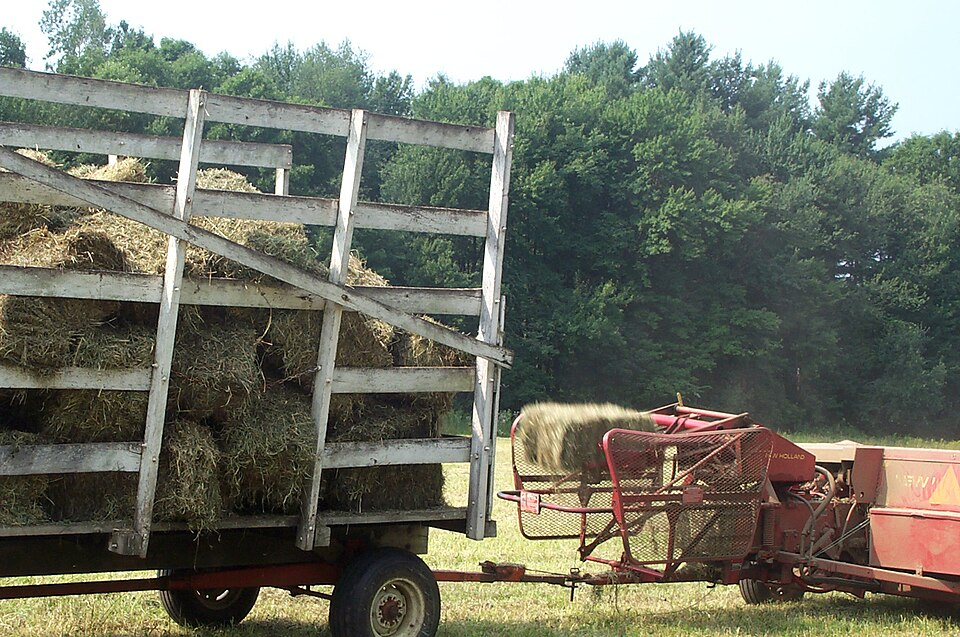
Some balers threw finished bales up a chute into a high-sided wagon towed behind, so that nobody had to ride the wagon stacking – the bales simply piled in as they came.
Largely moot, since the machinery that replaced small bales does not require anybody to handle anything.
The thrower was a real improvement and a real loss at the same time. It removed the most dangerous job in the operation, which was a person standing on a moving load, and it also meant the bales arrived in a heap rather than stacked – so the work moved from the field to the barn rather than disappearing.
8. Riding the Wagon Was the Job Nobody Should Have Had
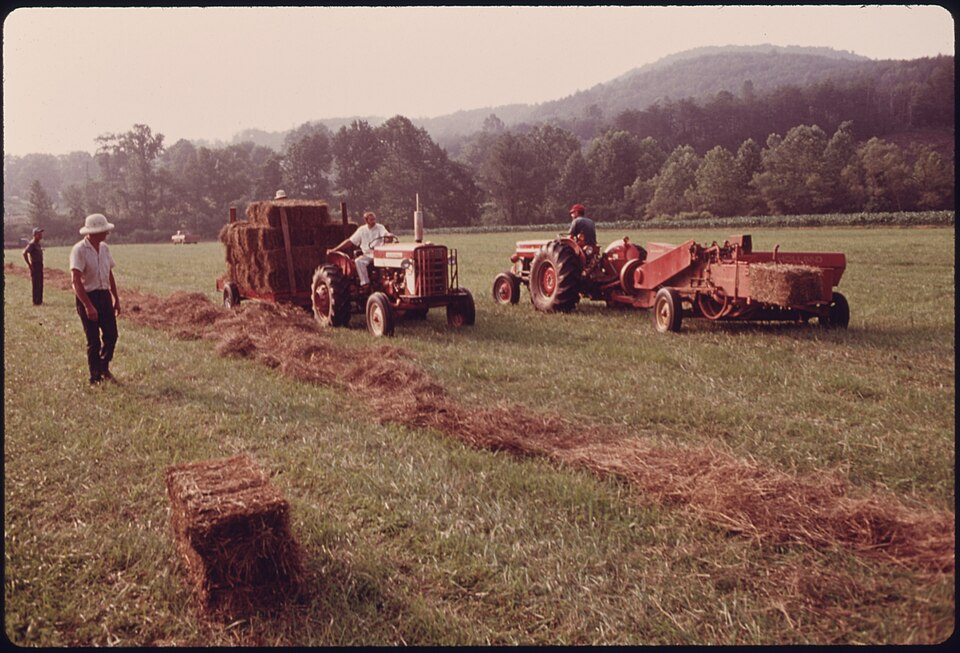
On conventional balers, somebody stood on the wagon behind the machine, caught each bale as it came off the chute, and stacked it in interlocking courses while the whole rig moved across an uneven field.
Gone completely, and good.
This was genuinely hazardous work and it was routinely done by teenagers. A person standing on a shifting stack on a moving wagon behind a running machine, handling heavy objects, in heat – the risks are obvious in retrospect and were accepted at the time as simply how hay got put up.
9. The Hay Crew Was Assembled From the Neighbourhood
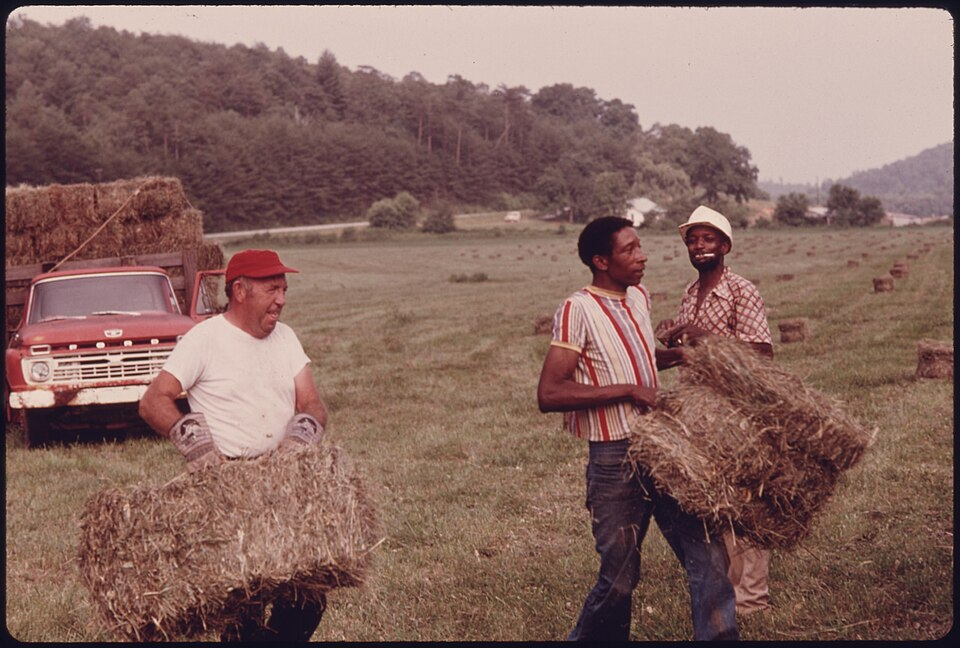
Putting up hay needed more hands than a family had, so neighbours exchanged labour, relatives turned out, and local teenagers were hired for the season – producing a crew of six, eight or ten people working against the weather.
One person with a tractor and a round baler, working alone.
The crew is what people actually remember and it existed for a purely mechanical reason. Small bales require hands, hands require people, and people had to come from somewhere – so a bale size created a seasonal social institution that lasted as long as the bale did.
10. The Dinner at Noon Was Enormous
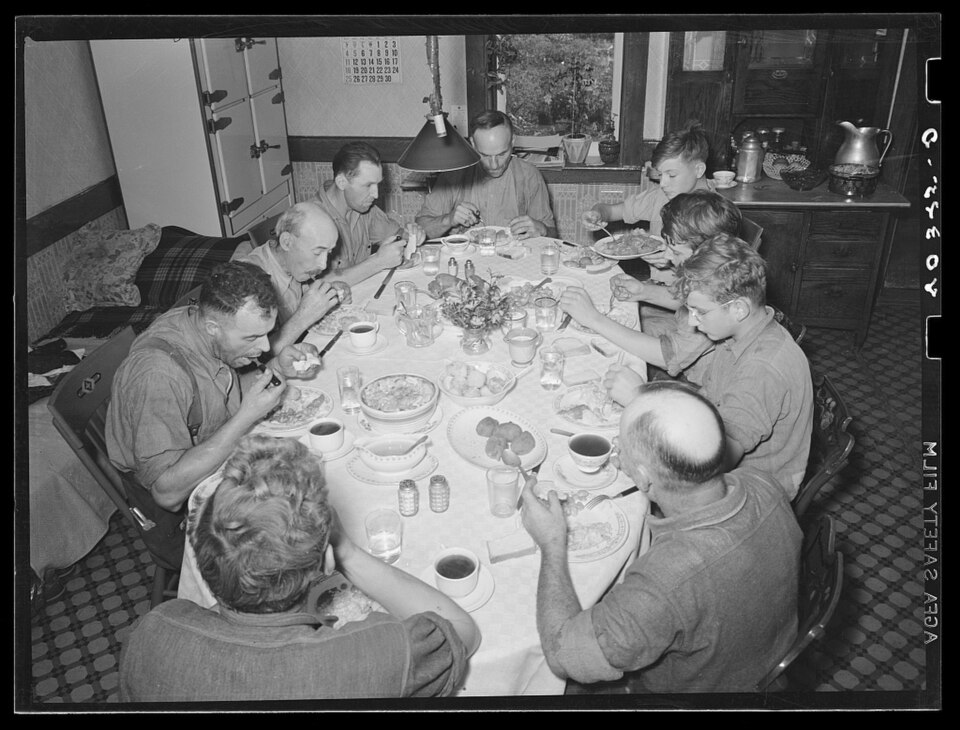
The household fed the crew in the middle of the day – a full hot meal for eight or ten people, cooked in a hot kitchen while the hay was going, served at a long table, with pie and iced tea and a second sitting if necessary.
Nothing, since there is no crew to feed.
That meal was a serious piece of unpaid work and it was part of the labour exchange rather than hospitality. A household supplying hands to a neighbour expected to be fed when its turn came, and the quality of a farm’s hay dinner was known and discussed throughout the neighbourhood.
11. The Elevator Carried Them Up and Somebody Was Up There
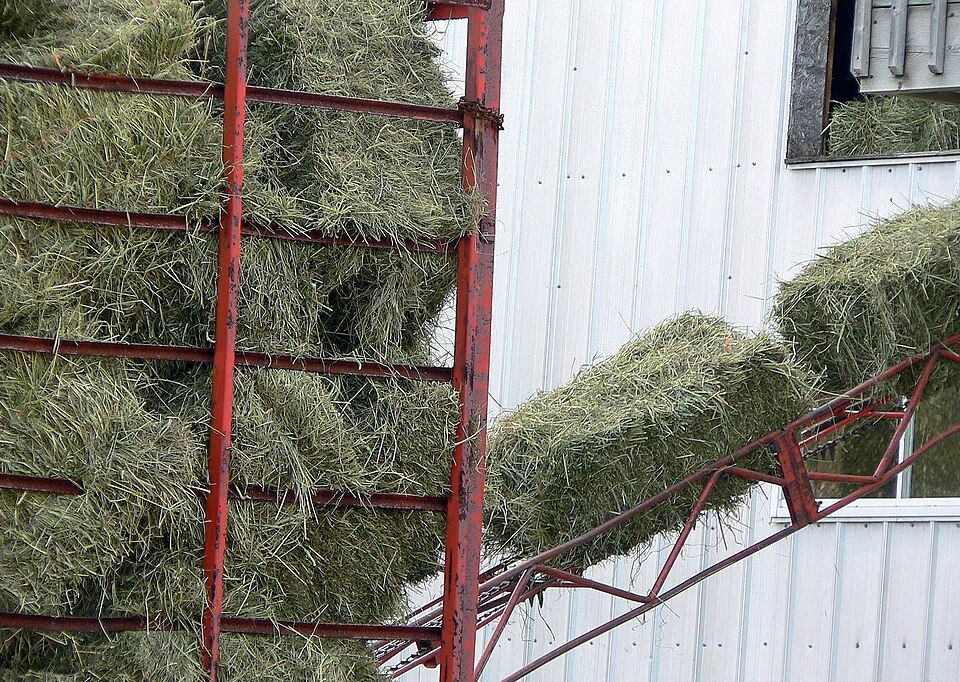
A long chain conveyor ran from the wagon up through the loft door, and bales went up it continuously – to be taken off at the top by whoever had drawn the loft, and stacked tight to the rafters.
Not applicable, since large bales are stacked outdoors or under a shed by machine.
The loft was the worst station and everybody knew it. It is the hottest place on the farm, full of dust and chaff, with no air movement, and the person up there had to keep up with a conveyor that did not stop – which is why it was given to whoever had least standing in the crew.
12. Everything Ran Against the Weather Forecast
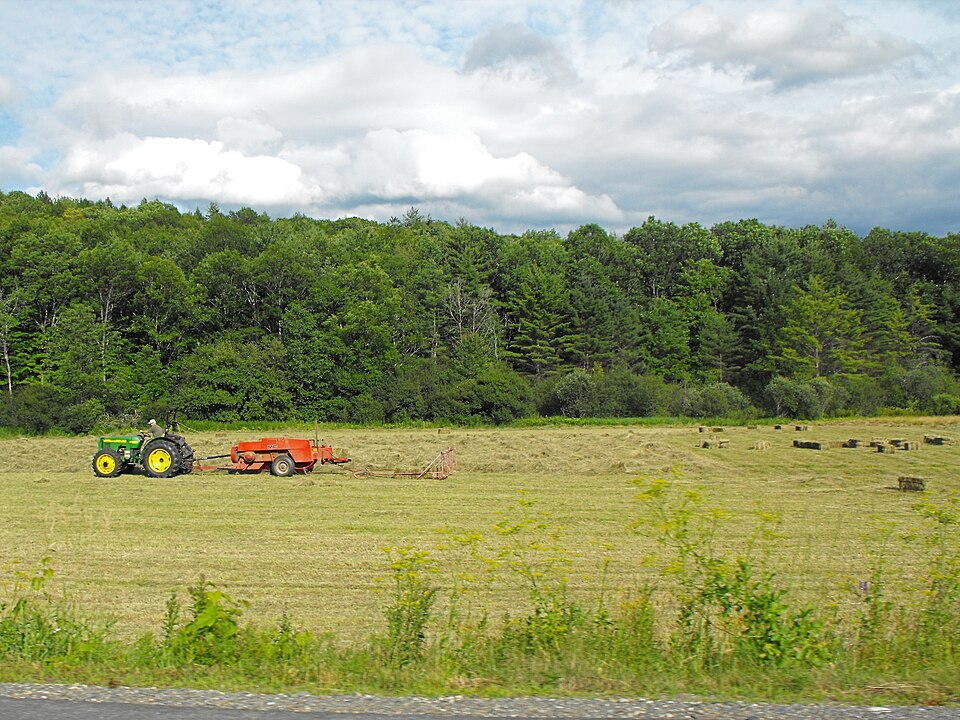
Hay must be cut, dried, raked and baled in a stretch of dry weather, so the whole operation was a race – and rain on cut hay in the field meant reduced quality or a total loss.
The same fundamental constraint, with far better forecasting, much faster machinery, conditioners that cut drying time, and the option of wrapping at higher moisture as an alternative system.
The weather dependency is the unchanged part and it is why haymaking generates the stories it does. A family could watch a week’s work and a winter’s feed sitting in a field under a building thunderhead, with nothing to do but go faster.
13. Damp Bales in a Barn Were a Known and Serious Danger
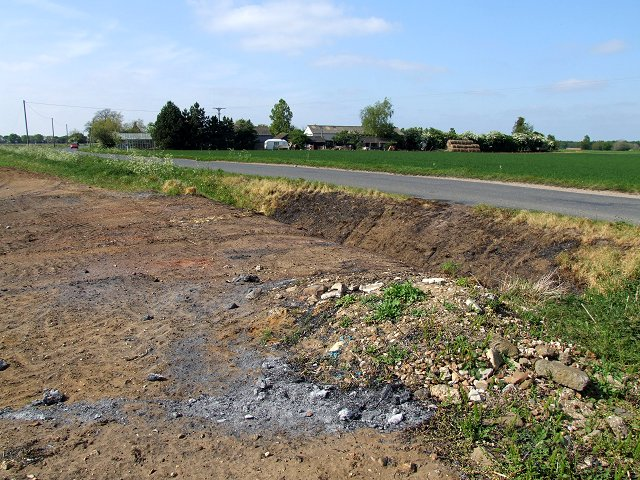
Hay baled above the right moisture and stacked in a barn can heat internally, and in bad cases that heating can lead to fire – a hazard every farmer in 1974 knew about and watched for.
Exactly the same hazard, far better understood, with current authoritative guidance on moisture, monitoring and what to do about a heating stack – which is where anybody storing hay should be working from.
This piece states the risk and deliberately gives nothing else: no moisture figure, no temperature, no monitoring method, no interval and no procedure of any kind, because that is properly the business of current extension guidance and the local fire service. The historical point is only that the danger was understood, respected and a genuine reason for the care taken over drying.
14. There Were Two or Three Cuttings and They Were Different
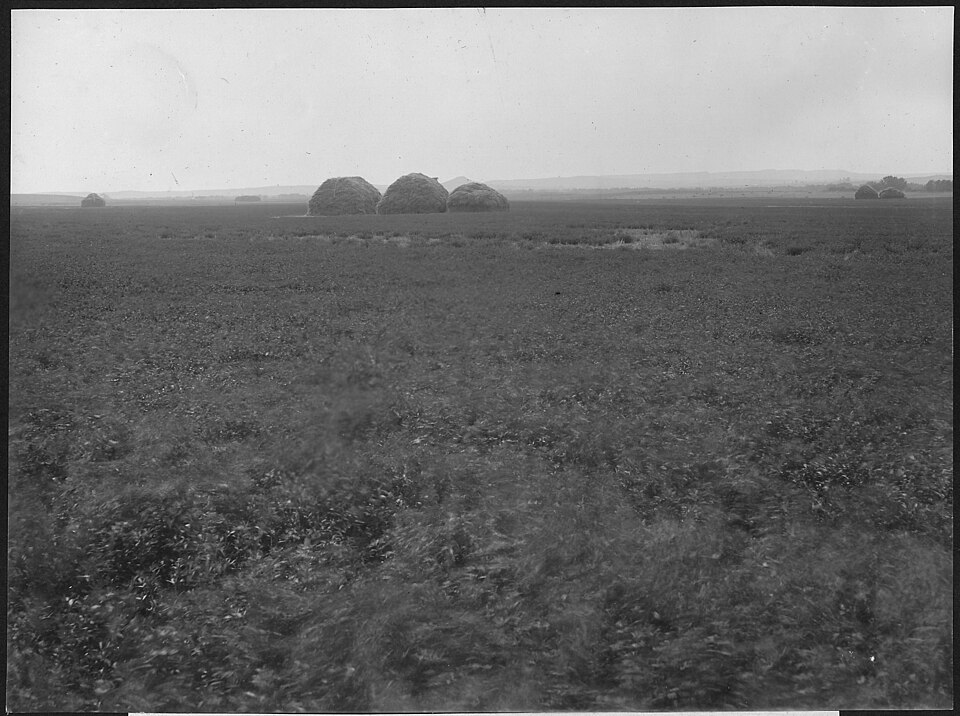
The same field was cut more than once in a season, and the cuttings were not equivalent – differing in volume, in leafiness and in what they were worth as feed, with the later ones generally finer and more valuable.
The same practice, better understood, with more cuttings taken in many systems and specific markets for particular cuttings.
Knowing which cutting a load came from mattered commercially and still does. Buyers ask, prices differ, and a farm’s reputation rested partly on whether what it said about its hay turned out to be true.
15. The Bales in the Loft Were a Place as Well as Feed
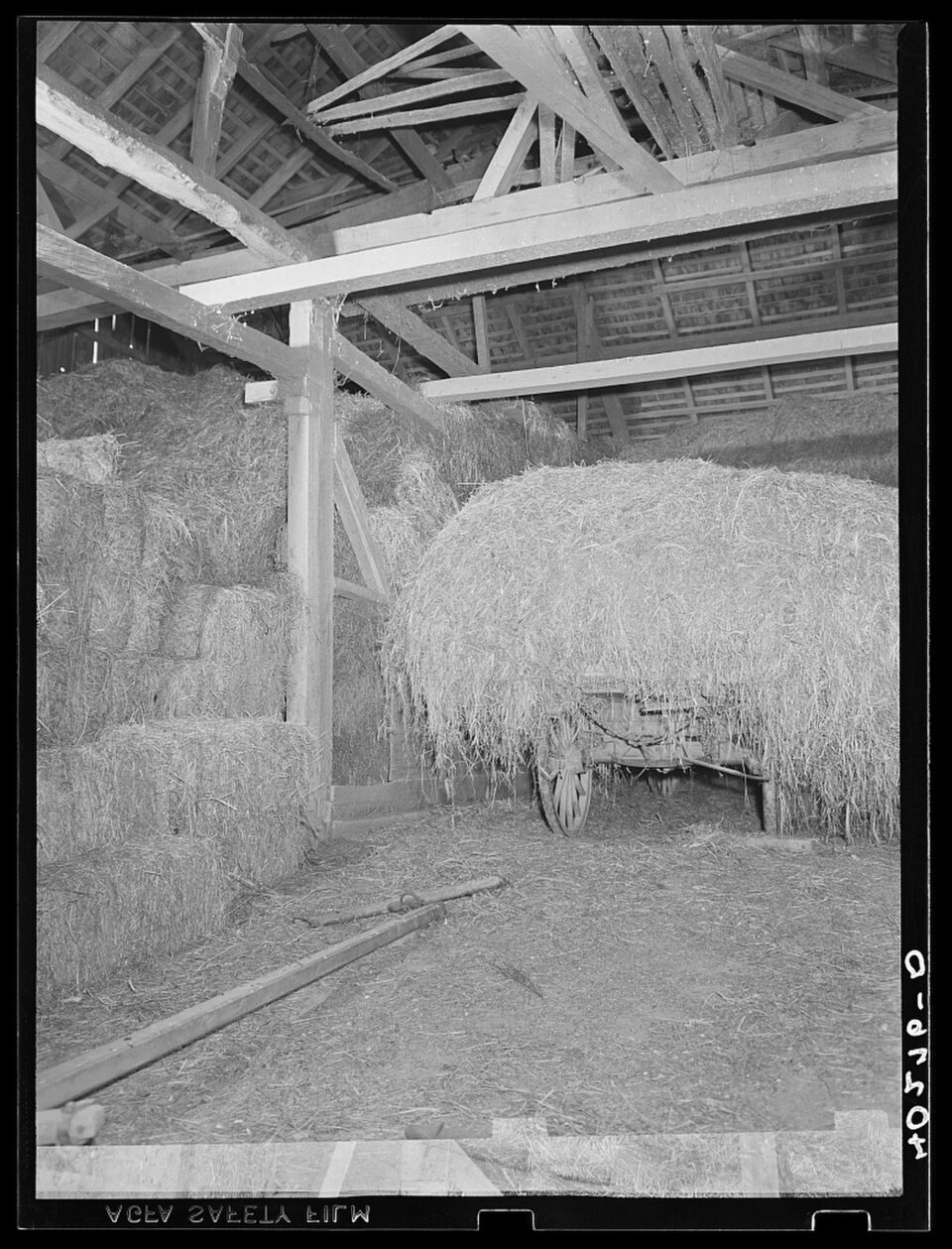
A loft stacked full of small bales was a structure children played in – tunnels, forts, jumps, hiding places – and the smell and the light through the gable door are among the most consistently reported memories of an American farm childhood.
No equivalent, since nothing about a row of round bales under a shed invites a child into it.
The loft as a children’s place was a side effect of a stacking method and it disappeared with it. A thousand liftable blocks arranged in courses is effectively a building material, and the children of those farms treated it as one.
16. Then One Person With a Tractor Replaced Eight People
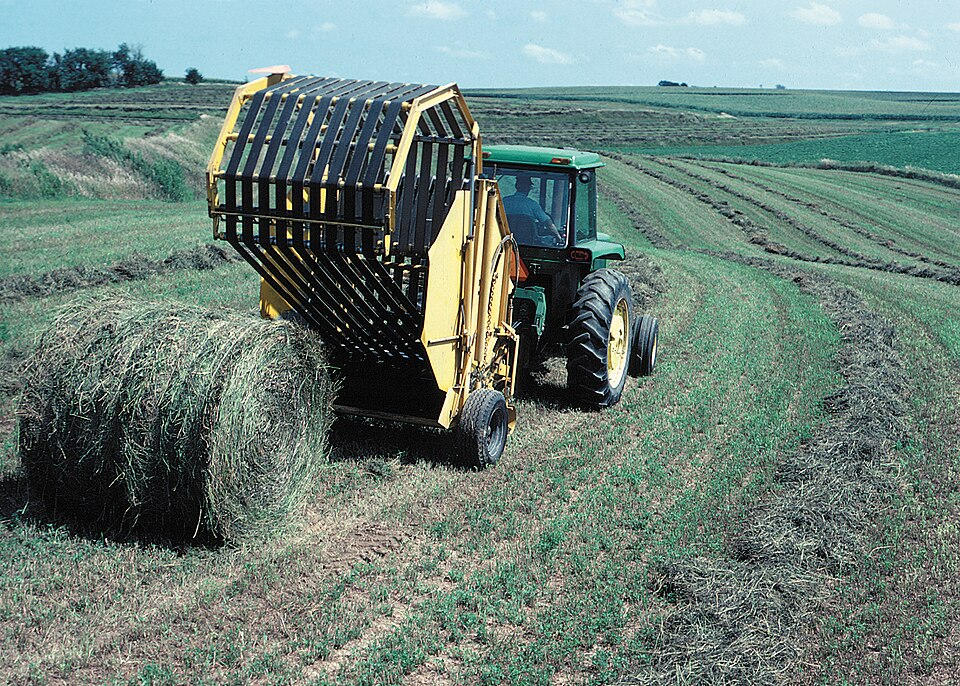
In 1974 putting up hay meant a crew, a wagon, an elevator, a loft, a dinner at noon, and a summer job for every teenager in the neighbourhood – all of it organised around a bale that a person could lift.
Large round and large square bales handled entirely by machine from the field to the stack, moved by loader and fed by machine, with no human hand touching a bale at any point.
And the consequence of that went far beyond haymaking, which is the thing worth sitting with. The large round bale, which spread through American agriculture from the 1970s onward, is a straightforward improvement by every agricultural measure: it is made faster, it sheds water so it can be stored outside, it requires no barn loft, and most importantly it eliminates the handling of heavy objects by people in heat – which removes real injury risk from one of the most dangerous seasons on any farm. Nobody who has ridden a hay wagon wants it back. But the small bale had been carrying an entire social structure on its shoulders, and when the bale went the structure went with it. The exchanged labour between neighbours went, which was one of the last standing reasons farm families had to work alongside each other rather than merely live near each other. The hired teenage hay crew went, which for generations was how rural American adolescents earned their first money, learned to work and found out what they were capable of. The noon dinner went, and with it a visible, serious contribution by the household that everybody in the neighbourhood knew the quality of. The loft full of blocks went, and the children’s country inside it. None of that was the purpose of the bale. All of it existed because somebody in the first half of the century decided that a bale should weigh what a person could throw – and when a machine took over the throwing, every arrangement built on that decision quietly came apart.
The Bale Size Was Load-Bearing for an Entire Society
The usual way to tell this story is as mechanisation replacing labour, which is true and not very interesting.
The more specific version is that one design decision – made in the first half of the twentieth century, for sound engineering reasons – held up an entire social structure for about forty years, and when the decision was reversed the structure fell over.
The decision was that a bale of hay should be a rectangular block weighing what a person can pick up by the strings and throw onto a stack.
That is an excellent choice given the technology available. Hay has to get from a field into a barn, and if the only available handling mechanism is human arms, then the package has to suit human arms. So the small square bale was sized to a person, and every other part of the system was then designed around it: a wagon a person stands on, an elevator a person feeds, a loft a person stacks, a barn with a door high in the gable, and a crew of people to do all of that in the few dry days available.
Now look at what grew on top of that.
The crew had to come from somewhere, and in an American farm neighbourhood it came from the neighbours. Labour exchange – I help you put up your hay, you help me put up mine – was one of the last genuinely functional reasons for farm families to work shoulder to shoulder rather than simply live down the road from one another. It was not sentimental. It was a scheduling arrangement with real obligations, and people kept track.
The gaps in the crew were filled by hired teenagers, and for generations that was the standard first job of rural American adolescence. Hard, hot, paid, finite, and performed in front of adults who would say what they thought of your work. A great many people have told a version of the same story about what that summer did for them.
The noon dinner was the household’s part of the exchange, and it was not hospitality. A family that sent hands to a neighbour expected to be fed when the neighbour’s turn came, and the standard of a farm’s hay dinner was known across the whole neighbourhood and openly discussed. That made it a visible, serious, assessed contribution by the woman running the kitchen – which is a different thing from being thanked for lunch.
And the loft full of stacked blocks became, in the off season, the single best place to be a child on an American farm. Tunnels, forts, jumps, a whole architecture made out of feed. That was never anybody’s intention; it is a side effect of a stacking method.
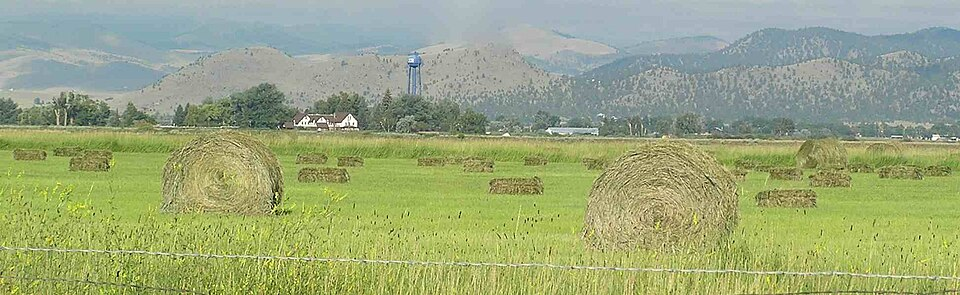
Then the large round bale arrived and spread through American agriculture from the 1970s onward, and it is better in essentially every agricultural respect. It is made faster. It sheds water, so it can be stored outside without a barn. It needs no loft, no elevator and no wagon crew. And decisively, it removes human hands from the handling of heavy objects in summer heat, which takes real injury risk out of one of the most dangerous seasons in farming.
Anybody who has spent a July standing on a moving hay wagon will tell you this is not a loss worth mourning.
But the bale had been holding things up, and the things it was holding up were not agricultural. The labour exchange went. The teenage hay crew went. The noon dinner went. The children’s country in the loft went. One person on a tractor now does what eight people used to do, which is the point of the machine and also the end of a social arrangement that nobody designed and nobody defended, because nobody realised it was resting on the weight of a bale.
If you ever hauled hay, you remember the loft and the chaff down your shirt and the exact moment the dinner bell meant something.
And somebody in your family has an opinion about whose farm set the best table in haying season.
Like our content? Follow us for more.