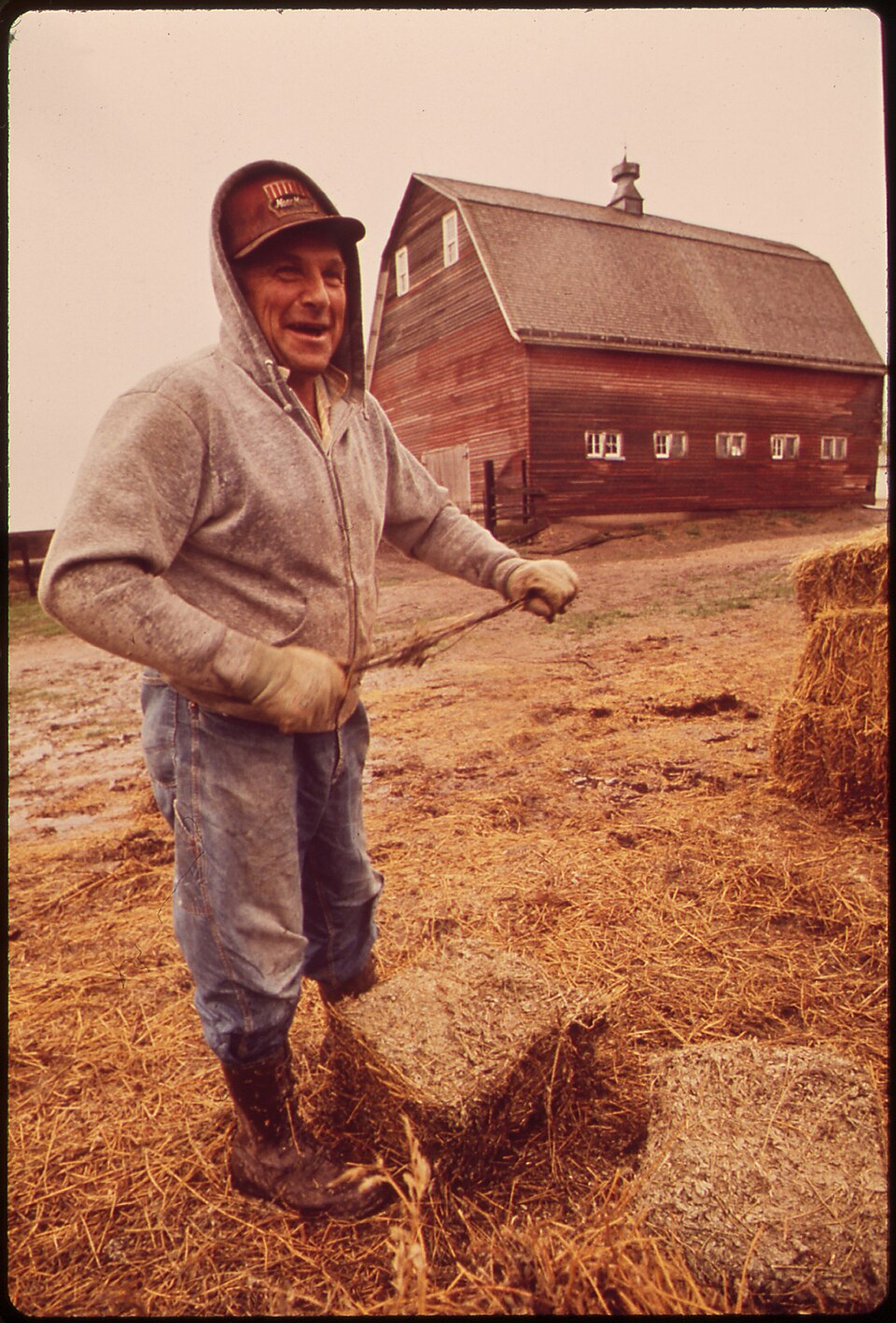
In 1974 an American farm had an unlimited free supply of one extremely useful material, and an entire repair culture was built on that single fact.
Wire-tied bales arrived bound with two loops of steel wire, cut at feeding time. A farm feeding two thousand bales a winter accumulated two thousand lengths of good wire as a by-product of a job it was doing anyway. The cuttings were straightened, bundled and hung on nails – in the barn, in the shop, by the shed door – so that a fastener was always within arm’s reach of wherever something broke.
Sisal twine did the same job in soft form. Then the bale changed. Here are fourteen things every farm knew.
1. Every Bale Delivered Two Lengths of Free Wire
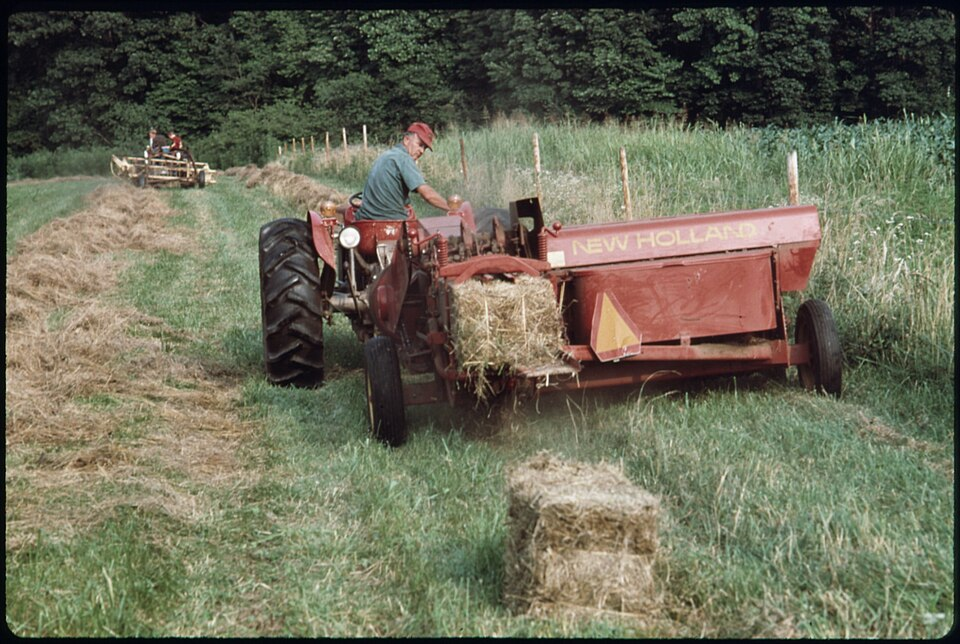
Wire-tied bales arrived in the barn bound with two loops of steel wire, which were cut at feeding time and left a farm with hundreds of lengths of good wire a season, at no cost whatsoever.
Large bales secured with plastic twine or net wrap, producing a material that cannot be reused for anything and has to be disposed of.
Free is the word that explains everything that follows. A farm feeding out two thousand bales a winter accumulated two thousand pieces of steel wire as a by-product of a job it was doing anyway, and no other material on the place arrived in that quantity for nothing.
Like our content? Follow us for more.
2. The Coil Hung Behind the Barn Door
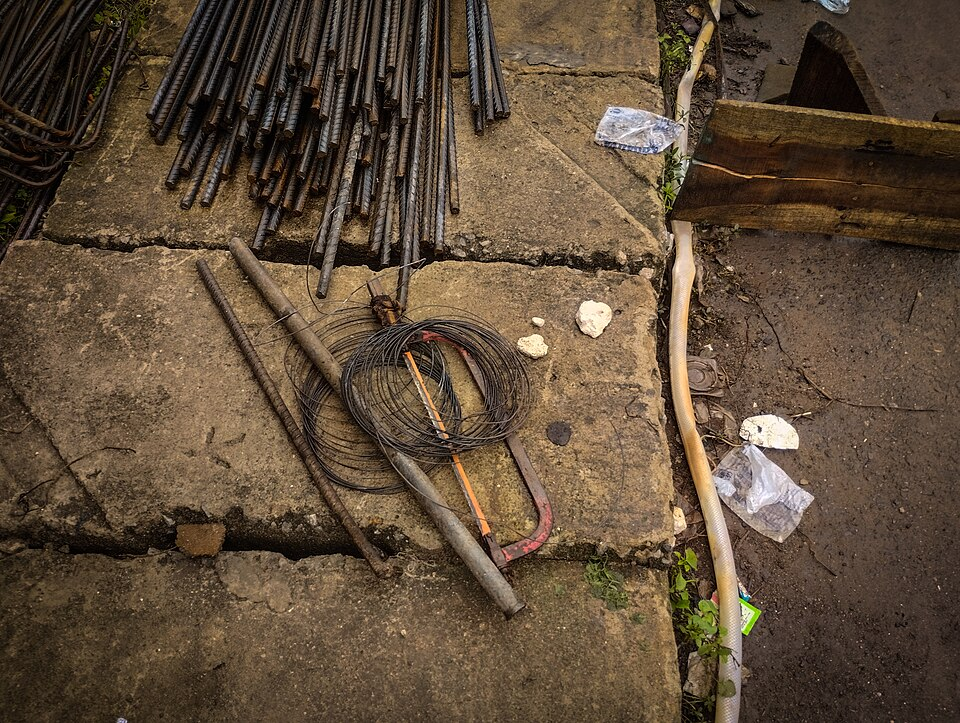
Cut wires were straightened roughly, bundled and hung on a nail – in the barn, in the shop, on a fence post, by the shed door – and every farm had several such caches.
No equivalent, because there is nothing to save.
The storage locations tell you how the material was used. Nobody kept it in one place, because the whole value of baling wire was that a piece of it was within reach of wherever something broke – which means the caches were distributed by where failures happened.
3. Gates Were Hung, Latched and Repaired With It
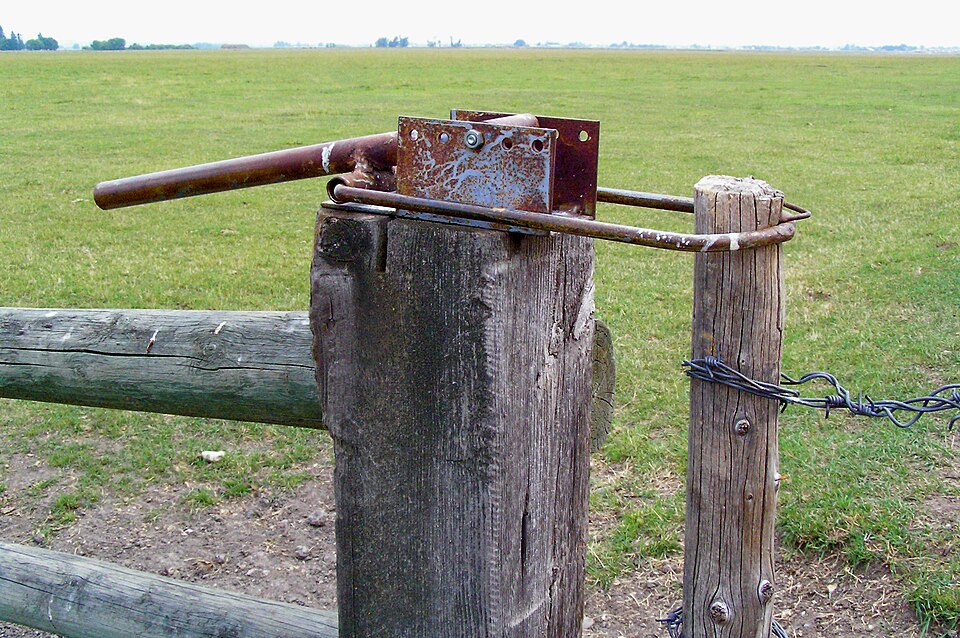
Wire held gates shut, hinged them when a hinge broke, tied panels together, mended fences, secured hurdles and in a great many cases constituted the entire gate-closing mechanism on a farm.
Manufactured latches, chains, clips and purchased hardware, all of which work better and none of which is free.
The farm gate fastened with a twist of wire is the single most recognisable image in this whole subject and it was never a sign of neglect. A wire loop is adjustable, infinitely repairable, works on any post and any gate, and takes four seconds – which is a reasonable specification for something that gets opened fifty times a day.
4. It Made Handles, Hooks and Hangers
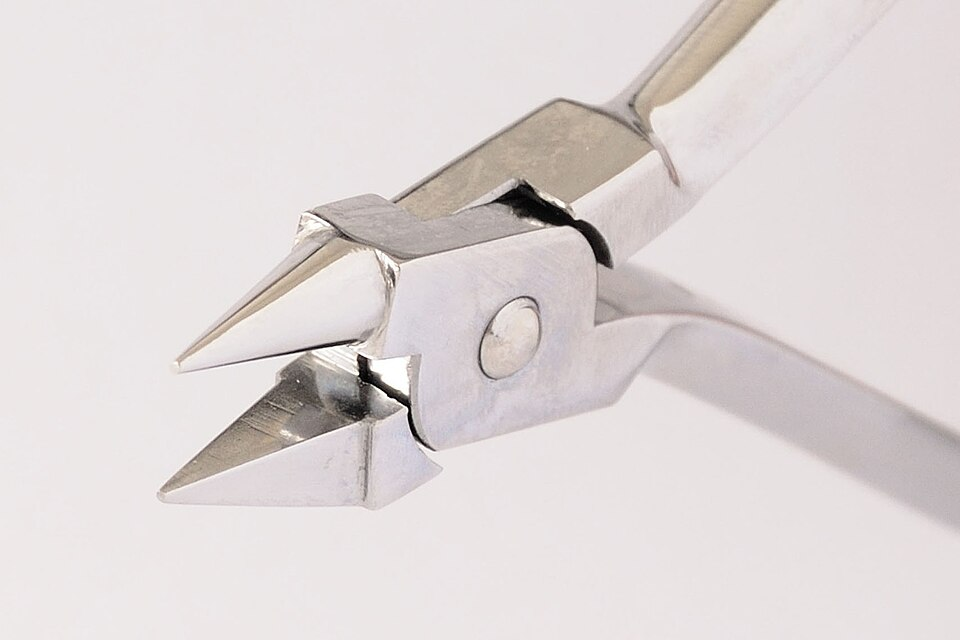
Bucket handles, tool hangers, harness hooks, pot hooks, lamp hangers, a handle for a bale, a hook to hold a door open – all bent out of a length of wire in about a minute.
Purchased hardware for each function, in large variety and at low cost.
What made it so useful was that steel wire of that gauge is stiff enough to hold a shape and soft enough to bend by hand or with pliers. That combination is unusual and it is precisely what you want in an improvised fastener – most materials are one or the other.
5. Binder Twine Did the Same Job in Soft Form
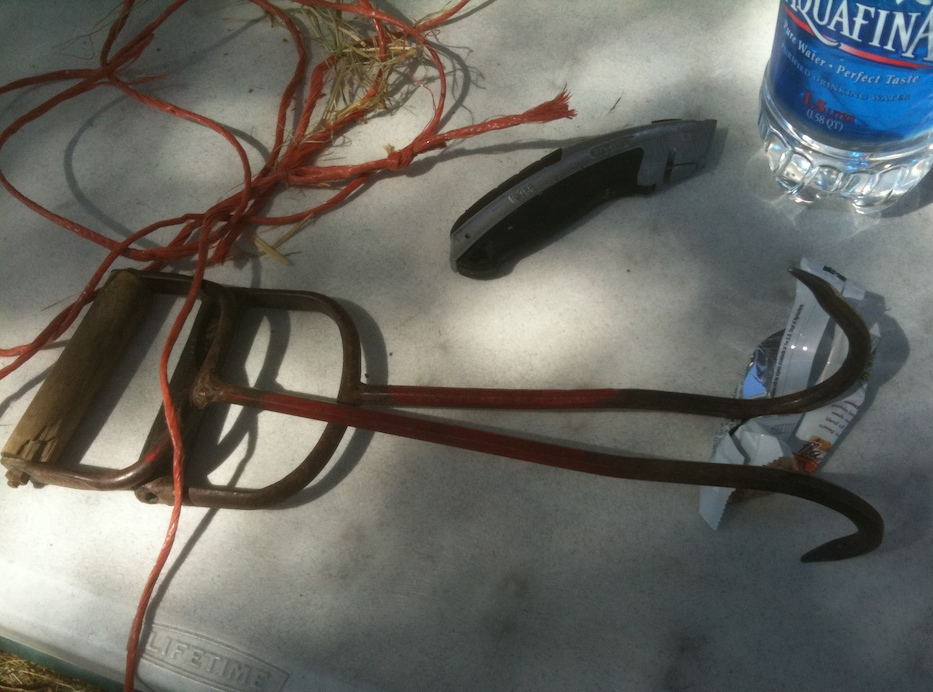
Sisal twine off twine-tied bales was saved exactly the same way – wound into balls, hung in the shop, and used for tying, bundling, hanging, leading, measuring and temporary repair.
Polypropylene twine and net wrap, which are stronger, rot-proof and in the case of net wrap not usable as string at all.
Twine and wire were a complementary pair, and a farm needed both. Wire holds a shape and resists tension; twine goes round things, knots, and does not damage what it is tied to – so a shop with a coil of wire and a ball of twine could handle most of what went wrong.
6. Sisal Rotted and That Turned Out to Matter
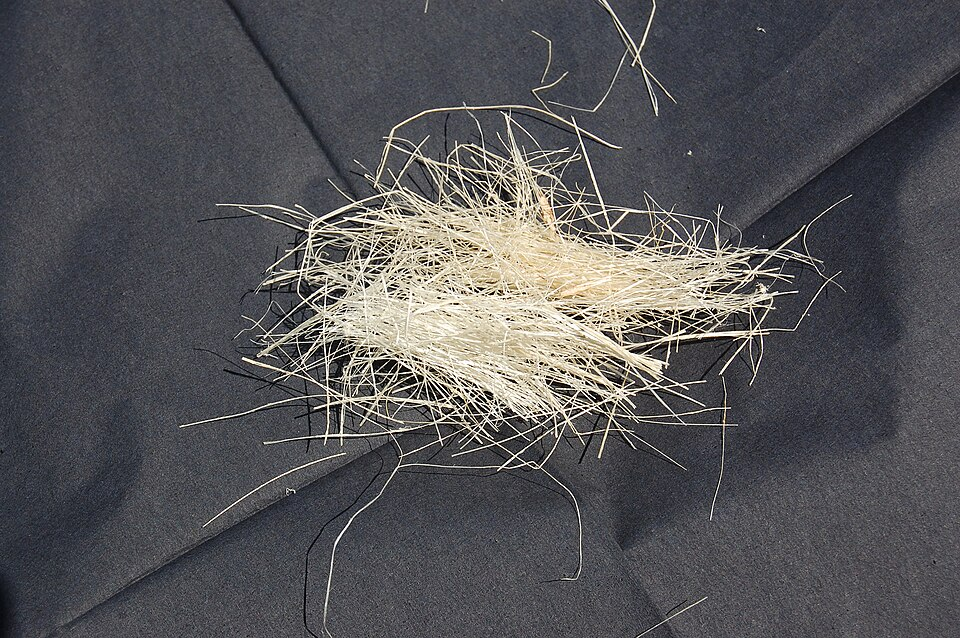
Natural fibre twine degraded outdoors over a season or two, broke down in a manure pile, and vanished if it got into the ground.
Plastic twine and net wrap do not rot, persist indefinitely in soil, accumulate in manure and bedding, and are a genuine disposal problem on working farms.
This is the cleanest example in the subject of a material improvement creating a new problem. Plastic twine is stronger, cheaper and immune to weather, which is why it won – and every piece of it ever used is still somewhere, which sisal never was.
7. Twine Got Into Everything and Caused Harm
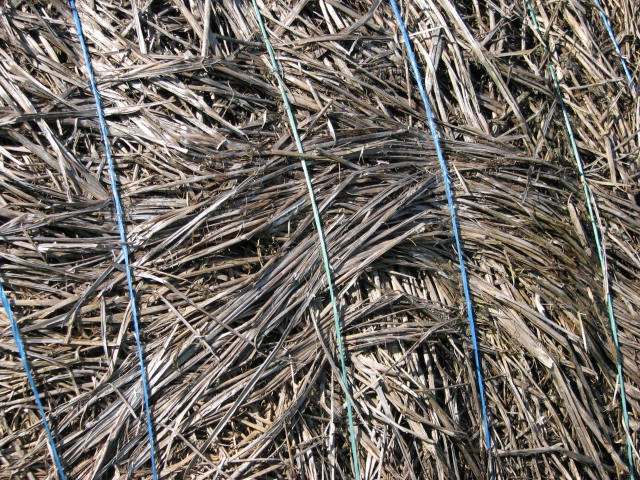
Loose twine left in a field, a yard or a feed bunk was eaten by livestock, wound around machinery, tangled in wildlife and caught in equipment – which is why the discipline of picking it up and coiling it mattered.
The same hazard, considerably worse because the material persists, with current authoritative guidance on disposal and on the risk to animals being the proper source for anybody farming.
This piece states the hazard and nothing further, with no veterinary content, no procedure and no disposal method, because that is properly a matter for current guidance. The historical point is that the habit of saving wire and twine was partly a safety practice and partly thrift, and the two reinforced each other.
8. The Phrase Became a National Figure of Speech
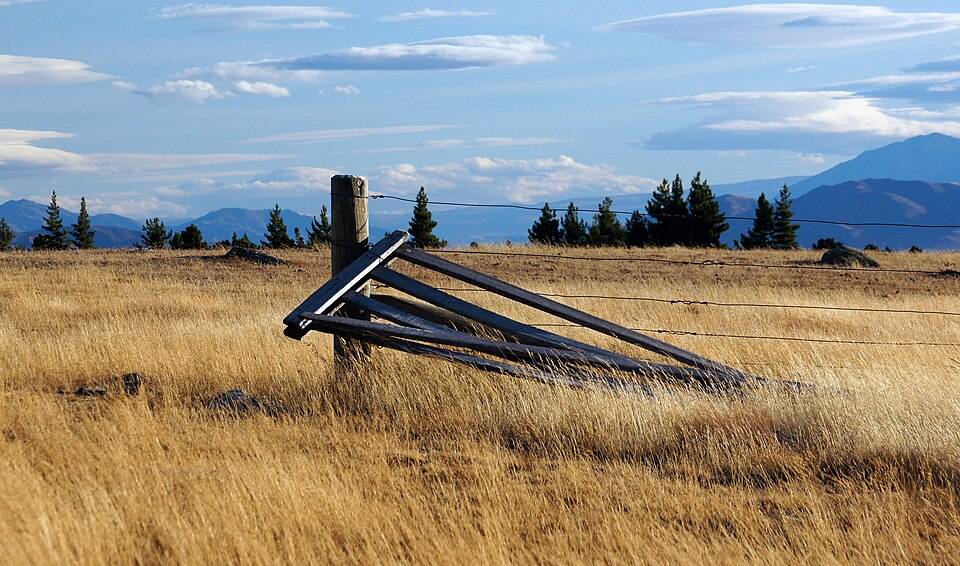
Held together with baling wire entered American English as a standard way of describing something barely functional, improvised, or kept running past the point of sense.
Still in use and still understood, by a great many people who have never seen a bale of hay.
The phrase carries a sneer that the practice does not deserve, which is the interesting part. It implies incompetence or poverty, when what it actually describes is somebody solving a problem immediately with the material at hand rather than waiting three days for a part.
9. The Repairs Were Frequently Good Engineering
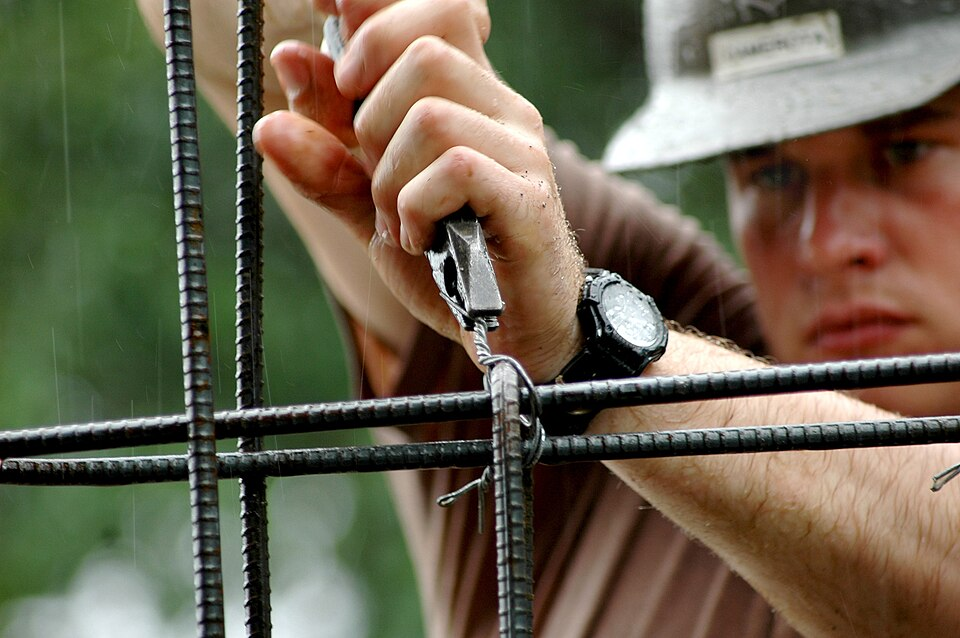
A wire repair done properly – the right number of turns, twisted tight, the ends tucked, loaded in tension rather than bending – held reliably for years and was sometimes stronger than the original fitting.
Purchased replacement parts and proper fasteners, which are better where available and are not always available on the day something breaks.
The skill in a wire repair is real and it is about understanding loads. Wire is extremely strong in tension and useless in compression, so a good farm fix puts the wire where the pull is and never asks it to hold anything rigid – and a person who understood that could fix almost anything temporarily and some things permanently.
10. It Was a Response to Abundance, Not Poverty
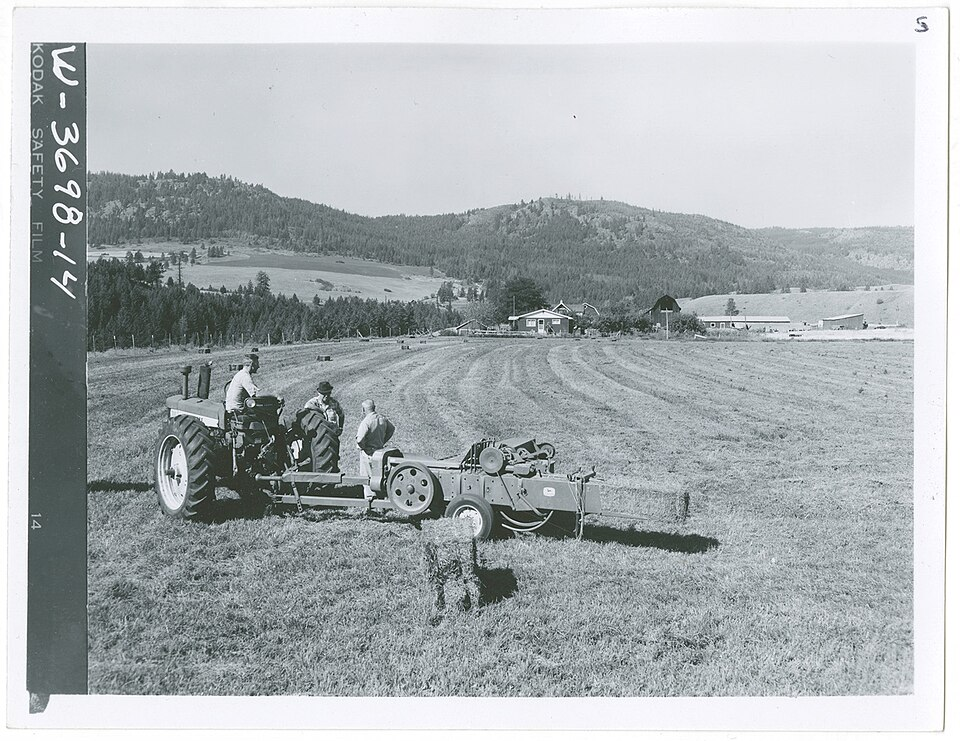
Farms used wire for everything because they had an enormous and continuously renewing free supply of one specific material, not because they could not afford anything better.
Not applicable, since the free supply has gone and the purchased alternatives are cheap.
This is the reframe that the whole subject needs. Give any engineer an unlimited free supply of stiff steel wire and a problem to solve, and the solution will involve wire – the farm fix reputation is not improvisation born of hardship, it is the entirely rational use of the one material that was lying around in industrial quantities for nothing.
11. Distance From a Parts Counter Was the Other Half
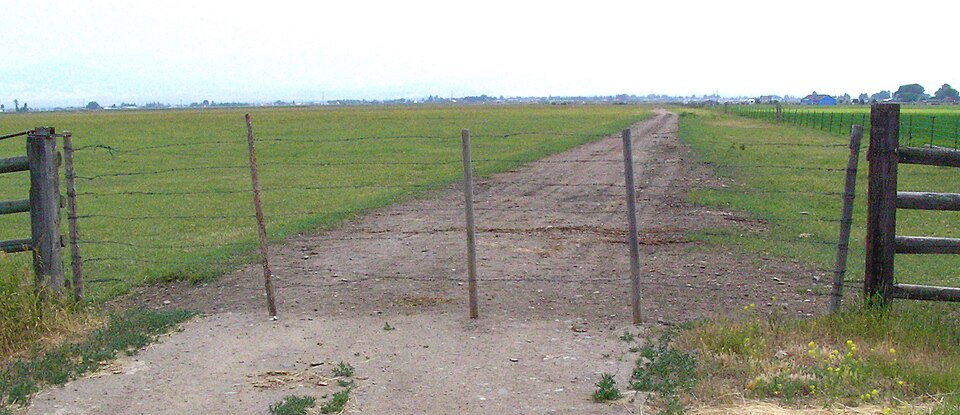
A farm fifteen miles from town, on a Sunday, in the middle of a harvest, with a machine down and weather coming, had a choice between a wire repair now and a correct repair in two days.
Overnight parts delivery, dealer networks, mobile service and the ability to order anything from a telephone in a field.
Time pressure is the variable that gets left out of every joke about farm repairs. The wire fix was almost never competing against a proper repair; it was competing against not finishing the job, and judged against that it was frequently the correct engineering decision.
12. Children Learned It as a Skill

Bending, cutting, twisting and tying off wire was taught early, with a pair of pliers, and a child who could make a tight twist that would hold was given real jobs.
Not taught, since the material is not present and the repairs are not made.
The underlying lesson was more valuable than the technique. A child who learned that a problem can be looked at, understood and solved with whatever is available acquired a disposition that transfers to everything – and the wire was simply the medium in which it happened to be taught.
13. It Was Also Sold as a Product, Which Is the Tell
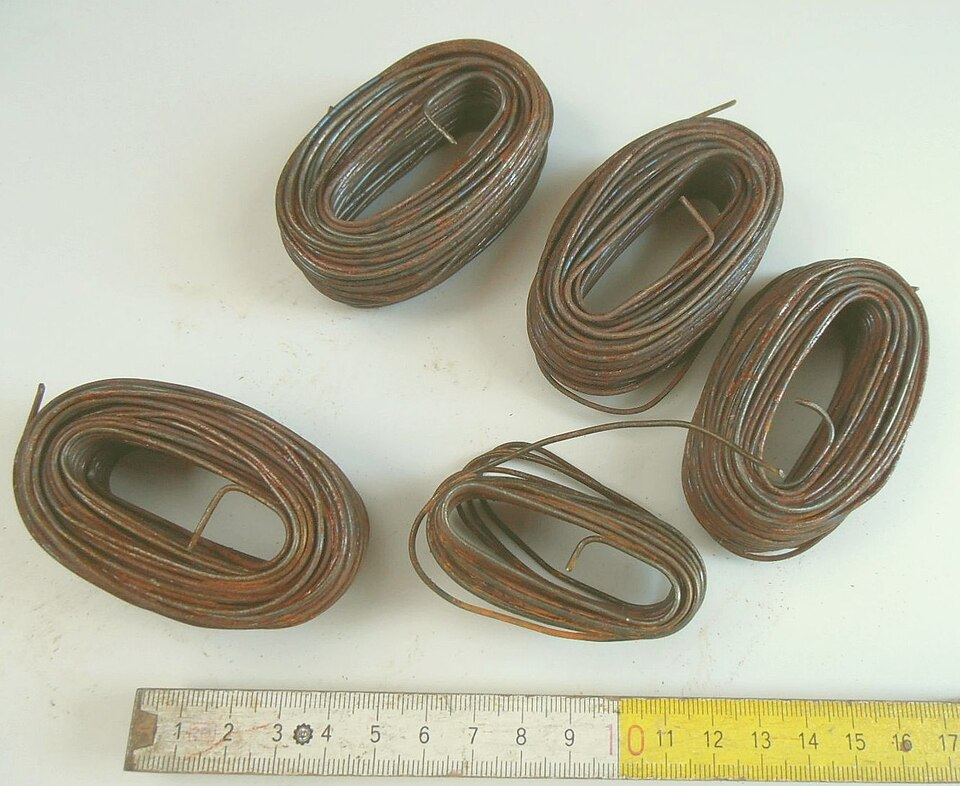
Baling wire was manufactured and sold in coils at hardware stores and farm supply houses as a repair material in its own right, bought deliberately by people who wanted exactly that gauge of soft steel wire.
Still sold, under that name and others, as a general-purpose binding and tie wire used in construction, fencing, packaging and fabrication well beyond agriculture.
That is the detail that settles the argument about what this material actually was. If baling wire were merely farm scrap pressed into service by people with no alternative, nobody would have been buying it new – and the fact that it had and still has a commercial market as a tie wire proves it was chosen for its properties rather than tolerated for its price.
14. Then the Bale Changed and the Supply Stopped
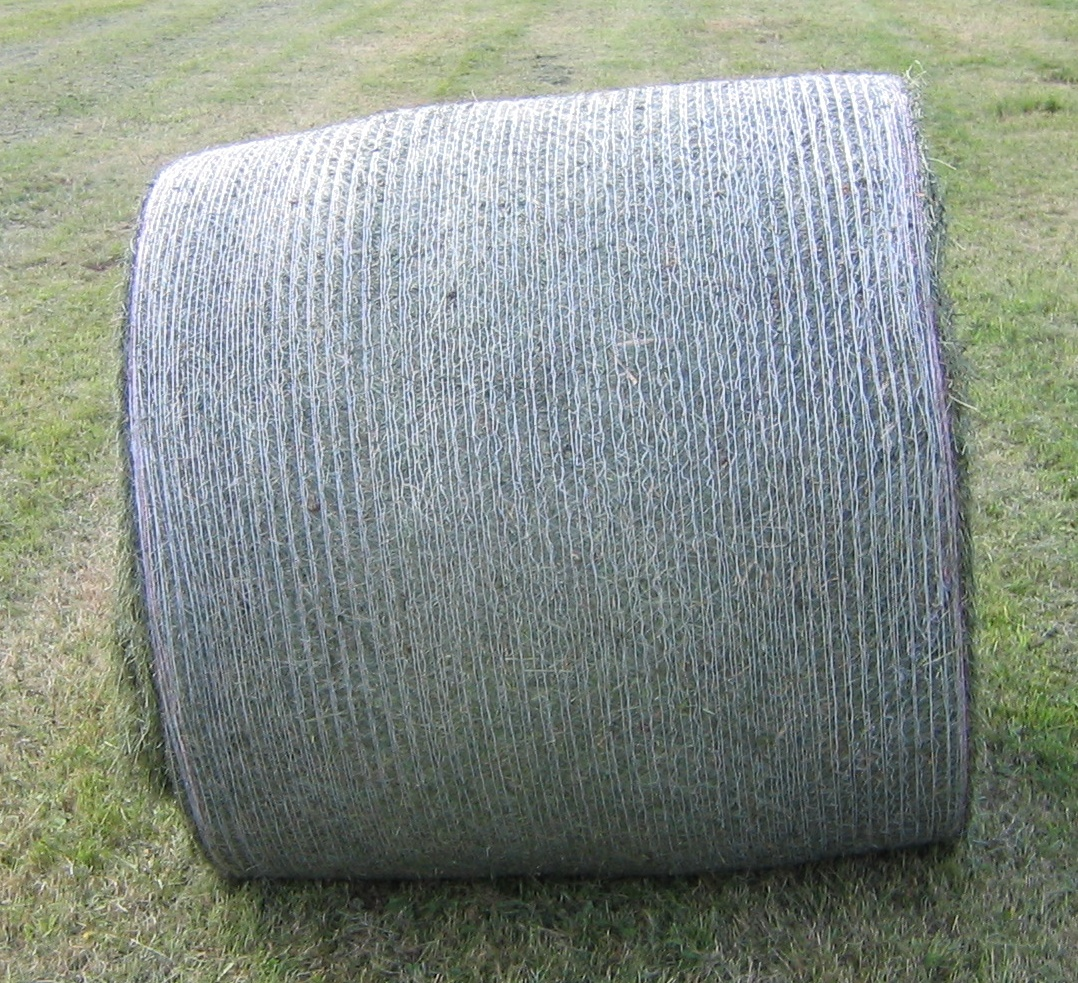
In 1974 an American farm had an unlimited free supply of steel wire and sisal twine arriving as a by-product of feeding livestock, and an entire repair culture built on the fact that a usable length of fastener was always within arm’s reach.
Large bales wrapped in plastic twine and net wrap, which cannot be reused, do not rot, accumulate as waste, and leave a farm with no free fastening material at all.
And the thing worth understanding is that the reputation this created has always been read wrongly. Held together with baling wire is used as an insult, implying a place too poor or too careless to do things properly – and that is close to the opposite of what was happening. A farm using wire for everything was responding to abundance. It had a continuously renewing free supply of a material with unusual properties: stiff enough to hold a shape, soft enough to bend by hand, extremely strong in tension and available in hundreds of pieces every single season at no cost. Give anybody that material and a problem and they will use it, and the people who used it best understood loads well enough to put the wire where the pull was and never ask it to hold something rigid. Add the second factor – fifteen miles from a parts counter, on a Sunday, with weather coming and a machine down – and the wire repair was frequently not competing against a proper fix at all. It was competing against not getting the crop in, which makes it the correct decision rather than a shameful one. What ended it was not a change in attitude or a rise in standards. It was the bale. Large bales secured with plastic twine and net wrap do not yield a reusable fastener, so the supply simply stopped, and the culture that had grown on top of it stopped with it. The plastic that replaced the wire is stronger, cheaper and weatherproof, which is why it won – and unlike the sisal it replaced it never goes away, which has turned a free resource into a disposal problem. The wire went on the nail behind the door. The net wrap goes in a pile, and stays there.
The Insult Describes the Opposite of What Was Happening
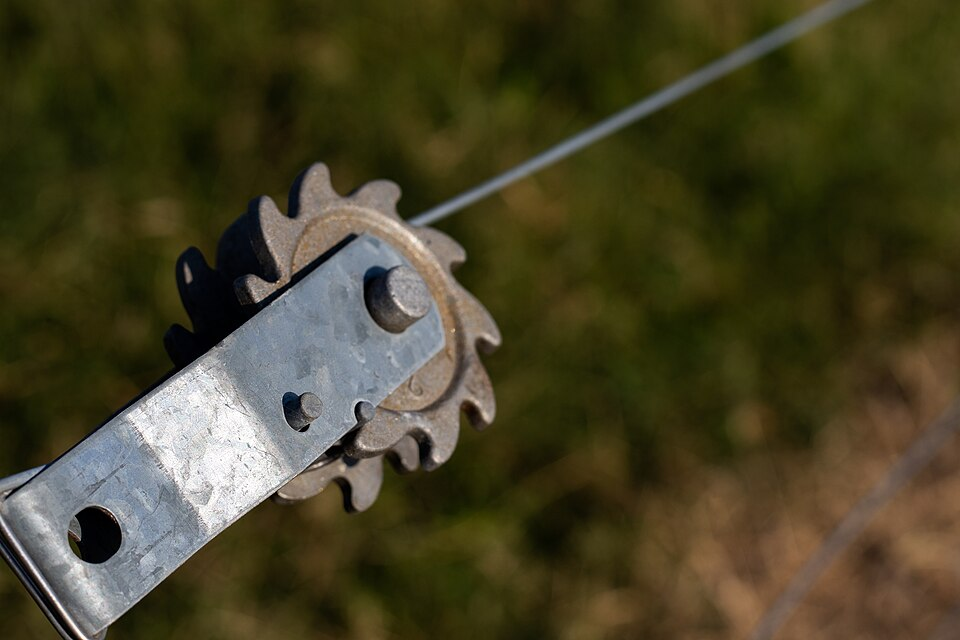
Held together with baling wire is an insult in American English. It means barely functional, improvised, kept running past the point of sense – and it carries an implication of a place too poor or too careless to do things properly.
It describes almost the reverse of what was actually going on.
Start with the material, because the material is the whole explanation. Steel baling wire of that gauge has an unusual combination of properties: stiff enough to hold a shape once bent, soft enough to bend by hand or with a pair of pliers, and extremely strong in tension. Most materials are one or the other. That combination is close to ideal for an improvised fastener, and it is why wire turns up in so many engineering contexts that have nothing to do with farming.
Now add the supply. A farm feeding out wire-tied bales through a winter accumulated hundreds or thousands of usable lengths as a by-product of work it was doing anyway, at no cost at all, continuously, every single season. Nothing else on the place arrived in that quantity for nothing.
So the correct way to read a farm where everything is wired together is not as evidence of hardship. It is as the entirely rational use of an abundant free material with excellent properties. Give any engineer an unlimited supply of stiff bendable high-tensile wire and a problem to solve, and the solution is going to involve wire. The farm did the obvious thing.
And a good wire repair was genuinely skilled work, because the skill is in understanding loads. Wire is enormously strong in tension and useless in compression or bending, so a repair that puts the wire where the pull is – right number of turns, twisted tight, ends tucked – will hold reliably for years and is occasionally stronger than the fitting it replaced. A repair that asks wire to hold something rigid fails immediately. The people who were good at this knew which was which.
Then the second factor, which gets left out of every joke on the subject: time.
A farm fifteen miles from town, on a Sunday, in the middle of a harvest, with a machine down and weather coming, is not choosing between a wire repair and a correct repair. It is choosing between a wire repair now and a correct repair in two days. Judged against not getting the crop in, the wire is frequently the right engineering decision – and anybody who has made that call knows it was not a compromise with their standards, it was the standard.
What ended all of this was not a change in attitude, a rise in professionalism or anybody getting less thrifty.
It was the bale.
Large round and large square bales are secured with plastic twine or net wrap. Plastic twine is not worth saving as string and net wrap is not string at all, so the free supply of fastening material simply stopped arriving, and the entire repair culture that had grown on top of that supply stopped with it. No decision was involved.
The replacement material is better at the job it was bought for – stronger than sisal, cheaper, immune to weather and rot, which is exactly why it won. And it carries one consequence the old material never did. Sisal rotted. It broke down in a manure pile, degraded in a field over a season or two, and disappeared if it got into the ground. Plastic does none of that. Every piece of net wrap and plastic twine ever used on a farm is still somewhere – in a pile, in a bedding pack, wound around something, or in the soil – which has converted a free resource into a disposal problem.
The wire went on a nail behind the door and got used again.
The net wrap goes in a pile, and stays there.
If you grew up on a farm, you can still make a tight twist with a pair of pliers and you learned it before you were ten.
And you know exactly which nail the wire hung on.
Like our content? Follow us for more.