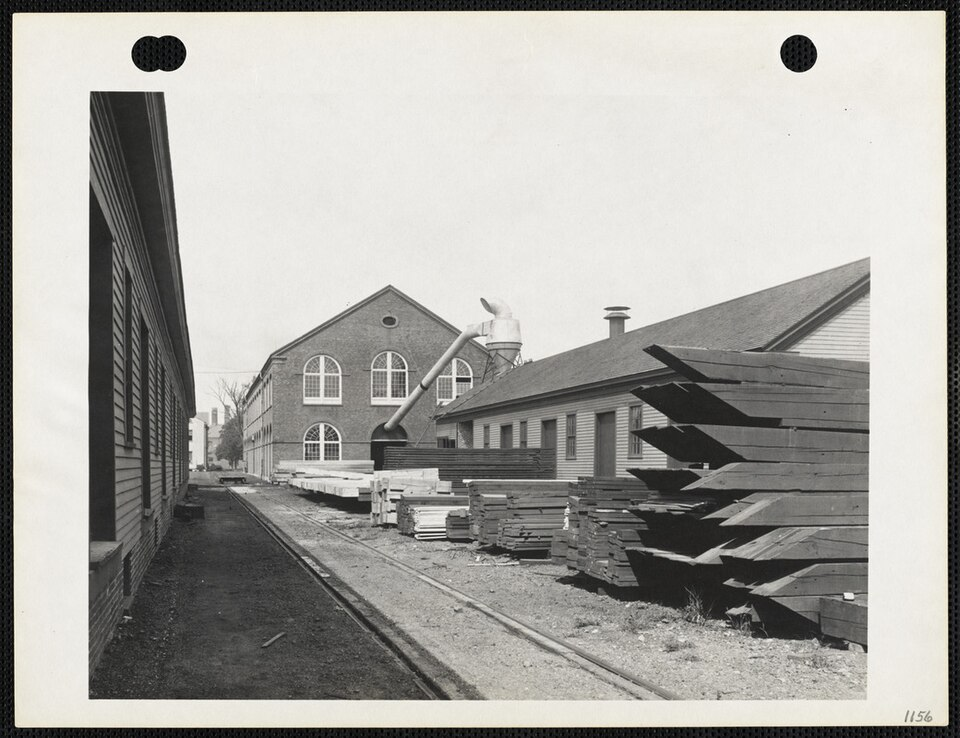
In 1974 a lumberyard was an actual yard – open sheds and covered racks around a gravel lot, stock stacked by dimension and length, a small office and a counter instead of aisles.
You picked through the pile yourself, pulling the straight pieces and restacking the twisted ones. Nails came out of an open keg, scooped into a paper sack and weighed by the pound. There was a millwork shop on the premises that could match a moulding profile or build a window sash. Contractors took material away on a running account and settled monthly.
And the man at the counter had worked in the trade. Here are fourteen things every builder knew.
1. It Was a Yard With Sheds, Not a Store
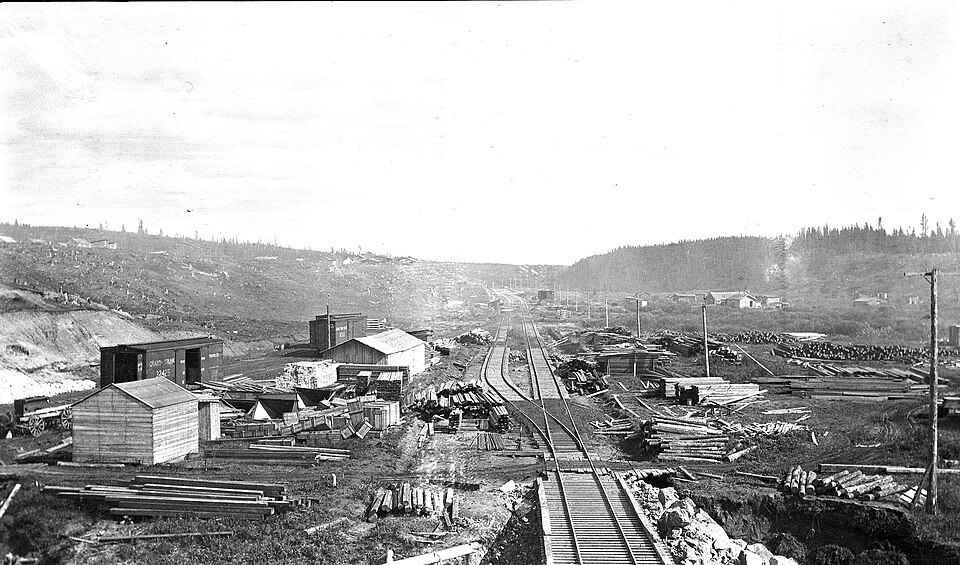
The lumberyard was an actual yard – open sheds and covered racks around a gravel lot, with stock stacked by dimension and length, a small office building, and a counter rather than aisles.
Large retail buildings with interior aisles, shopping carts and self-service racks, with the genuine yard operations that remain serving contractors rather than the public.
The layout followed the product rather than the shopper. Lumber is long, heavy, dirty and comes in sizes, so it stacks outdoors under cover and gets loaded from a truck – and a building designed for a person pushing a cart is a strange shape for selling boards.
Like our content? Follow us for more.
2. A Two-by-Four Was Never Two Inches by Four

The name describes the rough-sawn dimension before the board is dried and planed smooth on all four sides, so the finished piece is smaller – and by 1974 a two-by-four measured an inch and a half by three and a half.
Exactly the same nominal names and the same actual dimensions, with the discrepancy now a standing source of confusion for anybody buying lumber for the first time.
The nominal name is a survival from when boards were sold rough and the buyer did the finishing. Once mills began drying and dressing lumber before sale, the real dimension shrank while the name stayed – which is why every piece of framing lumber in the country is called something it is not.
3. The Dimensions Had Shrunk Over the Century
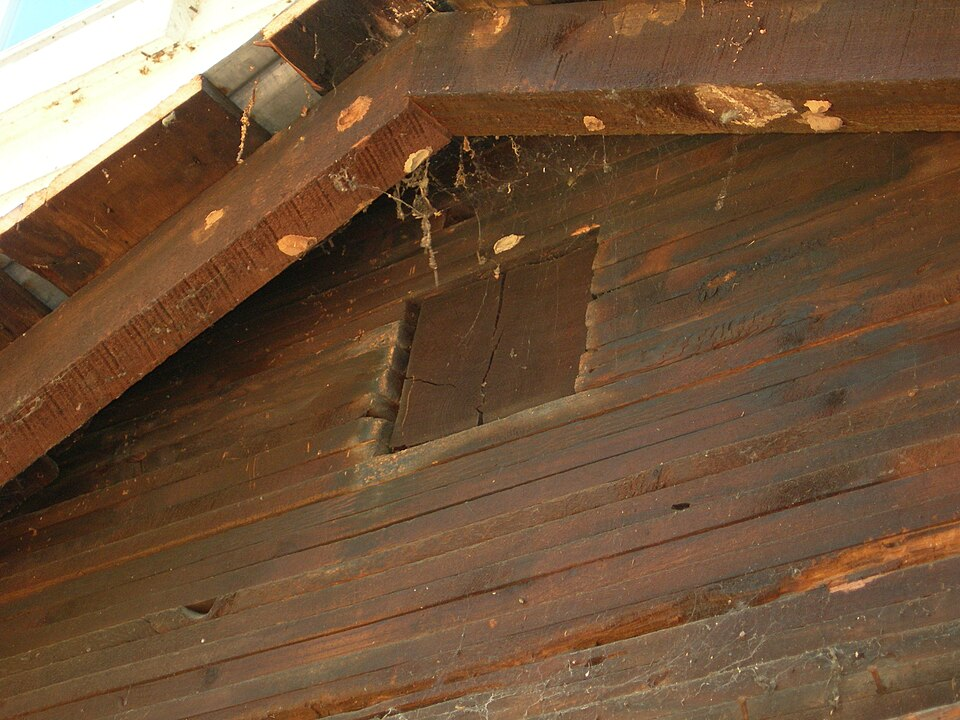
Finished sizes were reduced more than once as standards were revised, so framing in a house built in the 1920s is measurably thicker than framing of the same nominal size bought in 1974, which is thicker again than some earlier stock.
Standardised at the current dimension, which is why fitting new lumber into old framing frequently requires packing out the difference.
Anybody who has renovated an old American house has met this directly and been baffled by it. The joists are the wrong size because they are not the wrong size – they are the right size for the year they were cut, and the standard moved underneath them.
4. Every Board Carried a Grade Stamp
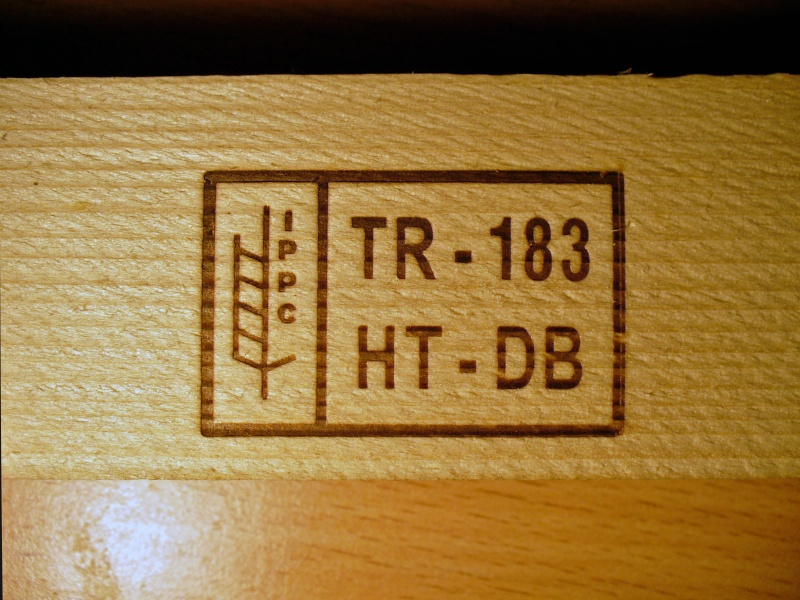
Dimensional lumber was stamped with a grade, a mill identifier and a moisture designation – a formal classification system indicating how many knots, splits and defects the piece was permitted to have.
Identical system, still stamped, still ignored by almost every retail customer.
Grading is the part of buying lumber that amateurs skip and professionals never do. The grade determines what the board can structurally be used for, and buying a lower grade for a job that needs a higher one is the single most common expensive mistake available at a lumber counter.
5. You Picked Through the Pile Yourself
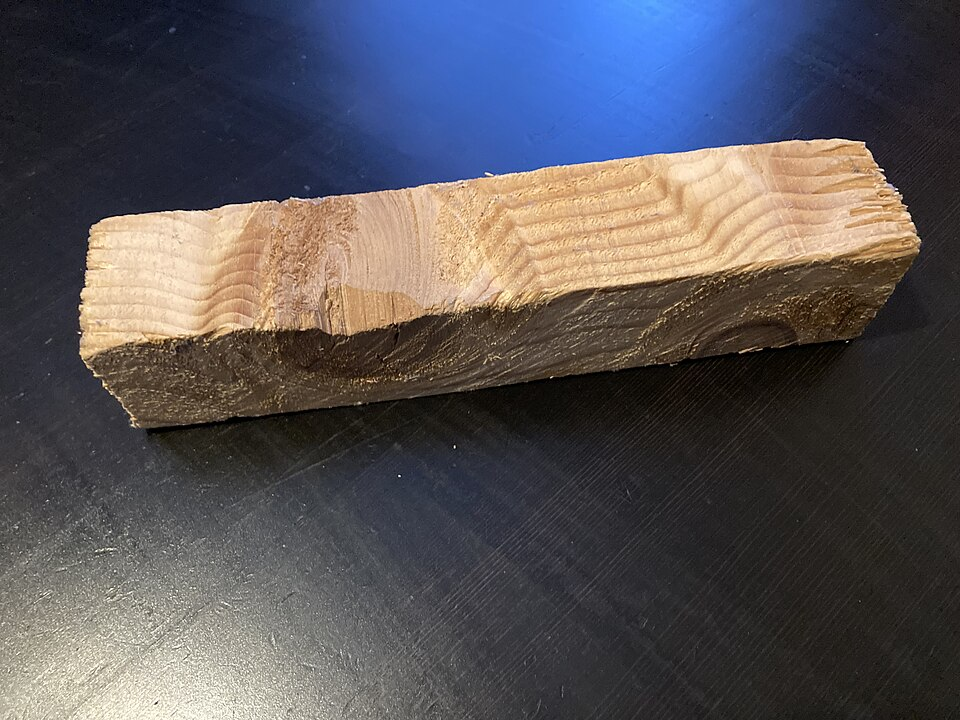
Customers were expected to sort the stack – pulling out the straight pieces, rejecting the twisted, cupped, crooked and badly knotted ones – and restacking what they did not want.
Still universal, still expected, and still the subject of mild friction between customers and staff everywhere lumber is sold.
Sorting is necessary because wood is a natural material and no two boards of the same grade are the same. Anybody buying lumber without picking through it is buying whatever came off the top of the pile, which on a framing job of any size will cost them in fitting time.
6. The Man at the Counter Knew Things
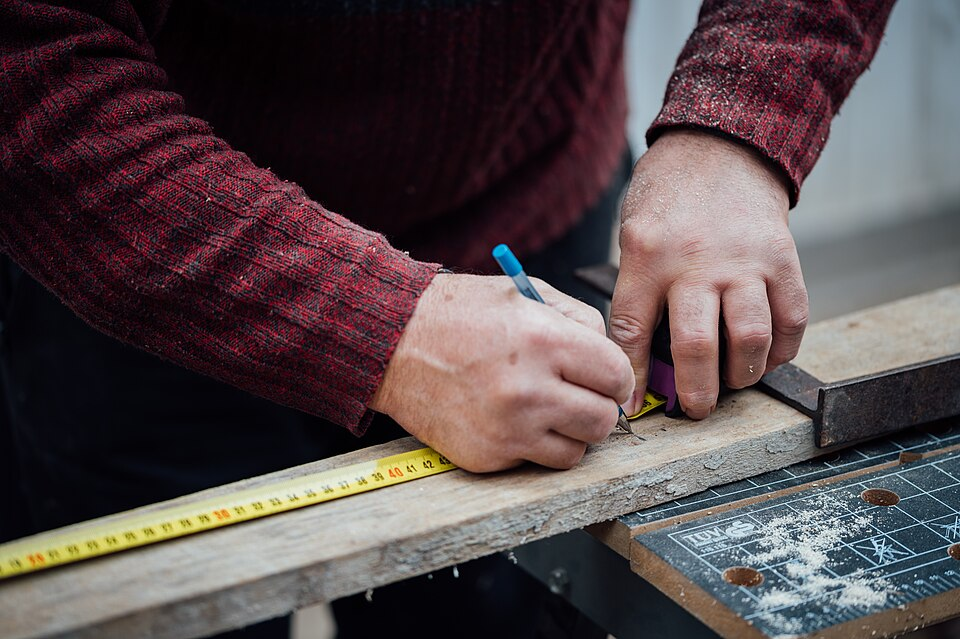
The counter was staffed by somebody who had worked in the trade – who could take a rough description of a job, work out what it needed, catch mistakes in the list, and tell a customer what would fail and why.
Varies enormously, with genuine expertise concentrated in contractor-serving yards and specialist desks, and large retail staffing not generally built around it.
The counterman’s judgement was the lumberyard’s actual product, and this is the thing that has thinned out rather than disappeared. Anybody can sell a board. Telling a customer that the span they have described will not carry what they intend to put on it is a different service entirely.
7. Hardware Came Loose and by Weight
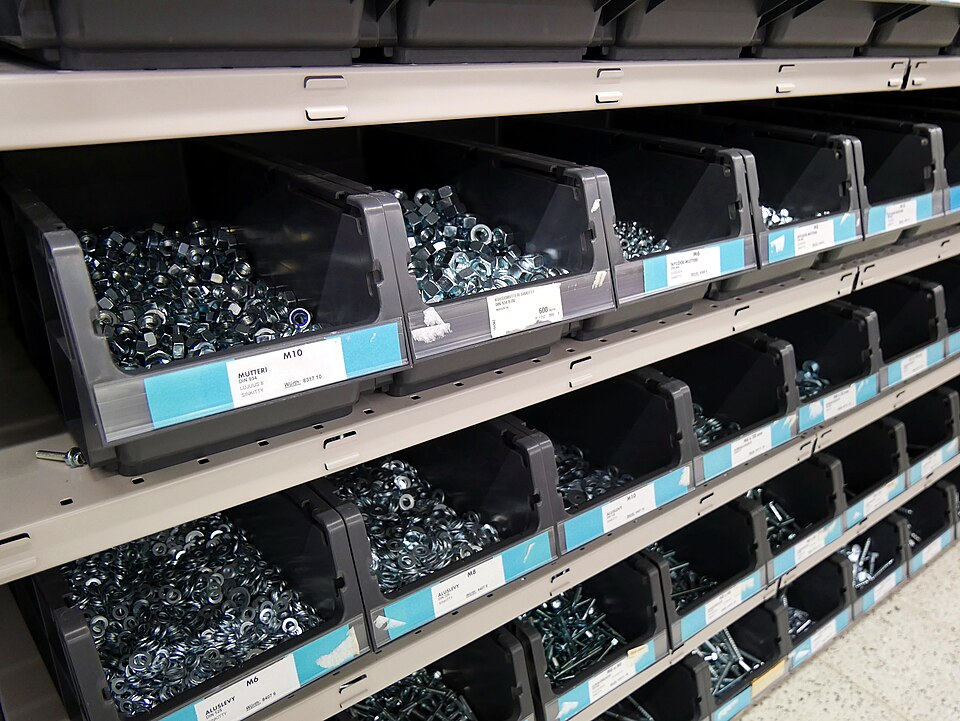
Nails, screws, bolts, nuts and washers came out of open kegs and bins, were scooped into a paper sack, weighed on a counter scale and priced by the pound.
Pre-packaged in boxes, bags and plastic tubs by count or weight, with loose bulk hardware surviving mostly in specialist and older stores.
Loose hardware is more efficient for the buyer and less so for the seller, which is why it went. A customer needing eleven bolts bought eleven bolts, rather than a box of twenty-five, and the yard carried the cost of somebody weighing them out.
8. There Was a Millwork Shop on the Premises
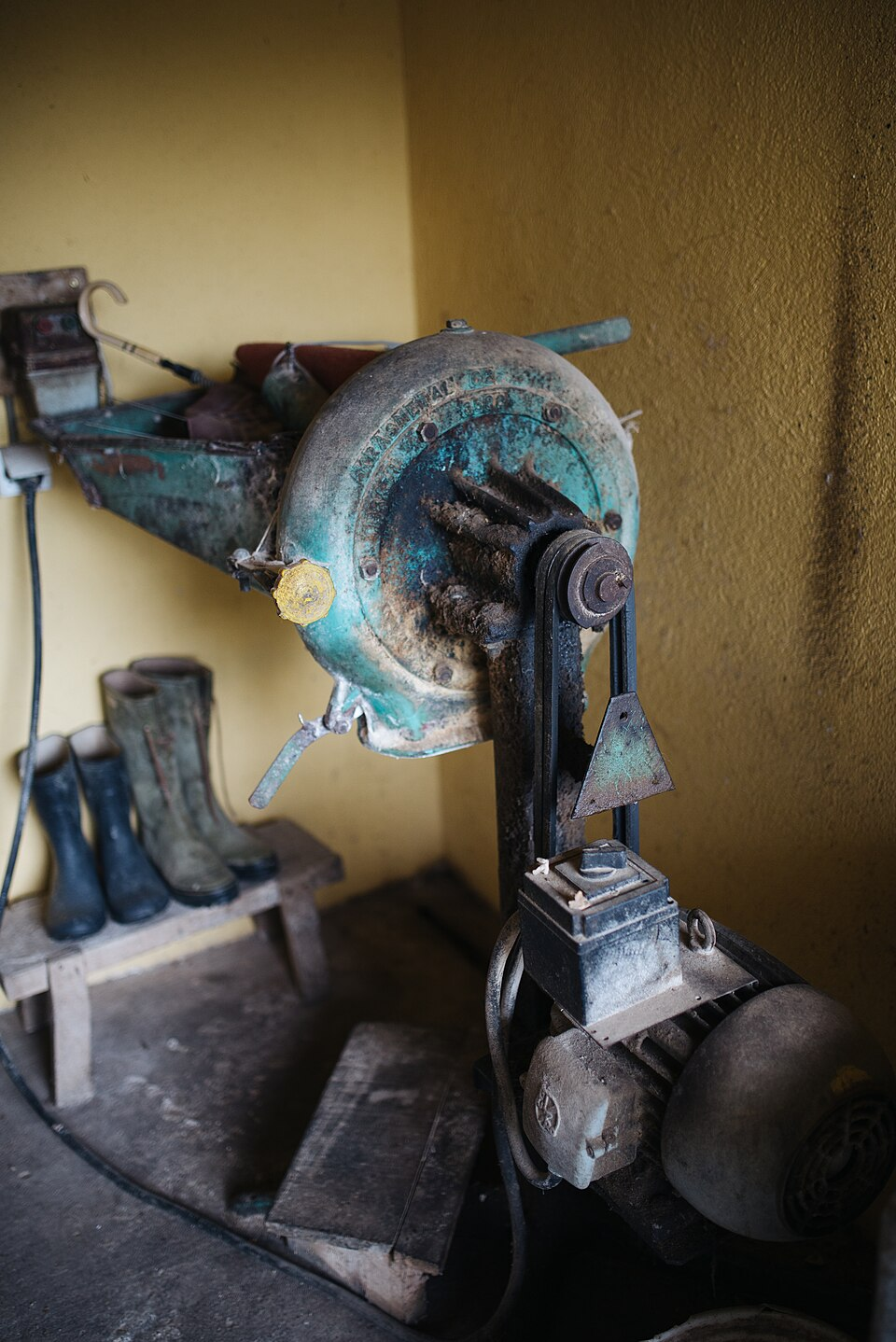
Many yards had a shop that cut, planed, ripped, moulded and assembled – making window sash, screens, door units, stair parts, mouldings and custom pieces to order.
Largely consolidated into regional manufacturing, with on-site millwork now rare and custom work mostly ordered in.
On-site millwork meant a yard could supply something that did not exist as a product. A house with an unusual window opening or a damaged moulding profile could be matched locally, which is a capability that regional manufacturing and standardised catalogues cannot easily replace.
9. Everything Went on the Account
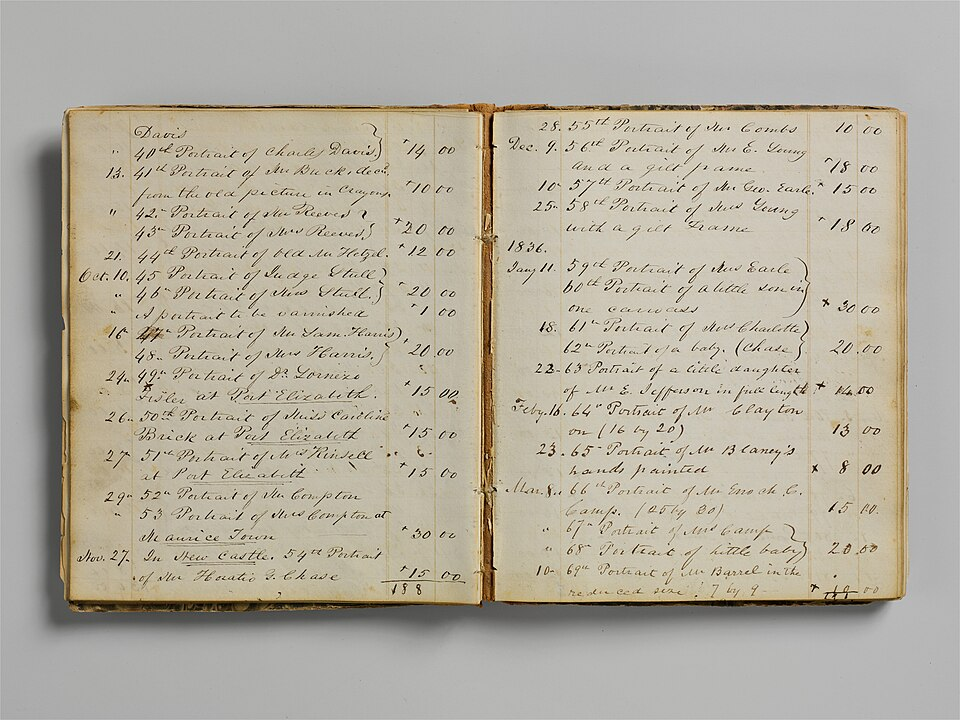
Contractors and known customers had running accounts, took material away without paying, and settled monthly – with the yard carrying the credit and absorbing the risk.
Formal trade accounts with credit checks and terms for contractors, and card or cash payment for everybody else.
The informal account was the yard’s main competitive weapon and its main exposure. A builder could start a job without capital because the lumberyard was financing his material, which made the yard a lender as much as a retailer – and a bad year in local construction landed directly on it.
10. Delivery Was a Flatbed and a Boom
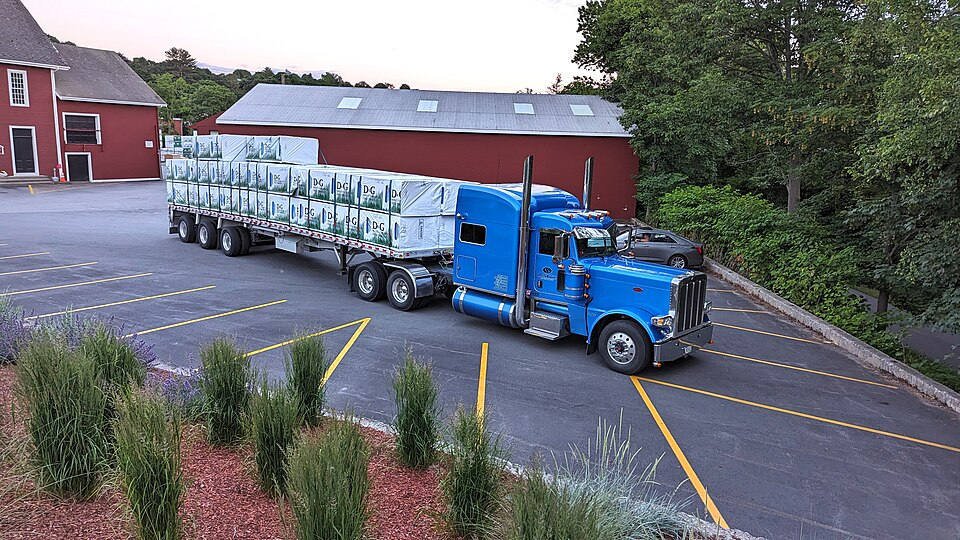
Material went out on a flatbed truck, frequently with a boom or a conveyor, and was placed where the builder wanted it on a site – which was part of the price rather than an extra.
The same service, more mechanised, now generally charged separately and scheduled through a system.
Delivery placement is a real service and it was free because it was expected. Putting a unit of framing lumber where the carpenter actually needs it, rather than at the end of the driveway, saves hours of handling – and a yard that got that wrong heard about it.
11. The Yard Carried Plan Books and Sold Houses
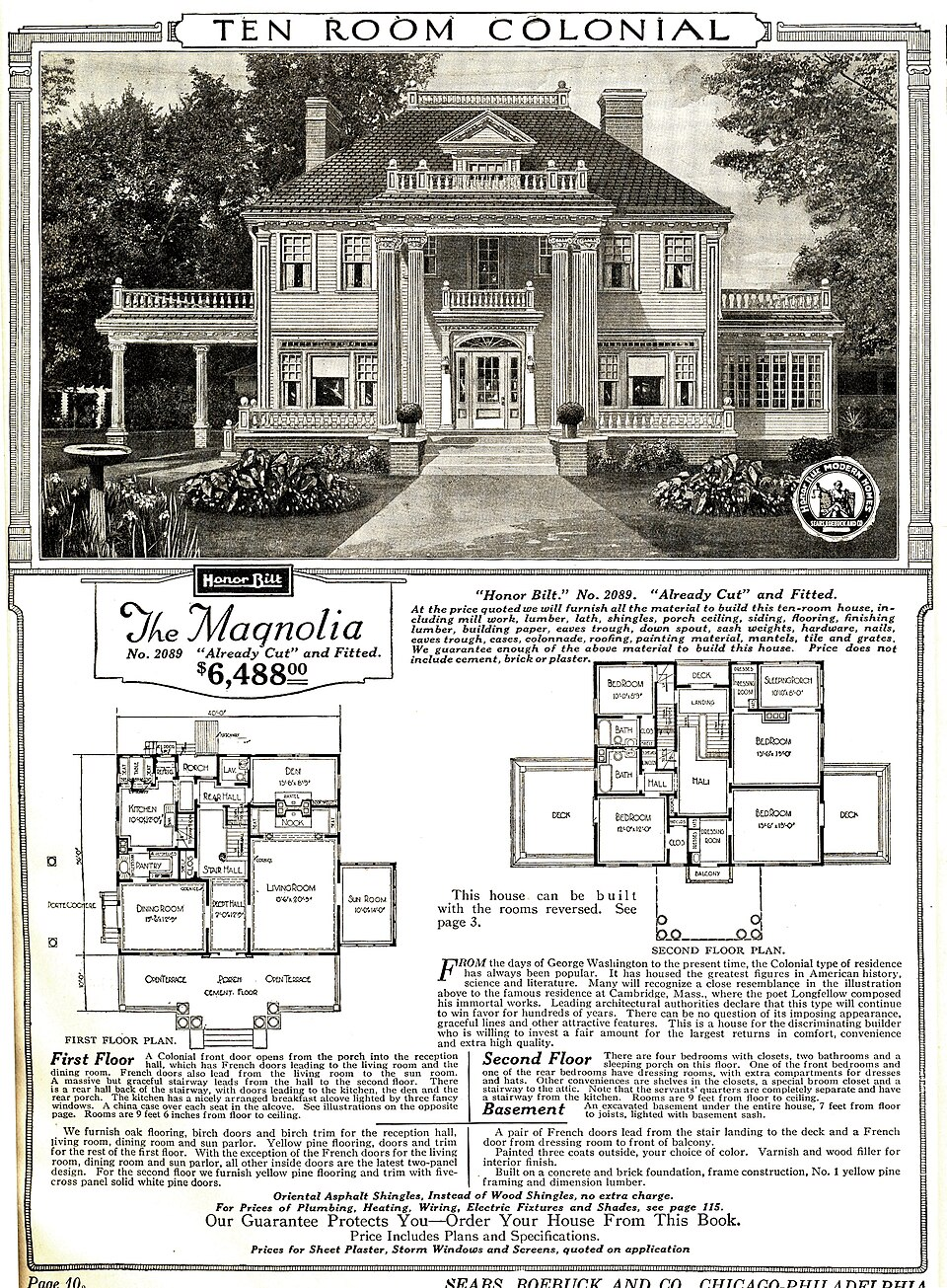
Lumberyards stocked plan books and in many cases sold complete house packages – plans plus all the material cut and listed – to people building for themselves.
Package home suppliers and online plans, with the local yard rarely in the business of selling a whole house.
Selling the plan and the material together was a neat piece of commerce and it built a great many American houses. A family could walk into a yard, choose a design, and leave with a plan and a complete material list priced to the board – which is a service that no longer exists at the local level.
12. Paint Was Mixed at the Counter

The paint department ground colourant into a base, shook it on a machine and matched colours by eye against a chip – a skilled operation performed by somebody who did it all day.
Computer-matched tinting from a scanned sample, which is faster, more consistent and more accurate.
This is one part of the old yard that has been straightforwardly improved. Matching paint by eye is genuinely difficult and the results were variable, whereas a scanner and a dispensing machine will match a chip almost exactly – so nobody should miss this particular skill.
13. The Pickup Truck Was Half the System
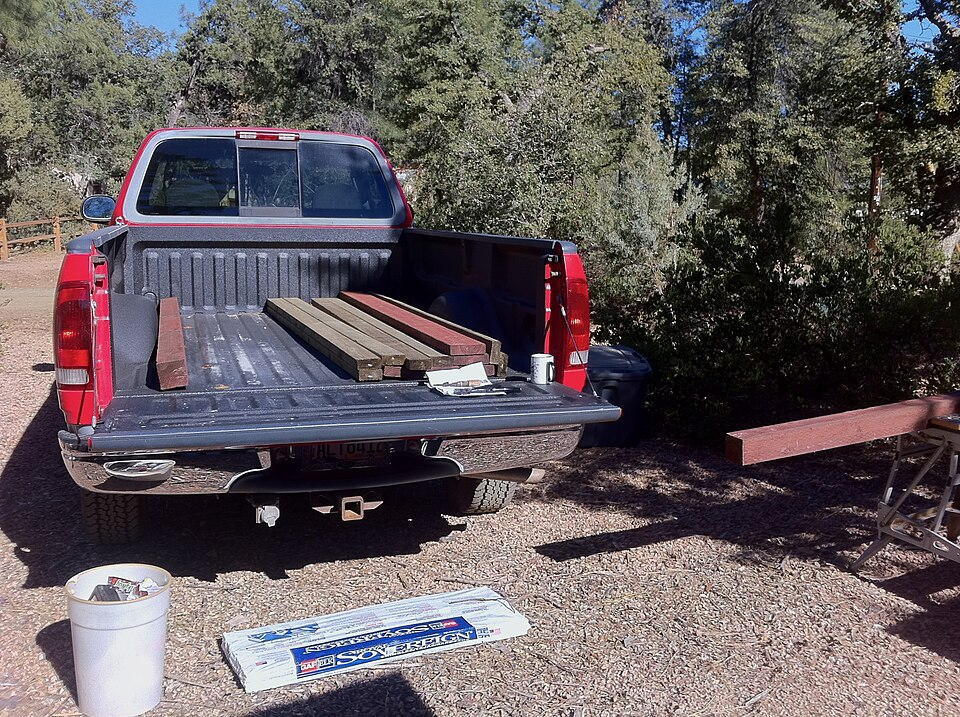
Stock sizes, bundle sizes and the whole way material was handled assumed a customer with a pickup truck who would load it himself with help from the yard crew.
Still substantially true, alongside delivery services, rental trucks and products sized to fit a passenger vehicle.
The truck shaped the product more than people realise. Panel sizes, board lengths and bundle weights all sit where they do partly because of what one or two people can load onto a flatbed, which is a constraint that has quietly determined the dimensions of American building material.
14. Then the Judgement Became the Scarce Part
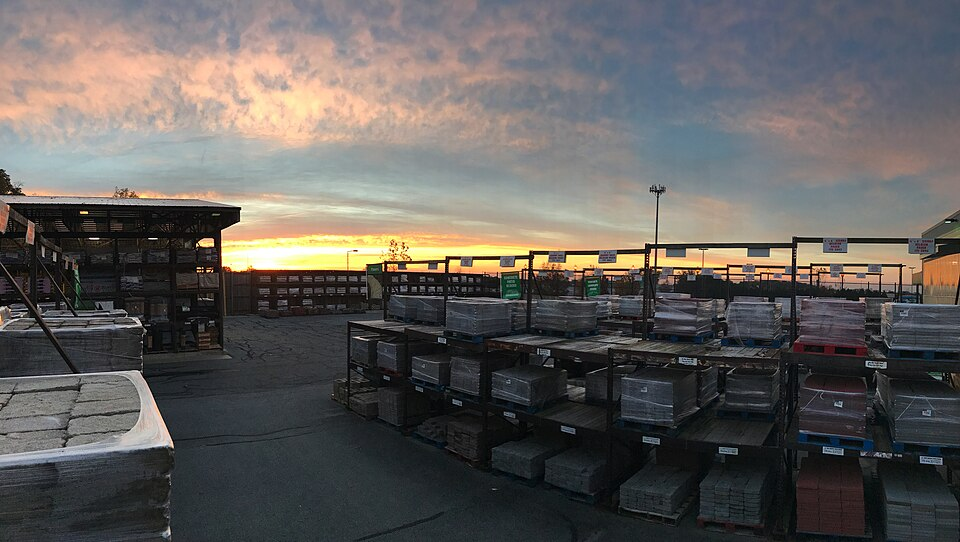
In 1974 a local lumberyard sold boards you sorted yourself, hardware by the pound, millwork made on the premises, house packages with the plans included, credit on a handshake, and the advice of somebody who had worked in the trade.
Large retail operations with enormous inventories, lower prices, longer hours and better logistics, alongside a smaller number of genuine yards serving contractors.
And the honest summary is that almost everything measurable got better while one unmeasurable thing got worse. On price, selection, availability, hours, consistency and convenience, the modern arrangement is not close – a buyer today can get more kinds of material, in better condition, at a lower real price, at nine o’clock on a Sunday, than any 1974 yard could have supplied in a week. Paint matching is better. Logistics are better. Grading and stamping, which were already formal in 1974, still protect every buyer whether they read the stamp or not. What has thinned is judgement. The lumberyard’s actual product was never the lumber, which is a commodity anybody can stock; it was the person at the counter who had worked in the trade, who could take a vague description of what somebody was trying to build, convert it into a list, catch the error in it, and say plainly that the span would not carry the load. That service does not scale, does not appear in any price comparison and cannot be stocked – and it survives mainly in yards that serve builders, where customers will pay for it because they know what it is worth. The result is a split. Contractors still use real yards and still have the counterman. Everybody else buys cheaper material more conveniently from somewhere that will sell them exactly what they asked for, including when what they asked for is wrong.
Everything Measurable Got Better. The Judgement Got Scarce.
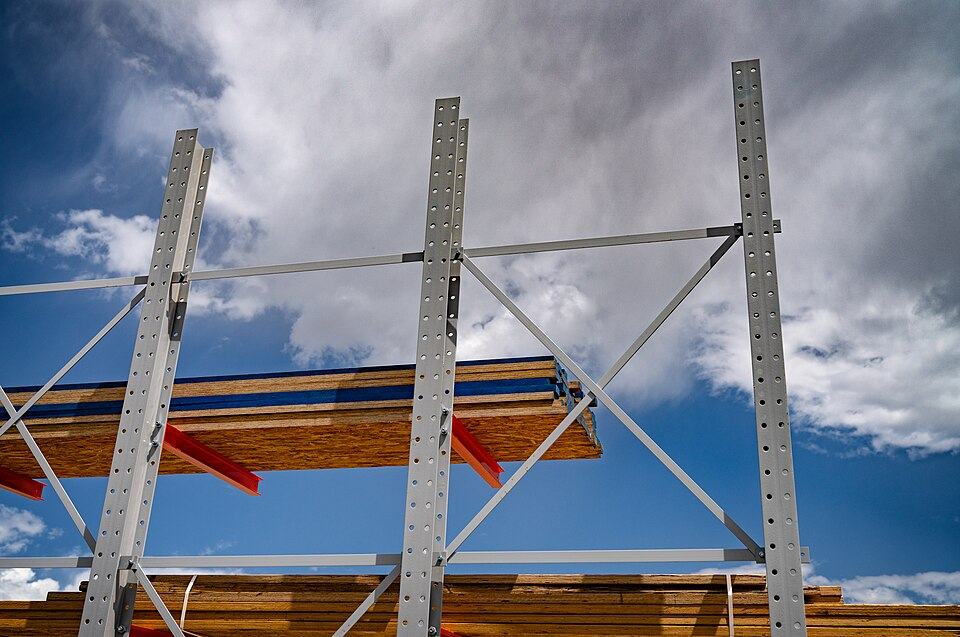
Start with the thing almost nobody knows, because it explains how long these conventions have been running.
A two-by-four is not two inches by four inches and never has been. The name describes the rough-sawn dimension – the size of the piece as it came off the saw, green and unplaned – and the board you buy has since been dried and dressed smooth on all four sides, which takes material off every face. By 1974 a two-by-four measured an inch and a half by three and a half, which is exactly what it measures today.
It also shrank over time. Finished sizes were reduced more than once as standards were revised, which is why framing in a house built in the 1920s is measurably thicker than framing of the same nominal size bought in 1974. Anybody who has renovated an old American house has run into this and found it baffling: the existing joists are the wrong size because they are not the wrong size. They are correct for the year they were cut, and the standard moved underneath them.
That is the sort of thing the man at the counter knew, and it is the right place to start, because the counter is the whole subject.
Now the honest comparison, which mostly favours the present.
On price, the modern arrangement is not close. On selection, availability, hours, consistency and logistics, it is not close either. A buyer today can obtain more kinds of material, in better condition, at a lower real price, at nine o’clock on a Sunday, than any 1974 lumberyard could have supplied in a week of ordering. Paint matching used to be done by eye against a chip by somebody skilled at it, and the results were variable; a scanner and a dispensing machine now match a sample almost exactly, and nobody should miss that particular craft. Grading and stamping were already formal in 1974 and still protect every buyer whether they read the stamp or not.
The losses are specific and they are mostly about things that do not scale.
Loose hardware, scooped from a keg and weighed by the pound, let a customer buy eleven bolts instead of a box of twenty-five – more efficient for the buyer and less so for the seller, which is why it went. On-site millwork let a yard supply something that did not exist as a product, matching an odd window opening or a damaged moulding profile locally, which regional manufacturing and standard catalogues cannot easily replace. House packages – plans plus a complete priced material list – built a great many American houses and are no longer sold at the local level. And the informal account meant a builder could start a job without capital because the yard was financing his material, which made the lumberyard a lender carrying local construction risk on its own books.
But the real loss is the one that never appeared in any price comparison.
The lumberyard’s actual product was never lumber. Lumber is a commodity and anybody can stock it. The product was the person at the counter who had worked in the trade, who could take a vague description of what somebody was trying to build, convert it into a list, catch the mistake in it, and say plainly that the span described would not carry what was going on top of it.
That service cannot be stocked, does not scale and shows up nowhere in a comparison of prices. So it has concentrated where somebody will pay for it, which means the yards that serve contractors – where the customer knows exactly what the advice is worth and has been burned without it.
Which leaves a split. Builders still use real yards and still have the counterman. Everybody else buys cheaper material more conveniently, from somewhere that will cheerfully sell them precisely what they asked for – including when what they asked for is wrong.
If you grew up going to one of these, you remember the smell of the sheds and being allowed to carry one board.
And somebody taught you to look down the edge of a board before you bought it, and you still do it.
Like our content? Follow us for more.