In 1974 a blizzard on an American farm arrived with whatever notice a radio station happened to give, and then it did two things at once.
One was physical. Water into every pail, tub and cream can before the power went, because a farm pump is electric and a well without power is a hole in the ground. A rope strung from the house to the barn door, because in a true whiteout a person can lose a direction they have walked ten thousand times. And the stock to be fed and watered twice a day regardless, for as long as it lasted.
The other was silence. Here are fifteen things every family knew.
1. The Warning Came Out of a Radio and Not Much Else

Severe winter weather arrived with whatever notice a radio station gave – a bulletin read between records, a telephone call from a relative who had heard it, and whatever the sky and the wind were doing.
Continuous forecasting on a telephone, with push alerts, hour-by-hour models, radar, and warnings delivered to a device in a pocket days ahead.
The notice period is the single largest change in this entire subject. A household in 1974 might have hours; a household now has days, with specific timing, and that difference determines almost everything about how the event is experienced.
Like our content? Follow us for more.
2. The Last Trip to Town Was a Known Ritual
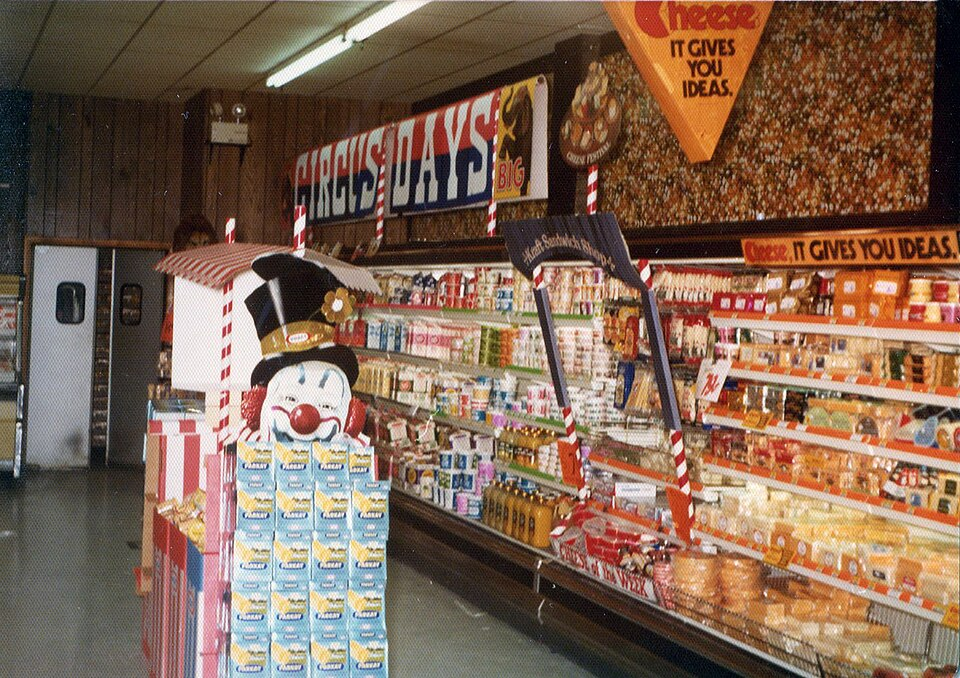
On word of a storm coming, everybody went to town – groceries, bread, milk, fuel, batteries, feed, medicine – and the stores emptied in a pattern so predictable that merchants recognised it.
Identical, universally mocked, and the single most reliable consumer behaviour in winter.
The thing that gets laughed at is actually rational and was more so then. A farm household that might be genuinely cut off for a week was not panic buying; it was provisioning, on the only warning it had, for an interval nobody could predict the end of.
3. The Livestock Were the Real Emergency
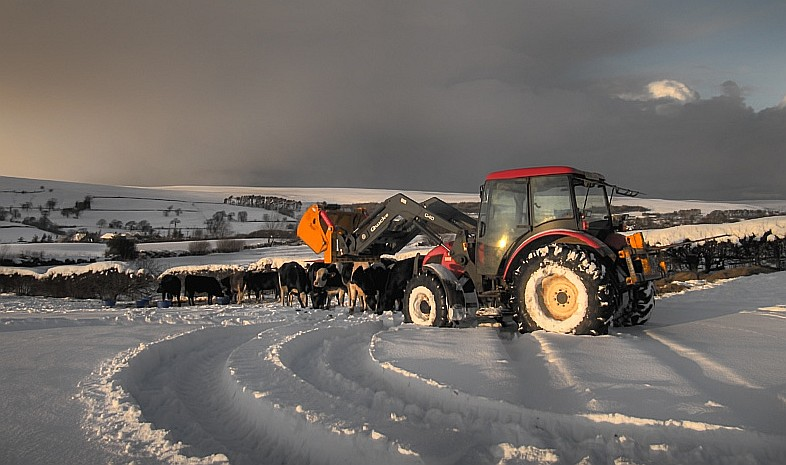
Animals had to be fed and watered every day regardless of conditions, which meant somebody was going out to the barn in the worst of it, twice, for as long as it lasted.
The same obligation, with automatic waterers, better buildings and improved clothing, but no way around the fundamental requirement.
Livestock is why farm blizzard stories are different from town blizzard stories. A household in a town stays inside; a household with stock has a non-negotiable daily appointment outdoors, and everything about the storm is organised around getting there and back.
4. A Rope Was Run to the Barn
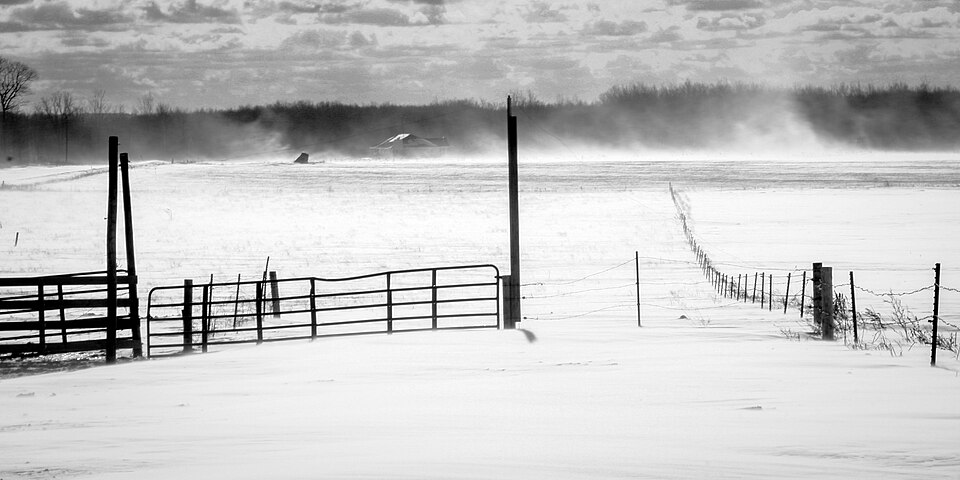
Where whiteout conditions were expected, a line was strung from the house to the barn door before the weather closed in, so that somebody crossing the yard had something to hold.
The practice is still described in cold-region advice and still used, with current authoritative guidance on severe winter weather being the proper source for anybody facing it.
The rope exists because of a specific and genuinely frightening fact about heavy blowing snow: in a true whiteout the ground, the sky and every landmark vanish, and a person can lose a direction they have walked ten thousand times. This piece gives no procedure of any kind and points anybody who needs one to current authoritative guidance.
5. You Filled Everything With Water
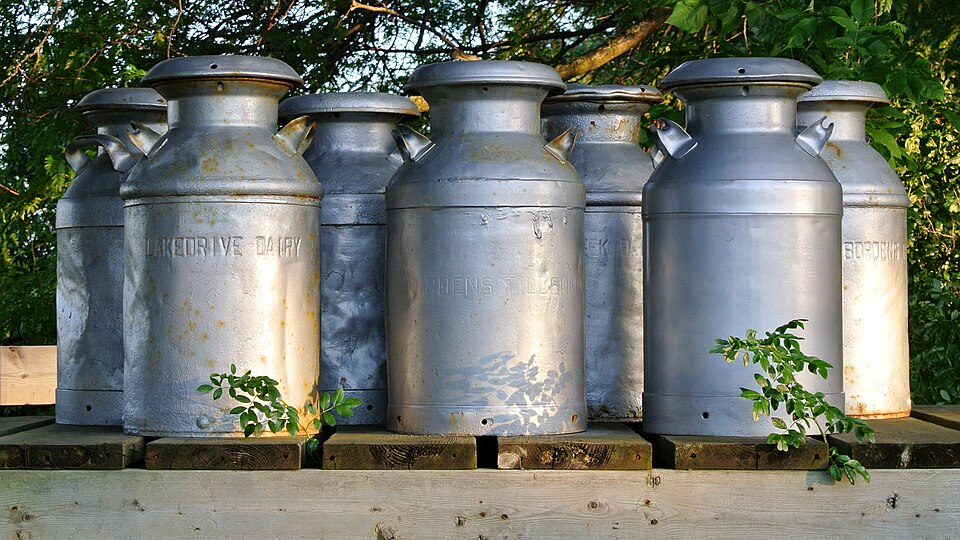
Pails, tubs, the bathtub, cream cans, stock tanks and anything else that would hold it were filled before the power went, because a farm pump is electric and a well without power is a hole in the ground.
Identical practice, and standard advice wherever outages are expected, for exactly the same reason.
Water is the part people underestimate and the reason is simple arithmetic. A household can go a long time on a full pantry, and a household with livestock cannot go a day without water – so the stored water was for the animals at least as much as for the people.
6. The Telephone Was a Party Line and It Was Busy
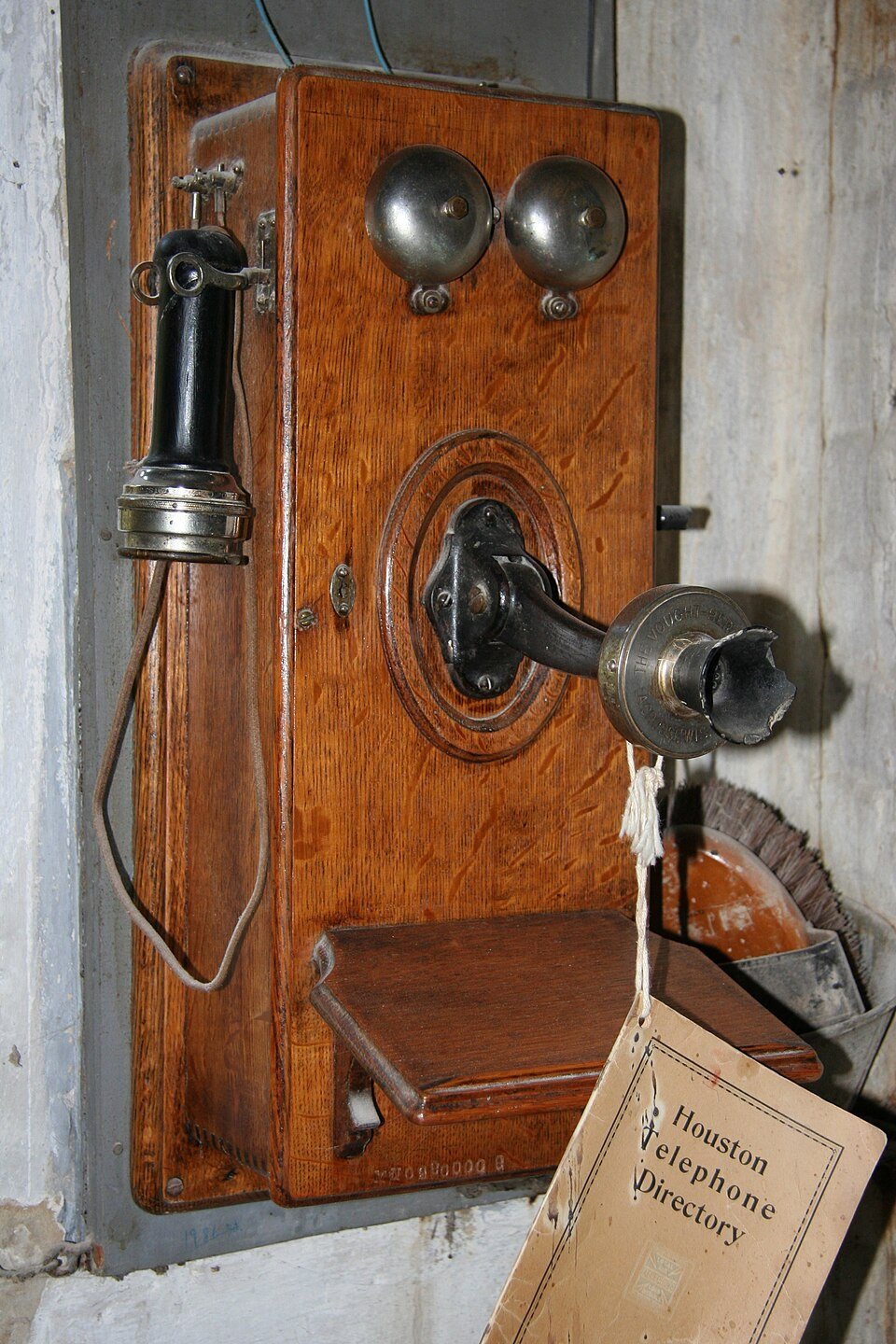
Where party lines were still in use, a storm filled them – neighbours checking on neighbours, somebody relaying a message for somebody with no line, and everybody listening to everybody else’s calls.
Mobile telephones, text messages and social media, giving every household continuous contact with everybody and continuous information about conditions.
The party line was an emergency broadcast system that nobody designed as one. Everybody could hear everybody, which meant news of a stranded car, an illness or an unfed herd travelled the whole line within minutes – a function the private telephone that replaced it immediately lost.
7. The Drifts Formed in the Same Places Every Time
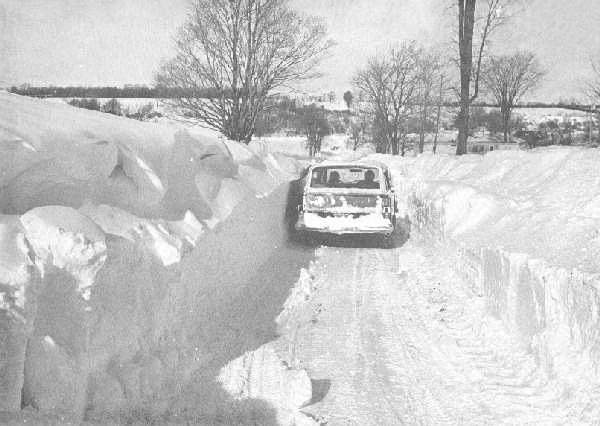
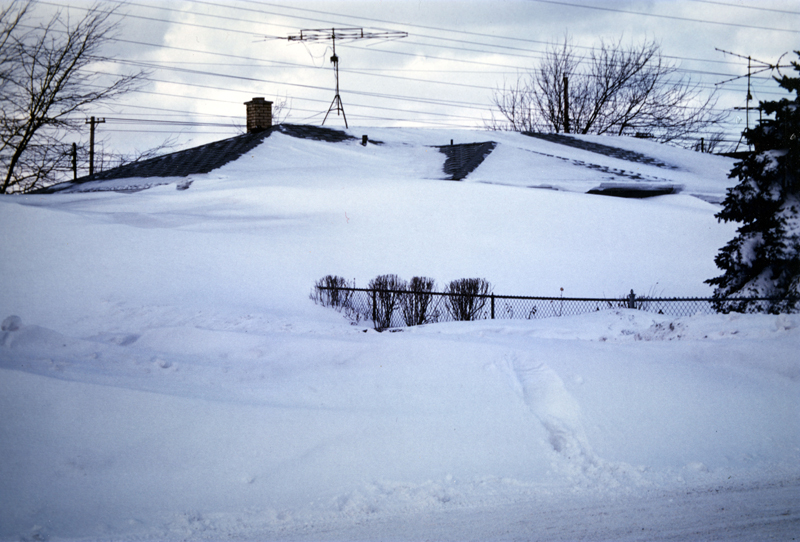
Snow does not lie evenly. It accumulates behind obstructions, in cuts, against buildings and on the lee sides of hills – and every farm knew precisely which stretch of its own lane would close first and deepest.
The same physics, the same locations, and the same local knowledge wherever people still live with it.
Knowing where your own drifts form is the most useful piece of local knowledge in a snow country household. It tells you which route to take, where not to leave the truck, which gate to use and how long you are likely to be shut in.
8. The Plough Came When It Came
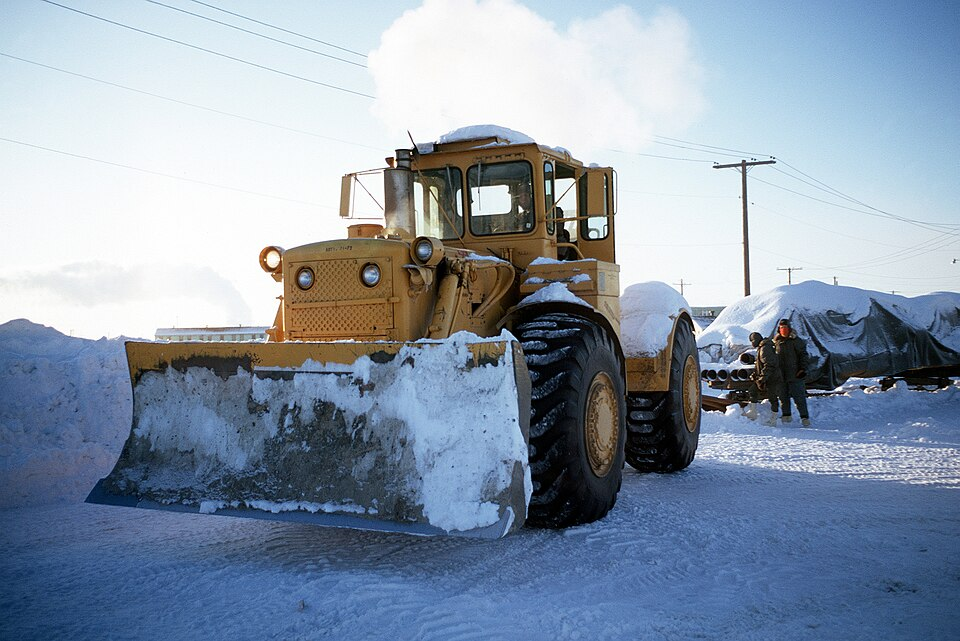
County and state crews worked the roads by priority – highways first, then main county roads, then gravel, then the lanes – and a farm at the end of a township road waited, with no way of finding out when.
The same priority system, now with online plough tracking in many places showing exactly where the equipment is and when a road was last cleared.
Not knowing when the plough was coming was the defining uncertainty of the whole experience. The road might open in six hours or three days, nobody could tell you, and every decision a household made depended on a number it did not have.
9. Being Cut Off Was a Real Condition, Not an Inconvenience
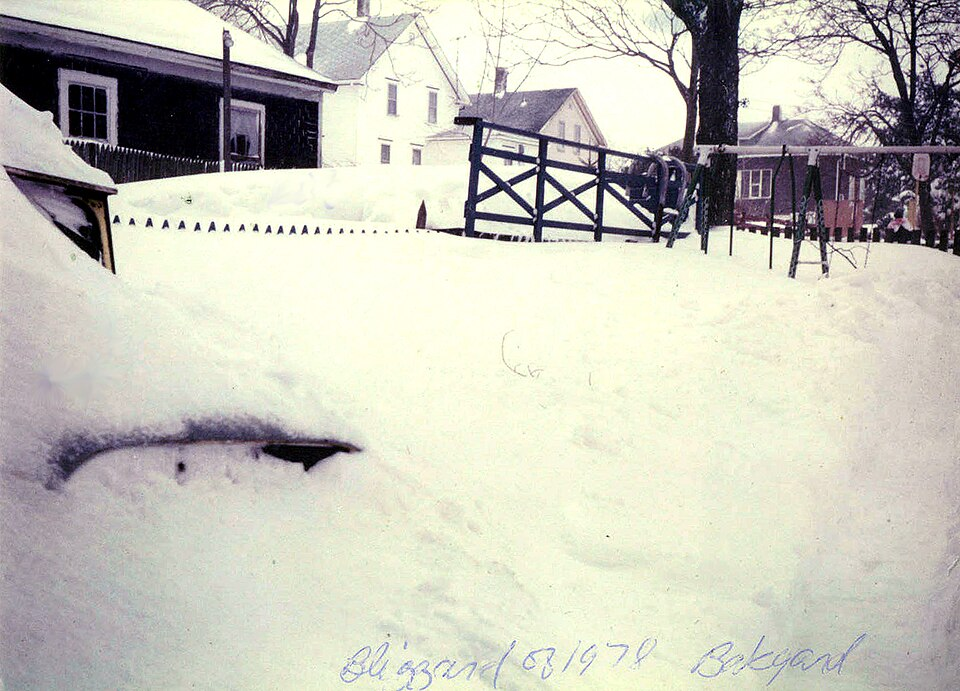
A farm with a closed lane, no plough yet, a party line that might be down and no other contact was genuinely isolated – unable to leave, unable to be reached, and unable to find out anything.
Practically impossible to experience. A household may be unable to travel, but it has contact, information, forecasts and a known timeline throughout.
That specific condition has been abolished and it was the heart of what a blizzard was. Not the cold and not the snow, both of which remain exactly as they were, but the combination of immobility with silence – and the silence is the part that has gone.
10. The Pantry Was the Plan
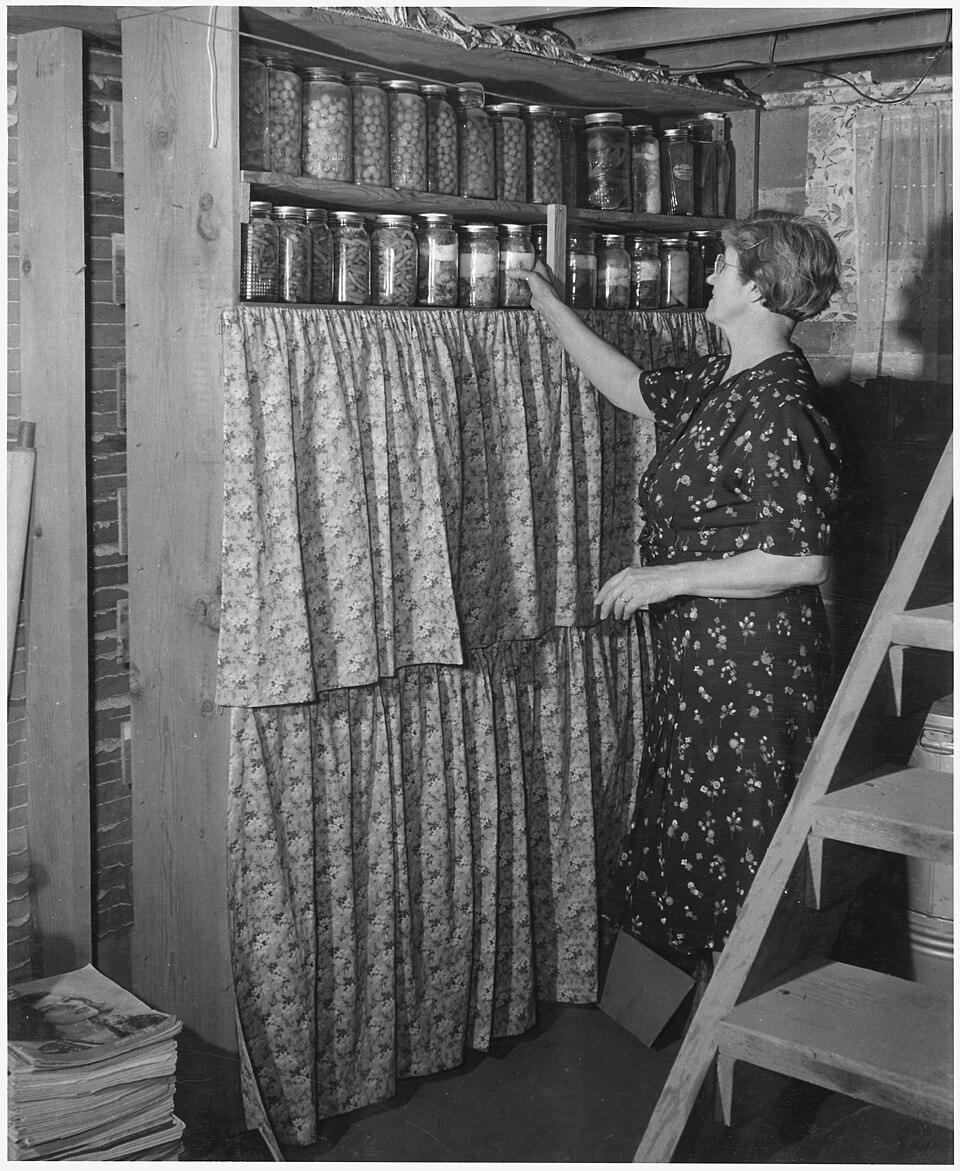
A farm household’s blizzard preparation was mostly done in August – the canning, the root cellar, the freezer, the flour and sugar in quantity – which meant the storm found the house already stocked.
Weekly shopping and refrigeration, with the last-minute store trip doing the work that a season of preserving used to do.
The old provisioning was continuous rather than reactive and that is the real difference. A household that preserved its own food was never more than lightly exposed to being shut in, because being shut in was an assumed condition of winter rather than an emergency.
11. School Closing Was Announced Over the Radio
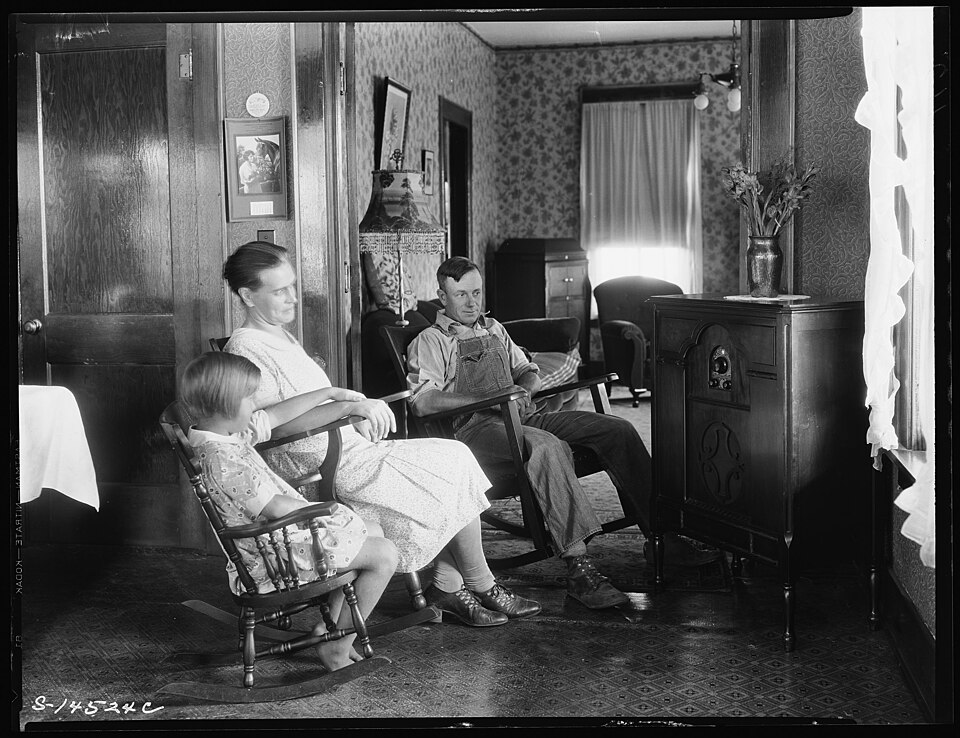
Children listened to a station reading out a list of closed districts, by name, in alphabetical order, and heard their own or did not – and that was the only way to find out.
Automated calls, text messages, applications and website notices, delivered directly and in advance.
Listening to that list is one of the sharpest winter memories American children of the period have. The suspense was real because the information was sequential, unrepeatable in that moment, and entirely outside anybody’s control.
12. Somebody Checked on the Old People
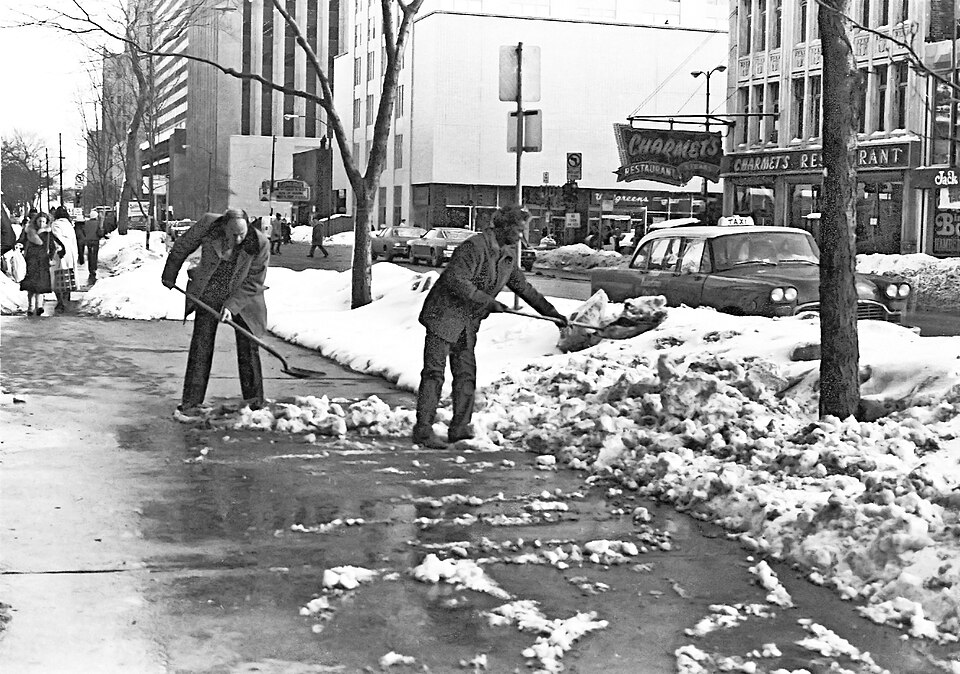
When it cleared enough to move, neighbours went to the houses of the elderly and the isolated – not by arrangement, but because everybody knew who lived alone and whose stove needed wood.
Welfare calls, organised check-in programmes, telephones and family at a distance able to call directly.
That informal system worked because the knowledge was local and complete. Everybody on a road knew exactly who was alone, how old they were and what their situation was, which is a kind of information no formal programme reproduces and which thinner rural populations no longer generate.
13. Roofs and Buildings Took the Load
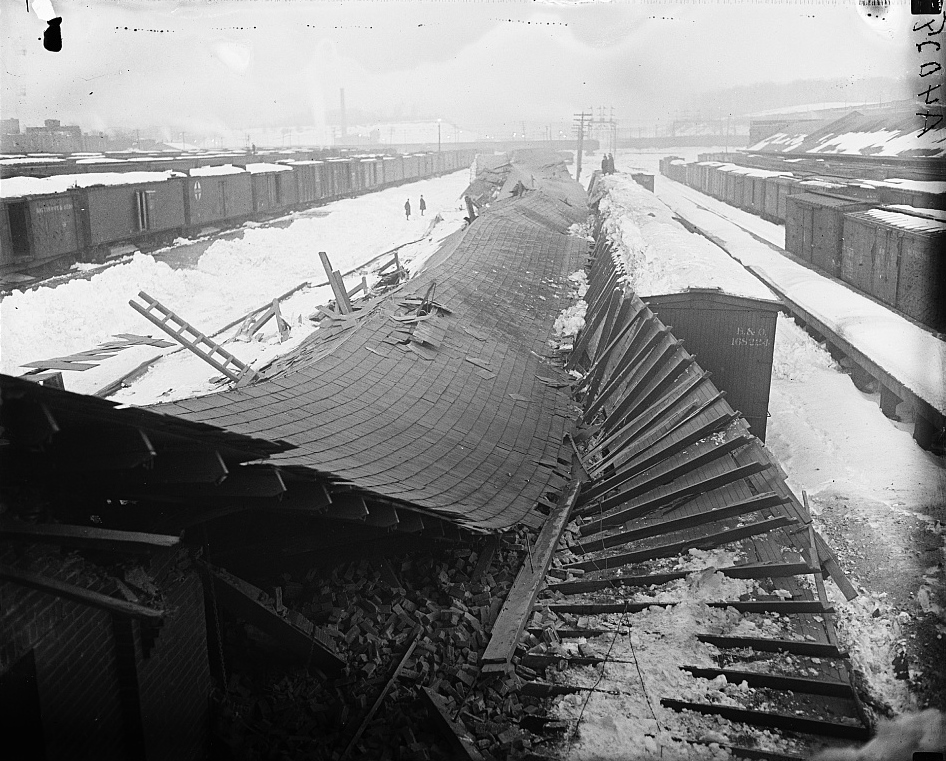
Accumulated snow, particularly wet snow followed by more snow, put serious weight on roofs – and the buildings that failed were generally old, wide-span, flat-pitched or already weak.
The same physics, with structural standards addressing snow load explicitly, and current authoritative guidance on roof snow being the source for anybody with a concern.
This piece names the hazard and gives nothing else – no load, no depth, no removal method, no inspection procedure – for the obvious reason that getting onto a snow-covered roof is itself dangerous and the appropriate source is current authoritative guidance.
14. People Died and the Causes Were Specific
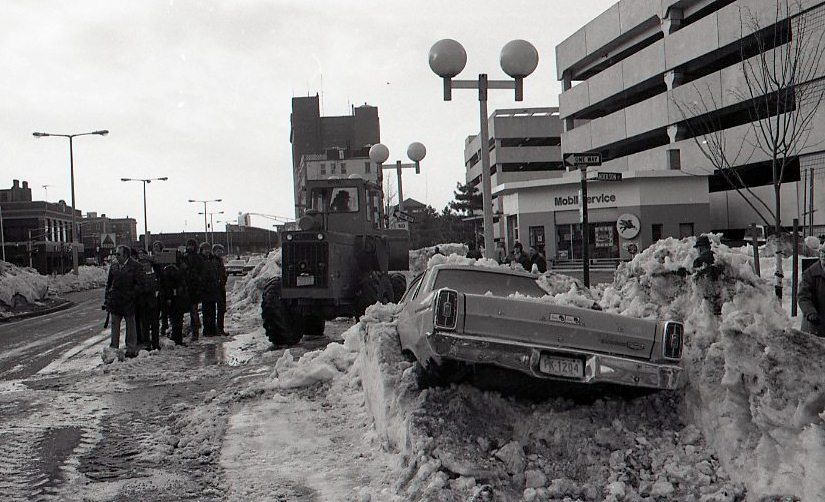
Severe winter storms killed people in 1974, and the circumstances were consistent: being caught travelling, becoming stranded in a vehicle, exertion in extreme cold, and loss of heat in a house.
Winter storm deaths have fallen substantially, with warning time and communication being the principal reasons – and the hazards themselves are unchanged.
This piece states that plainly and goes no further. Severe winter weather is a subject with specific, free, authoritative current guidance attached to it, from national weather services and emergency management, and that is where anybody facing a storm should be – not in a nostalgia article.
15. Then the Isolation Stopped Being Possible
In 1974 a blizzard on an American farm meant hours of warning, a last trip to town, water in every container, a rope to the barn, a daily obligation to the stock whatever happened, and then an interval of unknown length during which nobody could reach you and you could not find out anything.
The same snow, the same wind, the same drifts in the same places, the same obligation to the animals – and continuous contact, continuous information and a known timeline throughout.
And the thing that changed is not the weather and not really the equipment, which is where this is usually put. Snow still falls the same way, drifts still form in the same places, and the stock still have to be fed. Better clothing and better machinery help and are not the main story. What actually changed is that the second half of the experience disappeared. A blizzard in 1974 was two separate things happening at once: a physical event, which was cold, dangerous and laborious, and an informational event, which was silence. The household could not travel and also could not be reached, could not find out what the storm was doing, could not learn when the road might open, could not call for help and could not be told that help was coming. Every decision it made was made with a missing number. That second half is gone completely. A farm family today can be entirely unable to leave the place and still be in continuous contact with everybody, watching the radar, reading a plough tracker, knowing within an hour or two when the township road will open and able to summon help at any moment. The physical event is unchanged; the uncertainty has been abolished. Which is overwhelmingly good – the reduction in winter storm deaths is real and warning and communication are the main reasons for it, and nobody should want silence back. But it does mean that the particular thing people describe when they describe a blizzard, which is almost never the snow and almost always the feeling of being sealed in and out of reach, is an experience that the weather can no longer produce.
The Weather Is the Same. The Silence Is Gone.
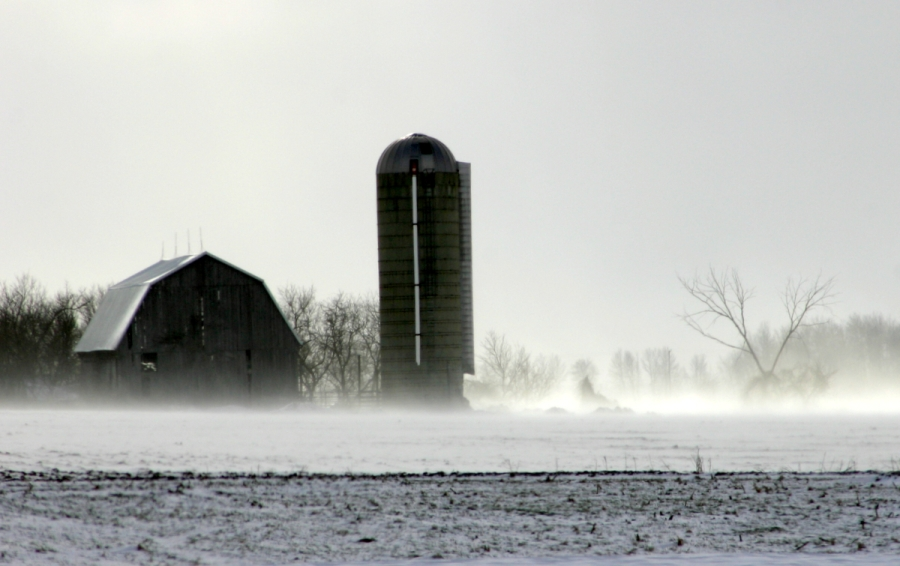
Ask anybody who lived through one of the serious American blizzards of that era what they remember, and the answer is almost never the snow.
It is the being sealed in. The not knowing when the road would open. The not knowing what was happening anywhere else. The waiting.
That is worth taking seriously, because it tells you that a blizzard in 1974 was two distinct events occurring simultaneously, and only one of them still exists.
The first was physical, and it has not changed at all. Snow falls the same way. It drifts behind the same obstructions, in the same cuts, against the same buildings and on the same lee slopes – every farm still knows exactly which stretch of its own lane closes first and deepest. Roofs still take weight. Cold is still cold. And the animals still have to be fed and watered every single day, which means somebody still crosses a yard in the worst of it, twice, for as long as it lasts.
Better clothing helps. Better machinery helps. Automatic waterers and better buildings help a great deal. None of that is the main story.
The second event was informational, and it is the one that has been abolished.
A household in 1974 was simultaneously immobile and unreachable. The lane was shut and the plough would come when it came – six hours, three days, nobody could say, and there was no one to ask. The party line might be busy, might be down, might carry a neighbour’s voice relaying news from somebody with no telephone at all. The radio gave bulletins between records. The forecast was whatever somebody had heard. And beyond that: nothing. No way to learn what the storm was doing, no way to find out when the road might open, no way to call for help and no way to be told that help was on its way.
Every decision that household made, it made with a number missing.
That is what people are describing when they describe a blizzard, and the weather can no longer produce it.
A farm family today can be completely unable to leave the property and still be inside the conversation the whole time. They can watch the radar, read the forecast by the hour, follow a plough tracker that shows where the equipment actually is, know within an hour or two when the township road will be opened, see that their neighbours are fine, and summon help at any moment. They may be physically stuck for three days and they are never once out of reach.
Which is overwhelmingly a good thing, and it should be said clearly. Winter storm deaths in the United States have fallen substantially, and the principal reasons are warning time and communication rather than equipment. The hazards themselves have not changed – being caught travelling, becoming stranded in a vehicle, exertion in extreme cold, loss of heat in a house – but people get told in advance and can call for help, and that saves lives. Nobody should want the silence back, and this piece gives no guidance about any of it, because severe winter weather has specific, free, authoritative current guidance from weather services and emergency management attached to it and that is where anybody facing a storm belongs.
But the honest accounting is that the thing people miss, or at least the thing they talk about, was not the snow and not the hardship.
It was being out of the world for a while, with the stove going and the stock fed and nothing to do but wait, and nobody able to tell you anything.
If you were snowed in as a child, you remember the quiet and you remember the list of school closings being read out.
And somebody in your family can tell you exactly which drift closed the lane and how deep it was.
Like our content? Follow us for more.