

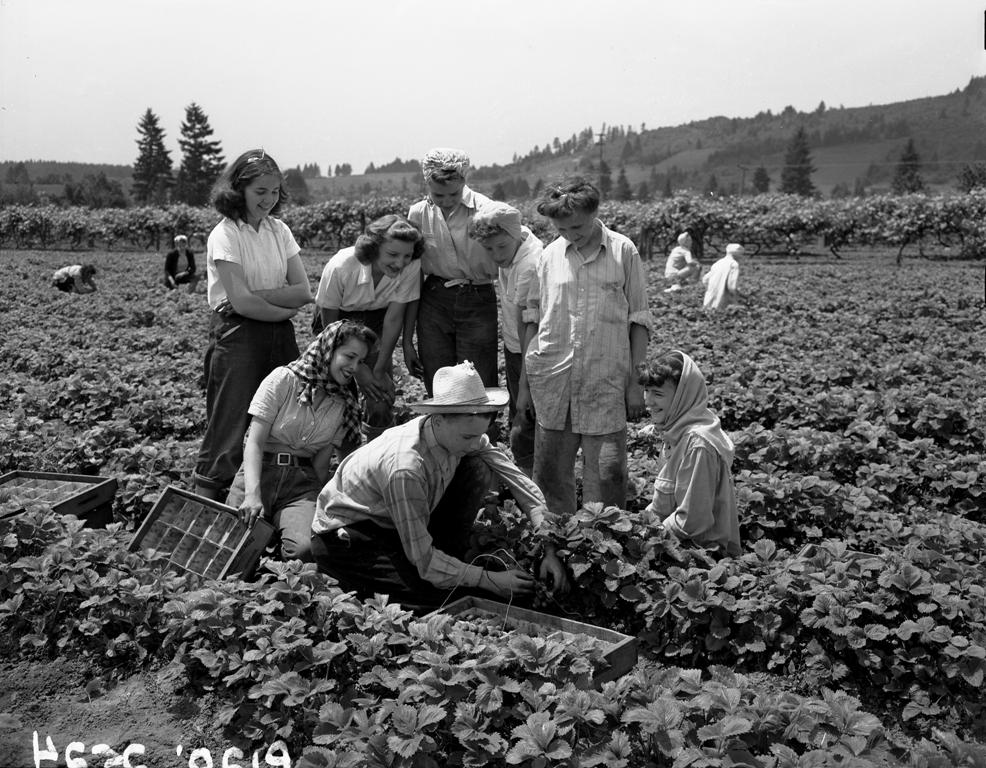
In 1964 the American berry harvest was brought in substantially by children.
They were paid piece rate – so much per carrier or crate – which means income depended on speed, on selectivity, and above all on which row the crew boss handed you. Full carriers went to a weighing station where somebody recorded the count against your name on a card, and the card was the only record that existed.
Hands and fingernails were stained for weeks, so the season was visible on every child in town. Here are sixteen things every family knew.
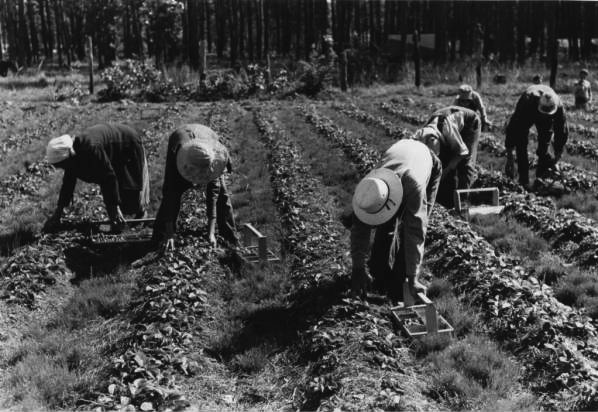
1. Children Picked Berries for Money and It Was Normal
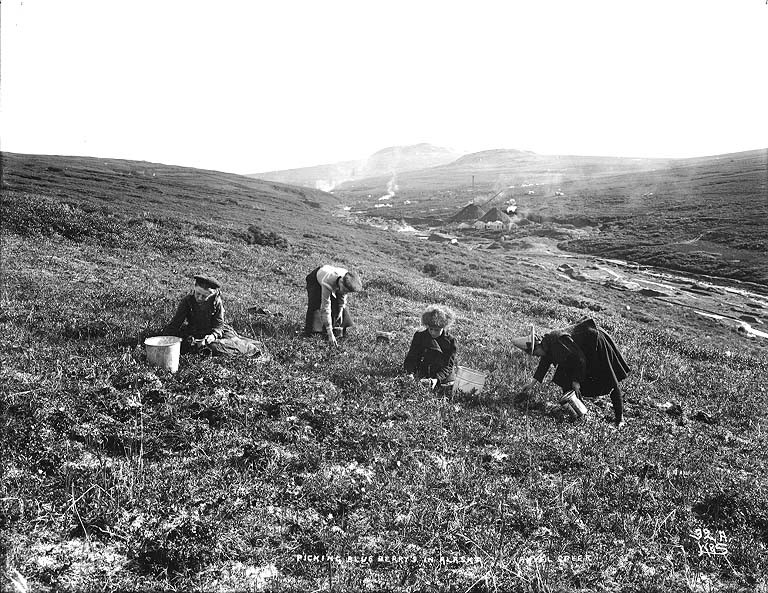
Across the berry-growing regions of the United States, the summer harvest was brought in substantially by children – local kids, whole families, organised by growers who needed a large number of hands for a few weeks and paid by the quantity picked.
Commercial berry harvesting is done by adult agricultural crews, by contract labour and increasingly by machine, with children’s participation essentially gone.
This was not casual pocket money. It was a recognised seasonal labour market with growers, crew leaders, pay rates, weighing stations and transport – and for a very large number of American children it was the first paid work they ever did.
Like our content? Follow us for more.
2. You Were Paid by the Carrier, Not by the Hour
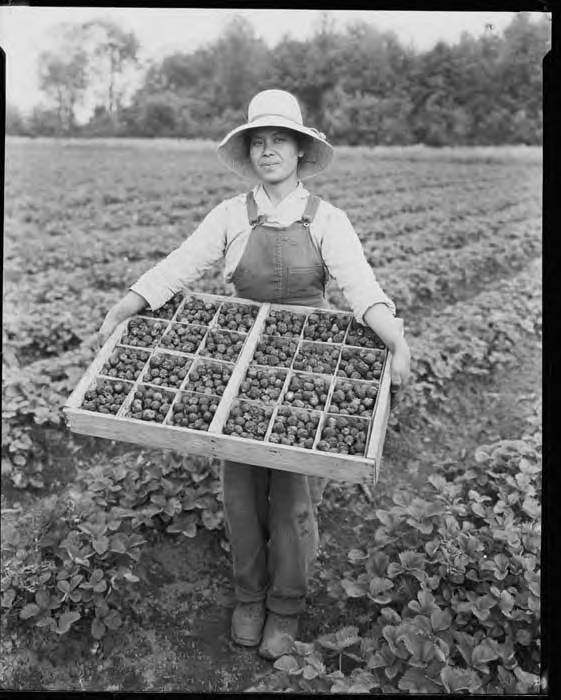
Pickers were paid piece rate – so much per carrier, crate, flat, hallock or pound – which meant income depended entirely on speed and on how good the row was.
Piece rate remains standard in hand-harvested crops, under minimum wage and record-keeping requirements that did not apply in the same way then.
Piece rate is the fact that shaped everything about the experience. It rewards the fast and punishes the slow without any supervision being necessary, it makes every picker acutely aware of everybody else’s output, and it turns a field into a competition that nobody has to organise.
3. The Row You Were Given Decided What You Earned
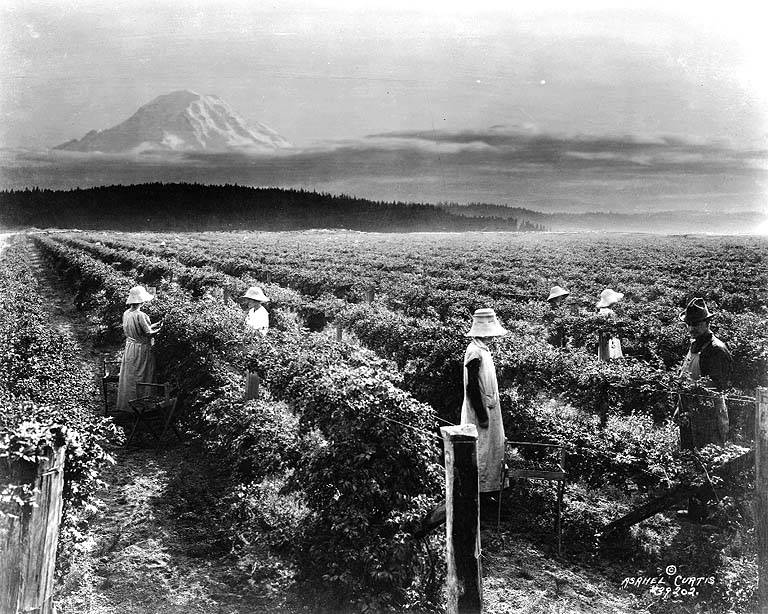
Some rows were heavy with fruit and some had been picked over, and a picker assigned a poor row simply could not earn – which made row assignment the most politically charged thing a crew boss did.
The same dynamic in commercial hand harvesting, with more formal rotation in many operations.
Everybody understood that the assignment mattered more than the effort, which is why favouritism in handing out rows was the standard grievance of every berry field. A fast picker on a thin row made less than a slow one on a heavy row, and no amount of working harder fixed it.
4. Your Fingers Told Everybody What You Had Been Doing
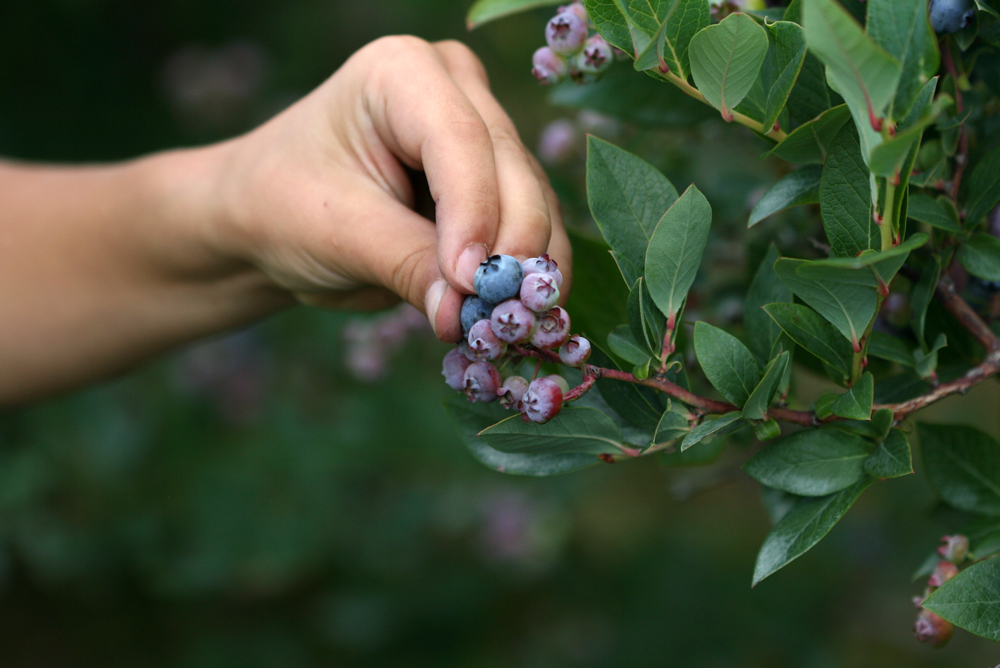
Berry picking stained hands and fingernails for weeks, in a colour nobody could mistake, which meant the season was visible on every child in town.
Not applicable at that scale, though anybody who picks still gets the stains.
The stains were a mark of the season and in some communities a mark of standing, depending on whether picking was something your family did out of need or something children did for extra money. Everybody knew which, and the stains announced it either way.
5. The Weighing Station Was Where the Day Was Decided
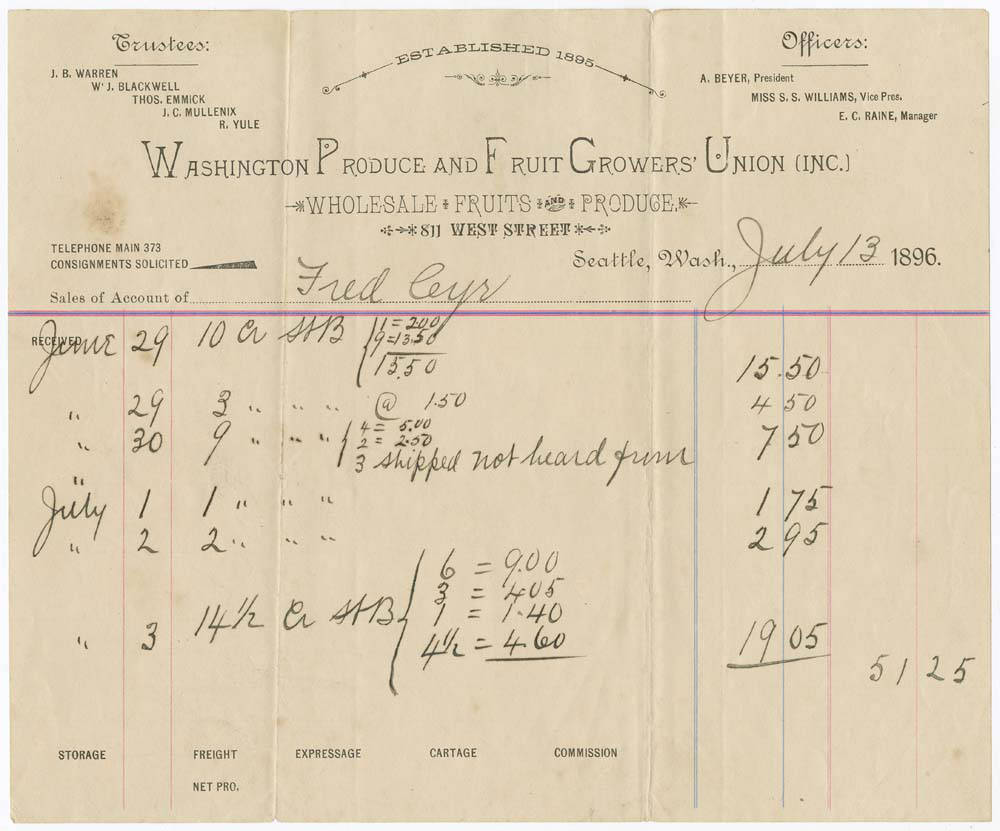
Full carriers were taken to a check station where a weigher or counter recorded the quantity against the picker’s name or number on a card, a ticket or a punch.
Electronic recording, scanned cards and automated tallies under formal record-keeping obligations.
The tally system was the whole economic relationship and it rested on the grower’s record. A disputed count was difficult to argue, the picker had no independent evidence, and a card that got lost was a day’s work gone – which is a familiar problem in every piece-rate system ever operated.
6. Picking Clean Was a Rule and It Was Enforced
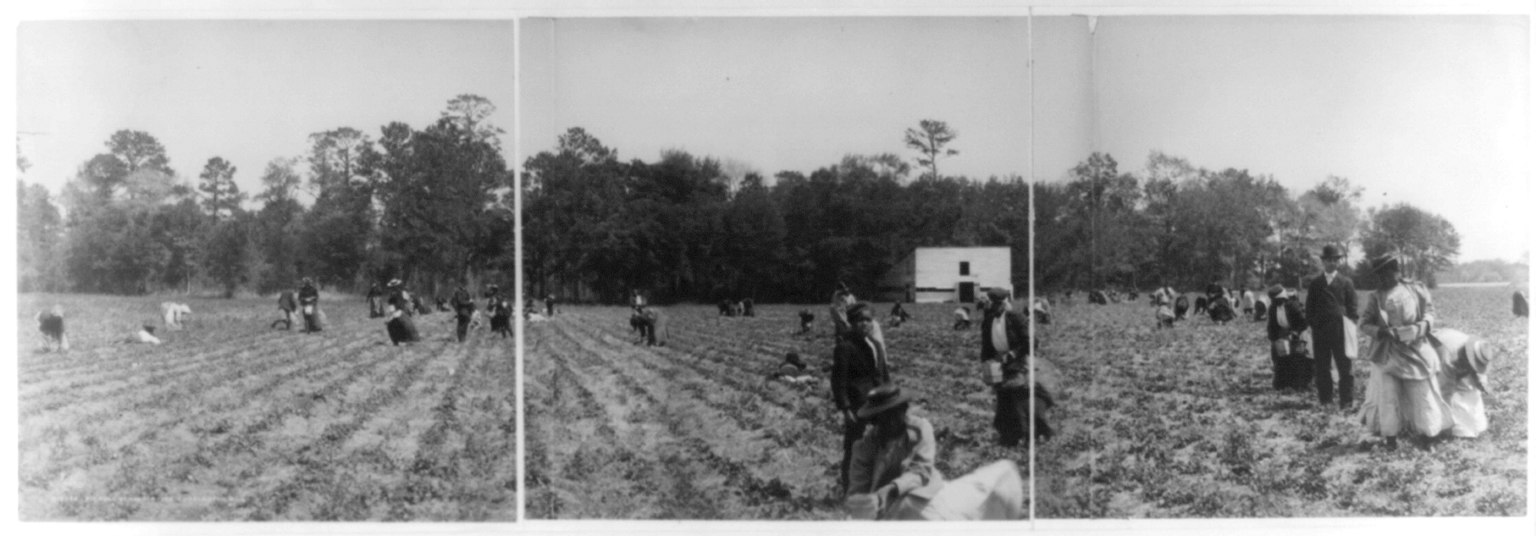
Growers insisted on clean picking – taking all the ripe fruit, no stems where stems were not wanted, no green ones, no leaves, no bruising – and a picker who delivered rubbish got warned and then sent home.
The same standards, considerably more formal, with quality inspection at delivery and contractual consequences.
That requirement is the reason picking was a skill rather than simply labour. Speed with poor quality was worthless to the grower, who had to sell the fruit, so the actual competence was speed and selectivity simultaneously – which takes practice and which some people never acquired.
7. The Whole Family Went and the Children Went Too Young
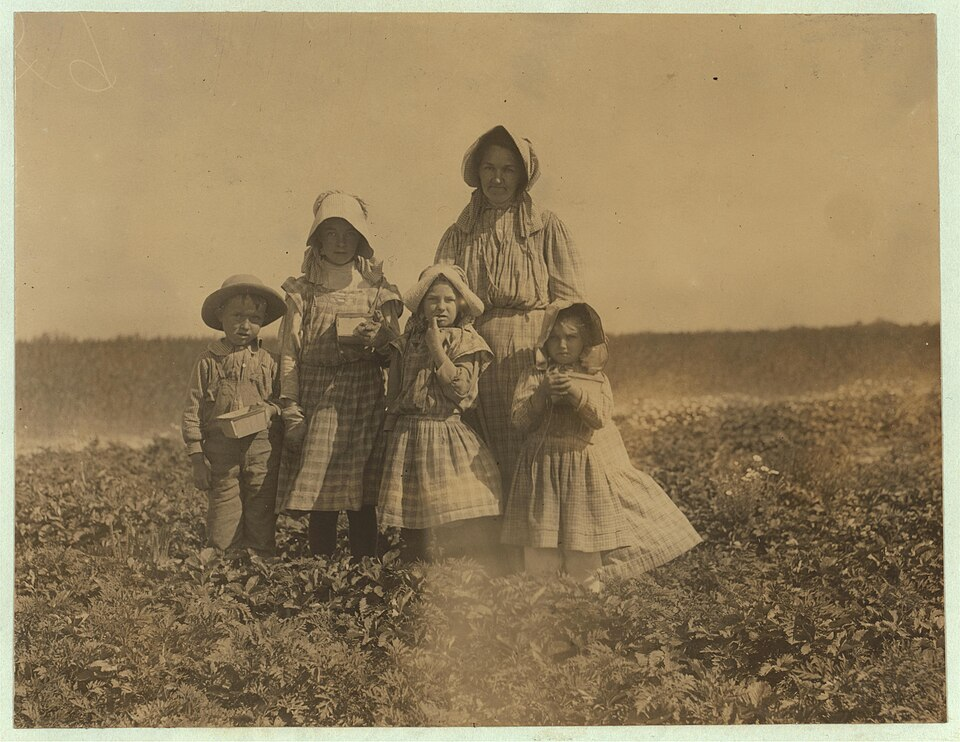
Mothers picked with children in the rows beside them, including children who were genuinely small, because the piece rate meant every pair of hands added to the household’s day.
Agricultural child labour in the United States is governed by rules that are specific, that differ from the rules for other industries, and that are the subject of continuing debate – and this piece takes no position on any of it.
The honest statement is that a great many American children worked in berry fields at ages and for hours that would not be contemplated in other industries, that this was lawful, and that the exemptions permitting agricultural work by children remain a live policy argument – which is a matter for current authoritative sources rather than for a nostalgia article.
8. It Got You Out of the House All Day
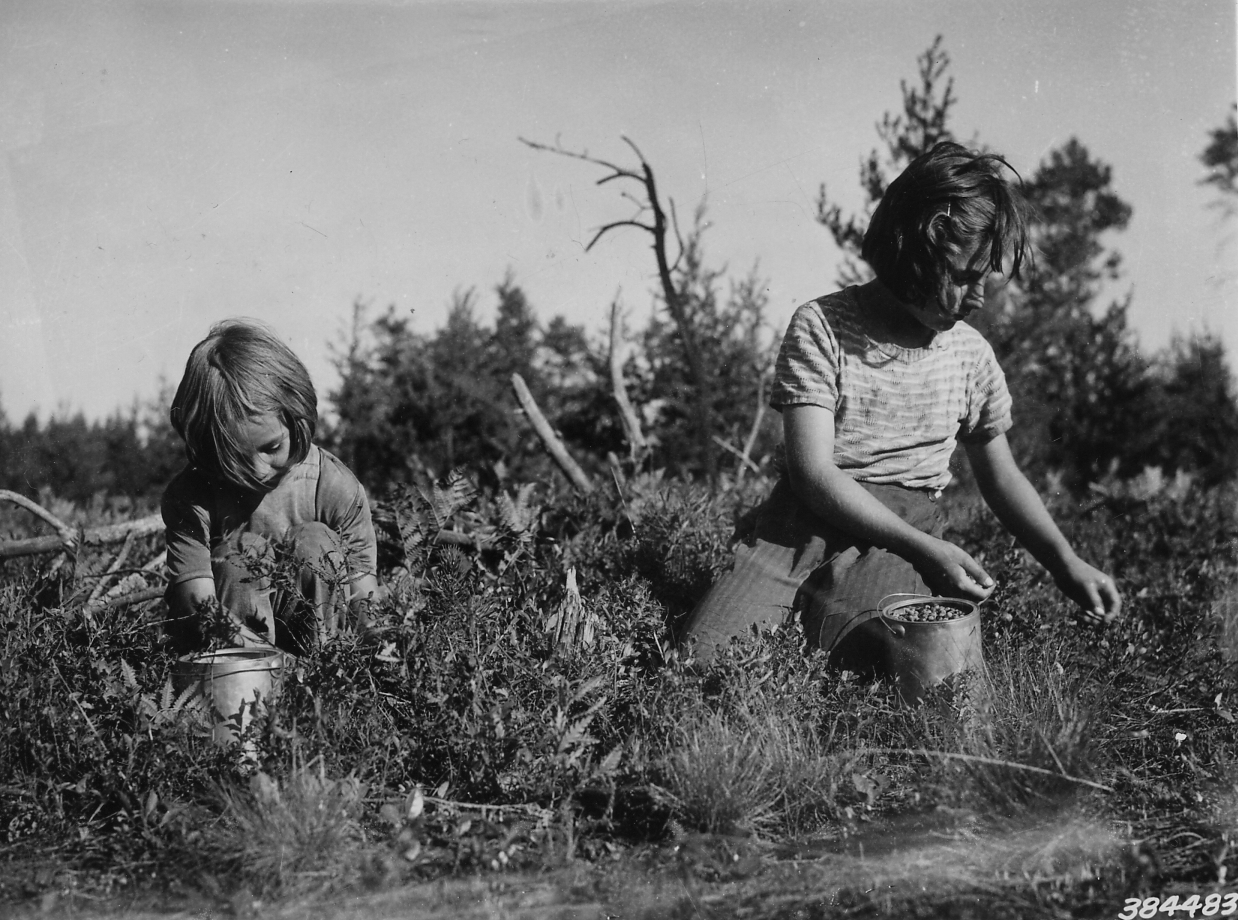
For children, picking meant leaving at first light, being outdoors in a field all day with other children, a packed lunch, water from a jug, and coming home sunburned with money in a pocket.
No equivalent for most American children, with summer time structured around camps, programmes, sports and supervised activity.
The appeal was real and the people who did it say so consistently. Being in a field with your friends, unsupervised in any close sense, earning actual money, is a combination almost no modern child encounters – and that is what the fond accounts are describing.
9. The Money Was Yours and It Bought Specific Things
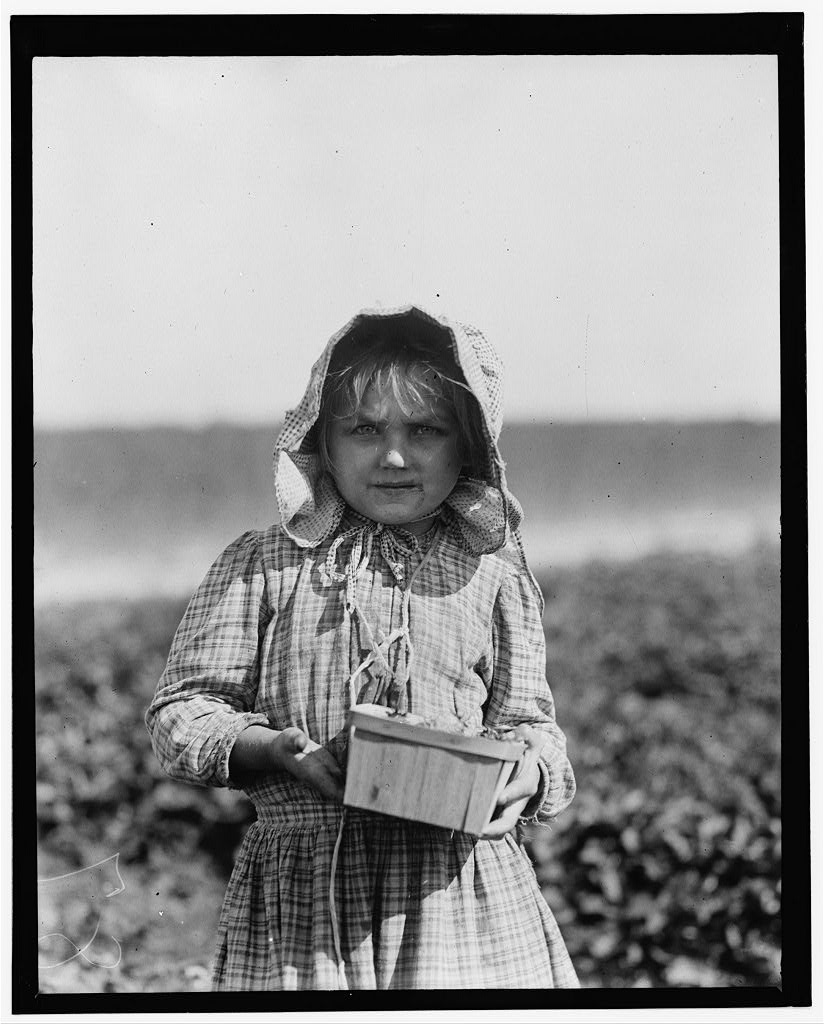
Children’s picking money went on school clothes, shoes, a bicycle, a radio, a glove, the fair, records, Christmas – and in a great many households it was expected to cover the things the family budget did not stretch to.
Not applicable. Children’s school clothes and equipment are a household expense.
That expectation is the part that distinguishes it from a modern allowance. A child picking berries was contributing to their own upkeep in a specific and understood way, and a child who had not earned enough did without the item – which is a different relationship with money than receiving it.
10. The Growers Were Mostly Small and Local
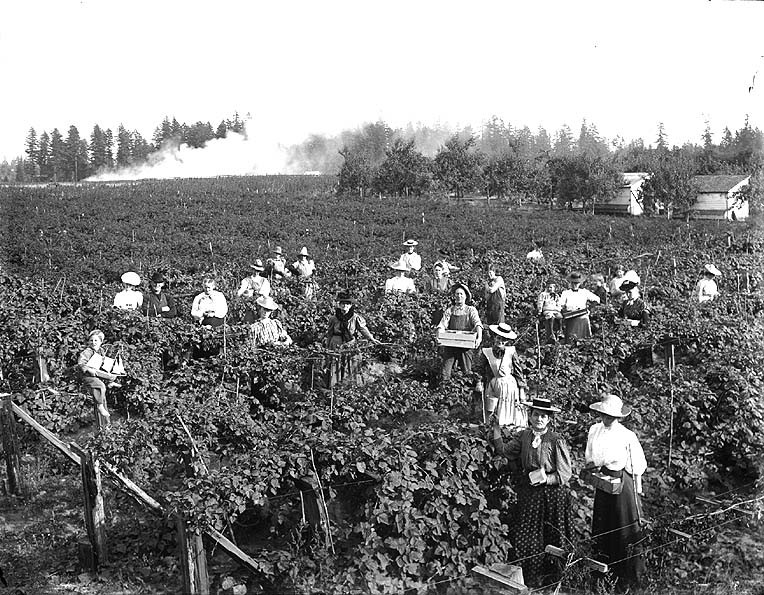
Berries were grown on a great many modest acreages by families who also grew other things, and the picking crew came from the surrounding neighbourhood and in many cases from the same church or school.
Production concentrated into much larger specialised operations, with labour supplied through contractors rather than from the immediate neighbourhood.
The local relationship is what made the arrangement work socially and is also why it was precarious. A grower knew his pickers and their parents, which cut both ways – it restrained the worst behaviour on both sides and it made complaint about anything considerably harder.
11. The Fruit Had to Move Immediately
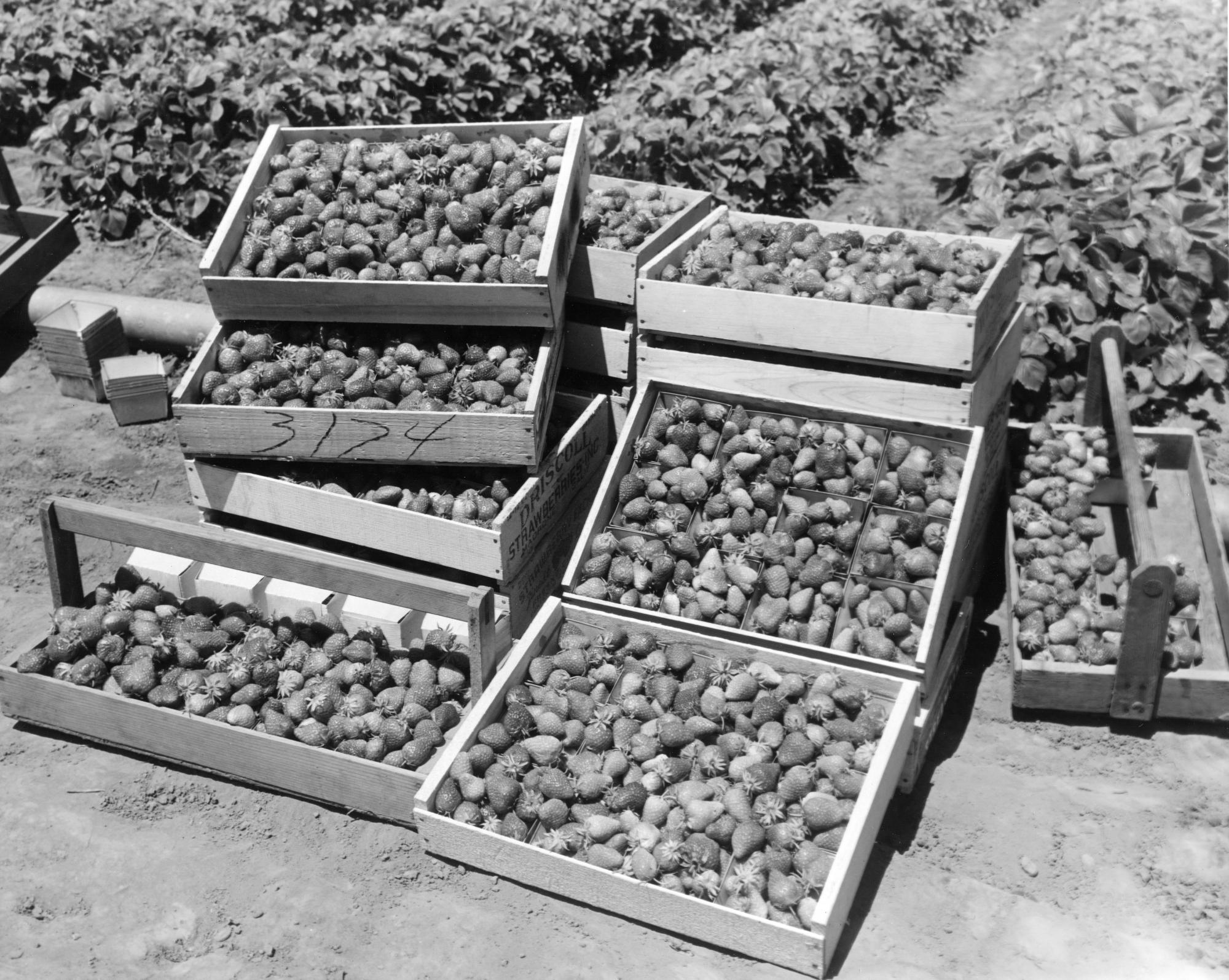
Soft fruit does not keep, so everything picked in the morning had to be cooled, packed and shipped or sold the same day – which is why the season was so compressed and so frantic.
Refrigerated handling from the field onward, controlled atmosphere transport and in some crops processing on site, which has lengthened the window considerably.
Perishability explains the whole shape of the work. A crop that must be picked at ripeness and shipped within hours cannot wait for a convenient workforce, which is precisely why growers needed a large number of hands available at no notice – and why children, who were not otherwise employed in summer, were the obvious answer.
12. Some Crops Got Machines and Some Did Not
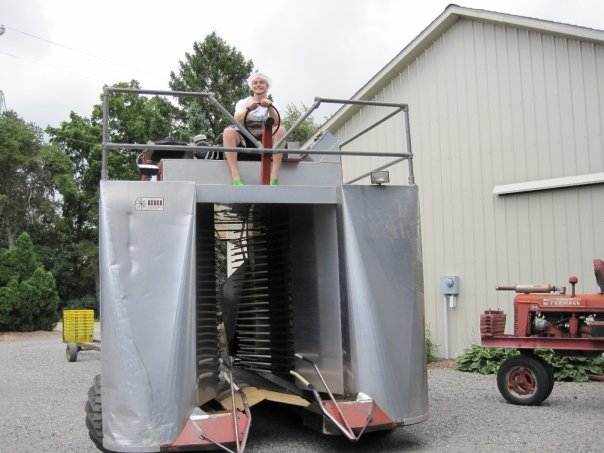
Mechanical harvesting arrived for some berries and not others, depending almost entirely on whether the fruit could survive being shaken off a plant and sorted – which some can and some absolutely cannot.
Machine harvesting standard where the crop and the market permit it, with fresh-market soft fruit still substantially hand-picked because machines bruise it.
That split explains why hand picking persists at all. A berry destined for processing can be harvested mechanically because minor damage does not matter once it is frozen or made into something; a berry sold fresh in a clamshell cannot, because the customer inspects it.
13. The Labour Force Changed Completely
As local child and family picking declined, the work moved to agricultural labour supplied through contractors and crews, much of it migrant, following the harvest from region to region.
The dominant arrangement in American hand-harvested crops, and the subject of substantial ongoing public, legal and policy attention.
This piece records the change and takes no position on it, naming no programme, statute, organisation, nationality or party. The structural point is narrow and factual: a crop that needs many hands for three weeks will be harvested by whoever is available for three weeks, and when local children stopped being available somebody else necessarily became so.
14. Then the Customers Started Paying to Do It
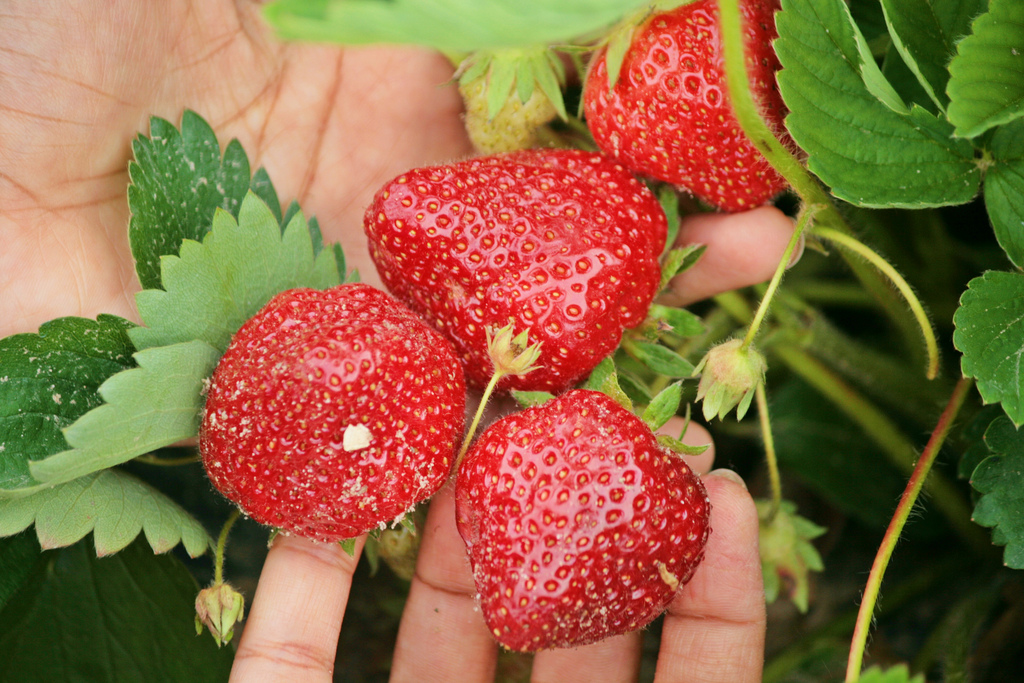
Pick-your-own operations opened – fields where the public comes, picks its own fruit, and pays for what it takes away, frequently with a day out attached.
A substantial and popular part of American agriculture, with admission charges, wagon rides, refreshments and photographs in many cases.
And that is a complete inversion worth sitting with. The identical physical task that American children were once paid by the crate to perform is now an activity families pay money to do, voluntarily, for pleasure – with the grower collecting from the picker rather than paying them.
15. The Fruit Tastes Different and That Is Deliberate
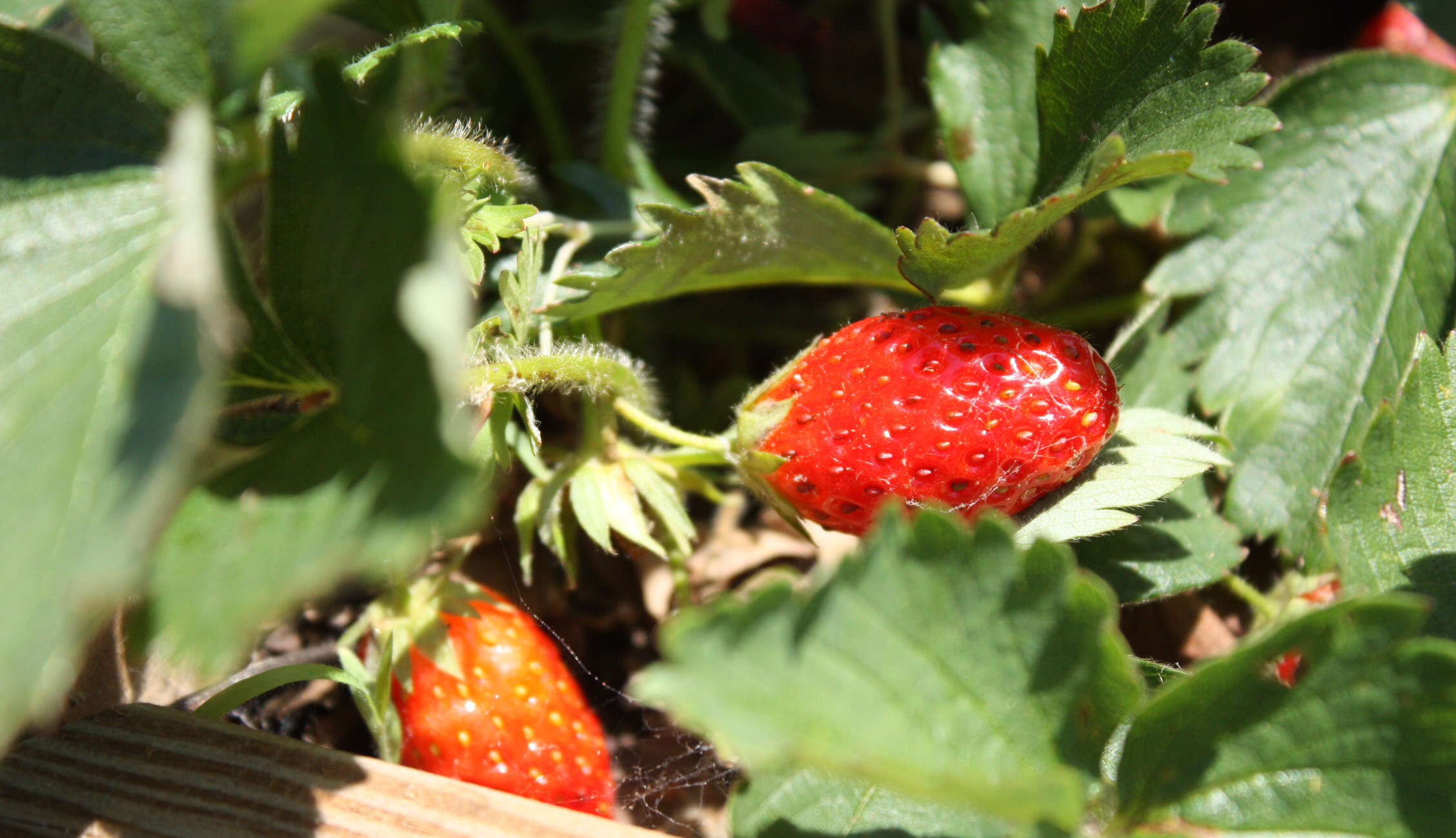
Varieties grown for the fresh market are selected substantially for firmness, shelf life, uniformity and resistance to bruising, because a berry that cannot survive handling and transport cannot be sold at a distance.
The same selection, pursued further, alongside a parallel market in heritage and local varieties sold within a short radius precisely because they will not travel.
People who say the berries tasted better are frequently right and for a specific reason. A fruit picked ripe and eaten within hours in its own district does not need to survive a week in a truck, so the varieties grown for that purpose were chosen on different criteria – and the trade for durability is real and was made deliberately.
16. Then the First Job Disappeared Along With the Season
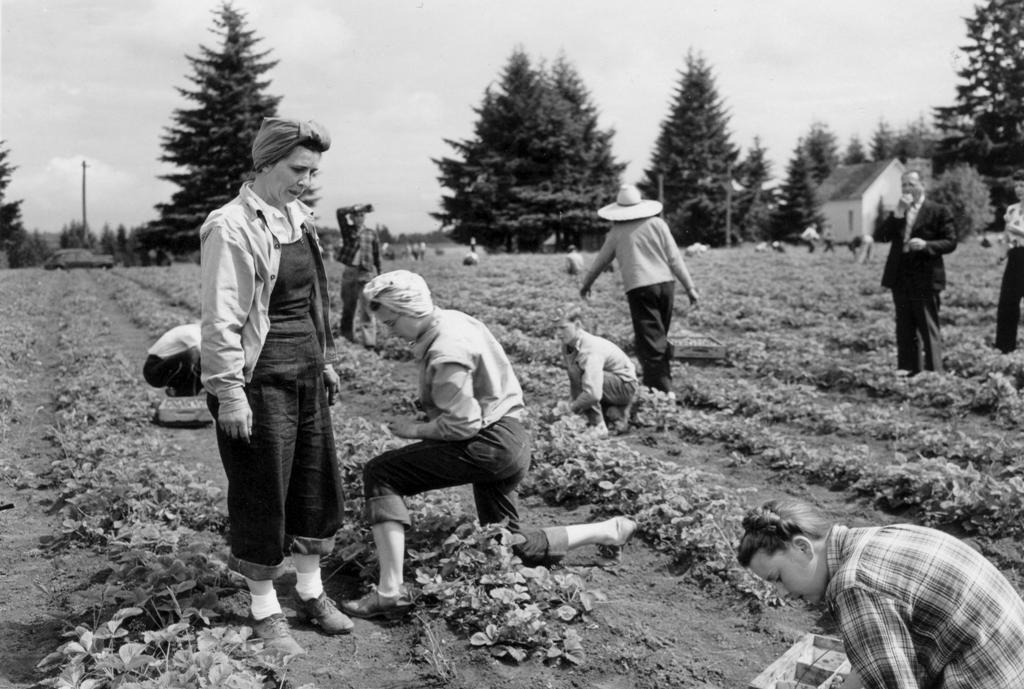
In 1964 a great many American children spent their summers in berry fields being paid by the carrier, under a crew boss, with stained hands, a tally card and money of their own at the end of it.
Commercial harvesting by adult crews and machines, with children’s agricultural work much reduced and the pick-your-own field standing as the only place most American families now encounter the task at all.
And the thing worth drawing out is that three separate changes ran together, all of them defensible, and the combination removed something nobody was defending. The first was mechanisation, which took over the crops where fruit could survive a machine and left hand picking only where it cannot – a straightforward efficiency that reduced the total demand for hands. The second was the restructuring of agricultural labour, as the work shifted from local families and children to crews supplied through contractors, which is a genuine and continuing public question that this piece does not attempt to adjudicate. The third was a change in what American childhood is for. A child’s summer became something to be structured – camps, programmes, sports, supervised activity – rather than something to be filled, and paid manual work by children came to be regarded very differently than it was in 1964, which is in most respects an improvement and is certainly not something to argue against. What went, in the gap between those three, was a particular arrangement that has no replacement. A child could obtain real money by their own effort, in a field, among other children, without an adult standing over them, with the amount determined visibly by how hard and how well they worked – and could then buy a specific thing with it that nobody else had bought for them. There is no modern equivalent of that for a twelve-year-old, and the stains on everybody’s fingers for three weeks in June were the visible evidence that an entire town’s children had been doing it at once.
Three Defensible Changes Removed One Unreplaceable Thing
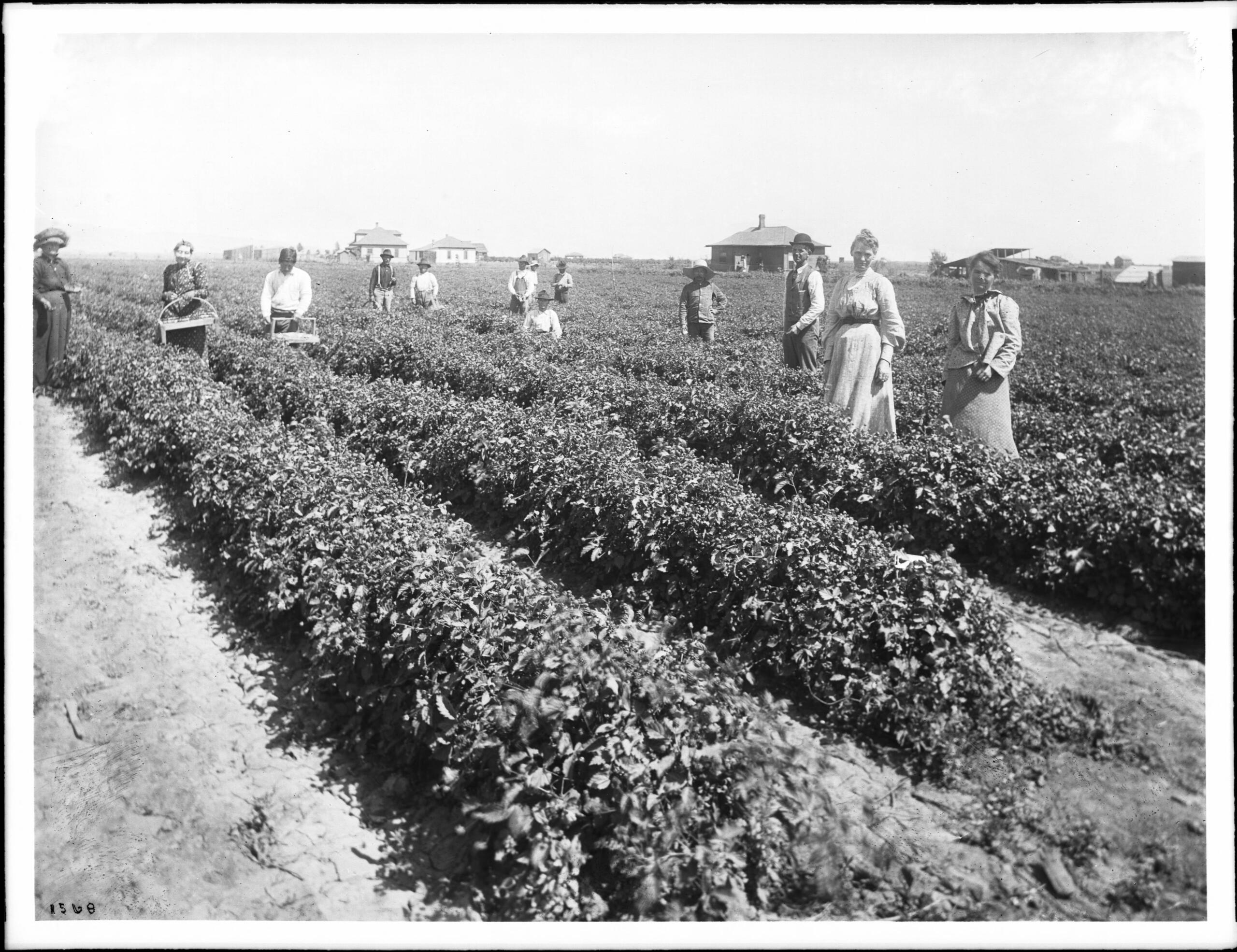
The berry field is a good test of whether a piece of nostalgia can be written honestly, because the easy version of this story is wrong in both directions.
The sentimental version says children used to work and it built character and now they do nothing. The dismissive version says it was child labour and good riddance. Neither is adequate, and the actual history is more interesting than either.
Start with what it was. This was a real seasonal labour market. Growers needed a very large number of hands for a very short window, because soft fruit must be picked at ripeness and moved within hours, and a crop like that cannot wait for a convenient workforce. Local children were not otherwise employed in summer, were available at no notice, and could do the work. So they were hired, paid by the quantity picked, recorded on a card, and sent home if the quality was poor.
It was also skilled, which people underestimate. Speed alone was worthless to a grower who had to sell the fruit, so the competence was speed and selectivity at the same time – clean picking, all the ripe fruit, no green ones, no leaves, no bruising. Some people never got good at it.
And the piece rate meant the field ran itself. Nobody had to supervise effort, because the pay was the supervision, and everybody could see everybody else’s output. Which also meant the row you were handed determined your day more than anything you did, and favouritism in row assignment was the universal grievance of every berry field in the country.
Now the honest part. A great many American children worked in those fields at ages and for hours that would not have been contemplated in any other industry. That was lawful, because agricultural work by children is governed by rules that differ from the rules elsewhere, and those exemptions are a live policy argument to this day. This piece takes no position on it and names nothing, because it is a matter for current authoritative sources rather than for an article about summer memories.
Then three changes arrived together.
Mechanisation took the crops where it could. Whether a berry can be machine-harvested depends almost entirely on whether it survives being shaken off a plant, which some do and some absolutely do not – so machines took the processing crops and left hand picking to fresh-market fruit that a machine would bruise. Total demand for hands fell.
Agricultural labour restructured. The work moved from local families and children to crews supplied through contractors, much of it migrant and following the harvest between regions. That is the dominant arrangement now and it is the subject of substantial ongoing public, legal and policy attention, which this piece does not attempt to adjudicate. The narrow structural point is simply that a crop needing many hands for three weeks will be harvested by whoever is available for three weeks, and when local children stopped being available somebody else necessarily became so.
And American childhood changed. A child’s summer became something to structure rather than something to fill, paid manual work by children came to be seen very differently, and nobody should want to argue the other way.
All three of those are defensible. Together they removed something that nobody was defending because nobody noticed it was there.
A twelve-year-old could get real money by their own effort, outdoors, among other children, with no adult standing over them, in an amount visibly determined by how hard and how well they worked – and could then buy a particular thing with it that nobody had bought for them. School clothes. A bicycle. A glove. The fair.
There is no modern version of that, and the clearest evidence that it used to be universal is that for three weeks every June, every child in town had the same stains on their hands.
The final inversion is almost too neat. The identical task is now sold back to the public as a day out. Families drive to a field, pick fruit, and pay the grower for the privilege of doing the work their grandparents were paid by the crate to do.
If you picked, you remember what your hands looked like and exactly what you bought with the money.
And you remember whether the boss liked you, because you could tell from the row.
Like our content? Follow us for more.

