
In 1964 a watermelon was an event, and the reason was refrigeration or the lack of it. Somebody had to decide in the morning that there would be melon in the afternoon, and put one in the stock tank, the creek, a trough or a tub of ice – because a melon straight off the vine in August is unpleasantly warm and a warm melon is a disappointment.
Picking the right one was judged by thumping and listening to the pitch, by the ground spot, by the dried tendril and by the dullness of the rind. It was cut outdoors on a plank, a tailgate or a spread newspaper, because a cut melon makes a quantity of juice nobody wanted in a kitchen.
And it was full of hard black seeds, which was half the activity. Here are fifteen things every family knew.
1. It Was Cooled in the Stock Tank or the Creek
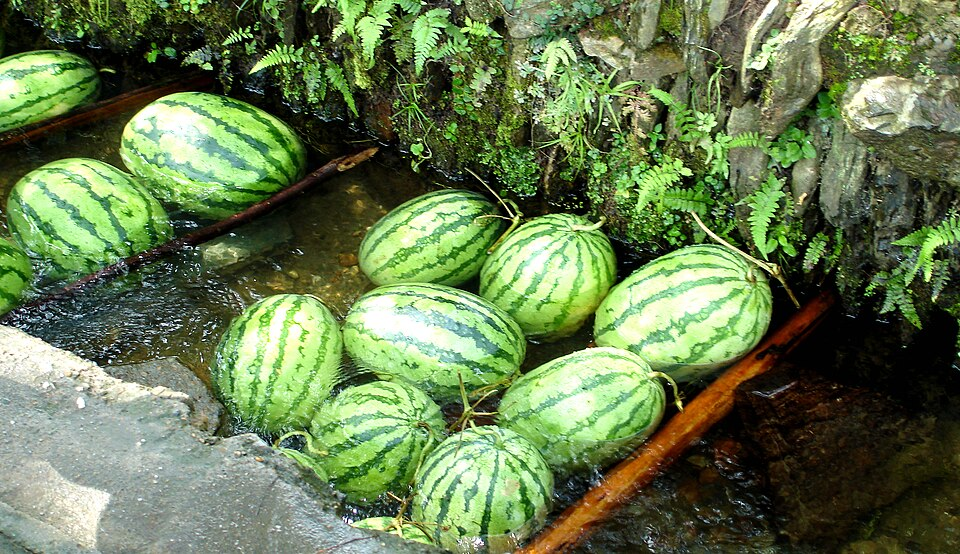
Melons were put into cold water hours before they were wanted – a stock tank, a spring, a creek, a trough, a well bucket or a tub with ice – because a melon straight off the vine in August is unpleasantly warm.
Refrigeration, which is better in every respect and which removed the need to plan several hours ahead.
The cooling requirement is why a watermelon was an event rather than a snack. A warm melon is disappointing, a cold one is the point, and getting it cold without refrigeration meant deciding in the morning that there would be melon in the afternoon.
Like our content? Follow us for more.
2. Picking the Right One Was a Judged Skill
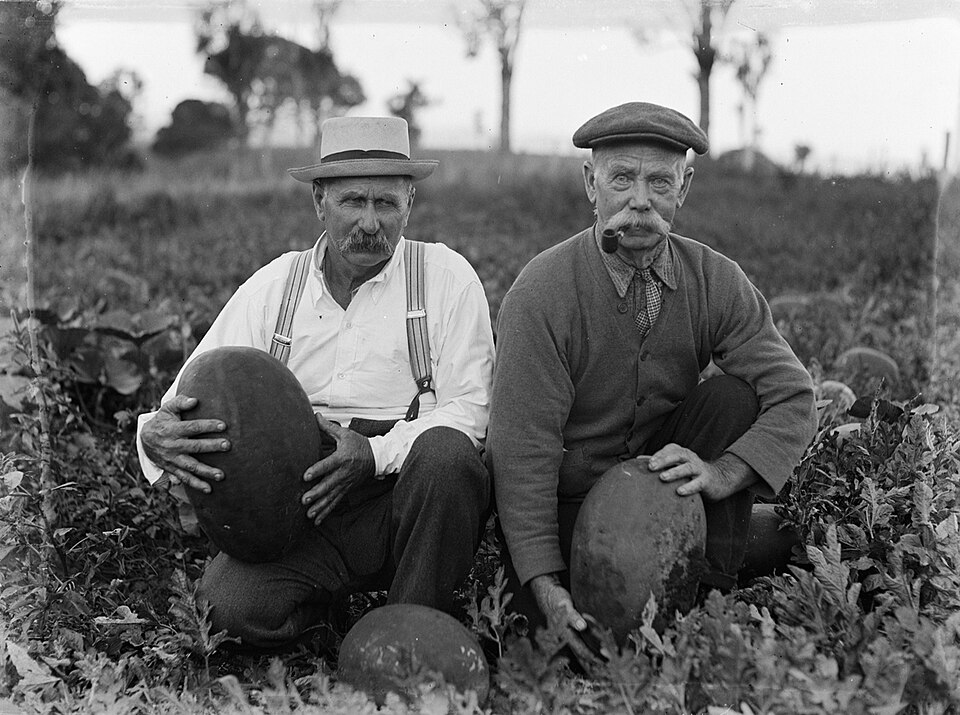
Ripeness was assessed by thumping and listening to the pitch, by the colour of the ground spot where the melon rested, by the dried tendril at the stem, and by the dullness of the rind.
All of the same tests, still used, still argued about, alongside commercial harvesting judged on the same indicators at scale.
The thump is real and the physics is straightforward. A ripe melon has different internal structure from an unripe one, which changes how it resonates, so the pitch of the sound genuinely carries information – and people who grew up doing it are right to trust it even though they cannot explain it.
3. Plugging a Melon Was a Recognised Practice
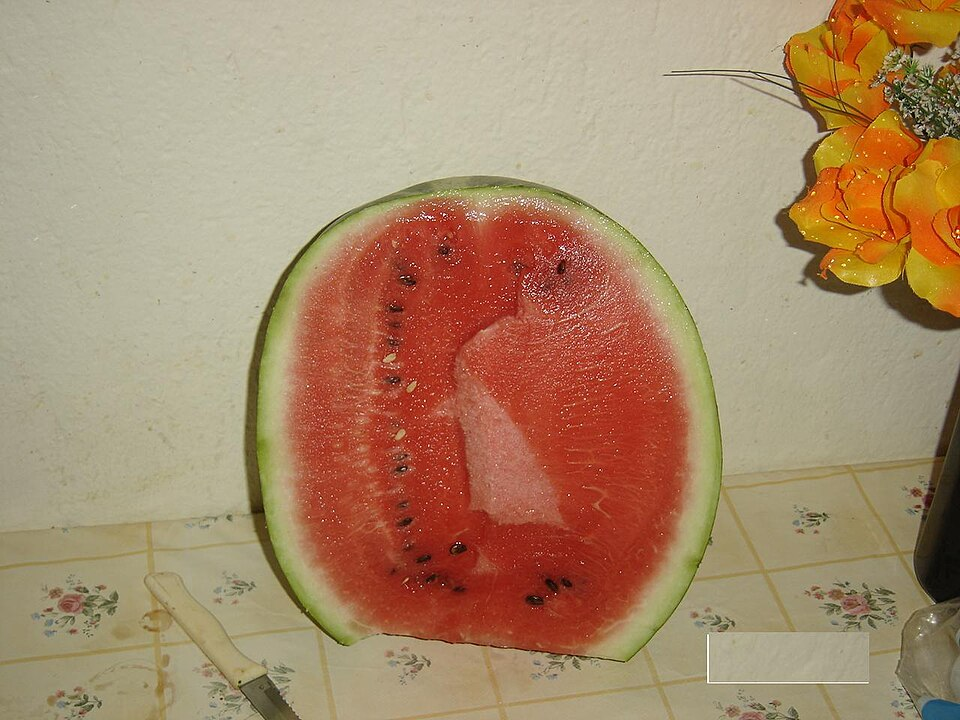
A triangular plug could be cut from a melon to inspect the flesh before buying or committing to it – and sellers tolerated it, resented it, or charged for a plugged melon accordingly.
Gone. Melons are sold intact and the seller carries the risk of a poor one through return policies instead.
Plugging is a neat solution to an information problem and it was the subject of genuine friction. A buyer who plugs has resolved their uncertainty at the expense of the seller’s ability to sell that melon to anybody else, which is why the practice was contested and why no modern retailer permits it.
4. The Melon Was Cut on a Board Outdoors
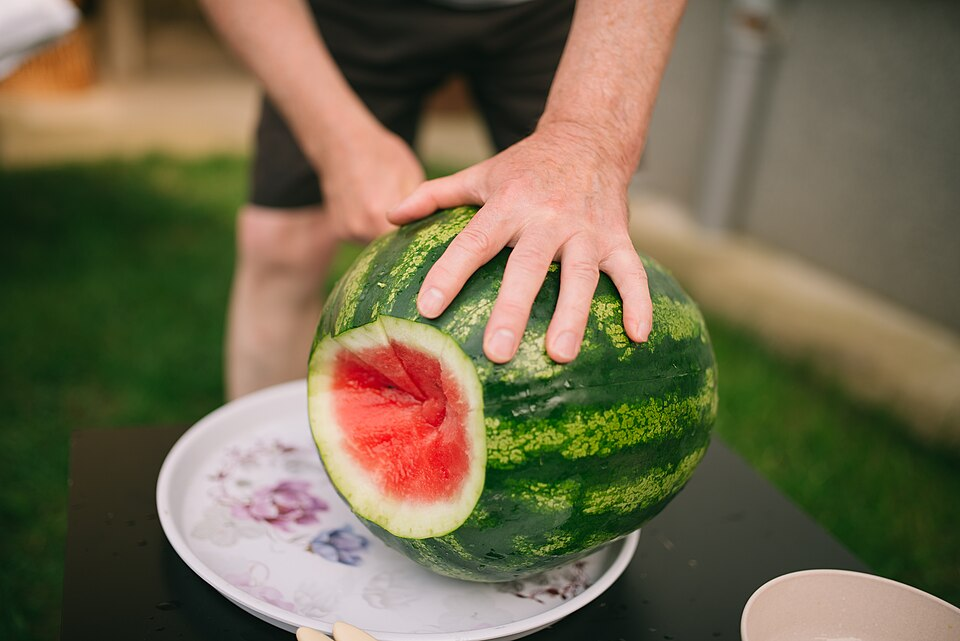
Cutting happened outside – on a plank table, a tailgate, a porch floor, a stump or a spread newspaper – because a cut melon produces a quantity of juice that nobody wanted in a kitchen.
Cut indoors on a counter in manageable pieces, which is tidier and less memorable.
Doing it outdoors is what made it social. A melon cut on a board in a yard with everybody standing around is an event with an audience; the same melon cut into cubes in a kitchen and brought out in a bowl is a dish.
5. Everybody Got a Wedge and Ate It Over the Grass

The melon was quartered and then cut into thick wedges, handed out, and eaten held in both hands with the juice running down forearms – outdoors, specifically so that the mess did not matter.
Cut into cubes, served in a bowl, eaten with a fork or a cocktail stick.
The wedge is the whole experience and the cube is a different food. Eating a wedge is a physical, messy, two-handed activity with a known technique and a visible result on your face and shirt – which is why children remember it and why nobody remembers a bowl of melon cubes.
6. The Seeds Were Everywhere and That Was Part of It
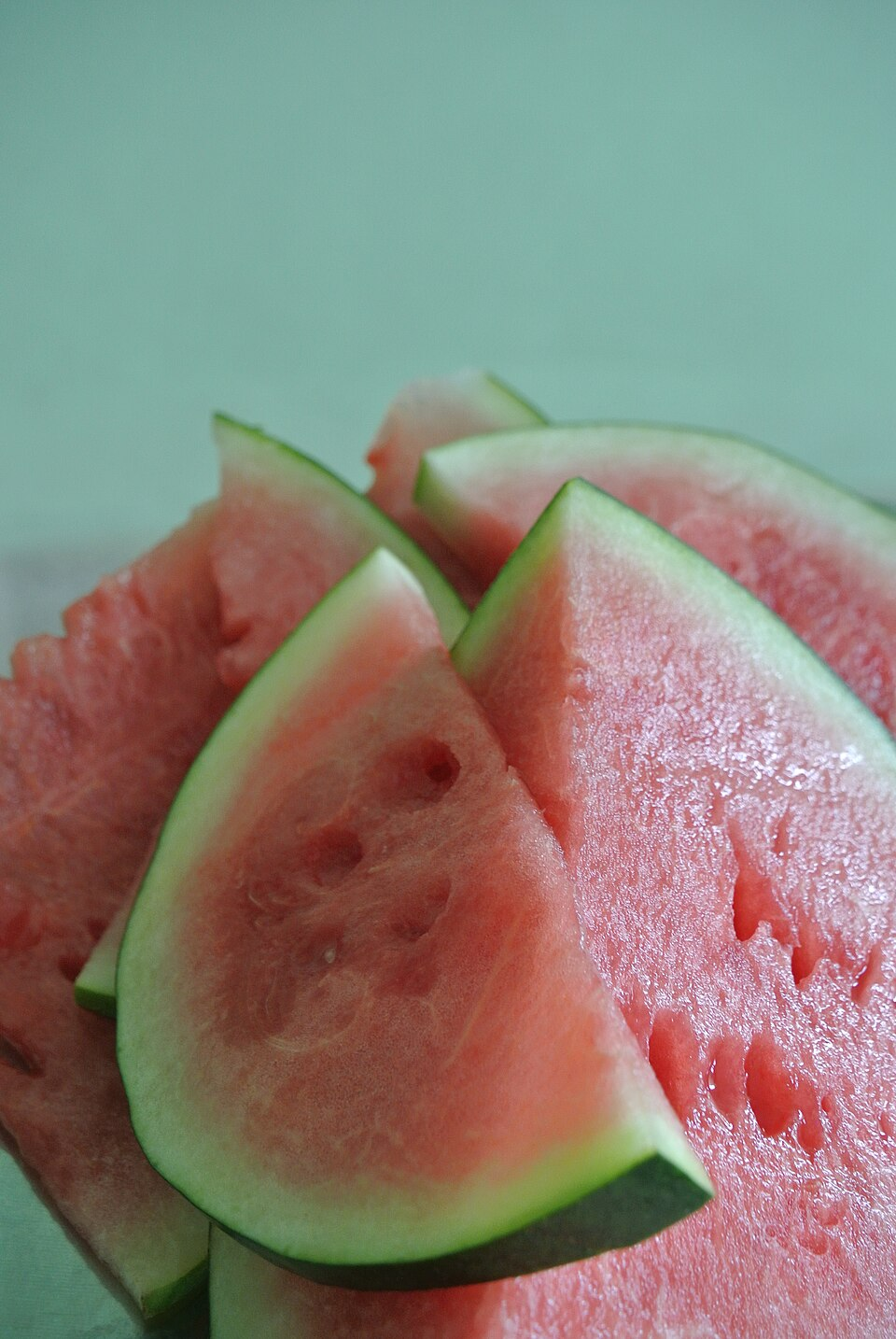
Melons were full of hard black seeds that had to be dealt with constantly – picked out, spat out, flicked at siblings, collected, counted and in some households saved for planting.
Seedless varieties dominate the American market and a great many people under thirty have never encountered a melon with mature seeds in it.
The disappearance of the seeds is the single largest change in this subject and it altered the activity completely. Half the business of eating a watermelon used to be seed management, with its own etiquette, its own games and its own targets – and a seedless melon is simply a different and much duller object to eat.
7. Seed Spitting Was a Competition With Rules

Distance spitting was a recognised contest with marked lines, judges, disputes and in some places organised events at fairs and festivals.
Still held as a novelty competition at American festivals, generally using seeds obtained specially because ordinary melons no longer have them.
There is something quietly absurd about a contest that now requires its ammunition to be sourced deliberately. The event survives as a piece of heritage entertainment while the condition that created it – every melon being full of seeds – has been bred out of the fruit.
8. The Rind Was Not Thrown Away
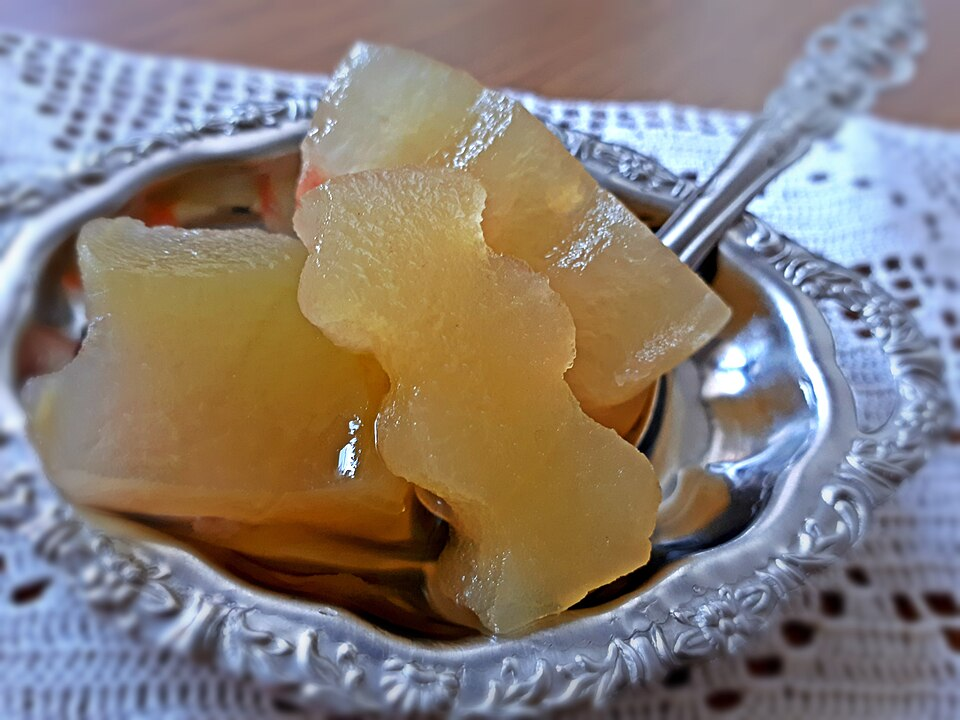
Watermelon rind was pickled – a recognised preserve made from the white inner rind, spiced and sweetened, which turned the largest waste product of the melon into something stored in jars.
Essentially gone as a household practice, surviving in regional cooking and as a deliberate revival.
Rind pickle is the detail that reveals how a household thought about food. A melon is mostly rind by volume, so a family that ate melons in quantity generated a large amount of material – and the obvious response in a kitchen that wasted nothing was to find a use for it.
9. Melons Were Fed to the Stock
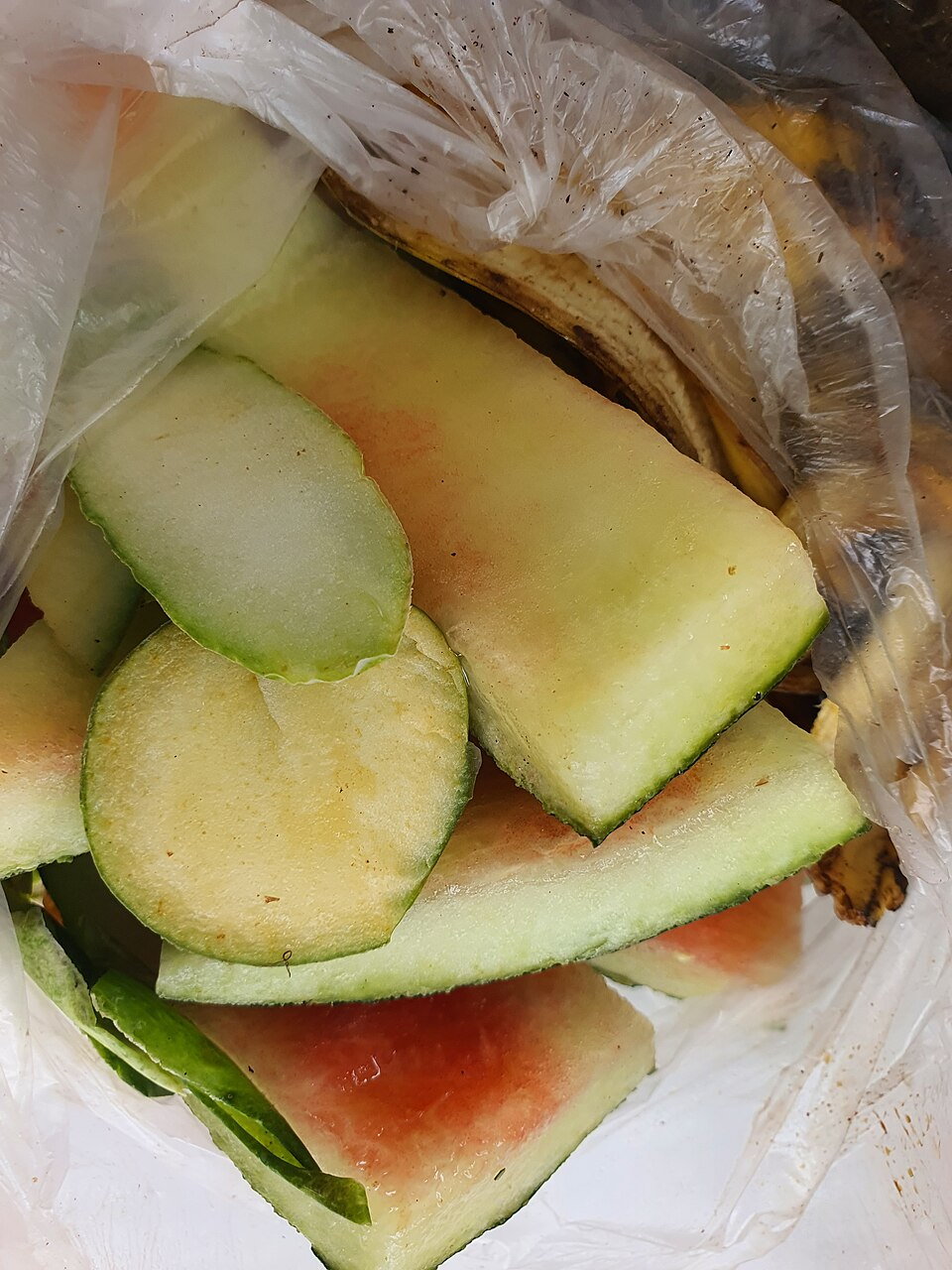
Culls, overripe melons, splits and the eaten-out rinds went to the hogs, the cattle or the chickens, which took them enthusiastically.
Not applicable for most households, and commercial culls are handled at scale.
Between the eating, the pickling and the stock, almost nothing from a melon crop was discarded. That completeness is characteristic of a farm household rather than a thrift virtue – when the animals are forty feet away, there is no category of food waste because everything edible by anything has somewhere to go.
10. They Were Grown in a Patch Away From the House

Melons need space, heat and a long season, so they were planted in their own patch – frequently at the far end of a field, in a corner, or on new ground where the vines could run.
Commercial production in specialist regions, with household melon growing now uncommon.
The distance from the house had consequences. A melon patch out of sight at the back of a farm was both a long walk when you wanted one and an invitation to anybody passing, which is the origin of the whole folklore about raiding patches.
11. Raiding a Patch Was a Standing Rural Tradition
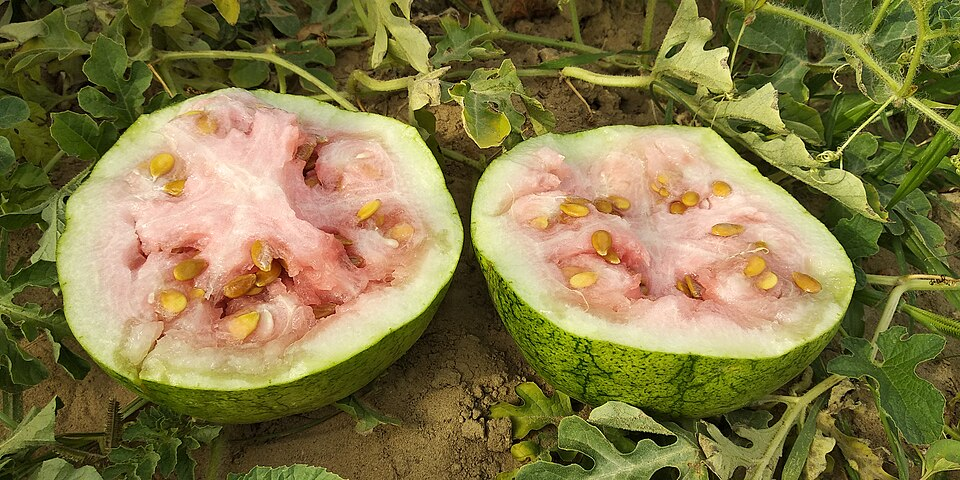
Taking melons from somebody else’s patch at night was a widespread and widely tolerated practice among young people, with its own conventions about how much was acceptable and whose patch was fair game.
Not applicable, and it would now simply be theft from a commercial operation.
The tolerance had limits and everybody knew where they were. Taking two melons from a neighbour who had plenty was a prank; taking a wagonload, or damaging vines, or hitting somebody who was selling them was not – and the distinction was understood by both the raiders and the raided.
12. A Melon Was Shared Because It Had To Be
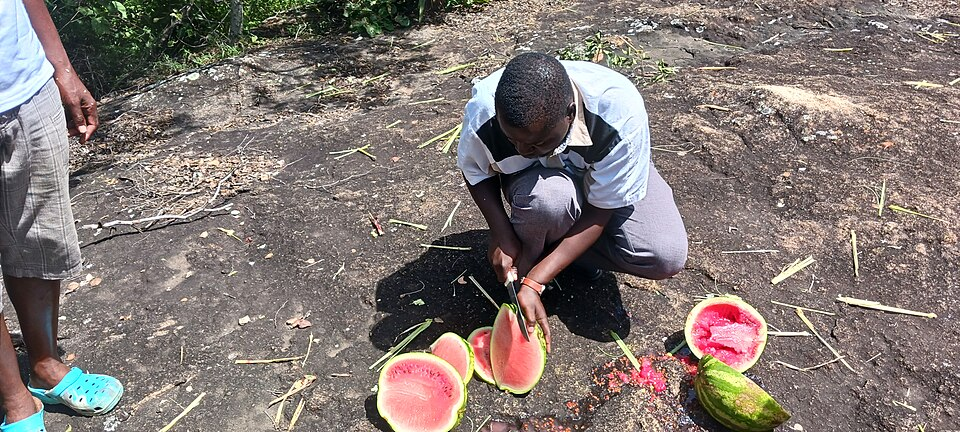
A whole watermelon is far too much for one or two people and does not keep well once cut, which means it was necessarily eaten by a group on the day it was opened.
Pre-cut melon in containers, half melons wrapped in film and smaller varieties bred specifically for a household of two.
That enforced sharing is the structural reason the melon was social, and it is the thing the modern product has deliberately engineered away. A fruit that must be eaten by eight people at once creates a gathering; a tub of cubes in a refrigerator creates a snack.
13. Seedless Varieties Changed the Fruit Itself
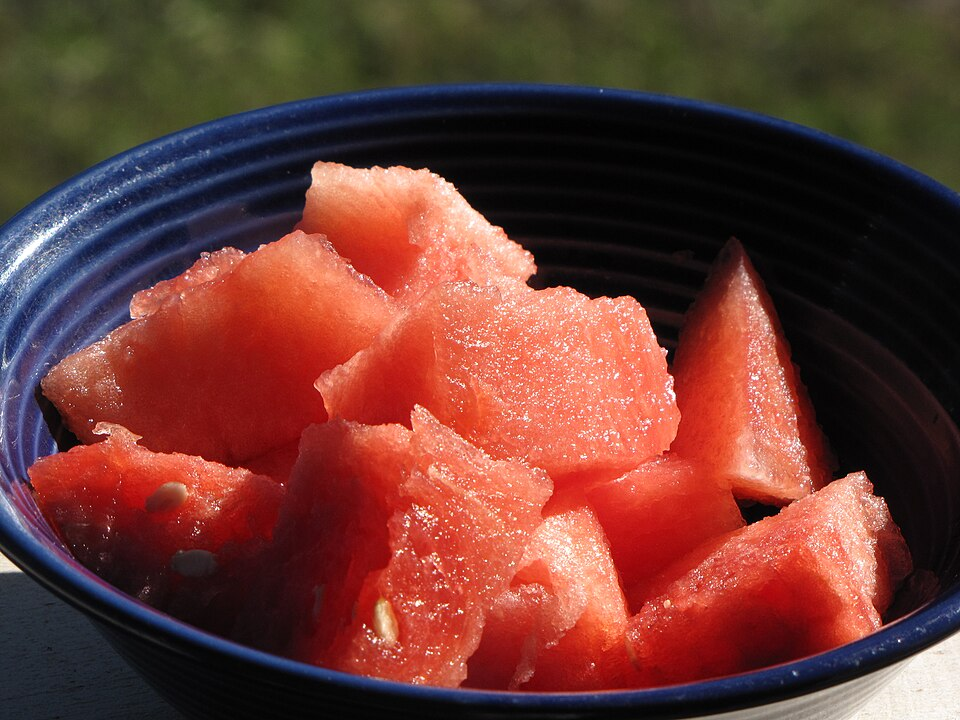
Seedless melons, produced through breeding techniques that yield fruit with only soft undeveloped seed coats, now dominate the American market because customers overwhelmingly prefer them.
Dominant to the point where seeded melons are a specialty item in many places.
The preference is genuine and nobody should be sniffy about it. Seedless melons are more convenient, easier to serve to children, easier to cut into pieces and easier to eat in company – and the customers who chose them were not making a mistake, they were buying a less troublesome fruit.
14. Smaller Melons Fit a Smaller Household
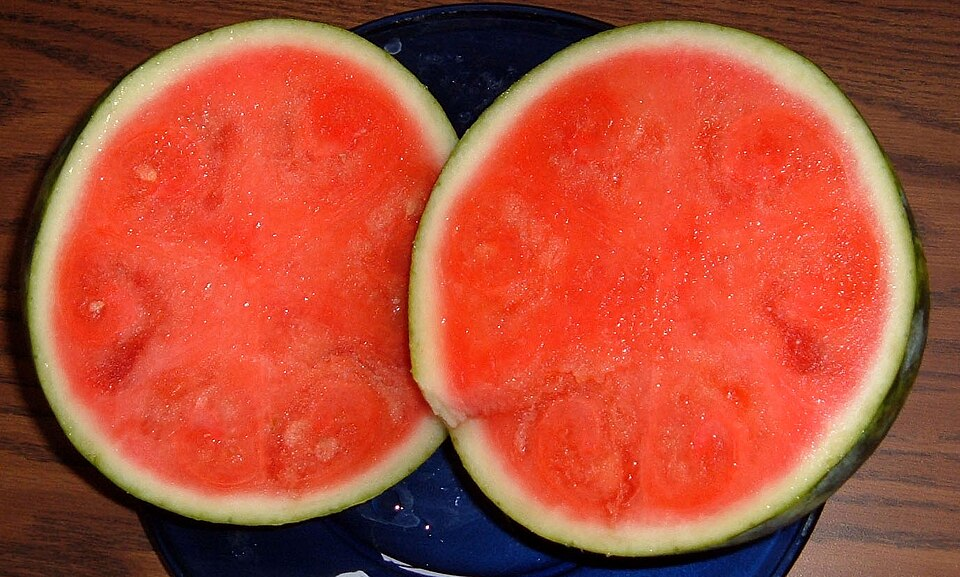
Breeding has produced personal-sized and icebox varieties, small enough for one or two people and small enough to fit a refrigerator shelf, which is a direct response to how Americans now live and shop.
Dominant alongside the large varieties, and the reason a melon is now a weekly grocery item rather than an occasion.
Size is the change that finished the social function. A melon that fits a refrigerator and feeds two is a convenient fruit and a sensible product; it also cannot do what a thirty-pound melon did, which was require eight people to show up.
15. Then It Stopped Being an Event
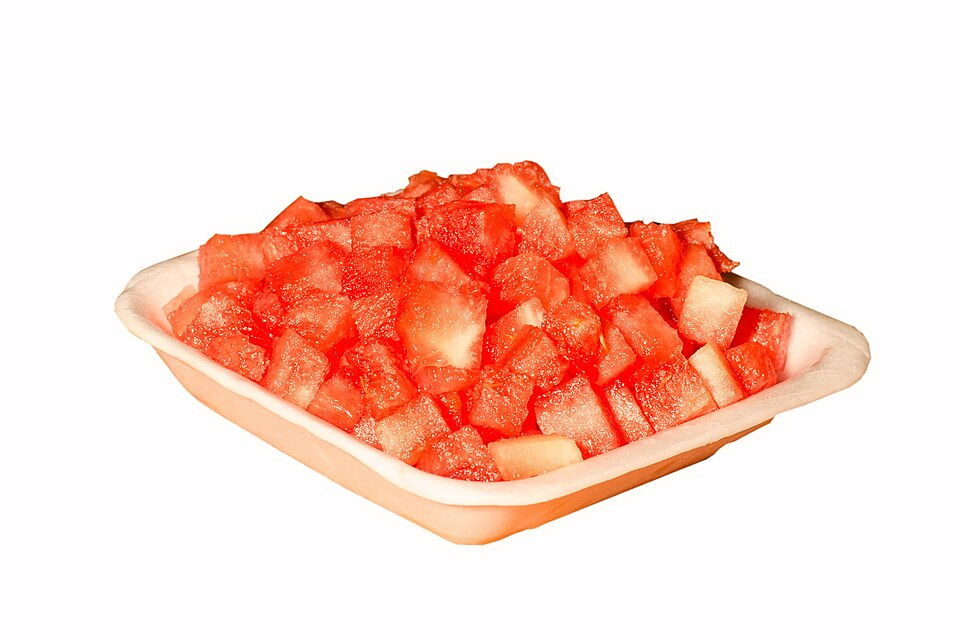
In 1964 a watermelon meant somebody deciding in the morning to put one in the stock tank, thumping several to pick it, cutting it outdoors on a board, handing out thick wedges to everybody present, a half hour of seed spitting, the rind going into pickle jars and the remains going to the hogs.
A tub of seedless cubes from a refrigerator, eaten with a fork, by one person, at any time of year.
And the thing that makes this worth more than a sentimental paragraph is that every single change was a genuine improvement to the fruit and every one of them removed a condition that had made it social. Refrigeration eliminated the hours of planning that made a melon an announced event. Seedless breeding removed the seeds, which is more convenient by any measure and which also deleted half the activity – the picking, spitting, flicking, competing and general management that occupied everybody for the duration. Smaller varieties fit a refrigerator and feed a household of two, which is sensible and which removed the enforced sharing that was the entire reason a melon required a crowd. Year-round availability removed the seasonality. Pre-cutting removed the outdoor board, the mess and the wedge. Each of those is a product improvement and the customers who chose them were right to. But work backwards from the result and the pattern is clear: a thirty-pound seeded melon that had to be cooled for hours, cut outdoors because of the mess, shared among eight people because it would not keep, and eaten with both hands while everybody spat seeds, was not a snack. It was a piece of social equipment that happened to be edible – and every convenience that made it a better fruit made it less able to do that job.
Every Improvement to the Fruit Removed a Reason to Share It

The watermelon is the cleanest example I know of a food that was social because of its inconveniences, and that stopped being social as each inconvenience was engineered away.
Work through the 1964 version as a set of constraints rather than a set of charms.
It could not be cooled quickly. Without refrigeration, getting a melon cold meant putting it in a stock tank, a creek, a spring or a tub of ice for several hours – which means somebody had to decide in the morning that there would be melon in the afternoon. A food that requires advance planning is announced, and an announced food draws a crowd.
It was too big. A full-sized melon is far more than one or two people can eat, and it does not keep well once opened. So it had to be consumed on the day it was cut, by however many people were available – which means the fruit itself required a group. Nobody organised the gathering; the melon did.
It was messy. A cut melon releases a serious quantity of juice, which is why it was cut outdoors on a plank, a tailgate or spread newspaper, and eaten as thick wedges held in both hands with the juice running down your forearms. That is a two-handed, outdoor, undignified activity performed in front of everybody – and it is the reason children remember it.
And it was full of seeds. Half the business of eating a watermelon was seed management, with its own etiquette, its own games and its own targets. Picking them out, spitting them, flicking them at a sibling, competing for distance – there were marked lines, judges and arguments, and in places organised contests at fairs.
Every one of those four constraints has now been removed, and each removal was a genuine improvement that customers chose deliberately.
Refrigeration eliminated the planning. A melon is cold whenever you want it, which is better, and the morning decision that turned it into an event disappeared.
Seedless breeding removed the seeds. This is more convenient by every measure – easier to cut into pieces, easier to serve to children, easier to eat in company – and nobody should be sniffy about a preference that is both genuine and reasonable. It also deleted half the activity. There is a mild absurdity in the fact that seed-spitting contests survive at American festivals using seeds obtained specially, because ordinary melons no longer have them.
Smaller varieties fit a refrigerator shelf and feed a household of two, which is a sensible product for how Americans now live and shop. It also removed the enforced sharing, which was the entire structural reason a melon needed a crowd.
And pre-cut melon in a tub removed the board, the mess, the wedge and the outdoors all at once.
So the fruit got better on every axis a shopper cares about, and the result is that a watermelon is now a weekly grocery item eaten with a fork by one person at any time of year.
Work backwards from that and the original object comes into focus for what it actually was. A thirty-pound seeded melon that had to be cooled for hours, cut outdoors because of the mess, shared among eight people because it would not keep, and eaten with both hands while everybody spat seeds at each other, was not food in any ordinary sense.
It was a piece of social equipment that happened to be edible.
If you remember this, you remember the thumping and you remember eating a wedge down to the white.
And you remember exactly who you were allowed to spit seeds at.
Like our content? Follow us for more.