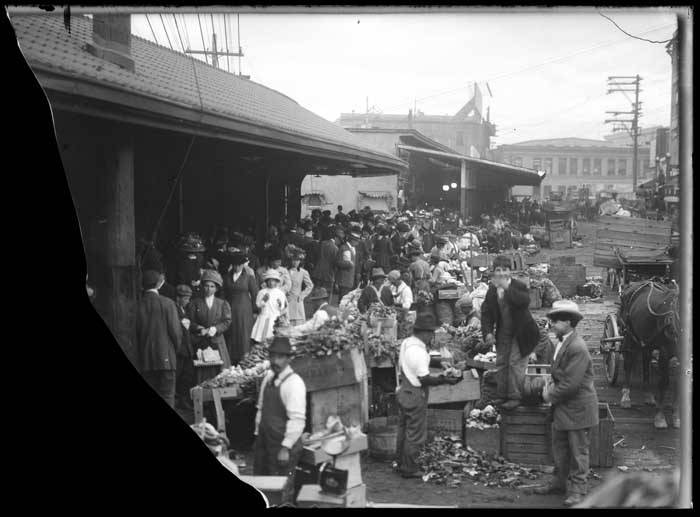
In 1974 the surviving American curb markets were municipal facilities – a designated stretch of street, a covered shed or a market house, built by the city, operated under ordinance, with a market master on the payroll who assigned the stalls and could put a seller out.
A city built one for the same reason it built a water works: to supply something residents needed at a price they could manage, by cutting out a layer of private margin. Only producers could sell. Everything was inspected. The extension service helped organise it.
The sellers were mostly farm women, bringing eggs, butter, poultry, baked goods and garden produce. Here are sixteen things every town knew.
1. The City Built It on Purpose
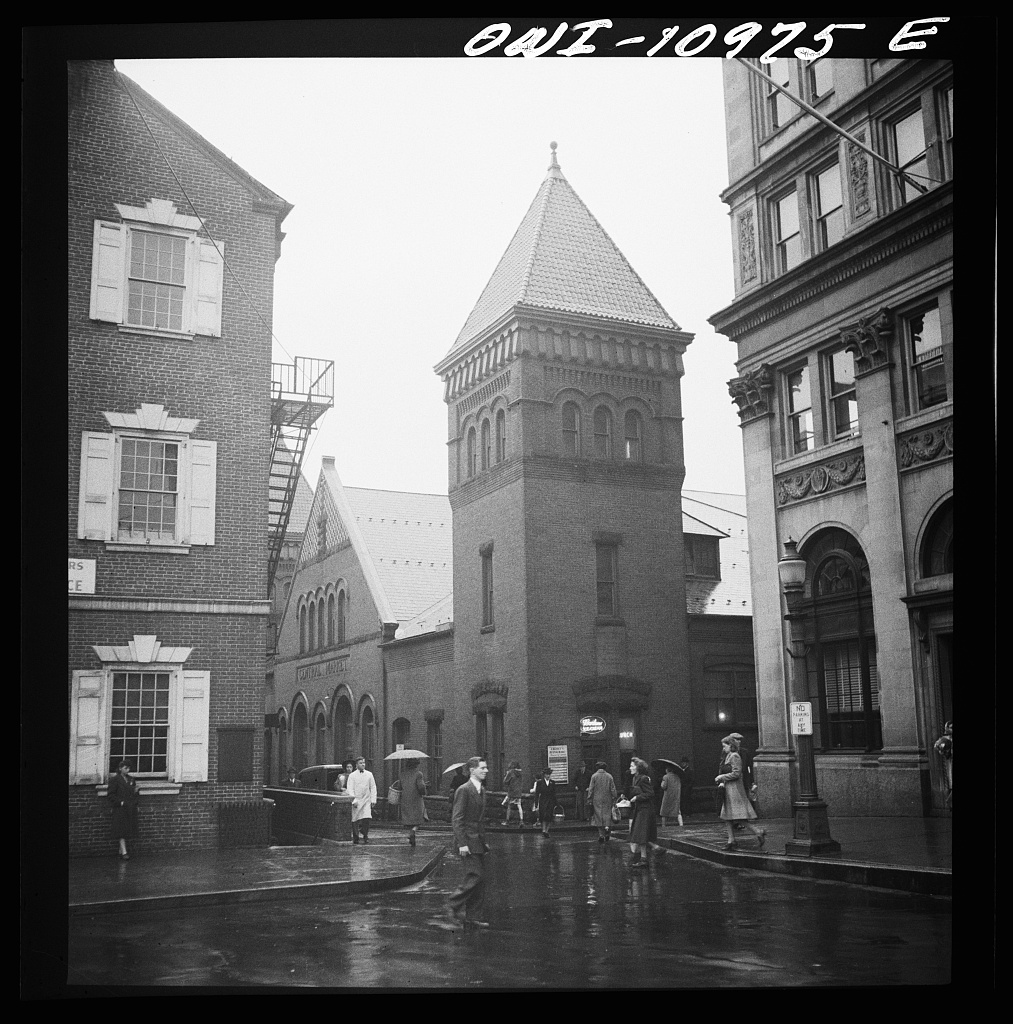
A curb market was a municipal facility – a designated stretch of street, a covered shed, a market house or a fenced lot, established by the city, operated under ordinance, and provided deliberately as a public amenity.
Present-day markets are overwhelmingly organised by nonprofit associations, grower groups, chambers of commerce and private operators, with the city as a permit-granting landlord rather than the operator.
That municipal ownership is the thing that separates a curb market from everything that came after. It was not a gathering that a city tolerated; it was infrastructure a city built, with a budget line, because it had decided its residents should be able to buy food directly from the people who grew it.
Like our content? Follow us for more.
2. The Point Was Cheap Food for Townspeople
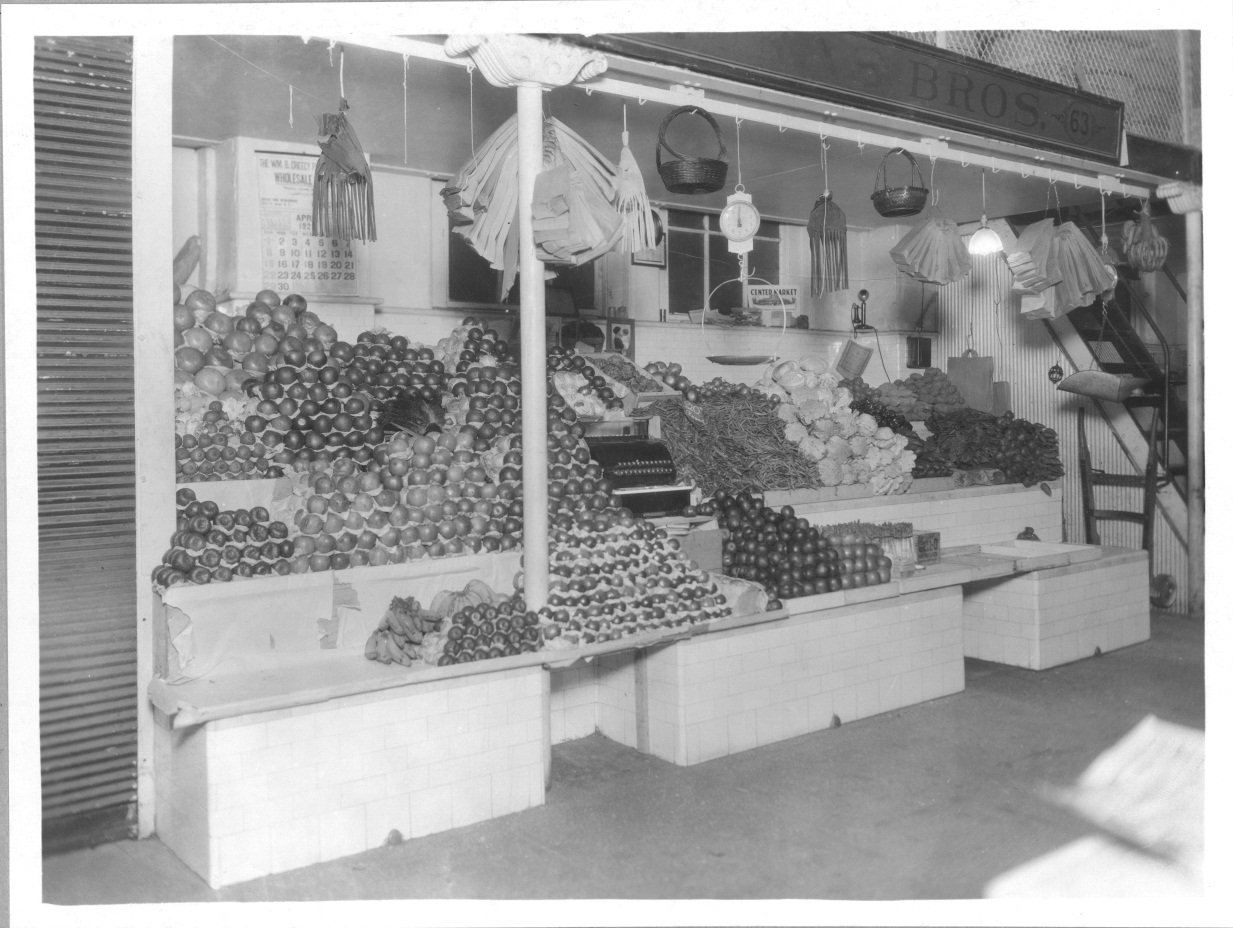
The explicit purpose was to shorten the distance between producer and consumer, remove a layer of handling and margin, and bring down the price of food for urban households.
Modern markets are generally premium venues where produce costs more than the supermarket, valued for quality, freshness, provenance and the experience of shopping there.
That inversion is the single most important fact in this whole subject. A curb market existed to make food cheaper. Its descendant exists to make food better and is priced accordingly – which means the institution has not been revived so much as replaced by something that looks similar and does the opposite job.
3. There Was a Market Master and He Ran It
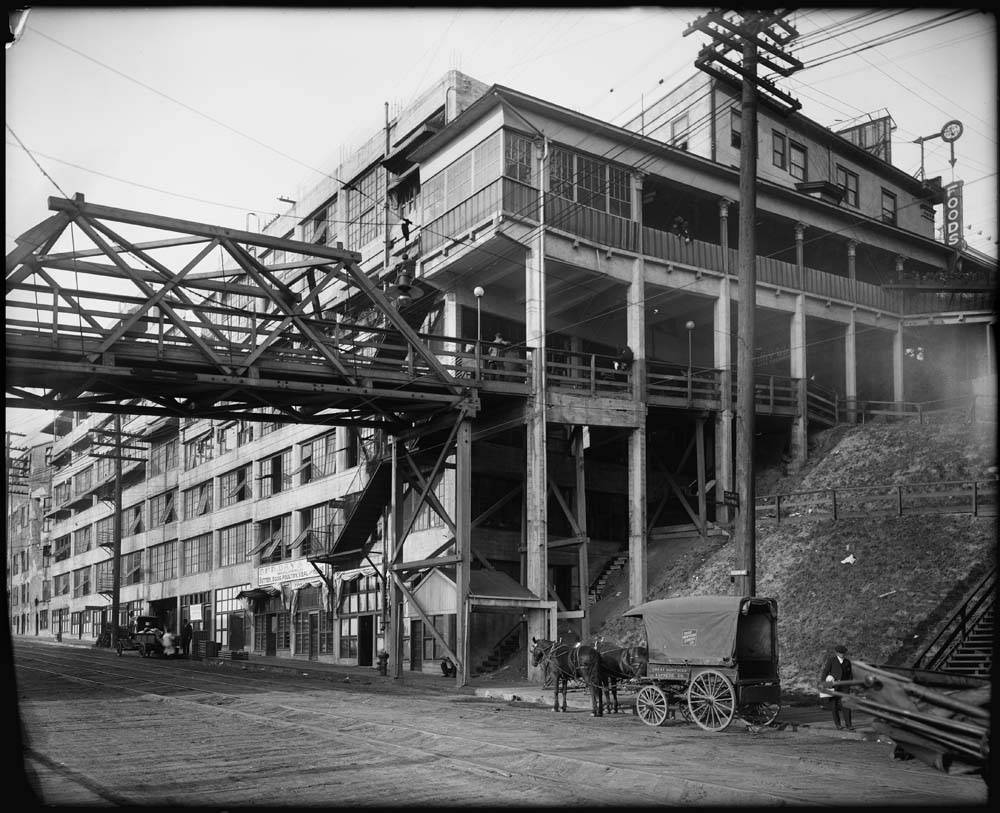
A municipal employee – the market master, market clerk or superintendent – assigned the stalls, collected the fees, enforced the rules, settled disputes, kept the records and had authority to put somebody out.
Market managers performing similar functions for private or nonprofit operators, without municipal authority behind them.
Having a city officer in charge made the market a governed space rather than an informal one. His decisions about who got which space were consequential, reviewable and occasionally political, and the position carried real local weight.
4. Only Producers Could Sell
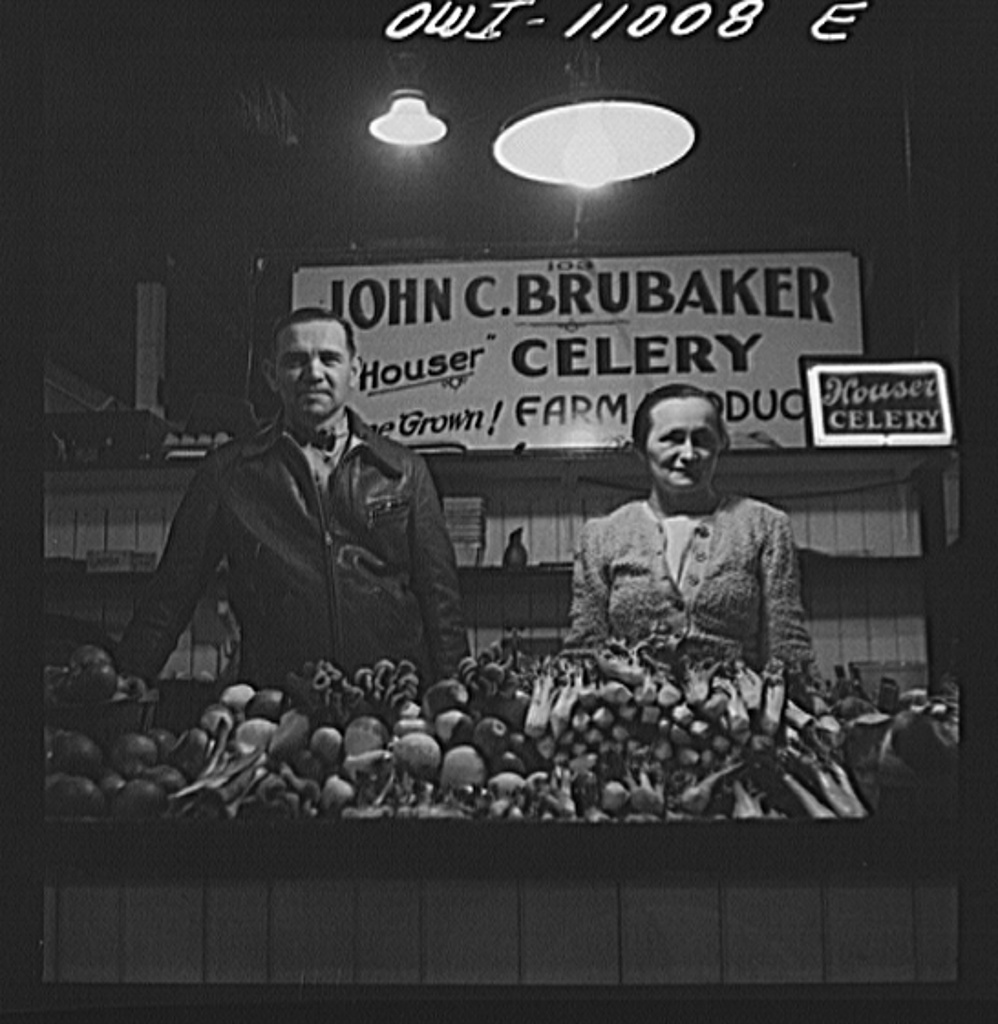
The defining rule was that sellers had to have grown or made what they were selling. Dealers, resellers and middlemen were excluded, by ordinance, and the rule was enforced.
The same rule in most places, still the central and most contested rule of any market, and still difficult to police.
The producer-only rule is what the entire institution rested on. A market that admits resellers is a retail district; a market that admits only growers is a direct channel – and the whole case for building one with public money collapses if the rule is not enforced.
5. Stalls Were Assigned and Space Was Rented by the Day
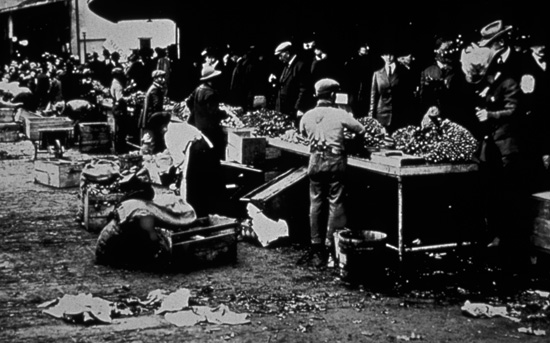
Sellers paid a small daily or seasonal fee for a numbered space, with the better positions near the entrance going to regulars with long-standing claims.
The same structure, with online booking and seasonal contracts.
Space allocation is the oldest grievance in market trading and it was no different here. A seller at the far end of a shed earned less than the identical seller at the door, so position was worth money, and everybody knew who had held which space for how long.
6. Farm Women Were the Majority of the Sellers
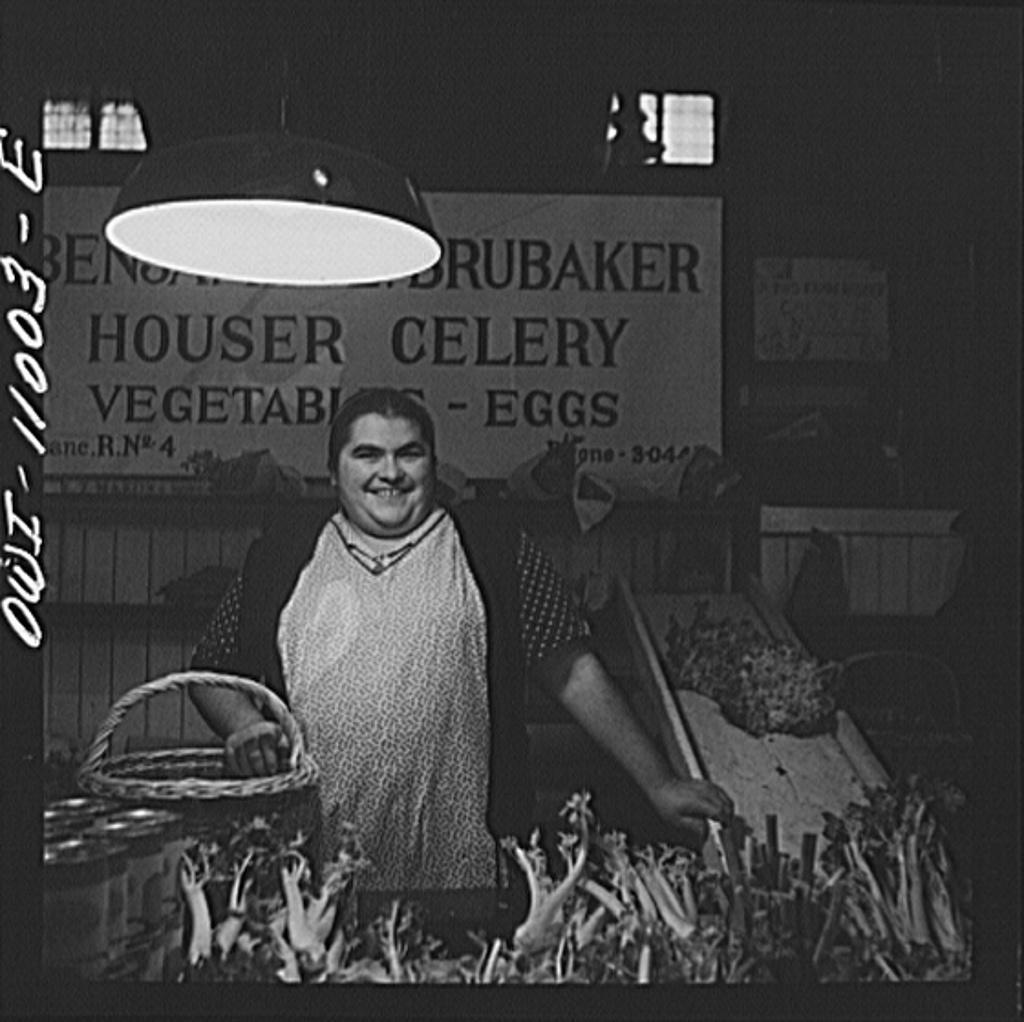
Curb market sellers were predominantly women, bringing eggs, butter, poultry, baked goods, preserves, flowers, honey and garden produce – the output of the farm’s household side rather than its field crops.
Much more mixed, with specialist growers of both sexes and a substantial number of businesses rather than households.
This is a fact that gets left out and it matters, because it tells you what a curb market was in the farm economy. Field crops went to elevators and buyers; the household’s own production – the garden, the hens, the kitchen – went to town, and the person who had produced it sold it and kept the money.
7. Extension Helped Organise Them
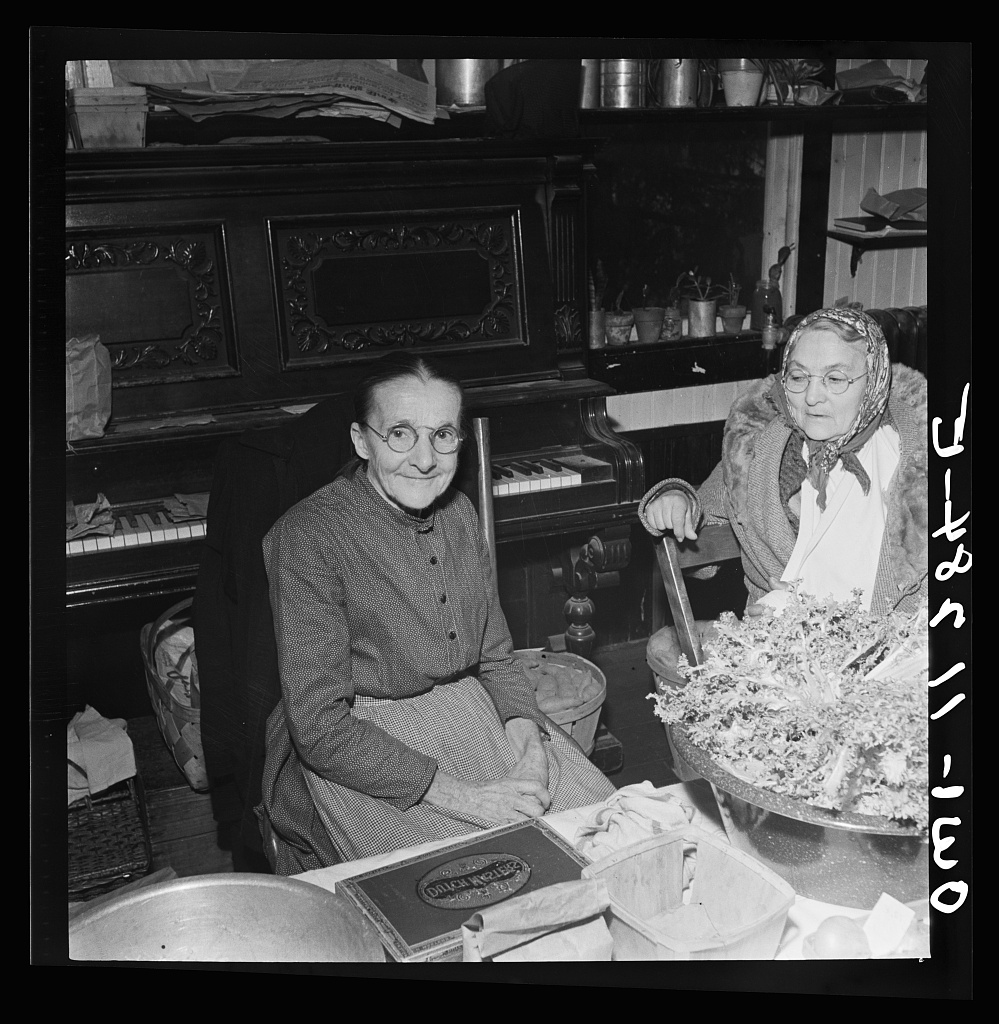
The agricultural extension service was actively involved in a great many curb markets – helping establish them, advising on grading, packaging, pricing and display, and running demonstrations for sellers.
Extension still supports markets with training and food safety guidance, with the organising role now generally held by associations.
That institutional support is why the markets were as orderly as they were. Sellers were being taught, deliberately, how to grade produce to a standard, how to present it, how to price it and how to keep records – which is business training delivered free to farm households through a public programme.
8. Everything Was Inspected
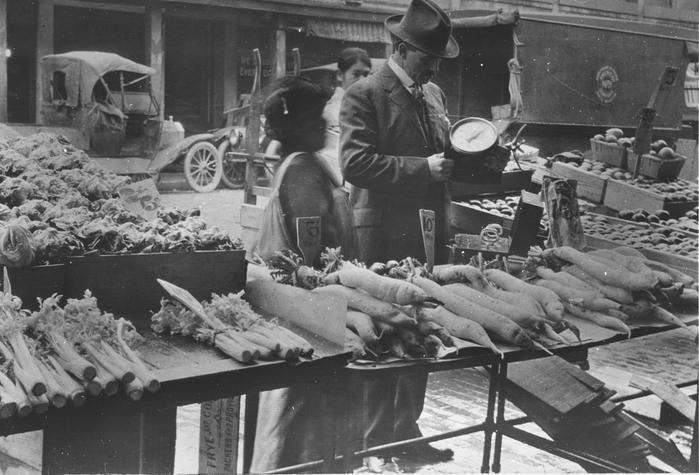
Municipal markets operated under health and weights-and-measures oversight, with inspection of produce, scales and premises, and rules about what could be sold and how it had to be handled.
Considerably more rigorous regulation, varying by state and by product, with specific rules for prepared foods, dairy, meat and eggs.
The inspection regime was part of the municipal case for the market. A city that built a market was also certifying it, which is what allowed urban households to buy from strangers with confidence – and this piece gives no current rule or guidance, which varies enormously by jurisdiction and is a matter for the relevant authority.
9. Customers Brought Their Own Containers
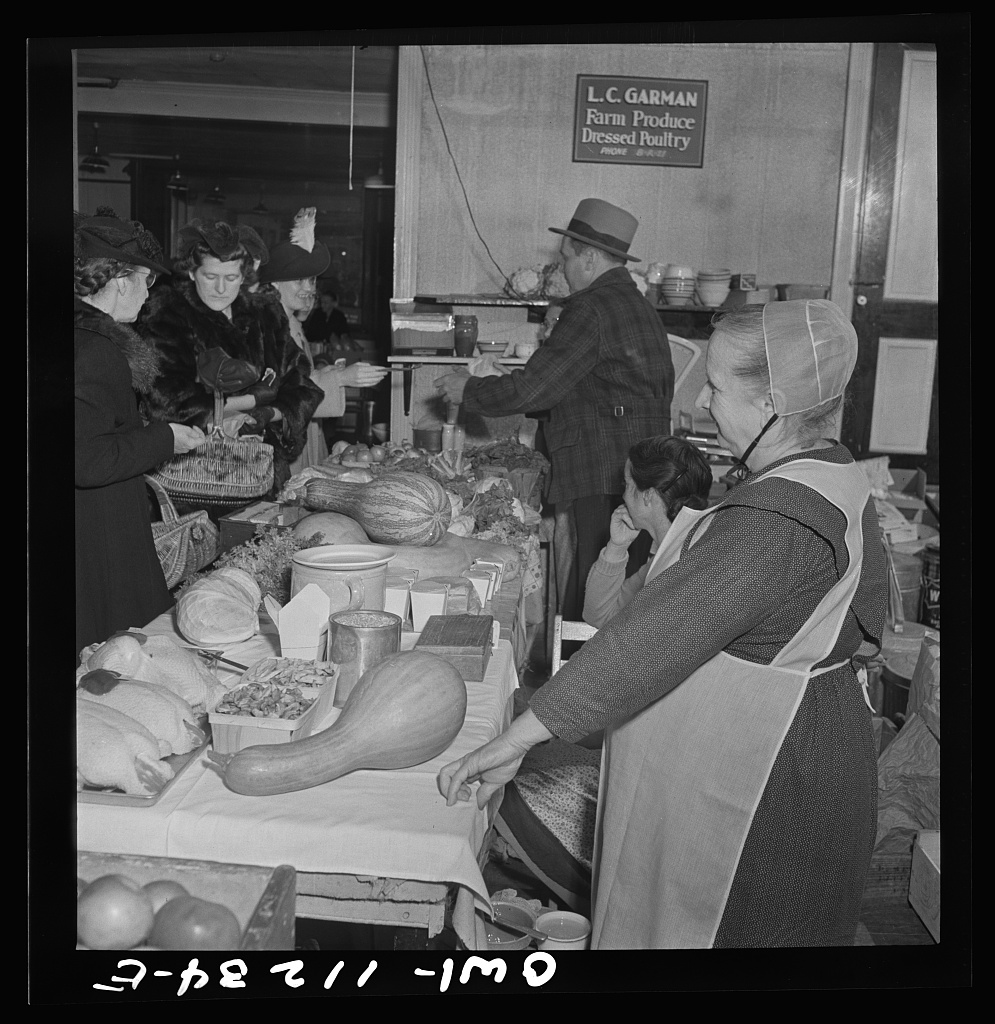
Shoppers arrived with baskets, bags, buckets, egg cartons and crocks, and sellers measured or counted into whatever the customer had brought.
Supplied bags and packaging almost universally, with reusable containers now a deliberate choice.
Bringing your own container was not an environmental position, it was simply how buying worked when nobody packaged anything. The seller’s job was to grow it and measure it; carrying it home was the customer’s problem and always had been.
10. Prices Were Negotiated and Then Converged
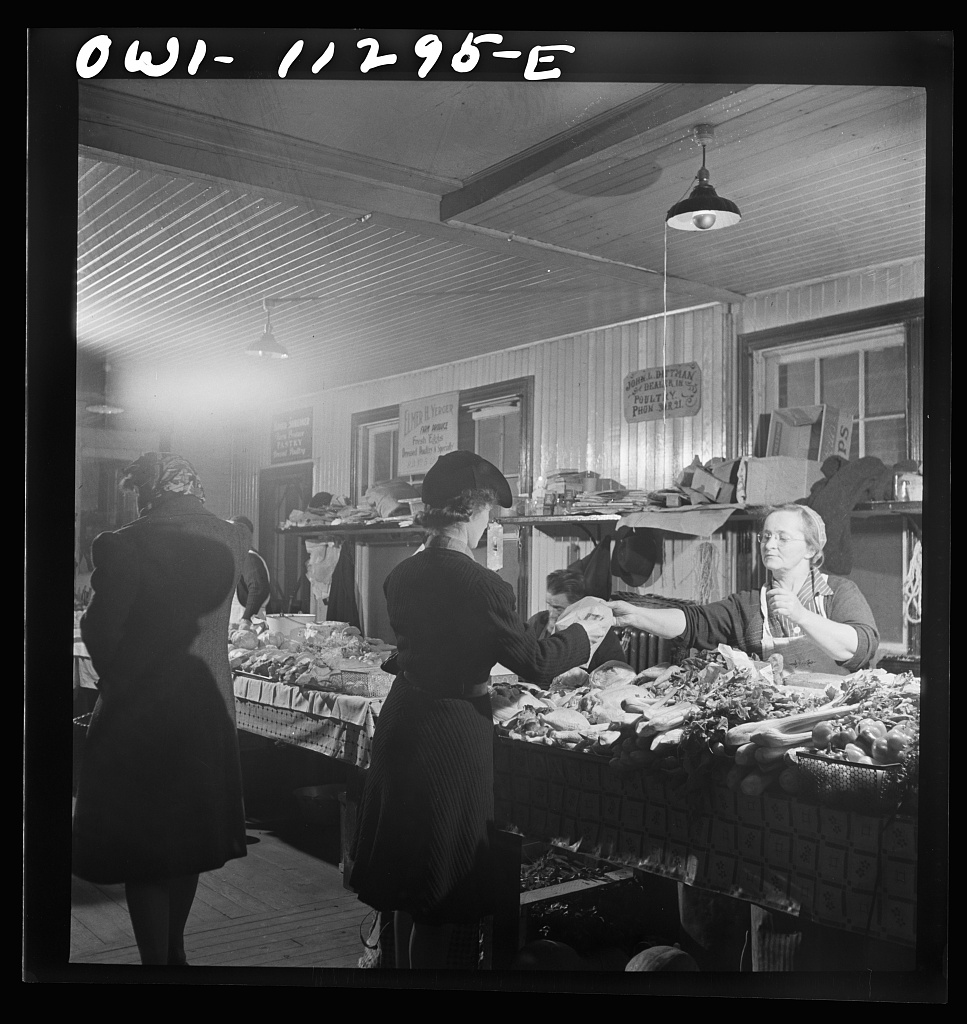
Prices were not posted in many markets. A customer asked, a seller answered, and there was some discussion – but within an hour of opening, the price of a given item across the whole market had usually settled to within a narrow range.
Posted prices almost universally, with negotiation rare and discounting generally confined to end-of-day clearance.
That convergence is a genuinely interesting piece of economics happening in a shed. Sellers could see each other’s trade, customers could walk thirty feet to compare, and the result was a local market price arrived at by nothing except everybody watching everybody else.
11. It Opened Very Early and Was Finished by Noon
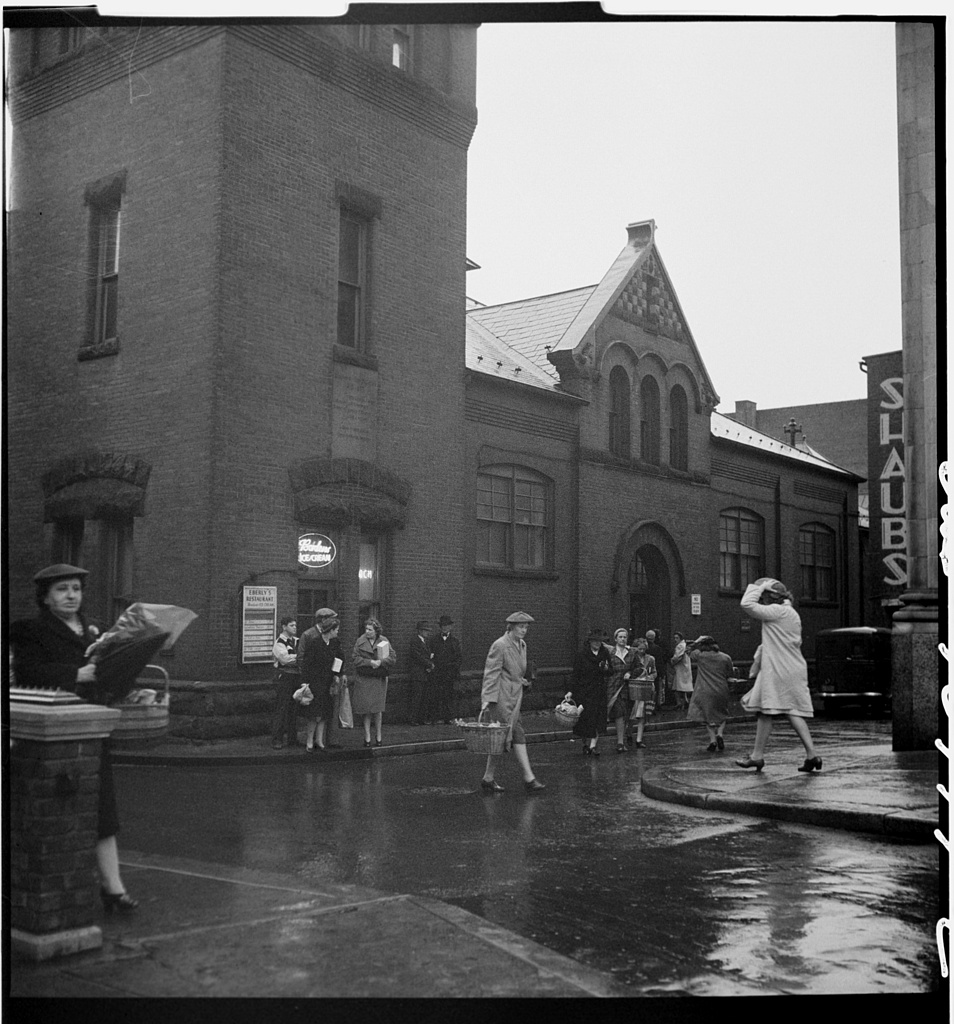
Sellers arrived before daylight to set up, the market opened early, the serious buying happened in the first two hours, and by the middle of the day it was being swept out.
Mid-morning to afternoon hours in most places, timed around when customers want to shop rather than around a working day.
The early finish existed because both parties had jobs. A farm woman who had driven to town at five had animals and a household waiting, and a town household bought in the morning because the food had to be cooked that day – so a market that ran into the afternoon suited nobody.
12. The Market Was Where Town Met Country
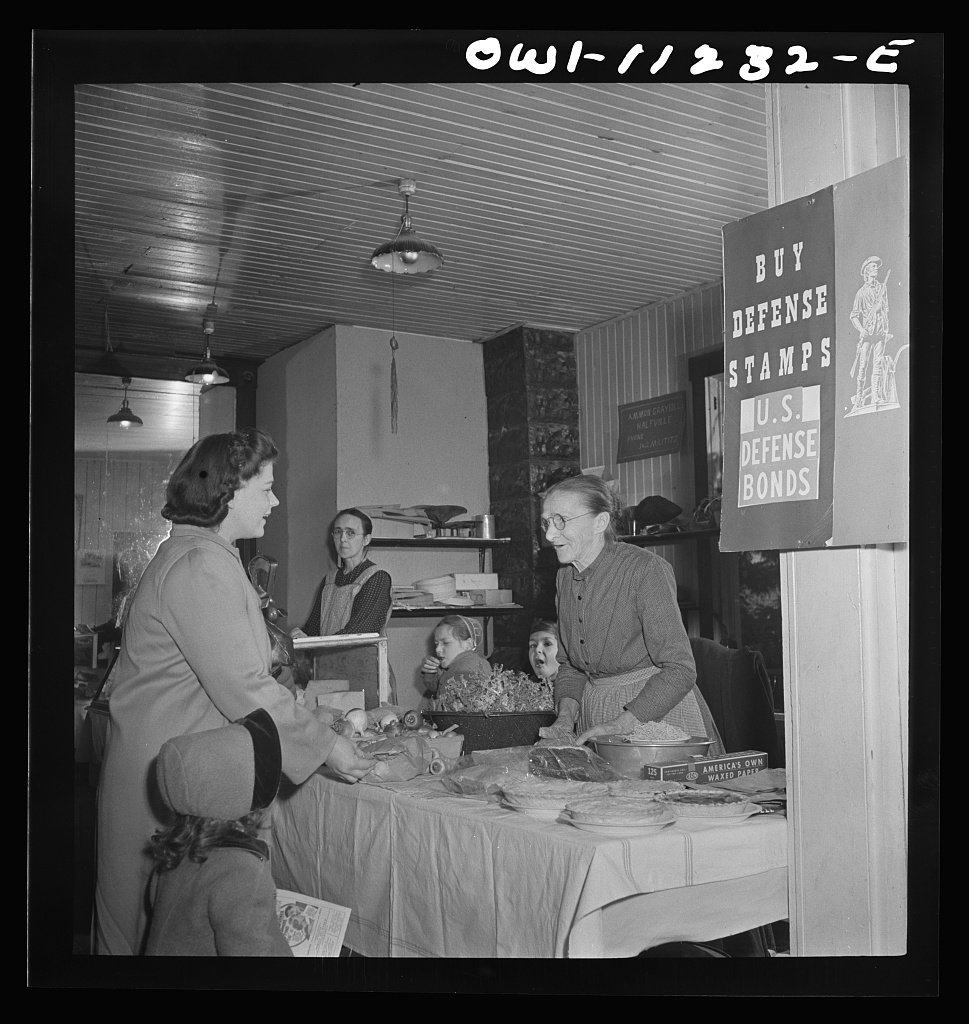
For a great many urban Americans the curb market was their only regular face-to-face contact with people who farmed, and for farm households it was their main weekly presence in town.
Much weaker in both directions, with markets attended by a self-selecting portion of urban residents and representing a very small fraction of farm households.
That contact was one of the market’s real functions and nobody listed it as one. A city resident who bought eggs from the same woman every Saturday for fifteen years had a relationship with somebody who farmed – which is a connection that essentially no urban American now has.
13. Then Supermarkets Took the Price Argument Away
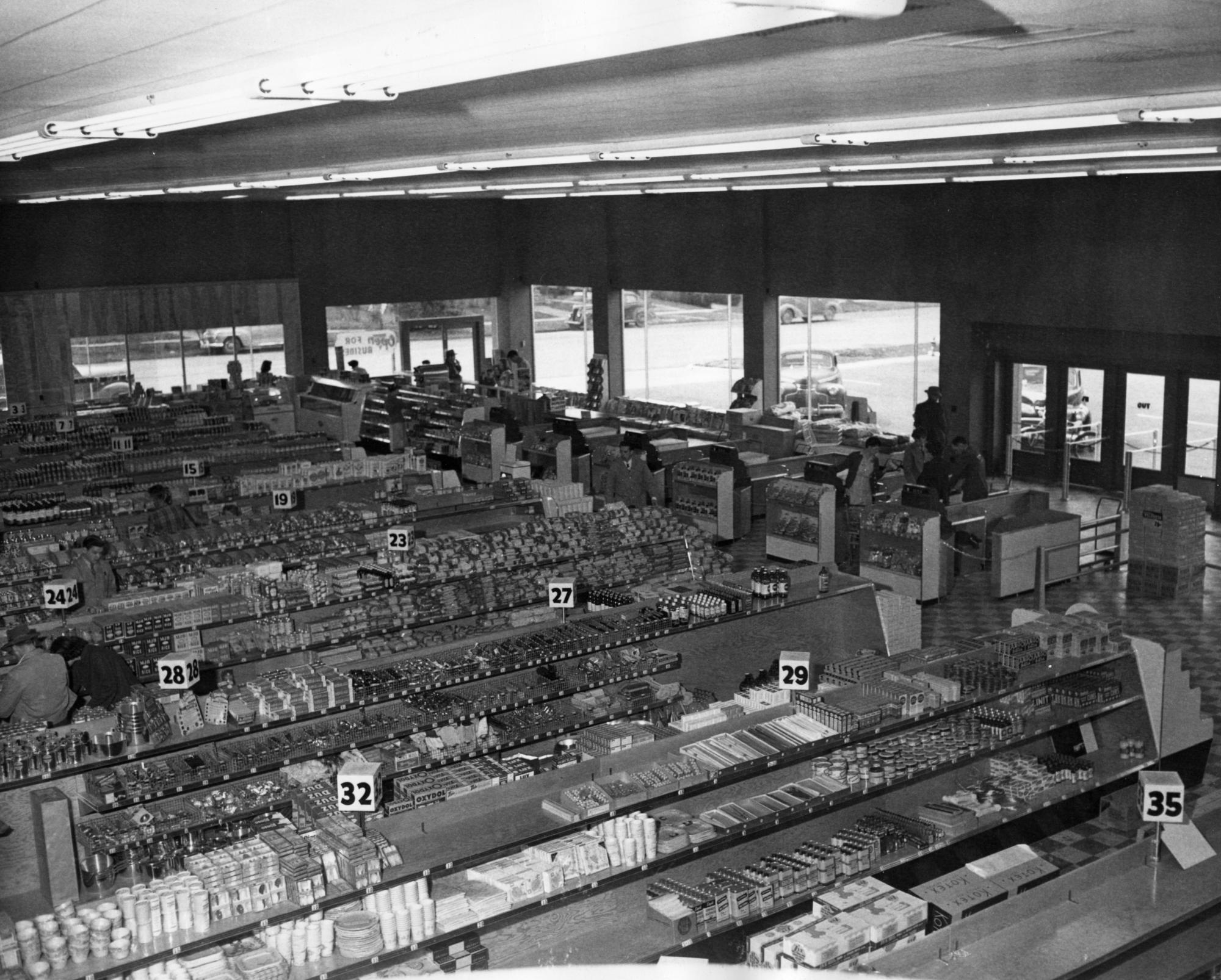
Chain supermarkets with refrigerated distribution, national buying and enormous volume could sell produce cheaper, more consistently, in greater variety and year-round – which demolished the curb market’s entire reason for existing.
Complete. The overwhelming majority of American food shopping happens in supermarkets and their descendants.
Once a supermarket undercut the curb market on price, availability, hours and variety simultaneously, there was no argument left to make. The market had been built to supply cheap fresh food; something arrived that did it better, and a municipality cannot justify running a facility whose purpose has been served by somebody else.
14. Traffic and Zoning Finished the Street Markets
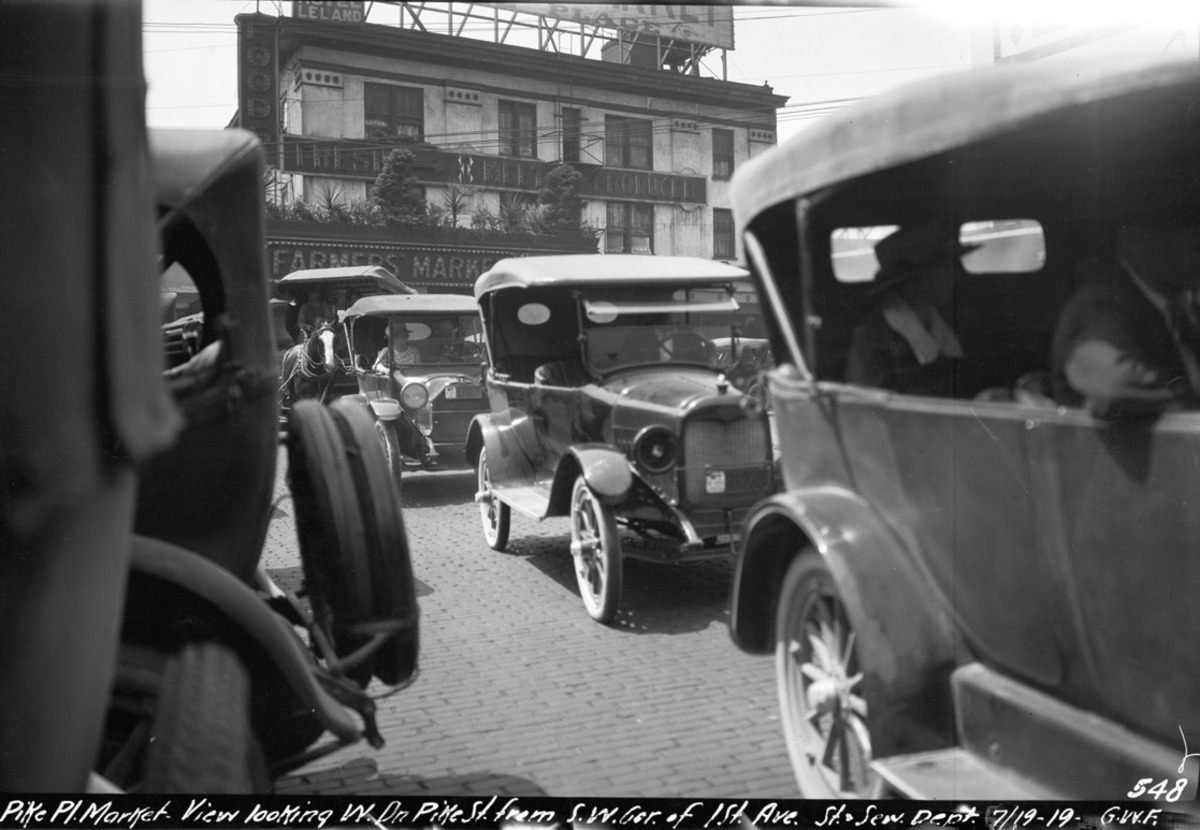
Markets that occupied actual streets became incompatible with increasing traffic, parking requirements, sanitation standards and the general reorganisation of American downtowns around the car.
Markets are sited in lots, parks and purpose-built spaces, with street closure now a deliberate event rather than a standing arrangement.
This was the practical end for a great many of them. A city that is widening streets, adding parking and routing traffic through its centre cannot keep a block of produce sellers in the roadway, and the market either moved, shrank or stopped.
15. The Buildings Were Reused or Demolished
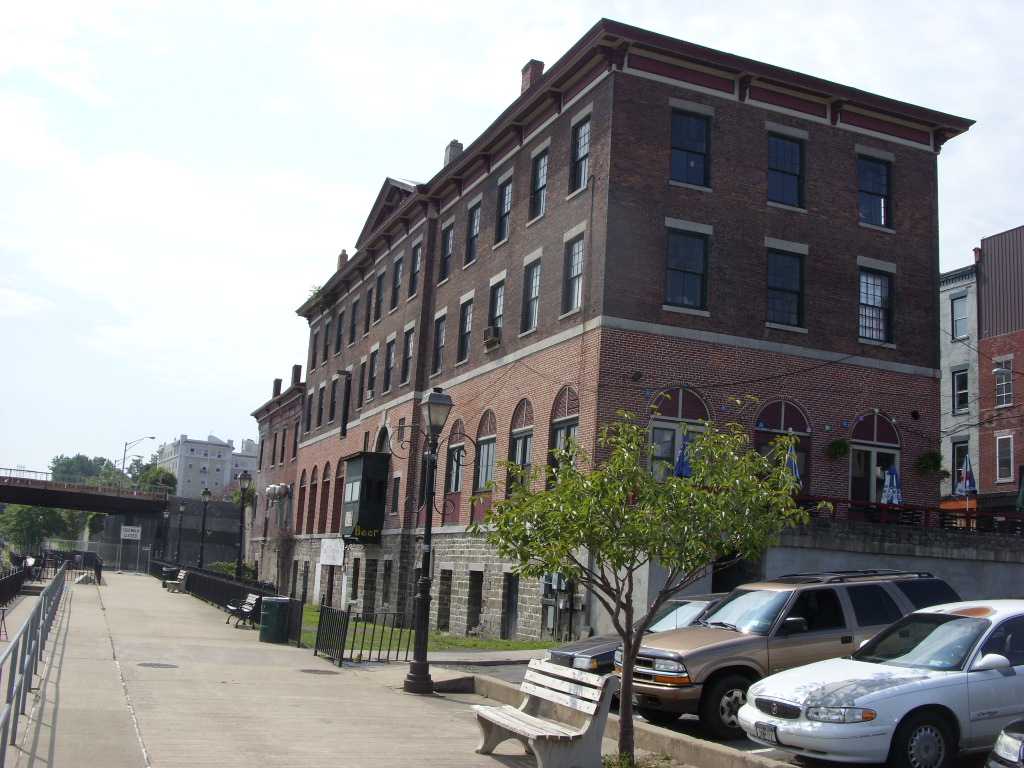
Market houses and sheds became bus stations, warehouses, parking structures, municipal offices, flea markets or nothing at all, and a great many were cleared entirely.
A number have been restored and returned to food use as part of downtown redevelopment, which is now a recognised pattern.
Those restored market houses are worth looking at carefully, because they are frequently the only physical evidence that a city once treated food distribution as a public utility. The building was constructed for that purpose, by the municipality, and the reason it is a handsome structure is that it was meant to be a civic institution.
16. Then the Market Came Back Doing the Opposite Job
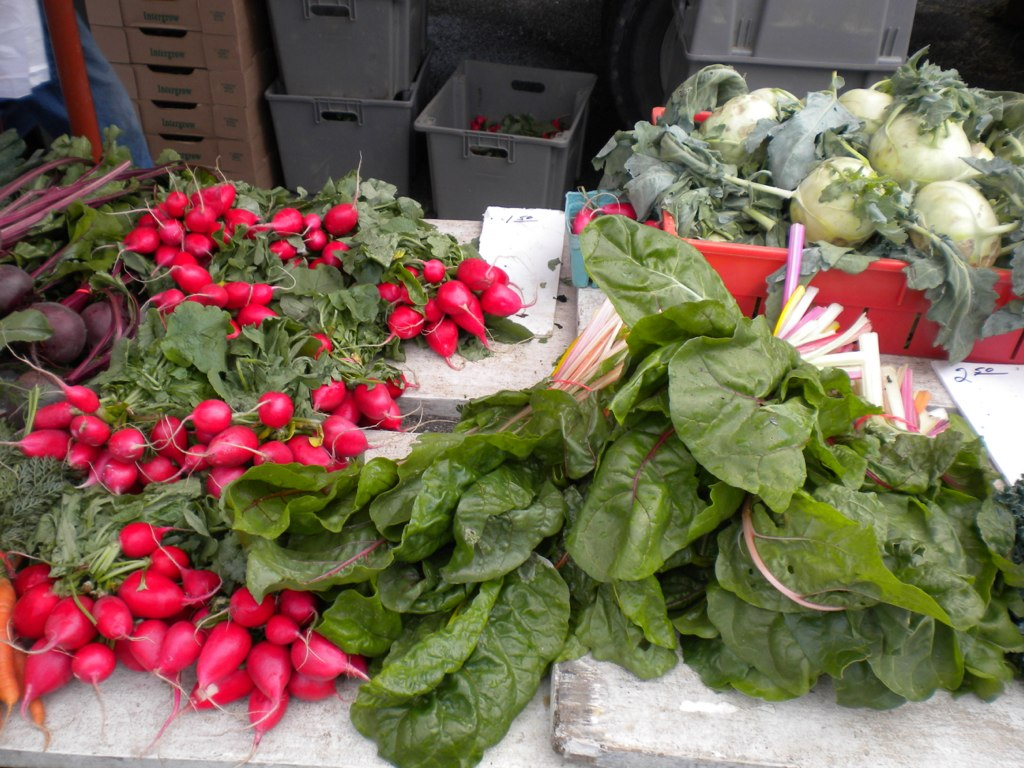
In 1974 the surviving curb markets were municipal facilities operated under ordinance by a market master, selling household farm produce – mostly brought by farm women – to urban customers, early in the morning, for less than the stores charged.
An enormous and thriving American farmers market movement, organised privately, selling at a premium, valued for quality, freshness, provenance, sustainability and the pleasure of the occasion.
And that is a reversal so complete that the two institutions are easy to confuse and almost unrelated in purpose. The curb market was a food cost policy. A city built one for the same reason it built a water works or a public library: to supply something its residents needed at a price they could manage, by removing a layer of private margin. The extension service helped organise them, inspectors certified them, a municipal officer ran them, and the producer-only rule existed to guarantee that the saving reached the household. Every element was aimed at price. The modern farmers market inverts nearly all of that. It is generally organised by an association rather than a city. It sells at a premium rather than a discount, openly and with justification – better flavour, varieties that do not travel, knowing the grower, supporting local agriculture. Its customers are shopping for quality and for the experience, not because it is the cheap option, and the people running it would not claim otherwise. Which means the revival is genuine and valuable and is not a revival at all. The sheds, the stalls, the producer-only rule and sometimes the actual buildings have come back; the purpose has not. Nobody now builds a public market to bring down the cost of eggs, because the supermarket did that permanently – and the thing a city once provided as a utility is now something a household chooses to pay more for.
It Was a Food Cost Policy, and the Revival Is Its Opposite
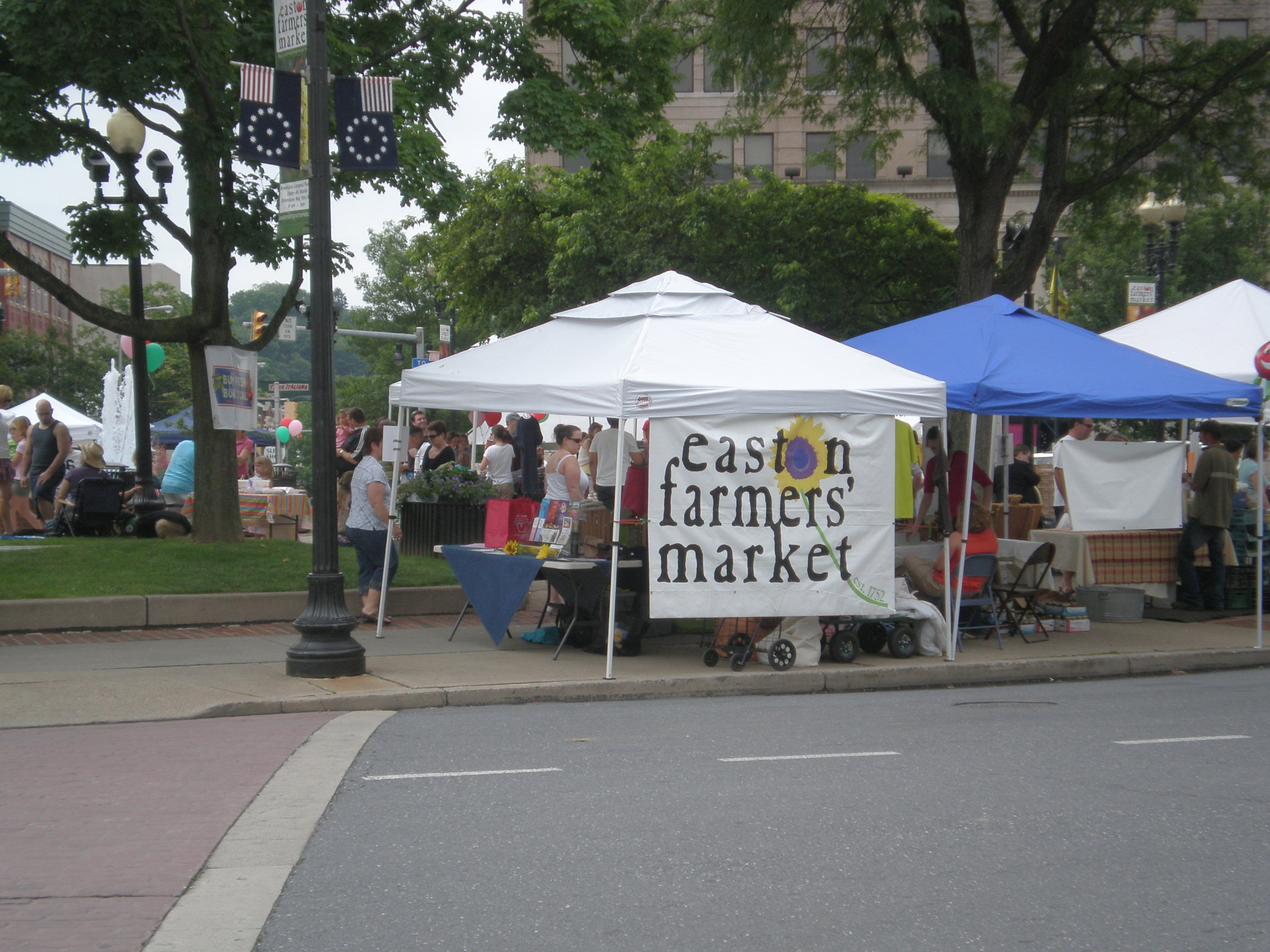
The modern American farmers market and the old municipal curb market look almost identical and are nearly unrelated, and the difference is the whole point.
Start with what a curb market was for, because it was stated openly at the time and is now completely forgotten. It existed to make food cheaper for townspeople.
A city would examine the price of produce in its shops, conclude that too much of what urban households were paying was being absorbed between the farm and the counter, and build a facility that removed the intermediate layer. Growers brought their own output; residents bought it directly; the margin that would have gone to a wholesaler and a retailer stayed split between them.
That is a public utility argument, and cities made it in exactly the same terms they used for water works, libraries and public baths. The market was infrastructure. It had a budget line, a building, an ordinance and a municipal officer running it.
And every rule followed from the price objective. The producer-only rule – sellers must have grown or made what they sell – existed to guarantee that the saving actually reached the household rather than being captured by a dealer who had simply moved his operation into the shed. Inspection existed so that urban customers could buy from strangers with confidence. The extension service helped organise markets and taught sellers to grade, pack, price and keep records, which is free business training delivered to farm households through a public programme. Stall fees were small because the facility was not meant to make money.
Notice also who was selling. Curb market sellers were predominantly farm women, and what they brought was the household side of the farm – eggs, butter, poultry, baked goods, preserves, flowers, honey, garden produce. Field crops went to elevators and buyers; the garden, the hens and the kitchen went to town, and the woman who had produced it sold it and kept the money. The curb market was, among other things, a channel for women’s farm income.
Then the supermarket arrived and ended the argument completely.
Chain stores with refrigerated distribution, national buying and enormous volume sold produce cheaper, more consistently, in more variety and all year round. That is a defeat on every single dimension the curb market had been built to compete on. A municipality cannot justify operating a facility whose entire purpose has been accomplished more effectively by somebody else, and so the facilities closed, shrank, or were kept on sentiment until the building was needed for something else. Traffic, parking and downtown reorganisation finished off the ones that sat in actual streets.
Now the present. The American farmers market movement is large, thriving and genuinely valuable. It is also, almost point for point, the inverse of the institution it resembles.
It is organised by associations, grower groups and private operators rather than by cities. It sells at a premium rather than a discount, which nobody involved disputes or apologises for. Its advantages are flavour, varieties that cannot be shipped, knowing the person who grew the food, and supporting agriculture close to home – all of which are real and none of which is price. Its customers are not there because it is the cheap option; they are there because it is the good option and they are willing to pay for that.
So the sheds came back. The stalls came back. The producer-only rule came back, and in a number of American cities the actual nineteenth-century market house came back, restored, as a centrepiece of downtown redevelopment.
The purpose did not come back. No city now builds a public market to bring down the cost of eggs, because that problem was solved permanently by something else – and the thing a municipality once supplied as a utility is now a thing a household chooses to spend more on.
If you went with your grandmother, you remember that she bought from the same woman every week and knew her name.
And you remember carrying the basket, because the basket was yours to carry.
Like our content? Follow us for more.